An orb and Leonardo da Vinci: The Salvator Mundi Painting Solved

Leonardo da Vinci, the artist of the famous Mona Lisa and Salvator Mundi painting, is a man of mysteries. He was more than a painter. He was an avid engineer, scientist, sculptor and an architect with deep knowledge about science and astronomy. The alien theories, the striking symbolism theories and more out-of-the world speculations about his work are being debated up till now. One such puzzle is the Salvator Mundi painting

The Salvator Mundi Painting
Salvator Mundi
The Salvator Mundi painting

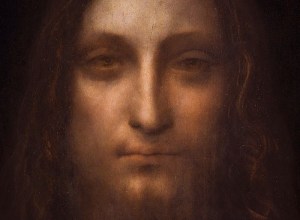
The Salvator Mundi painting was created by da Vinci somewhere between 1490-1500. It is the world’s most expensive painting, priced at 450 million US dollars. No, Mona Lisa isn’t the most expensive one. Deep search can tell you that. The image depicts a man, presumably Jesus Christ, holding in his hand a spherical ball like structure. Nothing mysterious about the painting as of now. Okay. So what was solved?

To understand how scientists solved the puzzle, we have to look up the problem. As I had already stated, da Vinci was a man of science and had genuine knowledge about it. It can be proved by looking at his works which deceivingly represent scientific facts. Salvator Mundi means ‘savior of the earth’. So it can be interpreted that the glass orb that Jesus is holding symbolizes the earth.

The problem behind

What is wrong about this painting is that, any 10th grader would know that a convex lens would provide an inverted, magnified, reversed image of an object placed behind it. The glass orb must act like a convex lens and thus do the same. But if you observe carefully, you can see that it appears as if those properties are defied and a clear, non-reversed image of Jesus’ hand and clothing is visible behind the glass orb.

You may argue that any painter would be ignorant of the science behind a convex lens. But Leonardo da Vinci was not ‘any painter’. He was a polymath of the High Renaissance! He has portrayed much more complex scientific principles in his work than that of a convex lens. There is no plausible way that da Vinci couldn’t have known the laws of optical physics. So why did he do that?

Solved

The puzzle was solved by computer scientists from the University of California, Irvine. The painting was 3d virtualized to study about how the various material orbs would appear under different refractive conditions. Many materials with which orbs could be designed were taken into consideration. At last it was concluded that the spherical orb was not a solid mass, instead a hollow orb. Hollow orb does not behave like a convex lens. It displays the image as it is, thus adhering with the painting. They predicted that the glass of the orb in Salvator Mundi was a fraction of an inch thick thus accounting for the quality.

Did Leonardo da Vinci actually paint it?

Many critics claim that the painting is not actually da Vinci’s. They point that da Vinci is more of a scientist to commit such trivial errors and thus proving that he did not paint it at all and that it was painted by a ‘lesser’ painter. But many say that, such a clever installation of the orb itself is a proof of authenticity. In order to think about hollow orbs and paint it during the 1500s would take immense intellect, which can only be done by the polymath himself.

Leo constellation?
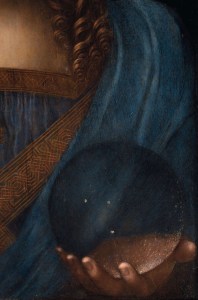
 

three dots
The three dots in the glass orb
Orange iris
The orange iris of Jesus in the painting

As if the Salvator Mundi has not enough controversies, one more intriguing detail is the three dots painted in the glass orb giving it a mystical appearance. The three dots are said to represent the constellation of the sign Leo. What does it have to do anything with this painting? Well, if you observe the iris of Jesus, a faint orange glow emanates from within. The orange iris imitates Lion’s eyes. And thus the constellation, many say. Some also relate to the fact that his name Leonardo is the reason behind. However there is no concrete explanation behind.

Hope I kindled some curiosity within you today. I leave you with one of my favorite da Vinci’s quote:

To develop a complete mind:

Study the science of art;

Study the art of science.

Learn how to see. Realize that everything connects to everything else.

-Leonardo da Vinci


Sagrada de Familia: The controversial church

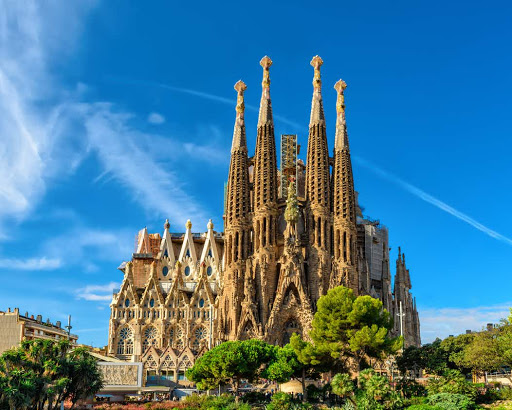
We humans always have an impeccable liking for controversies. They give us something to put the gray cells of our brain to work. Let’s exercise them today by taking a look into the world’s tallest church(basilica), Sagrada de Familia, constructed by the famous architect Antoni Gaudi(1852-1926). The God’s architect, started the construction of Sagrada de Familia in the year 1882. Be prepared for this statement. The basilica is still under construction and will not be completed until 2026! That’s a whooping 135 years of construction! If it is a famous church, which can be funded abundantly, why is it still under construction after over a century?

Sagrada de Familia and its private funding

The construction of the basilica has been carried out with the help of private funding and donations and is not funded by any government or church. Now you may ask why a church has shortage of funds. The answer to this is the beginning of the controversy. Before divulging into it, it is important to note that it isn’t a church, but rather a basilica. It was originally designated as a cathedral but then in 2010, Pope Benedict XVI declared it a basilica. What’s the difference between a basilica and a church?

Antoni Gaudi drew inspiration from nature

Before answering the question of why it is considered controversial, let me give you a brief tour of the basilica. The basilica is to have eighteen spires out of which only eight has been constructed as of now. These spires symbolize the Twelve Apostles, Virgin Mary, Four Evangelists, and Jesus Christ. They also differ in their heights accordingly to denote the hierarchy, with Jesus Christ’s spire the tallest of all at an astounding 560 feet.

Antoni Gaudi was an admirer of nature. He often finds inspiration for his works from mother nature herself.

The great book, always open and which we should make an effort to read, is that of Nature.

-Antoni Gaudi

This can be reflected in his basilica too. To showcase it to you, let me show you a staircase inside the Sagrada Familia. You will notice that the staircase spirals, not ordinarily, but rather ‘scientifically’. The spirals represent the famous Fibonacci spiral. The Fibonacci spiral is a logarithmic spiral whose growth factor is φ, the golden ratio 1.69, which is the ratio which is found almost everywhere. In flowers, sea shells and even the human body. You may now understand Gaudi’s love for nature.

Spiral Staircase
Spiral staircase(Left), a sea shell on the right.

Also, the basilica incorporates curved lines rather than straight ones. This can be observed in the pillars of the basilica, curved and giving the illusion of many trees huddled together to form a forest. According to Gaudi, nature did not give us straight lines. So it is to do justice to nature by incorporating curved lines in his temple.

The straight line belongs to men. The curved one to God.

-Antoni Gaudi

Not only in this basilica, Gaudi’s work reflects nature in many of his other art works and buildings.

Ceiling of Sagrada Familia
Ceiling of Sagrada Familia, resembling trees in a forest
Freemasonist?
magic square
The magic square in the passion façade.

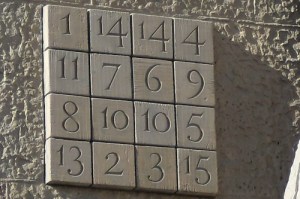
His fascination for nature is co-walked by his fascination for something strange too. Interesting right? Next to the passion façade, near his tomb(yes, Gaudi is buried inside the basilica)there lies a 4×4 magic square with 15 numbers inscribed on it. Even bizarre. These numbers are positioned in such a way that when you add the numbers horizontally, vertically or diagonally, they add up to the number 33!

Now, 33 is not any number. There is symbology in play here. 33 is said to be the highest rank that a freemasonist can go. There exists a controversy that Gaudi was a masonist and that he achieved the 33rd rank. But 33 maybe a coincidence, you may think. But note that his other work Parque Guëll, has staircase whose steps sum to 33 too. Now this is far too real to be ignored as a mere coincidence. One more thing, Gaudi’s friend Eduard was a freemasonist and his patron Guëll was also a freemasonist. These facts make it difficult to ignore ’33’.

Addressing the elephant of the room

So what does all this have to do with the controversy. Gaudi’s nature inspired works were frowned upon during his days. The basilica had undergone many attacks, also a reason for its delayed construction. George Owens, in his novel Homage to Catalonia, wrote:

I went to have a look at the cathedral—a modern cathedral and one of the most hideous buildings in the world. Unlike most of the churches in Barcelona it was not damaged during the revolution—it was spared because of its ‘artistic value,’ people said. I think the Anarchists showed bad taste in not blowing it up when they had the chance.

Alongside this, there was the freemasonist theory. Christianism and freemasonry were not exactly the friendly combo. In 1983, the Church issued a new code of canon law, which stated: ‘A person who joins an association which plots against the Church is to be punished with a just penalty; one who promotes or takes office in such an association is to be punished with an interdict‘.

Such was the heat between these two groups. And having said that Gaudi may have been a masonist, poses no doubt in churches denying funding to Sagrada de Familia. Even though it is addressed a basilica, by now you can be sure that it isn’t seen as one by many Catholics. This can be contradicting and confusing. Like an oxymoron, propagating absolutely different ideas: Science and Religion. These two have always been like oil and water. No matter how hard you try to mix, they will stand separated.

Thus, I leave you all with questions lingering in your minds. May your quest begin!

Note: More information regarding the intertwining of science and religion symbolism can be read in the book ‘Origin’ by Dan Brown. Meanwhile, you can check another article which revolves around the ideas of the book here.


The War that divided the world

Photo by Pixabay on Pexels.com

No, I am not talking about the World Wars. I am talking about a war where actually no was ever fought, a bullet fired or a war bell rung. I am talking about the COLD WAR, a war that lasted more that the two world wars combined. This war was a period of geopolitical conflicts and ideological battles. It became as to who were more powerful militarily and economically. This war divides the world into two distinct blocs and there was a constant threat of war even after the horrors of the world war was over.

Basically, it was more of an ideological conflict. The Americans believed in FREE market system and capitalism. They allowed private ownership and accumulation of wealth and profit. There was always competition with the rich getting richer.

On the other hand, USSR or Union of Soviet Socialists Republics believed in Karl Marx’s theory of communism and collective ownership. All the wealth of the nation is to be collectively owned and shared. It even had the ideal of a stateless society where all are equal.

Clearly, both of these are extreme ideologies with little respect to be in the middle ground. And this became the cause of the war. Both of them viewed the other as an enemy and a threat to their state. They started expanding their influence to their neighboring states. They had almost fanatic ideas that the other will take over the world. So by hook or crook, they started defending their ideas and values.

But mostly, a was never fought between them. There was immense stockpiling of weapons as a precautionary move. USA and USSR started to influence the other countries by providing them with monetary aids. The Cold War even went to this extent where even the same country as divided up into two halves. For example, Korea, Vietnam and Germany. There was a display of stark contrast between these two halves.

But it does not mean that no life was killed. Extremely polarized wars took place at the battles of Korea an Vietnam. The worst policy to ever be criticized was that USA and USSR both purposely helped one half of the same country. While USA helped South Korea, USSR helped only North Korea. There was no effort from anyone to resolve the war but prove their superiority. Countless people have been killed in the wars.

Another horrific war that occurred was the Vietnam War. Almost a million of American soldiers were deployed in this war. Even the American public opinion were against the war but consecutive American Presidents were determined to win the war. Even the United Nations or the UN could not take any steps to promote world peace. The other newly independent states of Asia and Africa were cautious about engaging in such decisive politics.

Eventually, this war fizzled out in the 90’s when the state of USSR collapsed. After that the world witnessed the rise of unipolar USA practically taking the reins of the entire world. It severely dominated world affairs to look after its own interest, to what is referred to as Unilateralism.

The Cold War surely disturbed world harmony. This conflict showed that how even ideologies can become such rigid and intolerant. We must live together peacefully and support everyone to become the best version of oneself rather than being engaged in this ‘ego war.’

Indian Folk Art

• Warli paintings

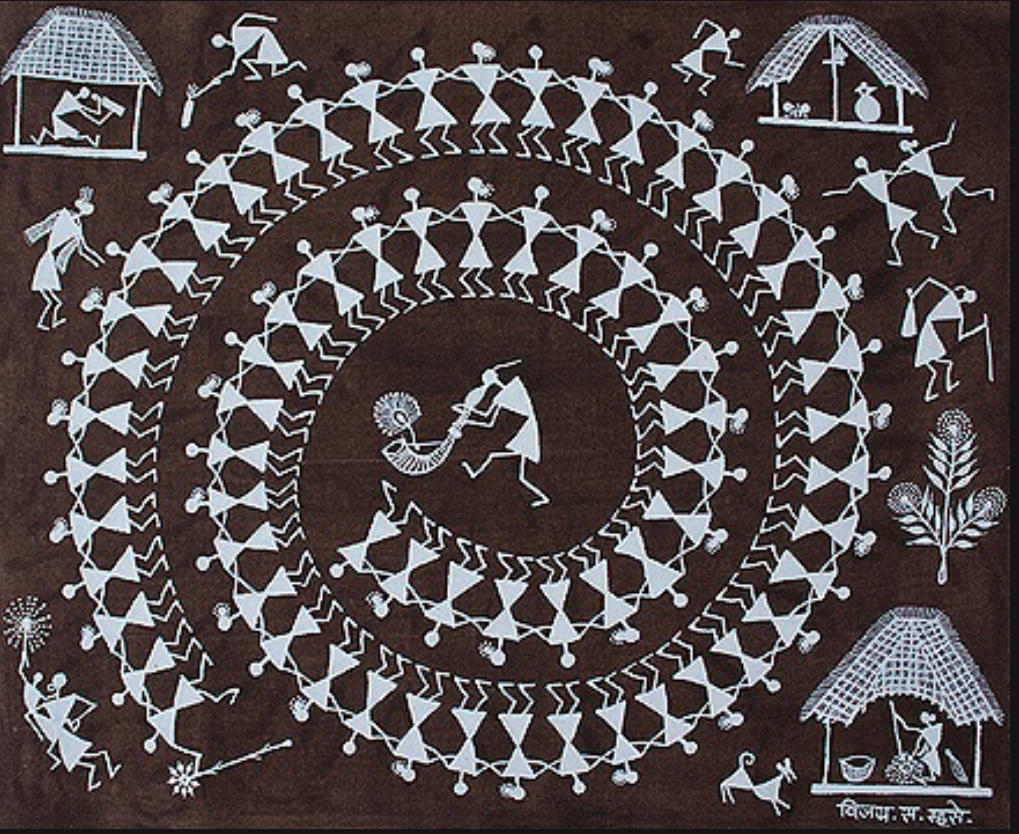
Warlis or Varlis are an indigenous tribes or adivasis living in the mountainous as well as coastal areas on the Maharastra-Gujarat border and surrounding areas. They have their own animistic beliefs, life, customs and traditions. As a result of acculturation, they have adopted many Hindu beliefs. Their extremely rudimentary Wall paintings use a very basic graphic vocabulary a circle, or triangle and a square. Their paintings were monosyllabic. The circle and the triangle come from the observation of nature, the circle representing the sun and the moon, the triangle derived from mountains and pointed trees. Only the square seems to be a different logic and seems to be a human invention, indicating a sacred enclosure or a piece of land.

The ritual paintings are usually done inside their huts. The walls are made of a mixture of branches, earth and cow dung making a red ochre background for wall paintings. Warlis use only white in their paintings. The white pigment used by them is a mixture of rice paste and water with gum as a binding. As the brush, they use a bamboo stick chewed at the end to make it as supple as a paintbrush. The wall paintings are done only on special occasions such as weddings or harvests. Warli art is the cultural intellectual property of the tribal community. Today, there is an urgent need for preserving this traditional knowledge in tribal communities across the globe. Now, Warli painting is registered with a geographical indication under the intellectual property rights act. With the use of technology and the concept of social entrepreneurship, tribals established the Warli Art Foundation, a non-profit company dedicated to Warli art and related activities.

• Cave paintings in India

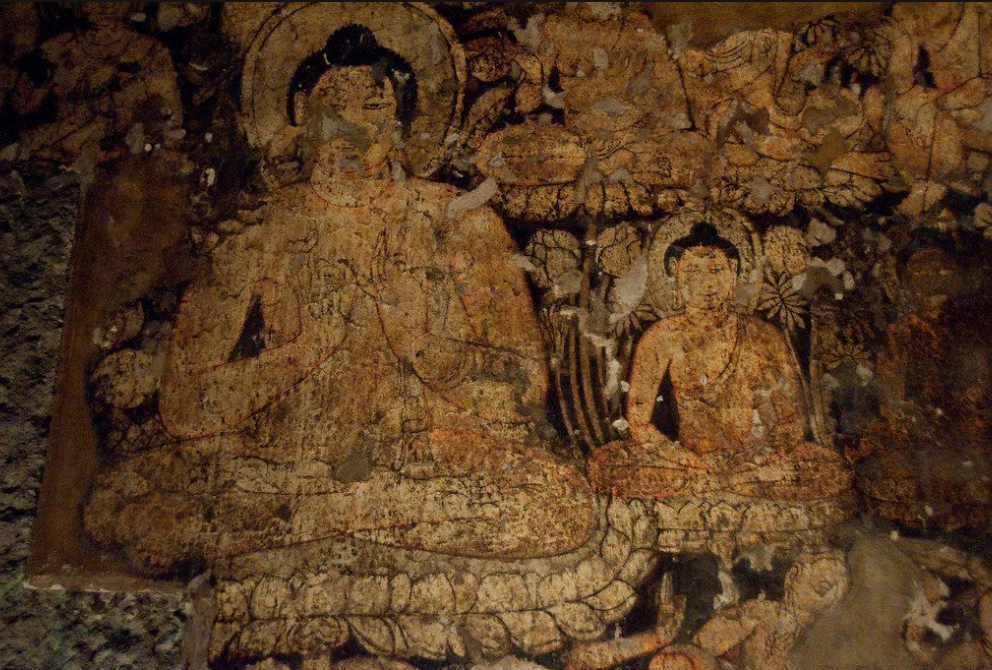
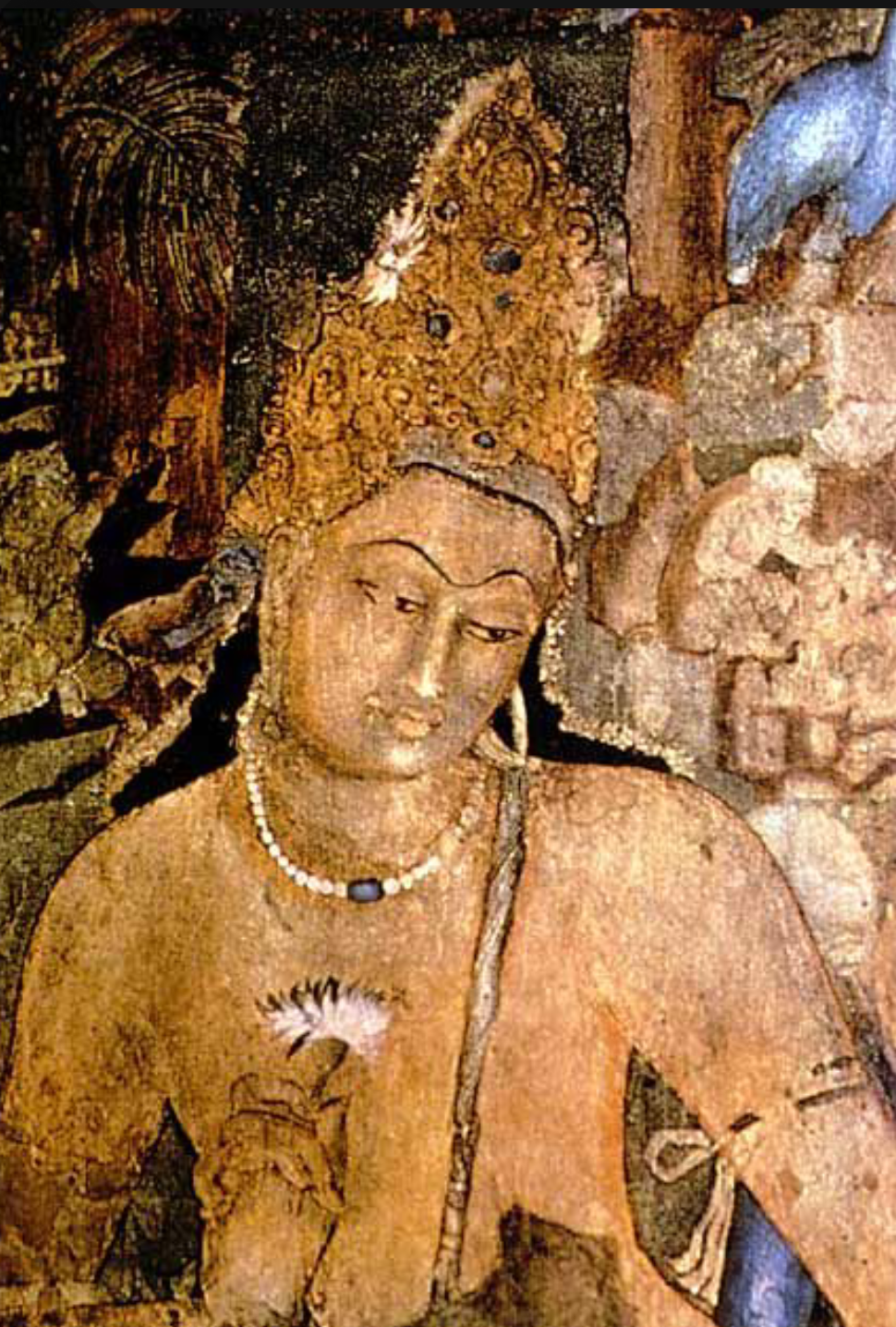
Almost all early painting in India survives in caves, as very few buildings from ancient India survive. The history of cave paintings in India or rock art range from drawings and paintings from prehistoric times – beginning around 30000 BCE in the caves of Central India, typified by those at the Bhimbetka rock shelters – to elaborate frescoes at sites such as the rock cut artificial caves at Ajanta and Ellora, prevalent as late as the 8th – 10th century CE. The frescoes of Ajanta are paintings in the Ajanta caves, which are situated near Aurangabad in Maharashtra. The caves are carved out of large rocks. Inside many of the caves are frescoes. Frescoes are paintings which are done on wet plaster in which colours become fixed on the walls and ceilings at Ajanta.

The paintings reflect different phases of Indian culture from Jain tirthankar Mahaveer’s birth to his Nirvana in the 8th century AD. The frescoes have degraded slightly due to the effect of flash photography. Photography here is not banned. The paintings depict themes of court life, feasting, processions, men and women at work, festivals and various natural scenes including animals and birds and flowers. The artists used shading to give a three-dimensional effect.

Similarly, beautiful frescoes have been found at the Bagh caves, 150 km away to the North of Ajanta. Though the themes in these paintings are both secular and religious, they do depict some aspects of Buddhist life and rituals. One of the most famous paintings show a procession of elephants. Another depicts a dancer and women musicians. These have been influenced by the Ajanta style of painting. These frescoes show a strong resemblance to the frescoes of Sigriya in Sri Lanka.

Thank you for reading. Have a nice day!🌼

Beauty of Bhangarh Fort

Located at the border of the Sariska Tiger Reserve in the Alwar district of RajasthanBhangarh Fort is a 17th-century fort, famous all over India for being the ‘Most haunted site in India’. Because of the various ghostly encounters and incidents in the fort premises, communities have sprung up far distant from the fort, due to the fear of whatever lies inside. Even the Archaeological Survey of India or the ASI has blocked the locals and sightseers from entering the fort at nighttime. Several legends have attested to the paranormal happenings inside the fort.

The first myth claims that a king called Madho Singh built the Bhangarh fort after getting due approval from a hermit called Bala Nath who lived there; having accepted to a condition which stated that the umbra of the fort must never descend upon the house of the hermit. But as destiny would have it, one of the aspiring heirs of Madho Singh affixed to the walls vertically, thereby creating its looming obscuration to cover the dwelling of the hermit, cursed the fort after the huge construction and its shadow overpowered his home. The fort was doomed within no time. The alleged prophecy stood fulfilled, and the Bhangarh Fort became haunted.

Another myth tells of a black sorcerer or wicked saint who fell in love with a princess from the fort town and tried to use a love potion to win her heart. However, the princess detected suspicion and hindered the entire plot of the black magician by throwing the potion onto a boulder, which then rolled down toward the magician, physically crumpling him. Before taking his last breath, he cursed the fort, declaring it would end up in a quandary in which no one could endure—as it is today.

No one is permitted to enter the fort after sunset or before sunrise. The complete panorama is subsumed by a covering of gloom and a chilling emptiness once the last ray of daylight bids adieu until the next morning. There are several local stories about the paranormal activities in the fort. It depends on a person whether he should believe it or not. It is said that the apparitions wander in Bhangarh Fort at night and various unusual sounds are detected. Also, as it is said, anyone who enters the fort at nightfall would not be able to return in the morning. People perpetually sense as if their actions are being observed, and the air is filled with a dizzying burden. A board put up by the Archaeological Survey of India warns the visitors not to venture inside the premises of the fort during the dark hours.

On the bright side the fort is decently maintained, for the most section, Bhangarh’s remains today hold different noble constructions, including several temples, public chambers, and the royal palace. Upon entry, visitants will flounder into a variety of temples, including a Hanuman temple, a Ganesh temple, and a Someshwar temple. These constructions, embellished with elaborate carvings and statues, are reasons that Bhangarh is worth touring for not just the spooks.

Anniversaries (as of 2020)

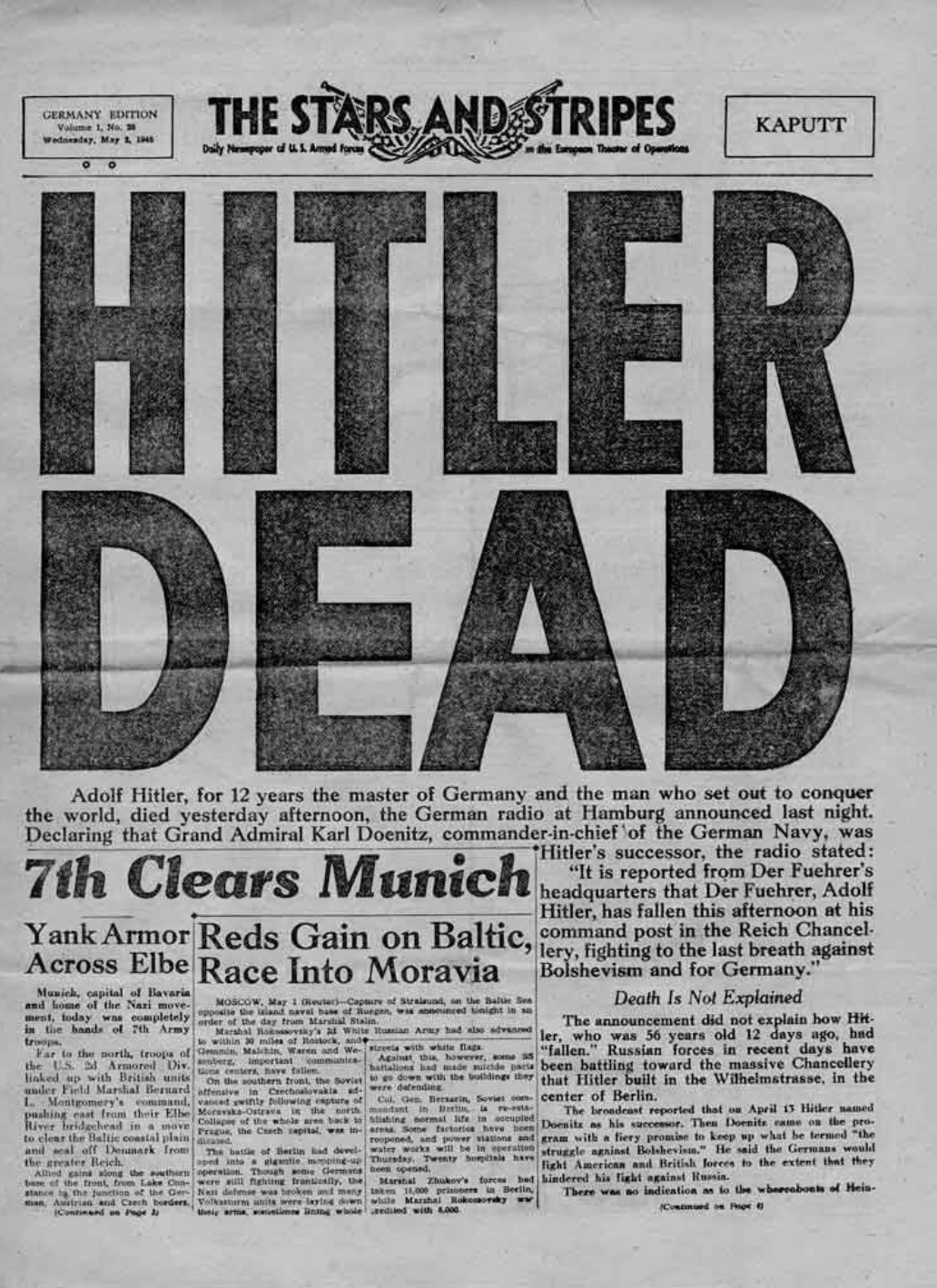
•75th anniversary of end of World War 2 (1st September 1939 – 2nd September 1945 )

It involved vast majority of the world’s countries forming two different military forces – the Allies and the Axis. The Allied won causing the fall of Nazi Germany and also death of Hitler. It was the deadliest war in world history.

•100th birth anniversary of Isaac Asimov

Isaac Asimov was an American author and a professor of biochemistry at Boston University. Born on 2nd January, 1920 in Petrovichi, Russia. He was well known globally for his science fiction works including ‘I, Robot’, ‘Caves of steel’, ‘End of eternity’ etc. Some of his stories have been made into movies.

• 200th birth anniversary of Anne Bronte

Anne Bronte was an English novelist and poet and the youngest of the famous Bronte sisters. She was born on 17th January, 1820 in Thornton, UK. Some of her works include ‘The tenant of Wildfell hall’ and ‘Agnes Grey’.

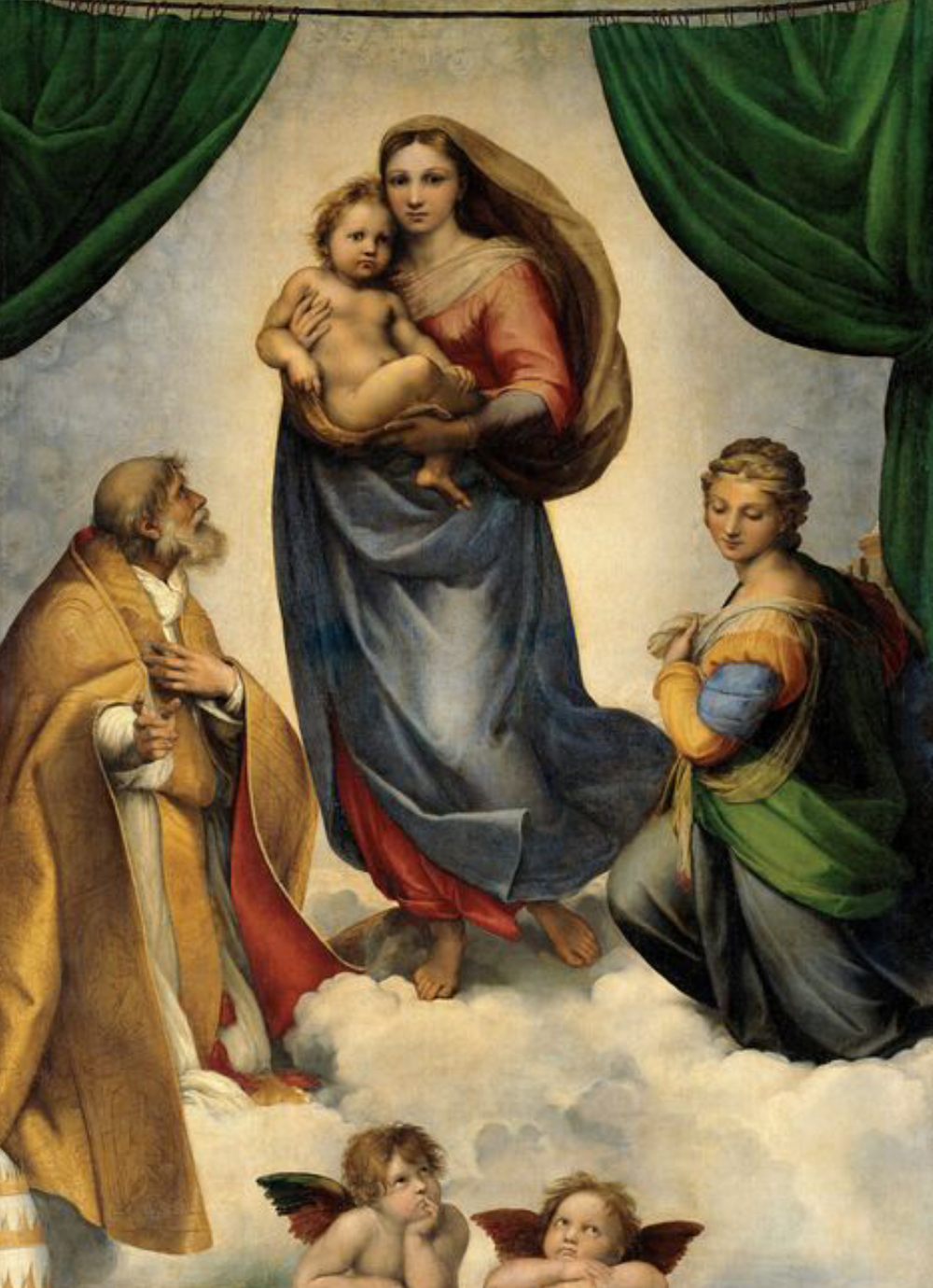
•500th death anniversary of Italian artist Raphael

One of the Renaissance period painters, Raffaello Sanzio da Urbino was born on 6th April, 1483 and died on 6th April, 1520. St. Peter’s Basilica is one of his works. His notable artworks include ‘The school of Athens’, ‘The Sistine Madonna’ , ‘The marriage of the virgin’ etc.

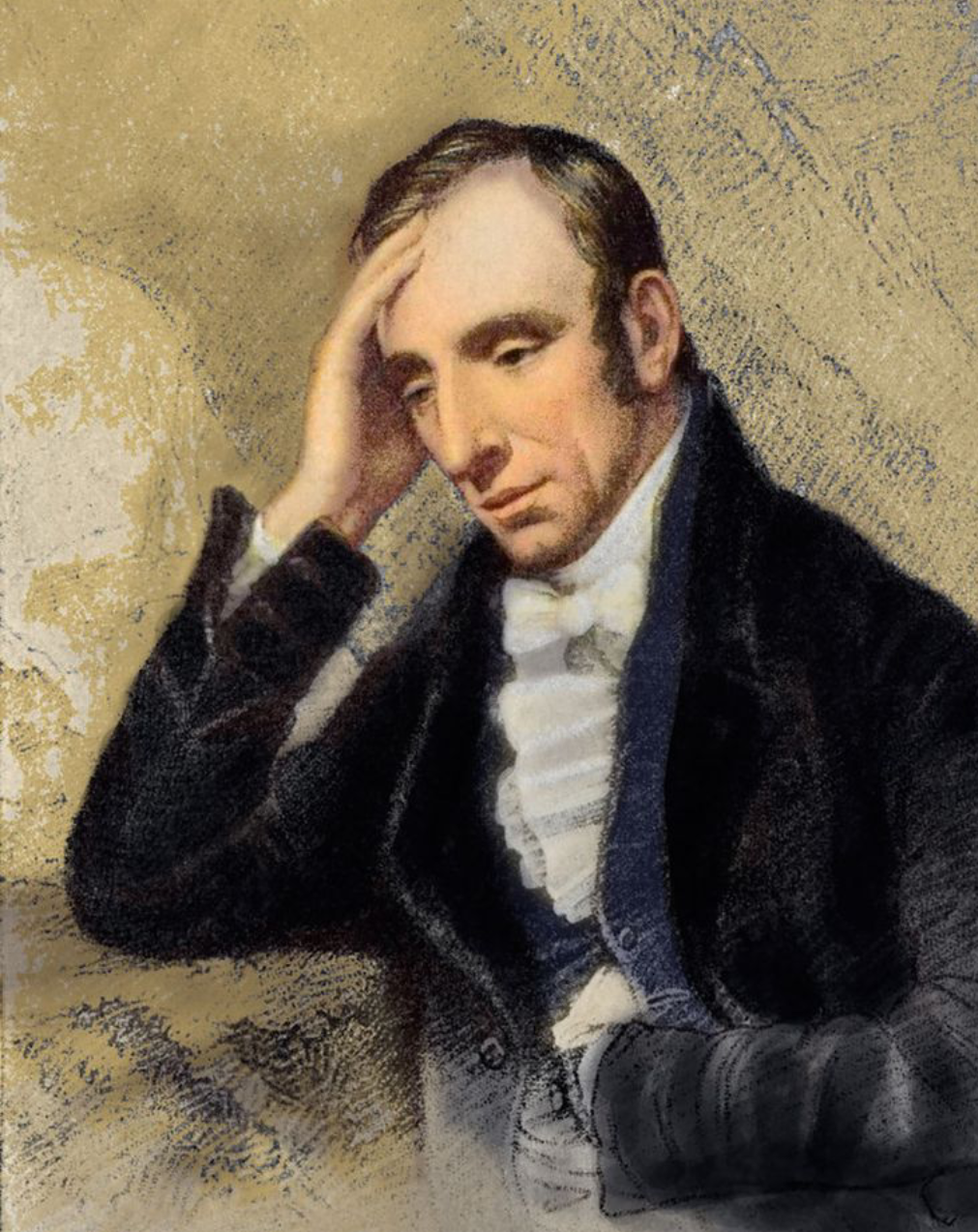
•250th birth William Wordsworth

The very famous poem, ‘I wandered lonely as a cloud’ poet William Wordsworth was born on 7th April, 1770 in Cockermouth, UK. He was an English Romantic poet.

•200th birth Florence nightingale

The English social reformer, statistician and the founder of modern nursing was born on 12th May, 1820 in Florence, Italy. She worked hard and determined as a nurse and earned the title ‘Lady with the Lamp’.

•150th death anniversary Charles Dickens

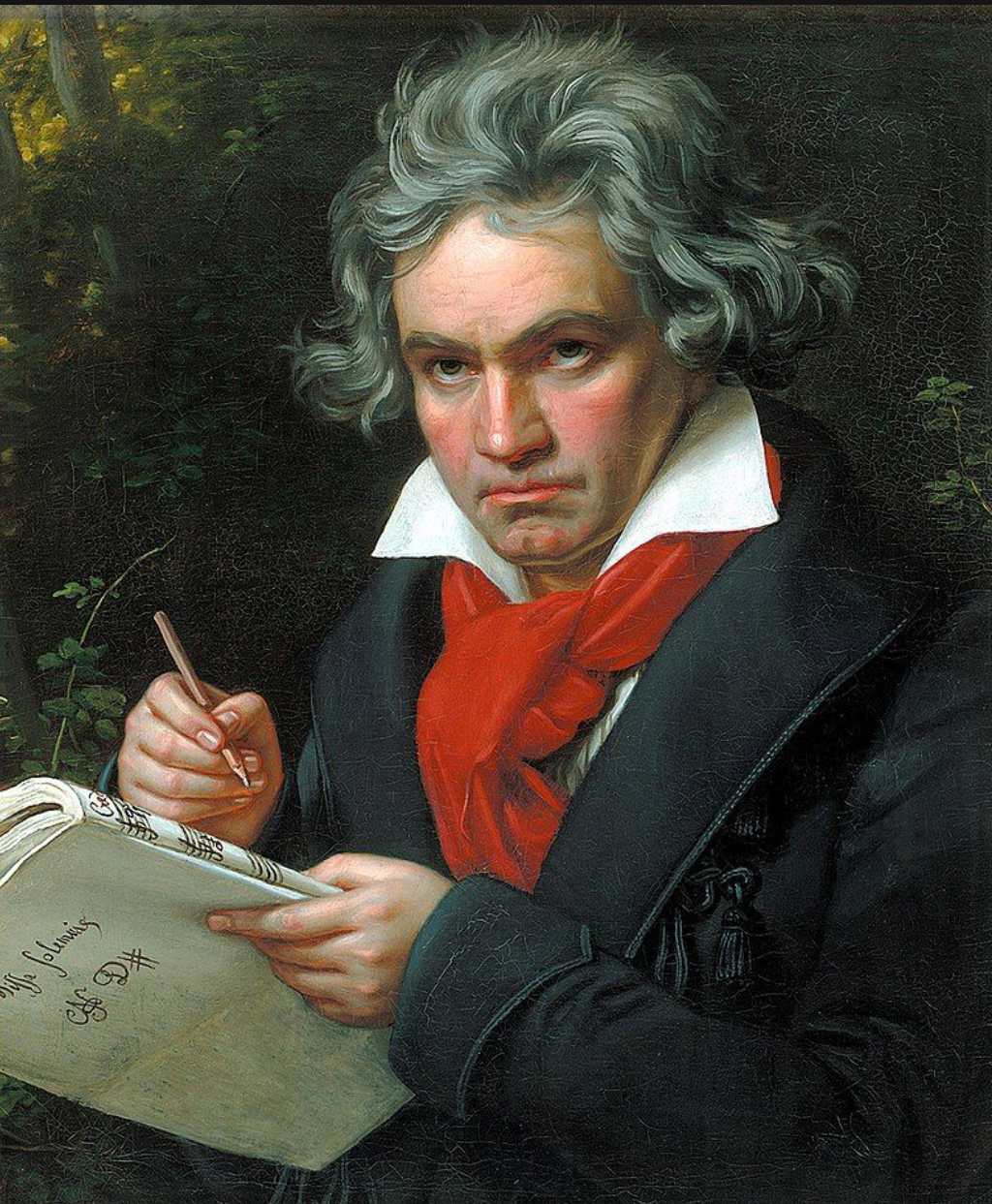
•250th birth anniversary of Ludwig van Beethoven

He was a German composer and pianist whose music ranks amongst the most performed classical music. Till date he remains the most admired composers in the history of western music. He was born in December 1770, Bonn, Germany.

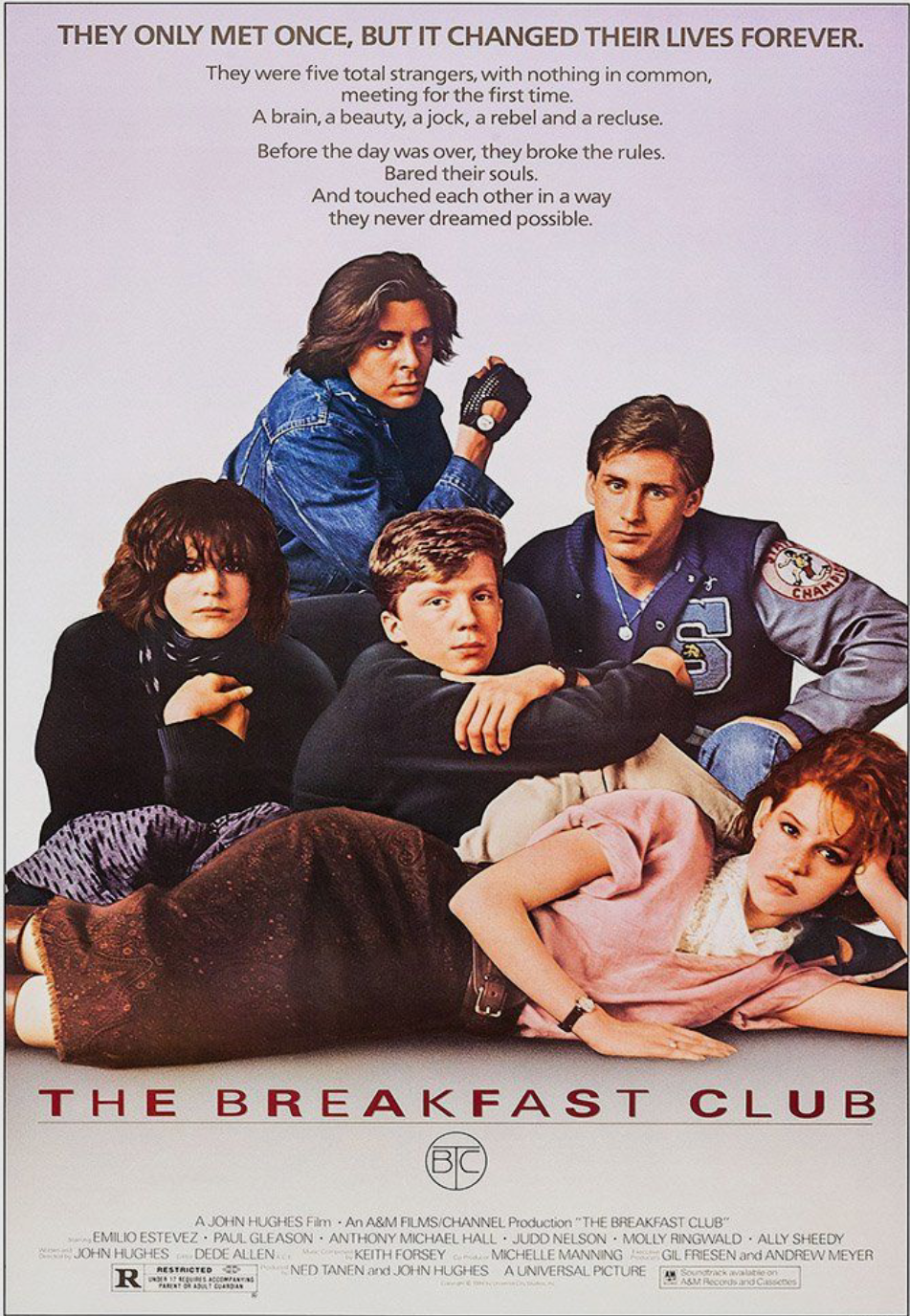
•Breakfast club is 35 now.

1985 The 1985 comedy and drama movie that has been a teenagers must watch since it’s release in 1985.

Thank you for reading. Have a nice day!🌼

WATSON HOTEL

Watson’s Hotel, currently acknowledged as the Esplanade Mansion, is India’s oldest sustaining cast-iron building. It is located in the Kala Ghoda area of Mumbai (Bombay). Named after its original owner, John Watson, the building was fabricated in England and built on-site between 1867 and 1869.

The hotel closed in the 1960s and the building was sold to a private owner. It was later divided and partitioned into smaller cubicles that were let out on rent as homes and offices. Negligence of the building has resulted in corrosion and, despite its listing as a Grade II–A heritage structure, the building is now in a rundown state.

Design:

Watson’s hotel was planned by the civil engineer Rowland Mason Ordish, who was also linked with the St Pancras Station in London. The structure was fabricated in England from cast iron components and was congregated and constructed on-site. The external cast-iron frame closely resembles other high-profile 19th century buildings such as London’s Crystal Palace. The main façade of the hotel is characterized by building-wide open balconies on each floor that connected the guest rooms, which were constructed around the atrium in a courtyard arrangement.

History:

John Watson opened the hotel as an exclusive whites-only hotel, and it was the most expensive hotel in the city in those days. The five-storied building housed 130 guest rooms, as well as a lobby, restaurant, and a bar at the ground level. The hotel also had a 30 by 9 meters (98 ft × 30 ft) atrium, basically used as a ballroom, with a glass skylight. At its peak, Watson’s hotel employed English hostesses in its restaurant and ballroom, sparking a common joke at the time: “If only Watson had imported the English weather as well.”

After Watson’s death, the hotel lost its fame to the rival Taj Hotel. In the 1960s the hotel was closed and sold to a private owner. Sometime after this, it was subdivided and partitioned into small cubicles with independent access and let out on rent. Over the years, indifference toward the building by the residents has resulted in the structure decaying, and it is now in a neglected state. The atrium was consequently used as a dumping area and has various unauthorized constructions. In 2005, the building had 53 families and 97 commercial establishments. Most of the business enterprises are chambers of advocates attached to the nearby Bombay Civil & Session Courts and the nearby Bombay High Court.

  • Notable guests:

Among the hotel’s notable guests was Mark Twain who wrote about the city’s crows he saw outside his balcony in Following the Equator. It was also the first place in India to screen the Lumière Brothers’ Cinematograph invention in 1896. However, this was witnessed only by Europeans.

A popular myth surrounds the hotel was that the staff at Watson’s Hotel denied Indian industrialist Jamsetji Tata access to the hotel. In retaliation, he opened the Taj Hotel, a hotel that stands near the Gateway of India, in 1903. However, author and historian Sharada Dwivedi debunks this legend. She points out a lack of evidence to prove that Tata was a man of vengeance.

  • Current state:

The building’s poor state of affairs has been commonly remarked, and efforts by heritage activists to persuade its present owner to invest in restoration have been unsuccessful. One of the possible reasons proffered for apathy is the fact that the rent collected is low as it has been frozen by government legislation. The condition of the building was publicized by Italian architect Renzo Piano, and as a result of his efforts, the building was listed in June 2005 on the list of “100 World Endangered Monuments” by the World Monuments Fund, a New York-based NGO. Just a few days after its proposal, part of the building’s western façade, originally galleries evolved into small offices, collapsed, killing one person and crushing several cars and motorcycles parked in the street below. The building is currently listed as a Grade II–A heritage structure.

Evolution

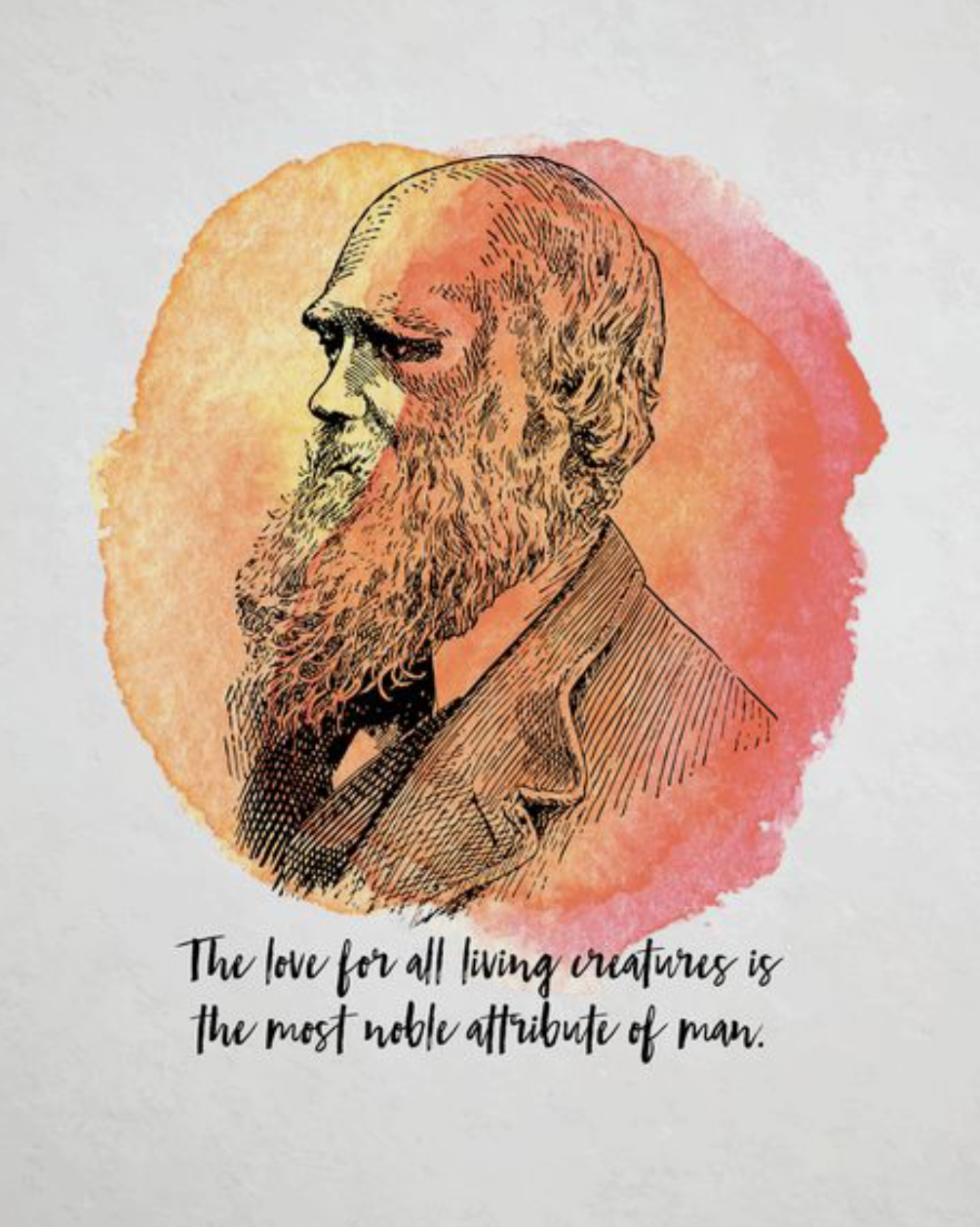
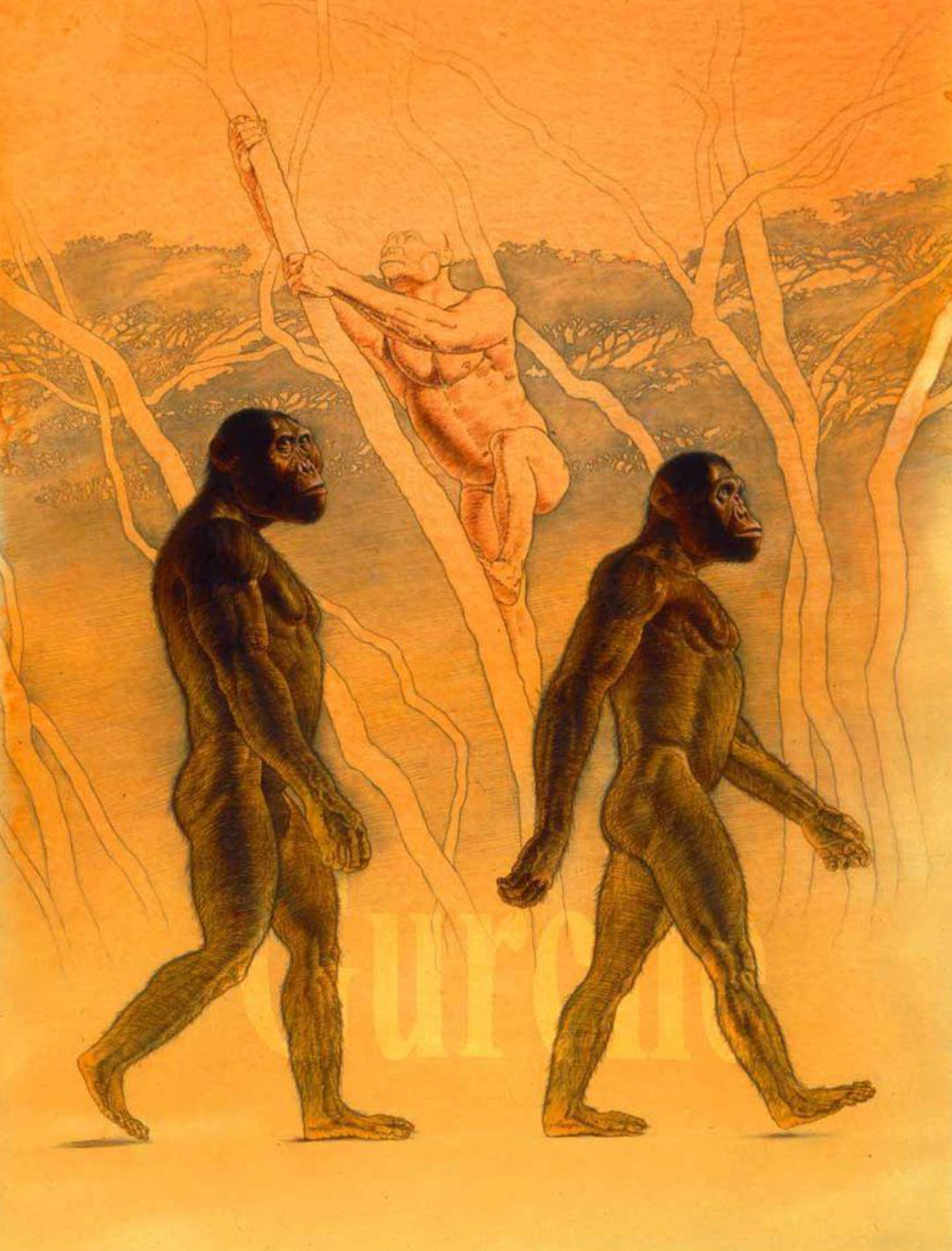
When you think of evolution the first name that comes to one’s mind is that of Charles Darwin. However, the fact is that he was not the first person to put forward the idea of evolution. Lamarck had suggested it earlier but the concept was not popular. In fact zoology professor Robert Grant lost his job because he supported Lamarck theory! An anonymous work titled, ‘The Vestiges of creation’ was ridiculed. It was Charles Darwin who first made the theory acceptable and he was able to do so because he supported it with a huge amount of evidence. Darwin, an English naturalist put forward his theory in a book titled ‘On the origin of the species’. He established that all species descended from common ancestors and that the different species evolved through a process he called natural selection. Darwin’s theory gained acceptance because it was able to explain the diversity of life.


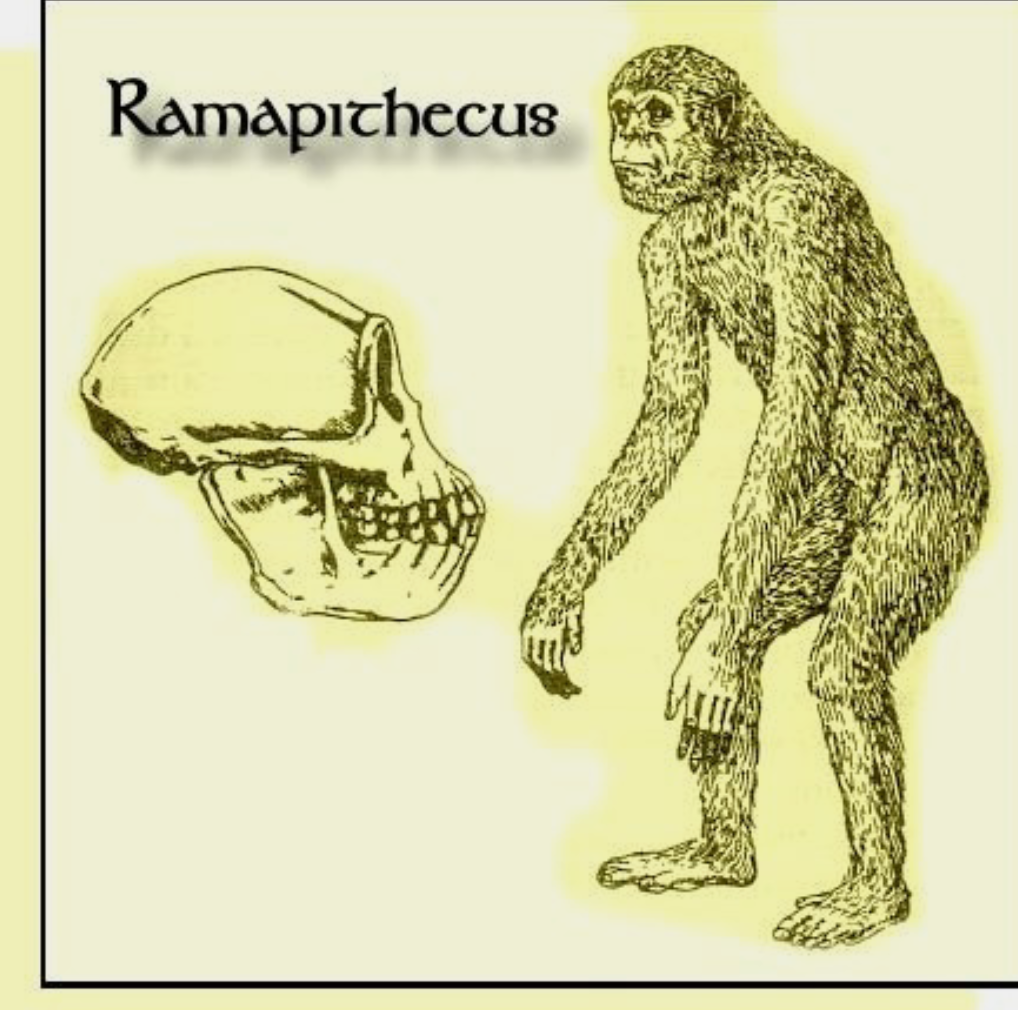
Ramapithecus belongs to an extent group of primates that lived from about 12 to 14 million years ago. Fossils of Ramapithecus were discovered in India and Africa beginning in 1932. Fossil evidence suggested that it had a short face, heavy jaws and enamelled teeth like hominids. Its importance lies in the fact that it was regarded as a possible ancestor of Australopithecus and therefore of modern humans. Later for sale finds indicated that Ramapithecus was more closely related to the orangutan and Ramapithecus is now regarded by many as a member of a group known as Sivapithecus.


It has been long known that humans share a common ancestor with apes but it was only in the last 30 years that techniques for develop to provide strong evidence in support of the theory that humans are more closely related to chimpanzees than they are to gorillas orangutans or Gibbons. The DNA of a chimpanzee is 98% identical to that of a human being. However our bodies adapted for walking on 2 legs. This is possible because the lower portion of the human body evolved to facilitate load bearing and balancing while walking upright. Chimpanzees not only share most of our genes they seem to be able to handle tools and they are able to grasp language pretty well too. Now researchers have found that we share a similar brain pattern when communicating. But in spite of these similarities there are clear differences in body structure intellect and behaviour.


Australopithecus was an early hominid which is now extinct. Fossil evidence suggests that these individuals lived from approximately 4- 2 million years ago after evolving on the continent of Africa. Sense the fossils were recovered from south Africa they were called south African man apes or australopithecines. Australopithecines are believed to have been around 1 to 1.5 metre tall and probably fed on leaves fruits and the remaining of dead animals. Their brains were larger than those of apes but smaller than human brains while their teeth would like human teeth it is believed that Australopithecus eventually evolved into modern humans.


Neanderthal man first appeared in Africa about 200,000 years ago and migrated to the rest of the world around 100,000 years ago. The name Neanderthal comes from Neander valley where an early skull was found. Neanderthals would different from other species of early man. They were much taller and very strong for stop the brains were actually larger than ours are today. They were marvellous hunters. They often used caves as their homes. They were adept at fire making and probably cooked their food routinely. Neanderthals buried their dead. The Neanderthals died out by around 30,000 BC.
Cro-Magnon man lived some 40,000 -10,000 years ago. Their remains were first found in France in 1868 and then throughout other parts of Europe.

Cro-Magnon man was anatomically identical to modern humans and deferred significantly from Neanderthal man who disappeared in the fossil record shortly after Cro-Magnons appearance. Cromagnon man was tall and had an erect posture. He had a prominent chin a surprising forehead and skull shaped like hours. These man was killed hunters toolmakers and artists. Cro-Magnon man was a true human and looked just like us. He is represented by the remains of 5 individuals found in March 18683 adult males one adult female and one child.


•First family.
In 1975 Donald Johansson discovered the remains of at least 13 individuals of all ages at her there in Ethiopia. The sizes of the specimens varied greatly and Johansson believed that they all belong to a single species Australopithecus afarensis in which men were much larger than the females.

Thank you for reading. Have a nice day!🌼

Anniversaries (as of 2019)

150th birth anniversary

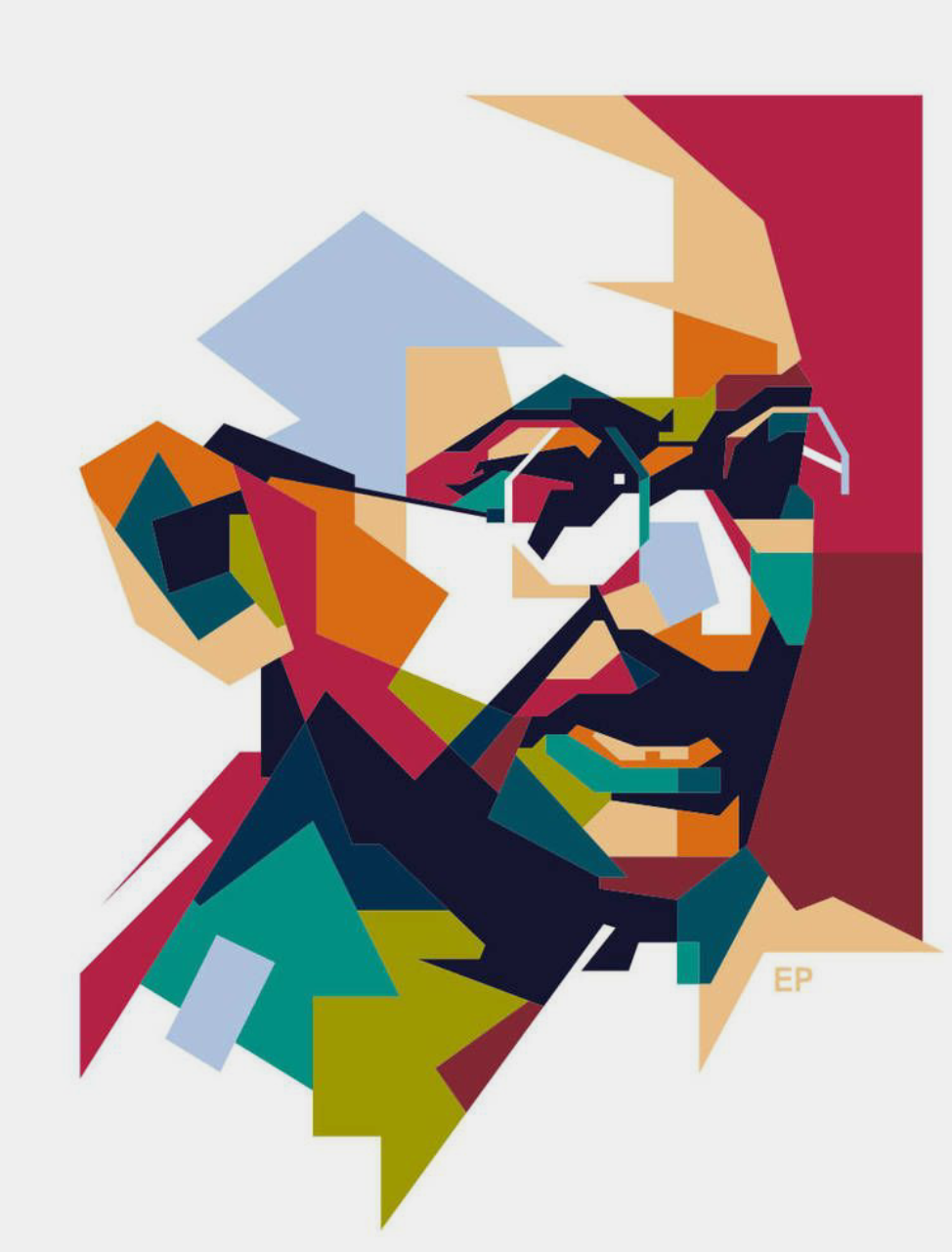
•Mahatma Gandhi, the father of our nation is an inspiring person, who shaped world history. Gandhiji stands out among the great men of the world as a symbol of non violent resistance to political and social repression. Mohandas Karamchand Gandhi was born on October 2nd, 1869 in Gujarat. He became the leader of a movement that attracted millions in the struggle for freedom. He was strong advocate of non-violence. India got freedom on August 15th, 1947. Gandhiji was assassinated on January 30th, 1948.

100th birth anniversary

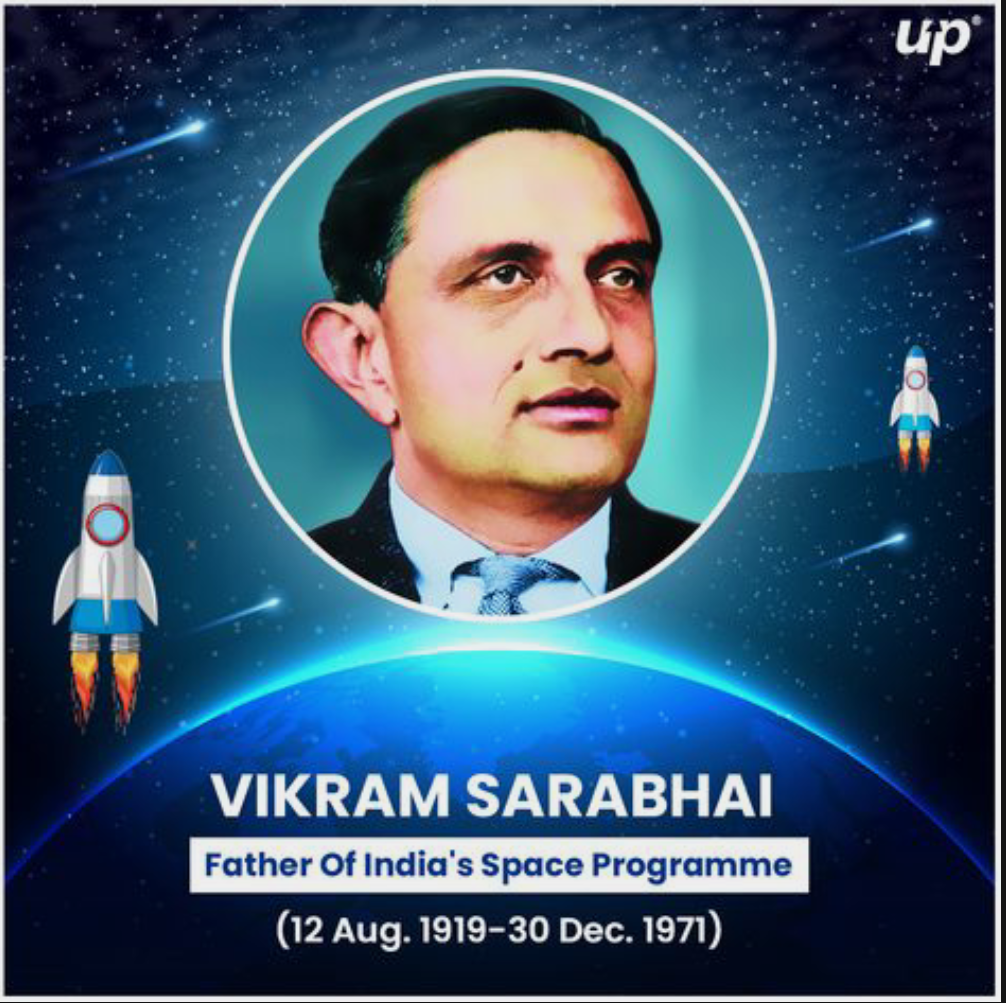
• The year 2019 marks the 100th birth anniversary of Dr. Vikram Sarabhai, the father of the Indian space programme. He was born on 12th August, 1919. Dr. Sarabhai has put India on the international map in the field of space research. In 1962, he became chairman of the Indian National committee for space research. The establishment of the Indian space research organisation, also known as ISRO, was one of his greatest achievements. Dr. Sarabhai died on 30th December 1971.

500th death anniversary

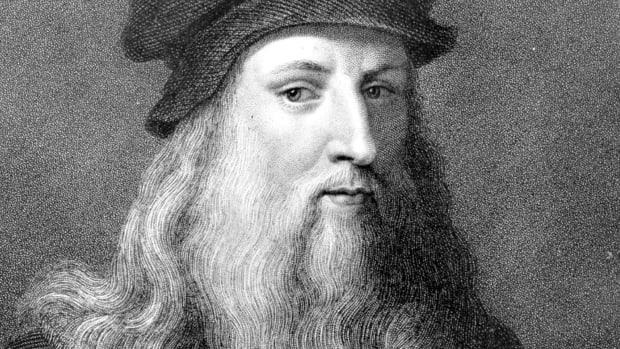
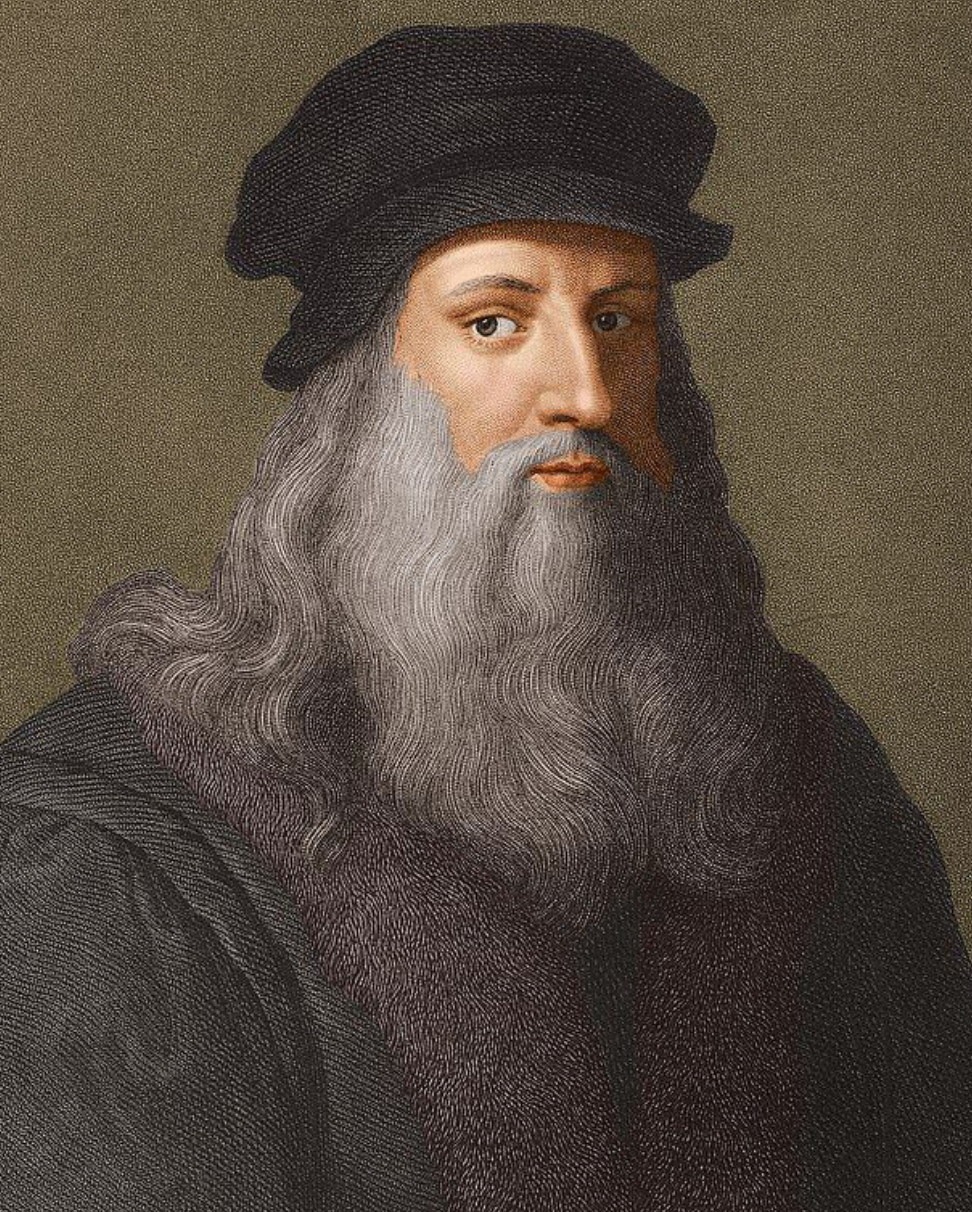
• Leonardo da Vinci was perhaps the most widely talented person ever to have lived. He was a consummate painter and sculptor, a great inventor, military engineer, scientist, botanist and mathematician! He lived during the Renaissance in Italy and while working in Milan as an artist, he began writing texts for his students and apprentices. His notebooks covered more than 1000 pages of observations and illustrations. They remained unpublished for more than a century and were printed only after his death. He was born on April 15th 1452 and died on May 2nd 1519.
150th anniversary

• The period table gives us information about element symbols and atomic weights. It brings order to information about the chemical elements and helps chemists to understand why elements react as they do. The milestone in the development of the periodic table was set by the Russian chemist Dmitri Mendeleev in 1869, who is acknowledged as the ‘father’ of periodic table though the title is also claimed by the German scientist Lothar Meyer. Today, the periodic table organizes the elements by order of increasing atomic number.

150th year of publication

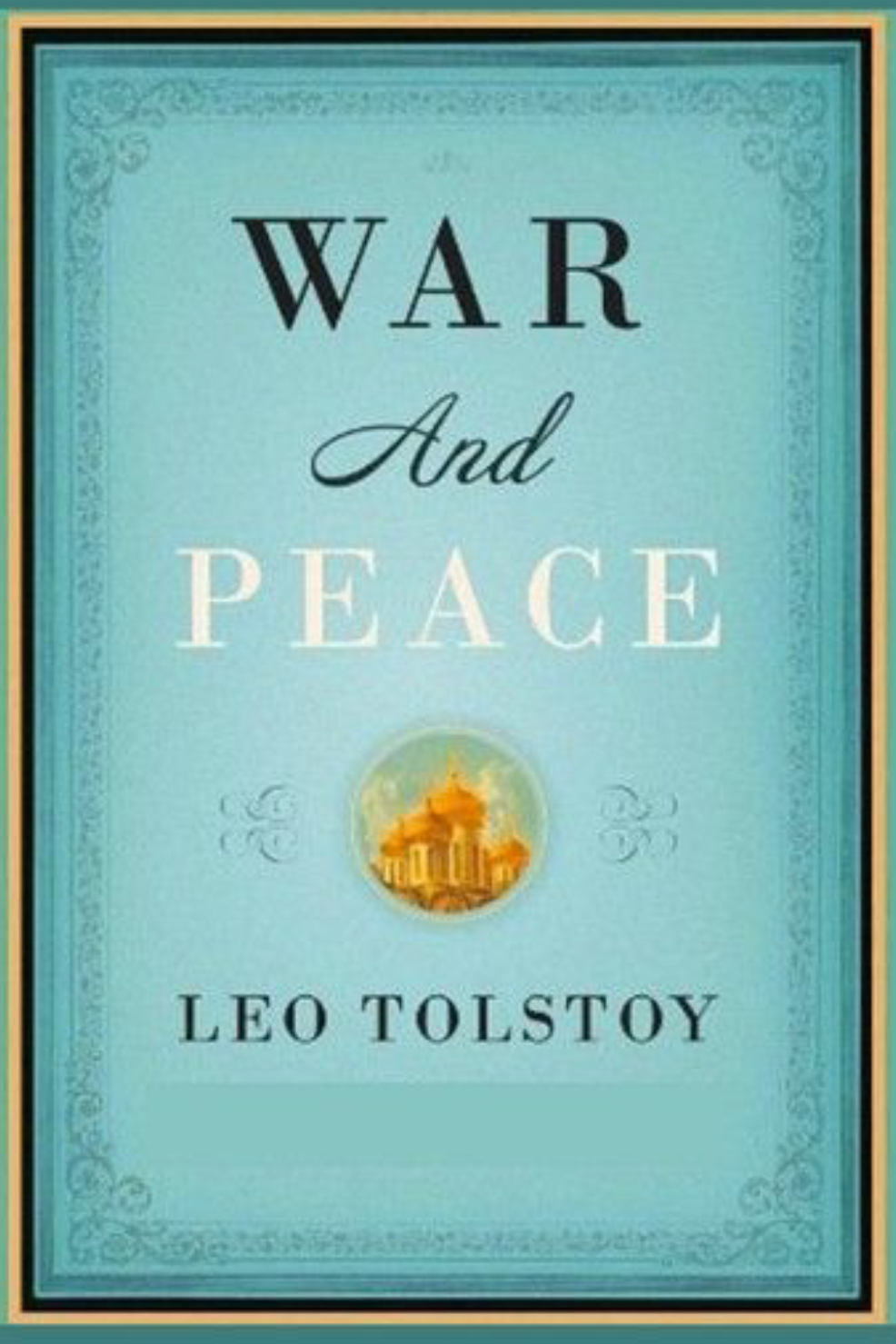
• 2019 marks the 150th year of one of the greatest novels ever written – Leo Tolstoy’s ‘War and Peace’. This classic work from Russia was first published in the book form in 1869. Tolstoy took almost 7 years to finish this epic work and a Russian magazine named ‘Messenger’ serialised some portions of it during 1865-67. But the full novel came out as a book only in 1869. The story woven around Napoleon’s invasion of Russia covers a period of over 15 years. The unique literary style and the historical context make ‘War and Peace’ a monumental work.

125th year of publication

• Is there anyone who isn’t familiar with the famous character ‘Mowgli’? Hopefully none. The main character of the evergreen ‘Jungle Book’, a collection of stories written by Rudyard Kipling is a huge part of our childhood. ‘The Jungle Book’ was first published in 1894.

100th anniversary

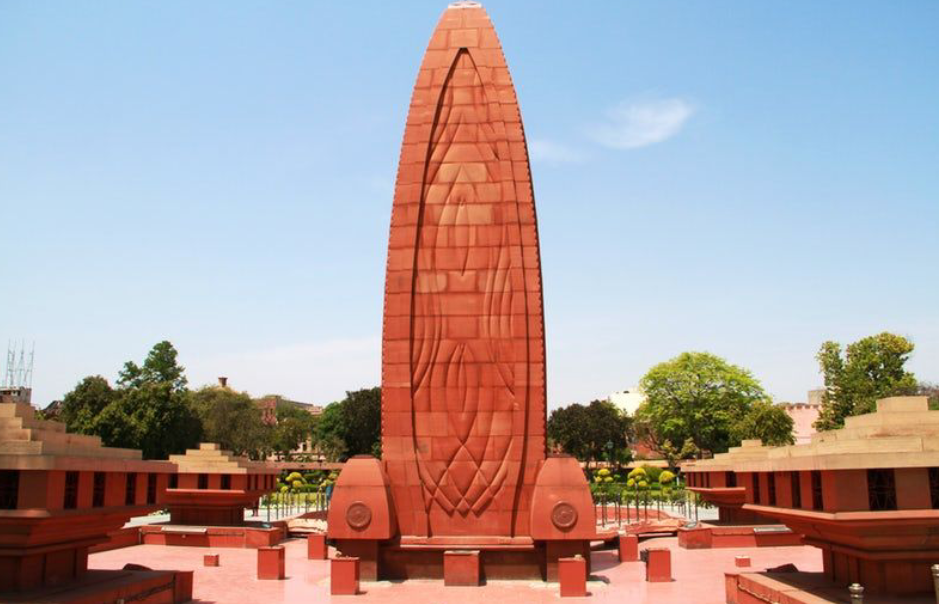
• The Jallianwala Bagh massacre was a turning point in our freedom movement. The British troops under the command of Colonel Reginald Dyer, opened fire on unarmed Indians on 13th April 1919. This event took place in the heart of Amritsar. Hundreds were killed and thousands injured. This was followed by widespread protests across a grieving country. Many Indians became convienced that the British had to be paid back in their own coin that violence has to be met with violence. The 100th anniversary of that cruel incident fell last year.

300th year of publication

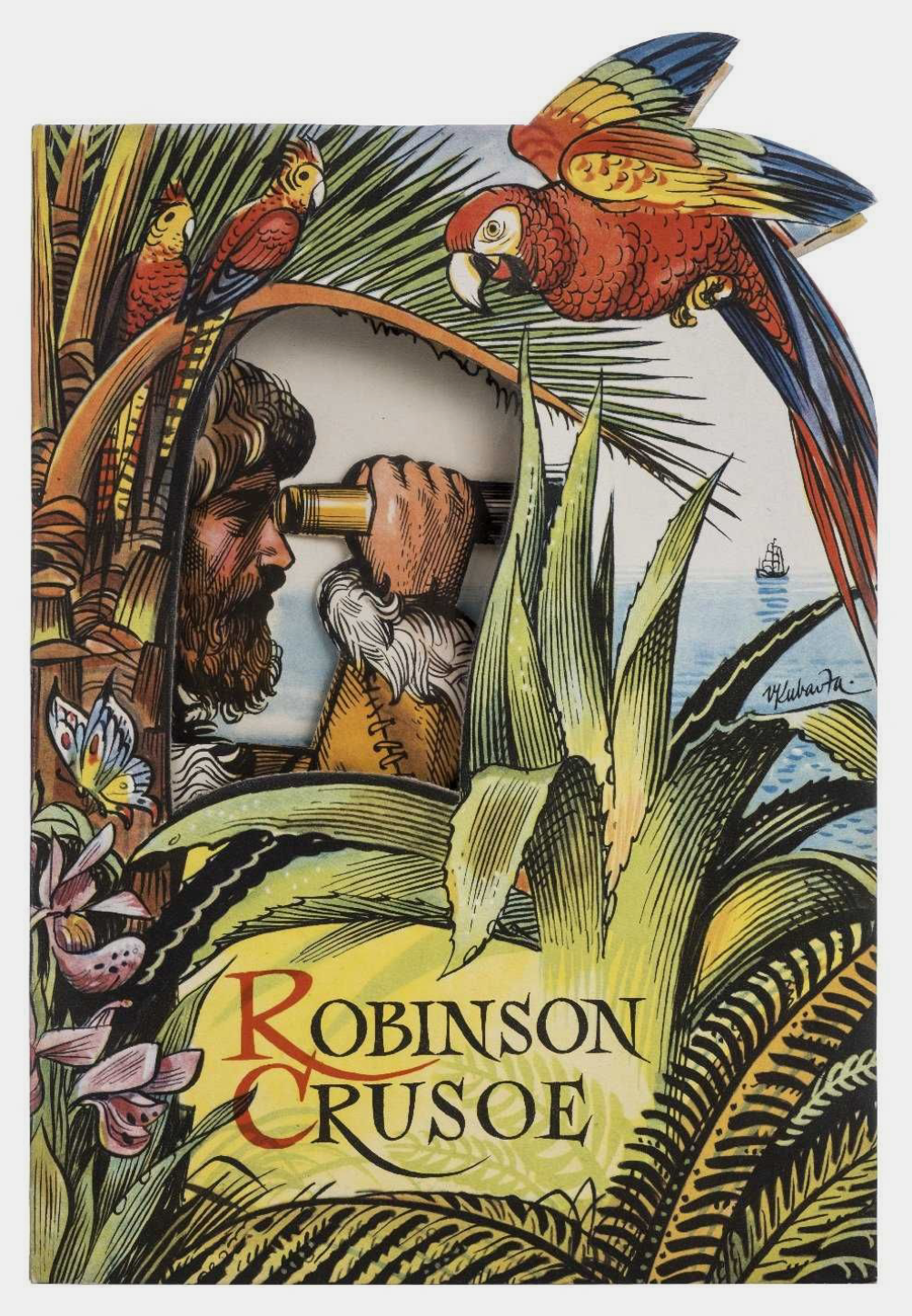
• Daniel Defoe’s ‘Robinson Crusoe’ has fascinated readers around the world for the last 300 years. Daniel Defoe was an English writer, famous for his novel Robinson Crusoe that was published in 1791. One reason for it’s popularity is that it us packed with excitement and adventure, with sailing ships, stormy seas and guns. Without doubt, Defoe’s ‘Robinson Crusoe’ established a realistic style of fiction and set the tone for modern novels.

Thank you for reading. Have a nice day!🌼

Book Review- A Rainbow in the Night. Author: Dominique Lapierre

Nelson Mandela is no stranger to Indians. India was in the forefront of support to the freedom struggle led by Mandela and the African National Congress (ANC). This struggle and the history of South Africa since the Dutch landed in 1652 has been vividly brought out by renowned author and biographer Dominique Lapierre in his book A Rainbow in the Night. The book is not just a historical account but it is an epic that captures the essence and romance of the birth of a nation and its people comprising whites, blacks and coloured races.

Dominique Lapierre is known to Indians as the author and co-author of two books on India: The City of Joy and & Freedom at Midnight, respectively. Both are highly acclaimed books and need no introduction.  Lapierre’s books on India and his philanthropic work with Mother Teresa in the slums of Calcutta earned him the civilian honour Padma Bhushan in 2008.

‘A Rainbow in the Night’ is Lapierre’s second book about a nation’s freedom struggle (after Freedom at Midnight about India’s freedom movement). He traces South Africa’s history, the first landings by the Dutch and their establishing a white supremacist regime, the liberation struggle and freedom for blacks from their tormentors. While Mandela plays a dominant role in the book, it is not entirely about him. South Africa’s colonial history and hoary past are covered in fairly good measure, which rightly provides the context and perspective to understand the history and modern times of the nation.  The premise, of course, is that to appreciate the present a correct understanding of the past is a must.

The book is structured into four parts or themes: In search of a promised land; The Prime Minister’s bulldozers; Helen and Chris: two lights in the darkness; and “God bless Africa”. The book will resonate well with Indians. The reasons are not far to seek. India’s interest in South Africa dates back to the time of the indentured labour that migrated to its shores. The surge in the freedom movement and its influence on Mahatma Gandhi, then a young and impressionable Mohandas Karamchand Gandhi, was an added impetus to the growing Indian interest in that nation.

The book does not delve in great detail to Gandhi’s travails in racist South Africa. Considering that it also has Indian readers in mind (the book’s publisher, Full Circle, is Indian), the book ought to have dealt with the effects of racism and South Africa’s initial pacifist struggle on young Gandhi’s mind, especially as it had made such an impression on him in later years as he led India’s freedom movement. The book does, however, cover race classification, the process of Indian, Malay and other races – including blacks – being grouped according to the colour of their skin.

The book is a fairly accurate – if not an academic or detailed – account of nearly 350 years of South Africa’s history. For students of politics and international relations, it provides a correct perspective on the tumultuous history, the birth of a new nation, segregation and apartheid. The book is eminently readable, racy and fast-paced.

How Indian culture proves that Old is gold?

“If any individual is judged by his character and morality, society is judged by its culture and tradition” said Dr S. Radhakrishnan.   Culture means the way of life followed by a community that consists of custom, tradition, religious practices and the human values. Every culture has its distinct positive features.  The culture of a community never remains same.  It is evolved over a period and is always in the process of reforming itself.   

Even from very ancient time, the Indian civilization was highly developed.  Many factors have contributed to the cultural formation.  Our scriptures like Vedas and Upanishads are considered as immense treasure of knowledge.  There are various other scriptures like Ithihas, Purana etc.  Bhagawad Gita, Ramayana and Mahabharata have taught us how we should conduct ourselves.   We have developed very good art like Music, dance, paintings, sculpture etc.  While the temples like Ramanathapuram on the southern corner of India are noted for their workmanship, novelty and sculpture, temples like Rishikesh and Badrinath in north are considered as the very abodes of God.  Hinduism is one of the oldest religions of the world and great saints like Adi Sankara, Ramanuja, Sri Ramakrishna Paramahamsa and Swami Vivekananda have enriched our religion by their interpretations.  From the day Swamy Vivekananda addressed the Parliament of Religions at Chicago; many people have turned towards India for spiritual knowledge.  Though Adi Sankara and other saints have set Self-realisation as the ultimate goal, it was Sri Ramana Maharshi who highlighted its importance and showed the way for achieving that goal.    All these developments have contributed to India a rich cultural heritage and tradition.  India has thus inherited a great tradition and a way of life which formed the basis of its culture. 

Though Mughals came and then the British came and ruled over the land, they could not destroy the culture.  The Indian culture has now become universal and it has become a land where different religions and culture survive, co-exist peacefully and flourish.  Now there are different communities and nationals in India pursuing their own beliefs and faiths.  Though India presented a picture of diversity, India has grown as a national that welcomes all ideas, philosophies and doctrines.  It is a land where people of different faith live in peace and harmony, like a family bound in mutual love and affection. 

Indians have adopted and assimilated the foreign culture and yet they have retained what is good for their own culture.   They may be communicating in English, traveling in Mercedes, dressing in western style but they never deviate from their basic tradition and culture. The car symbolizes the modern trend but its name, Maruti, symbolizes the legendary past.  Those who migrate to foreign countries adopt the culture of the country to which they migrated without deviating from their own culture. Like , I f you ever met any family who use to live in USA and still touches feet of elders. Wherever Indians go, whether USA or Dubai, along with their spouses, children and belongings, they make it a point to carry the Indian culture also with them.   This is evident from the various cultural programmes being regularly organized in foreign countries like USA, Dubai or Singapore.  Music Festival is a regular annual feature in Cleveland, USA and leading Indian artists take active part in them.  Indian temples are seen in most of the States in America, the Venkatachalapathi temple at Petersburg being the biggest among them.

Cinemas, the computer, air linkage, information technology have all brought the inhabitants of the world closer.   The world which remained unreachable and wide apart before has become a global village now.  As the geographical boundaries became mere symbols, people to people contact became more frequent.  As people mingled with each other, we find a cultural synthesis taking place in India now. 

Some adverse changes have also come in the Indian family tradition.  Previously, the wife used to be the home maker, attending to house hold duties, managing the children, attending to religious practices etc. Now, according to the modern trend more and more house-wives are going beyond their home-making avocation and take up responsibilities in business undertakings. “Now, for women, there is life even after marriage” commented a friend in a lighter vein.  Women are well educated and became partners with men in bringing about progress and prosperity.  Thanks to the winds of change blowing over and thanks to the free and liberal outlook created by modern era, India now finds itself free from its outmoded customs and practices. Though woman has proved her enormous power as a contributor for nation building, it cannot be denied that she has left a vacuum at the home front.   We need to bring up a system where our culture and tradition should be passed on to our children also.  Woman has a higher responsibility in this sphere.        

It would be pertinent to conclude this essay with the quotation of Swami Ranganathananda, the late President of Ramakrishna Mission, Kolkata:  “Change is the order of the day.  Everyday, we witness changes occurring all around us and even within us.  Society may change in infinite ways in response to historical necessities but that is no reason why cultural values underlying all human endeavors should change.”  Let us all be proud of our culture and cherish it for ever.  

So, we not only say that we are proud of being and Indian but we really are. It is always indian culture which gave us a different definition or identity infront of whole world. Like, only by seeing a Foreigner you can’t say from where he/she belongs from, but, any Foreigner can easily say that he/she belongs from india. Jai hind.

See yaa…

Book Review- The Image of Man

The Image of Man is written by George Mosses. He was an eminent German-American historian, who specialised in the history of Germany, the rise of Nazism and Fascism and Jewish History along with the relationship between the Jewish and non-Jewish sections of German society through history. In this book, Mosse traces the contours of the evolution of the ideal of manliness and manhood in modern Western European society.

The ideal of masculinity was, according to Mosse, served the dual purpose of being both a positive stereotype and also a social function. It was the adhesive that kept the disparate pieces of post-industrial human society from falling apart and it did this by reconciling the desire for progress with the need for order. Order because of its balanced and harmonious appearance, and progress through its decisiveness, activeness, and virility.

Much like the notions of European Nationalisms and indeed the idea of European civilisation as conceptualised through the historiography of the late 19th and early 20th centuries, the ideal of manliness fused industrialising Europe’s reverence for the sophistication and greatness of Classical Greece with its faith in Christianity in general – in addition to what Max Weber called the ‘Protestant Work Ethic’ in particular– and pseudo-Darwinian notions.

The ideal male body symbolized a healthy, well-ordered society. The ideal male was virtuous, honourable, and merciful like a good Christian man should be. The ideal male was also strong and courageous, chaste and exercised self-control, much like the legendary men of yore from the epics. This ideal of man has lasted through the decades, evolving with the times but sticking to its core essence, and continues to remain the dominant idea of man today not just in the West, but also in other parts of a now increasingly globalised and westernised world. Mosse dates the appearance of this positive male stereotype to the time of the Napoleonic Wars.

Mosses’ analysis is subtle. He does not equate masculinity with the exercise of raw power. Few historians can equal his ability to discern what differentiates one country from another. Very few historians in the world can match Mosses’ depth of knowledge enabling him to pinpoint the differences within one country and among different countries. The book primarily deals with the situation in Pre-Nazi Germany, but also covers the situation in France, Italy, England and the United States to a lesser extent. The comparisons that Mosse makes are constructive. Why were nearly all Frenchmen considered honourable enough to duel, while in German only five per cent could give satisfaction? What distinguished the Italian fascist masculine ideal from its German counterpart? Mosse provides stimulating and convincing answers for these questions but does not consider America in any depth.

The outbreak of the First World War further entrenched the notions of martial fervour and strength as essential to masculinity. Young men were encouraged to fight the war and defeat the enemy, while conscientious objectors were looked down upon as effeminate weaklings or deviants who were parasites in society. The role of women in the construction of the ideal of man is not considered particularly significant, although not entirely absent. The book looks at institutions such as the military, schools, and clubs, which helped in shaping the manliness ideal, but fails to look into the home in any detail.

Jayaprakash Narayan

Jayaprakash Narayan was an Indian independence activist and political leader. Popularly referred to as JP or Lok Nayak which means “The People’s Hero”. He was born on October 11, 1902 in rural Bihar. He moved to United States in 1922 to pursue higher studies. He did several odd jobs there to pay for his education and these experiences were critical is shaping his ideas regarding the difficulties faced by the working class. According to his biographers, Allan and Wendy Scarfe, he returned to India from America ‘convinced that the central problem of human society was inequality of wealth, property, rank, culture and opportunity’. (Reference- Book: J.P, His Biography, page 33)

In the budding stage of his political mind, it was the influence of Marxism Socialism that had the strongest impact on him. He was convinced about dialectical materialism and the necessity of class war. But when he came to India, the Current of nationalism was most powerful subsiding the possibility of a communist revolution, he decided to join freedom movement. For this purpose, he joined the Indian National Congress. He opposed Gandhi’s social philosophy and argued that it gives an opportunity to the princes to exploit the paupers.

He rejected Gandhism as ‘timid economic analysis’ ‘ineffective moralising’ and therefore made Marxian Socialism as the basis of his ideas of socio-economic order. However, he was drawn towards Gandhism with regard to its emphasis on decentralisation in administration and commitment to certain ethical values in politics.

In 1948 he, along with most of the Congress Socialists, left the Congress Party and in 1952 formed the Praja Socialist Party. Soon he become dissatisfied with party politics, he announced in 1954 that he would thenceforth devote his life exclusively to the Bhoodan Yajna Movement, founded by Vinoba Bhave, which demanded that land be distributed among the landless. His interest in politics was re-ignited in the late 1950s and once again he became active in political activities. In 1974, he burst on the Indian political scene as a severe critic of what he saw as the corrupt and undemocratic government of Prime Minister Indira Gandhi. He led the Bihar Movement which was initiated by students in Bihar in 1974 in protest against the corruption in the government of Bihar. Also, called Total Revolution Movement (Sampoorna Kranti) and JP Movement, it later turned against PM Indira Gandhi’s government at the centre and became a satyagraha of sorts.

Among his major works is his ‘Why Socialism’ where he advanced his arguments for adopting socialism in India. He made an analysis of the socio-economic conditions of India. He stated that the main cause of inequalities is the inequality of rank, of culture and of opportunity. The unequal distribution of wealth, accumulation and concentration of wealth results in exploitation as the accumulation and concentration of wealth makes it easier for some to exploit money.

He believed that a democratic society offers the chances for socialism to come into existence. Otherwise the bureaucratic state emerges with the support of the capitalist class. At this point people will resort to violent means. Hence, democracy is the only system for a free, non-violent socialist society.

Reference- J. P., His Biography [Book by Allan Scarfe]

Chocolate and its Evolution

Chocolate is a sweet brown food preparation of roasted and ground cacao
seeds that is made in the form of liquid, paste or in a block or used as a flavoring ingredient in other foods .The word ‘Chocolate’ is the Aztec word, ‘Xocolatl’, which means ‘Bitter Water’.Theobroma cacao is the scientific name of the tropical tree that bears the fruit whose name means the ‘food of he gods’.

The Brief history behind chocoloate

Before the 16th century chocolate existed in mesoamerica. The first
people to use chocolate were probably known as Olmec of what is today southeast Mexico. They lived in the area around 1000 BC where the cacao trees grew
wild. It is not yet known if the Olmecs actually used chocolate.However the Maya who inhabited the same general area a thousand years later did use chocolate. The Mayans used the cacao beans as currency. Even after
counterfeits were made by carving clay, the beans were still used as currency in parts of Latin America until the 19th century. The Mayans also used chocolate in religious rituals. They were also
used in marriage ceremonies and baptism. They even had a cacao god. But the Mayans prepared chocolate strictly for drinking. Only the rich
could afford this luxury. Emperors were often buried with jars of chocolate at their side.After the Aztecs overthrew the Mayas they kept the chocolate tradition
alive. The Aztecs dominated the region and continued using cacao as currency. Soon after the Spanish conquest of the Aztecs, chocolate was imported to Europe.

How did chocolate become so popular?

The Spanish initially did not like the bitter taste of chocolate but imported it back
to Europe. It was therefore initially used as medicine to cure abdominal pain . By the 1590s chocolate was mixed with honey, vanilla, and sugar, giving it a much
sweeter taste. Initially chocolate was considered sinful by some members of the church as some
drank it to divert themselves from a long service. This changed as the elite and
noblemen supported its consumption. However chocolate always remained a drink.
After the introduction of industrialization, entrepreneurs began experimenting
with different machinery to facilitate the process of separating cacao butter from
cacao seeds. Soon cacao powder was produced and chocolate now became more mass
produced. However it was still a product for the upper class.

Who first invented chocolate

The creation of the first modern chocolate was by Joseph Fry who
discovered in 1847 that he could make a mold able chocolate paste by
adding melted cacao butter into Dutch cacao.It was by 1868 a little company called Cadbury was marketing boxes
of chocolate candies in England. Milk chocolate hit the market a few
years later pioneered by another name – Nestle. By the 19th century chocolate became a mass produced.

Types of chocolates

Chocolate Liquor : Its referred to as unsweetened chocolate and is the
base of all types of chocolate. This thick dark brown paste is created from
cacao nibs, the inside of the cacao beans. Despite the name it doesn’t
contain alcohol.
● White chocolate : It is made by combining sugar, cacao butter, milk,
vanilla, and an emulsifier (lecithin).
● Milk chocolate : It is made by combining chocolate liquor, sugar and milk.
Sometimes emulsifiers are added for smoothness.
● Dark chocolate : It is referred to as black or semisweet and made of
chocolate liquor and sugar.
● Bittersweet chocolate : It is often referred to as extra dark chocolate.
● Ruby chocolate : This chocolate has a hot-pink hue as it derives colour
from a specific type of cacao. It gives a taste of fruitiness and sour taste.

Beverages from scratch…

Wine

Wine is as old as civilization itself and it has a significant place in many ancient cultures. Many experts agree that wine probably dates to 6000 B.C., to Mesopotamia where wild vines grew in abundance. The popularity of wine eventually spread to Egypt, along the Nile Delta. Wine came to Europe with the spread of the Greek civilization around 1600 B.C. It was an important article of Greek commerce and Greek doctors including Hippocrates, were the among the first to prescribe it. The Greeks also learned to add herbs and spices to mask spoilage.

Starting about 1,000 B.C., the Romans made major contributions in classifying grape varieties and colours, observing and charting ripening characteristics, and popularizing the growing of vines and manufacturing of wines. As time progressed, the wealthy enjoyed the fruits of the vine. After the collapse of the Roman Empire, Europe’s wine industry was saved by the church as monks planted vines to provide wine for Mass. Before long, France emerged as a leader, with some of the world’s finest wines.

Did you know that an ancient Persian fable credits a lady of the court with the discovery of wine? This princess lost favour with the king and attempted to poison herself by eating some table grapes that had ‘spoiled’ in a jar. She became intoxicated and fell asleep. When she awoke, she found that she felt much more relaxed and stress free and wine was discovered!

Coffee

According to legend, an Arabian shepherd named Kaldi found his goats dancing joyously around a dark green leafed shrub with bright red cherries in the southern tip of the Arabian Peninsula. Kaldi soon determined that it was the cherries on the shrub that were making them act this way. After trying the cherries himself, he learned of their powerful effect. These were coffee berries and monks at a local monastery started using a drink made of these berries to stay awake during extended hours of prayer. And so, coffee was born.

The ancient Ethiopians made balls of crushed coffee beans and fat to give them energy during long journeys. The coffee we are familiar with originated in Arabia, where roasted beans were first brewed around A.D. 1,000. Later, coffee was brought to the rest of Asia from where it was taken to Europe by a merchant from Venice.

Did you know that the name coffee is derived from the Arabic term ‘gahwa’ which means ‘that which prevents sleep’?

Tea

Did you know that tea is 5000 years old? According to legend, it was discovered in 2737 B.C., by a Chinese emperor when some tea leaves accidently blew into a pot of boiling water. The emperor was interested in the new liquid, drank some, found it very refreshing, and tea was created!

Tea consumption spread throughout Chinese society reaching into every strata. In time, drinking tea became part of the social and cultural life in the far East and India. Tea was introduced to India by the silk caravans travelling from the Orient to Europe. It was a Buddhist priest who brought the first tea seeds from China to Japan. In Japan, tea received almost instant imperial sponsorship, and spread rapidly from the royal court and monasteries to the other sections of Japanese society. Dutch traders and Portuguese missionaries brought tea into Europe and tea became an extremely fashionable drink in the court of Charles II of England. Tea has played a very important role in the history of England for it brought fortune to the British empire and at the same time, it was a tax levied on tea that led to the loss of her colonies in the New World.

Today, tea is grown on tea estates, and 70% of the tea we drink is grown in Sri Lanka, India, Indonesia, Kenya, Argentina and China. Amazing, we drink virtually the same tea today that the Chinese emperor drank the day he discovered it!

Carbonated soft drinks

Do you love fizzy soft drinks? Well, even the ancient Romans loved to drink the bubbling waters of mineral springs and they believed that this water was very good for health as well. Later, scientists discovered that it was the carbon dioxide in the water that caused these bubbles and tried to find a way to introduce this gas into plain water to give the same effect. Thanks to the efforts of such scientists as Joseph Riestley and John Nooth, this feat was accomplished and carbonated water was available for sale by the end of the 1700.

The next step was to flavour this sparkling water. In 1784, citric acid was developed from lemon juice and by 1833, carbonated lemonade was on sale in England. Soon, other flavours were introduced and in 1886, Coca Cola entered the market and created soft drink history.

Thank you for reading. Have a nice day!🌼