Why is it necessary to have a hobby?

It is necessary to have a hobby that helps us to grow as a person. Every individual is unique and that’s why interests and hobbies are different and the best way to develop a new is hobby is by trying something new. And the more we explore new things the more in-depth knowledge we gain. Hobbies not only helps us to manage our leisure time productively but also allows us to learn new skills.

There are endless benefits of having a hobby some of which are described below:
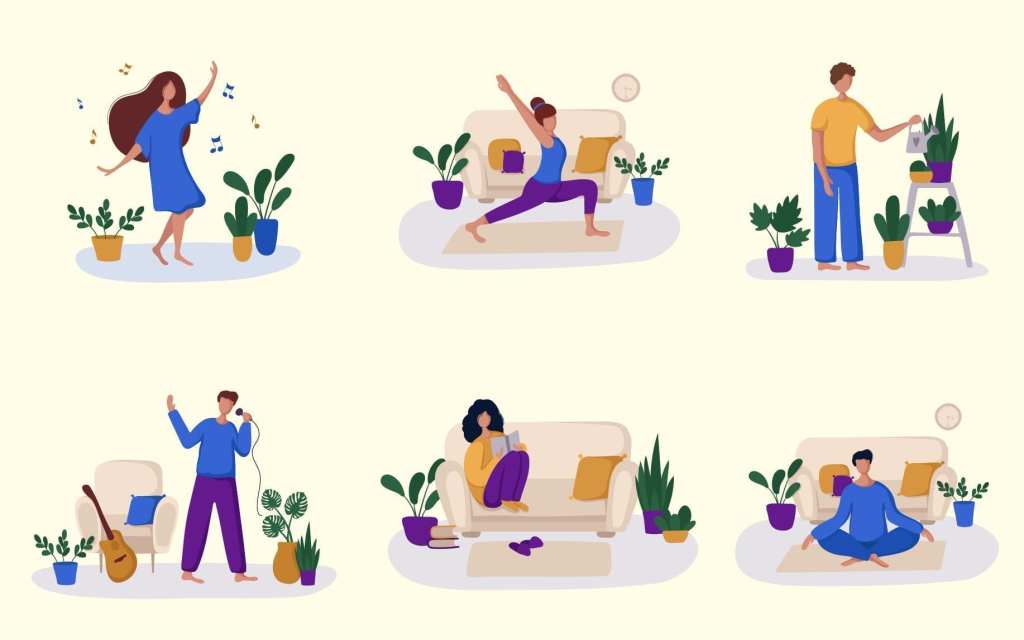
De-stress your mind:

  • Hobbies allow you to enhance your lifestyle and distress yourself while remaining mentally productive.
  • Having hobbies is always good for health as it reduces the risk of hypertension and depression.
  • Taking out your time and doing something that you love always puts us in a good mood and rejuvenate your mind and help prepare you to handle challenges in the future in a better way.
  • Hobbies that include physical activities create chemical changes in your body that help to reduce stress. 
  • Hobbies refocus your mind on to something that you enjoy doing.

Social interaction

  • Hobbies are a great way to meet people who enjoy doing the same things as you.
  • There’s nothing more rewarding than finding a person with the same interests– it puts friendship on the fast track.
  • The internet provides numerous groups and forums to connect with people that enjoy doing the same things that you want to do.

Enhances creativity

  • The skill of being creative is today’s necessity. It helps us grow as an individual.
  • Some hobbies require creativity and if you develop creativity through your hobby, it can be beneficial. 
  • Creativity can help you experience new things at school and work.

Builds up Self-confidence.

  • It can take some time to develop your hobby so that you may be able to tell that you are skilled. But, the journey of experiencing your hobby is very rewarding in itself.
  • With the exposure to different types of activities these days, it doesn’t matter which activity you choose. Whether you are pursuing a craft, sports, skill development, your hobby should allow you feel like you are good at something you like. That is where your confidence level starts to boost up.
  • If you’re good at something, you’ll start feeling pretty confident in yourself and this is precisely what hobbies encourage.
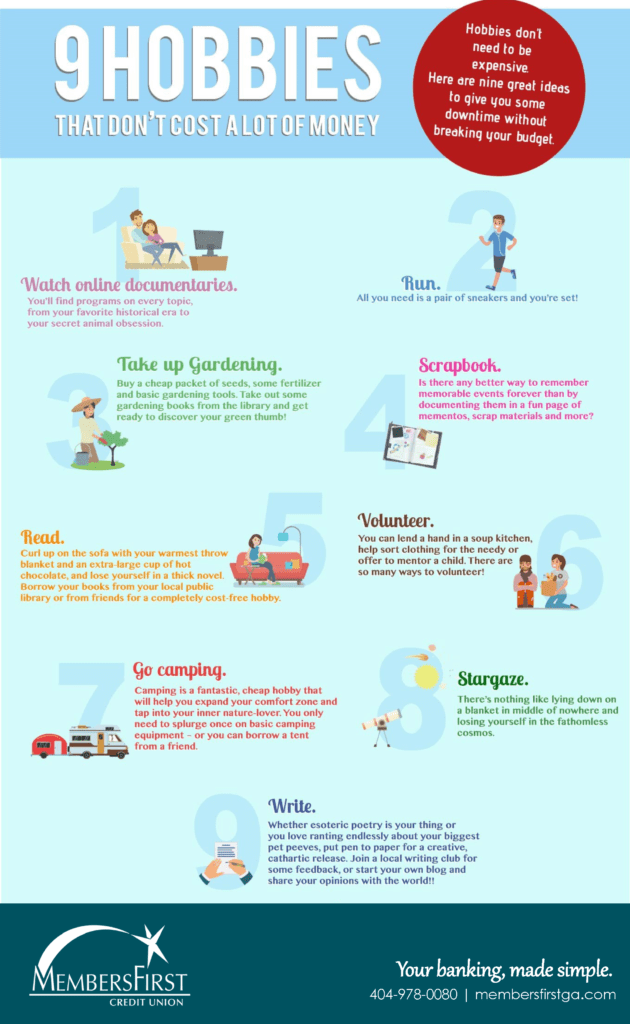
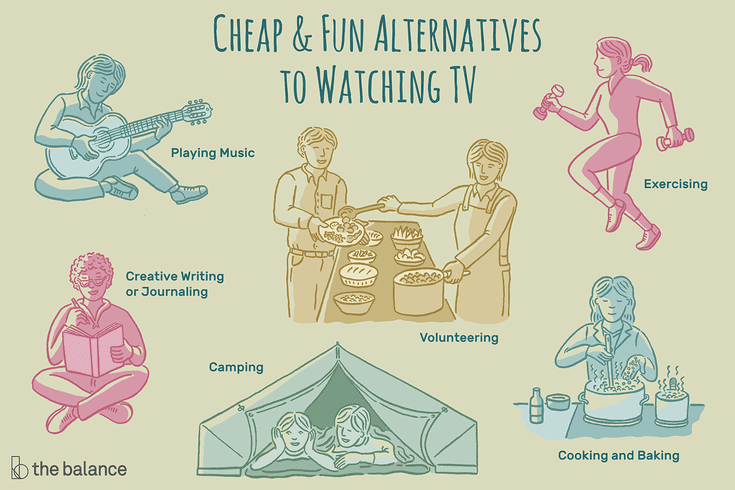
There are so many activities that one can count on as a hobby such as cooking, crafting, baking, sewing, fishing, gardening, writing, hiking, the list is endless. No matter which idea you choose to go with, there is no better day to start than today.

References:

https://www.skilledatlife.com/why-hobbies-are-important/

https://online.kettering.edu/news/2019/04/15/why-hobbies-are-important

https://www.peaceinnovation.com/blog/working-to-live-the-importance-of-hobbies?format=amp
BASICS OF TURNING HOBBIES INTO CAREER

I have already enlightened you about why having hobbies are important. In case you have missed it out then do read it by clicking on the link below.

We all have hobbies. It might be writing, painting, Youtubing, dancing, and whatnot. We all love to follow our hobbies because they are interesting and make us happy. And any work done happily and enjoyably brings spectacular success. Even Maya Angelou says so.

“You can only become truly accomplished at something you love. Don’t make money your goal. Instead, pursue the things you love doing and then do them so well that people can’t take their eyes off of you.”
– Maya Angelou

Now many of you might think, is it possible to transform a hobby into a full-time career? Yes, you can definitely do so. All you need to do is prepare a rock-solid strategy and plan.
In the following lines, I will point out some of the areas which you need to consider why preparing your strategy.

MADE WITH CANVA

CLEAR YOUR MIND:

So, first things first. List down the hobbies/passions you love and then prioritize what you are most inclined to. Make sure to write things short and clear. Once you choose your hobby, ask yourself certain questions.
Like, why do you want to make this your career? What are your goals? Answering these questions will bring clarity to your mind. You would be more serious and driven towards your decision.

DO MARKET RESEARCH:

After you have decided on your path, do full market research. Read about your target market and its trend. The potential customer’s demands and the type of product and service you would provide. Collect data on all of these dominions. Write down your full research on paper and accordingly chalk out your plan. Make sure you consult your plan and strategy with wise counsel.

DO IN-FIELD PRACTICAL:

Once your plan’s blueprint is ready, take it out to the customer. The best way to know the quality of your plan is to do an in-field practical. Take up your plan to a potential customer and ask him about their view on your project. What product/ service they would want to get? Or what are their demand from this field? These analyses would help you get ample knowledge about your project, the opinion of the customers, and its scope in the market.

LEARN MARKETING BASICS:

After you have done the research and began the production, start learning about the ways to advertise your product. For reaching out to the customers and interacting with them, you need to know the marketing basics. Nowadays, Digital Marketing is heightening. Learn how you can connect with your customers online. The initial step in this would be to start your website and a social media handle. You can even run digital ads on Google Search, Facebook, or Instagram. These are some low-cost advertisement platforms, where you can create a wide customer base.

BE CONSISTENT:

Out of all these steps, the one thing that matters most is being consistent. You might not be able to attract a generous number of customers, or your product might not stand out in the market. Whatever the situation might be, you do not have to lose hope. Just be consistent in your work. Accept the defects and shortcomings and work upon them. But, never let your energy and enthusiasm fade even a little.

Dwayne Johnson, a Hollywood actor says,
“Success isn’t always about greatness. It’s about consistency. Consistent hard work leads to success. Greatness will come.”

Keep these basics in mind and follow these steps and one day you would definitely shine bright.

Hobbies for students

Photo by Julia Larson on Pexels.com

Good time-management is critical for students pursuing their undergraduate degrees. When you consider the number of tasks that students need to face on a day-to-day basis, knowing how to manage time and maintain balance between study and personal activities is indeed crucial.

As a student, you know how important it is to have a hobby and to know how to spend your leisure time properly. Being able to unwind and refresh can really help you become a better student. Some hobbies even let you pick up new skills and train the mind, all while allowing you to have fun.

There are some great hobbies to get into. When you have a limited amount of free time to use, these next several hobbies are definitely worth trying.

1. Sports

Sports and exercising in general are great for the body and the mind. The routine exercises you do help you stay sharp and enhance your stamina; these two benefits are crucial for students who spend the majority of their time dealing with assignments and keeping up with course materials.

You don’t have to get into a particularly complex sport to enjoy these benefits. Simple things like taking a 30-minute run in the morning or spending the afternoon enjoying a nice walk are often more than enough to calm the mind down.

Routine exercises also let you maintain a healthier and more balanced life in general. You can sleep better at night, which means the body will regenerate at its optimum rate. Don’t be surprised to find yourself full of energy after a week or two of regular exercise.

2. Gaming

Gaming is another hobby that is easy to get into. You don’t need a particularly powerful computer to enjoy some AAA titles these days; plus, there are many game consoles for affordable prices nowadays. On top of that, we now have web-based games and mobile gaming titles just a few taps away.

One thing to note about taking up gaming as a hobby is how it can also turn into a source of income. MMORPG titles can lead to serious esports events, while online casino games let you win real cash prizes on the spot. The experience can be very rewarding when approached correctly.

3. Reading

I know reading seems like the last hobby you want to get into as a student. After all, you already have thick books and lots of course material to get through. However, there is something soothing about switching from non-fiction books to some of the best fiction titles on the market.

As with the previous two ideas, reading is an easy hobby to get into. You can simply pick up a book that you want to read, find a quiet place or a comfy coffee shop somewhere, and let your mind roam free with every word you read.

There is also the Amazon Kindle and thousands of digital books you can now bring with you anywhere. Kindle makes reading a lot easier and more affordable. The device itself may seem costly, but you spend less on digital books and you can save a lot in the long run.

4. Community Service

Giving back to the community is another fantastic hobby to try. It is certainly a fun thing to do when you consider the smiles you see in return for your help. Helping others is a great way to help yourself and you will feel so much better — and more centered — after each community activity.

There are a lot of activities to try too. You can find shelters to help, collect donations, run your own charity event with friends and get involved in other community development programs. Some universities and courses will also take these activities into account when reviewing your performance as a student.

5. Traveling

Traveling may not seem like an easy hobby to get into, especially when you are already busy with school assignments. That said, you don’t have to spend a lot of time (or money) to enjoy the best travel experience possible.

Taking a road trip with friends to a nearby destination, doing an urban exploration of your city, or simply going on a culinary adventure and sampling new restaurants are all simple ways to have that joy of traveling.

6. Content Creation

Have you noticed how some of the best YouTubers and Instagrammers are young students? Content creation is turning into a hobby that many enjoy, and it can be the perfect hobby for you too. Using your smartphone camera, you can share your perspective on different topics and bring value to the audience.

Content creation is a relatively new hobby, but it is a hobby that could also lead to many great opportunities in the future. Build a strong audience base and you too can make money from creating the best content on social media and video sharing platforms.

The key here is making your content personal. Don’t try to copy someone else’s way of conveying messages. Your point of view and your personal way of delivery are what the audience really enjoy. You can even integrate the other hobbies we covered in this article into the content you produce. How cool is that?

Any of these six hobbies are not just relaxing, but very beneficial in different ways. Find one that suits you best and allocate time for doing the fun things you enjoy so much. You will be a better student in the end.

Thank you.

Graphic design

Graphic design is the process of visual communication and problem solving through the use of type, space and image. The field is considered a subset of visual communication and communication design but sometimes the term ‘graphic design’ is used interchangeably with these due to overlapping skills involved. Graphic designers use various methods to create and combine words, symbols and images to create a visual arts and page layout techniques to produce a final result. Graphic design often refers to both the process (designing) by which the communication is created and the products (design) which are generated. Common uses of graphic design include identity, publications, print advertisements, posters, billboards, website graphics and elements, signs and product packaging. For example a product package might include a logo for other artwork organised text and pure design elements sketches images shapes and colour which unified the piece. Composition is one of the most important features of graphic design specially when using pre existing materials or diverse elements.

•Skills

A graphic design project me in work to stylisation and presentation of existing text and either pre existing imagery or images developed by the graphic designer. Artistic pieces can be incorporated in both traditional and digital forms which involves the use of visual arts typography and page layout techniques for publications and marketing for example a newspaper story begins with the journalist and photo journalist and then becomes the graphic designer job to organise the page into a reasonable layout and determine if any other graphic element should be required. In a magazine article or advertisement often the graphic designer or art director will commission photographers or illustrators to create original pieces just to be incorporated into the design layout or the designer may utilise stock imagery or photography. Contemporary design practice has been extended to the modern computer. Nearly all popular and ‘industry standard’ software programs used for graphic design since the early 1990’s are products of Adobe systems incorporated. They are Adobe Photoshop (a raster based program for photo editing), Adobe illustrator (a vector based program for drawing), Adobe InDesign ( a page layout program) and Adobe Dreamweaver (for webpage design).

Another major page layout tool is QuarkXPress (a product of Quark Inc. a separate company from Adobe). Both QuarkXPress and Adobe InDesign are often used in the final stage of the electronic design process. Raster images maybe edited in Adobe Photoshop, logos and illustrations in Adobe illustrator and the final product may be assembled in one of the major page layout programs. Most graphic designers entering the field since 1990 are expected to be proficient in at least one or two of these programs.

my work

Another one

•Occupation

Graphic design career paths cover all ends of the creative spectrum and often overlap. Employment within graphic design in walls workers performing specialised tasks such as design services publishing advertising and public relations. The main job responsibility of a graphic designer is the arrangement of visual elements in some type of media. The main job titles within the industry can vary and are often country specific. They can include graphic designer, are director, creative director former animator and the entry level production artist. Depending on the industry served commerce responsibilities may have different titles such as DTP associate and graphic artist But despite changes in the title graphic design principles remain consistent who start the responsibilities may come from early to specialised skills such as illustrations photography animation or interactive design. Today’s graduate in graphic design students are normally exposed to all these areas of graphic design and I guided to become familiar with all of them as well in order to be competitive. Graphic designers will face strong competition when applying for positions for organizations look for candidates with convincing talents and college level education post of field requirements consist of having strong portfolio and bachelors degree first of graphic designers can work in a variety of environments while many will work in companies devoted specifically to the industry such as design consultancies or branding agencies, others may work in publishing, marketing for other communication companies. Increasingly, special sense the introduction of personal computers to the industry commerce many graphic designers have found themselves working in non design oriented organizations as in house designers. Graphic designers may also work as freelance designers, working on their own terms, prices, ideas etc. A graphic designer reports to the art director, creative director or senior media creative. As a designer becomes more senior, he/she may spend less time designing media and more time leading and directing other designers on broader creative activities such as brand development and corporate identity development. Senior designers are often expected to interact more directly with clients, for example taking and interpreting briefs.

Thank you for reading. Have a nice day!🌼

The Psychological Connection to Hobbies

Most of us have had a childhood interest or a hobby which was our favourite pastime. With not much to do all day, we would spend our time engaging in different unique and creative activities. Not only saving us from boredom, these hobbies have provided us with lot of benefits and shaped us into becoming what we are today.

Photo by Sharon McCutcheon on Pexels.com

Almost everyone had a favourite pastime activity which would keep us busy in our childhood. Starting from painting, doodling to collecting stamps, pebbles, train tickets and what not. When asked about their hobbies many people were found to narrate happy tales of their childhood. In today’s busy world where it is difficult to even take a day off from work, we tend to lose touch with our creative sides. Thinking about our childhood days makes us realise how long it had been since these hobbies were a part of our lives. Sports, music, crafts have all been pushed aside in adulthood by our busy schedules and responsibilities. In the midst of all these we have not realised how important these had been in shaping us and how amazing it would be to revisit these days by going back to those hobbies.

As children we had many different ways to spend our times. Some of us were into painting and crafts, some were into musical instruments, while some had the interesting habit of collecting stuffs. All these hobbies seem simple but studies show that there is a lot more to it.

There’s a lot of factual information about the importance of art in a child’s development. Researches show that individuals who have been into art and crafts in their childhood are found to be more expressive and have better communication skills. Experimenting with art makes children open to broader ideas and help them handle unexpected situations with ease.

Photo by Marko Blazevic on Pexels.com

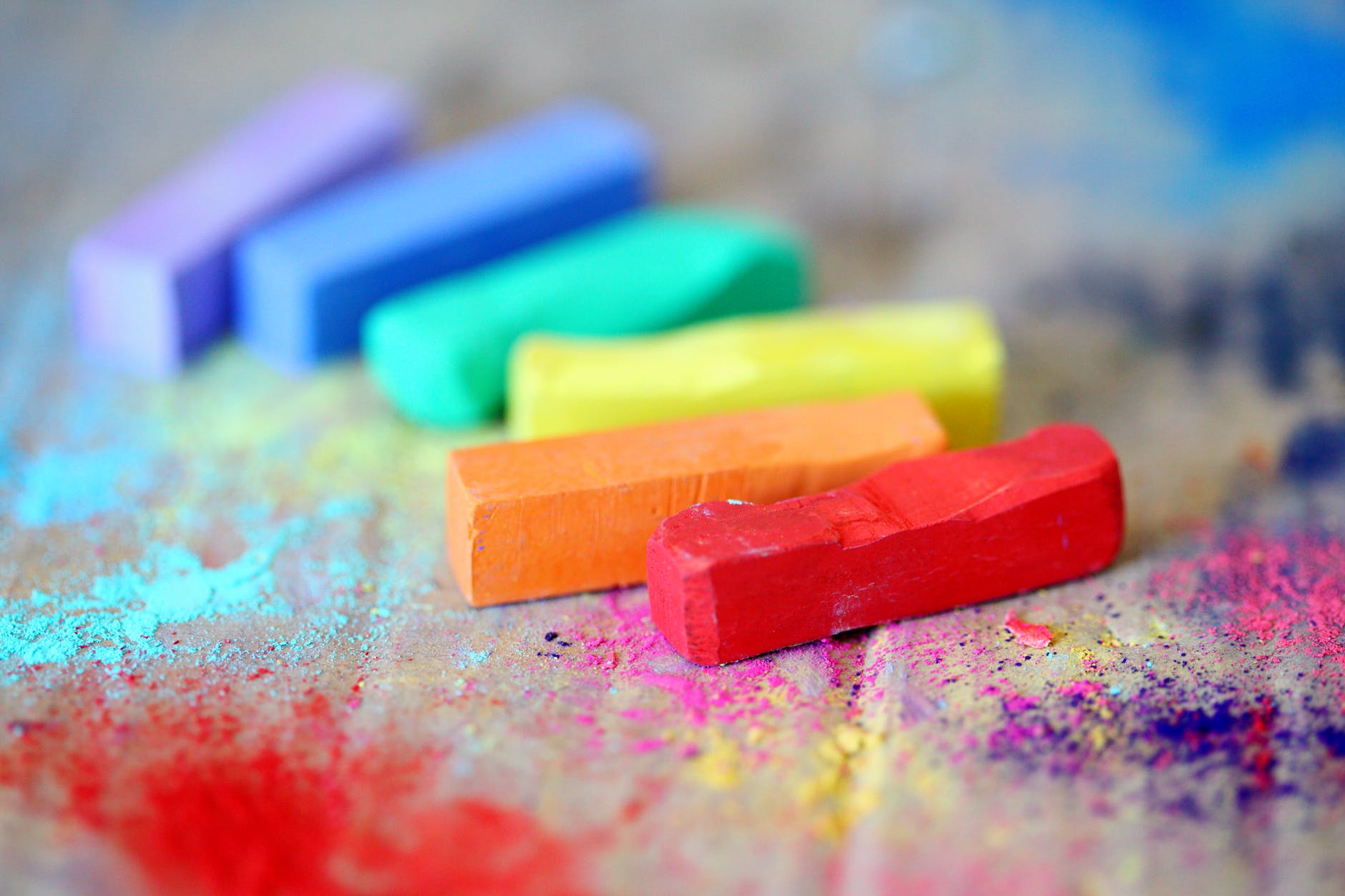
Collecting is believed to be a psychological impulse. Collection is a historical practice and it ranges from stamps, books, tickets, coins to leaves and pebbles. People maintain the habit of collecting due to various reasons. Some collect due to an interest in the things that the collections represent, while others view collection as a pleasurable form of owning something. The different aspects attached with it makes the psychology behind it so interesting. It has been known that individuals who had the habit of collecting grow up to be careerist individuals in future. As the saying goes “An individual’s childhood is reflection of their life”. Collectors are also known to make better social connections and more friendships.

Photo by Karolina Grabowska on Pexels.com

Individuals engaging with music from a very young age tend to enjoy musical instruments. Engaging with music makes us happy and lifts our spirits. Studies show that music improve our brain functions and it keeps the brain active. It has also been known that music helps in retaining information and develops memory. Children who have had such hobbies grow up to be smart individuals.

Photo by Nick Bondarev on Pexels.com

Few years back, Google had encouraged its employees to devote 20 percent of their time to side projects of their interest. It was a very innovative decision on the part of the company and it yielded amazing results. It has been known that following this, employees have performed more productively in their work and have achieved more. There are innumerable ways in which hobbies help in one’s overall growth and development. Most of us have lost touch with these but we can surely try and revive those habits. In fact, discovering childhood hobbies can make our lives better and make us happier. It feels amazing to revive those countless memories we have with an instrument or a habit. This will also help us become more productive in our work. Investing one’s time in areas of interest alongside their career can yield incredible results and, in the process, will make us better individuals with a more holistic outlook towards life.

Succulents

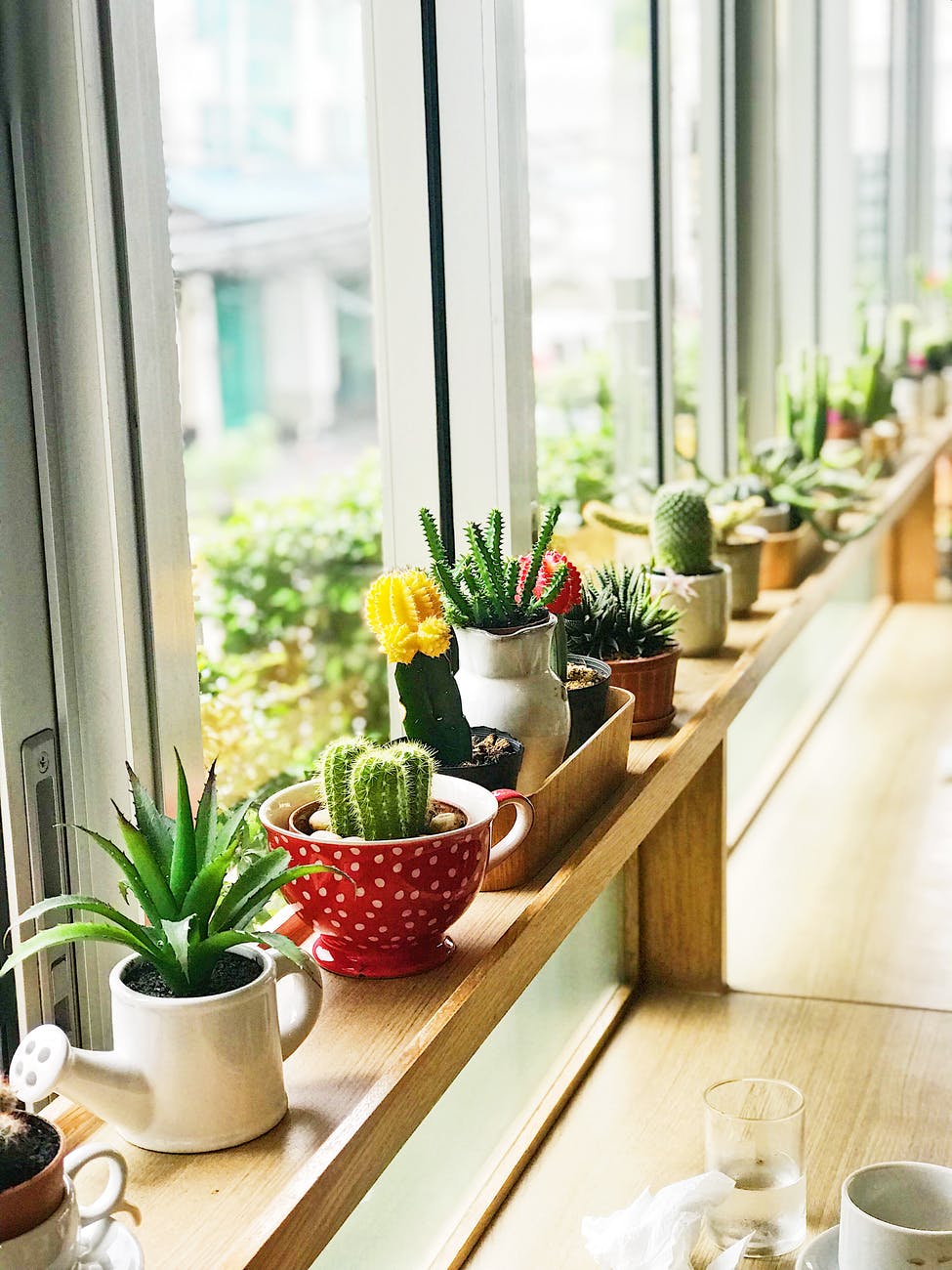
Succulents are indoor plants which can grow with very little water. They are ornamental plants and are used to decorate spaces for their interesting shapes and colours. If you are in search of house plants which can thrive with little care succulents are for you. Over the last few years succulents have grown very popular. There are hundreds of unique varieties and one doesn’t need gardening skills to care for them, anyone can grow them. They have special water storing tissues which help them to grow even in very dry conditions which is not favorable for most other plants. So, they are ideal for growing in your living room. They are also very easy to find in nurseries and shops.

Photo by Rovelyn Camato on Pexels.com

In botany, succulent are plants which are thick and fleshy to retain water in arid climates or soil conditions. The word succulent comes from the Latin word sucus, meaning ‘juice’, or ‘sap’. These plants may store water in various structures, such as leaves and stems. The natural habitats of these water preserving plants are in areas where there is high temperatures and low rainfall, like deserts. Having the ability to thrive on limited water sources, such as mist and dew, succulents are equipped to survive in an ecosystem with scarce water sources. In horticulture, the term succulent regularly excludes cacti. However, in botanical terminology, cacti fall under succulents.

Some easy to grow succulent varieties are –

Burro’s tail – It is a trailing succulent that looks good in a hanging basket or container so it can drape over. The stems can reach up to 3 feet long and have gray-green leaves which looks like the grains of rice. Although it rarely blooms, pink or red flowers might be visible at the end of the stems in summer.

Photo by Quang Nguyen Vinh on Pexels.com

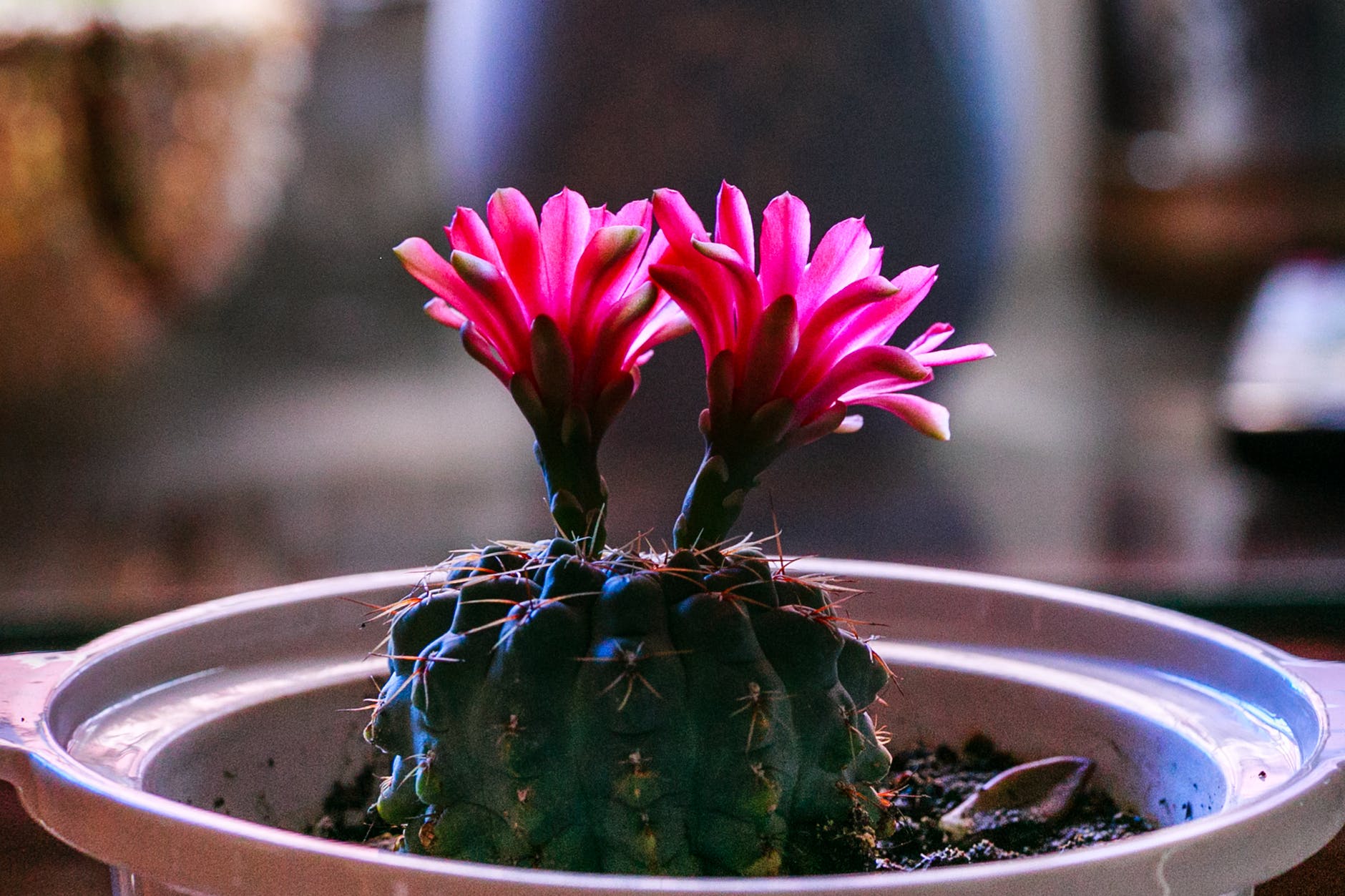
Christmas Cactus – It has flat segmented stems like crab claws which gives it the nick name crab claw cactus. It also prefers a bit more moisture so you can water it whenever the top inch of soil in the container is dry. Keeping it in bright light near a window, can make it bloom in winter.

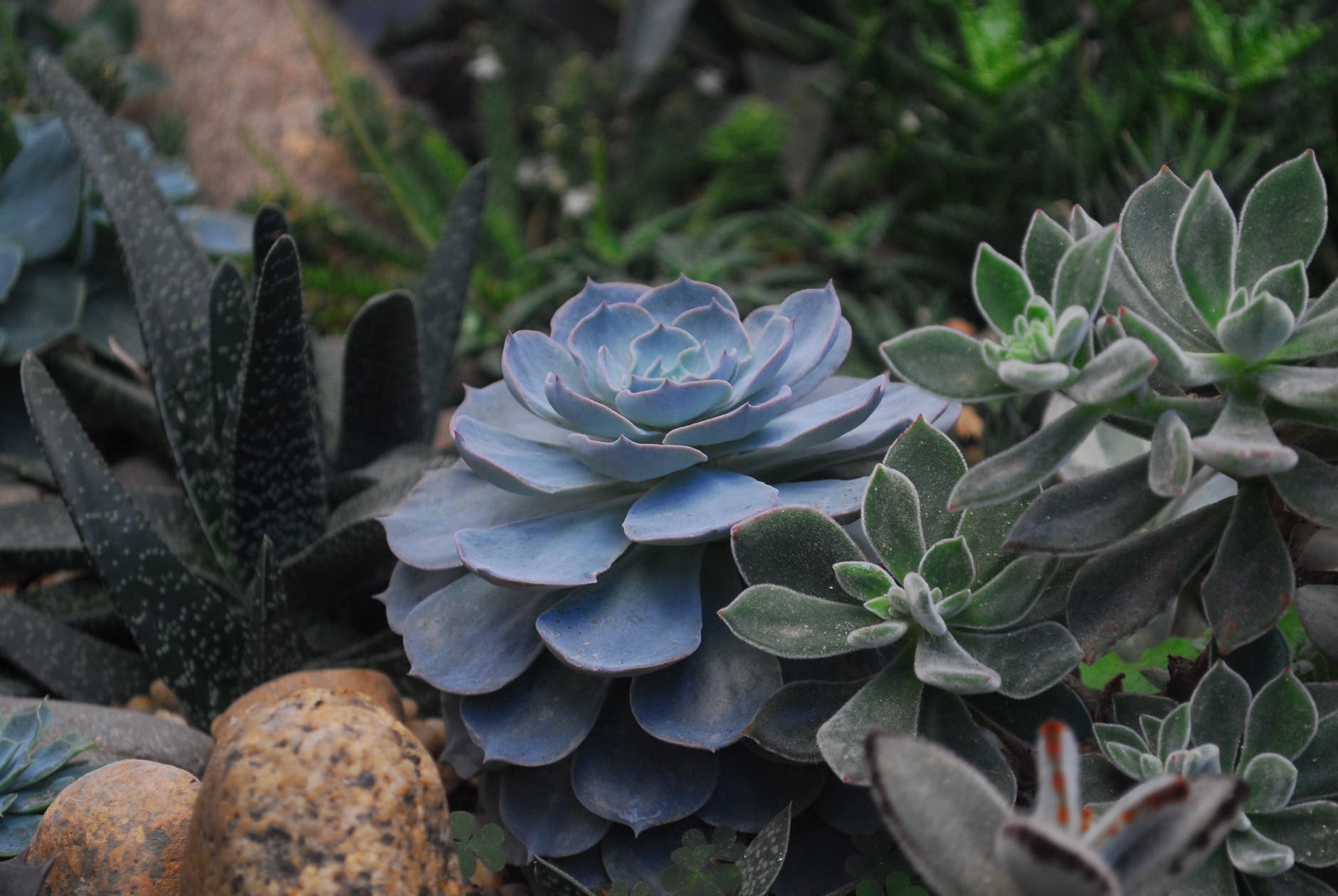
Hens and Chickens – It is a very common type of succulent and is characterized by flower like structures with round edges. They are actually two different plants which look very similar. They have star shaped flowers.

Aloevera – It has long slender leaves with sharp teeth like edges. It’s well known for its sap which is used to treat skin diseases and heal wounds. Aloevera is an easy to grow houseplant and is tough to kill.

Photo by Mu00e3 Minh on Pexels.com

Snake Plant – They have thick, stiff and pointed leaves which grow straight up to 3 feet long. Having a patterned marking makes it look like a snake and hence the name. It will multiply and grow leading to filling the whole pot. It might require you to divide it in different pots.

African Milk Tree – It is capable of growing up to nine feet tall in natural habitat, and it isn’t actually a tree. As a houseplant, this succulent reaches up to three feet tall, producing upright, triangular, branched stems bordered with short sharp thorns. The tips of the green stems have small leaves with a reddish tinge.

Zebra Haworthia – It has striking stripes and spiky foliage which makes it look like a rare and exotic plant, but it’s often available at garden centers and is very easy-going when it comes to taking care of. It will stay small within 5 inches.

Can your hobby be more than just that?

Most often than not we are running like robots in this fast paced world. We tend to forget about our heath, family, and friends and more importantly about ourselves. When was the last time you actually pursued something you like? This does not mean watching your favourite series or having a movie marathon with yourself at 3 am. Having a hobby that helps you improve yourself in any way is a best way to have a good lifestyle. It also helps you relax and take a break from your work. Most of us are not lucky enough to be pursuing one of our hobbies as a career, but we sure can take it up in our free time and not lose out on it. Now I can understand that making free time for yourself is not easy. And when you finally get some time off your monotonous routine you would definitely want to sleep it off or maybe finish a movie you’ve been eyeing for some time. But trust me you will feel better by doing something you love instead. Don’t get me wrong I know having occasional movie nights and some extra hours of sleep is great but what I’m saying is that make sure to devote some time to your hobbies also. It could even be a mere half an hour but do it. You will definitely see a change in yourself and your mood. You don’t even have to do it on a daily basis even once a week will be enough.

You will understand better if I quote some examples and benefits.

1. Hobbies encourage taking a break. Hobbies offer an opportunity to take a break—but a break with a purpose. If you’re like me, you might like to feel productive while you’re engaging in an activity and a hobby gives you that. You are doing something while still having fun. Hobbies are great ways to take a break from your busy life while still having a sense of purpose. 

2. Hobbies promote eustress. Eustress is that positive kind of stress, the kind that makes you feel excited about what you’re doing and about life. Hobbies, I’ve found, are one of the greatest ways to access that kind of stress. When you’re doing something you love—something you don’t have to do for any other reason other than the fact that you love it—you feel a rush of excitement and joy. 

3. Hobbies offer a new challenge. Hobbies break up routine sand challenge you in new ways, ways that are different from work, ways that are positive. The great thing about picking up a new hobby is that it provides an excellent outlet for challenging yourself without the negative stress that comes from a work-related challenge. The new challenge can also open your mind to new ways of seeing the world. 

4. Hobbies unite you with others. Even if you engage in a solo activity, like illustrating, you’re exposing yourself to a new world of people, people who find the same thing enjoyable that you do. Though I don’t talk much about illustrating in the “real world,” online I find myself connecting with all kinds of people who are passionate about what I too feel excited about.  

5. Hobbies provide an outlet for stress. Adding another activity to your to-do list might seem like a way to create more stress, but I’ve found that engaging in a new hobby actually provides a great outlet for releasing stress. By focusing on a non-work-related task, you’re giving your mind something else to focus on. And when you really get in the flow, all of your worries and stresses seem to fade away. 

6. Hobbies promote staying present. If you really love what you’re doing, you tend to get in the flow or zone and really, truly focus on the moment. When I’m working on an illustration, hours can magically fly by because I’m so intensely focused on what I’m doing. Instead of worrying about the future or dwelling on the past, I’m completely and undeniably in the present. 

7. Hobbies have physical health benefits. Research has found that engaging in enjoyable activities during down time were associated with lower blood pressure, total cortisol, waist circumference, and body mass index. Engaging in these activities also correlated to higher levels of positive psychosocial states and lower levels of depression and negative affect. Hobbies are good for your mind and your body.  

Finding a new hobby isn’t always easy. You can’t just force yourself to like something; it has to come naturally. If you don’t already have something you’re interested in (or might be interested in), try new things. Sign up for a class that sounds interesting or ask your friends what kinds of hobbies they enjoy doing. The key to finding a new hobby—and falling in love with it—is keeping an open mind and being willing to give new things a try. You never know what might become your next favourite past-time! Start discovering yourself.