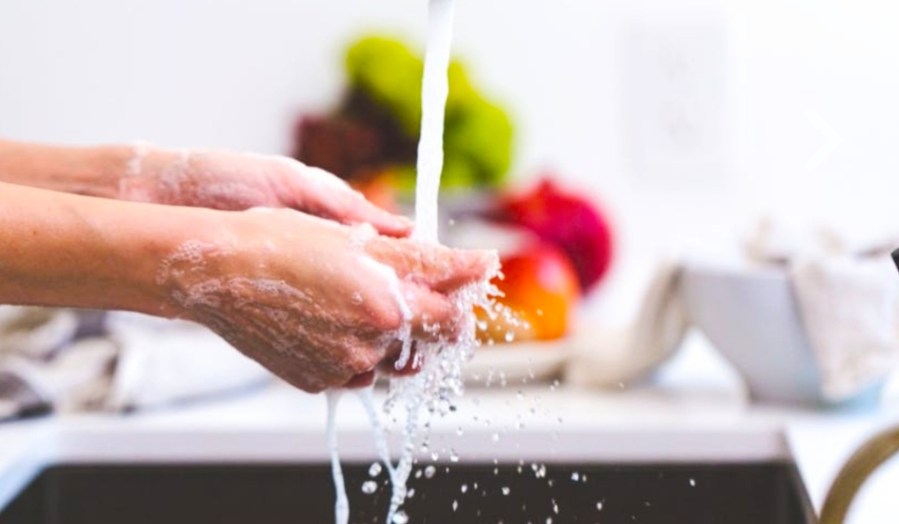
OIL-PULLING (A HABIT TO START NOW)

According to statistics, dental sensitivity affects one out of every three adults in India, or 34% of the population. Despite this, only approximately 1 in 5 people take action to address the problem.

The mouth is considered as the mirror of the general health of the human body. Hundreds of billions of microorganisms reside in the oral cavity, many of which contribute to the development or progression of systemic disorders such as cardiovascular disease, diabetes mellitus, and others. Oral and general health are intertwined. Thus, good dental hygiene is essential. Oil-pulling is believed to promote oral health. The benefits of oil pulling for oral hygiene are mentioned further down.

OIL-PULLING

Oil pulling, mentioned as “Kavala” or “gundusha” in the Ayurvedic text Charaka Samhita, is an Ancient Indian dental practice that entails swishing a spoonful of coconut oil or sesame oil in the mouth for 20 minutes on an empty stomach for oral and overall health benefits.
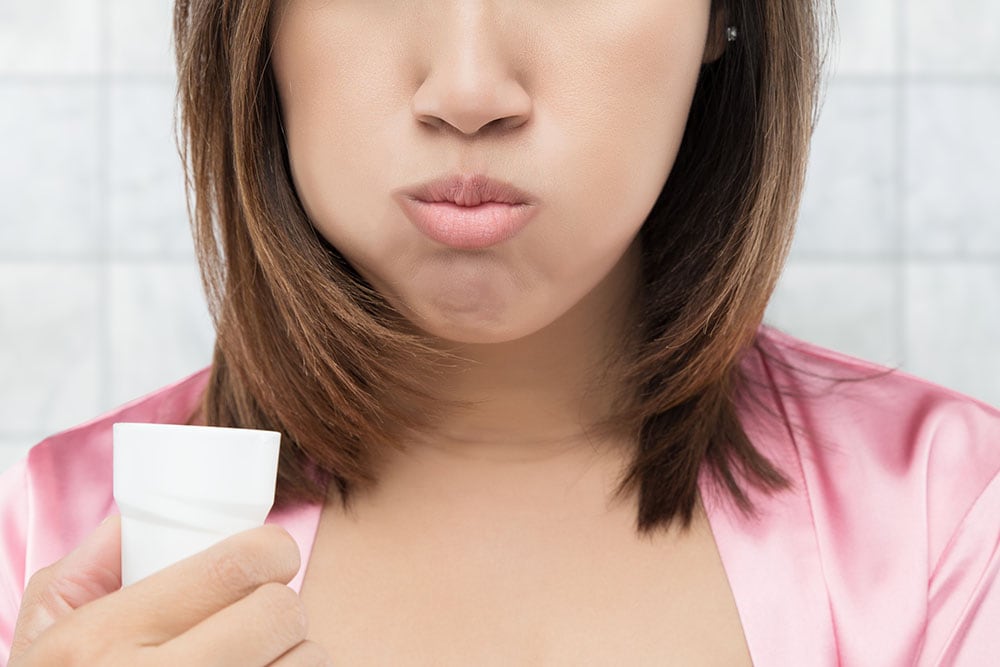
For many decades, oil pulling has been used as a traditional Indian cure to prevent tooth decay, bad breath, bleeding gums, dry throat, chapped lips and to help strengthen teeth, gums, and the jaw. When used routinely and as instructed, it is claimed to cure around 30 systemic ailments, like headaches, migraines, diabetes, and asthma.

PROCEDURE OF OIL-PULLING

A tablespoon of oil is swished in the mouth for 20 minutes every morning on an empty stomach in oil pulling. A teaspoon of oil is enough for children over the age of 5. It is not advisable for kids under the age of five. By swishing the oil in the mouth, it is ‘pulled’ and squeezed in between all of the teeth. When done correctly, the thick oil will turn milky white and thin. The oil should be spat out, next the mouth must be thoroughly rinsed with warm saline water or drinking water, and the teeth should be brushed with a regular dental brush. In case the jaw hurts, one can do the treatment for 5–10 minutes.

Because oil can clog pipes, it should not be spit into the sink. Instead, spit the oil into the dustbin or on a paper towel.
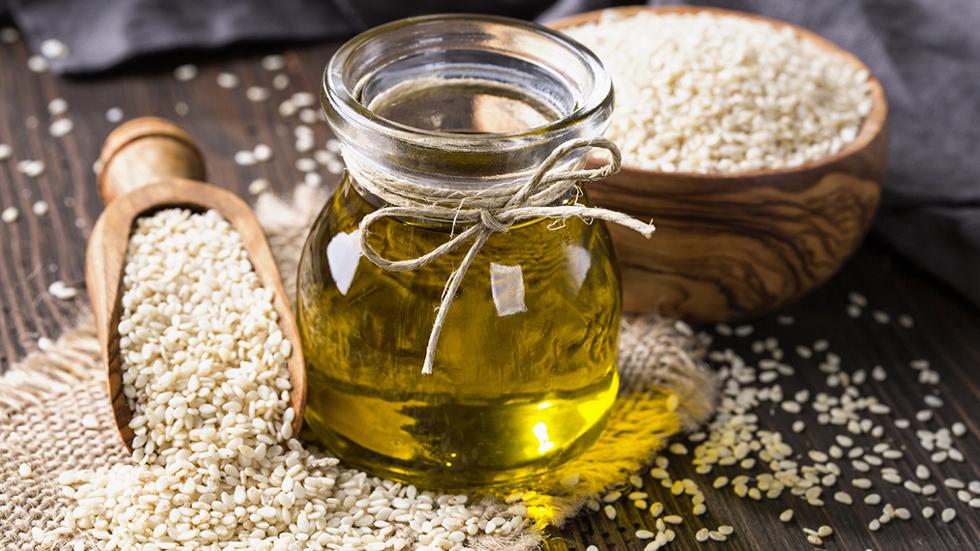
Oils such as sunflower, coconut or sesame oil can be used for oil pulling. For its nutritional qualities and positive health impacts, the sesame plant, Sesamum indicum, of the Pedaliaceae genus, is viewed as a gift from nature to humankind.

It’s crucial not to swallow the oil as it carries bacteria and toxins. Oil pulling is best done while sitting with your chin raised. To speed up the healing process, do it three times a day on an empty stomach before meals. When undertaking vigorous oil pulling, one should not aspirate the oil. Oil pulling can be fruitfully utilized to maintain oral hygiene in cases of oral ulcers, fever, vomiting tendency, asthma, and other situations that make brushing difficult.

BENEFITS OF OIL-PULLING

Surgery or medication for a variety of chronic ailments could be avoided using this method. Oil treatment is both preventative and curative. The simplicity of this therapeutic procedure is one of its best attributes.

According to Ayurveda, the tongue is connected to the kidneys, heart, lungs, small intestine, stomach, colon, spine, and other organs. Oil-pulling is believed to aid in the removal of harmful heavy metals from the body through saliva. It stimulates salivary enzymes, which take toxins from the blood, such as chemical, bacterial, and environmental toxins, and expel them through the tongue. In a nutshell, oil pulling cleanses and detoxifies the entire human body.

Organic oils like sunflower oil, sesame oil, and coconut oil are beneficial, especially if they are cold-pressed, while refined oil can also help to “pull” germs, viruses, and protozoa out of the mouth. Because trans fats are nonexistent in cold-pressed oils compared to commercial oils, cold-pressed oils are perfect for oil pulling. Sesame oil is often regarded as the best oil for oil pulling. Sesame oil and sunflower oil have been shown to help reduce plaque-induced gingivitis. Chlorosesamone, found in sesame roots, has antifungal properties. Sesame oil’s polyunsaturated fatty acids also help prevent free radical damage in the mouth.

Oil pulling produces antioxidants, which attack and kill bacteria by eroding their cell walls. These oils attract the lipid layer of bacterial cell membranes, causing them to cling to the oil and be drawn to it. The oil is emulsified and the surface area of the oil is expanded during oil pulling. After 5 minutes of oil pulling, the emulsification process begins. This oil coats the teeth and gums, preventing plaque formation and bacterial co-aggregation. Plaque-forming bacteria responsible for dental cavities, gingivitis, periodontitis, and foul breath are therefore eliminated from the mouth.
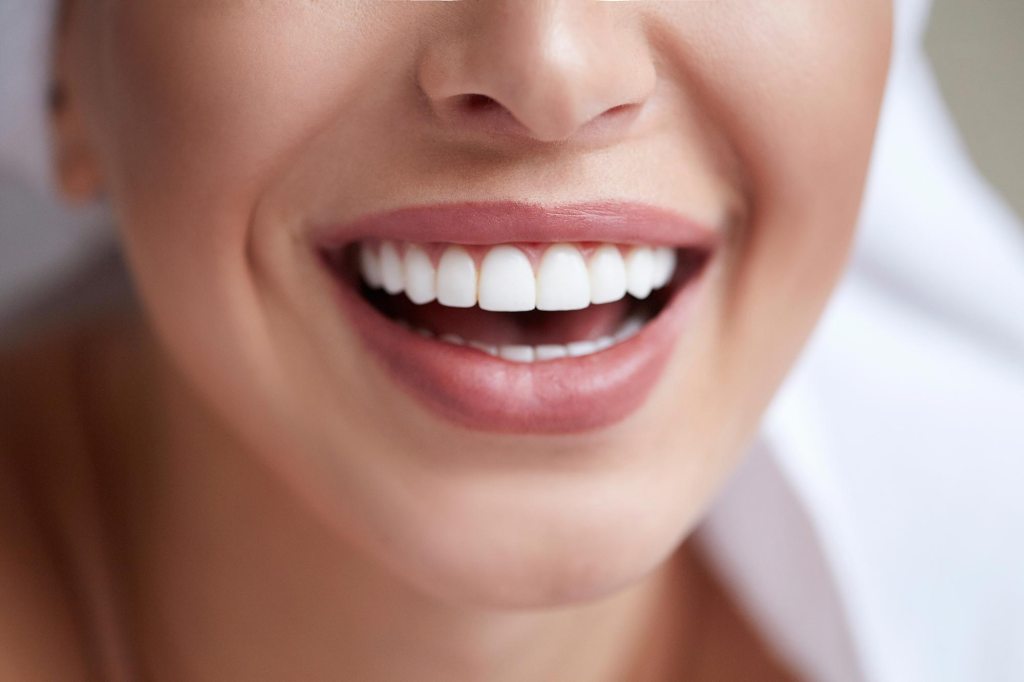
Gums become pinker and healthier as a result of enhanced oral hygiene; bleeding gums are no longer a concern; teeth become whiter; breath becomes fresher, and oral cavity muscles and jaws develop stronger. It also helps with sore throats, dry skin, blurred eyesight, loss of taste, and anorexia.

A study was carried out to investigate- the efficacy of sesame oil-pulling on plaque-induced gingivitis and to compare it to the effectiveness of chlorhexidine mouthwash. For this study, a total of 20 plaque-induced gingivitis-affected teenagers were divided into two groups: 10 in the oil pulling group (Group I) and 10 in the chlorhexidine group (Group II) (Group II). The 20 subjects’ plaque index and revised gingival index scores were recorded, as well as baseline plaque samples.

In both the study and control groups, the pre-and post-values of the plaque and modified gingival index scores were statistically significant (p < 0.001 in both). In the plaque of teenagers with plaque-induced gingivitis, oil pulling therapy reduced the plaque index, modified gingival scores, and total colony count of aerobic bacteria.

LEARNING FROM THE CLEANEST CITY OF INDIA: INDORE

“A journey of a thousand miles begins with a single step. “

Indore has been awarded as the “Cleanest City” of India for fourth time in a row and the most important reason behind this success is the combined efforts of the public, public representatives, government officials and other stakeholders engaged in this process. The journey made by the city is inspiring and as of now there are many other cities of the country and globe who are following the strategies for becoming cleanest city.

INDIAN SCENARIO: TRASH EMERGENCY

According to the Annual Report of the Ministry of Housing and Urban Affairs, in year 2016-17, India generated approximately 1,50,000 tones of solid waste per day. According to World Bank by 2050, it is estimated that India will generate nearly 3.5 times (over 5,43,200 tones) of solid waste per day. It has also been estimated that local bodies collect nearly 90% of this waste, out of which nearly 80% is dumped in dumping sites or landfill site without getting treated. Under Article 21, it is provided that Clean Environment is (the) Fundamental Right of every citizen and it is the responsibility of the urban local bodies and the State to ensure that clean and hygienic environment is provided to the citizens which preserves their health. In case of Indian cities, it is very important to learn from the best practices and techniques applied in different urban areas for efficiently dealing with the solid wastes.

THE JOURNEY TO CLEANEST CITY

HOW IT STARTED

The journey of Indore for becoming the cleanest city started from 2016 and it faced many challenges.

Some of technical challenges were:

  1. Inefficient infrastructures, systems and processes for Municipal Waste Management.
  2. Absence of infrastructures for material recovery, transfer stations and processing unites and non – operational composting facilities.
  3. Inefficient door to door waste collection system with no scope of source segregation practice.
  4. Unorganized trenching grounds with nearly 13 lakh tons of waste which caused methane induced fire, bad odor and increased the chances of diseases.
  5. Unorganized and inefficient waste collection, transportation and dumping.

In addition to all these technical issues, there were various non – technical challenges like:

  1. Cooperation and support of citizens,
  2. Unorganized municipal workers
  3. Lack of mechanism to monitor and reviews all the processes being involved
  4. Inefficient citizen grievance redressal system.
  5. Lack of political awareness to achieve the cleanliness goals
  6. Lack of awareness about solid waste management process among citizens, local media, administrations and Resident Welfare Associations (RWA).

THE PROCESS

Indore had to implement many strategies in each and every step associated with solid waste management. Along with these strategies the Indore Municipal Corporation (IMC) had partnered with private bodies, NGOs etc. for boosting the entire [process and empowered the citizens regarding their roles and responsibilities as citizens of the city for making Indore a clean city.

Waste Collection, Segregation and Transportation :

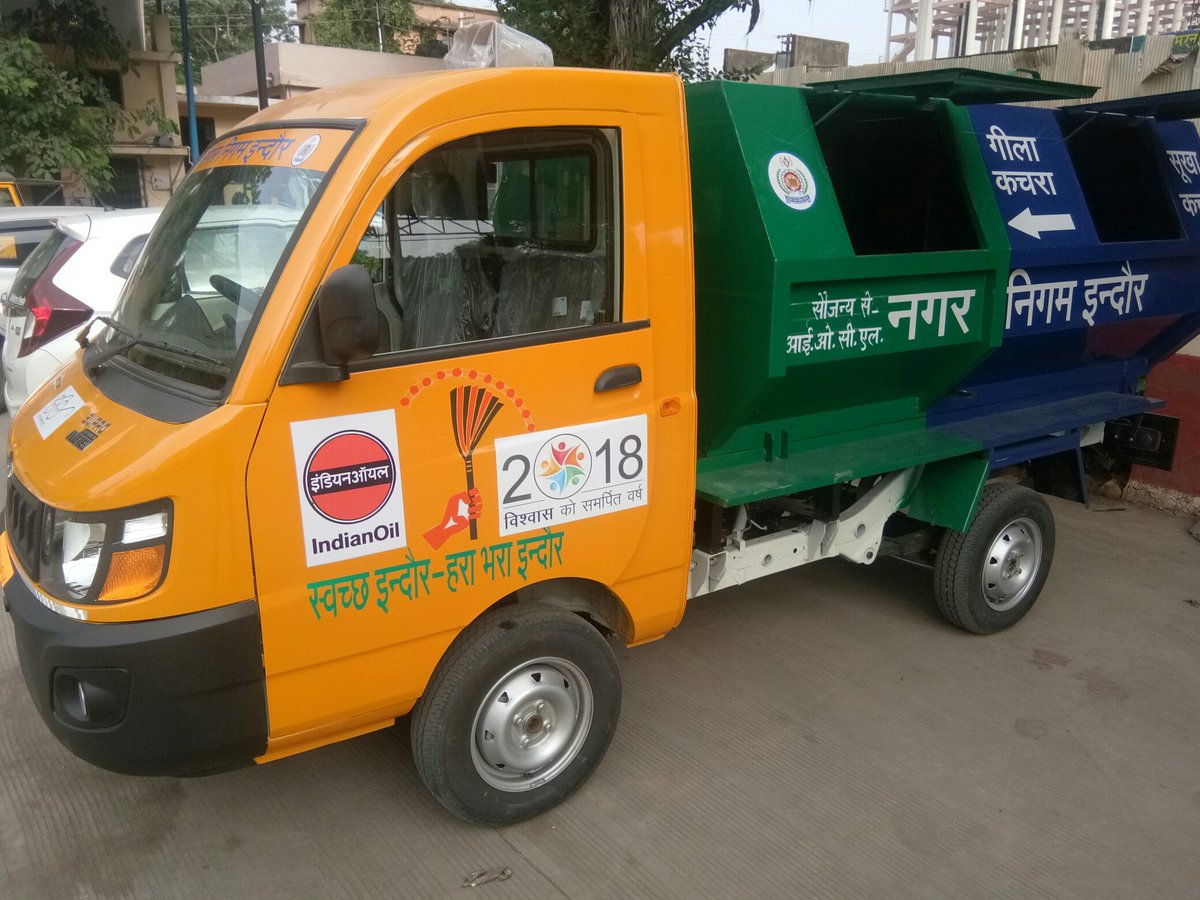
Vehicles having different compartments for waste collection

IMC started the process of waste collection from households on daily basis from 2016 and at the same time it also started asking and motivating the citizens to segregate their waste. Some of the strategies undertaken for increasing the efficiency of waste collection were :

  1. Collecting the wastes from household on regular basis and studying the lifestyle of different localities to finding the most suitable for waste collection.
  2. Explaining the people about the need of waste segregation and on repeated disposal of unsegregated wastes, households had to pay the fine as decided by the Supervisors of IMC.
  3. Tracking the routes of the garbage vans and vehicles that collect the wastes from door to door and monitoring it.

Some of the steps undertaken for creating awareness among citizens were :

  • Visiting of different localities and colonies by Municipal officials to persuade and create awareness among citizens regarding waste segregation.
  • Providing common platforms were religious leaders created awareness among people, on the basis of importance of cleanliness as mentioned in the religious texts, schools etc. and organizing oath taking ceremonies for children pledging a clean city and conduction of mass road sweeping exercise at different areas of the city.
  • Involving 850 Self Help Groups, comprising almost 8500 women for spreading awareness for waste segregation and conducting mass campaigns.
  • Campaigns for zero waste localities and markets.
  • Creating awareness regarding home composting, as a result of which nearly 50,000 households started doing home composting.

Involvement of Private Bodies and NGOs for Boosting the process

The IMC partnered with non-governmental organizations for creating awareness campaigns to change the attitude and behavior of citizens, to facilitate the functioning of solid waste management systems, use of proper technologies for increasing efficiency and improved capacity for ensuring proper implementation of all strategies and actions decided for being clean.

Waste Management System

The city adopted the strategy of processing the waste near the source. For example: All food outlets separate food waste and transport it to the small garden inside a traffic triangle at one end of the street. This strategy is more cheaper, hygienic and sustainable way for processing the wastes. The responsibility of waste composting is given to an NGO named Swaha and this organization uses a machine which simple and easy to handle. Most the waste generated from Indian cities contain higher proportion of organic wastes and are generally wet, which makes the waste more difficult to handle. These machines work efficiently even if the material is not organic with minimum spillage, minimum human contact with waste and has mechanism which can easily lift heavy trash cans.

Waste to Fuel

For processing of organic wastes, a Biomethanation facility is provided which converts the organic waste into methane. The city produces nearly 20 tones of waste everyday and this waste is converted into 750 – 800 kg of bio compressed natural gas (bioCNG). This task is assigned Mahindra Waste to Energy Solutions Ltd. The gas produced is used to run city buses, and sold as cooking fuel to hotels and the Indian Institute of Management, at a subsidized rate. Waste from the flower market is kept separately (1-2 tons a day), and mixed with slurry to produce compost.

Street Sweeping

For the purpose of street sweeping machines are used. Every night 800 km of main roads are swept using machines and water mist are used for cleaning footpaths and road dividers. For the cleanliness of roads nearly 400 liters of water is used every night and most of these are recycled water which are derived from the three sewage treatment plants. In case of internal roads which are 2200 km, the wastes are swept and are collected in gunny bags, collected by vans and transported to waste processing facility.

Clean Streets of Indore

CURRENT SCENARIO

Before and After images of Indore

As of now, 100% of household wastes are segregated at source and are processed. Ten ultra modern mechanized transfer stations are used for final processing and disposal. The city makes use of ICT based devices and Weighbridge mechanism for sustainable integrated solid waste management systems. For road sweeping purpose, Ultra modern mechanized road sweeping machines are used, which clean the bypasses, super corridors and bridges.

The city uses a collection and transportation app which is fully digital in nature for monitoring entire process, from door to door segregation to final disposal of waste. The wat wastes are processed and are used in public transports and today 15 city buses operate on this bioCNG gas. Similarly, construction and demolition wastes are reused for making non-structural concrete, paving blocks, lower layers of road pavements etc.

Through the process of bio-remediation, 100% of wastes has been remediated and 100 acres of land has been reclaimed. The dumping yard or landfill site had been converted into green belt. There is a proposal to develop this land into a golf course and city forest.

The entire journey of Indore has been based on more that 3Rs- reduce, reuse and recycle. These include Food Bank, disposable free events, Bartan Bank, art and crafts made out of wastes etc. All these initiative have ensured sustainability of the city.

Other than all these technical strategies, the city also took many social media initiatives and Information, Education and Communication (IEC) techniques for ensuring community Engagement. The song, “HO Halla” by Indian singer Shann became the Swachhta Anthem of the city in 2017 and motivated the citizens to keep doing their part of work towards this Swacchta mission. The song also has many new versions.

CONCLUSION

Since 2016, Indore went through a commendable journey for providing its citizen the urban environment which will protect their health. The IMC took strategies which are the most efficient and using them, it eliminated garbage dumps, 100% household waste collection and segregation, reusing all the wastes etc. The success of Indore’s solid waste management shows that other Indian cities can also clean the entire area and make it more hygienic and sanitized for the people by engaging NGOs, private bodies and citizens.

Thus, trust between all the stakeholders being involved in the process is the major pre-requisite for achieving the goal.

TAKING CARE OF PERSONAL HYGIENE

BY: VAIBHAVI MENON

“Life is short so don’t risk it.” We know how important personal hygiene is, as keeping our body, hands and hair clean can stop the spread of germs and illnesses. Personal hygiene is defined by the practices you take to look after your physical health to avoid diseases by maintaining a certain level of personal cleanliness. It is a key element in our daily routines to live a healthy life. Thorough out our whole life a bunch of people or maybe even ourselves get diseases which could be life threatening and usually people consider the main reason for this to be not getting access to something and being careless about your surroundings. What they don’t know is that hygiene plays a very important part in not getting in contact with these diseases. For example during this ongoing pandemic, most people catch the virus because they don’t take the proper precautions like sanitizing yourself or wearing masks. Therefore taking care of your personal hygiene is a very important thing to do if you want to lead a healthy life.

Few basic ways in which we can maintain personal hygiene could be through simple activities like taking a shower atleast once a day, brushing your teeth twice a day, making sure to floss your teeth, applying deodorant to avoid foul smell, washing your body with soap, cutting your nails, washing your hair properly thrice a week, making sure your face is clean before going to sleep, wearing comfortable clothing, changing your pillowcases once a week, cleaning your phone screen to remove it of any bacteria, wearing a mask, carrying sanitizers, washing your hands with proper techniques, covering your mouth while sneezing your coughing, applying sunscreen even if you aren’t going out, putting on perfume or body mists. It is important to change sanitary products regularly and to wash the hands before and after changing tampons, pads, or any other sanitary products. As vaginas are self-cleaning, using soap to clean the vagina can cause an imbalance of its natural bacteria and lead to infections. The vulva (the external part of the vagina) should only need cleaning once a day using a mild soap and water. People with an uncircumcised penis can clean it by gently pulling back the foreskin and washing underneath it with warm water or soap. If you can’t remember to do things like shower, wash your hair, clip your nails, or brush your teeth, set a reminder on your phone. The cue will push you to the activity, and over time, you’ll begin to do it yourself. Hang a reminder in the bathroom to wash your hands after using the toilet. Put a little sign by the plates or bowls in the kitchen to cue yourself to wash your hands before eating. These signs can help jog your memory and improve your habits.

Therefore maintaining personal hygiene is beneficial for you and your own health and it’s considered one way of helping you in having a healthy and safe life.

Unhealthy foods

As we know there are many healthy and unhealthy foods that we eat in our daily life. We know that unhealthy foods are not good for our health. Today, in this blog we are going to see some food items that you should not eat at all. These are some most dangerous unhealthy food that often spoils your health.

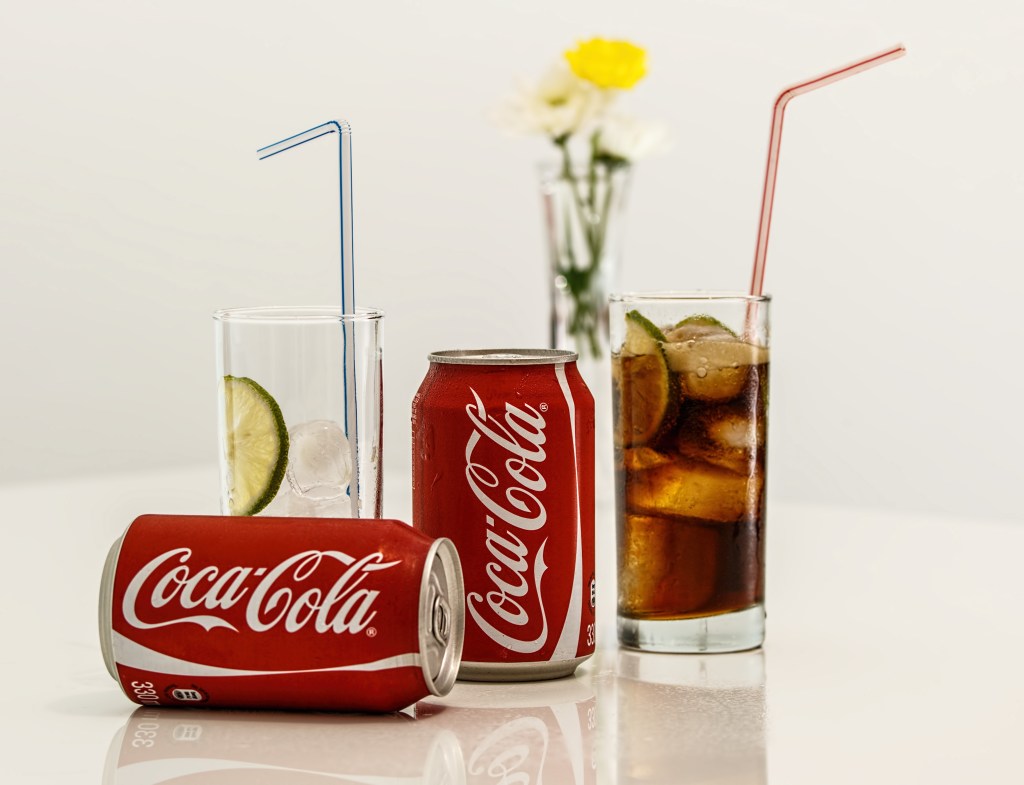
  1. Sugary drinks

It is one of the most favorite among teenagers and adults. But it is not good for your health; drinking sugary drinks will increase the intake of calories. It will also drastically increase your belly fat, excessive of belly fight may increase the risk of type 2 diabetes and heart diseases. Consuming sugary drinks in a large amount will drive down your insulin resistance. When this happen, your pancreas have to produce even more insulin to remove glucose. It contains no nutrients like vitamins and minerals except sugar. It increases the chance to cancer.

2. Pizzas

Pizzas are one of the most famous and popular food item in the world. They are extremely high in calories and they are also made of unhealthy food items. Pizzas contain refined carbohydrates, sodium and fat which makes it dangerous to eat. Eating pizza will increase the chance of getting heart diseases. According to a survey, every American eat at least 46 slices of pizzas in a year. There are some pizzas which good for your health like pizza with veggies with extra nutrients.

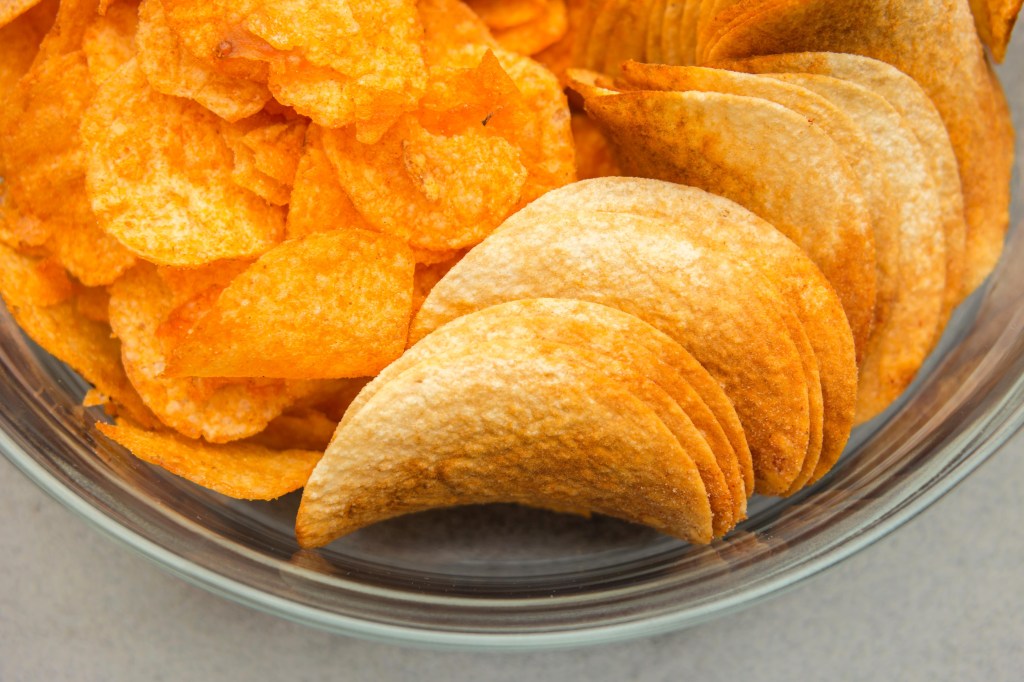
3. Chips

Chips are also one of the most popular food item, every year they make $7 Billion sales. According to a survey 85 percent of the Americans eat chips. Now, you can understand how famous are chips? Chips are high in fats and calories, which makes you fat. Being overweight may increase your chance to get heart diseases. They contain sodium; intake of large of sodium may result in high blood pressure. Not all chips are harmful, chips like baked potato chips and tortilla chips are safe to eat.

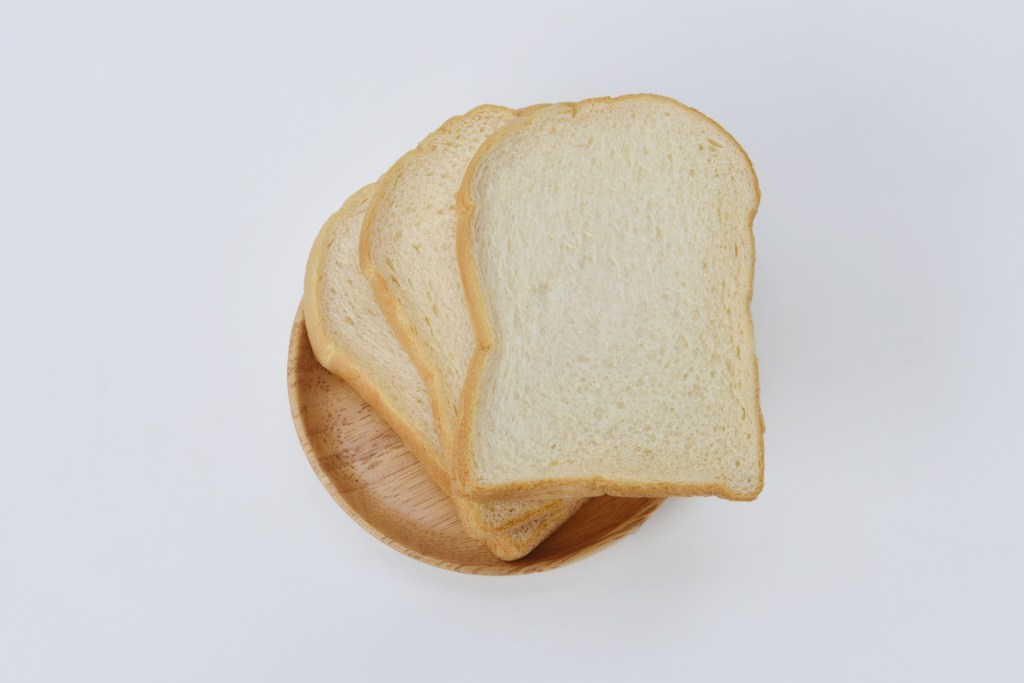
4. White bread

Most of the breads are unhealthy, if eaten in large amount. They are made of refined wheat, which are generally low in nutrients and calories. They bread in large amount will raise your blood pressure, as your blood level rises it increases the chance of type 2 diabetes. Eating bread will make you over weight; a single slice of bread contains 65 calories. White breads are high in sodium, which is generally not good for your health.

5. Doughnuts

Doughnuts are the favorite snacks for most of the people, but eating donuts have severe effects on our health. Doughnuts are high in calories, a single doughnut have about 300 calories in it. Eating a single doughnut a day can increase your weight. They contain too much of sugar in them, consuming them can lead severe diabetes issues. They don’t have nutrients, they just made of only flour and sugar. They have high sodium in it, a single doughnut have 140 to 150 milligrams of sodium. Not all doughnuts are bad, there are some doughnuts which you can eat for example French cruller.

That’s all from my side. I hope you like it.

Swachh Bharat Abhiyan

Sanitation and hygiene are crucial aspects of living; especially when it comes to the masses. India has a huge population. The majority of its population resides in rural areas. These rural areas lack basic amenities of living and hygiene. Lack of basic amenities hampers the quality of living. Especially, when it comes to sanitation, the rural people lack toilets and thus, have to defecate in the open grounds. Open defecation proves to be a breeding ground for many infections and diseases, which can even prove to be fatal.

Habits play an important role in keeping the surroundings clean. It is not just the lack of toilets, but also the habits of the people. people in the rural areas have become habituated to open defecation, and even when provided with toilets to use, they chose to defecate in the open. It is also because of a lack of knowledge and awareness. Hence, it becomes important to not just build toilets, but also to aware people about the health issues related to improper sanitation due to open defecation.

To maintain sanitation and prevent any health issues due to lack of sanitation, the government proposed the Swachh Bharat Abhiyan.

What is Swachh Bharat Abhiyan?

The Swachh Bharat Abhiyan or the Swachh Bharat Mission was launched on 2nd October 2014, on the birth anniversary of Mahatma Gandhi, by the Prime Minister of India Narendra Modi. It focuses on the achievement of universal sanitation. This campaign or janandolan had a nationwide approach and also aimed at open defecation-free India, focusing especially on the rural. From 2014 to 2019, the focus was on the construction of household-owned and community-owned toilets. Monitoring of construction and usage of these toilets was also taken care of.
The birth anniversary of Mahatma Gandhi was chosen as the day to launch the mission, as Mahatma Gandhi was concerned and conscious about India’s sanitation. He even once said, “Sanitation is more important than independence.” The idea of a clean India with a proper sanitation system took its initial shape from there, and hence, 2nd October makes the best day for the mission launch.

By 2nd October 2019, in India, all the villages, gram panchayats, districts, states, and union territories declared themselves as “open defecation free”, by constructing over 100 million toilets in the rural parts of India, under the Swachh Bharat Mission.

The mission then upgraded to its next phase ‘Phase II’ of Swachh Bharat Mission (Grameen) i.e., ODP-Plus. This phase was upgraded to ensure that the open defecation-free habit sustains and there is proper access to safe liquid and solid waste management in villages.

Impact

Since 2nd October 2014, more than 10,20,00, household toilets have been constructed; there are 6,03,175 open defecation free villages; 706 open defecation free villages 36 open defecation free states and union territories, and about 63.3% of the rural population is practicing Solid and Liquid Waste Management (SLWM) under Open Defecation Free (OPD) Plus. There has also been an increase in household toilets since 2nd October 2014 and 2,62,734 gram panchayats were declared open defecation free. The construction of toilets not only provided the people especially of rural areas with proper sanitation but also an equal level of basic social amenities.

MENSTRUAL HYGIENE

Menstrual Health

Menstruation is one of the most significant processes a woman’s body undergoes. Therefore, it is no wonder that we tend to get flustered with the idea of getting our very first period, often forgetting to pay attention to the need for ensuring good menstrual hygiene. A UNICEF study shows that in India, inadequate awareness about menstrual hygiene compels 23% girls to drop out of schools after they start menstruating. This is a stage where girls are often confused and scared as to how to go about their first period since knowledge on basic hygienic practices towards menstruation is often not well addressed. Menstrual health and cleanliness are often neglected but they are extremely important for the health of any woman.

Some Important Factors

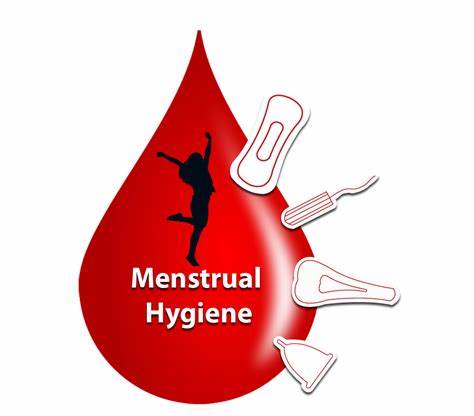
  • From sanitary pads, tampons to menstrual cups, each woman should choose a product that provides her maximum comfort. It must be kept in mind that only one method of sanitation must be used at a time; using multiple ones can lead to rashes, infections or even Toxic Shock Syndrome.
  • Girls getting their periods for the first time are bound to have a lot of concerns, which should be addressed right away. It is crucial to understand that they will require proper guidance to navigate their way towards comprehending the significance of menstrual hygiene. Approaching an expert or a doctor is always the right way to go about this.
  • Ensure that your body is relaxed and comfortable at all times. Choose comfort and be well-rested. Try to look past any age-old perceptions which indicate that women should not indulge in activities during these days. We must encourage women to be active and prove that periods do not get in the way of living lives. Comfort and hygiene can still go hand-in-hand during periods with the availability of an array of services and products in the market.
  • Bathe and wash yourself regularly. Bathing regularly during periods is important as it removes the excess blood that could cause an infection. It can also help alleviate the mood and reduce menstrual cramps. You can also relieve your period pain through mild heat therapy. For cleansing, a gentle foaming cleanser can be used to eliminate infection-causing bacteria, while preserving the good ones you need for a healthy vulva.
  • It is always beneficial to be ready beforehand with all the necessary supplies that you would require. Carrying a multi-purpose pouch containing intimate care kits will surely serve the need of the hour for ultimate comfort and convenience. After your first period, it is best to keep a track of the next period date through apps, which will regularly monitor your cycles

Menstrual Hygiene Day

World Menstrual Hygiene Day is observed on May 28. The main idea behind marking this day is to change the social stigma associated with menstruation. The date May 28 was chosen to observe the day because on an average the menstrual cycle for most women is 28 days and the menstruation period for most women is for five days. Hence, the date was kept as 28/5.  Never consider menstruation as a problem but never neglect hygiene during menstruation to stay happy and healthy. 

Nation progresses when the villages do!!!


There was a village on the banks of river Ganga. It was a village with 5000 population. The village had blessings of nature. It always rained at the right time and farmers in the village were very happy. The only thing village lacked was the hygiene. There were no toilets in the village. People used to do it in the open. There were many cases of snakebites because of this in the village. The primary health centre was not in good condition. Public hygiene in the village was not maintained. People were totally unaware of public hygiene. There was no road to the village. People had to go from the mud while going out of the village. Village authorities were much idle. They didn’t do anything to solve these major issues.
Many students of the village used to go to college at the district. The college decided to carry out the NSS camp in that village as it would be easy to arrange because of local students. Two programme officers were appointed for the camp. When they came to the village for the first time, they had to park their bikes a km away from the village. They made their way to the village walking through the mud. In the first 10 days camp, both of them simply analyzed the problems of the villagers. When they came back next year, they took a pledge to transform the village. The first initiative they took was to make each family build a toilet at their home. It was a mammoth task. Two men from the city coming to the village and convince people to spend some money and build a toilet. It looked an impossible task. But both of them were very much confident. They carry out activities in the village making people aware of public and personal hygiene. They began it from children in school. They taught them the importance of a toilet at home. They organized many guest lectures of doctors to tell them the importance of hygiene. They even told the villagers how the government will subsidies them if they build the village. The students of the college who lived in the village helped them to convince the villagers. It took so much time to convince the villagers, but now they could feel their efforts are going in the right direction.
All the NSS cadets joined them and all of them together built a canal for the village. Later they built a proper road for the village. These things made a huge impact on the villagers. They now got an assurance that these two men will surely do something good for us. The chief of the village took the initiative and built a toilet first at it’s home. All the villagers got inspired by this act and one by one everybody began to build the toilet. Each villager now could feel the change in the level of hygiene after building the toilet. On Sundays, villagers themselves came together and cleaned the whole village. Later there came a point when every house in the village had a toilet of their own. The village got recognition on the state level.

After making the village open toilet free, both the programme officers left the village. But the spark they generated in the villagers was still there. Villagers unitedly worked together for the betterment of the village. Here both the programme officers were awarded as the best programme officers on the national level. The villagers gave them a beautiful surprise by winning the national level “Nirmal Gram” award. Both the programme officers were very happy when they received this news.
The next year, the villagers called them for a function. The whole village gathered together to honour them. After receiving the award and respect given by the villagers, both of them were into tears and said, ” This is more precious than the national award “!!!

Hygiene & Sanitation

https://www.pexels.com/

   According to the World Health Organization (WHO), “Hygiene refers to conditions and practices that help to maintain health and prevent the spread of diseases.” Health & hygiene are both mutually dependent factors. Thus negligence in maintaining even basic levels of hygiene can cause a person to suffer from serious health hazards & even surrounding people. Being social creatures, it is up to them to maintain high levels of cleanliness. And it is not a matter of choice, but a serious responsibility one must abide.
    Children are made to inculcate basic hygienic behaviours right from their childhood. Hygienic routines can be introduced into kids’ lives and reinforced continuously. This causes them to register this in their brains & eventually becomes a part of their lifestyle. Also, parents have to be role models so that the kids follow them & learn. As children are said to be shadows of their parents.
    Hygiene can be classified into 2 categories: personal and environmental hygiene. Also, this also helps one attain some good peace of mind. Sanitation deals with public health conditions related to clean drinking water and adequate treatment and disposal of human excreta and sewage.
   Personal hygiene is defined as ” The practices that keep our bodies and our immediate environment clean.” This enables one to thrive well & disease-free. While environment hygiene is defined as “practical control measures used to improve the basic environmental conditions affecting human health.” The citizens are mostly ignorant about environmental sanitation as they consider they pay taxes thus it’s not their responsibility. But in recent years the government has taken some commendable steps to regulate the garbage disposal & etc as we all are aware of.
    The benefits of having a clean environment ensure a healthy environment around us & the stability of the ecosystem. It’s the due responsibility of every person to keep mother earth clean & preserve it for future generations. As otherwise, it would be unfair to inherit a world so polluted thus making them exposable to a variety of health risks. By preserving the environment, we are also preserving wildlife and marine animals. The terrestrial & aquatic animals are the most affected as their habitats are also polluted.
  Whoever coined this quote “Cleanliness is next to Godliness” was on point. Hygiene mandatorily should be part and parcel of everybody’s lives. Negligence of personal hygiene can cause one to develop scabies, pubic/head/body lice, rashes & ringworm’s disease.
   Especially after this pandemic hit, practices like the usage of masks, sanitizers, social distancing are the new normals introduced in the people’s lifestyle. This surely helps one understand the significance of hygiene & sanitation.