Business refers to the Organization or enterprising entity engaged in commercial, industrial or professional activities. Business activities have existed since ancient ages and over the period it has evolved according to the changes in its environment. Earlier it was limited to mere exchange of goods in return for other and then with the change in conditions it has reached to a stage where people could buy a good or avail a service from a seller who is miles apart even without face-to-face interface.
In the era of globalization, the scope of a business is very large. There are several examples of businesses growing into huge enterprises from a small virtual venture which even lacked a physical existence in its early stages. Similar to the steps of a ladder, there are several stages like local business, regional business, national business, international business and global business.
Local business
Local business is the first stage of a business enterprise and it exists in the limits of a locality. A local area comprises of surrounding neighborhoods, adjacent areas where native community lives. The local economy is the most primitive form of economy. It existed since ages. It focuses on a particular locality and acts according to the culture and traditions of the society. The customer base of a local business is very limited as its area of operation is only that locality.
Regional business
Regional business concentrates on different regions of a nation. A region is a unit on earth’s surface that has unifying and defining characteristics. It focuses on a regional area and provides a variety of commodities. It is a business between different areas within a country. Credit sales play an important role in this business. It helps in developing better quality infrastructure and transportation facilities
National business
National business is one that operates within the borders of a particular country. It has a business and customer base across a nation and understands the culture of the country. Since a national business has more locations than a local or regional business, it can be more competitive with its pricing. A nation is an organized political union of its member states.
International business
International business is business among different nations. Nations satisfy each other’s needs by supplying their surpluses and in return brings home the scanty resources. International means It means interaction between two or more nations. It is used as an analog to the word foreign.
Global business
It is a business which operates worldwide. It is the pinnacle of any business enterprise. Global means means entire Earth and not just one or two nations. It is synonymous to universal and worldwide. It has a wider scope than international business.
The basic idea to be imbibed from this topic is that no business becomes huge overnight. Just like human beings, a business also takes time to grow. Not all local businesses emerge out as global giants. Only those firms which could identify the changes in the environment and could act accordingly would be able to reach its pinnacle.
so what comes to your mind when you hear the words economy ,agriculture and industries ,they are somewhere linked right ?we do have a basic idea that agriculture does contribute to our country’s economy and so do these industries but how do they?
India is known as an agricultural country, as most of the population of villages depends on agriculture. Agriculture forms the backbone of the country’s economy. The agricultural sector contributes most to the overall economic development of the country.
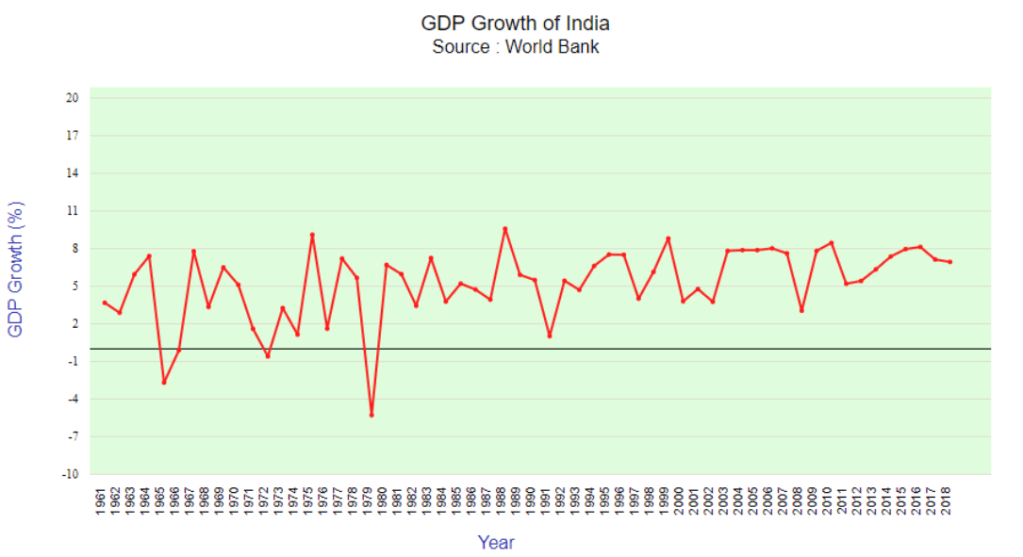
Did you know that historically, India was the largest economy of the world for most of two millennia from the 1st until the 19th century .Since the start of the 21st century, annual average GDP growth has been 6% to 7%,and from 2013 to 2018, India was the world’s fastest major growing economy, surpassing China. . The economy slowed in 2017, due to shocks of “Demonetisation” in 2016 and the introduction of the goods and service tax in 2017.In 2020, pandemic has affected trade and India was the world’s 14th largest importer and the 21st largest exporter.
For a continuous duration of nearly 1700 years from the year 1 AD, India was the top-most economy, constituting 35 to 40% of the world GDP .Under British rule, India’s share of the world economy declined from 24.4% in 1700 down to 4.2% in 1950. India’s GDP (PPP) per capita was stagnant during the mughal empire and began to decline prior to the onset of British rule .India’s share of global industrial output declined from 25% in 1750 down to 2% in 1900. At the same time, the United Kingdom’s share of the world economy rose from 2.9% in 1700 up to 9% in 1870.
There is no doubt that our grievances against the British Empire had a sound basis. As the painstaking statistical work of the Cambridge historian Angus Maddison has shown, India’s share of world income collapsed from 22.6% in 1700, almost equal to Europe’s share of 23.3% at that time, to as low as 3.8% in 1952. Indeed, at the beginning of the 20th century, “the brightest jewel in the British Crown” was the poorest country in the world in terms of per capita income. -MANMOHAN SINGH
In the 1980s and early 1990s the tides began to change. Liberalisation came to India and a growing belief contrary to what Nehru believed, began to rise . By the turn of the 21st century, India had progressed towards a free-market economy, with a substantial reduction in state control of the economy and increased financial liberalisation .
India experienced high growth rates, averaging 9% from 2003 to 2007. Growth then moderated in 2008 due to the global financial crisis. In 2003, Goldman Sachs predicted that India’s GDP in current prices would overtake France and Italy by 2020, Germany, UK and Russia by 2025 and Japan by 2035, making it the third-largest economy of the world, behind the US and China. India is often seen by most economists as a rising economic superpower which will play a major role in the 21st-century global economy.
India started recovery in 2013–14 when the GDP growth rate accelerated to 6.4% from the previous year’s 5.5%. The acceleration continued through 2014–15 and 2015–16 with growth rates of 7.5% and 8.0% respectively. For the first time since 1990, India grew faster than China which registered 6.9% growth in 2015. However the growth rate subsequently decelerated, to 7.1% and 6.6% in 2016–17 and 2017–18 respectively, partly because of the disruptive effects of 2016 Indian banknote demonetisation and to goods and service tax India. India’s GDP growth has been slowing rapidly, from a high of 8.3% in 2016 to just 4.2% in 2019.
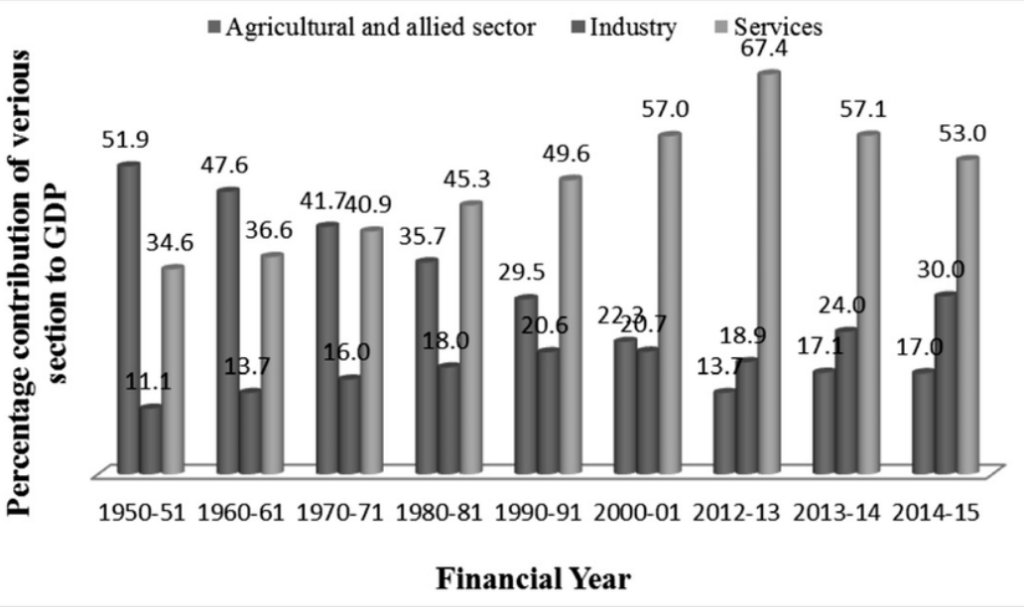
Historically, India has classified and tracked its economy and GDP in three sectors: agriculture, industry, and services.
Agriculture and allied sectors like forestry, logging and fishing accounted for 17% of the GDP, the sector employed 49% of its total workforce in 2014.Agriculture accounted for 23% of GDP, and employed 59% of the country’s total workforce in 2016. As the Indian economy has diversified and grown, agriculture’s contribution to GDP has steadily declined from 1951 to 2011, yet it is still the country’s largest employment source and a significant piece of its overall socio-economic development. Crop-yield-per-unit-area of all crops has grown since 1950, due to the special emphasis placed on agriculture in the five-year plans and steady improvements in irrigation, technology, application of modern agricultural practices and provision of agricultural credit and subsidies since the Green Revolution in India. However, international comparisons reveal the average yield in India is generally 30% to 50% of the highest average yield in the world. The states of Uttar Pradesh, Punjab, Haryana, Madya Pradesh, Andhra Pradesh, Telangana, Bihar, West Bengal, Gujarat and Maharashtra are key contributors to Indian agriculture.
At around 1,530,000 square kilometres (590,000 sq mi), India has the second-largest amount of arable land, after the US, with 52% of total land under cultivation.
Agriculture farming in India is a century-old activity, and is currently the highest contributor to the GDP of India. Agriculture remains the largest contributor to the country’s GDP and farmers constitute 58% of India’s population .Farming is one of the oldest economic activity in our country.
As per 2018, agriculture employed more than 50% of the Indian work force and contributed 17–18% to country’s GDP.
The economic contribution of agriculture to India’s GDP is steadily declining with the country’s broad-based economic growth. Still, agriculture is demographically the broadest economic sector and plays a significant role in the overall socio-economic fabric of India.
The main pillar of the rural economy is based on agriculture. Agricultural land and livestock are the primary means of production for people of the rural areas in any society. Livestock farming consists of the major part of the economy of the majority of people. It relies typically on labor-intensive methods for raising crops and healthy livestock. Livestock feed is shipped all over the country, and land is frequently needed for cultivation, farrowing, watering, and other activities.
The advent of modern technology has also revolutionized the agriculture sector. Farmers are adopting more sophisticated techniques to get more production from small pieces of land. So the use of advanced techniques is urging the farmers to focus on small land in order to get more production. But the farmers also need support from the government and also they need help in hard times like no enough rainfall or over rainfall etc. The government must extend a helping hand towards the farmers ,they are the ones who work selflessly and for the sake of the whole country’s population and they do not worry about in which season they are working in ,they put all their hard work and efforts into their work and they are the ones who worship their proffesion .
The rural economy mainly depends upon agriculture. Even though traditional farming still exists, the use of advanced technology has revolutionized the agriculture sector. It has proved a blessing for small-scale farmers. They can adopt modern agricultural techniques to get more produce from their small farms. Organic farming is another window of opportunity for farmers. They can grow more food to generate better revenue.
The cottage industry or the small scale industry plays a vital role in the rural economy of India. Majority of the population of India lives in rural areas; it is where the real India resides. Apart from agriculture, the cottage industry is the primary source of livelihood in rural India. Cottage industry or the small scale industry are those where the business is carried on at home with small numbers of workforce or labours . the members may be of the same family, religious groups or the community. Most of the workers of the small scale industry are the traditional artisans who have inherited their work as art from their ancestors.
In India, more than 74 per cent of the total population lives in the villages where their lot is linked with agriculture. They have to live in the villages as they cannot leave their fields which give them their ‘living’. Side by side they must be provided with some kind of cottage industries upon which they can depend during that period in which they remain idle and unengaged’.
After independence, our country has been taking gigantic strides towards industrialisation. Cottage industries can become and alternative means of employment for the people living in the rural areas. Cottage industries will be of benefit for our villages, which form the back bone of the nation.
The place of cottage industries in the national economy in the country has been unique since time immemorial. India was famous, in the past, for the wealth of the land and for the high artistic skill of her craftsmen. India was exporting wonderful jewellery and superfine embroideries to Europe. European merchants were attracted towards India more by her craft and industry than by the rich raw material.
It must not be forgotten that cottage industries are the back-bone of our rural economy and no rural uplift is possible without the protection of and encouragement to these small-scale industries. Apart from all other considerations, small-scale or cottage-industries are essential for providing employment to our tillers of soil in their leisure time or when they remain idle.
To improve and encourage the cottage-industry in our country we have to change the views of the general public. The people should be made interested in patronizing home-made goods. A ready market is a further urgency in this direction.
Rural Co-operatives and Rural Banks should be established and stabilized by the Government for advancing short-term loans on nominal interest.
Lastly, adequate marketing facilities should be arranged for them, as sale of goods has now-a-days become as complicated an affair as production itself.
Hence, the artisans must be helped to get the best price of their goods. Frequent exhibitions should be organized to enable the artisans to show their art and industry and give them impetus and inspiration to create still better patterns of handicrafts.
Basically the agriculture and cottage industries are the main sources of livelihood in India and they contribute most to our economy , we all know that these both professions are being practiced from very long period of time ,like around some centuries in India ,they have been contributing to the country’s economy from very beginning. the rural economy’s most percentage is received from agriculture and cottage industry and without their contribution our country’s economy might destroy or decline very rapidly ,even a small change in their contribution percentage might affect the economy of country ,but its economy right and GDP ,it wont stay constant there are many ups and downs ,in a year our GDP might good where as in the other it might be bad we cannot predict that ,there might be various reasons for the decline of GDP, like in 2017 it was demonitisation and in 2020 the pandemic hit us and it affected the whole world’s economy , and India’s GDP has been declined by 23.9% by 2020.
Agriculture and cottage industry are major contribution of rural economy , and for these people if government is trying to extend a helping hand to them then probably our economy might go to better figures and it’s a fact that our rural economy can be developed by agriculture and cottage industries and the Rural Economy in India is wholly agriculture based and it is of tremendous importance because it has vital supply and demand links with the other Indian industries. Agriculture is the main stay of the Indian economy, as it constitutes the backbone of rural India which inhabitants more than 70% of total Indian population.
so what comes to your mind when you hear the words economy ,agriculture and industries ,they are somewhere linked right ?we do have a basic idea that agriculture does contribute to our country’s economy and so do these industries but how do they?
India is known as an agricultural country, as most of the population of villages depends on agriculture. Agriculture forms the backbone of the country’s economy. The agricultural sector contributes most to the overall economic development of the country.
Did you know that historically, India was the largest economy of the world for most of two millennia from the 1st until the 19th century .Since the start of the 21st century, annual average GDP growth has been 6% to 7%,and from 2013 to 2018, India was the world’s fastest major growing economy, surpassing China. . The economy slowed in 2017, due to shocks of “Demonetisation” in 2016 and the introduction of the goods and service tax in 2017.In 2020, pandemic has affected trade and India was the world’s 14th largest importer and the 21st largest exporter.
For a continuous duration of nearly 1700 years from the year 1 AD, India was the top-most economy, constituting 35 to 40% of the world GDP .Under British rule, India’s share of the world economy declined from 24.4% in 1700 down to 4.2% in 1950. India’s GDP (PPP) per capita was stagnant during the mughal empire and began to decline prior to the onset of British rule .India’s share of global industrial output declined from 25% in 1750 down to 2% in 1900. At the same time, the United Kingdom’s share of the world economy rose from 2.9% in 1700 up to 9% in 1870.
There is no doubt that our grievances against the British Empire had a sound basis. As the painstaking statistical work of the Cambridge historian Angus Maddison has shown, India’s share of world income collapsed from 22.6% in 1700, almost equal to Europe’s share of 23.3% at that time, to as low as 3.8% in 1952. Indeed, at the beginning of the 20th century, “the brightest jewel in the British Crown” was the poorest country in the world in terms of per capita income. -MANMOHAN SINGH
In the 1980s and early 1990s the tides began to change. Liberalisation came to India and a growing belief contrary to what Nehru believed, began to rise . By the turn of the 21st century, India had progressed towards a free-market economy, with a substantial reduction in state control of the economy and increased financial liberalisation .
India experienced high growth rates, averaging 9% from 2003 to 2007. Growth then moderated in 2008 due to the global financial crisis. In 2003, Goldman Sachs predicted that India’s GDP in current prices would overtake France and Italy by 2020, Germany, UK and Russia by 2025 and Japan by 2035, making it the third-largest economy of the world, behind the US and China. India is often seen by most economists as a rising economic superpower which will play a major role in the 21st-century global economy.
India started recovery in 2013–14 when the GDP growth rate accelerated to 6.4% from the previous year’s 5.5%. The acceleration continued through 2014–15 and 2015–16 with growth rates of 7.5% and 8.0% respectively. For the first time since 1990, India grew faster than China which registered 6.9% growth in 2015. However the growth rate subsequently decelerated, to 7.1% and 6.6% in 2016–17 and 2017–18 respectively, partly because of the disruptive effects of 2016 Indian banknote demonetisation and to goods and service tax India. India’s GDP growth has been slowing rapidly, from a high of 8.3% in 2016 to just 4.2% in 2019.
Historically, India has classified and tracked its economy and GDP in three sectors: agriculture, industry, and services.
Agriculture and allied sectors like forestry, logging and fishing accounted for 17% of the GDP, the sector employed 49% of its total workforce in 2014.Agriculture accounted for 23% of GDP, and employed 59% of the country’s total workforce in 2016. As the Indian economy has diversified and grown, agriculture’s contribution to GDP has steadily declined from 1951 to 2011, yet it is still the country’s largest employment source and a significant piece of its overall socio-economic development. Crop-yield-per-unit-area of all crops has grown since 1950, due to the special emphasis placed on agriculture in the five-year plans and steady improvements in irrigation, technology, application of modern agricultural practices and provision of agricultural credit and subsidies since the Green Revolution in India. However, international comparisons reveal the average yield in India is generally 30% to 50% of the highest average yield in the world. The states of Uttar Pradesh, Punjab, Haryana, Madya Pradesh, Andhra Pradesh, Telangana, Bihar, West Bengal, Gujarat and Maharashtra are key contributors to Indian agriculture.
At around 1,530,000 square kilometres (590,000 sq mi), India has the second-largest amount of arable land, after the US, with 52% of total land under cultivation.
Agriculture farming in India is a century-old activity, and is currently the highest contributor to the GDP of India. Agriculture remains the largest contributor to the country’s GDP and farmers constitute 58% of India’s population .Farming is one of the oldest economic activity in our country.
As per 2018, agriculture employed more than 50% of the Indian work force and contributed 17–18% to country’s GDP.
The economic contribution of agriculture to India’s GDP is steadily declining with the country’s broad-based economic growth. Still, agriculture is demographically the broadest economic sector and plays a significant role in the overall socio-economic fabric of India.
The main pillar of the rural economy is based on agriculture. Agricultural land and livestock are the primary means of production for people of the rural areas in any society. Livestock farming consists of the major part of the economy of the majority of people. It relies typically on labor-intensive methods for raising crops and healthy livestock. Livestock feed is shipped all over the country, and land is frequently needed for cultivation, farrowing, watering, and other activities.
The advent of modern technology has also revolutionized the agriculture sector. Farmers are adopting more sophisticated techniques to get more production from small pieces of land. So the use of advanced techniques is urging the farmers to focus on small land in order to get more production. But the farmers also need support from the government and also they need help in hard times like no enough rainfall or over rainfall etc. The government must extend a helping hand towards the farmers ,they are the ones who work selflessly and for the sake of the whole country’s population and they do not worry about in which season they are working in ,they put all their hard work and efforts into their work and they are the ones who worship their proffesion .
The rural economy mainly depends upon agriculture. Even though traditional farming still exists, the use of advanced technology has revolutionized the agriculture sector. It has proved a blessing for small-scale farmers. They can adopt modern agricultural techniques to get more produce from their small farms. Organic farming is another window of opportunity for farmers. They can grow more food to generate better revenue.
The cottage industry or the small scale industry plays a vital role in the rural economy of India. Majority of the population of India lives in rural areas; it is where the real India resides. Apart from agriculture, the cottage industry is the primary source of livelihood in rural India. Cottage industry or the small scale industry are those where the business is carried on at home with small numbers of workforce or labours . the members may be of the same family, religious groups or the community. Most of the workers of the small scale industry are the traditional artisans who have inherited their work as art from their ancestors.
In India, more than 74 per cent of the total population lives in the villages where their lot is linked with agriculture. They have to live in the villages as they cannot leave their fields which give them their ‘living’. Side by side they must be provided with some kind of cottage industries upon which they can depend during that period in which they remain idle and unengaged’.
After independence, our country has been taking gigantic strides towards industrialisation. Cottage industries can become and alternative means of employment for the people living in the rural areas. Cottage industries will be of benefit for our villages, which form the back bone of the nation.
The place of cottage industries in the national economy in the country has been unique since time immemorial. India was famous, in the past, for the wealth of the land and for the high artistic skill of her craftsmen. India was exporting wonderful jewellery and superfine embroideries to Europe. European merchants were attracted towards India more by her craft and industry than by the rich raw material.
It must not be forgotten that cottage industries are the back-bone of our rural economy and no rural uplift is possible without the protection of and encouragement to these small-scale industries. Apart from all other considerations, small-scale or cottage-industries are essential for providing employment to our tillers of soil in their leisure time or when they remain idle.
To improve and encourage the cottage-industry in our country we have to change the views of the general public. The people should be made interested in patronizing home-made goods. A ready market is a further urgency in this direction.
Rural Co-operatives and Rural Banks should be established and stabilized by the Government for advancing short-term loans on nominal interest.
Lastly, adequate marketing facilities should be arranged for them, as sale of goods has now-a-days become as complicated an affair as production itself.
Hence, the artisans must be helped to get the best price of their goods. Frequent exhibitions should be organized to enable the artisans to show their art and industry and give them impetus and inspiration to create still better patterns of handicrafts.
Basically the agriculture and cottage industries are the main sources of livelihood in India and they contribute most to our economy , we all know that these both professions are being practiced from very long period of time ,like around some centuries in India ,they have been contributing to the country’s economy from very beginning. the rural economy’s most percentage is received from agriculture and cottage industry and without their contribution our country’s economy might destroy or decline very rapidly ,even a small change in their contribution percentage might affect the economy of country ,but its economy right and GDP ,it wont stay constant there are many ups and downs ,in a year our GDP might good where as in the other it might be bad we cannot predict that ,there might be various reasons for the decline of GDP, like in 2017 it was demonitisation and in 2020 the pandemic hit us and it affected the whole world’s economy , and India’s GDP has been declined by 23.9% by 2020.
Agriculture and cottage industry are major contribution of rural economy , and for these people if government is trying to extend a helping hand to them then probably our economy might go to better figures and it’s a fact that our rural economy can be developed by agriculture and cottage industries and the Rural Economy in India is wholly agriculture based and it is of tremendous importance because it has vital supply and demand links with the other Indian industries. Agriculture is the main stay of the Indian economy, as it constitutes the backbone of rural India which inhabitants more than 70% of total Indian population.
Life insurance corporation of India has initiated its initial public offer for five percent of its shares. It is one of the largest profit-making enterprises owned by the government of India. In this instance, it is important to know more about this enterprise.
LIC or Life Insurance corporation of India was started in the year 1956 in accordance with the Life insurance corporation of India act of 1956. As India was following a socialistic approach of economic development, LIC was introduced as an enterprise owned and operated by the government of India.
Story of formation
The Oriental Life Insurance Company, the first company in India offering life insurance coverage, was established in Kolkata in 1818. Its primary target market was the Europeans based in India, and it charged Indians heftier premiums. After that several companies emerged. The first 150 years were marked mostly by turbulent economic conditions. It witnessed India’s First War of Independence, adverse effects of the World War I and World War II on the economy of India, and in between them the period of worldwide economic crises triggered by the Great depression. The first half of the 20th century saw a heightened struggle for India’s independence. The aggregate effect of these events led to a high rate of and liquidation of life insurance companies in India. This had adversely affected the faith of the general in the utility of obtaining life cover. In 1955, parliamentarian Feroze Gandhi raised the matter of insurance fraud by owners of private insurance agencies. The Parliament of India passed the Life Insurance of India Act on 19 June 1956 creating the Life Insurance Corporation of India, which started operating in September of that year.
Structure
The LIC’s executive board consists of Chairman, currently M R Kumar, and Managing Directors, Vipin Anand, T. C. Suseel Kumar, Mukesh Kumar Gupta and Raj Kumar. The Central Office of LIC is based out of Mumbai which sits The Chairman, all four Managing Directors, and all Executive Directors (Department Heads). LIC has a total of 8 Zonal Offices namely Delhi, Chennai, Mumbai, Hyderabad, Kanpur, Kolkata, Bhopal & Patna.
Policies
Some important policies are:
LIC tech term plan
LIC Jeevan Umang
LIC Jeevan Amar
LIC Money back years
LIC New Jeevan Anand
Role of LIC
It has been a significant driver in creating the culture of investment in insurance. It has made insurance accessible to the economically weaker sections. The long-term schemes with affordable premiums made it highly attractive. The role of Life insurance corporation as an employer is also applaudable. It provides employment to many. More than all, many other insurance firms in India has benefitted out of the trust built by LIC.
Initial public offering
Finance Minister Nirmala Sitharaman announced a proposal to conduct an initial public offering for LIC in the 2021 Union Budget. The IPO opens on 4th May 2022 and closes on 9th May 2022. The Government of India will remain the majority shareholder after the public listing. Due to the scale of the offering and LIC’s ownership structure, the deal has been referred to as “India’s Aramco moment” in reference comparable importance and scale of 2019 IPO of Saudi Aramco. The latest development in the LIC IPO is the slashing of issue size from 5% to 3.5% of total equity of the company. LIC will open its IPO to the public on May 4 and the process concludes on May 9. Through this IPO, the Government of India, the sole owner of LIC, is now aiming to raise ₹21,000 crore, as opposed to raising between ₹65,000 crore to ₹70,000 crore by diluting 5% equity earlier, indicating more than 50% compromise on valuation as well. As per the IPO price band for 3.5% stakes for Rs. 21,000 crores, the valuation comes to around Rs 6 lakh crore.
Have you ever got disturbed while watching movie? Have you ever thought about the absurdity of some scenes in movies? Have you ever wondered about the need of a so called “item dance” in movies? If yes, then this article will help you in your way ahead.
Films are always considered as a medium of entertainment and stating this argument many of the film makers have taken the liberty to do whatever they like, ignoring the great impact it could have on the society. By putting forth the shallow argument that people are looking for commercial movies, they have shut the doors of political correctness.
All of you would have found some scene or the other incorrect in most of the so-called “mass movies”. Objectification of women as well as men, denial of choice, body shaming, sexist jokes, establishment of caste supremacy and several other disturbing trends are being normalised in movies these days.
The filmmakers should realise the impact these could have on the society, particularly the younger population, as the heroes themselves are endorsing these practices.
Most of the commercial movies these days will have the central character from a high caste family, with his friends always being inferior to him. The hero could love any woman based on her looks and she is obliged to love him back without any freedom to choose or else the hero could adopt any means from stalking to making suicide threats. Also, the hero is always glorified by pointing out the inefficiencies of his friends. Most of the songs would also be means for objectification.
This do not signify that all movies are wrong. There are several movies which uphold political correctness. Let us look into some such movies:
The great Indian Kitchen
The Great Indian Kitchen is a 2021 Indian Malayalam-language drama film written and directed by Jeo Baby. The film tells the story of a newlywed woman who struggles to be the submissive wife that her husband and his family expect her to be. The central characters are not given names, which is the biggest political idea. Just like the name signifies, it mainly happens inside the kitchen and clearly shows the monotonous lives of Indian wives and finally ends with the wife breaking the chains of marriage.
Thappad
Thappad is a 2020 Indian Hindi-language drama film directed by Anubhav Sinha, which he also co-produced with Bhushan Kumar of T-Series. The film, starring Taapsee Pannu, was released in theatres on 28 February 2020.Amrita Sandhu and Vikram Sabharwal are happily married. Amrita is a sparkling woman and a homemaker, who is shown to spend her days looking after Vikram and the house. As the story progresses, she comes to some realizations and gradually breaks the marriage which had cost her self-respect and passion.
Pink
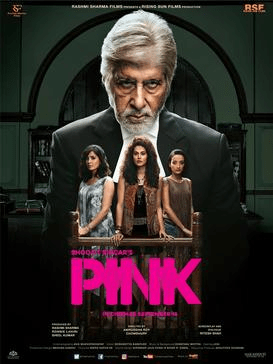
Pink is a 2016 Indian Hindi-language legal thriller film directed by Aniruddha Roy Chowdhury and written by Shoojit Sircar, Ritesh Shah and Aniruddha Roy Chowdhury. Pink features an ensemble cast, which includes Taapsee Pannu, Kirti Kulhari, Andrea Tariang, Amitabh Bachchan, Angad Bedi, Tushar Pandey, Piyush Mishra, and Dhritiman Chatterjee. It clearly put forwards the statement, “no means no, whoever says it”.
Visaranai
Visaranai is a 2015 Indian Tamil-language crime drama film written and directed by Vetrimaaran. The film deals with lives of two men before and after thrown into a Kafkaesque scenario in which they get tortured for confession. The film strongly stands against the encounter. The story is an eye opener for all those who blindly supports encounter.
Ishq
Ishq is a 2019 Indian Malayalam language thriller film written by Ratheesh Ravi and directed by Anuraj Manohar. The film revolves around the life of a man from Kochi, named Sachi and his girlfriend, Vasudha. The story mainly revolves around the moral policing that they had to face. But the more than that it ends with the message that virginity is not the ultimate measure of a woman’s worth.
The great success of these movies clearly explains the acceptance for these movies. It shows that audience are ready to accept movies which deals with serious topics.
The advent of OTT platforms and the receptive audience have encouraged filmmakers to experiment with their creations. The extent of criticism in the era of social media has also instilled fear in many. Even though it is the case, the film industry needs a revamp. It should be updated
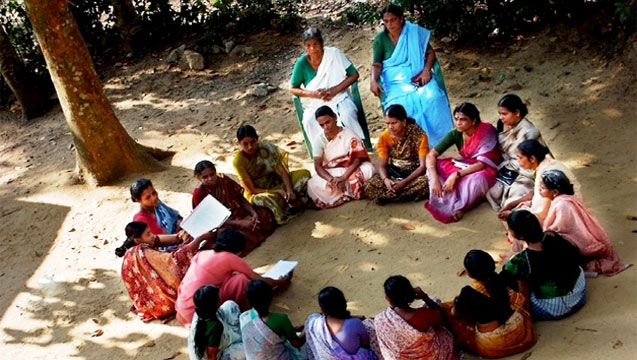
Kudumbashree, a community organization of Neighbourhood Groups (NHGs) of women in Kerala, has been recognized as an effective strategy for the empowerment of women in rural as well as urban areas: bringing women together from all spheres of life to fight for their rights or for empowerment. The overall empowerment of women is closely linked to economic empowerment. Women through these NHGs work on a range of issues such as health, nutrition, agriculture, etc. besides income generation activities and seeking micro credit.
Kudumbashree differs from conventional programs in that it perceives poverty not just as the deprivation of money, but also as the deprivation of basic rights. The poor need to find a collective voice to help claim these rights. Kudumbashree was conceived as a joint program of the Government of Kerala and NABARD implemented through Community Development Societies (CDSs) of Poor Women, serving as the community wing of Local Governments. Kudumbashree is formally registered as the “State Poverty Eradication Mission” (SPEM), a society registered under the Travancore Kochi Literary, Scientific and Charitable Societies Act 1955. It has a governing body chaired by the State Minister of LSG. There is a state mission with a field officer in each district. This official structure supports and facilitates the activities of the community network across the state.
KUDUMBASHREE MICROFINANCE
This system operates by encouraging women to form small homogenous groups under the SHG-bank linkage program. The members of these minute groups were encouraged to meet frequently and amass minute thrift amounts from their members. They were also taught simple accounting methods to enable them to maintain their accounts. Individually these poor could never have had enough savings to open a bank account. The first step in establishing links with the formal banking system opened up when the pooled savings enabled them to open a formal bank account in the denomination of the group. These were followed by frequent group meetings. Pooled thrift was utilized to impart lean loans to members for meeting their diminutive emergent needs saving them from debt traps/ money lenders who demanded unusually high rates of interest and accelerated their empowerment through group dynamics, decision-making, and funds management. Peer- screening effect was engendered as borrowers themselves undertook the task of credit evaluation and reduced the transaction costs, community members had much more preponderant information than banks. Peer monitoring effect induced group members to utilize their imprests in productive ways. The desire to preserve valuable ties induced borrowers to spend extra effort if compulsory to secure timely payments. These ties were valuable because they sanctioned members’ borrowing and provided business connections. Moreover, a very consequential feature of group-lending was the collateral effect. Gradually the pooled thrift grew and soon 11 they were adept in receiving external funds in multiples of their group savings. Bank loans enabled the group members to undertake income- generating ventures.
The various microfinance activities taken up by Kudumbashree are:
Thrift and credit operations
NHGs are instrumental in thrift mobilization, encouraging the poor to save and to avail low -cost formal credit. They facilitate easy and timely credit to the unreached. The amount of loan to members and the purpose for which the loan should be utilized are decided by the NHG. The repayment is collected weekly during the NHG meetings. It is estimated that the thrift mobilized is on an average Rs 40 per month per member.
Linkage Banking.
NHG-Bank linkage scheme is one of the flagship programmes of Kudumbashree. NABARD SHG-Bank linkage grading procedures are applied while selecting eligible NHGs for availing loan. The NHGs are rated on the basis of a 15 -point index developed by NABARD. Bank will provide loans to those NHGs who pass 80 % of marks in the grading.
Matching Grant.
Matching grant is an incentive provided to NHGs. This grant linked to amount of thrift mobilized, performance of NHG in the Grading and loan availed from banks. An amount of 10% of the savings of the NHG subject to a maximum of Rs 5000/- is provided as matching grant to each NHG. The grant is released based on their assessment rated using 15-point grading criteria developed by NABARD.
Interest Subsidy for Linkage loan.
Govt of Kerala has introduced a new interest subvention scheme to promote Bank Linkage Program among Kudumbashree Neighborhood Groups. Under this scheme all Kudumbashree NHGs are eligible for interest subvention to avail the loan facility at an interest rate of 4% on credit up to Rs. 3 lakhs. The interest subsidy would be provided as annual instalments to the NHGs.
KAASS.
KAASS, the Kudumbashree Accounts & Audit Service Society; is a homegrown enterprise to ensure proper account keeping in the community network. Each district has been furnished with a KAASS team that has been 12 drawn from commerce graduates and is guided by professional chartered accountants
Digitization of MIS’ and repayment Info System (E- SHAKTI)
Keeping in view the Government of India’s mission for creating a digital India, NABARD has launched a project for digitization of all Self -Help Group (SHG) in the country.
The Account Aggregator framework, introduced by the RBI, aims to make financial data more accessible by creating data intermediaries called Account Aggregators (AA) which will collect and share the user’s financial information from a range of entities that hold consumer data called Financial Information Providers (FIPs) to a range of entities that are requesting consumer data called Financial Information Users (FIUs) after obtaining the consent of the consumer.
For example, if a user wishes to apply for a loan, the lender (an FIU) will require access to the previous financial statements of the user – which reside with the user’s Bank (an FIP) – in order to check their creditworthiness. Here’s how an AA will facilitate the flow of information:
The FIU will request the AA to share the desired financial information.
The AA will request the user for their consent to share financial information with the FIU. The Account Aggregator must interact with the customer using either a web-based or a mobile app-based client.
If the user consents, the AA will request the FIP (the User’s bank in this case) to share the financial information.
The FIP will transfer the information, which will be encrypted, to the AA, which will then transfer it to the FIU.
Roles of each party:
Banks act as financial data providers. They supply the data required for Reserve bank of India to create a database of the account data and create reliable rankings.
Lenders act as financial data seekers. The lenders or financial institutions who provide fund to people acts as the seekers or demands the data aggregated by the Reserve bank.
Non-banking finance corporations act as mediums of communication between banks and lenders and they are the links.
Third-party service providers work with AAs.
Process
An individual or business opens an account with an account aggregator. Then, they link their bank accounts, insurance policies, etc. — which are accounts containing the customer’s financial data.
The customer can provide consent to a lender to access their financial data through the NBFC-AA.
After consent is provided, the account aggregator seeks permission from the financial data providers to access the customer’s data.
The data is sent to the account aggregator, which, in turn, empowers lenders to better evaluate the customer’s financial profile and risk associated with providing a loan.
Banks involved at present are:
These are the banks which act as the data providers:
State Bank of India
ICICI Bank
Axis Bank
IDFC First Bank
Kotak Mahindra Bank
HDFC Bank
IndusInd Bank
Federal Bank.
Advantages
Data scattered around the financial system can be made available under a single database.
This helps the institutions build a better understanding of potential customers and tailor their services accordingly.
It also enables the free flow of data between banks and financial service providers.
Helps financial institutions to make better assessment of creditworthiness of individuals and thus make better loan decisions.
Helps to eliminate the limitations of credit rating agencies.
Helpful for creditworthy customers
Disadvantages
It faces the issue of data privacy.
It is proposed as a self- Regulator framework, which would be an issue.
This data could be used for several other purposes.
We know that India is the second most populous nation in the world. In order to meet the needs of this growing population, India is putting large amount of pressure on the natural resources. The carbon emissions and natural resource depletion by the nation is on the high.
In terms of natural resources exploitation, India is among the first ten nations. As it is a developing nation it’s contribution towards controlling these emissions is also limited.
However, realizing it’s global position as one of the leader of developing countries, it has started initiatives towards environment friendly initiatives.
Let us look into such initiatives:
Panchamrit or “five elixirs.”
These are goals laid down by India regarding its climate action. Four out of five of these so-called elixirs are short-term goals that would pave the way for achieving a net-zero emissions target by 2070. The immediate goals are:
Reaching a non-fossil fuel energy capacity of 500 GW by 2030;
Fulfilling 50 percent energy requirements via renewable energy by 2030
Reducing CO2 emissions by 1 million tons by 2030
Reducing carbon intensity below 45 percent by 2030
India will achieve net zero by 2070
Net zero goal
India’s announcement that it aims to reach net zero emissions by 2070 and to meet 50% of its electricity requirements from renewable energy sources by 2030 is a hugely significant moment for the global fight against climate change. India is pioneering a new model of economic development that could avoid the carbon-intensive approaches that many countries have pursued in the past – and provide a blueprint for other developing economies.
International solar alliance
The International Solar Alliance (ISA) is an alliance of 105 signatory countries (81 of whom are members), most being sunshine countries, which lie either completely or partly between the Tropic of Cancer and the Tropic of Capricorn. The primary objective of the alliance is to work for efficient consumption of solar energy to reduce dependence on fossil fuels. This initiative was first proposed by Indian Prime Minister Narendra Modi in a speech in November 2015 at Wembley Stadium (London HA9 0WS, United Kingdom), in which he referred to sunshine countries as Suryaputra (“Sons of the Sun”). The alliance is a treaty-based inter-governmental organization. Countries that do not fall within the Tropics can join the alliance and enjoy all benefits as other members, with the exception of voting rights.
National action plan for climate change
National Action Plan for Climate Change (NAPCC) is a Government of India’s programme launched in 2008 to mitigate and adapt to the adverse impact of climate change. The action plan was launched in 2008 with 8 sub-missions. The plan aims at fulfilling India’s developmental objectives with focus on reducing emission intensity of its economy. The plan will rely on the support from the developed countries with the prime focus of keeping its carbon emissions below the developed economies at any point of time.
Indian government has also formulated several new schemes and incorporated climate conscious initiatives in its existing schemes realizing the urge of the hour. Being a large nation, India’s efforts will contribute significantly towards world efforts.
Let us join our hands in the efforts of the nation.
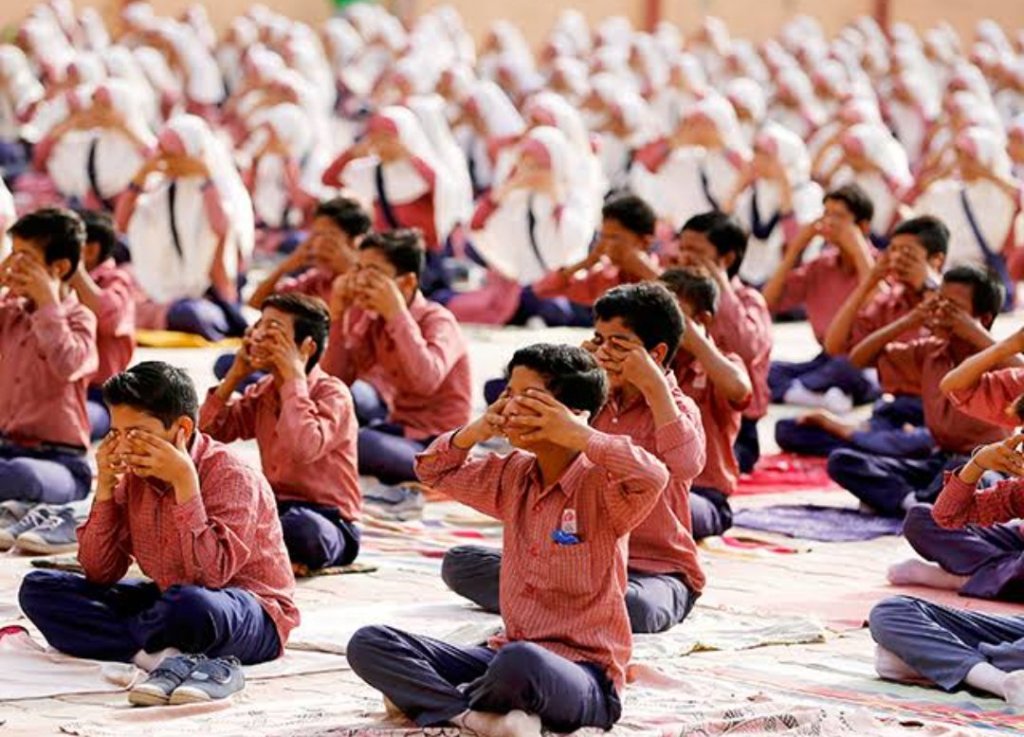
Ongoing Pandemic has left with many physical and mental health issues; where we face constant on and off lockdowns. People suffering through financial hardship lead to an impact on their lifestyle and their work routine. Large population confronting Mental health issues, loneliness, constant fear of losing job, psychological suffering, anxiety depression, sleeping pattern and isolation.
It is natural for anyone to develop anxiety or any health issue but this time needs to focus on our mental health therefore, yoga is considered as a preventive measure. Yoga is helpful to decrease the intensity of mental health issues and lead us towards a healthy lifestyle. Government of India, private yoga institutes abroad, campus awareness exclusively works on yoga significant aspects of human life. But, not even government or yoga institutes have introduced yoga programs for GBV survivors. India is a country who extensively works on yoga Policies and programmes by state government ,yoga Universities. India has its own Ministry for yoga that promotes yoga events on a larger scale.
USA (New Jersey, Newton Massachusetts)
The USA federal government had not supported any yoga Policy or even program. To make it easier here, we need to understand the difference between Policy and programme.
Programme – short term intervention that creates temporary improvement in wake of challenges not necessarily supported by the government. On the other hand, policies are those which are passed by legislature and implemented by executives.
Therefore, there is no government funded yoga policy or programme. But many initiatives taken up by several universities or yoga school based programmes. More Christian dominating states are not ready for school based yoga programs for their children according to The Atlantic report. States like Georgia, Alabama find yoga as Hindu and Buddhist roots.
Many private yoga studios are opening in the USA or programs. For example
Outdoor fitness Program by New York City Dept of Parks & Recreation (private & paid).
80 hours online yoga training
Online self paced Restoration yoga training
Online yoga teacher training 50 hours
Paid programmes in Arizona, Miami, California and Oregon.
France also has the same situation when it comes to government Policy or programmes. Few paid programmes are there like :-
Yoga holiday in Ariege
Day yogic healing Retreat in Biarritz
Day meditation and yoga retreat in Chateaubriant
Istanbul
Istanbul yoga centers have joined the yoga alliance to promote the practices of yoga.
Yoga posture and breathing classes for all ages
Yoga instructor certificate program of VYASA
Yoga therapy for common ailments.
United kingdom
Isha foundation
Yoga for health & wellness
Yoga practices in the UK Study: cross sectional online anonymous survey. The study investigated the characteristics of people who practice yoga, reasons for initiating & maintaining practices and perceived impact of yoga on health & well being.
India
Source: International yoga day
Delhi Government launched online yoga classes for Covid 19 patients in home isolation. One hour each from 6am to 11am and 4pm to 7pm named the ” Dilli ki Yogshala” programme.
Yoga on call promoting and facilitating yoga practices.
Yoga institutes give their services to transgenders, school children and senior citizens in Mumbai and Delhi.
Niti Aayog suggested yoga as a regular activity in schools to encourage healthy choices and behaviors.
Government schemes for those who are practicing yoga.
By HRD minister yoga training “study in India” program was introduced to enable foreign students to obtain authentic yoga training.
Haryana CM maintained a statement “yoga has been included in school curriculum for classes 1 to 10 from 2021” taking yoga to the grassroot level.
Many private/paid clubs are already in india.
Isha foundation
Art & living
Total yoga
International organization
NGOs work overseas to promote yoga and well-being in people.
International yoga federation aims to create a world’s yoga community and environment of wellness through yoga.
Yoga alliance
World yoga organization
International yoga training and healing center (Mauritius)
Sampoorna yoga
Total yoga program has group yoga classes, corporate wellness workshops, yoga retreats, seminars & events in Singapore, California and Philadelphia.
Yoga without Borders in Barcelona working in Palestine, Morocco and Tanzania
Art & Living (New Jersey) program teaches free breath meditation and breathing techniques that are helpful in reducing stress and make meditation effortless.
Isha foundation & Meditation class – Inner engineering Meetup group free meditation classes, different yoga programs and public events.
WHO also considers Yoga as one of the significant processes to protect themselves from coronavirus.
UN on International yoga day “yoga is also playing a significant role in psycho Social care and rehabilitation of Covid 19 patients during quarantine and isolation.
Private Research and Development
Dept of Ayush of Ministry of Ayush their laboratories come under Government of India R & D programs.
Kaivalyadhama established the scientific research Dept leading initiative in yoga recognised in the Institute of scientific research by the scientific & industrial research organization (SIRO) Ministry of science & technology Govt of india. More research on yoga’s impact on various biochemical, physiological and psychological parameters. Yoga effects on cancer, chronic diseases, immune diseases, psychogenic disorders, obesity, diabetes and stress.
Post graduate institute of medical education, Tshwane University of Technology and Uttarakhand Ayurved University put a recent development in yoga: A scientific perspective.
As commoners say every action can be viewed from more then one perspective. Similarly, India’s struggle for independence was interpreted in different ways by many historians who lived during that period. For some it was a worthless act by jobless people whereas for others it was their prime motive of life. Many viewed British rule over India as a means for civilising the uncivilised, poor people in India and for some others British rule was the symbol of exploitation.
In this seventy fifth year of independence, we could Look back to these thoughts and could identify the reality from the facts available before us. Let us look into some of these school of thoughts:
Colonial Approach is influenced by the colonial ideology of domination. It focuses on criticism of indigenous society and culture, and praises the Western culture and values. James Mill, Vincent Smith etc., followed this approach.
Nationalist Approach evolved as a response to and in confrontation with the colonial approach. Before independence, this school dealt with the ancient and medieval periods of Indian history, and not the modern period. After independence this school focused on modern India. R.C. Majumdar and Tara Chand belonged to this school.
Marxist Approach focuses on the primary contradiction between the interests of the colonial masters and the native subjects. It also takes notice of the inner contradictions between the different sections of Indian society. R.P. Dutt and A.R. Desai were noted Marxist historians of India.
Subaltern Approach takes the position that the entire tradition of Indian historiography has an elitist bias and the role of the common masses has been neglected. Ranajit Guha belonged to this school.
Communalist Approach views Hindus and Muslims as permanently hostile groups whose interests are mutually different and antagonistic to each other.
Cambridge School envisages Indian nationalism as a product of conflicts among the Indians themselves for getting the benefits from the British rulers. For them Indian nationalist leaders were inspired by the greed of power and material benefits.
Liberal and Neo-liberal Interpretations imply that the economic exploitation of the colonies was not beneficial to the people of Britain as it delayed the development of the ‘new’ industries in Britain.
Feminist Historiography focuses on areas of research that analyse colonial structures, such as the legal structure, which affected women’s lives. It also focuses on women’s vulnerability due to the denial of ownership of productive resources.
When we closely examine these thoughts, we could find some of these extremely different from reality. It also symbolizes different ideologies that prevailed during the period. Even if bring it to discussion today, people may find it difficult to reach to an opinion accepted by all the people. It is because even today many stands with colonial thinkers and many are with nationalists.
Even though it is the case when we closely examine the historical text from ancient and medieval ages India was a civilised nation with rich historical background rooted in Indus valley civilisation and such golden ages. The present position of India as the torch bearer of world democracy also makes it clear that India never required an external intervention to be civilised. The people of India were capable of building a strong nation then, now and in future.
So, we could conclude that most of the thinkers who tried to give a communalist, colonial or any such face to this great struggle were mistaken. It was India’s struggle to reach its uncontrollable destiny and on fifteenth of august in 1947, it made its tryst with destiny.
Methane is a rapidly accelerating part of the climate problem. It is the primary component of natural gas, and it warms the planet more than 80 times as quickly as a comparable volume of atmospheric CO2 over a comparable amount of time
Methane receives much less attention than carbon dioxide, but it’s recently been in the news due to the conflict in Ukraine and due to new research on leakage of the gas in the Permian Basin — a fossil fuel-rich part of the United States (US).
Although methane is rising in the atmosphere, there’s no consensus among scientists on how much methane is coming from various sources.
Why is Methane More Harmful?
Methane is an invisible gas that can significantly exacerbate the climate crisis. It is a hydrocarbon that is a major constituent of natural gas used as fuel to run stoves, heat homes, and also to power industries.
Methane can be thought of as a thicker blanket than carbon dioxide — one that is capable of warming the planet to a greater extent in a shorter period.
It has an immediate effect on warming the planet. However, unlike carbon dioxide which remains in the atmosphere for hundreds of years, methane exerts its warming effects for roughly a decade.
Methane pollution, which is a primary component of ground-level ozone and emitted alongside toxic chemicals such as benzene, has been linked to heart disease, birth defects, asthma and other adverse health impacts.
What are the Sources of Methane?
Biological Sources: There are biological sources of methane – it is made from some organic compounds by methane-generating microbes known as methanogens.
Methanogens are found in various natural environments where little or no oxygen is present.
Such environments include wetlands, landfills that are not well vented, and submerged paddy fields.
Agriculture: Agriculture is the predominant source of global methane emissions. Livestock emissions – from manure and gastroenteric releases – account for roughly 32% of human-caused methane emissions. Cows also belch out methane.
Paddy rice cultivation – in which flooded fields prevent oxygen from penetrating the soil, creating ideal conditions for methane-emitting bacteria – accounts for another 8% of human-linked emissions.
Emissions from Fuel and Industries: Fugitive emissions of methane from gas, coal, and oil sites are contributing to the climate crisis, but the extent of leakage of this potent greenhouse gas has been difficult to determine.
Methane leakage occurs at every stage of the supply chain from extraction and transport to use in homes and industries.
Much of the methane being released is due to “ultra-emitters”, which spew out copious amounts of the gas.
What has been Done to Curb Methane Emissions?
COP 26 Pledges: At COP26 in Glasgow, over 100 countries signed an agreement to cut methane emissions by 30% by 2030 as methane might be easier to deal with than carbon dioxide (which is more deeply embedded in the global economy).
Ahead of this agreement, the US President announced the Global Methane Pledge, which is an US-EU led effort to cut methane emissions by a third by the end of this decade.
MethaneSAT: Controlling methane emissions will require further scrutiny of its sources. To this end, satellites that will track methane leakage such as MethaneSAT have been planned to launch.
MethaneSAT is a planned American-New Zealand space mission scheduled for launch later in 2022.
It will be an Earth observation satellite that will monitor and study global methane emissions in order to combat climate change.
UN Initiatives: The UN Food Systems Summit in September 2021 was also aimed at helping make farming and food production more environmentally friendly.
The UN’s Koronivia Joint Work on Agriculture initiative is supporting the transformation of agricultural and food systems, focusing on how to maintain productivity amid a changing climate.
India’s Initiative: Central Salt & Marine Chemical Research Institute (CSMCRI) in collaboration with the country’s three leading institutes developed a seaweed-based animal feed additive formulation that aims to reduce methane emissions from cattle and also boost immunity of cattle and poultry.
What Measures can be taken Further to Reduce Methane Emissions?
In the Energy Sector: Methane emissions occur along the entire oil and gas supply chain, but especially from fugitive emissions from leaking equipment, system upsets, and deliberate flaring and venting.
Existing cost-effective solutions can help reduce emissions, including initiating leak detection and repair programs, implementing better technologies and operating practices, and capturing and utilizing methane that would otherwise be wasted.
In Agriculture: The farmers can provide animals with more nutritious feed so that they are larger, healthier and more productive, effectively producing more with less.
Indian Council of Agricultural Research (ICAR) has developed an anti-methanogenic feed supplement ‘Harit Dhara’ (HD), which can cut down cattle methane emissions by 17-20% and can also result in higher milk production.
When it comes to staple crops like paddy rice, experts recommend alternate wetting and drying approaches that could halve emissions.
Rather than allowing the continuous flooding of fields, paddies could be irrigated and drained two to three times throughout the growing season, limiting methane production without impacting yield.
That process would also require one-third less water, making it more economical.
In the Waste Sector: The waste sector accounts for around 20% of global human-caused methane emissions.
The cost-effective mitigation solutions with the greatest potential related to separating organics and recycling also have the potential of creating new jobs.
Upstream avoidance of food loss and waste is also key.
Additionally, capturing landfill gas and generating energy will reduce methane emissions, displace other forms of fuels and create new streams of revenue.
Role of Government: The Government of India should envision a food system transition policy to help its people grow and consume food differently.
Instead of working in silos, the government must develop a comprehensive policy that moves farmers to sustainable modes of plant-based food production, diverts subsidies from industrial livestock production and its associated inputs, and looks at job creation, social justice, poverty reduction, animal protection and better public health as multiple aspects of a single solution.
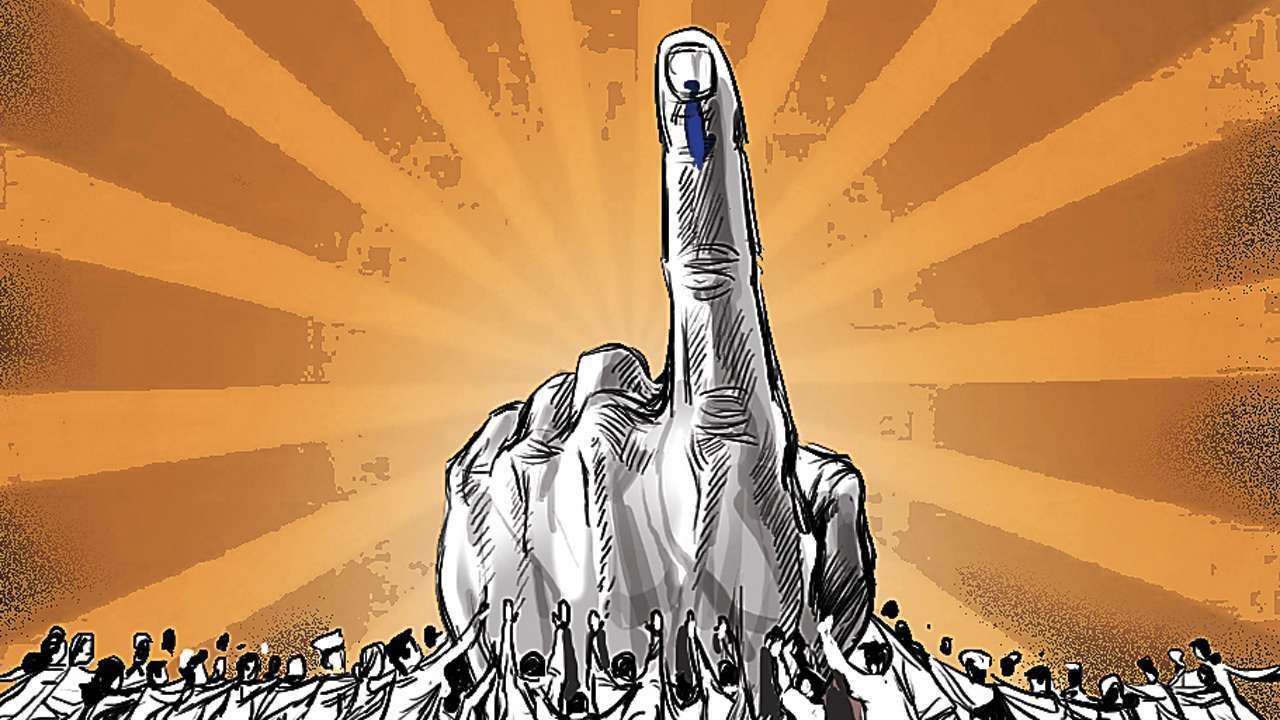
“The elections are the greatest symbol of participation and political reform”
-Mohammad Khatami (former president of Iran)
An election is a process by which the citizens of a democratic nation, irrespective of their caste and creed, decide who should take decisions on behalf of them. These have been the common mechanism for the functioning of representative democracies since the seventeenth century. The elections could be either direct elections or indirect elections. In direct elections, people could directly take part in the election process, whereas in indirect elections one individual is entitled to vote on behalf of a representative group. India being the largest democracy in the world considers elections as the “festivals of democracy” in which we celebrate the powers of common man.
In India elections held once in five years normally. Representatives are elected on the basis of universal adult franchise. As per the conditions laid down by the makers of Indian constitution any citizen who has attained the age of 18 could cast their vote irrespective of their religion, economic and social status. Similarly, Indian constitution also enables any citizen to contest in elections without any discrimination. In order to monitor the equal participation in elections the constitution has also setup an independent body named “election commission”. Thus, elections in India are an inclusive process where common man is pivotal point.
Indian democracy is the one in which all voters are considered equal thus, the contestants in elections are forced to treat each and every voter of his constituency with same importance at least at the time of elections. The truth is that, it is only during elections that the politicians will listen to the demands of common man. The elections instill a special power in the common man, who constitute a major portion of the society. Even the richest contestant is at the mercy of common man at times of election. It provides each and every individual an opportunity to shape the future of their nation regardless of their socio- economic conditions. Elections are the easiest way in which a citizen can express their discontent towards an existing government. Apart from this electoral system also lay down certain provisions by which common man could contest in elections and thereby contribute towards nation building directly. But many citizens are still unaware of this immense power.
The voting percentages of elections make it evident that people are still reluctant towards casting their vote. Despite of providing holidays and several other measures to encourage people to vote, many people are not ready to play their role in nation building. Low literacy rates, apathy, unprincipled politics, lack of concrete effort on the part of the political parties in motivating the voters and local conditions in some part of the country can also be sited as the reason for lower public participation in elections. The corrupt, divisive, dishonest and exploitative practices might have decreased the confidence of people in this process. Increase in the use of money power, reliance on money power during elections, inciting communal and caste prejudice in the voters and the misuse of official machinery have shaken the foundations of the electoral process. The only remedy in these circumstances lies in bringing about systematic changes in the polity and elections.
As John f Kennedy rightly quoted, “The ignorance of one voter in a democracy impairs the security of all”. It is necessary to make the voters aware of their rights and duties. The voters should be encouraged to cast their votes in an informed manner. The political system should take efforts to educate voters and bring back the trust in democratic system. The children should be taught about the need and worth of elections from a younger age. Above all, people should develop a feeling of obligation towards voting and should keep in mind that voting is their duty towards their nation.
By making proper use of the right to vote a common man could contribute immensely towards building their nation. On the whole as Roald Dahl said “Somewhere inside all of us is the power to change the world”. Elections are one the easiest way for a common man to contribute towards this change.
Financial inclusion may be defined as the process of ensuring access to financial services and timely and adequate credit where needed by vulnerable groups such as weaker sections and lower income groups at an affordable cost. Financial inclusion, broadly defined, refers to universal access to a wide range of financial services at reasonable cost. These not only include banking products, but also other financial services such as insurance and equity products.
INDICATORS OF FINANCIAL INCLUSION
As per the general laid down standards following are the key indicators of financial inclusion:
· Formal banking system
This refers to the existence and usage of banking services which are regulated by formal mechanism.
· Formal credit
The usage of formal or recognized credit providers indicates the presence of an inclusive financial system.
· Insurance
Apart from formal lending and depositing the citizens will also have access to proper insurance providers in a well inclusive financial system.
· Savings options
An inclusive financial system should provide attractive options to deposit the saved funds irrespective of the customer background.
· Modern banking
Each and every user should have access to modern banking services like electronic banking, mobile banking, internet banking, etc.
FACTORS AFFECTING FINANCIAL INCLUSION
Access to financial services have been recognized as an important aspect of development and more emphasis is given to extending financial services to low-income households. The lack of financial services limits the range of financial services and 7 credits for households. There are multiple factors which have affected the access to financial services, like
· Place of living
The area of operation of banks are limited to some specific geographical areas which leaves a significant portion of the rural population unbanked.
· Absence of legal identity and gender biasness
Due to lack of financial independence and unemployment there exists a bias on the basis of gender in having access to formal financial services.
· Limited knowledge of financial services
Illiteracy and lack of proper knowledge about banking system has led to reluctance towards formal banking practices among deprived classes.
· Level of income and bank charges
The charges and fines levied by banks make them less attractive for some classes of society.
· Rigid terms and conditions
Since formal banking system is subject to strict rules and regulations, many finds it difficult.
NEED FOR FINANCIAL INCLUSION
Financial inclusion broadens the resource base of the financial system by developing a culture of savings among large segment of rural population and plays its own role in the process of economic development. Further by bringing low -income groups within the perimeter of formal banking sector, financial inclusion protects their financial wealth and other resources. Financial inclusion also mitigates the exploitation of vulnerable sections by the usurious money lenders by facilitating easy access to formal credit.
India is a nation with a major chunk of the population living under vulnerable conditions. So, it is the duty each and every privileged section to lift the conditions of the underprivileged. Financial inclusion will pave a path of uplifting the society and empowering the people.
With the temperature gradually rising, it is very important to keep ourselves hydrated at all times. Due to dehydrating summer, the body loses water and henceforth we must replenish our body with vital nutrients. Here are a list of 5 summer fruits we can consume to keep our body cool –
1) Watermelon
Watermelons are mostly made up of water and contains electrolytes that helps in dehydration. Further, they are also rich sources of Vitamin A and are good for the eye muscles.
2) Papaya Papaya has multiple uses. It contaims an enzyme names “Papain” which helps in digestion. Further, it is also rich source of potassium that strengthens our immune system. Papaya can also be applied externally for healthy and glowing skin. It reduces tan and helps with sunburn.
3) Citrus Fruits
Citrus fruits like oranges, mosambi and lemons are rich sources of Vitamin C that helps with collagen production for healthier skin and hair. They also have antioxidants and flavonoids that are good for healing peptic ulcers and boosts our immune system. Fruit juices are an excellent alternative ti carbonated beverages and will keep our body cool and restore all the essential vitamins and minerals.
4) Cucumber Cucumbers contains 95 percent water and are very hydrating. They contain fibre and helps with digestion and constipation. The anti flammatory properties help in flushing out toxins from our body. When outdoors and water is hard to obtain, one can eat a cucumber to restore the water defeciency.
5) Plums Plums are packed with nutrients. They keep our heart healthy my maintaining blood pressure levels. Further, they are rich in dietary fibre and helps with constipation and other digestive problems as well.
India is the largest democracy in the world. The country is known for the multiplicity of culture. In the words of Jawaharlal Nehru, India is the land of unity in diversity. But when we look back, we could identify several aspects were Indian culture lacked humanity and compassion.
People around the world are coming to India to experience and study the rich culture of the nation. But when we look back, we could identify several aspects which faced severe criticisms from humanitarians around the globe. So, how did this change happen?
The paradigm shift in the culture and practices are a result of combined efforts of the social reformers in the pre independent India.
Let us check some social reform movements during the independence struggle:
Prathana samaj
Prarthana Samaj or “Prayer Society” in Sanskrit, was a movement for religious and social reform in Bombay, India, based on earlier reform movements. Prarthana Samaj was founded by Atmaram Pandurang in 31 March 1867. The movement was started as a movement for religious and social reform in Maharashtra and can be seen much more alike Brahmo Samaj.
Brahmo samaj
It was one of the most influential religious movements in India and made a significant contribution to the making of modern India.[2] It was started at Calcutta on 20 August 1828 by Raja Ram Mohan Roy and Dwarkanath Tagore as reformation of the prevailing Brahmanism of the time (specifically Kulin practices) and began the Bengal Renaissance of the 19th century pioneering all religious, social and educational advance of the Hindu community in the 19th century.
Atmiya sabha
Atmiya Sabha was a philosophical discussion circle in India. The association was started by Ram Mohan Roy in 1815 in Kolkata (then Calcutta). They used to conduct debate and discussion sessions on philosophical topics, and also used to promote free and collective thinking and social reform. The foundation of Atmiya Sabha in 1815 is considered as the beginning of the modern age in Kolkata. In 1823, the association became defunct.
Satyashodhak Samaj
Satyashodhak Samaj (Truth-seekers’ Society) was a social reform society founded by Jyotiba Phule in Pune, Maharashtra, on 24 September 1873. It espoused a mission of education and increased social rights and political access for underprivileged groups, focused especially on women, Shudras, and Dalits, in Maharashtra. Jyotirao’s wife Savitribai was the head of women’s section of the society.
Young Bengal movement
The Young Bengal was a group of Bengali free thinkers emerging from Hindu College, Calcutta. They were also known as Derozians, after their firebrand teacher at Hindu College, Henry Louis Vivian Derozio.
Tattwabodhini sabha
The Tattwabodhini sabha was a group founded in Calcutta on 6 October 1839 as a splinter group of the Brahmo Samaj, reformers of Hinduism and Indian Society. The founding member was Debendranath Tagore, previously of the Brahmo Samaj, eldest son of influential entrepreneur Dwarkanath Tagore, and eventually father to renowned polymath Rabindranath Tagore. In 1859, the Tattwabodhini sabha were dissolved back into the Brahmo samaj by Debendranath Tagore.
As a result of the concerted efforts, there were several changes in Indian society. The abolishment of Sati, promotion of widow remarriage, education of women several other changes were the result of these activities.
Last two centuries were not only the period of independence struggle but was also the phase of Indian renaissance. There were many reformers who fought against the social evils and acted as the eye openers for the general public. These values have also contributed towards the framing of constitution.
Let us uphold the values shared by these great people.
















 Eduindex
You must be logged in to post a comment.