Planning In India In A Globalizing World

As history has shown, India’s approach to development always remains contextual. This is evident when the nationalist leaders opted for a Soviet type centralized planning as perhaps an effective means for development. The idea was widely acclaimed regardless of the ideological differences among those who presided over India’s destiny following decolonization. The Planning Commission which was constituted in 1950 was hailed as an instrument to bring about quick development in India. India’s trajectory of development however proved otherwise : instead of being instrumental in contributing to a uniform development in the country, the Planning Commission failed to accomplish the goal; it was felt that centralized planning did not appear to be effective in attaining the goal that the nationalist leadership sought to attain.

The impact of the Planning Commission on India’s development cannot be easily ignored since it had been in place for more than six decades following the withdrawal of colonisation in India in 1947 while the NITI Aayog is too new to have any sway on the trajectory of growth in the country.

What is striking is the fact that while the Planning Commission was considered to be a piece of ideological baggage borrowed from the former Soviet Union, the NITI Aayog represents an effort toward articulating India’s neoliberal endeavour for sustainable economic growth. Ideologically drawn, both the planned development of the erstwhile era and its opposite, as conceptualized by the NITI Aayog, remain important pillars of India’s growth trajectory since independence. Centralized planning may have become futile though it undoubtedly had its role in the state directed development era.

Planning And Economic Development

With the formation of the Planning Commission in 1950, India was ushered in the state-led development era in which the state became a critical economic actor. Despite its historical antecedents, the idea of the state directed planned economic development gained significant salience in independent India, especially with Jawaharlal Nehru, India’s first prime minister, at the helm of affairs. Given his staunch opposition to the Gandhian model of democratic decentralization, Nehru always preferred the state-driven economy as perhaps the only driving force for India’s rapid socioeconomic regeneration in the aftermath of colonial rule.

There are two fundamental questions that need to be addressed: first, has the idea of the state-driven economic development lost its relevance just because of its failure to accomplish the stated goals or due to its vacuous claim in contrast with the rising importance of a market-driven counter ideology providing an alternative to the erstwhile strategy of the state-directed economic development? There is a connected second question: whether the market – driven strategy shall be useful for peripheral societies, including India, where the proportion of the people living below the poverty line is staggeringly alarming.

The Objective Of Economic Development

The following were the original objectives of economic planning in India:

  • Economic Development: This is the main objective of planning in India. Economic Development of India is measured by the increase in the Gross Domestic Product (GDP) of India and Per Capita Income
  • Increased Levels of Employment: An important aim of economic planning in India is to better utilise the available human resources of the country by increasing the employment levels.
  • Self Sufficiency: India aims to be self-sufficient in major commodities and also increase exports through economic planning. The Indian economy had reached the take-off stage of development during the third five-year plan in 1961-66.
  • Economic Stability: Economic planning in India also aims at stable market conditions in addition to the economic growth of India. This means keeping inflation low while also making sure that deflation in prices does not happen. If the wholesale price index rises very high or very low, structural defects in the economy are created and economic planning aims to avoid this.
  • Social Welfare and Provision of Efficient Social Services: The objectives of all the five year plans as well as plans suggested by the NITI Aayog aim to increase labour welfare, social welfare for all sections of the society. Development of social services in India, such as education, healthcare and emergency services have been part of planning in India.
  • Regional Development: Economic planning in India aims to reduce regional disparities in development. For example, some states like Punjab, Haryana, Gujarat, Maharashtra and Tamil Nadu are relatively well developed economically while states like Uttar Pradesh, Bihar, Orissa, Assam and Nagaland are economically backward. Others like Karnataka and Andhra Pradesh have uneven development with world class economic centres in cities and a relatively less developed hinterland. Planning in India aims to study these disparities and suggest strategies to reduce them.
  • Comprehensive and Sustainable Development: Development of all economic sectors such as agriculture, industry, and services is one of the major objectives of economic planning.
  • Reduction in Economic Inequality: Measures to reduce inequality through progressive taxation, employment generation and reservation of jobs has been a central objective of Indian economic planning since independence.
  • Social Justice: This objective of planning is related to all the other objectives and has been a central focus of planning in India. It aims to reduce the population of people living below the poverty line and provide them access to employment and social services.
  • Increased Standard of Living: Increasing the standard of living by increasing the per capita income and equal distribution of income is one of the main aims of India’s economic planning.

REFERENCES : Public Administration By Bidyut Chakrabarty and Prakash Chan Kandpal

Administrative Reforms In India

Public Administration is a continuous process and, in the sense, it is always an undergoing reform. So, in public administration, ‘reform is a journey rather than a destination’. Reforms are an obvious response to the new challenges confronting state institutions managing public affairs. At the root of such an exercise lies the effort at enhancing administrative capability in the changed scenario. The problem of administrative reform has received continuing attention in India, both at the centre and in the states.

Since Independence, there have been a large number of changes in the structure, work methods, and procedures of the administrative organisations. Although these changes have been gradual, at times not too perceptible, they do indicate the efforts made by the government to affect procedural and policy innovation in the administrative system and to keep pace with the changed situations, growing needs, and exigencies of the government. With this background, the present chapter makes an attempt to understand the concept of administrative reform, to analyze the initiatives of reforms after Independence, and understand the changing patterns of administrative reforms in India in the post – liberalization era.

Theoretical Underpinning Of Administrative Reforms

Public administration as an academic discipline was born with a bias toward change and reform. The term ‘reform’ literally means forming again. The Oxford English Dictionary defines ‘reform’ as ‘to convert into another and better form, to amend or improve by some change of form, arrangement or composition; to free from previous faults or imperfection.’ Following this definition, ‘administrative reform’ is to convert public administration into a better, improved form.

As An Academic Discipline

The Public Management and Administration field, in essence, is broad, necessitating a
specific study of theoretical frameworks. A review of conceptual literature and
contemporary case studies material on structural transformation and policy reform was
conducted to enlighten the research question and the statement of research. The existing
knowledge was highlighted in terms of its relevancy to this research, thus enabling the
incorporation of valid citation on previous experiences with civil service reform.
Conceptual definitions by proponents usually do not provide generic approaches on
administrative reform process, hence, the need for a focussed review of literature.

The objective is to consult the theoretical material relevant to public service reform.
For any research, it is important to establish a relationship between theoretical and
research perspectives (Procter, 2002) and identify gaps in the literature (Johnson, J.
1991). Varying views of different schools of thought cited must be contrasted so that
what has happened over time helps to show how others handled similar problems in the
past (Gerstenfeld, 2004). Philosophical or metaphysical nature of the phenomena being
investigated, whether observable or unobservable, has to be proved early before the
scientific knowledge of the object that is theory informed and the paradigms position
used in the research is established, appropriately in the concept definition section.
Research in the Public Administration field must not overlook or underlook the societal
imperatives – dynamics, which are underpinning public service reform. Political, social
and economic imperatives of a given society determine the type of public administration adopted for a particular developmental state. Each societal imperative would obviously contribute differently to the internal environment. This pattern is not common in every country as developed and developing societies likewise experience their unique situation where peace and stability enhance the conditions for reform.

Public Policy

Public policy is a frequently used term in our daily lives. We often read in newspapers about a public health policy, education policy, environmental policy, agricultural policy, industrial policy, and so on. Public policies are primarily framed by the government to satisfy public needs and demands. They are the means by which ends of a collective community are served. Without a policy, government and administration are rudderless. Successful policies make for successful government and administration, and hence there is a saying that when a policy fails, the government fails.

Theoretical Dimensions : The Context

Public policy is a relatively new subfield in political science. Its development as an area of study emerged out of the recognition that traditional analyses of government decisions were incomplete descriptions of political activities. As the relationships between society and its various public institutions became more complex and more interdependent, the need developed for more institutions became more complex and more interdependent, the need developed for more comprehensive assessments of what governments do – how and why they pursue some policy alternatives over others.

The focus on the public policy process has developed with the emergence of modern society and industrialization. During the nineteenth century, representative governments began to evolve in some parts of the world. With increased political participation by larger portions of the public, government decisions assumed greater importance and legitimacy.

What Is A Public Policy?

The term “public policy” refers to a set of actions the government takes to address issues within society. For example, public policy addresses problems over the long-term, such as issues with healthcare or gun control, and as such, it can take years to develop. Public policy addresses issues that affect a wider swath of society, rather than those pertaining to smaller groups. To explore this concept, consider the following public policy definition.

For example, public policy might tackle the problem of student loans by creating a student loan forgiveness program that affects several students at once, rather than paying off the loan of one student. Something important to remember about public policy is that it does not just refer to the government’s actions, but also to the behaviours and actions that result from those actions.

Significance Of Public Policy

It is evident that the public policy is the significant factor in the democratic government and it
emphasizes on the public and its problems, in fact it is a discipline which is branded as
public. The concept of public policy assumes that there is an area of life which is totally
individual but said in public. Likewise, public policies have a significant purposes to work in
the society where the democracy is prevails.

The important role of the public policy is to make the society to lead a better life and to maintain the delivery of the goods and services are significant, it is regarded as the mechanism for developing economic-social system, a
procedure for determining the future and so on.

REFERENCES : Public Administration by Bidyut Chakrabarty and Prakash Chand Kandpal

TOP FIVE CITIES IN INDIA

There are some most important cities in India,

* Mumbai.

* Delhi.

* Banglore.

* Kolkata.

* Chennai.

MUMBAI:-

Mumbai formerly called Bombay is a densely populated city on India’s west coast. A financial center, it’s India’s largest city. On the Mumbai Harbour waterfront stands the iconic Gateway of India stone arch, built by the British Raj in 1924.India’s share market is also in mumbai.Mumbai is also called as city of dreams.Mumbai is the seventh cheapest city in the world Mumbai is a huge and populous city, the level of crime is high. Travelers can easily become victims so they need to avoid traveling alone on public transport or in taxis, especially at night. There have been reports of British tourists becoming the victims of a scam by taxi drivers.

DELHI:-

New Delhi is the capital of India and an administrative district of the National Capital Territory of Delhi. New Delhi is the seat of all three branches of the government of India, hosting the Rashtrapati Bhavan, Parliament House, and the Supreme Court of India.New delhi is a union territory.It is situated alongside River Yamuna and bordered by Haryana state on three sides and by Uttar Pradesh state to the east.Delhi is relatively safe in terms of petty crime, though pickpocketing can be a problem in crowded areas so keep your valuables safe. Roads are notoriously congested.New Delhi is best known as the location of India’s national government. New Delhi has great historical significance as it was home to powerful people, such as the Pāṇḍavas and the Mughals. The city has many historical monuments and tourist attractions as well as lively marketplaces and great food, such as chaat.The world wonder taj mahal also present in a New delhi.

BANGLORE:-

Bengaluru also called Bangalore is the capital of India’s southern Karnataka state. The center of India’s high-tech industry, the city is also known for its parks and nightlife. By Cubbon Park, Vidhana Soudha is a Neo-Dravidian legislative building.It has a population of more than 8 million and a metropolitan population of around 11 million, making it the third most populous city and fifth most populous urban agglomeration in India.The current estimation of economy of Bangalore and its metropolitan area is US$ 110 billion making it India’s fourth richest metropolitan area.

KOLKATA:-

Kolkata formerly Calcutta is the capital of India’s West Bengal state. Founded as an East India Company trading post, it was India’s capital under the British Raj from 1773–1911. It is known for its grand colonial architecture, art galleries and cultural festivals. It’s also home to Mother House, headquarters of the Missionaries of Charity, founded by Mother Teresa, whose tomb is on site.Kolkata has gained the top spot in the list of the country’s safest cities for the year 2020.Kolkata is also known as the Black City.

CHENNAI:-

Chennai, on the Bay of Bengal in eastern India, is the capital of the state of Tamil Nadu. It is also called Madras.The Chennai Metropolitan Area is one of the largest municipal economies of India. More than one-third of India’s automobile industry being based in the city. Home to the Tamil film industry, Chennai is also known as a major film production centre. It is one of the 100 Indian cities to be developed as a smart city under the Smart Cities Mission.The world second largest beach is in Chennai and The zoological park.There is many place to visit in Chennai.

Residential Fire Risk

Fire is the visible effect of the process of combustion – a special type of chemical reaction. It occurs between oxygen in the air and some sort of fuel. When a fire occurs, there is a very little time to escape for it engulfs everything in its ambit in less than 2 minutes. Contrary to popular belief, over 90% of fire related deaths are caused by smoke suffocation. According to the World Health Organization (WHO) statistics, more than 300,000 deaths are caused annually by fire induced burns and more than 90% of these deaths occur in low- and middle-income countries. These figures clearly shows that fire poses serious threat to both life and property. Fire hazards can be understood as any actions, materials or conditions that might increase the size or severity of a fire or that might cause a fire to start. Of all the natural disasters, fit is fire only that is both beneficial to man and his environment as well as destructive and deadly.

Sun and Lao (2014) assert that fire risk analysis of high-rise building is of crucial importance due to the reason that there still lacks efficient systematic fire extinguish method to ensure a safety evacuation process. They further elaborated that fire risk assessment is an organized and methodical review of a specific building, the activities carried that increase the likelihood of a fire to start and cause harm to the occupants and properties. The fire risk assessment involves five steps – hazard identification, scenario design fire, quantitative risk analysis, risk assessment comparing to acceptable criteria and risk management. They highlighted the point that fire scenario is a key parameter of the whole fire risk assessment process – which involves a combination of potential fire size, fire location, combustible characteristics, availability of fire system etc. They further emphasized through their study based on China that risk analysis is important to evaluate fire protection strategies for a particular application or for a class of facility or operation in fire safety engineering. Beside this, the risk assessment will assist the stakeholders and operator to manage the facilities in a right way.

A comparative study regarding the level of fire safety between Residential and Commercial Construction sites were carried out by Sivakumar, Malathy and Sivaprakash (2018). The study brought the point that residential building satisfies overall fire safety conditions better than commercial buildings. However, combustible materials are stored and maintained in a better manner in commercial buildings than residential buildings and tend to satisfy overall structural feature parameters when compared to residential buildings. Moreover, the study highlighted that fire emergency, signage and emergency planning in commercial buildings are better than in residential buildings. They asserted that, however, both the commercial and residential buildings need to focus more on reducing risk and on improving fire safety and fire risk assessment standards and compliances regarding the protection of people working in the construction sites.

Huang and Xin (2013) in their paper based on China presents fire risk analysis model-based scenario clusters and its application in fire risk management of buildings. The paper has described the quantitative analysis model for fire risk analysis. They bring out the point that fire risk analysis method allows a quick check of any safety deficiencies in residential buildings and any need to provide additional fire protection measures to minimize fire risk. However, they argue that the method does not include consideration of the logical development of fire events. Moreover, the quantification parameters of fire risk are based on statistical data (if available). Thus, they assert that more research is required to verify the methods of some parameters in international contexts. The paper also conformed to the idea that building fire risk analysis serves as a basis for fire risk management.

Masoumi, Genderen and Maleki (2019) attempted to carry a comprehensive fire risk assessment in the dense urban areas of Zanjan city using Information Fusion based on GIS modeling. The study has highlighted the increasing importance of information fusion technologies for the analysis of geospatial information. The use of different types of spatial and attribute data from different sources deploying GIS and geospatial analyses can act as powerful tools to aggregate information in order to assess disaster risk in urban and regional scales. The result of sensitivity analyses also indicated that the social training factor is the most effective causative factor in the fire risk.

Kodur, Kumar and Rafi (2019) in their paper, ‘Fire hazard in buildings: review, assessment and strategies for improving fire safety,’ presents a critical review of current fire protection measures and their applicability to address current challenges relating to fire hazards in buildings. Based on the review, an integrated framework for mitigation of fire hazards is proposed. The proposed framework involves enhancement of fire safety in four key areas: fire protection features in buildings, regulation and enforcement, consumer awareness and technology and resources advancement. Detailed strategies on improving fire safety in buildings in these four key areas are presented, and future research and training needs are identified. The study has brought forth the point that Current fire protection measures lead to an unquantified level of fire safety in buildings, provide minimal strategies to mitigate fire hazard and do not account for contemporary fire hazard issues. They highlighted that Implementing key measures that include reliable fire protection systems, proper regulation and enforcement of building code provisions, enhancement of public awareness and proper use of technology and resources is key to mitigating fire hazard in buildings. Major research and training required to improve fire safety in buildings include developing cost-effective fire suppression systems and rational fire design approaches, characterizing new materials and developing performance-based codes.

Groner (2015) in his paper describes a decision model for managing the movement of building occupants during fir emergencies. The study assert that sophisticated education and training would improve the responses of occupant movement managers. Accepting that it is unlikely for a great increase in resources being dedicated to it, the study forwards a ‘simple mental model’ – which should help occupant movement managers avoid mistakes in both planning for and responding to fire emergencies. The research assert that the model relies on the abilities of people to analyse and synthesize inputs and people are notably effective at this task given a mental model that is simple enough to easily recall.

Among different types of disasters, fire constitutes a significant threat to life and property in any type of settlement whether urban or rural possession. In India, the data on fire related deaths are provided by National Crime Records Bureau (NCRB) under Accidental Deaths & Suicides in India (ADSI). According to study conducted by India Risk Survey in 2018, Fire outbreak is the third largest risk to be faced by the people in continuity of operations on the other hand the Accidental Deaths and Suicides in India report, 2019 states that residential buildings are most prone to fire outbreaks due to faulty behaviour of residents. According to ADSI reported 11,037 cases of fire accidents in the country during 2019 which rendered 10915 deaths and injuries to 441 persons. The cause-wise analysis of fire accidents revealed that 58.0% of total deaths were reported in residential/dwelling buildings during the mentioned year. The residential fire risks arise from both inappropriate structural attributes and faulty behavioural practices like using nonstandard electrical goods, no capacity building in case of disaster, congestion in residential localities and no maintenance of electrical equipment’s.

Cities across India are growing at exuberant rates. However, as we build new cities and expand old ones, we must not forget the necessary features that make up these urban spaces. Fire safety is crucial in urban and rural habitats, and there must be continued investments in equipment and infrastructure to guarantee the safety of the residents. It’s time our civic authorities, town planners and fire service officials pay more attention to fire safety in residential colonies and ensure that they have at least some rudimentary fire engines. It is also important to educate residents on dealing with a fire. Along with these, fire risk assessment should be duly done to ensure proper evacuation plan as well as the adoption of all possible best measure to prevent fires. This will go a long way in saving life.

In India, though there are several rules and laws, codes and standards associated with fire safety, these are rarely followed. Neglective behaviour in following fire safety measures caused several major fires in numerous occupancies and a few of them even resulted in catastrophes, however, there aren’t any provisions for fire safety legislation in India regarding the objectives, scope, methodology, and periodicity of the Fire Safety Audit.

Home is a place where you build memories and seeing it burning down to ashes can be the most terrifying event in one’s life. Though a scary thought, a lot can be done to prevent fire from happening. Fire Hazard in the residential buildings are the most common hazard especially because of the ignorance on the part of the residents. Even if we cannot control anything and everything, however, we can take some steps to help reduce the chances of fire from occurring as well to reduce the smoke damage.

REFERENCES

Groner, N. (2016). A Decision Model for Recommending which Building Occupants should Move where During Fire Emergencies. Fire Safety Journal, 20-29.

Kodur, V. K. (2019). Fire Hazards in Building: Review, Assessments and Strategies for Improving Fire Safety. PSU Research Review, 4(1), 1-23.

Mausoumi, Z. G. (2019). Fire Risk Assessment in Dense Urban Areas Using Information Fusion Techniques. International Journal of Geo-Information(8), 2-20.

Ministry of Home Affairs. (2020). Accidental Deaths and Suicide in India, 2019. New Delhi: National Crime Records Bureau.

Sivakumar, C. M. (2018). A Study on Fire Safety on Residential and Commercial        Construction Sites. Archives of Civil Engineering, LXIV(2), 161-174.

Sun, X. L. (2014). Fire Risk Assessment for Super High- Rise Buildings. Procedia Engineering, 492-501.

Xin, J. H. (2013). Fire Risk Analysis of Residential Buildings based on Scenario Clusters and its Application in Fire Risk Management. Fire Safety Journal, 72-78.

Image Credit: Google

Cyclone Risk Assessment – cas eof Andhra Pradesh

A disaster is a sudden, calamitous event that seriously disrupts the functioning of a community or society and causes human, material, and economic or environmental losses that exceed the community’s or society’s ability to cope using its own resources. Though often caused by nature, disasters can have human origins. The combination of hazards, vulnerability and inability to reduce the potential negative consequences of risk results in disaster.

The Disaster Management Act of India defines disaster as: “A catastrophe, mishap, calamity or grave occurrence in any area arising from natural or man-made causes or by accident or negligence, which results in substantial loss of life or human suffering or damage to and destruction of property or damage to, or degradation of environment and is of such a nature or magnitude as to be beyond the coping capacity of the community of the affected area.

Andhra Pradesh is the second most vulnerable state to cyclone after Odisha. The state risks being battered by cyclones of moderate to severe intensity every two to three years. In the past 40 years, there may not be a single year in which the state did not experience either a storm, a cyclone or heavy rains and floods. The deadliest cyclone in the past 40 years was the one that struck Andhra’s coast in November 1977, killing about 10,000 people. About 250,000 cattle heads perished, one million houses were damaged and crops on 1.35 million hectares (ha) were destroyed that year. According to the State Disaster Management Department, about 44 per cent of the state is vulnerable to tropical storms and related disasters. Vulnerability to storm surges is not uniform along the coast of Andhra. The stretch between Nizampatnam in Guntur district and Machilipatnam in Krishna district is the most prone to storm surges. East and West Godavari districts, with vast stretches of paddy fields and irrigation, drainage canals always bear the brunt of cyclones accompanied by strong winds and pounding rains. In the aftermath of cyclones, these areas get flooded, leading to huge crop losses besides other damage. More than one cyclone in the same season is not unusual for Andhra Pradesh. The vulnerability also increases manifold given its location and the demographic structure of the state. The decrease of alertness in disaster management that often occurs after a few years’ lull in occurrence of cyclones, known as the “fading memory syndrome,” also contributes to increases in loss of lives and property damage.

Proneness or to be prone means ‘likely to do’ or in this case, the districts most likely to be affected by cyclone. Out of 9 districts prone to cyclones, 4 districts i.e., Nellore, Guntur, East Godavari and Srikakulam fall in the category of very highly prone to cyclones. The remaining 5 districts i.e., Prakasam, Krishna, West Godavari, Vishakhapatnam and Vizianagaram fall in the category of highly prone to cyclones. It can be noticed that the coastal districts range from very highly to highly prone to cyclone without any in-between.  Apart from these, the non-coastal districts such as Chittoor and Cuddapah also at times experience the wrath of cyclones in the form of heavy and torrential rainfall or the landfall of cyclones.

All the coastal districts of Andhra Pradesh except one fall in the very highly vulnerable category, which is not a surprise given the density of population in the districts. The density map of Andhra Pradesh shows that out of 9 coastal districts, 4 districts i.e., Srikakulam, East Godavari, West Godavari and Krishna fall in the category of high density of population; 3 coastal districts i.e., Vizianagaram, Vishakhapatnam and Guntur fall in the category of moderate density of population. The reasons for low density districts such as Nellore and Prakasam still being highly vulnerable can be due to high rate of poverty, transport and infrastructure vulnerability.

The density map of Andhra Pradesh shows that out of 9 coastal districts, 4 districts i.e., Srikakulam, East Godavari, West Godavari and Krishna fall in the category of high density of population; 3 coastal districts i.e., Vizianagaram, Vishakhapatnam and Guntur fall in the category of moderate density of population. The reasons for low density districts such as Nellore and Prakasam still being highly vulnerable can be due to high rate of poverty, transport and infrastructure vulnerability.

Over last few decades, NGOs have become important players in the development process across the globe, engaged in wide ranging activities starting with community development to training, policy research, and advocacy. Their organisational flexibility, informal work style, and close engagement with grassroots communities enable them to deliver services to people at lower costs.  Their ability to mobilise people and understand people’s concerns enables them to better articulate problems encountered by people. Thus, they play a very important role in preparedness and mitigation process. For instance, Indian Red Cross Society – New Delhi and other charitable organisations were involved in helping people in Titli cyclone-affected areas. As per the article in The Hindu, IRCS has distributed relief materials, including 1594 kitchen sets, 800 saris, 700 dhotis, 440 buckets, 400 towels, 700 mosquito nets and 405 tarpaulins in selected villages, according to IRCS Srikakulam wing chairperson P. Jaganmohana Rao, Further, after studying the severe damage in 1,145 villages, IRCS-New Delhi, IRCS-A.P. and Telangana units sent relief material worth more than Rs. 62 lakhs. Given such an important role played by voluntary organisations, APSDMA is developing a database of interested volunteers from various governmental and non-governmental agencies and offer them training programs on interesting aspects under Disaster management, preparedness, mitigation and awareness building. This will provide the volunteers with an on-ground experience of the situation and also provide them with an opportunity to learn and teach others what they have observed.

It is equally important for risk assessment to take from time to time so that it comes to light where the improvement is needed the most, where are the loopholes as regular risk assessment will enable to support the development of effective cyclone mitigation policies and implementation of specific measures. Studies have suggested that new developments in the terms of embankments, cyclone shelters, and roadways should be in the places with high and very-high-risk zone. Though successful early warning system reduced the loss of life, false information and lack of awareness claimed many human lives. It has been recommended that Incorporating the spatial distribution of vulnerable people in warning messages may increase trust of people to the warning signals. One of the studies brought in the “fading memory syndrome” in which not being the target of cyclone and cyclonic storms for more than a couple of years makes people forget about the disastrous affect and a reduction has been observed. Thus, the government needs to focus on this aspect too and conduct mock drills among the coastal population at regular intervals, keep them aware about the impact and train the evacuation process. It is equally important to impart education to the population regarding the same. With the proper involvement of the civil bodies and local people, a vastly informed citizens can be placed.

References:

Ahameed, B. K. (2019). Coastal Social Vulnerability and Risk Analysis for Cyclone Hazard Along the Andhra Pradesh, East Coast of India. KN-Journal of Cartography and Geographic Information. doi:DOI: 10.1007/s42489-019-00029-9

GOI-UNDP. (n.d.). Severe Cyclone Storm Titli’s Impact on State of Andhra Pradesh .

Government of Andhra Pradesh. (Accessed 2021). Andhra Pradesh State Disaster Management Authority. Retrieved from Google: https://apsdma.ap.gov.in/

Raghavan, S. &. (2003). Trends in Tropical Cyclone Impact: A Study in Andhra Pradeh, India. American Meterological Society, 635-644. doi:10.1175/BAMS-84-5-635

Rao, A. D. (2005). Vulnerability from Storm Surges and Cyclone Wind Fields on the Coast of Andhra Pradesh, India. Nat Hazards, 515-529. doi:10.1007/s11069-006-9047-4

Image Credit: Google

Global Surge in Domestic Violence During Covid-19 Crisis!

“O Janneman”, she increased her pace on hearing a stranger calling. She reached the bus stop but could still feel eyes on her. It was dreadful. She wanted to reach home as soon as possible. She wanted to cover herself in the safety that only a home could provide.

About 95% of women feel unsafe in public places (UN Women, 2013) and about 50% of women face harassment during commutation (Pan India Study, 2015)[1]. Though women are considered most vulnerable while commuting, their entrapment during the lockdown tells a different story. While protecting themselves from the pandemic, women face another terminal problem. Though cases such as rape, catcalling, stalking and other forms of molestation have decreased due to restrictions on movement, a rise in the cases of domestic violence is seen, which is horrendous. Even before the lockdown, 243 million females of 15-49 years have faced physical abuse (UN Women reported). National Family Health Survey 2016 reveals that 30% of women of 15-49 years’ experience physical violence. About 31% of married women experience abuse by their spouses.

Given the already sheer violation of basic human rights, the world is now experiencing a surge in such crimes! Where are we moving to?

[i]France has reported a 30% increase in such case[2]. In UK, calls to the national abuse hotline went up by 65%[3]. Spain has registered calls to 144 gender violence hotline increase by 25%[4]. In Singapore, AWARE’s Women Helpline number has registered an increase in calls by 33%.[5] In Australia 40% of frontline workers reported increase in the calls to domestic violence helpline[6]. National Commission for Women registered over 587 complaints between March 27-April 16 2020[7].

Many countries/places have registered a drop in such calls, like the Delhi Commission for Women. This trend is more frightening since it indicates the inability of victims to reach for help. A lot of women might not be able to make phone calls due to the constant presence of the abuser. A lack of help increases the chance for their abusers to coerce them and inculcate greater fear in their relationships.

The lockdown has also compromised the care and support services provided by various NGOs and counseling centers- clinical management, mental health and psycho-social support to the survivors. To free oneself from the clutches of an abuser, women need to be financially independent but given the situation of a recession of the global economy, the solution is covered by clouds.

These statistics do not tell the whole story. A lot of cases are not even reported! Women belonging to poor households find it difficult to reach out for help due to lack of access to phones and the internet while many do not report marital rapes and domestic violence due to the fear of society. UN Women reported that only about 40% of women facing domestic violence call domestic abuse hotlines and only about 10% go to the police. In the current situation, it has become even more difficult for them to reach for help.

A lot of reasons can be put forward for such an abusive behavior of men but these can never be taken as excuses to set them free. With everything that is going on, this world requires a change in mindset which certainly cannot be achieved overnight. So, there is a need for proper counseling of men too to help them get through the situation without inflicting pain on others. During the lockdown, ways should be formulated to help NGOs to reach both the victims and the abusers. There is a need for the allocation of more resources to enable these centers to reach a wider section of the population. Also, every country should have stringent laws in place and practice. It has been reported that about 1 in 4 countries do not have any laws to serve justice to the victims of domestic violence.

For a dignified life, safety and security are basic human rights. The status of women in society determines their safety. Women being the target of violence and rapes in their own homes makes me question the very core of humanity, the very idea of ‘home’. It seems that humanity has gotten lost somewhere in space- unable to find its way back to earth. As rightly pointed by the UN chief, “peace is not just the absence of war”[8]. It is indeed necessary that we come together to fight the battle to keep women safe as we fight COVID-19. For a sustainable, inclusive and resilient society, every section must live a dignified life.


[1] Bhatt, A. Women’s Safety in Public Transport-A Pilot Initiative in Bhopal. 2015. Embarq India


[2] Domestic violence cases jump 30% during lockdown in France.23rd March, 2020. https://www.euronews.com/2020/03/28/domestic-violence-cases-jump-30-during-lockdown-in-france

[3] Megha Mohan. Coronavirus: I’m in lockdown with my abuser. 31st March, 2020. https://www.bbc.com/news/world-52063755

[4] During quarantine, calls to 144 for gender violence increased by 25%. 21st March, 2020. http://www.diario21.tv/notix2/movil2/?seccion=desarrollo_nota&id_nota=132124

[5] Commentary: Isolated with your abuser? Why family violence seems to be on the rise during COVID-19 outbreak. 26 March, 2020. https://www.channelnewsasia.com/news/commentary/coronavirus-covid-19-family-violence-abuse-women-self-isolation-12575026


[6] Domestic Violence Spikes During Coronavirus As Families Trapped At Home. 27 March, 2020. https://10daily.com.au/news/australia/a200326zyjkh/domestic-violence-spikes-during-coronavirus-as-families-trapped-at-home-20200327


[7] Coronavirus cases: No Lockdown for Domestic Violence. 26 April, 2020. https://www.deccanherald.com/specials/insight/coronavirus-crisis-no-lockdown-for-domestic-violence-829941.html

[8] UN Chief calls for Domestic Violence ‘Ceasefire’ amid ‘horrifying global surge’. 6th April, 2020. https://news.un.org/en/story/2020/04/1061052


[i] The data pertains to the month of April – June (when lockdown was in full force everywhere)

Image Credit: Google

Summary of Union Budget 2021-22


The Union Minister for Finance & Corporate Affairs, Smt Nirmala Sitharaman presented the Union Budget 2021-22 in Parliament today, which is the first budget of this new decade and also a digital one in the backdrop of unprecedented COVID-19 crisis.

This year’s Budget lays focus on the seven pillars for reviving the economy – Health and Wellbeing, Physical and Financial Capital and Infrastructure, Inclusive Development for Aspirational India, Reinvigorating Human Capital, Innovation and R&D, and Minimum Government Maximum Governance. Several regulations around the securities market are proposed to be merged as a single code. Several direct taxes and indirect taxes amendments were also proposed.


Our FM starts the budget2021 announcement by mentioning the challenges during the pandemic and the vision of the Pradhan Mantri Garib Kalyan Yojana.
FM says that India has two vaccines made available and two more will be made accessible soon.
FM reiterated that the government is fully prepared to support the economy’s reset.
FM says the Budget2021 is based on 6 pillars.
Starting with healthcare & wellbeing:
Spending’s been increased
New scheme with an outlay of Rs.64K crore to be spread over 6 yrs
The above is in addition to the National Health Mission.


Support to rural & urban health centres
FM announces the Jal Jeevan Mission with an outlay of 2.87 lakh crores aiming to provide full-fledged water supply to all urban local bodies with household tap connections.
The FM proposed Rs1.41 lakh crores over a period of 5 Years for the Urban Swacch Bharath 2.0.


An amount of Rs.1.47 lakh crores, over a 5-year-period, from 2021 has been assigned for initiatives such as wastewater treatment, reduction in plastic waster, reduction in pollution and the like.
The Scrapping Policy has been announced in the Budget2021. The voluntary vehicle scrapping policy aims to remove inefficient vehicles so as to reduce vehicular pollution and oil import bills.
FM proposes an amount of Rs.35000 crore to manufacture and make accessible the COVID19 vaccine.


To strengthen nutritional content, delivery, outreach, and outcome, Government will merge the Supplementary Nutrition Programme and the PoshanAbhiyan and launch the Mission Poshan 2.0. Government will adopt an intensified strategy to improve nutritional outcomes across 112 Aspirational Districts.


Universal Coverage of Water Supply and Swachch Bharat Mission:

The Finance Minister announced that the JalJeevan Mission (Urban), will be launched for universal water supply in all 4,378 Urban Local Bodies with 2.86 crore household tap connections, as well as liquid waste management in 500 AMRUT cities. It will be implemented over 5 years, with an outlay of Rs. 2,87,000 crore. Moreover, the Urban Swachh Bharat Mission will be implemented with a total financial allocation of Rs 1,41,678 crore over a period of 5 years from 2021-2026. Also to tackle the burgeoning problem of air pollution, government proposed to provide an amount of Rs. 2,217 crore for 42 urban centres with a million-plus population in this budget. A voluntary vehicle scrapping policy to phase out old and unfit vehicles was also announced. Fitness tests have been proposed in automated fitness centres after 20 years in case of personal vehicles, and after 15 years in case of commercial vehicles.


Physical and Financial Capital and Infrastructure:

AatmaNirbhar Bharat-Production Linked Incentive Scheme

Finance Minister said that for a USD 5 trillion economy, our manufacturing sector has to grow in double digits on a sustained basis. Our manufacturing companies need to become an integral part of global supply chains, possess core competence and cutting-edge technology. To achieve all of the above, PLI schemes to create manufacturing global champions for an AatmaNirbhar Bharat have been announced for 13 sectors. For this, the government has committed nearly Rs.1.97 lakh crore in the next 5 years starting FY 2021-22. This initiative will help bring scale and size in key sectors, create and nurture global champions and provide jobs to our youth.


Textiles:

Similarly, to enable the textile industry to become globally competitive, attract large investments and boost employment generation, a scheme of Mega Investment Textiles Parks (MITRA) will be launched in addition to the PLI scheme. This will create world class infrastructure with plug and play facilities to enable create global champions in exports. 7 Textile Parks will be established over 3 years.

Thus, the budget was widely acclaimed and appreciated.

E-Waste

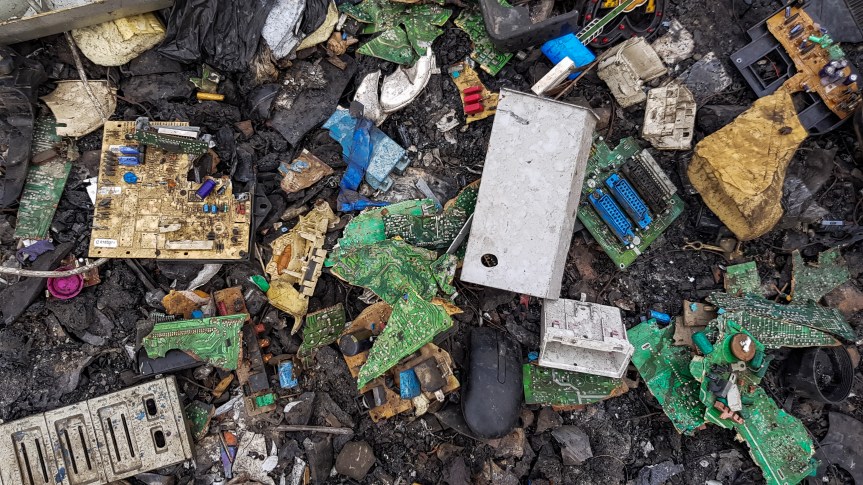
E-waste is an informal name used for electronic waste implying all those electronic products which have reached the end of their useful life, for example, mobile phones, dryer, fax machine and other electronic equipments.

A techno hungry world is emerging facilitated by digital empowerment policies by various governments and is all ready to get upgraded to a generation of 5G and thus due to the emergence of newer electronic products in the market and the improved standard of living, the usage of these electronic products have shot up and so the amount of electronic waste produced every day is growing enormously. According to UN report on environment,2019, the amount of e-waste generated at the world level is about 50 million tonnes but only 20 percent of it is properly recycled.

A joint report has been in 2019 published by World Economic Forum and the World Business Council for Sustainable Development which attracts attention for the need of crucial vision in this field. As per the data released in the new Global E-Waste Report, the market value of our spent devices amounts to $62.5 billion, three times more than the annual output of the world’s silver mines. It also informed that more than 120 countries have an annual GDP lower than the value of our growing pile of global e-waste.

India has become one of the largest dumping sites of e-waste by many countries and the domestic production itself accounts for about 2 million tonnes per annum but merely 5 percent of the wastes is recycled.

According to a report published in Times of India, 2019, over 95 percent of e-waste generated is managed by unorganized sector and the scrap dealers in the market, dismantle the disposed products instead of recycling it. The current rate of e-waste generated in India is 4.56 times greater than the annual e-waste processing capacity offered by the nation, which leads to illegal and improper dumping of hazardous waste.

The proper collection, disposal and recycling(management) of e-waste is necessary, for it possess a serious threat to our health. A long exposure to the chemicals, pollutants emitted after dumping the e-waste without following the proper procedures leads to damage of nervous system, skin diseases, heart and liver damage and many other health problems. It also contaminates our natural surroundings, damages the soil quality and also pollutes the water quality.

If plastic pollution in the life below water and life above water is one of the major environmental challenges, the ebb and flow of public opinion should also turn towards to the huge generation of electronic waste in the present era. The numbers are fearsome: 50 million tonnes of e-waste are produced each year, and left unchecked this could more than double to 120 million tonnes by 2050.

In our country, the amount of E-waste generated is increasingly rapidly and with increasing fascination as well as dependence on new technology, the amount of e-waste is expected to grow in the coming years. The main area where our country lacks is in the proper management of electronic wastes. There is no large-scale organised E-waste recycling sector in our country and the largest recycling hotspot are in the unorganised sector and some are illegal too as the largest recycling hotspot of the capital city is in Seemapuri. It is not a hidden truth anymore that working conditions in the unorganised sector is not bed of roses. The poor conditions of the worker as well as the hazardous nature of the wastes that they deal with will always pose a fatal threat to their life. Moreover, the large scale dumping of electronic wastes from developed countries to India owing to availability of abundance of cheap labour and flexible environmental laws further enhances the problem.

The lack of public awareness about the proper disposal of e-waste and lack of proper implementation of laws adds to the problem. There are very few IT companies that actually seriously implement the provision of Extended Producer Responsibility. In most cases electronic wastes remain unattended in the households. As already seen above that due to lack of awareness, people throw waste electronics and electrical equipment with their household wastes. There is a tendency among the people not to care about the things that they have discarded, ignoring the fact that its implication in the long run is going to affect them too.

The laws should be properly implemented; government should try to reach the nook and corner of the country and spread awareness through the provision of Digital world and many more: Let’s bring into use 5Rs: Refuse, Reduce, Reuse, Repurpose, Recycle. People in their locality as a community need to take steps for keeping their locality clean. As a community they should establish a committee that would oversee the management of all the wastes. There should be educational programme in different localities with the government aid about waste segregation, their harmful impact and how it can be mitigated. But all this would be possible when we as an individual come forward and work together. We need to start the reform from our home, then our locality, then our region, then our country and the world as a whole. The role of youth in this regard is very important. Being one of the most enthusiastic section of society, they carry within themselves a huge reservoir of untapped energy. With proper direction, they can be play major role in spreading awareness as well as in taking initiatives for proper management of electronic or any kind of wastes.

We need to understand that our earth as a whole is on the verge of collapsing, so we can’t let different kinds of waste piling up. Our attention should turn towards such grave issues instead of fighting over petty issues and work together towards adopting a sustainable lifestyle so as to save a future for ourselves and others too. Let’s not make the word ‘sustainable’ a cliché term and should try and have a sustainable approach towards everything.

REFERENCES:

  • Bishnoi, V. N., & Shah, T. (2014), E-Waste: A New Environmental Challenge. International Journal of Advanced Research in Computer Science and Software Engineering, 4(2), pp. 442-447.
  • Down to Earth (2019), Recycling of e-waste in India and its potential.
  • Jadhav, S. (2013), Electronic Waste: A Growing Concern in Today’s Environment Sustainability. International Journal of Social Science & Interdisciplinary Research, 2(2), pp. 139-147.
  • Sikdar, M., Dr., & Vaniya, S. (2014), The New Millennium and Emerging Concerns. International Journal of Scientific and research Publications, 4(2), pp. 1-12.
  • Sivaramanam, S. (2013), E-Waste Management, Disposal and its impacts on the environment. Universal Journal of Environmental Research and Technology, 3(5), pp. 531-537.
  • Uddin, M. J. (2012), Journal and Conference Paper On (Environment) E-Waste Management. IOSR Journal of Mechanical and Civil Engineering, 2(1), pp. 25-45.
  • UNEP (2010), A Report – recycling- from E-waste to resources. February 22, 2010.
  • World Economic Forum (2019), The world’s e-waste is a huge problem. It’s also a golden opportunity.

Image Credit: Google
Odisha and Agriculture – A Literature Review

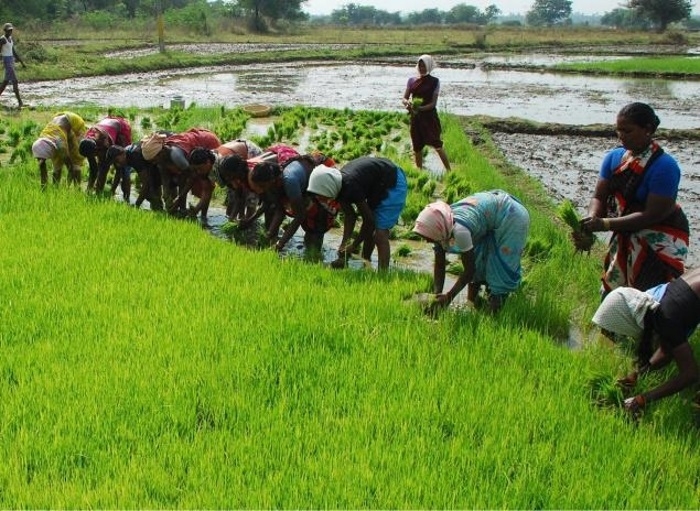
Odisha is primarily an Agrarian State. Agriculture is the mainstay of the majority of the population. Though agriculture sector contributes only about 26 per cent to the Gross State Domestic Product (GSDP), almost more than 70% of the population is dependent on it. In spite of such low contribution, the labour force has not yet move out of this sector which ultimately results in low per capita income in this sector.

Agriculture in Odisha is characterized by low productivity due to sporadic rainfall, disrupted irrigation facilities as well as due to the fact that the state is prone to various natural calamities (Pattanayak & Nayak, 2003). Various literatures have studied cropping pattern of the state and have indicated that the cropping pattern of the state is changing over the years. Various studies have also confirmed that Odisha have not only experienced low productivity but also declining productivity. Agriculture plays a major role in providing a source of livelihood to a large proportion of population. Its development becomes important as it still remains the sector where majority of the workers are concentrated. It provides raw materials to various agro-based industries and also ensures food security-the basic necessity of life.

A number of studies have examined and analysed the agrarian structure and conditions of the country in terms of cropping pattern, determinants of cropping pattern, conditions of the agricultural labourers among many others. Given below is the review of few studies that have discussed various aspect of agrarian conditions in their work. The relevance of these works increase keeping in mind the point that they have brought out successfully many key issues in agriculture and how cropping pattern of a region or the country reflects the infrastructure of a place. The study of these literature have been undertaken to get a clear picture of the subject concerned and an insight of different lenses through which agrarian conditions of the country have been looked upon, before embarking on the study.

Despite the changes made in the macroeconomic policy framework and trade liberalisation, Bhalla and Singh (2009: 34, 43, 44), argued that the agricultural sector in India neither experienced any significant growth subsequent to the initiation of economic reforms in 1991 nor did it derive the expected benefits from trade liberalisation. They further asserted that, when compared with the immediate pre-liberalisation period (1980-83 to 1990-93), agricultural in India recorded a visible deceleration in its growth rates of aggregate yield and output and the process of agricultural diversification during the post-liberalisation period (1990-93 to 2003-06). There are different reasons for its slowdown but decline in public investment in irrigation and water management and thus limited irrigation facilities can be said to affect it the most.

Mruthynajay and Praduman (2003: 159) argued that the cropping pattern strategy followed in post green revolution period has led to narrowing down the base of agricultural production. In terms of allocation of acreage, the cropping pattern in the agricultural scenario of India has been skewed towards food grain. Though area under non- food grain has increased, food grains are still dominant (Ghosh, 2011: 115). The cropping pattern changes revealed that area under different crops was strongly linked with decline in cost of production due to-government subsidies, improved irrigation facilities-hence increase in cropping intensity of certain crops such as that of rice and wheat (Mruthynajay and Praduman, 2003: 163). High yield of crops and subsequent expansion and substitution are also the major reasons for such a change post green revolution with rice, wheat, mustard and cotton emerging as main crops for the farmers with area under coarse cereals declining (Ghosh, 2011: 119). The expansion of area under such crops as well as substitution of coarse cereals resulted in narrowing of the base of production, and crops such as pulses and oilseeds were not given due attention. Thus, the success attained in food crop production post green revolution has also caused serious crop imbalances in the cropping pattern, widened regional disparities, increased instability in production and unplanned import of commodities. So, there is a need to re-examine green revolution strategy keeping in mind the crops and areas that were bypassed so far (Mruthynajay and Praduman, 2003: 165).

The cropping pattern in Orissa is such that most of the districts of Orissa are experiencing a lateral movement towards crop specialisation and crop diversification, but over the years, crop specialisation can be noticed, where about 50% of Gross Cropped area is under paddy due to high yield, improved irrigation facilities and changes in the food habits of people (Pattanayak and Nayak 2004: 6, 13). The adoption of modern varieties of rice (HYV) in Orissa, its degree of adoption is inversely related to the farm size while its intensity of adoption is proportional to its farm size and varies with access to modern inputs. These are positively associated with borrowing since lack of investible cash retard the process of diffusion of modern technologies while tenancy is negatively associated, for the moneylenders feel that the adoption of HYVP would reduce the dependency of tenants on them (Sarap and Vashisht,1994: 90, 92).

However, holding other factors constant, Pattanayak and Nayak (2004: 5, 10, 19) argued that the contribution of agriculture in primary sector and in Gross State Domestic Product has declined but the labour force has not move out of the primary sector in post- reform period in Orissa. The districts are diverging as far as agricultural productivity is concerned and asserted that this variation is due to variation in the use of inputs amongst the districts. The skewed distribution of land, small size of operational holding, high incidence of share tenancy and rural poverty are few of many factors which negatively affect the agricultural productivity. The long-term solution lies in improved agricultural productivity and conscious policy decisions to reduce inter district disparity.

Regarding change in labour demand, Lahiri (1970: A-111, A-114) confirms the general belief that demand for agricultural labour has increased due to High Yielding Varieties Programme (HYVP). There was a high variability amongst different states with respect to total labour required and hired labour as well as contribution to labour days was quite low in pre HYVP days; but on the basis of the data gathered, figures revealed that the introduction of HYVP led to the increase in demand for labours. He further makes a point that changes in the demand for agricultural labour are unable to completely explain the changes in the wage levels of agricultural workers. Since demand for agricultural labours are seasonal, season-wise analysis of wage level would to an extent give a picture of wage-demand relation. Post HYVP, demand for labour has increased; and regarding the changes in cropping pattern- it has been noticed that the tendency has been to shift towards only few crops such as that of paddy and wheat and ignoring other crops. Thus, the study of these literature brings forth the point that post green revolution, many new technologies came forth, but the strategy followed was concentrated to few crops and few developing regions causing regional imbalances. Another major debate that came forth is that the post reform period instead of witnessing growth in agricultural output as it was meant to, have faced declining productivity and growth. These phenomena were observed both at all India level as well as in Odisha.

Image credit: News Bharti

Retrieved from: Google

Preparation through education is less costly than learning through tragedy

In this era, where humanisation of nature is taking place at a tremendous rate, where the nature is altered at an alarming rate for the so – called benefits of “we” humans, disturbances are created in the normal functioning of nature and so nature rises in its fury and the fury of nature is not magnanimous but rather too destructive to ignore.

                 According to Max Mayfield, “Preparation through education is less costly than learning through tragedy”. The point that he is trying to bring into the notice of so- called enlightened society is that if our learning through education is put into action, we would avoid any tragedy, we would invite less destruction. If the foundation is strong, the building won’t be shaken easily.

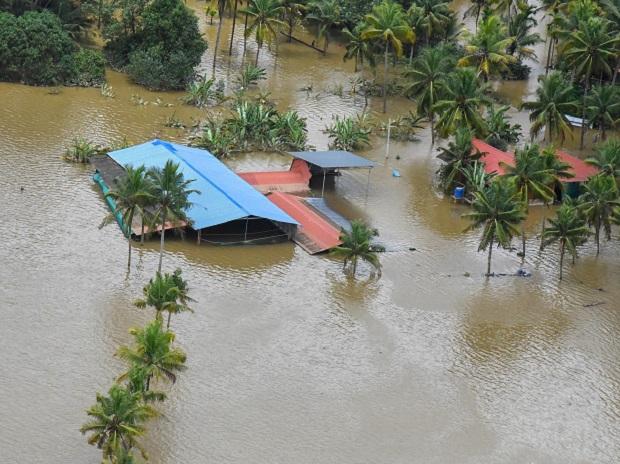
                If we look at the recent cases of natural calamities, we would get a better picture of what he is trying to bring into notice. In India itself, we could trace the tragedy that took away the life of many.  In the Kerala floods, death toll rose to around 417 people, which was the worst natural calamity to strike the southern states in decades. Kerala faced the flash flooding which occurred due to heavy downpour, but this four months of torrential rain in Kerala became destructive because the situation was aggravated due to the ignorance of local officials.

                “This could have been avoided if the dam operators had start releasing water in advance rather than waiting for the dam to be filled up, when they have no alternative but to release water”, water expert Himanshu Thakkar told the BBC.

                  The ignorance of the local officials along with the failure of India’s Central Water Commission to introduce a flood forecasting system to issue warning gave a major setback not only to the southern states but also to the entire nation.

                   More than one million people were displaced and kept in relief camp. The money that the Central Government directed towards the recovery of Kerala, could have been avoided if the system, if the infrastructure were in place. Millions of people would have not lost their home if there was some preparedness, if there was some warning, if at all the learning were in place. There are many other places in different parts of the world where such calamities are taking the life of many because we tend to over push the limits of nature.

                  This is what Max Mayfield tried to explain through his words. The cost not only in terms of money but also in terms of lives could have been less if there was proper crisis preparedness.

                Another case or why not say another calamity which is not respecting any so – called political boundaries and the effect of which is slowly taking a drastic grip on us is ‘Global Warming’. It’s high time to realise that, “Global Warming is Global Warning”. Global warming is the increase in the general level of earth’s temperature. Our earth has its own mechanism to combat the disturbances in its functioning but “we” humans tend to aggravate the situation to the extent that the mechanism is at the verge of breaking down.

          Burning of fossil fuels like coal, gas to create electricity or to power the cars or for the industrial purpose, results in the emission of profound amount of carbon dioxide in the atmosphere which results in carbon pollution and contribute in making the quality of air severe. It is quite clear the way urban expansion is encroaching upon the wilderness. We clear large patch of forest for the purpose of settlement and other things. When vegetation is cleared or burnt, the stored carbon is released into the atmosphere as CO2, contributing in global warming. The list would be never ending if we look for the causes that involve humans.

           The effect of global warming can already be seen clearly – the melting of glaciers, consecutively rise in the sea level and simultaneously flooding of coastal areas, the quality of air from being worse to severe, droughts, expansion of deserts.

             The call of the time is “Sustainable Development” which is in par with nature. It was in 1980s that the bad health of environment and consecutively bad health of ours and the concept of sustainable way of living was realised. But why is it that in the last 50 years more species became extinct than ever!

              Education is not something which is limited to books, specific to getting qualifications. It would really be a bliss if we would start bringing the knowledge into action, if we would move towards sustainability that we have been learning, if we would start preventing the tragedies through preparedness rather than learning through its cure.

             When disaster takes place, timings is essential. Many lives can be saved; destruction can be minimized if actions are taken quickly. But the action can be taken quickly only if there is some preparedness, if there is some alertness. There should be efficient communication system in place for destruction to be minimized.

            The government is not always to be blamed for the crisis. We as educated citizens can do a lot, we can channel our learning, our talent through joining various humanitarian organisations that works towards better development, toward preventing and reducing the crisis.

            The Kerala case was a big setback to the nation. Though it was a lesson for everyone but it could have been better if we could have prevented it, the southern state could have focussed on other major social issues grouping the society. And the global warming, before it scales to a height, where we would be left helpless, with no idea of what to do next, it would be better if we try to work together to reduce the harmful industrialisation, if we would walk in the path of sustainable development.

          So, it’s high time to realise that in this era, we got to be more conscious of what we learn and how do we channel it. As the saying goes, “Learning is a treasure that will follow it’s owner everywhere”. So let it follow your action and put it into right use. It is the collective work in which each and every individual needs to come together to make this world a better place.

Image Credit: Business Standard News

Retrieved from: Google

Landslides in the Himachal Himalayas

The subject of the article pertains to the landslides with reference to the Himachal Himalayas. Himachal Pradesh due to its location, foots of the Himalayas is extremely vulnerable to landslides – the reason for the same being both natural and anthropogenic. The article explores the frequency of landslides in the state, bringing out the vulnerable districts based on secondary sources, discusses about few life-threatening landslides and the prevention plans along with some recommendations.

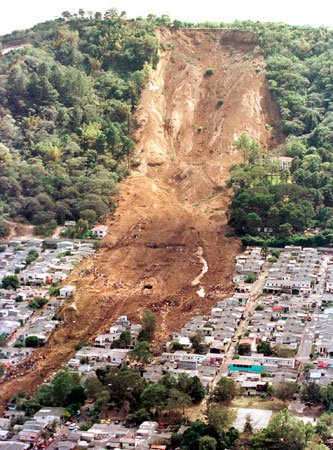
Landslides is a type of mass movement which involves, in simple words, downslope movement of rock wastes including soil and ice under the influence of gravity. Some of the reasons for the same among many includes – slope saturation by water is a primary cause of landslides. Flooding can also cause landslides by undercutting banks of streams and rivers and by saturation of slopes by surface water. Human activities tend to disturb the slope by removing of vegetation or by excessive loading of the slope and as such.

Himachal Pradesh is situated in Western Himalayas between 30-degree 22 N to 33-degree 12 N latitude and 75-degree 45 East to 79-degree 4 East. Given its location in the Western Himalayas, it is one of the most multi – hazard prone states – spanning over the area 55673 sq. Km and population of 68,64,602 (Himachal Pradesh State Disaster Management plan, 2017). Vulnerable roadways, human settlements and hydroelectric power plants are most at risk of landslides. About 22% of built-up areas are in high-risk zone; 32% in medium risk zone and 3% in low-risk zone. Almost all the urban areas of the state are prone to the risks of landslides. The reason for the same might be the unscientific land use and unplanned expansion of urban areas leading to overloading and destabilising the slopes.

A large chunk of areas in all the districts fall in High-risk zone followed either by Moderate or Severe risk zone. There are areas which do fall in No Risk Zone but it does not cover large extent. The state has a large network of State Highways and village roads with total length of 2178.988 Kms, of which 1111.552 kms fall in Highly vulnerable zone. Most of the tourist spots in the state are well connected by roads – but many of these roads have recurring problems of landslides which often disrupt flow of tourist traffic.

If we analyse the trend of landslides between 1971-2010, it will be observed that since 1970s, the frequency has only been increasing. Nearly 525 people were killed during 1971-2010. In terms of human casualties, Kullu district is the most affected where 142 people were killed by landslides followed by Shimla (119 people). Bilaspur, Mandi, Chamba, Kinnaur and Kangra were other major landslides affected districts in terms of human casualty.

Post 2010, if we take up the landslide in Kullu district in 2015, it will come to view that the effects are still severe. The landslide in Kullu district was majorly due to excessive rainfall. After a building adjoining the historic Manikaran Sahib Gurdwara caved in due to a massive landslide – it led to the death of 8 persons and 10 injured, the source states (NDTV news). In 2020, in the landslides in Manali, five family members were buried, as per the news article released by Times of India. Yet another landslide case in 2021 in Kinnaur left many people stranded, damaging transport and communication lines severely.

various newspaper clippings point out that the locals are very detestable when it comes to development project. In one of the clippings (The Statesman, 2018), the locals are questioning why is there a need for highway which destabilize hills in the state – after all hills are meant to be climbed. The people are not very in favour of such projects because according to them these tend amplify the adverse effects if natural calamity. So, the government need to go for more inclusive planning with regard to development.

One of the ways through which involvement of local community can be ensured is by bringing them into decision making process – which in turn can be ensured by adopting suitable policies.  Transparency in the process of taking suitable steps is extremely necessary; co-operation between local communities, local government and NGOs and other such agencies can be very helpful in proper implementation of government’s plan. It will allow to bridge the gap in communication between various stakeholders. One of the most important suggestions forwarded by many is the implementation of education programme regarding hazard management, specially landsides among the residents.

Various article highlights the need to rethink the model of development being followed – particularly with regard to the exploitation of its hydroelectric potential. For instance, an article published by Down to Earth, 2021 highlights that Erratic rainfall due to climate change or de-glaciation are exacerbated by several anthropogenic factors. According to State Disaster Management Authority – most of Himachal Pradesh hydroelectric power projects in operation or under constitution fall in areas highly-vulnerable to various hazards like landslides. Another article by The Citizen, 2021 too highlights that if reserved forests or Eco sensitive zones are used for hydropower dams and multi-lane roads then this area of the state could be devastated like Uttarakhand. It has been suggested that government need to consider and seek the pinion and advice of geologists, meteorologists, environmentalist and people who live in the affected area before embarking on the projects.

Note: The article is based on secondary sources and has taken the perspectives and viewpoints of various articles and due credit has been ensured.

Image Credit: Google
Dubal Collaboration Plans To Build ‘Food Secure Future’ Centers Around India


Food secure future is a significant issue for the United Arab Emirates (UAE) yet in addition for India. Worldwide Food Policy Research Institute (IFPRI), truth be told, cautions that evolving environment, developing worldwide populace, rising food costs and natural stressors will uncertainly affect food security in the coming many years. Notwithstanding, industry specialists and strategy creators accept that the UAE and India can up their synergistic endeavors to handle food security issues towards accomplishing food independence.


This is because the United Arab Emirates is India’s third largest trading partner with the bilateral trade of US$ 59.1 billion in 2019-20. Furthermore, it is a well-known fact that India wants to work very closely with the UAE as a reliable partner in food security. India’s food corridor is slated to attract investments to the tune of US$ 7 billion. Dubai can be a gateway for Indian companies in agriculture and food processing sector to take their products and services globally. This is the opinion of Dr Aman Puri council general of India.

According to him the UA should not be looked at as just a market of 10 million consumers rather it is is beneficial to the entire middle East and North African region. It is considered food secure due to its ability to import food from international markets.


The food technology valley aims at promoting innovation in agriculture to achieve food security from sustainable sources. Dubai is already adopting the new age farming technologies, vertical farming, smart farming, aeroponics, hydroponics, LOT and other new technologies have resulted in a 53% increase in output in agriculture.

The capital intensive nature of the Emirates aptly suits India which needs funding infusions for infrastructure creation. All the sovereign wealth funds have an investor bill capacity of around US$ 1.2 trillion which is growing at a rate of 18 % per annum.


India is on the threshold of a landmark change in the nature of food processing it is now moving towards value-added process and ready to eat foods. Thus, there has never been a better time for the Indian companies to tap the opportunities that the UAE and Dubai throw up. With the peceeding opportunities, both UAE and India face a common challengeas well, in the creation of value chain perspective, that is, end-to-end, farm-to-fork. So, moving forward, the two countries can deepen their collaboration and help each other in achieving this goal.

-Ananya Kaushal

Covid Cases on the rise in post-Diwali week


NEW DELHI: The end of the Diwali week marked a steady increase in new Covid-19 infections. India recorded 80,614 new cases of the coronavirus this week. With 10,789 new cases in the last 24 hours.

While cases in the southern states, namely Kerela and Tamil Nadu continue to gradually drop, a number of states observed a significant spike in cases. Jammu & Kashmir recorded a 34% increase in new cases in the past week.


Other states where the count increased in the current week are Karnataka, with a 17% increase, Maharashtra, Punjab, Delhi, Uttar Pradesh, Bengal, Rajasthan. Experts claim the increase in cases is a result of increased contact among people in the festive period. A major credit for the over-all spike can also be credited to increase in population in the markets. As most people connect the festival with an incentive to shop.

-Ananya Kaushal

Disaster and disaster management

Catastrophe (Disasters) are classified into three types: naturals, man‐made, and hybrid disasters. A natural disaster is a major adverse event resulting from natural processes of the Earth; examples include firestorms, dust storms, floods, hurricanes, tornadoes, volcanic eruptions, earthquakes, tsunamis, storms, and other geologic processes. A normal calamity can cause misfortune of life or harm property, and ordinarily clears out a few financial harm in its wake, the seriousness of which depends on the influenced population’s versatility and on the framework accessible.

A landslide is depicted as an outward and descending slant development of an wealth of slope-forming materials counting shake, soil, manufactured materials, or a combination of these. An seismic tremor is the result of a sudden discharge of vitality within the Earth’s hull that makes seismic waves. At the Earth’s surface, seismic tremors show themselves by vibration, shaking, and in some cases relocation of the ground. Volcanoes can cause far reaching pulverization and resulting catastrophe in a few ways. One danger is the volcanic emission itself, with the constrain of the blast and falling rocks able to cause hurt. Dust storm may be a spread of tidy in dry regions. A manmade disaster is more cascading than a natural disaster an example of natural disaster is Bhopal Gas Tragedy.

Bhopal Gas Tragedy, India : Imagine waking up in the middle of the night in agonizing pain with your eyes and lungs burning. You wonder if you’re going to make it. Many don’t. That was the experience countless residents of Bhopal, India had on December 2, 1984 when the Union Carbide India Limited pesticide plant sprang a gas leak. Over 500,000 people were exposed to methyl isocyanine gas and other chemicals. Thousands of people died within the first hours of the leak, but estimates between 5,000 to upwards of 16,000 deaths resulted from the leak overall.

Deepwater Skyline Oil Spill, Inlet of Mexico It’s difficult to disregard the most noticeably awful and biggest oil spill in human history since it as it were happened less than three a long time prior. It begun on April 20, 2010 when an blast on BP’s Deepwater Skyline oilrig murdered 11 specialists, harmed 17 others, and cleared out the well spouting oil. Initially, BP claimed the spill was fair 1,000 barrels per day, concealing the reality that the well was spilling anyplace from 40,000 to 162,000 barrels a day.

Worldwide Warming, Third Planet from the Sun: Global warming is one of the foremost neglected and continuous man-made fiascos — one that will have the most noteworthy long-term affect on humankind. Over the top sums of nursery gasses, especially CO2, presented into the air have expanded normal worldwide temperatures determining a number of desperate results. Impacts from rising ocean levels, desertification, and harm from strongly super storms like Typhoon Katrina have already created a few of the primary bunches of climate-change outcasts and a few appraise that number to rise to 150 million by 2050.

Hybrid disaster is the third type of disaster. A crossover catastrophe may be a artificial one, when powers of nature are unleashed as a result of specialized disappointment or disrupt. There are disasters that result from both human mistake and normal strengths. These are crossover catastrophes. An case of a crossover disaster is the broad clearing of wildernesses causing soil disintegration, and hence overwhelming rain causing avalanches.

Disaster management is how we deal with the human, material, economic or environmental impacts of said disaster, it is the process of how we “prepare for, respond to and learn from the effects of major failures”

Disaster management has three stages which include disaster prevention, disaster preparedness, and disaster response/relief UNISDR sees Calamity Anticipation as the concept of locks in in exercises which proposed to anticipate or dodge potential unfavorable impacts through activity taken in development, exercises planned to supply security from the event of catastrophes. WCPT so also highlight that whereas not all catastrophes can be avoided, great hazard administration, clearing plans, natural arranging and plan benchmarks can decrease chance of misfortune of life and harm relief. The HYOGO System was one such Worldwide Arrange for common Calamity Hazard Decrease, which was received in 2005 as a 10 year Worldwide Arrange, marked by understanding with 168 Governments which advertised directing standards, needs for activity and viable implies for accomplishing fiasco versatility for defenseless communities.

“The information and capacities created by governments, proficient reaction and recuperation organizations, communities and people to successfully expect, react to, and recoup from, the impacts of likely, inescapable or current danger occasions or conditions” “The provision of emergency services and public assistance during or immediately after a disaster in order to save lives, reduce health impacts, ensure public safety and meet the basic subsistence needs of the people affected”

The lingering effects of unexpected emergencies and disasters are different for everyone. Knowing what to do after an emergency can help reduce stress and aid in a quicker recovery. Recovery is a process the process to repair and restore your life after an emergency or disaster is not easy and takes time, flexibility and patience. Examples of recovery include: removing waste and debris, contacting your insurance company, replacing lost or destroyed documentation, finding a new home, getting mental health support etc.