Child labor — a social ill that continues to plague Indian society
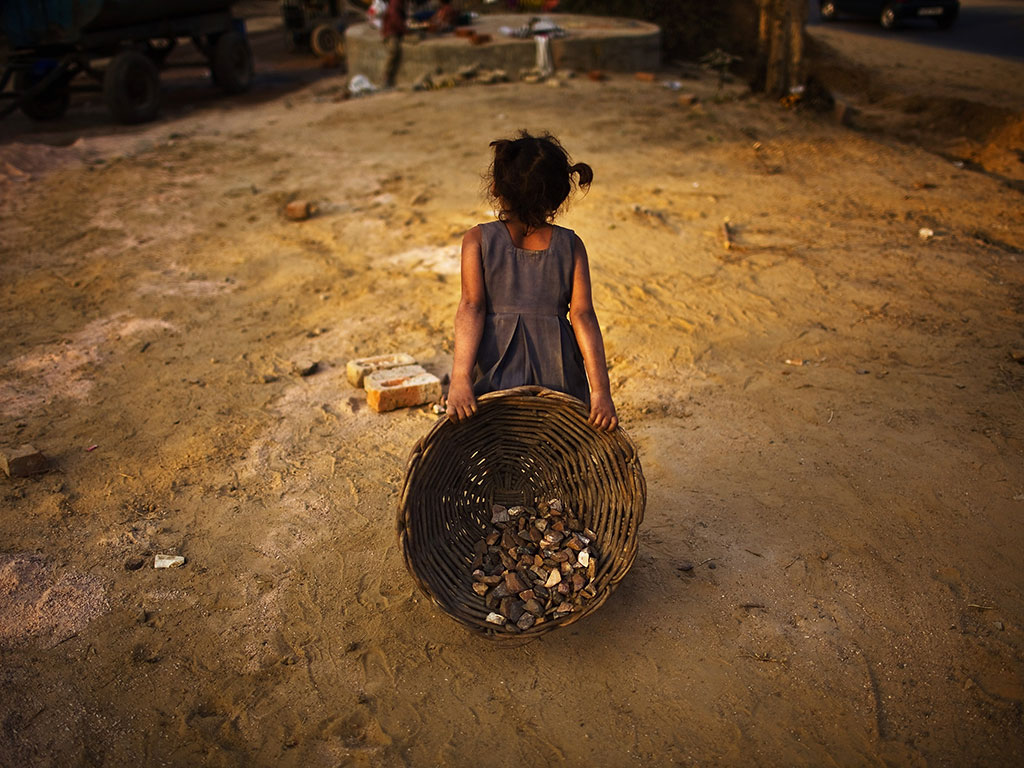
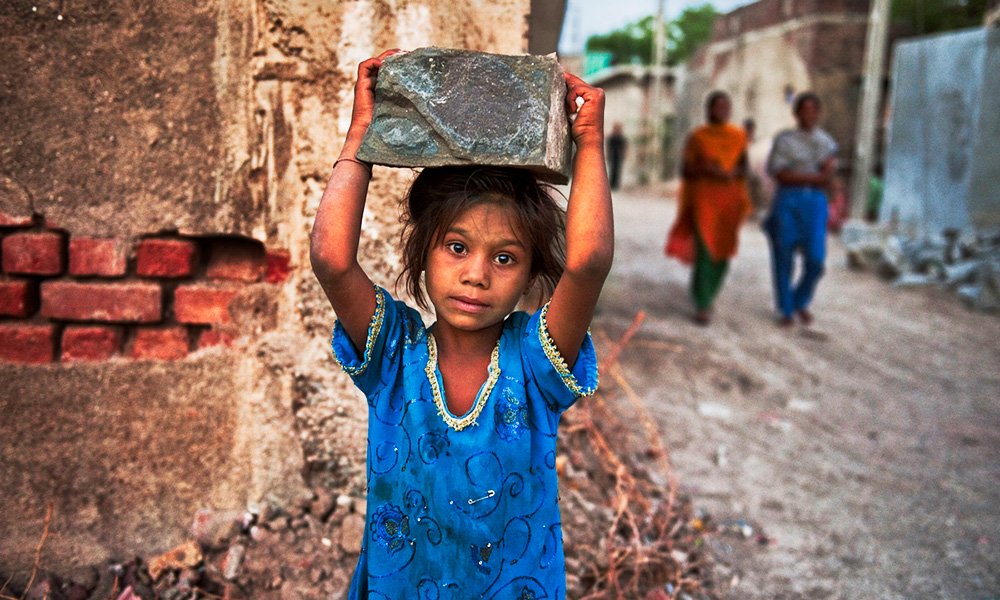
We live in 21st century which is an era of a modern and advanced society. There are some dark truths that run deep in our roots, Child Labour being one of them. While some of us are aware about it, many others deny to acknowledge this truth. Child Labour occurs when children are forced to take up work at an age they need to study and enjoy the phase of innocence. Child Labour leads to the loss of childhood and escalates the exploitation of children in various forms. India faces situations where children are forced to work under adverse conditions. Despite Laws against Child Labour, many children remain exploited as cheap Labour as the authorities are unable to implement strict laws and actions to protect children.
Laws in India
The Child Labour (Prohibition and Regulation) Act, 1986, was the only enacted provision by the Indian Constitution against child Labour and its atrocities. Other provisions stated by the Indian Constitution are: Article 24 of the Indian Constitution states that no child below the age of fourteen shall employ in any hazardous employment or factory but not in non-hazardous industries. Article 39(f)) of the Indian Constitution states that children and young adults are to be protected against moral and material abandonment or any forms of exploitation. Unfortunately, these laws and regulations lack active and proper implementation and enforcement.
Root of child labour
The leading cause of child Labour is extreme poverty in India. To supplement their parents income or being the only wage earners in the family, children end up as Labourers in various industries. Hence, enforcement alone cannot help solve it. The Government has been laying a lot of emphasis on the rehabilitation of these children and on improving the economic conditions of their families. Child Labour is quite relevant in India due to poor schooling opportunities and the country’s high poverty rate. The other major factor is that children provide cheap labour, the person who wants labour has to pay less to them than adult labour. The child can be commanded more than an adult. The pull factor of the child labour is the profit maximization. The causes to failure to control the child labour are poverty, low wages than adult, unemployment, absence of schemes for family allowance, migration to urban areas, large family size, children being cheaply available, non existence of strict provisions for compulsory education, illiteracy, ignorance of parents and traditional attitudes13.
CONCLUSION
Child labour is a significant problem in India. The prevalence of it is shown by the child work participation rates which are higher in Indian than in other developing countries. Equal opportunities for development to all children during the period of growth should be our aim. For this purpose even we citizen should join hands with government and other institutions which are set up for this purpose. Educating the child can be a solution for solving the problem of child labour. To provide compulsory primary education and in order to reduce the burden on parents to meet the expenditure for their children’s education, while they are struggling for a day’s meal, our Government had allotted funds. But due to the lack of awareness most of the poor families are not availing these facilities. So, proper steps have to be taken to create awareness.
Sanitation and hygiene are crucial aspects of living; especially when it comes to the masses. India has a huge population. The majority of its population resides in rural areas. These rural areas lack basic amenities of living and hygiene. Lack of basic amenities hampers the quality of living. Especially, when it comes to sanitation, the rural people lack toilets and thus, have to defecate in the open grounds. Open defecation proves to be a breeding ground for many infections and diseases, which can even prove to be fatal.
Habits play an important role in keeping the surroundings clean. It is not just the lack of toilets, but also the habits of the people. people in the rural areas have become habituated to open defecation, and even when provided with toilets to use, they chose to defecate in the open. It is also because of a lack of knowledge and awareness. Hence, it becomes important to not just build toilets, but also to aware people about the health issues related to improper sanitation due to open defecation.
To maintain sanitation and prevent any health issues due to lack of sanitation, the government proposed the Swachh Bharat Abhiyan.
What is Swachh Bharat Abhiyan?
The Swachh Bharat Abhiyan or the Swachh Bharat Mission was launched on 2nd October 2014, on the birth anniversary of Mahatma Gandhi, by the Prime Minister of India Narendra Modi. It focuses on the achievement of universal sanitation. This campaign or janandolan had a nationwide approach and also aimed at open defecation-free India, focusing especially on the rural. From 2014 to 2019, the focus was on the construction of household-owned and community-owned toilets. Monitoring of construction and usage of these toilets was also taken care of. The birth anniversary of Mahatma Gandhi was chosen as the day to launch the mission, as Mahatma Gandhi was concerned and conscious about India’s sanitation. He even once said, “Sanitation is more important than independence.” The idea of a clean India with a proper sanitation system took its initial shape from there, and hence, 2nd October makes the best day for the mission launch.
By 2nd October 2019, in India, all the villages, gram panchayats, districts, states, and union territories declared themselves as “open defecation free”, by constructing over 100 million toilets in the rural parts of India, under the Swachh Bharat Mission.
The mission then upgraded to its next phase ‘Phase II’ of Swachh Bharat Mission (Grameen) i.e., ODP-Plus. This phase was upgraded to ensure that the open defecation-free habit sustains and there is proper access to safe liquid and solid waste management in villages.
Impact
Since 2nd October 2014, more than 10,20,00, household toilets have been constructed; there are 6,03,175 open defecation free villages; 706 open defecation free villages 36 open defecation free states and union territories, and about 63.3% of the rural population is practicing Solid and Liquid Waste Management (SLWM) under Open Defecation Free (OPD) Plus. There has also been an increase in household toilets since 2nd October 2014 and 2,62,734 gram panchayats were declared open defecation free. The construction of toilets not only provided the people especially of rural areas with proper sanitation but also an equal level of basic social amenities.
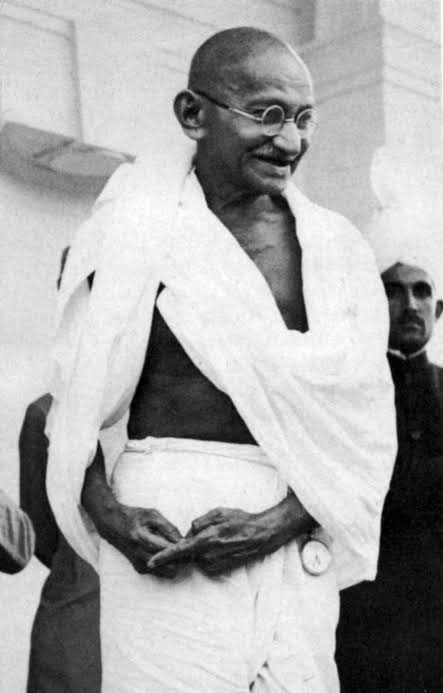
Revered the world over for his nonviolent philosophy of passive resistance, Mohandas Karamchand Gandhi was known to his many followers as Mahatma, or “the great-souled one.” He began his activism as an Indian immigrant in South Africa in the early 1900s, and in the years following World War I became the leading figure in India’s struggle to gain independence from Great Britain. Known for his ascetic lifestyle–he often dressed only in a loincloth and shawl–and devout Hindu faith, Gandhi was imprisoned several times during his pursuit of non-cooperation, and undertook a number of hunger strikes to protest the oppression of India’s poorest classes, among other injustices. After Partition in 1947, he continued to work toward peace between Hindus and Muslims. Gandhi was shot to death in Delhi in January 1948 by a Hindu fundamentalist.
Early Life
Mohandas Karamchand Gandhi was born on October 2, 1869, at Porbandar, in the present-day Indian state of Gujarat. His father was the dewan (chief minister) of Porbandar; his deeply religious mother was a devoted practitioner of Vaishnavism (worship of the Hindu god Vishnu), influenced by Jainism, an ascetic religion governed by tenets of self-discipline and nonviolence. At the age of 19, Mohandas left home to study law in London at the Inner Temple, one of the city’s four law colleges. Upon returning to India in mid-1891, he set up a law practice in Bombay, but met with little success. He soon accepted a position with an Indian firm that sent him to its office in South Africa. Along with his wife, Kasturbai, and their children, Gandhi remained in South Africa for nearly 20 years.
Did you know? In the famous Salt March of April-May 1930, thousands of Indians followed Gandhi from Ahmadabad to the Arabian Sea. The march resulted in the arrest of nearly 60,000 people, including Gandhi himself
Gandhi was appalled by the discrimination he experienced as an Indian immigrant in South Africa. When a European magistrate in Durban asked him to take off his turban, he refused and left the courtroom. On a train voyage to Pretoria, he was thrown out of a first-class railway compartment and beaten up by a white stagecoach driver after refusing to give up his seat for a European passenger. That train journey served as a turning point for Gandhi, and he soon began developing and teaching the concept of satyagraha (“truth and firmness”), or passive resistance, as a way of non-cooperation with authorities.
The Birth of Passive Resistance
In 1906, after the Transvaal government passed an ordinance regarding the registration of its Indian population, Gandhi led a campaign of civil disobedience that would last for the next eight years. During its final phase in 1913, hundreds of Indians living in South Africa, including women, went to jail, and thousands of striking Indian miners were imprisoned, flogged and even shot. Finally, under pressure from the British and Indian governments, the government of South Africa accepted a compromise negotiated by Gandhi and General Jan Christian Smuts, which included important concessions such as the recognition of Indian marriages and the abolition of the existing poll tax for Indians.
In July 1914, Gandhi left South Africa to return to India. He supported the British war effort in World War I but remained critical of colonial authorities for measures he felt were unjust. In 1919, Gandhi launched an organized campaign of passive resistance in response to Parliament’s passage of the Rowlatt Acts, which gave colonial authorities emergency powers to suppress subversive activities. He backed off after violence broke out–including the massacre by British-led soldiers of some 400 Indians attending a meeting at Amritsar–but only temporarily, and by 1920 he was the most visible figure in the movement for Indian independence.
Leader of a Movement
As part of his nonviolent non-cooperation campaign for home rule, Gandhi stressed the importance of economic independence for India. He particularly advocated the manufacture of khaddar, or homespun cloth, in order to replace imported textiles from Britain. Gandhi’s eloquence and embrace of an ascetic lifestyle based on prayer, fasting and meditation earned him the reverence of his followers, who called him Mahatma (Sanskrit for “the great-souled one”). Invested with all the authority of the Indian National Congress (INC or Congress Party), Gandhi turned the independence movement into a massive organization, leading boycotts of British manufacturers and institutions representing British influence in India, including legislatures and schools.
After sporadic violence broke out, Gandhi announced the end of the resistance movement, to the dismay of his followers. British authorities arrested Gandhi in March 1922 and tried him for sedition; he was sentenced to six years in prison but was released in 1924 after undergoing an operation for appendicitis. He refrained from active participation in politics for the next several years, but in 1930 launched a new civil disobedience campaign against the colonial government’s tax on salt, which greatly affected Indian’s poorest citizens.
A Divided Movement
In 1931, after British authorities made some concessions, Gandhi again called off the resistance movement and agreed to represent the Congress Party at the Round Table Conference in London. Meanwhile, some of his party colleagues–particularly Mohammed Ali Jinnah, a leading voice for India’s Muslim minority–grew frustrated with Gandhi’s methods, and what they saw as a lack of concrete gains. Arrested upon his return by a newly aggressive colonial government, Gandhi began a series of hunger strikes in protest of the treatment of India’s so-called “untouchables” (the poorer classes), whom he renamed Harijans, or “children of God.” The fasting caused an uproar among his followers and resulted in swift reforms by the Hindu community and the government.
In 1934, Gandhi announced his retirement from politics in, as well as his resignation from the Congress Party, in order to concentrate his efforts on working within rural communities. Drawn back into the political fray by the outbreak of World War II, Gandhi again took control of the INC, demanding a British withdrawal from India in return for Indian cooperation with the war effort. Instead, British forces imprisoned the entire Congress leadership, bringing Anglo-Indian relations to a new low point.
Partition and Death of Gandhi
After the Labor Party took power in Britain in 1947, negotiations over Indian home rule began between the British, the Congress Party and the Muslim League (now led by Jinnah). Later that year, Britain granted India its independence but split the country into two dominions: India and Pakistan. Gandhi strongly opposed Partition, but he agreed to it in hopes that after independence Hindus and Muslims could achieve peace internally. Amid the massive riots that followed Partition, Gandhi urged Hindus and Muslims to live peacefully together, and undertook a hunger strike until riots in Calcutta ceased.
In January 1948, Gandhi carried out yet another fast, this time to bring about peace in the city of Delhi. On January 30, 12 days after that fast ended, Gandhi was on his way to an evening prayer meeting in Delhi when he was shot to death by Nathuram Godse, a Hindu fanatic enraged by Mahatma’s efforts to negotiate with Jinnah and other Muslims. The next day, roughly 1 million people followed the procession as Gandhi’s body was carried in state through the streets of the city and cremated on the banks of the holy Jumna River.
India is the one of best and largest place for education systems in the world.
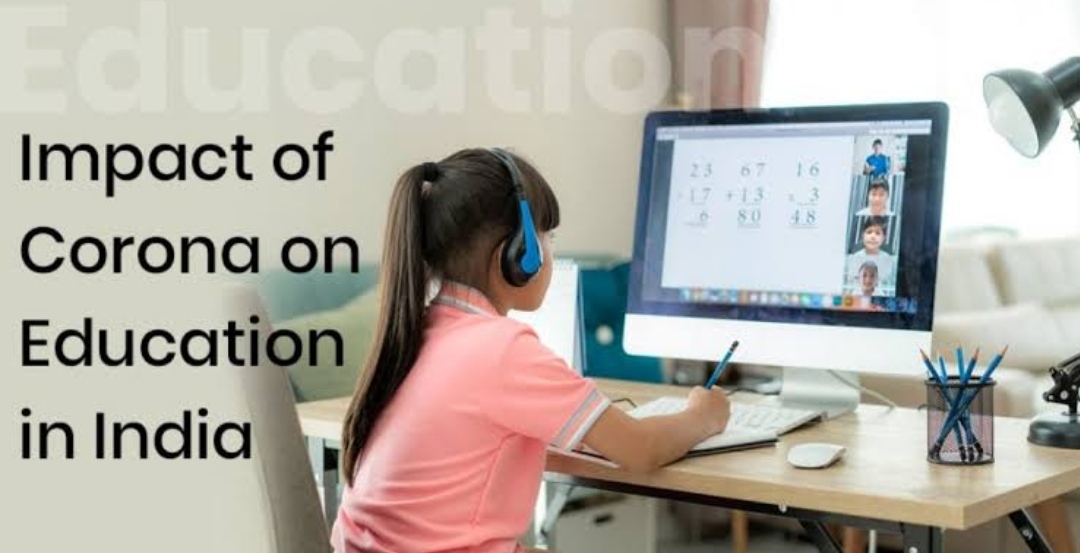
India is the country with over 1,000 universities and 50,000 colleges and institutions. The impact of covid 19 is observed in every sector around the world. The education sectors of India as well as world are badly affected by this.
Due to this pandemic, around 32 crore learners stopped to move schools/ colleges, all educational institutions are halted in India. COVID-19 made all the institutions to grow and opt for platforms , techniques, that are not used before. All the classes suspended and all the examinations, entrance tests are postponed.
This pandemic completely destroyed all the schedules of every student. COVID-19 Impact on education is also leads a great damage on country economy at present and in future.
COVID-19 has created many opportunities and challenges for educational institutions to strengthen their technological knowledge and infrastructure.
The lockdown made the entire education online, the teachers are teaching and assigning works through online by using some apps like zoom, Google meet, teams, YouTube, Facebook, skype .,etc.
India is not fully equipped to make education reach every corner of the country through online process. The students those who are not having access to internet will suffer a lot due to the present choice of digital platforms.
Universities and the government of India are relentlessly trying to come up with a solution to this problem.
The virus struck India at a time when the country was experiencing its worst economic development in over a decade. The weakening economy had adversely harmed rural areas, which house the bulk of the country’s citizens.
Even in the lack of official data, one might detect an increase in rural poverty. High unemployment, consumption expenditure was continually decreasing, and public development investment was stagnating. These three variables, taken combined, determine an economy’s health.
For more than a year, rural Indians — mainly an informal workforce and impoverished by any recognised measure — have been living with sporadic work. Anecdotal reports of risky survival are coming in. People are cutting back on food purchases; many have ceased eating staples such as lentils as food prices have risen.
The Mahatma Gandhi National Rural Employment Guarantee Scheme is no longer sufficient to hold employment expectations. Most people are depleting their small savings. Mostly with the pandemic’s second wave wreaking havoc, it’s a desperate scenario. One may say that the economy for the poorest and the moderately well-off has come to an end.
A pre-Covid economic downturn, coupled with the pandemic’s economic shock, is believed to have reversed any poverty-reduction advances, resulting in a significant increase in poverty.
Using World Bank statistics, Pew Research Center projected that the number of poor in India (those with an earnings of $2 a day or below in purchasing power parity) has increased to 134 million from 60 million within only a year as a result of the pandemic-induced recession. It means that, after 45 years, India has once again become a “country of widespread poverty.”
Since 2011, India has not counted the impoverished. However, the United Nations projected that 364 million people were impoverished in the nation in 2019, accounting for 28% of the population. This does not include the projected new impoverished as a result of the outbreak. According to estimates, millions of people in major cities have also fallen below the poverty line. According to the Pew Center, the middle class has decreased by one-third. Despite population and geographical divisions, millions of Indians have gotten worse, remained poor, or are on the verge of becoming impoverished.
For a huge population like India, where millions of lives are at stake, the need to create a system that maps the areas and homes that are in desperate need for some help from the government. Public services are seen as the most realistic means of lifting the most vulnerable people from poverty.
To bring about change in anti-poverty initiatives, the government should use scientific methods and analyses. Moreover, there is a need for a long-term plan to combat poverty, which may be accomplished by enabling the most disadvantaged section of society self-sufficient by providing them with some type of skill set.
Local authorities can play a significant role in this issue because they are more familiar with the underlying causes of the crises. Strengthening them via technical and technological support as well as an enhanced monitoring system will help to reduce poverty at the grass roots. It is critical to provide food assistance and enough cash to such families in order to keep them from falling further into impoverishment.
When compared to the time it was at its peak, the number of Covid 19 cases has decreased, but many individuals have been trapped in a vicious circle of exacerbating the situation, economic decline, and unemployment. There is still some hope that along with long-term solutions, we can not only overcome the crisis, but also use it to raise people out of poverty, which is feasible for a nation that has decreased poverty at the highest pace in history.
British colonialism further exacerbated colourism. The British Raj, or the official British rule over India, began in 1858 and lasted until the independence of India and the partition of Pakistan in 1947. During this time, a pseudo-scientific concept called “social Darwinism” became popular. The term, a reference to Charles Darwin’s work on evolution, describes the common belief that factors such as skin colour, bone structure, and facial features were determinants of levels of intelligence, and it became part of the justification for Britain’s treatments of its colonised natives. In India, Britain’s general strategy seemed to involve keeping fair-skinned Indians as allies by privileging them over darker-skinned Indians. A system of institutionalised segregation was established and, while some institutions segregated against all “[coloured] people”, many segregated only against “black Indians”, with signs clearly stating: “Indians and dogs not allowed”. Conversely, lighter-skinned Indians were given preference over their darker counterparts and were hired more frequently.
Although there was some pushback against this mistreatment by the British, the Indian people were, in general, less motivated to protest because the caste system had already cemented clear divisions along racial lines. Centuries of rule by foreigners had already cemented the idea that power belonged to light-skinned individuals, and it meant that when an external, more malicious force came in to uphold those divisions, people were less inclined to object.
However, colourism has always been an intersectional issue. The oppression people face due to colourism is often paired with, and/or magnified by their gender, caste, social status, financial status, and education. Despite the longevity of the issue, civil society is only now beginning to dismantle institutional colourism. “Dark is Beautiful” is an organisation fighting colourism by organising workshops to educate the youth on the dangers of colourism and by creating petitions and lobbying against the leading fairness cream brands. In the future, it seeks to “involve… many people and [organisations], including politicians, sportspersons, and influential people.” “India’s Got Colour” is another campaign that aims to end systemic bias against skin colour. One of its ambassadors, Nandita Das, an actress and producer, travels around the country to educate children in schools on the pervasiveness of colourism and to share her story and recount the different treatment she received from the media due to her skin colour. In Bollywood, instances of brownface, the act of intentionally darkening one’s skin, have started receiving more public backlash than ever before.
Colourism refers to prejudice against individuals with a dark skin tone. In India, it is reflected in many parts of society, from advertisements on billboards to lyrics in songs to household anecdotes. It can manifest itself in very apparent ways, such as in advertisements for skin lightening products showcasing women achieving their dreams only after lightening their complexion, but it can also take on more subtle forms. Regardless, its influence is pervasive. In 2015, the Indian National Museum conducted a study where they surveyed one hundred college students from across the country, inquiring about the skin colour they considered to be a beauty ideal. When asked to describe “pretty”, 71% of the respondents cited words alluding to lighter skin tones, including “fair” and “light”. While this study featured a relatively small sample size, the trends it highlights are common in Indian society and perpetuated through the media. In fact, 90% of all Indian advertisements show lighter-skinned models, and most Bollywood movies feature a cast of exclusively light-skinned actors.
Beyond a lack of representation of dark-skinned individuals in the media, having darker skin is seen as a disadvantage for many other prospects as well, from “hireability” to chances of marriage. The latter is especially true in rural villages wherein women with a darker skin tone are seen as less desirable and face greater challenges in finding a spouse. Another damaging result of colourism is the rise of the ever-growing skin lightening market and the health risks this market presents. The Tata Institute of Social Science (TISS) conducted a study in which they surveyed 1,238 women and 746 men on their use of fairness creams. Of those, 59.6% of women and 46.1% of men reported using fairness products at some point in their lives. When asked why, 31.2% said they wanted to look “beautiful” and 36.2% believed looking fairer would help them “feel culturally accepted”. These skin lightening products have serious, and often long-lasting, side effects. In 2006, the Food and Drug Administration (FDA) released a notice stating that it no longer recognises over-the-counter skin bleaching products as safe or effective. Despite this, India’s skin lightening market is projected to continue growing with an April 2018 study estimating that by 2023, it would be worth “Rs. 5,000 crore”, or about $700 million USD.
Despite the fact that dowry has been banned in India since 1961, a research found that it is still being given on a regular basis, with over 95% of weddings including the exchange of money.
Dowry is correctly represented as a societal evil since it is the practise of paying and accepting articles of worth (such as clothes, jewellery, furniture, cash, and other items) between two households. Typically, the bride’s family is obligated to pay these items to the groom’s family.
The World Bank carried out the study, which examined almost 40,000 marriages that occurred between 1960 and 2008 in 17 Indian states that account for 96% of the nation’s population.
Researchers calculated “net dowry” to study the difference as to what was paid by the bride’s family to the groom’s family and vice versa, and the results revealed that, in the vast majority of instances, it was the bride’s family who paid more compared to the groom’s family, rather than the other way around.
According to the estimated amount confessed by families, a groom’s family spends Rs. 5,000 on presents to the bride’s family on average. The bride’s family, on the other hand, pays about Rs. 32,000 on presents and other monetary contributions to the groom’s family, taking the net dowry to roughly Rs. 27,000.
It has also been noticed that the dowry value is typically 14 percent of the annual income and includes a significant portion of the family’s savings.
While much has started to change since 2008, experts think the tendency of dowry is still highly prominent in India, since the notion is quite widespread in all major religious groups, with Christians and Sikhs exhibiting a “dramatic increase in dowry.”
Dowry inflation was seen in certain states, including Kerala, Haryana, Punjab, and Gujarat, with Kerala having the highest average dowry in recent years. On the other side, average dowry decreased in states such as Orissa, Tamil Nadu, Maharashtra, and West Bengal.
This venom affects people of all castes and socioeconomic classes. Neither the husband’s nor the wife’s educational background protects them from dowry harassment. Currently, dowry-related fatalities in Kerala have been documented, with the majority of victims coming from the upper strata of society. The culprits come from well-educated and wealthy families, and the victims are also well-educated. If this is the situation of women in a culture that was matriarchal a few decades earlier and claims of high social indicators in women empowerment, it’s anybody’s imagination how it will be in many Indian states that have numerous social indicators that are much worse than those of war-torn Syria or Sub-Saharan Africa. According to the NCRB study, Uttar Pradesh and Bihar top the list of dowry-related deaths, accounting for roughly 30 percent.
It is time to reform these retrograde societal standards in 2021. Receiving dowry should be considered a societal shame, and all generations should be taught. Young people should also make a stand. Women should explicitly refuse to pay dowry as part of a marriage , and men should also refuse to accept it in any way. Why should brides’ parents be obliged to give pricey “gifts” that are essentially a dowry by another name?
The wider background for dowry is women’s low labor-force participation and, as a result, their lack of financial independence. Women should be encouraged to work and earn their own money.
Discrimination is present in all parts of life. To combat gender inequality, States should examine gender-disaggregated statistics across the life cycle — birth, early childhood, schooling, nourishment, employment, healthcare access, and so on. Teachers and textbooks shape students’ views and values. Children should be routinely educated on the fundamental ideal of gender equality.
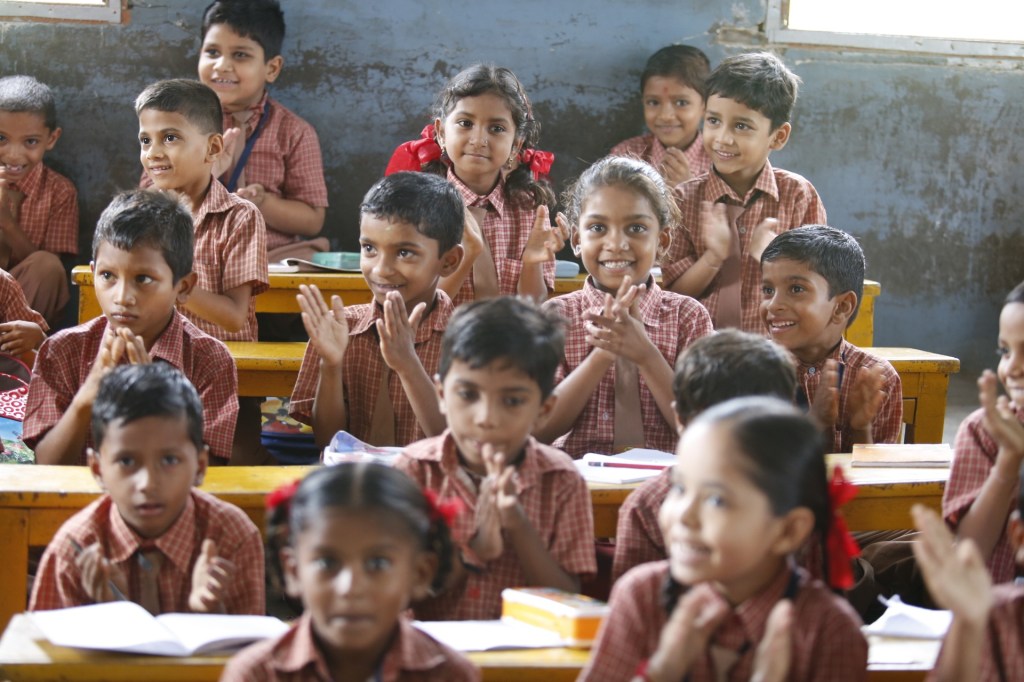
The Right of Children to Free and Compulsory Education Act or Right to Education Act (RTE), 2009, Article 21A of the Indian constitution, ensures free and compulsory education to everyone between 6 to 14 years of age. 25% of seats in all private institutions are reimbursed by the state to which kids are admitted based on economic status or caste-based reservations.
The Right to education of a specially enabled child (under 18 years of age) has separate legislation that is laid down under the Persons with Disability Act.
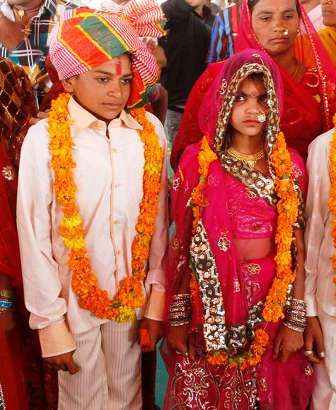
Any marriage in which either the boy is under 21 or the girl is under 18, is child marriage.
Prohibition of Child Marriage Act, 2006 serves the following purpose:
Prevents child marriages
Protects the children involved
Prosecutes the offenders
Child marriages, under the above-mentioned act, are cognizable and non-bailable offences. This law also prescribes punishment for performing, conducting and abetting child marriage. Permitting or promoting these marriages by the parents of a child is punishable.
POCSO penalizes penetrative sexual assault on a child by anyone related to the child through marriage
Section 375IPC penalizes sexual acts with a girl below 18 years of age, with or without her consent.
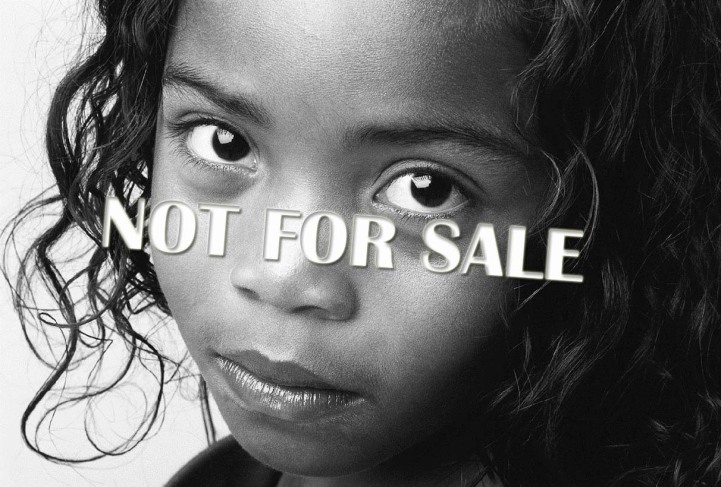
The Trafficking of Persons (Prevention, Protection and Rehabilitation) Bill of 2018 addresses this crime affecting mostly children and women.
This bill addresses:
Aggravated trafficking for forced labour
Begging
Trafficking by administering chemical substances or hormones for the purpose of early sexual maturity
Trafficking for marrying, under the ploy of marriage or after marriage.
Promotion or facilitation of such crimes
So these were some of the children specific laws other basic laws such as the right to equality, right to life, right against discrimination etc. should also be taught to children.
Here are some of the basic ways we can spread awareness:
Including basic laws and fundamental rights in school textbooks.
Making young parents aware of the laws.
Workshops, seminars, etc. in educational institutions.
Including them in cartoon shows and podcasts for children.
To all the parents reading this, ensure your child is safe and comfortable and make them aware of all the laws to ensure their well-being.
To all the children reading this,
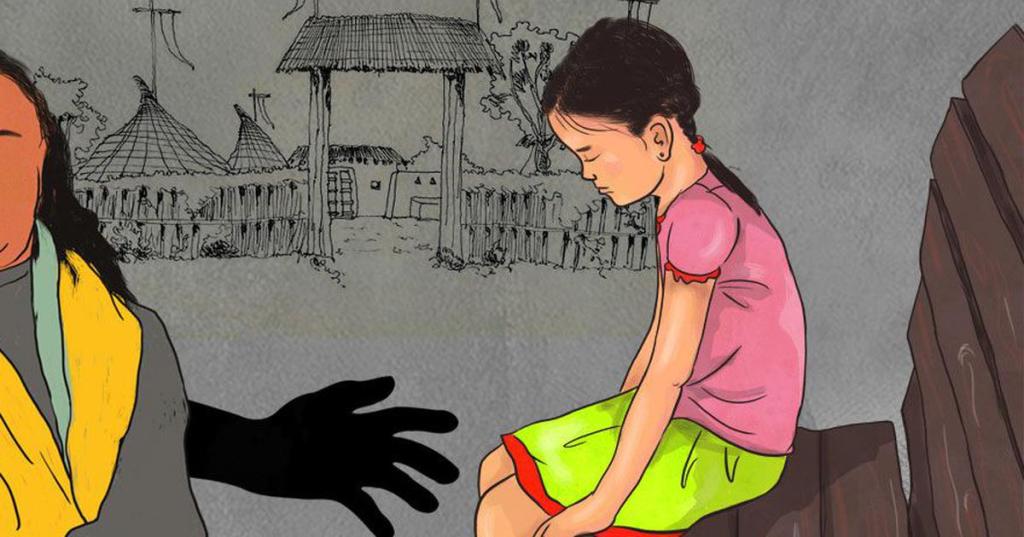
If you’re being hurt in any manner, verbal abuse, beatings, bad touch, not being provided with essentials or absolutely anything that is making you feel uncomfortable, REPORT.
Tell a trusted adult, your parents, grandparents, school counsellors or teachers. You can also tell a friends’ parent, or any other adult you trust.
Don’t have an adult you trust, don’t worry as there is support available, you can always call childline number 1098.
As a child being harassed, you might be threatened to stay mum, but it’s important you raise your voice.
If you think any of your friends or someone you know is being abused or suffering in any manner, you should tell your parents or teachers.
Child-friendly mechanisms are used in all stages of your case and you don’t ever need to hesitate to report when something unfair is happening to you. You don’t deserve that ordeal.
Colonial data recorded by the census officials are more like violence, where Indians are continuously finding troubles and combusting into violence and the British officials tirelessly working on to keep peace. But in return, the census is mostly replete of the references to shared sacred spaces, mixed congregation, common goods and a general laxity and catholicity of religion. (The Historian and Indian Census , p. 63)
For instance, in the reading of ‘The Shepard’ by Ashfaq Ahmad set back the story during the 1930s and 1940s , where towards the end it describes about the communal riots as the independence for the country drew nearer. People during those time were not acceptable of the other religious identities especially when it comes to Hindus and Muslims. Instead of accepting people belonging to the other religious identity, they only tried to show off their identities over one another, which ended up creating communal violence.
So, in conclusion, the categorization of Hindu, Muslim and Sikh were all an outcome of Census, in which the British officials made religion as a fundamental category to be mapped. The Census which was conceptualized and institutionalized in India, became clear while studying the census of Punjab between 1858 and 1921. (The Historian and Indian Census , p. 45)
Hinduism was seen as a native religion of India and Islam as a foreign religion. This made the British officials to see them to be fundamentally opposite to each other and later conducted the census marking the religion as a fundamental category further leading it into the communal riots which we can see in the short story of ‘The Shepard’ in the nineteenth century.
Therefore, it was the religious identity that played a pivotal part in creating the political identities as a result of the census.So, in a way religious identity are interconnected with political character taking outline of our chief Narendra Modi starting late we can see how the religious identity expectscritical part in impacting the political character influencing the Hindu majority share portion of resident to transform into the political figure.
NDA is the abbreviation for the National Democratic Alliance. The NDA is the alliance of the centre-right and right-wing Indian political parties, which is led by the Bharatiya Janata Party (BJP). The alliance includes 17 parties. The NDA government was founded in 1998 by late Prime Minister Lal Krishna Advani and Atal Bihari Vajpayee.
BJP is the only national party in the NDA alliance. Other than that, the alliance includes 25 members as of May 2020:
Janata Dal (United) (JD (U))
Lok Janshakti Party (LJP)
Apna Dal (Sonelal) (AD (S))
Shiromani Akali Dal (SAD)
Jannayak Janata Party (JJP)
All India Anna Dravida Munetra Kazhagam (AIADMK)
All Jharkhand Students Union (AJSU)
National Democratic Progressive Party (NDPP)
Rashtriya Loktantrik Party (RLP)
Pattali Makal Katchi (PMK)
Kerala Congress (J)
Asom Gana Parishad (AGP)
Bodoland People’s Front (BPF)
Desiya Murpokku Dravida Kazhagam (DMDK)
Tamil Maanila Congress (M) (TMC (M))
Bharat Dharma Jana Sena (BDJS)
Al India N.R Congress (AINRC)
Mahrashtrawadi Gomantak Paksha (MGP)
Maharashtra Navnirman Sena (MNS)
Jana Sena Party (JSP)
Gorkha Janmukti Morcha (GJM)
National Peoples Party
Mizo National Front
Sikkim Krantikari Morcha
History of National Democratic Alliance (NDA)
The National Democratic Alliance (NDA) was formed to contest general elections as a coalition government in 1988. It was led by the Bharatiya Janata Party (BJP). Several regional parties were included in the NDA coalition, including the Samta Party, All India. Anna Dravida Munetra Kazhagam (AIADMK), and also the Shiv Sena which is the only member of NDA to share the Hindutva ideology of the BJP. In 1988, the NDA won the majority number of seats and with it won the elections, and Atal Bihari Vajpayee again came into power as the Prime Minister. The win was possible because of the outside support that the Telugu Desam Party (TDP). However, the government collapsed because of the withdrawal of the All India Anna Dravida Munetra Kazhagam (AIADMK). Later, few more regional parties joined the NDA, after which it again won the elections of 1999 and for the first time came into power for a full term of five years. Earlier the NDA came into power with Atal Bihari Vajpayee serving as the Prime Minister but for 13 days in 1996, then for 13 months from 1998-1999, and finally for a full term of five years from 1999 – 2004.
Formation of Bharatiya Janata Party (BJP)
Bharatiya Janata Party (BJP) is one of the two major national political parties of India. One is the Indian National Congress (INC) and the other is the Bharatiya Janata Party (BJP) among the two major parties. In 1951, Shyama Prasad Mukherjee formed the Bharatiya Janata Sangh, from where the BJP originated. In 1977, the State of Emergency emerged, and to form the Janata Party the Jana Sangh emerged with several other parties and defeated the Congress Party in the general elections of 1977. The Janata Party dissolved in 1980 after being in power for three years, and the former members of the Jana Sangh came together to form the Bharatiya Janata Party (BJP). The BJP then officially was formed in 1980. Initially, in the 1984 elections, it only won 2 seats but later it followed victories in state and national elections and 1996 became the largest party in the parliament. However, it lasted for only 13 days due to the lack of a majority in the lower house of parliament (Lok Sabha). In 1998, after the general elections the coalition government of the National Democratic Alliance (NDA), led by the BJP came into power lasted for 13 months and then in 1999 for a full term of five years. However, in 2004 the NDA government faced defeat and Congress Party stayed in power for the next 10 years. In 2014, the BJP led NDA government finally regained its power and served for a full term of five years under Narendra Modi serving as the Prime Minister of India.
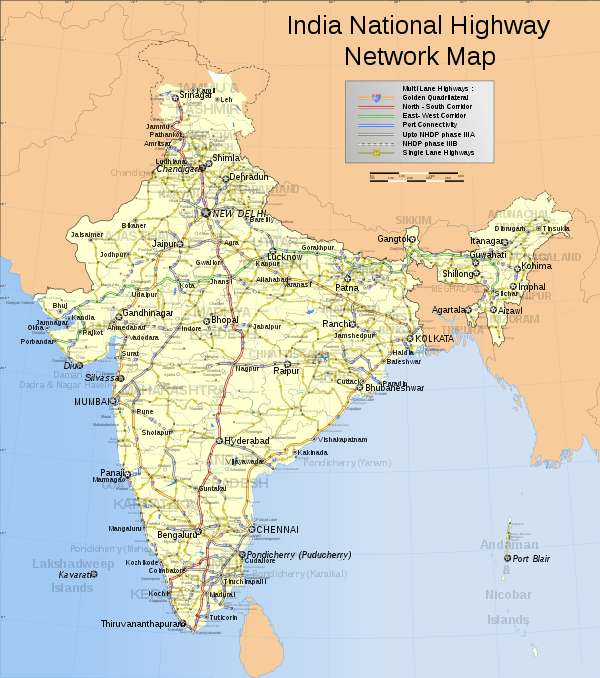
India has one of the largest road networks in the world, aggregating to about 54.7 lakh km. The growing importance of road transport over rail transport is mentioned below:
The construction cost of roads is much lower than that of railway lines.
Roads can cover more geographically harder locations that cannot be done by the railways.
Roads can negotiate higher gradients of slopes and can be easily built-in traverse mountains such as the Himalayas.
Road transport is economical.
It also provides door-to-door service
Road transport provides links between railway stations, air and seaports.
In India, roads are classified in the following six classes according to their capacity.
Golden Quadrilateral Super Highways
Golden Quadrilateral is a network of Highways connecting India’s four top metropolitan cities, namely Delhi, Kolkata, Chennai, Mumbai. These highway projects are being implemented by the National Highway Authority of India (NHAI).
National Highways
The National highways are a network of trunk roads that are laid and maintained by the Central Public Works Department (CPWD). The historical Sher-Shah Suri Marg is called National Highway No.1, between Delhi and Amritsar.
State Highways
Roads linking a state capital with different district headquarters are known as State Highways. These roads are constructed and maintained by the State Public Works Department (PWD).
District Roads
These roads connect the district headquarters with other places of the district. These roads are maintained by the Zila Parishad.
Other Roads
Rural roads, which link rural areas and villages with towns, are classified under this category. These roads received special impetus under the Pradhan Mantri Grameen Sadak Yojana.
Border Roads
Border Roads Organisation constructs and maintains roads in the bordering areas of the country. This organisation was established in 1960 for the development of the roads of strategic importance in the northern and north-eastern border areas.
Roads can also be classified on the basis of the type of material used for their construction such as:
Metalled roads may be made of cement, concrete or even bitumen of coal. These are all-weather roads.
Unmetalled roads go out of use in the rainy season.
Tenzin Gyatso, the 14th Dalai Lama and Tibet’s spiritual leader, will turn 86 years old on July 6, 2021. As the Tibetan spiritual leader becomes older, doubts about his succession resurface. China recently released a white paper demanding that the next Dalai Lama be chosen with Chinese official permission, claiming historical practices.
The Dalai Lama, one of Buddhism’s most known faces, is a significant aspect in disseminating Buddhist teachings to the international population. Senior monastic disciples have historically recognised the Dalai Lama’s successor, relying on spiritual indications and visions. However, the Chinese foreign ministry announced in 2011 that only the Chinese government can choose the next Dalai Lama, and that no other candidate ought to be acknowledged.
CHINESE OPPRESSION AND TIBETAN UNREST
Even after six decades of occupation in Tibet, the Chinese government has failed terribly in its attempts to win the hearts and minds of Tibetans. Tibetans have never used violence in the course of their resistance, no matter what they’ve done. The selection procedure for the next Dalai Lama is now in limbo. China’s communist regime annexed Tibet in 1950, claiming that it has always belonged to China. The Dalai Lama escaped in 1959 and established an exile administration.
Presently, the Central Tibetan Administration (CTA) is one of the world’s most well-established democratic exile governments. Many refer to it as a “bonsai democracy.” In reality, such an exile setup isn’t really a low-hanging fruit. It was envisaged by Tibet’s Dalai Lama and yielded fruition after six decades.
When he was six years old, the Chinese government arrested the Dalai Lama’s candidate for the 10th Panchen Lama’s successor, Gendun Choeki Nyima, in the year 1995. China has remained tight-lipped regarding his location since then. When the freshly elected 11th Panchen Lama was arrested, the Tibetan people revolted. In response, the Chinese government appointed its own Panchen Lama, the son of a Chinese security officer. Historically, the panchen lamas and dalai lamas have played important roles in identifying each other’s upcoming incarnations.
OPTIONS FOR THE FUTURE
Because of the Chinese threat, the 14th Dalai Lama has made a series of remarks that would make a Chinese-appointed 15th Dalai Lama difficult to regard as genuine.
For instance, he has said that the institution of the Dalai Lama may no longer be required. However, he has also stated that it is up to the people to preserve this part of Tibetan Buddhism and the Dalai Lama lineage. Another possibility offered by the Dalai Lama is to announce his future reincarnation before he dies. In this situation, the Dalai Lama will pass on his spiritual enlightenment to the next Dalai Lama.
Tenzin Gyatso has also stated that if he dies outside of Tibet and the Panchen Lama remains absent, his reincarnation would be found elsewhere, probably in India.Lastly, he has suggested the idea of reincarnating as a woman — although he added in 2015 and 2019 interviews that he’d have to be an extremely attractive lady. After this remark drew considerable criticism in 2019, his staff issued an apology and expression of remorse for the harm he had caused.
The Dalai Lama is certain that no one would accept the Chinese government’s choice. As he has stated, the Tibetan population will never recognize a Chinese-appointed Dalai Lama.
INDIA’S STAKES IN TIBET
The Tibetan elite tended to view the world through the lens of India, and thousands of Tibetans fled to India as refugees in 1959. Today, India is home to the world’s biggest Tibetan community, with over 75,000 individuals.
Today, India’s land boundaries with China are largely those which exist between India and Tibet. China’s views on India are impacted in many ways by its Tibet policy. If a puppet Dalai Lama emerges from China, India could face significant geopolitical issues. Not only India, but also the entire Himalayan area. It is very likely that China would utilise the ‘Dalai Lama Institution’ as a political tool to encroach on these areas. China is skilled at fabricating tales that even history cannot follow.
To discourage China’s politicisation of the Dalai Lama and leadership in Buddhism, New Delhi must give the Dalai Lama more realistic attention, similar to US legislation on Tibet, which explicitly says that China must not intervene in the selection of the next Dalai Lama. So far, India has opted not to intervene in the matter.
The shield to our Health, the protector of our families, we grandly celebrate Doctors Day in India to honor every doctor’s relentless hard work in securing our nation in every possible way. We graciously thank all the doctors, physicians for their dedicated hours in contributing to our country. The difficult times amid COVID-19 have once again reminded us about the contributions and sacrifices made by doctors and the healthcare staff around the globe daily. In honor of this noble profession, Doctor’s Day is celebrated on different dates across the world.This year is once again dedicated to all those doctors and healthcare professionals who are serving in these trying times by risking their lives either in primary as well as secondary care setups or in dedicated COVID care facilities.
Doctor’s Day in India
Doctors Day in India is celebrated on July 1st every year. The aim of observing National Doctor’s Day is to drawattention to the role and duties of medical professionals in saving lives. The purpose of the day is to recognize their roles and responsibilities. During the Covid-19 outbreak, when the number of cases rose tremendously, doctors have been working around the clock, risking their lives in order to save as many lives as possible. Instead of worrying about their own and their families safety, they decided to serve the country. They worked tirelessly in the hour of crisis.
History
National Doctors’ Day is celebrated on July 1, in India, to mark the birth and honor the contributions of renowned physician and former West Bengal chief minister Dr Bidhan Chandra Roy. The first National Doctors’ Day was celebrated in the year 1991. He was instrumental in establishing institutions like Chittaranjan Cancer Hospital, Chittaranjan Seva Sadan, among others. He was awarded with the Bharat Ratna on February 4, 1961.
Doctor’s Day 2021
The Doctors Day 2021 will be all about the critical role of health care professionals in combating pandemics together. We are looking to celebrate this venerable day with zeal and embrace the success in fighting the COVID-19 till now. In his ‘Mann ki Baat’ address on the last Sunday of June 27th, Prime Minister Narendra Modi reminded the nation of the contributions made by doctors and corona warriors during the Coronavirus pandemic. He said that the nation “must pay its tributes to the the doctors who ensured that India did not succumb to the challenges posed by Covid-19.”Prime Minister Narendra Modi tweeted, “On Doctors Day, my greetings to all doctors. India’s strides in the world of medicine are commendable and have contributed to making our planet healthier.” PM Modi, in his Mann Ki Baat address on Sunday, remembered Dr BC Roy and said, “We must pay tribute to our doctors who ensured that India did not succumb to the challenges posed by Covid-19.”
For all of us, the current pandemic that the world is undergoing is perhaps the most difficult time we are ever facing in our lives. It is even more difficult for the doctors who are working tirelessly to ensure that all those that are infected are provided with proper medical facilities. Their contributions and hard work deserve our gratitude each and every day and not only on any particular day. Their contribution to the healthcare industry is incomparable.
Ather and Ola are successful rivalries of the electric scooter market. Ola electric a unicorn company takes the smarter way by playing with the numbers. The company strongly believed that the price of electric scooters in India can be reduced only when the sales are as huge as 4000 units a year. They are strategically planning and working over the same.
Ather on the other hand is one of the early adopters of the Indian EV market. It had a slow and steady plan to capture the Indian market. Incubated at IITM in their early stage, they did a lot of brainstorming to achieve their design, range, and performance. As a result of this once it was introduced to the market people were awestruck with its design and came up with a question “Why not give it a try?”. Ather made sure that the try was worth the cost. Their service and support were well appreciated in the first place. Ather experience centres made a huge impact in its sales numbers. It made people realise that it’s more than just a ride.
Patrimony Automotive players like Hero Motorcorp, Bajaj Auto, TVS Auto came up with their own strategies and features to launch in the Indian market and they are blooming in the same. Bajaj Chetak has a terrific range of 95 kilometers on a single charge, which is more than enough for a user to switch from petrol to an Electric vehicle. The e-showroom on their website is made in such a way that users can get the feel of visiting a showroom and exploring the vehicle with a smartphone in their hands.
Apart from these startups like Ultroviolette, Ampere electric, Okinawa scooters are also trying to sustain a better place in the Indian Market. Ultraviolette bike is expected to have exceptional sales due to its breath-taking design and performance.
Passenger Electric Vehicles:
The passenger electric vehicles sales in India have not met their expected growth in sales. But the market is predicted to change in the upcoming years. The key players in electric passenger vehicles in India are as follows:
Tata – Nexon EV.
Hyundai – Kona EV.
Morris Garage – ZS EV.
Tata – Tigor EV.
Nexon EV has a range of about 312 km on a single charge while MG ZS EV and Kona EV have a promising range of about 419kms and 452kms respectively. The offered range is promising and sufficient for trips and travels. They have pretty good acceleration and drive modes.
Tesla, a prominent player in the EV market across the world, has entered the Indian market and things are anticipated to change. Headquartered in Bangalore(the city of EV growth), the company is making plans to reduce the battery cost and production cost. The charging infrastructure would become better due to the dashing intervention of Tesla.
The growth of EVs in India is mainly dependent on the charging infrastructure across the country and experts are Forecasting it to get better in the upcoming years.
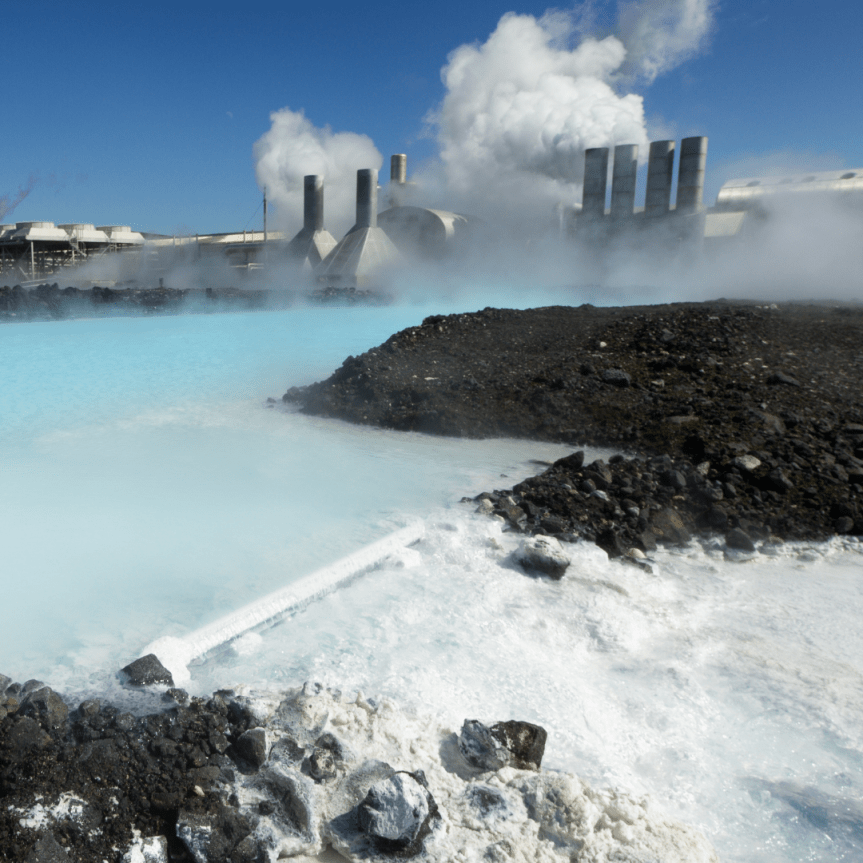
Geothermal energy is considered to be a clean source of energy. It mainly involves absorbing energy from the Earth’s molten core. Beneath the Earth’s surface is a hot layer of magma that erupts at some geological positions on the Earth. This eruption generates steam sufficient enough to rotate the blades of a turbine which generates electricity. The electricity generated can be then used to power up several houses or even small-scale industries solely depending on the velocity and pressure of the steam that vents out through the crust.
An alternative method is also present, known as thermal energy; this method involves burning coal or other fuels to generate steam which in turn rotates the blades to power up houses or industries. However, thermal energy is not considered a green source since it involves the combustion of several non-renewable fuels which only add up to the emissions emitted into the atmosphere. Whereas, geothermal is considered to be a more cost-effective and reliable source of energy. Some places are particularly favored to be potential geothermal points, as they can have access to steam within just a few hundred meters, therefore, avoiding drilling.
In the year 2010, the United States was the leader in geothermal power generation having a capacity of over 3000MW from over 70 plants present throughout the nation. The Philippines too followed the footsteps of the United States containing a capacity of around 1900MW powering up 18% of the nation’s electric grid.
In our nation according to a report in the year 2011, six prominent regions were identified as potential points for geothermal power generation. Located within these six regions where over 400 hot springs were used to estimate the thermal gradient present underneath the crust. The region in India containing the highest potential for a geothermal power plant was identified to be the Himalayan regions. These regions have a heat flow of 100w/m2 due to the highly built-up mountain ranges surrounded by them.
A 5kW installed capacity in Manikaran was abandoned in the year 2016 due to a catastrophic landslide. The energy obtained from this plant was used to suffice cold storage units, hot water baths and many other applications. Besides Manikaran, Tattapani too has a geothermal plant that helps sustain several mushroom cultivation industries, sericulture industry and also cold-storage production houses.
The government of our nation drafted a policy in the year 2019 which intends to get our nation to the top of the leader board in geothermal production. This policy intends to make our nation have a capacity of over 1,000MW by the end of 2022. The Ministry responsible for Renewable energy has put up an aim to develop 1000MW for thermal purposes and 20MW for electricity by 2022 and expect it to grow to 10,000MW and 1000MW respectively by the end of 2030.
By increasing the capacity for geothermal energy, we are not only reducing the effects of global warming or reducing our carbon footprint; we are also preparing sources for the erratic demand for energy we might experience in the coming years due to population explosion. We would require more economical sources of energy to help sustain the livelihood of the billions of people in our nation. This is merely just considered a start towards making our planet a better place to live in.
Hence, our nation is preparing itself to counteract several climate change phenomena by shifting to safer and cleaner modes of energy production. We must in every possible way either contribute our part in this shift to a cleaner world or just co-operate with people involved in this process.







 Eduindex
You must be logged in to post a comment.