


Let’s double down on solar energy, let’s be more energy-efficient, let’s weatherize our homes. We can build a better, healthier economy based on good-paying, clean energy jobs.”
Ian Somerhalder, Actor
Being one of the second largest country , climate change in India is having profound effect on India and all over the world . India is ranked fourth among the list of countries most affected by climate change in the period from 1996 to 2015 .

With 7% of global emissions , India emits about 3 gigatonnes (Gt) CO2eq of greenhouse gases each year; about two and a half tons per person, which is half the world average.
Due to the rise in temperature , the Tibetan plateau are causing problem to Himalayan glaciers . It directly effect in increasing the flow rate of the Ganges , Brahmaputra, Yamuna and other major rivers.
The Indira Gandhi Institute of Development Research has reported that, if the prediction of the Intergovernmental Panel on Climate Change is correct about Global warming than it may cause fall of GDP upto 9%.
In all over the world , climate change is drastically affecting the change in temperature of the globe 🌎 . Climate change includes both global warming driven by human-induced emissions of greenhouse gases and the resulting large-scale shifts in weather patterns.
Causes :
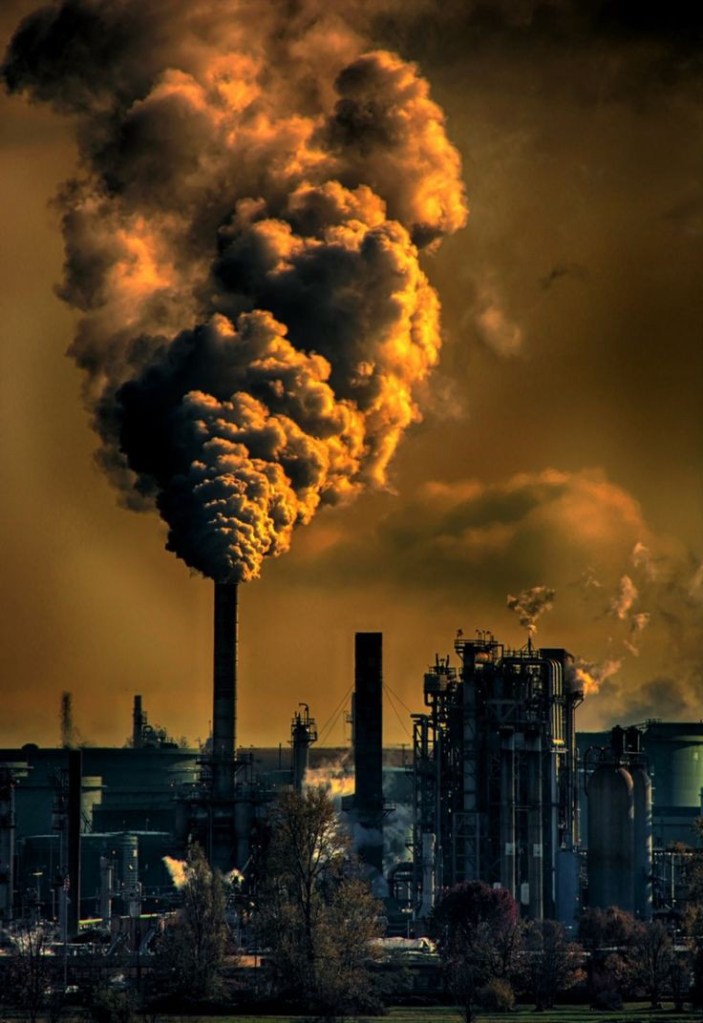
Human envision and green house gasses are two important causes in the climate change. Greenhouse gases affect Earth’s energy balance and climate .Human activities have added greenhouse gases to the atmosphere. Human activities are changing the climate.
Other causes :

- Power Plants.
- Farming .
- Deforestation.
- Fertilizers.
- Oil drilling.
- Natural gas drilling.
- Permafrost.
- Garbage .
- Volcanic eruption.
- Pollution.
Campaigns
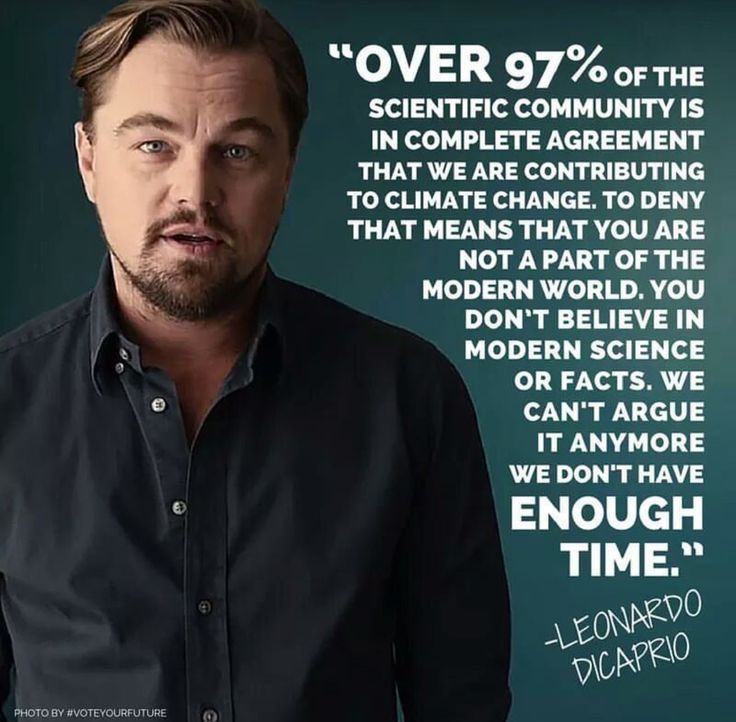
There are many campaigns that are going on . One of them is The ActNow campaign . It was launched at the UN Climate Change Conference (COP 24) in December 2018, with a call from Sir David Attenborough in conjunction with the award-winning “People’s Seat” initiative.
It signifies individual action on climate change and sustainability. By changing our habits and making choices that have less harmful effects on the environment, we can tackle the climate emergency and build a more sustainable world.
It is also working with other campaigns like The Good life goals , Anatomy of action , 170 actions to combat climate change , lazy person guide to saving the world , connect4climate , climate neutral now , trash hack , stop the waste , Think. Eat. Save. , Clean seas , breathe life , glowing glowing gone . Their may be others as well .
Prevention :
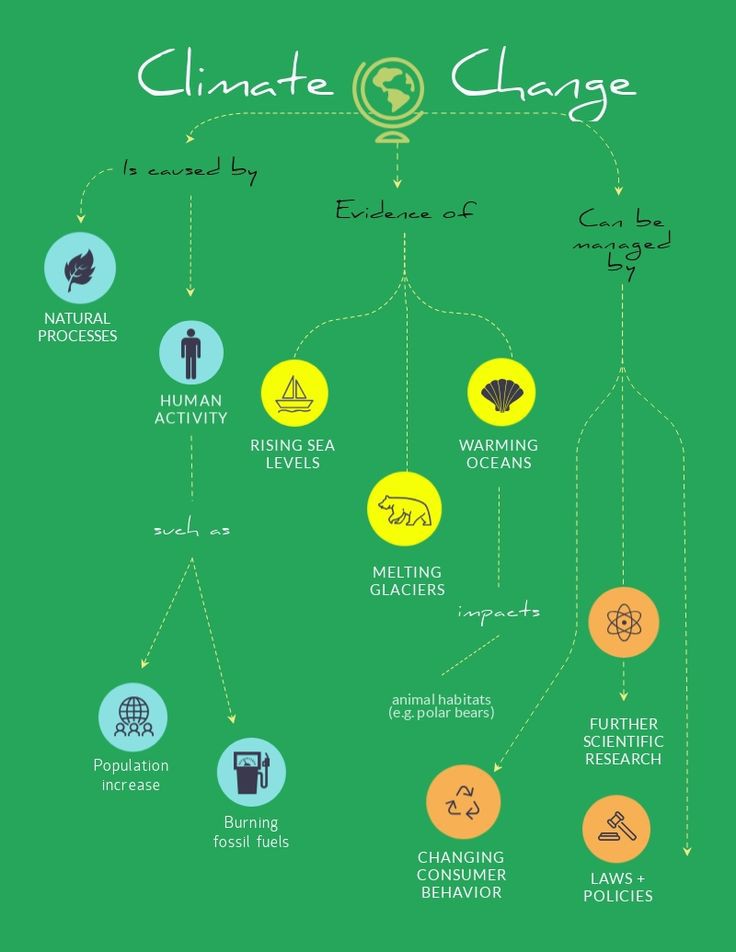
Becoming more energy efficient is a great way to prevent pollution. It causes the power plants to expend less energy that can lead to the production of greenhouse gases. … Replace your light bulbs with energy-efficient light bulbs that help you save electricity too.
- Speak up!
- Power your home with renewable energy.
- Weatherize, weatherize, weatherize.
- Invest in energy-efficient appliances.
- Reduce water waste.
- Actually eat the food you buy—and make less of it meat.
- Buy better bulbs.
- Pull the plug(s).
Conclusion
In the times , where the world is changing and taking measurements for saving the globe . Many Environmentalist , Actors , Politicians , Countries are taking precautions and actions on the climate change . It is our duty to prevent our world from falling . Take Initiative To Save The World .
Climate change is real. It is happening right now, it is the most urgent threat facing our entire species and we need to work collectively together and stop procrastinating.
Leonardo Di Caprio, Actor & Environmentalist

Link
- https://www.un.org/en/actnow#:~:text=ActNow%20is%20the%20United%20Nations,on%20climate%20change%20and%20sustainability.&text=By%20changing%20our%20habits%20and,build%20a%20more%20sustainable%20world.://royalsociety.org/topics-policy/projects/climate-change-evidence-causes/basics-of-climate-change/
- https://sciencing.com/natural-gas-information-13635857.html
- https://www.nrdc.org/stories/how-you-can-stop-global-warming
 Eduindex
You must be logged in to post a comment.