Skip to content
Eduindex News

Eduindex News

Educational News for Scholars

  • News
  • Education
  • Health
  • World
  • Science
  • Business
  • Services
  • Sports
  • Technology
  • Courses
  • Search News

Tag: #instagram #socialmedia

How to Market on Instagram

Why use Instagram for Marketing
 
Instagram is the second largest social media network after Facebook. Instagram is basically built almost entirely sharing images and videos. It has around 1.386 billion active monthly users worldwide. And the average of 53 minutes per day/per user. 45% of the users are aged around 18 to 44. This is one of the main reason to use Instagram for Marketing or Marketing on Instagram as it has a lot of traffic that will create a big opportunity for you.
 
How to Market on Instagram
List down are some ways or steps to get on marketing with Instagram
Create Instagram Business Account
 
The first to market on Instagram is to make a Business account it gives you access to extra features of Instagram like Instagram Insights, Instagram ads, Instagram Shopping, Primary and secondary messaging inboxes, Contact information and a call-to-action button on your profile.
 
Instagram marketing is a different thing to different marketer. But for a basic need to create a good Instagram market you should- Create a web presence for your business,  Increase brand awareness, Get new leads,  Establish your brand as an industry leader,  Sell products directly from the app.
 
Know Your Target Audience
 
Know your target audience its the most important thing to reach out the people who can buy your product for example you company sells perfume so your target audience. Target audience depends on different factors like age, gender, income, geographical area & standard of living.
 
Optimize your Instagram Account
 
Then Optimize your Instagram Account i.e. compelling bio, attractive username with  profile picture, connecting your Instagram account with your website, business category that tells people what you’re all about without using up bio characters, contact info to tell people where to find you, call-to-action buttons a way for users to interact with you directly from your profile page. Basically your local business did not seems to be local
 
Also you must follow industry relevant accounts search about your work related companies, brands & media that are already using Instagram and follow them and react  on  their post by like & commenting upon them. These account might follow back and you can get your initial audience.
 
#Hashtags
 
Using Hashtags it is one of the most best thing to increase our reach. many people use #tags to find new people to follow. Each day, hundreds of hashtags are created and shared on Instagram, even the big media houses use hashtags on their channel to attract the audiences so the power of hashtags is too much powerful.
 
Visual Content
 
Create visually compelling content, your posts have simply need to look attractive. Your photos and videos do got to be sharp, well-lit &composed and focused. More importantly, your content must be compelling, if they don’t tell a story, or get viewers excited, they’re not getting to engage followers. some of the few ideas are Behind-the-scenes posts, Quotes, text-based& motivational images, Instructional posts, Videos, Reels.
 
Establish Your Own Brand Look
 
Establish a brand look on Instagram use same color tone on your post or try to make frames and set a theme of colors. Strat campaign for example start a collaboration with your industry experts talk them using Instagram live it will boost your account reach. Create your Instagram filters.
 
Expand your audience with creating Instagram shop and Instagram Ads based upon your target audience. The most effective thanks to improve your results is to find out from what you’ve already done

Rate this:

Posted on September 15, 2021September 16, 2021 by Shivam AgarwalPosted in NewsTagged #instagram #socialmedia, Digital India, Digitalmarketing, instagram, marketing.

Impact of social media on youth

The Effect of Social Media on Teenagers During the Pandemic
Are teens and social media a good mix, or does social media use lower teen well-being? This has become one of the more controversial questions regarding social media’s effects on teens, with studies showing varied results, including recent research on the use of social media during the pandemic.

According to a report released in 2021 by Common Sense Media on social media’s effects on teens, about half of the 1,500 young people surveyed said social media is very important for them in order to get support and advice, feel less alone, and express themselves creatively, as well as for staying in touch friends and family while social distancing. And 43 percent said that using social media makes them feel better when they are depressed, stressed, or anxious. Among LGBTQ youth, 52 percent said social media helps them feel better when they are experiencing these difficult emotions.

On the other hand, the report, titled “Coping with COVID-19: How Young People Used Digital Media to Manage Their Mental Health,” also showed a strong association between social media and teen depression. Youth with moderate to severe depressive symptoms were nearly twice as likely to say they used social media almost constantly: One-third of teens with depression reported constant social media use, as compared to 18 percent of teens who did not have depressive symptoms. Furthermore, the more severe their symptoms were, the more anxious, lonely and depressed they felt after using social media. Clearly, social media does not help teens who are already feeling depressed, and seems to contribute to their negative outlook.

Research on Social Media and Teen Depression
Is social media part of the reason that teen depression has drastically increased over the last decade? Surveys of US adolescents show that teen depressive symptoms and suicide rates showed marked increases between 2010 and 2015, especially among females. Some researchers theorize that the increase in social media and overall screen use between those years could account for these changes. The adolescents surveyed who spent more time on social media were more likely to report mental health issues. Those who spent more time on unplugged activities, such as in-person social interaction, sports, exercise, homework, and print media, were less likely to report these issues.

Over the last decade, this theory has been borne out by a large body of research linking teenagers’ use of social media with increased teen depression. These studies show that the frequency of a teen’s use of social media has a clear correlation to their mental health. For example, in a 2018 study, 14- to 17-year-olds who used social media seven hours per day were more than twice as likely to have been diagnosed with depression, treated by a mental health professional, or taken medication for a psychological or behavioral issue during the last year. This was compared to those who used screens only about an hour a day.

Many experts believe that the constant overstimulation of social networking shifts the nervous system into fight-or-flight mode. As a result, this makes disorders such as ADHD, teen depression, oppositional defiant disorder, and teen anxiety worse. However, some research on social media and teen depression shows that the causality goes the other way—i.e., when teens are depressed, they look at social media more often. In one study of 600 teens, researchers found that social media use did not predict depressive symptoms, but greater depressive symptoms predicted more social media use over time.

“Some experts argue that young people’s use of social media is adding to their depression; others that their depression leaves them so uninterested in other activities that they turn to social media by default. [Our] research suggests a third possibility: that many young people who are experiencing depression— whatever the cause—are purposely and proactively using social media and other digital tools to protect and promote their own well-being.”

—2021 Common Sense Media report

The Impact of Social Media on Youth Social Comparison
One way in which social media undermines teen mental health is through negative social comparison—what media psychologist Don Grant, PhD, Newport Director of Outpatient Services, calls “compare and despair.” Teenagers on social media spend much of their time observing the lives and images of their peers. This leads to constant comparisons, which can damage self-esteem and body image, exacerbating depression and anxiety among adolescents.

As with other types of social comparison, teens report lower self-esteem and self-evaluation when looking at peers on social media sites. For example, this includes looking at profiles on which peers post curated images about their significant others, social events, or accomplishments. And teens felt better about themselves when they make so-called “downward comparisons”—looking at profiles of peers with fewer friends and achievements. According to a Pew Research Center report on the effect of social media on teenagers, 26 percent of teens say these sites make them feel worse about their own life.

Read “Teen Mental Health and the Theory of Social Comparison.”

Social Media Effects on Teens: Health Hazard or Healthy Inspiration?
Along with providing ways to seek help and support, social media also provides forums in which teens can encourage each other in unhealthy and dangerous behaviors. Hence, teens with eating disorders or those who self-harm can connect with others to talk about their self-destructive routines. In these online forums, obsessive calorie counting, fasting, or over-exercising are accepted and encouraged. As a result, teens may learn ways to hide or intensify the behavior, putting them at greater risk.

On the flip side, a teen social network can inspire teenagers to develop healthy habits. Thus, seeing peers eating nutritious food, doing something creative, or getting outside in nature can encourage other teens to do the same. Social networks can create peer motivation, inspiring young people to try something new, follow their dreams, and speak up about things that matter to them. Teens can also find positive role models online. Hence, social media’s effect on teens might actually result in more unplugged time and increased self-care behaviors.

Newport Academy Well-being Resources: effect of social media on teenagers

The Effect of Social Media on Teenagers’ Identity Formation
The impact of social media on youth extends to an important part of adolescent development: formation of one’s unique identity. Hence, social media provides a forum for teens to practice skills related to identity development. These include self-presentation and self-disclosure—sharing their opinions, beliefs, and preferences.

In a longitudinal survey of 219 freshmen at a state university, researchers found that teens who expressed their opinions on social media experienced increased well-being. In addition, another study found that adolescents who communicated more online had greater “self-concept clarity”—a clearer idea of who they were. This self-awareness supports mental health.

A 2020 research article on teens and social media concluded that, since social media gives teens the “autonomy to explore and experiment with their identities in a space of their own, where they have control over what, how, and with whom they share information,” it had the potential to be particularly important during COVID-19, when real-life opportunities for identity formation were limited.

Friendships, Teens, and Social Media
Friendship and social skills are additional areas in which the impact of social media on youth is both positive and negative. In the Pew Research Center report, 81 percent of teens in the survey said social media makes them feel more connected to what’s going on in their friends’ lives. In addition, two-thirds of teens said these platforms make them feel as if they have people who will support them through tough times.

During the pandemic, of course, social media became one of the most frequent—and sometimes the only—way in which teens socialized with peers. But there’s a difference between teens’ social media friends vs. their real friends: The Pew survey found that 60 percent of teens say they spend time with their friends online on a daily or nearly daily basis, but only 24 percent spent time with their friends that often in person (pre-COVID). These stats highlight how online connections may not translate into IRL relationships.

Moreover, cyberbullying increased exponentially during the pandemic. A 2020 report by the organization L1ght found a 70 percent uptick in hate speech among kids and teens across communication channels on social media and popular chat forums. More time spent online provides enhanced access to both the beneficial and detrimental aspects of social media effects on teens.

The Addictive Quality of Social Media for Teens
Scientists have found that teen social media overuse creates a stimulation pattern similar to the pattern created by other addictive behaviors. Hence, the brain responds to social media the same way it responds to other “rewards”— with a release of dopamine. These dopamine rushes are catalyzed when a teen posts something online and is met with likes, shares, and positive comments from their peers.

“Social media use targets our limbic system through its susceptibility to intermittent variable rewards—the same basic idea behind slot machine design—that get us “hooked” and coming back from more. Our brains keep seeking the dopamine hit that comes with the next post we see on our feed or the next reaction to something we’ve posted. Research also suggests that these rituals may prime the brain for other future unhealthy dependencies or addictions.”

—Don Grant, PhD, Newport Director of Outpatient Services

Treatment for Teen Social Media Addiction and Its Root Causes
As the research shows, teen social media overuse is often linked with underlying issues, such as depression, chronic stress, anxiety, or low self-esteem. Hence, treatment at Newport Academy includes addressing these root causes while unplugging from phones and social media.

After just a few days, teens begin to reawaken to their IRL environment. During treatment with us, they form strong friendships, explore their inner life through journaling and meditation, spend time in nature, and experience creative offline activities.

Newport’s clinical team specializes in helping teens gain the skills and self-knowledge to heal from the maladaptive behaviors, underlying causes, and negative consequences associated with teens


Rate this:

Posted on August 3, 2021 by AnujPosted in EducationTagged #instagram #socialmedia, #socialmedia #facebook.

Social Media and Self-Doubt

Social Media and Self-Doubt

Magazines and advertising have long been criticized for upholding dangerously unrealistic standards of success and beauty, but at least it’s acknowledged that they are idealized. The models wearing Size 0 clothing are just that: models. And even they are made-up, retouched, and photoshopped. These days, however, the impossible standards are set much closer to home, not by celebrities and models but by classmates and friends. With social media, teens can curate their lives, and the resulting feeds read like highlight reels, showing only the best and most enviable moments while concealing efforts, struggles, and the merely ordinary aspects of day-to-day life. And there’s evidence that those images are causing distress for many kids. Donna Wick, EdD, founder of Mind-to-Mind Parenting, says that for teenagers the combined weight of vulnerability, the need for validation, and a desire to compare themselves with peers forms what she describes as a “perfect storm of self-doubt.” She’s so thin. Her grades are perfect. What a happy couple. I’ll never be that cool, that skinny, that lucky, that successful.

Struggling to stay afloat

The fallout from these unrealistic standards becomes more dangerous once kids reach college, where they face higher stakes, harder work, and a largely parent-free environment. The pressure to look perfect to impress new peers, not to speak of friends and family back home, can be even greater. After a recent spate of college suicides, researchers at Stanford University coined the phrase “duck syndrome.” The term refers to the way a duck appears to glide effortlessly across a pond while below the surface its feet work frantically, invisibly struggling to stay afloat. Several students who have died had projected a perfect image on social media—their feeds packed with inspirational quotes and filtered images showing attractive, happy kids who seemed to excel with minimal effort. But behind the digital curtain they were struggling emotionally.

Hiding imperfection

For kids experiencing anxiety or depression, carefully edited feeds can act as a smoke screen, masking serious issues behind pretend perfection and making it harder for parents or friends to see that they need help. “It’s important to remember that just posting edited pictures online or pretending your life is a little more glamorous than it is is not in itself a problem,” says Jill Emanuele, PhD, a clinical psychologist at the Child Mind Institute. “Social media alone is unlikely to be at the heart of the issue, but it can make a difficult situation even harder.” Teens who have created idealized online personas may feel frustrated and depressed at the gap between who they pretend to be online and who they truly are. “If you practice being a false self eight hours a day, it gets harder to accept the less-than-perfect being you really are,” says Dr. Wick, “and as we all know there’s no harsher judge of a kid than herself.”

Other people’s perfection

Another, more prevalent problem, says Dr. Emanuele, is that for some teens their social feeds can become fuel for negative feelings they have about themselves. Kids struggling with self-doubt read into their friends’ images what they feel they are lacking. “Kids view social media through the lens of their own lives,” says Dr. Emanuele. “If they’re struggling to stay on top of things or suffering from low self-esteem, they’re more likely to interpret images of peers having fun as confirmation that they’re doing badly compared to their friends.”

Social media and teenagers: How to help

  • Take social media seriously. Don’t underestimate the role social media plays in the lives of teenagers, warns Dr. Wick. “The power of a visual image is so strong. It’s disorienting.” Many teens, she says, never knew a world where social media didn’t exist, and for them the things that happen online—slights, break-ups, likes, or negative comments—are very real. When you talk about social media make sure you’re really listening and be careful not to dismiss or minimize your teen’s experiences.
  • Encourage them to think outside the (crop) box. When you talk to your child about social media, encourage her to explore it in a more critical way. A great way to start is to try asking her what she thinks has been cropped or edited out of her friends’ “perfect” pictures and why. That can lead to larger questions. Do you think your friends are really the people they appear to be online? Are you? What’s the purpose of posting a photo? What is it about getting “likes” that feels good? Does looking at social media affect your mood?
  • Model a healthy response to failure. “Kids have to get the message that it is okay to fail,” says Dr. Wick. “And not only that it’s okay to fail, but that showing it is okay, too.” If parents hide their own failures, kids are less likely to be okay with anything less than success. “When things don’t work out as you’d planned or a project goes awry, show your child how to accept it with grace,” she adds. “Let kids know that failure is part of how we learn to succeed, that it’s nothing to be ashamed of and let them see you pick yourself up and try again.”
  • Praise (and show) effort. “Effort is something to be proud of,” says Dr. Wick. “It can’t be said enough.” Parents should let kids know that showing their work is something to be praised, not hidden. When your child has worked hard on something, praise her efforts no matter what the outcome. It’s also helpful to examine how comfortable you are showing your own efforts, especially those that don’t end in success. Being proud and open about your own work sets a powerful example for your child.
  • Go on a “social holiday.” If you’re worried that your child is getting too wrapped up in social media, try taking a social holiday. “This means everyone,” says Dr. Wick. If you’re asking your child to take a break, practice what you preach and pledge to stay off media as well. It can be every bit as hard for parents to unplug as kids.” 
  • Trust people, not pictures. Finally, don’t rely on social media to let you know how your child is really doing. She may post smiling selfies all day long, but if she seems unhappy or sounds unhappy on the phone, don’t let it go. Make sure she knows it’s safe to talk to you by encouraging her to share her feelings and supporting her when she does. Reassure her that you’re not disappointed, and let her know you’re proud of her for reaching out. “I’m so glad you called. It sounds like you’re feeling really overwhelmed, I’m here and I love you. Let’s talk this through together.”

Rate this:

Posted on July 31, 2021 by salonidesai1Posted in Culture and History, Editorial, Education, Entertainment, Health, Learning, News, News Update, Science, Services, Skill Development, Training, Western, WorldTagged #culture #socialchange #sociology #greatmen, #instagram #socialmedia, #news social, #psychology, psychological facts, Psychology, Social cause, social issue, social issues, social media, social media influencers, society.

What We Consume

When the topic of consumption arises our mind usually wonders about food. But today food is not the only thing that we consume. There is term “Content Consumption”. Briefly , it is the social media post or post in any other sites, that a person views or reads.According to a data average daily time spent consuming content is 6 hours and 59 min ( Not so surprisingly, it is accounted as normal these days)

The fact that we spend almost all the day using our phones in not so problematic but what we watch is a serious issue. Is the content we consume worth consuming??

There are thousands of tik tok videos, instagram reels that are available in the net. According to data an average person spends average of 21.5 hours per month scrolling through reels. The statistics seems very low , but when you realise that reels are just about of 30 secs, it will hit that people consumes 645 of such videos per month. Not only reels, consumption of Netflix, Amazon, Hulu and many other OTT platforms ,have increased tremendously since the start of pandemic. Binging shows and chilling is quite a fun idea of relaxation but it traps a person into a loop of entertainment.Many people don’t get good night’s sleep , why?? Because they were watching series or scrolling through social media. At first it seems fun way of escaping daily life challenges , but what we don’t realise is that we are becoming mentally weak. Now everytime a challenge comes down , instead of facing it, we would like to watch a series. For the sake of forgetting , we are burdening our works , thus, leading to mental stress, anxiety and depression.

Now, is it worth watching a series instead of doing work? Being attracted to glorious content and consuming it for hours , without having the knowledge of time , is not worth it at all. It is making us unhealthy in many unknowing ways. What we consume today decides what our personality and mindset will be. Internet is a vast world in its own. There are millions and millions of content . It varies from educational to news to entertainment. Everything that we want is at our finger tip. Just one click and you will have whole world in front of you. Now, what we want to know, what is beneficial for us depends on us!!!

Rate this:

Posted on July 19, 2021 by Muskan DorjeePosted in LearningTagged #consumption, #instagram #socialmedia, #value of time, internet, netflix.

BEST OF YOUTUBE – PART 2

HONESTLY BY TANMAY

Being a comedian, Tanmay Bhat has his way with words. Hence, what could be better than learning about stocks, trading, coding and other financial topics in his voice. It’s a platform where fun meets learning. It’s great for newbies who want to learn about finance or just utilise their time watching something resourceful rather than mindlessly scrolling on social-media.

BUSINESS INSIDER


This YouTube channel is exactly what it sounds like. You can find the inside and the development process of a large variety of topics from art, food, colours to industries, housing, etc. The channel is not geographically restricted. They have covered almost any and every country in the world, portraying what each has to offer, that adds on to their uniqueness.

RADHI DEVLUKIA


Roshni Devlukia aka Radhi is the wife of former monk and life-coach Jay Shetty. She’s a Nutritionists by profession. She uses her Instagram and YouTube channel to influences people to adapt to a healthy lifestyle. She is one of the most honest and transparent YouTuber i have found online. Her video’s are inspirational and her content is to the point (without unnecessary exaggerations). It’s on a must-check list for people interested in meditation, spirituality, self-love and growth.

MOSTLY SANE


MOSTLY SANE aka Prajakta Koli. She is one of the most famous Indian Youtuber and Diverse content creator online. Her content varies from Funny videos, vlogs, interviews to inspirational guidance, sister talk, life advisor, habit building, etc. Her channel shows the most transparent life a common yet hard working teenager turning into a successful adult. Her content include any and every adulting topic which we all can relate to. ( Basically, She’s a mix of Mummy, Didi and Best-Friend Advices)

ARJUNA HARJAI


Arjuna Harjai is a music creator, singer and vlogger. Love Kids? Then his channel is the perfect place to find the cuteness along with a reality check of a young parent’s life. Personally, watching his vlogs works more like a dose of serotonin for me as they have the cutest child. The couple went famous from a viral tiktok showing childhood love-birds turning into wedded couple and then to parents of a adorable child. They perfectly portray modern parenting and life after you marry your best-friend.

Do not forget to read more from the series 🙂

BEST OF YOUTUBE – PART 1

Rate this:

Posted on July 6, 2021July 6, 2021 by Vrinda_JajodiaPosted in Education, Entertainment, Health, Learning, News, Skill DevelopmentTagged #instagram #socialmedia, #learning, #Technology, #youthday #spiritualleader.

Seeking virtual classes is what our future holds .

Online learning is rapidly becoming one of the most cost-effective ways to educate the world’s rapidly expanding workforce.”

– Jack Messman

Introduction

Virtual classes are becoming a new word in the dictionary of 21st century. It was introduced to the country before but it came to the popularity when people become prisoners in their homes.

Due to the pandemic , virtual world widely came into connect with different countries and one of them was our’s.

Virtual classes become an virtual space where one can ensure to be a keen learner .

How does it work ?

Is it safe to learn online and using different apps for classes ?

How can you assure it cannot harm our privacy ?

Well for the answers you have to read this editorial.

Virtual classes

If you want to teach people a new way of thinking, don’t bother trying to teach them. Instead, give them a tool, the use of which will lead to new ways of thinking.”

– R. Buckminster

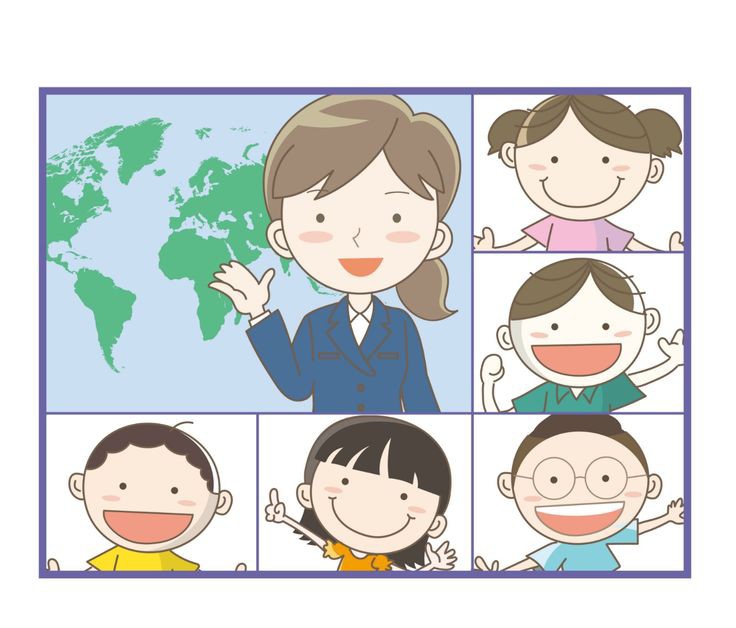
A virtual classroom is a learning and online space where teachers and learners can come together to learn , engage and interact with one another, and work in groups .

The main aim of virtual classes is to provide teacher and learner a platform where they can interact with each other.

It provides an environment to share the learning and thought of the learner and the mentor through video conferencing , Google meetings and others .

How it works

To learn about the virtual classes first you need to know how it works . Their are different portals where we can join virtual classes like zoom , Google meet , WebEx and others . They enable high connectivity , effective communication , simple usage with less internet .

Don’t you think it’s getting to much conceptual . Like OJO -MOJO , I also used some apps for virtual classes and what happened next is the story for me to know and you to explore .

Well , we were at the train station and waiting for a bus , I know I can do standup comedy very well .

Let’s rewrite the statement we were talking about virtual classes . For that we need the most important thing that cannot always be there . Guess what it’s Internet connectivity.

Than we need to login and join from the link that our teachers send in the group .

Want to know a secret , most of the time the link was invisible and students started to create fuss in the group and when it’s time to join the class there were more than 200 messages from where I have to dig the grave , I mean find the link. See how hard I have to work.

Today’s world

Develop a passion for learning. If you do, you will never cease to grow.

– Anthony J. D’Angelo

As the COVID resulted the shut-down of schools and colleges all over the world. More than 1.2 billion children had stoped learning.

And the result , we all know education system changed dramatically with the new e-learning in the digital platform.

Census shows that online learning showing retention of information and take less time. With the increase of online learning many platform providing free learning like BYJU’s , Coursera , Edx , etc,.

Some believe that due to the dramatically changes it was hard to use such platforms and others believe that integration of learning Internet technology education will help to accelerate the learning with diversity.

Choose the sides and make your choice.

If you want to teach people a new way of thinking, don’t bother trying to teach them. Instead, give them a tool, the use of which will lead to new ways of thinking.”

– R. Buckminster Fuller
The REALITY

Link :

  • https://www.weforum.org/agenda/2020/04/coronavirus-education-global-covid19-online-digital-learning/
  • https://www.carolinacoastonline.com/news_times/opinions/editorials/article_694f716e-ec89-11ea-8e0f-cf77c0d71b43.html

Rate this:

Posted on June 28, 2021June 28, 2021 by svshrashtivarshneyPosted in Editorial, Education, Learning, News, Tech, WorldTagged #blog, #Coronavirus, #ecommerce, #educationsystem, #eduindexnews #finance #mutualfunds #longterminvestment #strategy, #Government, #improve, #india # unity in diversity, #indian education, #instagram #socialmedia, #knowledge, #lifehacks #love, #motivation, #patherpachali#satyajitray, #productivelife, #quotes, #socialmedia #influencer #post #strategy #top #viral #digital, covid19, development, Economy, Education, Environment, Learning, life, News, pandemic, Technology.

Instagram

Instagram

Social media is not a media. The key is to listen, engage, and build relationships.” —David Alston

Today we live in modern era. Almost every person have Smartphone in this. Because of increase Smartphone selling Social media use are also Increasing. Instagram is a new generation Social media app. In 2012, Facebook purchased Instagram, a free online photo-sharing application and social networking platform. Instagram is a mobile app that allows users to edit and upload photographs and short videos. Users can add a caption to each of their posts, and hashtags and location-based geotags can be used to index and search these posts within the app. When a user tags their posts with hashtags or geotags, they display in their followers’ Instagram feeds and can also be accessed by the general public. Users can also make their profiles private, allowing only their followers to see their posts.
Instagram users can like, comment on, and bookmark other people’s posts, just like they can on other social media platforms. They can also send private messages to their friends using the Instagram Direct feature. With a single click, photos can be shared on one or more other social media sites, such as Twitter, Facebook, and Tumblr.
Instagram is a platform that may be utilized by each people and corporations. Companies can create a loose enterprise account at the photo-sharing app to put it on the market their emblem and products. Free engagement and affect metrics are to be had to groups with enterprise accounts. More than 1 million advertisers use Instagram to percentage their testimonies and power business results, in step with Instagram’s website. Furthermore, 60% of customers declare the app enables them find out new products.

Instagram’s Origins
Kevin Systrom and Mike Krieger founded Instagram in San Francisco, where they first attempted to create a platform similar to Foursquare before focusing only on photo sharing. Instagram is a combination of the words “instant camera” and “telegram.” On October 6, 2010, the iOS app was launched through the iTunes App Store, and on April 3, 2012, the Android app was released. The platform’s popularity exploded, with the business reporting over 40 million active users within two years after its introduction. This attracted Facebook’s notice, and in the summer of 2012, the company purchased Instagram for $1 billion.

Features and tools for editing
Instagram offers a variety of digital filters for users to apply on their images, including ones that give them an antique or faded look. Lux, an effect that lightens shadows, darkens highlights, and boosts contrast, is one of the other editing capabilities, while photo-tuning tools let users modify brightness, contrast, saturation, sharpness, structure, straightness, and colour. Photos can also have a manual tilt shift and vignette effect applied to them.

Instagram introduced a feature in 2017 that allows users to publish numerous photographs or videos in a carousel format at the same time. Instagram also includes a number of add-on apps. Boomerang makes unique GIFs, Hyper lapse makes Time-loupes videos, and Layout makes picture collages with various images. These applications can be accessed directly from the Instagram app once they have been installed.
In April 2017, Instagram Stories recorded 200 million active users, surpassing the active users of Snapchat, its biggest rival.

Rate this:

Posted on June 28, 2021June 28, 2021 by Gautam KhoiwalPosted in TechTagged #instagram #socialmedia.

Eduindex News

  • 1,610,159 Readers
Follow Eduindex News on WordPress.com

Support Eduindex News

Your contribution will help us serve you better.

$10.00

  • #festivals
  • Admission
  • Art and Culture
  • Authors
  • Awards
  • Book Publication
  • Book Review
  • book reviews
  • Book-Chapters
  • Books
  • Business
  • Call for Book Chapters
  • Call for Papers
  • Commerce
  • communication
  • Conferences
  • Convocation
  • Courses
  • Cryptocurrency
  • Culture and History
  • days
  • eCommerce
  • Economy
  • Editing Service
  • Editorial
  • Education
  • Educational News Channel
  • Entertainment
  • Entrepreneurship
  • Environment
  • Examinations
  • Fellowship
  • finance
  • Forum
  • Grants
  • Guest-Posts
  • Health
  • Health and Fitness
  • Human Resources
  • India
  • ISBN
  • Jobs
  • journalism
  • Journals
  • law and order
  • Learning
  • Literature
  • management
  • marketing
  • Nations
  • News
  • News Analysis
  • News Update
  • personality
  • Personality and Self Help
  • PhD
  • Politics
  • Postdoc
  • Proceedings
  • Proofreading Service
  • Publication
  • Publication Services
  • Real Estate
  • research
  • reviews
  • schemes
  • Scholarship
  • schools
  • Science
  • security
  • Services
  • Skill Development
  • social issues
  • Sports
  • Symposium
  • Tech
  • Tech Updates
  • Technology
  • Tourist Destinations
  • Training
  • travel
  • travel and tourism
  • universities
  • Western
  • Workshop
  • World
  • writing
December 2025
M T W T F S S
1234567
891011121314
15161718192021
22232425262728
293031  
« Nov    
  • December 2025
  • November 2025
  • October 2025
  • September 2025
  • August 2025
  • July 2025
  • June 2025
  • May 2025
  • April 2025
  • March 2025
  • February 2025
  • January 2025
  • December 2024
  • November 2024
  • October 2024
  • September 2024
  • August 2024
  • July 2024
  • June 2024
  • May 2024
  • April 2024
  • March 2024
  • February 2024
  • January 2024
  • December 2023
  • November 2023
  • October 2023
  • September 2023
  • August 2023
  • July 2023
  • June 2023
  • May 2023
  • April 2023
  • March 2023
  • February 2023
  • January 2023
  • December 2022
  • November 2022
  • October 2022
  • September 2022
  • August 2022
  • July 2022
  • June 2022
  • May 2022
  • April 2022
  • March 2022
  • February 2022
  • January 2022
  • December 2021
  • November 2021
  • October 2021
  • September 2021
  • August 2021
  • July 2021
  • June 2021
  • May 2021
  • April 2021
  • March 2021
  • February 2021
  • January 2021
  • December 2020
  • November 2020
  • October 2020
  • September 2020
  • August 2020
  • July 2020
  • June 2020
  • May 2020
  • April 2020
  • March 2020
  • February 2020
  • January 2020
  • December 2019
  • November 2019
  • October 2019
  • September 2019
  • August 2019
  • July 2019
  • June 2019
  • May 2019
  • April 2019
  • March 2019
  • February 2019
  • January 2019
  • December 2018
  • November 2018
  • October 2018
  • September 2018
  • August 2018
  • July 2018
  • June 2018
  • May 2018
  • April 2018
  • March 2018
  • February 2018
  • January 2018
  • December 2017
  • November 2017
  • October 2017
  • September 2017
  • August 2017
  • July 2017
  • June 2017
  • February 2017
  • December 2016
  • November 2016
  • July 2016
  • June 2016
  • March 2016
  • February 2016
  • January 2016
  • December 2015
  • November 2015
  • July 2015
  • June 2015
  • March 2015
  • November 2014
  • July 2014
  • June 2014
  • November 2013
  • July 2013
  • June 2013
  • November 2012
  • June 2012
  • November 2011
  • July 2011
  • June 2011
  • March 2011
  • November 2010
  • July 2010
  • November 2009
  • July 2009
  • May 2009
  • November 2008
  • July 2008
  • October 2007
  • July 2007
  • May 2007
  • November 2006
  • November 2005
  • May 2005
  • November 2004
  • November 2003
  • May 2003
  • April 2001
  • March 2000
  • April 1999
  • April 1997
  • March 1995
  • March 1993
  • March 1991
  • March 1989
  • February 1987
  • February 1985
  • February 1983
  • January 1981
  • November 1980
  • July 1980
  • June 1980
  • January 1980
  • March 1979

December 2025
M T W T F S S
1234567
891011121314
15161718192021
22232425262728
293031  
« Nov    

Go back

Your message has been sent

Warning
Warning
Warning
Warning.

Create a website or blog at WordPress.com
Privacy & Cookies: This site uses cookies. By continuing to use this website, you agree to their use.
To find out more, including how to control cookies, see here: Cookie Policy
  • Subscribe Subscribed
    • Eduindex News
    • Join 1,601 other subscribers
    • Already have a WordPress.com account? Log in now.
    • Eduindex News
    • Subscribe Subscribed
    • Sign up
    • Log in
    • Report this content
    • View site in Reader
    • Manage subscriptions
    • Collapse this bar
 

Loading Comments...
 

You must be logged in to post a comment.