Memories- Are they real or is your brain playing tricks on you?

All of us are aware of the tricks our memory plays on us in our lives. Like the time when you spend the whole night before exam cramming information from your textbooks and when you try to remember your mind goes blank. Or when you remember the most embarrassing event that happened to you but nobody else remembers it. Some people remember the smallest things that happened in the past while the others cannot remember any of those things. Ever had an argument with a friend when they forgot your birthday, when you never fail to wish them every year. Well it’s not all their fault. Our memory is partly at fault.

The study of memory is a fascinating field and researchers have reported many new phenomena which show the dynamic nature of human memory. Here are some interesting types of memories-

False memories-

Did you know that you cannot trust all of memories? False memory is an interesting phenomenon that is induced by powerful imagination of an event that did not even take place at all. Research suggests that memory can be induced and implanted through inflation of imagination.

Flashbulb memories-

There are memories of some events that are very surprising. Such memories are very detailed, they are like a photo from a camera that are stored in our brain and you can take a look at it whenever you want. They are like images tied to a particular time, place and date.

Autobiographical memories-

These are personal memories. Kind of like our Facebook timeline, they are not evenly spread across our lives. Some periods of our lives produce more memories than others. For e.g. In early childhood especially during the first 4-5 years, we have no memories related to those years, it is also known as childhood amnesia. After that there is a dramatic increase in the frequency of the memories i.e. during the twenties. Around 30 years of age, there is a decline in certain kinds of memories.

Implicit Memories-

This is the kind of memory that a person is not aware of. It is a memory that is stored automatically. For e.g. One interesting example of implicit memory comes from typing, if someone knows typing that means they also knows the particular letters on the keyboards.

Repressed memories-

Some individuals undergo traumatic experiences. Memories of those events are hurtful, such memories are repressed into the unconscious. It is a kind of repression- painful, threatening and embarrassing memories are held out of consciousness.

Forgetfulness or loss of memories under stress and high anxiety is not uncommon.

But we can still improve our memories by using some techniques such as chunking (learning in several small chunks that are combined to form large chunks) and by deeply analyzing a particular piece of information makes it easier to remember it.
Curiosity (science)

• Why do we wake up from sleep?

Sleep is essential to give the brain and nerves some rest. While we sleep, our bodies too, get a chance to recover from the fatigue caused by daily activities. When we are well rested, both physically and mentally, we wake up. Sometimes, we wake up because we feel cold or hungry or because a bad dream has made us afraid.

To sum up, we all have an internal body clock that tells our brain to wake our bodies up after a certain amount of time. However, some things or situations such as noise, temperature in the room or sunshine interrupt our sleep and wake us up too.

• Why doesn’t glue stick to the insides of the bottle?

The regular white glue that we use is made up of a variety of chemicals that are either sticky or stretchy. White glue also contains water. Water acts as a solvent that keeps the glue liquid until you want it to stick. When you put glue on a piece of paper, the water in it is exposed to air. The water eventually evaporates and as it does so, the glue dries and hardens and holds the things that need to be glued, stuck together.

When the glue is inside the bottle, there’s not enough air inside the bottle to cause the water to evaporate to make the glue sticky. The bottle protects the glue from the air and keeps the glue runny. This is also why if you’ve ever left the top off a glue bottle for a while, the next time you try to use the glue, it would have dried up.

• Why do the lights of a distant town appear to twinkle?

When you are traveling at night, the lights of towns in the distance appear to twinkle. This is because of the constant movement of air above towns. The air above towns is warm, as a result of the heat given off from buildings. Warm air keeps moving up to be replaced by cold air which then gets heated and rises. This constant movement of air is known as turbulence.

When we are near a town or in it, we don’t notice the turbulence because it is quite small and the lights are nearly. However, when we are some distance away, the lights are far away too. They appear as only pinpricks. The warm and cold air that make up the turbulence above the town have different densities and light passing through the layers is bent at different angles because of this difference. As a result it appears as though the lights of the distant town are twinkling.

• Why do clouds have different shapes?

Clouds are made up of tiny droplets of water vapour or ice particles or both. The shape of the cloud depends on its height and temperature. Cumuliform clouds are shaped liked mushrooms and are formed when rising warm air cools as it goes up. Stratiform clouds come in flat, dull layers and are formed when air sinks in a high pressure area, creating a layer of cold air near the ground that doesn’t rise or rises only very slowly. Cirriform clouds are clouds that have risen on a front or tropical cyclone and frozen into ice crystals at very high altitude. They look like thin hair. The shape of cloud also depends on the time of the day.

Towards evening, clouds tend to be thinner and flatter than during daytime. Changes in wind patterns also change the shapes of cloud.

Thank you for reading. Have a nice day!🌼

Bermuda triangle and other mysteries

Bermuda triangle

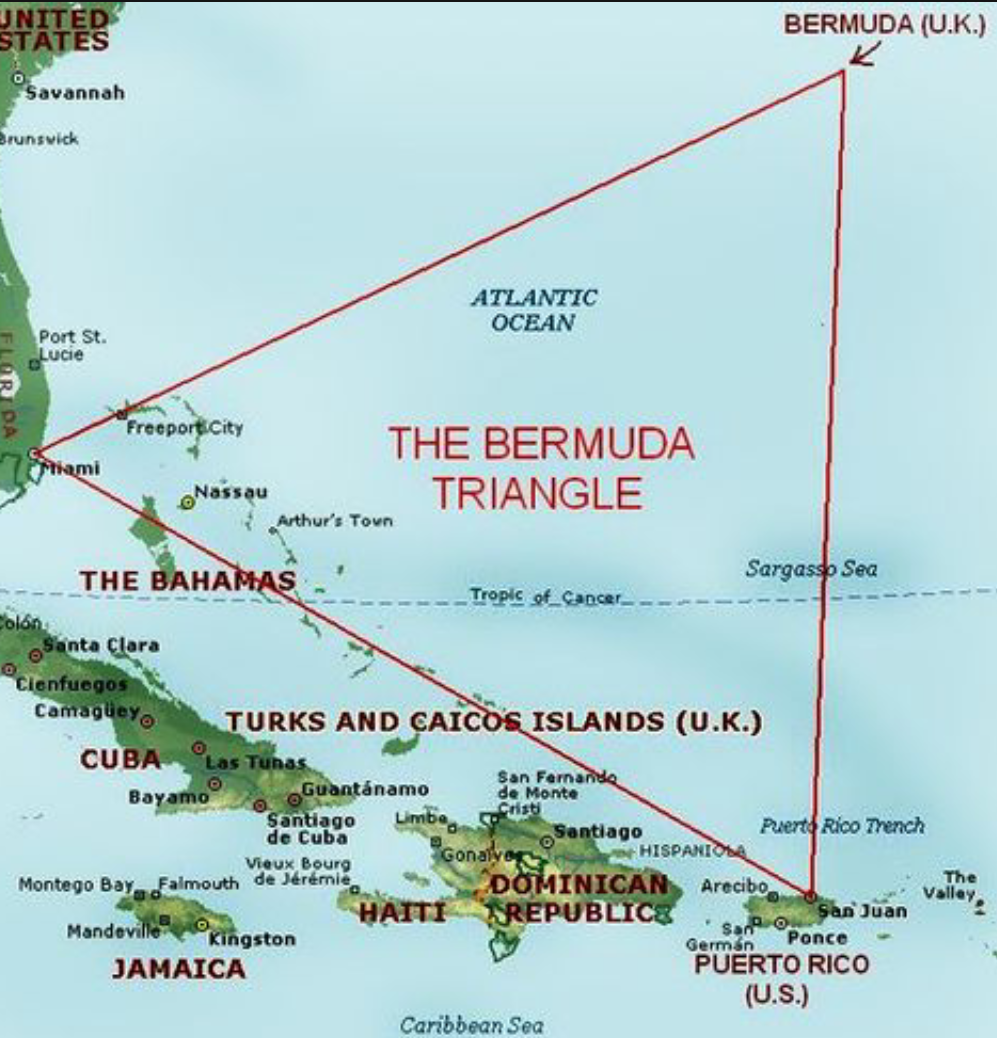
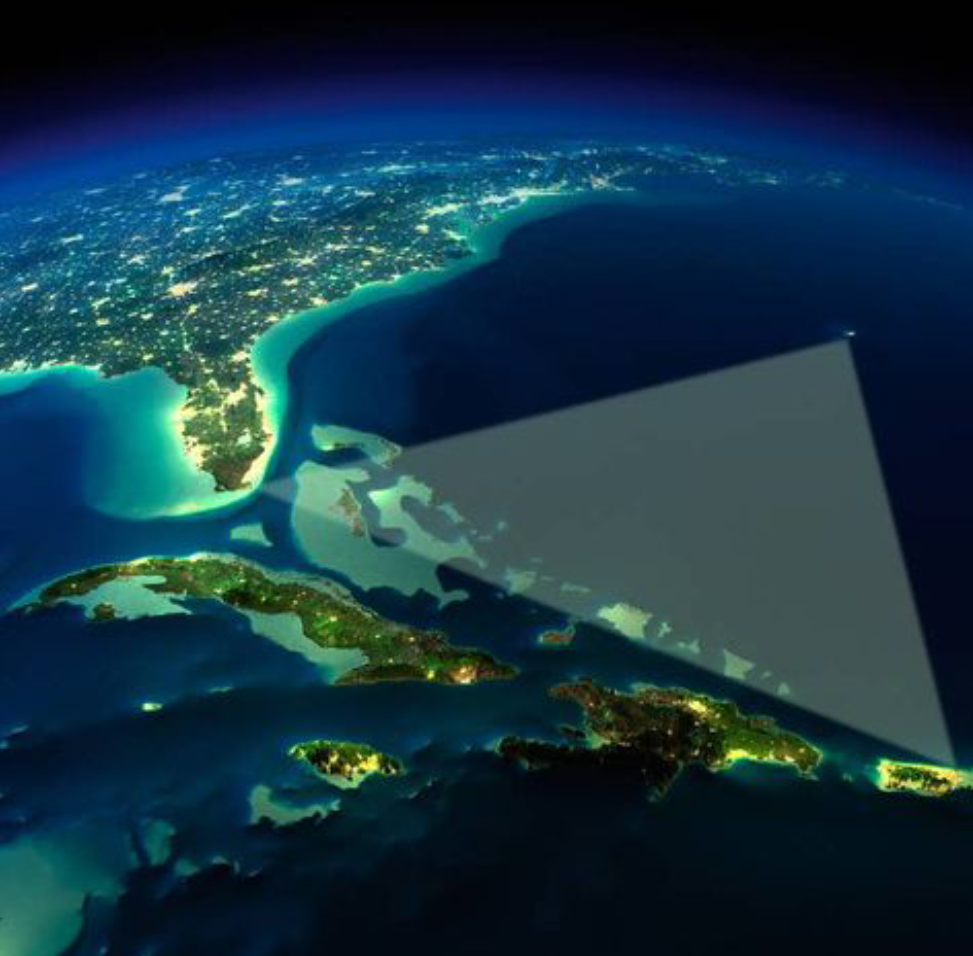
The Bermuda triangle is a region of the Atlantic Ocean between Bermuda and Florida, where ships and planes have mysteriously disappeared. Vincent Gaddis, who wrote about the disappearance named the region: ‘the deadly Bermuda triangle’.

The legend of the Bermuda triangle was uncovered when E.V.W. Jones, a reporter penned an article on a strange occurrence he had stumbled across. It seemed that an unusual number of planes and ships had been disappearing in the ocean between Florida and Bermuda. Over the years more than 200 separate mysterious disappearances have been attributed to the Bermuda triangle. No trace was ever found of the crafts or their passengers. The disappearance of Flight 19, ranks at the very top of Bermuda triangle lore. In 1945, five Navy planes vanished while on a routine training mission over the Atlantic. The media really went over board putting forward theories as to what might have happened at Bermuda triangle. The theories range from attacks by sea monsters to freak killer waves and kidnappings by aliens. However, later studies reveal that most of the incidents have been inaccurately reported and many agencies have declared the number and nature of disappearances in the region is similar to any other area of the sea.

Islands that vanished mysteriously

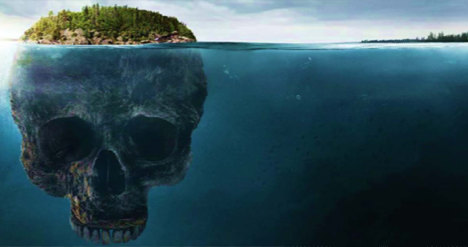
Have you heard of the Aurora islands? Even if you have, you are unlikely to ever see them, for they have vanished from the face of the Earth! The story begins in the 18th century when the captain if the ship sailing in the South Atlantic waters saw three small islands called the Aurora Islands after the name of the first ship. They soon became a common landmarks for the Spanish ships that routinely went to south America and then suddenly, the islands disappeared!

Since most islands are produced through volcanic activity, they can appear and disappear just as quickly over time and leave no trace for sea explorers to find. This maybe the explanation why another phantom island, Isla Grande, which lay just to the North of Aurora islands, has now vanished too. However, this explanation does not hold good for the disappearance of islands called Davis’ Land. There is even an island named the Isle of Brasil, which keeps appearing off and on near the coast of Ireland.

Uniqueness of Stonehenge

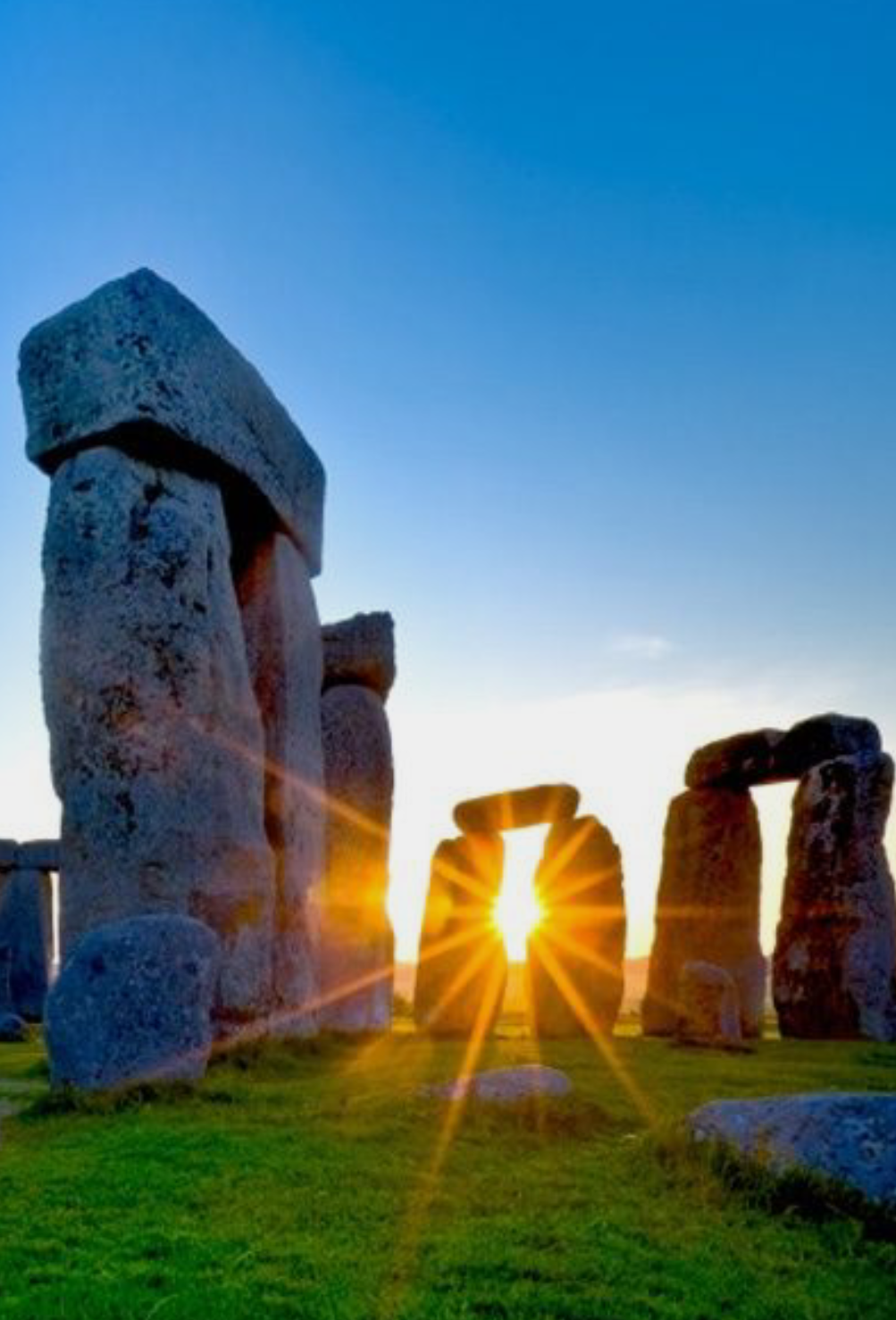
On the misty green plains of Salisbury, in southern England, stands one of the most mystical of the megaliths- Stonehenge. The beauty of these stones take one’s breath away. The 3.96 meters high stones are unique in that unlike the other megaliths, each stone has been artificially shaped into a curve. As a result, when they were assembled, they formed the outer line of a circle, when seen from above. At the same time, each stone has a slight bulge, so that when seen from below, they appeared to be in a straight line! Amazing isn’t it?

The astonishing scale and beauty of the stones, the great care and labour in construction and the mystery that surrounds their original purpose are just some of the reasons why Stonehenge is one of the most popular sights in England. Stonehenge is a magical experience indeed.

Thank you for reading. Have a nice day!

Lesser known facts : Victorian Era.

The world is pretty weird these days, but it was even weirder in the 1800s. I’m sure that in the future, there will be things that people did in 2020 that will seem weird to people of the future. Maybe paying with credit cards will seem weird because technology will be so advanced.
Here are some lesser known facts about the Victorian Era.

•The bizarre beauty standards and hacks

Standards of beauty might change from generation to generation. But Victorian beauty routines read like something out of a chemistry textbook—that will nearly kill you.
Magazines during that era offered practical beauty advice, but today we’d recognize it as being insanely dangerous.
White skin was the goal, and women achieved that by washing their faces with ammonia, then covering them with lead-based paint. And don’t think you could get away with going bare-faced at night, either, because in order to keep that fresh-faced look, the hack suggested rubbing some opium on before bed.
Watery eyes were the goal too…for some reason. To achieve that look, women could use lemon juice, perfume, or belladonna as eyedrops. The latter did, of course, cause blindness, but people have been suffering for beauty for ages.

•Food horror
When we start talking about the worst things you could find in the Victorian Era, we’re not even going to get into sanitation, aside from saying it wasn’t uncommon for bakers to knead dough using their feet, because that needs a mention. Let’s talk about the stuff they used to put into food on purpose.

Food safety and industry regulation really got its start in the Victorian era, thanks to the tendency to use potentially deadly additives. Chalk and alum were sometimes added to dough to make bread whiter, and it wasn’t unheard of to have things like pipe clay, plaster of Paris, or sawdust added to the mix.

•Beer please.
Now here’s something we can get behind: Clean, potable water was hard to come by in Victorian society. It was generally polluted and considered more dangerous to drink than nature’s other perfect liquid—beer. Whether you were sick, pregnant, or just a child, beer was generally safer to drink than water.

•Photo with the deads.
It was common in the Victorian age to have photographs of loved ones taken after they died. Families in Victorian Britain would pose with the dead, with tikes that seemed to be sleeping and young ladies who seemed to recline. This practice was especially popular with children who died. Tragically, these strange, 19th century photographs were seen as a family’s last chance to have a permanent likeness of their lost child.
As healthcare improved and life-expectancy grew, the period of death photography gradually diminished in the United Kingdom.

•Predict your lover
People in that era were incredibly superstitious. They had superstitious beliefs about just about everything that you could think of. Most of all, they had quite a few about mirrors. One of them was that if a young lady looked into the mirror on Halloween night, she would see the man she was going to marry. This sounds pretty silly to people in the modern age, but at the time, this was a huge thing!

Divination games in general were popular in the Victorian Era because people were starting to believe more and more in spirits. So, they used those spirits to tell them things about their lives. And because Halloween is supposed to be the night when the barrier between the living and the dead is the weakest, Victorian women would use it to their advantage and head to a mirror to see if their true love would be reflected back at them.

History of Chocolate

The first thing which comes to our mind when we hear the word chocolate is a candy or a dessert which tastes sweet. At present, Chocolate is one of the most famous food items in the world. It is consumed worldwide in different forms and is loved by foodies. At first thought we think of it as something to eat and not drink. Chocolate has a very different history and the story behind its popularity is quite an interesting one. The history of Chocolate dates back to about 450 B.C. when it was originally consumed as a bitter drink mixed with spices or corn puree. It originated in Mesoamerica where the Aztecs believed that the cocoa or cacao seeds were the gifts of the God of wisdom. It was used as an aphrodisiac which gave the drinker strength. The sweet pulp of the cacao fruit surrounding the beans, was also fermented into an alcoholic beverage at that time. Today local folks of South Mexico are still known to make such drinks.

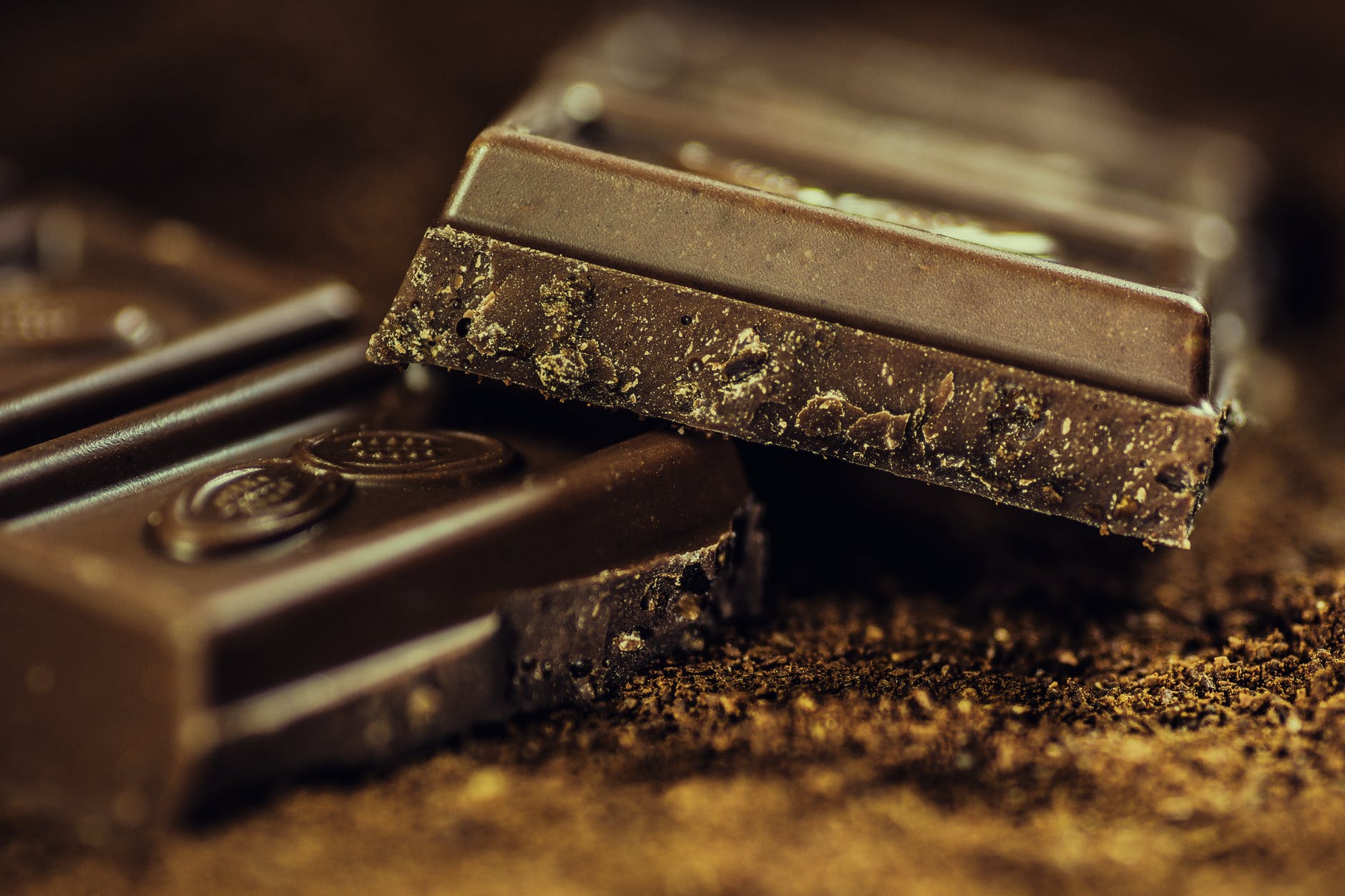
Photo by Pixabay on Pexels.com


The word chocolate came from the Aztec word “xocoatl” meaning a bitter drink brewed from cacao beans. The cacao tree has a Latin name “Theobroma cacao” meaning Food of the Gods. In pre-modern Latin America, the cacao seeds were considered so valuable that it was used as a currency. It was one of the essential items in rations of the United States soldiers during war. According to a 16th century Aztec document 100 cacao beans could be exchanged for a good turkey hen.  

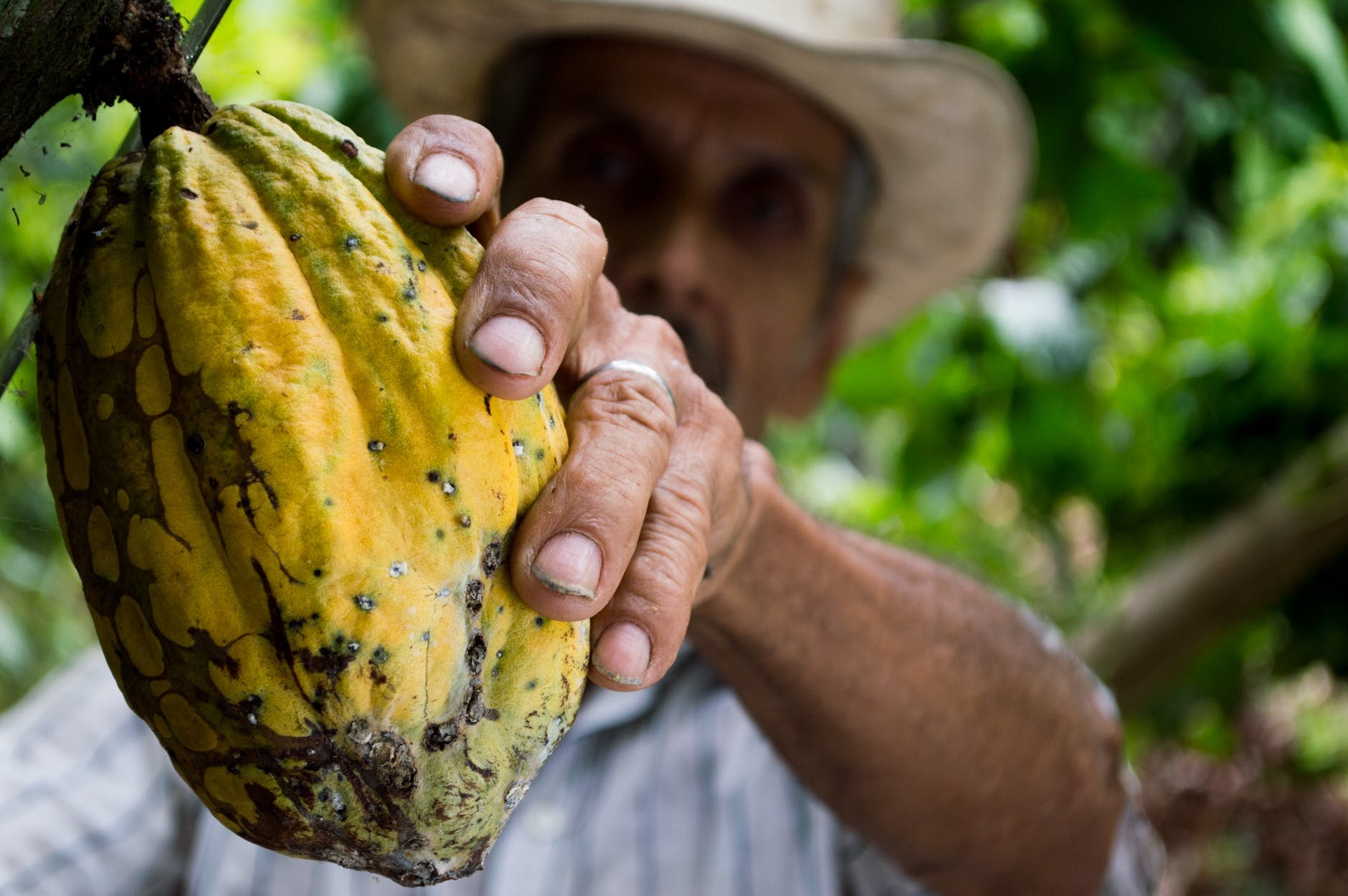
The cacao tree is native to Mesoamerica where its cultivation, consumption and cultural use began. When pollinated, the seeds of the cacao tree form a sheath, within which 30 to 40 brownish-red almond shaped beans are embedded in a sweet viscous pulp. The beans are bitter but the pulp is sweet which may have been consumed by humans at first. The cacao pods grow in a wide range of colors, like pale yellow, bright green, purple and crimson. The texture may vary from sculpted to completely smooth. The plantation of the cocoa trees is a tough process. When in natural environment, the trees can grow up to 60 feet tall but in plantations they grow only up to 20 feet.  

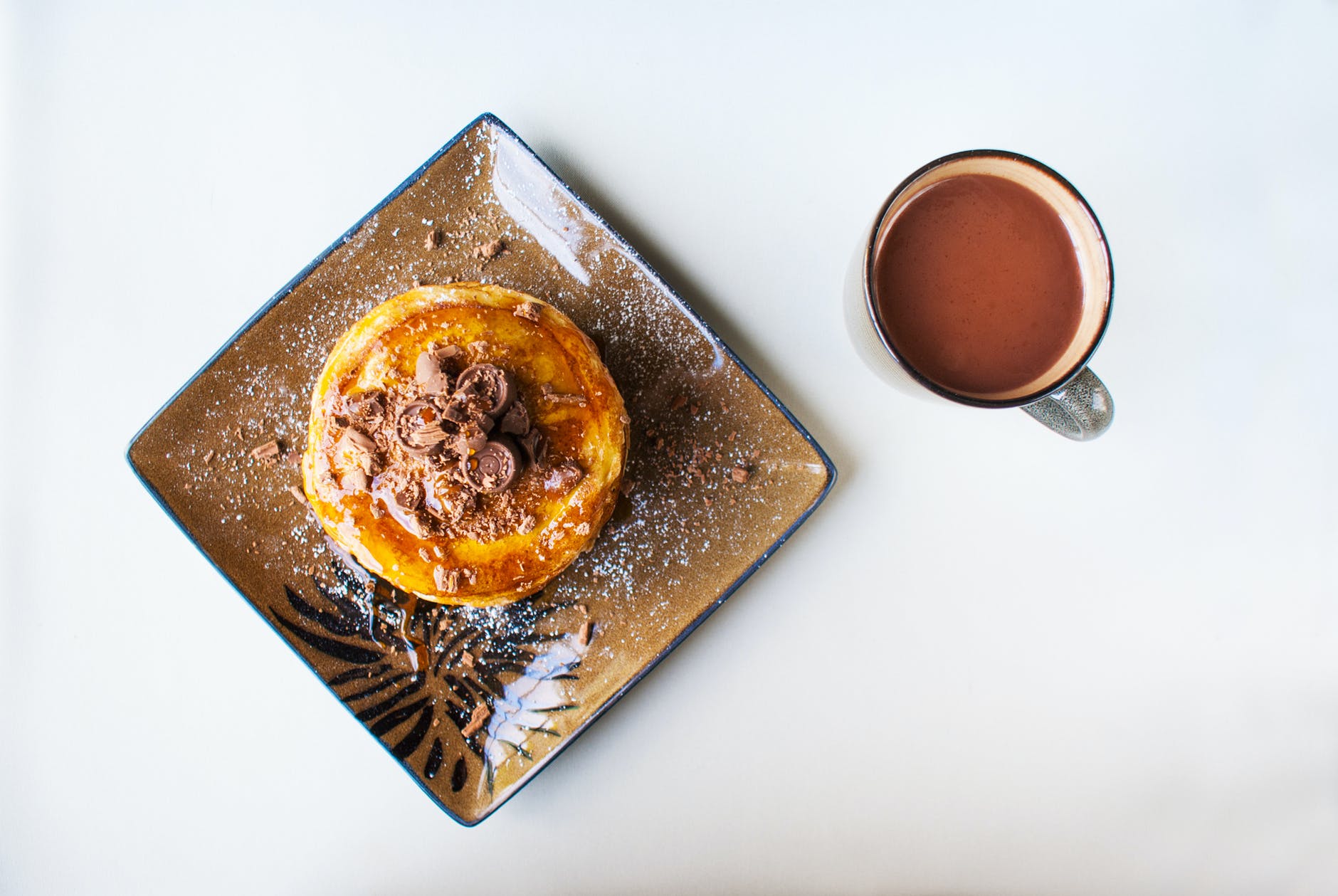
Photo by Sheena Wood on Pexels.com

Chocolate was prepared as a sweet by the European people when it arrived there. It got popularized among the rich people and eventually among the common. Christopher Columbus first came across cacao on his fourth mission to America, when he and his crew seized a canoe full of native goods for trade. He took the beans back to Spain. After it got imported to Europe, it was used as a medicine for treating abdominal diseases because of its bitter taste. After getting sweetened with the addition of sugar or honey, it became a court favorite and chocolate established a foothold in Europe within hundred years.  

In 1828, a Dutch chemist found a way to make powdered chocolate and this product became known as the Dutch cocoa. This led to the creation of solid chocolate. The first modern chocolate bar was made by Joseph Fry in 1847 by making a moldable chocolate paste. By 1868, a small company called Cadbury was making chocolate candies in England. A few years later milk chocolate was made by Nestle. In the 20th century the word chocolate includes a variety of sweet treats. Modern day chocolate is made from the hardiest but least flavorful cocoa beans and it is often said that it has more sugar and additives than actual cocoa.  

The New Consumer Protection Act,2019 in India is an upper hand and an added advantage for the consumers in manifold ways

The Consumers can now cheer as the Consumer Protection Act, 2019 has recently replaced the three decade old Consumer Protection Act, 1986. The Consumer Protection Act, 2019 which came into effect on Monday (July 20) has replaced the earlier Consumer Protection Act, 1986.

The new Act as per the Experts say that “it gives more power to the consumers”. It seeks to revamp the process of administration and settlement of consumer disputes, with strict penalties, including jail term for adulteration and misleading ads by firms.

On July 20, 2020 certain provisions of the Consumer Protection Act, 2019 came into force as notified by the Central Government. Following the the key features of the relevant provisions:-

Key features of the Consumer Protection Act, 2019 which came into effect on July 20, 2020:-

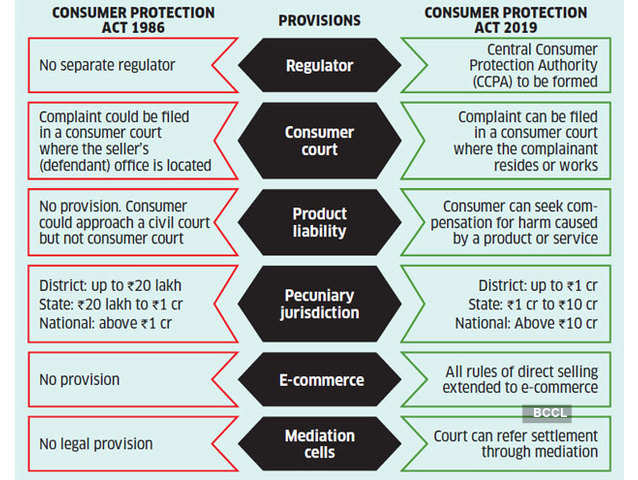
1) Consumers can now institute a complaint from where they reside or work for gain.

2) The original pecuniary jurisdiction of the District Commissions has increased upto ₹1 crore from ₹20 lakh earlier.

3) The Pecuniary jurisdiction of State Commissions has been increased from ₹1 crore to Rs. 10 crore.

4) The National Commission can hear cases above ₹10 crore when compared to above ₹1 crore earlier.

5) While the provisions relating to e-commerce are not yet notified, a section relating to electronic service provider (covering software services, electronic payments) is notified.

6) The opposite party needs to deposit 50% of the amount ordered by the District Commission before filing an appeal before the State Commission. Earlier, the ceiling was a maximum of ₹25,000, which has been removed.

7) The limitation period for filing of appeals to the State Commission has been increased from 30 days to 45 days.

8) The Parties can be allowed to settle the disputes through mediation.

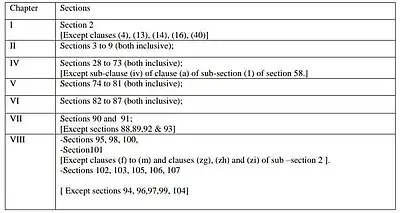
Following are the Sections which came into force:

Consumer Protection Act 2019- Sections to come into force from July 20,2020

Above mentioned provisions pertain to the Consumer Protection Councils, Consumer Disputes Redressal Forum, Mediation, Product Liability, punishment for manufacturing, selling, distributing etc spurious good or products which contain adulterant.

As per the rules, the e-commerce players will have to display the total ‘price’ of goods and services offered for sale along with break-up of other charges. Only a few certain miscellaneous provisions with regards and respect to the powers of the Central and State Government to make the rules and regulations have also been enforced.

On misleading advertisements there is provision for jail term and fine for manufacturers. There is no provision for jail for celebrities but they could be banned for endorsing products if it is found to be misleading.

For the first time there will be an exclusive law dealing with Product Liability. A manufacturer or product service provider or product seller will now be responsible to compensate for an injury or damage caused by the defective product or deficiency in services.

The Act has also defined an “e-commerce” as the buying or selling of goods or services including the digital products over digital or electronic networks. The existing definition of e-commerce has been adopted from India’s FDI Guidelines on e-commerce.

The definition of ‘e-commerce Entity’ as provided under the FDI Guidelines includes inventory and market place models.

There is also a provision for class action law suit for ensuring that rights of consumers are not infringed upon. The authority will have power to impose a penalty on a manufacturer or an endorser of up to 10 lakh rupees and imprisonment for up to two years for a false or misleading advertisement.

WEBSITES REFERRED

1)https://consumeraffairs.nic.in/acts-and-rules/consumer-protection

2)https://www.barandbench.com/news/law-policy/provisions-under-consumer-protection-act-2019-to-come-into-force-on-july-20-2020-centre-notifies

3)https://www.google.com/amp/s/www.thehindu.com/news/national/tamil-nadu/new-consumer-protection-act-gives-more-power-to-consumers-experts-say/article32135908.ece/amp/

4)https://www.google.com/amp/s/www.livemint.com/news/india/consumer-protection-act-rules-for-e-retailers-to-be-effective-by-this-weekend/amp-11595291549084.html

5)https://www.google.com/amp/s/zeenews.india.com/economy/new-consumer-protection-act-2019-comes-into-force-today-know-how-it-will-benefit-you-2297012.html/amp

6)https://www.google.com/amp/s/m.economictimes.com/wealth/spend/heres-how-consumers-will-benefit-under-the-new-consumer-protection-act/amp_articleshow/70711304.cms

7)https://www.google.com/search?q=consumer+protection+act%2C2019&tbm=isch&ved=2ahUKEwjOhv7-sN7qAhVIH3IKHTOCBfMQ2-cCegQIABAC&oq=Consumer&gs_lcp=ChJtb2JpbGUtZ3dzLXdpei1pbWcQARgAMgQIIxAnMgUIABCxAzIFCAAQsQMyBQgAELEDMgUIABCxAzoHCCMQ6gIQJzoCCAA6BwgAELEDEEM6BAgAEENQ0xRYzipg1jBoAnAAeACAAZABiAGHCJIBAzAuOJgBAKABAbABBcABAQ&sclient=mobile-gws-wiz-img&ei=e-QWX47dJsi-yAOzhJaYDw&bih=682&biw=393&prmd=ivn#imgrc=eILduqMFjleJaM

8)https://www.vecteezy.com/free-vector/consumer

9)https://www.google.com/amp/s/www.livelaw.in/amp/news-updates/most-provisions-of-consumer-protection-act-to-come-into-force-160003

Internships are just like footprints in the sand each steps signifies the journey taken.

An internship is basically a period of work experience or an opportunity provided by companies to an intern for a specific period of tenure where they can gain work experience or satisfy requirements for qualification.Internships are very crucial way of obtaining knowledge or practical exposure of how actually the corporates operates.It plays a very crucial role in advancing or enhancing one’s career.Someone rightly quoted that “There is no substitute really for learning about the World of work and being in the World of work you can do through Internships”.An internship can provide career building experience and could be a steeping stone to your dream job.An internship provided by the corporates are of two types paid and unpaid.If intern take the internship seriously and do it with utmost honesty and dedication then company provides PPO (pre-placement offer). Through Internship intern can learn about career field from inside and could have experience of working with professionals.Through internship one can learn new skills and builds leadership qualities.

It acts as an opportunity to practice formal communication and team work skills.It leads to achieve a sense of accomplishment and boost confidence in an intern.Traits like integrity,commitment ans self -motivation are learned by an intern during internship.It helps develops professionalism and also encourage character growth.Internship are work experience are a proven method of getting one’s foot in the door.

Interesting facts that will surely make you think twice.

In this universe, there are many interesting facts that will blow up our mind and make us think twice about them.As it is said change of subject is rest of mind ,Knowing about interesting facts help us in relieving stress and keep mind updated, as such in this crisis times let us be worry less and tension free and explore some of the interesting facts:

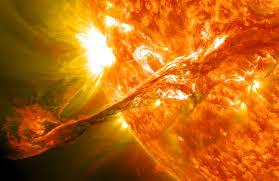
1.It can take a photon 40,000 years to travel from the core of the sun to surface, but only 8 minutes to travel the rest of the way to earth.

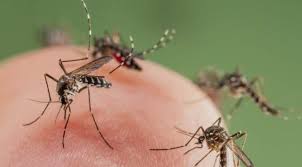
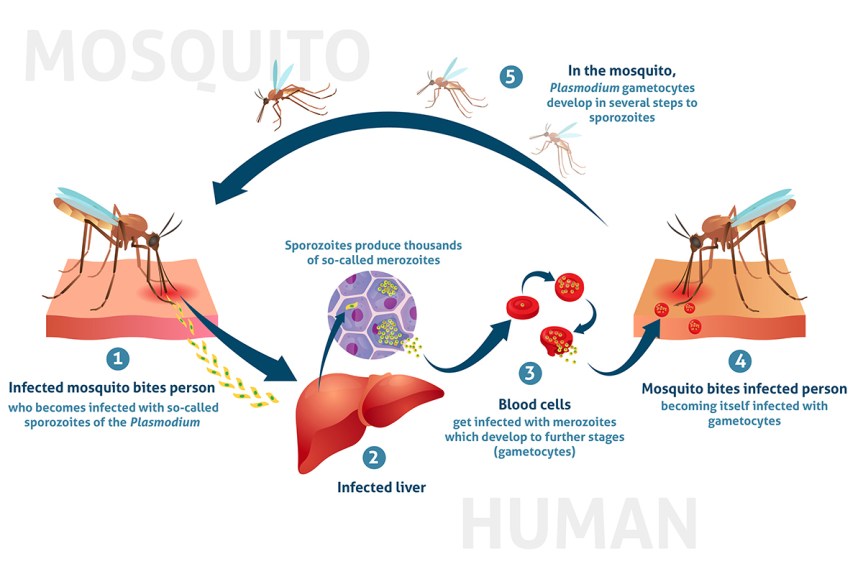
2.It would take 1.2 million mosquitoes,each sucking once to completely drain blood of average healthy human.

3.Dead people can get goose bumps (Scary).

4.Kumbh Mela gathering is visible from space.

The 2011 kumbh mela was the largest gathering in world with over 75 million piligrims. The gathering was so huge that it was visible from space.

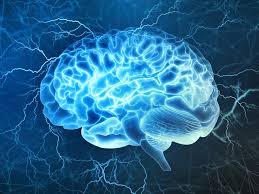
5.Brain information travels up to an impressive 268 miles per hour speed and its capacity is virtually unlimited.

6.a woman jumped off from 86th floor but wind pushed her back. She survived(wow , wind power).

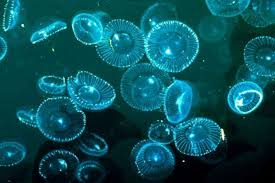
7.Believe it or not That most of the oxygen on earth doesn’t come from trees. It’s comes from plankton(animal) in the ocean.

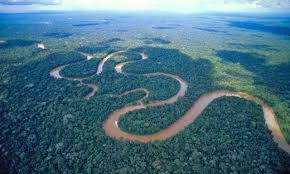
8.There isn’t a single bridge across amazon river.

9.Trees can send secret warning signals to other trees about incoming insect attacks (weird but true).

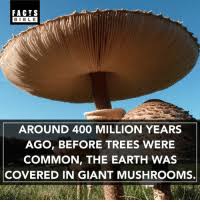
10.400 million years ago ,the earth was covered with mushrooms, that were 8 meters tall !!! (just imagine)

Hope the facts were amazing and made readers amused.