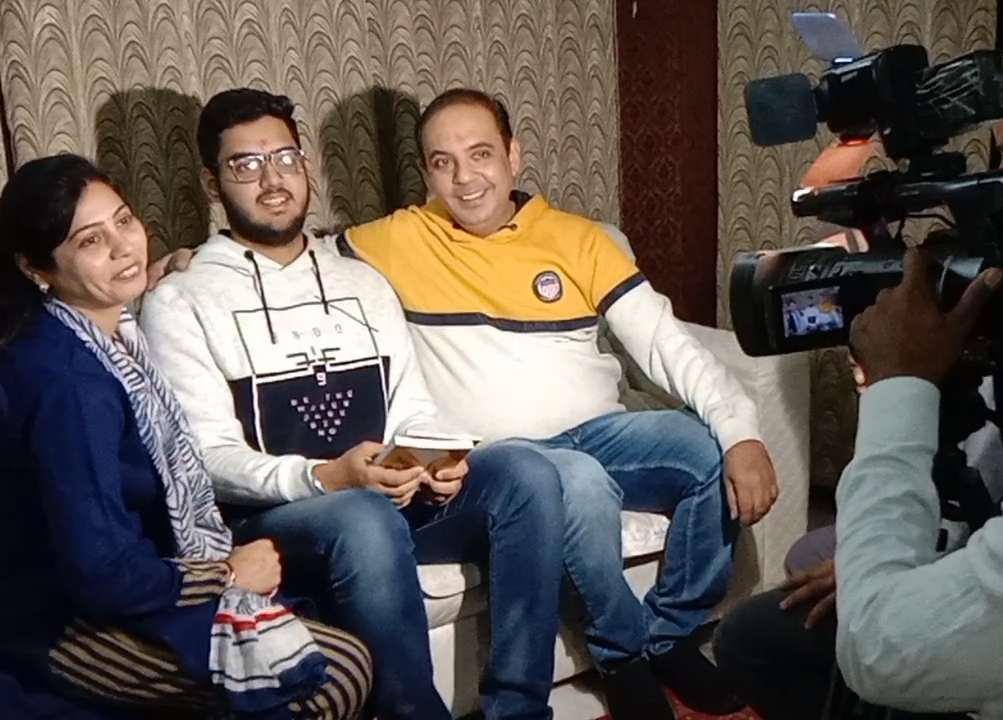
Sahaj Sabharwal’s first book was not that very successful because many were not ready to support me. But again, he continued writing with the same passion and his second book showed some good results. So I would say that it is his passion and zeal to write better and believe in himself which has been the inspiration behind his every write-up. Here is a short interview with this buddy writer from Jammu and Kashmir, India.
1. Tell us more about your background and journey.
I was a student of class seventh when I was in Delhi Public School, Jammu that I first started writing. And with that start, I published my very first book titled, “Poems by Sahaj Sabarwal” at the age of 17. The book is a collection of diverse poems based on the social issues and the life of the youth.
Following that, I published my second book titled “Pedagogical Thoughts Made Facts” at the age of 19, which is again a book containing poetries, thoughts, quotes, stories, and articles aiming for bringing positivity in the lives of readers. Presently, I am pursuing Aeronautical Engineering from Tamil Nadu besides my interests in writing, rapping and blogging.
2. As a young writer, where does your inspiration for writing lie?
During my initial years into writing, I encountered severe, harsh criticisms from others. People were against the idea of a student publishing his own book at such a young age and should rather focus on studies and build a stable career. This is not something pleasant for anyone. I tried to turn such backlashes into an inspiration for me to do something better, something unique. And now I believe it is that feeling which has always inspired me to write and helped me achieve what I have now.
My first book was not that much successful because many were not ready to support me. But again, I continued writing with the same passion and my second book showed some good results. So I would say that it is my passion and zeal to write better and believe in myself which has been the inspiration behind my every write-up.
3. What prompted you to start writing along with your school studies?
When I was small, I wrote a poem for my mother on Mother’s Day. My mom loved it. Everyone was proud that I could write a beautiful poem with deep thoughts at such a young age. I would say it was this small incident that made me recognize my talent in writing. And then I started writing articles and poems, and that poem on my mother is also published in my first book.
4. What is that one cause you care deeply about and why?
It is not quite possible to name just one cause because there are various social issues revolving around youth that need attention from society. There are children getting raped, students attempting suicide, and getting into addictions and these are just to name a few.
The major reason behind these rising issues is the lack of proper education and awareness. Perpetrators do not realise that what they are doing is wrong, and victims usually are not aware of their rights. I would say that looking at these social causes and how youth is getting directly affected by them made me write these books.
5. If one wants to contribute and make a difference in social causes then how do you believe one can do it?
Some might argue that it is the responsibility of the government to make laws and prevent such issues. But, in reality, it is all in the hands of we individuals.
We can all contribute at our individual level, to our best capacity, and make small efforts to create a difference. For instance, I have been writing poems, articles, blogs, and rap songs, all based on social issues and with the aim to create awareness among people. Similarly, all of us can contribute in our way and, I believe, even the tiniest bit of contribution from someone can help.
We can take steps from educating at a larger scale to educating our family members at home. We can do social media campaigns and drives because, in this digital era, social media is a very powerful tool to create awareness. It might not always be quite successful, we might not be able to teach a large number of people. Just with hard work for years with God’s grace I am having around twelve thousand plus followers on instagram, thousands of followers on facebook, around a thousand on twitter and one thousand plus subscribers on youtube. It was not easy at all. In my childhood when I got motivated from successful personalities like Ronaldo and others, I was wondering to get just one hundred followers on instagram then when I reached there by posting good content then my next goal was to reach thousand then ten thousand and now I have goal to achieve blue tick ( verified creator ) as well as lakhs of followers. The hunger to achieve something will never end and should never end to continue to break my own records. I got that much inspired that how much successful people worked to reach from black coal to a unique and beautiful diamond. But even if one person benefits from it, then, I believe, it is quite a success and we thrive to achieve more.
6. Who is your role model and why?
We, as social animals, live in and learn from society. Our ideas and beliefs get socialized, which might be good while also bad at times. I consider society as my role model because it is from society that I learned everything and also continue to learn.
I write on social causes and strive to make society better. The people surrounding us, each with their unique talent and charisma, motivate us to do better. So, I would say that society is my perfect teacher and also a perfect friend.
Biography –
Sahaj Sabharwal, a young writer, and an author was born on 17th March 2002. He lives in Jammu city, Jammu, and Kashmir, India. He has completed his schooling from Dps Jammu as a Non-Medical student. Now he is a student of Aeronautical Engineering. His hobbies include writing thoughts, listening to music, discovering new things, exploring the world, and writing and singing rap songs to mention but a few. He has been awarded many awards in poetry writing at the State level, National level, and International level.
He mostly writes motivational thoughts and on topics related to social issues for spreading awareness among the people. His writings are regularly published in many newspapers, magazines, websites, anthologies, and other media platforms.
According to him,
” Be you, no need to update your view on society’s new view “
His aim in life is to invent/discover something new as a Scientist or Researcher. He wants to do something new, which is done by a few. He is an inspiration of his own. He is a successful author of the BOOKS – “Poems By Sahaj Sabharwal” & “Pedagogical Thoughts Made Facts”.
Interview is a give and take of views between the interviewer and the interviewee. It consists of consultation, mutual interchange of opinions and deliberating together. It can be used to get information, to give information and to change behavior. Its purpose thus is three-fold—it involves gathering all available pertinent facts, making a diagnosis on the basis of all the evidence and formulating an appropriate plan of action.
All problems may not be settled in the interview but to be successful, it should lead to some plan of action.
Its aim should be to serve the individual even though the counsellor may do no more than present the facts in a more objective light, thus enabling the student to see himself, his assets, his liabilities and MS Opportunities more clearly than he could see them unaided.
The interview may be used for any of several purposes, but a purpose it must have. It may be introductory, fact finding, informative, evaluative, and therapeutic in nature and its use for any of these purposes should be clearly recognized by the counselling officer and his subject.
What are some of the specific practical questions which are likely to come up for consideration during an interview? There are a great many such questions, of course and they are as varied and as individually color as the interviewee who seeks answers to them.
The student who feels a need to be better informed about his scholastic and vocational prospects may want estimates of his aptitude for college work, his intellectual promise for special fields of training, his disposition to favors or avoid various spheres of activity (vocational interests), and his emotional adjustment tendencies (traits of personality and temperament).
He may wish to consider with his counsellor the questions as whether he should remain in college, how much additional training he should take, what course he should take and whether he should transfer to another institution.
He may decide to ask about the duties and services performed by workers in a particular occupation and about employment requirements and opportunities in that field of work.
There might be some difficulties at home or harassment by other students or he might find difficulty in his adjustment with room-mates in the hostel.
It is obvious there is no simple answer to the question ‘what problems should be discussed in an interview?’
Perhaps the best rule of thumb is that any personal problem that generally concerns the interviewee or any question that bears upon his personal planning and decision making activities is a legitimate matter for interview.
What is a proper counselling topic for one student may not be suitable for another. There are a number of problems of the students—academic, disciplinary, economic, educational, emotional, residential, social, etc. which necessitate the use of this tool. The fact that a student comes to a teacher occasions a meeting and may result into an interview.
Whenever any job opportunity is provided by the employer there are many people who must have shown interest in it and filled up the forms but may be the positions are less than the number of applicants so interview is the next step in which all the selected candidates are called up for further information. They will be asked about their interest , why they are suitable for that position and many other questions . In the interview the employer can see the applicant and find out their response along with their personality. Suppose if there is any employer looking for a candidate who is having the calm personality but if there is no interview how will the employer can evaluate and choose the most appropriate candidate?
Interview is a conversation that takes place between the job applicant and the employer or may be the representative of an employer. This is done to find out whether the applicant is most capable of getting a job or not.
Mostly these interviews involves the face-to-face interactions because a person can lie but their body language cannot. It is the most common method used to evaluate the applicants in order to ensure that the best person is recruited. Interview allows the employer to get into more details about the applicant as they can know how the applicants are replying ,how they are sitting ,how confident they are and some psychologist are also present at the time of interview who can easily find out the personality of a person. So the big question arises if this is so difficult and all aspects are checked up by the employer then how to attend the interview to get hired? We will answer this question by mentioning the following points that you must take care while going for a interview.
IMPORTANT POINTS:
Be on time is the first thing that plays a very important role in creating the image in front of employer. Many people ignore this but if you want to have the image of a managed and a disciplined person always try to reach the interview location before 10 minutes of stated time.
Present yourself smart and dress properly it will not only make you look good but also provide you alot of confidence.
Have an eye contact with the employers when answering the questions it will remark you as a confident person but don’t look at them inappropriately otherwise it will be awkward.
Greet the employer but don’t try to be over friendly with them and dont dont off just stay honest and answer the questions.
Always have a knowledge about the working and history of the company for which you are going for an interview it will show that you have prepared well for it.
Body language must be clearly look out to avoid any stupid actions that can lead to your rejection. Don’t shake your legs and rubb your hands basically these small things will present you as a nervous person and no company want under confident people to work with.
Job Interview is the most crucial phase of a person’s life. It is one step towards your success in life. If you are here, that means you probably applied for a job and now you have got a callback. So don’t worry, you have come to the right place. Here you will find absolutely everything you need to know about preparing for an interview. Once you have made up your mind about the interview, then there’s only one thing you have to take care of, that is, a list of essentials to take with you.
The first step towards preparing for an interview is to make a checklist of all the essential items you have to bring to the interview. Don’t panic. Just take a deep breath and leave this tension on us. We will clear all your doubts and you can go ace your interview. We might need a Thank you note afterwards ! Anyways, the most important thing is your confidence. Then comes your A-game. Other than these there are a few things which are shown below. So to make the employers pleasantly surprised, check out our fully detailed and updated list of what you need to bring to your interview. Come on let’s have a look and dive straight into the main points.
You don’t want to make a fool of yourself if you show up half prepared for your interview. So we are here to help you with that. Here are some items listed below. Use this list to make sure you are fully prepared for your big day.
Folder – There are many documents and papers you need to carry to the interview. So a folder is an organized way to do that. You can store all the necessary documents in the folder. Plus you will have an easy access to your documents when needed.
Copies of your resume – You should carry at least 5 copies of your resume. It will ensure that you have a resume for every employer you meet. Keep them safe, otherwise you’ll lose them. Keep them in the folder so they don’t wrinkle or bend. And it certainly won’t hurt to print a copy to keep for yourself. Would it ?
Copies of your cover letter – Keep at least 5 copies of your cover letter. Bring them in the folder to ensure that they are safe from bending and you have easy access to them. One for you and others for all the employers you meet. It will be helpful, trust us on this one ! It will also be helpful in case one gets misplaced.
Portfolio or your Work samples – Your portfolio is the most crucial and promising step ahead to you securing the job. Your work samples should be neatly maintained and are required to be perfect for the level of the job. The portfolio will be the best option to showcase your talents and what you have achieved in the past. It also helps the employer in finding your true potential and increases your chances of getting the job. The hiring manager always goes for the portfolio first. Keep it in the folder to have easy access to it when needed.
A notepad and a pen – You should absolutely carry a notepad to write down the names, the company’s information and of course to note down what the employer has to say. Maybe try to catch up on the important information you get. But don’t take so many notes that you forget to make eye contact. That will not be a good impression and will show you as incompetent. Make sure to carry more than one pen so you have an extra if one runs out of ink. Don’t forget to first ask for permission from the employer to take notes.
A list of references – Now, even if you are going well with the interview, a list of references will be a good addition to the list of things you need to carry with you. The employer might ask you for references anytime during the interview. So it will be good to be prepared for this hurdle beforehand. Think of all the people who could vouch for you and maybe put in good word for you to the hiring manager. Make sure to include the contact information with the details of your references. But don’t worry if you are not much experienced or don’t have any references to list down. Any former teachers will also make a pretty good reference. Just don’t list down your family members or friends. That will surely be the embarrassing highlight of the day.
A bag or a briefcase – Carry a briefcase so it looks professional and you have a great first impression on the employer. It will help you carry all the items easily to the location. You should organize the items and documents in a proper manner so that they are easily accessible to you when needed. You don’t want to look like you can’t even handle your things. Pages dropping out of your hand will not look good. Now, would it ?
Identification proof or Photo ID – Of course this is a very common thing to remember to take anywhere. Nut we thought it might be beneficial for you to remember to take it with you for your big day ahead. You don’t want to lose a probable job because you forgot your photo id. That would be depressing but don’t stress, we are here to remind you. Taking your identification with you will be good and will look professional. It may also earn you more points on the employers priority list of selection for the job. And plus you might need it to get through the security outside of the building.
Talking points – You might want to add this also to your list. These should basically be the summary of your experience in bullet points. Points will be easy to glance at once before the big meeting. It will also boost your confidence and keep you out of stress. These points can be your specific skills that you might want to put light on in front of the employer. And most importantly your accomplishments should be surely mentioned so that you remember to review them before the meeting and you don’t forget to tell all about them.
Questions for the Hiring Manager – These are the questions for you to ask the hiring manager. Any queries you have regarding the job can be written down on a paper and asked during or after the interview. These questions may also be regarding any company policies you need to clarify about. You can ask about the position you are applying for. But remember, do not ask for the salary details. It might cast a bad light on you in front of the manager. At least wait until he / she brings it up himself / herself. And remember to be specific in your questions and of course, ask in a professional manner to make a good impression. The questions should be valid and easily understandable to the employer. They should be good and relevant enough to make you stand out from the other applicants.
Travel directions to the interview – You should absolutely carry the travel directions to the building you are suppose to go to. You certainly don’t want to get lost in the middle of no where. Do you ? So better carry a print out of the directions to the company building. It will of course be helpful if you are going in a new city for the interview or travelling first time to the area. And getting lost might get you late for the meeting. It could also cost you the chance to work in the company. After all your hard work and preparation, you don’t want to get late because of unexpected delays and interruptions that might get in your way. So it is better to be prepared before hand. And even after planning your schedule 10 – 15 minutes early, you are still running late then you should definitely inform the office or the employer.
Contact information – You should have the contact information of the employer as well as the front desk of the company you are going to. In case you are running late or any other interruption has entered your way, then you can easily get in touch with them and maybe they will understand. But good luck with that ! Mostly the hiring managers don’t consider any issues but you can always hope for better. However, it is better to make sure you reach to the building on time.
Business cards – They may not be necessary but are certainly a good addition to the list. They can be eye catching and helpful for increasing your chances of getting the job. It is only because the hiring manager may find you smart and more experienced if you show a business card. It depicts you as a more professional candidate for the job. They might also be helpful in providing your contact information to the employer. Business cards are just a piece of paper to store your information in a concise form and in a single place.
Well, there are a lot of other things that you need to keep in mind while preparing for an interview. They are not things to carry to the meeting, but rather some personality traits or may we say, a professional persona. Here, come on we will have a look at them.
Positive mind – You need to remind yourself that you have worked so hard for this job and now this is where it all comes comes together. You need to keep a positive mind going into the big meeting. Do not stress or have doubts about the job just before the interview. It can destroy all your hard work that you put into it. You just need some positive vibes around you to keep you all ready to go and ace the interview. Believe in yourself and there it is. You did it. You will get through it with flying colors.
Confidence – Now the next is confidence. Well all of us know that this is the most important and required component of your list. Remember, do not get nervous. Do not get cold feet at the last minute. It will ruin your preparation and afterwards you will feed bad and regret not being confident enough. But of course, you know there is a fine line between being fully mentally prepared and being overconfident. Do not in whatever circumstances, cross that line. More than anything else, being overconfident will surely almost drop your chances of getting the job.
A professional outfit – Your first impression will be taken on how you look. It is very important for you to look absolutely professional. You need to set a work outfit for your big meeting with the employer. A suit with formal shoes and well trimmed hair should be a nice and presentable attire for men. And as for women, a shirt with trousers or maybe work skirts paired with nice pair of heels or shoes. These are just our suggestions for you, but it totally depends on what you have on your mind. Just remember that your outfit should be neat, presentable and properly ironed. You don’t want the employer to see the wrinkles on your shirt peeking out during your interview ! And one more last tip is that wear what you feel comfortable in but also maintaining the theme of a professional attire.
Practice – All of us have heard that ‘Practice makes a person perfect.’ Haven’t we ? So this applies here too. Practice for the interview in advance. Like practice your communication skills. Maybe practice speaking your questions out loud. Check your confidence level too. Practice enough that you don’t regret afterwards. Search for the common interview questions that are mostly asked and practice answering those questions. And lastly, practice arranging and taking out items from your folder without fumbling.
Attitude – This may sound absurd but it’s not what you think. We are not telling you to go to your interview with a snarky attitude. By this we simply mean that you should have a positive attitude when you go in. You should have hope and faith in yourself that you will ace it and get through certainly.
A well prepared mind – A well prepared mind would be the perfect ingredient for a successful interview. You need to be mentally prepared and healthy while going in. Throw out the self doubts and the low self esteem surfacing your thoughts. Make sure you get a good sleep before the big day. Go get the job with a peaceful mind.
Your A-game – This is a must. You need to bring out your A-game for the interview. Be well prepared. Don’t hesitate. And you will ace it.
A good mood – A good mood will give you a fresh start for the big day. And you will go into the interview with a confident persona. You also won’t be impatient or scared.
A convincing smile – As we know a smile is the key to fit in every where. Stride confidently into the room with your perfect smile. It gets the undivided attention of the hiring manager. A smile also makes the best first impression.
Last minute check ups – The above listed things and extras are enough. But you can also check out these small items necessary for unwanted circumstances. Here it is.
Silenced mobile phone – Bring you phone with you but it should be silenced and fully charged. You don’t want to have to be interrupted by a call.
Cash – Some cash should be helpful to bring in any case of emergency.
Research about the company – Do a thorough research about the company and the job you are applying to. Maybe about former employees and about the job requirements along with the rules inside the office.
Breath mints or floss – They will help you maintain a good oral hygiene during the interview and will make you feel clean.
A negative attitude – You don’t want to make a bad first impression. Your negative attitude might do just that. It might put you in a bad light and maybe cost your potential job.
Salary demands – Do not ask about your salary in the interview. It might seem greedy and of course unprofessional. At least not until you are sure of getting the job or the employer brings it up himself / herself.
A companion – Do not at any cost bring yourself a companion. Neither your parents or any guardian, nor any friends. Nobody is needed in the interview room. They might just give you a low confidence because of peer pressure.
Hats or caps – Any type of accessories are not advisable to wear to an interview. They might just be a distraction for the employer during the interview. And in some cases, physical appearance can be a hurdle in the way.
Strong perfume – Wearing strong perfume or cologne in a office might be risky as you never know, someone might have an allergy. It will just add to the distraction.
Food or drinks – You can certainly eat food before or after the interview. You can even celebrate after with some drinks too. But bringing food items inside the building might not be a good idea to impress the employer.
Untidy appearance – Wearing shabby or loose clothes is not a professional work attire. And certainly do not attend the interview with unclean and untidy hair. Again, physical appearance also plays a role in getting you a job.
So, these were the things you need to keep in mind while preparing for your big day. It is a special moment in anyone’s life and you sure don’t want to spoil it. At last we wish you All the Best and hope you come out with flying colors. You enter the room with confidence, and exit it with pride for yourself because you absolutely deserve it. It is important to be aware of what to bring to an interview but it is also necessary to know that what you say during it or the way you act in front of the employer, will have a bigger impact on your chances of getting the job.
Online interviews are now becoming the standard as businesses continue to adapt to grow Due to the extreme extraordinary changes brought about by the COVID-19 epidemic, employers have turned to online interviewing technologies and video conferencing programs like as Zoom, Google Meet, and Skype, among many others, to assess potential employees in a timely and cost-effective fashion.
Appearing for an online interview might be intimidating for several prospective candidates, particularly first-timers. As a result, I’ve compiled a list of some suggestions that will not only enable you put your best foot forward but will also put you on the road to success, even though you might be thousands of miles away.
1. Before you begin, check your devices and wifi service
Remember to test your wifi connection a few hours before your virtual interview to confirm that it is stable. Have such a PC that satisfies all of the technical requirements. Test your webcam, audio, and headset well before the interview as well.A bad internet service results in delayed videos and distorted audio, which could become a deal breaker. As a result, make all required preparations to guarantee that the internet can provide high-quality video.
2. Set the tone and keep interruptions to a minimum
If you struggle with your laptop or alter your posture throughout the interview, the company will have reasons to question your candidacy since you may appear unprepared. To prevent making such an impression, plan ahead of time by selecting a location with adequate illumination. A bare wall in the background will assist you in being the main focus of the dialogue.
Next, aim your camera at or somewhat around eye level for the best possible eye contact. If you don’t have a laptop stand, then set it on top of a stack of books. To prevent seeming washed out, keep the light in front of you. Reduce clutter from the area and clean it up to make it appear more orderly.
3. Dress professionally
Because a virtual interview doesn’t really imply that it is not genuine, be dressed as you might for an in-person interview. Formal wear demonstrates your seriousness about the job and aids in the establishment of a positive connection with your recruiter. Choose professional or business casual clothes, such as button-down shirts and blazers. Furthermore, avoid any bright colours or distracting designs to prevent drawing your interviewer’s focus away from you.
4. Switch off or silence your phone’s notifications
The pre-interview protocol requires (and it should go without saying) that you should switch off your phone alerts before going online. Log out of any social media or messaging platforms that could send notifications to the laptop. Websites with auto-play music or video should be closed.
Lock your windows to block out any sirens or traffic horns. Switch off the television. Well before the online interview, evaluate your surroundings and eliminate any possible interruptions. But, if they occur, don’t be alarmed; instead, accept them with grace.
5. Keep your body language professional
You could express your enthusiasm and confidence via nonverbal communication, such as body language. Retain good body position and establish good eye contact to appear attentive.
Begin with the virtual greeting – say hello and face into the webcam to smile and nod confidently and warmly. According to research, interviewers are much more likely to recall what a prospect said if they keep eye contact throughout the interview. Similarly, whenever the individual has completed speaking, you can use a visual indication such as nodding to indicate that you understood them.
6. Also have backup plan in hand
Whenever a technical error occurs during a video conference, everyone can see. Oftentimes, even after doing all that was possible, a connectivity problem might still arise. As a result, have a fallback option ready just in case the video software fails or the wifi goes down. If the internet goes down on you, you may ask to do a classic telephone interview. Furthermore, if you face technical difficulties such as a stuck video or echoing audio, you could also politely request the interviewer to repeat anything you might have missed.
7. Keep in touch
A timely follow-up might allow you to market yourself and discuss topics you may have missed during the interview. It’s a good gesture to send a brief follow-up email to the recruiter, reinforcing your enthusiasm by thanking them for their time.
“I had a job insurance at an insurance company once, and the lady said, ‘Where do you see yourself in five years?’ I said, ‘Celebrating the fifth year anniversary of you asking me this question.”
Mitch Hedberg
When we say ‘a job’, do we only refer to a task that procures income? If you harbour such a myopic perspective, then it would be difficult for you to ace that interview which almost every individual fears. Sitting on that chair, surrounded by one or more interviewers and then confidently framing creative answers to their easy questions which seem difficult due to our nervousness seems so perilous! The thought of not being selected leaves us confused, nervous, and petrified which is why we cock things up and our tongues start shaking! However, what if I tell you that a job is actually an experience to make you smarter, bolder, and strategic with regards to business which should help you have your very own business in the future? What if instead of fearing the loss of one job, you accept the ideology that there are many fish in the sea and there would be other recruiters who would definitely discern your talent, if not the current ones? Don’t shy away. Show your true self to the interviewers. Be honest and confident. Speak what comes to your mind without worrying about vocabulary! Job interviews see ones capability of handling complex situations creatively which is why, they may whack your nerve and create an intimidating atmosphere. But it is you and your hope in the end that everything happens for good! Perhaps you aren’t hired here because some greater opportunity is awaiting you- this method of thinking will automatically create a confident interviewee and your fear or nervousness would die down. Gradually, those interviewers would seem like friends to you and your tone would embrace honesty! However, there can be a negative part to this thought. Just because you know that other good jobs await you doesn’t mean you would completely lose interest in the current interview and recruiters. This thought is only meant to calm an individual down and encourage him to perform his very best without worrying rejection!
So, what exactly is a job? It is the way you handle people. It is an experience of working amazingly under pressure because mostly, people tend to screw themselves under strict deadlines which isn’t the accurate method of having your own business either. You don’t want your customers to wait for a long long time just because working under pressure isn’t your thing! Thus, a job is not a duty that provides income but an experience that helps one become independent. Yes, urgent need for income may be the reason for that former definition of a job but instead of working for money, one must work for work to get efficient results that bear fruit. Money is a sidelined concept that would keep pouring in with the fantabulous consequences of your efforts!
Reason 1
Now that you are working in that company of your choice after practically nailing the interview with the above given thoughts and creative actions, you suddenly receive a new opportunity that sits incredibly with your qualifications and area of interest. It is the spot where you wouldn’t just work for money. However, doing two jobs simultaneously wouldn’t be possible due to clash in timings which means you may have to give up on the current one. You decide to submit the resignation here and wonder why you ever felt nervous for job interviews in the first place. Jobs keep changing and so do your preferences. However there is yet another interview, that final rendezvous with your boss to explain him the reason behind your resignation. You can’t bluntly state that this job doesn’t fulfill your expectations and area of interest anymore which means creating a suitable excuse that seems appealing and digesting to the recruiter.
You approach his cabin, formally greet him, and ask for a seat to discuss something important. Of course, you don’t begin directly with that departing statement because you want the situation to be under control. Firstly, you give a brief speech regarding your experience with the company and its colleagues, how much you enjoyed and how well your boss behaved. You thank your boss for his co-operation all along and also, for trusting and hiring you. Slowly but steadily, you ask for resignation. However, you don’t reveal directly but gradually that a new job is already out there awaiting you. So, all you say is:
“Firstly, I would like to thank you for hiring and trusting me with this job. I don’t know whether I have worked as per your expectations or not, but I surely have gained profound experience under your guidance. Not to mention, I am lucky to have such co-operative colleagues too who helped me grow. However, I feel that multiple experiences with several other types of people helps one blossom professionally which is why I have decided to look for another job offer wherein a new experience with new set of people would lay new standards to the usual ones in my life. I feel that doing one job offers a single experience which ends up creating a comfort zone from where one refuses to move out, later on. Thus, I want to splash my feet and hands to keep swimming in the pool of jobs! I hope you understand. Thank you once again for the amazing asset of experience! I bade my heartiest farewell and a sincere apology for this sudden decision.”
Reason 2
However, what if the new job offer you received, not only fulfills your area of interest but also provides a higher salary than the one you currently are in? The reason to leave should be as follows:
‘Thank you for trusting and hiring me sir. I have worked very hard for this company considering it close to my heart. I have also gained immense experience in this field with your support. However, I feel that with time, the difficulty level of work must increase to check on the capability of an individual and to escalate his adeptness in handling complex situations which is why, I have applied for a harder job in the same sector making me bid adieu to this company. I say this with a heavy heart but I really want to thank you for giving me a platform to showcase my talents. Of course, this isn’t a beginner’s job in the absolute sense but I definitely accrued considerable experience with you to work with my dream sector that demands more services and experiences. Thanking you once again along with a heartfelt apology.” (Handing the resignation letter)
Reason 3
What if there are certain personal reasons like your close one’s terminal illness? Here, you can reveal the reason directly since you aren’t disregarding the company with a genuine misery which anybody would understand. Reason could be as follows:
“Hello sir, I would like to thank you for hiring and trusting me with this job. This has always been my dream job and I definitely am enjoying it here. However, due to my mother’s sudden terminal illness I am forced to leave this job since handling the house chores and other responsibilities isn’t quite easy for my dad and aging grandma. If work from home would be possible, then I am eager to continue with this job. Thank you once again for your respect, admiration, and jaw dropping co-operation which really helped me improve.”
Reason 4
What if the travelling expense is huge due to the working distance? Frame a reason as follows:
“Working here has been a fantastic experience. Everyone’s a family here encouraging the other to bloom. I find myself grateful to have worked with this company. However, I helplessly am forced to take the decision of leaving this precious job though I would love to keep working here forever! Due to the working distance, I had been staying at a rented apartment right opposite to this building. But relations with the landlord have unfortunately deteriorated which meant me, evacuating that house. There are no other rental apartments near the office, neither am I ready to live as a paying guest. Thus, I have to return home and the travelling distance daily wouldn’t be affordable. Thus with a heavy heart and a genuine apology, I bade farewell. I remain thankful to you for showering me with loads of precious experiences and memories.”
Reason 5
You were working efficiently in a company until the pandemic arrived and made work from home a priority. You are happy working at home too but someone from your family is inflicted by the virus which is making it difficult for you to concentrate on your work since your loved one and his life matters the most. Thus, you decide to resign because one can’t possibly ask for a month’s leave! Since the use of online medium becomes mandatory now, you don’t directly message your boss on Whatsapp to seem casual. Instead, prefer emailing to do the same. Compose a formal email even if you are on friendly terms with your boss because one can’t ignore that employer-employee relationship which demands a decorum. You give the reason as follows:
“Greetings,
Thank you for hiring and trusting me with the responsibilities of this company. Working can’t be more exciting here. However, a jolting situation is forcing me to give up. One of our family members has been inflicted by the deadly virus thereby creating a chaotic situation at home. Of course, I am mentally disturbed with trauma and aren’t able to concentrate on the tasks provided. I don’t wish to compromise with the efficiency and quality of my work and have thus, arrived at the conclusion of demanding a resignation. I understand it to be a harsh move but my mind just wouldn’t remain stable and the responsibilities at home are being shared by all with the absence of one important member. Acknowledging the current situation, I thus want to bid farewell not without thanking you and providing a genuine apology! Below, you will find attached the resignation letter.
Regards,
XYZ”
Reason 6
There are certain other cases though where the boss doesn’t seem motivating or berates, demeans, and pressurizes you into working more than usual. Thus one fine day, the pressure cooker bursts and you decide to quit once and for all because as stated earlier, you don’t have to face sheer domination when there are plenty of fish in the sea. Work with dignity and respect because employees are assets without whom no company can touch the acme of success. You, as an employee are special and must therefore have the courage to free yourself from such demonic clutches and choose the ones who value you. If you are highly talented then there is no stepping back. You don’t have to adjust with the current working environments because your creative determination would definitely fetch you a new platform. This was just a brief note for all the employees who feel that they wouldn’t find a new job and keep tolerating the worst working conditions. Please believe and value yourself. Don’t surrender your honour to a cruel boss and then blame yourself to have a cruel fate. You design your fate so make sure, you choose the right people in it!
Getting back to what reason you would cite to get rid of such a menacing and mentally abusing job. Of course, this too can’t be revealed directly. You have to strategically plan your way out. Most of the people in such situations use any possible excuse, be it a lie. Of course, it has to be a professional lie so that your evil boss falls for it. But if you choose honesty, then your answer needs to be creative and persuasive. One may frame it as follows:
“Hello sir. I have been working since quite a long time and have enjoyed the job. However, I feel demotivated and am experiencing mental trauma because of which I wish to resign. I don’t want to compromise with the efficiency of my work and infuriate you later. In short, I need a break to gather myself. I need some family love to overcome mental instability. If need be, I might visit a psychiatrist to maintain sanity. Of course, you wouldn’t want a sick employee tarnishing your reputation because of stupid errors coming up in major projects. Before you fire me because of company losses, I choose to back off. Thank you for this opportunity and I apologize for this sudden breakdown.”
In short, make sure you include the company losses he would incur with your illness to convince him into expelling you because the meanest of bosses would never want their company to shatter.
Reason 7
At times, people end up quitting due to colleague discomfort. Some colleagues are jealous and thus, try creating hurdles in your work and at a point, you have had enough of it. You decide to give up and look for a comfortable spot that shares a friendly environment. Also, some colleagues are dominant and force you to work for them or perhaps, you are lonely and not a single colleague has extended the hand of friendship towards you which has really made work an uphill task for you. Good colleagues, happy environment, understanding boss, a motivating bond between the staff, and punctual paychecks are essential aspects that inspire you to work harder. But if a certain company is making you compromise with either of these aspects then it will be best to look for other options! Though you may not get that perfect environment everywhere, look for happy atmosphere with a successful group of friends who actuate and act as role models to help you flourish.
What reason would you cite to leave? Create it as follows:
“Greetings sir. I have always appreciated your versatile manner of handling important projects effectively. You have inspired me to put in not just massive but quality efforts that guarantee fruit. However, I’m afraid I don’t find the same inspiration from my colleagues. I feel that for employees to succeed, a correct set of co-workers is necessary along with an understanding boss because colleagues have the opportunity to learn from each other’s mistakes which can be considered a step towards excellence. Sadly, the atmosphere here doesn’t seem boosting but gloomy because no employee wants to share their views with the other. Friendships are few and far between and the colleagues are almost always like robots burying their heads in laptops. Though the job is quite interesting and has been my deep rooted preference, I am not receiving that amiable nudge to keep going. I don’t receive a few feedbacks from my colleagues neither do they ask for any. This isn’t accurate and would only limit us to single or absolute perspectives hindering our growth. You may say that co-workers don’t matter but they do, with regards to learning something new since every new individual carries some unique perspective which may trigger an amazing idea in the other. In short, sparse interaction between colleagues is making me arrive at the only available option- resignation! Thank you once again for being an amazing boss. I sincerely apologize for this harsh decision but I really need a happy environment to maintain sanity and fetch better results. Please accept my resignation.”
To summarize, the only way to ask for resignations is to emphasize the philosophical aspects as to why you are uncomfortable with that particular environment. Secondly, you highlight the losses that the company would suffer because of your instability and of course, you end on a happy note stating that you enjoyed the work and due to that particular cause are ‘forced’ to take such a step or that you need a ‘break’ so that your boss doesn’t feel offended. You must remember to formally converse with your boss because somewhere in the core of your heart, you’ve got to respect him for hiring you in the first place, even if he is evil. After all, you have definitely been paid and trusted. Taking such points into consideration, you should frame formal speeches.
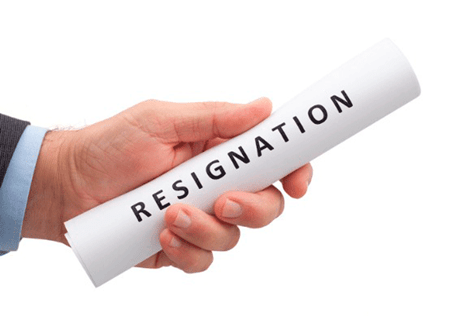
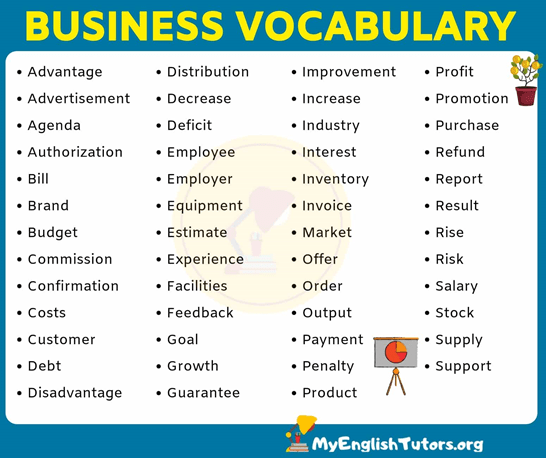
Also, using business words is essential to sound professional because you aren’t speaking to a friend! For instance, there is a huge difference between the words ‘Resignation’ and ‘Leave’ in business dictionary. ‘Resignation’ means to leave permanently while ‘a Leave’ means to temporarily cease work due to personal reasons. Thus, business English can be complex and isn’t the same as normal English. Thus, when you speak to interviewers for the first time, ensure that you have completed a course in Business English communication skills to sound impressive. As seen in the responses above, I have made use of professional and mature reasons to seem convincing.
If you choose to speak as, “Hi sir. My mom is sick and I have to tend to her. Thus, I am quitting urgently.” This not only makes you sound unprofessional but also as a liar even though you are genuine. That’s exactly why, the choice of words matters a lot. The way you interact, the serious expression you pull, and the creative philosophical reasons you provide make you look professional and genuine. Thus, one must focus on creating a grand impression on the CEO with words, sounding sweet as honey but camouflaging the harsh reality thereby cooling the situation down.
Quick Reference that could help
Thus, I would conclude stating that resignations need to be extremely formal because you don’t want to upset your boss by directly asking for it. That’s exactly why, you begin with a few consoling words to form a brief speech to engage your boss, then cite the problems you have been encountering, and gradually move towards the resignation part. During such a process, there is a possibility of receiving some solutions from your boss who could help eliminate them and if that’s the case, you wouldn’t want to quit. Be professional, be respectful, think about others, frame a formal speech, and reflect deeply over your choice of words!
Ever imagined reading someone’s mind? Well you can do that once you go through the wonderful experience of learning effective communication. Yes, a simple yet complicated study of human behaviour, attitude, personality can be very well assessed through communication. Maybe you feel it absurd talking about communication since it’s a very typical thing we all inhibit as we grow. But, Let me correct you. It’s an art to communicate EFFECTIVELY.
Communication not only means speaking and listening. It’s more about how you present yourself while speaking and how you behave while listening.
It creates an impact on the person you are communicating with. Suppose you have a business meeting going on and you are wearing your pyjamas while presenting your COMPANY. The clients will lose interest on first sight since your clothes are speaking about you . And what if you go to a night club wearing formals, all eyes will be on you. Not because you look attractive, but you went the wrong place, they will think. Of course clubs welcome party wears! Every place has its own demand, you see. It is essential to get into what the situation demands of you.
For an effective communicator, you have to be a good speaker as well as a good listener. You should be able to ADMINISTER one’s thoughts. We will soon return to this point after learning few basics.
Now, When you are in a formal set up, you should know what your business requires you to be like. In a textile business you should have knowledge of cloth materials while in a transport business you should be aware of the routes where your business is operative. The basic motive behind KNOWING YOUR BUSINESS is that it allows you to interact with your clients, employees, suppliers, in a better way. The basic know-how plays an important role in deciding investment plans, employee- pay, expansion and likewise for the company. Similarly if you are an employee/employer of the company, you should be aware of the current trends and evolutions that may bother your business. Actions are to be taken accordingly. Each and every person concerned should be active in terms of knowledge. When you will go for an interview with no idea of what the company offers, the rejection happens before the communication. It is like hitting hammer on your own legs. Not only it creates negative impact about you but also there are chances of you being tricked by people. They may hire you for irrelevant or undesirable work without you knowing an inch about it. Such cases do exist!
However, Being knowledgeable is not sufficient to interact. You should follow the basic etiquettes of a business.
After making a formal appearance, Your body language while presenting matters a lot.
Body language shows how confident you are and what determination you have to turn the world around. Your behaviour should be active and not like the one of a procrastinator. Organisations employ or contract with only those who have the stamina to do something for their welfare. No one recognises a lethargic and frustrated person. You should be a solution provider for their problems and not a problem yourself.
Good posture and attentive behaviour are the ideology to get attraction towards you.
A smile on the face, tight hand shakes, confident walk
These attributes relate to interviews but apply to all businesses where companies deal with the clients on a daily basis. A serious look is not advisable as much a happy face while dealing formally. Weak hand shakes signal the low confidence level of a person. Similar is the case of walking manner. Remember, you are being judged throughout. Nothing gets ignored when it comes to formal interactions.
There are more of such signals that show your nervousness. While shaking hands, if your hands are getting cold, the interviewer will know it and such observations may affect your selections for jobs having specific demands.
Another example can be your movements. If you are clicking a pen while waiting for your turn in the interview or you are changing your postures very often or clicking your fingers; all of these give a direct impression in the interviewers head. Here, your behaviour speaks about you.
On the contrary, if you are too loud while speaking or too frank/cheerful/excited while interacting with that person of authority, it shows your over confidence or other such attitude as may be undesirable for the post you are being interviewed for. Formal set ups admire moderate personality employees-neither too loud in their behaviour nor too lazy.
Having discussed the basics, we now come to the most important and the final stage of our discussion – Administering the thought process
Now that you know the dressing sense, body language and awareness (knowledge) required for effective communication in formal set ups, we now learn how to read the mind of the individual we are interacting with. It is quite a simple task which comes with experience. Ever imagined how such big organisations manage time to interview a number of applicants ? They are the mind readers. They excel at knowing your personality via your thought process. You are asked questions that reflect you. Your way of speech and your answers decide if you are suitable. This is why interviews are often quick as they read you through your words and expressions.
But what does this has for you? You also can read them up. As humans, we interact and communicate on a daily basis. What you need is work upon it. Make your every interaction effective by being attentive and presentable. You will come up with more ideas to communicate through practice. You should be clear in your speech and responsive to others‘. Give time to others’ complete their point and make place for your words on the same hand. This way you get better at understanding point of views.
Through more such assessments you will become able to grasp ideas before people speak up. You will know what the interviewer is going to ask about. Yes, it happens! You too will start to get an idea of the thought process of a person and analyse his personality. These signals are hard to trace in formal set ups, that is why it comes with experience…















 Eduindex News
You must be logged in to post a comment.