Currently, Rajasthan govt released an amendment “Rajasthan compulsory Registration of Marriage Amendment Bill 2021” it allowed registration of child marriages, it’s 21 century and we all are aware of how heinous child marriage is, here are some of my views on this act
In my views law is not wrong Those who commit or help in child marriage will still be punished, but those who already had marriage were not allowed to have registration and so they were not able to avail all govt schemes and benefits, those saying it will make it easier to do child marriage remember availing govt benefits are everyones fundamental rights.
Those saying it’s illegal look it like this rape is illegal but rape victim and culprit both have some rights that we can’t snatch, like culprit must be allowed to go court etc, ofcourse child marriage is as heinous as rape and here victims are both boy and girl but why they suffer whole life for it, they can’t get rashion, jobs, water, now as everything is more and more digitalizing and you can’t prove you’re married, it will become more hard to avail services like jacha bacha Suraksha and this are thee parents who most need it.
Also one negative point is it will make child marriage easier, but many people will not be able to avail fundamental rights isn’t it totally wrong also we can make child marriage hard by making strong rules. As we have data of child marriage we can ask govt employee who are posted there why they let it happen like police or magistrate, they will become more accountable this way.
If I’m missing some points or you want to share your views here’s my email soni362002@gmail.com
Hobbies are very common. Everyone have their own priorities and likes regarding the hobbies. My hobby is listening to the music.
Listening to songs is such a nice thing. Every individual starts listening to the songs when he or she is addicted to them and really cannot come out of it. The music the songs will change the mood of the person. The songs in the musical interrelated with the human beings.
It is so important to prioritize the positive things in and around us in the life. One of the positive things is the music. Music makes Man convertible. Whatever the situation may be, it it helps the individual to come out of the situation and also to move one and into a new situation. The music you listen motivates life. The lyrics in this song will motivate the individual and help the individual at anytime.
It is very important for an individual to prioritize the music and the songs in the life. Because the songs or the music helps the individual to feel stress-free. It also helps the individual to relieve the tension and all the depression he or she had.
Music is described for every emotion. Every emotion is described in its own way in mmusic. Every emotion is clearly explained by the respected song.
Hobbies can often also be very expensive. Luckily, there are still lots of cheap and even free hobbies that are fun, educational and rewarding.
Here some of fun and low-cost hobbies
DIY : Buy a book on DIY and start on anything that needs fixing around your house, make your own clothes or give your friends self-made presents.
WRITE A THEMED LIST, AND WORK THROUGH IT : Make a list of things you want to do or see. It could be anything from films you want to watch to local places you want to visit. Try to work through your list in a month.
WATCH ONLINE DOCUMENTARIES :
You can find lots of free documentaries on the websites of Tv channels, or even on youtube covering hundreds of subjects, such a history or the ocean. You could also finally watch your favourite actor’s ,author’s or musician’s biography.
LEARN NEW THINGS : Educating yourself doesn’t have to be boring. What are you passionate about? It could be science , the oceams or even horror films. Google your interests and become a knowledgeable as you can about your passions.
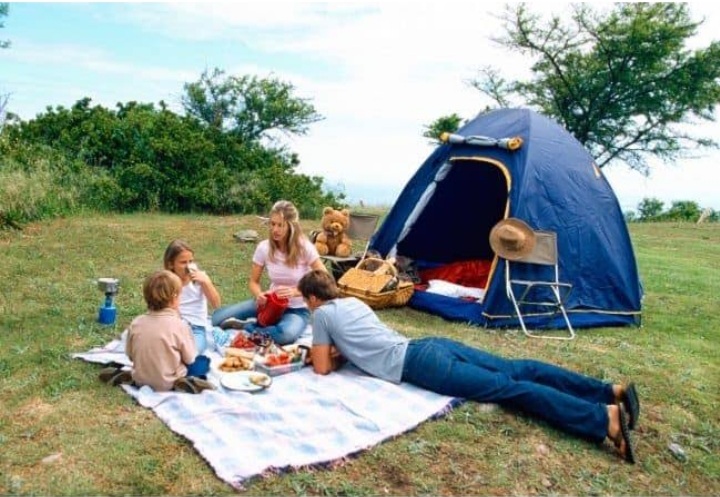
GO CAMPING :
Try going caming with your friends during the weekend. All you need is a tent, some snacks, and drinks. If you dont live near woods or a forest, you can even try camping in your back garden.
DISCOVER NEW MUSIC :
Look for new music on music websites or youtube or spotify by searching for your favouirte genre. You could find a band you love.
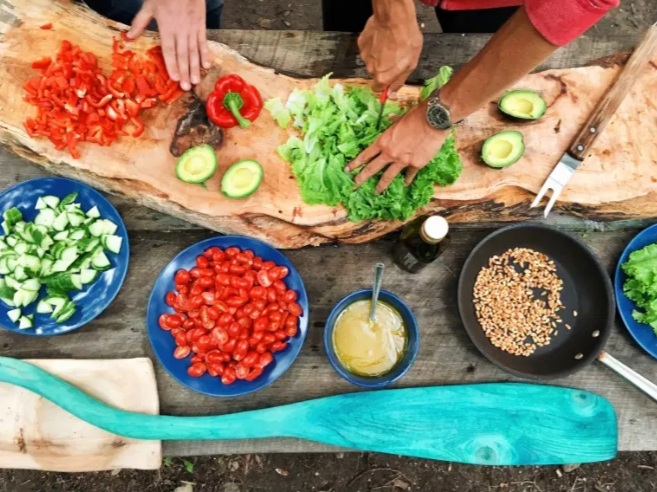
LEARN HOW TO COOK :
cooking is a useful life skill as well as a fun way to spebd your time. Invest in cheap ingredients and learn how to cook all of your favourite meals.
TRY DRAWING :
Drwaing is a really enjoyable way of expressing yourself. There are lots of different ways to draw, from painting to sketchibg to doodling, so choose one you are comfortable with and give it a go!
START INVESTING :
Investing is a great way to earn some extra money, just make sure you do your research properly when you first start.you don’t have to invest large sums, but small ones will be just as rewaeding if you have a plan.
WRITING :
Writing is one of the chepest ways to have fun. From blogging to trying your hand on a book, there are lots of different ways to enjoy writing. All you need is a pencil and paper to get started.PLAYING CARDS : Invite some friends over , and get a pack of cards. There are hundreds of different games. You can play with cards and a pack is fairly cheap.
LEARN TO DANCE :
This hobby is great for your body and enjoyable pastime. Use youtube vidros and tutorials to teach yourself new dance moves.
READING :
Reading is a great way to exercise your mind.you can choose to lose yourself in a fictional world, learn more about your own world, or read the autobiography of someone you adimre. If you decide to pick reading up as a hobby, consider getting a library card for your local library.
Remember , the secret of life, happiness and fulfillment is simple: ” Find three hobbies you love: one to make you money, one to keep you in shape, abd one to be creative” .
Being a part of a mixed economy , where politics tend to exploit the peace between different religions and so on …….. .
“India was the motherland of our race, and Sanskrit the mother of Europe’s languages: she was the mother of our philosophy; mother, through the Arabs, of much of our mathematics; mother, through the Buddha, of the ideals embodied in Christianity; mother, through the village community, of self-government and democracy. Mother India is in many ways the mother of us all.”
Will Durant, American historian
And now you want to know why I am being so dramatic over such things . Well , if you want to know than start reading the editorial .
Introduction
Indians say it is important to respect all religions, but major religious groups see little in common and want to live separately
More than 70 years after India became free from colonial rule, Indians generally feel their country has lived up to one of its post-independence ideals: a society where followers of many religions can live and practice freely.
Religion has historically influenced Indian society on a political, cultural and economic level. There is a sense of pride associated with the country’s rich religious history as the traditions of Hinduism, Buddhism, Sikhism and Jainism all emerged out of India. Moreover, while a majority of people in India identify as Hindu (79.8%), the medley of religions that exist within the country continually impact contemporary society.
Census
The 2011 Indian census indicated that 79.8% of Indians identified as Hindu, 14.2% identified as Muslim and 2.3% identified as Christian. A further 1.7% of the population identified as Sikh, 0.7% identified as Buddhist and 0.37% identified as Jain. Due to the massive population size of India, religious minorities still represent a significant number of people. For example, although only 0.37% of India may identify with Jainism, that still equates to over 4 million people. While not all religions in India can be discussed in detail, the following provides an overview of the major religions in the country as well as sizable religions that originated in India.
Social beliefs
“India has two million gods and worships them all. In religion all other countries are paupers; India is the only millionaire.”
Mark Twain
Karma, Acceptance and Personal Choice . Many Indians tend to have a sense of acceptance towards one’s life position or a belief that, due to actions in one’s past life, good or bad personal circumstances are deserved. This attitude partly stems from religious ideas such as ‘karma’ (the idea that one’s actions will affect their current or future life) and ‘samsara’ (the cycle of rebirth).
The interplay of these social, cultural and religious factors allows people to be accepting of life events and trajectories. However, this is not to be interpreted as Indians being unwilling to take responsibility for life circumstances. Many often contemplate how their actions may impact their future and make decisions accordingly. Some of India’s youth are challenging a fatalistic perspective by asserting their free will to choose their vocation, spouse and other life factors. Indeed, as social mobility becomes more common, there is a growing belief that one can change their circumstances.
It’s Role
Religion plays a major role in the Indian way of life. Rituals, worship, and other religious activities are very prominent in an individual’s daily life; it is also a principal organizer of social life. The degree of religiosity varies amongst individuals; in recent decades, religious orthodoxy and observances have become less common in Indian society, particularly amongst young urban-dwellers. As of the politics , they play with religion , people’s belief and with their trust .
In its counterparts as public law , it widely known as “the law of sea “. It also called Admiralty law. the process of carrying goods through sea, rules concerning protection and maintenance of ships at sea, registration and damage to ships, marine insurance etc. , is covered under maritime laws .
As india is surrounded by water from the three sides , it created nature condition for Marin trade after the water territorial trade started.
Legislations prior to Independence : maritime laws in India were governed under the British government. There are some of the regulations which deal with various aspects of maritime in India.
Coasting Vessels Act, 1838
Indian Registration of Ships Act, 1841,
Admiralty Offences (Colonial) Act, 1849
Inland Steam Vessels Act, 1917
Indian Ports Act, 1908
Control of Shipping Act, 1947
Legislations after independence : after the independence sea laws mostly governed under article 297 of the constitution. And there are different lex on waters, continental shelf, EEZ and other maritime zones.
Some of the acts are there , for maritimes affairs . This are
The Merchant Shipping Act, 1958
The Admiralty (Jurisdiction and Settlement of Maritime Claims) Act, 2017.
Article 297 of the constitution
Marines crimes , are frequent offenses which have been committing in sea . There are some marine offences mentioned below –
Maritime Piracy
Smuggling Exotic plants and animals
Unauthorized entry
Illegal Carrying of Weapons and artillery
Maritime Drug trafficking
Maritime Human Trafficking
Discharging in Ocean Waters
Sailing or fishing in unauthorized areas–
Tax evasion
Maritime piracy is an illegal act of violence, detention or destruction against a ship , on person or property, for private purposes, by the crew or passengers of a private ship . Piracy also includes inciting and intentionally facilitating such acts of violence, and voluntarily participating in the operation of a pirate ship . Pushiment for piracy is prescribed in anti maritime piracy bill 2019 , that is (i) life imprisonment ; or (ii) death , if the act of piracy is caused or seek to cause death.
Smuggling Exotic plants and animals : For a ship without authorization, its illegal to do Smuggling of exotic plants and animals for wildlife smuggling. This is because wildlife smuggling involves the isolation of plants and animals. When they arrived at the destination, they may not be able to adapt to the new place. Animals may also cause vulnerable diseases in people. And it may also leads to the serious illness or death of animals . To smuggle Endangered Species of Wild Fauna and Flora , is crime in maritime law.
Unauthorized entry : the ship must seek permission from government of that nation , For entry in a nation’s marine boundary . Sailing on that nation’s waters without a permission is a maritime crime and punishable in all countries. And a person who illegally and secretly boards and hides in to the ship, without the consent of ship owner and master, to travel into international waters to reach some other country without any monitory payment and legal documents , is known as stowaway.
Illegal Carrying of Weapons and Artillery : to carry weapons and artillery, throughout the water territory of any country , which is not legally bonded , is a martime offence .Goods which are sensitive in nature can be transported by specific ships only . Bringing in weapons on a ship, is not authorized , it is a punishable offense.
MaritimeDrug trafficking : maritime drug trafficking means transportation of illegal drugs produced in this region to global consumer markets through using ships . To sell drug, is illegal in itself and trafficking of it become more severe offence .
Maritime Human Trafficking : maritime Human Trafficking involves the use of force, fraud, or coercion to obtain some type of labor or commercial sex act , through exporting victim in other country vie ships .
Discharging in Ocean Waters : it refers to the sewage discharge done by the vessels and ships in the water territory of any nation . Marine pollution is a serious issue and almost all countries have strict policies against ships discharging sewage or oil into their coastal waters.
Sailing or fishing in unauthorized areas : it’s an offence to do sailing in an areas of water territory where the sailing or fishing is not allowed .
Tax evasion : ship owners trying to evade taxes through false documentation or incorrect representation of cargo material have been increasing rapidly, posing a threat to maritime security. It’s a white collar crime.
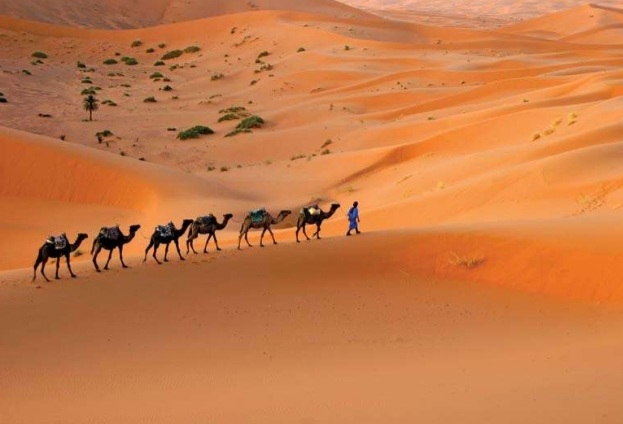
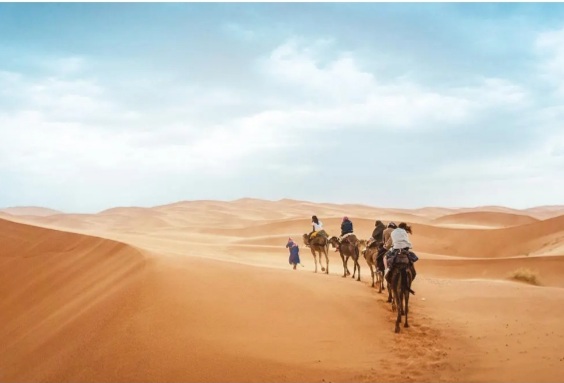
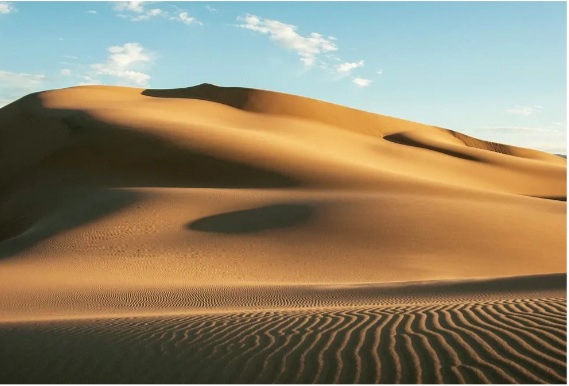
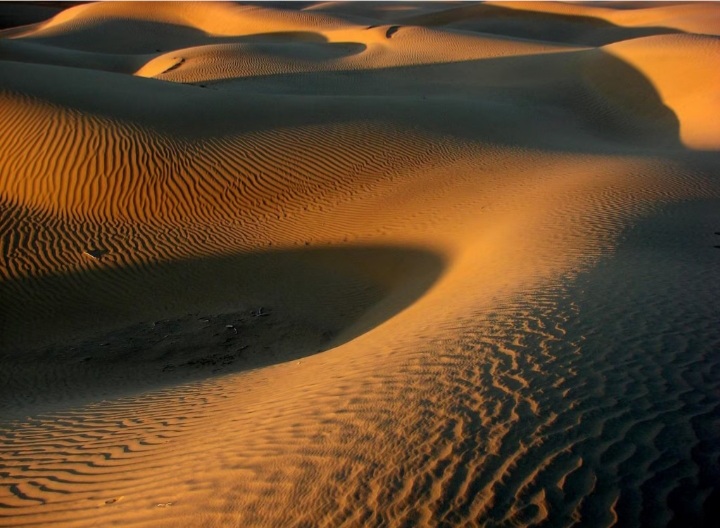
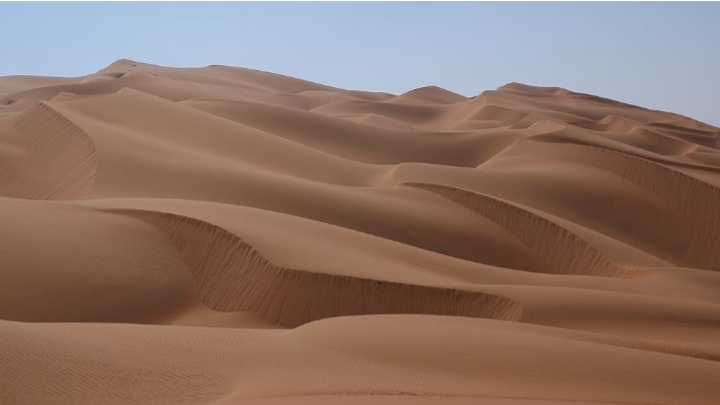
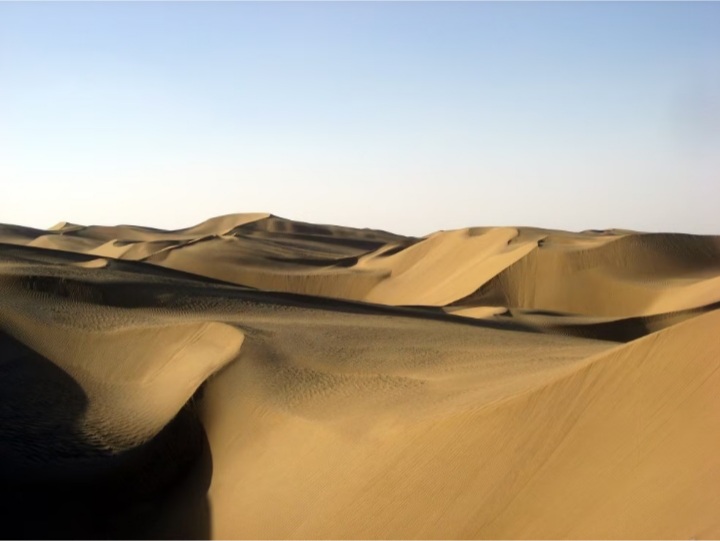
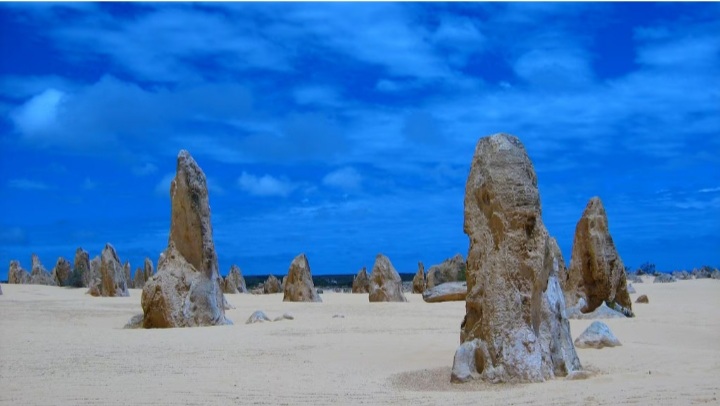
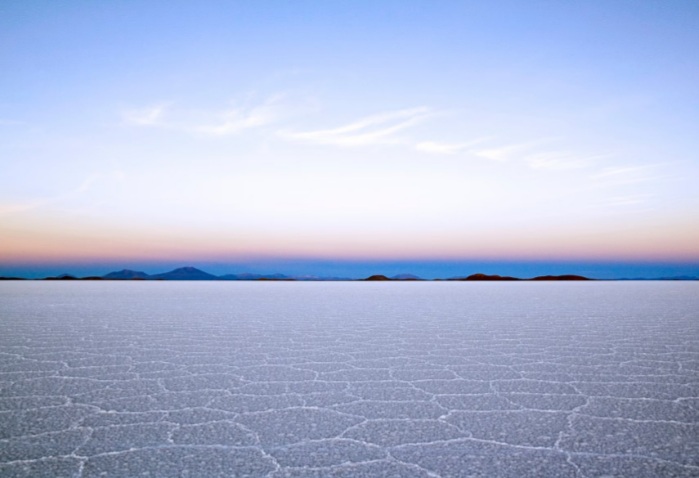
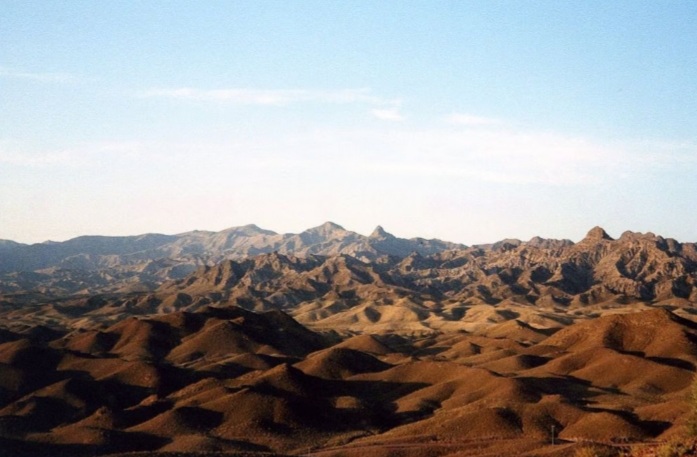
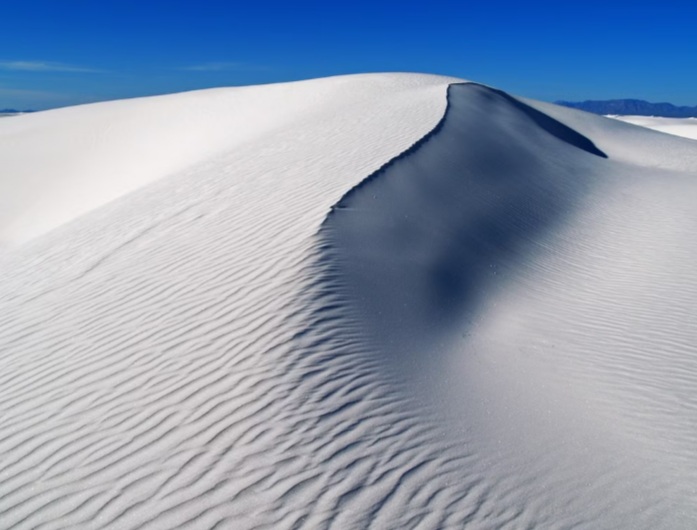
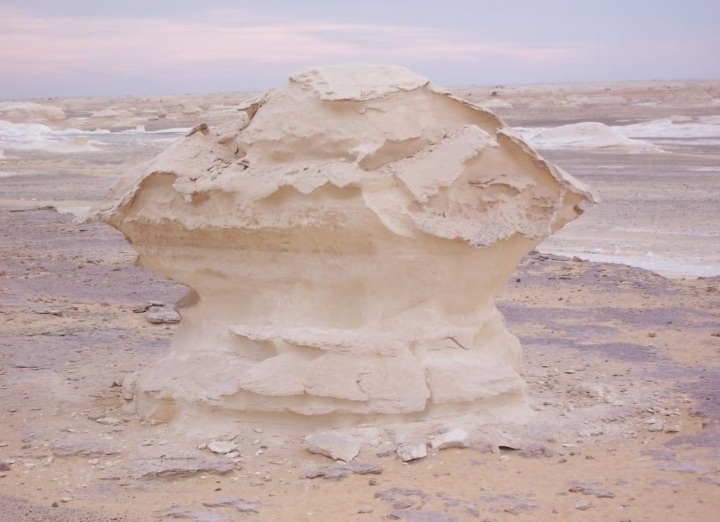
In the world we find varied geographical regions which includes mountains, plains, deserts, plateaus all with their own physical features. Desert is basically a piece of barren land which is filled with sand and lacks water bodies and have dry weather all along. In day time deserts are extremely heated up and at night it becomes chilling cold at the same place. In the Indian subcontinent we find desert in the western part of the subcontinent in the state of Rajasthan.
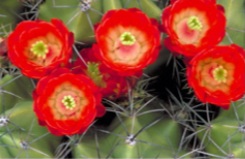
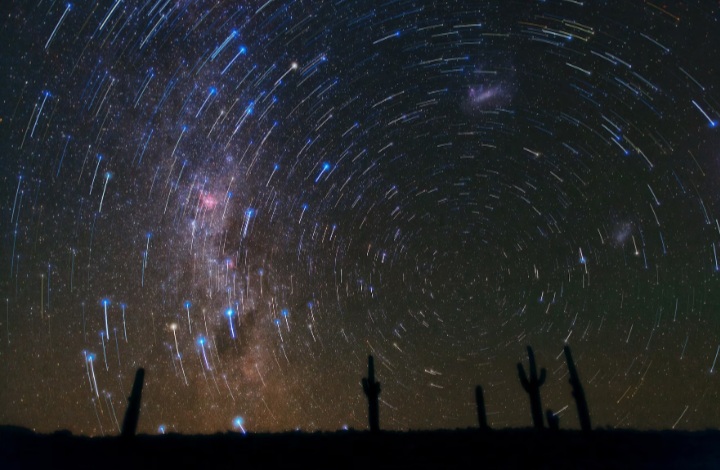
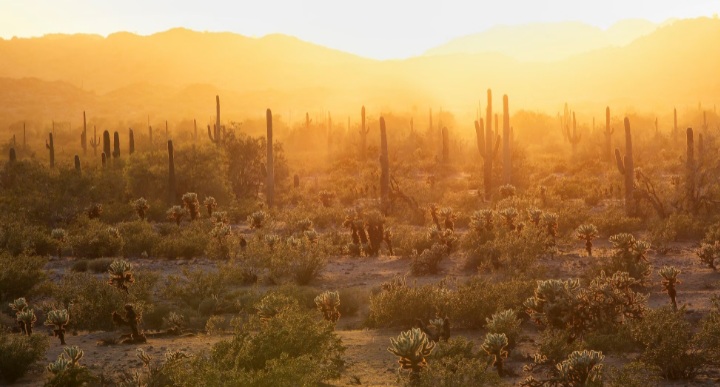
The animals and plants in the deserts have their own adaptations, among plants we find a variety of cactus, cactus plants have special adaptations to survive in the desert, they have fleshy stem which holds water in them which turns out to be useful when there is scarcity of water also they have very long roots which can penetrate deep inside the soil in search of water also they don’t have leaves and have thorns in place of them in cactus the food is prepared in the step as it contains chlorophyll and is green in color. Also, we find camel in desert their feet have adaptation to walk on the sand also they can survive with less water and they have long eyelashes to protect their eyes from dust storms.
Types of Deserts :
1. Coastal Deserts :
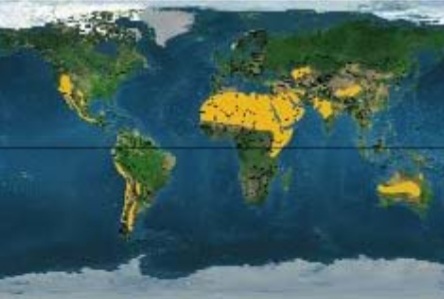
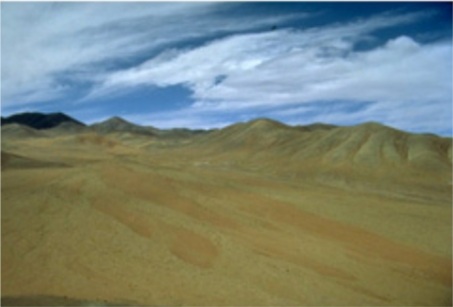
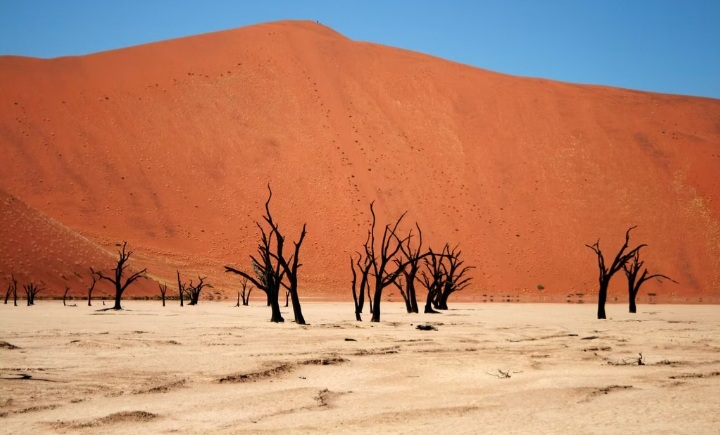
Coastal deserts occur in cool to warm areas along the coast. They have cool winters and long, warm summers. Coastal deserts are located on the west coasts of continents between 20° to 30° lattitude. Winds off the coast blows in an easterly pattern and prevents the moisture from moving onto the land. The Namib desert in Africa and the Atacama desert in chile are coastal deserts.
2. Subtropical Deserts :
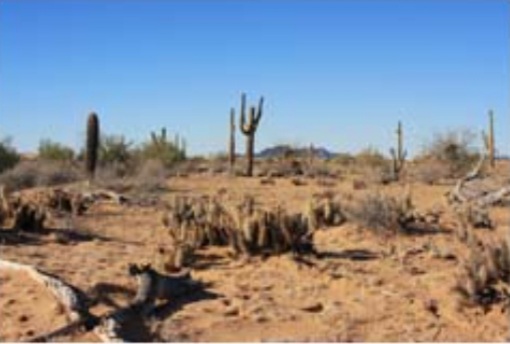
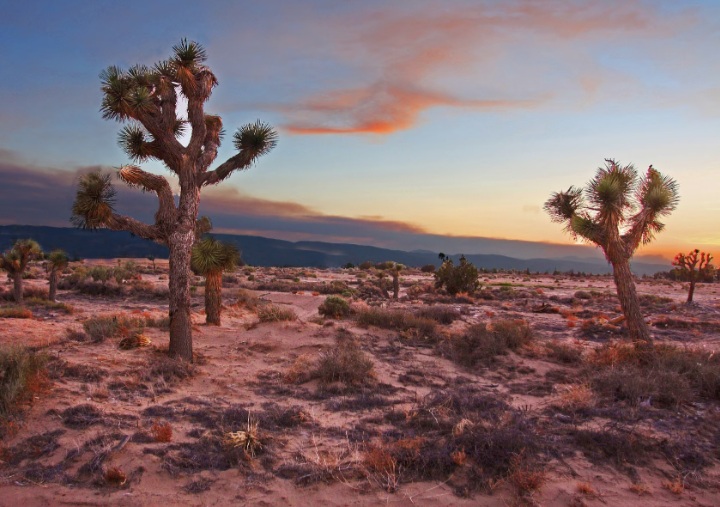
Subtropical deserts the hottest deserts. They are found in Asia, Australia, Africa and North and south America. In the united states, the chilhuahuan, sonoran and Mojave are all subtropical deserts. Subtropical deserts are very hot and dry in the summner and cooler but still dry in the winter. Rainfall happens in short bursts. The air is so hot and dry in these deserts that sometimes rain evaportaes before it even has a chance to hit the ground. The soil in subtropical deserts is usually either sandy or coarse and rocky.
Plants and animals in subtropical deserts must be able to withstand the hot temperatures and lack of moisture. Shrubs and small trees in the subtropical desert usually have leaves adapted to retain moisture. Animals in sbtropical deserts are usually active at night, when it is cooler.
3. Cold wintet Deserts :
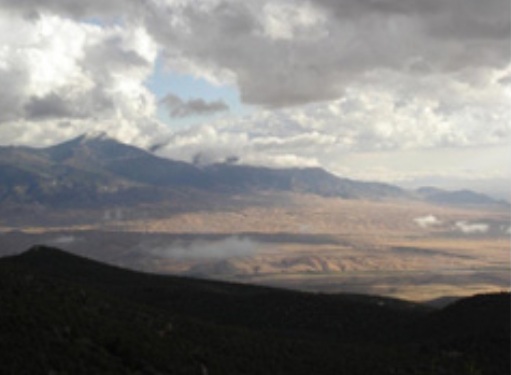
Cold winter deserts are also known as semiarid deserts . They have long, dry summers and cold winters with low rain or snowfall. In the united states the Great basin, the colorado plateau and the Red Desert are all cold winter deserts. Other cold winter deserts include the Gobi desert in china and Mongolia and the patagonian desert in Argentina. The lack of rainfall in cloud winter deserts is often caused by the rainshadow effect. The rainshadow effect happens when a high mountain range stops moisture from reaching an area. The Himalayan Mountain prevent rainfall from reaching the Gobi desert.
4. Ploar Deserts :
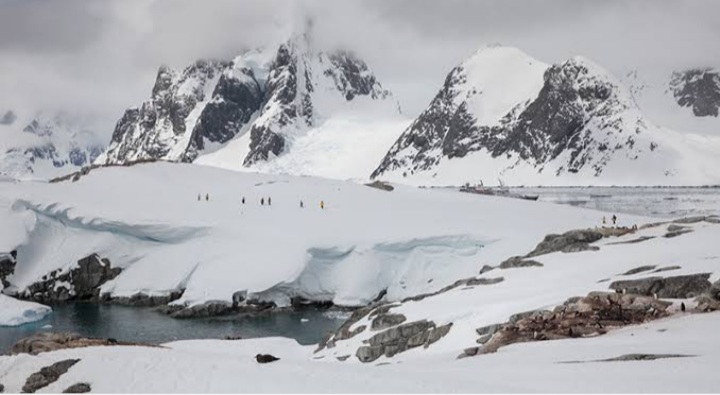
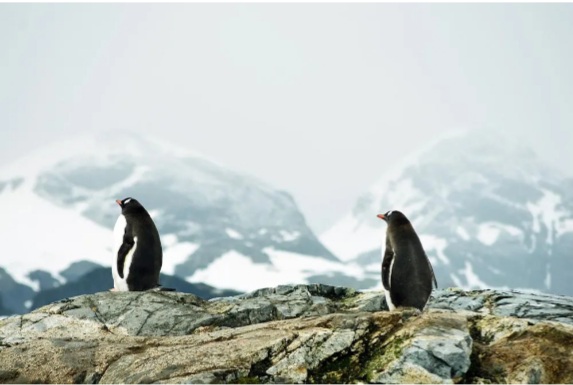
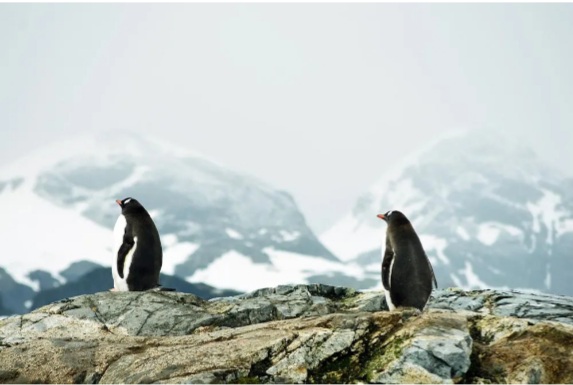
Polar deserts are found in the Arctic and Antarctic regions. Like warmer deserts, they also get very little precipitation.polar deserts are cold year- round.
Largest Desert in the world :
The antarctic polar Desert, which makes up the vast majority of Antarctica, is the largest desert in the world. In fact this single desert is larger than the combined size of the Gobi Desert, the Arabian Desert, and the sahara Desert.
* The driest desert of the world Atacama is surely the most dangerous desert of all.
The strongest animal in the Desert :
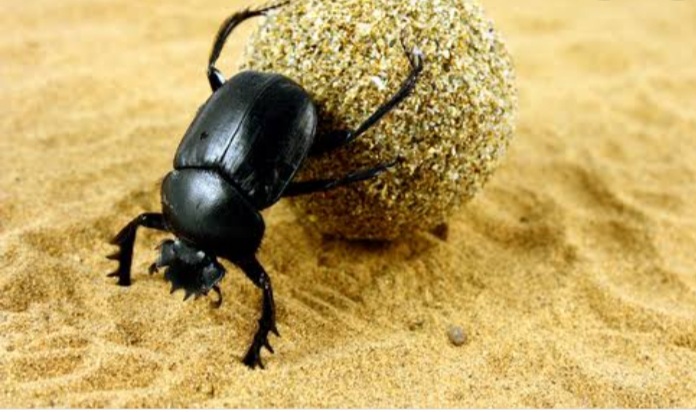
Based on strength to weight ratio, the dung beetle of the scarab is the strongest creature on earth. They can lift 1141 times their own body weight. It helps them a lot in finding the mate and food. The dung beetles also constitute a large percentage of scarab family.
The 7 hardest Animals to Hunt :
* Leopards
* Mountain Goats.
* Elk
* Eland.
* cape Buffalo
* Roan and sable
* Bears.
what can kill you in the Desert?
Aside from the oppressive heat and lack of water, the desert is also full of critters that can bite and sting. Some of these guys can even kill you if you aren’t able to find medical help. Spiders, scorpions, centipedes, and snakes are all found in dark places , abandoned builidings and under rocks.
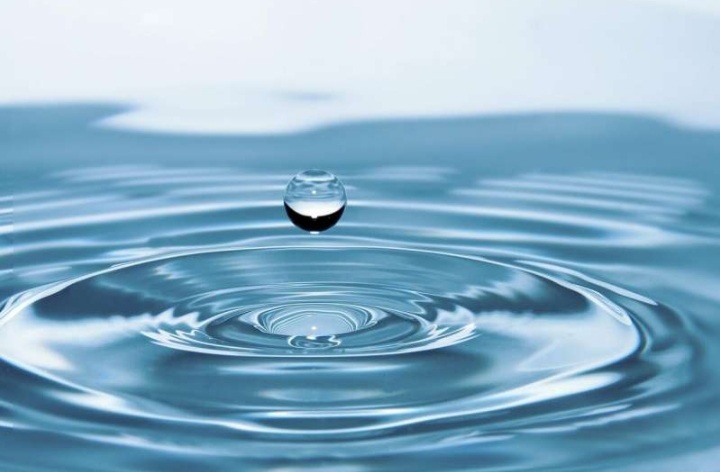
Water is the basic needs of the individual for the Survival. Some of the things like oxygen, water, food are very essential for the individual to live. After the oxygen, water is very much important for the individual survival and for the whole environment as well. Water is used in the daily basis for many of the activities like drinking, cleaning, watering, and also for some of the electric purposes etc.
There are plenty of water in the seas but there is no use of them. Because, all the seawater are salty and not food for drinking purpose. They can be made for drinking by some of the beautification methods which takes lots of processes and also the time. Scarcity of the water is not only the India’s problem but also the global problem.
If the wasteage of water is continued in the same way, there will be a day where no water can be found for drinking purposes and for some of the utility purposes. Most of the people waste water without any need. Using water for the purposes are all good but Wasting the water without any reason is a bad habit that an individual must not develop. It is very easy to waste water rather than saving the drop.
The main sources of water are surface water, ground water and rain water.
Importance of water :
Water is very important to the human body. Every one of your cells,organs and tissues use water to help with temperature regulation, keeping hydrated and maintaining bodily functions. In addition, water acts as a lubricant and cushions your joints. Driniking water is great for your overall health. Because your body loses water through breathing, sweating, and digestion, it’s important to rehydrate by drinking fluids and eating foods that contain water.
Water delivers important nutrients to all of our cells,especially muscle cells, postponing muscle fatigue. Water helps weight loss. Water helps you feel full longer,without adding any additional calories.
Benefits of Drinking water :
* Increases Energy & Relieves Fatigue. Since your brain is mostly water, drinking it helps you think, focus and concentrate better and be more alert.
* promotes weight loss.
* Flushes out Toxins.
* Improves skin complexion
* Maintains Regularity.
Best source of water :
1. Watermelon – water content : 92%
2. Strawberries – water content : 91%
3.cantaloupe – water content : 90%
4.peaches – water content : 89%
5.oranges – water content : 88%
6. Skim Milk – water content : 91%
7. Cucumber – water content : 95%
8. Lettuce – water content : 96%
9. Broths and soups – water content : 92%
10. Zucchini – water content : 94%
11. Celery – water content : 95%
12. Plain yogurt – water content: 88%
13. Tomatoes – water content : 94%
14. Bell peppers – water content : 92%
15.cauliflower – water content : 92%
16. Cabbage – water content : 92%
17. Grape fruit – water content : 88%
18. Coconut water- water content : 95%
19. Cottage cheese – water content: 80%
Disadvantages of water :
It is said that too much consumption of water can lead to fluid overload in the body and imbalance in the body. Excess water can lead it lower sodium levels in the body, which may further lead to nause, vomthing, cramps, fatigue. This condition is known as hyponatremia.
The best method to save water is to use in limited amounts. That is, to limit the water without wasting much water.
Jaipur or pink City, is the capital of Indian state of Rajasthan, and its largest city. The city was built in the 18th century by Sawai Jai Singh as India’s first planned city, and today it’s a major tourist attraction for Indians and for international visitors. It is a very picturesque city with splendid palaces, forts and historical monuments. Some of the tourists places are —
1 – City Palace in Jaipur
City Palace has stood at the heart of the Old City of Jaipur for nearly three centuries, shortly after Maharaja Sawai Jai Singh II decided to relocate his court from the city of Amber. Protected by huge guard walls, the fairy-tale-like structure is still the home of Jaipur’s modern-day royal family, and is more extravagant and enchanting than you might imagine.
City Palace is more than a sand-colored regal abode—it’s a sprawling complex of buildings built around a series of landscaped garden courtyards overlooking Jaipur and Lake Palace. The entire property is a stunning display of Rajasthani and Mughal architecture.
The current occupants reside in the most eye-catching building, the Chandra Mahal, an elegant structure with curved eaves and domed rooftops. Each of its seven stories features an entirely different style. The ground floor is included in the price of admission, but you’ll need to book a private tour to go upstairs.
2 – Jantar Mantar
At first glance, Jantar Mantar may look to be nothing more than a bunch of larger-than-life abstract sculptures. But this is not an art gallery—it’s a special collection of astronomical tools started by Rajput ruler Jai Singh II to measure the heavens nearly 300 years ago.
Each of the 20 or so structures at the UNESCO World Heritage Site serves a distinctive purpose. The observatory’s massive sun dial, known as Samrat Yantra, is particularly striking. At 27 meters tall, it casts a huge shadow that accurately measures time down to two seconds.
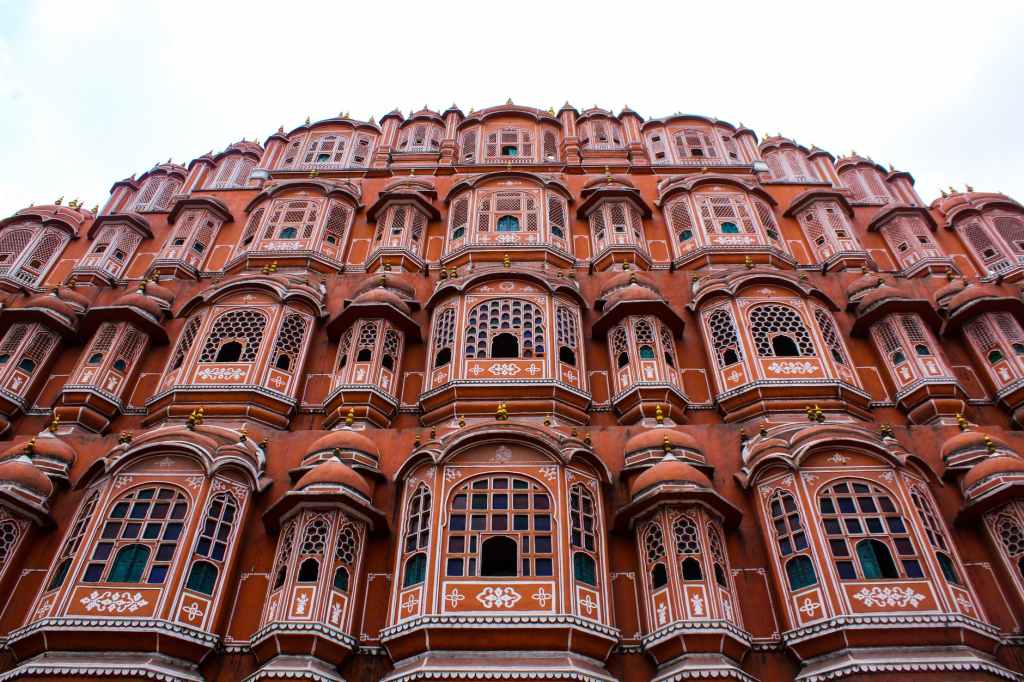
3 – Hawa Mahal
If you had any preconceived notions about how the buildings in Jaipur look, they probably came from Hawa Mahal (Palace of Breeze). It has all of the distinctive architectural features that appear in postcards of the city, from the salmon-pink, honeycombed facade, built to resemble the crown of Hindu god Krishna, to the geometric accents and rows of tiny windows.
The landmark was built in 1799 to allow royal ladies to watch festivals on the street without being seen by the public. Its 953 windows allow plenty of breeze to pass through, making it an ideal summer palace.
4 – Amber Fort
Jaipur is home to one of India’s most-visited forts: Amber Fort. Built in the year 1592, the sandstone and marble monolith stands atop a small hill roughly 20 minute’s driving distance northeast of the center of Jaipur. It’s best known for being a pristine example of Rajasthani architecture.
Getting to Amber Fort typically involves a short uphill hike that’s well worth the effort. It’s decked out with intricate patterns of inlaid marble in nearly every color of the rainbow. The fort is laid out into four separate sections, each of which has a spectacular garden courtyard outside. While you’d never know it from above, you can actually explore the fort’s underground tunnels, some of which have been restored.
5 – Albert Hall Museum
When English writer Rudyard Kipling visited the Albert Hall Museum in Jaipur, he wrote that it was a “rebuke to all other museums in India from Calcutta downwards.” That’s high praise coming from the son of a curator, and fitting for this renowned institution.
The oldest museum in Rajasthan, the Albert Hall Museum boasts an extensive collection of art and historically significant artifacts. Come for the Egyptian mummy, stay to see antique coins from different periods in India’s history, charming permanent exhibits of miniature paintings, 18th-century costumes worn by members of different castes, and a peculiar collection of 19th-century clay figures demonstrating all the yoga poses.
6 – Birla Mandir
In a city that seems to be dipped from top to bottom in pink, the stark white marble Birla Mandir stands out—big time. The Hindu temple pays tribute to Lakshmi, the goddess of wealth and purity, and Vishnu, one of the religion’s main deities.
7 – Nahargarh Fort
When it comes to sightseeing around Jaipur, the views don’t get better than what you’ll find at Nahargarh Fort. Also known as Tiger Fort, the nearly 300-year-old fort overlooks the entire city from atop the Aravalli Hills—a prime location for the structure to defend Jaipur against enemies many years ago.
More than just a formidable barrier though, this fort also contains Madhavendra Bhawan, a summer destination for royalty. The sumptuous Rajasthani building features a dozen identical boudoirs for the queens, which all connect to the king’s suite through mural-filled corridors.
8 – Jal Mahal on Man Sagar Lake
One look at the Jal Mahal, and you might think you’re seeing a mirage. The graceful palace seems to float atop the twinkling Man Sagar Lake , a calm sight compared to the rest of the frenzied city.
While it appears to have just one story, the Water Palace has four other levels submerged beneath a reservoir. Tourists can’t access the site, however, that may change in the future.
















 Eduindex
You must be logged in to post a comment.