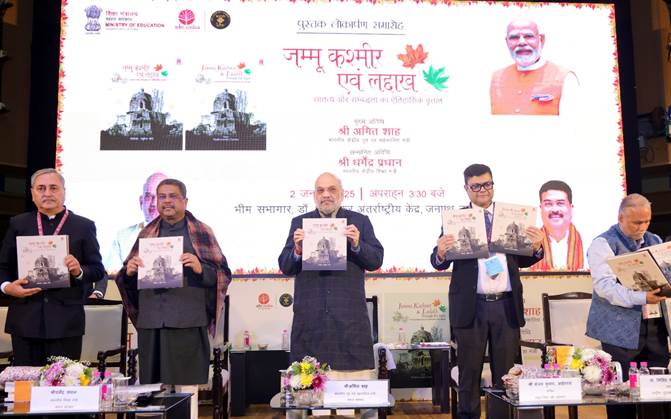
Union Minister for Home Affairs and Cooperation, Shri Amit Shah, will preside over a book release function on 2nd January 2025 in New Delhi as the Chief Guest. Union Minister for Education, Shri Dharmendra Pradhan will be the Guest of Honour. Eminent authors, academicians, officials of the Ministry and other dignitaries will also be present at the event
The book, titled ‘Jammu Kashmir and Ladakh: Through the Ages’ seeks to present the story of Jammu Kashmir and Ladakh. The title attempts to document the story of Jammu Kashmir and Ladakh from a perspective and format that enables an overview for both the subject specialist and those less conversant. It is presented in seven sections that cover over three thousand years of the region’s history. Each illustration selected for inclusion has been done with care, being representative of an age, its importance and contribution to the larger historical canvas of Indian history. Published in Hindi and English, this book is the result of collaborative efforts of the National Book Trust, India, and the Indian Council of Historical Research.
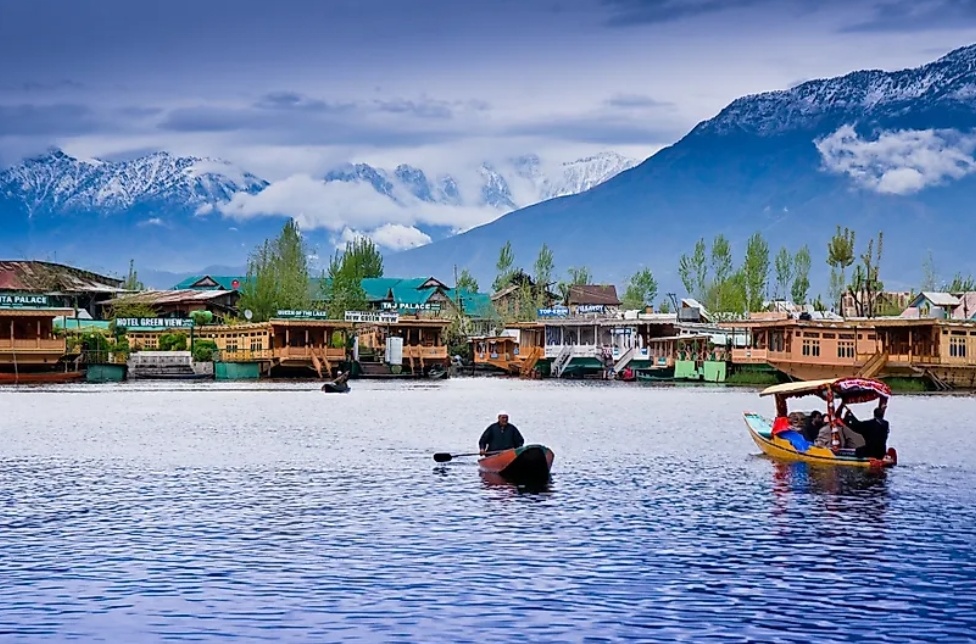
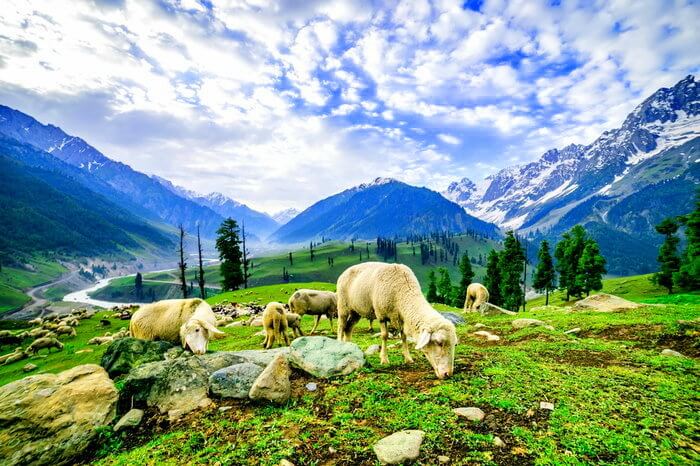
Kashmir is the northernmost geographical region of the Indian subcontinent. It is famed for the beauty of its lakes, meadows, and snow-capped mountains. The natural beauty and picturesque locations have made it a favored destination for tourists across the world. Kashmir Valley is known for its lakes and gardens.
Different places to visit in Kashmir
Srinagar
It is the capital of Jammu and Kashmir. It is one of the most beautiful places to visit in Kashmir. Nestled on the picturesque banks of the Jhelum River, Srinagar is known fondly as the “Heaven on the earth”. It is known for its colorful Shikaras and houseboats floating on the Dal Lake. The lake’s less urbanized eastern shore is decorated with the Mughal gardens that speak of history strung out for several kilometers.
Gulmarg
It is nicknamed the Meadow of Flowers and it is one of the most romantic places to visit in Kashmir. Gulmarg lets you soak in the picturesque views of colorful flowers spread against majestic snow-clad mountains.
Sonamarg
Sonamarg translates to “The Meadow of Gold ” in English. Nestled at an altitude of about 2,800 kilometers above sea level, this place is known popularly for its serene lakes, majestic glaciers, and snow-clad fields.
Betaab Valley
In the year 1983, this little Kashmiri Valley formed the backdrop of the hit Bollywood flick Betaab. Since then, the former Hagan Valley has earned its name ‘Betaab’ Valley. With its backdrop dotted with coniferous forests, gushing streams, and meadows, the beauty of Betaab beckons to all those looking to escape into the serenity of the natural world.
Pulwama
Pulwama is also nicknamed the “Anand of Kashmir”. Lying at a small distance of around 40 kilometers from Srinagar, Pulwama is known as the “Rice Bowl of Kashmir”. This town is known famously for its aromatic saffron fields, pleasant weather, and picturesque apple orchards. Flaunting majestic waterfalls, verdant valleys, mesmerizing natural springs, etc.
Shalimar Garden
The beautifully laid Shalimar Bagh happens to be the largest among the three iconic Mughal gardens in Srinagar. The Shalimar Garden was constructed back in 1619 under the orders of Mughal Emperor Jahangir, who dedicated it to his wife Nur Jahan. Nicknamed the “Crown of Srinagar”, this public park is set overlooking the shimmering waters of the picturesque Dal Lake.
There are many other tourist places in Kashmir which make it heaven on earth. It should be visited once in your life. You can see the beauty of nature in every part of Kashmir. The culture and God-gifted nature make it one of the most beautiful places on the earth.
On October 17, 1949, Article 370 was added to the Indian constitution, as a ‘temporary provision’, which exempted Jammu & Kashmir, permitting it to draft its own Constitution and restricting the Indian Parliament’s legislative powers in the state. It was introduced into the draft constitution by N Gopalaswami Ayyangar as Article 306 A.
Under Article 370: The Constituent Assembly of Jammu & Kashmir was empowered to recommend which articles of the Indian Constitution should apply to the state,The J&K Constituent Assembly was dissolved after it drafted the state’s constitution. The article allowed the state a certain amount of autonomy – its own constitution, a separate flag and freedom to make laws. Foreign affairs, defence and communications remained the preserve of the central government.As a result, Jammu and Kashmir could make its own rules relating to permanent residency, ownership of property and fundamental rights. It could also bar Indians from outside the state from purchasing property or settling there.
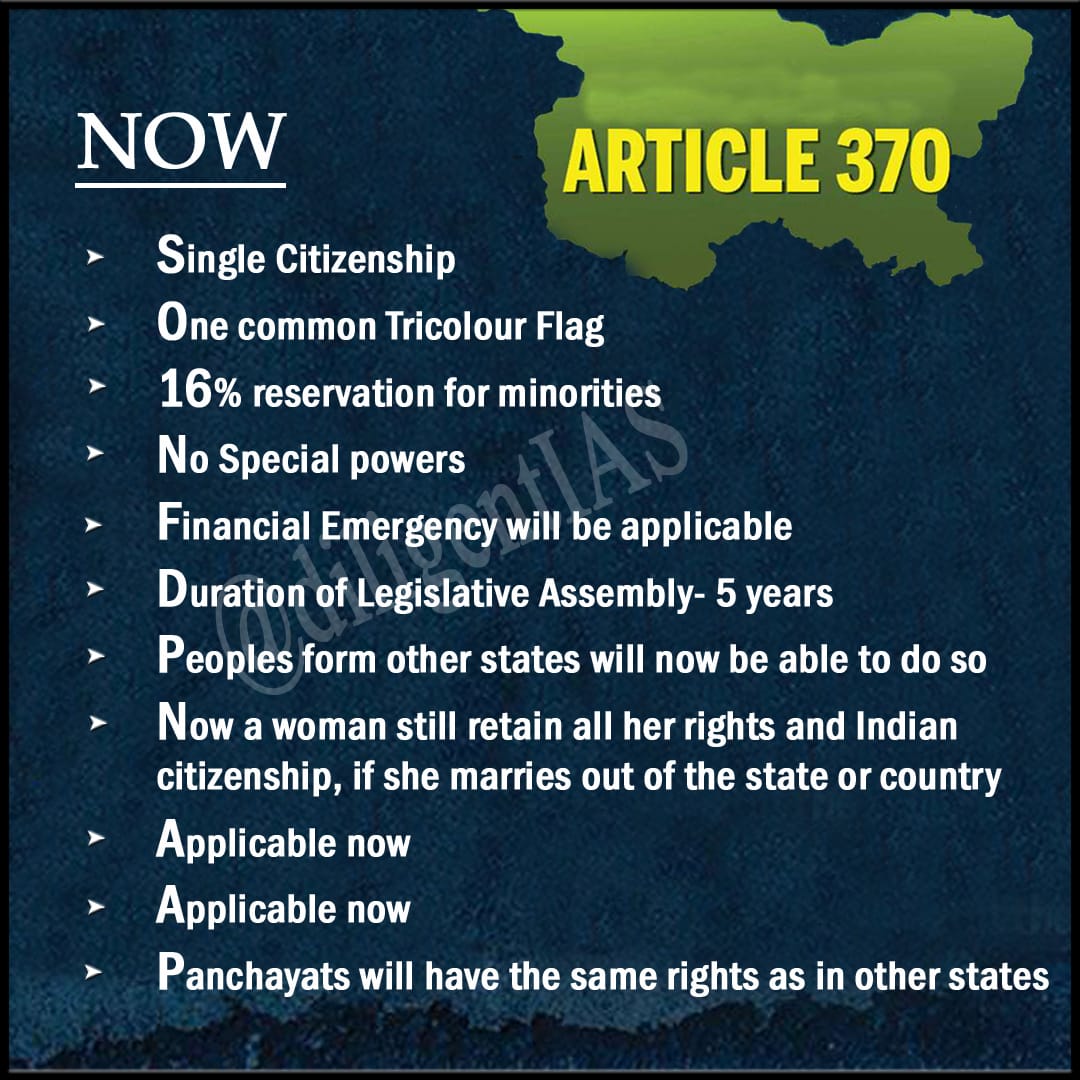
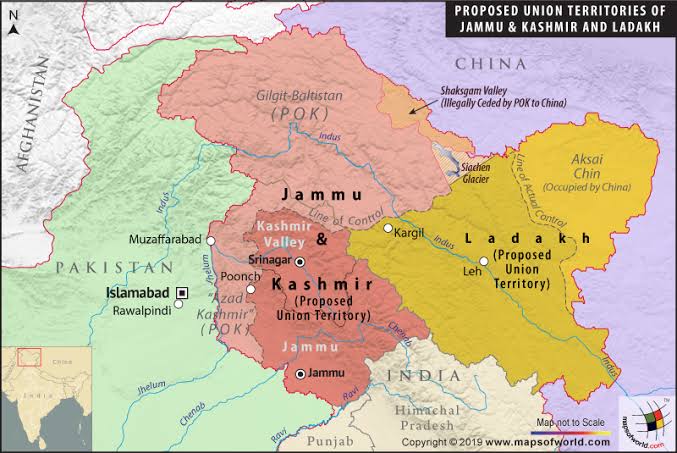
On 5th August 2019, President of India in the exercise of the powers conferred by Clause (1) of Article 370 of the Constitution had issued the Constitution (Application to Jammu and Kashmir) Order, 2019. Through this, Government of India has made modifications in Article 370 itself (not revoked it).With this, the Government of India has dramatically altered the relationship between the state of Jammu and Kashmir and the Indian Union. Order, 2019 has replaced Presidential Order of 1954.Subsequently, the Jammu and Kashmir Reorganisation Bill, 2019, passed by Parliament divides the state of Jammu and Kashmir into two new Union Territories (UTs): Jammu & Kashmir, and Ladakh.This is the first time that a state has been converted into a UT.Of the six Lok Sabha seats currently with the state of Jammu and Kashmir, five will remain with the union territory of Jammu and Kashmir, while one will be allotted to Ladakh.The UT of Jammu and Kashmir will have an Assembly, like in Delhi and Puducherry.Instead of 29, India will now have 28 states. Kashmir will no longer have a Governor, rather a Lieutenant .The special status provided to J&K under Article 370 will be abolished. Jammu & Kashmir will no longer have the separate constitution, flag or anthem. The citizens of Jammu and Kashmir will not have dual citizenship. As the new union territory of Jammu and Kashmir will be subject to the Indian Constitution, its citizens will now have the Fundamental Rights enshrined in the Indian constitution. Article 360, which can be used to declare a Financial Emergency, will now also be applicable. All laws passed by Parliament will be applicable in Jammu and Kashmir, including the Right to Information Act and the Right to Education Act. The Indian Penal Code will replace the Ranbir Penal Code of Jammu and Kashmir. Article 35A, which originates from the provisions of Article 370 stands null and void. Since Presidential Order has extended all provisions of the Constitution to Jammu and Kashmir, including the chapter on Fundamental Rights, the discriminatory provisions under Article 35A will now be unconstitutional.
The Need for Changes in abolishing A370 was dire. Article 370 was added in the Indian constitution to provide autonomy to J&K.However, it failed to address the well-being of Kashmiris who have now endured two generations of insurgency and violence. It contributed to the gap between Kashmir and the rest of the nation. In the newly-formed Union Territory of J&K, the central government is trying to formulate new rules that will give domicile rights to residents over land and in government jobs. This has been a response to the perception that the unemployment rate in J&K is higher than the national average.Domicile rights have also been a long-standing demand of the Dogras of Jammu and the Buddhists of Ladakh. While most of those interviewed by this author chose to remain silent on the issue of domicile rights, a few expressed their fears that such a move will further limit the employment opportunities for the local youth and also lead to a demographic disruption in the Valley.
Possible Consequences include rise in militancy as Article 370 was seen by Kashmiris as a marker of their separate identity and autonomy. Widespread protests and violence as a reaction to the dilution of Article 370 are bound to take place .Terror elements in Pakistan would find Kashmir to be the most fertile ground for breeding terrorism. The unrest can affect the democratic progress that has been made so far. Opposition political parties could launch a legal challenge but Kashmir is an emotive issue with many Indians, and most parties would be wary of opposing the move lest they be branded anti-India. All in all, Kashmir and the people there are reaching towards normalcy after 2 years of removing article 370, but for how long will peace prevail? India is hoping for a long one.
Have you visited The Sahara Desert? or the Snow-capped mountains of Switzerland? If you haven’t, it’s perfectly alright. Why visit so far when you can see such places in India too. India has deserts, snow-covered mountains, waterfalls, historic places, and a lot of greenery. You name it and we have it! There are so many breathtakingly beautiful places in India that one doesn’t need to go out.
Here are some spots you should visit before you kick the bucket.
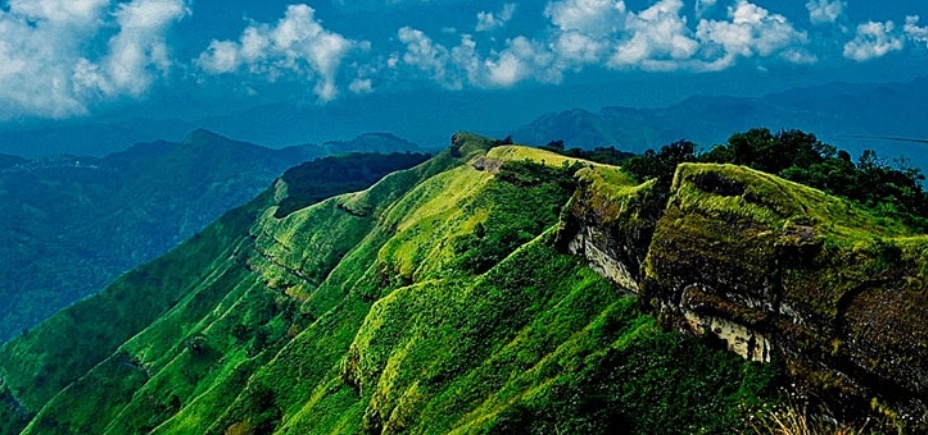
• Tea Garden Hills of Munnar
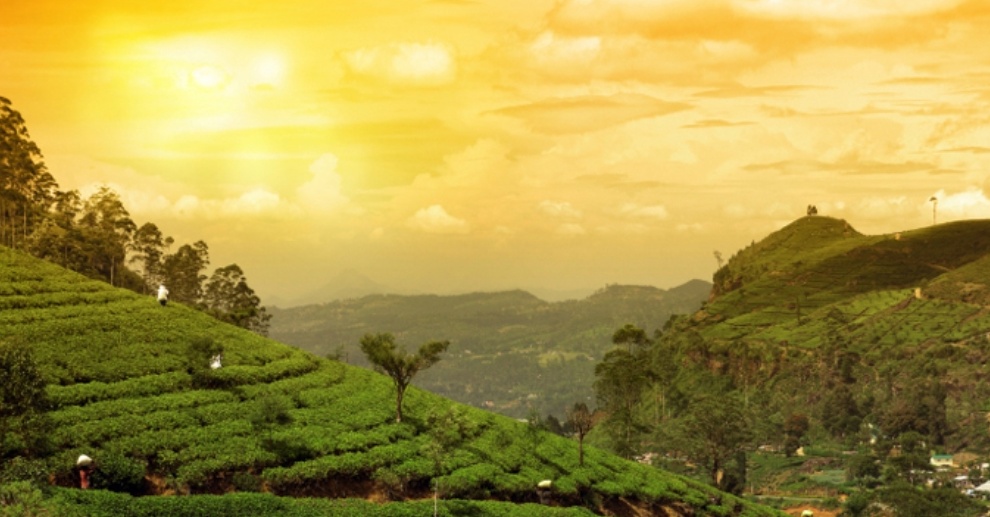
Munnar is situated in God’s own country, Kerala. It is a famous hill station in Kerala. It is well-known for its tea plantations and lush green hills. The best time to visit these tea garden hills is between November – February.
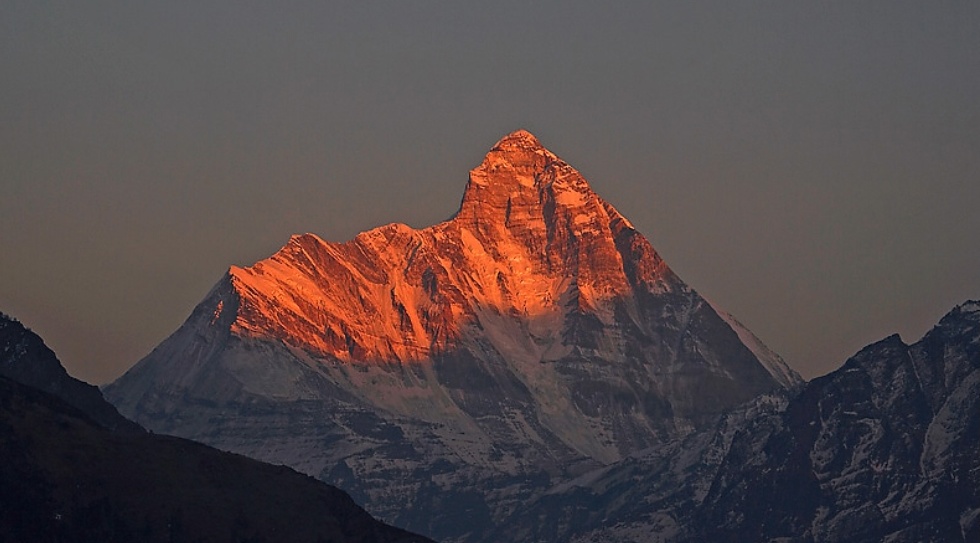
• Nanda Devi
Nanda Devi is the second-mosy noteworthy mountain in India. It is located in the Himalayan Mountains in the northern part of India. It is extremely famous for its remarkable view. From 15 June to 15 September is the best time to visit Nanda Devi.
• Mizoram
Mizoram is a land of hills, lakes, rivers, and valleys. It is a state in northeastern India. It is known for its evergreen hills, rivers, and high sparkling waterfalls. The best time to visit Mizoram is during October, November, and December.
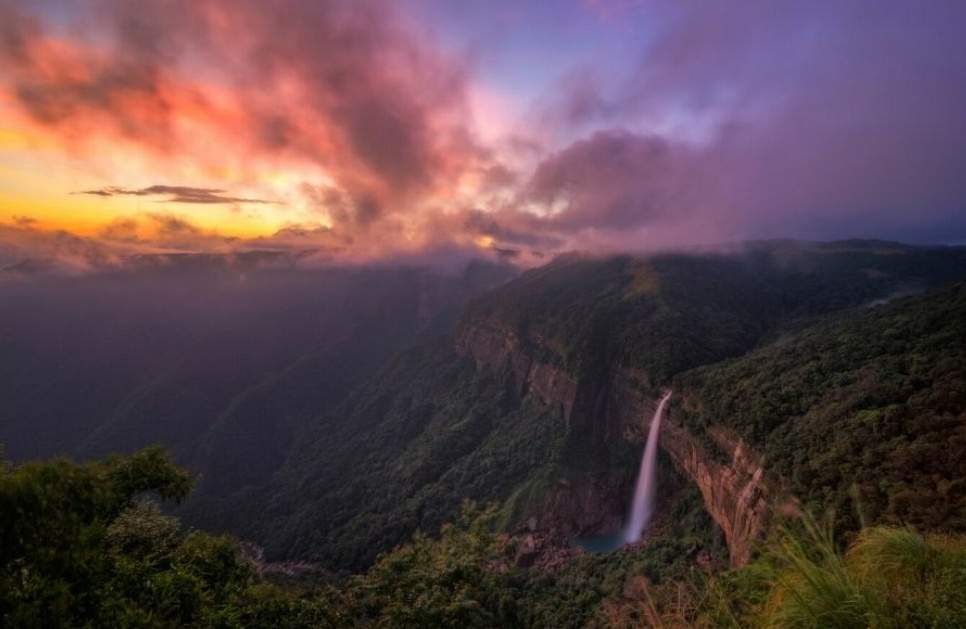
• Nohkalikai Falls, Cherrapunji
Nohkalikai is the highest waterfall in India. It is located in the state of Meghalaya which is in the northeastern part of the country. It is known as the wettest place on Earth The best time to visit is in September and October.
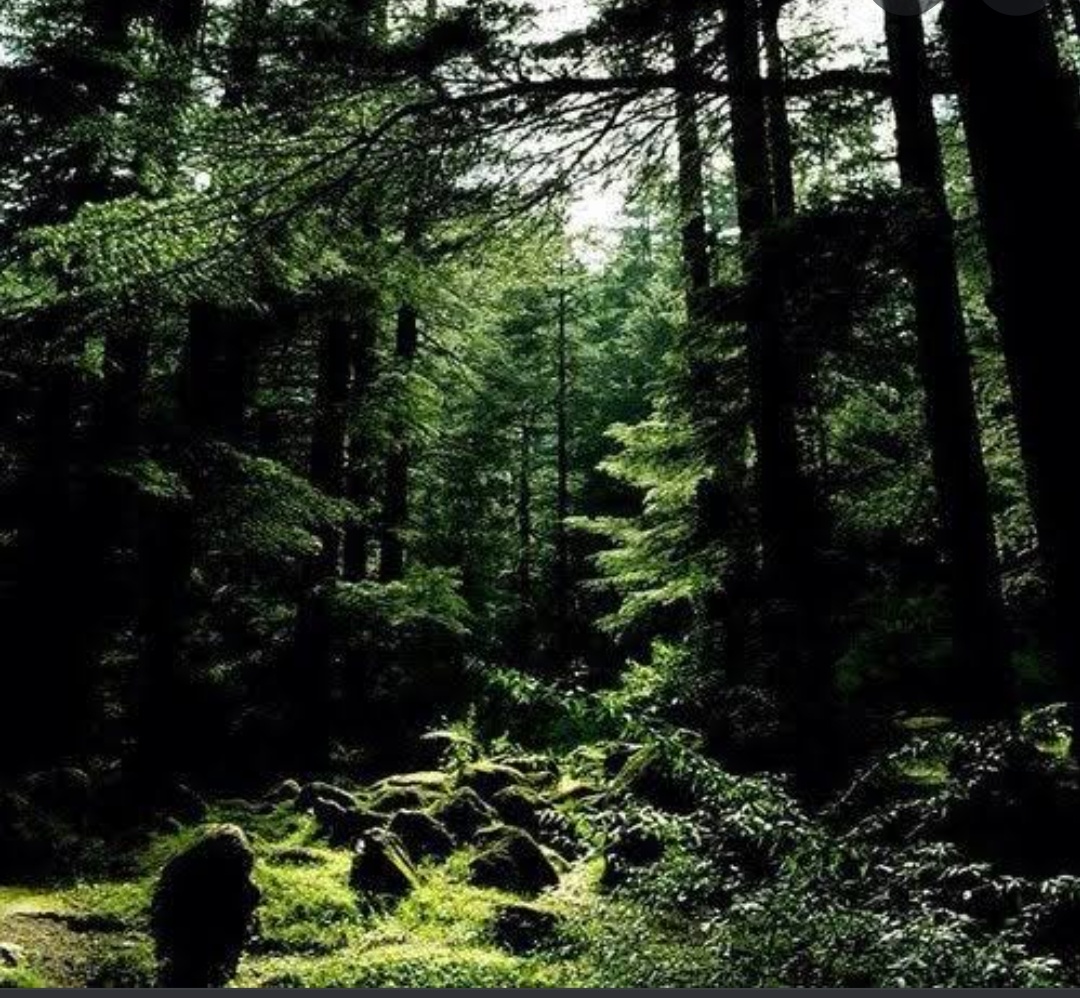
• Deodar Forest, Himachal Pradesh
Deodar forest is located in Himachal Pradesh and it is famous for its pine trees, Cedrus deodar tree species. The best time to visit is between February to June.
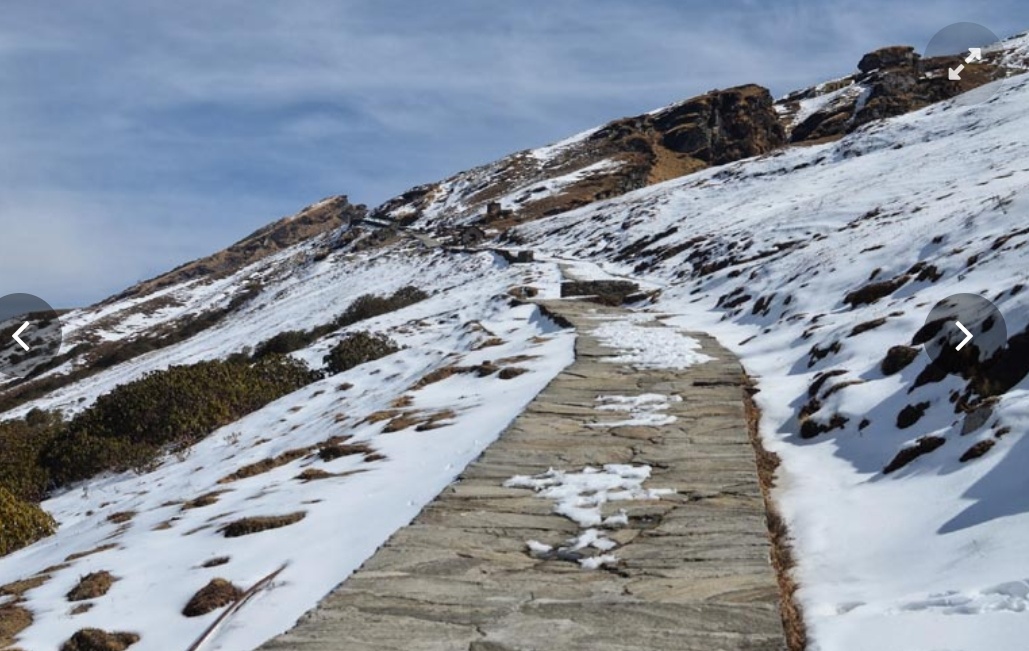
• Tungnath, Uttarakhand
You can find the oldest Hindu Shrine of Lord Shiva here surrounded by the tungnath mountains. It is the best place if you’re looking for a trek. One can visit throughout the year
• Kashmir
Kashmir is also known as ‘ Paradise on Earth’. It is very famous for its snow-capped mountains, wildlife, monuments, and mesmerizing scenic beauty. March to August is the best time to visit Kashmir.
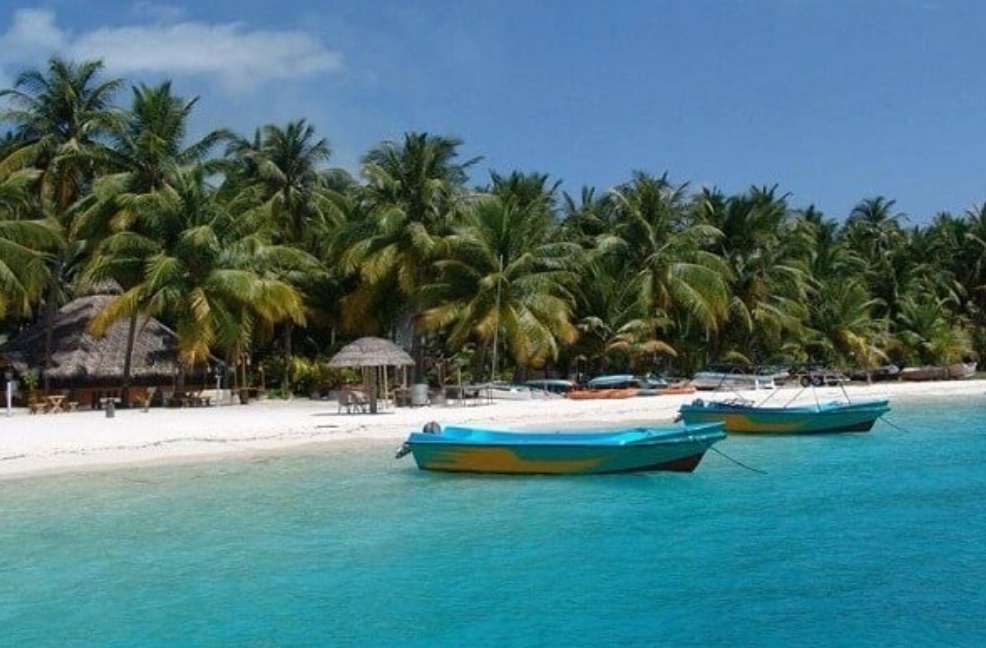
• Lakshadweep
Lakshadweep is a renowned Island located in the Arabian sea. It is known for its flora and fauna and crystal clear waters. The best time to visit this island is from October to mid-May.
The large Indian subcontinent was very different from what it is today. From colonial rule to gaining independence and consolidation of states, India had to go through many challenges and changes. One major change which broke not only the country but also millions of hearts was the Partition.
During the British rule, India was divided into provinces, areas of the country which were directly under the administration of the British, and Princely states, territories which were ruled by kings or princes who accepted the supremacy of the British and agreed to rule according to them.
Jammu and Kashmir was a princely state during the colonial rule. This area of 2,22,441 square kilometres is now Jammu and Kashmir and Ladakh (parts of India), Azad Jammu and Kashmir and Gilgit-Baltistan (under the control of Pakistan), and Xinjiang and Tibet (administered by China).
Religious History
Jammu and Kashmir is rich in terms of its religious history. It is associated with Buddhism, Shaivism (now a part of Hinduism) and Islam, three of the majorly followed religions in the world. At first, Hinduism was popularly followed in this area. However, when Ashoka assumed the throne of this kingdom, Buddhism was introduced here. Under his reign, grand stupas as well as temples dedicated to Lord Shiva were built, which shows harmonious existence of the two religions. It was through Kashmiri Buddhist missionaries that Buddhism became widely followed in Tibet and known in China. The corruption, heavy taxation and constant fighting under the Lohara dynasty gave way to foreign invasions. A Tibetan Buddhist took the throne from a Turkish-Mongol chief and, due to political reasons, converted into Islam.
Eventually, Islam replaced Hinduism as the dominant religion in Kashmir. Rulers of Jammu and Kashmir treated all of their subjects equally, irrespective of the religion they followed, with the exception of a few who imposed taxes on the non-Muslims and favoured the ones who followed Islam.
After Mughal rule in Kashmir, Sikhs took over. Initially, their rule was oppressive and they introduced many anti-Muslim measures but later, the Sikh rulers became more considerate towards farmers. The status of Muslim subjects did not change.
Today, it is a home of multiple religions with Buddhism, Islam, Sikhism and Hinduism still dominating the area.
British Raj and Independence
The Sikh ruler of Jammu and Kashmir, Gulab Singh, won the trust of British and sided with them. The loyalty of the Sikhs proved favourable for the British, especially during the revolt of 1857. However, the Princely state never became a true state because its residents did not connect with each other or the rulers. When the colonial rule ended, the British left the decision of whether the Princely States should unite with India or Pakistan, or become independent states with the rulers of these states. This threatened the existence of the already-partitioned country.
Maharaja Hari Singh, the monarch of J&K at the time, was yet to make a decision regarding accession of Jammu and Kashmir. When invaded by Pakistan, J&K needed the help of the Indian army to defend themselves. The Maharaja had to sign the Instrument of Accession to get assistance from India with special conditions. These conditions were translated into Article 370 which gave special status to the state.
However, Article 370 was removed from the Indian Constitution in 2019. Further, the state has been divided into Jammu & Kashmir and Ladakh which are now recognised as union territories.
It is heartbreaking how some of the Kashmiri youth are getting distracted into false and heinous crimes, where they are forced to be a part of terrorist groups and made to pick up guns and kill people. How sad it would be for a mother who loses her child, who joins a terrorist group and works against the country. Since Kashmir is facing many hardships beginning from Article 370 which includes communication blackout, internet services, people have to jail themselves at home and wait for the orders of reopening. This was one part of the story where Kashmir has become the highly militarised zone because of constant protest and fights, where Article 370 has separated the roots of Kashmir, where some of the young boys are forcefully made to join terrorist groups and fight for the evil things.
One such story is of Khurshad Ahmad a 23 year old young boy who went to a nearby valley with his herd and never came back. His family was worried for him and searched everywhere but couldn’t find a single clue of him. After few months the family was informed that Khurshad was shot dead in a gun fight in Sugg village. This news left his family, specially his mother helpless and heartbroken, where they couldn’t even fight for their child, where they couldn’t even ask the terrorists that why they did this to their son and why a 23 yr old lad was made to hold a gun instead of holding a book and working hard to take the responsibilities of his family.
There are many more stories which you and me don’t know because fortunately we are sitting safely at homes and taking care of ourselves, if we think about the people in Kashmir, we can’t even fathom the problems which they are suffering from, poverty, climatic changes, war, protest and now their children are joining rebel groups. This is not a choice for them, they are forced to do so, they are brain washed in a way that they just can’t ignore the facts to join the terrorist group and become one of them but what is left behind is their family, the mothers, who patiently wait for the child to return but little did she know that her child would never return, his mind and soul has been captured by the evils and they will never leave him until they eat him up.
My dear friends, we don’t know where our destiny will take us, but we should always think about others, pray for the people of Kashmir, pray that they get peace and they can also live normal lives like us.
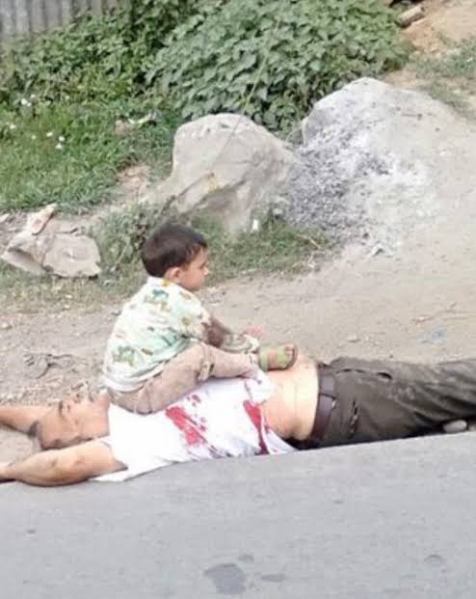
In a recent incident that took place in Kashmir where Bashir Khan who aged 65 had died during a gunfight between the security forces and the militants on Wednesday. The three old names Ayaad sat on his grandfather’s body as he died. It has been reported by the security authorities that the man had died by the bullet which was hit by the militant and they had rescued the child from the situation but the dead man’s family says otherwise as they said it was clear murder by the security forces. A CRPF jawan too was killed in the gunfight and two others were injured in an attack carried out by separatist militants in Sopore town, 48 km northwest of Srinagar.
The J&K police said two Lashkar-e-Tayyaba militants – whom they named Osman and Nasir – attacked a joint patrol of the CRPF and the J&K police. “Credible inputs indicate that two LeT militants, Osman, a foreigner, and Nasir were involved in the attack, a police spokesman said in a statement in Srinagar.
Images of the incident showed the civilian, identified as 65-year-old Bashir Ahmed Khan, lying dead on the ground with a bullet wound. His three-year-old grandson Ayaad sits on the man’s bullet-riddled corpse and then walks over crying to a security trooper.
While the Central Reserve Police Force (CRPF) and Jammu & Kashmir police said Bashir Ahmed Khan was hit by bullets fired by militants hiding in the attic of a mosque, the slain man’s family had a different story.
Bashir Ahmed Khan’s son said his father was killed in cold blood by the security forces. “The shootout sent pedestrians and motorists running for cover. My father couldn’t take cover because my nephew was sitting in the passenger’s seat in the front. The CRPF guys dragged him out of his car and shot him dead in cold blood,” he alleged.
His sister while calling for ‘blood for blood’ to avenge her father’s ‘cold-blooded murder’, said, “My father has been killed and those who killed him should be killed as well”.
“Didn’t they see a little kid with my father?”
The family sources said Bashir Ahmed Khan, a contractor, was on his way to a neighborhood in Sopore to oversee construction work there. He took his grandson along for distraction.
Questioning the veracity of the family’s allegations, a senior police officer said, “What they have said is false. How can they say that the man was shot by security forces? They were not witnesses to the incident.”
Inspector-general of police Vijay Kumar said, “The video message circulated on social media by the son and daughter of the slain man is baseless. They have leveled allegations under threat by militants.”
IGP Vijay Kumar invited eyewitnesses to come forward and record their statements with the police. He insisted that there was no retaliation at all from the security forces and, therefore, the charge that the civilian was killed in reprisal was “totally false”.
Sopore’s senior superintendent of police Javaid Iqbal said Bashir Ahmed Khan was hit while trying to shield his grandson from gunfire. “As the indiscriminate firing by militants caused a commotion, Khan’s car, like many other vehicles, got stuck during the attack. Motorists left their vehicles behind and ran for cover. Unfortunately, one of the civilians was hit by a bullet and died,” he said.
The CRPF said its men had just arrived in Sopore’s Model Town for patrolling duty when militants hiding in the attic of a mosque sprayed gunfire upon them, resulting in injuries to four troopers.
One of them, head constable Dipchand Verma, died soon thereafter whereas the others Bhoya Rajesh, Deepak Patil, and Nilesh Chawde were shifted to a military hospital in Srinagar for specialized treatment, a CRPF spokesman said.
IGP Vijay Kumar told a local news agency that it was the police who rescued the slain man’s grandson. Asked who took the pictures of the boy sitting on the lifeless body of his grandfather and then being “rescued” by policemen, he said, “Going to an operations area with mobiles is wrong. I will ensure that police teams going for operations don’t carry mobiles with them as that may pose a threat to their lives. In 2018, many security forces personnel were killed while using their mobiles during duty hours and in standoff attacks.”
Heaven on Earth, KASHMIR!A beautiful valley in the northernmost part of India is KASHMIR. It is a part of the state called Jammu & Kashmir, and, is surrounded by a few highest mountain ranges. HISTORY OF KASHMIR: This place was known as KASHYAPAMAR, later KASHMIR. During 300BC, Kashmir Was Ruled By King Abisares Princely Kingdom Part Of Indian Rulers. A few Years Later Kashmir Was Re-Captured By Indian King Ashoka, during this period Kashmir was the hub of Hindus and Buddhists, this was the time when Mauryan Empire built the City of Srinagar. Kashmir was ruled by the Afghan Durrani Empire from 1752 to 1819. After that, in 1846, Gulab Singh took the title of Maharaja of Jammu & Kashmir, till 1947, Maharaja’s of Gulab Singh’s Dogra dynasty ruled Kashmir as a princely state under British Paramountcy. At the time of partition, the rulers of princely states were given the right to choose between being the part of either India or Pakistan or to remain independent. Maharaja Hari Singh decided not to be the part of any country; neither India nor Pakistan, and to stay neutral. India respected the decision, but Pakistan did not! Pakistan tried a lot to make Maharaja of Kashmir agree for being ready to part of Pakistan. The soldiers of Pakistan attacked J&K, Maharaja asked India for the help of the people of Kashmir who were being killed and looted, he agreed for making J&K part of India. Prime Minister Jawaharlal Nehru agreed to rescue his people from Pakistani attackers. Indian soldiers were thrown out the Pakistani raiders from J&K, but, a large area remained in their control. Their areas were not so easy to reach as they were surrounded by big mountain ranges. The fight ended in 1949 as India did not want the war to continue. The state was termed as ‘Distributed Territory’. KASHMIR: A HAPPY PLACE! The state is divided into three administrations under Article 370 – J&K under India, Azad Kashmir under Pakistan and Aksai Chin under china. Kashmir Valley is under Indian governance. The most beautiful tourist spots are in Kashmir, Shalimar Bagh, Chasme Shahi and Pari Mahal, few lakes such as Dal Lake, Wular lake, Manasbal lake – lie within the Kashmir Valley. The Kashmiris have dual citizenship, Indian as well as Kashmir citizenship. Asia’s fourth longest railway tunnel is located in Kashmir, the Banihal railway tunnel which is 11,215 km long. Lives in Kashmir were full of enthusiasm and joy, there were no friendship barriers based on caste and religion, but, Pakistan wanted to rule over the whole state, which leads to several fights and protests. CHANGED KASHMIR! In July 1988, the Jammu Kashmir Liberation Front (JKLF) started speaking for the independence of Kashmir from India. On 14 September 1989, they killed Tika Lal Taploo and a prominent leader of Bhartiya Janta Party. This incident made the Kashmiri Pandit’s anxious, they felt unsafe there. On 4 November 1989, Highcourt judge Neelkanth Ganjoo was killed in Srinagar, and, this continued. On 4 January 1990, a threatening message was printed for Kashmiri Pandits in Srinagar-based newspaper about leaving Kashmir immediately, On 14 January 1990, the same warning was re-published. The walls were painted with threatening messages for Kashmiri pandits for accepting Islamic rules, The buildings, shops were coloured green as a sign of Islam. Homes, factories, shops of Kashmiri Pandits were burned and destroyed. All these actions were being held for forcing Hindus to leave Kashmir. On 18 and 19 January, during the middle of the night, a blackout took place in Kashmir Valley except for the Mosques. On 21 January 1990, Gawkadal massacre took place, many Kashmiri Pandit’s were killed, burnt alive. this resulted in the mass migration of Kashmiri Pandits. On 29 April 1990, a Kashmiri poet, Sarwanand Kaul was brutally murdered. On 2 February 1990, Satish Tikoo, a young Hindu social-worker was murdered near his own house. Many Hindu women kidnapped, raped and murdered.





 Eduindex News
You must be logged in to post a comment.