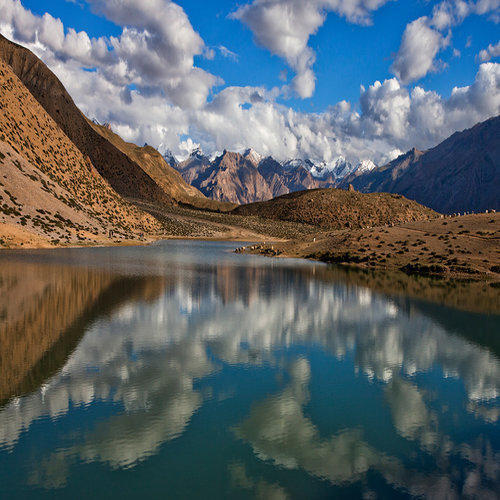
Shirdi, Maharashtra

 The Prime Minister, Shri Narendra Modi inaugurated, dedicated to the nation and laid the foundation stone of multiple development projects worth about Rs 7500 crores in sectors like health, rail, road, oil and gas in Shirdi, Ahmednagar, Maharashtra today. The multiple development projects include Ayush Hospital at Ahmednagar Civil Hospital; Electrification of Kurduwadi-Latur Road railway section (186 Km); 3rd & 4th railway lines connecting Jalgaon to Bhusaval (24.46 km); four laning of Sangli to Borgaon section of NH-166 (Package-I); and additional facilities at Manmad Terminal of Indian Oil Corporation Limited. He laid the foundation stone of the Maternal & Child Health Wing at Ahmednagar Civil Hospital. Shri Modi also distributed Ayushman cards and Svamitva cards to beneficiaries.
Among other projects, Shri Modi inaugurated the new Darshan Queue complex at Shirdi, dedicated to the nation the left bank (85km) canal network of the Nilwande Dam, and launched the ‘Namo Shetkari Mahasanman Nidhi Yojana’ benefitting more than 86 lakh farmer-beneficiaries.

Earlier in the day, Shri Modi performed pooja and darshan at Shri Saibaba Samadhi Temple, Shirdi and performed the Jal Pujan of Nilwande Dam. 

Addressing the gathering, the Prime Minister said that projects worth Rs 7500 crores are being inaugurated and foundation stones being laid with the blessings of Sai Baba. Referring to the work of Nilwande Dam which had been pending for 5 decades, the Prime Minister mentioned its inauguration today. He also expressed gratitude for getting the opportunity to perform Jal Pujan at the site. Speaking about the Darshan Queue Complex at Shri Saibaba Samadhi Temple, Shri Modi informed about laying its foundation stone in October 2018 and said that it will further increase the convenience for pilgrims from India and abroad.

The Prime Minister mentioned the sad demise of  Baba Maharaj Satarkar of the Warkari community this morning. The Prime Minister paid tribute to the Baba Maharaj and recalled his work of social awareness by Kirtan and Pravachan which will keep on inspiring the generations to come. 

“The true meaning of social justice is when the nation is free from poverty and the poor get ample opportunities”, the Prime Minister underlined as he reiterated the Government’s mantra of ‘Sabka Saath Sabka Vikas’.  He underlined that the welfare of the poor is the highest priority of the double-engine government and informed about increasing the budget for the same as the country’s economy is expanding. He mentioned distributing 1 crore 10 lakh Ayushman Cards to beneficiaries in Maharashtra who will receive health insurance up to Rs 5 lakh where the Government is spending Rs 70,000 crores. He also informed about the government expenditure of more than Rs 4 lakh crores each for providing free ration to the poor and constructing pucca houses for them. The Prime Minister also pointed out that the said expenditure is six times more than what it was in the decade before 2014. To provide tapped water supply to the homes of the poor, the Prime Minister informed that the government has spent more than Rs 2 lakh crores. Under PM Svanidhi Scheme, he informed that street vendors are getting assistance up to thousands of rupees. Shri Modi also touched upon the newly launched PM Vishwakarma Scheme which aids lakhs of families of carpenters, goldsmiths, potters and sculptors with a government expenditure of more than Rs 13,000 crores.

Talking about the small farmers, the Prime Minister mentioned PM Kisan Samman Nidhi under which small farmers received 2 lakh 60 thousand crore rupees including 26 thousand crore rupees for the small farmers of Maharashtra. He expressed happiness that the Maharashtra Government has started ‘Namo Shetkari Mahasanman Nidhi Yojana’ under which Maharashtra Shetkari families will get an extra 6000 rupees, meaning local small farmers will get 12,000 rupees of Samman Nidhi, he said. 

Throwing light on the Nilwande project which was approved in 1970 and had been pending for 5 decades, the Prime Minister highlighted that it came to completion only after the present government came to power. “Those doing vote politics in the name of farmers have made you yearn for every drop of water”, he interjected, “Today Jal Pujan was performed here.” He mentioned that the Right Bank Canal will soon become operational. He also touched upon the Baliraja Jal Sanjeevani Yojana which is also proving to be a boon for the drought-affected areas of the state. He underlined that the central government is working towards completing 26 more irrigation projects in Maharashtra that have been pending for decades which will be of great benefit to the farmers in the region.

The Prime Minister emphasized that the government is committed to the empowerment of farmers. The Prime Minister informed that in the 7 years foodgrain worth 13.5 lakh crore rupees was procured under MSP while this figure was a mere 3.5 lakh crore during the tenure of a senior leader in the earlier government. Oilseed and pulses worth 1 lakh 15 thousand crore were procured after 2014 compared to 500-600 crore rupees worth MSP procurement earlier. Direct Benefit transfer has removed corruption and leakage, he said. 

Speaking about the recent Cabinet Decisions to increase the MSP for Rabi crops, Shri Modi informed that the MSP of gram has been increased by Rs 105 and that of wheat and safflower by Rs 150. He also mentioned that the MSP of sugarcane has been increased to Rs 315 per quintal. In the last 9 years, the Prime Minister informed that ethanol worth about Rs 70,000 crores has been purchased and the money has reached the sugarcane farmers. “To ensure timely payment to sugarcane farmers, assistance worth thousands of crores of rupees has been provided to sugar mills and cooperative societies”, he added. 

The Prime Minister said “Our government is working to strengthen the cooperative movement. More than 2 lakh cooperative societies are being formed across the country.” To ensure better storage and old storage facilities PACs and cooperatives are being provided facilities. Small farmers are being organized through FPOs as more than 7500 FPOs are already functional.  

Concluding the address, the Prime Minister said “Maharashtra has been a center of immense potential and possibilities. The faster Maharashtra develops, the faster India will develop.” Prime Minister Modi also recalled flagging off the Vande Bharat train connecting Mumbai and Shirdi and highlighted that the network of railways is continuously expanding in Maharashtra. He noted that movement on the Mumbai-Howrah rail route will become easier with the commencement of the third and fourth railway lines between Jalgaon and Bhusaval. Similarly, the construction of four-lane road from Solapur to Borgaon will improve the connectivity of the entire Konkan region benefitting the industries as well as sugarcane, grape and turmeric farmers in the region. “This connectivity will create a new path not only for transport but also for progress and economic development”, he concluded. 

Governor of Maharashtra, Shri Ramesh Bais, Chief Minister of Maharashtra, Shri Eknath Shinde, and Deputy Chief Ministers of Maharashtra, Shri Devendra Fadnavis and Shri Ajit Pawar were present on the occasion among others.

Background

Inaugurated by the Prime Minister, the new Darshan Queue complex at Shirdi is a state-of-the-art modern mega building envisaged to provide comfortable waiting areas for the devotees. It is equipped with several waiting halls with a cumulative seating capacity of more than ten thousand devotees. It provides air-conditioned public amenities like cloakrooms, toilets, booking counters, prasad counters, information center etc. The foundation stone of this new Darshan Queue Complex was laid by the Prime Minister in October 2018.

The Prime Minister dedicated to the nation the left bank (85km) canal network of the Nilwande Dam. It will benefit 182 villages from 7 Tehsils (6 in Ahmednagar district and 1 from Nashik district) by facilitating pipe distribution networks of water.  The idea of Nilwande Dam was first conceived in 1970. It is being developed at a cost of about Rs 5177 crores.

The Prime Minister launched the ‘Namo Shetkari Mahasanman Nidhi Yojana’. The Yojna will benefit more than 86 lakh beneficiaries of the Pradhan Mantri Kisan Samman Nidhi Yojana in Maharashtra by providing an additional amount of Rs 6000 per year to them.

The Prime Minister also inaugurated and dedicated to the nation multiple development projects including Ayush Hospital at Ahmednagar Civil Hospital; Electrification of Kurduwadi-Latur Road railway section (186 Km); 3rd & 4th railway line connecting Jalgaon to Bhusaval (24.46 km);  four laning of Sangli to Borgaon section of NH-166 (Package-I); and additional facilities at Manmad Terminal of Indian Oil Corporation Limited. He laid the foundation stone of the Maternal & Child Health Wing at Ahmednagar Civil Hospital. Shri Modi also distributed Ayushman cards and Svamitva cards to beneficiaries.
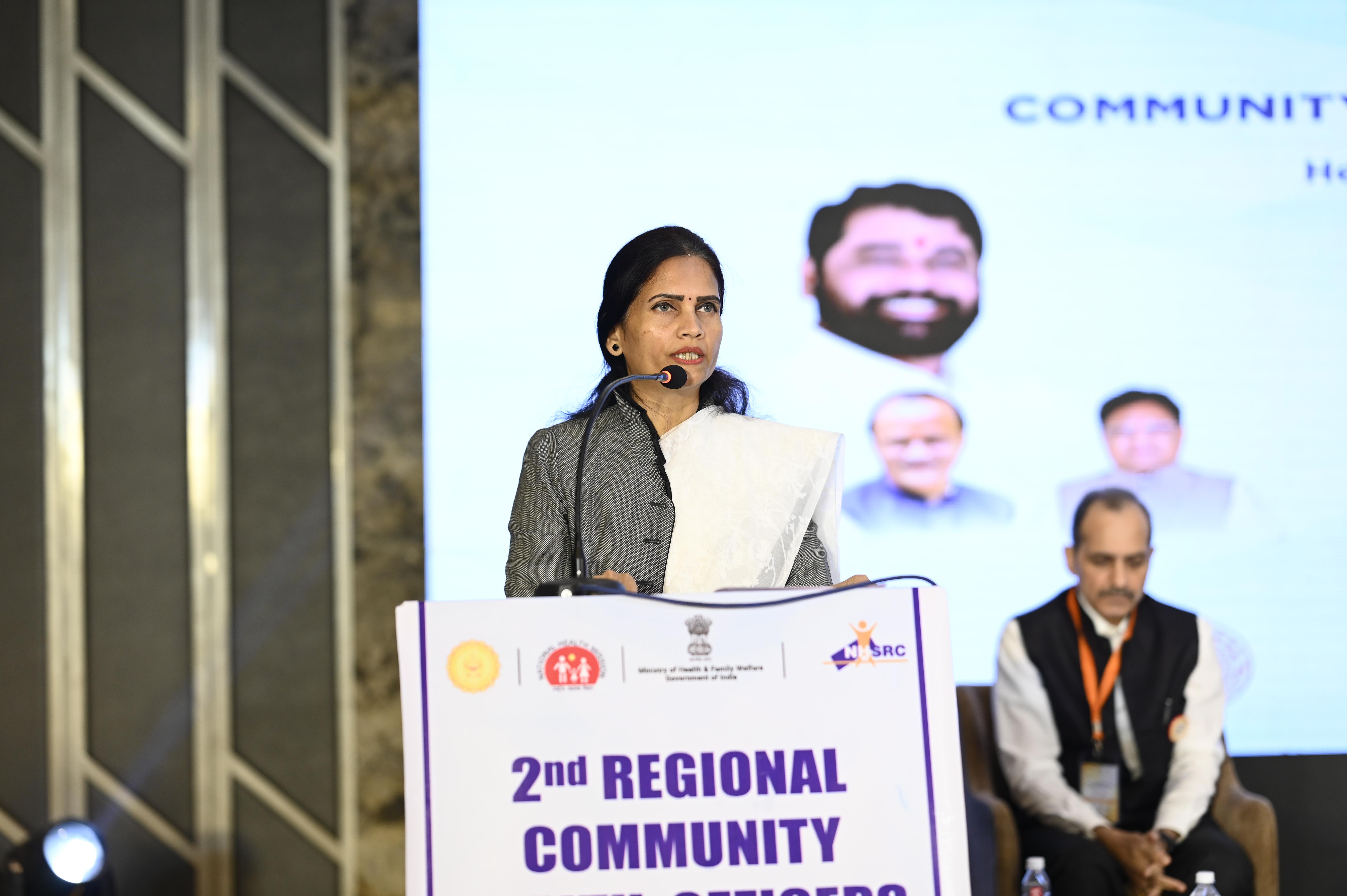
Regional Community Health Officers starts at Nashik, Maharashtra

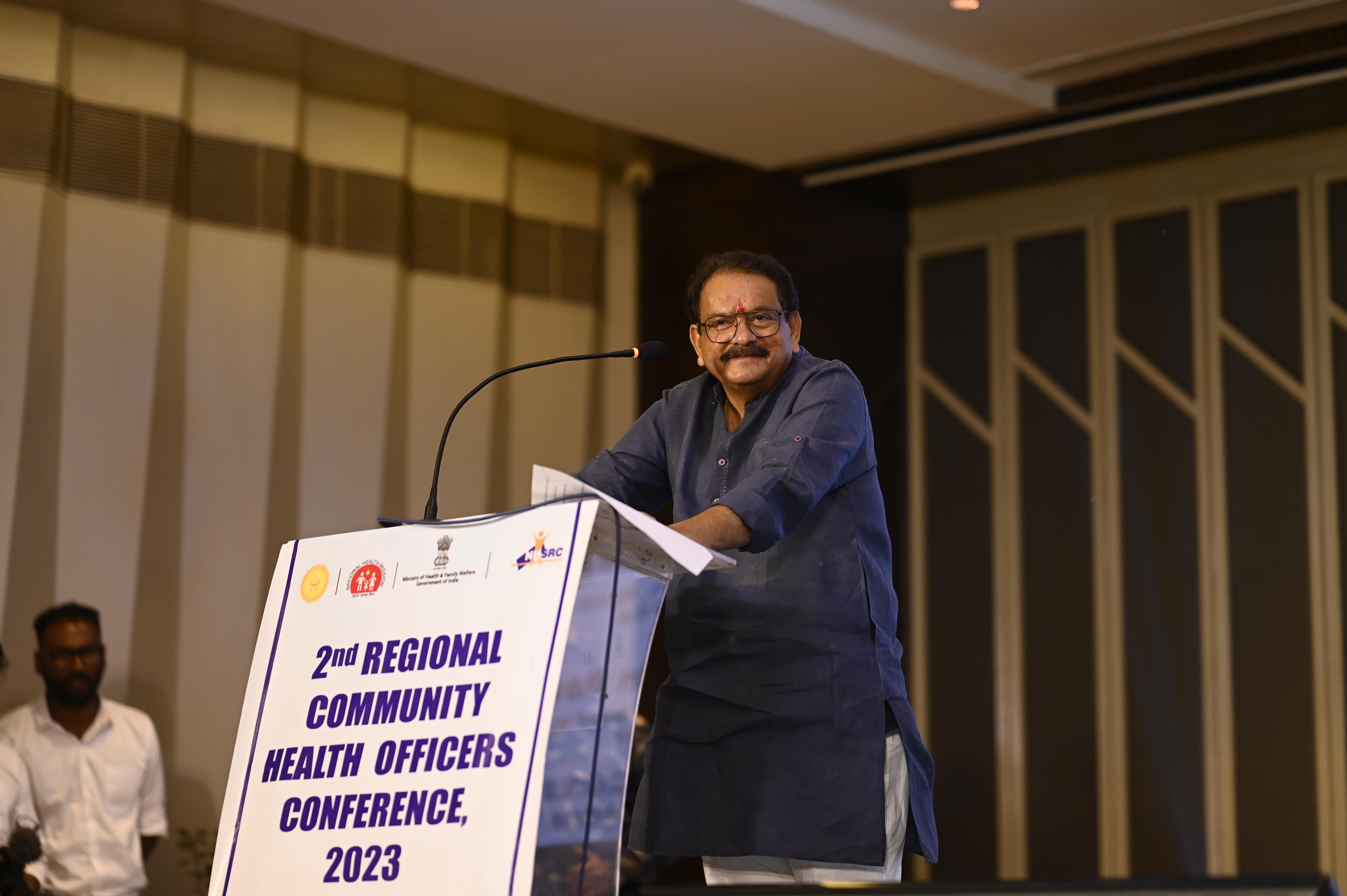
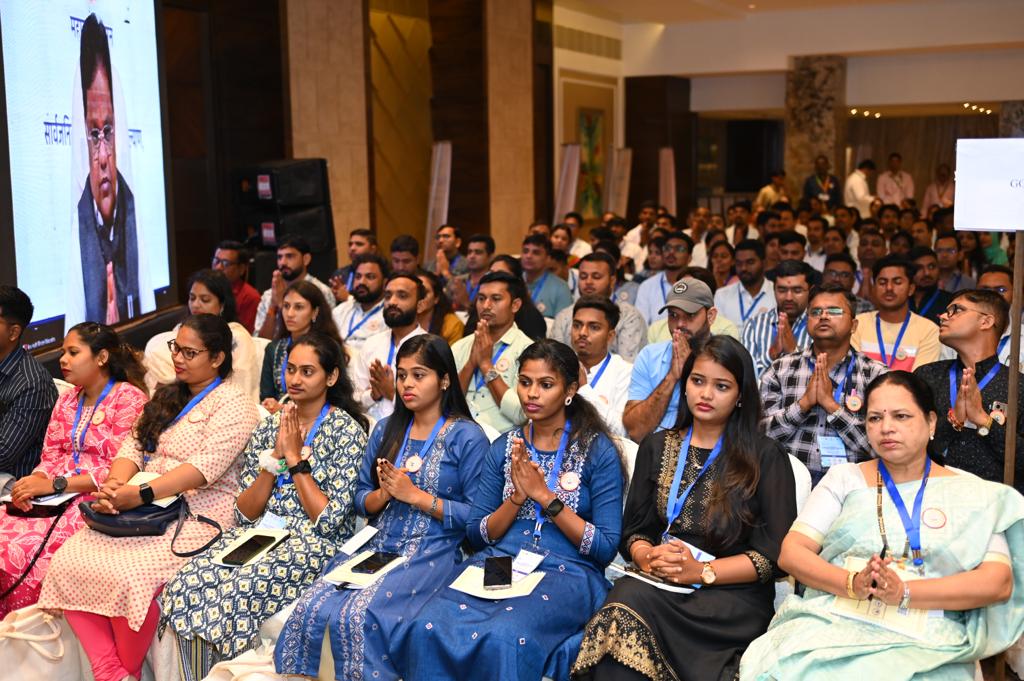
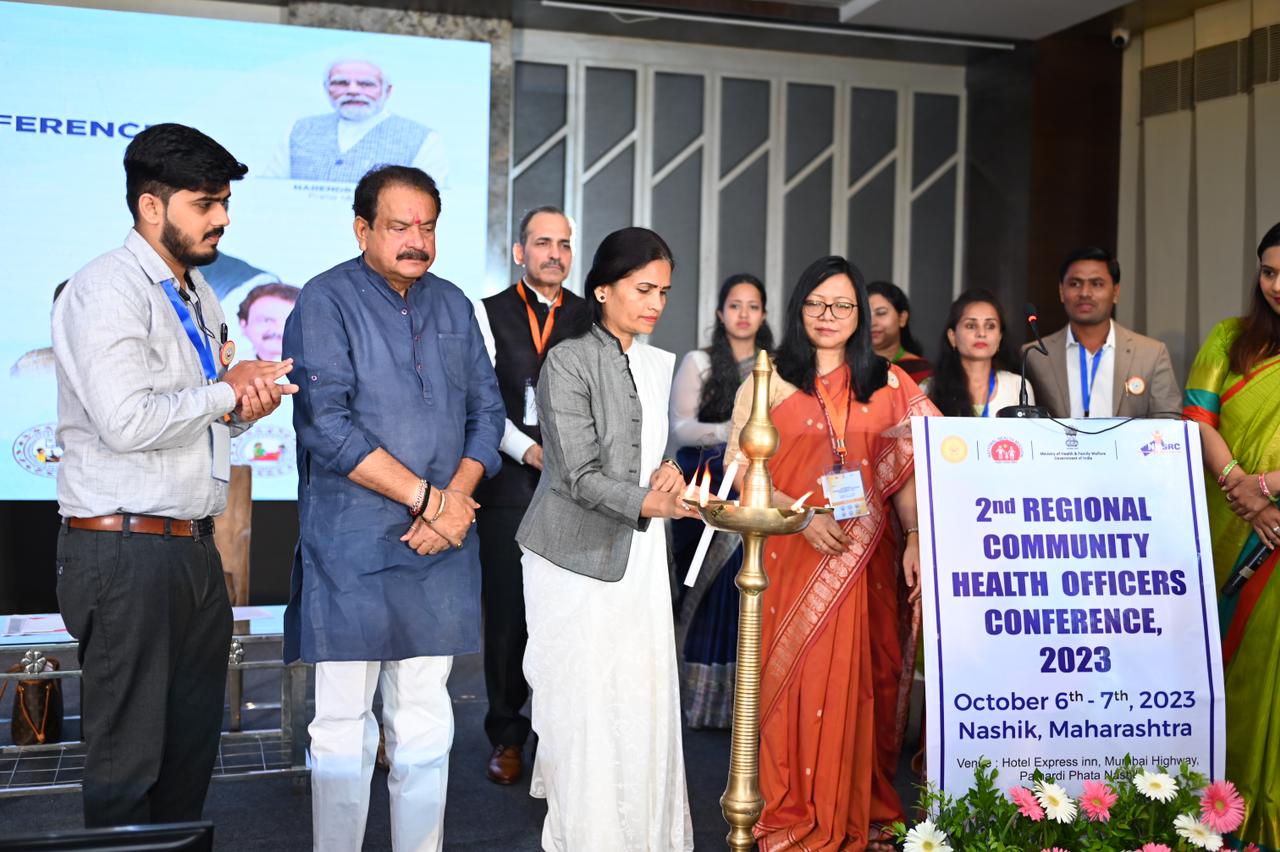
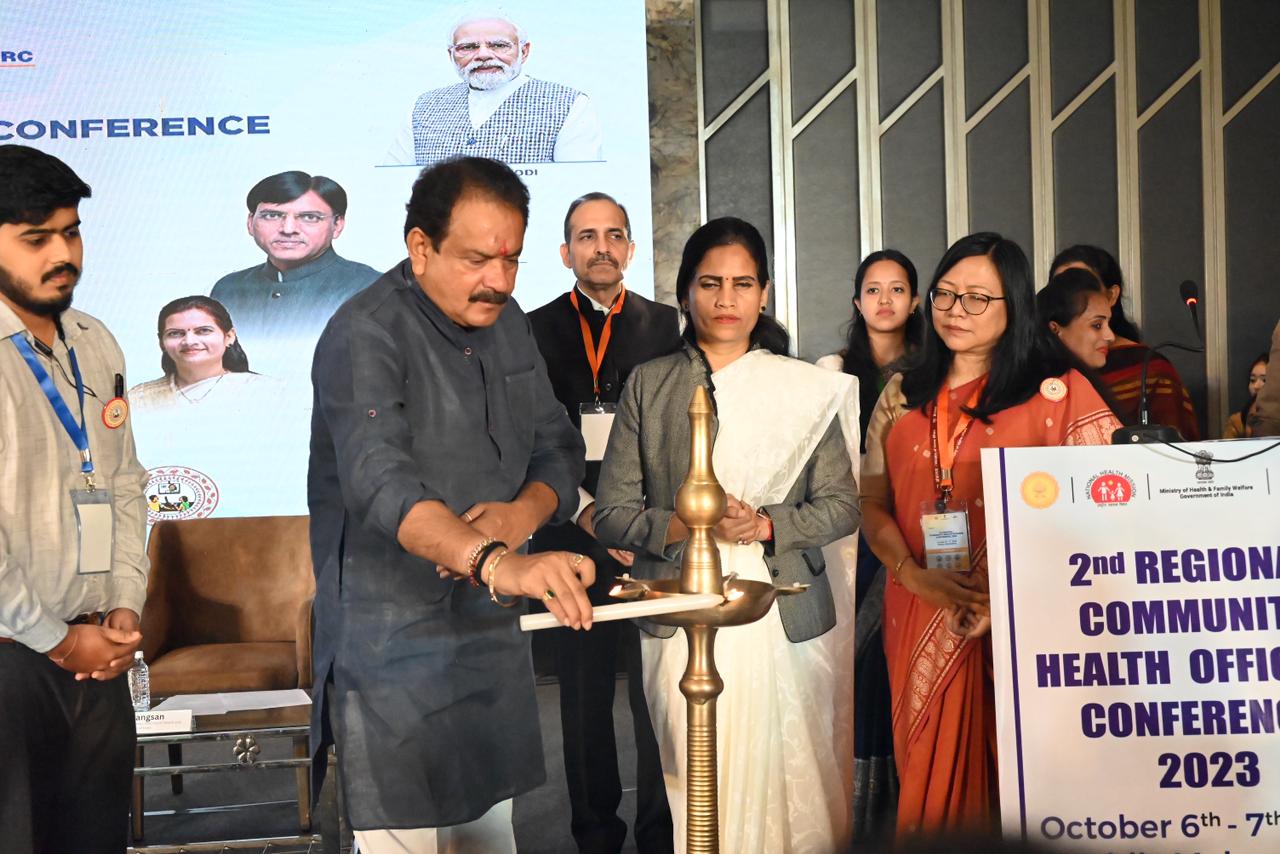
 The second Regional Community Health Officers (CHO) Conference was jointly inaugurated by the Minister of State for Health and Family Welfare Dr. Bharati Pravin Pawar and Prof. S.P. Singh Baghel, at Nashik in Maharashtra today.  This conference is being held for the second time after the success of the first regional CHO conference in Varanasi in December 2022. This time of the CHO Conference was “Towards Health For All- CHOs leading the way” has been organized for western India states and UTs such as Maharashtra, Gujarat, Karnataka, Goa and Dadra & Nagar Haveli, and Daman & Diu.

Welcoming all CHOs, Bharati Pravin Pawar said, CHOs have been leading the key healthcare reforms such as promotion of wellness, early disease detection through screening, availability of diagnostics and drugs, use of technology such as tele-consultation to ensure continuum of care. Health and Wellness Centres play an important role by providing free primary health care facilities to all, she said.  Promotive, preventive, curative and rehabilitative healthcare services are provided in these centres. “The CHOs play an important role in this initiative of the Government of India of providing universal health coverage to all. She said that the dedication of CHOs towards ensuring good health of all brings about long-term benefits and is a cornerstone for the country’s progress and prosperity. We have strong healthcare system to face future healthcare challenges, but for the best results, CHOs cooperation is needed”, Dr Bharati Pravin Pawar said.

Government of India has taken up many missions like Eradication of Tuberculosis  by 2025, to eradicate sickle cell disease by 2047 and many more. She urged all CHOs and health care workers to add impetus to these missions, so that socio-economic indicators of health like livelihood, nutrition, access to education, cleanliness and connectivity can also be stressed upon.


Speaking on the occasion, Dr. Bharati Pravin Pawar stated that the country is moving towards realizing the commitment of ‘Universal Health Coverage’ which will in-turn ensure fulfilling Pradhan Mantri Shri Narendra Modi’s vision of ‘Healthcare For all’. The Union MoS (H & FW) explained that universal health coverage means access for all to quality healthcare services where and when one may require it. “Equity, accessibility, affordability are important parameters of universal health coverage. The historic Ayushman Bharat programme based upon four important pillars – Ayushman Bharat Health and Wellness Centres, PM-Jan Arogya Mission, PM Ayushman Bharat- Health Infrastructure Mission, and Ayushman Bharat Digital Mission are focused on ensuring that the last mile gets the access to healthcare facilities the involvement of  community health care planning to achieve the status of ‘Ayushman Gram Panchayat’ or ‘Ayushman Bhav’ initiative is a great example of it.

Dr. Bharati Pravin Pawar further said that the share of out-of-pocket expenses in overall healthcare expenditure has dipped from 62% in 2014-15 to 47% in 2019-20. This shows progress towards ensuring financial protection and universal health coverage for citizens.

Speaking about the deliberations of earlier CHO Conference held at Varanasi, MoS (H& FW) Dr. Bharati Pravin Pawar stated that an important issue that was deliberated then was the provision of a training portal, where all CHOs can have access to presentations, reading materials etc. and developing and sharing of a repository of various online study materials. She also assured that this issue has been addressed by the Health Ministry and all modules on expanded packages of materials for CHOs are available for registered users on Shashakt portal and NHSRC portal as well.

Minister of State (Health and Family Welfare) Prof. SP Singh Baghel hailed the community health workers coming from different states and UTs of western India for their service towards humanity and said that they are in a noble profession where they take care of people’s health. He said that the health workers in our country, starting from doctors to paramedics to nurses to ambulance drivers, had given an excellent service to the people during the pandemic days, notwithstanding any health hazards.

The Minister of Public Health and Family Welfare, Government of Maharashtra Prof Dr Tanajirao Sawant had virtually addressed in the inaugural session. The dignitaries present in the inaugural session included Additional Secretary and Mission Director, Union Ministry of Health and Family Welfare, Smt L S Changsan and Executive Director, National Health Systems Resource Centre, Maj Gen (Prof) Atul Kotwal.

The two-day conference will focus on the four following themes: Clinical & public health functions, Managerial functions, Community connect & AYUSH integration, and IT initiatives. On the second day of the workshop, CHOs from west zone states will make presentations on the four themes and eminent experts will speak on comprehensive primary health care.

**** 

Western Ghats of India

The Western Ghats, also known as the Sahyadri Mountain Range is a UNESCO World Heritage Site and a biodiversity hotspot located along the western coast of India. It spans over 1,600 km and covers six Indian states, including Maharashtra, Karnataka, Tamil Nadu, Kerala, Goa, and Gujarat. The Western Ghats are one of the oldest mountain ranges in the world and have significant ecological, cultural, and economic importance. In this article, we will discuss the significance of the Western Ghats and the conservation efforts undertaken to protect this important ecosystem.

Source – Shutterstock

Significance of the Western Ghats

Ecological Significance:

The Western Ghats are home to a diverse range of flora and fauna, with over 5,000 species of flowering plants, 139 mammal species, 508 bird species, 179 amphibian species, and 290 freshwater fish species. The region is also home to numerous endemic species, which are found nowhere else in the world. The Western Ghats also serve as a catchment area for several major rivers in India, including the Godavari, Krishna, and Cauvery.

Cultural Significance:

The Western Ghats have been inhabited by numerous indigenous communities for thousands of years. These communities have a rich culture and tradition that is closely linked to the natural environment. The Western Ghats are also home to several important pilgrimage sites, including the famous Sabarimala temple in Kerala.

Economic Significance:

The Western Ghats are an important source of timber, fuelwood, and non-timber forest products. The region is also home to several important industries, including agriculture, fisheries, and tourism. The Western Ghats also provide numerous ecosystem services, such as regulating the water cycle, carbon sequestration, and soil conservation.

Conservation Efforts

The Western Ghats face numerous threats, including deforestation, mining, hydroelectric projects, and climate change. To protect this important ecosystem, several conservation efforts have been undertaken by the Indian government, non-governmental organizations, and local communities. Some of the key conservation efforts are:

  1. Protected Areas:
    Several protected areas have been established in the Western Ghats to conserve the region’s biodiversity. These include national parks, wildlife sanctuaries, and biosphere reserves. Some of the notable protected areas in the Western Ghats include the Silent Valley National Park, Periyar National Park, Bhadra Wildlife Sanctuary, and Nilgiri Biosphere Reserve.

  2. Forest Conservation:
    Several initiatives have been undertaken to conserve the forests of the Western Ghats. These include community-based forest management programs, afforestation, and reforestation efforts. The Indian government has also launched several programs, such as the Green India Mission and the National Afforestation Program, to increase forest cover in the region.

  3. Biodiversity Conservation:
    Several initiatives have been undertaken to conserve the biodiversity of the Western Ghats. These include species conservation programs, habitat restoration, and research and monitoring programs. The Indian government has also launched several initiatives, such as the National Biodiversity Act and the National Wildlife Action Plan, to conserve the biodiversity of the Western Ghats.

  4. Community-based Conservation:
    Several community-based conservation programs have been launched in the Western Ghats. These programs involve local communities in the conservation of natural resources and provide them with livelihood opportunities. Some of the notable community-based conservation programs in the Western Ghats include the Malnad Mela, the Bhadra Nethravathi River Valley Community Conserved Area, and the Kerala Conservation Alliance.

Gudi Padwa – Marathi New Year

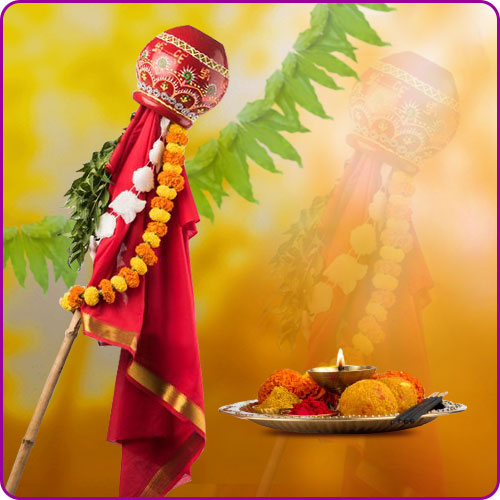
Gudi Padwa is a Hindu festival that marks the beginning of the New Year according to the traditional Hindu lunar calendar. It is celebrated on the first day of Chaitra month, which usually falls in March or April. Gudi Padwa is primarily celebrated in the states of Maharashtra, Goa, and Konkan regions of India. The festival symbolizes victory, happiness, and prosperity and brings people together to celebrate the spirit of the New Year.

Source – https://www.rudraksha-ratna.com/

The festival of Gudi Padwa is celebrated with great enthusiasm and joy. It is believed that on this day, Lord Brahma created the universe, and it is also considered the day when Lord Rama returned to Ayodhya after his victory over Ravana. The festival is named after the ‘Gudi’, which is a special flag made of cloth or silk and is adorned with a copper or silver pot, a neem leaf, a twig of mango leaves, and a garland of flowers. The Gudi is hoisted outside homes, and it signifies victory and happiness.

The celebration of Gudi Padwa begins with the cleaning and decoration of homes. People decorate their homes with rangolis, flowers, and lights. The preparation of traditional delicacies like puran poli, shrikhand, and karanji is also an essential part of the celebration. On this day, people also wear new clothes and exchange sweets and gifts with each other.

One of the main rituals of Gudi Padwa is the hoisting of the Gudi outside homes. The Gudi is hoisted early in the morning, and it is believed to bring good luck and prosperity to the family. People also offer prayers and perform puja to the Gudi. The Gudi is taken down in the evening, and the prasad is distributed among family and friends.

Another significant aspect of Gudi Padwa is the traditional Maharashtrian dance, ‘Dindi’. Dancers dressed in colorful traditional attire dance to the beats of Dhol, Tasha, and Lezim. The dance signifies the victory of good over evil and is performed in temples and public places.

Apart from Maharashtra, Gudi Padwa is also celebrated in other parts of India with different names and customs. In Andhra Pradesh and Telangana, the festival is known as Ugadi, while in Karnataka, it is celebrated as Yugadi. In Tamil Nadu, the festival is called Puthandu, while in Punjab, it is celebrated as Baisakhi.

Ganesh Chaturthi 🙏

 Ganesh Chaturthi 🙏

Ganesh Chaturthi / Ganesh Puja is majorly a national festival, which is marked with the installation of Ganesh clay idols both publicly and privately. The festival celebrates Lord Vinayaka or Ganesh as the God of new beginnings and remover of hurdles. Lord Ganesh is worshipped for prosperity and knowledge.

History of Ganesh Chaturthi 

Ganesh is known by the names Heramba, Ekadanta, Ganapati, Vinayaka and Pillaiyar. Ganesh Chaturthi / Ganesh Puja is one of the widely celebrated Hindu festivals in the country. The blessings of Lord Ganesha are invoked at religious ceremonies. Lord Vinayaka is known as the fortune giver and one who can assist to avoid natural calamities. He is also the patron god of traveling. Lord Vinayaka is portrayed with an elephant’s head on a human body. According to Hindu customs, Lord Ganesh is the son of Lord Shiva and Goddess Parvati.

How is Ganesh Chaturthi celebrated ?

In a few parts of India such as Maharashtra and Andhra Pradesh the festival of Ganesh is celebrated for ten days. It is a public occasion. Sweets are offered. On the day of the festival, clay idols of Vinayaka are installed in homes or outdoor in decorated tents for the public to view and submit their homage. Clay idols of Ganesh are also installed by schools and colleges.
Ganesh Chaturthi/Chavithi is celebrated with great pomp and show in Maharashtra, Gujarat, Goa, and Karnataka. Other states that celebrate this festival are: Andhra Pradesh, Telangana, Tamil Nadu, Odisha, Delhi, and Punjab.

What Rituals Are Observed for Vinayaka Chaturthi?

Though the festival is the same and has similar connotations across India, each region has slight variations in rituals and traditions. The celebrations last between 7 and 10 days at different places. A few common observances are:

1. Installation of Ganapati statue: 

A statue of the Elephant God is installed on a pedestal either at home or in a public place with a pranprathishtha puja.

2. Not looking at the moon: 

On the first night of the festival, people avoid looking at the moon because it is considered a bad omen.

3. Prayers:

 Washing of the statue; puja with the chanting of shlokas and offerings of flowers and sweets; and aarti, i.e. circumlocution of the idol with a plate filled with a lit earthern/metal lamp, kumkum and flowers, is done. Prayer meetings are also conducted at Ganapati temples and public installations every day in the evenings and in some places, in the mornings as well.

4. Special performances: 

Some public installations of Lord Ganesh might also have performances with dance, music, and skits.

5. Making and eating modak: 

Modak is believed to be Ganapati’s favourite sweet. So, these dumplings are made and distributed as prasad during the festival. Other food items such as laddoo, barfi, pedha, and sundal are also distributed during this time.

6. Visarjan: 

This is the immersion of the idol in a water body and is conducted on the last day – anywhere between the seventh and eleventh days – of the festival. It is accompanied by a procession of people chanting bhajans and shlokas and songs, with the idol. People seek forgiveness for the mistakes they have done so far and request the god to help them stay on the righteous path. Ganesha is thanked for visiting the home/locality, for being removing obstacles from people’s path, and for the auspiciousness he bestows.

Why Are Ganesha Statues Immersed in Water on the Last Day of the Festival?

Ganesh Visarjan symbolises the end of the festival as well as the fact that everything on Earth eventually merges with one or more of the elements of nature. It also indicates the birth cycle of Lord Vinayak – he was born from clay and returns to the elements in that form. In literal terms, he is going back to his heavenly abode after staying with his devotees for 7 to 10 days.

Floods in Maharashtra

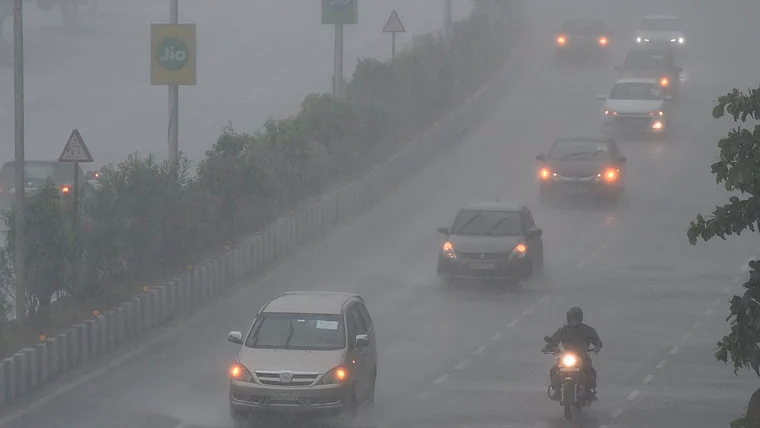
Navi Mumbai Weather Update: As rain lashes city, NNMC shares monsoon  estimates for Vashi, Belapur, Nerul and Airoli
when it rained,
after days, after months,
after years, I felt alive
when the rain touched,
my cheeks, they blushed,
and grinned. As they do,
when they meet a long-lost friend
i wanna go out and say hi,
say that it’s been rough,
without you,
but I can’t.
me grinning and blushing,
and dancing hands in hands,
in rain, would bring back wounds,
the ones that are healed,
the ones that are to be healed.

Climate change is real!

Maharashtra has been dealing with two disasters; Floods in the midst of this ongoing pandemic. These floods have posed a grave threats to all the people.

Maharashtra witnessed high-intensity floods due to the incessant rains over the past few weeks. At least 209 people have died due to the floods in Maharashtra and eight still remain missing. A total of 4,34,185 people from eight districts have been evacuated to safer places, as rescue operations continue.1Among the 209 fatalities, the Satara district reported 46 deaths, followed by 35 in Ratnagiri, 15 in Thane, seven in Kolhapur, four in Mumbai, three in Pune, four in Sindhudurg and two each in eastern Maharashtra’s Wardha and Akola districts.

A total of 3,221 animals have died. Meanwhile, the floodwater has entered the roads and fields, submerging many areas of the Sangli district in Maharashtra making it hard for people to commute from one place to another.

Heavy rainfall in Maharashtra has caused flooding in several areas of the state, including Kolhapur. Houses, roads, and commercial establishments remained partially submerged in floodwater in Kolhapur on Monday.

MUMBAI: Despite the fact that the rains have lessened this week after last week’s torrential downpour, Mumbai has already received 93 percent of the season’s average rainfall. The average rainfall for this season is 2205.8 mm, with 2052.7 mm recorded at the Santacruz observatory. There are two more months of monsoon left to cover the remaining 7% of the seasonal rain target.
While there were no rains at the IMD’s Colaba observatory, the Santacruz observatory recorded 4.3mm of rain, which is considered light rain. Significant weather systems, such as the offshore trough from Karnataka to Kerala’s coast, as well as the low pressure region, have become less prominent, according to IMD sources.
Most of the season’s rainfall so far has been recorded in a heavy rain spell restricted to just a few hours.
This resulted in significant water logging, as well as the loss of life and property. Since the start of the monsoons, IMD’s Santacruz observatory has recorded 235mm of rain on July 17-18, and 253mm on July 16-17. A total of 231.3mm fell in a 24-hour period between June 9 and 10. The IMD has issued a green alert till Thursday, indicating only light to moderate rain activity.

In these past months,

Most UNDER-RATED Holiday DESTINATIONS in INDIA

Osian, Rajasthan

Adventure Activities & Sports in Rajasthan - Rajasthan Tourism

Osian village in Jodhpur district in Rajasthan is a delight for those who love historical architecture and the fact that you get to see all of it in an oasis in the Thar Desert makes it a double whammy. The 8th to 11th century temples there make this village a must-visit destination.

Tarkarli, Maharashtra

MTDC RESORT TARKARLI (Maharashtra) - Resort Reviews & Photos ...

Frankly, almost any beach on the Konkan coast could have qualified for this spot. Tarkarli, in Sindhudurg district in Maharashtra, with its pristine waters, long and narrow beaches with Shuru trees in the background, managed to earn some extra points. It’s one of the most peaceful and non-commercialized beaches in India.

Gavi, Kerala

Gavi, Kerala - Wikipedia

We usually associate trekking with mountains and hills. But this is one wildlife trek you wouldn’t want to miss. Located in Pathanamthitta district in Kerala, on the highway connecting Kollam and Madurai, Gavi is part of the Periyar Tiger Reserve. It is said that the only two gopher trees in India can be found in Gavi.

Kasar Devi/Crank’s Ridge, Uttarakhand

Kasar Devi Temple Almora - Timings, Entry Fees, Location, Facts

If you’re interested in the hippie-way of life but are tired of the huge number of tourists in Himachal Pradesh, you need to make it a point to visit Kasar Devi village near Almora in Uttarakhand. Crank’s Ridge, or Hippie Hill as the locals call it, on the way to Kasar Devi temple is also a historical place for hippies. Legends like Allen Ginsberg, Bob Dylan and Cat Stevens are some of the few people who visited this place during the peak of the Hippie movement in the sixties.

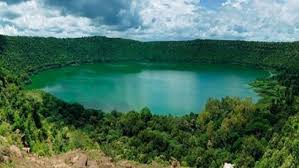
Lonar Crater, Maharashtra

Lonar Crater Lake | District Buldhana, Government of Maharashtra ...

Located in Buldana district in Maharashtra, the Lonar Crater Lake was formed around 570,000 years ago due to a meteor impact. Owing to its high concentration of carbonate salts it’s categorized as a saline soda lake. So, it’s a soda lake formed by a crater.

Krem Mawmluh & Krem Ri Blai, Meghalaya

Travelstruck - Krem Mawmluh & Krem Ri Blai, Meghalaya... | Facebook

Cave exploration hasn’t taken off in a big way in India, which is really surprising considering there are so many options to do so in this country. Krem Mawmluh and Krem Ri Blai, in Mehgalaya, are natural horizontal and vertical caves respectively. Make it a point to visit them at least once in your life.

Ziro, Arunachal Pradesh

Arunachal Pradesh Itinerary Service - Dibrugarh Ziro Pasighat ...

Ziro is a town in the Lower Subansiri district in Arunachal Pradesh and it has been hosting the Ziro Festival of Music for the past three years. But here’s the thing – the quaint little town is so attractive, that even without a crowd pulling event, it would find a spot on this list.

Wayanad, Kerala

GRASSROOTS WAYANAD (Kalpetta, Kerala) - Guesthouse Reviews, Photos ...

This piece of trivia goes out especially to those trying to escape the city life for a while – Wayanad district is only 3.79% urbanized. Yep, lots of greenery here. Ancient history geeks can also trip out on the Edakkal caves where they can see actual pictorial writings from the Neolithic period.

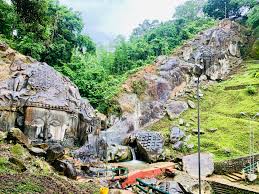
Unakoti, Tripura

Unakoti - Wikipedia

The stone carvings in Unakoti in Tripura are one of the most detailed ones in India and yet, this place is rarely visited. As per Hindu mythology, when Lord Shiva was going to Kashi along with one crore gods and goddesses, he made a night halt at this location. He asked all of them to wake up before sun rise. It is said that in the morning, except Shiva himself, no one else woke up on time. So Shiva set out for Kashi on his own cursing the others to become stone images. Perfect for both spirituality and history enthusiasts, this is truly one of the most underrated places in the country.

Maharashtra, Delhi, amongst five states to receive the first batch of COVID-19 drug

Hetero Drug Limited, which is one of India’s leading pharmaceutical companies, has the approval to manufacture and market the generic version of the experimental COVID-19 drug Remdesivir. The company has sent 20,000 vials to five states which include Maharashtra and Delhi.

Both Maharashtra and Delhi happen to be the worst affected states when it comes to the coronavirus. Gujarat and Tamil Nadu are the other two states that will receive the first batch of the drug. The drug Remdesivir is being marketed under the brand name COVIFOR in India.

The capital of Hyderabad, Telangana, where the company is based, will also receive the first batch of the drug. The next batch of the drug is to be shipped to Kolkata, Indore, Bhopal, Lucknow, Patna, Bhubaneshwar, Ranchi, Vijayawada, Kochi, Trivandrum and Goa.

According to the pharmaceutical company, a 100-milligram vial of the drug will cost ₹5,400. The recommended dose for both adults and the paediatric patients are said to be 200 mg on day one followed by a maintenance dose of 100 mg for five days.

At the moment, the drug is being manufactured at the company’s formulation facility in Hyderabad. The active pharmaceutical ingredient (API) is being made in the firm’s Visakhapatnam facility, as per reports by a news agency.

The DCGI had earlier approved the generic versions made by Cipla and Hetero for emergency use in severe cases of coronavirus. The treatment was the first to show results in trials conducted on patients suffering from the disease. It has won approval for emergency use in patients from the US, South Korea and has further received full approval in Japan.

Maharashtra, which is the worst affected state in the country because of the pandemic can, therefore, use this drug to treat critically ill patients. The state currently has 1,47,738 cases of coronavirus with 70,878 cases in Mumbai only.

UNEXPLORED INDIA – 5 must places to visit in India

India is full of awe-inspiring places to enthral and inspire visitors. And, given the vast expanse and sheer diversity of this South Asian country, there are plenty of untouched and unexplored places. From the great Himalayan range in the north to the shimmering coastline of Indian Ocean in the south, and from the Gulf of Kutch in the west to the shores of the Bay of Bengal in the east, India is home to countless destinations.

Here I bring some of the unexplored and must visit destinations all over India

  1. JAWAI, Rajasthan

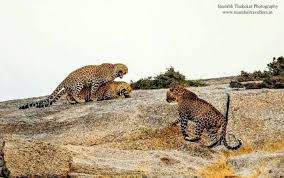
An unmissable place for wildlife enthusiasts is Jawai, located in the Pali district of Rajasthan. This is one of the best places in the country to spot a leopard in the daytime, so it is called the ‘Leopard Hills of India’. Several migratory birds and wild animals are found in the area, including cranes, flamingos, sloth bears, antelopes, and Indian wolves. Considered among one of the lesser known tourist destinations, this place deserves much more attention than it gets. It’s a perfect destination providing solitude and natural beauty in a place away from the artificial and busy lifestyle of cities.

Activities to do

  • Leopard safari
  • Bird watching from jawai dam as a lot of migrating birds are spotted here

Best Time to Visit

Although Jawai is open from early September to mid of May, the best time to come here is from October to early April as the weather is less humid while the nights could be chilly. 

How to Reach

Jawai Bandh is 392 kms away from Jaipur. For air travelers, there is no direct flight but the nearest airport is Udaipur from where you can get a cab to Jawai Bandh. Besides, there are 3 direct trains plying from Jaipur to Jawai Bandh but if you are traveling by bus, the only option is to reach Sirohi and then take a taxi up to Jawai Bandh.

2. TARKALI,  Maharashtra

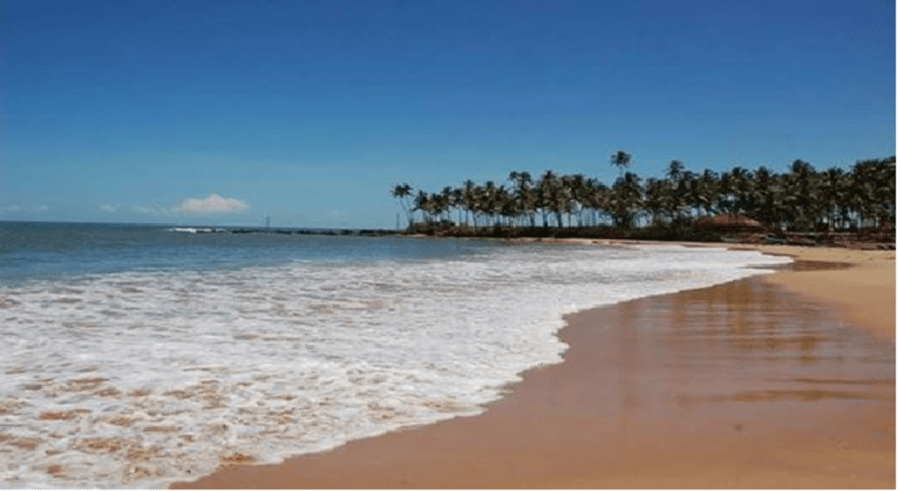
In the Sindhudurg district of Maharashtra, Tarkali is a seaside destination with numerous pristine white sand beaches, calm waters full of marine life and lush greenery. Few years ago, Tarkarli beach is declared as a Queen Beach of Konkan region. Monthly, Thousands of tourists are visiting this place to rejuvenate and enjoy thrill of water sports activities. Besides chilling out by the beach, you can go scuba diving and get up close with colourful tropical fish, turtles and other marine creatures, or indulge in water sports like kayaking, jet-skiing, parasailing, speed boat rides or banana boat rides. If you visit between February and October you can spot dolphins also, don’t forget to treat your taste buds with local Malvani cuisine.

Activities to do

  • Scuba diving
  • Snorkling
  • Parasailing
  • bison national park
  • dolphin spotting

Best time to visit

Winter is the best season for visiting Tarkarli. The months from October to March is when Tarkarli becomes an ideal holiday destination. Monsoons can also be a favourable time for planning a trip, although the heavy rainfall might ruin your plans. The summers, though, are the least advisable time to visit Tarkarli, owing to the scorching heat and the unbearable humidity.

How to reach

The nearest airport is Dabolim Airport in Goa. By rail, Tarkarli can be accessed from Sindhudurg and also from Kudal and Kankavli by the Konkan Railway. Tarkarli is easily accessible by road from Malvan by bus and rickshaw. Tarkarli is 475 km (Panvel Kochi Road, NH 17) and 576 km (Mumbai Kohlapur Road NH 4) away from Mumbai. Daily private, luxury and State Transport bus service available from various parts of Goa, Mumbai, Pune to Malvan.

 3. BHALUKPONG, Arunachal Pradesh

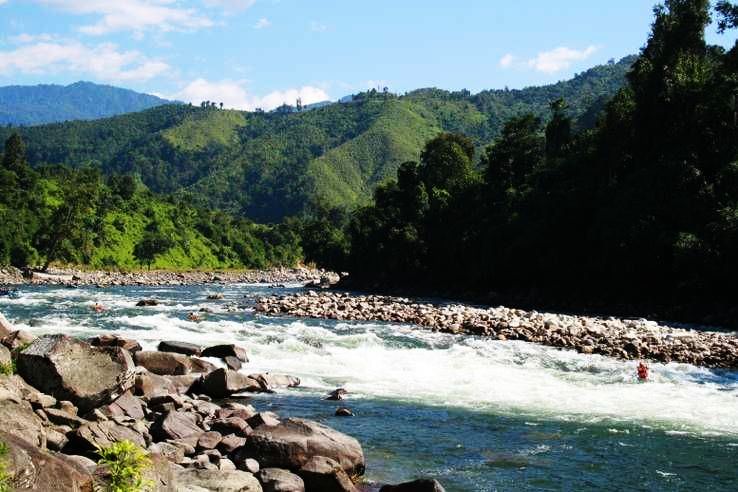
Bhalukpung is a small town located along the southern reaches of the Himalayas in West Kameng district of Arunachal Pradesh in India. Apart from being the nature lover’s paradise, Bhalukpong can provide you a complete experience with wildlife and a host of activities complimenting its natural beauty and the environment of a place lesser known.

The Kameng River running in the forest surrounding it makes the town even more attractive. In Bhalukpong you’ll find yourself making the most of hiking, trekking, camping and fishing.

Activities to do

  • Sesaa orchid sanctuary
  • Fish angling and river rafting
  • Pakhui Game Sanctuary

Best time to visit

October-March is the best period to visit. The Aka tribal festival takes place in March and is a major attraction for tourists.

How to reach

The nearest airport, as well as railway station, are at Tezpur. Cabs and busses ply periodically up and down to Bhalukpong. However, many prefer to drive down to the charming city. The road goes via NH 37 which is in excellent condition. The drive is an exciting one by itself as the road passes by the famous Kaziranga National Park.

4.SKANDAGIRI HILLS

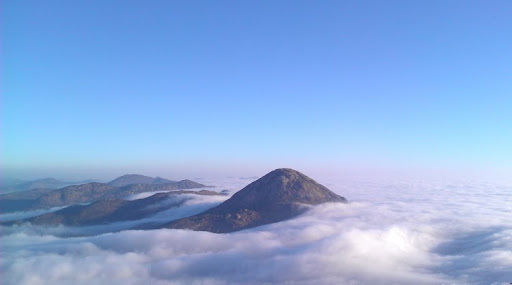
The picturesque Skandagiri Hills are much much-loved for the view of a golden sunrise and fluffy beds of clouds. Located about 70 km from Bangaluru city, the peak is at an altitude of about 1350 meters. With beautiful scenery, these hills have the potential to allure trekkers around the world. site makes for a perfect holiday spot for the adventurer and naturalist.

Activities to do

  • You can go trekking along the ridges and pass through the valley and take in the stunning view of the Deccan Plateau.
  • Get a perfect sight of the gorgeous sunrise accompanied by a wall of mist in the morning
  • Gazing at the star-studded skies

How to reach

The nearest railway station and airport to Skandagiri Hills lies in Bangalore. Hence, one can reach bangalore by means of flight or train and then take up the roadways for covering the additional distance. The distance of Skandagiri Hills from Bangalore is approximately 62 Kms.

5. SPITI VALLEY, Himachal Pradesh

Spiti Valley is a cold desert mountain valley located high in the Himalayas in the north-eastern part of the northern Indian state of Himachal Pradesh. It is a very unconventional tourist destinations of this list. The Spiti Valley is the blood of the attraction providing mind-soothing views, picnic spots, trekking routes, camping regions and so on. Lahaul and Spiti district is surrounded by high mountain ranges. The Rohtang Pass, at 13,054 feet (3,979 m), separates Lahul and Spiti from the Kullu Valley. Lahul and Spiti are cut off from each other by the higher Kunzum Pass, at 15,059 feet .To add more beauty to this place, you can find monasteries  that allow tourists to stay in the dorms, explore the buildings, join the rituals and live like a hermit.

If desired, you could trek up to the top to spot the glaciers of the region. If you looking for some serenity in your vacation? It is time to add Spiti to your bucket list.

Activities to do

  • Visit ancient Buddhist monasteries
  • Camp at Chandra Taal Lake
  • Bike and trek in nature
  • Visit a mummy in the village of Giu

Best time to visit

The best time to visit Spiti is from March to June. The ones who are into a relaxing vacation should visit Spiti during this season when the temperature ranges from 0 – 15-degree Celcius, which starts from March and lasts until June. Winters in Spiti are for the daring.

My Experience at Holy Sri Hazur Sahib Gurudwara at Nanded, Maharashtra

As academician, I had the opportunity and still get opportunity to visit many places of our country (although I am senior citizen and retired on superannuation) and whenever I get an opportunity, I inspire to visit Temple, Church, Mosque or Gurudwara. On 7 March 2020, I   had the scope to visit Sri Hazur Sahib Gurudwara at Nanded, Maharashtra, India, a wonderful and holy place where I was enthused for doing meditation, in addition to prayer as in this place (Nanded) Sri Guru Gobind ji left for heavenly abode on 7 October, 1708.  Also, I am pleased to mention that I could visit Sri Patna Sahib also known as Harmandir Sahib, Gurudwara, the birthplace of Guru Gobind Singh ji, (born in 1666). The Patna Sahib Gurudwara is considered to be one of the holiest of the five ‘Takths’ or ‘Seats’ of the Sikhs, located in old city of Patna, Bihar. Thus, his Birth place and ‘Paralok Prapti’ place (heavenly abode) i.e. both the divine places I could visit for which I am feeling lucky.

Holy Sri Hazur Sahib Gurudwara at Nanded, Maharashtra

Before penning down few lines about my experience in Sri Hazur Sahib Gurudwara, Nanded, I extend my Pronam to Sri Guru Gobind Singh Ji, the 10th  Sikh Guru, Poet, Philosopher and Spiritual Master also as he was the pioneer to establish this Gurudwara. This holy place has greatly attracted me because of its pristine beauty including its surroundings. The campus is neat and clean and is difficult to find a piece of paper anywhere.

Guru Gobind Singh, while conferring Guruship of the Holy Book, Guru Granth Sahib, had named Nanded region as Abchalnagar (steadfast city), located on the bank of the River Godavari.  In addition, other major Gurudwaras in Nanded and its vicinity are Nagina Ghat, Banda Ghat, Sangat Sahib, Baoli Sahib, Mal Tekdi, Shikar Ghat, Hira Ghat and Mata Sahib, etc. As already mentioned, Sri Guru Gobind ji left for heavenly abode on 7 October, 1708 at Nanded and before return to his heavenly abode (Paralok Prapti’) he uttered, “The Eternal Father willed and I raised the Panth. All my Sikhs are hereby ordered to accept the Granth (Holy Book of the Sikhs) as their Preceptor. Have faith in the Holy Granth, as your master and consider it the visible manifestation of the Gurus. He who had a pure heart will seek guidance from its holy words”.  His sole mission was to restore mankind to brotherhood. He institutionalized the Khalsa by baptizing five persons in Sikhism (literally, Pure Ones), who played the key role in protecting the Sikhs after his death. He fully realized human beings are perishable, but noble ideas sustain forever – they are eternal.  The five persons who were baptized in Sikhism, on the day of ‘Vaishakhi’ by Guru Gobind ji in 1699 were Daya Ram (Bhai Daya Singh), Dharam Das (Bhai Dharam Singh), Himmat Rai (Bhai Himmat Singh), Mohkam Chand (Bhai Mohkam Singh), and Sahib Chand (Bhai Sahib Singh).  According to Guru Gobind ji, “He who keeps alight the unquenchable torch of truth, and never swerves from the thought of One God; he who has full love and confidence in God and does not put his faith, even by mistake, in fasting or the graves of Muslim saints, Hindu crematoriums, or Jogis places of sepulchre; he who recognises the One God and no pilgrimages, alms-giving, non-destruction of life, penances, or austerities; and in whose heart the light of the Perfect One shines, – he is to be recognised as a pure member of the Khalsa” (Guru Gobind Singh, 33 Swaiyyas)

Holy Sri Hazur Sahib Gurudwara at Nanded, Maharashtra

The 300 Gurudomship ceremony of Guru Granth Sahib and 300 Joti Jot anniversary of Guru Gobind Singh were celebrated in a massive way at Hazur Sahib, Nanded in 2008. The then Prime Minister of India, Dr. Manmohan Singh ji addressed to the Sath-Sangat on the main function. For creating awareness among common people, ‘Jagriti Yatra’ was arranged which journeyed through different places across the country and also many places in abroad.

However, in the context of Hazur Sahib Gurudwara, it is pertinent to mention that, the most important aspect is that there are two number of sanctum sanctorum. While all the functions are carried out by the priests in the outer room, the inner room is a vault which houses priceless objects, weapons and other personal belongings of the Guru. No one except the head priest can enter this holy vault.

Before winding up, seven teachings of Guru Gobind Singh ji that can guide us throughout life are presented below:

  • Do not gossip, nor slander, or be spiteful to anyone.
  • Do not be proud of riches, youthfulness or lineage. (Regardless of maternal and paternal caste or heritage, all of the Guru’s Sikhs are siblings of one family.)
  • When dealing with enemies, practice diplomacy, employ a variety of tactics, and exhaust all techniques before engaging in warfare.
  • Do as much possible to serve and aid foreigners, those in need, or in trouble.
  • Realise that considering a daughter as property is poison.
  • Donate a tenth of your earnings.
  • Do not ruin anyone’s work by gossiping.


(The relevant information and particulars have been collected from

3) https://www.hazursahib.com/Informations/History,

4) https://www.sikhiwiki.org/index.php/Takhat_Sachkhand_Sri_Hazoor_Sahib

5) https://en.wikipedia.org/wiki/Khalsa

6) https://www.sikhs.org/khalsa.htm


 Dr. Shankar Chatterjee

Former Professor& Head (CPME)

NIRD &PR (Govt. of India),

Hyderabad-500 030

Telangana, India

Email <shankarjagu@gmail.com>