What is Make in India?

When it comes to
manufacturing a product or mass producing it, the go-to country for foreign
investors and companies looking to establish manufacturing and assembling plants
is “China”. China is the major competitor India has when it comes to
outsourcing and manufacturing business, but china was still favorable due to
ease of doing business and low manufacturing costs. India’s ailing
infrastructure, the bureaucratic approach adopted by the former government,
defunct logistics, lack of a proper transportation network, and widespread
corruption were the main reasons why companies found it difficult to do
business in India. These were the reasons
why the Modi government launched the ‘Make in India’ campaign to help transform
India into a manufacturing hub.


The Make in India Vision

The Manufacturing sector
in India accounts for around 16% of the GDP. The campaign aims to bring this
number to around 25% of total GDP contribution and also to generate employment
opportunities and attract foreign investors along the way to help transform
India into the number 1 manufacturing hub in the world.

Inspired by the
‘Ashoka Chakra’, the logo for the make in India campaign is a Lion and the
prime minister decided to dedicate the campaign to
Pandit
Deen Dayal Upadhyaya born in 1916 on the same date.


Main objectives of this initiative

1) To increase the
growth rate of our manufacturing sector to 12-14% per annum

2) To increase the
total GDP contributions of the manufacturing sector from 16% to 25%

3) To create around
100 million job opportunities in the manufacturing sector alone.

4) One of the
objectives was to improve India’s rank in the ease of doing business index by
the World Bank.

5) To improve India’s
export-led growth

6) To attract foreign
investments and develop the industrial base in order to surpass china.


Challenges faced by the government

1.     
Shell
companies: –
shell companies
are a major problem as they account for the majority of the FDI inflow and are suspected
to be investing their black money.

2.     
Productivity:
low productivity of the
manufacturing sector, as well as the skilled labor force, is highly
insufficient. On average the Indian workforce is almost four to five times less
productive when compared to china or Thailand.

3.     
Small
Industries:-
small size of our
industrial units was also a challenge as they fail to meet desired economies of
scale. Due to their small size, they cannot afford to invest in modern machinery
and develop their supply chains.

4.     
Complicated
labor laws: –
complexity of
our labor laws for companies with more than 100 employees which requires
special approval to lay off their employees was also one of the main reasons.

5.     
Electricity:-
even though the per unit cost
of electricity is practically the same in India and China, India experiences
far more outages which can cause delays in meeting the demand.

6.     
Transportation:– the average speed in India is 60km/h which is
far less than china’s 100km/h speed. What India lacks in speed it overcomes in
terms of overloading trucks and having one of the best ports.


Make in India scheme

 Make in India is a programme of the Government of India to encourage the people of India to manufacture in our own country. Mainly the programme aims to the growth of the manufacturing industry. This programme was launched by our honourable Prime Minister Narendra Modi on September 25, 2015, in New Delhi.

The main importance of the Make in India programme is on 25 sectors. They are shipping railways, biotechnology, thermal power, automobile components, roads and highways, oil and gas, tourism and many more.

Prime Minister Narendra Modi said while delivering the speech from the Red Fort that Comes and makes in India, people of our India have many skills and talents to do our own thing at its best to make in India and also manufacture in India. This will help to raise our economic growth and a chance to prove ourselves that the people of India can do anything.

If you want to know more about this Make in India scheme please visit http://www.makeinindia.com for more details.

Make in India- A great Initiative

 Make in India Scheme- A Great Initiative 

Make in India is an initiative by the government of India to encourage companies to manufacture products in India. This program is designed to facilitate investment, foster innovation, enhance skill development, protect intellectual property and build best-in-class manufacturing infrastructure in the country. It was launched by Prime Minister in September 2014 as part of a wider set of nation-building initiatives. 

The aim is to transform India into a global design and manufacturing hub. The primary objective of this initiative is to attract investments from across the globe and strengthen India’s manufacturing sector. This program is very important for the economic growth of India as it aims to utilize the existing Indian talent base, creating employment opportunities and empowering the secondary and tertiary sectors.

Make in India needed a different kind of campaign, instead of the typical newspaper advertisements, this exercise required messaging that was informative, well-packaged and most importantly, credible. It had to inspire confidence in India’s capabilities amongst potential partners abroad, the Indian business community, and citizens at large; provide a framework for a vast amount of technical information on 25 industry sectors; and reach out to a vast local and global audience via social media and constantly keep them updated about opportunities, reforms, etc.

The Department for Promotion of Industry and Internal Trade (DPIIT) worked with a group of highly specialized agencies to build brand new infrastructure, including a help desk and a mobile-first website that simply contain information. The focus of the Make in India program is on 25 sectors. These include automobiles, automobile components, aviation, biotechnology, chemicals, construction, defense manufacturing electrical machinery, electronic systems, food processing, IT & BPM, leather, media and entertainment, mining, oil and gas, pharmaceuticals, ports and shipping, railways, renewable energy, roads and highways, space, textile and garments, thermal power, tourism and hospitality, and wellness.

DPIIT initiated this process by inviting participation from Union Ministers, Secretaries to the Government of India, state governments, industry leaders, and various knowledge partners. A National Workshop on sector-specific industries in December 2014 brought Secretaries to the Government of India and industry leaders together to debate and formulate an action plan for the next three years, aimed at raising the contribution of the manufacturing sector to 25% of the GDP by 2020. This demonstrated the transformational power of public-private partnership and has become a hallmark of the Make in India initiative.

In a short period, this initiative grows a lot with a transparent and user-friendly system. The ministry has engaged with the World Bank Group to identify areas of improvement. Now, the credibility of India becomes stronger. There are visible changes in the business sector of India as this program opened doors for investors and promoted entrepreneurs. Now India is on its way to becoming the largest and most powerful economy. 

Khadi: The Sustainable Fashion of India

Khadi, India‘s own versatile clothing material for ages

Introduction

Khadi, also known as Khaddar ,which started as a symbol of the Swadeshi Movement led by Mahatma Gandhi 100 years ago, is now a fashion statement in India and is gradually getting popular across the globe. Not only as an affordable and comfortable fabric for daily-wears, but also Khadi is now being considered as a Style Statement for its sustainability and eco-friendliness.

Khadi production

Nature of The Khadi Material

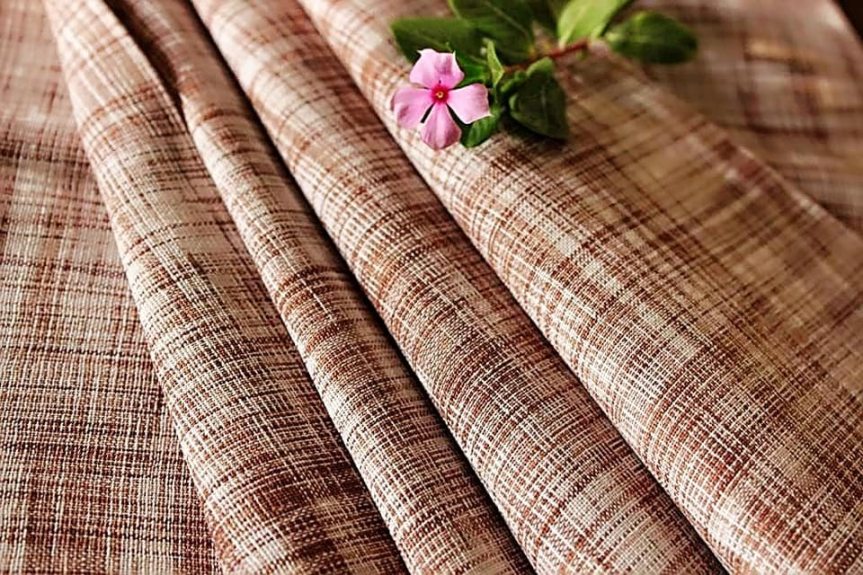
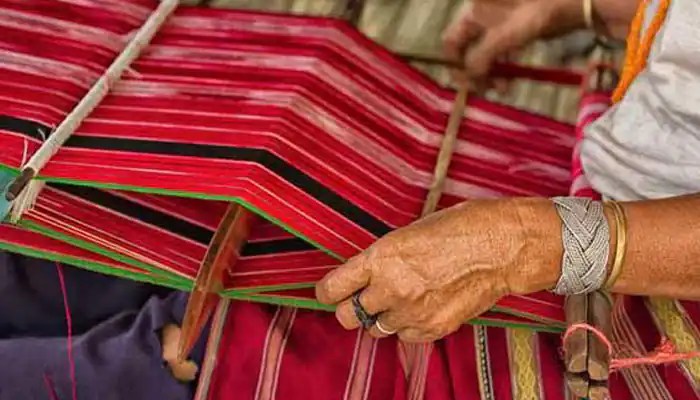
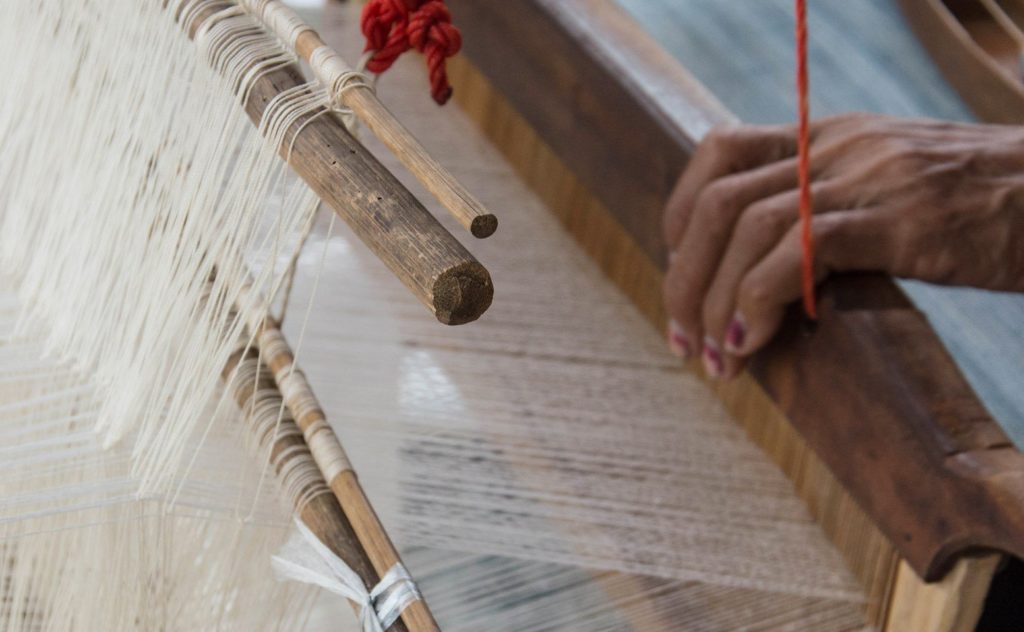
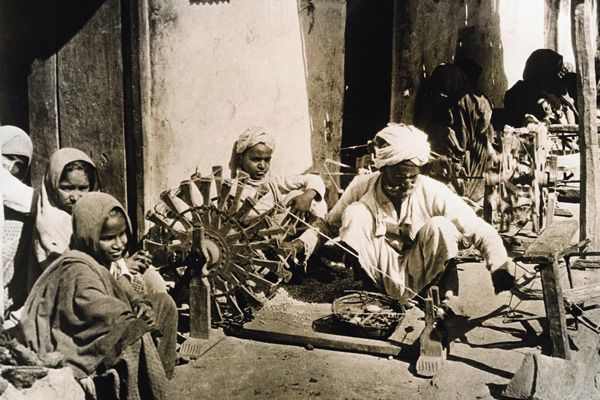
Khadi is a textile fabric made by hand-spun and hand-woven cotton, silk, wool or a mixture of these fibres. It is a traditional way of textile manufacturing and is generally produced by rural artisans. The method of manual spinning and weaving makes the fabric structure somewhat rugged and imparts a unique appearance and makes it soft and comfortable to wear. The spinning is carried out on a traditional wooden frame called charkha, while the weaving is done on a handloom. The specific fabric construction helps in circulation of air within the threads and imparts unique property of keeping the wearer warm in winter as well as cool in summer.

Weaving of Khadi

History of Khadi : Role in India’s Freedom Movement

India has an ancient heritage of cloth making based on the availability of natural fibrous raw material such as -agricultural cotton owing to the clement climatic conditions and fertile land, varieties of silk from different sericulture and wool from domestically reared sheep. The textile coloration was carried out using abundantly available natural dyes, derived from various plant and animal extracts. Such flourishing textile base was one of the major attractions for the Western world. After mechanised industrialisation, the situation changed and the basic raw material was exported from India, converted into mill-processed finished cloth and the imported fabric was brought back. This led to the demolition of traditional textile manufacturing in India and eventually the art and craft of fabric making diminished.

During the initial phase of the freedom movement, national leaders like Dadabhai Naoroji and Lokmanya Tilak initiated the Swadeshi Movement to promote Indian-made products. However, it was Mahatma Gandhi who in 1918 brought the focus of India’s freedom struggle to khadi by promoting that as a Swadeshi symbol.

Under the leadership of Mahatma Gandhi, khadi-making regained momentum and became a symbol of revolution and resistance. It also provided employment to the vast rural population of India and achieved distinct identity as a common man’s cloth. As everybody could wear the same form of clothing without any distinctions of class, creed or religion, they could demonstrate solidarity in freedom struggle. Wearing khadi became a matter of national pride and united the population of India by surpassing the divisive system of the region, language, religion, caste, age and gender. It reflected our country’s legacy of sustainable living and self-reliance. The Indian national flag is also made from khadi material.

Khadi making with Charkha, during India‘s Freedom Movement

Government Initiatives After India’s Independence

The Khadi and Village Industries Commission (KVIC) is the Indian government body that promotes khadi, whose production and sale comes under the small scale industry sector. KVIC was created by a parliament act after which many KVIC outlets were opened across the country. These shops sell khadi fabrics and apparel. Every year between October to January, all Khadi Gramodyog Bhavans offer discounts on their products. KVIC also organises exhibitions and trade fairs in the country and abroad to promote khadi.

An estimated 15 lakh people are now engaged in producing over 12 crore metres of khadi. KVIC is taking further steps to enhance its production as the market demand for such products is much more than the supply. A new programme is expected to establish the ‘Khadi Mark’ and a logo to indicate the genuineness of the product. The financial support provided and the political will exerted by the present government and the special emphasis from Prime Minister Narendra Modi has helped boost employment in the manufacturing and promotion of khadi products. Leading film artists, sports personalities and fashion designers have come forward to promote this unique ‘Made in India’ fabric in the global arena.

Khadi used in sustainable fashion

Contribution of Khadi in World Fashion

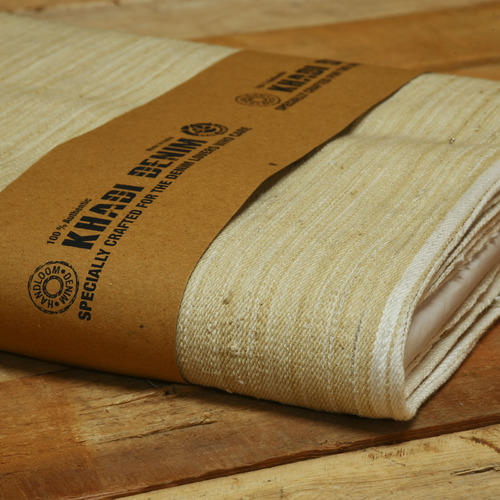
Considering khadi‘s eco-friendly and natural origin, it has become a focal point of global fashion owing to growing consumer awareness and the consistent demand for sustainability. Fashion designers have acknowledged the aesthetic appeal and comfort attributes of khadi and experimented it in blending with many other stuff to synergistically enhance the fashion appeal and outlook of products. Khadi is now used in denims, jackets, shirts, dress material, stoles, home furnishings and apparel accessories like handbags. Khadi, once considered as the fabric for political leaders and the rural folk, has entered the wardrobe of the fashion-conscious urban population. Wearing khadi now symbolises affluence as it offers a distinguished look. The ecological aspect and ethnic looks of khadi have caught the fancy of global brands and leading fashion designers have started including khadi material in their collections.

Global acceptance of the Khadi in fashion

Conclusion

Incorporating Khadi in our daily life may also pave the way for a simple spiritual living exuded by our clothing and home décor items. Khadi being such a versatile fabric can be easily incorporated, by changing the warp and weft, in a home decor and clothing lines. This will make us come closer to nature and add a touch of earthiness in our lifestyle.

TOP 7 ‘WORK FROM HOME’ BUSINESS IDEAS IN LOCKDOWN 2020

the spread of Corona Virus and strict lockdown in the entire nation, everybody is looking for – Work from Home options. However due to the shutting down of businesses, Companies are not in hiring instead they are laying off employees due to recession. Many home-based businesses can be started with very little money and very little experience. How do I know? Because I’ve been there and I’ve done it.

You can begin small, even part-time. And then you can grow them at your own pace. You can make excellent profits even with a very small home-based business. And if you want you can grow it into a much larger enterprise. So even if you don’t have much experience or savings, you too can start your own home-based business and become highly successful.

The key behind a successful business is finding out the DEMAND in the market depending on the situation and customer needs. With Corona Virus being the topic of this year, the demand for related products like hand sanitisers and disinfectants have surged more than these manufacturing industries could ever imagine.

But what can I do sitting at home? It all starts with an idea, hence here are the Top 7 business ideas that can be executed from home during covid-19 pandemic:

  1. Tiffin / Lunchbox Service:

After the entire Nation shut down, many students who lived in hostels and bachelors who were dependent on outside food were left hungry and starving. At such times starting a Dabba Service will not only earn profits but also blessings from these people struggling to find home-cooked food.

In order to run Tiffin service successfully, you will require more than a passion for cooking. Furthermore, you will need good planning and management skills as well as flexibility to successfully handle any last-minute changes required by customers.

How successful your Tiffin service will be will depend mainly on having good reputation. For this business setup to succeed therefore, you must be able to meet the needs of your customers and have the ability to work well under pressure.

Things you require for a Successful Take-off:

  • Table cloths 
  • Kitchen facilities
  • Tables
  • Tiffin boxes
  • Serving equipment
  • Utensils – silverware, glassware
  • Simple but healthy home-cooked meals preparation
  • Online Tuitions & Tutoring:

Schools and Colleges have shut down leaving a big stress among everybody. Students are concerned with completing their portion without their teachers. At such times the need for online assistance for education is at a rise.

Online tutoring is a profitable business. This industry is developing rapidly with advent of innovations, technologies and wide spread usage of the internet. Parents and students are comfortable with online tutoring websites for their personalized learning requirements.

PRIVATE ONE-ON-ONE TUTORIALS (ONLINE) -

Things you require for a Successful Take-off:

  • Start a face-to-face video conferencing.
  • Speak to each other with high-quality and excellent voice.
  • Write, type, erase and draw in distinctive colours on digital advanced whiteboard.
  • Text chat via instant messaging.
  • Upload and share files.
  • Alter message progressively with other person seeing what you are doing. Access the session from all devices.
  • Mask Stitching and Selling:

The world has changed. Not only has the world economy shut down, but people are also on edge. This is likely because we can’t leave our homes, and this can lead to isolation. Nowadays you cannot spot a single person on the streets without a mask covering their face.

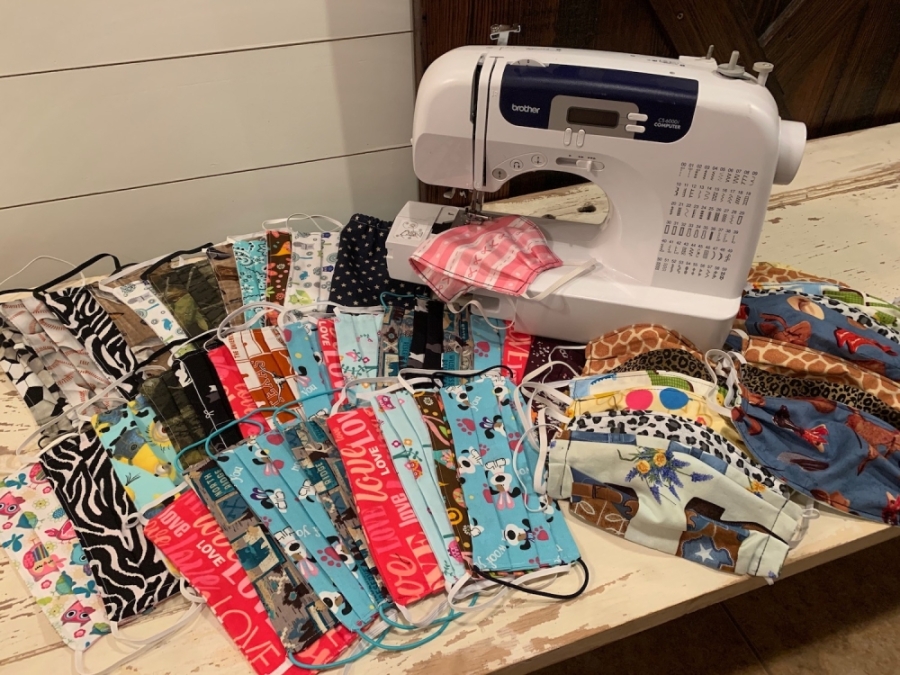
If one is good at stitching at home, then this is a golden opportunity to not only earn money but also get creative. People are bored of the old plain mask and hence are looking for designer and customised masks. One can use their own imagination and entice people with your unique masks.

MAP: 3 places to drop off homemade masks for Round Rock health ...

Things you require for a Successful Take-off:

  • Face Mask Cloth
  • Mask Inner Ear Loop threads
  • Paints, beads, needle works
  • Stitching machine or sewing machine
  • Needle and thread
  • Online Fitness and Yoga Coach:

The threat of coronavirus has left the fitness industry ailing and barely able to stand with smaller gyms on the verge of shutting down, larger chains contemplating huge losses and unemployment becoming a very real prospect for many thousands of trainers and support staff.

However, if you have a laptop and good functioning internet connection you can become a fitness coach for everybody missing the gym and looking for services from home. With people wanting to keep themselves fit and improving their immune system, Yoga trainers are high in demand.

WARNING! What they don't tell you about taking your yoga business ...

Things you require for a Successful Take-off:

  • Create a virtual workshop using online studio software
  • clean background
  • remove clutter and distracting objects
  • place select “yoga” objects in frame if desired
  • Use a tripod if you can
  • Test to make sure that the camera can capture you in all your poses
  • Use impeccable, clear language (don’t rely on video)
  • Embrace imperfections! Be human and carry on.
  • Cake Baking for Special Occasions:

Are you the one that makes killer cakes for every birthday? Do you churn out to-die-for donuts? If you’re ready to turn your talents into a profitable bakery, you’ve come to the right place.

No matter what the situation, the show must go on. Cakes have been the symbol of any kind of situation since centuries. But with all CAKE SHOPS and bakeries shut, one cannot access them for special occasions. If you are a good baker, then this is your time to shine. Homemade cakes will be a hit and people will be assured about its safety.

What To Do If Your Dog Eats Chocolate | My Dog Ate Chocolate Advice

Things you require for a Successful Take-off:

  • Mixers
  • Oven
  • Dough proofer
  • Bakeware
  • Tools for measurement
  • Ingredients as per flavour
  • Refrigerator
  • Bread slicer
  • Dough mix
  • Cardboard boxes
  • Piping bags
  • Dairy products
  • Display case
  • Gardening and selling Organic Fruits & Vegetables:

If you are interested in gardening at home and have enough space to grow more for everyone then organic farming is a great business idea. With today’s vegetables being produced with pesticides and chemicals

Growing a garden for profit is something that definitely needs to be kept simple. The reason is that if you try and do a whole bunch at once, then you won’t be great at any of it. If you pick a few simple and small things to start out with, then you can work to perfect those things and be much more successful.

I learned that the hard way because I wanted to sell EVERYTHING out of my garden. Well let me tell you, that is impossible without a team of employees. You just can’t do it well, so don’t try it.

Discover the joy of growing a kitchen garden – Green Station

Things you require for a Successful Take-off:

  • Put them in baskets
  • Order personalized boxes with your logo/brand name on them
  • Make signs that tell about your unique produce
  • Include a recipe card for how to cook with it
  • Organize the different colours in patterns
  • Put the containers on their sides so they appear to be “overflowing” with fruits or vegetables
  • Incorporate wheelbarrows, gardening tools, flowers, etc. into your display
  • Build your own shelves to sell from that stand out
  • Design a logo or picture to use for your new “business”
  • Take attractive pictures of your produce for your display
  • Use tablecloths or nice napkins that make it feel more high end and less dirty.
  • Customised T-shirts and Dresses Painting :

Whenever people think about starting a business, a t-shirt company is probably one of the first five ideas that come to their mind. Why? Well, t-shirt printing business looks like fun and cool. To some extent, they are right. Being your own boss, having own t-shirt designs, selling them with your brand label, having people supporting your work – that’s happiness. Isn’t it?

If you enjoy T-Shirt painting, then there is a whole lot of millennial generation ready to throw all their money at your unique art and designs.

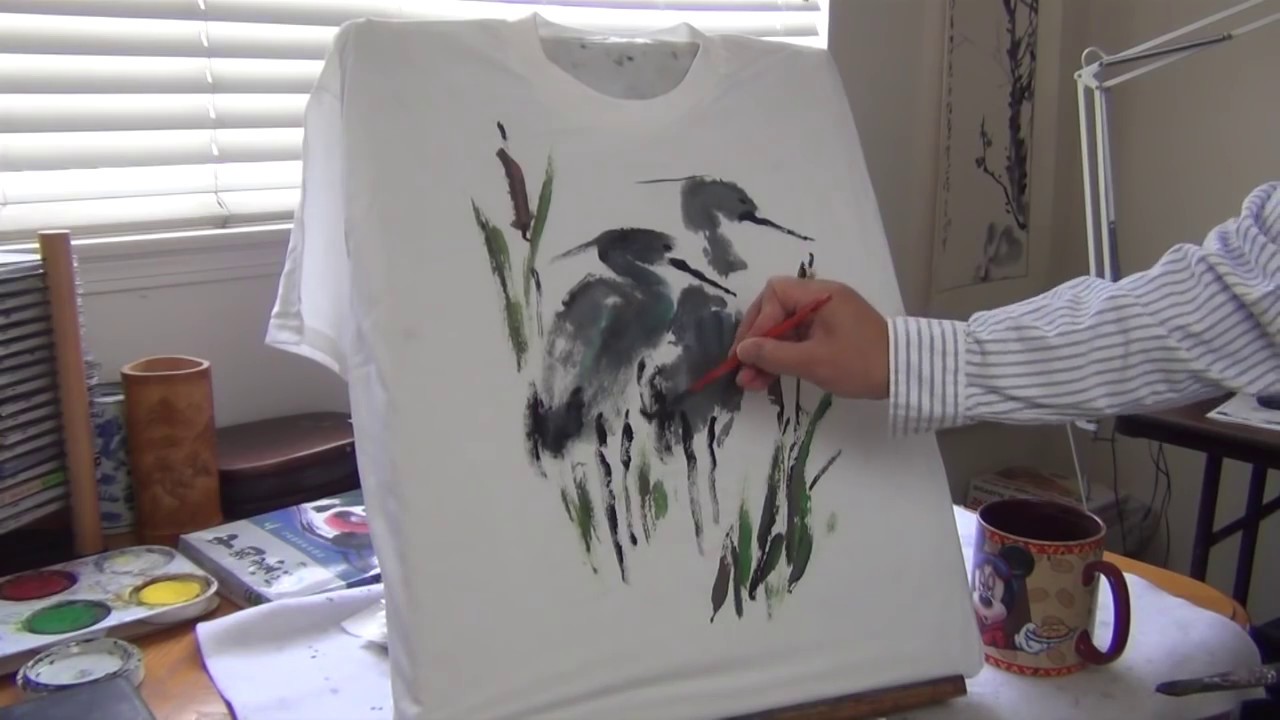
Henry Li showing how to paint a T-shirt with liquid acrylic paints ...

Things you require for a Successful Take-off:

  • Plain t-shirts
  • Fabric paints
  • Tracing paper
  • Sunlight
  • Innovative and creative designs
  • Trendy drawings
  • All size t-shirts

So there you have it in a nutshell- First you need to decide where you are going to sell your produce. Then you can decide what you are going to sell.

Remember your business will grow if people are happy with what they buy from you. Make it look nice, and only sell the best you have.

Now you are all ready to go for it! Good luck!

“India Boycotting Chinese Products -Easy”?

India boycotting Chinese products has been trending these days . And it has been observed that civilians are reacting to the recent act which happened on the Indo-China border. The loss of our 20 brave soldiers is hitting the minds of people across the country. Defence and our political leaders are finding the best way out to fight these back. But current happenings arise, the big question which needs to be addressed which is to continue trade with them. Losing lives of our country men and still continuing trade with the same country is a shame for us as a response to  those brave souls. Common man is filled with anger and in the steps to take revenge and show their aggression, they have decided to boycott these products and their import. 

But “How difficult and how bad it could be for us to stop trade with these Chinese companies right away”. The major area to focus before discussing the Chinese products and their usage in India would be the export and import of products in and by India. The import percentage is almost double the amount of export we generally do.This surely defies our dependencies not only on China but also on other countries for more of our products. India lacks in their productivity growth which means the lack of raw material for manufacturing any product. Thus India is dependent on other countries for even the raw material. India along with that does not have better skilled labour due to lack of literacy around the country. This leads to rise of manufacturing cost of products and surely rise in their sale cost also. Which countries like China, have a plus point with. They have highly skilled labour, and due to high populations , work is a priority so they hire these skilled people at much lower cost and thus earn better profits than other international companies. 

Comparing China and also enlisting India’s dependency on it. India is dependent on china for most of its products and  components which include:

  1. Automotive parts
  2. Electronic material and parts
  3. Pharmaceutical ingredients
  4. Consumer durables
  5. And many more raw materials. 

These components and their share is hide in importing from other countries and especially china for cost effectiveness. Along with that all the countries are shifting towards sustainable forms of energy and one of the forms is solar energy, but the interesting fact is that most of the components in it are made in China. 

India technology as compared to China lacked in the time-period along the years as they invested most of their resources in creating resources which India focused on just importing and buying them. Many schemes like Make in India and a recent Atma Nirbhar bharat as launched by Prime minister of India Mr. Narendra Modi, which purely focuses on developing their product and manufacturing most of them india.  The main area we lack is raw material, India to manufacture products has to import most if raw material from other countries especially china. So India should try to shift to some other source for their raw material and on coming years must focus on there technology and production of these raw material and ingredients in our country only. 

It’s hard to believe and accept but yes India is dependent on china for most of its product and boycotting them and this stage could result in high lack of these resources especially in pharmaceutical industry, as many medicine especially paracetamol and ingredients used in it comes from china, so boycotting chinese product and its use could be harmful especially in today’s era if pandemic. 

“India should surely learn from this and focus and initiate more towards encouraging people to come up with their ideas of startup which include manufacturing and production of products within the country only, relying less on foreign imports rather focused on foreign exports in near future. India can develop its own market of products and raw material by focusing more on the inputs available in the country itself, and surely in future, India would see a hike with its products being exported all over the world, leaving with us a higher economy and growth capacity and independence from major exports from other countries”. 

“India’s Struggle To Fight Chinese Products”.

Every country in today’s era is working hard so as to make their economies strong and thus increase their GDP. This surely gives rise to better job opportunities to flourish, better infrastructure of the countries and also a tourism sector to thrive. India is one of the developing countries and has been able to mark it’s high GDP growth irrespective of its high population rate. But still there are various factors which makes it a bit tough for India to develop completely and cope up as a developed nation. The factor is dependency on other countries for most of the manufacturing technologies and products. India prefers importing most of the goods and services from other countries, and thus lacks its own manufacturing and research technologies. One of the most prominent country from which India is importing is China. China has been one of the most successful countries in exporting most of its products and thus achieving maximum productivity growth as compared to other big nations like the USA and Japan. 

India is dependent on Chinese products for most of its cost saving benefits. Most of the products we do acknowledge and bully are Chinese as we do find them more feasible and lying in our budget. But still India is fighting back and stopping the import from China and various other countries and focusing on increasing it’s export to other countries. The mission and scheme as launched by our Prime Minister Mr. Narendra Modi of “Make In India ” has brought up various startups and investment in manufacturing technology and has led to growth of the country’s economy and job opportunities. 

But still India does lack production and manufacturing of products at cheaper rates as compared to what China does. There are various things which do affect the cause of same which include:

  1. Availability of  cheap skilled labour: India being 2nd in world’s population, still lacks much of a literacy rate, which is not a case in China and other countries. People in China are much more skilled and educated . So companies do acquire much of these as a resource for their company at cheaper rates and thus reduce their manufacturing cost. While in India we lack much of literacy rate, thus affecting our availability of skilled labour
  2. High production: Productivity as mentioned above of China is much more as compared to other countries. This reflects that they have an abundance of material which not only can be used for manufacturing products in their own country but also exported to other countries. India lacks much of the raw material required for manufacturing anything, so they do rely on foreign factors for manufacturing. 
  3. Selling products at cheaper rates : Chinese products are well known for their cheap rates. This mostly fascinates people to buy them. This surely leads to reduction in the sales of the other similar product and thus the company faces losses thus the company’s only 2 choices “Either to merge with that Chinese brand or to shut down”. It’s frequently bseen that most businesses and companies get off the business which gives these Chinese products a plus point and they become the  lone survivor.And in future times they do raise the prices which market them with huge profits. 
  4. Production of duplicate or matching product: China has been investing more of its money in coping things,since we know for manufacturing of any new or original product, companies invest in it’s research work, qualified labour and number of tests and thus find the best and feasible product. China misses this step and jumps off to the production which saves a lot of money and also the manufacturing cost.

“There are many more reasons which give China and it’s product great power in our country. But we should understand the requirement of not investing our money in those Chinese products and rather bring up products manufactured in our own country so as to keep the countries money within the country. Also more startup ideas must be motivated to flourish and thus growth productivity must be targeted so as to manufacturers and use products made in our country only and rather from buying it from other countries, we must export them . These few efforts would bring out significant change which would lead our country to prosper be one of the developed countries in coming years”.