Why has October been so rainy ?

Explained : Although the monsoon season ends in September, a delayed withdrawal and other factors have been causing severe rainfall in several states.

Western disturbances, which begin to have significant interference in local weather over the extreme northern parts of India, commonly cause either rain or snowfall. Since late last week, Ladakh, the higher reaches of Kashmir and Uttarakhand have reported the season’s first snowfall.

Last week, two low-pressure systems were active simultaneously, one each over the Arabian Sea and the Bay of Bengal regions. Collectively, these triggered severe weather events over Kerala, Tamil Nadu, Andhra Pradesh, Telangana, Delhi, Madhya Pradesh, Uttarakhand, Odisha and West Bengal.

Delayed monsoon withdrawal

The four-month southwest monsoon season normally withdraws completely by early October. During the withdrawal phase, it causes thunderstorms and localised heavy rainfall.

This year, however, the withdrawal began only on October 6 against a normal of September 17. So far, the monsoon has withdrawn completely from the Western, Northern, Central and Eastern India regions. But it remains active over the southern peninsula. Thus, Kerala, Tamil Nadu, Telangana, Karnataka and Andhra Pradesh have had significant rainfall during the last 10 days.

Until Monday, the monsoon had not withdrawn from Manipur, Mizoram, Tripura, parts of West Bengal and Odisha and entire southern peninsular India.

“As there has been a delay in the southwest monsoon withdrawal, good rainfall has continued over Odisha, the Northeast and south India,” said Mrutyunjay Mohaptra, director general, India Meteorological Department (IMD).


Normally, by mid-October, the monsoon winds reverse their direction of flow from the southwest to the northeast.

“Even though the easterlies are beginning to replace the westerlies, the former is yet strengthen and fully establish. The easterly winds indicate the arrival of the northeast monsoon,” said D Sivanand Pai, head, Climate Research and Services, IMD, Pune.

This year, conditions for the onset of the northeast monsoon are expected to develop around October 25.

Extreme rains

For most days last week, at least two low-pressure systems remained active along the east and west coasts and over central India, bringing rains over large parts of the country.

Delhi received 87.9mm (over a 24-hour period) between Sunday and Monday, making it the fourth wettest October day for the national capital since 1901. The month of October has also been the fourth wettest so far. It has received 94.6 mm rains this month so far, which is next only to the 238.2 mm it received in 1954, the 236.2 mm in 1956, and 186.9 mm in the entire Octobers of 1910.

Likewise, Balasore in Odisha recorded 210mm in a day and it was only the second such occasion in a decade for this month.

While Tamil Nadu normally receives good rainfall between October and December, mainly during the northeast monsoon, Coimbatore (110mm) witnessed its wettest October day in a decade even before the onset of the northeast monsoon.

The Western Ghats, northeast and central India are known as high-rainfall receiving regions. However, in recent years, it has been noted that intense spells during a short time span are increasingly becoming frequent.

“Due to climate change, there is definitely a rising frequency in the extreme weather events round the year. But these specific occurrences of heavy to very heavy rains that we are seeing right now can be attributed to the formation of low-pressure systems,” said Mohaptra.

“Whenever there is a low-pressure system, depending on its strength, it results in heavy to very heavy rainfall activity. In addition, when a low-pressure system interacts with western disturbance, further intense rainfall occurs,” he said.

Extreme rainfall in Kerala

A low-pressure system that formed in the east-central Arabian Sea moved and sustained over Kerala between October 15 and17.

Simultaneously, another low-pressure system prevailed over the north Andhra Pradesh coast and southern Odisha. The interaction between them strengthened the southwest winds which brought extreme rainfall over central and southern Kerala during the last weekend.

At some places in Idukki, Ernakulam, Kollam and Kottayam districts, the 24-hour rainfall was over 200 mm. As many of these districts are hilly and covered with dense forests, the water run-off triggered landslides and mudslides.

Rainy days ahead

The low-pressure system that affected Kerala has weakened now. But a similar system is still active over central India, because of which northern India is likely to received good rainfall this week.

Heavy rainfall events are predicted over Western Uttar Pradesh, Uttarakhand and Himachal Pradesh for Tuesday, with a ‘red’ alert having been issued by IMD for these regions.


Another low pressure — located over Northern Odisha and Gangetic West Bengal — is active and its interaction with the moist easterly winds from the Bay of Bengal is expected to bring heavy rain over West Bengal, Odisha, Sikkim, and Bihar until Wednesday. The maximum impact in terms of extremely heavy rain (more than 204 mm in 24 hours) is likely over some places in West Bengal and Sikkim on Tuesday.

Written by : Ananya Kaushal

Climate change’s effect on monsoon

Climate scientists have spotted warning signs of the collapse of the Gulf Stream, also popularly known as our world’s crucial tipping point. Reported first by The Guardian, Potsdam Institute researchers have discovered a rather surprising loss of stability of the warm water currents over the previous century that they call ‘Atlantic Meridional Overturning Circulation or AMOC. The currents have been spotted at their slowest point in nearly 1,600 years and the most recent analysis revealed that this could be coming to a complete halt.

In case you were wondering if it’s a big deal — it is. It could severely disrupt the way rains function, especially in areas like India, South America and West Africa. It would also increase the frequency of storms while lowering temperatures in European nations while also resulting in the sea level off eastern North America to rise considerably. This would also affect the Amazonian rainforest as well as Antarctic ice sheets.

He warned stating that you know the kind of CO2 levels that would trigger an AMOC collapse, “So the only thing to do is keep emissions as low as possible. The likelihood of this extremely high-impact event happening increases with every gram of CO2 that we put into the atmosphere”.

DELUGE: A CONCERN

Every year, monsoon season occurs in various parts of the world. It has been coming sooner in recent years, accompanied by rising amounts of rainfall, or later than normal, with a considerably drier start. While monsoon-affected nations plan for the monsoons on a yearly basis, the changes due to covid-19 are making it more difficult for them to respond without help.

Recently, the heavens have opened up in the highlands of north India and along the coasts of western India in the last ten days, unleashing severe weather phenomena. More than 150 people have died because of landslides and flash floods across Himachal Pradesh, Uttarakhand, Maharashtra, and parts of Karnataka. At least 53 people were killed when a hilltop collapsed south of the city in Raigad, Maharashtra’s hardest-hit district. The floods in Goa are the worst since 1982. The Indian monsoon is rapidly becoming known for its unpredictable behavior of the elements. However, the country’s weather forecasters, planners, and lawmakers have yet to accept climate change as a threat. 

Most Indian cities, including Delhi and Mumbai, are ill-equipped to deal with such severe rains, with drainage systems blocked at many locations. The defense of city residents against weather oddities is jeopardized by urbanization that is uninformed by basic hydrological principles. 

Farmers in several areas have discovered that rain is falling in torrents rather than being evenly distributed throughout the season, resulting in floods and erosion, followed by times of drought. Increasing automation, on the other hand, entails heavy machinery tamping down soil and producing rutting, all of which are detrimental to the orchard and vineyard floor. Furthermore, Aquifers that used to recharge groundwater and convey rainfall to bigger water bodies have been replaced by concrete in most cities.

Therefore, it is vital to tackle this problem as soon as possible because these disasters affect the poor in return. The scale of the devastation witnessed in the preceding examples, as well as what occurred in the Bay of Bengal last year, demonstrate a lack of disaster preparedness and mitigation, an issue that affects most of the country’s metropolitan areas. 

We propose that the government develop long-term disaster management plans to reduce the impact of floods in Indian states. It is critical to enhance flood-forecasting techniques and install flood-warning systems in low-lying areas as a first step in this direction. Second, the government should devote greater resources to flood prevention, mitigation, and preparation. Third, river connection and the development of multifunctional structures and flood shelters in low-lying regions should be done on a mission-mode scale to assist minimize flood-related deaths. However, these methods will go a long way toward reducing and avoiding flood damage in Indian states. But its better to do something to prevent it all rather than sitting and watching the god’s show. 

Scholars in development studies have written on these issues, but in ecologically vulnerable places, the political costs of altering the current development paradigm are frequently substantial. The Gadgil committee report on the Western Ghats, for example, which recommended for controlling development operations, was met with opposition in the region and largely ignored by mainstream political parties. 

Monsoon: An Upstanding and Suitable season to start gardening

Monsoon is on our doorsteps. Soon the great showers will come pouring down & within no time, the entire complexion of our surroundings will magically transform into an epic green stage. Our new gardening season also begins in the month of June, at the onset of monsoon. No matter how small or big your garden is, here are some key steps to make the best of this nature’s glory, & make your garden ‘monsoon ready’.

How Monsoon is suitable to start gardening?

The monsoon season in India is the best time to sit back and enjoy. The fresh smell of petrichor along with drizzling water gives a soothing effect to your mind and body after the hot summer days. The plants look greener than ever, the rainwater using its superpowers yield advantages to a plant that tap water cannot. As there is a significant fall in temperature, the sun is less hot and the rains add to the faster growth of plants. There are a variety of vegetables that loves the rainy season and grow magically during this time of the year. So it becomes really important to pick the right kind of vegetables also.

How to start Gardening in Monsoon?

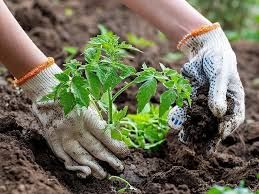
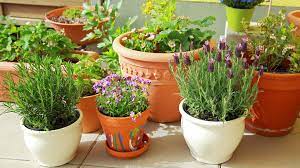
  • Allow for good drainage: Water logging is a frequent problem in rainy season and restricts plant growth. When the problem is severe, roots do not have enough oxygen to respire and may eventually die. Therefore, prepare your garden with good drainage before the monsoon onsets. Some steps you can take to allow good drainage are use of grow bags, cocopeat or other potting mix that does not hold water.
  • Provide support to the plants: Plants often break or fall off during the strong monsoon winds. Provide support to your plants to withstand the monsoon winds.
  • Pruning and mulching: The first monsoon showers shoot up plant growth. Pruning, trimming and removing dead branches before the first showers arrive helps the plant to grow in the right direction. Mulching the garden before monsoon will help soil retain nutrients.
  • Vermicompost: It is well known that earth worms are farmer’s best friends. Take their aid during monsoon to improve soil fertility, texture and aeration.
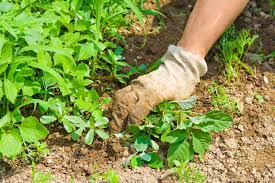
  • Timely Weeding: Just like your veggies or flowering plants, weeds also thrive during monsoons. Weeding before the monsoon arrives will prevent weeds from absorbing vital nutrients from soil. Moreover, removing weeds when they are young is easier. However, weeding needs to be done regularly during monsoon season to protect your garden.
  • Harvest the rain-water: If you have the space and time to do so, rainwater harvesting is fun and beautifies your landscape. There are no complex mechanisms required for harvesting rainwater. Simply direct the rainwater to a spot in your garden or collect the rainwater in barrels. If you have enough space on your terrace, you can make a pond in one corner and plant flowers around it. This not only creates a lovely spot on your terrace but also attracts birds and improves bio-diversity.
  • Plant the right crops: Not all plants thrive in monsoons. Some plants require hot weather, some require cool weather and some require moist soil. Plants that thrive well in monsoons are typically cucumbers and gourds like ridge gourd and bottle gourd. Get your vegetable calendar ready before each season and become a pro at gardening. Also, eating seasonally grown fruits and veggies is best for your health. If you need guidance, check out our recommendations for Monsoon vegetables here.
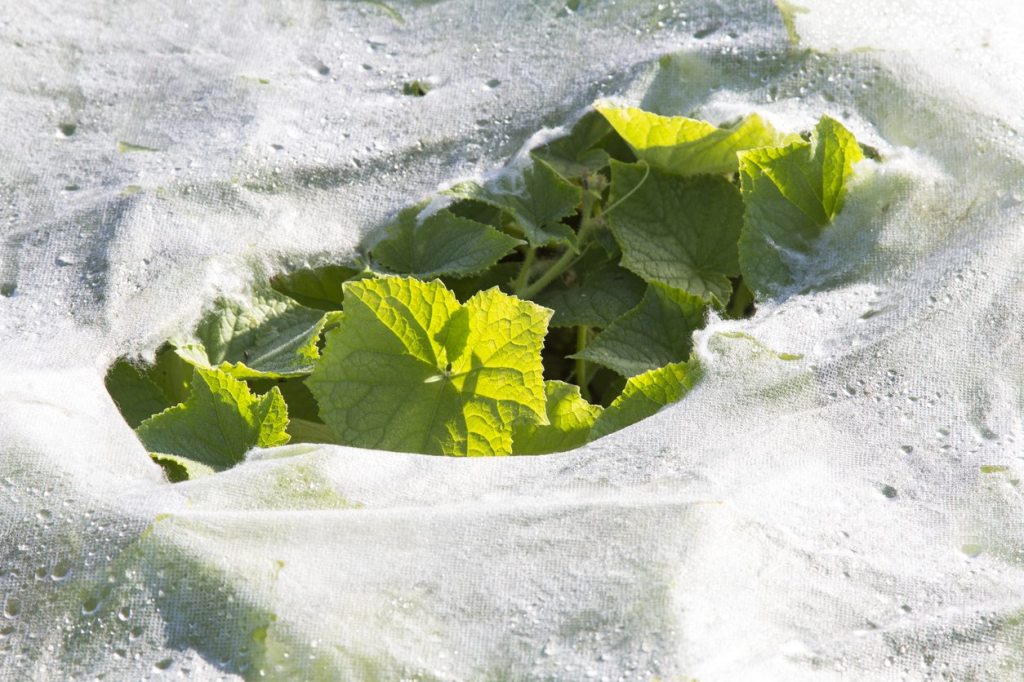
  • Cover the plants: Sometimes plants get damaged beyond repaid when there are thunderstorms or hailstorms. Cover your plants appropriately to prevent that.
  • Fertilizers: Soil erosion is common during rainy seasons. The top layers of fertile soil gets washed away with rains. This more often happens if you do not use pots or grow bags in your garden. So apply necessary fertilizers like NPK, cow dung, neem extracts, compost etc to keep the soil fertilized.
  • Routinely check on the plants: Last but not the least, monsoons bring ample work for gardeners. Regularly check on your plants to identify broken branches, pests, infections, and water logging. Sometimes getting your hands dirty is worth it! Re-pot your plants, start new seeds and watch them grow!

5 Best Food Places to visit in Hyderabad, in the Rainy Season

Hyderabad is not only famous for Charminar and Ramoji Film City, but it is also widely known for its food specialties like Biryani, Irani Chai, and Kheer. Hyderabadi Biryani is not only a popular delicacy in India but across the world. Tourists visit Hyderabad to taste the unique flavor of its Biryani. Apart from Hyderabadi Biryani, this city also has excellent South Indian Cuisine. Here is a list of five places best for serving delicious food, and you should try them out this Monsoon.

Top Restaurants in Hyderabad

If you are looking for some fantastic restaurants in Hyderabad, which serves you the Hyderabadi Special as well as the delicious South Indian Cuisine, this is the correct place for you. We all known Biryani is the most sought-after food in Hyderabad, and hence, it is also known as the Hyderabadi Special. Do you know, there are a few fantastic places which also offer excellent South Indian Cuisine? Let’s find out about the restaurants:

  • Paradise Circle, Hyderabad: One of the most renowned restaurants to serve the Hyderabadi Special Biryani is none other than Paradise Circle. They have their restaurants all around India. Their Biryani is the most authentic Hyderabadi Biryani present in India. They won multiple awards, such as the Times Food & Nightlife Award 2018, “Restaurant Serving the Best Biryani” award at the Asian Food Congress, 2019. Their name also got enlisted into the Limca Book of Records for achieving the “Most Biryani Servings Sold in a Year.”
  • Irani Chai, Hyderabad: Monsoon and Chai go hand in hand, and Irani Chai is one of the most popular Hyderabadi Specials. The place is quite famous for serving the best possible Irani chai and is also known to be affordable. Along with the unique tea, they also make samosa and other snacks.
  • Almond House, Hyderabad: The Almond House is a famous sweet shop in Hyderabad, for Kheer and other delicious delicacies. They also have a separate section for South Indian desserts such as Ariselu, Bobbatlu, Jangri, and many other sweets. They also serve individualized biscuits and have named them Bisticks.
  • Udipi’s Upahar, Hyderabad: The most authentic restaurant to serve South Indian Cuisine in Hyderabad, which has been established in 1996. Here, they serve vegetarian dishes like Idli, Dosa, Vada, and different varieties of them. The taste of the food served is unforgettable, and it would remain etched on your memory for a very long time. The restaurant is very hygienic, and they serve high-quality food.
  • Café Bahar, Hyderabad: Another renowned restaurant to serve Hyderabadi Special Biryani is Café Bahar. They serve varieties of Biryani, and the taste is to die for. The café was established in the year 1973 and has been going strong ever since. If you are in Hyderabad, you cannot miss the delicacies served here.

It would be best if you visited the places in the Monsoon season. No one ever returns home disappointed after tasting the food from these restaurants. Go, have some incredible experience and trust me, you won’t regret it.

Keep yourself healthy in this monsoon

As monsoon arrived at some places and in some places it is arriving in some days. Most of us love this season. The feeling of rain with hot pakoras and chutney is just awesome. But this monsoon season also come with a lot of diseases like cough and cold, malaria, stomach infection, fever, typhiod, pneumonia etc, so it is necessary to prevent yourself and your family from these disease as it is very humid season so it helps in growth of many germs and mosquito breeding also takes place. So it is needed that you are careful about your diet as well as your surrounding.

FOODS WE SHOULD AVOID IN RAINY SEASON

  1. Leafy vegetables – It is true that leafy vegetable are important but we should avoid these in rainy season as grime and dampness present in them makes them highly susceptible to germs. So vegetables like spinach, cabbage and cauliflower should be avoided. Instead of that go for pungent vegetables like bitter gourd, ghiya, tori and tinde.
  2. Fresh juice and fruit from roadside vendor – In this season any fresh fruit thay have a long exposure in air should be avoided and roadside vendor keep fruit cut up in advance. So it come in contact with contaminated air. So it is good to prepare juice at home only. In home too, don’t leave cut fruits out for very long time lead to contamination.
  3. Sea food- Monsoon is the breeding season for fish and prawn. So they should be avoided this time. If you are craving for non veg, you can have chicken or mutton.
  4. Fried food- Fried food should be avoided in rainy season as high humid weather of monsoon causes digestion process to slow down, so eating fried food like pakodas, samosas can cause gastronomical complication like blotting and stomach upset.
  5. Fizzy drinks – It reduce mineral in our body which lead to reduction of enzyme activity. This is highly undesirable with an already weak digestive system. Instead of that drink a bottle of water or nimbu pani or warm beverages like ginger tea.

HOW TO KEEP YOURSELF HEALTHY

  • Avoid heavy meal and keep a light diet. Don’t eat roadside foods like chole bhature, pakoras, samosa etc.
  • Regularly do exercise. It helps to sweat our extra moisture and potentially harmful bacteria.
  • Personal hygiene is important in this season as the humid season is susceptible to germs. So use an anti-bacterial solution or soap to clean all the germs.
  • The symptoms of ear infection, flu, common cold and eye infection shouldn’t be ignored.
  • Keep drinking water to keep yourself hydrated even if you are not feeling thirsty.

Keep these things in mind so thay you can fully enjoy this season without worrying about your and your family’s health.