New Education Policy of India 2020

 The New Education Policy (NEP) of India was launched in 2020 with the aim of revamping the education system in the country and bringing about significant changes in the way education is imparted. The NEP is the first education policy in India to be launched in the 21st century, and it replaces the earlier National Policy on Education, which was launched in 1986 and revised in 1992.

The NEP is based on the principles of access, equity, quality, affordability, and accountability, and it aims to provide a holistic and multidisciplinary education to students from all backgrounds. The policy is designed to promote lifelong learning and to equip students with the skills and knowledge they need to succeed in a rapidly changing world.
One of the major goals of the NEP is to provide universal access to education from preschool to secondary school. The policy aims to increase enrollment rates and reduce dropout rates by providing free and compulsory education to all children between the ages of 3 and 18 years. It also emphasizes the importance of early childhood education and aims to provide high-quality preschool education to all children.
The NEP also seeks to bring about a significant shift in the curriculum and pedagogy of schools and colleges. It emphasizes the importance of multidisciplinary learning and encourages the integration of vocational and academic education. The policy aims to reduce the emphasis on rote learning and memorization and promote critical thinking, creativity, and problem-solving skills.
Another significant feature of the NEP is its focus on the use of technology in education. The policy aims to promote the use of technology to enhance learning outcomes and make education more accessible and affordable. It also emphasizes the importance of digital literacy and aims to provide students with the skills they need to use technology effectively.
The NEP also seeks to promote the internationalization of education and encourage greater collaboration between Indian and foreign educational institutions. The policy aims to attract foreign students to study in India and encourage Indian students to study abroad.
The NEP also addresses the issue of teacher training and professional development. It emphasizes the importance of continuous learning and aims to provide teachers with the skills and knowledge they need to deliver high-quality education. The policy also encourages the use of technology in teacher training and aims to provide teachers with access to high-quality online resources.
The NEP also addresses the issue of funding for education. The policy aims to increase public investment in education and encourage private investment in the sector. It also proposes the establishment of a National Research Foundation to fund research and innovation in education.
The NEP has received mixed reactions from stakeholders in the education sector. While some have praised the policy for its focus on access, equity, and quality, others have criticized it for being too ambitious and lacking in detail. Some critics have also raised concerns about the implementation of the policy, particularly in terms of funding and teacher training.
In conclusion, the New Education Policy of India is a comprehensive and ambitious policy that seeks to bring about significant changes in the education system of the country. The policy has the potential to transform the education sector and provide students with the skills and knowledge they need to succeed in a rapidly changing world. However, its success will depend on the effective implementation of the policy and the commitment of all stakeholders to work towards its goals.


General Science

General science is a field of study that encompasses a wide range of scientific disciplines, including biology, chemistry, physics, and earth sciences. It is the foundation upon which many scientific discoveries and advancements are made. In this article, we will explore some of the key concepts and branches of general science.

Biology:
Biology is the study of living organisms and their interactions with each other and the environment. It covers a wide range of topics, from the structure and function of cells to the behavior and ecology of entire ecosystems. Biology plays a crucial role in many areas of our lives, including medicine, agriculture, and environmental management.

Chemistry:
Chemistry is the study of matter and its properties. It covers topics such as the structure of atoms and molecules, chemical reactions, and the properties of different elements and compounds. Chemistry is a key discipline in many fields, including materials science, medicine, and engineering.

Physics:
Physics is the study of matter and energy and their interactions with each other. It covers topics such as mechanics, thermodynamics, electromagnetism, and quantum mechanics. Physics is essential to many areas of modern technology, including telecommunications, electronics, and aerospace.

Earth Sciences:
Earth sciences cover a wide range of topics related to the planet we live on, including geology, meteorology, and oceanography. These fields of study help us understand the physical processes that shape the earth’s surface and climate. They are also important in managing natural resources, predicting and mitigating natural disasters, and understanding the impact of human activity on the environment.

Scientific Method:
The scientific method is a systematic approach to scientific inquiry. It involves observing phenomena, formulating hypotheses, testing those hypotheses through experiments, and drawing conclusions based on the results. The scientific method is a key tool for scientists in all fields, allowing them to gather reliable data and draw meaningful conclusions.

Scientific Discoveries:
Science has led to many important discoveries throughout history. Some of the most notable include the discovery of penicillin, the development of the theory of evolution, and the discovery of the structure of DNA. These discoveries have had far-reaching impacts on our understanding of the world and have led to many important advancements in medicine, agriculture, and technology.

Science Education:
Science education is crucial in developing scientific literacy and promoting scientific thinking. It helps individuals understand the natural world and the scientific principles that govern it. Science education is also essential in preparing individuals for careers in science, technology, engineering, and mathematics (STEM) fields.

Conclusion:
In conclusion, general science is a vast field that encompasses many different scientific disciplines. It is the foundation upon which many scientific advancements are made, and it plays a crucial role in our lives. Through the scientific method, scientists are able to make important discoveries and advancements that help us understand the world around us. Science education is also critical in developing scientific literacy and promoting scientific thinking, which is essential in preparing individuals for careers in STEM fields.

By:- Baibhav Raj Maharana

When bots start creating content, how will the role of human writers evolve/become obsolete?

As the technology is upgrading and artificial intelligence is making things much easier, there’s a chance of bots creating content in the future too. Artificial intelligence nowadays only assists and makes small changes but it may be possible that in future it creates the full content and doesn’t require human intervention. So, there are two aspects of this predicted as the AI is evolving. First, those kinds of writing include fact and data-based writing and secondly writing with a creative angle.

IMPACT ON FACT AND DATA-BASED WRITING BY BOTS

Without any doubt, fact and data-based writing are being taken by the bots in upcoming years or at least maximum work is done by the artificial intelligence like the sports update based article or the smartphone comparing article. These only include a basic change in data and the bots can easily make it ready to read. Types of niches that can be affected in near future are

  1. Sports
  2. Email sequence
  3. Annual reports
  4. Product Comparison
  5. Review

As all of these are written with data-based articles and can be easily fed and written by the bots this doesn’t require an emotional quotient to write. Product comparison of some gadgets is only required to edit its specifications. While there are also contents that require human intervention and are unable by bots to write content with that emotion.

CREATIVE WRITING BY BOTS

Creative writing is the area that requires deep thinking and emotion which can be delivered while writing and it’s very hard for bots to deliver such emotionally engaging content. This area always needs human intervention to increase readability. If the content is dramatic and needs to be unique, it needs imagination and bots are not built according to it, they are just a set of instructions and can be performed efficiently.

Widening Gender Gap

Gender gap reflects the differences between women and men as per social, political, economical , cultural etc parameters in the society.

Recently it has been in news as the Global Gender report 2022 was released. According to report, India ranked 135 among 146 countries in global gender gap index and is worst performer in health and survival sub index where it ranked 146. While earlier in 2021 India ranked 140 among 156 countries. Global Gender gap report was first published by the World Economic Forum in 2006. It is an index to measure the gender equality. The 4 key dimensions or sub indices are as follows:

  • Economic participation and opportunity
  • Educational attainment
  • Health and survival
  • Political empowerment

India ranks 146 in health and survival, 143 in economic participation and opportunity, 107 in educational attainment and 48th in political empowerment.

According to the report :

India’s score of 0.629 was it’s seventh highest score in last 16 years.

India has recovered since 2021 in economic participation and opportunity

The labour force participation has decreased for both men (by -9.5 percentage points) and women (-3 percentage points).

The gender parity score for estimated earned income improved but the decline was more for men.

India has recorded a declining score on political empowerment due to the diminishing share of years women have served as head of state for the past 50 years.

What a filibuster is.

Traditionally, the Senate filibuster was reserved for only the most controversial issues, but its use has escalated in recent years, often slowing business in the chamber to a halt. Some lawmakers acknowledge that the filibuster, which has effectively set a 60-vote super­majority requirement for passing legis­la­tion in the Senate, could doom many of the propos­als they have cham­pioned, including meaningful reforms on issues ranging from health care to climate change to gun control. Behind this dysfunc­tion, the filibuster also has a troubling legacy: it has often been used to block civil rights legislation intended to combat racial discrimination.

As advocates push for pro-democracy legislation, calls for eliminating the filibuster have grown louder. In his remarks at the funeral of civil rights hero and congressman John Lewis in July 2020, former President Barack Obama called the filibuster a “Jim Crow relic,” arguing that the procedure should be eliminated if it is used to block voting reforms. Others note that certain types of legislation are already exempt from the fili­buster’s super­majority require­ment and argue that a similar exemp­tion should be made for voting rights.The stakes were raised in March 2021, when the For the People Act — a comprehensive democracy reform bill — was passed by the House of Representatives and introduced in the Senate, where the filibuster may determine its fate. Whether through elimination or reform, the filibuster cannot be allowed to impede the expansion of Ameican democracy or the rights of all eligible voters.

What is the filibuster?

The filibuster is a 19th-century procedural rule in the Senate that allows any one senator to block or delay action on a bill or other matter by extending debate. While a final vote in the Senate requires a simple majority of 51 votes, a supermajority, or 60 votes, is needed to start or end debate on legislation so it can proceed to a final vote. Therefore, even if a party has a slim majority in the Senate, it still needs a supermajority to even move forward with legislation a tall task for a hyper-partisan Washington. The House of Representatives does not use the filibuster. Instead, a simple majority can end debate.

How can the filibuster rule be changed?

Senators have carved out exceptions to the filibuster rule before.One option to do so is called “going nuclear” — when senators override an existing rule, such as the number of votes needed to end debate. This is usually done by lowering the threshold needed to end a filibuster to 50 votes.In 2017, then-Senate Majority Leader Mitch McConnell, R-Ky., eliminated the filibuster for Supreme Court nominees, clearing the way for then-President Donald Trump’s first nominee to be confirmed.

Why a call for change now?

In the last 50 years, the filibuster has been used more and more to kill major legislation. And with Biden’s agenda stalled, Democrats are calling for a carve out to pass voting rights legislation. In the last year, at least 19 states passed 34 laws restricting access to voting, according to the Brennan Center for Justice. If the threshold to end debate on a bill is lowered to 50 votes, for instance, Democrats could end debate on their voting reform bill and eventually move to a final vote, with Vice President Kamala Harris serving as a tie-breaking vote in the 50-50 Senate to pass the legislation. Incidentally, Harris, as president of the Senate, would play a key role in any potential rules change. She would be expected to occupy the chair and preside over any rule change action.

What’s the differ­ence between “talking” and “silent” fili­busters?

Filibusters traditionally involved long speeches in which a senator attempted to block a vote from proceeding by refusing to yield the floor. To stage such a “talking” fili­buster, a senator would hold the floor by stand­ing and talking for as long as they could, sometimes overnight. This was popularized in the 1939 film Mr. Smith Goes to Wash­ing­ton. The longest filibuster ever recor­ded, by South Caro­lina Sen. Strom Thur­mond in opposition to the Civil Rights Act of 1957, lasted for more than 24 hours. But since the early 1970s, senators have been able to use a “silent” filibuster. Anytime a group of 41 or more senators simply threatens a filibuster, the Senate majority leader can refuse to call a vote.

How has the fili­buster changed over time?

The use of the filibuster, once reserved for only the most controversial issues, has increased dramat­ic­ally in recent years along­side grow­ing polar­iz­a­tion in Wash­ing­ton. There have been more than 2,000 fili­busters since 1917; about half have been in just the last 12 years. Crit­ics argue that this increased use has slowed busi­ness in the Senate to a halt, often entangling the cham­ber in proced­ural maneuv­er­ing instead of substant­ive debate and, ulti­mately, lawmak­ing.

Understanding inflation

The Inequities of Inflation - Positively Naperville

Inflation is a term we here very frequently in today’s world. Several economies of the world are now in the crunches of inflation. In this situation, let us read about inflation in detail.

What is inflation?

In economics, inflation is a general increase in prices of goods and services in an economy. When the general price level rises, each unit of currency buys fewer goods and services; consequently, inflation corresponds to a reduction in the purchasing power of money. The opposite of inflation is deflation, a sustained decrease in the general price level of goods and services. The common measure of inflation is the inflation rate, the annualized percentage change in a general price index. As prices do not all increase at the same rate, the consumer price index (CPI) is often used for this purpose.

Causes of inflation:

There were different schools of thought as to the causes of inflation. Most can be divided into two broad areas: quality theories of inflation and quantity theories of inflation.

Currently, the quantity theory of money is widely accepted as an accurate model of inflation in the long run. Consequently, there is now broad agreement among economists that in the long run, the inflation rate is essentially dependent on the growth rate of the money supply relative to the growth of the economy. However, in the short- and medium-term inflation may be affected by supply and demand pressures in the economy, and influenced by the relative elasticity of wages, prices and interest rates.

The quality theory of inflation rests on the expectation of a seller accepting currency to be able to exchange that currency at a later time for goods they desire as a buyer. The quantity theory of inflation rests on the quantity equation of money that relates the money supply, its velocity, and the nominal value of exchanges.

Measures of inflation

Consumers’ cost of living depends on the prices of many goods and services and the share of each in the household budget. To measure the average consumer’s cost of living, government agencies conduct household surveys to identify a basket of commonly purchased items and track over time the cost of purchasing this basket. The cost of this basket at a given time expressed relative to a base year is the consumer price index (CPI), and the percentage change in the CPI over a certain period is consumer price inflation, the most widely used measure of inflation.

Core consumer inflation focuses on the underlying and persistent trends in inflation by excluding prices set by the government and the more volatile prices of products, such as food and energy, most affected by seasonal factors or temporary supply conditions. Core inflation is also watched closely by policymakers. Calculation of an overall inflation rate—for a country, say, and not just for consumers—requires an index with broader coverage, such as the GDP deflator.

Types of inflation

Cost-Push Effect

Cost-push inflation is a result of the increase in prices working through the production process inputs. When additions to the supply of money and credit are channeled into a commodity or other asset markets and especially when this is accompanied by a negative economic shock to the supply of key commodities, costs for all kinds of intermediate goods rise.

Built-in Inflation

Built-in inflation is related to adaptive expectations, the idea that people expect current inflation rates to continue in the future. As the price of goods and services rises, workers and others come to expect that they will continue to rise in the future at a similar rate and demand more costs or wages to maintain their standard of living. Their increased wages result in a higher cost of goods and services, and this wage-price spiral continues as one factor induces the other and vice-versa.

Demand-Pull Effect

Demand-pull inflation occurs when an increase in the supply of money and credit stimulates overall demand for goods and services in an economy to increase more rapidly than the economy’s production capacity. This increases demand and leads to price rises.

Narmada Bachao Andolan

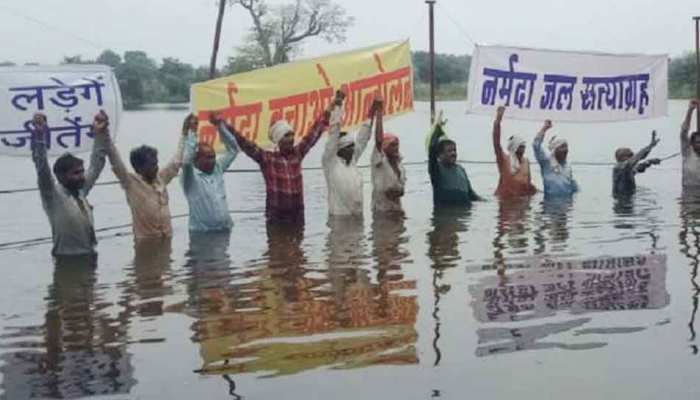
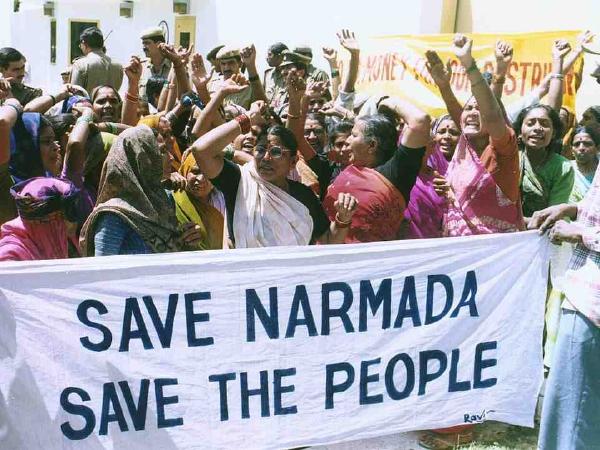
In 1985, Narmada  bachao andolan became an Indian social ,and environmental movement. Narmada Bachao Andolan is the most powerful mass movement, started in 1985, against the construction of huge dam on the Narmada river. Narmada is the India’s largest west flowing river, which supports a large variety of people with distinguished culture and tradition ranging from the indigenous (tribal) people inhabited in the jungles here to the large number of rural population. The proposed Sardar Sarovar Dam and Narmada Sagar will displace more than 250,000 people. Narmada bachao andolan was led by native tribals, farmers environmentalists and Human Rights activist. Narmada bachao andolan was against and number of large Dam projects across the river Narmada, which to the states of Gujarat Madhya Pradesh and Maharashtra. The big fight is over the resettlement or the rehabilitation of these people. The two proposals are already under construction, supported by US$550 million loan by the World Bank. There are plans to build over 3000 big and small dams along the river. This protest, to express the views against a large number of dams being contrasted near Narmada river, brought a large number of adivasis, farmers, environmentalists, and human rights activists together. The movement involved prominent celebrities and people went on hunger strikes to show their support for the cause. The decision is still pending, though the court initially ruled the decision in the Andolan’s favor, thereby effecting an immediate stoppage of work at the dam and directing the concerned states to first complete the rehabilitation and replacement process. Later the court allowed the construction to proceed.

It is a multi crore project that will generate a big revenue for the government. The Narmada Valley Development plan is the the most promised and most challenging plan in the history of India. The proponents are of the view that it will produce 1450 MW of electricity and pure drinking water to 40 million people covering thousand of villages and towns. Some of the dams have been already been completed such as Tawa and Bargi Dams. But the opponents says that this hydro project will devastate human lives and bio diversity by destroying thousand of acres of forests and agricultural land. On the other hand it will overall deprive thousands of people of their livelihood. They believe that the water and energy could be provided to the people through alternative technological means that would be ecologically beneficial.

Medha Patkar and Baba Amte together let a series of protests, some of which failed while the others achieved success. In September 1989, Amte led a 60,000-person anti-dam NBA rally in Harsud—a town of 20,000 people in Madhya Pradesh that faced submersion. In May 1990, a massive NBA five-daydharna (sit-in) at then-Prime Minister V. P. Singh’s residence in New Delhi forced the Prime Minister to agree to ‘‘reconsider’’ the project. In December 1990, Amte, along with 5,000 protestors, began the Narmada Jan Vikas Sangharsh Yatra (Narmada people’s progress struggle march), marching over a hundred kilometers from Amte’s headquarters near Barwani in Madhya Pradesh to Ferkuva on the Madhya Pradesh–Gujarat border. The government reacted by deploying the Gujarati police force and by bussing in thousands of governmentsupported pro-dam demonstrators from urban centers in Gujarat. Following the government’s announcement that rising waters from the dam would begin to submerge villages, domestic protest intensified and with it the resulting backlash from the state. On January 5, 1991, Amte began a ‘‘dharna [sit-in] unto death.’’

The most popular slogans of the NBA were Vikas Chahiye, vinash nahin! (‘‘We want development, not destruction’’) and Koi nahi hatega, bandh nahi banega! (‘‘No one will move, the dam will not be built’’).Led by one of the prominent leader Medha Patkar, it has now been turned into the International protest, gaining support from NGO’S all around the globe. Protestors are agitating the issue through the mass media, hunger strikes, massive marches, rallies and the through the on screen of several documentary films. Although they have been protesting peacefully, but they been harassed, arrested and beaten up by the police several times. The Narmada Bachao Andolan has been pressurizing the world bank to withdraw its loan from the project through media .The strong protests throughout the country not only made impact on the local people but has also influenced the several famous celebrities like film star Aamir Khan , who has made open efforts to support Narmada Bachao Andolan. He said he only want that those who have been rendered homeless should be given a roof. He pleaded to the common people to take part in the moment and come up with the best possible solutions. .

 In october 2010 Supreme Court approved construction in decided that the height of the Dam to be raised 90m. This is much higher than 88m which anti Dam activist demanded but it is definitely lower than the proposed height of 130 m. As the World Bank withdrew its financing in 1933 the project is now largely financed by the state governments and market borrowings ,now the project is expected to be fully completed by 2025.

Life insurance corporation of India

LIC share Market Price: Life Insurance Corporation's market share falls  below 70%

Life insurance corporation of India has initiated its initial public offer for five percent of its shares. It is one of the largest profit-making enterprises owned by the government of India. In this instance, it is important to know more about this enterprise.

LIC or Life Insurance corporation of India was started in the year 1956 in accordance with the Life insurance corporation of India act of 1956. As India was following a socialistic approach of economic development, LIC was introduced as an enterprise owned and operated by the government of India.

Story of formation

The Oriental Life Insurance Company, the first company in India offering life insurance coverage, was established in Kolkata in 1818. Its primary target market was the Europeans based in India, and it charged Indians heftier premiums. After that several companies emerged. The first 150 years were marked mostly by turbulent economic conditions. It witnessed India’s First War of Independence, adverse effects of the World War I and World War II on the economy of India, and in between them the period of worldwide economic crises triggered by the Great depression. The first half of the 20th century saw a heightened struggle for India’s independence. The aggregate effect of these events led to a high rate of and liquidation of life insurance companies in India. This had adversely affected the faith of the general in the utility of obtaining life cover. In 1955, parliamentarian Feroze Gandhi raised the matter of insurance fraud by owners of private insurance agencies. The Parliament of India passed the Life Insurance of India Act on 19 June 1956 creating the Life Insurance Corporation of India, which started operating in September of that year.

Structure

The LIC’s executive board consists of Chairman, currently M R Kumar, and Managing Directors, Vipin Anand, T. C. Suseel Kumar, Mukesh Kumar Gupta and Raj Kumar. The Central Office of LIC is based out of Mumbai which sits The Chairman, all four Managing Directors, and all Executive Directors (Department Heads). LIC has a total of 8 Zonal Offices namely Delhi, Chennai, Mumbai, Hyderabad, Kanpur, Kolkata, Bhopal & Patna.

Policies

Some important policies are:

LIC tech term plan

LIC Jeevan Umang

LIC Jeevan Amar

LIC Money back years

LIC New Jeevan Anand

Role of LIC

It has been a significant driver in creating the culture of investment in insurance. It has made insurance accessible to the economically weaker sections. The long-term schemes with affordable premiums made it highly attractive. The role of Life insurance corporation as an employer is also applaudable. It provides employment to many. More than all, many other insurance firms in India has benefitted out of the trust built by LIC.

Initial public offering

Finance Minister Nirmala Sitharaman announced a proposal to conduct an initial public offering for LIC in the 2021 Union Budget. The IPO opens on 4th May 2022 and closes on 9th May 2022. The Government of India will remain the majority shareholder after the public listing. Due to the scale of the offering and LIC’s ownership structure, the deal has been referred to as “India’s Aramco moment” in reference comparable importance and scale of 2019 IPO of Saudi Aramco. The latest development in the LIC IPO is the slashing of issue size from 5% to 3.5% of total equity of the company. LIC will open its IPO to the public on May 4 and the process concludes on May 9. Through this IPO, the Government of India, the sole owner of LIC, is now aiming to raise ₹21,000 crore, as opposed to raising between ₹65,000 crore to ₹70,000 crore by diluting 5% equity earlier, indicating more than 50% compromise on valuation as well. As per the IPO price band for 3.5% stakes for Rs. 21,000 crores, the valuation comes to around Rs 6 lakh crore.

RBI ACCOUNT AGGREGATOR FRAMEWORK

What will the future of banking look like in the Gulf? - Arabian Business

The Account Aggregator framework, introduced by the RBI, aims to make financial data more accessible by creating data intermediaries called Account Aggregators (AA) which will collect and share the user’s financial information from a range of entities that hold consumer data called Financial Information Providers (FIPs) to a range of entities that are requesting consumer data called Financial Information Users (FIUs) after obtaining the consent of the consumer.

For example, if a user wishes to apply for a loan, the lender (an FIU) will require access to the previous financial statements of the user – which reside with the user’s Bank (an FIP) – in order to check their creditworthiness. Here’s how an AA will facilitate the flow of information:

  1. The FIU will request the AA to share the desired financial information.
  2. The AA will request the user for their consent to share financial information with the FIU. The Account Aggregator must interact with the customer using either a web-based or a mobile app-based client.
  3. If the user consents, the AA will request the FIP (the User’s bank in this case) to share the financial information.
  4. The FIP will transfer the information, which will be encrypted, to the AA, which will then transfer it to the FIU.

Roles of each party:

  • Banks act as financial data providers. They supply the data required for Reserve bank of India to create a database of the account data and create reliable rankings.
  • Lenders act as financial data seekers. The lenders or financial institutions who provide fund to people acts as the seekers or demands the data aggregated by the Reserve bank.
  • Non-banking finance corporations act as mediums of communication between banks and lenders and they are the links.
  • Third-party service providers work with AAs.

Process

  • An individual or business opens an account with an account aggregator. Then, they link their bank accounts, insurance policies, etc. — which are accounts containing the customer’s financial data.
  • The customer can provide consent to a lender to access their financial data through the NBFC-AA.
  • After consent is provided, the account aggregator seeks permission from the financial data providers to access the customer’s data.
  • The data is sent to the account aggregator, which, in turn, empowers lenders to better evaluate the customer’s financial profile and risk associated with providing a loan.

Banks involved at present are:

These are the banks which act as the data providers:

State Bank of India

 ICICI Bank

Axis Bank

IDFC First Bank

 Kotak Mahindra Bank

 HDFC Bank

 IndusInd Bank

Federal Bank.

Advantages

  • Data scattered around the financial system can be made available under a single database.
  • This helps the institutions build a better understanding of potential customers and tailor their services accordingly.
  • It also enables the free flow of data between banks and financial service providers.
  • Helps financial institutions to make better assessment of creditworthiness of individuals and thus make better loan decisions.
  • Helps to eliminate the limitations of credit rating agencies.
  • Helpful for creditworthy customers

Disadvantages

  • It faces the issue of data privacy.
  • It is proposed as a self- Regulator framework, which would be an issue.
  • This data could be used for several other purposes.

ELECTIONS AND COMMON MAN

Kerala Assembly Election 2021: Voting begins, fate of 957 candidates to be  decided today

“The elections are the greatest symbol of participation and political reform”

                                                -Mohammad Khatami (former president of Iran)

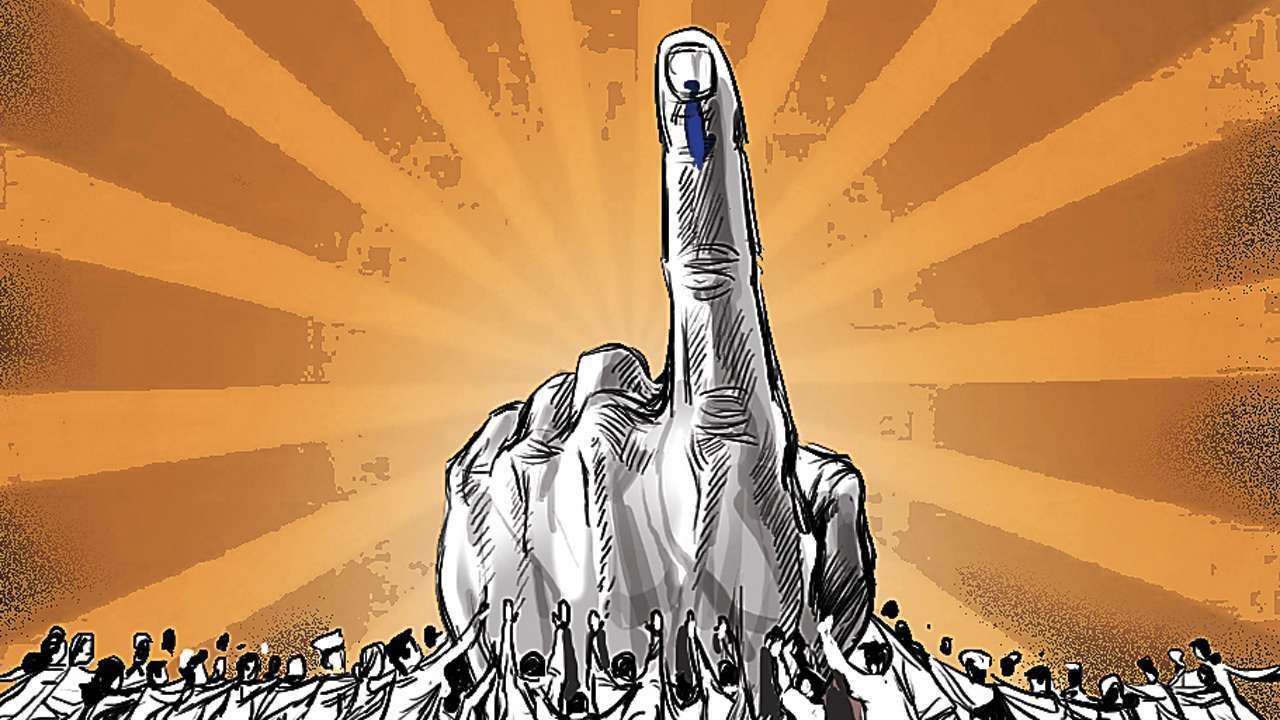
An election is a process by which the citizens of a democratic nation, irrespective of their caste and creed, decide who should take decisions on behalf of them. These have been the common mechanism for the functioning of representative democracies since the seventeenth century. The elections could be either direct elections or indirect elections. In direct elections, people could directly take part in the election process, whereas in indirect elections one individual is entitled to vote on behalf of a representative group. India being the largest democracy in the world considers elections as the “festivals of democracy” in which we celebrate the powers of common man.

            In India elections held once in five years normally. Representatives are elected on the basis of universal adult franchise. As per the conditions laid down by the makers of Indian constitution any citizen who has attained the age of 18 could cast their vote irrespective of their religion, economic and social status. Similarly, Indian constitution also enables any citizen to contest in elections without any discrimination. In order to monitor the equal participation in elections the constitution has also setup an independent body named “election commission”. Thus, elections in India are an inclusive process where common man is pivotal point.

            Indian democracy is the one in which all voters are considered equal thus, the contestants in elections are forced to treat each and every voter of his constituency with same importance at least at the time of elections. The truth is that, it is only during elections that the politicians will listen to the demands of common man. The elections instill a special power in the common man, who constitute a major portion of the society. Even the richest contestant is at the mercy of common man at times of election. It provides each and every individual an opportunity to shape the future of their nation regardless of their socio- economic conditions. Elections are the easiest way in which a citizen can express their discontent towards an existing government. Apart from this electoral system also lay down certain provisions by which common man could contest in elections and thereby contribute towards nation building directly. But many citizens are still unaware of this immense power.

            The voting percentages of elections make it evident that people are still reluctant towards casting their vote. Despite of providing holidays and several other measures to encourage people to vote, many people are not ready to play their role in nation building. Low literacy rates, apathy, unprincipled politics, lack of concrete effort on the part of the political parties in motivating the voters and local conditions in some part of the country can also be sited as the reason for lower public participation in elections. The corrupt, divisive, dishonest and exploitative practices might have decreased the confidence of people in this process. Increase in the use of money power, reliance on money power during elections, inciting communal and caste prejudice in the voters and the misuse of official machinery have shaken the foundations of the electoral process. The only remedy in these circumstances lies in bringing about systematic changes in the polity and elections.

 As John f Kennedy rightly quoted, “The ignorance of one voter in a democracy impairs the security of all”. It is necessary to make the voters aware of their rights and duties. The voters should be encouraged to cast their votes in an informed manner. The political system should take efforts to educate voters and bring back the trust in democratic system. The children should be taught about the need and worth of elections from a younger age. Above all, people should develop a feeling of obligation towards voting and should keep in mind that voting is their duty towards their nation.

By making proper use of the right to vote a common man could contribute immensely towards building their nation. On the whole as Roald Dahl said “Somewhere inside all of us is the power to change the world”. Elections are one the easiest way for a common man to contribute towards this change.

Managing Different Ailments

Heart disease and cancer account for more than half of all deaths in New York State. About half of all American adults have at least one chronic disease, a long-term health problem that requires ongoing medical attention, such as diabetes, arthritis, depression, heart disease, or cancer. A diagnosis of cancer, heart disease, or another serious illness can be devastating. When someone you care about has experienced a serious illness or is facing a life-threatening illness, it can be hard to know what to say or do.

You must also take steps to manage your attitudes, emotions, and relationships. If you’ve been diagnosed with cancer, stress management can help you reduce anxiety, relieve fatigue and sleep disturbances, and improve your mood. By learning to manage stress, you can maintain a positive physical, emotional, and spiritual outlook on life. Following the recommended treatment plan can help control symptoms and stress.

Because the effective management of chronic conditions depends on the patient’s actions, all interactions with healthcare professionals should focus on the patient’s strengths and difficulties in managing the condition. Disease management plans should emphasize preventing exacerbations and complications, using evidence-based practice recommendations and patient empowerment strategies, while evaluating clinical, economic, and human outcomes to improve patients’ overall health and quality of life. Disease management programs are designed to slow the progression of chronic diseases by identifying and treating them more quickly and effectively, thereby improving the health of people with chronic diseases and reducing the costs associated with preventable complications.

Disease management is a system of coordinated medical interventions and communications for specific groups of patients with conditions in which self-care efforts can be implemented. Disease management is defined as “a system of coordinated medical interventions and communications for populations with conditions in which the patient’s self-management efforts are significant. For people who can access healthcare professionals or peer support, it (and often family/friends/guardians) share knowledge, responsibilities and care plans with healthcare professionals and/or colleagues.

It provides them with the medical care, information, skills and resources they need to effectively manage their disease on a daily basis. A long-term illness or chronic health condition is any condition that lasts six months or more, such as asthma, arthritis, cancer, obesity, diabetes, chronic pain, or heart disease. Chronic diseases have specific symptoms, but they can also cause invisible symptoms such as pain, fatigue, and mood disturbances. Stress can contribute to or exacerbate many different health problems, including cardiovascular disease, high blood pressure, gastrointestinal disorders, chronic pain, postoperative and wound healing, and some of the side effects of cancer and its treatments.

However, applying stress management techniques can help you deal with these health issues. Even after a heart attack or heart surgery, for example, stress management can help by enhancing the benefits of cardiac rehabilitation or by reducing the amount of medication needed to control blood pressure. Treatment for pain associated with a chronic disease may include pain medication, physical therapy (such as physical therapy), and other treatments such as cognitive behavioral therapy. Interventions to improve patient management can bring positive outcomes, including better monitoring, fewer symptoms, improved physical and psychosocial functioning, and reduced use of care.

Data describing the outcomes of complex and structured disease management interventions in hospitalized patients in clinical and community settings suggest that they may be usefully associated with several chronic diseases. A 2015 systematic review of randomized controlled trials examining the effects of chronic disease management programs on adults with asthma found that a coordinated planning approach involving more health care providers than usual can have positive health effects. Functional and perceived quality of life. In a 2008 study, of 15 care coordination (disease management) programs over a two-year period, “several programs improved patient behavior, health, or quality of care” and “no programs reduced overall costs. or net cost”. Despite the small number of studies, CIS interventions have shown benefits for both professionals and patients, especially in type 2 diabetes and hypertension.

This is inconsistent with the results of our 2006 review and may indicate the increasing complexity of CIS interventions with computerized feedback and reminder systems, physician feedback, and access to computerized DS tools [23]. The next most common element of ICC as a primary intervention associated with statistically significant improvement in outcomes was DSD, which benefited from physiological measures of disease control and health care worker behavior in patients with type 2 diabetes and hypertension, but had no effect on other conditions.

Objective A addresses the need to translate and replicate an important evidence base for chronic disease self-management programs. Health status of MCC patients. Examples include basic research aspects of the medical treatment of MCC patients; epidemiological studies of the impact of various types of comorbidities on disease trajectories; the effectiveness, efficiency, and comparative effectiveness of promising health promotion and self-management intervention trials; and Assess the impact of health management strategies. These issues include managing emotions (eg, depression, fear, and depression); medication use and side effects; adherence to diet and physical activity; and communication with healthcare professionals. 15 Several conceptual models have been developed in an attempt to move from case management to a broader approach to chronic disease management. In recent decades, the types of healthcare systems (66), the specific roles of clinicians, and the specific clinical skills needed to help patients cope with chronic conditions have been recognized (21).

In contrast, disease management programs focus on multiple aspects of patient care and maximize the health of certain patient groups. The concept of disease management is the prevention or minimization of the consequences of disease through comprehensive treatment, thereby reducing health care costs and improving the quality of life of people with chronic diseases. The continuum of care is an opportunity to strengthen the doctor-patient relationship, empower patients, and provide support during the most challenging stages of chronic disease. By identifying the subjective perceptions and symptoms of the disease, the attending physician formally acknowledges the validity of the patient’s experience.

Self-care — now commonly defined as a person’s actions to acquire or maintain a desired level of health regardless of interaction with a physician — is generally considered an inappropriate term for chronic disease management, given that most conditions require full participation. doctor and the use of accepted treatment regimens as part of the patient’s treatment regimen.

In most if not all major chronic diseases, the core of important concepts related to changes in patient behavior includes a knowledge base for management (38, 49).

Taking action early will help you understand and manage the many consequences of chronic disease. The most important step you can take is to seek help as soon as you feel you cannot handle the situation.

Online Schooling, Can It Be The Future Of Education?

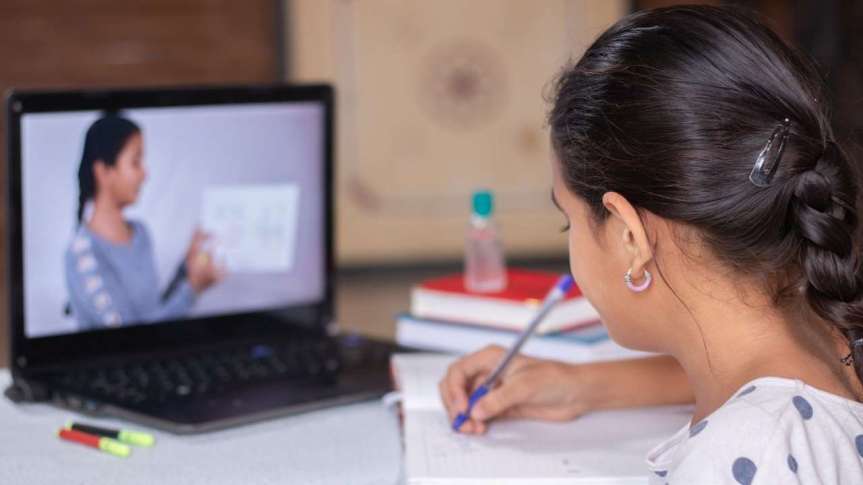
In addition, online education provides a space for creative learning and developing students’ problem-solving skills. Therefore, online learning will continue to grow and become popular among students if universities have already incorporated it into traditional education. Online learning has countless benefits that can help those who choose it over a more traditional education. Put education at your fingertips. Online learning allows you to pursue your education later in life, for example, if you are working full-time but want to continue your education.

As mentioned above, online education is flexible, allowing you to set your own pace of study and customize courses to fit your schedule, but at the same time, it is flexible and everyone can learn according to their abilities. y Needs and skill levels. Online learning allows teachers and students to set their own learning pace and adds the flexibility to set a schedule that fits everyone’s agenda. Online learning and e-learning are flexible, allowing teachers and students to set the pace at which they can easily understand things.

Online learning reduces learning gaps for students as students can always view pre-recorded lessons at their leisure to resume lessons they missed due to illness, death in the family or other reasons. While a teacher may still need to include real-time online lessons as part of the curriculum requirements for their students that can be distributed around the world, most lessons are automated, allowing students to learn on their own using a screen. Nowadays, it has become one of the most popular and popular learning tools, and it is also quite easy and convenient to conduct a lesson online rather than offline. For some, this may be more effective than traditional activities; to others, it may seem like a waste of time to get an online education, and they believe that face-to-face education will benefit them more.

There is no doubt that online education will soon become an important part of educational institutions around the world, but the focus should be on quality education for all, including the poor and disadvantaged. Perhaps this type of learning will somehow alleviate the problems we have faced in education over the last century. I am optimistic that this type of education will help address the injustice our students suffer and create a sense of greater equality, as well as help to cope with the ever-increasing number of students suffering from mental health problems, which are greatly exacerbated in schools that they visit. . Meanwhile, educators are learning how to provide a rich learning experience through virtual contacts and online resources.

Teachers tailor learning to the needs of each student, rather than moving forward or slowing down to fit class schedules, which inevitably results in students falling behind or getting bored waiting for classmates to catch up.

The transition to digital learning makes it clear that children don’t necessarily need a traditional classroom to learn and achieve academic success. Children can use online libraries, online courses, educational websites, Wikipedia, and even regular websites to learn new things every day. Students and educators are finding innovative ways to combine online lectures and courses with similar educator and learning resources.

At the college level, online learning is cheaper than regular schools, which is more beneficial for college students on a budget, as they can save on housing, textbooks, transportation, and more. However, this cost reduction has not affected the quality of online education, which is a win-win situation for students who choose online education over college. These benefits are one of the reasons many believe that online learning will be the future of education. All in all, I believe e-learning is the future, despite its drawbacks (obesity due to lack of exercise, mental disorders that may result from separation, access to hate speech, fake news, porn, etc., but that’s for another article) undoubtedly A booming industry, both in college and as more and more parents homeschool their children.

While the classic face-to-face style of learning will not disappear anytime soon, many people recognize the benefits of online education, while others suggest that it is the future of education. It’s not that face-to-face classes are completely gone given all the downsides that can come with online classes, only that online may end up being the preferred option for learning in the future.

The fast growing online network is sure to be the future of education in many ways. The growth of online classes due to the COVID-19 lockdown has helped a lot with the overall vision for the future of education. In 2020, it increased even more due to the unprecedented COVID-19 epidemic, which made it impossible for schools to function normally. Despite everything, professors and students of all higher educational institutions have slowly begun to gravitate towards online learning. With this sudden exit from the classroom in many parts of the world, some are wondering if the adoption of online learning will continue after the pandemic and how such a shift will affect the global education market.

To begin with, more and more higher education institutions are implementing or strengthening their online learning platforms, the main considerations of which are to reduce student costs and increase hiring in an increasingly competitive environment. More and more universities are using online platforms in their learning, and students who have chosen traditional education have not yet participated in any virtual learning, such as with Moodle or Blackboard. But let’s put aside actual learning for a moment and highlight the many practical effects of distance learning, many of which are used in schools and universities that have moved to online learning.

The shift to online learning also means less need for huge university parking spaces that take away green space. With online learning, schools can open up classrooms to more students from different locations, including those who don’t live in the area or who might not otherwise be able to get to school in person.

New programs offer teachers more effective ways to deliver education and students the opportunity to interact and learn, including innovations from students interested in connecting better online when they can’t be together in person7. for online learning, enhancing the ability of teachers to learn from each other as they adapt to a new teaching and learning paradigm. In recognition of the shift to online learning, administrators from some of the country’s largest school districts have indicated they are specifically looking for teachers with the skills to teach students online. find highly coveted jobs in US school districts, supervising a wide range of students at all levels of education. Because online learning is so flexible, our high school students can sign up for meaningful internships that teach valuable professional skills and encourage career planning.

Need To Inculcate Healthy Dietary Habits

At the family level, recommendations for feeding infants should include information about their nutritional needs and strategies to promote healthy eating behaviors, including recognizing hunger and satiety cues in children and using appropriate food interactions. by modeling and avoiding stress and conflict while eating. When children switch to a family diet, the recommendations are not only about food, but also about the nutritional context. Healthy eating is not only about including healthy food in children’s diets. Healthy eating is an important part of a healthy lifestyle and should be taught from an early age.

A healthy diet and proper eating habits for your children can help them become stronger, healthier and more immune. Following a weekly meal and snack plan can also instill disciplined eating habits from an early age. Eat with them. Eating healthy, nutritious food like a family with kids can really help instill healthy eating habits in them. In addition, family meals are an opportunity for parents to introduce their children to new foods and become role models for healthy eating.

Kids love the predictability of family meals, and parents have the opportunity to keep up with their kids. Family meals together are how children learn to choose healthy foods and learn table manners. If you insist that the children sit with you, even if they are not ready for solid food or refuse to eat, they will begin to learn the rules of the dinner.

Educate your little eaters about healthy eating and the different types of essential nutrients and let them enjoy their meal. Make it easy for kids to choose healthy snacks by keeping fruits and vegetables ready to eat.

Do not buy single servings of snacks, yogurt and other products that cost more. Instead, buy in bulk or more and divide into smaller portions as needed.

Stick to real foods like vegetables, fruits, nuts, lean meats, low-fat dairy and whole grain pasta, rice, and bread. Eat a diet that is 45% carbs, 30% protein, and 35% fat that is good for you: olive oil, fish, or nuts. While you want to eat 5 to 6 meals and snacks a day, don’t overeat at any of your meals and make sure you choose healthy, nutrient-dense foods. Pay attention to when and what you eat, and pay attention to your behavior and feelings associated with food.

That way, you’ll be more likely to eat healthier foods and less likely to eat unhealthy foods. Instead of focusing on what you shouldn’t eat, think about what you can add to your plate to improve your health, like walnuts for heart-healthy monounsaturated fatty acids or raspberries for fiber and antioxidants. By eating fruits and vegetables rather than overeating less nutritious things, you are sending the right message.

Eating healthy foods and staying physically active can help you achieve and maintain a healthy weight and feel better. You may also find that moving more and eating better can help you cope with the demands of your busy life and be around the people who depend on you. By making healthy lifestyle choices together, you may find it easier to move more and eat better.

You can go for a walk after dinner or play frisbee with your kids. Just 15 minutes of light physical activity within 30 minutes of eating can help you reach your calorie expenditure goal, curb late-night cravings that lead to snacking, and may even help you sleep better. Research shows that optimistic people are more successful at changing their behavior, including healthy eating and weight loss. Your family, friends, and colleagues can be a great source of support as you strive towards healthier habits. Not only can our physical health improve when we prioritize healthy eating. Healthy eating can stabilize children’s energy, sharpen their minds, and even out their moods.

It also helps children feel good, maintain a normal weight, and have enough energy to go to school and play. A balanced diet is the key to a healthy diet because it provides children with the nutrients they need to grow. Regular meals throughout the day are essential to keep your child active and help them focus while they study. Some kids in this age group are still fussy, so offer them a variety of regular foods, meals, and snacks, and let them eat according to their appetites, without forcing or arguing. If children are allowed to eat according to their appetite, they can decide how much food they need for activity and growth.

Meal sizes vary because the amount of food a child needs depends on what else they eat during the day. Children continue to learn new cooking techniques and ideas when dining out. They can participate in the preparation of packed lunches and help their caregivers prepare healthy meals. Their “job” is to ensure that children are served healthy meals on a predictable schedule in a pleasant environment. 39 By developing meal schedules, caregivers can help children learn to predict when they will eat. Babies need three healthy meals and two snacks for physical development and immunity.

However, many can testify that getting children to eat healthy food is not always easy. Parents who teach their children about healthy eating from an early age can have a positive impact on their children’s eating habits later in life. Over the years, researchers have found evidence that eating behaviors and eating habits in early childhood affect the food preferences and eating patterns of children in adulthood.

Healthy eating during adolescence is important because changes in the body during this period affect a person’s nutritional and dietary needs. Instilling good eating habits in children can be very easy for parents if they set the right example. In addition to the level of education, an important element in achieving a healthy diet is the internalization of eating habits that make it possible.

We have seen that these habits increase with the age of the respondents. First, we noticed that with age, the socio-economic and living situation of the respondents stabilizes, which contributes to their eating habits becoming more regular and healthy, and at the same time, the awareness of the respondents of the need to lead a more regulated and healthy lifestyle increases. Thus, as the study “The influence of age and gender identity on the health of university students in eating in Spain”, on which this article is based, shows, all respondents know what a healthy diet is due to their high educational level. In particular, students who are most interested in healthy eating are also most concerned about buying foods that they believe are healthy.

India’S Weekly Cases Rise With Covid And Omicron

At the DDMA meeting, it was discussed that the restrictions imposed on Delhi should also be introduced in the National Capital Territory region to prevent an increase in the number of cases.

Tighter restrictions are expected in the coming days as the number of cases continues to grow. Italy has banned public New Years celebrations, as well as all concerts and outdoor events, until January 31st in an effort to contain an increase in infections caused by the omicron variant. Delhi is imposing a weekend curfew to limit the rise in omicron cases in an Indian city. Delhi, where daily cases are increasing more than fivefold in a week, is moving into a 55-hour period from Friday evening to Monday morning.

As Tamil Nadu and Himachal Pradesh join a growing list of states that have blocked night curfews under new curfews to tackle the expanding pandemic, the Union government has announced a 6.3-fold increase in COVID cases over the past eight years. days – occurs in cities and the Omicron variant is the predominant circulating strain. India reported 90,928 new daily COVID-19 cases on Thursday, nearly four times since the start of the year, mostly from cities where Omicron has overtaken Delta, according to health officials. India reported 179,723 new cases on Monday, mostly in the country’s largest cities – New Delhi, Mumbai and Kolkata, where Omicron has overtaken Delta as the most common strain of the virus.

According to data from the Ministry of Health, India added 58,197 new coronavirus cases in a single day, the highest level in about 199 days, bringing the total number of cases to 3.50.18.358, which also indicates that the number of active cases exceeds 200,000. About 81 days later. India reported 33,750 new infections on Monday, which is only a small part of the number reported by the United States and many European countries, but an increase of 22% from the previous day, the highest total in more than three months. Given the low vaccination rate and other factors, some experts worry that the new variant may hit India more than other countries. On Friday, at least 15,000 new Covid-19 cases were reported in Maharashtra, Delhi and West Bengal.

India on Saturday reported 141,986 new cases, the highest one-day increase since May 31 last year, according to Indian Health Ministry CNN data. India on Saturday reported more than 1,000 new cases of coronavirus infections for the second day in a row, and also maintains an upward trend in the one-day increase in infections for the 11th straight day. Italy also recorded a record number of new coronavirus cases for the second day in a row.

There were 119,789 new cases of Covid-19 in the UK yesterday, another record. Records in the country say nearly half a million people have died from coronavirus infection to date, but a recent study estimates the real figure to be 3.2 million deaths as of last July. The death toll from covid-19 in India could be six to seven times higher than officially recorded. Russia has reported 741 deaths from COVID-19 in the past 24 hours due to the ongoing spike in cases.

India has recorded 325 deaths in 24 hours, officials said, but only one was associated with Omicron. India has confirmed at least 2,135 cases of Omicron and one death associated with this variant in an elderly man with diabetes. India reported 35,368,372 cases of Covid on Saturday, including 483,463 deaths and 3,071 cases of the Omicron variant, according to the Ministry of Health. To date, India has recorded over 35 million cases of Covid and about 482,000 deaths from the virus.

In the first half of 2021, India experienced a huge second wave of coronavirus infection, resulting in overwhelming hospitals and oxygen shortages across the country. While the omicron variant appears to cause less severe disease than the delta variant, India’s huge population, densely populated cities, and understaffed hospitals mean that healthcare systems could still be overwhelmed. Other experts, however, hope that the wave of Omicron in India will be similar to other countries, where the huge increase in infections has not yet led to a corresponding significant increase in hospital admissions.

In other news, IIT-Kanpur professor and mathematician, Manindra Agrawal, predicted that in big cities such as Delhi and Mumbai, the spike in Covid cases could be halted very soon, perhaps by the middle of this month. Covid-19 cases may have stabilized in London and could begin to decline in other parts of the UK within 3 weeks, the epidemiologist and government adviser said. CALCUTTA, January 6. Reuters India’s daily COVID-19 cases surged to 117,100 on Friday, a fivefold increase in a week and is on the verge of exceeding the previous peak of infection as the rapidly spreading omicron variant replaces the delta in cities.

The ministry said the number of active cases increased to 7 23 619, representing 2.03 percent of total infections, while the national COVID-19 cure rate fell to 96.62 percent. It crossed the 20,000 mark on Saturday, along with Mumbai, which had 20,318 new cases. On Thursday, he reported more than 90,000 cases, almost six times more than last week, which experts said was caused by the Omicron variant. India on Wednesday 5 January reported its first death related to the Rajasthan variant of the Omicron coronavirus as the number of new COVID-19 cases topped 70,000 in what the Union government called “exponential growth” with acceleration “steeper than ever.” that is reflected R-value, which is not higher than during the peak of the second brutal wave.

At the end of the first week of January 2022, India’s coronavirus (Covid-19) pandemic looks dire with rapidly growing one-day cases, even as the number of Omicron variants continues to rise. Prime Minister Scott Morrison said Australia must “weather” the fast-growing outbreak of the Omicron virus as the country’s total COVID-19 cases topped a million, with more than half of the cases reported in the past week alone.

NEW DELHI-With the surge of new Omicron variants, India may be caught in a third wave of intense coronavirus infections within a few weeks. NEW DELHI-On Monday, medical and front-line staff, as well as people over 60 with health problems, lined up at vaccination centers across India to receive a third dose of the vaccine for infections associated with elevated omicron variants. As the number of newly confirmed coronavirus infections soared to more than 179,000 on Monday, almost eight times the number in a week, India introduced these doses, which India calls “warning” injections rather than booster injections.

Meanwhile, India has started delivering booster doses of the COVID-19 vaccine to frontline workers and elderly people with variants of Omicron, resulting in a nearly eight-fold increase in daily infections since the start of the year. The Delhi government said on Monday that 84% of all samples tested in the capital between December 30 and 31 were Omicron infections. The city began mass testing of all its residents on Sunday after 20 children and adults tested positive for COVID-19, at least two of whom have the Omicron variant.

Earthquakes in a row, Is it a warning!!!!

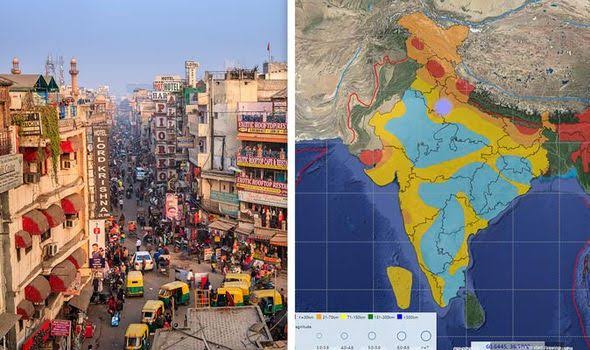
Recently in Gujarat, a 4.5 reactor earthquake hitted there. From the earlier few weeks, the no of earthquakes are going very high in numbers. It is really terrible fact that out of all the earthquakes 60% are origin from India. This is really shocking.

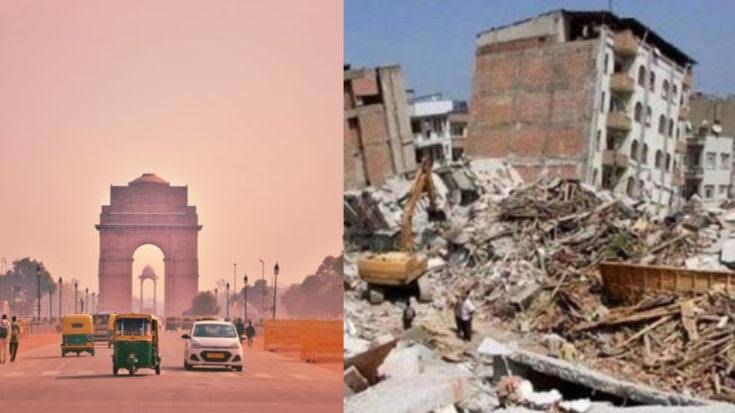
This type of scenario depicts the danger which can hit the nation in coming days. Scientists are studying why all this had been happening. A major earthquake comes through Delhi, and the epicenter of earthquake also same there. And the Delhi , the capital of India, where nearby 2.5 crore peoples resident. It is really terrible.

We all should be aware of earthquake. Also make ourself ready for it. A quick drill also must be followed at resident society. If we prepared for it, surely we will survive in this disaster, afterall it is very dangerous as it comes without giving any clues to us.