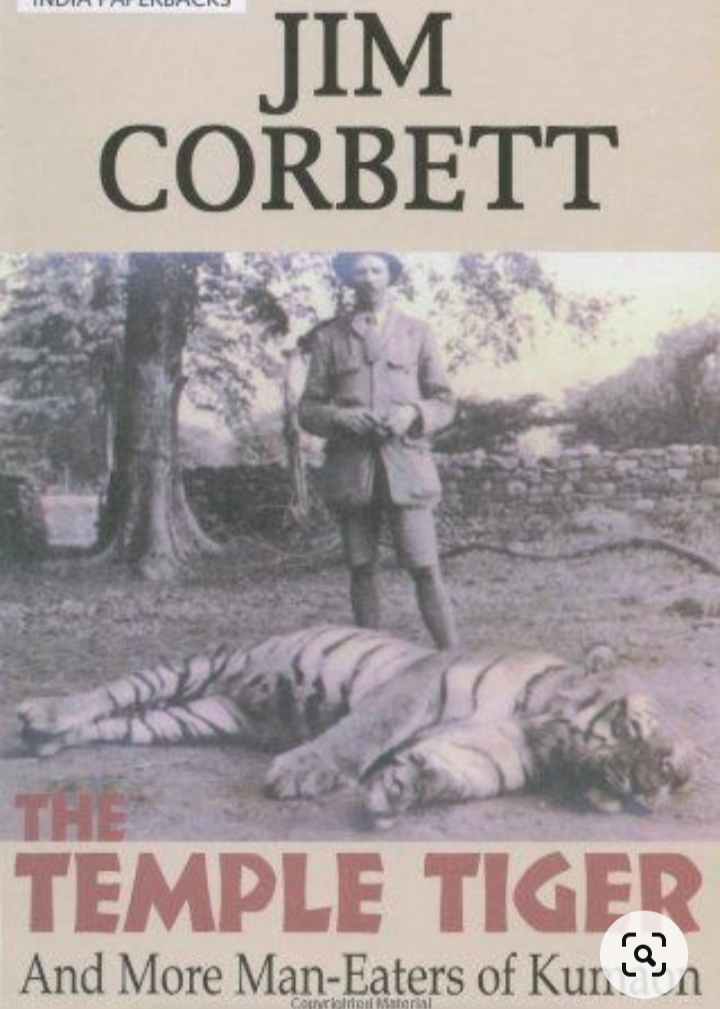
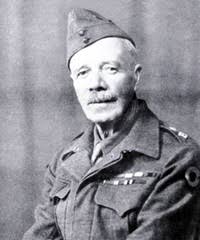
Jim Corbett’s Birth anniversary-“25 july”.


Full name – Edward James Corbett
Born – 25 July 1875 ,Nainital, (North-Western Provinces, British India
(now in Uttarakhand, India))
Died – 19 April 1955 (aged 79), Nyeri, Kenya
Nationality – Indian
Occupation – Hunter, naturalist, writer.

‘My India, about which these sketches of village life and work are written, refers to those portions of a vast land which I have known from my earliest days, and where I have worked; and the simple folk whose ways and characters I have tried to depict for you are those among whom I spent the great part of seventy years,’ -wrote Jim Corbett.

These words are not merely a description of a country by a man. These words reveal the life of a rare man who was British by blood but became an Indian at heart.

About Jim:

Edward James ‘Jim’ Corbett was born on 25 July 1875, at Nainital, United Province (now Uttarakhand) in British India. Corbett held the rank of Colonel in the British Indian Army, and worked for the Bengal and North Western Railway. Corbett was frequently called upon by the government of the United Provinces to slay man-eating tigers and leopards who had killed people in the villages of the Garhwal and Kumaon region. Corbett was able to succeed in many cases where numerous others had failed.

History:

Between 1910 and 1938, Corbett shot much-feared man-eaters such as the Champawat Tiger, the Leopard of Rudraprayag, the Tigers of Chowgarh and the Panar Leopard, who had cumulatively killed over a thousand people. His success in slaying the man-eaters earned him much respect and fame amongst the people residing in the villages of Kumaon, many of whom considered him to be a saint or sadhu because of his simple, dedicated and honest lifestyle. After his retirement, he authored The Maneaters of Kumaon, Jungle Lore, and other books recounting his hunts and experiences. Corbett’s stories became best-sellers because he narrated tales bubbling with spine-chilling reality in simple and enjoyable language.

Corbett had great admiration for tigers and photographed them avidly in his later years. His attraction towards the uncorrupted beauty of nature in the wild started in his childhood. He could identify the call of most animals and birds from a very young age, owing to his frequent visits to the wild. He never shot a tiger or a leopard unless it turned a man-eater. Corbett was a pioneer conservationist and lectured at local schools and societies to create awareness about the need to respect the wild.
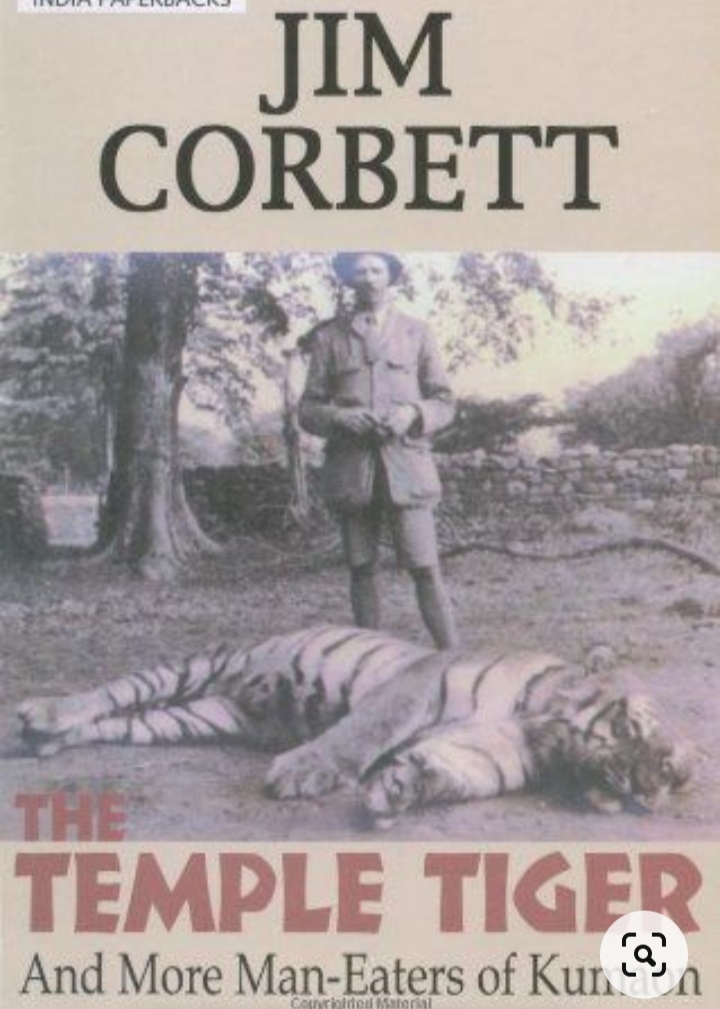
A great human being who would even risk his own life for saving somebody else’s, Corbett continued to write and sound the alarm about the declining numbers of jungle cats till the last days of his life at Nueri, Kenya. He was distressed when people described the tiger as a blood-thirsty’ and ‘cruel’ beast. He refers to his childhood when a child freely roaming about the forest often ended meeting a tiger, the latter giving him a clear, ‘Hello child, what the hell are you doing here?” look and walking away.

. “”a tiger is a large-hearted gentleman with boundless courage and that when he is exterminated-as exterminated he will be unless public opinion rallies to his support-India will be the poorer, having lost the finest of her fauna,””- Jim Corbett had written. This quotation also makes it very obvious that Corbett had great respect for India and Indians. When you read his description of his experiences with men like Bala Singh in his stories or read about the manner in which he could identify the distinct grieving of an Indian wife for her husband, you know why he is still so revered. Corbett passed away on 19 April 1955. The Jim Corbett National Park in Uttarakhand is named after him.

Life of Jim corbett:

In childhood, he has a deep fascination for the forests and wildlife, and due to his interest in wildlife, he became a good tracker and hunter with time. Due to his amazing skill of tracking and hunting, he was often sought after by the then government of the united province to track and kill the tiger and leopard who becomes a man-eater. Even though he was the skilled hunter, he never killed any wild animal other than man-eaters.After many years as a celebrated hunter, he then developed a hobby of wildlife photography, especially, recording films of tigers in their natural habitat. He also used to give lectures on the rich natural heritage of India and the importance of the conservation of forests and wildlife to the school students.

He also penned his experience as a hunter and written many books on wildlife and hunting experiences. His most famous book was Man-Eaters of Kumaon that intensely portrayed his own hunting adventures. Many movies, TV episodes and documentaries have been made that are based on this critically acclaimed book.Later in his life, Jim Corbett started a movement to conserve the wild animals and forests. He strongly supported the All-India Conference for the Preservation of Wildlife and promoted the foundation of the Association for the Preservation of Game in the United Provinces. He also used his influence over the provincial government and lead the path that cleared the establishment of the first national park in India, the Hailey National Park, named after the Lord Malcolm Hailey in 1930s. The name later changed to the Jim Corbett National Park after the independence of India in 1957 in the honor of the legendary Jim Corbett.


Property Rights

What Are Property Rights?

Property rights define the theoretical and legal ownership of resources and how they can be used. These resources can be both tangible or intangible and can be owned by individuals, businesses, and governments. In many countries, including the United States, individuals generally exercise private property rights or the rights of private persons to accumulate, hold, delegate, rent, or sell their property. In economics property rights form the basis for all market exchange, and the allocation of property rights in a society affects the efficiency of resource use.

Understanding Property Rights

Property is secured by laws that are clearly defined and enforced by the state. These laws define ownership and any associated benefits that come with holding the property. The term property is very expansive, though the legal protection for certain kinds of property varies between jurisdictions.Property is generally owned by individuals or a small group of people. The rights of property ownership can be extended by using patents and copyrights to protect:

  • Scarce physical resources such as houses, cars, books, and cellphones
  • Non-human creatures like dogs, cats, horses or birds
  • Intellectual property such as inventions, ideas, or words

Other types of property, such as communal or government property, are legally owned by well-defined groups. These are typically deemed public property. Ownership is enforced by individuals in positions of political or cultural power. Property rights give the owner or right holder the ability to do with the property what they choose. That includes holding on to it, selling or renting it out for profit, or transferring it to another party.

Acquiring Rights to a Property

Individuals in a private property rights regime acquire and transfer in mutually agreed-upon transfers, or else through homesteading. Mutual transfers include rents, sales, voluntary sharing, inheritances, gambling, and charity. Homesteading is the unique case; an individual may acquire a previously unowned resource by mixing his labor with the resource over a period of time. Examples of homesteading acts include plowing a field, carving stone, and domesticating a wild animal. In areas where property rights don’t exist, the ownership and use of resources are allocated by force, normally by the government. That means these resources are allocated by political ends rather than economic ones. Such governments determine who may interact with, can be excluded from, or may benefit from the use of the property.

Private Property Rights

Private property rights are one of the pillars of capitalist economies, as well as many legal systems, and moral philosophies. Within a private property rights regime, individuals need the ability to exclude others from the uses and benefits of their property. All privately owned resources are rivalrous, meaning only a single user may possess the title and legal claim to the property. Private property owners also have the exclusive right to use and benefit from the services or products. Private property owners may exchange the resource on a voluntary basis.

Private Property Rights and Market Prices

Every market price in a voluntary, capitalist society originates through transfers of private property. Each transaction takes place between one property owner and someone interested in acquiring the property. The value at which the property exchanges depends on how valuable it is to each party. Suppose an investor purchases $1,000 in shares of stock in Apple. In this case, Apple values owning the $1,000 more than the stock. The investor has the opposite preference, and values ownership of Apple stock more than $1,000.

WHAT MAKES FINLAND THE HAPPIEST COUNTRY

Irrespective of experiencing 200 days of winter with complete absence of sun, Finland has maintained it’s position to be the Happiest Country in the World for the last four years. It has been named the most stable, freest and the safest country by various international bodies because of the socio-economic and welfare policies of the nation.
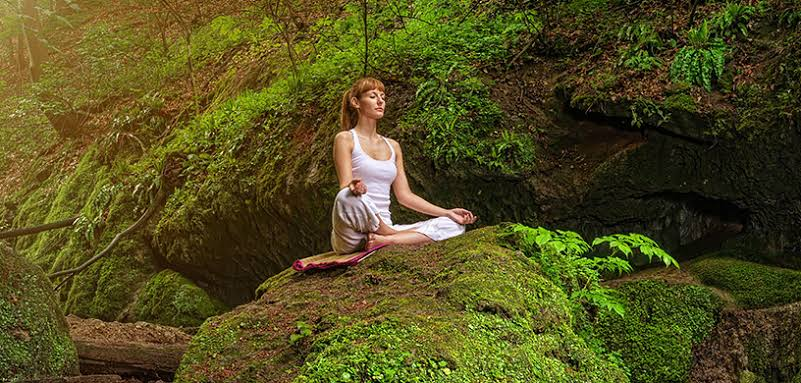
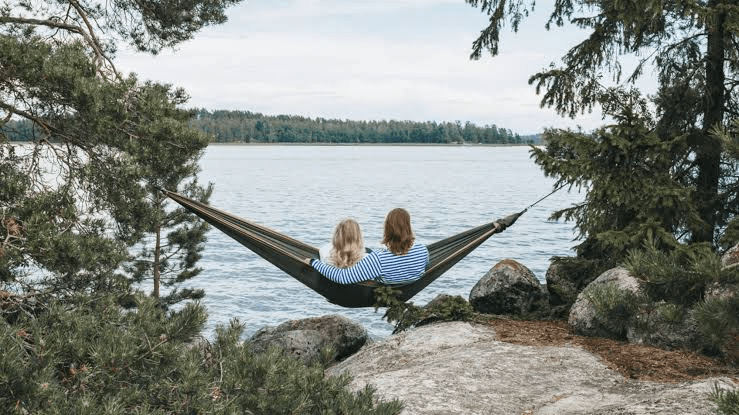
Finland is a natural beauty with forests, crystal clear lakes and wildlife. It has low pollution levels which makes the air clean and encourages more citizens to be amidst the nature. Hence, a large number of outdoor activities like kayaking, canoe, horse back riding and others can be experienced. Nature in itself is known to have immense healing power that can cheer people and lift their spirits.


Finland offers free Forest Therapy to it’s citizens where the general public is allowed to roam freely in natural areas like forests, lakes, and rivers without any permission from the landowners (if the areas fall under a private land). This traditional legal concept is called ‘’Everyman’s Right ‘’. However, the only condition applied is that no damage or disturbance should be faced by the landowner.


Finns have a warm culture and enjoy a relaxed way of living. Unlike other Western countries they believe in cooperation over competition. The follow minimalistic approach to life and prefer well-made, sustainable, functional items that will stand the test of time. Finns are not considered to be happy bubbly people with cheerful smiley faces. In fact, they are the least expressive people who take life as it comes.


Coming to the most important topic, what makes them the happiest country in the world?
Well, there cannot be a single factor to happiness. However, the main cause of it is self-satisfaction and inner peace, which in term is an outcome of various factors.


Finns follow a relaxed way of living and are at peace with themselves. Finland may not be the most powerful or wealthy economy but what makes them happy is the fact that they are at peace with their present situation. They are not too ambitious about what life should offer them and this helps them to feel satisfied with what they currently have.


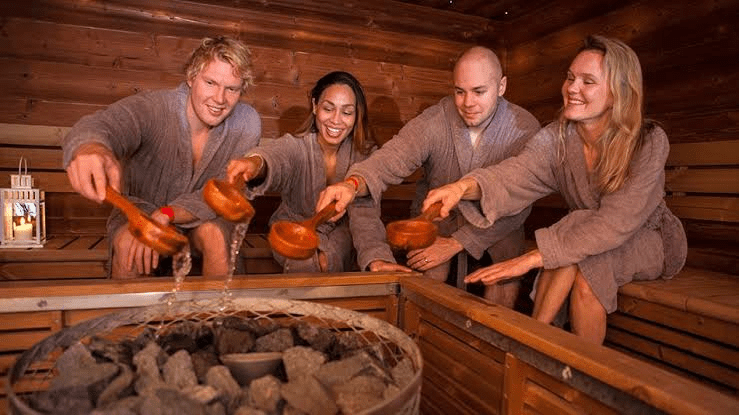
The national pass time for Finns is enjoying sauna baths. The fact that they have over 2 million saunas explains their love for the tradition. Saunas are places that purifies one’s body and soul. Sauna creates a sense of community and equality for the citizens as people from all backgrounds come together to enjoy the experience. Finns are used to being naked in the sauna with their family and friends, which can help create a comfort with and acceptance of their bodies, too.

Fins follow the philosophy of ‘Sisu’ that is focused on persevering when the odds are against us and viewing challenges as an opportunity. “Instead of waiting for a warm sunny day, many Finns practice daily sisu by heading out in any kind of weather for a brisk walk or cycle, or to spend time in nature.” They believe that happiness does not come from searching for it, but by living.

Finns value time over money. They choose a healthy work – life balance over wealth. A good personal life gives them the chance to pursue their personal interests and feed their creativity. This further contributes to the low inequality levels in Finland. The society majorly consists of middle-class households with very less poverty and more social security. They have few rich families but since the people are satisfied with themselves, they don’t believe in excessive show off of their wealth. This promotes the feeling of content and satisfaction amongst the low-income groups as well.

One of the main reasons why Finns are satisfied and happy with their lives is social equality. The government provides each new born a equal and healthy start to life. They distribute packages of clothing and other useful items to all new mothers. This was initially started to reduce the declining birth rate and high infant mortality but on a broader picture it reduces the difference and provides an equal start to all the new citizens. Equal opportunities are given to every citizen in terms of best education in schools and universities without any cost. This helps each child shape their own future without any form of economic hindrances. (A happy childhood breeds happy adults) The presence of best of health care opportunities to all the citizens at no cost reduces further disparity and makes them more secure and stress-free.

Under the ‘Housing first’ principle, it is ensured that even the rough sleepers are given the right support and a roof above them. The presence of equal opportunities for all makes people more satisfied with their lives, hence there is no need for people to adapt criminal offences. Low crime rates, in turn makes people more safe, secure and happy.

Finland strongly emphasises on closing gender equality as a means to promote the feeling of satisfaction and oneness amongst all citizens. Some of the measures includes providing new fathers with nine weeks of paternity leave at 70 percent of their salary and closing the gender pay gap. (Hence proving that a rising tide lifts all boats). Finland is one amongst the few Nordic countries where fathers spend more time with school-aged children compared to their mothers.

The extent of equality and freedom amongst the nation is such that they follow Flat Working Model in commercial world. For those who don’t know, a flat working model is one where there are few or no hierarchal levels between management and staff. This leads to less supervision and increased involvement with organizational decision-making, enabling open communication between all departments. Hence, increasing workplace productivity and team-cohesion. This worker-centric approach to business has served Finland well for more than a decade. Moreover, Finland is the only country that provides 25 paid workdays off in addition to the paid national holidays.

Finns are least active on social-media platforms that indulge in putting forward a polished view of their lives. They don’t brag about their success and wealth or show an outwardly exuberant zest for life. Rather, they believe in being reserved and accepting both the good and the bad as it comes. They believe that if they are truly happy, they don’t need to shove it in anyone’s faces.

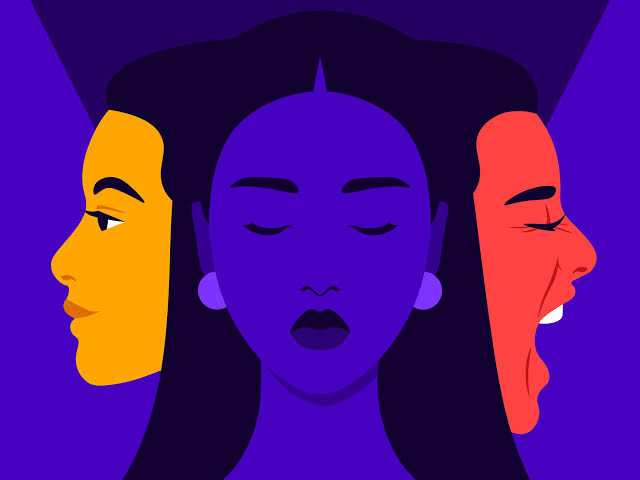
Even after being the happiest country in the world, Finns have an emotionless exterior and prefer melancholic songs to express themselves. This is because they accept negative emotions as part of life. Trying to suppress one’s negative emotions is considered bad for one’s well-being. They are taught to embrace such emotions and learn to accept one’s life for what it is. This in turn has a positive impact on their life and help them feel more satisfied. They believe in expressing their negative emotions to such an extent that they celebrate a national event called “The International Day of Failure” (celebrated annually on 13 October), that carries an important message that without the possibility of failure there is no success, and occasional failure is therefore acceptable.

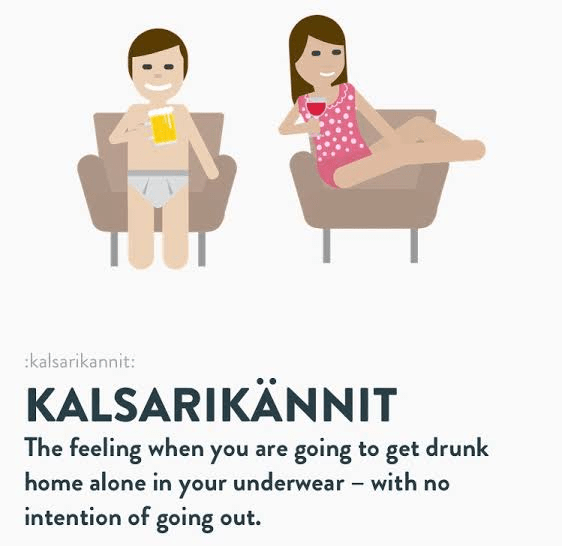
They follow the culture of Kalsarikännit or Pantsdrunk which is the practice of binge drinking alone in your home in your underpants. To a large extent, it is still considered a way of life in Finland, probably because of the stereotyped lack of social contacts among Finns.

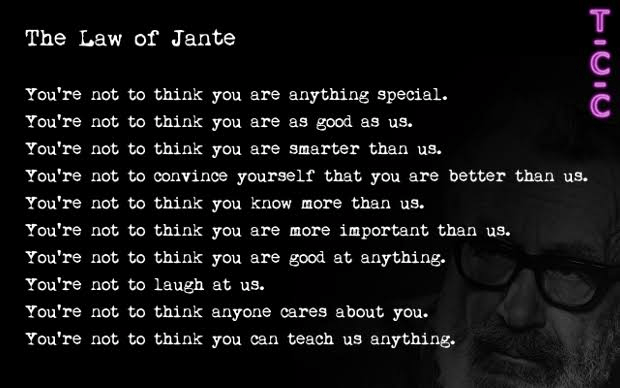
Another reason why nordic countries are most at peace with themselves may be the not mentioned, but always present, “Law of Jante” that is silently enforced by everybody in unison. Law of Jante explain the egalitarian nature of Nordic countries where they support a harmonious and happy society.

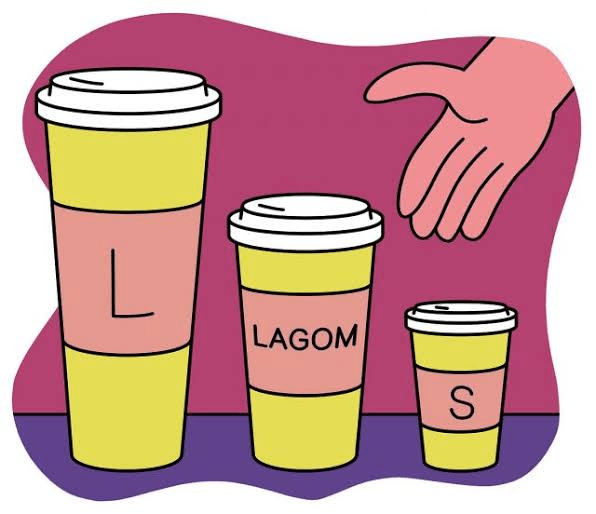
Finns are socialized to believe that what they have is as good as it gets—or close enough. Finns believe in the Norwegian term Lagom, which can be translated as “just the right amount,” i.e., neither too much nor too little. They believe that what they have is as good as it gets—or close enough. This mindset makes them the happiest people in the world despite living in small apartments, earning modest incomes, with even more limited purchasing power because of the high prices and taxation.

Hence, one thing that the world could learn from them is their willingness to embrace the less-sunny aspects of living i.e., to accept negative feelings as a normal part of life.

The utterly butterly delicious story of Amul

Over the years, Amul, one of the most beloved brands of our country, has become the taste of India, just as its tagline claims. Every Indian millennial has grown up listening to the jingles of its many dairy products, and the Amul girl, the brand’s mascot in the polka-dotted dress, has become a nostalgia-evoking symbol. Amul has truly come a long way since its founding in 1946.

The beginning

Amul was formed as a part of a cooperative movement against Polson Dairy in Anand, Gujarat, which procured milk from local farmers of Kaira District at very low rates and sold it to the then Bombay government. Everyone except the farmers benefited from this trade. The farmers took their plea to Sardar Patel, who had advocated farmers’ cooperatives since 1942. The result was the formation of the Kaira District Co-operative Milk Producers’ Union Limited in Anand.

The union started pasteurising milk produced by a handful of farmers for the Bombay Milk Scheme and grew to 432 farmers by the end of 1948. The rapid growth led to problems including excess production that the Bombay Milk Scheme couldn’t accommodate. To solve this issue, a plant was set up to process all that extra milk into products such as milk powder and butter.

Amul is born

The late Dr. Verghese Kurien, rightly called the Milkman of India, was Amul’s true architect. His journey at Amul began in 1949 when he arrived in Anand to manage a dairy as a government employee. He went from helping farmers repair machinery to revolutionising India’s dairy industry with the White Revolution (or Operation Flood), the largest dairy development programme in the world.

The new dairy with the milk processing plant was ready for operation in October 1955, the year that also saw a breakthrough in dairy technology —buffalo milk was processed to make products for the first time in the world. The word ‘Amul’, derived from ‘Amulya’, which means ‘precious’ or ‘priceless’ in Sanskrit, was used to market the range of milk products developed by the Kaira Union. It is also an acronym for Anand Milk Union Ltd.

Dr Kurien had a vision. He wanted to offer small-scale dairy farmers quality-control units and centralised marketing, which were missing at the time in the dairy economy. Thus, the Gujarat Cooperative Milk Marketing Federation (GCMMF) was created in 1973 to market milk and all milk products produced by six district cooperative unions in Gujarat. GCMMF is the largest exporter of dairy products in India and Amul is the umbrella for all of its products.

Awards, accolades, and a global presence

Over the years, Amul, together with GCMMF, has won numerous awards. Some of these include the Rajiv Gandhi National Quality Award, 1999; the Golden Trophy for Outstanding Export Performance, 2009-10; Best Marketing Campaign, 2014; and World Dairy Innovation Award, among many others. Amul earned recognition all over the world when GCMMF  introduced it on the Global Dairy Trade (GDT) platform, where only the six top dairy players across the world sell their products.

More than a mere slogan

Amul’s famous slogan, which is now a part of its logo, was created in 1994 by Shri Kanon Krishna of a Mumbai-based advertising agency called Advertising and Sales Promotion (ASP). According to Amul, the Taste of India slogan is more than just corporate positioning or advertising jargon. This slogan lends meaning to the brand’s never-ending commitment to taking quality food and products to the rural man, which he otherwise couldn’t have afforded.

The Butter Girl

Amul did not always have the round-eyed moppet as its mascot. The Butter Girl was born in 1966 when Sylvester daCunha, the then MD of the advertising agency handling Amul butter’s account, created her for its campaign. It was a pleasant change from the dull, corporate ads that the previous agency had come up with. Being a seasoned marketer himself, Dr Kurien gave daCunha complete creative freedom to create and release the ads without taking the company’s permission. 30 years later, the Utterly Butterly Girl still wins hearts wherever she is, whether on a billboard or on the packet of butter.

Amul is not just a brand; it is also a movement that represents farmers’ economic freedom. The name is now a household term that is here to stay, and the chubby-cheeked Amul girl will continue to cast a spell on the public.

The Fight is Not over Yet- Farmer’s Protest

“Let us not forget that the cultivation of the Earth is the most important labor of man. When tillage begins, other arts will follow. The farmer’s, therefore are the founders of the civilization.”

Daniel Webster

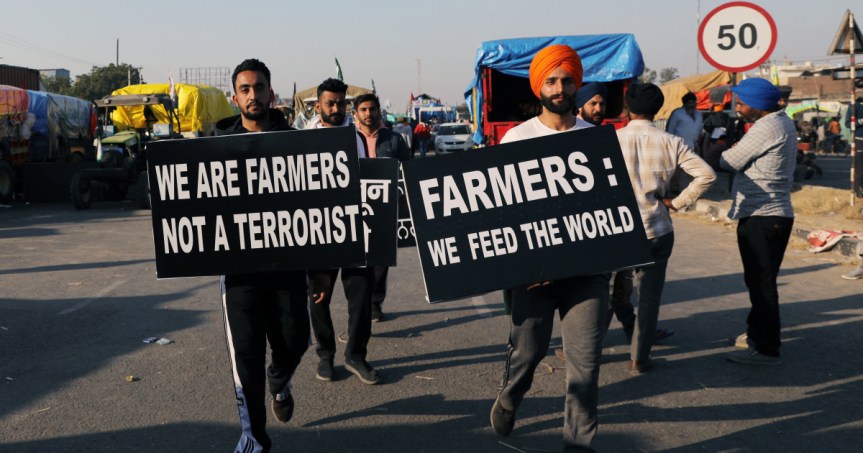
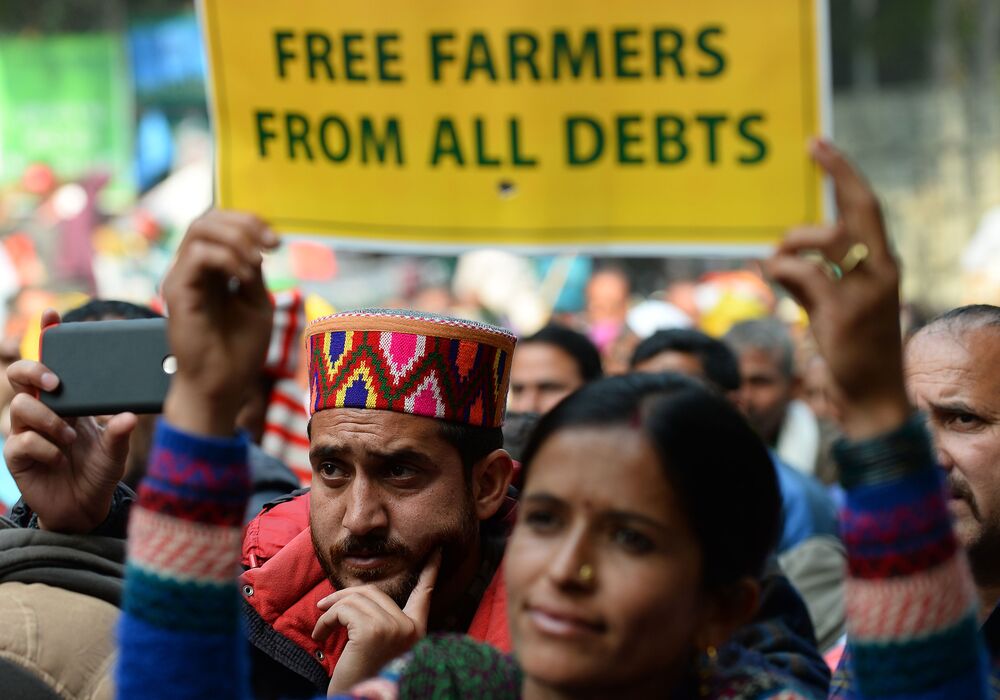
On August 9, 2020, Farmers from Punjab and Haryana laid siege to the national capital region. They are raising their voices against the recently passed farm bills. It has been five months since they have left their houses and have suffered hardships from the changed weather to farmer’s giving up and dying. But no beneficial approach has been taken for them, the fight continues to go on.

After 1947, the zamindari system was abolished in the nation. The farmlands were divided into smaller parts and the tiller became the owner of those parts but still they did not acquire bargaining power for their own crops which led to traders taking advantage of this drawback. Traders used to give credit then used to buy crops during the harvest season at lower prices. The farmer used to stay poor because he never got the good price for his crop production. To decide what the right price should be in the year 1960, when the country was going through the “Green Revolution”, APMC’S (Agriculture Produce Marketing Committees) were introduced which began to regulate the farm produce. Except the committee no one was allowed to buy produce from farmers. They will give traders a license and space to buy. In this system farmer is supposed to get different rates at which he wants to sell his production.

The Farmers' Protests Are a Turning Point for India | Time

But, till today unfortunately the farmers don’t decide the price the traders do. Even today the farmer is a price taker and not a price maker. No matter who makes the laws or tries to raise their opinions and concerns the atrocities have to be faced by the farmer’s.  As a result, they are dealing through several problems like lack of mechanization, soil erosion, agriculture marketing and so on. In India 76% of the farmer’s want to give up farming. The market needs to have a good buyer to pay a fair price. 

Amidst protest from the opposition and farmers organization, the monsoon session of the Lok Sabha passed three agricultural bills which were: – 

  1. Farmer’s Produce Trade and Commerce (promotion and facilitation) Bill, 2020 – to create a system where farmers and traders have the freedom to sell and purchase outside APMC’s, to promote barrier free inter state farmer produce, reduce facilitative framework for electronic trading.  If this is implemented the states will lose its revenue there are also chances that it may end the MSP based procurement system.
  • The Farmer (Empowerment and Protection) Agreement of Price Assurance and Farm Services Bill, 2020 – enable farmers too access modern technology, reduce cost marketing which will boost farmers income, effective dispute resolution. If this is implemented sponsors may not like to deal with small and marginal farmers, farmers who are into contract farming will get weak in terms of negotiating.
  • The Essential Commodities (Amendment) Bill, 2020- removing commodities like some important food items. Essential commodities, bring investment for farm infrastructure, help both farmers and consumers by bringing price stability. If this is implemented big companies will stock commodities, which means they will dictate whatever price they say.

Before helping the farmers, we should understand what problems they are facing. Firstly, we should strengthen the dispute redressal problem. There should be an intermediary body between the traders and the farmers. So, that they understand their rights and know what contract they are signing. They can get a guarantee for their crops and expand their growth if they have someone to help them. Secondly, they should have a bargaining power on what they have produced. This should be their basic right. Lastly if the government provides the farmers with people who can help them it will create massive trust on the government. 

The success or failure of the bill depends on the implementation. It will be unfair if the farmers think that this bill is their biggest enemy which is supposed to be helping them in ways which will change the entire agricultural system of the country. If the government genuinely wants to take up an initiative to help the famers and to end the protest, they should hear the perspective of the farmers because at the end of the day it is their livelihood which is being talked about. An industry that feeds you is worth fighting for.

Farmers' Protest Underscores Modi's Challenges Before Elections - Bloomberg

After 140 Years, Biologists Have ‘Resurrected’ The Genus of These Weird Yellow Cells

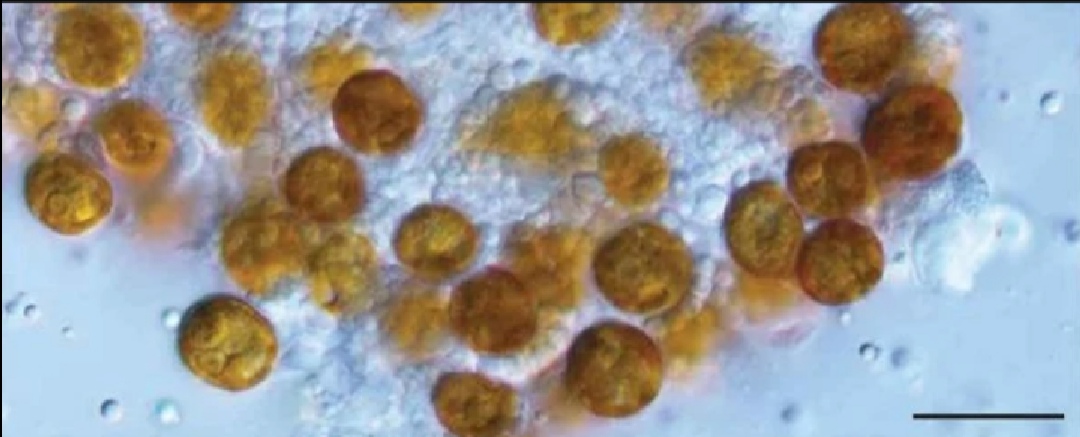
Deep in the tissues of sea anemones, corals, and jellyfish are strange yellow cells which are genetically distinct from the marine animals.

More than a century after these cells were first assigned a now forgotten genus, a new paper has resurrected the name and described six new species from around the world.https://7ebdf40ca650dbb49550c30c7626f99f.safeframe.googlesyndication.com/safeframe/1-0-38/html/container.html

“Because our team comprises scientists from seven countries, we were able to collect all of these samples, and some during the global pandemic,” said lead author of the study, biologist Todd LaJeunesse from Penn State University.

“This study highlights how the spirit of scientific discovery brings people together, even in times of hardship.”

First described in 1881, the yellow things were originally classified under the genus Zooxanthella by scientist Karl Brandt. Brandt also coined the term zooxanthellae, which is used colloquially to this day.

However, another scientist – a Scotsman called Patrick Geddes – was investigating these yellow cells at the same time. In 1882, without having seen Brandt’s work, Geddes discovered that not only were the cells separate from the animals they were within (something Brandt had also established), but that they were beneficial, acting as mutualistic symbiotes.

The genus Geddes established to categorize these cells was Philozoon, from the Greek words for ‘to love as a friend’ and ‘animal’. Unfortunately, Brandt came first, so the Philozoon genus was never used; Geddes switched to work in urban planning, and the newly named genus was largely forgotten.null

We are now well aware that these odd microorganisms Geddes and Brandt worked on back in the day are photosynthetic dinoflagellates – single-celled algae found in symbiosis with other marine life, such as corals – under the family Symbiodiniaceae.

In the new study, researchers took a closer look at these yellow cells, using genetic data, geographical data and morphology to analyze where exactly they should sit in the genetic tree.

And after determining that these creatures need to be put into a new genus, the team pulled the genus Philozoon out of retirement for two old species and six new ones.

“We emend the genus Philozoon Geddes and two of its species, P. medusarum and P. actiniarum, and describe six new species,” the team wrote in their paper.

“Each symbiont species exhibits high host fidelity for particular species of sea anemone, soft coral, stony coral and a rhizostome jellyfish.” 

The team wrote that Philozoon are found in shallow, temperate marine habitats around the world, including the Mediterranean Sea, eastern Australia, New Zealand, and Chile.

“Since most of the algae in the family Symbiodiniaceae have been thought to be mostly tropical where they are critical to the formation of coral reefs, finding and describing these new species in cold waters highlights the capacity of these symbioses to evolve and live under a broad range of environmental conditions,” explains LaJeunesse.

“Life finds a way to persist and proliferate.”

The research has been published in the European Journal of Phycology.

5-month-old baby girl in UK ‘turning to stone’

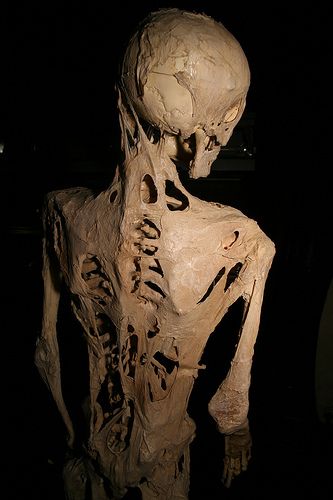
The effects of fibrodysplasia ossificans progressiva, a disease which causes damaged soft tissue to regrow as bone.

Lexi Robins, 5 month old from the UK is “turning to a stone”due to an extremely rare genetic condition Fibrodysplasia Ossificans Progressiva (FOP) that turns muscles into bones.

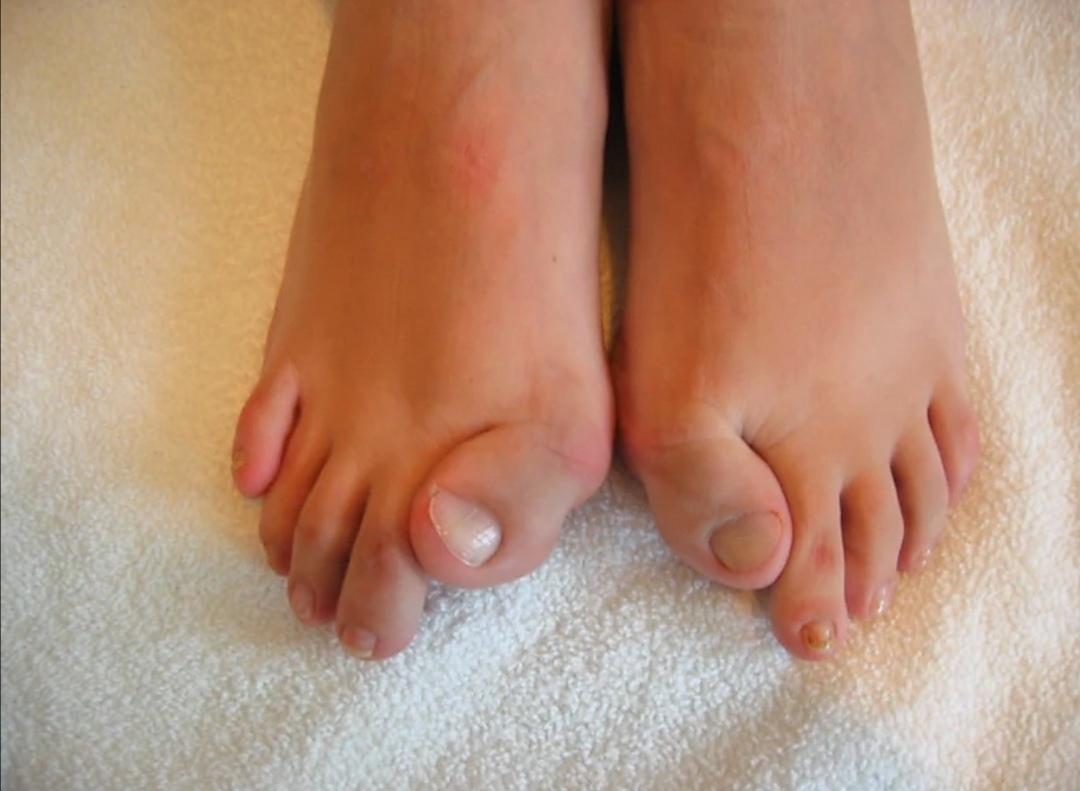
Lexi Robins was born on January 31 and seemed like any other normal baby, except she didn’t move her thumb and had bigger toes.

Lexi was diagnosed with a life-limiting disease called Fibrodysplasia Ossificans Progressiva (FOP), which affects just one in two million.

Due to the disorder, Lexi’s condition may worsen rapidly if she suffers any minor trauma, as simple as falling over. She cannot receive injections, vaccinations and dental care and cannot give birth.

Post by Alexandera robins https://www.instagram.com/tv/CQnwqnTIUlV/?utm_source=ig_embed&utm_campaign=loading.

FOP is a severe, disabling disorder with no current cure or treatment. It is the only known medical condition where one organ system changes into another. Fibrodysplasia ossificans progressiva is caused by a mutation of the gene ACVR1.

The FOP can lead to bone formation outside skeleton and restrict movement. It is believed to replace muscles and connective tissues, such as tendons and ligaments, with bone. Thus, it is generally perceived that the condition turns a body into stone.

People with this disease, which has no proven treatment, can be bedridden by the age of 20 and their life expectancy is around 40 years.

It has no current cure.