

Here’s our top 5 picks of gaming laptops that are affordable and powerful.
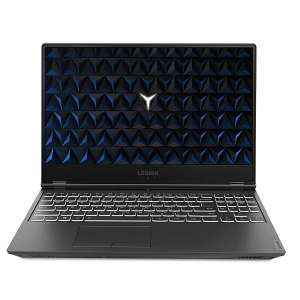
 OS: WINDOWS 10
 DISPLAY: 15.6″ (1920 X 1080)
 PROCESSOR: 9TH GEN INTEL CORE I5 | 2.4 GHZ
 MEMORY: 8 GBGB DDR4
Legion by Lenovo is a dedicated gaming emblem from Lenovo with aesthetics and specifications tailored to game enthusiasts. Even though the specifications are broadly speaking similar to the other laptops on this list, we’ve got the extra storage as you get a 256GB SSD in addition to a 1 TB hard disc drive. Summary of specifications: Intel i5-9300H, GTX 1050, 8 GB, 256 SSD + 1 TB HDD, 15.6-inch 1080p.
| SPECIFICATION | ||
|---|---|---|
| OS | : | Windows 10 Home |
| Display | : | 15.6-inch screen with (1920X1080) full HD display | Anti Glare technology | 60Hz refresh rate | 250 Nits Brightness | IPS Display |
| Processor | : | Intel I5-9300H, 2.4 Ghz base speed, 4.1 Ghz max speed, 4 Cores, 8Mb Smart Cache |
| Memory | : | 8GB DDR4 |
| Weight | : | 2.3Kg |
| Storage | : | 1 TB HDD (5400rpm) + 256 GB SSD |
| Graphics Processor | : | NVIDIA GTX 1050 3GB Graphics |
2. ASUS TUF GAMING FX505DD-AL185T
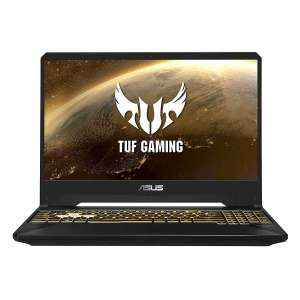
- OS: WINDOWS 10
- DISPLAY: 15.6″ (1920 X 1080)
- PROCESSOR: AMD Ryzen 5-3550H
- MEMORY: 8 GBGB DDR4
The ASUS TUF Gaming series is all about making their hardware more accessible, and the FX505DD does just that by combining the Ryzen 5-3550H with the GTX 1050 and even having a high-refresh-rate panel. A recent drop has increased the value of this one-of-a-kind aggregate even further. Ryzen 5-3550H, GTX 1050, 8 GB RAM, 1 TB HDD, 15.6-inch 120 Hz 1080p display.
| SPECIFICATION | ||
|---|---|---|
| OS | : | Windows 10 Home |
| Display | : | Display: 15.6″ (16:9) LED-backlit FHD (1920×1080) 120Hz Anti-Glare IPS-level Panel with 45% NTSC |
| Processor | : | AMD Ryzen 5-3550H processor, 2.1GHz Base speed (6MB cache, up to 3.7GHz) |
| Memory | : | 8GB DDR4 2400MHz |
| Weight | : | 2.20kg |
| Storage | : | 1 TB HDD (5400 RPM) |
| Graphics Processor | : | NVIDIA GeForce GTX 1050 GDDR5 3GB VRAM Graphics |
3. HP PAVILION GAMING 15-EC0026AX
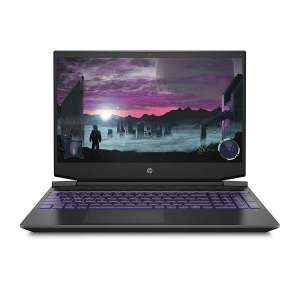
- OS WINDOWS 10
- DISPLAY 15.6″ (1920 X 1080)
- PROCESSOR: AMD Ryzen 5-3550H
- MEMORY: 8 GBGB DDR4
The HP Pavillion Gaming 15 series of laptops come in a wide range of configuration options. The only one we chose is powered by an AMD Ryzen 5-3550H processor and a GTX 1050 graphics card. This makes this one-of-a-kind SKU one of the best AMD-based configurations we could find. Summary specifications: Ryzen 5-3550H. GTX 1050, 8 GB RAM, 256 SSD + 1 TB HDD, 15.6-inch 1080p display.
| SPECIFICATION | ||
|---|---|---|
| OS | : | Windows 10 Home |
| Display | : | 15.6-inch Full HD (1920 x 1080) anti-glare IPS display | 60Hz refresh rate | 250 Nits Brightness |
| Processor | : | AMD Ryzen 5-3550H Quad-core processor (2.1 GHz base clock speed, up to 3.7 GHz max boost clock speed, 6 MB cache, 4 cores) |
| Memory | : | 8 GB DDR4 |
| Weight | : | 1.98 kg |
| Storage | : | 1 TB 7200 rpm SATA HDD + 256 GB PCIe NVMe M.2 SSD |
| Graphics Processor | : | NVIDIA GeForce GTX 1050 (3 GB GDDR5 dedicated) |
4. ASUS TUF GAMING FX505DY-BQ024T
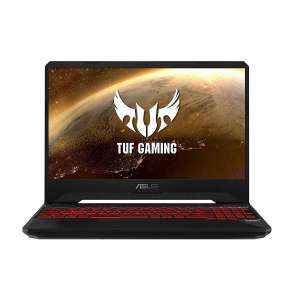
- OS: WINDOWS 10
- DISPLAY: 15.6″ (1920 X 1080)
- PROCESSOR: AMD RYZEN 5-3550H | 2.1GHZ
- MEMORY: 8 GBGB DDR4
In terms of performance, the ASUS TUF Gaming FX505DY is quite close to the FX505DD. The Graphics card which is AMD RX 560X, and the display is a 60 Hz 1080p panel are the key differences between them. Specifications in summary: Ryzen 5-3550H, RX 560X, 8 GB RAM, 512 SSD, and a 15.6-inch 1080p display.
| SPECIFICATION | ||
|---|---|---|
| OS | : | Windows 10 Home |
| Display | : | 15.6″ (16:9) LED-backlit FHD (1920×1080) 60Hz Anti-Glare IPS-level Panel with 45% NTSC |
| Processor | : | AMD Ryzen 5-3550H processor 2.1GHz (6M cache, up to 3.7GHz, 4 Cores) |
| Memory | : | 8GB DDR4 2400MHz |
| Weight | : | 2.2 kg |
| Storage | : | PCIe NVMe 512GB M.2 SSD |
| Graphics Processor | : | Graphics: AMD Radeon RX 560X GDDR5 4GB VRAM |
5. MI NOTEBOOK HORIZON EDITION 14
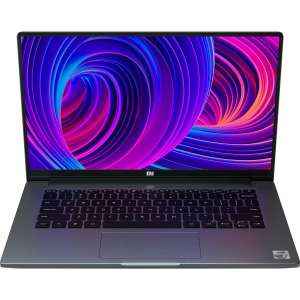
- OS: WINDOWS 10 HOME
- DISPLAY: 14″ (1920 X 1080)
- PROCESSOR: 10TH GENERATION INTEL® CORE™ I7 | 1.8GHZ
- MEMORY: 512 GB SSD/8GB DDR4
Xiaomi is the most latest company to release a laptop in India that is powered by an Intel Core i5-10210U processor and an NVIDIA MX350 GPU. As long as you keep the game settings to low or medium, you can play a few games on the MX350. Both the CPU and the GPU are designed for power efficiency rather than long gaming sessions. Summary configuration: Core i5-10210U, MX350, 8 GB RAM, 512 SSD.
| SPECIFICATION | ||
|---|---|---|
| OS | : | Windows 10 Home |
| Display | : | Horizon Display|14-Inch (1920X 1080 )Full HD Anti-Glare Screen |
| Processor | : | Intel Core i7-10510U processor, 1.8 GHz base speed, 4.9 GHz max speed, 4 Cores, 8 threads |
| Memory | : | 8GB DDR4-2666MHz |
| Weight | : | 1.35 kg |
| Storage | : | 512 GB PCIE Gen 3×4 NVMe SSD |
| Graphics Processor | : | Nvidia MX350 2GB GDDR5 Graphics |
 Eduindex