ISSUES RELATING TO POVERTY AND HUNGER

India is a country which suffers a lot due to hunger and poverty. Hunger is very closely related to poverty as poverty is one of the main reasons for hunger. 

Indian economist and philosopher Amartya Sen said that lack of ability to pay for food is obviously caused by poverty.

POVERTY

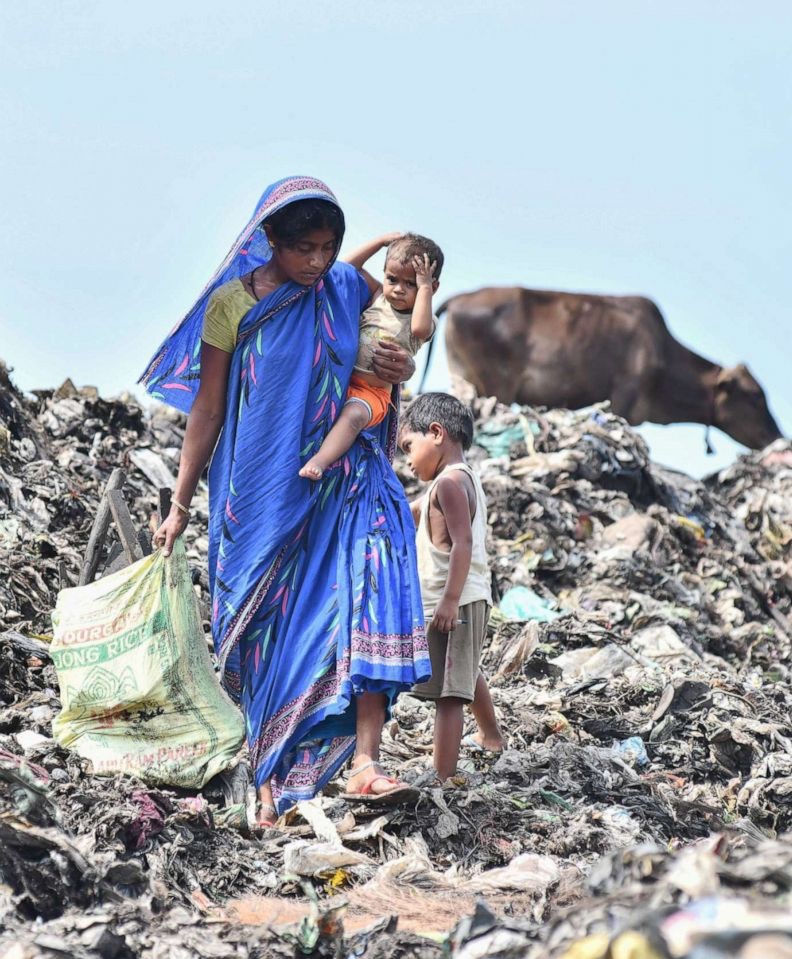
Poverty is a condition caused due to lack of basic needs of life such as water, health care, food, unemployment etc. It is described as the low income level of people which leads them to poor standard of living. Poverty means that the income level from employment is so low that even the basic human needs are not fulfilled. The impact of poverty on children is substantial. Children who grow up in poverty typically suffer from severe and frequent health problems; infants born into poverty have an increased chance of low birth weight, which can lead to physical and mental disabilities. Poverty is a difficult cycle to break and often passes from one generation to the next. Typical consequences of poverty include alcohol and substance abuse, limited access to education, poor housing and living conditions, and increased levels of disease. 

Hunger and food insecurity are the most serious forms of extreme poverty. To eradicate these issues from society is the prime concern of international organizations.

HUNGER

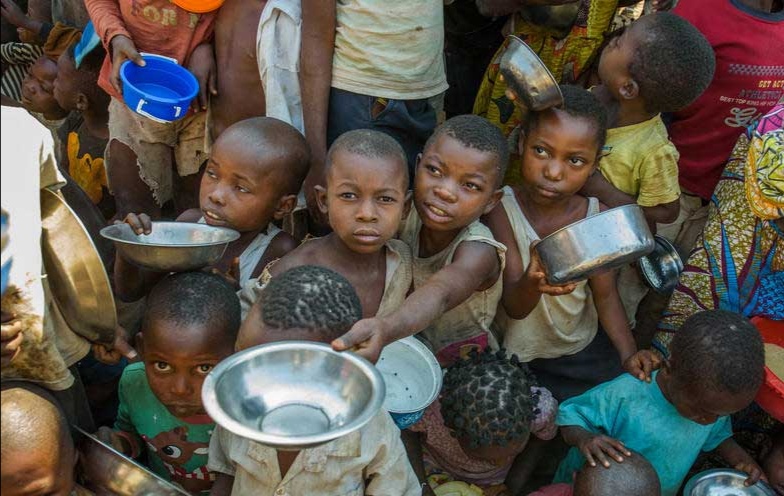
Hunger is a global problem and a lot of countries are facing this problem. Hunger is a condition where both the adults as well as children do not have access to food and there is a constant decrease in food intake, nutrients, no proper diet is there and some days are even gone without food which eventually leads to their death.

Climate change is also one of the reasons for world hunger. The amount of rain determines the production of crops. Droughts also affects agricultural production and extreme rain also causes flooding that leads to destruction of crops . Use of outdated products, not using better quality seeds also leads to shortage of food and those who are capable and have money buys food even at higher prices, the ones who have to suffer are poor people. They do not have money to buy food and hence they remain hungry. Hunger has a lot of serious problems such as insufficient economic systems, climate changes, misinformation but the most serious problem of all is poverty. Many poor nations such as Kenya, Uganda etc. are in desperate need of food. The growing population is one of the major causes of rising hunger and poverty. In Indian scenario Hunger and malnutrition are closely related. The main outcome of poverty is hunger. India is a home to the largest undernourished population in the world, 14℅ of our population is undernourished, 20℅ of children under 5 are underweight, 34.7℅ of children are stunned, 51.4℅ of women in the in the reproductive age i.e. 15-49 are anemic.

DIFFERENT ISSUES RELATING TO HUNGER AND POVERTY

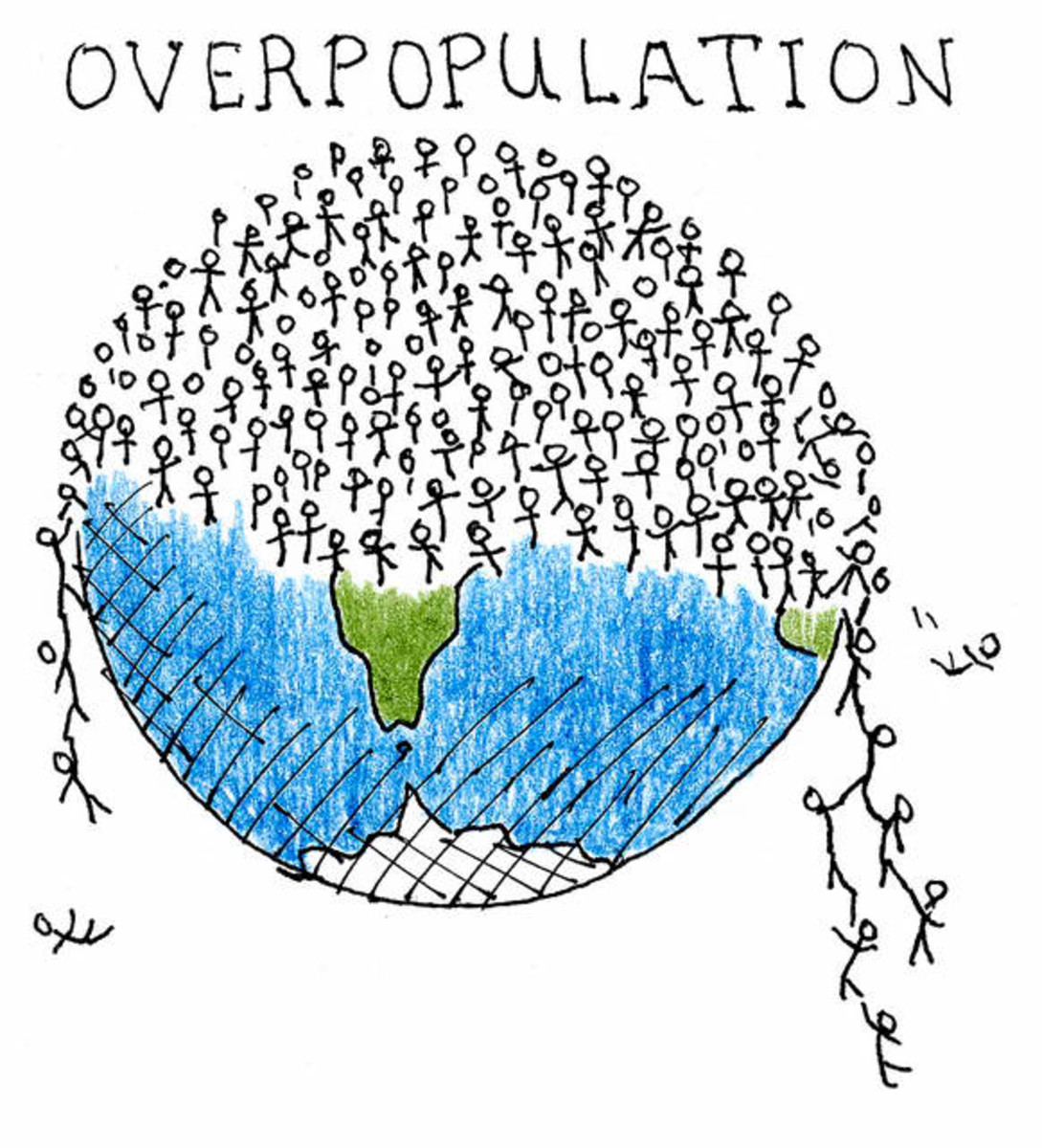
Overpopulation is a major issue of rising poverty. There are not enough resources to satisfy your need. Demand is more and resources are limited and this leads to no proper distribution of resources and a large amount of people are left with no food. India is a country with a large population, and hence everyone’s demand is not full and people remain hungry.

Poor health service– the health sector of India is not as efficient as compared to other developed Nations, which leads to less access to good health and sanitization and hence causes ill health and maintains poverty.

Malnutrition- It is a phenomena that occurs in a human body when it receives little or no nutrition as a result of it people easily get sick and it causes death. it is responsible for the death of people, especially young children.

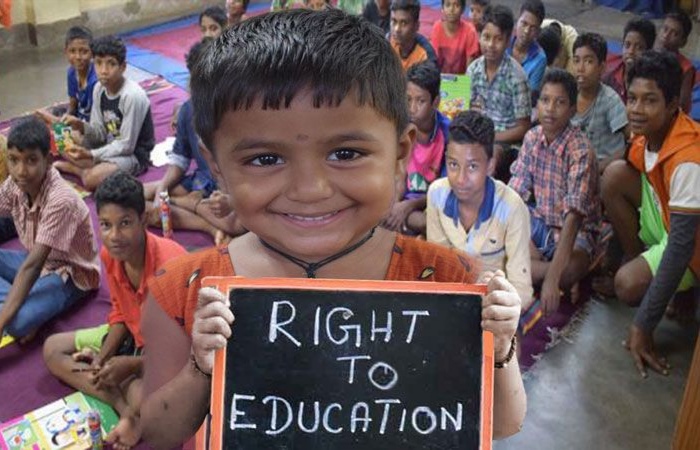
Insufficient education and lack of training- due to Rising poverty children are not able to get basic education and again since they are not educated, they don’t get employed and this vicious cycle of poverty is continued. Lack of money is reason for them not attending proper School and they have to indulge in labour to provide for a minimal living also causes rise for child labour. Parents send their children to work at a very young age.

Inequality– different gender, ethnic, group and social classes face inequality due to poverty. Low rate of economic development, If a country is poor then its development is also very slow.

Rise in crime – Often due to poverty and hunger, people indulge in criminal activities. To fill their empty stomach many young children opt for wrong ways and indulge in theft and loot and its disturbance in the society.

Way Forward

To eradicate poverty and hunger from the society, there is a need for the government to implement schemes and methods. The government should spend more in health, nutrition, and education. The government should invest more in agriculture and provide the farmers with better quality seeds and advanced machineries and modern techniques for more agricultural production, Also it is necessary to decrease rural poverty. Subsidies address only short-term issues. There is a need to develop technologies, with the help of which farmers can practice all-weather agriculture. Government should focus on increasing employment opportunities creating jobs in modern sectors and promote labor-intensive industries. Reduction in corruption will lead to an overall development of the economy. A country with low poverty level will only develop in a better manner.

Sources: civilservicesindia.com
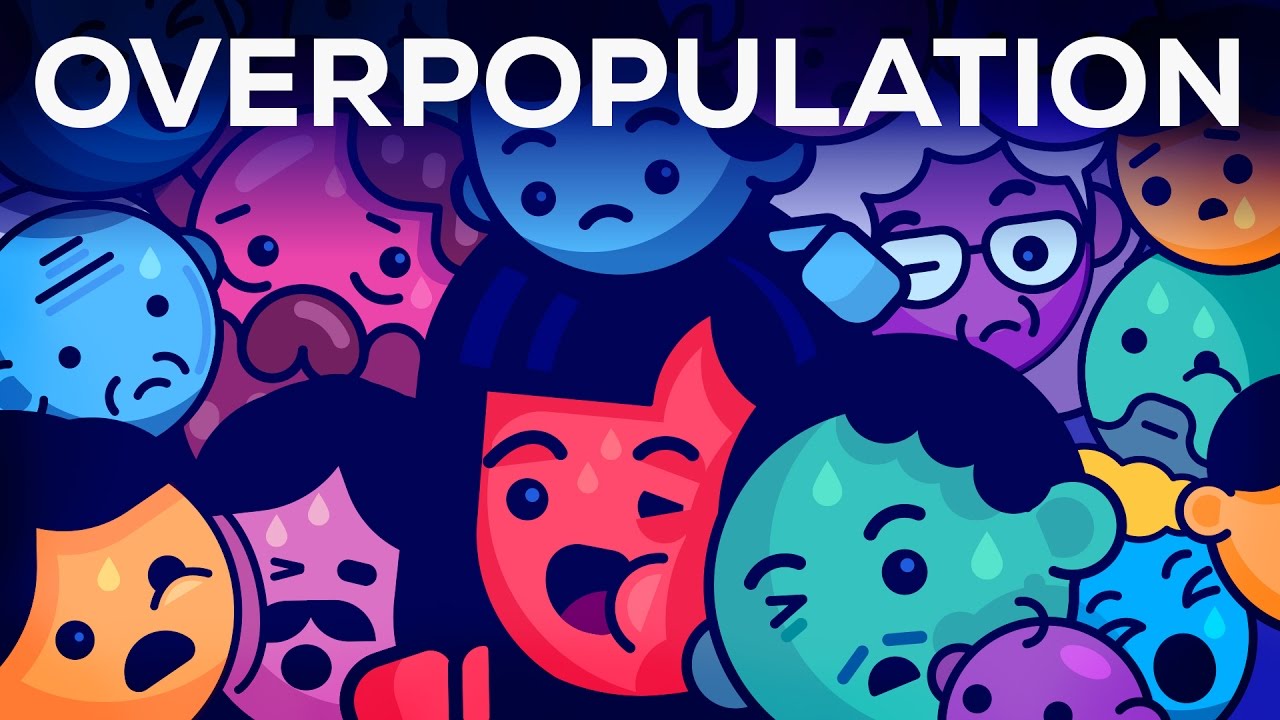
Overpopulation – The Human Explosion

Never before in history, have there been so many people on Earth as right now. Our numbers have skyrocketed, from 1 billion in 1800, to 2.3 billion in 1940, 3.7 billion in 1970, and 7.4 billion in 2016. The world population increased fourfold in the last century, so what can we expect for the next century? And what does population growth mean for our future? Will there be mass-migration? Overcrowded slums and megacities covering continents? Diseases and pollution? Chaos and violence over energy, water, and food? And a human species focused only on sustaining itself? Will population growth destroy our way of life? Or is this prophecy just ungrounded panic? In the 1960s population growth reached an unprecedented rate. Which lead to apocalyptic prophecies. 

The poor would pro-create endlessly and overrun the developed world. The legend of overpopulation was born. But it turns out high birth rates and the population explosion are not permanent features of some cultures or countries, But rather a part of a four step process the whole world is going through, The demographic transition. Most developed countries have already made the transition, while other countries are doing it right now. Let’s go back to the 18th century, when the entire world, including Europe, was in the first stage of the demographic transition. By today’s standards, Europe was worse off, than a developing region, suffering from poor sanitation, poor diets, and poor medicine. 

A lot of people were born, but lots of them died just as fast, so the population hardly grew. Women had between 4 and 6 children, but only 2 of them would reach adulthood. Then the industrial revolution happened in the UK and bought the greatest change in human living conditions since the agricultural revolution. People went from being peasants to workers. Manufactured goods were mass produced and became widely available. The sciences flourished and advanced transportation, communication, and medicine. The role of women in society shifted and created the conditions for their emancipation. Slowly this economic progress not only formed a middle class, but also raised standards of living and health care for the poor working population. The second transition stage started. 

Better food supplies, hygiene and medicine, meant people stopped dying all the time, especially so, at a very young age. The result was a population explosion. Doubling the UK’s population between 1750 and 1850. The main reasons families used to have lots of children was that only a few of them were likely to survive. Now that had changed, so the third stage of transition was set in motion. Fewer babies were conceived, and population growth slowed down. Eventually a balance emerged, fewer people were dying and fewer children were born, so the death rate and birth rate became stable. 

Britain had reached the fourth stage of the demographic transition. This didn’t only happen in the UK, more and more countries went through the four stages. First, many births and many deaths due to bad living conditions. Second, better living conditions leading to fewer deaths and a population explosion. Third, fewer deaths resulting in fewer births, and population growth came to an end. But if birth rates have dropped so much, why is the population still growing so fast? Well, the children born in the population explosion of the 70s and 80s are having kids themselves now. Leading to a noticeable spike in overall population. But they are having far fewer children on average than their parents.

 The average today is 2.5, it was 5, 40 years ago. So as this generation gets older, and fertility declines further, the rate of population growth will keep on slowing. This is true for every country. In the west, we tend to overlook progress in other regions of the world. But actually most of the world’s countries have made it to the fourth stage. Just look at Bangladesh. In 1971, the average woman had 7 kids, but 25% of them would die before the age of 5. In 2015, the mortality rate was down to 3.8% and women had only 2.2 kids on average. This is the rule, not an exception, we’re not special, we just had a head start. It took developed countries about 80 years to reduce fertility from more than 6 children, to less than 3. Others are catching up fast. 

Malaysia and South Africa did it in only 34 years; Bangladesh took just 20. Iran managed it in 10 years. All these countries that are catching up didn’t have to start from scratch and the more support they get, the faster they catch up. This is why programs that help lower child mortality or help poor nations develop, are so important, No matter what your motivation is, whether you dream of a world where all people live in freedom and wealth, or you just want fewer refugees coming into your country, 

The simple truth is, that it’s beneficial to you personally if people on the other side of the globe can live a good life. And we are getting there, the percentage of people living in extreme poverty has never been as low as today. So the future of global population growth is not an apocalyptic prophecy, it’s a promise! Population growth will come to an end. The UN forecasts that the 12th billionth human will never be born at all. And as the development level of the world rises, the number of people a higher education will increase tenfold. Countries who used to be a need, will help advance development instead. More people is going to mean more people able to advance our species.

INDIA OVER CHINA IN 2024 , IN OVERPOPULATION

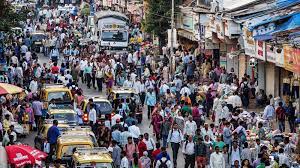
Whether you are in a metro station, airport, railway station, road, highway, bus stop, hospital, shopping mall, market, temple, or even in a social/ religious gathering, we see all these places are overcrowded at any time of the day. This is a clear indication of overpopulation in the country. This is the major issue of , India is facing right now. Food production is limited & population is unlimited , we can say wants are unlimited & resources are limited & population is unlimited hence can be concluded that the reason behind poverty in India is over population.

Some of the common effects of overpopulation are :

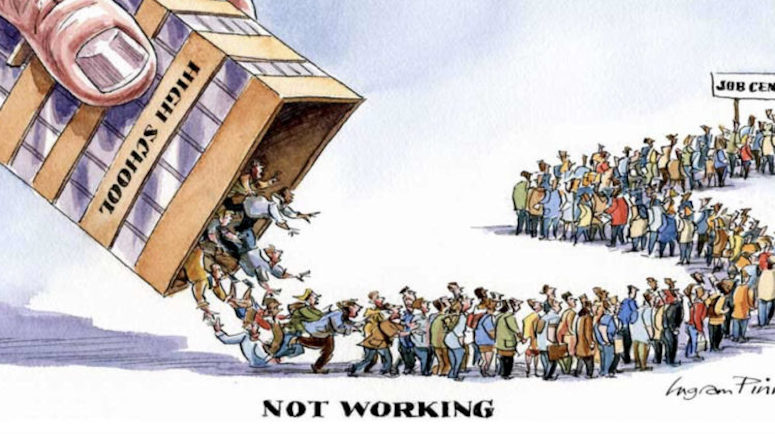
  1. Unemployment : Every body knows India’s state of employment , employment rate is decreasing & unemployment rate is increasing . Since their is no employment people are starving , their is no living , literacy rate is also decreasing . This one problem of over population is bringing so many more problems with it .
  2. Manpower utilization: The number of jobless people is on the rise in India due to economic depression and slow business development and expansion activities.
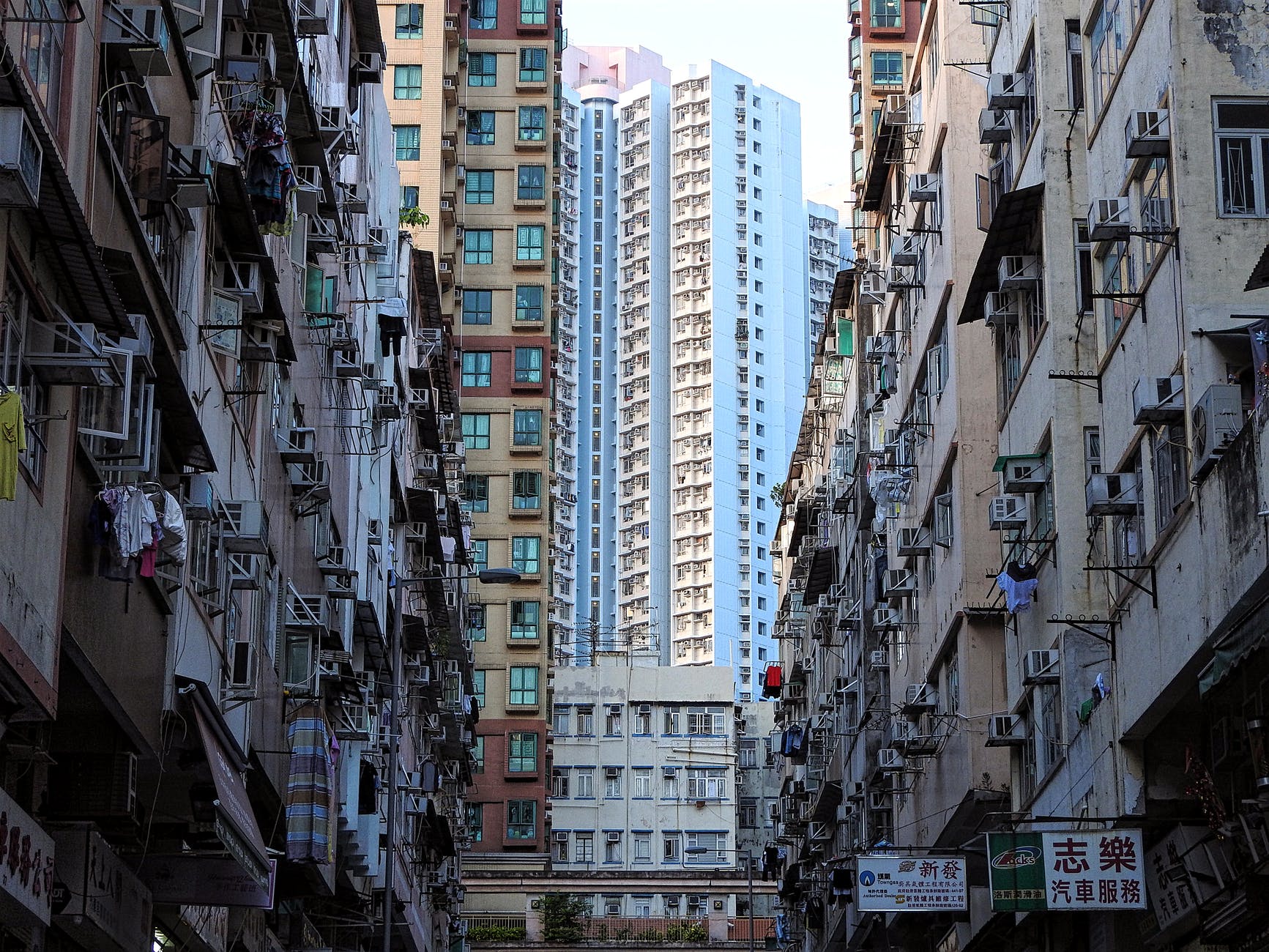
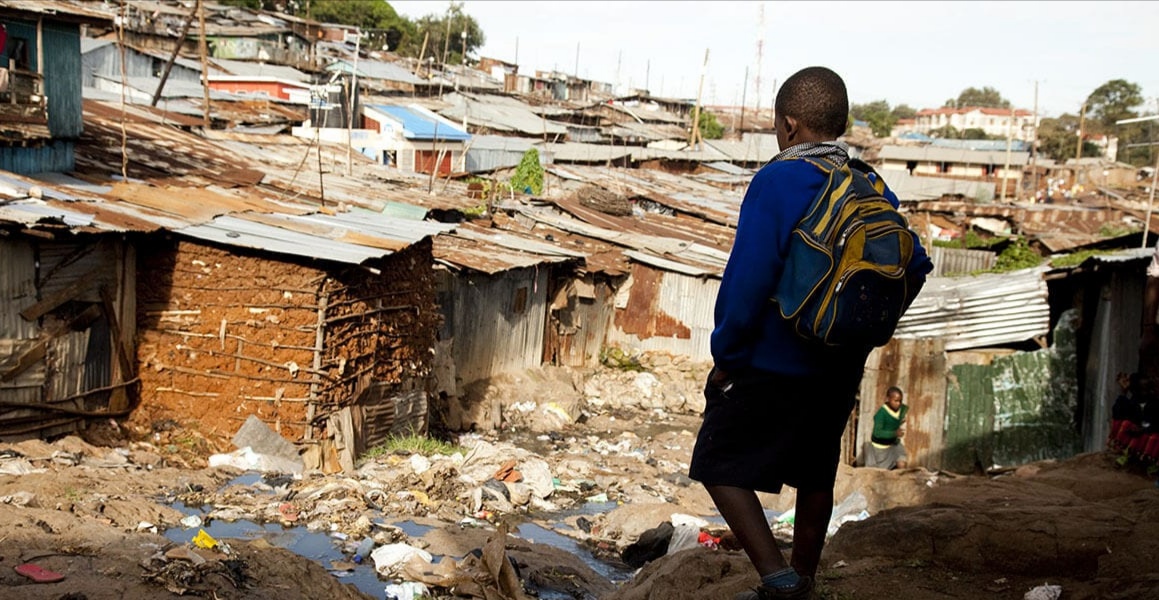
  3. Pressure on infrastructure: Development of infrastructural facilities is unfortunately not keeping pace with the growth of population. The result is lack of transportation, communication, housing, education, healthcare etc. There has been an increase in the number of slums, overcrowded houses, traffic congestion etc.
  4. Resource utilization: resource are already scare , & they are being exploited . Land areas , water , trees are being exploited due to overpopulation .
  5. Inequitable income distribution: In the face of an increasing population, there is an unequal distribution of income and inequalities within the country widen.

STEPS TO CONTROL OVER POPULATION

Indian government should take bold steps to control overpopulation because if they want to improve economic growth they should control overpopulation . Major steps which have been already implemented but still need to be emphasized more control population. Increasing the welfare and status of women and girls, spread of education, increasing awareness for the use of contraceptives and family planning methods, sex education, encouraging male sterilization and spacing births, free distribution of contraceptives and condoms among the poor, encouraging female empowerment, more health care centers for the poor, to name a few, can play a major role in controlling the population. India’s growth in the whole world cannot be ignored , whether it is in science & technology , medicine , health , communication , entertainment , literature or military . So experts believe that if people of India will follow the strict population control norms , it will be able to overcome this problem too .

Poverty in India

Poverty one of the major problem in India. India is the second most populous country after China with 1.2 billion people and it is the seventh largest country in the world in terms of area.

Around ⅔rd of people in India live in poverty in which 68.9 % of Indian population lives on less than 2 dollar a day and over 30% even have less than 1.25 dollar per day. And thus they are considered extremely poor.

India subcontinent is one of the poorest country in the world.

The most poor section of our country is children and Womens. They are considered as the weakest member of Indian society and that’s why they suffer the most.

In India womens are not considered as the strongest member of the society because of a patriarchy.

Education and job for womens are not considered important in our society.

By preventing education for Childrens and womens leads to the poverty and poverty is also preventing children from getting an education

Poverty in India impacts children and families in a variety of different ways:-

  • High infant mortality
  • Child labour
  • Malnutrition
  • Lack of education
  • Child marriage

High infant mortality rate

  • India is one of the country with highest child mortality rate.
  • Around 1.4 million children die each year in India their fifth birthday.
  • Major causes of death are due to pneumonia, malaria, diarrhoeal diseases as well as chronic Malnutrition.

Child labour

  • Child labour for children under the age of 14 in India is prohibited by law.
  • According to official figures 12.5 nilganj children between the age of 5 to 14 are working.
  • It is believed that Indian children’s contribute to the living wood of their poor family.
  • Children’s work in the field in factories, in quarries, private households .

Malnutrition

  • India is one of the world’s top countries when it comes to Malnutrition.
  • 7.8 infants were found to have birth weight less than 2.5Kg
  • More than 200 million people don’t have sufficient access food.

Lack of Education

  • Most of childrens have no access to education in India.
  • Girls are excluded from the school in higher numbers with respect to boys.
  • We should have to treat them equally but it is believed to be inferior on lower caste.
  • Without education, chances of finding living from employment in India is impossible.
  • If educated peoples start teaching childrens at free of cost then it also be very useful in making a better world.
  • Like If 30 college students are studying in 1 course and they start teaching poor childrens only 1 day per month then the childrens study 1 month at free of costs.
  • We also have to put some efforts in making better world not for others, but for ourselves as well.

Child marriage

  • As we know Child marriage is crime according to Child marriage Restraint Act, 1929.
  • But it is still widespread in many regions of India.
  • Poverty is also the main reason behind this.

Overpopulation

  • Overpopulation leads to high competition in every aspects of life.
  • We see lack of job opportunities, education.
  • Food production is not as much to fulfill the need of this higher population.
  • Due to overpopulation, and not doing work after having such high population in India is main reason behind poverty.
  • If we utilise this overpopulation as the opportunity to increase country’s financial condition then it actually going to worth it.

Overpopulation in India- Causes and effects

A country is said to be over populated when the inhabitants of the country exceeds the rate of availability and production of resources. With a present population of approximately 139 crores , India stands at being the second most populous country in the world after China. The large population of the country exceeds the resources it produces, which in turn doesn’t satisfy the needs of all the people living here. Thus, India can be called an overpopulated nation and over population is a big problem here because of the same said reason.

Being a developing country, India needs a less population to resource ratio so that it can satisfy the needs of all the people here. Increasing the production of resources may be impossible at times as one can increase the food production and other things upto a limit only else the balance will be disrupted., This leaves the only option of controlling the population of the sub-continent. This blog will highlight some of the major causes of the over population and the effects which it has on the people.

Causes of overpopulation

  • CHILD MARRIAGE– The age where a person is supposed to be nurtured and grow, he/she is tied in a responsibility of which they have no concrete idea of. There is a reason why the legal age of marriage is said to be at 18 because it gives ample time to a “child” to grow and prepare themselves for many responsibilities. The orthodox beliefs in India have often led to children being married at as low as 10 years of age. When a child themselves becomes a parent. this is more likely to raise the number of population in the country. Not to mention the negative affects of child marriage which often leads to the death of weak mother or the child.
  • ILLITERACY AND TABOOS IN THE COUNTRY– India has an illiteracy rate of almost 31%. The lack of knowledge about some major issues like the need of birth control and how to do so, have also led to the rising number of population. Also, since to talk about “sex” openly in India is a taboo, sex education lacks in the people here. They would rather prefer to do it inside the close doors and add to the rising miseries which overpopulation brings than to talk about it and control it.
  • RELIGIOUS AND ORTHODOX BELIEFS IN THE COUNTRY- People here consider children to be God’s gift like it happens everywhere else, but they refuse to control the number of children they are producing as they feel that it is God’s wish and who are we humans to go against it”. Also, the Indian belief of having a male who will take their family name forward leads couples to birth many children till they do not get a boy.
  • ILLEGAL MIGRATION– Migration of people from Nepal and Bangladesh has also led to the increase in number of population where the condition is such that there is no sufficient food to feed even the natives.
  • POVERTY- There involves a paradoxical relation ship between poverty and over population. Poverty is one of the outcomes of over population as the number of feeding mouths keeps on increasing for a person with less amount of money. Whereas some people believe that if they produce more children they will have more earning members which in turn will relieve them of poverty.(This is also one of the reason of over a million child labors in the country). However, they forget to keep in mind the fact that , more the number of people more will be the responsibility to feed the members until they grow old enough to earn . Even after the children grow old enough to earn, they are not able to fetch a good amount of money because they have malnutrition.
  • THE WIDENING GAP BETWEEN BIRTH AND DEATH RATES.– Due to improved medical facilities, the life of an average individual has increased lowering the death rates while the birth rates goes on increasing every moment. By decrease in the death rate it doesn’t mean that people must die to control the population, IT IS JUST A STATED FACT.

POVERTY, MALNUTRITION IN CHILDREN, UNEMPLOYMENT due to rising number of people and less opportunities ,global warming, environmental pollution, habitat loss, the sixth mass extinction, intensive farming practices and the consumption of finite natural resources, such as fresh water, arable land and fossil fuels are the consequences of overpopulation which gives a signal that if the population is not controlled then it can become a curse on us.

Overpopulation: Cause and Effect

Debates concerning overpopulation may rapidly turn contentious because they raise the question of who is to blame for the problem and what, anything that, should be done to address it. Numerous population experts are concerned that debates about overpopulation will be exploited by small-minded people who claim that some humans are “right people” to be on the planet and others are the “wrong people” (typically people living in poverty, people of colour, foreigners, and so on). However, there are no “right” or “wrong” individuals on the world, and debating the issues of global overpopulation should never be used as a justification or as a platform for such a discussion.

Every human being has a legal right to an adequate and equitable share of the Earth’s resources. However, with a population reaching 8 billion, even when everyone chose a comparatively low materialistic quality of life, the Earth would still be pushed to the brink of ecological disaster. Furthermore, the “average individual” on Earth consume at a pace that is more than 50% more than what is feasible. Surprisingly, the average American consumes over five times more than the planet’s sustainable output.

If we are using the word “overpopulation,” we explicitly imply a scenario in which the Earth’s resources cannot be replenished each year due to the world’s population. According to specialists, this has been the situation every year since 1970, with each succeeding year growing increasingly harmful. To help moderate this highly unsustainable scenario, humans have to understand what is causing overpopulation and overconsumption, as well as how these patterns influence everything from climate change to sociocultural instability.

THE CAUSES OF OVERPOPULATION:

The Earth now has a population of over 7.8 billion people. And according to United Nations, the world’s population would reach 10.8 billion by 2100, assuming sustained fertility decreases in many nations. Surprisingly, if more progress can be made in women’s reproductive self-determination and fertility decreases faster than the United Nations predicts, the population in 2100 may be a relatively smaller 7.3 billion.

For the time being, the world’s population continues to grow at a rapid pace (approximately 80 million people per year), and our supply of critical nonrenewable resources is depleting. Many variables, including declining death rates, underused contraceptives, and a poor education for females, contributes to these unsustainable trends.

FALLING MORTALITY RATE:

An imbalance between births and deaths is the fundamental (and arguably most visible) driver of population increase. According to the World Health Organization, the worldwide infant mortality rate has dropped, with 4.1 million newborn deaths in 2017 compared to 8.8 million in 1990. Of course, this is good news for public health.

At the same time, people are living longer lives all across the world. Those of us alive now will most certainly live far longer lives than most of our forefathers. Because to advances in medical, technologies, and hygiene practices, global average life expectancy has more than quadrupled since 1900. Falling death rates are also nothing to grumble about, but universal lifespan contributes to the math of growing population numbers.

UNDERUTILIZED CONTRACEPTION:

According to the UN Population Division, the worldwide fertility rate has consistently declined over the years, falling from an average of 5 children per woman in 1950 to 2.4 children per woman now. Along with that encouraging trend, worldwide contraceptives use has gradually grown, going from 54 percent in 1990 to 57.4 percent in 2015. Nonetheless, contraceptives usage is underused in general. According to the World Health Organization, an estimated 214 million women in poor nations who wish to avoid pregnancy do not use contemporary contraception.

These women are not taking contraception for a number of reasons, including societal norms or religious beliefs that prohibit birth control, misunderstandings about negative side effects, and a lack of autonomy for women to make sex and family planning decisions. Between 2010 and 2014, an estimated 44 percent of pregnancies were unplanned. Giving more women access to and control over family planning options might go a long way toward flattening the population curve.

THE EFFECTS OF OVERPOPULATION:

It seems to reason that as the world’s population grows, so will the demand on resources. Higher population equals more demand for food, water, housing, energy, healthcare, transportation, and other necessities. All of this consumption adds to environmental degradation, increasing conflict, and an increased likelihood of large-scale calamities such as pandemics.

ECOLOGICAL DEGRADATION:

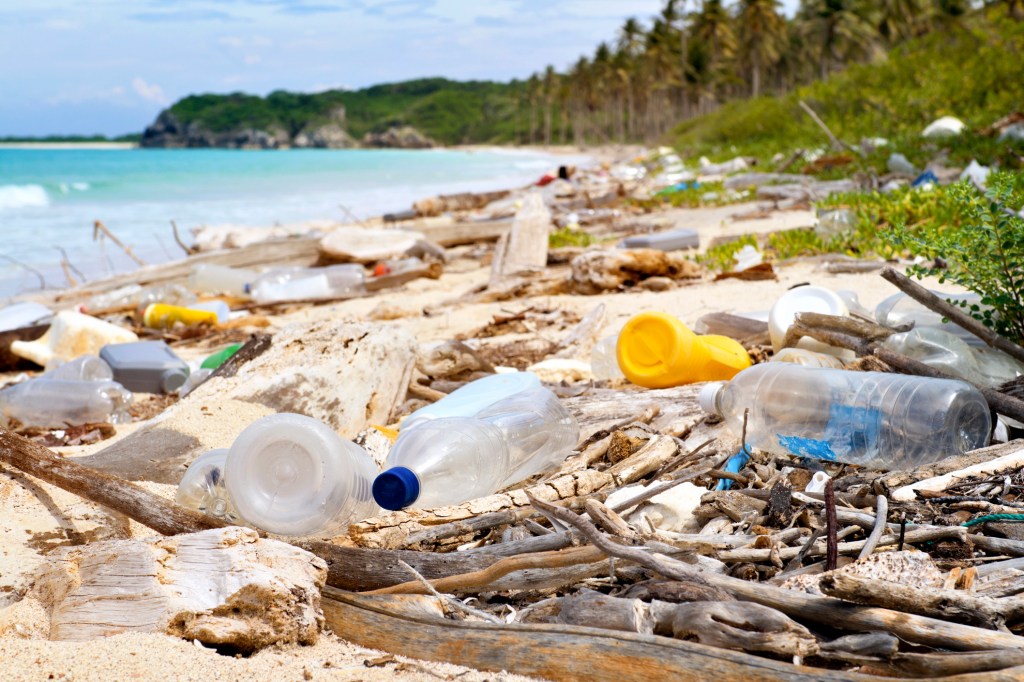
Population growth will undoubtedly generate pressures that will result in increased deforestation, diminished biodiversity, and increases in pollution and emissions, all of which will worsen climate change. Eventually, many experts think that unless we take action to assist prevent future population increase in the duration of this decade, the extra pressure on the planet will lead to ecological upheaval and breakdown so extreme that it affects the survival of life on Earth as we know it.

Garbage and pollution on beach

Each spike in the global population has a measurable impact on the planet’s health. According to estimates a family having one fewer child could reduce emissions by 58.6 tonnes CO2-equivalent per year in developed countries.

INCREASED CONFLICTS:

Scarcity caused by environmental damage and overpopulation has the ability to promote violence and political upheaval. Warfare over water, land, and energy resources is already taking place in the Middle East and other places, and the unrest is certain to worsen as the world population rises.

HIGHER RISK OF DISASTERS AND PANDEMICS:

Some of the recent new diseases that have wreaked havoc on humans throughout the world, such as COVID-19, Zika virus, Ebola, and West Nile virus, emerged in animals or insects before being transmitted to humans. Part of the reason the globe is approaching “a time of heightened outbreak activity” is because humans are demolishing natural habitats and coming into more frequent contact with wild animals. Now that we’re in the grip of a pandemic, it’s apparent how impossible it is to maintain social distance in a globe populated by over 8 billion people.

WHAT CAN BE DONE?

When tackling overpopulation, it is critical to use an empowerment-focused strategy while organising against anybody promoting the use of compulsion or violence to solve our issues. The combined efforts of expanding family planning information, enhancing women’s autonomy, and refuting commonly held contraceptive misconceptions will have a significant impact on the world’s population trajectory.

At Population Media Center (PMC), we observe firsthand how raising knowledge about family planning options and the environmental and economic benefits of having fewer families may influence reproductive behaviour. Listeners to our Burundian radio show Agashi (“Hey! Look Again!”), for example, were 1.7 times more likely than non-listeners to verify that they were willing to negotiate condom use with a sexual partner, and 1.8 times more likely to say that they generally approve of family planning for limiting the number of children.

At PMC, we use the power of storytelling to inspire listeners to live healthier and more affluent lives, which helps to stabilise the global population and allows people to live sustainably with the world’s renewable resources. Discover how PMC is combating overpopulation right now!

Overpopulation problems

As of now July 2021, there are 7.9 billion people in this world. Day by day, the population of humans in this earth is increasing rapidly, especially in countries like China and India. Excess of everything is big problem. Like that excess of population is also a big problem. There many problems with overpopulation. Especially in India, day by day the population is expanding rapidly. In this blog, we are going to discuss what is overpopulation? Why population of India is high? Overpopulation problems in India? How to control overpopulation?

WHAT IS OVERPOPULATION?

Overpopulation is the state at which population becomes so excessive that people must be managed to live. When overpopulation occurs the available resources will become limited or exploited. This makes the population hard to survive. As of now China is the world’s most populated country followed by India.

WHY POPULATION OF INDIA IS HIGH?

Birth rate and death rate are the two aspects that determine the population. If the birth rate is higher than death rate then the population will increase. If the death rate is higher than birth rate than the population will decrease. In India the birth rate is much higher than death rate. India was able to control death rate but it failed to control the birth rate. That’s why India’s population is high. Child marriages is also a reason for overpopulation, even though the law states that the marriageable age for the girls is 18 and boys is 21 years. But in some places the practice is continuing. Old culture norms is also one of the reason in India’s overpopulation. Parents of newly married couple often forces them to have a child. In order to have a male child, couples have more children.

OVERPOPULATION PROBLEMS IN INDIA

The population of India is 1.3 billion alone. India is the second most populated country in the world after china. Experts suggest that India will overtake china in 10 to 15 years. Due to high population there is more competition for everything in India, whether it is a job, college admission etc. Overpopulation generates huge unemployment causing poverty. There will be more unemployed people in India. Which slows down the development of the country. With high population, the resources like land, water and forests will be exploited. With high population, the food prices will rise because there is limited food. Inflation is the major consequence of overpopulation. Overpopulation will cause unequal distribution of money, which widens the difference between rich and poor. In an survey the population density of India in about to be 454 inhabitants live per square kilometre. India ranks 7 position with land.

HOW TO CONTROL OVERPOPULATION?

Government should aware people the consequences of over population. Government should make a population policy regarding the growing population. Increasing the awareness of use of contraceptive devices and free distribution of condoms among the poor. Government should spread the awareness of sex education and family planning. They should encourage people not to specify the birth of the child. Women empowerment should also be encouraged. Organizing campaigns to spread awareness about overpopulation. All these methods will help to control the population of India.

That’s all from my side. I hope you like it.

Population Explosion: The cause of poor living conditions of indians

India is a over-populated country. It is the second most populated country in the world, after China. However, researchers say that India is all set to surpass China in population density by 2024. That means India is about to become the country with the highest population density across the world.

The population of India is increasing at an alarming rate. India is not the country with the highest number of people. There are countries which has more number of people than India like Russia. But they are not overpopulated. Those countries have enough space to fit in the number of people. India has more people than the country could fit in. The number of people residing in per unit square of land in India is much higher than that of other countries. This makes India an over-crowded country.

The huge population of India makes a lot of people live in poverty. The country’s economy is not enough to sustain its population. Adding to the problem, the country’s wealth is not equally distributed. The economic gap between the rich and the poor is widening. The major chunk of the country’s wealth is held by the rich and the powerful who are quite few in number compared to the country’s huge population. A large chunk of the population live below poverty line who do not have enough money to afford their meals thrice a day.

Also, the country does not have enough employment opportunities for all its citizens. This leads to unemployment, economic distress, stress and mental health problems. Unemployment increases the amount of crimes, theft and illegal business practices.

Along with wealth and job opportunities, India’s natural resources are also limited and not enough for its huge population. Over-consumption of natural resources would exhaust them and leave none for our future generations. Overpopulation is also a threat to our environment. The air and water bodies are becoming more and more polluted day by day. Too much burning of fossil fuels, congested roads and too many vehicles are releasing toxic gases in the air.

Accommodation is also a problem in India. Thousands of people live in slums which are over-crowded with unhealthy living conditions. More houses and buildings are being constructed which leaves no place for plants and nature. Forests are cut down to make room for construction projects. The cutting down of trees leads to increase in the level of carbon dioxide in the atmosphere.

Population explosion is a serious problem which needs to be addressed at any cost. The Indian population should be controlled to improve the lives of the people. Awareness drives and contraceptive alternatives should be adopted with immediate effect.