Paws for Life: 5 Ways to Perform CPR on a Cat

As a cat owner, your furry friend’s safety should always be a top priority.

Although we hope that our cats never encounter an emergency, it’s important to know how to perform CPR on a cat in case of an unexpected event. Whether your cat has a heart attack or experiences difficulty breathing, performing CPR can save their life.
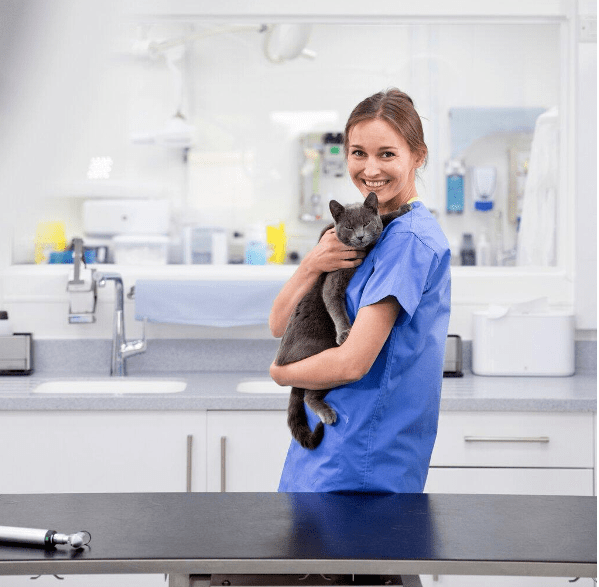
In this post, we will teach you five ways to perform CPR on a cat and hope that you will never have to use this knowledge.

1. Check for Signs of Life

Before you begin CPR for cats, check if they are breathing with a quick check. A healthy breathing pattern is slow and steady, with the rise and fall of the chest. If your cat is not breathing on their own, or their breathing is labored and shallow, it’s time to start CPR.

2. Perform Chest Compressions

Place your cat on their side, on a flat surface, and position their head carefully to open the airways. Perform compressions by pressing down on your cat’s chest with your palms, just behind their elbow joint.

The compressions should be smooth, but firm, with one compression for each second. Make sure you match the pressure and depth according to the size of your cat’s chest.

3. Give Mouth-To-Mouth Resuscitation

This procedure involves blowing into the pet’s nostrils to provide air to their lungs. To do this, hold the cat’s jaw closed with one hand and inhale deeply. With your other hand, hold the cat’s nose closed, and blow into the cat’s nostrils until you see the chest rise.

After your first breath, wait for the cat’s chest to fall before giving a second breath. Continue the cycle of breathing in and out every five seconds until the cat starts to breathe.

4. Use a Pet-Specific CPR Mask

These are designed masks that fit over the pet’s mouth, nose, and face. They come with a one-way valve to help ensure that air flows in only one direction. Using this mask, the ratio of compressions to breaths is the same as in human CPR: 30 compressions for every two breaths.

When using a pet-specific CPR mask, you must first see if there is any obstruction in the pet’s throat. If there’s no unmovable blockage, you can proceed with the compression sequence. If the compression cycle is successful, but the pet is still unconscious, try breathing into the pet’s mouth.

5. Monitor Your Cat Carefully

Once you’ve started CPR, it’s important to watch your cat’s vital signs. Check for breathing, pulse rates, and color changes in the gums to determine if feline resuscitation is working or not. Also, if possible, while performing CPR, call your Veterinarian or an emergency vet for helpful guidance. 

For those looking to learn how to perform CPR on a cat, it is important to get certified. You can check it out here on how to get certified now and become prepared to handle any emergency with your beloved furry companion.

Learn How to Perform CPR on a Cat to Save Your Feline Friend’s Life

While performing CPR can be stressful, it’s important to know how to perform CPR on a cat in an emergency. Remember to stay calm, and to perform the steps to prevent further injury to your cat.

Practice with a dummy or manikin to become more confident in performing CPR. You never know when you might need to use your life-saving training and the knowledge could save your cat’s life.

To dive into some of our topics, check out our other great articles.
PETS – A BOON TO HUMAN RACE

Domesticated animals or birds kept with oneself for companionship are called as pets. These animals are not made to work forcibly and are not tamed for consumption purpose. According to the history of tamed species, dogs are the most likely to be kept as pet animals. A person must be committed enough to nurture the animal lifelong. There is a plethora of pet animals which can be opted as companions but with appropriate research, one can opt a pet suitable to his/her lifestyle, without causing any harm to the pet. Research proves how beneficial pets are to humankind. Let us have a look at why a pet is said to be a boon to humans.

HELPS ONE TO MAINTAIN FITNESS

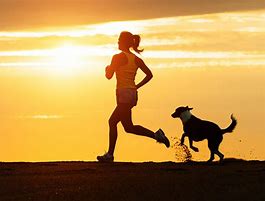
Nurturing a pet includes a lot of physical activity. Regular walks and playtime with a four legged will ensure that the owner steps out of his/her house. Pets increase the chances of a better exercise routine for the owner. Indulging in physical activity with the pet helps decrease cholestrol, cut down on extra calories and maintain a proper BMI. Walking lowers the risk of diseases related to the heart, hence increases life expectancy.

STATS – Dog owners on an average walk 22 minutes more per day compared to people without dogs.

SOCIALIZING

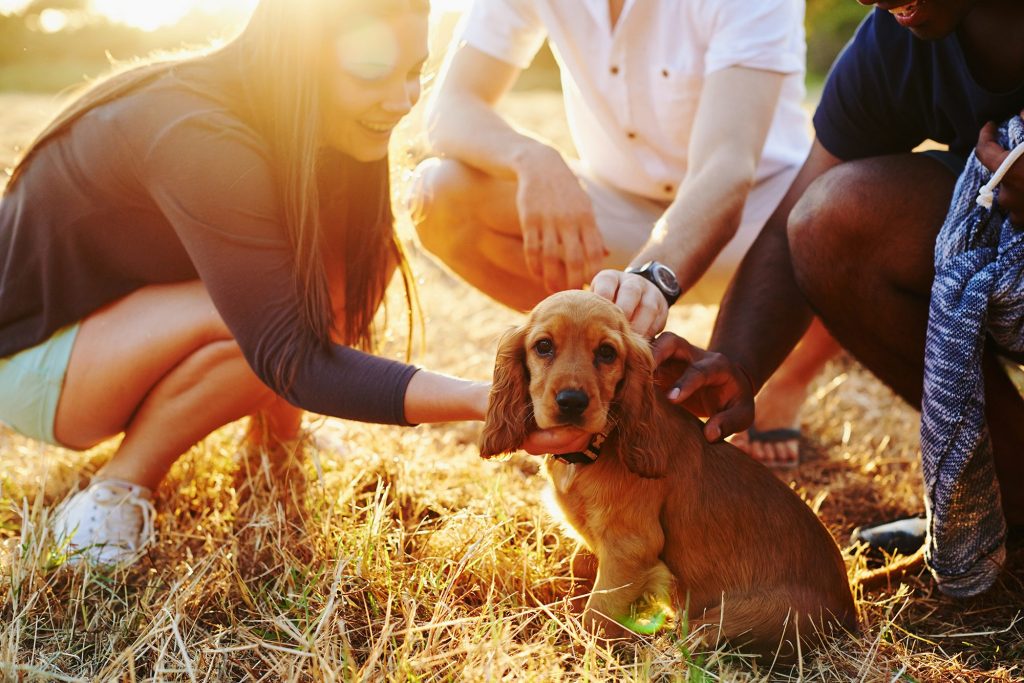
Pets are ice-breakers to socializing. Psychologically, the human community feels more secured to be around people who own pets. They can serve as great conversation starters. While taking a furry friend for a walk, several pet lovers approach to spend time with the pet. This does improve interaction with people from the neighborhood and friends. Companion animals keep the atmosphere calm and hep build social relations.

STATS – Pet owners are 60% more likely to interact with others than those who do not own pets.

PSYCHOLOGICAL MERITS

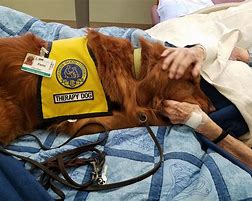
Pet help keep loneliness at bay. They act as great stress boosters due to their lively nature. They unsurprisingly increase dopamine (feel good hormone) levels in the body and alleviate cortisol (stress hormone). Furry friends help you deal with negativity and stress causing disorders such as Depression, Anxiety, PTSD, etc. Recovering from adversities is slightly easier with pets alongside than otherwise. They help in lifting up spirits and causing happiness. Hospitals and psychological clinics appoint Therapy Pets to soothe patients during the course of their treatment.

STATS – Research says, 9/10 people experience psychological well-being in presence of their pet.

DEVELOPMENT OF CHILDREN

While children grow with pets at their home, they tend to learn about the ‘trust’ factor. Children often look out for their pets when in need of emotional support. Animals at home unintentionally teach children about compassion, responsibility and non-verbal communication. All this leads to higher self esteem and confidence among these children. Such children generally tend to grow up as responsible adults. Children with ADHD and Autism feel immensely supported by their pets.

STATS – According to a questionnaire presented to 1600 households, children from dog owning houses, had 30% less chances to engage in anti-social behaviours and 34% more likely to engage in considerate behaviours.

In conclusion, pets are certainly a boon to mankind. Household pets may include cats, dogs, parakeets, budgies, rabbits, hamster, and so on. Pets help people appreciate true friendships. It is true that, we can judge the heart of a person by his treatment of animals. Welcoming a furry friend at home is not the only act of consideration but taking proper care without abandoning it is also necessary.

Pets A True Friend

Having a pet at home, may be a dog, cat or any other animal makes you feel like a family and a companion. For a pet owners become their whole world. They are always loyal towards their owner, they are actually like parent to them.

There are many scientific proven positive effects on mental and social well being while having a pet at your home. They never let you feel alone, they are always around you. They sense your feelings and try to make you happy always. They can’t speak in our language but, they can understand and we can understand them too, there is actually an internal connection with them.

Having a pet miss you more social as you always have to take them for a walk that also help in having a physical exercise for us too. The help us connect to the people. Once you have a pet you actually have a family member with you which never lets you be lonely.

l just want to say that please care for your pets, don’t ever leave them as where whole world is you can’t live without you. Teacher responsibility of paint only when you can take care of them till the last breath don’t leave them alone in the middle of an ocean.

Be a good pet owner. Be like their parent and care for them as your child, play with them as friend and treat them as your family.

Can Guinea Pigs Eat Apples ?

“An apple a day, keeps the doctor away.” Everyone must have heard this. But is it true for guinea pigs ? Can guinea pigs eat apples ? Are apples safe for them ? Allow us to enlighten you on the fact that guinea pigs can in fact eat apples but with some restrictions. If you pet a guinea pig and are curious to know about their diet then you have come to the right place. Come on, let’s have a look.

Can Guinea Pigs Eat Apples ?

Yes, guinea pigs can eat apples. But listen guinea pig owners, this is for you. You certainly can give your pet apples. But first you just have to take care of the conditions which come with feeding apples to your guinea pig. Here we will tell you all about guinea pigs and apples. This is the perfect guide for your pet regarding apples.

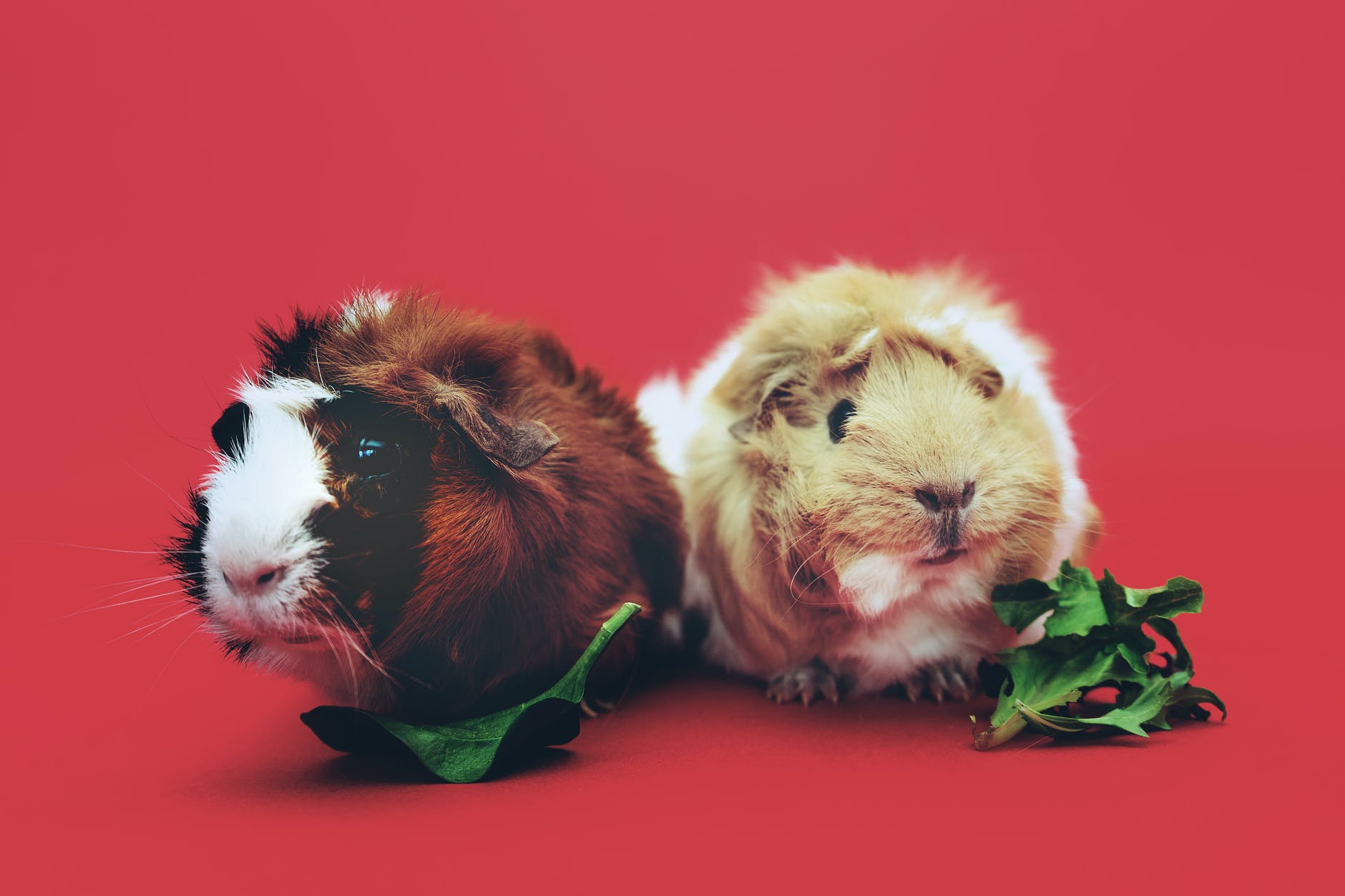
Photo by Scott Webb on Pexels.com

Are Apples safe for Guinea Pigs ?

Yes, apples are safe for guinea pigs but only in moderation. Apples contain a high sugar content which is not considered appropriate for guinea pigs. Here are some listed conditions to take care of before serving apples to guinea pigs.

  1. Apples are safe for guinea pigs but the stem and the seeds  of the apple can have a damaging effect on their health. The seeds contain enough cyanide to have an adverse effect on their health but not enough to kill them. The main reason to not feed apple seeds to guinea pigs is that they might choke on them.
  • Guinea pigs can have apples in a small quantity. Excessive feeding can lead to various problems like diarrhoea and other health issues.
  • Apple skin contains most of the nutrients which are good for guinea pigs. They can eat apples with their skin on and enjoy the  crunchiness of the fruit. Apple skin or peel contains fibre which is good for their health. Unwashed for waxed skin may damage their health.
  • Guinea pigs do like apples, but ensure that you feed them as a treat and not include them in their daily diet.
  • In addition to the crunchy fruit you can also feed them apple leaves. Apples contain calcium which is good for guinea pigs.
  • Unripe, sore or rotten apples can also damage guinea pigs’ health.
  • Guinea pigs enjoy the hard fibrous core of the apples, but make sure they are seed free and not so sour to eat.

What happens if a guinea pig eats too much Apple ?

If your pet ate too much apple, it’s nothing to worry about. It may have a bit of diarrhoea, but it will be fine. Don’t worry about taking it to the vet because there will not be any long-term problems.

Consider feeding them small apple chunks. Since apples are high in sugar content you may want to restrict their diet of apples to once a day or maybe only 2-3 a week.

Too much of an apple to guinea pig may lead to bloating. You may also want to know that Vitamin C is the most important ingredient in a guinea pigs’ diet. And apples have a higher Vitamin C content than most fruits. Apples are considered to be safe and enjoyable for Guinea pigs but they are not the best diet for them.

Till now we have made sure that you know the answer to the main question, which is, “Can Guinea Pigs eat apples ?” Now coming on to the types of apples they can consume and how you should feed them.

Which Type of Apples can Guinea Pigs Eat ?

Apples are the most diverse fruit. It comes in many types, about 2500 different varieties. Let us have a look on which type of apples your furry pet would like to munch on.

Guinea pigs can eat both red and green apples. But as green apples are much more sour than the red ones, your pet may not like them.

Apples come in many varieties, textures and flavours, so you might want to know the preference of your pet before feeding them.

How Much Apple Should a Guinea Pig be Given ?

Guinea pigs can eat apples, but that doesn’t mean they can eat a whole one of them. You should not give your pet a whole apple to eat, maybe not even a half. Guinea pigs like to be served with small chunks of apples for them. Giving anything in excess to them is a health hazard. And as well as apples are not an essential part of a guinea pigs’ diet.

Guinea pigs can also be fed different snacks of apples like apple sticks, apple leaves and many more for your pet. So now, are you sure about your answer to the question, “can guinea pigs eat apples ?’

Most guinea pigs like eating this crunchy food but as we humans, these furry animals are also moody and some of them may not like apples. But it is certain that yes, guinea pigs can absolutely enjoy apples.

Adopt, Not Shop: Why It Is The Better Way

Most of us, at one point of time or another, have dreamt of having a pet. And amongst them, dogs have a soft place in the heart of the majority. And why not? They are the sweetest creatures you can ever come across, extremely loyal and are very unique companions. Apart from being cuddly and best at making puppy eyes (no pun intended! ), that is. So, when we think of bringing a furry friend home, we often think that they come with a hefty amount. But now times are changing. People are realising the worth of adopting. And if by any chance anyone reading this is planning to get a furry friend, I’ll try to put my point forward that why we should ‘Adopt, Not Shop’.

Adopting a dog gives a chance to a good life for two dogs. One is to your pet, who might have had faced something traumatic in life, and is in need of love and understanding. In such cases, the bonding between the owner and the pet is much stronger. As for the other one, adopting one dog opens up the slot for another one. So, one more rescued dog would have better facilities, better environment to develop and will have better access to the opportunity to be adopted by another good Samaritan. It is a kind of an endless chain of goodwill and love.

Another advantage of adopting over shopping is that they are really cheap in comparison to the market prices. And at the same time, there is a full blown possibility of you finding your one true loved breed amongst the less fortunate ones. With love and care, each pup blooms out to be a gorgeous dog, adopted or otherwise. Also, all the money that was to go in purchasing the dog can be used instead for the costs of food and grooming. Maybe give your furry friend a good spa day!

Another point to note is that the pet you purchase from a breeder or from a shop is most likely to be a puppy. Now no offense to the puppy lovers, but let’s agree on one thing, it’s hard to train the younglings. A puppy is no different. With the usual care that a pet deserves, they also require extra attention and training. Not an affordable thing to do for many people. INstead, if an older dog is adopted, they already have an understanding of how things work and can also be left alone for a longer period of time (not that everyone wants to do that).

And lastly, you would be standing against an inhuman practice. Of dog breeding. Though not in the mainstream media, but in recent times, the pathetic conditions of this industry has come forward, where the female dogs are treated as nothing more than a birth machine. Often, the living and food standards are very bad. All and all, this is an inhumane way to fulfill and keep up with the market demand. The scene is the same for the specialized dog breeders. All in all, the dogs are treated more with a materialistic approach rather than considering them beings with emotions.

Adopting requires just some research and patience. That goes into the shopping way too. And at the end of the day, they all are the same lovable companion we crave and can cuddle with!

Chocolate Poisoning: Comfort For Us, Catastrophe For Our Pet Friends

Chocolate is one of the favourite foods of human beings. A gift, a comfort food, a truce, you name it, chocolate has everything covered. And it is unanimously favourite in almost all the age groups, but more in the younger ones. All and all, chocolates’ demand isn’t going down anytime in the near future. And speaking of tasty treats, we are taught to share it with friends. But are they good for our furry, pet friends too? Actually they aren’t! 

Animals, especially the commonly domesticated ones, are susceptible to chocolate poisoning. Chocolate contains a compound theobromine (C7H8N4O2), which is an alkaloid found in the cocoa trees. Apart from chocolate, this alkaloid is also found in tea leaves, kola nut, etc.  It has resemblance to the stimulants like caffeine and theophylline, and can be classified as xanthine alkaloid. For now, the median lethal doses for the cats, dogs, rats and mices are commonly known.

Alkaloids are organic compounds with a typically basic chemistry, but they also contain some compounds with neutral, or even slightly acidic properties. They all, uniformly, have a bitter taste. In nature, bitter taste is a danger indicator, and hence, are produced in several plants, like cocoa plant, as a response to the avoid predators. Animals, under the usual circumstances, do not consume the cocoa seeds. Even if some animals consume the cocoa pods, they dispose of the cocoa seed, despite their fat content, most likely due to the high amounts of theobromine.  

But, in chocolate, cocoa’s bitter flavour is partially or fully masked by the added sugar and fats. Hence the animals, especially the ones whose taste buds can detect sweetness, like dogs, have a tendency to consume them. Cats, on the other hand, due to absence of ability to detect sweetness, are not very prone to consuming chocolates accidently. 

Even in human beings, it can cause effects on consumption above a limit. The lethal dosage 50% (LD50), which happens to be the quantity that can kill 50% of the individuals of a particular species, in humans happens to be 1000mg/kg. At a consumption level of 0.8-1.5g/day, symptoms like sweating, headaches and trembling are observed. At 250mg/day, limited effects on the mood is observed. Along with human beings, rats and mices also have a good tolerance to theobromine, with the LD50 levels being 837 mg/kg and 1265 mg/kg respectively.

But, cats and dogs have comparatively lower quantities for LD50. The dogs drop down at the 300mg/kg level, while cats are at 200mg/kg. Hence, even a small amount of cocoa consumption can be harmful for them, especially for the smaller sized individuals. Also, the type of chocolate consumed is an important factor in the theobromine poisoning cases. The dark chocolate items contain a very high amount of theobromine concentration. In comparison to that, milk chocolate contains relatively smaller concentrations (10 times lesser than dark chocolate). Unsweetened cocoa powder is the most concentrated. 

The early symptoms of chocolate poisoning include vomiting, nausea, diarrhea, increased urination and mood swings.Dogs and cats digest theobromine slower than the human beings, and hence, are susceptible to succumbing to chocolate poisoning. Clinical symptoms of poisoning can last upto 72 hours. More severe symptoms include epilrptic seizures, internal bleeding and cardiac arrests. All these can lead to an eventual death.

If identified early, chocolate poisoning is treatable. Veterinarians treat these cases by inducing vomiting within two hours of ingestion, and by administering benzodiazepines for seizures. 

But whatever be the treatment, the ordeal is painful for the animals. And as the old saying goes around, “ Prevention is better than cure”. So, the least we can do for our beloved pets is to keep them safe from accidental consumption of harmful items.

Website Reference:

https://en.wikipedia.org/wiki/Theobromine_poisoning

https://en.wikipedia.org/wiki/Theobromine