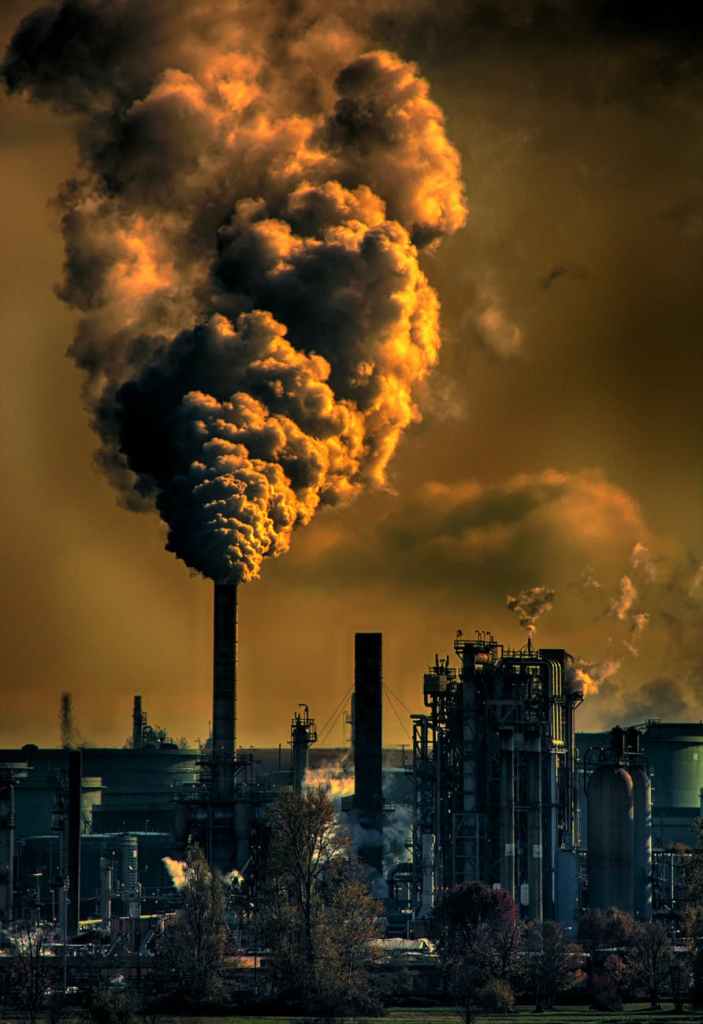
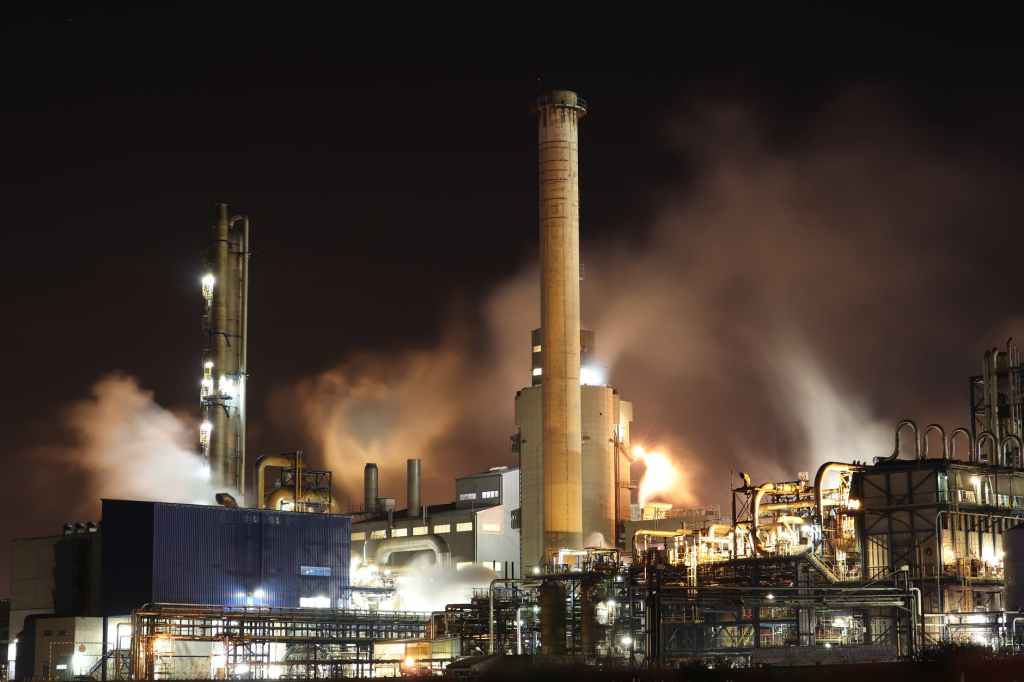
Increasing investment and sharing responsibility for overcoming air pollution

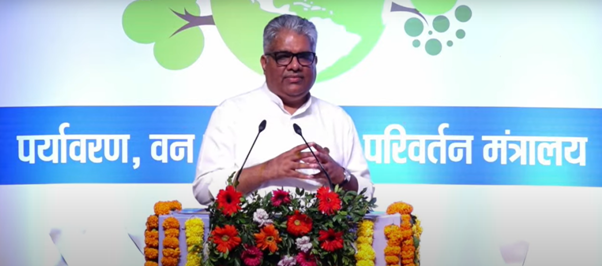
 nion Minister for Environment, Forest and Climate Change and Labour and EmploymentShri Bhupender Yadavannounced the awardsof Swachh Vayu Sarvekshan 2023 in Bhopal ,Madhya Pradesh today. Under the 1st category (million plus population) Indore ranked first followed by Agra and Thane.  In second category (3-10 lakhs population), Amravati secured first rank followed by Moradabad and Guntur. Similarly, for third category (less than 3 lakhs population) Parwanoo secured first rank followed by Kala Amb and Angul. Chief Minister of Madhya Pradesh Shri Shivraj Singh Chauhan was also present on the occasion.

Speaking on the occasion Shri Yadav said this year, 4th International Day of Clean Air for blue skies (Swachh Vayu Diwas 2023) is to create stronger partnerships, increase investment, and share responsibility for overcoming air pollution, with the global theme of “Together for Clean Air.”

The Union Minister said on 15th August 2020, the Hon’ble Prime Minister Shri Narendra Modi displaying government’s commitment to ensure clean air to all the people of the country, assuring them a healthy and productive life, announced the intent and plan to improve the air quality in more than 100 cities through holistic approach. He said the Ministry of Environment, Forest and Climate Change (MoEF&CC) has been implementing a National Clean Air Programme (NCAP) as a national-level strategy outlining the actions for reducing the levels of air pollution at city and regional scales in India since 2019.He saidthe National Clean Air Programme (NCAP) aims to systemically address air pollution by engaging all stakeholders and ensuring necessary action.

Shri Yadav said 131 cities have been identified for the implementation of the city specific action plans under this Programme. NCAP focuses on preparation and implementation of national level action plan, state level action plans & city level action plans of the targeted 131 cites.The coordinated implementation of these plans would help to achieve improvement in air quality in targeted 131 cities as well as in the entire country, he added.

Shri Yadav said with the coordination, collaboration, participation and sustained efforts of all stakeholders, objectives of National Clean Air Programme will be achieved.

The Union Minister said under NCAP Ministry has also launched “PRANA” a portal for monitoring implementation of NCAP. In this portal, action plans of cities, states and line ministries will be reflected and monitored for their implementation status. In addition, best practices adopted by cities are shared on PRANA portal for adopting these practices by other cities.

Shri Yadav said during the UNFCCC, COP 26 held in Glasgow in 2021 Hon’ble prime Minister launched the “Mission LiFE” which means Lifestyle for Environment. He said the mission aims to create and nurture a global network of individuals, having a shared commitment to adopt and promote environment friendly lifestyles and make life a mass movement (Jan Andolan).

Shri Yadav highlighted the notification of  waste management rules covering solid waste, plastic waste, e-waste, bio-medical waste, battery waste, Construction & Demolition waste and tyre and hazardous wastes. He said Extended Producer Responsibility and Polluter Pays Principles have been incorporated to ensure producers/manufacturers are responsible for management wastes in environmentally sound manner.

The Union Minister said the SATAT (Sustainable Alternative Towards Affordable Transportation) scheme of the Government aims to set up Compressed Bio-Gas (CBG) production plants and make CBG available in the market for use as a green fuel.Moving forward he said today we have a statutory Commission for Air Quality Management for Delhi-NCR and adjoining areas working comprehensively, taking the entire airshed as its jurisdiction.

MJPS

From Trash to Treasure: A Hackathon on Innovative Solutions for Waste Utilization

 Driven by the message of Mission LiFE and circular economy goals, the Central Pollution Control Board is organizing an online ‘Waste to Wealth Ideation Hackathon’ for undergraduate and above students on 14th May, 2023 (Sunday) the registration for which are currently open on https://cpcb.nic.in/w2w-hackathon-cpcb/#

 It is a nationwide event to provide platform to college students across the country to solve real-world waste management challenges on (a) plastic waste (b) electronic waste (c) battery waste (d) crop residueIt will help them to build upon their understanding of waste management and present innovative solutions for Waste to Wealth conversion.

The Ideation Hackathon offers a one-of-a-kind opportunity to students to win cash prizes worth up to Rs. 3.6 Lakhs across all waste streams. On the day of Ideation Hackathon i.e. May 14, 2023 (Sunday), one problem Statement each for four waste categories will be posted on the CPCB website at 09:00 am and students will be required to email the original ideas pertaining to it on w2w.cpcb[at]gov[dot]in by 05:00 pm in a given template. The best original ideas under each waste category will be awarded cash prize of Rs. 50,000, Rs. 25,000 and Rs. 15,000. Along with this, chosen ideas will get incubation support, industry exposure, and mentoring from top scientists of CPCB. For further details regarding eligibility, process, important dates and problem scope, please visit https://cpcb.nic.in/w2w-hackathon-cpcb/.

The last date for registration is May 12, 2023 (Friday).


CONTACT

Central Pollution Control Board

Parivesh Bhawan, East Arjun Nagar, Delhi 110092, India

mscb.cpcb[at]gov[dot]in   

Air Pollution – Causes

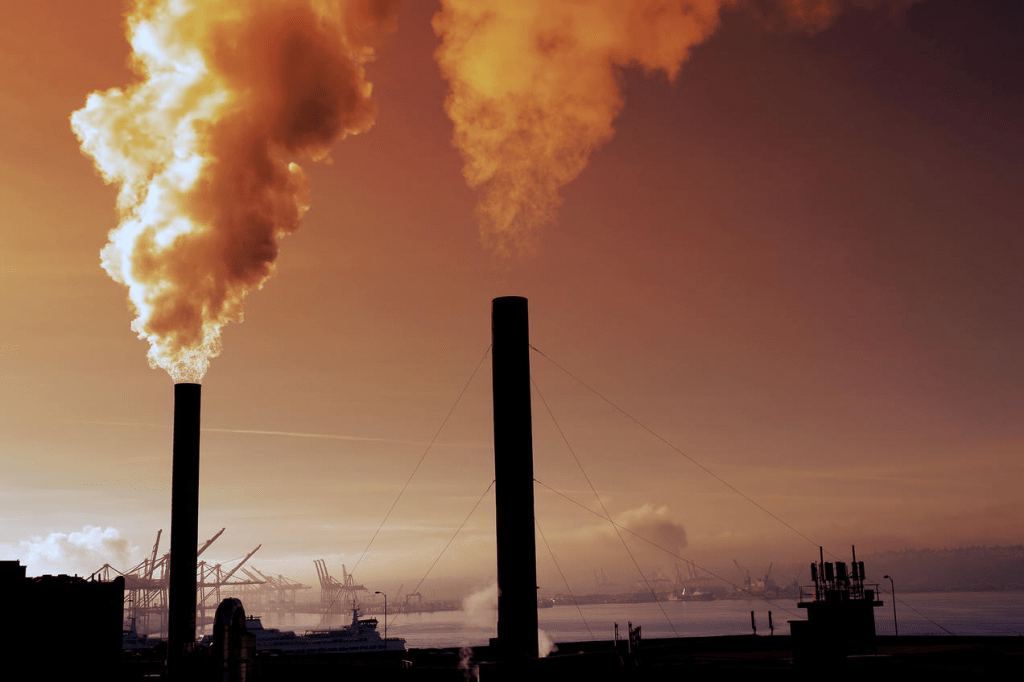
Air pollution refers to the presence of harmful substances in the air that we breathe. It can have serious effects on both human health and the environment. Some of the causes of air pollution include industrial activities, transportation, and natural events such as wildfires and dust storms.
Effects of air pollution:

Respiratory problems: Air pollution can cause a range of respiratory problems such as coughing, wheezing, and shortness of breath. It can also aggravate asthma and other respiratory conditions.
Cardiovascular problems: Air pollution has been linked to an increased risk of heart disease, stroke, and other cardiovascular problems.
Cancer: Exposure to air pollution, particularly to certain types of air pollutants such as benzene, has been linked to an increased risk of cancer.
Environmental damage: Air pollution can have serious environmental effects such as acid rain, ozone depletion, and damage to crops and forests.
Global warming: Air pollution is a major contributor to global warming, which has serious implications for the planet.
Causes of air pollution:
Industrial activities: The burning of fossil fuels in industries is a major source of air pollution. This includes burning coal, oil, and gas.
Transportation: Vehicles emit a range of pollutants into the air including carbon monoxide, nitrogen oxides, and particulate matter.
Natural events: Natural events such as wildfires and dust storms can also contribute to air pollution.
Agricultural activities: Agricultural activities such as the use of fertilizers and pesticides can release pollutants into the air.
Household activities: Household activities such as cooking, heating, and using cleaning products can also contribute to air pollution.
In conclusion, air pollution is a serious problem that can have a range of harmful effects on both human health and the environment. It is caused by a range of factors including industrial activities, transportation, and natural events. It is important that we take steps to reduce air pollution and protect our health and the planet.

Impact of light pollution on the night sky

Light pollution is a term used to describe the excessive or unnecessary use of artificial lighting in outdoor spaces, leading to a considerable increase in the amount of light that reaches the sky. This phenomenon has had a significant impact on the night sky, affecting not only astronomical observations but also the environment and human health.


copyright – 2016 Joseph Cowdell

One of the most obvious effects of light pollution is the reduction of visibility of celestial objects such as stars, galaxies, and nebulae. In urban areas, where the artificial light is at its peak, the night sky is almost completely drowned out, and it is difficult to see anything other than the brightest stars. The Milky Way, which was once visible from any point on the Earth’s surface, is now invisible to more than two-thirds of the world’s population. This not only affects amateur and professional astronomers but also the general public who may have an interest in the night sky. The loss of this connection with the cosmos can have an impact on people’s sense of wonder and awe, and ultimately their wellbeing.

Light pollution also affects nocturnal wildlife, which rely on darkness for their activities. Light pollution can confuse and disorientate animals that use the night sky for navigation and can also disrupt breeding cycles, migration patterns, and other natural behaviors. This can ultimately lead to a decline in populations of various species, affecting the balance of the ecosystem. For example, the artificial lighting in coastal areas can disorientate sea turtle hatchlings, who rely on the moon and stars to guide them towards the sea.

The impact of light pollution on human health is also a growing concern. Exposure to artificial light at night can disrupt our circadian rhythms, which can lead to sleep disorders, depression, and other health problems. Studies have shown that exposure to blue light, which is emitted by electronic devices and LED lights, can suppress the production of melatonin, a hormone that regulates our sleep-wake cycle. This can affect our ability to fall asleep, stay asleep, and achieve restful sleep. Additionally, light pollution has been linked to increased rates of breast cancer, obesity, and other health problems.

Furthermore, light pollution has economic consequences, including increased energy consumption and higher energy bills. The unnecessary use of artificial lighting wastes electricity and contributes to greenhouse gas emissions, further exacerbating climate change. The cost of installing and maintaining outdoor lighting can also be significant, and many cities and municipalities are beginning to recognize the importance of reducing light pollution to save energy and reduce costs.

POPULATION GROWTH HAS BEEN BLAMED FOR ENVIRONMENTAL DEGRADATION

 INTRODUCTION

Population growth, though a source of development is commonly regarded as one of the most dreadful cause of environmental degradation. Population can be defined in terms of a particular section, group, or type of people or animals living in an area or country. Population growth has been defined in diverse ways by various authors and institutions (Wikipedia1). In this context, population growth refers to the growth of human population in the world in terms of how the number of individuals in a population increases over time.
According to The United International Strategy of disaster reduction, environmental degradation is the reduction of the capacity of the environment to meet social and ecological objectives and needs. (UNISDR, 2009)
A report by the United Nations population Division 1998, records that the world population has doubled since 1950. About 90 million babies are born each year. At this rate, by the year 2050, global population will reach 10 billion. The current world population is on average very young and has many years of reproductive life ahead. Because of this the population will grow even if the fertility rates seem to decrease. The population growth takes mostly place in developing countries. These countries are in charge of 90 percent of current population growth. It has been estimated that by the year 2025 even 84 percent of the world’s people will live in developing regions.
Most estimates for the carrying capacity of the earth is between 4 billion and 16 billion. Depending on which estimate is used human population may or may not have already occurred. The main concern therefore is the rising population and its auspicated effects on the environment especially in the developing Nations where we have a high population growth rates and poor modes of food production.
The environment and key natural resources in most African countries have been increasingly threatened by escalating and unsustainable pressures from fast-growing populations (UNEP, 1999). Nations with high population growth are often not able to produce enough goods to meet their basic needs of their inhabitants.

An expansion of the production of various goods seems necessary in order to sustain the population. However an increase the amount of goods produced may aggregate environmental problems; in particular if the less developed countries follow the pattern of Development of Western Industrialized countries.
The demand placed on the environment to provide resources for increased human activities such as industrialization, exploitation of water and land resources and Urbanization, and absorption of wastes steadily increases and long term effects is the simultaneous degradation of the environment.
The aim of this paper is to examine how increased world population through human beings change of life degrades the environment. Man degrades the environment through his direct or indirect acts that include:-
Ø  Altering and disturbing the natural resources
Ø  Through intensive  Agriculture practices
Ø  Development of cities (Urbanization)
Ø  Rapid growth and expanding off industries
URBANIZATION
Urbanization refers to the general increase in population and the amount of industrialization of a settlement. It includes increase in the number and extents of cities. It symbolizes the movement of people from rural areas to urban areas.
Urbanization happens because of the increase in the extent and density of urban areas. The density of population in urban areas increase because of the migration of people from less industrialized regions to more industrialized areas
Causes of urbanization
Urbanization usually occurs when people move from villages to cities to settle, in hope of a higher standard of living. This normally takes place in developing countries
In rural areas, people become victims of unpredictable weather condition such as drought and floods, which can adversely affect their livelihood. Consequently these people move to cities in search of better life. This can be seen in areas like Budalangi, Kano plains, Tana Delta where these people move to Kisumu, Nairobi, and Mombasa etc to escape poverty.
Cities in contrast, offer opportunities of high living and are known to be places where wealth and money are centralized
Most industries and educational institutions are located in cities whereas there are limited opportunities within rural areas. Thus further contribute to migration to cities
Environmental impacts of urbanization
Temperature
Due to factors such as paving over formerly vegetated land, increasing number of residences, and high-rise apartments and industries temperatures increases drastically.
Air pollution
Factories and automobiles are symbols of urbanization. Due to harmful emission of gases and smoke from factories and vehicles, air pollution occurs.
Most of the ambient air –pollution in urban areas comes from the fossils fuel industry, motor vehicles, heating and electricity generation. In some cities the main air polluter is the domestic heating which results into indoor air pollution. Indoor air pollution may pose an even greater hazard for human health. Cooking and heating with wood, crop residues, animal dung and low quality coal produces smoke that contain dangerous particles and gases which may include various toxic and carcinogenic chemicals, heavy metals, trace organic chemicals and fibres, photochemical pollutants, lead,carbon monoxide, which are much more harmful to human health (HABITAT 1996). When fuels such as these are burned indoors, using inefficient stoves and poor ventilation, they can cause tuberculosis, other respiratory diseases and blindness (Mishra, Rether ford and Smith,1999). In fact, indoor air pollution from cooking and heating with unsafe fuels has been designated by the World Bank as one of the four main environmental problems in developing countries.
Traffic: almost all cities have changed to motorized road vehicles, which has increased the use of fossil fuels and increase in green house- gas emissions. The explosive growth in the number of road vehicles is a big problem in many cities. Many city centers have major difficulties trying to cope with the chaotic automobile traffic. The traffic jam is extremely bad in many cities and transport traffic in the city area at least during rush hours is very slow. The pollution is high due to constant traffic and cause respiratory diseases to city habitants (HABITAT 1996)
Water and drainage systems
When urbanization takes place, water cycles changes and cities have more precipitation than surrounding areas. Due to damping of sewage from factories in water bodies, water pollution occur which can lead to outbreak of epidemics.
The lack of sanitation and sewage treatment is the biggest factor regarding water pollution. Local water bodies are used as dumping ground for untreated water from urban areas and industries. For example in Bangkok 90 percent of industrial wastes including hazardous chemicals are discharged without treatment (UNEP 1999).
Many rivers in developing countries are more like open sewers than rivers. Most of the centers in these regions do not have drains or even services to collect the garbage. The cities that are close to the coast often dump untreated sewage to the sea. Most of the coastal cities have serious problems with dirty, contaminated beaches and water which is a serious health risk to the bathers and for the whole city (HABITAT 1996)
Habitat destruction and loss of biodiversity
To make an area urbanized, a lot of forested areas are destroyed. Usually these areas would have been habitats to many birds and animals
Population growth leads to expanding human settlements and increasing demand for food, fuel and building materials. Modernization of agriculture also threatens potentially valuable local crops.
Such development programmes such as creating reservoirs, mining, forest clearing, lying of communication and transport networks etc. I t is estimated that in the worldwide perspective slightly over1000 animal species and sub-species are threatened with extinction rate of one per year, while 20000 flowering plants are thought to be at risk (Compendium of Environment Statistics 2000)
POPULATION GROWTH AND SETTLEMENT
Rapid population growth has outstripped the ability to deliver adequate services such as education, health care, safe water, sanitation, and waste removal. The increased population exerts pressure on existing facilities and even the ecosystem since it’s beyond the carrying capacity of these facilities hence calling for expansion or creation of new facilities to cater for increased population. Growing population is one of the main forces driving a country’s overwhelming environmental challenges.
One of the major problems brought about by increase in population is settlement.  Population growth affects migration and settlement patterns and their relationships to the physical environment.  As population increases, settlements sprawl, and take over forested and agricultural land, fragmenting and degrading remaining natural areas. The clearing of forested to pave way for settlement impacts the environment negatively causing degradation. The cleared environment paves way for soil erosion as there are no trees to hold the soil together; this in turn causes pollution of the air when windy and pollution of water bodies during rainy season hence affecting aquatic life and human health. Clearing of the trees also causes loss of biodiversity. Some plant and species are lost hence affecting the ecosystem balance.
Trees act as windbreakers and clearing the forest will mean no windbreakers. It will also lead to destruction of water catchment areas. The medicinal value of the tress will be lost by destruction and there will be increased of carbon dioxide in the atmosphere as there will be no carbon sink, this will lead to global warming causing forest fires, skin cancers and rise in sea levels causing flooding resulting to displacement of people and coastal erosion.
Taking up of agricultural land to put up settlements will reduce arable land hence reduce food production and therefore leading to food insecurity.
Increase in population makes it difficult for a nation to plan; it leads to increased poverty levels, low life expectancy and high infant mortality. The pressure from increasing population is a major hindrance to sustainable development hence a country remains under developed.
Ongoing rural to urban migration, high natural birth rates, and poor or Inappropriate country’s planning conspires to continue degrading the environment and this has impacts on human health and the economy. For the country to achieve the MDGs progress must be made, an important target is stabilizing the fertility rate as recommended by the Population Policy for Sustainable
Development (CBS 2004).  The country can achieve more sustainable land use if it combines planning and development with environmental management.
INCREASED POPULATION AND ITS IMPACT THROUGH AGRICULTURE TO ENVIRONMENT DEGRADATION
Agricultural impact is such direct on the environment because it involves man manipulating the environment to gather for his needs/food. Since time in memorial man has been dealing with farming. With the increased population man has been force to clear more land to gather for the increased needs of his family.
The era of Agricultural revolution cleared fast lands to pave way for the green revolution. Agricultural revolution cleared 10% of the earth’s land surface of either grass or trees so that it could be ploughed planted to crops.
Agriculture has changed dramatically, especially since the end of World War II. The world population has shot from 370million after the Great Famine and the Black Death in Britain in 1350 to 7 Billion in 2012 March. The sharp increase in worlds population demands that more land should be brought under Agricultural use or use intensified farming methods to increase food production this in turn causes harm to the environment either directly or indirectly.
Today the 7 Billion people cultivate over 40% of the worlds land and .Total farmland has been increasing drastically since 1992 to 2002 the Agricultural land increased by 5 Million  Hectares
Of the total 13 Billion hectares of land area on Earth, Cropland accounts for 11% ,pastureland 27%, Forerstland 32%, urban land 9%the rest 21% unsuitable for crop farming.(World watch Institute http://t.co/uOQdMqrp )
Increased population through Agriculture impacts on Environmental degradation in the following ways;
        i.            Burning of forests to create new lands for Agriculture
      ii.            Use of pesticides and herbicides.
    iii.            Soil degradation and pollution
    iv.            Increased pressure on Arable land
Burning of forests to create new lands for Agriculture
Man is constantly colonizing new lands to get food for the increasing population. Burning includes human-initiated burning of vegetation for land clearing and land-use change as well as natural, lightning-induced fires. Scientists estimate that humans are responsible for about 90% of biomass burning with only a small percentage of natural fires contributing to the total amount of vegetation burned. Man is forced to clear new lands by burning the vegetation down to get more land burning vegetation releases large amounts of particulates (solid carbon combustion particles) and gases, including greenhouse gases that help warm the Earth. Greenhouse gases may lead to an increased warming of the Earth or human-initiated global climate change. In the long run the cleared forests which used to Act a carbon sinks are no more and this leads to increased levels of carbon in the atmosphere.
Use of pesticides and Herbicides for Agriculture
The increased population is always forced to use pesticides herbicides and fungicides to reduce the number of competitors in the tropical level so that food production is maximized.during their application they also affect non-target plants and animals. Repeated application leads to loss of biodiversity. Many pesticides are not easily degradable, they persist in soil, leach to groundwater and surface water and contaminate wide environment. Depending on their chemical properties they can enter the organism, bioaccumulation in food chains and consequently influence also human health.
The French incident in two French Caribbean islands, Martinique and Guadeloupe, which were heavily contaminated by pesticide chlordecone after several decades of its spraying on bananas plantations. Initially, the use led to higher crop yields but each season more chlordecone was required to achieve the same results. As a consequence, this tropical paradise with about 800,000 inhabitants now faces an environmental disaster with far-reaching ecological, economical and social impacts.

Water contamination is one of the most affected component of the ecosystem when it comes to use of Pesticides.
Pesticides can get into water via drift during pesticide spraying, by runoff from treated area, leaching through the soil. In some cases pesticides can be applied directly onto water surface e.g. for control of mosquitoes. Water contamination depends mainly on nature of pesticides (water solubility, hydrophobicity), soil properties, weather conditions, landscape and also on the distance from an application site to a water source. Rapid transport to groundwater may be caused by heavy rainfall shortly after application of the pesticide to wet soils. (pesticide action Network Europe 2008)

Soil micro-organisms play a key role in soil. They are essential for maintenance of soil structure, transformation and mineralization of organic matter, making nutrients available for plants when we are using pesticides we harm and kill this micro-organism by either deforming them or completely whipping them out of the ecosystem
Soil degradation and Pollution
All the actions that man venture into revolve around the crust. Man got direct impact on the soil and he causes stress to it by application of fertilizers, fungicides, overgrazing and contact cultivation. All this activities man venture into so that he can get food for the increased population not knowing that he/she is harming the environment greatly
Pesticides enter the soil via spray drift during foliage treatment, wash-off from treated foliage, release from granulates or from treated seeds in soil. Some pesticides such as soil fumigants and nematocides are applied directly into soil to control pests and plant diseases presented in soil. Fertilizers are also applied direct to the soil.
Increased pressure on Arable land
The geometric rise in human population levels during the twentieth century is the fundamental cause of the loss of biodiversity. It exacerbates every other factor having an impact on both Terrestrial (Grassland, mountain, Forest and Desert ecosystems) and Aquatic ecosystems, It has led to an unceasing search for more arable land for food production, livestock grazing, for wood for fuel, construction, and energy.
Balmford, et al., (2001) have demonstrated that human population size in a given tropical area correlates with the number of endangered species, and that this pattern holds for every taxonomic group. Most of the other effects mentioned below are either consequent to the human population expansion or related to it.
EFFECTS OF OVERPOPULATION ON NATURAL RESOURCES
o   Inadequate fresh water for drinking as well as sewage treatment and effluent discharge.
o   Depletion of natural resources especially fossil fuels.
o   Increased levels of air pollution , water pollution, Soil pollution, noise  pollution,
o   Deforestation and loss of ecosystem that sustain global atmospheric oxygen and carbon dioxide  balance. About 8 million hectares of forest are lost every year.
o   Changes in atmospheric composition and consequent global warming.
o   Irreversible loss of arable land and increase in desertification.
Mass species extinction from reduced habitats in tropical forests due to slash –and- burn techniques that are practiced by shifting cultivators; especially in countries with rapidly expanding rural population present extinction rates may be as high as 140,000 species lost per year. As of February 2011 IUCN Red List, a total of 801 animal species having gone in recorded history.
Stealing of natural resources to survive conflict over scarce resource. The resources to be considered when evaluating whether an ecological niche is over populated include clean water, clean air food shelter and warmth.
The demands  placed on the environment to provide resources for human activities and to absorb wastes have grown steadily with rising population and increasing per capita consumption. Currently the highest fertility rates are found in countries suffering from poverty ,food insecurity and natural resource degradation.
Given that many natural resources  such as many natural resources( such as water, soil, forests  and fish stocks) are already being exploited to or beyond their limits in at least some regions. The efforts required to meet the needs of additional 300million people will be immense.
Globalization of population movements is needed like movement of capital and free trade in goods and services through WTO, for people to live and work wherever they like. This is the one change that allow optimization of the population  to environmental carrying capacity and  a rapid reduction in economic and solid disparities between countries.
HOW POPULATION GROWTH DEGRADES ENVIRONMENT TROUGH INDUSTRIALIZATION
Industrialization was a key component that man discovered in the mid 18th Century. The advent of Industrial revolution tremendously reformed most sectors in the world and it made work efficient, created employment and also made life comfortable. The second phase of industrialization begun in the 1860-1914. The second phase of industrialization was characterized by a rapid expansion of industries that developed because of new sources of energy hydroelectricity and oil.
The change in industrialization system was prompted by the increased demands of the public due to the growing population. The world population had been increasing steadily from the onset of Industrial revolution and there was need to seek for improved of production and acquiring of goods and services. During the onset of industrial revolution there was an increase in population due to increased food and diet.
 During the Agricultural and Industrial Revolutions, the life expectancy of children increased dramatically. The percentage of the children born in London who died before the age of five decreased from 74.5% in 1730–1749 to 31.8% in 1810–1829. Between 1700 and 1900, Europe’s population increased from about 100 million to over 400 million. (Wikipedia2)
The shift from the 1st phase (coal and steam era) to the 2nd phase (electricity era) coincides with the British colonization of foreign lands where they acquired many raw materials that needs to be processed in large numbers.
However, industrialization has got a serious effect on the environment while it strives to meet the needs of the growing population. Man through its agent (Industries) contribute to more than 50% of the Environmental degradation when he/she is trying to fetch raw materials, build industries and dispose waste products. The final effect on the environment will include:-
Rapid Industrialization versus Air Pollution
Air pollution involves the release of chemicals and particulates into the air, and it can cause problems varying from difficulty breathing to contamination of crops. The increased rate of industrialization poses a major threat to the air quality. Most the industries use environmentally unfriendly sources of energy like fossil fuels, coal, wood fuel and others that releases high levels of Oxides to the environment. Considering their sources of energy the industries that use wood fuel contribute so much in logging. The indirect impacts will be the releases of carbon to the atmosphere causing a significant increase in the Green houses gases which causes global warming. In extreme cases, these gases may cause river, lakes and sea levels to rise. This means that, as the globe continues to experience global warming, chances of flooding increases. The worst pollutant in low lying areas is Smog. Where smog is produced abundantly, air quality deteriorates especially during hot weather, and it is during this period that asthma cases rise. Industries associated with massive smog emissions are those that operate in manufacturing sectors. Example of the Donora Valley in Pennsylvania 1948.
The highest probable Top emitters of green house gases into the atmosphere include; Power generation industries are major causes of global warming. According to the year 2000 estimates, these industries emit more than 8000teragrams of carbon dioxide, and 3teragrams of methane. In total, this industry alone accounts for 31% of greenhouse gases emitted annually. Second on the list of industries causing global warming is the refineries. This industrial sub sector emits more than 5000teragrams of carbon dioxide and 8teragrams of methane. Refineries alone accounts for 15% of greenhouses gases emitted per year. Third on the list is the road sector. As countries continue to develop, automobiles no longer become luxuries, but necessities. By the year 2005, the vehicles emissions accounted for almost the same percentage as the refineries (15%) other contributing sectors are; coal mining and processing, oil extraction and refining, international shipping, rail and non road transportation and bio fuel production sectors (socyberty.com)
Industrialization and Land Pollution
The industrial revolution brought with it some lucrative and convenient ways of handling the Land. The Agricultural revolution intensified farming through use of inorganic fertilizers and mechanization. Modern agriculture has embrace the idea of going “green”, and has instead opted for inorganic means, has opposed to the ancient organic ways of growing crops. The key issue why the world is headed to an inorganic direction is to satisfy the growing population in terms of food supply.
Industries are the key players in production of Inorganic substances; fertilizers, pesticides and fungicides. The industries are also linked with polluting the crust through releasing of poisonous substances whether by accident or as a way of disposing them. These industries produce on a large scale chemical fertilizers, and commercial feeds that have short run benefits on both the farmers and land. In the long run, all stakeholders stand to lose to due to the distressing effects caused by agricultural and related industries. Prolonged use of chemical fertilizers, pesticides and herbicides lead to massive land pollution and reducing fertility of the same. Most of these chemicals are highly leeched and others are non-biodegradable and constant use of it causes accumulation in plant tissues.
Dumping of industrial waste also contributes to land pollution. In 2007 alone, Environment Protection Agency of the United Sates noted that there were more than 10 million pounds of harmful pollutants dumped. Major pollutants identified by this survey were heavy metals that comprise mainly of mercury, lead and arsenic compounds.
Water Pollution versus Industrialization
Ground water is mainly polluted through leaching processes. Surface water on the other hand gets polluted through a number of ways. One of the ways that rivers, lakes and seas, get polluted is when sulfur oxides combine with moisture to form acid rain then these flows into the water sources. Runoffs from polluted agricultural land, also leads to water pollution. Other ways that surface water gets polluted is through oil spills, water runoff from dumping sites and through deliberate disposal of industrial waste into water bodies.
Conclusion
Although modern man is justified to apply the current means of production and develop the current technology to use in industries and in food production to increase his food production, man is ignoring the fact that he plays a key role in the environment and he has the mandate to take care of the environment.
Human beings by his means through intensified means production due to rapidly growing population and the nature of demands dictates that man must engage in activities that expose the environment to a total risk of degradation.
In summary increased population or over population causes environmental degradation not by direct impact but through the activities that man undertake over the earth’s surface both in marine and terrestrial lands that includes; Intensive Agricultural activities, rapid growth of urban centers with unplanned settlements and  industrialization
Recommendation
Since mans action on the environment is justified due to the fact that man needs to derive source of livelihood, we are therefore left with no option as human beings and especially as environmentalists to device environmentally friendly ways that does not necessarily stop mans harm on the environment but means that reduce the effect and foster sustainable development.
Some of the ways might be; change in the means of Transport. This can be done by encouraging man to use public means that uses less fuel does less  emissions of Oxides into the Atmosphere. The use of commercial means of Transport saves both the non-renewable sources of Energy and also reduces the combustion of fossil fuels to produce petroleum products.
Secondly, we can adopt a culture of using renewable sources of Energy like solar energy and wind energy. Less has been done to harness wind energy which is eco-friendly type of energy.
Finally, we should encourage the use recycling of wastes and plan for companies in such a way that the waste products of one company becomes a raw material of another company.
According to the Population Policy for National Development(Kenya) Launched on 30th October 2012 proposes that average Kenyan women gives birth to  2.6 Children over the reproductive age of 15 to 49 years currently the woman gives birth to an average of 4.6 children. The policy further warns that the population will hit the 77Million mark by 2030 when the Kenya’s Economic blueprint, Vision 2030, expires-Daily Nation 31St October 2012.
Therefore, national family planning campaigns should be intensified so as to attain the 2.6. Children per woman between the ages of 15-45 years.
Awareness creation should be also intensified in rural and urban areas/informal settlements to curb the increasing population.
REFERENCES
1.      Balmford. A et al, Measuring the changing state of nature TRENDS in Ecology and Evolution Vol.18 No.7 July 2003
2.      Central Statistical Organization, (2000), “Compendium of Environment Statistics,” Ministry of Statistics and Programme Implementation, Government of India, New Delhi.
3.      Cropper M., C. Griffiths (1999), “The Interaction of Population Growth and Environmental Quality” American Economic Review, 84:250-254
6.      The United Nations International Strategy for Disaaster Reduction (UNISDR) (2009) Terminology on Disaster Risk
7.      UNEP, 1999, “Unequal Impacts of Environment Damage, “Human Development Report 1999, Oxford University Press, New York.
8.      U.N HABITAT (1996), “An Urbanization World. Global report on Human Settlement. Instanbul.
9.      UNEP,Global Environmental outlook (1999/2000)

Global Warming

 Global warming is the long-term warming of the planet’s overall temperature. Though this warming trend has been going on for a long time, its pace has significantly increased in the last hundred years due to the burning of fossil fuels. As the human population has increased, so has the volume of fossil fuels burned. Fossil fuels include coal, oil, and natural gas, and burning them causes what is known as the “greenhouse effect” in Earth’s atmosphere.

The greenhouse effect is when the Sun’s rays penetrate the atmosphere, but when that heat is reflected off the surface cannot escape back into space. Gases produced by the burning of fossil fuels prevent the heat from leaving the atmosphere. These greenhouse gasses are carbon dioxide, chlorofluorocarbons, water vapor, methane, and nitrous oxide. The excess heat in the atmosphere has caused the average global temperature to rise overtime, otherwise known as global warming.

Global warming has presented another issue called climate change. Sometimes these phrases are used interchangeably, however, they are different. Climate change refers to changes in weather patterns and growing seasons around the world. It also refers to sea level rise caused by the expansion of warmer seas and melting ice sheets and glaciers. Global warming causes climate change, which poses a serious threat to life on earth in the forms of widespread flooding and extreme weather. Scientists continue to study global warming and its impact on Earth.

What are Different Types of Pollution

There are various types of pollution chiefly arising as a result of anthropogenic causes. Also contributing to pollution is globalisation, where humanity’s constant need for natural resources has slowly started to change the face of the earth.

Though the quality of living has drastically improved, other new issues have risen that gradually impact human health and the environment. In this article, we shall explore the meaning, causes and types of pollution. Also, we shall analyse the repercussions of pollution on human health and the environment.

Types of Pollution

What is Pollution?

“Pollution is the introduction of substances (or energy) that cause adverse changes in the environment and living entities .”

Pollution need not always be caused by chemical substances such as particulates (like smoke and dust). Forms of energy such as sound, heat or light can also cause pollution. These substances that cause pollution are called pollutants.

Pollution, even in minuscule amounts, impacts the ecological balance.  Pollutants can make their way up the food chain and eventually find their way inside the human body. Read on to explore the types of pollution and their implications.

Types of Pollution

As stated before, there are different types of pollution, which are either caused by natural events (like forest fires) or by man-made activities (like cars, factories, nuclear wastes, etc.) These are further classified into the following types of pollution:

  • Air Pollution
  • Water Pollution
  • Soil Pollution
  • Noise Pollution

Besides these 4 types of pollution, other types exist such as light pollution, thermal pollution and radioactive pollution. The latter is much rarer than other types, but it is the deadliest.

Air Pollution

Air Pollution

Air pollution refers to the release of harmful contaminants (chemicals, toxic gases, particulates, biological molecules, etc.) into the earth’s atmosphere. These contaminants are quite detrimental and in some cases, pose serious health issues. Some causes that contribute to air pollution are:

  • Burning fossil fuels
  • Mining operations
  • Exhaust gases from industries and factories

The effects of air pollution vary based on the kind of pollutant. But generally, the impact of air pollution ranges from:

  • Increased risk of respiratory illness and cardiovascular problems
  • Increased risk of skin diseases
  • May increase the risk of cancer
  • Global warming
  • Acid rain
  • Ozone depletion
  • Hazards to wildlife

Among the other types of pollution, air pollution is theorized to have a planet-wide implication. Scientists have even speculated an apocalypse-like scenario where air pollution if left unchecked, can bring about an extreme form of global warming called the runaway greenhouse effect. Though this is purely speculative, it is a phenomenon that has already occurred on Venus.

Water Pollution

Water Pollution

Water Pollution

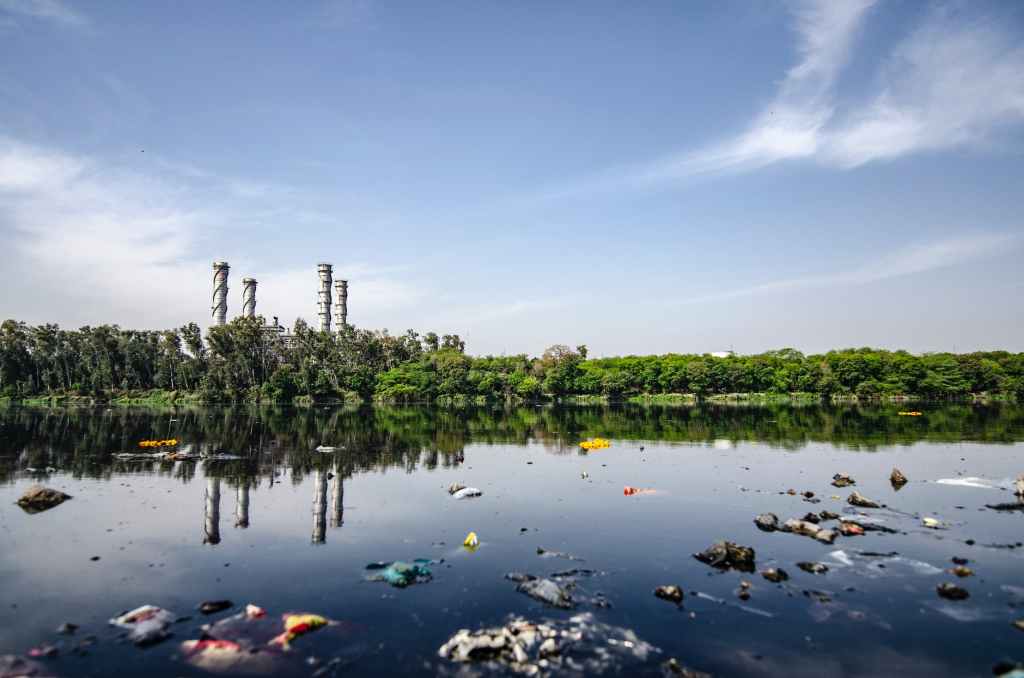
Water pollution is said to occur when toxic pollutants and particulate matter are introduced into water bodies such as lakes, rivers and seas. These contaminants are generally introduced by human activities like improper sewage treatment and oil spills. However, even natural processes such as eutrophication can cause water pollution.

Other significant causes of water pollution include:

  • Dumping solid wastes in water bodies
  • Disposing untreated industrial sewage into water bodies
  • Human and animal wastes
  • Agricultural runoff containing pesticides and fertilisers

The effects of water pollution are very pronounced in our environment.  Furthermore, toxic chemicals can bioaccumulate in living beings, and these chemicals can travel their way up the food chain, ultimately reaching humans.

Among the other types of pollution, water pollution has severe consequences on humans. For instance, in 1932, a grave case of water pollution incapacitated the inhabitants of an entire city in Japan with neurological diseases and mental illness for many decades. However, the immediate cause was not apparent but was eventually attributed to acute mercury poisoning. Methylmercury was dumped into the surrounding bay and had ultimately bioaccumulated inside the fish. The local population then consumed these fish, and this resulted in the manifestation of ill effects and neurological diseases.

Other consequences of water pollution include:

  • Disruption of the ecosystem
  • Threats to marine life
  • Increased risk of water-borne diseases
  • Increases toxic chemicals (such as mercury) in water bodies
  • Eutrophication

Soil Pollution

Soil Pollution

Soil pollution, also called soil contamination, refers to the degradation of land due to the presence of chemicals or other man-made substances in the soil. The xenobiotic substances alter the natural composition of soil and affect it negatively. These can drastically impact life directly or indirectly. For instance, any toxic chemicals present in the soil will get absorbed by the plants. Since plants are producers in an environment, it gets passed up through the food chain. Compared to the other types of pollution, the effects of soil pollution are a little more obscured, but their implications are very noticeable.

Some of the common causes of soil pollution are:

  • Improper industrial waste disposal
  • Oil Spills
  • Acid rain which is caused by air pollution
  • Mining activities
  • Intensive farming and agrochemicals (like fertilisers and pesticides)
  • Industrial accidents

The effects of soil pollution are numerous. Specific wastes, such as radioactive waste become particularly hazardous when they are not well-contained. A well-documented example is a nuclear accident in Chernobyl, which has left an area of 2,600 kmuninhabitable for several thousand years.

Other effects of soil pollution include:

  • Loss of soil nutrients, which renders the soil unfit for agriculture
  • Impacts the natural flora and fauna residing in the soil
  • Degrades vegetation due to the increase of salinity of the soil
  • Toxic dust (such as silica dust) can cause respiratory problems or even lung cancer

Noise Pollution

Noise Pollution

Noise pollution refers to the excessive amount of noise in the surrounding that disrupts the natural balance. Usually, it is man-made, though certain natural calamities like volcanoes can contribute to noise pollution.

In general, any sound which is over 85 decibels is considered to be detrimental. Also, the duration an individual is exposed plays an impact on their health. For perspective, a normal conversation is around 60 decibels, and a jet taking off is around 15o decibels. Consequently, noise pollution is more obvious than the other types of pollution.

Noise pollution has several contributors, which include:

  • Industry-oriented noises such as heavy machines, mills, factories, etc.
  • Transportation noises from vehicles, aeroplanes, etc.
  • Construction noises
  • Noise from social events (loudspeakers, firecrackers, etc.)
  • Household noises (such as mixers, TV, washing machines, etc.)

Noise pollution has now become very common due to dense urbanisation and industrialisation. Noise pollution can bring about adverse effects such as :

  • Hearing loss
  • Tinnitus
  • Sleeping disorders
  • Hypertension (high BP)
  • Communication problems

Frequently Asked Questions

What are the different types of pollution?

The different types of pollution include:

  • Air pollution
  • Water pollution
  • Soil pollution
  • Radioactive pollution
  • Noise pollution

Name the harmful pollutants responsible for polluting the environment.

The harmful pollutants responsible for polluting the environment are:

  • Nitrogen oxide
  • Sulphur oxide
  • Mercury
  • Particulate matter
  • Chlorofluorocarbon
  • Volatile organic compounds

What are the different types of pollutants?

The different types of pollutants are:

  • Primary Pollutants: These are the pollutants that are emitted directly from the sources such as volcanic eruptions, combustion of fossil fuel, etc. These include nitrogen oxide, sulphur oxide, etc.
  • Secondary Pollutants: These are the pollutants that are not directly emitted from the sources but are formed when primary pollutants react in the atmosphere. For eg., ozone.

What is radioactive pollution?

Radioactive pollution is the pollution caused by the release of radioactive substances in the atmosphere during activities such as nuclear explosions, mining of radioactive ores, etc.

What are the consequences of mercury pollution?

Mercury pollution is the pollution caused by the release of mercury from mercury products or emissions from coal-burning power plants in the air, water or land. Mercury pollution results in neurological and behavioural disorders in humans. Insomnia, memory loss, headaches, and tremors are some of the symptoms of mercury pollution

Environmental Pollution – Types, Causes, Controls and Abatement Strategies

 Environment Pollution: Types, Causes, Effects:

Environmental Pollution is not a new phenomenon, yet it remains one of the greatest threats to the health and well-being of humanity and one of the major environmental causes of death and morbidity. For example, substances such as plastic materials, heavy metals, etc., once released into the atmosphere. By natural processes, it cannot be degraded and are harmful to living organisms. In environmental pollution, pollutants originate from a source, are transported by air or water, and are dumped into the soil by human beings.


The long-term impacts of pollution are still being felt despite global attention to the issue. Day by day, our atmosphere is becoming more and more polluted due to anthropogenic activities. It is usually due to the pollutants released into the air, water, soil, etc., through many human activities. Let us examine the different types of environmental pollution.

Environment Pollution: Introduction, Causes & Types

What is Environmental Pollution?

  • Environment Pollution is the addition of contaminants into the natural environment that causes detrimental effects to nature, natural resources and mankind.
  • Any unnatural and negative changes in all the dimensions like chemical, physical and biological characteristics of any component of the ecosystem i.e. air, water or soil which can cause harmful effects on various forms of life and property is called environmental pollution.

What is a Pollutant?

  • Any substance which causes harmful effects or uneasiness in the organisms, then that particular substance may be called as the pollutant.

The materials that cause pollution are of two types:

  1. Persistent pollutants: Those pollutants which remain consistent in the environment for a long period of time without any change in its original form are called persistent pollutantsFor example pesticides, nuclear wastes, and plastics etc.
  2. Non-persistent pollutants: These pollutants are the opposite of persistent pollutant and break down in the simple form. If this process of breaking down is done by living organisms, then such pollutants are referred to as biodegradable pollutants.

From another perspective, pollutants can be classified as follows:

  1. Primary Pollutants: Primary pollutants are those which remain in the form in which they were added to the environment for ex. DDT, Plastic
  2. Secondary Pollutants: Secondary pollutants are formed due to interaction of primary pollutants amongst themselves viz. PAN by the interaction of NOx & Hydrocarbons.

According to their existence in nature:

Signup for Free Mock Test
  1. Quantitative Pollutants: These substances are already present in the atmosphere but they become pollutant when their concentration level reaches to a particular level which is above a threshold limit.
  2. Qualitative Pollutants: These are man-made pollutants eg. Fungicides, herbicides etc.

According to origin:

  1. Man-made Pollutants
  2. Natural Pollutants

According to the nature of disposal:

  1. Biodegradable Pollutants
  2. Non-biodegradable Pollutants

Types of Environment Pollution:

AIR POLLUTION:

  • Air pollution is the presence of one or more disadvantageous content in such quantity and for such duration, as it is catastrophic, or tend to be catastrophic, to human health and welfare, animal or plant life.
  • It is the contaminants of air by the discharge of detrimental substances.

Some of the air pollutants, their sources, and effects:

Name of the pollutants

Sources

Health effects

Nitrogen oxides

Industries, vehicles and power plants

Problems in the lungs, respiratory systems and causes asthma and bronchitis.

Carbon monoxide

Emission and burning of fossil fuels

Severe headache, irritation to mucous membrane, unconsciousness and death.

Carbon dioxide

Burning of fossil fuels

Vision problem, severe headache and heart strain.

Suspended particulate matter

Vehicular emission and burning of fossil fuels.

Lung irritation reduces development of RBC and pulmonary malfunctioning.

Sulphur oxide

Industries and power plant

Irritation in eyes and throat, allergies, cough etc.

Smog

Industries and vehicular pollution

Respiratory and eye problems

Hydrocarbons

Burning of fossil fuels

Kidney problems, irritation in eyes, nose and throat, asthma, hypertension and carcinogenic effects on lungs.

Chlorofluorocarbons

Refrigerators, emission from jets

Depletion of ozone layer, global warming

  •  Other pollutants are cadmium, lead, mercury, silica, coal dust and particles and radioactive pollutants.

Control measures:

  • Policy measures
  • Modification of industrial process and selection of suitable fuels and its utilization.
  • Collection of pollutants and convert it into less toxic forms by different methods.

Government initiatives:

  • National air quality monitoring programme (NAMP)
  • National ambient air quality standards (NAAQS)

WATER POLLUTION

  • Addition of certain substances such as organic, inorganic, biological and radiological to the water, which degrades the water quality and makes it unhealthy for use.
  • Water pollution is not only confined to surface water but also spread to groundwater, sea, and ocean.

Sources

Point sources: These are directly pointed towards the water bodies from the source of origin of pollution and are thus easy to regulate.

Non-point sources: These sources are related to many diffuse sources and are thus difficult to regulate.

Some of the sources are:

  • Industrial and community wastewater: Industries like mining, iron and steel, pharmaceuticals, food processing, soap and detergent and paper and pulp.
  • Agricultural sources, thermal pollution (discharge of hot water by thermal power plants cause deficiency of dissolved oxygen in water) and underground water pollution.
  • Marine pollution: river discharge, manmade pollution and oil spills etc.

Effects

  • An excessive amount of mercury in water can cause Minamata disease in humans and dropsy in fishes; Lead in large amount can cause dyslexia, Cadmium poisoning causes Itai – Itai disease, etc.
  • Polluted water has less amount of Dissolved oxygen (DO) content which is important for sensitive organisms, thereby eliminates sensitive organisms.
  • Excess of nitrate in drinking water is dangerous for infants and human health, excess fluoride cause neuromuscular disorder and teeth deformity, hardening of bones and painful joints.
  • Biological magnification and eutrophication.

Note: ‘Eu’ means healthy and ‘trophy’ means nutrition. The improvement of nutrients in water bodies causes eutrophication. Domestic waste discharge, agricultural waste, land drainage and industrial waste in a water body leads to a rapid increase in nutrients in a water body which initiates early ageing of water bodies.

Control measures

  • Usage of water should be minimized by changing the techniques involved.
  • Recycling and treatment of water should be used to the maximum extent possible.
  • The quantity of discharge of wastewater can be minimized.
  • Excessive use of pesticides and fertilizers should be avoided.
  • Organic farming and efficient use of animal residues as fertilizers.

SOIL POLLUTION

  • Addition of unwanted substances to the soil which negatively affects physical, chemical and biological properties of soil and reduces its productivity is called soil pollution.
  • The factors which disturb the biological balance of the soil and deteriorate the quality, texture, and mineral content are called soil pollutants.
  • Use of fertilizers, pesticides, insecticides, dumping of solid waste, deforestation, and pollution due to urbanization and other anthropogenic substances causes soil pollution.

Sources

  • Industrial waste: lead, cadmium, mercury, alkalies, organic substances, and chemicals.
  • Agricultural waste: fertilizers, pesticides, insecticides, and manures.
  • Discarded materials and radioactive elements and plastic bags.

Effects

  • Agriculture: It reduces soil fertility and thus crop yields; increase soil erosion and salinity.
  • Ecological imbalance and imbalance in flora and fauna further increases.
  • Problems in urban areas like clogging in drains, the release of gases, foul smells, and problems in wastewater management.
  • Release of radioactive rays, biomagnification and pollutant gases cause health problems.

Control measures

  • Afforestation, reforestation and use of organic farming.
  • Solid waste management and reduction of waste from the construction area.
  • Stop the use of plastic bags and use bags of degradable materials like paper and cloth.
  • Biomedical waste should be collected and incinerated in incinerators.

Applying Pollution Control Technologies

Application of pollution control methods has demonstrated considerable effectiveness in controlling pollution problems – particularly those of a local character. Application of appropriate technologies is based on a systematic analysis of the source and nature of the emission or discharge in question, of its interaction with the ecosystem and the ambient pollution problem to be addressed, and the development of appropriate technologies to mitigate and monitor pollution impacts.
In their article on air pollution control, Dietrich Schwela and Berenice Goelzer explain the importance and implications of taking a comprehensive approach to assessment and control of point sources and non-point sources of air pollution. They also highlight the challenges – and opportunities – that are being addressed in countries that are undergoing rapid industrialization without having had a strong pollution control component accompanying earlier development.
Marion Wichman-Fiebig explains the methods that are applied to model air pollutant dispersion to determine and characterize the nature of pollution problems. This forms the basis for understanding the controls that are to be put into effect and for evaluating their effectiveness. As the understanding of potential impacts has deepened, appreciation of effects has expanded from the local to the regional to the global scale.
Hans-Ulrich Pfeffer and Peter Bruckmann provide an introduction to the equipment and methods that are used to monitor air quality so that potential pollution problems can be assessed and the effectiveness of control and prevention interventions can be evaluated.
John Elias provides an overview of the types of air pollution controls that can be applied and the issues that must be addressed in selecting appropriate pollution control management options.
The challenge of water pollution control is addressed by Herbert Preul in an article which explains the basis whereby the earth’s natural waters may become polluted from point, non-point and intermittent sources; the basis for regulating water pollution; and the different criteria that can be applied in determining control programmes. Preul explains the manner in which discharges are received in water bodies, and may be analysed and evaluated to assess and manage risks. Finally, an overview is provided of the techniques that are applied for large-scale wastewater treatment and water pollution control.
A case study provides a vivid example of how wastewater can be reused – a topic of considerable significance in the search for ways that environmental resources can be used effectively, especially in circumstances of scarcity. Alexander Donagi provides a summary of the approach that has been pursued for the treatment and groundwater recharge of municipal wastewater for a population of 1.5 million in Israel.
Comprehensive Waste Management
Under the pollution control perspective, waste is regarded as an undesirable by-product of the production process which is to be contained so as to ensure that soil, water and air resources are not contaminated beyond levels deemed to be acceptable. Lucien Maystre provides an overview of the issues that must be addressed in managing waste, providing a conceptual link to the increasingly important roles of recycling and pollution prevention.
In response to extensive evidence of the serious contamination associated with unrestricted management of waste, governments have established standards for acceptable practices for collection, handling and disposal to ensure environmental protection. Particular attention has been paid to the criteria for environmentally safe disposal through sanitary landfills, incineration and hazardous-waste treatment.
To avoid the potential environmental burden and costs associated with the disposal of waste and promote a more thorough stewardship of scarce resources, waste minimization and recycling have received growing attention. Niels Hahn and Poul Lauridsen provide a summary of the issues that are addressed in pursuing recycling as a preferred waste management strategy, and consider the potential worker exposure implications of this.
Shifting Emphasis to Pollution Prevention
End-of-pipe abatement risks transferring pollution from one medium to another, where it may either cause equally serious environmental problems, or even end up as an indirect source of pollution to the same medium. While not as expensive as remediation, end-of-pipe abatement can contribute significantly to the costs of production processes without contributing any value. It also typically is associated with regulatory regimes which add other sets of costs associated with enforcing compliance.
While the pollution control approach has achieved considerable success in producing short-term improvements for local pollution problems, it has been less effective in addressing cumulative problems that are increasingly recognized on regional (e.g., acid rain) or global (e.g., ozone depletion) levels.
The aim of a health-oriented environmental pollution control programme is to promote a better quality of life by reducing pollution to the lowest level possible. Environmental pollution control programmes and policies, whose implications and priorities vary from country to country, cover all aspects of pollution (air, water, land and so on) and involve coordination among areas such as industrial development, city planning, water resources development and transportation policies.
Thomas Tseng, Victor Shantora and Ian Smith provide a case study example of the multimedia impact that pollution has had on a vulnerable ecosystem subjected to many stresses – the North American Great Lakes. The limited effectiveness of the pollution control model in dealing with persistent toxins that dissipate through the environment is particularly examined. By focusing on the approach being pursued in one country and the implications that this has for international action, the implications for actions that address prevention as well as control are illustrated.
As environmental pollution control technologies have become more sophisticated and more expensive, there has been a growing interest in ways to incorporate prevention in the design of industrial processes – with the objective of eliminating harmful environmental effects while promoting the competitiveness of industries. Among the benefits of pollution prevention approaches, clean technologies and toxic use reduction is the potential for eliminating worker exposure to health risks.
David Bennett provides an overview of why pollution prevention is emerging as a preferred strategy and how it relates to other environmental management methods. This approach is central to implementing the shift to sustainable development which has been widely endorsed since the release of the United Nations Commission on Trade and Development in 1987 and reiterated at the Rio United Nations Conference on Environment and Development (UNCED) Conference in 1992.
The pollution prevention approach focuses directly on the use of processes, practices, materials and energy that avoid or minimize the creation of pollutants and wastes at source, and not on “add-on” abatement measures. While corporate commitment plays a critical role in the decision to pursue pollution prevention (see Bringer and Zoesel in Environmental policy), Bennett draws attention to the societal benefits in reducing risks to ecosystem and human health—and the health of workers in particular. He identifies principles that can be usefully applied in assessing opportunities for pursuing this approach.

Conservation, environmental pollution and degradation, environmental impact assessment

CONSERVATION

Environmental conservation is an activity that paves the way for the protection of the environment and natural resources at the individual, organizational and governmental levels. Various basic environmental problems are weighing on people’s lives. From overpopulation to hydrological problems, including ozone depletion, global warming, deforestation, desertification, and pollution, all these problems seriously threaten the existence of mankind. Unless environmental conservation becomes an effective mass movement, it is futile to expect positive growth, especially in an age of digital media that has the potential to bring about a revolution. revolution to save our destroying planet.

It has become important for the conservation of the environment in modern times. The following guidelines explain the essential need to protect the environment from further degradation:

To reduce pollution of air, water and soil,

Facilitating the conservation of natural resources for our future generations

To ensure the protection of biodiversity

To realize sustainable development To restore ecological balance

To save our planet from the harmful effects of global warming

ENVIRONMENTAL POLLUTION AND DEGRADATION

Environmental degradation is the decomposition or degradation of the environment due to the consumption of assets, such as air, water and soil; the destruction of the environment and the extinction of animals. It is characterized by any alteration or exacerbation of a natural territory that is considered cruel or undesirable. Ecosystem effects or degradation produced by the amalgamation of a substantial and effectively expanding human population, expanding monetary development or wealth per capita, and applying technologies that cause depletion and pollution.

It occurs when the earth’s natural resources are depleted, and the environment is compromised in the form of extinction of species, pollution in the air, water and soil, and rapid growth in population.

Environmental degradation is one of the biggest threats currently under consideration in the world. The United Nations International Strategy for Disaster Mitigation describes environmental degradation as the shrinking of the earth’s limits to meet social and environmental needs and destinations. Environmental degradation can occur in many ways. The moment the environment is destroyed or depleted of commons, the environment is considered broken and damaged. There are a number of different techniques used to prevent this, including environmental resource protection and general conservation efforts. There are number of types of environmental degradation- Land and soil degradation, Water degradation, air pollution, noise pollution etc.

ENVIRONMENT IMPACT ASSESMENT

Environmental Impact Assessment (EIA) is a process of assessing the possible environmental impacts of a proposed project or development, taking into account the socio-economic, cultural and environmental impacts of the project. and human health are associated with both benefits and negatives. UNEP defines an Environmental Impact Assessment (EIA) as a tool used to determine the environmental, social and economic impacts of a project before making a decision. It aims to predict environmental impacts at an early stage of project planning and design, seek to reduce negative impacts, shape projects to the local environment, present projects reporting and options for decision makers. Environmental impact assessment in India is legally supported by the Environmental Protection Act 1986, which contains different provisions on EIA methods and procedures.

The Environment Impact Assessment includes the steps mentioned below.

The EIA process is cyclical with interactions between different phases. Review: The project plan is reviewed based on the size of the investment, location and type of development, and whether the project requires statutory approval. Scope: Potential project impacts, impact areas, mitigation possibilities, and monitoring needs. Baseline data collection: Baseline data is the environmental condition of the study area. Impact prediction: Positive and negative impacts, reversible and irreversible, temporary and permanent impacts must be anticipated, assuming the rating agency has a good understanding of the project. Mitigation Measures and EIA Report: The EIA report should include actions and steps to prevent, minimize or ignore impacts or compensation for possible damage or loss to with the environment. Public Hearing: Once the EIA report is completed, community and habitat groups near the project site may be notified and consulted. Decision making: the impact assessment authority and experts consult with the project manager and consultant to make the final decision, keeping in mind the EIA and EMP (plan Environmental Management). Monitoring and implementation of the environmental management plan: The different phases of the project implementation are monitored. Evaluation of alternatives, identification of mitigation measures and EIA report: For each project, possible alternatives should be identified and environmental attributes compared . Alternatives must include both project location and process technology. After the alternatives have been considered, a mitigation plan must be developed for the selected alternative and supplemented by an environmental management plan (EMP) to guide the proponent towards improvement. environment friendly. Risk assessment: Inventory analysis and probabilistic and risk metrics are also part of the EIA procedure.

Carbon Farming

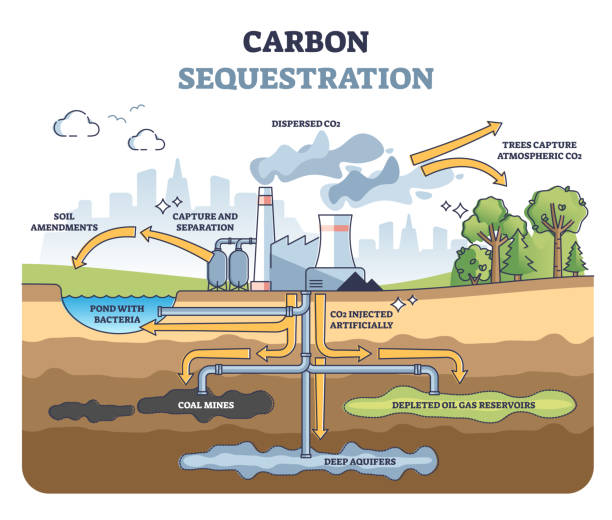
Carbon farming (also known as carbon sequestration) is a system of agricultural management that helps the land store more carbon and reduce the amount of Greenhouse Gases (GHGs) that it releases into the atmosphere. Carbon farming explicitly recognises that it is solar energy that drives farm ecosystem dynamics and that carbon is the carrier of that energy within the farm system.

Agriculture covers more than half of Earth’s terrestrial surface and contributes roughly one-third of global GHG emissions.

According to the Third Biennial Update Report submitted by the Government of India in early 2021 to the UNFCCC, the agriculture sector contributes 14% of the total GHG emissions.

Carbon Farming: a Viable Option

  • Climate Friendly: Carbon farming promises a bold new agricultural business model – one that fights climate change, creates jobs, and saves farms that might otherwise be unprofitable.
  • Optimising Carbon Capture: It is a whole farm approach to optimising carbon capture on working landscapes by implementing practices known to improve the rate at which CO2 is removed from the atmosphere and stored in plant material and/or soil organic matter.
  • Carbon farming can incentivise our farmers to introduce regenerative practices in their agricultural processes helping them shift their focus from improving yields to functioning ecosystems and sequestering carbon that can be sold or traded in carbon markets.
  • Farmer Friendly: It not only improves the health of soil but can also result in improved quality, organic and chemical-free food along with boosted/secondary income from carbon credits for the marginalised farmers.
  • Growth in Carbon Market: The total value of the global carbon markets grew by 20% in 2020 — the fourth consecutive year of record growth — and is well on its way in raising a critical mass of investors.

Carbon thus can effectively prove to be the ‘cash crop’ of the future for farmers

In India, Meghalaya is currently working on a blueprint of a ‘carbon farming’ Act to create a prototype of sustainable agriculture model for the entire North-East region. Sikkim became the first State in the world to become fully organic in 2016.

Steps can be Taken to Encourage Carbon Farming?

Soil is one of the most untapped and underutilised defences against climate change and acts as an efficient carbon sink.

Legal Backing for Carbon Farming: An extensive and pioneering carbon farming Act with a robust transition plan can effectively demonstrate the idea of creating a carbon sink on working land.

Carbon Credits and Carbon Banks: The farmers can be rewarded through globally tradable carbon credits. Carbon banks can also be created that would buy and sell carbon credits from farmers. Paying farmers to restore carbon-depleted soils offers a great opportunity for a natural climate solution and to stabilise global warming below 2°C.

Pollution-The Evil that walks the Earth

Pollution changes a medium such as air, water, or soil in a way that can make it harmful to people or nature. Different types of pollutants include chemicals, dust, noise, and radiation. The word pollution comes from the Latin ‘polluere’ that simply means contamination. Hence, in layman terms, pollution is something that contaminates the environment. The presence of harmful substances in the air, land, and water, which can harm living beings and the environment is pollution. Referring to harmful gases, fluid, or other pernicious matter that are released or introduced in the natural environment.

Pollution and its causes

Inhaling poisonous air is as hazardous as smoking. It is not only the humans who are affected by this polluted environment but also the animals. Air is filled with highly toxic gases. These dangerous gases in the environment are released by the power industries that burn fossil fuels, industries that dispose of waste in the water, farmers using pesticides, high usage of artificial lights and loud sounds, etc. Each of these leads to the generation of the life-threatening cause – pollution.
Any use of natural resources at a rate higher than nature’s capacity to restore itself can result in pollution of air, water, and land. Other than human activities, there are a few periodic natural cycles that also result in the release of dangerous stuff. Natural activities other than human ones like volcanic eruptions and dust wildfires, etc also result in the creation of pollution.

Globalization is another major cause of pollution. Globalization has become an effective facilitator of environmental degradation.

Types of pollution

Pollution can be categorized as follows-

•  Air Pollution: It is the contamination of the natural air by mixing it with different pollutants such as harmful fumes and chemicals. This type of contamination can be caused by burning material or by gases emitted by vehicles or harmful fumes emitted as a by-product of industries. Global warming is one of the biggest side effects of air pollution as per the experts.

• Water Pollution: It is the contamination of the water on the planet Earth. It includes water contamination by pollutants such as bacterial, chemical, and particulate that reduces the purity of the water. Oil seepage, as well as littering, is one of the most common forms of pollution. It mainly occurs in lakes, oceans, rivers, and even underground reservoirs. 

•  Soil Pollution: It is also known as land pollution. It is the contamination of the soil or the land that prevents the growth of natural life. It includes land usage for irrigation, wildlife as well as habitation. The very common causes of soil pollution include hazardous wastage, mining as well as littering, non-sustainable farming practice, seepage into the soil, etc.  

• Noise Pollution: It is the loud noises that are fashioned by human activities that disturb the standard of living in the affected area. It can shoot from things such as railroads, traffic, loud music, concerts, airplanes, fireworks, etc. This can even result in permanent or temporary loss of hearing as well as disturbances to wildlife.

• Radioactive Pollution:- This is one of the most dangerous forms of pollution. It is enormously harmful and can even result in death. Radioactive pollution results in the pollution of the air and land with radioactive poisoning. Leakages or accidents at nuclear power plants, as well as from improper disposal of nuclear waste are also reasons for this pollution. This pollution results in birth defects, cancer, deteriorating health, and even death.

Water Crisis in India: The Present and The Future

Queue for daily water collection

Introduction

Water is the most essential element of life and livelihood. And India is having a hard time, coping up with the severe crisis of water. India constitutes 16 per cent of the world’s population, but the country has only four per cent of the world’s freshwater resources. With the changing weather patterns and recurring droughts, India is now declared as “water stressed”.

Statistical representation of India‘s Water Crisis

Background

Archaeological researchers had assumed the fall of Great Indus Civilisation was due to a catastrophic water scarcity caused either by shifting rivers or by drastic climate change that forced people to abandon city settlements. And history seems to repeat for present day India again. According to a NITI Aayog report in 2018, about 600 million people, or nearly half of India’s population, are facing extreme scarcity of water. The three-fourths of India’s rural households do not have stable running water supply and rely on sources that can cause serious health risks. The report also stated that India has become the world’s largest extractor of groundwater, accounting for 25% of the total. Moreover, 70% of the water sources were labelled as contaminated .And the conclusion of the report was ‘India is suffering from its worst water crisis in its history.’ It also pointed out 21 Indian cities to be run out of groundwater by 2020.

Reasons behind Water Crisis in India

1. Climate Change : The North-East monsoon is responsible for 10%-20% rainfall of the total rainfall in India, while the South-West monsoon provides approximately 80% of rainfall. In 2018, the North-East monsoon decreased by 44% and the South-West monsoon was deficient by 10%, causing the total rainfall in the area to decrease by 36 percent in comparison to the 50-year average. Because of the lower rainfall, water levels in reservoirs across the country decreased and led to extreme shortages of water in many major cities of India

. 2. Ground Water Extraction: Groundwater meets more than half of the country’s need of water supply and nearly 89% of the groundwater extracted in India is used for irrigation purposes. The traditional techniques of irrigation are also to blame for the water crisis as they result in a majority of water loss and evaporation during the irrigation process.

3. Pollutions in Our Rivers: Due to the lack of long term water management plans, most of the country’s rivers either run dry or have remained polluted over decades. The national river of Ganges is also the one that is most severely polluted, which is mainly resulted from untreated sewage of densely populated cities, industrial waste as well as due to religious ceremonies in and around the river.

4. Wastage of Unmanaged Water : According to the Central Water Commission, even though climate change has resulted in a reduction in rainfall and lack in underground water reservoirs, the country still receives enough rainfall to meet the needs of over 1 billion people. However, India only catches only 8 percent of its annual rainfall due to poor rainwater harvesting. Also for lacking the treatment of wastewater reuse, approximately 80% of domestic wastewater is drained out as waste and ends up flowing into salt water bodies.

Struggle for daily water collection in water-stressed areas of India

Effects of Water Crisis in India: Where We Stand Today

As many as 256 of 700 districts have reported ‘critical’ or ‘over exploited’ groundwater levels, according to a data from the Central Ground Water Board (2017). Fetching water in India has been perceived as a women’s job for centuries, especially in the rural areas. As groundwater resources come under increasing pressure due to over-reliance and unsustainable consumption, wells, ponds drying out fast, escalating the water crisis and placing even greater burden of accessing water on women. A rural woman in Rajasthan walks over 2.5 kilometres to reach a water source, according to a report by the National Commission for Women. Moreover, according to a non-profit named Water, women around the world spend a collective 200 million hours fetching water for their family. In addition to the time spent collecting water, millions may also spend significant amounts of time finding a place to go to relieve themselves. This makes up an additional 266 million hours lost each day. The acute crisis has even led to polygamy in one drought-prone village of Maharashtra. This involves having more than one spouse to collect water. The arrangement is termed as ‘water wives’.

The struggle for women

The Solution to the Crisis: Future Stands

Children also becoming victims of Water Crisis

The Government has taken up the most important role to eradicate the crisis by forming the Ministry of Jal Shakti and launching “Jal Jeevan mission”- Rural in 2019 to promote “Har Ghar Jal” by 2024. Goa and Telengana have achieved the first two Indian states to reach “Har Ghar Jal“, while Andaman & Nicobar Islands and Puducherry became first Indian Union Territories to reach the milestone. In 2021, “Jal Jeevan mission”-Urban was launched to complement the project. “Jal Shakti Abhiyan-Catch the rain” is also introduced to capture and reuse of rain water at the grassroot level as a Jan Andolan. Along with this, for the cleaning and filtration of Ganges river “Namami Gange” had been rolled out as a national flagship mission. Coastal Reservoirs, Desalination of sea water and improved irrigation techniques are now been adopted to address the crisis.

Conclusion

Along with time, active participation from every layer of society in solving the water crisis of India is being witnessed. The youth has come forward with an appealing message to properly addresses the crisis and solve the drawbacks together. Now, the emerging awareness spreading among masses India can hope for a better future to handle the crisis more effectively.

Revision of Air Quality Standards

 Government has notified National Ambient Air Quality Standards (NAAQS) for 12 pollutants in 2009 to protect public health and environment from air pollution.

Review of the existing standards, criteria governing these standards as well as incorporating new parameters with advances in scientific research is a continuous process. With changes in fuel, technology and demographics as well as advances in air pollution measurement techniques, risk and exposure assessment, review of Air Quality Standards (NAAQS) are carried for better improvement in public health. Review of NAAQS has been sanctioned to a joint team lead by IIT Kanpur.

The Air (Prevention and Control of Pollution) Act, 1981 stipulates functions of Central Pollution Control Board and State Pollution Control Board as given below:

Section 16(2)(h) – Central Pollution Control Board may lay down standards for quality of air.

Section 17(1)(g) – State Pollution Control Board shall lay down, in consultation with the Central Pollution Control Board and having regard to the standards for the quality of air laid down by the Central Pollution Control Board, standards for emission of air pollutants into the atmosphere from industrial plants and automobiles or for the discharge of any air pollutant into the atmosphere from any other source whatsoever not being a ship or an aircraft.

World Health Organisation (WHO) has published WHO’s Air Quality guideline (AQG) in September, 2021, The guideline makes recommendations for air quality levels to protect health of population and specifically mention that national standards should be decided in due consideration of other governing factors like background level, socio-economic status, national goals and further scientific research based outcome.

However, these guidelines for ambient air quality are guidance to policy makers and not legally binding. Periodic revision of NAAQS is undertaken to include new advancements in air pollution monitoring and its health impact.

Environmental Crisis From Oil Spills

Environmental pollution is increasing with each passing year and inflicting grave and irreparable injury to the world. Environmental pollution is of different types namely air, water, soil, noise and light-weight. These cause damage to the living system. How pollution interacts with public health, environmental medicine and the environment has undergone dramatic change.

Recent oil spills in the Yellowstone River, Alaska tundra and Enbridge (Wisconsin) demonstrate how pollution can directly and indirectly impact man’s health environmental pollution was not a medical/public health issue nor was it discussed in clinical settings. Since the 1950s, environmental medicine has been discussed more frequently through a greater awareness in public health and preventive medicine; although today, there is now a focus on occupational medicine.

Environmental and occupational medicine are however more commonly viewed as an integrated subject, with emphasis given to industrial issues. Certainly, pollution problems have been recognized in the distant past but were more easily mitigated by nature due to the limited complexity of the pollutant, its degradability (e.g. biodegradable organics) and lower industrialization. Health-related effects from environmental pollution have been well known, but were not fully realized until highly notable events like the Donora (Pennsylvania) smog occurrence in 1948 resulting in later public health programs including in their training a discussion of environmental medicine.

There has been an increased awareness of how pollution is observed regarding its health impact and attitudes toward public health and environmental medicine. Damage from oil spills will not only influence public health but overall disease rates for years to come. As environmental pollution increases so will the importance of environmental medicine in managing its consequences.

What are Carbon Markets ?


Carbon Markets: Carbon markets facilitate the trading of emission reductions. Such a market allows countries, or industries, to earn carbon credits for the emission reductions they make in excess of their targets. These carbon credits can be traded to the highest bidder in exchange of money. The buyers of carbon credits can show the emission reductions as their own and use them to meet their reduction targets. Carbon markets are considered a very important and effective instrument to reduce overall emissions.


A carbon market existed under Kyoto Protocol but is no longer there because the Protocol itself expired last year. A new market under Paris Agreement is yet to become functional. Developing countries like India, China or Brazil have large amounts of carbon credits left over because of the lack of demand as many countries abandoned their emission reduction targets. The developing countries wanted their unused carbon credits to be transitioned to the new market, something that the developed nations had been opposing on the grounds that the quality of these credits — the question whether these credits represent actual emission reductions — was a suspect. A deadlock over this had been holding up the finalisation of the rules and procedures of the Paris Agreement.


The Glasgow Pact has offered some reprieve to the developing nations. It has allowed these carbon credits to be used in meeting countries’ first NDC targets. These cannot be used for meeting targets in subsequent NDCs. That means, if a developed country wants to buy these credits to meet its own emission reduction targets, it can do so till 2025. Most countries have presented climate targets for 2025 in their first NDCs.

The resolution of the deadlock over carbon markets represents one of the major successes of COP26.