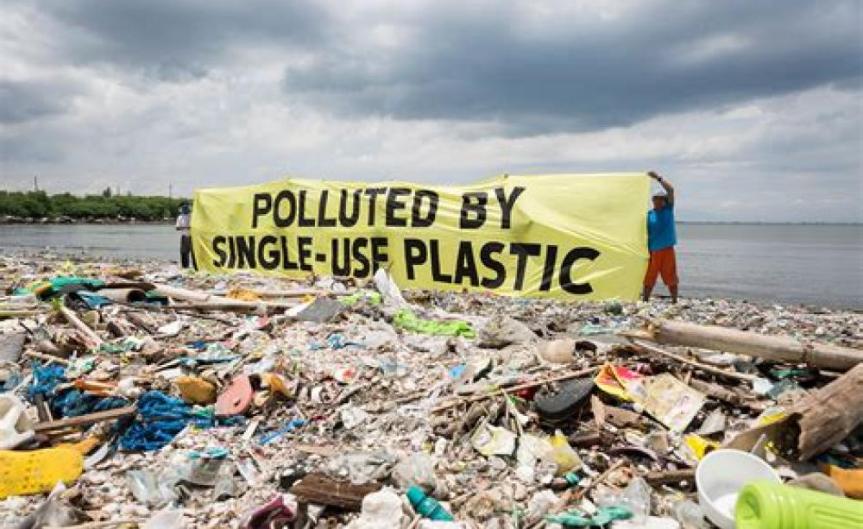
Thermal Pollution

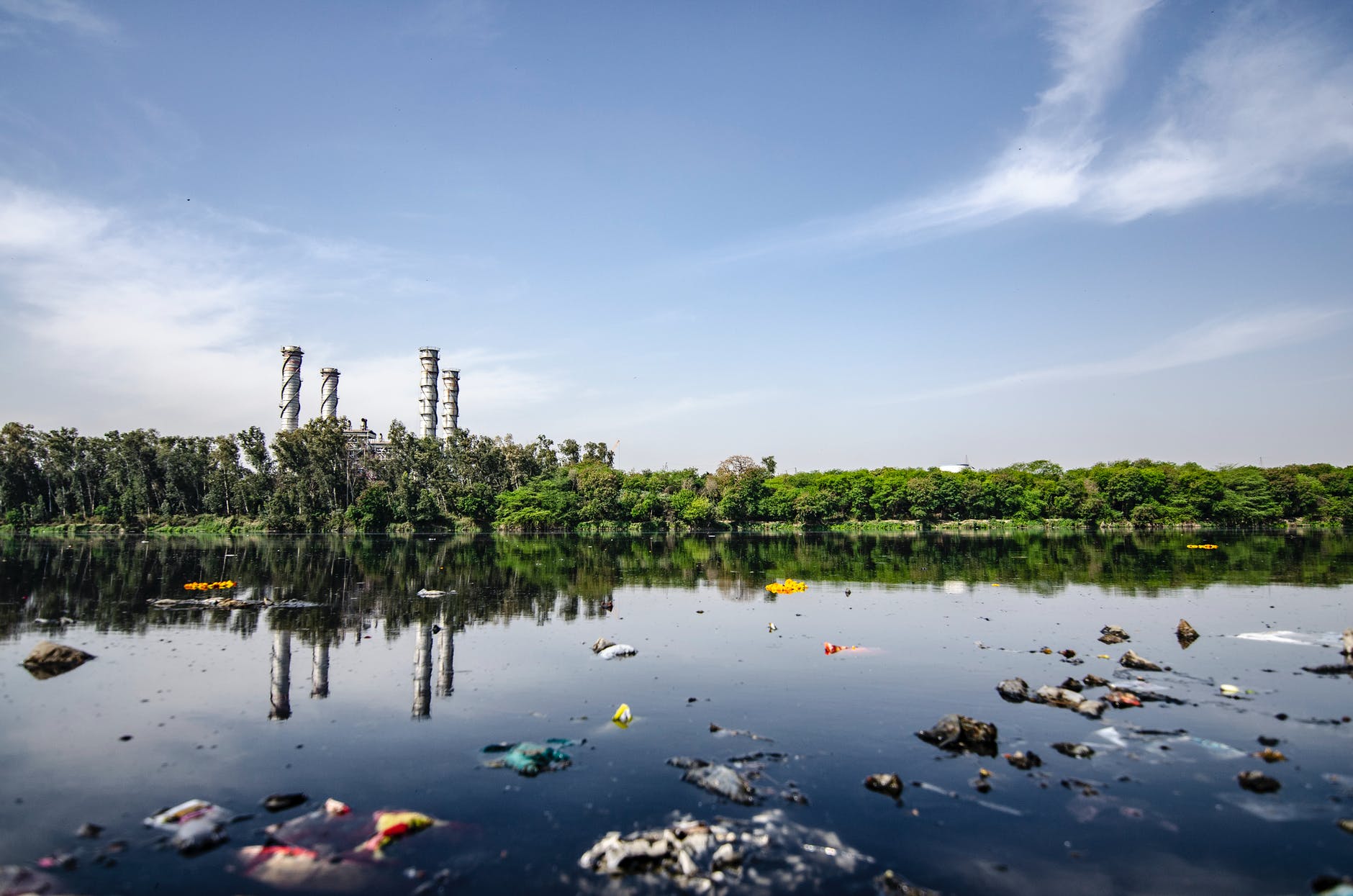
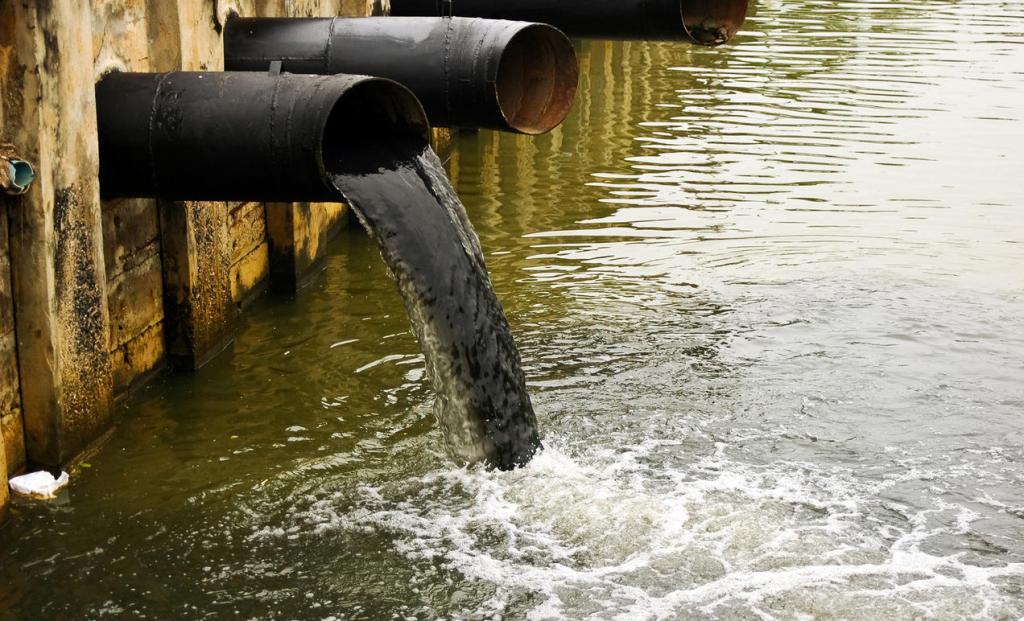
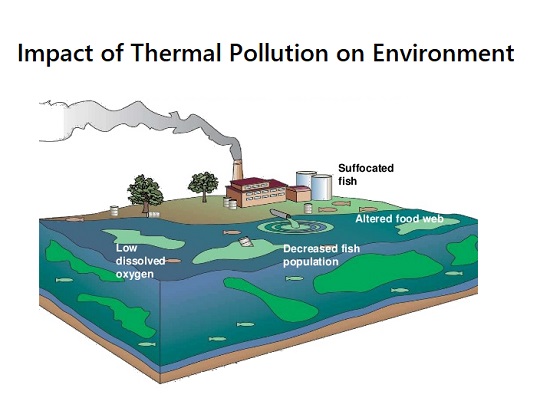
Thermal pollution is a real and persistent problem in our modern society. Thermal Pollution may be defined as ‘the excessive raising or lowering of water temperature above or below normal seasonal ranges in streams, lakes, or estuaries or oceans as the result of discharge of hot or cold effluents into such water’. Thermal Pollution is harmful because its increase water temperature in streams, rivers, lakes, or occasionally, coastal ocean waters. Thermal pollution is caused by either dumping hot water from factories and power plants or removing trees and vegetation that shade streams, permitting sunlight to raise the temperature of these waters. Like other forms of water pollution, thermal pollution is widespread, affecting many lakes and vast numbers of streams and rivers in the United States and other parts of the world. A temperature increase as small as 1 or 2 Celsius degrees (about 2 to 4 Fahrenheit degrees) can kill native fish and plants or drive them out in favor of other species, often with undesirable effects.

Definition :-

Pollution, the idea of thermal pollution often doesn’t come to mind. People will first think of things like carbon emissions, personal pollution and waste, and a variety of other changing factors.
However, thermal pollution is a real and persistent problem in our modern society. In layman’s terms, thermal pollution is when an industry or other human-made organization takes in water from a natural source and either cools it down or heats it up. They then eject that water back into the natural resource, which changes the oxygen levels and can have disastrous effects on local ecosystems and communities.
Thermal pollution is defined as a sudden increase or decrease in temperature of a natural body of water, which may be ocean, lake, river or pond by human influence. This normally occurs when a plant or facility takes in water from a natural resource and puts it back with an altered temperature. Usually, these facilities use it as a cooling method for their machinery or to help better produce their products.
Plants that produce different products or wastewater facilities are often the culprits of this massive exodus of thermal pollution. In order to properly control and maintain thermal pollution, humans and governments have been taking many steps to effectively manage how plants are able to use the water. However, the effects are still lasting today.
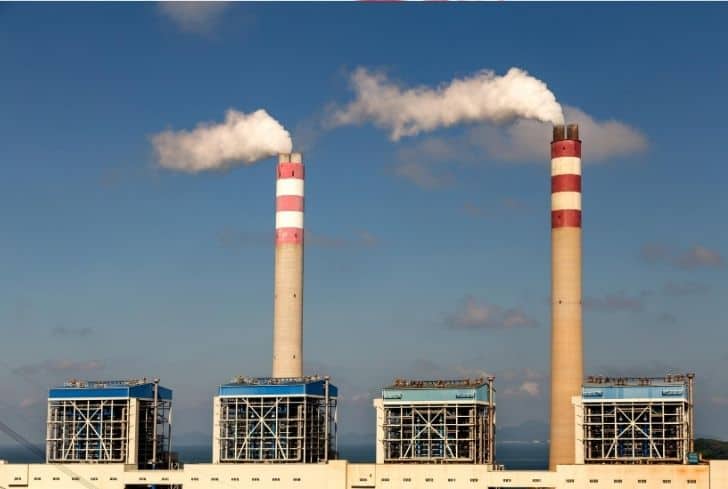
Causes of Thermal Pollution: – It looks like thermal pollution occurs mainly due to industrial activities, there are geothermal sources as well. These are:

1. Heavy Industries :- Industries such as power, chemical, nuclear & manufacturing are the primary source of thermal pollution. These industries use water as a coolant and discharge it back at an elevated temperature that affects the ecosystem. Water bodies that are near the nuclear power plants get heated due to emissions from nuclear reactors. Warm water decreases the dissolved oxygen content that results in thermal shock causing adverse effects on aquatic life.

2. Domestic & Industrial Effluents :-

Household and industrial effluents that include drainage from hospitals and research institutions too are often discharged with minimum or no treatment. Normally sewage treatment plants operate at a higher temperature and when discharged in natural water bodies the effective temperature increases. Thus, domestic & industrial effluents are one of the main sources of thermal pollution.avement gets quite hot, which creates warm runoffs that get into the sewer systems and water bodies.

3. Runoff From Paved Surfaces :- Urban runoff discharged to surface waters from paved surfaces like roads and parking lots can make the water warmer. During summer seasons, the pavement gets quite hot, which creates warm runoffs that get into the sewer systems and water bodies.

4. Soil Erosion :- Soil erosion causes the top layer of soil to break and washed away into the natural water bodies. The level of water bodies rises due to consistent soil erosion and sedimentation, which makes it directly exposed to the sunlight. Massive removal of vegetation and trees speeds up the soil erosion process, thus contributing to thermal pollution.

5. Deforestation :- Trees and plants prevent sunlight from falling directly on lakes, ponds or rivers. When deforestation takes place, these water bodies are directly exposed to sunlight, thus absorbing more heat and raising its temperature. Deforestation is also the main cause of the higher concentrations of greenhouse gases, i.e. global warming in the atmosphere.

6. Geothermal Activities :-
Natural causes like volcanoes, geothermal vents can trigger warm lava to raise the temperature of water bodies. Lightening can also introduce a massive amount of heat into the oceans. This means that the overall temperature of the water source will rise.
Harmful Effects of Thermal Pollution :-

Specific ecological imbalances occur due to increased water temperature affecting the associated ecosystem. Here are some major effects of thermal pollution.

Reduction in Dissolved oxygen level :- The warm temperature reduces the levels of DO (Dissolved Oxygen) in water. The decrease in DO can create suffocation for plants and animals such as fish, amphibians and copepods, which may give rise to anaerobic conditions. Warmer water allows algae to flourish on the surface of the water, and over the long term, growing algae can decrease oxygen levels in the water.

Changes in water quality :- A high temperature of the water changes the physical and chemical properties of water. When the viscosity of the water decreases, the vapour pressure increases rapidly.

Increase in Toxicity :- The concentration of the pollutant is the factor in the increase in the temperature of water, due to which the poisoning in the water increases the toxicity. Which can increase the death rate of aquatic life.

Interference in Reproduction Rates :-Thermal pollution adversely affects the natural reproductive cycles of fishes and other aquatic organisms. Due to thermal pollution, the temperature gradient of water bodies gets disturbed and affects whole aquatic organisms. Due to thermal shock, mass killing of fishes and other aquatic organisms can occur when there is a very rapid water temperature change.
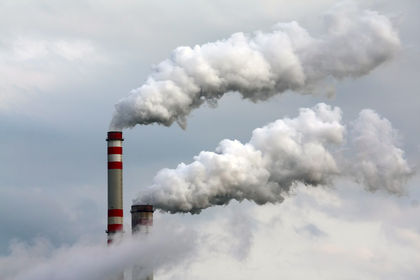

Control of Thermal Pollution :- There are a number of ways to minimize the harmful effects of Thermal Pollutions.

Cooling Ponds :-
Cooling ponds or reservoirs constitute the simplest method of controlling thermal discharges. Heated effluents on the surface of water in cooling ponds maximize dissipation of heat to the atmosphere and minimize the water area and volume. This is the simplest and cheapest method which cools the water to a considerable low temperature. However, the technique alone is less desirable and inefficient in terms of air-water contact.

Cooling Towers :- After using water from water sources for cooling purposes, it is subsequently returned to the water body after passing through the condenser, which is termed as the cooling process. Therefore cooling towers are designed to control the temperature of water to make the cooling process more effective. Cooling towers are mainly used to dissipate the recovered waste heat to eliminate the problems of thermal pollution.

Cogeneration (Combined heat and power; CHP) :- Cogeneration is the use of a heat engine or a power station to simultaneously generate both electricity and useful heat. All power plants emit a certain amount of heat during electricity generation. This can be released into the natural environment through cooling towers, flue gas, or by other means. By contrast CHP captures some or all of the by-product heat for heating purposes, either very close to the plant or as hot water for district heating with temperatures ranging from approximately 80 to 130 °C. This is also called Combined Heat and Power.

Artificial Lake :- Artificial lakes are man-made water bodies that offer a possible alternative. The heated effluents may be discharged into the lake at one end, and the water may be withdrawn from the other end for cooling purposes. The heat is eventually dissipated through evaporation. However, these lakes have to be rejuvenated continuously.

Spray Ponds :- In spray ponds, the water coming out from the condensers pass into the pond through water sprayer nozzles.
The fine water droplets dissipate into the atmosphere as its area is maximized and cooled rapidly.

Other Preventive Measures:- Water Recycling
Afforestation along with the riverbank
Stricter Rules & Regulations
Spreading Awareness
Use of alternative cooling agent ( fan coolers use air to cool).
PLASTIC POLLUTION!

— A hazardous problem for our nation

Photo by Magda Ehlers on Pexels.com

I have realized that i’m living in a world ,where : rivers are filled with pollutants , air is filled up with toxic gases , soil is polluted with waste materials , and humans are habituated to turn a blind eye upon these by the name of technology and development, expect for some people.

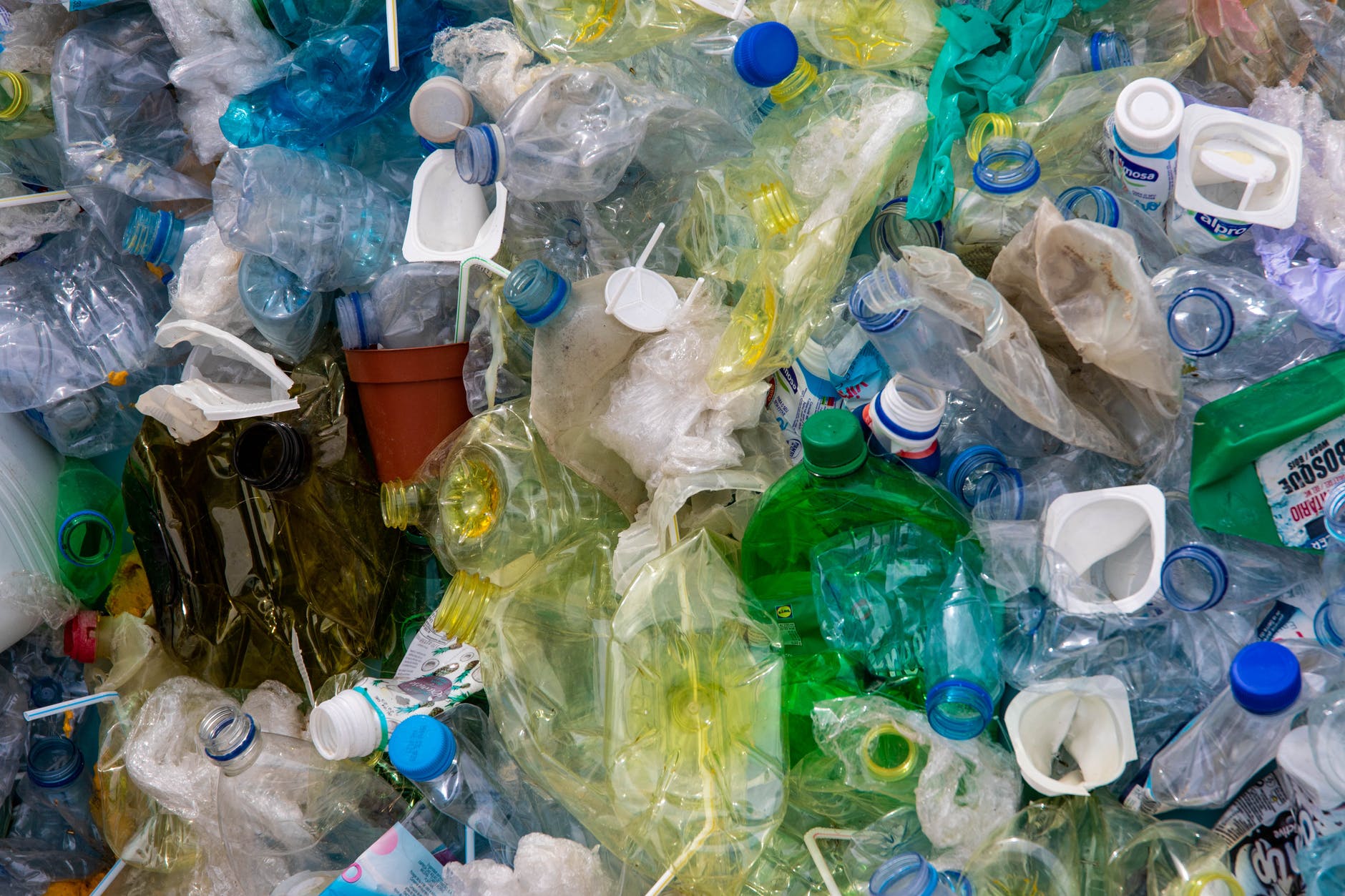
The major factor of this pollution is plastic , Do you know : More than 99% of plastics are produced from chemicals derived from oil,natural gas and coal -all of which are non-renewable resources. only 9%of all plastic waste ever produced has been recycled , About 12% incinerated & the rest 79% used in land fills ,dumps etc,. so , please understand the seriousness of this and start using eco-friendly items.

plastic: the common factor for all pollutions.

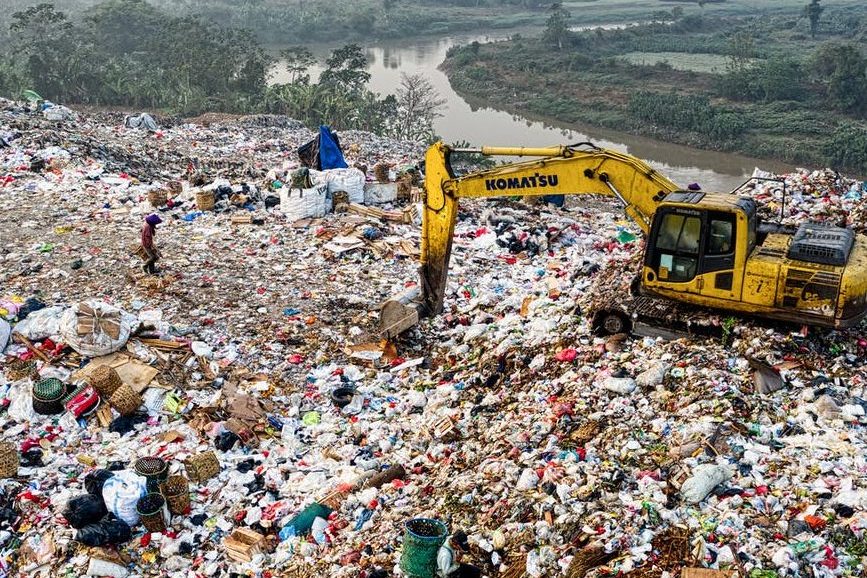
Plastic waste is something which is not eco-friendly , non-renewable particles . Plastic pollution is nothing but a harmful accumulation of synthetic plastic production in the environment. Basically , plastic pollution is nothing but pollution caused by the plastic in different kinds of ways . Alot of plastic waste is dumped in the dumping areas not only causing the soil pollution but also making the land non-usable .

Photo by Tom Fisk on Pexels.com

-> This land can be used for the poor people from slum areas . India consists 2,216,533 of population who are living in slums . By decreasing the usage of plastic makes the land useful by providing the people to get a place to live.

-> Plastic waste also makes the land infertile and makes the land useful for farming which decreases the production of crops.

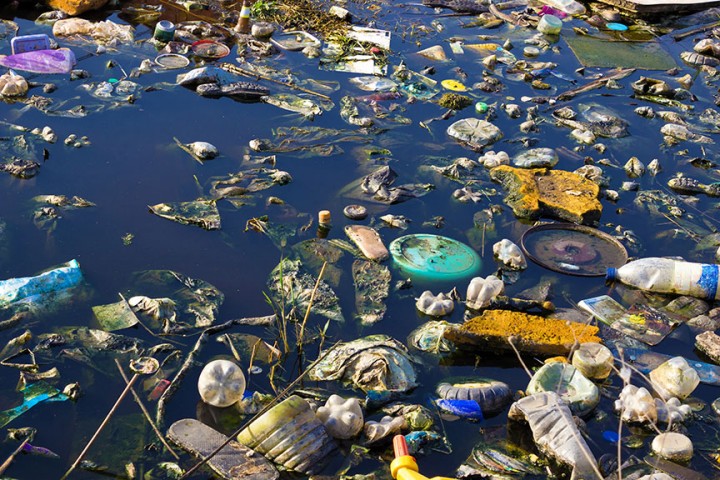
-> By dumping the plastic waste in oceans and rivers creates water pollution . It even causes a problem for the livelihood of marine animals . 100 million marine animals die each year from plastic waste in oceans. “This is only in the records , out of the records don’t even know”. and 100,000 marine animals die from getting entangled in plastic waste.

Photo by Yogendra Singh on Pexels.com

-> Coming to the water pollution , Chlorinated plastic can release harmful chemicals into the surrounding soil, which can then seep into groundwater or other surrounding water sources, and also the ecosystem. The long stay of plastic in water can stimulate the plastic and combine some of its nature into water which makes water unreliable to drink and use .

->By burning the plastic , the toxic gases get released causing air pollution . The chemicals which get released ,pollute the air and affect the surrounding areas by making the air un-breathable . The smoke which comes is so hazardous ,it remains in air for longer time and causing the damage for ozone layer : which is protecting us from the direct hit of sunlight . The direct hit of sunlight can shatter the livelihood of humans cause we cannot bare the heat it produces. Though there are many other initials where poisonous gases are producing which causes air pollution. one of the main cause is plastic.

summary

so , guys its high time . so many people changed their way about using plastic in their lives .We also need to change and make earth a better place to live . Lets struggle at first to enjoy the tang of better planet . Don’t you guys want to feel the smell of fresh air where pollution is not present anywhere ,see the stars where the sky can create mysteries with the insane nature it has . I hope one day we can see plastic free world.

Desertification and it’s impact

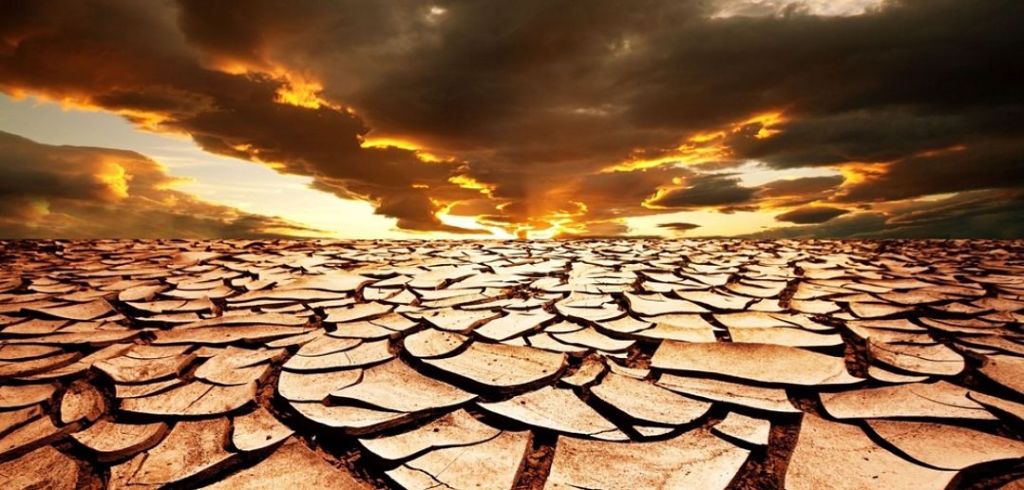
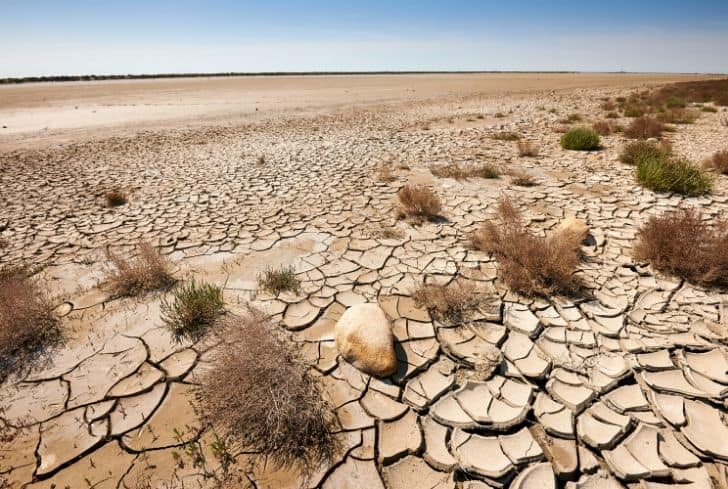
Desertification, an intentionally foreboding term, is at its core land degradation in dryland
environments. After nearly 40 years of international attention, the analysis of the causes and
consequences of land degradation in dryland systems remains shrouded in the nuanced
complexities of multiple interwoven variables (biophysical, anthropogenic, and climatic) working
simultaneously to bring about change in these ecologically and socially vulnerable areas. In order
to fully grasp the complexities of desertification, this chapter follows a fivefold approach. First, it
provides a synthesis of the history and politicization of the term. Second, it establishes
desertification’s geospatial context. Third, it identifies the interrelated drivers of land degradation
and their impacts, with special focus placed on North Africa, the Middle East, and Central Asia.
Fourth, it outlines the current approaches to studying land degradation and desertification. Finally,
it concludes by situating the desertification dynamic in the context of sustainability and poverty eradication.

Introduction :-

Desertification is defined as a process of land degradation in arid, semi-arid and sub-humid areas
due to various factors including climatic variations and human activities. Or, to put it in another
way, desertification results in persistent degradation of dryland and fragile ecosystems due to
man-made activities and variations in climate.
Desertification, in short, is when land that was of another type of biome turns into a desert biome
because of changes of all sorts. A huge issue that many countries have is the fact that there are
large pockets of land that are going through a process that is known as desertification.
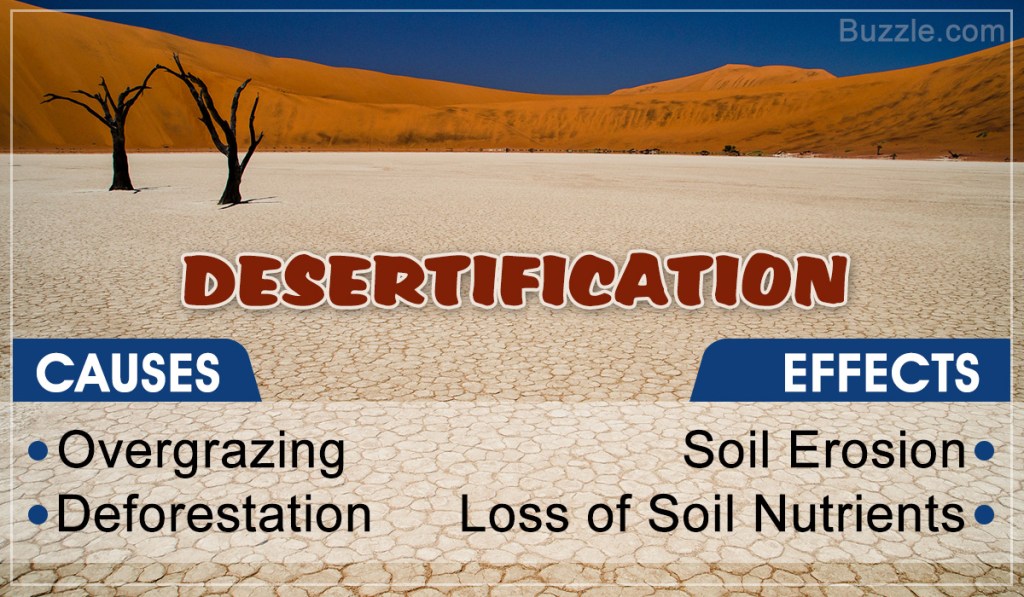
Overgrazing is the major cause of desertification worldwide. Other factors that cause
desertification include urbanization, climate change, overuse of groundwater, deforestation,
natural disasters, and tillage practices in agriculture that make soils more vulnerable to wind.
Desertification affects topsoil, groundwater reserves, surface runoff, human, animal, and plant
populations. Water scarcity in drylands limits the production of wood, crops, forage, and other
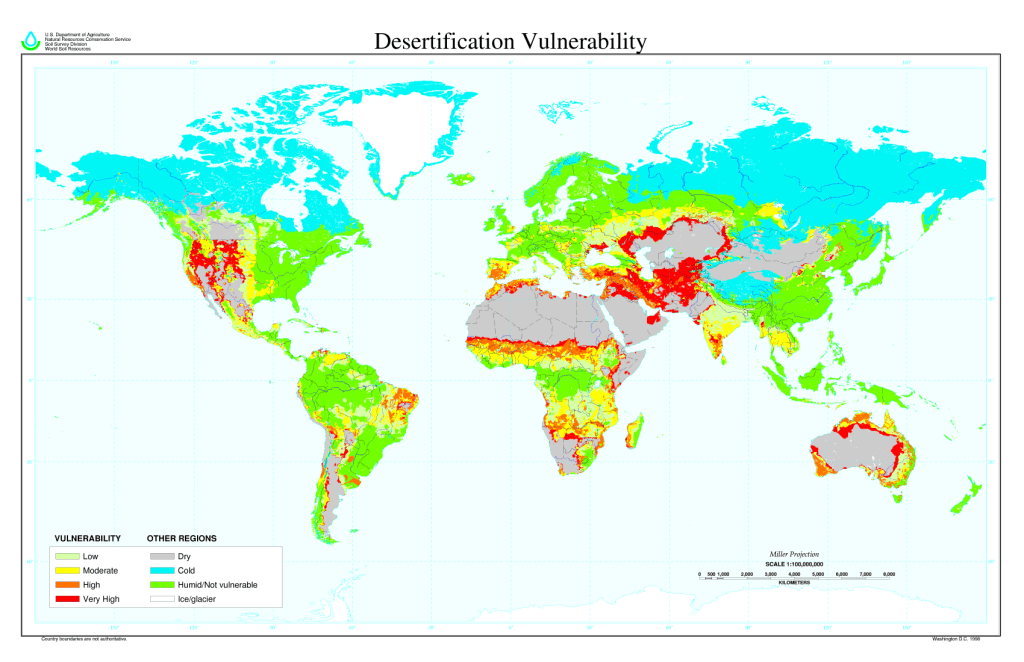
services that ecosystems provide to our community. According to UNESCO, one-third of
world’s land surface is threatened by desertification, and across the world, it affects the
livelihood of millions of people who depend on the benefits of ecosystems that drylands provide.
Desertification is another major environmental concern and a significant barrier to meeting basic
human needs in drylands and is being constantly threatened by increases in human pressures and
climatic variability.
It is caused by a variety of factors, such as climate change and human activities. Desertification
is a significant global ecological and environmental problem.”
Through my project, we’re going to give you an idea as to what are the causes of desertification,
the effects that desertification has, and what we can do in order to deal with the problem at hand.

CAUSES OF DESERTIFICATION :

1. Population Growth :- The population in some desert areas is increasing. In places where
there are developments in mining and tourism, people are attracted by jobs. An increased population is putting greater pressure on the environment for resources such as wood and water.

2. Removal of wood – In developing countries, people use wood for cooking. As the population in desert areas increases, there is a greater need for fuel wood. When the land is cleared of trees, the roots of the trees no longer hold the soil together so it is more vulnerable to soil erosion.

3.Overgrazing – An increasing population results in larger desert areas being farmed. Sheep, cattle and goats are overgrazing the vegetation. This leaves the soil exposed to.

4. Soil erosion – This is made worse by
overgrazing and the removal of wood.
Population growth is the primary cause for soil erosion.

5. Deforestation-When people are looking to move into an area, or they need trees in order to make houses and do other tasks, then they are contributing to the problems related to desertification. Without the plants (especially the trees) around, the rest of the biome cannot thrive.

6. Climate change – The global climate is getting warmer. In desert regions conditions are not only getting warmer but drier too. On average there is less rain now in desert regions than there was 50 years ago.

7. Over drafting of groundwater- Groundwater is the freshwater found underground and also one of the largest water sources. Over drafting is the process in which groundwater is extracted in excess of the equilibrium yield of the aquifer that is pumping or theexcessive pulling up of groundwater from underground aquifers. Its depletion causes desertification.

Devastating Effects of Desertification
:-

1. Farming becomes next to impossible-If an area becomes a desert, then it’s almost impossible to grow substantial crops there without special technologies. This can cost a lot of money to try and do, so many farmers will have to sell their land and leave the desert areas.

2. Decrease in Crop Yields-A major effect of desertification is the decrease in crop yields. Once land turns from arable to arid, it is often on longer suitable for farming purposes anymore. If their land becomes arid, they may no longer be able to provide sufficient crop yields to make a living out of it.

3. Flooding- Without plant life in an area, flooding is a lot more imminent. Not all deserts are dry; those that are wet could experience a lot of flooding because there is nothing to stop the water from gathering and going all over the place. Flooding can also negatively affect the water supply, which we will discuss next.

4. Poor Water Quality-If an area becomes a desert, the water quality is going to become a lot worse than it would have been otherwise. This is because plant life plays a significant role in keeping the water clean and clear; without its presence, it becomes a lot more difficult for you to be able to do that.

5. Biodiversity Loss- In general, the destruction of habitats and desertification may also
contribute to a loss of biodiversity. While some species may be able to adjust to the
altered environmental conditions properly, many species will not be able to do so and may suffer from serious declines in population.

6. Destruction of Habitats-Desertification often leads to a loss of habitats for many
animals and plants. Desertification may alter the living conditions of the local flora and fauna that makes it impossible for animals and plants to sustain their populations.


7. Overpopulation-When areas start to become desert, animals and people will go to other areas where they can actually thrive. This causes crowding and overpopulation, which
will, in the long run, end up continuing the cycle of desertification that started this whole thing anyway.

Desertification Is Increasing Because of Global Warming :-

Desertification is a phenomenon that is increasingly understood by scientists. While high
temperatures and droughts prevent plants from growing, arid soils aren’t as good at retaining
water. Human activity (agricultural overexploitation, soil artificialization, deforestation)
contributes to this phenomenon by destroying the environment.
It also leads to biodiversity losses locally, which further accelerates desertification -a positive
(though negative) feedback loop. Desertification also causes the carbon stored in the soil and
plants to be released, which in turn contributes to global warming. These vicious circles are now
well-identified in the scientific community and they are increasingly taking place across the
globe.
But recent studies give us a more precise idea of the speed and extent of these desertification caused changes and how they’re related to global warming. According to a study published in
early January 2018, global warming is helping to accelerate desertification and between 24% and
32% of the globe’s land area could be affected by 2050.

Soil Hydrology of Desertification and Rehabilitation :-

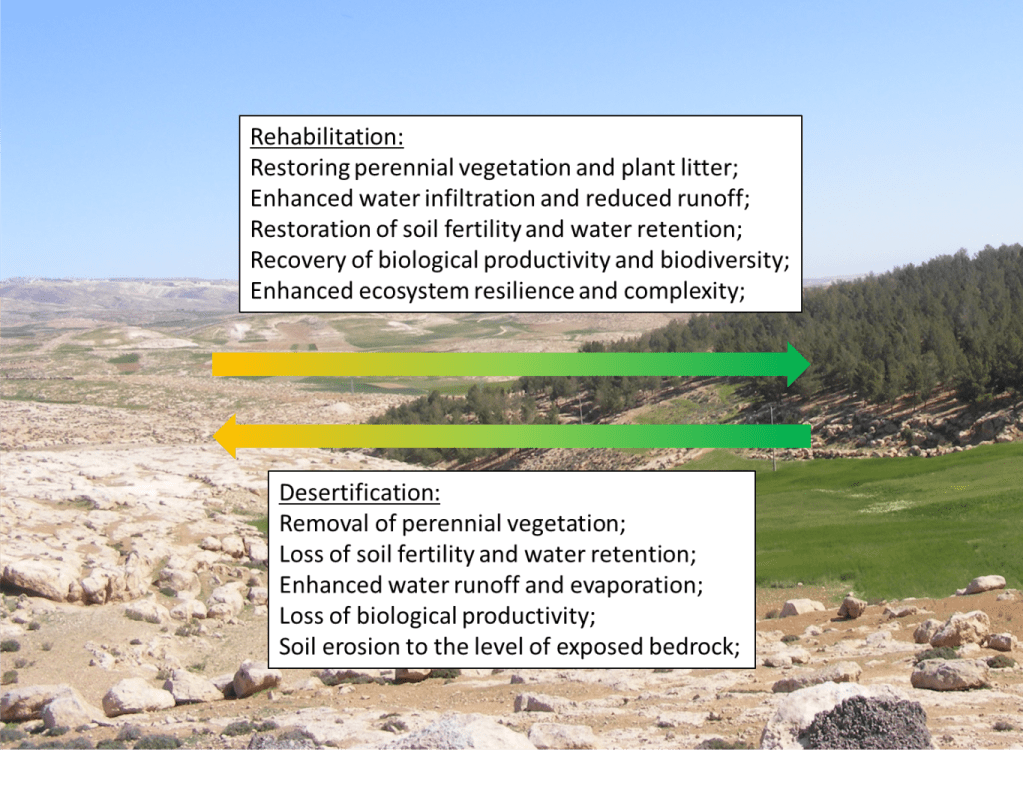
Desertification dramatically alters the hydrology of the degraded soil surfaces. Decertified surfaces are either rocky surfaces or exposed crusted soils with very low water infiltration capacity; water immediately runs off at high speed, causing further soil erosion. Remaining humidity in exposed soils rapidly evaporates in the intensive sunlight, so that resulting biological productivity is a fraction of that of restored ecosystems. In intact or restored ecosystems, large amounts of water can infiltrate through layers of plant litter into rich topsoil, whereby decomposing litter releases the nutrients required for vigorous plant growth Shade provided by perennial plants and plant litter layers also reduces soil surface temperatures and, consequently, evaporation, so that most precipitation becomes available to plants, resulting in water use efficiency.

Health effected by chemical hazard – a major problem

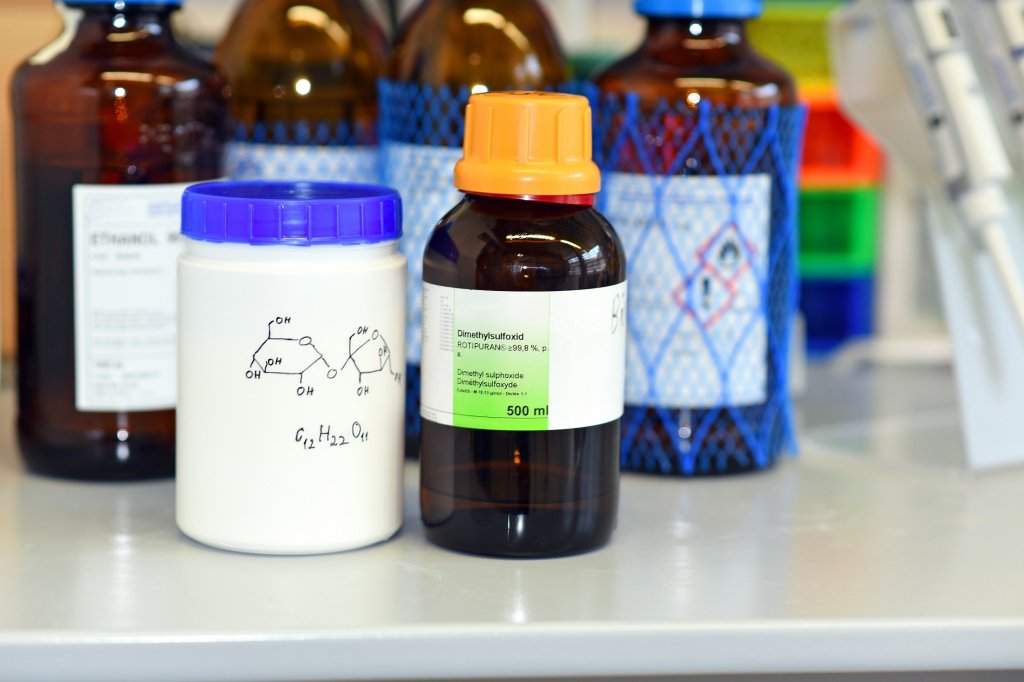
A chemical hazard is a (non-biological) substance that has the potential to cause harm to life or health. Chemicals are widely used in the home and in many other places. Exposure to chemicals can cause acute or long-term detrimental health effects. There are many types of hazardous chemicals, including neurotoxins, immune agents, dermatologic agents, carcinogens, reproductive toxins, systemic toxins, asthmagens, pneumoconiotic agents, and sensitizers. In the workplace, exposure to chemical hazards is a type of occupational hazard. The use of protective personal equipment(PPE) may substantially reduce the risk of damage from contact with hazardous materialsLong-term exposure to chemical hazards such as silica dust, engine exhausts, tobacco smoke, and lead (among others) have been shown to increase risk of heart disease, stroke, and high blood pressure.

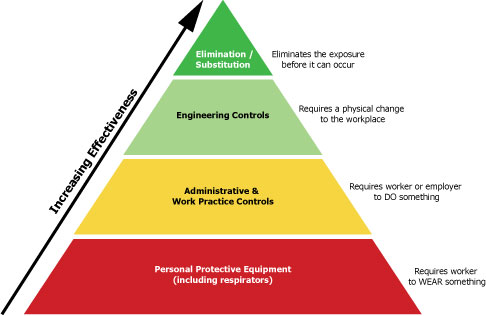
The decisions you make concerning the use of chemicals in the laboratory should be based on an objective analysis of the hazards, rather than merely the perception of the risks involved. Once this has been accomplished, a reasonable means of controlling the hazards through experimental protocol, work practices, ventilation, use of protective clothing, etc., can be determined.
In order to assess the hazards of a particular chemical, both the physical and health hazards of the chemical must be considered.
Before using any chemical, the safety data sheet (SDS) or other appropriate resource should be reviewed to determine what conditions of use might pose a hazard. Accidents with hazardous chemicals can happen quickly and may be quite severe. The key to prevention of these accidents is awareness. Once the hazards are known, the risk of an accident may be reduced significantly by using safe work practices.
The most common exposure route to chemicals in the work environment is through inhalation. Gas, vapour, mist, dust, fumes, and smoke can all be inhaled. Those with occupations involving physical work may inhale higher levels of chemicals if working in an area with contaminated air. This is because workers who do physical work will exchange over 10,000 litres of air over a 8-hour day, while workers who do not do physical work will exchange only 2,800 litres. If the air is contaminated in the workplace, more air exchange will lead to the inhalation of higher amounts of chemicals.
Chemicals may be ingested when food or drink is contaminated by unwashed hands or from clothing or poor handling practices.
Chemical exposure to the skin is a common workplace injury and may also occur in domestic situations with chemicals such as bleach or drain-cleaners.. The exposure of chemicals to the skin most often results in local irritation to the exposed area. In some exposures, the chemical will be absorbed through the skin and will result in poisoning. The eyes have a strong sensitivity to chemicals, and are consequently an area of high concern for chemical exposure. Chemical exposure to the eyes results in irritation and may result in burns and vision loss.
Injection is an uncommon method of chemical exposure in the workplace. Chemicals can be injected into the skin when a worker is punctured by a sharp object, such as a needle. Chemical exposure through injection may result in the chemical entering directly into the bloodstream.

Types of Health Effects :-


A chronic health effect is an adverse health effect resulting from long-term exposure to a substance. Symptoms do not usually subside when the exposure stops. Examples of chronic health effects include asthma and cancer. 
Acute health effects can be observed immediately or soon after an exposure; often a large, brief exposure. Many times the symptoms will subside after the cause is removed, however, depending on the amount/dose, permanent damage or even death can occur from a single exposure. Examples of acute health effects include dizziness, skin irritation, and throat irritation.
Keep in mind that a chemical may cause both acute and chronic effects. Health effects can vary depending on the organ, the dose level, frequency, duration, and route of exposure (inhalation, skin contact, etc.).
Ethanol is an excellent example of a compound that causes varied health effects based on the parameters mentioned above. A small amount of ethanol (from alcoholic beverages) over several hours results in loss of coordination and impaired judgement; large one-time consumption leads to vomiting, unconsciousness, or even death; consumption over several days by a pregnant person can lead to birth defects; and chr:onic consumption over many years can lead to cirrhosis of the liver.

Signs and symptoms of chemical exposure:-

Signs of an exposure are external and can often be seen by you or others in the laboratory. They are objective and can sometimes be measurable. Signs of exposure sometimes include hives, puffiness, sneezing, etc. They are often temporary and can go away when the source of the exposure is removed.
Symptoms are internal and are not visible to the naked eye. They are only felt by the person feeling them and examples include pain, dizziness, numbness, etc.
Sometimes a sign can indicate a symptom. For example vomiting is a sign than indicates someone is feeling nauseated (symptom).
There are different signs/symptoms of exposure to chemicals based on their hazards, reactivity, and the route of exposure. Many of the signs and symptoms of exposure to chemicals are similar, but there are some specific signs which are indicative of particular compounds. For example, osmium tetroxide vapors damage the cornea of the eye, can make your eyes feel gritty, and even turn them black. It is important to know the signs and symptoms of the chemicals with which you work and other chemicals in the laboratory to which you could potentially be exposed. 

Symbols of chemical hazards:-

Hazard pictographs are a type of labeling system that alerts people at a glance that there are hazardous chemicals present. The symbols help identify whether the chemicals that are going to be in use may potentially cause physical harm, or harm to the environment. The symbols are distinctive, as they are shaped like diamonds with red borders. These signs can be divided into:
1. Explosive (exploding bomb)
2. Flammable (flame)
3. Oxidizing (flame above a circle)
4. Corrosive (corrosion of table and hand)
5. Acute toxicity (skull and crossbones)
Hazardous to environment (dead tree and fish)
6. Health hazard/hazardous to the ozone layer (exclamation mark)
7. Serious health hazard (cross on a human silhouette)
8. Gas under pressure (gas cylinder)


These pictographs are also subdivided into class and categories for each classification. The assignments for each chemical depends on their type and their severity.

First aid :-

In case of emergency, it is recommended to understand first aid procedures in order to minimize any damage. Different types of chemicals can cause a variety of damage. Most sources agree that it is best to rinse any contacted skin or eye with water immediately. Currently, there is insufficient evidence of how long the rinsing should be done, as the degree of impacts will vary for substances such as corrosive chemicals. However, the recommended flush time is as follows:
1. 5 minutes – non- to mild irritants
2. 15 minutes – moderate to severe irritants and chemicals that cause acute toxicity
3. 30 minutes – most corrosives
4. 60minutes – strong alkalis such as sodium, potassium or calcium hydroxide.


Transporting the affected person to a health care facility may be important, depending on condition. In the case that the victim needs to be transported before the recommended flush time, then flushing should be done during the transportation process. Some chemical manufacturers may state the specific type of cleansing agent that is recommended.

MORE DIFFERENT KIND OF HAZARD :-


1. Anthropogenic hazard – Hazard caused by human action or inaction
2. Biocontainment – Physical containment of pathogenic organisms or agents in microbiology laboratories
3. Biological agent – Pathogen that can be weaponized
4. Biological hazard – Biological material that poses serious risks to the health of living organisms
5. Biosafety level – Level of the biocontainment precautions required to isolate dangerous biological agents
6. Chemical safety – means of ensuring that chemicals are safe
7. Hazard – Substance or situation which has the potential to cause harm to health, life, the environment, property, or any other value
8. Health hazard – Hazards that would affect the health of exposed persons.Hierarchy of hazard controls – System used in industry to eliminate or minimize exposure to hazards
9. Mechanical hazard – Hazard with a mechanical energy source
10. Occupational exposure banding – Process to assign chemicals into categories corresponding to permissible exposure concentrations
11. Occupational hazard – Hazard experienced in the workplace
12. Physical hazard – Hazard due to a physical agent
13.Planetary protection – Guiding principle in the design of an interplanetary mission, aiming to prevent biological contamination of both the target celestial body and the Earth
14. Psychosocial hazard – Occupational hazard to one’s psychological well-being
Public health – Preventing disease, prolonging life and promoting health through organized efforts and informed choices of society and individuals .

Interesting products on Kickstarter-2

Hug – The Insulated Collapsible Mug

“Creativity is making marvelous out of Discarded” 

Plastic Cups Pollution:

The world uses about 500 million plastic cups every year. That’s really a massive amount. Imagine these plastic cups dumped as a pile. These piles add up every year and the number tends to increase due to the increase in population. These wastes make the environmentalists who are bent over backwards in attempts of cleaning up the wastes feel exhausted. The plastic cups are not used intentionally. They are used because of the lack of an alternative. Many people have guilt about using these plastic cups. Most of us would have thought of having a reusable, variable size and handy cup. But we are provided with either or options which is just partially beneficial.

Hug – The Mug:

“Every lock has a key. Every problem has its solution” 

Ruary Hewson has carefully observed the situation and has come up with an exquisite design. The features of the mug are listed as follows:

  • Double Walled Insulation: The Mug is double-wall insulated which makes it suitable for all environmental conditions, You can also heat it up in the microwave and have your drink piping hot. 
  • Customizable Height: The height of the cup we use varies according to the drink and time of the day. Hug has an option for every such choice. It has 9 customizable height options to choose from. 
  • Patent Pending Lock Mechanism: Hugcomes with a lock mechanism to lock at the height of your choice at a jiffy. The lock and unlock mechanism is built to last for 1000 cycles of its use.
  • Pocket-friendly and quick: Hug can easily fit into the pocket of your jeans, sweatshirts, purses and what more do we need? The speed of stretching it can be done in a blink of an eye. It can be done within 3.4 seconds. 
  • Recycled: The cups are fully made from Recycled plastic which means it recycles the past used plastics and prevents the future use of plastics. 
  • Spill-proof: The major hassle in using cups is spills caused by them on our precious assets. Hug is way cooler. It is completely spillproof and provides you with an unperturbed user experience. 
  • Cool and Colourful: Hug comes with 4 vibrant colours to choose from and thus removing the restrictions of you to be cool with your cup. 

Facts about Hug:

  • Hug is backed by 4500 backers for $ 2,04,205 which is 45 times higher than the amount targetted for. 
  • The campaign is about to end in 4 days and rock with the delivery by next year.

Water Pollution and it’s impact in human health

Water pollution (or aquatic pollution) is the contamination of water bodies, usually as a result of
human activities. Water bodies include for example lakes, rivers, oceans, aquifers and groundwater.
Water pollution results when contaminants are introduced into the natural environment. For example,
releasing inadequately treated wastewater into natural water bodies can lead to degradation of aquatic
ecosystems. In turn, this can lead to public health problems for people living downstream. They may
use the same polluted river water for drinking or bathing or irrigation. Water pollution is the leading
worldwide cause of death and disease, e.g. due to water-borne diseases.

Water pollution can be classified as surface water or groundwater pollution. Marine
pollution and nutrient pollution are subsets of water pollution. Sources of water pollution are
either point sources or non-point sources. Point sources have one identifiable cause of the pollution,
such as a storm drain or a wastewater treatment plant. Non-point sources are more diffuse, such
as agricultural runoff.] Pollution is the result of the cumulative effect over time. All plants and
organisms living in or being exposed to polluted water bodies can be impacted. The effects can
damage individual species and impact the natural biological communities they are part of.

Introduction :-

Water pollution occurs when unwanted materials enter in to water, changes the quality of water and
harmful to environment and human health . Water is an important natural resource used for drinking
and other developmental purposes in our lives . Safe drinking water is necessary for human health all
over the world. Being a universal solvent, water is a major source of infection. According to world
health organization (WHO) 80% diseases are water borne. Drinking water in various countries does
not meet WHO standards 3.1% deaths occur due to the unhygienic and poor quality of water.

Discharge of domestic and industrial effluent wastes, leakage from water tanks, marine dumping,
radioactive waste and atmospheric deposition are major causes of water pollution. Heavy metals that
disposed off and industrial waste can accumulate in lakes and river, proving harmful to humans and
animals. Toxins in industrial waste are the major cause of immune suppression, reproductive failure
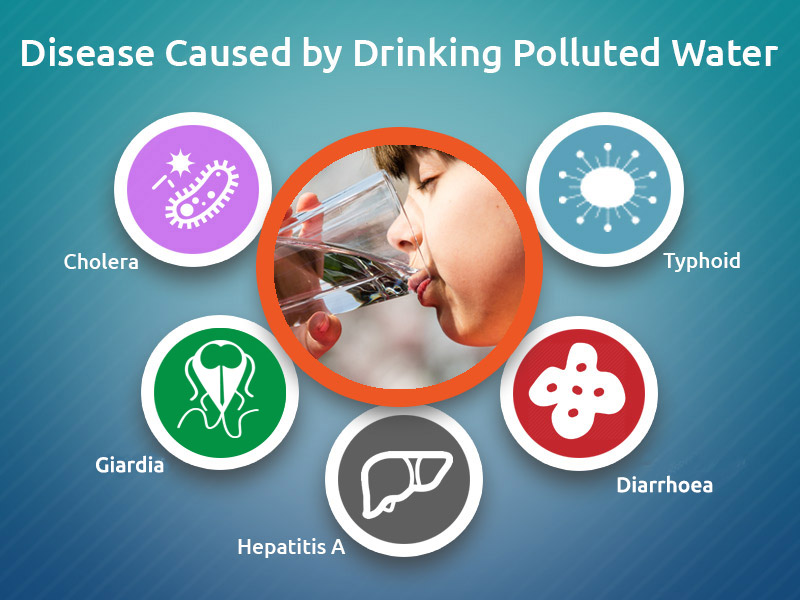
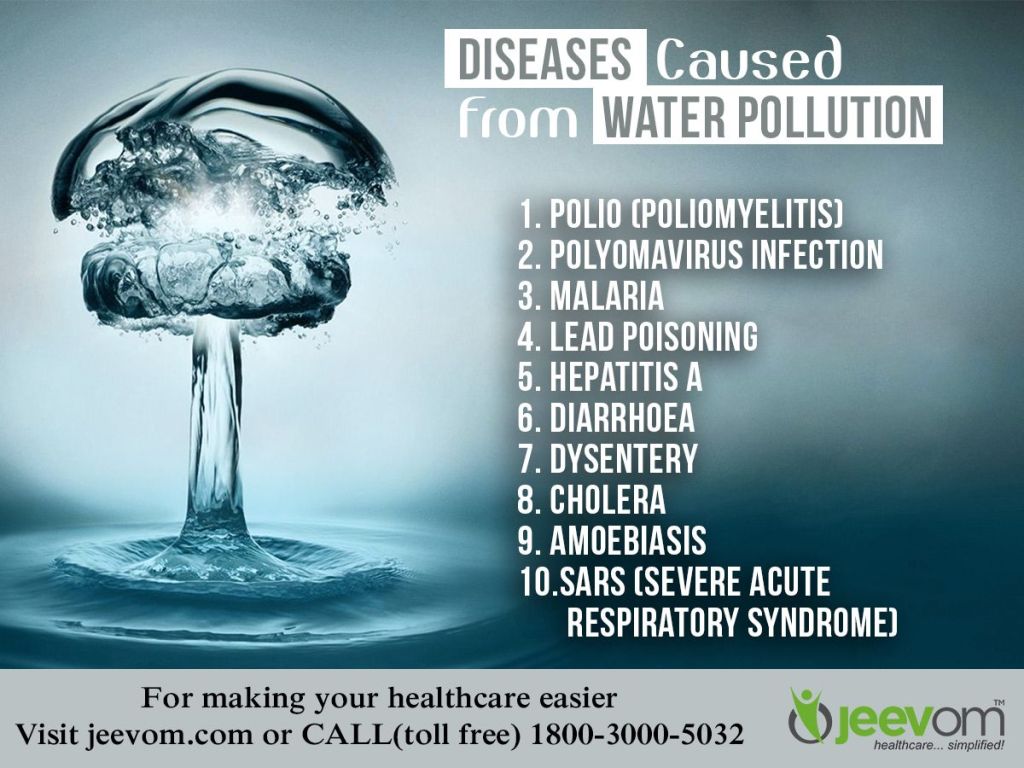
and acute poisoning. Infectious diseases, like cholera, typhoid fever and other diseases gastroenteritis,
diarrhea, vomiting, skin and kidney problem are spreading through polluted water. Human health is
affected by the direct damage of plants and animal nutrition. Water pollutants are killing sea weeds,
mollusks, marine birds, fishes, crustaceans and other sea organisms that serve as food for human.
Insecticides like DDT concentration is increasing along the food chain. These insecticides are harmful for humans.

Objective of the study :-

The main objective of the project work is role of water in our life. How important it is. Controlling
city pollution by water pollution.

Definition of water pollution :-

Water is typically referred to as polluted when it is impaired by anthropogenic contaminants. Due to
these contaminants it either does not support a human use, such as drinking water, or undergoes a
marked shift in its ability to support its biotic communities, such as fish. Natural phenomena such
as volcanoes, algae blooms, storms, and earthquakes also cause major changes in water quality and
the ecological status of water.

Prevalence :-

Water pollution is a major global problem. It requires ongoing evaluation and revision of water
resource policy at all levels (international down to individual aquifers and wells). It has been
suggested that water pollution is the leading worldwide cause of death and diseases.] Water pollution
accounted for the deaths of 1.8 million people in 2015.
The organization Global Oceanic Environmental Survey (GOES) consider water pollution as one of
the main environmental problems that can present a danger for the existence of life on earth in the
next decades. One of the main concerns, is that water pollution, heart phytoplankton who produce
70% of oxygen and remove a large part of carbon dioxide on earth. The organization proposes a
number of measures for fixing the situation, but they should be taken in the next 10 years for being
effective.

Water pollution in India and China is wide spread. About 90 percent of the water in the cities of
China is polluted.
In addition to the acute problems of water pollution in developing countries, developed countries also
continue to struggle with pollution problems. For example, in a report on water quality in the United
States in 2009, 44 percent of assessed stream miles, 64 percent of assessed lake acres, and 30 percent
of assessed bays and estuarine square miles were classified as polluted.

Reason :-

The causes of water pollution include a wide range of chemicals and pathogens as well as physical
parameters. Contaminants may include organic and inorganic substances. Elevated temperatures can
also lead to polluted water. A common cause of thermal pollution is the use of water as
a coolant by power plants and industrial manufacturers. Elevated water temperatures decrease oxygen
levels, which can kill fish and alter food chain composition, reduce species biodiversity, and foster
invasion by new thermophilic species.
Water pollution is measured by analysing water samples. Physical, chemical and biological tests can
be conducted. Control of water pollution requires appropriate infrastructure and management plans.
The infrastructure may include wastewater treatment plants. Sewage treatment plants and industrial wastewater treatment plants are usually required to protect water bodies from untreated
wastewater. Agricultural wastewater treatment for farms, and erosion control at construction sites can
also help prevent water pollution. Nature-based solutions are another approach to prevent water
pollution.Effective control of urban runoff includes reducing speed and quantity of flow. In the
United States, best management practices for water pollution include approaches to reduce the
quantity of water and improve water quality.

TYPES OF WATER POLLUTION:-

1. SURFACE WATER POLLUTION :-
Surface water pollution includes pollution of rivers, lakes and oceans. A subset of surface water
pollution is marine pollution.
Water pollution from human activity, including oil spills and also presents a problem
for freshwater resources. The largest petroleum spill that has ever occurred in fresh water was caused
by a Royal Dutch Shell tank ship in Magdalena, Argentina, on 15 January 1999, polluting the
environment, drinkable water, plants and animals Chemical contamination of fresh water can also
seriously damage eco-systems.
In industrialized areas rain can be acidic because of dissolved oxides of sulfur and nitrogen formed
from burning of fossil fuels in cars, factories, trains and aircraft and from the atmospheric emissions
of industry. In some cases this acid rain results in pollution of lakes and rivers.

2. GROUNDWATER POLLUTION:-
Groundwater pollution (also called groundwater contamination) occurs when pollutants are
released to the ground and make their way down into groundwater. This type of water pollution can
also occur naturally due to the presence of a minor and unwanted constituent, contaminant or impurity
in the groundwater, in which case it is more likely referred to as contamination rather than pollution.
The pollutant often creates a contaminant plume within an aquifer. Movement of water and dispersion
within the aquifer spreads the pollutant over a wider area. Its advancing boundary, often called a
plume edge, can intersect with groundwater wells or daylight into surface water such as seeps and
springs, making the water supplies unsafe for humans and wildlife. The movement of the plume,
called a plume front, may be analyzed through a hydrological transport model or groundwater model.
Analysis of groundwater pollution may focus on soil characteristics and
site geology, hydrogeology, hydrology, and the nature of the contaminants.
Pollution can occur from on-site sanitation systems, landfills, effluent from wastewater treatment
plants, leaking sewers, petrol filling stations or from over application of fertilizers in agriculture.
Pollution (or contamination) can also occur from naturally occurring contaminants, such
as arsenic or fluoride. Using polluted groundwater causes hazards to public health through poisoningor the spread of disease.Different mechanisms have influence on the transport of pollutants,
e.g. diffusion, adsorption, precipitation, decay, in the groundwater. The interaction of groundwater
contamination with surface waters is analyzed by use of hydrology transport models.

3.CHEMICAL POLLUTION :-
dustrial and agricultural work involves the use of many different chemicals that can run-off into water
and pollute it.Metals and solvents from industrial work can pollute rivers and lakes. These are
poisonous to many forms of aquatic life and may slow their development, make them infertile or even
result in death.Pesticides are used in farming to control weeds, insects and fungi. Run-offs of these
pesticides can cause water pollution and poison aquatic life. Subsequently, birds, humans and other
animals may be poisoned if they eat infected fish.Petroleum is another form of chemical pollutant that
usually contaminates water through oil spills when a ship ruptures. Oil spills usually have only a
localised affect on wildlife but can spread for miles. The oil can cause the death of many fish and
stick to the feathers of seabirds causing them to lose the ability to fly.

4.MARINE POLLUTION:-
ne common path of entry by contaminants to the sea are rivers. An example is directly discharging
sewage and industrial waste into the ocean. Pollution such as this occurs particularly in developing
nations. In fact, the 10 largest emitters of oceanic plastic pollution worldwide are, from the most to
the least, China, Indonesia, Philippines, Vietnam, Sri Lanka, Thailand, Egypt, Malaysia, Nigeria, and
Bangladesh,[15] largely through the rivers Yangtze, Indus, Yellow, Hai, Nile, Ganges, Pearl, Amur,
Niger, and the Mekong, and accounting for “90 percent of all the plastic that reaches the world’s
oceans.
Large gyres (vortexes) in the oceans trap floating plastic debris. Plastic debris can absorb toxic
chemicals from ocean pollution, potentially poisoning any creature that eats it. Many of these long￾lasting pieces end up in the stomachs of marine birds and animals. This results in obstruction of
digestive pathways, which leads to reduced appetite or even starvation.
There are a variety of secondary effects stemming not from the original pollutant, but a derivative
condition. An example is silt-bearing surface runoff, which can inhibit the penetration of sunlight
through the water column, hampering photosynthesis in aquatic plants.

IMPACT IN HUMAN HEALTH :-

There is a greater association between pollution and health problem. Disease causing
microorganisms are known as pathogens and these pathogens are spreading disease
directly among humans. Some pathogens are worldwide some are found in well-defined
area]. Many water borne diseases are spreading man to man Heavy rainfall and floods are
related to extreme weather and creating different diseases for developed and developing
countries [10% of the population depends on food and vegetables that are grown in
contaminated water [Many waterborne infectious diseases are linked with fecal pollution of
water sources and results in fecal-oral route of infection]. Health risk associated with polluted
water includes different diseases such as respiratory disease, cancer, diarrheal disease,
neurological disorder and cardiovascular disease Nitrogenous chemicals are responsible for
cancer and blue baby syndrom]. Mortality rate due to cancer is higher in rural areas than
urban areas because urban inhabitants use treated water for drinking while rural people
don’t have facility of treated water and use unprocessed water. Poor people are at greater
risk of disease due to improper sanitation, hygiene and water supply . Contaminated water
has large negative effects in those women who are exposed to chemicals during pregnancy;
it leads to the increased rate of low birth weight as a result fetal health is affected
Poor quality water destroys the crop production and infects our food which is hazardous for
aquatic life and human life [Pollutants disturb the food chain and heavy metals, especially
iron affects the respiratory system of fishes. An iron clog in to fish gills and it is lethal to
fishes, when these fishes are eaten by human leads to the major health issue Metal
contaminated water leads to hair loss, liver cirrhosis, renal failure and neural disorder.

Bacterial diseases :-
Untreated drinking water and fecal contamination of water is the major cause of
diarrhea. Campylobacter jejuni spread diarrhea 4% to 15% worldwide. Fever, abdominal
pain, nausea, headache are major symptoms of diarrhea. Good hygienic practices and use
of antibiotics can prevent this disease. Disease cholera is caused by the contaminated
water. Vibrio Cholerae is responsible for this disease. This bacterium produces toxins in
digestive tracts. The symptoms of this disease are watery diarrhea, nausea, vomiting and
watery diarrhea leads to dehydration and renal failure. Anti- microbial treatment is used to
get rid of this disease.
Shigellosis is a bacterial disease caused by Shigella bacteria. It affects the digestive tract of
humans and damages the intestinal lining. Watery or bloody diarrhea, abdominal cramps,
vomiting and nausea are symptoms and it can be cured with antibiotics and good hygienic
practice. Salmonellosis infects the intestinal tract. Salmonella bacteria are found in
contaminated water and it results in inflammation of intestine and often death occurs.
Antibiotics are prescribed for this disease.

Viral diseases :-
Hepatitis is a viral disease caused by contaminated water and infects the liver. Jaundice,
loss of appetite, fatigue, discomfort and high fever are symptoms of hepatitis. If it persists for
a long time it may be fatal and results in death. Vaccine is available for hepatitis and by
adopting good hygienic practice; one can get rid of this disease Encephalitis is inflammatory
disease spread by bite of infected mosquitoes. Culex mosquito lays their eggs in
contaminated water. Most people don’t show any symptoms but some symptoms are headache, high fever, muscle stiffness, convulsions however in severe cases coma and paralysis
results. No vaccine is available for this disease
Poliomyelitis virus is responsible for poliomyelitis. Sore throat, fever, nausea, constipation and
diarrhea and sometimes paralysis are symptoms of poliomyelitis. Vaccine is available for this disease
Gastroenteritis is caused by different viruses including rotaviruses, adenoviruses, calciviruses
and Norwalk virus. Symptoms of gastroenteritis are vomiting, headache and fever. Symptoms appear
1 to 2 days after infecting. Sickness can be dangerous among infants, young children and disabled.

Parasitic diseases :-
Cryptosporidiosis is a parasitic disease caused by the cryptosporidium parvum. It is worldwide
disease and symptoms are diarrhea, loose or watery bowls, stomach cramps and upset stomach
[28]. Cryptosporidium is resistant to disinfection and affects immune system and it is the cause of
diarrhoea and vomiting in humans Galloping amoeba is caused by the Entamoeba histolytica and
affects stomach lining. This parasite undergoes cyst and non-cyst form. Infection occurs when cyst
found in contaminated water and it is swallowed. Symptoms are fever, chills and watery diarrhea
According to WHO, diarrheal case jootes are about 4 billion and results in 2.2 million deathsGiardiasis is
caused by Giardia lamblia. Cells of intestinal lining may become injure. Giardia is resistant to wintry
temperature and disinfectant. Sometimes it is known as travelers’ disease. People suffering from
giardiasis have symptoms bloating, excess gas, watery diarrhea and weight loss .

Sustainability In India

Pollution is not just an undesirable outcome that causes environmental deterioration in India; it is also a major roadblock to growth and development in the country. It would have a negative effect on economic growth if it is not addressed properly and managed.

This resulted in a major shift in people’s attitudes and political will. Significant advances in clean energy technologies have opened the path for commercial possibilities arising from the ‘green economy transformation.’ Clean technology will be in high demand. Countries that adequately upskill and establish industry sectors to manufacture it stand to benefit greatly. They may earn profit from clean technology exports and earn access to global markets.

While India already is trying to make tremendous progress in the field of sustainability, there seems to be an imperative need to involve our country’s youth in order to fulfil our sustainable development goals.

Sustainability became one of the most defining terms of the twenty-first century, and for valid reason: the contemporary world is now struggling with the consequences of unrestricted consumption and production tendencies. Simply stated, even as our population grows and technology advances at a breakneck pace, our quality of life is progressively deteriorating. India, which is on the verge of a new age of growth, is at an important crossroads in terms of its approach to sustainability. While our nation has some of the lowest per-capita emissions in the world, we are the third-largest emitter globally. The two most significant hurdles to our approach to sustainability are our population and the swift pace of our economic progress.

India, though, has made significant progress as an aspiring change-maker in addressing climate change and developing development plans which are in line with the Sustainable Development Goals, that were implemented in September 2015 and encapsulate the social, environmental, and social dimensions of sustainability, as well as the abolition of all forms of poverty.

To that aim, attempts have been made to include all stakeholders – public and private – in the development of successful guidelines, implementation methods, and best practises. For example, in February 2018, a nationwide seminar on capacity building was organised with the objective of localising the SDGs. In December 2018, the NITI Aayog released the SDG India Index — Baseline Report 2018 to monitor the progress the  states and union territories have made on the strategies and initiatives launched by the central government.

The country was also a significant participant in formulating the Paris Agreement and has implemented a variety of energy-efficiency initiatives. Sustainability is also an important aspect of Indian culture, thought, and beliefs. Rural areas, which accounted for about 70% of the nation’s population in 2011, maintain a modest and inexpensive way of living. According to Greendex, an international study on sustainable living which analyses how individuals respond to environmental issues in their housing, transportation, food, and products choices, India ranks first among 18 countries, including China and the United States.

India has also  had one of the most effective programmes in terms of eliminating single-use plastic and promoting the Swachh Bharat campaign, an initiative launched by the central government. This has aided in increasing awareness beginning in primary school, with children asking their parents about their right to cleanliness.

That being said, as the economy develops and grows, there is a noticeable change in socio-economic patterns. The nation still has to confront several  significant environmental challenges, particularly in terms of building sustainable communities.

Being one of the world’s youngest countries — 42% of India’s population is between the ages of 15 and 35, and this estimate is expected to rise to 55% in the coming 30 years — the youth in our country should be encouraged to develop environmentally friendly economic solutions.

Understanding Luminous Pollution.


Many of us are taking steps to reduce carbon footprints. We responsibly recycle glass, metal, paper, plastic waste each week. However, unknowingly we are contributing to carbon emissions through light pollution which intrudes the delicate ecosystem. Light pollution in many countries is neglected and not regulated. 

The excessive, misdirected, or unnecessary use of artificial outdoor lighting is known as Light pollution a.k.a Luminous pollution, or Photopollution. Light pollution alters the color and contrast of the nighttime sky, natural starlight, and disrupts the circadian rhythms, which affects the environment, inhabitants, and astronomy research.

As countries are developing, the need for artificial outdoor lighting has also increased and light pollution has spread into suburban and rural areas. 

Types of light pollution:-

1) Light Trespass

2) Glare

3) Sky Glow

4) Light Clutter

What are the causes of light pollution?

Poorly designed residential, commercial and industrial lights contribute significantly to luminous pollution. Also, the use of unnecessary outdoor artificial lights contributes to luminous pollution. Approximately about 30℅ of light is wasted due to poorly designed artificial outdoor lights. 

Let’s have a look at the effects of light pollution.

As mentioned above, light pollution has effects on our environment and its inhabitants, and also on astrology. Mentioned below are some of the known effects of light pollution:-

Effect on the environment:                Excessive nighttime lighting releases more than 12 million tons of carbon dioxide every year into the atmosphere, which would take around 702 million trees to absorb. 

Luminous pollution also increases air pollution by resisting a natural occurring radical that cleans the air at night, called Nitrate radical. 

Effect on wildlife:                                    Light pollution can alter the feeding, mating, sleeping, and migration cycles of the entire wildlife. Wildlife can also feel the disorientation of time due to excessive light pollution.

Effect on energy:                            According to a study by IDA( International Dark-Sky Association) in 2007,  it is estimated that about 30% of the light emitted by public outdoor light fixtures is wasted, which equals 22 TWh/year of energy wastage. That is equivalent to the following:

★About 3.6 million tons of coal per year.

★ About 12.9 million barrels of oil per year.

Effect on Astronomy:            Astronomers are most affected by luminous pollution. As it makes it harder to view and find extraterrestrial bodies for the astronomers even with the aid of a telescope.

Effect on Humans:                                  Like plants and animals, humans are also regulated by circadian rhythms. The rhythms respond to the light and darkness around any organism, which when altered can result in various health hazards like sleeping disorders, depression, diabetes, cancer, cardiovascular disease, obesity, etc.

How to prevent light pollution?

Given below are some ways to prevent light pollution:-

I) By using warm white lightning as it scatters less.

II) By using shielded outdoor light fixtures.

III) By picking the right exterior light fixtures with the right cutoff angle, which prevents light from escaping above the horizontal plane.

IV) By using motion sensor outdoor fixtures.

V) By using IDA-certified light fixtures. 

New Plastic ammendments in india

Around the world, one to five trillion plastic sacks are devoured yearly. In the event that integrated, five trillion single-utilize plastic packs would cover a region twice the size of France. Before long, Indians should take cognisance of this ecological danger and embrace choices to convey sacks, straws and stick film as the nation begins to eliminate single-utilize plastic (SUP) beginning one year from now.

A focal government council has distinguished the SUP things to be prohibited dependent on a file of their utility and ecological effect. Ecological specialists have invited this move while plastic producers have communicated reservations and requested putting off the boycott by a year because of the pandemic-incited financial droop.

Resistance from the plastics business will make it harder to successfully execute the boycott, given how ineffectively existing boycotts have been authorized – as seen from a new request of the Public Green Court (NGT)- – and because of weaknesses in the draft warning, like inquiries over choices to SUP things, specialists say.

In this report, we inspect what the draft warning involves, the response of waste administration specialists and plastics exchange affiliations; the viability of existing boycotts and the part of expanded maker’s duty (EPR) in overseeing plastic waste.

What the notice looks to boycott

The new draft will supplant the current standards on plastic waste administration which were advised in 2016 and changed in 2018. The 2021 draft rules have proposed to restrict produce, import, loading, dispersion and offer of certain single-use plastics from January 1, 2022.

In the wake of looking for ideas and complaints on the draft from residents and partners for a time of two months until May 11, the service is presently thinking on the input it has gotten, service authorities told IndiaSpend, asking not to be named

In the three-stage boycott, the main class of SUP things proposed to be eliminated are plastic sticks utilized in inflatables, banners, candy, frozen yogurt and ear buds, and thermocol that is utilized in enhancements.

The subsequent class, proposed to be prohibited from July 1, 2022, incorporates things like plates, cups, glasses and cutlery like forks, spoons, blades, straws, plate; wrapping and pressing movies utilized in sweet boxes; greeting cards; cigarette parcels; stirrers and plastic standards that are under 100 microns in thickness.

A third classification of forbiddance is for non-woven sacks under 240 microns in thickness. This is proposed to begin from September 30, 2022.

The draft has, interestingly, characterized non-woven plastic packs – broadly utilized as shopping sacks – and brought brand proprietors (selling SUP under an enlisted brand name) just as plastic waste processors under its ambit. It has additionally, interestingly, characterized thermoset plastic- – which are irreversibly unbending and can’t be remolded- – and thermoplastics, which mellow on warming. Thermoset plastics are utilized in electrical fittings and flatware while thermoplastics are utilized in things, for example, toys, brushes and mugs.

The draft likewise proposes to build the thickness of do sacks made of virgin or reused plastic from 50 microns to 120 microns. The 2016 guidelines have effectively restricted utilization of plastic packs and sheets whose thickness is under 50 microns.

How things to be prohibited were distinguished

India has characterized SUP as expendable plastics (use-and-toss things) that are generally utilized for bundling and incorporate things proposed to be utilized just a single time before they are discarded or reused. These incorporate things, for example, convey sacks, food bundling, bottles, straws, compartments, cups and cutlery.

The SUP things to be eliminated have been related to the assistance of a report of a specialist board that was established by the Division of Synthetics and Petrochemicals. This panel was shaped after the public authority’s promise to dispense with SUP by 2022 to analyze, in addition to other things, classifications of SUP and to suggest which of them could be eliminated.

The 13-part master advisory group was going by resigned Association government secretary Indrajit Buddy, and included researchers and other specialized specialists who met multiple times in 2019. They cooperated with partners from industry bodies just as free specialists having a place with research foundations like The Energy and Assets Establishment (TERI) and non-benefit associations like Chintan and Toxics Connection. The report of this council had additionally noted in 2019 that yearly plastics utilization in India would cross 20 million metric tons by 2020.

The advisory group distinguished and suggested things for disallowance dependent on a file of the utility of a SUP and its unfriendly effect on the climate, according to their report. Five factors each for utility (cleanliness, item security, centrality, social effect and financial effect) and ecological effect (collectability, recyclability, probability of end-of-life arrangements, natural effect of substitute materials and littering penchant) were thought of. The SUP things were scored utilizing these 10 variables to measure their utility and ecological effects.

The things that had a low score on utility scale and high score on ecological effect scale were suggested for disallowance. Dainty convey sacks, non-woven convey packs and covers; little wrapping and pressing movies; straws, stirrers; frothed cutlery things; non-frothed cutlery things; plastic sticks; little drinking containers and plastic flags with thickness under 100 microns, and extended polystyrene utilized in enrichments were the things that were low on utility components and high in their effect on the climate.

Overall Effects

The measures taken will surely have a drastic impact on the future of non-sustainable use in India. Plastic being one of the major pollutants, needs to undergo immediate scrutiny under the environmental problems that it causes. And therefore, this step taken by India, even though small will have a drastic impact on the future of the country in terms of pollution and climate change.

Climate Change and its Immediate future in India

One of the significant regions that will be affected by environmental change in its furthest point in the near future is South Asia, particularly India principally due to its different territory. Environmental change is required to have a genuine effect around here as the nation is quickly debilitating its regular assets subsequently, annihilating its current circumstance generally because of “urbanization, industrialization and financial development.” 

India faces a disturbing ecological and financial test in its push to ensure its quick draining of normal assets. Water and air quality are deteriorating step by step because of the increase of different toxins in the air. Furthermore, the areas that will be exposed to the most noteworthy openness to environmental change are the country’s waterfront eco frameworks, biodiversity and farming efficiency. Additionally, the locale is as of now subject to regular dangers, for example, the 2013 Uttarakhand floods, landslides, the 2015 Chennai flood and the 2016 dry spell. 

There is additionally proof of unmistakable expansions in the force or potential recurrence of numerous outrageous climate occasions, for example, heat waves, expanded droughts and serious precipitation. The antagonistic effects of such calamities range from hunger, weakness to infections, loss of pay and livelihoods.15 According to the World Bank, an increment of 2°C on the planet’s normal temperature in the following not many years will just make India’s rainstorm more erratic. The change in downpour designs across India is anticipated to leave various regions submerged and others without enough water in any event, for drinking. 

“In India, over 60% of the harvest region is downpour taken care of, making it profoundly defenseless against environment instigated changes in precipitation designs. It is assessed that by the 2050s, with a temperature increment of 2°C-2.5°C contrasted with pre-modern levels, water for rural creation in the stream bowls of the Indus, Ganges and Brahmaputra will decrease further and may affect food sufficiency for about 63 million individuals.” 

A hotter environment is likewise expected to hinder the neediness decrease rate. Despite the fact that environmental change will influence everybody’s lives in the area, poor people will be the most influenced as they are the once generally subject to rain-based farming and have no or insignificant assets to support their business. An expansion of 2°C by the 2040s will hit crop creation in South Asia as well and will lessen the yield by 12%, requiring more imports to satisfy needs at home. Likewise, diminishing food accessibility would lead to extensive medical conditions particularly among ladies and youngsters. Dissolving of icy masses and loss of 

Snow presents a critical danger to solid water assets in India. Fundamental waterways like the Ganges, Indus and Brahmaputra, rely altogether upon snow and frosty dissolved water, which makes them even more vulnerable to unfavorable effects of a dangerous atmospheric deviation. This could additionally expand the danger of flooding of low regions and represent a danger to horticulture. Having momentarily investigated the effect of environmental change, the accompanying area will have an endless supply of the new climate occasions that were generally an immediate consequence of environmental change in India.

Lower-carbon improvement, however, could yield quick advantages, for example, cleaner air, more prominent energy security and fast occupation creation. India’s environment targets are viewed as ‘2°C viable’, for example a decent amount of worldwide exertion. Be that as it may, seeking after a cleaner, more asset productive way could invigorate a quicker, more attractive monetary recuperation and secure India’s thriving and seriousness in the long haul.

Twinkle Twinkle little star – Now I wonder why so far

You must have read & recited the poem ‘Twinkle Twinkle Little Star’ in your childhood days. Kids still read & recite the poem. But there’s a difference in their recitation.While we used to recite it in starry nights, they just watch twinkling stars in a youtube video.What else can they do ?

Those starry nights are no longer visible. Even in a small town , there are only a few stars you can see by naked eyes. Future generations will see the starry nights only in pictures.

Now you can’t just point out your finger in the north to show someone the pole star.

Now the question is why ? Why the night sky is vanishing ? Why the Milky Way is fading ? Why the stars are no longer visible ?

Well , the reason is light pollution. With the advancement of more & more LEDs , the milky way is now no longer visible to more than a third population of the world. Those thousands of stars have just turned into hundreds.

Buildings’ lights , residents’ lights , street lights, vehicles’ lights , neon signs. Well , this much amount of light is creating a permanent ‘skyglow’ at night,which is obscuring that beautiful sight.

Is it only about the stars ? No , excessive lighting at night has other adverse consequences too –

1. It can disrupt our sleep , or in long run can cause stress.

2. It is waste of energy , not all the lights you see in cities at night , are needed. A lot of buildings or streets just glow for the sake of beauty.Thus , a lot of energy get wasted.

3. It’s not good for animals , birds & ecosystem. Migratory birds often get bewildered by lighting buildings , sea turtles lose their ability to navigate in ocean due to the confusion lighting from coastal create. There’re evidences that artificial lighting make it harder for the zooplankton to eat harmful algae in lakes , thus degrades the water quality.

And of course this one consequence is also there , from which I started the blog. Future generation will not be able to see the milky way without a telescope , thus it”ll lessen their interest in astronomy. It”ll lessen their sense about vastness of Universe.

Of course , the street lighting is necessary , but not for the show off. Unnecessary lighting can be avoided. Street lights can be replaced by more focused LEDs which only send light downward rather than those lights which scatter the lights in all directions. There can be other ways to reduce the light pollution. As it is said “Where there’s a will , there’s a way”.

RESEARCHES REVEALS POTENTIAL COLLAPSE OF MARINE ECOSYSTEM BY 2050

Marine Biodiversity is a complex biological organization consisting of diverse levels of genes, species and other elements that forms a highly convoluted ecosystem having its own structural and functional  attributes. Since these elements contribute to form a larger structure, even a slight disturbance caused to one of its integrands can have a tremendous impact on the system as a whole. Analysis of local experiments, long term regional time series and global fisheries data over the past few decades have revealed an alarming rate of marine biodiversity depletion due to overfishing, pollution and global warming.

It is estimated that within 50 years from now, a major source of wild seafood will face a collapse; i.e., a 90 percent depletion of the species’ baseline abundance. The extensive depletion of the marine ecosystem and its biodiversity happening across the globe will affect the production of seafood, resistance to diseases, filtering of pollutants etc, resulting in the decline of their productivity and stability. According to marine ecologist Palumbi, the ocean is a great recycler which takes sewage and recycles it into nutrients. But to provide these services, he added, the ocean needs all of its working parts—the millions of plant and animal species that inhabit the sea. With the loss of marine species’, human lives will also be affected by notable consequences as the chances of disease outbreaks, noxious algal blooms, and the presence of invasive species will get higher. 

Each species bears a lot of significance in an interlinked ecosystem which points to the need  of preserving the marine ecosystem altogether rather than continuing with single species management. This century might encounter the end of wild seafood unless we fundamentally change the way we manage all the ocean species together as working ecosystems. Researchers still believe that this situation can be turned around; though only one percent of the ocean is effectively protected now. Measures like integrated fisheries management, pollution control, maintenance of essential habitats and creation of marine reserves can help in stabilising and improving the quality of marine ecosystems. Though a rapid recovery is not possible, in many cases the species resurged more quickly than anticipated. 

Climate change and oceanic resource depletion is real and it’s high time for us to undertake actions to prevent the marine biodiversity loss that would have a serious impact not only on humans but also the entire  biome.

People have to come forward for saving the Earth

Article by – Shishir Tripathi

Intern at Hariyali Foundation
In collaboration with
Educational News

Day after day, the planet is proceeding to fall into the ocean of destruction. Each day factories are releasing poisonous smoke and harmful effluents in the nature. As it is said there is pre defined limit of everything, nature too has a limit to accept destruction and degradation of the environment. The day is coming nearer and nearer when the nature will revert back with the same intensity in the form of natural disasters and human beings will not be in a state to do anything.

Each day a new factory opens up. Each day, each firm tries to increase its production as compared to the previous day. Each day millions of litres of water in the rivers and other water bodies gets polluted by industrial and domestic waste. But everyone is so engrossed into earning money and increasing GDP and profit that human beings have assumed that they’re owners of the natural resources or environment. Human beings should realize that they are part of nature, they’ve to live their lives being just a responsible organism and go away. But in the mean process of making money and wealth people forgot that nature is suffering and natural resources being limited in amount will end up one day.

Almost 80.6 million cars are sold each year all across the world. Cars and automobiles use fuel (which is again limited in amount in nature) and release harmful gases into the air like Carbon Monoxide (CO), nitrogen oxides, hydrocarbons and many more. Each year the number of automobiles on roads is increasing, and due to which more harmful gases are released in nature, hence more pollution.

Between 1990 and 2016, the world lost 502,000 square miles (1.3 million square kilometers) of forest, according to the World Bank—an area larger than South Africa. Since humans started cutting down forests, 46 percent of trees have been felled, according to a 2015 study in the journal Nature. Millions of hectares of forests are clearing up each year by things like deforestation, forest fires, etc. But readers, when it comes to plantation, people turn back and are with no answers. Each year in India, government employees have to plant a sapling and take care of it, but the sapling is given water and care only till the plantation is captured in the camera. After that, nobody cares about the plant, the tree whether it gets dried because of shortage of water or gets eaten upon by cattle. Forest cover is reducing resulting in excess heating of the atmosphere, climate change and lesser oxygen which is the lifeline of every living organism.

Another aspect is population growth. The 2016 average of 18.6 births per 1,000 total populations equates to approximately 4.3 births per second or about 256 births per minute for the world. Births are taking place at an increased rate and resources are limited for the survival of the upcoming generations. The uncurbed and heavy usage of natural resources is going to leave the reserves of natural resources to be empty. The future generations have to face excessive climate change and have to starve even for getting water and food grains. Each day, the load on natural resources is increasing. The goal of sustainable development is just achieved maybe in figures or news. But in reality people are exploiting the nature at an aggregate level altogether just in the name of growth but actually satisfying their greed.

Greed to earn more, to own more.

But yes everyone wants more and more from nature, but never want to give anything to the nature. Some great people came, started successful campaigns for nature and went away. But now a generation is left which wants all the credit and all the popularity even after doing just a small noble deed for nature and its organisms. People just want to extract everything from nature and want to get the attention by clicking a picture sitting beside a small sapling showing plantation or standing with plastic showing cleanliness campaign.

Each human being should realize their responsibility towards nature. Economists say that inflow or the imports must be equal to the outflow or the exports, and then only equilibrium can be established. Similarly, whatever is taken from nature, it must be returned back to the nature in the same or even greater amounts. Mentioning all the environment saving techniques is not worthy as till the time people will not realize their participation in saving nature and building a good planet, no list of techniques and no piece of writing will be able to move them and get concerned for the nature.

Attempts to save nature at an individual level will soon turn out to be major attempts at aggregate level that will be helping to save the earth and the leaving a much better planet for survival of the future generations.

The author expects that all the readers of this article, being a sensible and responsible human being, should realize the need for saving the nature, for saving the Earth.

Indoor Pollution: The Silent Killer

Home sweet home. The place where we return everyday. Our safe haven. But is it as safe as we believe to be? Especially for our health. The present scientific and environmental scenario say otherwise.

Indoor pollution is the pollution caused by the presence of various particulate, chemical and biological pollutants, which can cause even serious harm to the human body. Infact, it has been ranked amongst the top five public health risk factors. There are some problems in the study of this type of pollution, due to the individuality and uniqueness of each residential ecosystem. The specific levels of various pollutants vary, based on various external and internal factors. Hence, it becomes difficult to explain the impact of indoor pollution in an uniform manner, for an individual pollutant component or even as a whole. 

The standard of measurement of this condition is indoor air quality (IAQ). In industrial countries, approximately, 1/3 rd of all the buildings tend to have IAQ problems at some point of time. Across the world, 30% of IAQ related complaints are against new or remodelled buildings. Health problems due to poor IAQ range from mild (cold and flu like symptoms) to severe (allergies, asthma, cancer, developmental disorders, or in some cases, death) symptoms.

Indoor pollutant sources includes humid spaces like in kitchen, showers etc., which are ideal thriving spot for various biological pollutants (eg. mold). Also, fuel consuming appliances, aerosol sprays (like deodorants, room freshners etc.), pesticides and so on are a n identified source of particulate as well as chemical pollutants within the residence

Some chemical pollutants have been identified and their harmful exposure levels have also been evaluated. Other pollutant types have been more difficult to evaluate about the acceptable exposure level. Some of the common pollutants are:-

  • Carbon Monoxide: Carbon monoxide (CO) is an odorless gas that is adverse for human health even at low levels. High concentrations of CO are potentially fatal and can even cause death. CO poisoning symptoms include headache, dizziness, nausea, chest pain and vomiting. It’s presence as an indoor pollutant is primarily due to fuel consumption and improper ventilation.
  • Nitrogen dioxide: Nitrogen dioxide (NO2) also happens to be a colourless, odorless gas with visible adverse effects on health even at lower levels. It primarily causes  irritation to the mucous membranes of the eyes, nose and throat. HIgh exposures lead to  respiratory irritation, shortness of breath and might also contribute to lung diseases like emphysema. It is also a product of fuel burning. Improper placing and/or maintenance of chimneys can lead to driving the pollutants back into the house. 
  • Lead: Lead (Pb) as pollutant is evaluated to be widely present in plumbing materials, gasoline and paints. LEad particulates can be both inhaled and ingested. Accumulation of lead in the body, more specifically into the soft tissue and bones can eventually affect the whole living system. Low level exposures,in children, may lead to impairment in physical and mental development, like lower IQ, shortened attention span etc. Additionally, they can also cause problems in the nervous system, kidney and blood cells. HIgh level exposure risks involve convulsions, coma or even, death.
  • Radon: Radon (Rn), a radioactive gas, is a common element present in the abiotic components of the system. They enter the house via cracks and  drains, get trapped in the living space and with time, keeps accumulating. Since it is odorless, it gets hard to detect. Exposure via inhalation leads to problems like lung cancer.
  • Formaldehyde: Formaldehyde (CH2O) is a well recognized carcinogen, but still finds us in daily household items, like fabrics, paints and furniture. The urea- formaldehyde resins are the most polluting type. Formaldehyde may be inhaled or even may get adsorbed by the skin. Even at extremely low levels, symptoms like allergies, asthma, throat and nose irritation, nausea and headache have been observed.

The most worrisome part is that these items are indispensable parts of daily life. Atleast, till other alternatives are discovered. This leaves us with a question, are all these amenities and necessities for a comfortable living worth all the adverse effects they come with? 

Biodiversity : An overview

The earth provides for millions of species across the globe. Some of which are known to us and others not. We all are connected to each other in various ways and have to support each other too. Species which make proper and sustainable use of this system perish while others meet their destruction.

Biodiversity deals with the degree of nature’s variety in biosphere. This variety can be observed at three levels

  • The genetic variability within a species
  • The variety of species within a community
  • And the organization of species in an area into distinctive plant and animal communities.

Biodiversity provides a variety of environmental services from its species and ecosystem that are essential at the global, regional and local levels. The Production of oxygen, reduction of carbon dioxide, maintenance of the water cycle and protection of the soil are some important services.

Biodiversity is the amount of variety of life on Earth. It is the number of different species of plants, animals, and microorganisms. It includes organisms from Earth’s vastly different ecosystems, including deserts, rainforests, coral reefs, grasslands, tundra, and polar ice caps. Our biodiversity is very important to the well-being of our planet. Most cultures, at least at some time, have recognized the importance of conserving natural resources. Biodiversity is the occurrence of different types of ecosystems, different species of organisms with the whole range of their variants and genes adapted to different climates, environments along with their interactions and processes.

Importance of Conserving Biodiversity

Biodiversity produces a number of products harvested from nature and sold in commercial markets. Indirectly it provides economic benefits to people which include water quality soil protection, equalisation of climate, environmental monitoring, scientific research, recreation etc. The consumptive value can be assigned to goods such as fuel woods, leaves, forest products etc. which may be consumed locally and do not figure in national and international market.

The loss of biodiversity directly influences the social life of the country possibly through influencing ecosystem functions (energy flow and biogeochemical cycle). This be easily understood by observing detrimental effects of global warming and acid rain which cause an unfavourable alteration in logical processes

Aesthetic values such as refreshing fragrance of the flowers, taste of berries, softness of mossed, melodious songs of birds, etc. compel the human beings to preserve them. The earth’s natural beauty with its colour and hues, thick forest, and graceful beasts has inspired the human beings from their date of birth to take necessary steps for its maintenance. Similarly botanical and zoological gardens are the means of biodiversity conservation and are of aesthetic values.

Since earth is homeland of all living organisms, all have equal right to coexist on the surface of earth with all benefits. Unless some legal value is attached to biodiversity, it will not be possible to protect the rapid extinction of species. Biodiversity must be seen in the light of holding ethical value. Since man is the most intelligent amongst the living organisms, it should be prime responsibility and moral obligation of man to preserve and conserve other organisms which will directly or indirectly favour the existence of the man.

Biodiversity holds great ecological value because it is indispensable to maintain the ecological balance. Any disturbance in the delicately fabricated ecological balance maintained by different organisms, will lead to severe problems, which may threaten the survival of human beings.

Biodiversity has great economic value because economic development depends upon efficient and economic management of biotic resources. In the day to day life, human beings are maintaining their lifestyle at the sacrifice of surrounding species which come from diversity of plants and animals struggling for their existence.