Empowering the Underprivileged: The Transformative Role of Education in Improving the Lives of the Poor

 Education stands as a beacon of hope and a pathway to a better future, especially for those born into impoverished circumstances. In the fight against poverty, education emerges as a powerful tool that not only offers immediate benefits but also creates a ripple effect of positive change across generations. The transformative role of education in improving the lives of the poor is multifaceted, addressing economic, social, and individual empowerment aspects.

  1. Breaking the Cycle of Poverty:
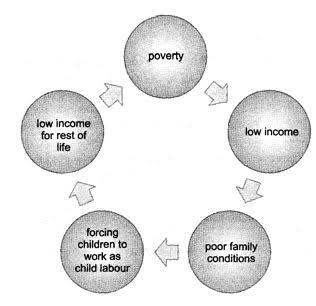
    Education serves as a key mechanism for breaking the cycle of poverty. By providing individuals with knowledge, skills, and opportunities for personal development, education equips them to escape the constraints of their socio-economic backgrounds. Access to quality education empowers individuals to pursue higher-paying jobs, secure stable employment, and achieve financial independence, thus lifting themselves and their families out of poverty.

  2. Enhancing Economic Opportunities:
    Education opens doors to a wide range of economic opportunities that would otherwise be inaccessible to the poor. Through formal schooling, vocational training, and skill development programs, individuals acquire the expertise and qualifications needed to compete in the job market. Moreover, education fosters entrepreneurship by equipping aspiring entrepreneurs with the knowledge and business acumen necessary to start and sustain successful ventures, thereby generating income and creating employment opportunities within their communities.

  3. Promoting Social Mobility and Equality:
    Education plays a crucial role in promoting social mobility and equality by leveling the playing field for individuals from disadvantaged backgrounds. By providing equal access to education regardless of socio-economic status, societies can mitigate the disparities that perpetuate poverty and marginalization. Education empowers individuals to challenge systemic inequalities, advocate for their rights, and participate actively in civic and political processes, thereby fostering a more inclusive and equitable society.

  4. Improving Health and Well-being:
    Education has a profound impact on health outcomes and overall well-being. Educated individuals are more likely to adopt healthier lifestyles, make informed decisions about healthcare, and access preventive services. Furthermore, education empowers individuals to understand and address pressing health issues such as sanitation, nutrition, and disease prevention within their communities. By promoting health literacy and behavior change, education contributes to improved health outcomes and reduced healthcare disparities among the poor.

  5. Fostering Personal Empowerment and Resilience:
    Beyond its socio-economic benefits, education fosters personal empowerment and resilience among the poor. Through education, individuals develop critical thinking skills, self-confidence, and a sense of agency to navigate life’s challenges and seize opportunities for growth. Education instills values such as perseverance, discipline, and adaptability, enabling individuals to overcome adversity and pursue their aspirations despite the odds stacked against them.

In conclusion, the role of education in improving the lives of the poor cannot be overstated. Education serves as a catalyst for socio-economic development, promoting empowerment, equality, and upward mobility among disadvantaged populations. By investing in education, societies can break the cycle of poverty, unlock human potential, and create a more just and prosperous future for all. As Nelson Mandela aptly said, “Education is the most powerful weapon which you can use to change the world.”

EMPATHY, TOLERANCE AND COMPASSION TOWARDS WEAKER SECTION

Compassion is understanding or empathy for the suffering of others. Tolerance is respect, acceptance, and appreciation for those whose opinions, practices, race religion, nationality, etc. are different from one’s own. These qualities are very important for an individual living in a society.

India is a multicultural society with high numbers of vulnerable, Disadvantaged, and weaker sections. So efficient delivery of services and addressing their concerns are very important. India with its diverse cultures which traditionally evolved with the modern 21st century makes it unique in its existence. Tolerance and compassion have always played a major role throughout the transition of time for the unity of the nation in diversity. 

Weaker sections like SCs/STs and rural/urban poor are unaware of public policies, subsidies, and public utilities. Weaker sections are marginalized, deprived of justice, and illiterate. They have very low bargaining power and ability to assert their demands so helping them, being compassionate towards them, and supporting them can help them a lot.

The quality of being a compassionate persons is:

  • To understand the needs and the expectations of people.
  • Understanding the needs of marginalized and vulnerable sections of people living in a society.
  • To Undertake a faster approach and measures to address the issues of society.
  • To have an Unbiased approach to the distribution of government facilities.
  • To Make oneself accessible to all citizens and seeking for their feedback to improve better.
  • Respecting affirmative action toward the disadvantaged and implementing them with a positive attitude.

The quality of being a tolerant person is:

  • Freedom from Bigotry, respecting each other choices.
  • It helps in developing qualities like respect towards others, knowledge, openness, and communication between diverse sections of society.
  • Upholding natural rights which are Human rights, Democracy, Multiculturalism, Pluralism etc.
  • Protecting the constitutional principles of Fundamental Rights which forms the basic structure of the constitution.
  • Preventing tendency of intimidation, coercion, oppression, etc.

Poor and marginalized sections of the society that have faced negligence and left empty-handed for such a long duration of time have become afflicted that there is no one to listen to them and solve their issues. They have been dealt with harshness many times, and this behavior has inculcated in them a sense of inferiority and less importance they have stated attributing to themselves.

In a nation empowered and educated section perform better job and pay taxes to run a nation’s economy. This revenue are spent to alleviate poverty by enabling weaker section to become part of mainstream economy. This needs compassion to spend revenue on them and tolerance to provide them all chances for becoming self-sustaining. Hence, we must have tolerance and compassion toward them, as they are not exposed to newer technology, awareness of their own rights, nation’s outlook, programmes for themselves and nation’s expectation from them.

In egalitarian society, tolerance and compassion are two important qualities to be practiced by
every individual and Hence tolerance and compassion towards the weaker sections are
one of the basic qualities any individual should poses.

Equitable distribution of resources and welfare-oriented development should be among the primary goals of democratic government. To develop a country, not just the government but every individual in a society should have qualities like compassion, tolerance, and empathy towards the weaker section of the society.

ISSUES RELATING TO POVERTY AND HUNGER

India is a country which suffers a lot due to hunger and poverty. Hunger is very closely related to poverty as poverty is one of the main reasons for hunger. 

Indian economist and philosopher Amartya Sen said that lack of ability to pay for food is obviously caused by poverty.

POVERTY

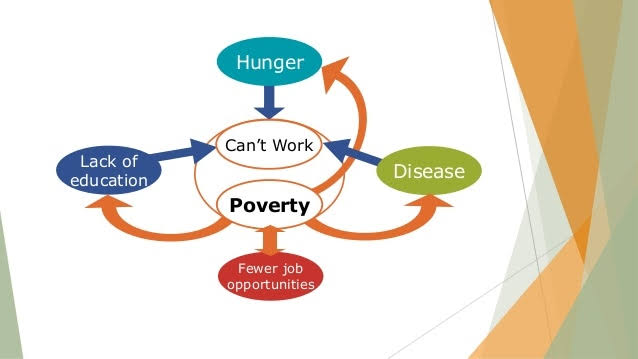
Poverty is a condition caused due to lack of basic needs of life such as water, health care, food, unemployment etc. It is described as the low income level of people which leads them to poor standard of living. Poverty means that the income level from employment is so low that even the basic human needs are not fulfilled. The impact of poverty on children is substantial. Children who grow up in poverty typically suffer from severe and frequent health problems; infants born into poverty have an increased chance of low birth weight, which can lead to physical and mental disabilities. Poverty is a difficult cycle to break and often passes from one generation to the next. Typical consequences of poverty include alcohol and substance abuse, limited access to education, poor housing and living conditions, and increased levels of disease. 

Hunger and food insecurity are the most serious forms of extreme poverty. To eradicate these issues from society is the prime concern of international organizations.

HUNGER

Hunger is a global problem and a lot of countries are facing this problem. Hunger is a condition where both the adults as well as children do not have access to food and there is a constant decrease in food intake, nutrients, no proper diet is there and some days are even gone without food which eventually leads to their death.

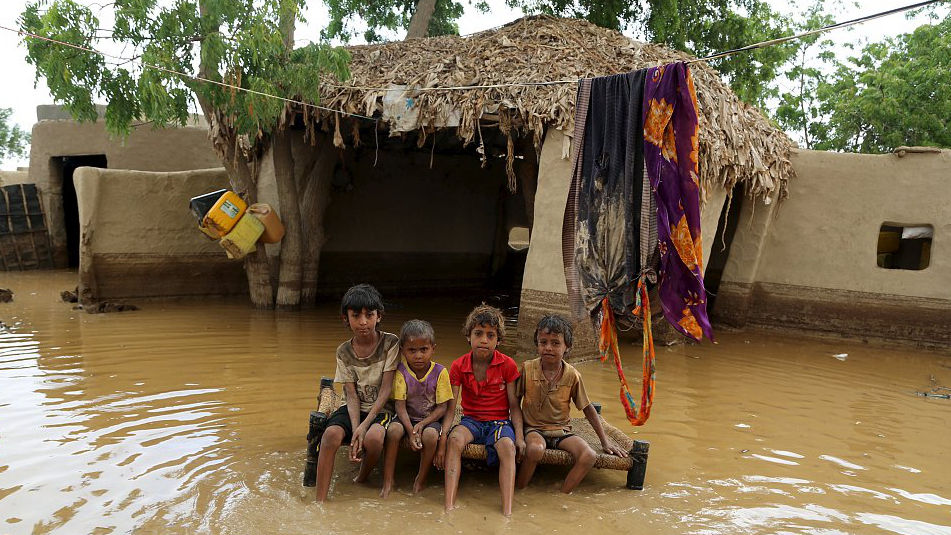
Climate change is also one of the reasons for world hunger. The amount of rain determines the production of crops. Droughts also affects agricultural production and extreme rain also causes flooding that leads to destruction of crops . Use of outdated products, not using better quality seeds also leads to shortage of food and those who are capable and have money buys food even at higher prices, the ones who have to suffer are poor people. They do not have money to buy food and hence they remain hungry. Hunger has a lot of serious problems such as insufficient economic systems, climate changes, misinformation but the most serious problem of all is poverty. Many poor nations such as Kenya, Uganda etc. are in desperate need of food. The growing population is one of the major causes of rising hunger and poverty. In Indian scenario Hunger and malnutrition are closely related. The main outcome of poverty is hunger. India is a home to the largest undernourished population in the world, 14℅ of our population is undernourished, 20℅ of children under 5 are underweight, 34.7℅ of children are stunned, 51.4℅ of women in the in the reproductive age i.e. 15-49 are anemic.

DIFFERENT ISSUES RELATING TO HUNGER AND POVERTY

Overpopulation is a major issue of rising poverty. There are not enough resources to satisfy your need. Demand is more and resources are limited and this leads to no proper distribution of resources and a large amount of people are left with no food. India is a country with a large population, and hence everyone’s demand is not full and people remain hungry.

Poor health service– the health sector of India is not as efficient as compared to other developed Nations, which leads to less access to good health and sanitization and hence causes ill health and maintains poverty.

Malnutrition- It is a phenomena that occurs in a human body when it receives little or no nutrition as a result of it people easily get sick and it causes death. it is responsible for the death of people, especially young children.

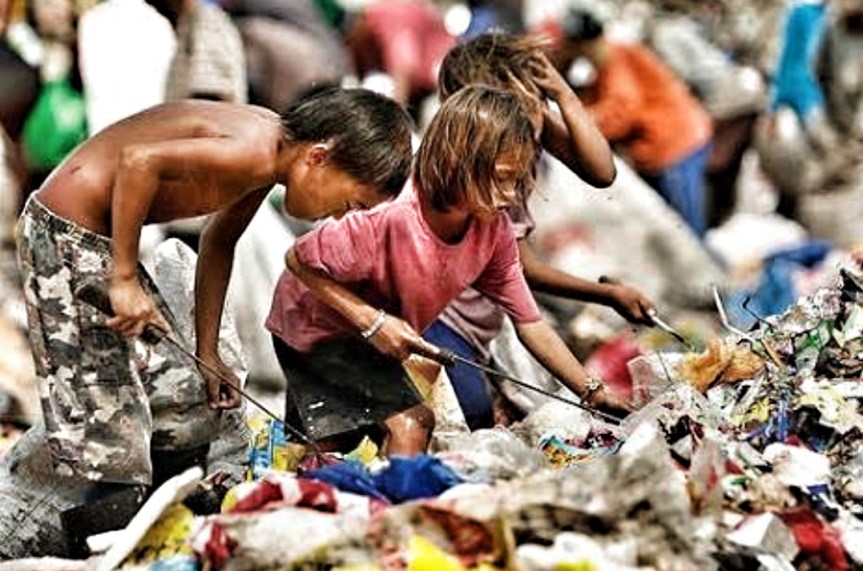
Insufficient education and lack of training- due to Rising poverty children are not able to get basic education and again since they are not educated, they don’t get employed and this vicious cycle of poverty is continued. Lack of money is reason for them not attending proper School and they have to indulge in labour to provide for a minimal living also causes rise for child labour. Parents send their children to work at a very young age.

Inequality– different gender, ethnic, group and social classes face inequality due to poverty. Low rate of economic development, If a country is poor then its development is also very slow.

Rise in crime – Often due to poverty and hunger, people indulge in criminal activities. To fill their empty stomach many young children opt for wrong ways and indulge in theft and loot and its disturbance in the society.

Way Forward

To eradicate poverty and hunger from the society, there is a need for the government to implement schemes and methods. The government should spend more in health, nutrition, and education. The government should invest more in agriculture and provide the farmers with better quality seeds and advanced machineries and modern techniques for more agricultural production, Also it is necessary to decrease rural poverty. Subsidies address only short-term issues. There is a need to develop technologies, with the help of which farmers can practice all-weather agriculture. Government should focus on increasing employment opportunities creating jobs in modern sectors and promote labor-intensive industries. Reduction in corruption will lead to an overall development of the economy. A country with low poverty level will only develop in a better manner.

Sources: civilservicesindia.com

The problem of poverty in India

In India, poverty is presently estimated by fixing a poverty line based on a differentiated calorie-norm. This means that the level of poverty depends upon the capacity of a person to purchase food and a person who can buy specific amount of food to cross the poverty line margin for nutrients and calorie intake is above the poverty line. Whereas, the person who cannot buy enough food to meet the required nutrition value of calories and carbohydrates is below the poverty line. This level is not the correct parameter to check the level of poverty.

A task force of the Planning Commission in 1979 defined the poverty line as that per capita expenditure at which the average per capita per day calorie intake was 2400 calories in rural areas and 2100 calories in urban areas. Average per capita expenditures incurred by that population group in each State which consumed these quantities of calories, as per the 1973-74 survey of NSSO, were used as the poverty lines.

The debate on the extent of poverty in India has been a matter of global interest in the recent years. The primary reason for the global interest in the debate is that the levels of poverty in India and China have come to exert significant influence over the trends in world poverty itself.

Within India too, there has been growing contestation around poverty estimates, particularly in the period of economic reforms. First, there are persistent disagreements among economists on whether the rate of poverty decline after economic reforms was slower than in the preceding period. Secondly, the shift to targeted, rather than universal, welfare schemes has witnessed the use of poverty estimates to decide on the number of households eligible to access these schemes. The report of the Expert Group on the estimation of poverty, chaired by Suresh Tendulkar, is the latest input to the “Great Indian Poverty Debate.”

It is to be noted here that many subsidies and programs are launched by the government but these additional increments do not reach the actual people that are in need of them. Instead it is sent back to the businessman and thus a lot of profit is earned on these subsidized goods. Thus, to lower the level of poverty in India, schemes have to be launched in order to directly benefit the people in need.

The Hindu states that, “A final issue with the report, of much long-term consequence, relates to the wisdom of abandoning the calorie norm. It is indeed true that the levels of calorie intakes are not well correlated with nutritional outcomes. However, abandoning the calorie norm altogether and taking solace from the fortuitous fact that calorie intakes appear adequate at the new poverty lines is an arbitrary proposition. It is unclear whether there is any basis, theoretical or empirical, for this relationship to hold true across time.”

The Tendulkar Committee has pitched for a policy position that is stranded between the harsh realities of poverty in India and the fiscal conservativeness of a neo-liberal framework. The real challenge lies in preserving the positives from the report, and strongly persisting with the demand for a universal social security system.


Written by: Ananya Kaushal

“Poverty is the worst form of violence”. – Mahatma Gandhi.

We can define poverty as the condition where the basic needs of a family, like food, shelter, clothing, and education are not fulfilled. It can lead to other problems like poor literacy, unemployment, malnutrition, etc. A poor person is not able to get education due to lack of money and therefore remains unemployed. An unemployed person is not able to buy enough & nutritious food for his family and their health decline. A weak person lacks the energy required for the job. A jobless person remains poor only. Thus we can say that poverty is the root cause of other problems.

How Poverty is Measured?

For measuring poverty United nations have devised two measures of poverty – Absolute & relative poverty. Absolute poverty is used to measure poverty in developing countries like India. Relative poverty is used to measure poverty in developed countries like the USA. In absolute poverty, a line based on the minimum level of income has been created & is called a poverty line. If per day income of a family is below this level, then it is poor or below the poverty line. If per day income of a family is above this level, then it is non-poor or above the poverty line. In India, the new poverty line is Rs 32 in rural areas and Rs 47 in urban areas.

Causes of Poverty

According to the Noble prize winner South African leader, Nelson Mandela – “Poverty is not natural, it is manmade”. The above statement is true as the causes of poverty are generally man-made. There are various causes of poverty but the most important is population. Rising population is putting the burden on the resources & budget of countries. Governments are finding difficult to provide food, shelter & employment to the rising population.

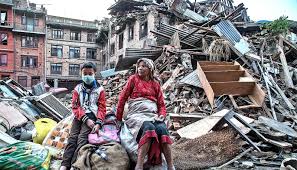
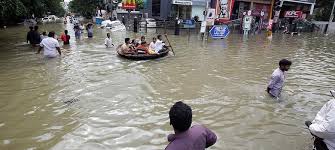
The other causes are- lack of education, war, natural disaster, lack of employment, lack of infrastructure, political instability, etc. For instance- lack of employment opportunities makes a person jobless & he is not able to earn enough to fulfill the basic necessities of his family & becomes poor. Lack of education compels a person for less paying jobs & it makes him poorer. Lack of infrastructure means there are no industries, banks, etc. in a country resulting in lack of employment opportunities. Natural disasters like flood, earthquake also contribute to poverty.

In some countries, especially African countries like Somalia, a long period of civil war has made poverty widespread. This is because all the resources & money is being spent in war instead of public welfare. Countries like India, Pakistan, Bangladesh, etc. are prone to natural disasters like cyclone, etc. These disasters occur every year causing poverty to rise.

Ill Effects of Poverty

Poverty affects the life of a poor family. A poor person is not able to take proper food & nutrition &his capacity to work reduces. Reduced capacity to work further reduces his income, making him poorer. Children from poor family never get proper schooling & proper nutrition. They have to work to support their family & this destroys their childhood. Some of them may also involve in crimes like theft, murder, robbery, etc. A poor person remains uneducated & is forced to live under unhygienic conditions in slums. There are no proper sanitation & drinking water facility in slums & he falls ill often & his health deteriorates. A poor person generally dies an early death. So, all social evils are related to poverty.

Government Schemes to Remove Poverty

The government of India also took several measures to eradicate poverty from India. Some of them are – creating employment opportunities, controlling population, etc. In India, about 60% of the population is still dependent on agriculture for its livelihood. Government has taken certain measures to promote agriculture in India. The government constructed certain dams & canals in our country to provide easy availability of water for irrigation. Government has also taken steps for the cheap availability of seeds & farming equipment to promote agriculture. Government is also promoting farming of cash crops like cotton, instead of food crops. In cities, the government is promoting industrialization to create more jobs. Government has also opened ‘Ration shops’. Other measures include providing free & compulsory education for children up to 14 years of age, scholarship to deserving students from a poor background, providing subsidized houses to poor people, etc.

Poverty is a social evil, we can also contribute to control it. For example- we can simply donate old clothes to poor people, we can also sponsor the education of a poor child or we can utilize our free time by teaching poor students. Remember before wasting food, somebody is still sleeping hungry.

Overcoming poverty is not a gesture of charity. It is an act of justice.

—nelsen mandela

Poverty – The massive trap

  • Almost half the world- over 3 billion people live on less than $2.5 a day
  • More than 80 % of humanity lives on less than $10 a day.
  • Around 27-28 percent of all children in developing countries are estimated to be underweight.
  • According to UNICEF 22000 children die each day due to poverty.
  • Infectious diseases continue to blight the lives of the poor across the world.

and we can pile up many such pathetic situations faced by the folks all over the world by getting trapped in poverty. Poverty is a state in which a person or a community  lacks the financial resources( like the income level of people will be very low to meet the daily human needs) and essentials to lead a minimum standard of living. What could be more disadvantaging of a factor than ruining people’s life ? This also contributes as a loophole in the Indian economy. Development of a country has a lot to deal with the effect of poverty. It is interrelated to many problems of underdevelopment. Both the rural and the urban communities tend to face this issue but they can be different. In rural areas people may not have much access to education, health and many such factors but people are exposed to a healthier and natural environment whereas in urban places people are provided with adequate education and health but many of the problems caused by poverty are made worse by things like overcrowding, rising expenses, pollution, unhygienic conditions etc. There may be some serious economic decline due to poverty. Reduces productivity and economic output by about 1.3 % of GDP. Raises the costs of crime by 1.3% of GDP. Raises health expenditures and reduces the value of health by 1.2 %. This can also make the developing countries to hang back from emerging into a developed country.

Impact of poverty in the environment

In addition to the effects on economic development of a country, Poverty also has an adverse impact on the environment leading to pollution, such a lifestyle leads to unnecessary depletion of resources. It encompasses a combination of factors. The first reason is people hit by poverty create an unhealthy lifestyle around them because most of the houses of such people are located in the slum areas. The houses would be devoid of a proper drainage system and sewage disposal, lack of sanitation and would let all the effluents and filthy water on the road. Such waters would be flowing rapidly in between houses, which to a drastic level will pollute the environment.

Every house may not hold the service of individual toilets and there would be a common one among them, and that would increase the risks of infectious diseases because there would be lack of proper maintenance. People over there use flex banners for house roofing and have them as a sleeping mat but the fact is flex banners are made of poly vinyl chloride( they are made of plastics which do not degrade biologically and it causes a serious threat to the environment as it is not bio degradable. It may have serious effects on the health and can even cause cancer and infertility problems. There are high chances of polluting the water resources due to lack of knowledge and poor water management. Humans who are lesser educated live shorter lives than who are educated more, such intangible gaps are a huge loss for people and the country.

What could be the promising measures to alleviate poverty?

  • Many people are pushed into such a state due to the lack of employment and education opportunities so it would be an important measure to generate such opportunities for the poor and to raise their productivity is the speedy development of infrastructure.
  • Further for the mitigation of poverty growth of non farm employment in the rural areas holds a special importance. Non farm employment is created in marketing, transportation, handicrafts, dairying and forestry, food processing and other agricultural products.
  • Educating a girl child is very prominent for the society. Educated girls can grow into skilled workers and get well paying jobs. Working women can earn and support the families and lead to sustainable development.
  • The public distribution system should be strengthened to remove poverty. Poor section should get food grains at subsidized rates and in adequate quantity.
  • Even a common man are not able to afford things these days due to the constant escalation of prices and just imagine the plight of the impoverished. Stability in prices helps to remove poverty. If the prices increases constantly the poor becomes poorer. So the Government should render the best to keep the prices under control.
  • Development in agriculture can aid the eradication of poverty. Rapid rate of growth of agriculture production will help to remove urban as well as rural poverty. Agriculture should be mechanized and modernized.

Poverty

Poverty! Poverty is lack of food, Poverty is lack of shelter, Poverty is being sick and can not afford medicines, Poverty is knowing how to read but can’t afford going to School, Poverty is being unemployed. And Poverty is lack of representation and freedom.Poverty has so many faces, and can describe in different ways. Most often, poverty is a situation people want to escape.

We have to take the step to reduce poverty so that many more may have enough food to eat, adequate shelter to cover their head, access to education and health.Overpopulation and underdevelopment in the country is the main cause for poverty. The birth rate in India is very high and the former has taken the measure of the ‘one child policy’ to change the situation, but the latter has not made any effort yet.

Underdevelopment is another reason, the country do not have enough economic growth to support their growing populations.Poverty in India can eradicate with some effective programmes, just need a joint effort from everyone not only from the government. Government of India should make effective policies aiming to develop rural areas through the key components like primary education, population control policies, family welfare, job creation and many more.

We can define poverty as the condition where the basic needs of a family, like food, shelter, clothing, and education are not fulfilled. It can lead to other problems like poor literacy, unemployment, malnutrition, etc. A poor person is not able to get education due to lack of money and therefore remains unemployed. An unemployed person is not able to buy enough & nutritious food for his family and their health decline. A weak person lacks the energy required for the job. A jobless person remains poor only. Thus we can say that poverty is the root cause of other problems.

How Poverty is Measured?

For measuring poverty United nations have devised two measures of poverty – Absolute & relative poverty.  Absolute poverty is used to measure poverty in developing countries like India. Relative poverty is used to measure poverty in developed countries like the USA. In absolute poverty, a line based on the minimum level of income has been created & is called a poverty line.  If per day income of a family is below this level, then it is poor or below the poverty line. If per day income of a family is above this level, then it is non-poor or above the poverty line. In India, the new poverty line is  Rs 32 in rural areas and Rs 47 in urban areas.

Causes of Poverty

According to the Noble prize winner South African leader, Nelson Mandela – “Poverty is not natural, it is manmade”. The above statement is true as the causes of poverty are generally man-made. There are various causes of poverty but the most important is population. Rising population is putting the burden on the resources & budget of countries. Governments are finding difficult to provide food, shelter & employment to the rising population.

The other causes are- lack of education, war, natural disaster, lack of employment, lack of infrastructure, political instability, etc. For instance- lack of employment opportunities makes a person jobless & he is not able to earn enough to fulfill the basic necessities of his family & becomes poor. Lack of education compels a person for less paying jobs & it makes him poorer. Lack of infrastructure means there are no industries, banks, etc. in a country resulting in lack of employment opportunities. Natural disasters like flood, earthquake also contribute to poverty.

In some countries, especially African countries like Somalia, a long period of civil war has made poverty widespread. This is because all the resources & money is being spent in war instead of public welfare. Countries like India, Pakistan, Bangladesh, etc. are prone to natural disasters like cyclone, etc. These disasters occur every year causing poverty to rise.

Ill Effects of Poverty

Poverty affects the life of a poor family. A poor person is not able to take proper food & nutrition &his capacity to work reduces. Reduced capacity to work further reduces his income, making him poorer. Children from poor family never get proper schooling & proper nutrition. They have to work to support their family & this destroys their childhood. Some of them may also involve in crimes like theft, murder, robbery, etc. A poor person remains uneducated & is forced to live under unhygienic conditions in slums. There are no proper sanitation & drinking water facility in slums & he falls ill often &  his health deteriorates. A poor person generally dies an early death. So, all social evils are related to poverty.

Government Schemes to Remove Poverty

The government of India also took several measures to eradicate poverty from India. Some of them are – creating employment opportunities, controlling population, etc. In India, about 60% of the population is still dependent on agriculture for its livelihood. Government has taken certain measures to promote agriculture in India. The government constructed certain dams & canals in our country to provide easy availability of water for irrigation. Government has also taken steps for the cheap availability of seeds & farming equipment to promote agriculture. Government is also promoting farming of cash crops like cotton, instead of food crops. In cities, the government is promoting industrialization to create more jobs. Government has also opened  ‘Ration shops’. Other measures include providing free & compulsory education for children up to 14 years of age, scholarship to deserving students from a poor background, providing subsidized houses to poor people, etc.

Poverty is a social evil, we can also contribute to control it. For example- we can simply donate old clothes to poor people, we can also sponsor the education of a poor child or we can utilize our free time by teaching poor students. Remember before wasting food, somebody is still sleeping hungry.

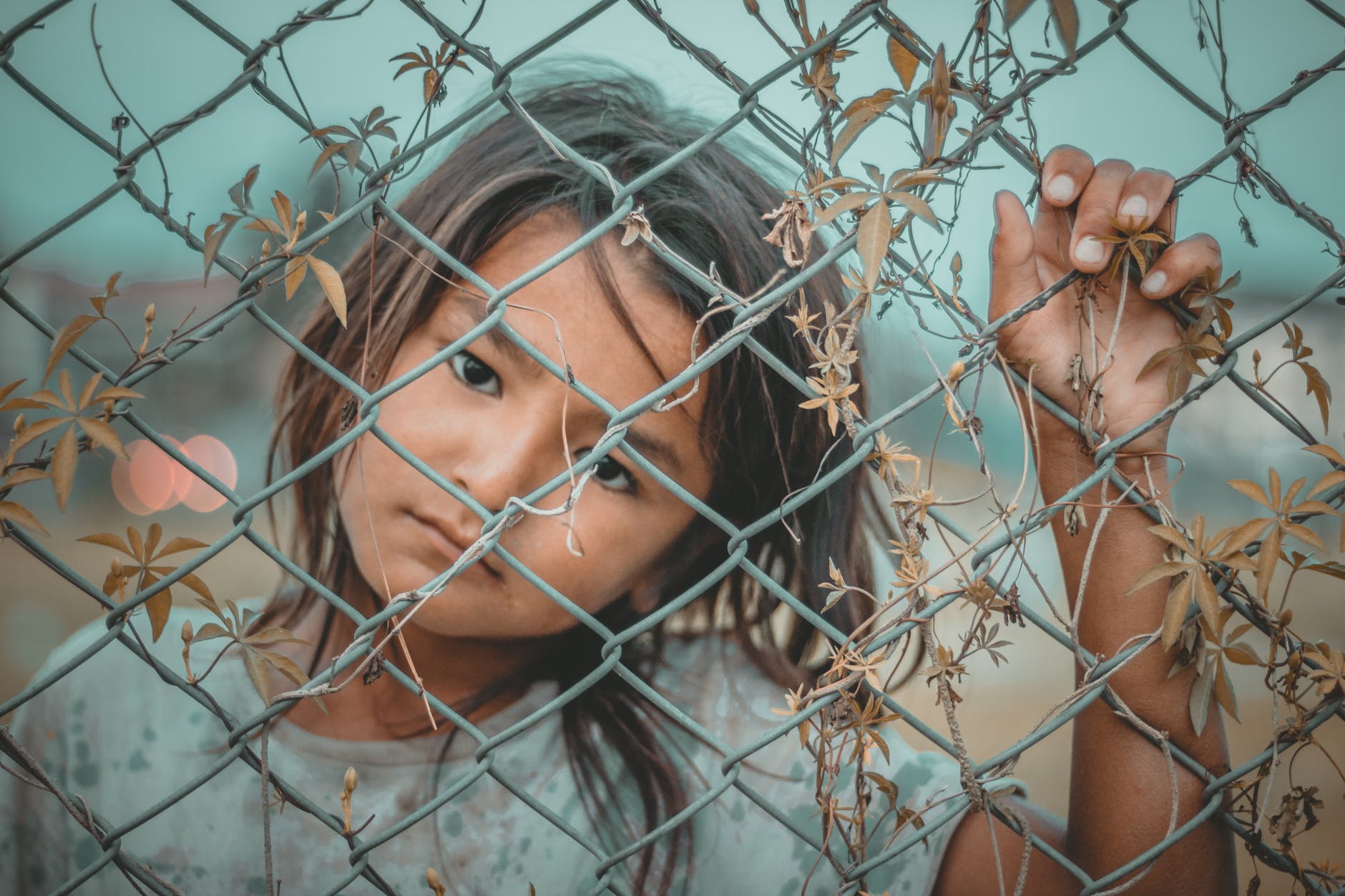
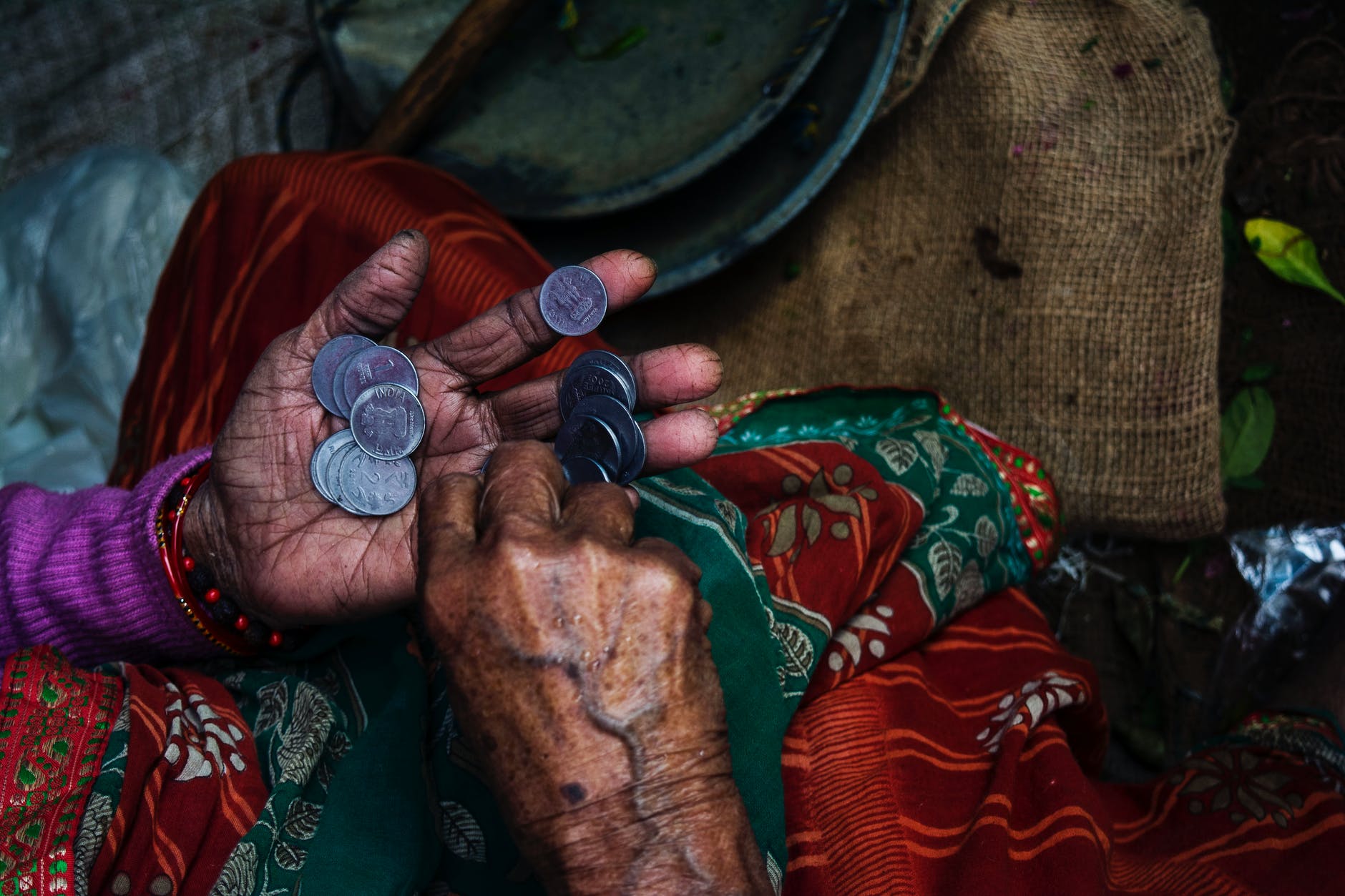
Photo by namo deet on Pexels.com

Virtual Classrooms – An Alternative for Classroom learning

When the lock down was announced our whole educational system came to an abrupt stop. Now we had to depend on online apps and webinars to learn.

 Until the lock down period was announced most of us were not even aware of the existence of such apps.  By the time lock down was announced the fame for an app like Zoom, had won over the millions of people across the world. It was one of the popular apps used around the world to conduct meetings. It accommodated more than about 100 participants.

First times in online classes are always a headache because half of the people  forget to turn on the audio and camera. Not only us but teachers also have hard time in finding different functions.  Online classes are always an advantage in situations where classroom learning cannot take place but in many strong opinions it can never take over the idea classroom learning.

To the other side of online classes, it opens us to a world of disparities between the elite and the middle class and the poor. An online class eliminates the human connection that a face-to-face, in-house teaching environment provides. An online instructor cannot gauge the mood, involvement and engagement level of her students the way she can in a traditional lecture-based classroom.

There are a lot of problems with online learning. Most of the students will face difficulty in connecting with the teacher. Without a proper connection at home for internet, students will find difficulty in attending the classes. Proper 4G connection is need for the smooth conduct of meeting in Zoom. This creates a digital divide between the students. Not all students can afford a phone or not all will have a proper connection. This creates a differentiate between the haves and have nots. 

Such a simple issue as this can really draw us attention over the issue of network and internet connections, but what most of us forget is in some states of India, internet connections have been cut off which makes it very hard for students in that are to attend class.

Zoom classes does not allow you to enhance your learning capacity. It doesn’t provide for any kind of learning other than the academics. Sometimes the app would crash and there would be a lag.

Most of the times when classes go on, the system gets lagged and create network problems due to which students wont be able to focus. Students are forced to sit in front of their phones for hours listening to lectures which can have a lot of effect on their eyes as well as their thinking capacity.

Sometimes classes are taken without giving any breaks in between, this can cut off the span of concentration of a student. One person can normally concentrate to max to max half an hour without any other thoughts barging in, with proper breaks in between it becomes easier to learn.

Taking all these facts into consideration we can come to the conclusion that online learning may not always be an alternative for classroom education. Being in touch with human beings and socializing with people is what develops a persons character.

Most of us learn from school, from what we see and hear we develop into better versions of ourselves. Being outside in the sun, playing in the mud, reading a book to bed etc adds up to the character of a child. In all places learning by experience matters.

POOR vs RICH

We live in a society comprised of two classes called the rich and the poor with a lot of differences between them. These are also referred to as the dos and don’ts of the society. The rich make up barely 40% of the population and have control over 60% of the resources while 60% of the population makes use of the remaining 40% of the resources. However, the divide between rich and poor, despite all ‘isms’ such as communism, capitalism, and socialism keeps growing all the time making the condition of the poor worse than it has all along been. However, the financial condition is not the only difference between the rich and the poor.

• Control of Life:

• Rich believe they are in control of their lives.

• Poor feel they are subject to various of life and life controls events taking place in their lives.

• Money:

• Investing in schemes to make more money is like a game for rich.

• The poor are all the time terrified of investing in the stock market with the result that more often than not, they lose money.

• It is apparent to all that the poor are playing not to lose money while the rich are playing to win more.

• Opportunities and Obstacles:

• Rich people see the opportunities while poor see the obstacles first.

• Poor keep thinking how they will overcome these obstacles whereas rich keep their focus on opportunities as they have the resources to overcome obstacles easily.

• Dreaming:

• Rich dream big and, therefore, strike rich.

• Poor dream small with the result that they have to remain content with whatever they get.

• Doers and Dreamers:

• Rich are doers; they take concrete steps to fulfill their dreams.

• Poor just dream about their dreams.

• Company:

• The company of rich people includes rich and successful.

• Poor people have the company of unsuccessful and daydreamers.

• This difference in company proves vital in deciding the future of the rich and the poor.