Operation Cactus by Indian Armed Forces which saved Maldives freedom.

Operation Cactus, led by the Indian Armed Forces in 1988, to stop a group of Maldives mercenaries led by businessman Abdullah Rutufi, and armed mercenaries of the Tamil Elam People’s Liberation Organization (PLOTE), a separatist Tamil organization in Sri Lanka. It’s strategy was to overthrow the government in the Maldivian island republic.

Thier were two coup attempr done before 1988.The 1980 and 1983 coup attempts against President Maumoon Abdul Game were not considered serious, but the third coup attempt in November 1988 surprised the international community. About 80 armed PLOTE mercenaries boarded a speedboat from a Sri Lankan cargo ship hijacked in the capital Male before dawn. A similar number has previously invaded Male in the guise of a visitor. The mercenaries soon gained control of the capital. This includes major government buildings, airports, ports, television and radio stations. The mercenaries then marched to the presidential residence, where President Gayoom lived with his family. However, before they arrived at the presidential residence, President Gayoom was escorted to the Defense Minister’s house by a Maldivian national security forces. The Secretary of Defense then took the president to a safe home.
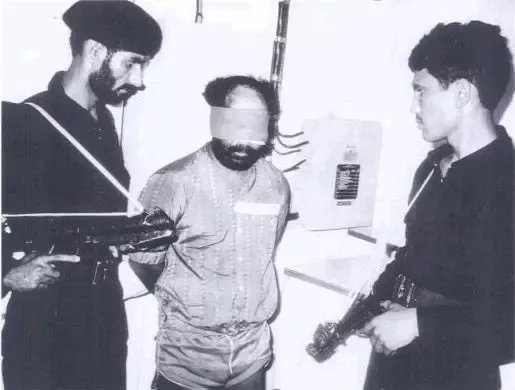
Meanwhile, the mercenaries occupied the presidential residence and managed to take the Maldivian Minister of Education hostage. President Gayoom called on Sri Lanka and Pakistan government to intervene in the military, but both refused to help because of lack of military power. The president then demanded Singapore’s intervention, but Singapore refused for the same reason. He then contacted the United States and was told that it would take a couple of days for the US military to reach the Maldives from the nearest military base in Diego Garcia, which was almost 1000 km away. The president then contacted Britain and who advised them to seek help from India. After that, President Gayoom sought help from the Indian government. India soon accepted their request and an emergency meeting was convened at the Secretariat Building in New Delhi. Within 16 hours of SOS, India was ready for thier missions.
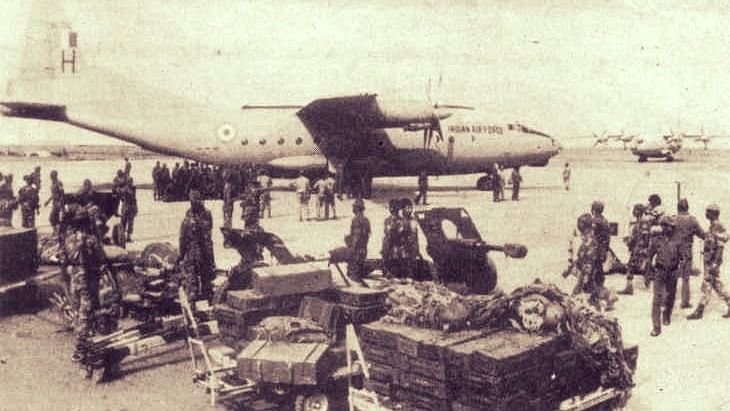
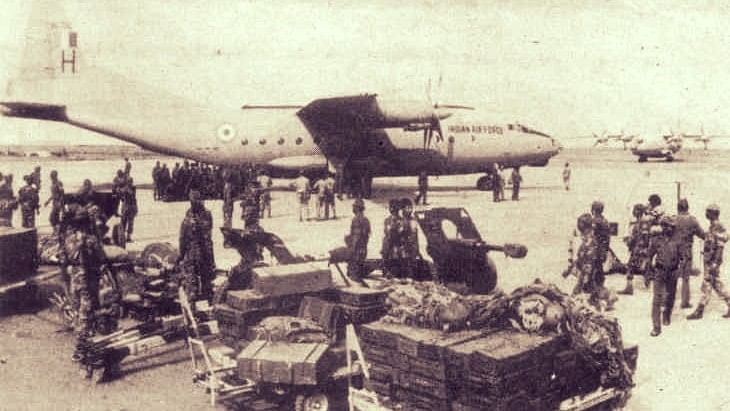
Rejaul Karim Laskar, a member of India’s then ruling party, the Indian National Congress, said that intervention of India in coup d’etat was necessary because without India’s intervention, outsiders powers were tempted to intervene and establish base in the Maldives. . Therefore, India intervened through “Operation Cactus”. On the night of November 3, 1988, the Ilyushin Il-76 aircraft of the Indian Air Force took elements of the 50th Independent Parachute Regiment, the 6th Parachute Regiment Battalion, and the 17th Parachute Field Paratrooper Regiment under Brigadier General Farsala from Agra Air. He flew non-stop for over 2,000 kilometers (1,240 miles) and landed at Male International Airport on Hulhule Island. Indian Army paratroopers arrived in Hulhule nine hours after President Gayoom proceedings.
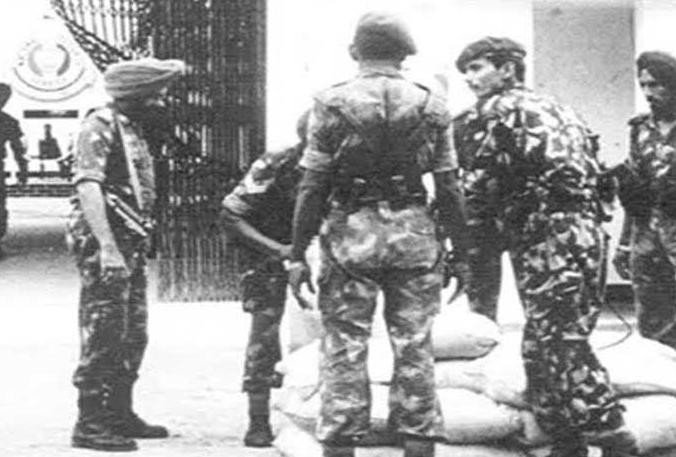
Indian paratroopers quickly secured an airfield and sailed to Male on a confiscated boat to rescue President Gayoom . Paratroopers handed over control of the capital to President Gayoom ‘s government within hours. Some of the mercenaries fled to Sri Lanka on a hijacked cargo ship. Those who could not arrive at the ship in time were immediately rounded up and handed over to the Maldivian armed Forces and government. According to reports, 19 people died in battle, most of them mercenaries. The dead included two hostages killed by mercenaries. And Operation Cactus took 18 hours for Indian Armed Forces from start to finish. Indian Navy frigate Godavari and Betwa intercepted a cargo ship off Sri Lanka and captured mercenaries. The swift intervention and accurate intelligence of the Indian Army was able to successfully subdue the coup attempted in the island nation.

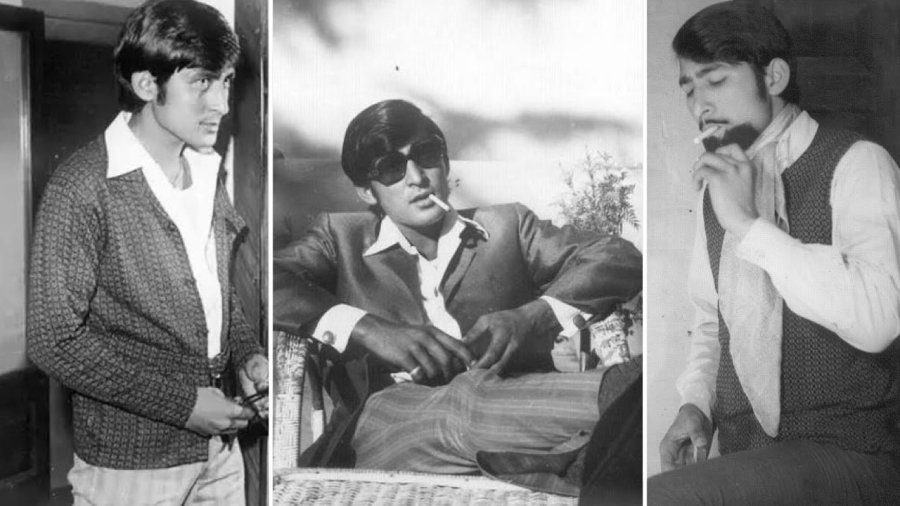
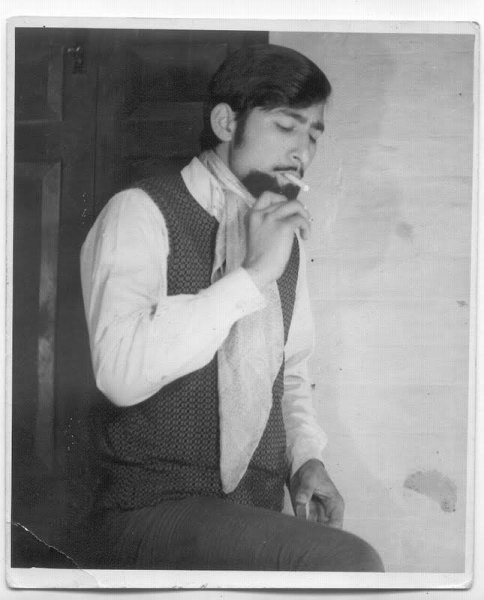
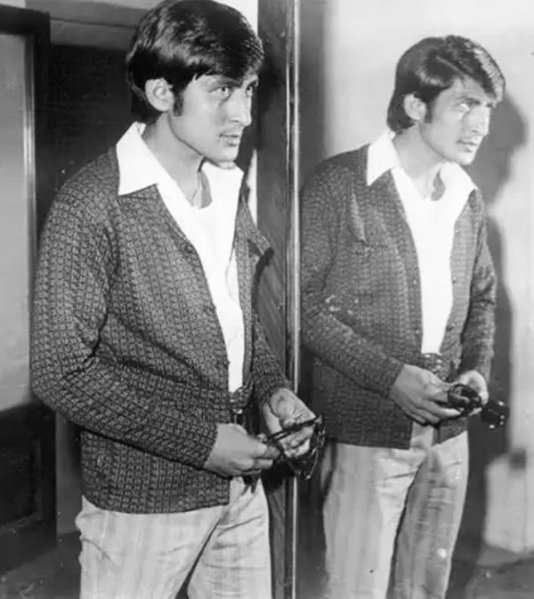
“Black Tiger” Of India Ravindra Kaushik.

Ravindra Kaushik who served in (R&AW) ,famously known as Black Tiger was born in Sri Ganganagar, Rajasthan on 11 April 1952 in a Brahmin family.
Ravindra during his graduation days used to do drama plays and during this time Kaushik displayed his talent at the national level dramatic meet in Lucknow, Uttar Pradesh, which was witnessed by officials from the Research and Analysis Wing. After which he was contacted and offered a job of being an undercover Operative for Research and Analysis Wing in Pakistan.

After agreeing to work for R&AW Kaushik was given extensive training in Delhi for two years. He underwent circumcision so he could pass as a Muslim. He was taught Urdu, given Islamic religious education and acquainted with the topography and other details about Pakistan. Being from Sri Ganganagar, a city near Rajasthan’s border with Punjab, he was well versed in Punjabi, which is widely understood in Punjab and Pakistan as well., India. In 1975, at the age of 23, He was sent to Pakistan.
Kaushik was given the cover name “Nabi Ahmed Shakir” and entered Pakistan in 1975. He was successful in getting admission in Karachi University and from where he completed his LLB. He then joined Pakistan Army as a commissioned officer and eventually promoted to the rank of a major. While living in Pakistan under his cover he married a local girl named Amanat, the daughter of a tailor in one of the army units, and with whom he fathered a boy .

From 1979 to 1983, while working as an officer, he passed on valuable information to R&AW which was of great help to India. He was given the title of ‘Black Tiger’ by India’s then home minister late S. B. Chavan.

In September 1983, R&AW sent a low-level operative, Inyat Masih, to get in touch with Kaushik. However, Masih was caught by Joint Counterintelligence Bureau of Pakistan’s ISI and blew Kaushik’s cover. Kaushik was then captured, tortured for two years at an interrogation center in Sialkot. He was given the death sentence in 1985. His sentence was later commuted to a life term by the Supreme Court of Pakistan. He was kept in various jails in various cities, including Sialkot, Kot Lakhpat and in Mianwali jail for 16 years. He managed to secretly send letters to his family in India, which revealed his poor health condition and the trauma faced by him in Pakistani jails.He also adresses his thoughts on his country and department. In one of his letters he wrote:
“Kya Bharat jaise bade desh ke liye kurbani dene waalon ko yahi milta hai?” (Is this what people who sacrifice their lives for a big country like India get?”
In November 2001, he was caused with pulmonary tuberculosis and heart disease in Central Jail Mianwali in Pakistan.
He served for Research and Analysis Wing from 1975 to 1983.

“Writing about magic is harder than writing about spies because you’re dealing with something that doesn’t really exist.”

-Anthony Horowitz

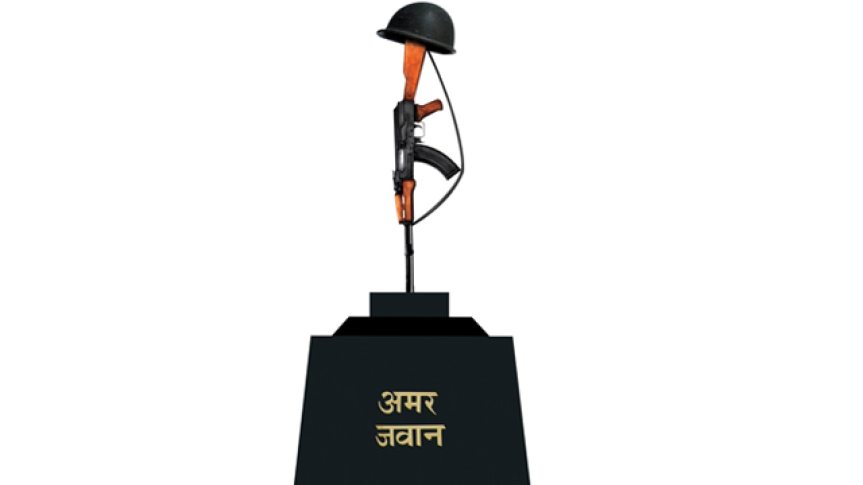
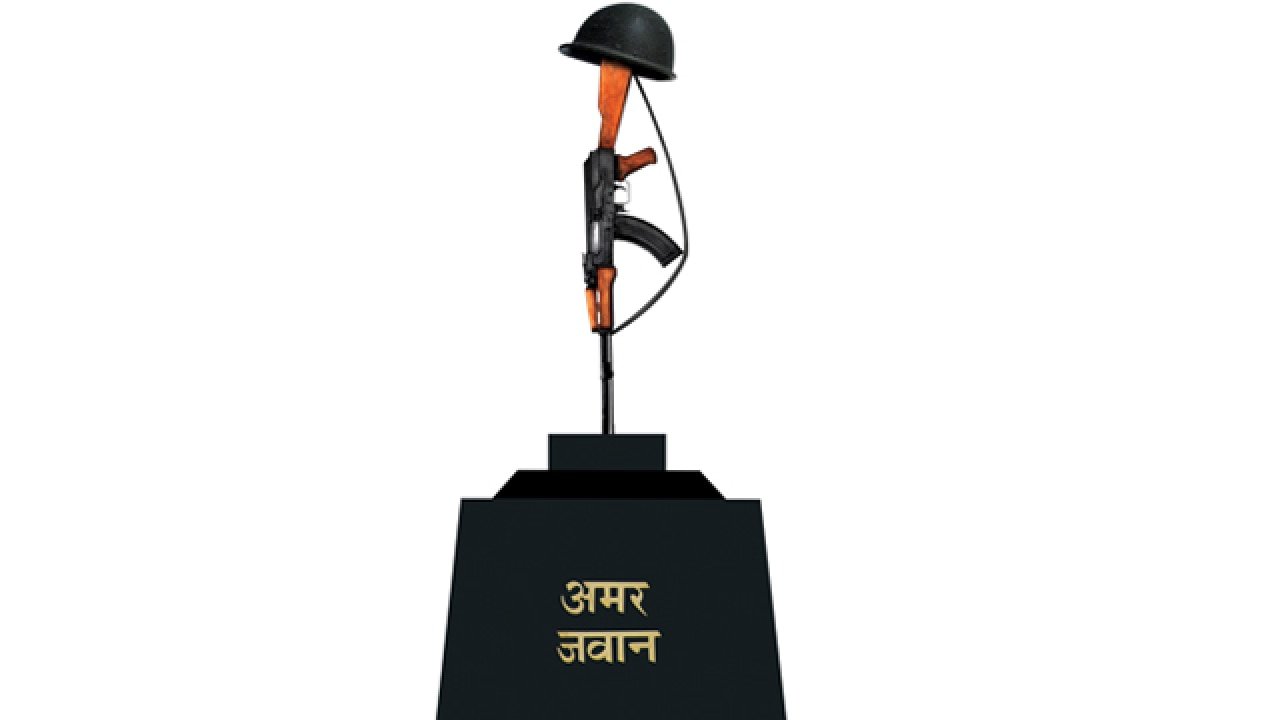
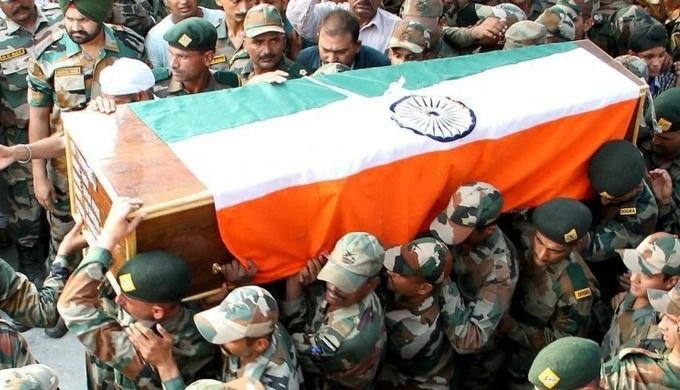
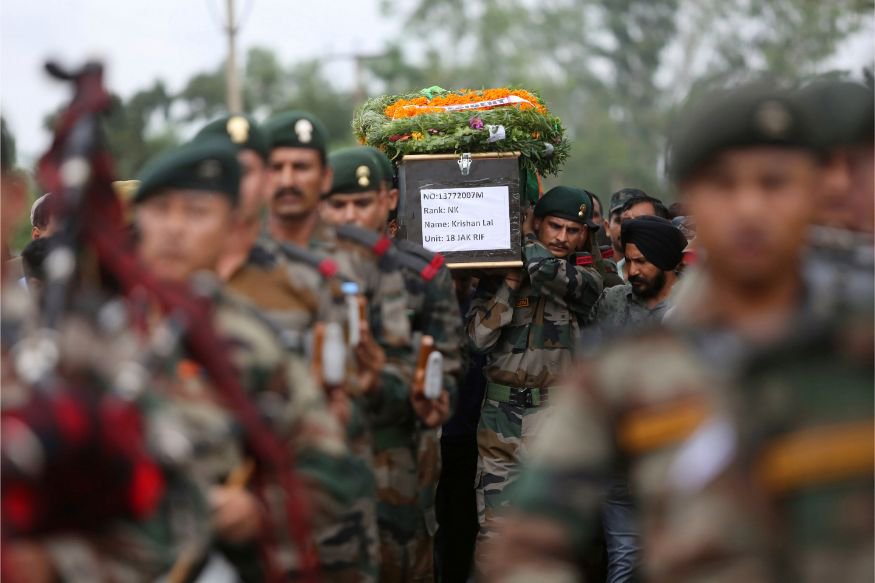
No use of ‘Martyr’ word in Army for death of on duty soldier .

History of the use of the word martyr:
The government has claimed for nearly a decade that the word “martyr” has not been officially recognized. In 2013 and 2014, in response to RTI’s request, the Ministry of Home Affairs revealed that the words “martyr” and “shahid” were not defined anywhere by the Government of India.
In December 2015, then Home Affair Minister Kireen Rijiju said in Lok Sabah that it is advised that the word “martyr” is not refer to any of the victims of the Indian army. He added that such terms were not used by Central Armed Police Forces (CAPF) and Assam Rifles personnel either.
In December 2021, Minister of State Home Nityanand Rai told Rajya Sabha again that there was no formal term like “martyr.”


Objections to the use of martyrs’ words:
The word “martyr” has religious implications and has historically been used to refer to people making sacrifices for their religious beliefs like in Christianity . The word “Shahid”, which is used as a Hindu alternative to the word “Martyr”, also has a religious meaning and is associated with the Islamic concept of Shahadat. The word “martyr” is said to be derived from the Greek word “martur”. In various dictionaries, “martyr” is defined as a person who is willing to die as a punishment for refusing to abandon religion.
Since the Indian army is not affiliated with any religion and does not sacrifice their lives for religious principles, the use of such words for their sacrifice is found wrong,including the supreme leader of the army. Using words like martyr may not be correct in context to armed forces especially in India according to many legal experts and prominent officers of army and retired officers.

Steps Taken By Government To Stop Use Of Martyr Word:
Despite the repeated assertions of the government about the word martyr having no official recognition, it was mostly used in government statements issued by various PR Officers for the defence services and the CAPFs. Many senior serving and retired officers also used it frequently to describe the death of soldiers in action. Thus, the word remained in common use.
The Army in 2022 issued a letter to all its commands asking them to abstain from using the word martyr as it may not be appropriate for soldiers who die in the line of duty. They have been, instead, asked to use phrases such as killed in action, supreme sacrifice for the nation, battle casualty, laid down their lives,veergati etc.

“Either I will come back after hoisting the tricolor, or I will come back wrapped in it, but I will be back for sure. “

-Late Captain Vikram Batra (PVC)

A warrior who can not be forgotten Hav. Gajender Singh Bisht.

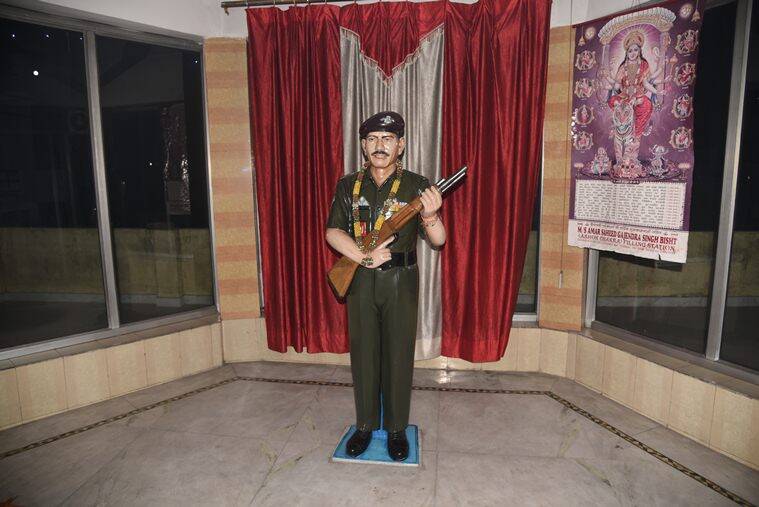
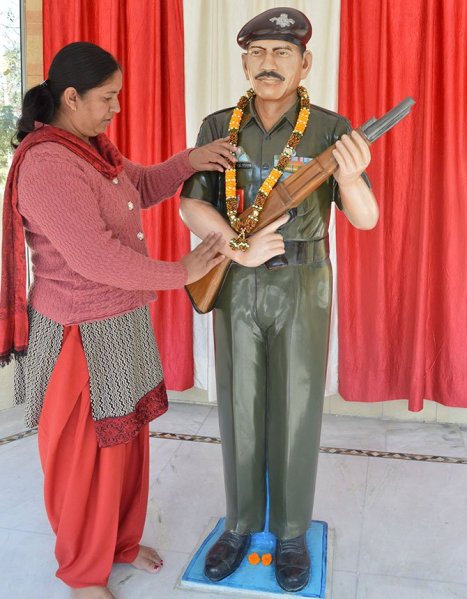
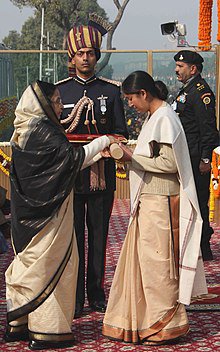
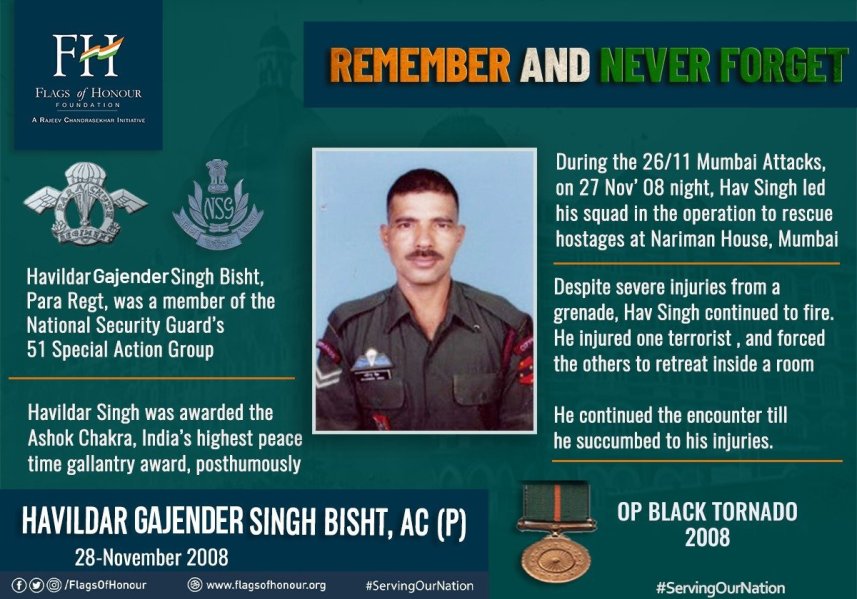
Havaldar Gajender Singh Bisht was an NSG commando who was martyred in the 2008 Mumbai attack. His bravery received the Ashoka Chakra Award from the President of India on January 26, 2009, on the Anniversary of the Republic of India.
He was born on 1 July,1972 in Dehradun, Uttarakhand.

He persued his education from the Janata Inter College in Naya Gaon.As a student he used to participate in every event organised in the school, sports or cultural activities. But he had a particular interest in boxing. Havaldar Gajendra Singh joined Garhwal Rifles in 1991 and later decided to become part of the 10 Para (Special Forces). Havaldar Gajendra also actively participated in Operation Kargil in 1999. Havaldar Gajendra was a trained commander of the Indian Army Special Forces, but he was commissioned to serve the National Security Guard’s Elite Special Action Group.
Gajendra Singh Bisht was a member of the 51st Special Action Group of the National Guard. He was part of a team of NSG Command rushed to the roof of Nariman’s house to neutralize an terrorist inside the building who had at least six hostages.


According to NSG Secretary Jyoti Krishna Dutt, Bisht led one of the teams entering the building. The team was hit by a violent terrorist attack and returned to fire while trying to contain the situation. Terrorists also threw some grenades at Commando. At this point,Bisht had the opportunity to retire with his team. But he realized they needed to seize this opportunity and went forward with thier mission.Instead of turning his back on the militants, he made the way to other troops instead, despite the grenades being thrown. He suffered multiple gunshot wounds in the process, but moved forward and was eventually injured. This allowed his team to secure a dominant position in the encounter. On the night of November 27, 2008, Havildar Gajender Singh Bisht led his army in an operation to rescue hostages from terrorists at the Nariman House in Mumbai. While securing the Nariman House during Operation Black Tornado, Bisht got fatally injured at Jewish center attack and died.

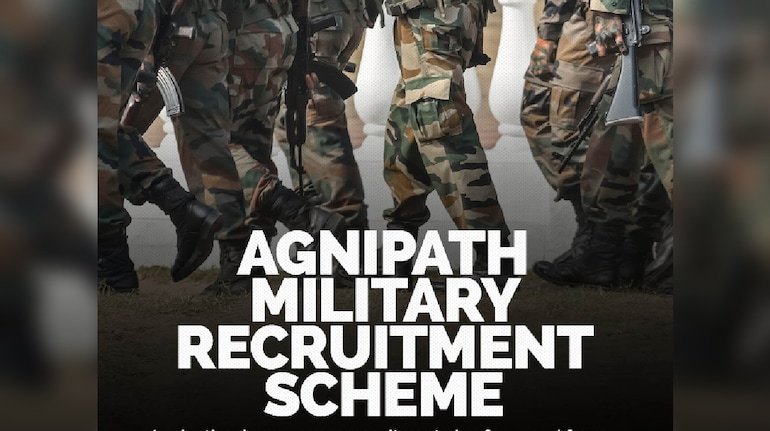
Agnipath Scheme a new vision for future India?


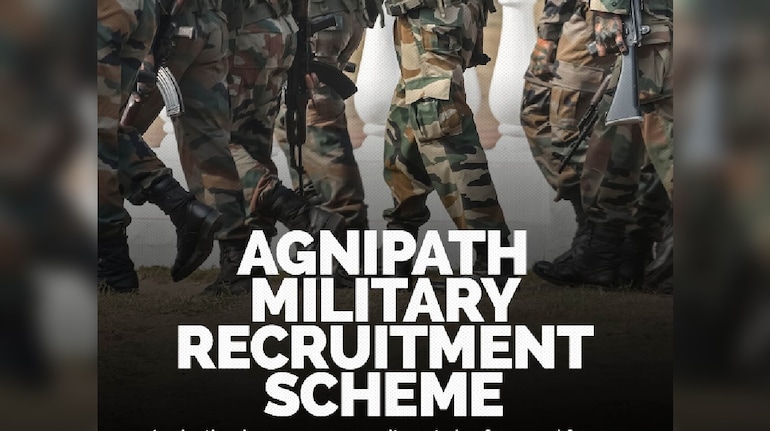
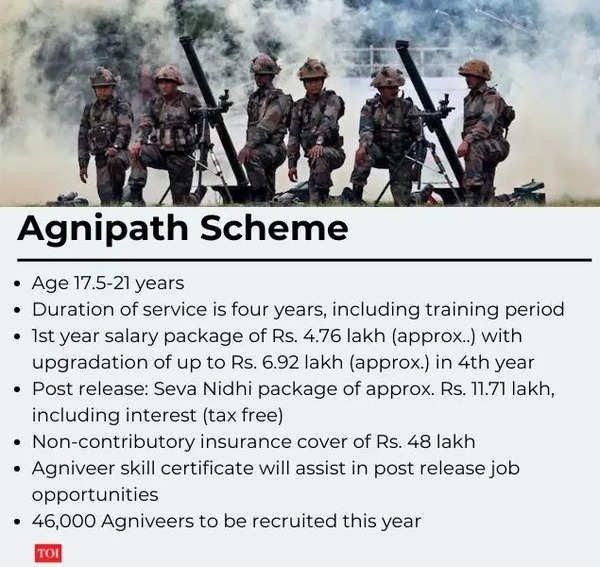
The Agnipath Program is a new program launched by the Government of India on June 14, 2022 to recruit soldiers under Corporal into three armies. The Agnipath program will be the only means of recruiting the military. All new employees will only be hired for 4 years. The personnel hired under this system are called Agniveers, a new military rank. The introduction of this system has been criticized for lack of consultation and open debate. The program is scheduled to start in September 2022. The Agnipath program was approved by the Government of India in June 2022 and will be implemented from September 2022. The announcement was made on June 14, 2022. This program is intended for both male and female applicants between the ages of 17.5 and 21. In widespread protests against the Agnipath program, the central government raised the cap from 21 to 23, but only in 2022. Recruitment under this program is held twice a year by the Indian Army, Indian Navy, and Indian Air Force. The available posts are below the executive list. The Agnipath program is the only way to serve in the army.


New employees, under the Agnipath scheme will be called “Agniveers,”who will have a four-year tenure, including six months of training followed by a 3.5-year deployment. After leaving the service, they have the opportunity to apply to continue in the army. Less than 25 percent of the retired group’s total strength is selected for the permanent roster. Employees who retire after four years of work are not eligible for a pension, but will receive a lump sum of approximately Rs 11,71,000 at the end of their tenure. The Government of India plans to hire 45,000-50,000 new employees each year through this program. In September 2022, 46,000 young people will be hired through this program. Prior to the start of the Agnipath program, soldiers were in the army for more than 15 years of service on a lifetime pension. As of 2019, there was no military recruitment for three years. The Government of India quoted the COVID-19 pandemic in India tye reason for no recruitment. Meanwhile, 50,000 to 60,000 soldiers continued to retire each year, leading to labor shortages and beginning to affect the military’s operational capabilities.


On June 16, 2022, fierce protests took place in several Indian states, where military candidates who were preparing for the armed forces were angry at the new system, demanding its rollback, and damaging public property. By June 17, 12 trains had been fired, affecting the movement of 300 trains. 214 trains were canceled, 11 trains were detoured, and 90 trains ended short of their destination. This scheme does not include long-term holdings, pensions and other benefits that existed in the old scheme. Individuals who wanted to join the army were disappointed with the rules of the new system. Of particular concern were short tenure, no early retirement pension, and an age limit of 17.5-21 years, making many of the current candidates unsuitable for serving in the Indian Army.

On June 20, a national strike called Bharat Bandh was summoned by a protesting organization calling for the withdrawal of the program. The call was made via social media without naming the organization. More than 600 trains were canceled due to a strike. Section 144 was imposed in parts of Rajasthan, Punjab, Uttar Pradesh and Haryana.

Integration of Indian States of Independent India.

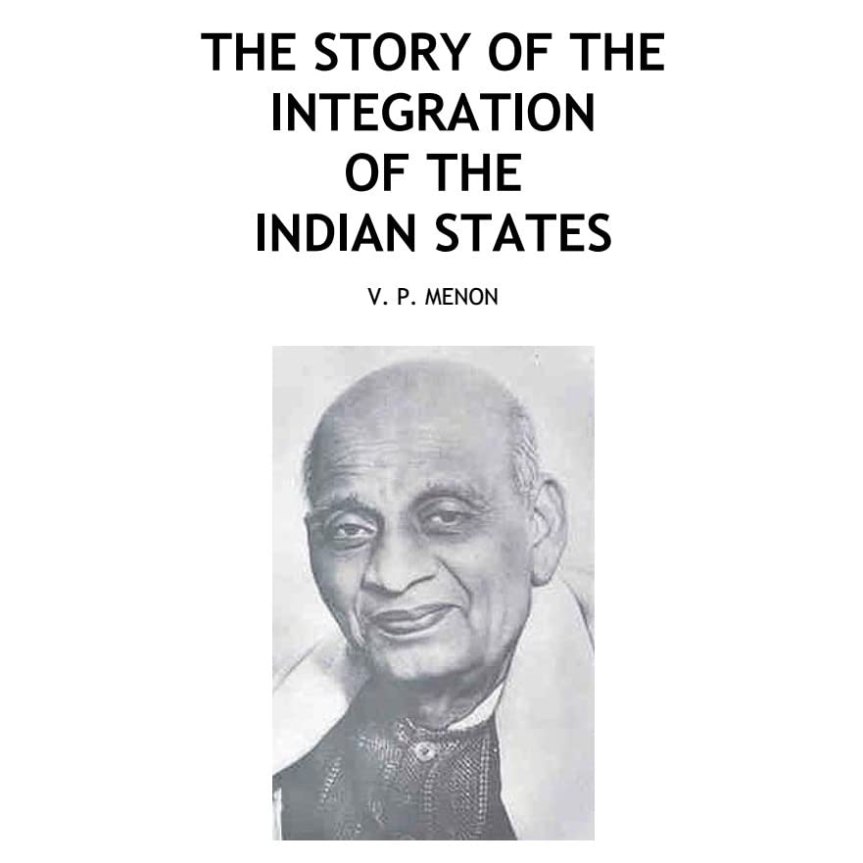
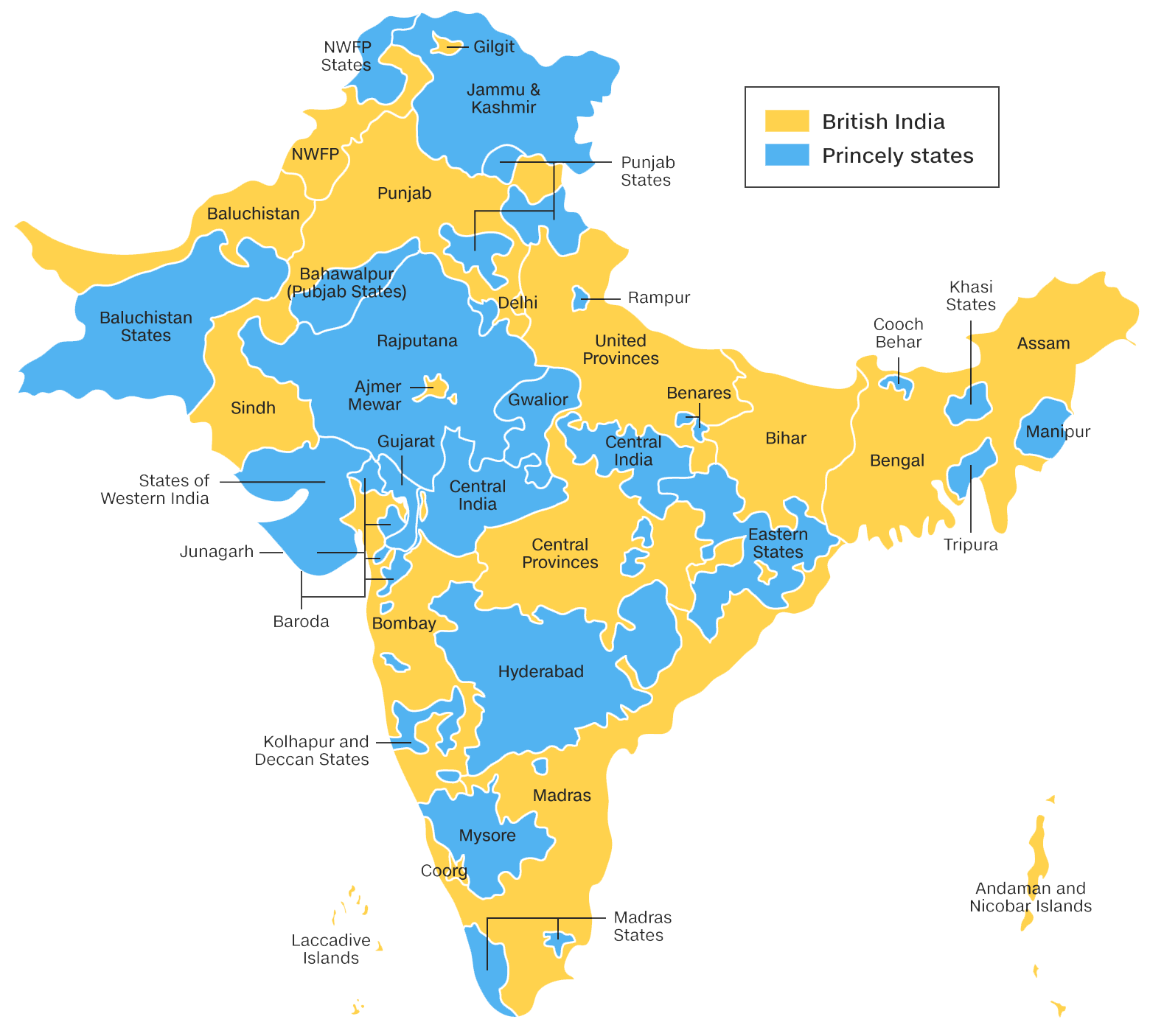
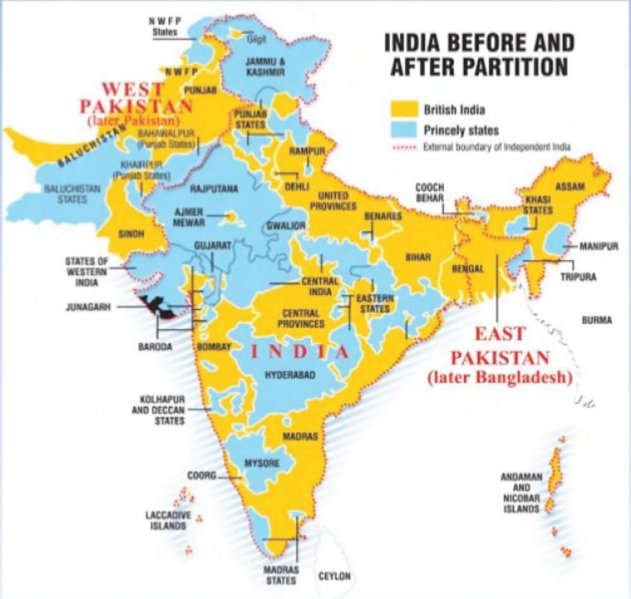
Sardar Vallabhbhai Patel played an important role in the integration of the princely state into the Dominion of India. This achievement laid the foundation for Patel’s popularity in the post-independence era. He is still remembered as the man who united India today. In this respect he is compared to Otto von Bismarck, who united many German states in 1871. The June 3 plan gave more than 565 princely states the option of joining India or Pakistan or choosing independence. Most Indian nationalists and the masses were afraid that most people and territories would be fragmented without the participation of these states. Parliament and British officials considered Patel to be the best man on a mission to secure the conquest of the princely state from Indian rule. According to Gandhi only Patel could solve this problem. Patel had practical insight and determination to accomplish monumental work. Patel asked V.P. Menon, a senior official involved in the division of India, to become his right-hand man as Principal Secretary of State. Patel used a social gathering and informal setting to involve most monarchs and invite them to their home in Delhi for lunch and tea. At these meetings, Patel stated that there was no essential conflict between Congress and the prince’s order. Patel aroused the patriotism of the Indian monarchs and urged them to embrace the independence of their country and act as responsible rulers who care for their people’s future. He persuaded the rulers of 565 states about the impossibility of independence from the Republic of India, especially in the face of rising opposition from their subject. He proposed favorable conditions for the merger, including the creation of a secret purse for the descendants of the ruler. Patel encouraged the rulers to act patrioticly, and to thought about his states people and their futur, but he did not rule out violence. He emphasized the need for the princes to join India in good faith and gave them to sign the membership certificate until August 15, 1947. All but three states were willing to join the Indian Union. Only Jammu and Kashmir, Junagad and Hyderabad were States which were tough to brought under Indian Dominion.


Junagadh being situated in Gujrat it was very important for Patel to bring it under Indian’s dominion. This was also important because there was the super-rich Somnath Temple (a temple where different stones were their including emeralds, diamonds, and gold which were looted by Mohd. Ghazni) in the Kathiawar district. Bieng under the pressure from Sir Shah Nawas Bhutto, a Nawab who joined Pakistan. However, it was far from Pakistan, with 80% of its state population being Hindus.Patel combining diplomacy and power, Pakistan invalidated Pakistan’s accession and demanded that Nawab join India. Patel sent troops to occupy the three principalities of Junagadh to show his determination. After widespread protests and the formation of the civilian government, or Aarzi Hukumat, both Bhutto and Nawab fled to Karachi, and under Patel’s orders, Indian troops and police forces invaded the state. A later organized referendum resulted in 99.5% of the votes in favor of the merger with India. After taking over, Patel, who spoke at the University of Bahauddin in Junagad, emphasized his sense of urgency regarding Hyderabad. He believes this is more important to India than Kashmir.


Hyderabad was the largest of the princely states and which included States parts of which are now Telangana, Arndra Pradesh, Karnataka and Maharashtra. Its ruler, Nizam Osman Ali Khan, was Muslim, but more than 80% of the population of state was Hindu. Nizam called for independence or accession to Pakistan. Under Kasim Razvi, an army of Nizam-faithful Islamic troops called Razakar urged Nizam to confront India and at the same time organize an attack on the people of India’s soil. The standstill agreement was signed by Lord Mountbatten’s in desperate efforts to avoid the war, but Nizam refused to trade and changed his position. At a cabinet meeting in September 1948, Patel emphasized that India should stop speaking and reconciled Nehru and Governor Chakravarti Rajgoparachari with military action. After preparation, Patel ordered the Indian troops to invade Hyderabad (in his position on behalf of the Prime Minister) when Nehru traveled to Europe. This action, called Operation Polo, in which thousands of Razakar troops were killed , but Hyderabad was secured and integrated into the Republic of India. Mountbatten and Nehru’s main goal was to avoid forced annexation to prevent the outbreak of Hindu and Muslim violence. Patel argued that if Hyderabad was allowed to survive as an independent state surrounded by India, the government’s fame would decline and neither Hindus nor Muslims would feel reassured in their empire. After defeating the Nizam, Patel held him as the head of state of the ritual and met with him. India had 562 princely states after addition of Junagarh, Heydrabad and Jammu& Kashmir.

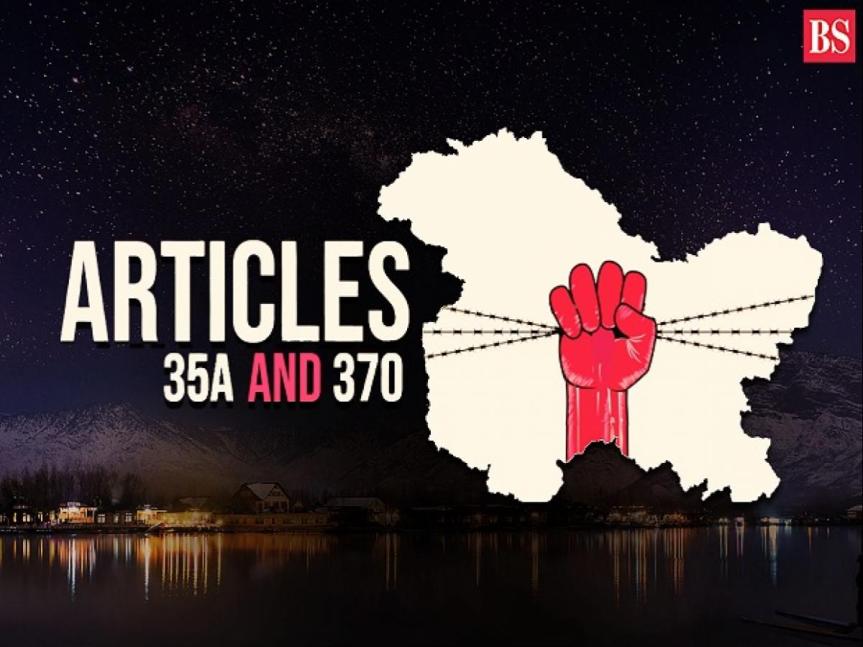
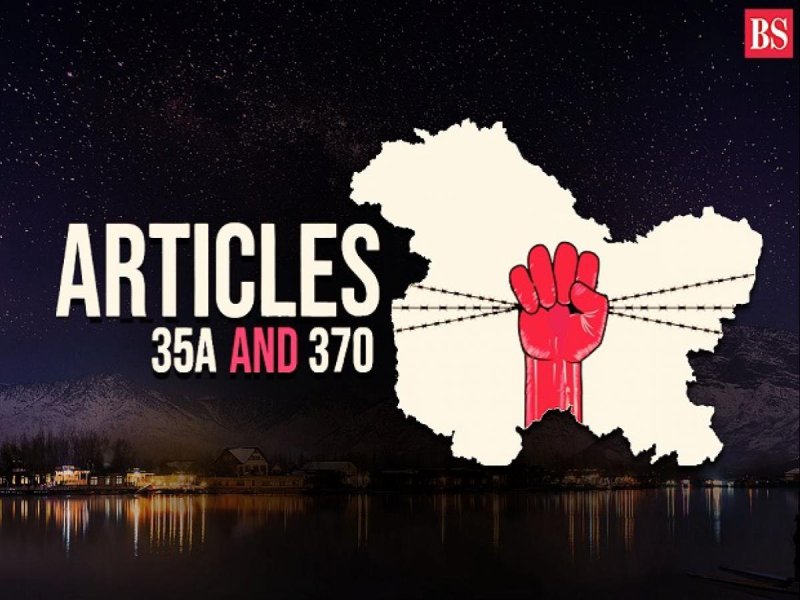
Article 370 & Article 35A

Article 370
The first accession of Jammu and Kashmir, like all other princely states, involved three issues: defense, diplomacy, and communications. All princely states were invited to send representatives to the Constitutional Parliament, which drafted the Constitution across India. They were also encouraged to establish a constituent parliament for their own state. Most states were unable to establish a parliament in time, but some states, especially Saurashtra Union, Travancore-Cochin, and Mysore. The State Department had drafted a model state constitution, but on May 19, 1949, the governors and Chief ministers of each state met in the presence of the State Department and agreed that no separate state constitution was needed. They accepted the Indian Constitution as their own constitution. The state in which the elected constituent council proposed some changes that were accepted. Therefore, the status of all states has been placed on par with the status of ordinary Indian states. In particular, this meant that the subjects available for legislation by central and state governments were consistent and same throughout India.

In the case of Jammu and Kashmir, state politicians have decided to establish a separate constitutional council for the state. Representatives of the Indian Constitutional Assembly applied only the provisions of the Indian Constitution corresponding to the original accession documents to the state, and demanded that the state Constitutional Assembly decide on other matters. The Government of India agreed to the request shortly before its meeting with the other states on 19 May. Therefore, Article 370 was included in the Constitution of India, which provided that other provisions of the Constitution empowering the central government would apply to Jammu and Kashmir only with the approval of the State Constitutional Assembly.This was a “provisional provision” because it was applicable until the State Constitution was enacted and adopted. However, the State Constitutional Assembly was dissolved on January 25, 1957, and did not recommend the abolition or amendment of Article 370. This article was considered an integral part of the Indian Constitution, as confirmed by various recent April 2018 rulings by the Supreme Court of India and the Supreme Court of Jammu & Kashmir.

Article 35A
Article 35A of the Constitution of India was a provision authorized by state to define the “permanent residents” of Jammu and Kashmir State and to give them special rights and privileges. It was added to the Constitution by an Executive Order, the 1954 Constitutional Order (application to Jammu and Kashmir). It was issued by the President of India under Article 370. Jammu & Kashmir has these privileges, the ability to acquire land and real estate, vote and participate in elections, pursue government employment, and receive the benefits of other governments such as higher education and medical expenses. Defined to include. Non-permanent residents of the state were not eligible for these “privileges”, even if they were Indian citizens.

District Administration and Competency of Government

Source: Kahoot

The district is the geographical unit where the complete instrument of administration can be traced. It is the cutting edge level of administration that policies are transformed into action. The success or failure of policies are dependent on the efficiency of District Administration.

It is impossible for union government to manage entire nation in one unit so it is important to distribute the power into different units. Every state is divided into a number of administrative sub centres to needs of the people in the areas comprised in small areas.

According to Willoughby, field administrative organization falls under either of the patterns of areas including territorial, functional or unitary and multiple areas. These areas organized in horizontally , vertically and hierarchically. The office incharge of the area is the head, the head of all other specialized units at that level are his subordinates.

All communication from the field station to the head office and back are routed through him and he has a responsibility for the acts of all other departmental heads. The position is very different in a multiple or functional form of organization, where different division or branches of the headquarters office have their equitable field establishment at different areas and maintain direct contact with them. There is no coordinating or integrating authority at the area level, each service or agency is treated as an independent entity unrelated to other services the line of authority runs direct by from it’s headquarter office.

Luther Gulick described three patterns of field organization as all finger, short Arms long fingers and long Arms short finger. All fingers agencies are controlled by the headquarters office directly. Short arms long fingers patterns, agencies are controlled by the division, they communicate with control field officers in their respective areas.

Long Arms short fingers pattern geographical sub division, to these sub division are located in the central office itself each with an extensive staff and they communicate with the central field office in three respective areas. These districts split into tehsils/Taluks, headed by tehsildars, tehsil lies the pargana/revenue circle under the charge of revenue inspector then primary unit, village official is the patwari or Lekhpal or village accountant.

Constitution of India did not mentioned the term ‘district’ excluding Article 233 mentioned in term of ‘district judge’s. The 73th and 74th Amendment Act of 1992 including the term district at several places under Part IX and IX A dealt with panchayat and muncipalities respectively.


District Administration is the total management of public affairs, within this unit. DA is that portion of Public Administration which functions within the territorial limits of a district as explained by S S khera who is prominent figure in describing District Administration.

District as a unit of administration has a long history from the time of Medieval times. District called Sarkar and headed by Karori faujdar under the direct control of subedar. District administration and the office of district collector existence during the of British East India Company.

After independence the office of the District collector suffered in order to maintain status and authority due to expansion of governmental activities and emerged as Panchayati Raj, replacement of ICS into IAS, influence of pressure Group and Growth of Commissionerate system.

The programme are executed under the supervision direction and leadership of the collector. Development had a top down approach where people brought under the umbrella of one or in other development Programme. District collector’s main responsibility was identification of beneficiary in the development activities. District collector regulate the development.

The task of good District Collector is the ability to work with all people. This requires good human resource management, strategic thinking and financial management. Village Panchayat refer to the councils of the local government of India, look after the administrative affairs of the rural regions. The local government of India are self sufficient and self enabled units that work under the State Government of India. The 73rd and 74th Amendment Act 1992 attach with development of city and village councils in India. Local government have regular elections, fixed five year term and review and augmentation of finance by the State Finance commission.


Neutrogena Deep Clean face wash

Neutrogena Deep Clean Facial Cleanser For Normal To Oily Skin, 200ml https://www.amazon.in/dp/B006LXDQRY/ref=cm_sw_r_apan_glt_fabc_dl_0F1YKXWWE1NGE0KQYS20

 Neutrogena is notable for making face fens for fulsome, acne-prone skin. This is your most solid option in the event that you have fulsome, and acne-prone skin. Delicate on your skin yet extreme on skin inflammation, the specific canvas-free equation tenderly purifies your skin from deep out. This face fen for fulsome skin contains Salicylic acid which is known to dispose of skin break out and reduces coming bunks.

How President of India is elected ?

The president of India, is the ceremonial head of state of India and the commander-in-chief of the Indian Armed Forces.

The president is indirectly elected by an electoral college comprising the Parliament of India (both houses) and the legislative assemblies of each of India’s states and territories, who themselves are all directly elected.

Although the Article 53 of the Constitution of India states that the president can exercise his powers directly or by subordinate authority, with few exceptions, all of the executive powers vested in the president are, in practice, exercised by the prime minister (a subordinate authority) with the help of the Council of Ministers. The president is bound by the constitution to act on the advice of the prime minister and cabinet as long as the advice is not violating the constitution.

Origin

India achieved independence from the British on 15 August 1947, initially as a dominion within the Common wealth of Nations with George VI as king, represented in the country by a governor-general. Still, following this, the Constituent Assembly of India, under the leadership of B.R.Ambedkar, undertook the process of drafting a completely new constitution for the country. The Constitution of India was eventually enacted on 26 November 1949 and came into force on 26 January 1950, making India a republic. The offices of monarch and governor-general were replaced by the new office of President of India, with Rajendra Prasad as its first incumbent.

The Indian constitution accords with the president, the responsibility and authority to defend and protect the Constitution of India and its rule of law. Invariably, any action taken by the executive or legislature entities of the constitution shall become law only after the president’s assent. The president shall not accept any actions of the executive or legislature which are unconstitutional. The president is the foremost, most empowered and prompt defender of the constitution (Article 60), who has pre-emptive power for ensuring constitutionality in the actions of the executive or legislature. The role of the judiciary in upholding the Constitution of India is the second line of defence in nullifying any unconstitutional actions of the executive and legislative entities of the Indian Union.

Difference between democracy and republic is a minor one where democracy refers to the government elected by the people while republic refers to the Head of the state elected by the people.   

In India, Prime Minister is the head of government while President is the head of the state. In England, Prime Minister is head of government and Queen is the head of the state. Since Prime minister is elected by the people of England but Queen is not, England is a democracy but not a republic. But in India both the head of the government as well as state both are elected by the people of India, India is a democratic as well as republic.   

As per Article 52 of the Constitution of India, there shall be a President of India and the executive powers of the Union shall be vested in the President. The President of India is the first citizen and represents the Indian nation and does not, therefore, belong to any particular political party. Election of President is conducted by the Election Commission of India. He / She  is indirectly elected by the people of India as the representatives of the people through an Electoral College.   

The main reasons behind the indirect election of President of India as discussed in the Constituent Assembly were –  

• If the direct election of the President were adopted, the Presidential candidate who has to carry on an election campaign from one corner of the country to another will certainly be put up by some party or the other, which may cause political excitement and generate party feelings. Thus the person elected to the Presidential office through this means will never be able to forget his party affiliations.  

• A directly elected President may not be content with his position of a mere constitutional head and can claim to derive his authority directly from the people. So, if he wanted to assume real power, it would lead to a constitutional deadlock.  

The Electoral College constitutes the elected members of Lok Sabha, Rajya Sabha and State Legislative Assemblies who elect the President through proportional representation single transferable vote.   

Candidate who corners the majority i.e. more than 50 percent of votes is the winner but it is possible that four aspiring candidates A, B, C and D gets 35 %, 30% 25 % and 20 % respectively and no one gains more than 50% of votes. In this case, single transferable vote is used where each voter gave preference to each candidate as first, second, third of fourth preference. Since in the said example, D gets least number of first preference votes, He will be eliminated from the race and his votes will be distributed among the other contestants on the basis of the second preference.   

The Proportional Representation is followed by assigning a value to the votes of MP and MLA. Each member of the Electoral College who is a member of a State Legislative Assembly will have a number of votes calculated as follows : 

On vote of MLA = Total population of state/ Number of MLAs in the state x 1000 Fractions exceeding one half being are counted as one.   

For example , The population of Punjab is 1,35,51,060. Let us take the total number of elected members of the Legislature of Punjab to be 117. Now applying the aforesaid process, if we divide 1,35,51,060 (i.e. the population) by 117 (i.e. the total number of elected members), the quotient is 115821.0256. Therefore, the number of votes which each member of the Punjab Legislature would be entitled to cast is 115,821.0256/1000 i.e. 116.  

The value of a vote of MP is = Total value of vote of all MLAs/ Total No. of MPs  

In 2012 Presidential elections,  Value of vote of each elector in Parliament = 1025179/776 = 1321(without fraction)  

Total value of votes of Parliament = 776 x 1321= 1025096  

Total value of votes of State electors (4120 MLAs) = 1025179  

Total value of 4896 electors for Presidential election in 2012 = 2050275  

In this manner, total 4896 electors from the country will vote to elect the President of India through a single transferable vote. In order to be elected as President of India, he / she    

• Must be a citizen of India. 

• Completed 35 yrs in age. 

• Eligible to be a member of Lok Sabha. 

• Must not hold any Government post     

Supreme Court inquires all disputes regarding President’s election. President takes oath in presence of Chief Justice of India, or in his absence, senior most judge of Supreme Court.

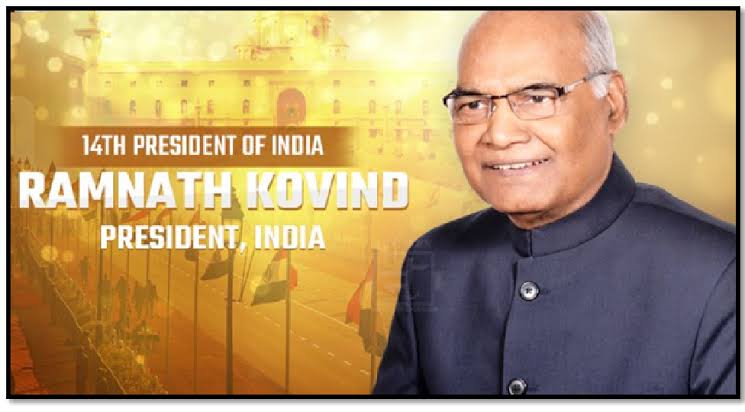
Address by the Hon’ble President of India Shri Ram Nath Kovind at the FICCI Higher Education Summit

  1. I am happy to address the 15th Higher Education Summit 2019 organised by the Federation of Indian Chambers of Commerce and Industry in collaboration with the Ministry of Human Resource Development and the Ministry of Commerce and Industry. This global conference has come to occupy a vital place in the thought leadership forum on higher education. We have a large and diverse gathering of stakeholders from India and abroad participating in the event. I am sure you will find this edition as enriching as the previous ones.


  1.  Higher education as a public-policy issue enjoys primacy the world over. It is seen as a fundamental enabler of social, economic, scientific and intellectual progress and advancement. In the case of India, we have a distinguished history of higher education to inspire us as we work to strengthen and illuminate our universities as fonts of knowledge and learning. India has been home to the oldest university in the world. At its peak in the 7thcentury CE, the Nalanda University had 10,000 students from all over Asia enrolled in its campus. The methods of teaching prevalent in these ancient temples of learning and the emphasis on critical analyses could be of relevance as we look at modern trends in pedagogy.


  1. Investing in people through higher education and education in general has an omnibus impact on nation-building. The investment is made once but the dividends are realised in perpetuity. Recently, I had gone to Mysore to join the centenary celebrations of the enlightened “Monarch – Democrat” Jayachamaraja Wadiyar, the late Maharaja of Mysore. He was a pioneer in higher education who generously invested in his people. The lead that the Maharaja took in empowering people several decades ago, today provides the strong foundation of technological transformation that we see in Bengaluru, Mysuru and the adjoining areas. A country such as ours that wishes to transform itself within a short span of time, must transform its higher education journey first.


Ladies and gentlemen,

  1. Higher education is a subject close to my heart, both for personal and professional reasons. I have myself experienced its power and potential to bring about intra-generational change and mobility. As President of India, I am Visitor to 152 Universities and Institutes of Higher Learning. I have had the opportunity to interact with Vice-Chancellors and Directors of almost all of them.  India with over 990 Universities is home to one of the largest higher education ecosystems in the world. We are constantly at work to improve their standards and convert them into global knowledge hubs. We have just begun nationwide consultations on the New Education Policy. It would lay out the path for transforming Indian education landscape suited to 21st century needs.


  1. The world of tomorrow will be driven by knowledge, machine-intelligence and digital pathways. To prepare ourselves for this transformation and to leverage its limitless opportunities, we have to recast our higher education with new courses and deeper research-orientation. Ideation, innovation and incubation should be given primacy in our curriculum. India has the third largest scientific human resource pool in the world.  If we establish robust academia-industry linkages, we have the potential to become the R&D capital of the world.  And along with science, liberal arts and humanities must get equal attention – for fruits of technology have to be ultimately made relevant to people, communities and cultures. The connectedness of disciplines is not a mere reality today, but the inner core of knowledge itself.  I am happy that our Universities have already made progress with                            inter-disciplinary approach, combining courses in mathematics with music, and artificial intelligence with animal husbandry. Much more work is required on this account.


Ladies and gentlemen,

  1. Another important aspect that we need to attend is how to bring pedagogical changes in our education system.  Spirit of inquiry, critical thinking and an overall culture of looking at what, how and why of issues and perspectives needs to be nurtured. Creativity, imagination and thought in the minds of our students have to be unlocked and its exuberance allowed to flow and flower. To bring about this educational renaissance, we would require attitudinal adjustments and openness about new concepts on several fronts: at the level of academic leadership; at the level of student-teacher engagement; and at the level of technology integration.  These would only be possible if there is a vision to move forward and a committed urge to make things happen. In this context, I would like to commend the programmes initiated by the Ministry of Human Resource Development – LEAP that is “Leadership for Academicians Program” and   ARPIT that is “Annual Refresher Programme in Teaching”. While LEAP aims to build leadership and vision among higher education administrators, ARPIT is geared to improve pedagogical skills of our teachers.


  1.  Earlier I had talked about our ancient universities. They had a learning culture where ideas and concepts were constantly tested and subjected to verification and critical analyses. The system that produced a Panini, an Aryabhat, a Charak, or a Kautilya must have been robust. We must use modern tools to reopen wisdom stored in our countless knowledge traditions, even as we optimize the opportunities of a machine-intelligence age. An open learning culture will foster the spirit to innovate and give new wings to Atal Innovation Centres established in our Universities.


Ladies and gentlemen,

  1. Our economic needs are immense. Over the next several decades, India will witness tremendous growth leading to higher standards of living for its people. All this demands that we bring new energy and dynamism in our higher education profile. Programmes for vocational education, apprenticeship and internship are needed for combining theoretical and practical knowledge streams. We have to also draw and learn from global institutions and experiences.


  1. At the same time, India’s diverse higher education ecosystem offers immense opportunities for the world at large. The forces of globalisation pose their own imperatives for making learning a cross-cultural experience and an integrated construct. To promote India as a global knowledge destination, the Government of India has begun a “Study in India” programme to attract international students. Our Universities have also been developing international networks for faculty, student, pedagogy and knowledge exchange. Making our higher education ecosystem world class will also give a wider choice to Indian students who go abroad seeking quality education.


Ladies and Gentlemen,

  1. The world of higher education is an expansive one. For it to grow and empower us, we need support from all stakeholders – policymakers, educationists, researchers, entrepreneurs and others. Given the socio-economic reality of our country, public institutions will play a lead role. But along with it, the private sector must continue to contribute to national efforts.  We will also have to look at innovative models of funding to boost research and scholarship. Just last month,            I had the pleasure to launch the IIT Delhi Endowment Fund. This is the first of its kind Fund in India and is based on the contribution of the alumni. The Fund within a very short span has raised Rupees 250 crore and has a target to raise 1 billion US dollars for supporting academic excellence and research at IIT Delhi. I impress upon FICCI Higher Education Committee to galvanize greater people’s participation in strengthening our higher education system.


Ladies and gentlemen,

  1. As we talk of higher education as a public good, a critical bearing in the Indian context is how to deal with regional imbalance in the quality of education. We are trying to narrow the gap but a lot more initiatives are required.  Another related aspect is the rural-urban divide that we see in the field of higher education. Our Founding Fathers, Mahatma Gandhi and Rabindranath Tagore had paid detailed attention to it, be it the Medical College in Wardha or the Visva Bharati in Santiniketan. I had the opportunity to visit both these illustrious campuses this year. For our inclusive growth and progress, we have to take inspiration from them and build on their ideas. In this effort, technology platforms such as digital classrooms, e-learning and National Digital Library can be a key enabler.


Ladies and gentlemen,

  1. I have put forth some of my ideas on higher education before you.  It is now for you, the stakeholders, to flesh out the way forward. And as you deliberate and discuss, I would remind you of an old saying in Sanskrit, and I quote : “ सा विद्या या विमुक्तये” that is “true learning is that which liberates”.  Let us together create that university, that classroom, that curriculum, that culture which allows our students to realize their fullest potential as a human being, in service of our people, our nation and the world.


  1. I wish the Summit all success.


Thank you,

Jai Hind!