

Samsung Galaxy A22 5G vs Poco M3 Pro 5G: Price, processor, specifications

Samsung just released the Galaxy A series, which includes its first 5G smartphone. In India, the Samsung Galaxy A22 5G was launched with the MediaTek Dimensity 700 processor. The Galaxy A22 5G has a 5,000mAh battery, a 90Hz display, and a 5G capability for around 20,000 rupees.

Poco M3 Pro 5G is another phone with the same chipset and 5G capability. It even costs ₹4,000 less than the Samsung Galaxy A22 5G and has been on the market for a few months.

Here’s how the two low-cost 5G smartphones with the same chipset match up against one another:

Performance

The MediaTek Dimensity 700 Processor is included in both the Samsung Galaxy A22 5G and the Poco M3 Pro 5G. The SoC has an octa-core arrangement and is built on a 7nm architecture.

The Dimensity 700 has been modified to operate the two high-speed cores at 2.2GHz and the remaining six cores at 2GHz on both phones.

Both phones are powered by a 5,000mAh battery, however, the Poco M3 Pro 5G’s battery may last longer due to the lack of a high refresh rate screen. The Samsung Galaxy A22 5G receives 15W charging, while the Poco phone supports 22.5W fast charging and comes with an 18W charger.

Memory and storage

The Samsung Galaxy A22 5G comes with 8GB of RAM and 128GB of internal storage in a single memory configuration. Poco M3 Pro 5G, on the other hand, comes in two versions: one with 4GB RAM and 64GB storage, and another with 6GB RAM and 128GB storage. The 4GB model of the Poco M3 Pro was released later.

Camera

Both phones feature a triple camera setup on the back and a single selfie camera on the front. A 48MP main camera, as well as 5MP and 2MP sensors, manage photography on the Samsung Galaxy A22 5G. The Poco M3 Pro, on the other hand, has a 48MP sensor and two 2MP sensors. Both phones have an 8-megapixel front camera.

Display

The Samsung Galaxy A22 5G has a 6.6-inch display with a resolution of 1080 x 2408. The screen has a refresh rate of 90Hz.

The screen of the Poco M3 Pro 5G is a 6.5-inch panel with a resolution of 2400×1080 pixels. It has an adaptive sync display with 30Hz, 50Hz, 60Hz, and 90Hz refresh rates.

Price

The Samsung Galaxy A22 5G has a single version that costs ₹19,999. The Poco M3 Pro 5G in 4GB trim costs ₹13,999, while the 6GB model costs ₹15,999.
Global chip shortage : An Analysis

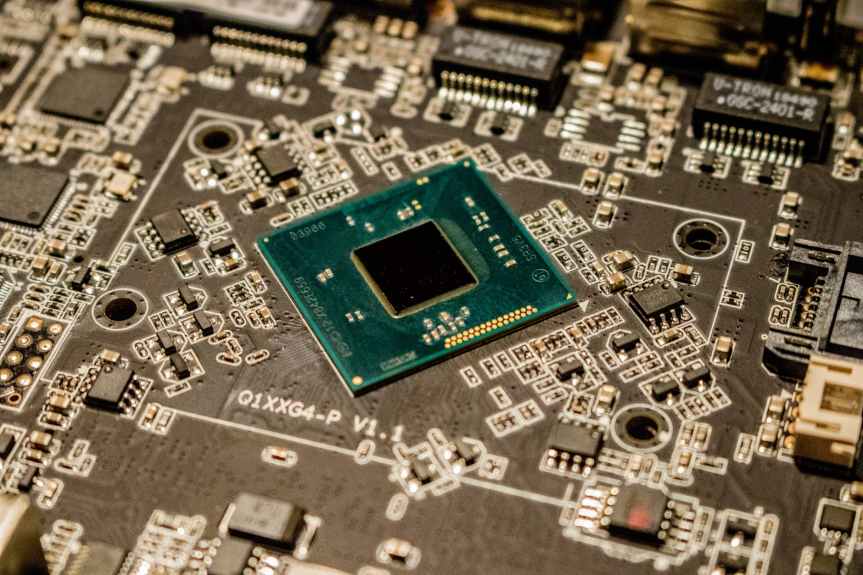
Not many industries have suffered the fate of disarray as the chip industry after the advent of the Covid pandemic. Things were not great for chipmakers in 2020 due to the pandemic but instead of seeing any signs of improvement, 2021 has been even worse for the industry so far. There has been a deficit of chip supply as compared to the demand and it’s not just the electronic industry that is going through a rough phase but it’s many other industries as well. Unlike a couple of decades back when chips were mainly present in personal computers and specialized electronic appliances and gadgets. Now chips power the world. One of the worst-hit industries has been the automobile sector. When the first wave of Covid-19 hit the world, global sales of cars had dwindled, and to compensate for this, car manufacturers had lowered their chip orders from the manufacturers. These chips are a requirement for assembling the critical electronics and computers that are inside modern cars. 2021 saw a sudden increase in automobile sales and this caused the disruption in equilibrium of chip supply and many automobile manufacturers started giving large orders and chip fabrication plants like TSMC were unable to cope up with the sudden growth in demand. This parallel demand for chips has increased the backlog and even though the chip manufacturers are operating over time, they have not been able to keep up with the demand. Now even home appliances might face issues with their chip supply.

There is one more important aspect that we have to address and it’s the increased demand for electronics items after the pandemic. As many people were and are still stuck in homes, they are buying computers, consoles, televisions, and various other electronic components. Many companies have not been able t keep up with the demand due to this. Graphics card is one of those elusive items that have suffered a double whammy. Both potential gamers and crypto miners want their hands on the newest graphics card but due to a shortage of chips card manufacturers are not able to keep up with the demand. There have been many cases where individuals and groups are scalping (buying in bulk) these new cards and reselling them at much higher prices.

Basic appliances and car components often use chips manufactured with older technology. For instance, PC and smartphones are using 7nm manufacturing whereas cars manufacturers uses older 32 nm or 14 nm technology because they are comparatively cheaper to manufacture. But due to the shortage in supply, manufacturers are prioritizing their newer chips and it’s getting challenging to allocate resources for older manufacturing processes. Due to this many car manufacturers have scaled-down on the extra amenities in their models.

TSMC (Taiwan Semiconductor manufacturing company) is one of the biggest chip manufacturers in the world. The company produces 60 percent of the world’s chips for automobiles and 92 percent of cutting-edge chips. Recently Taiwan is experiencing its worst drought in over 50 years. A high quantity of water is required to clean the wafers during the manufacturing of the chips. Droughts have only increased the problems in the manufacturing of these chips. There is immense pressure when most of the world’s chips are made in one single building. This also exposes the problem of relying on a single source of manufacturing. Due to globalization and completion, most of the world’s manufacturing shifted to Asia. The issue of chip shortage will most probably remain next year as well. Intel (U.S) is has started to set up two new manufacturing plants in Arizona. This comes at a time when many have realized that a concentrated source of manufacturing is not the most reliable thing and diversification is the only way to deter any future shortages.