Applied psychology is the application of psychological principles and methods to resolve problems of human experience which may be related to human experience, health, family, workplace, etc. It is that field of psychology which validates psychological theories and focuses on putting practical research into action to achieve the desired result.
VARIOUS FIELDS OF PSYCHOLOGY:
Educational psychology:
Helps in developing strategies for better teaching approaches.
Improves learning environment and gives advice on curriculum formation
Occupational psychology:
Helps in increasing the employee productivity, job satisfaction at work and overall effectiveness of an organization.
Ids in organizational functions such as staff recruitment training, employee relations, performance appraisal, motivation, counselling and maintaining work environment.
Health psychology:
Helps diseases individuals to cope with illness, develop positive attitude, recover from illness and lead quality life.
Educates and motivates people to make better health choices, contribute to improving the healthcare system and aid the government in designing healthcare policy.
Cognitive psychology:
Aids in treating learning disorders, structure. The educational curriculum to augment learning and improve desicion making ability.
Provides help to cope with increased stress levels, memory disorders brain injury and additional difficulties.
Clinical psychology:
Helps in diagnosis,rention and treatment of emotional disturbances and behavioral problems.
Helps the individual to promote well being and personal development.
Sports psychology:
Helps athletes and sports person to cope with the intense pressure generated out of competition.
Enhances the performance of an athlete, motivates him and hastensthe recovery from injuries too.
Teaches the common man to enjoy sport and promote well being by sticking to an exercise regimen.
Developmental psychology:
Aims to resolve individual’s issues mostly related to society, school, career, family and health.
Criminal psychology:
Assissts law enforcement agencies in apprehend in the criminals.
Provides an understanding of will, intention, thoughts, feelings and reactions of criminals with the main goal of reducing crimes.
Social psychology:
Talks about social perceptions and interactions that are key to understanding social behavior.
Looks at a wide range of other topics such as aggression, prejudice and non verbal behavior.
As a parent, it’s sometimes hard to be away from your kids. But it’s an indescribable, heartwarming feeling when you return – their smiles, the running to you with open arms, their tiny arms squeezing your neck. Whether you’ve been gone ten minutes or two days, that moment, this sweet reward, is everything.But what if reunions aren’t possible because the goodbyes are too much for your child to bear? If goodbyes are full of tears and fits, your little one might have separation anxiety.
Separation anxiety is a normal part of development that occurs when toddlers begin to grow more aware and develop stronger relationships with their caregivers. This awareness can make them more apprehensive and possibly feel unsafe without their parent or caregiver.Whether it’s dropping your child off at day-care or leaving your child at home as you head out to work, farewells can be difficult. Your child may understand that mommy and daddy didn’t vanish, but they might not know for how long. All they know is that they feel safest when you’re around.
When does it begin?
Separation anxiety typically develops before age 1 and peters out around age 3, but it can be experienced by older children and young adults as well—particularly during major life changes like transitioning to high school or leaving for college. Certain life stressors can trigger feelings of anxiety about being separated, such as divorce, loss of a pet, new caregiver, a new sibling, a new school or moving to a new place.
Separation anxiety can be normal and temporary. Although it can be difficult for your child, and for you as their parent, remember this indicates a strong attachment between you and your child.However, if you notice your child’s anxiety starts affecting their daily life and academics, talk to their doctor. Things like stomach aches, vomiting, headaches, constant worry about losing you or a loved one to a disease or illness or a reluctance to sleep away from you may be a sign of a more serious emotional problem called separation anxiety disorder (SAD. The main difference between the two is that with SAD their fears keep them from normal activities. Adult separation anxiety can have an onset in childhood or adulthood. Similar to other anxiety disorders, adult separation anxiety can affect your quality of life, but the condition can be managed with treatment. Talk to a medical professional if you suspect you or someone you love is living with this disorder.
Common causes of separation anxiety disorder
Separation anxiety disorder occurs because a child feels unsafe in some way. Take a look at anything that may have thrown your child’s world off balance, made them feel threatened, or upset their normal routine. If you can pinpoint the root cause—or causes—you’ll be one step closer to helping your child through their struggles.Common causes of separation anxiety disorder in children include:
Change in environment. Changes in surroundings, such as a new house, school, or day care situation, can trigger separation anxiety disorder.
Stress. Stressful situations like switching schools, divorce, or the loss of a loved one—including a pet—can trigger separation anxiety problems.
Insecure attachment. The attachment bond is the emotional connection formed between an infant and their primary caretaker. While a secure attachment bond ensures that your child will feel secure, understood and calm enough for optimal development, an insecure attachment bond can contribute to childhood problems such as separation anxiety.
Tips to reduce separation anxiety
Separation anxiety may come and go, but there’s plenty you can do to help ease your child’s symptoms. These tips can help them through this difficult period.
Talk to your child in a calm, positive tone. Let your child know what will happen while you are gone, who they will be with and all the fun things they get to do. Even if you feel your child is too young to understand, your positive tone and attitude will send a reassuring message. It may even be helpful to find and read picture books that talk about separation and that goodbyes aren’t forever.
Practice separating. Practice leaving your child at home with a caregiver for a short period of time. As time goes on, you can extend the time you are away before returning home.
Ease the separation. Leave your child with their favorite stuffed animal or toy.
Prepare an activity. Engage your child in a fun activity when the caregiver arrives or ask the daycare teacher to have an activity ready as soon as you drop your child off.
Make your goodbye short. Whenever you leave your child or drop them off, keep the goodbye brief. If you act anxious or keep returning for just one more hug or kiss, you may unnecessarily worry your child
Follow through on your promise. It’s important that you return when you promised to return as this helps your child build confidence and trust.
Aim for consistency. Kids like consistency, so try to schedule the same caregiver whenever possible, so your child feels more comfortable when you leave. Develop a brief, consistent routine for when you leave to create a familiar transition from being with you to being without you.
Attention: When separating, give your child full attention, be loving, and provide affection. Then say good-bye quickly despite their antics or cries for you to stay.
Additional tips for older children
Although separation anxiety tends to lower during adolescence, teens can experience it too. it is necessary to make sure an older child still feels safe and emotionally well to start being independent or it can resurface in untimely situations. . Here are some additional tips to help your adolescent child:
Acknowledge their fears. Let them know you’re there for them and that uneasy feelings are natural parts of adolescence.
Praise them for doing something they are anxious about.
Gently encourage, don’t force, them to do things that make them anxious.
Wait until your child is anxious before stepping in to help.
Remind your child of times when they were initially afraid but still managed to do something.
As a parent, it’s sometimes hard to be away from your kids. But it’s an indescribable, heartwarming feeling when you return – their smiles, the running to you with open arms, their tiny arms squeezing your neck. Whether you’ve been gone ten minutes or two days, that moment, this sweet reward, is everything.But what if reunions aren’t possible because the goodbyes are too much for your child to bear? If goodbyes are full of tears and fits, your little one might have separation anxiety.
Separation anxiety is a normal part of development that occurs when toddlers begin to grow more aware and develop stronger relationships with their caregivers. This awareness can make them more apprehensive and possibly feel unsafe without their parent or caregiver.Whether it’s dropping your child off at day-care or leaving your child at home as you head out to work, farewells can be difficult. Your child may understand that mommy and daddy didn’t vanish, but they might not know for how long. All they know is that they feel safest when you’re around.
When does it begin?
Separation anxiety typically develops before age 1 and peters out around age 3, but it can be experienced by older children and young adults as well—particularly during major life changes like transitioning to high school or leaving for college. Certain life stressors can trigger feelings of anxiety about being separated, such as divorce, loss of a pet, new caregiver, a new sibling, a new school or moving to a new place.
Separation anxiety can be normal and temporary. Although it can be difficult for your child, and for you as their parent, remember this indicates a strong attachment between you and your child.However, if you notice your child’s anxiety starts affecting their daily life and academics, talk to their doctor. Things like stomach aches, vomiting, headaches, constant worry about losing you or a loved one to a disease or illness or a reluctance to sleep away from you may be a sign of a more serious emotional problem called separation anxiety disorder (SAD. The main difference between the two is that with SAD their fears keep them from normal activities. Adult separation anxiety can have an onset in childhood or adulthood. Similar to other anxiety disorders, adult separation anxiety can affect your quality of life, but the condition can be managed with treatment. Talk to a medical professional if you suspect you or someone you love is living with this disorder.
Common causes of separation anxiety disorder
Separation anxiety disorder occurs because a child feels unsafe in some way. Take a look at anything that may have thrown your child’s world off balance, made them feel threatened, or upset their normal routine. If you can pinpoint the root cause—or causes—you’ll be one step closer to helping your child through their struggles.Common causes of separation anxiety disorder in children include:
Change in environment. Changes in surroundings, such as a new house, school, or day care situation, can trigger separation anxiety disorder.
Stress. Stressful situations like switching schools, divorce, or the loss of a loved one—including a pet—can trigger separation anxiety problems.
Insecure attachment. The attachment bond is the emotional connection formed between an infant and their primary caretaker. While a secure attachment bond ensures that your child will feel secure, understood and calm enough for optimal development, an insecure attachment bond can contribute to childhood problems such as separation anxiety.
Tips to reduce separation anxiety
Separation anxiety may come and go, but there’s plenty you can do to help ease your child’s symptoms. These tips can help them through this difficult period.
Talk to your child in a calm, positive tone. Let your child know what will happen while you are gone, who they will be with and all the fun things they get to do. Even if you feel your child is too young to understand, your positive tone and attitude will send a reassuring message. It may even be helpful to find and read picture books that talk about separation and that goodbyes aren’t forever.
Practice separating. Practice leaving your child at home with a caregiver for a short period of time. As time goes on, you can extend the time you are away before returning home.
Ease the separation. Leave your child with their favorite stuffed animal or toy.
Prepare an activity. Engage your child in a fun activity when the caregiver arrives or ask the daycare teacher to have an activity ready as soon as you drop your child off.
Make your goodbye short. Whenever you leave your child or drop them off, keep the goodbye brief. If you act anxious or keep returning for just one more hug or kiss, you may unnecessarily worry your child
Follow through on your promise. It’s important that you return when you promised to return as this helps your child build confidence and trust.
Aim for consistency. Kids like consistency, so try to schedule the same caregiver whenever possible, so your child feels more comfortable when you leave. Develop a brief, consistent routine for when you leave to create a familiar transition from being with you to being without you.
Attention: When separating, give your child full attention, be loving, and provide affection. Then say good-bye quickly despite their antics or cries for you to stay.
Additional tips for older children
Although separation anxiety tends to lower during adolescence, teens can experience it too. it is necessary to make sure an older child still feels safe and emotionally well to start being independent or it can resurface in untimely situations. . Here are some additional tips to help your adolescent child:
Acknowledge their fears. Let them know you’re there for them and that uneasy feelings are natural parts of adolescence.
Praise them for doing something they are anxious about.
Gently encourage, don’t force, them to do things that make them anxious.
Wait until your child is anxious before stepping in to help.
Remind your child of times when they were initially afraid but still managed to do something.
Ever heard multiple sides to a story from eye witnesses and had a tough time deciding which one is true or which to believe? Such a conundrum is brought about by subjective views, observer bias, perspective and memory of the observer. All these parameters can be summed into a single word known as The Rashomon. The Rashomon effect refers to an instance when the same event is described in significantly different (often contradictory) ways by different people who were involved.
This phenomenon first came to be observed in a book called “in a grove “by Japanese author, Reyonosuke Akutagawa written in the early 1920’s. This was later adapted and made into a movie, by Japanese filmmaker Akira Kurosawa, who directed the 1950 film Rashomon, giving the effect its name. The plot revolves around which four different people provide contradictory accounts of a samurai’s murder, despite all having witnessed the crime. Each witness tale is varied from another, yet so very plausible, that a definite conclusion cannot be drawn, embroiling all of them.
The film explored the issues of the unreliability when depending on witness testimony explores a situation using a similar literary device, wherein the story is told through the viewpoints of different characters who supply conflicting stories. Whether the people’s competing explanations are different because of the fallacy of memory or because of self-serving interests varies. This film became revolutionary with how one understands the human mind, justice and the truth. It since then has become a cultural metaphor and is synonymous with happenings of everyday events as it’s not a sci-fi or an abnormal event, but a very natural course of nature that seems very striking .
Akira Kurosawa
Conditions and characteristics.
Not every story will have The Rashomon effect. It mostly occurs when there is no gripping and final evidence but a lot of eyewitnesses and when there is a pressure to achieve closure and coercion to find the truth. In both the movie and the book, no side of a person’s view is given more emphasis and all are shown in an equal scale, each testimony bearing its own truth and plausibility. The script and story writing does tell the audience how to feel or what to believe. The audience had to decide that for themselves making it engaging and deceiving at the same time. Such a premise has conflict as a driving. Conflict in a story drives a plot forward, reveals character, and engages an audience. The Rashomon Effect is based on contradicting reports of the same event and search for the truth through these reports can be a driving force of conflict for a story. The use of an unreliable narrator is another feature, opposed to the presentation from a more objective point of view. This allowed audiences to see the characters as they were and value neutral. To top it off, an ambiguous ending after such a mind boggling series of events, looks like the right justice to this type of storytelling. Our realization that none of the witnesses are reliable leaves us with more questions than answers. While most films at the time had a clear ending, the ending of Rashomon has no clear resolution. This unconventional decision left audiences baffled. It can be frustrating to some as it subverts from its unorthodox counterparts but , it is not ambiguous for the sake of mystery or confusion, but rather to reiterate themes and larger concepts like the intricacy of the human brain.
Conclusion
Research studies have found that when people form a memory, a visual experience is often influenced by external cues, internal prejudice and past experiences. While a few are completely individualistic, most are universal. An example of this is egocentrism, i.e., having a positive view on their actions but disregard to the other person . it is a subconscious act , most of the times, and these psychological phenomenon means that the rashomon effect can pop up anywhere.
The Rashomon effect finally boils down to the minutiae and can range from studies of anthropology and biology to the general public analyzing a historic world event. In conclusion this broke a psychobiological barrier of having the right answer to every crisis and rather shifted the focus to versions of the same event that can tell us about the time, place and people involved, how to go about different mind-sets, backgrounds and biases. It emphasized on the fact that sometimes, the objective truth cannot always be obtained and that it is normal to have an obscure, vague ending, which should be embraced and valued in certain circumstances.
Ever heard multiple sides to a story from eye witnesses and had a tough time deciding which one is true or which to believe? Such a conundrum is brought about by subjective views, observer bias, perspective and memory of the observer. All these parameters can be summed into a single word known as The Rashomon. The Rashomon effect refers to an instance when the same event is described in significantly different (often contradictory) ways by different people who were involved.
This phenomenon first came to be observed in a book called “in a grove “by Japanese author, Reyonosuke Akutagawa written in the early 1920’s. This was later adapted and made into a movie, by Japanese filmmaker Akira Kurosawa, who directed the 1950 film Rashomon, giving the effect its name. The plot revolves around which four different people provide contradictory accounts of a samurai’s murder, despite all having witnessed the crime. Each witness tale is varied from another, yet so very plausible, that a definite conclusion cannot be drawn, embroiling all of them.
The film explored the issues of the unreliability when depending on witness testimony explores a situation using a similar literary device, wherein the story is told through the viewpoints of different characters who supply conflicting stories. Whether the people’s competing explanations are different because of the fallacy of memory or because of self-serving interests varies. This film became revolutionary with how one understands the human mind, justice and the truth. It since then has become a cultural metaphor and is synonymous with happenings of everyday events as it’s not a sci-fi or an abnormal event, but a very natural course of nature that seems very striking .
Akira Kurosawa
Conditions and characteristics.
Not every story will have The Rashomon effect. It mostly occurs when there is no gripping and final evidence but a lot of eyewitnesses and when there is a pressure to achieve closure and coercion to find the truth. In both the movie and the book, no side of a person’s view is given more emphasis and all are shown in an equal scale, each testimony bearing its own truth and plausibility. The script and story writing does tell the audience how to feel or what to believe. The audience had to decide that for themselves making it engaging and deceiving at the same time. Such a premise has conflict as a driving. Conflict in a story drives a plot forward, reveals character, and engages an audience. The Rashomon Effect is based on contradicting reports of the same event and search for the truth through these reports can be a driving force of conflict for a story. The use of an unreliable narrator is another feature, opposed to the presentation from a more objective point of view. This allowed audiences to see the characters as they were and value neutral. To top it off, an ambiguous ending after such a mind boggling series of events, looks like the right justice to this type of storytelling. Our realization that none of the witnesses are reliable leaves us with more questions than answers. While most films at the time had a clear ending, the ending of Rashomon has no clear resolution. This unconventional decision left audiences baffled. It can be frustrating to some as it subverts from its unorthodox counterparts but , it is not ambiguous for the sake of mystery or confusion, but rather to reiterate themes and larger concepts like the intricacy of the human brain.
Conclusion
Research studies have found that when people form a memory, a visual experience is often influenced by external cues, internal prejudice and past experiences. While a few are completely individualistic, most are universal. An example of this is egocentrism, i.e., having a positive view on their actions but disregard to the other person . it is a subconscious act , most of the times, and these psychological phenomenon means that the rashomon effect can pop up anywhere.
The Rashomon effect finally boils down to the minutiae and can range from studies of anthropology and biology to the general public analyzing a historic world event. In conclusion this broke a psychobiological barrier of having the right answer to every crisis and rather shifted the focus to versions of the same event that can tell us about the time, place and people involved, how to go about different mind-sets, backgrounds and biases. It emphasized on the fact that sometimes, the objective truth cannot always be obtained and that it is normal to have an obscure, vague ending, which should be embraced and valued in certain circumstances.
B.F Skinner is considered one of the most influential psychologist of this era. He studied human aspects and behaviourism of the day to day life that most of us fail to observe and put it into theory .His discovery are used till date to treat, diagnose and find solution to psychological problems. B. F. Skinner was an American psychologist best-known for his influence on behaviourism.
Early life
Burrhus Frederic Skinner was born and raised in the small town of Susquehanna, Pennsylvania. His father was a lawyer and his mother a homemaker. During high school, Skinner started to develop an interest in scientific reasoning from his extensive study of the works of Francis Bacon. After earning his undergraduate degree he decided to become a writer, a period of his life that he would later refer to as the “dark year. He wrote short newspaper articles and receiving some encouragement and mentorship from the famed poet Robert Frost. While working as a clerk at a bookstore, Skinner happened upon the works of Pavlov and Watson, which became a turning point in his life and career. Inspired by these works, Skinner decided to abandon his career as a novelist and entered the psychology graduate program at Harvard University.
He Best Known for Operant conditioning, Schedules of Reinforcement, Skinner Box Cumulative Recorder, Radical Behaviourism. Among his many discoveries, inventions, and accomplishments were the creation of the operant conditioning chamber (aka the Skinner Box), his research on schedules of reinforcement, the introduction of response rates as a dependent variable in research, and the creation of the cumulative recorder to track these response rates. Skinner’s operant conditioning process, an operant referred to any behaviour that acts on the environment and leads to consequences. He contrasted operant behaviours (the actions under our control) with respondent behaviours, which he described as anything that occurs reflexively or automatically such as jerking your finger back when you accidentally touch a hot pan.
Operant conditioning and experiments
Skinner identified reinforcement as any event that strengthens the behaviour it follows. The two types of reinforcement he identified were positive reinforcement (favorable outcomes such as reward or praise) and negative reinforcement (the removal of unfavourable outcomes).Punishment can also play a role in the operant conditioning process.
Skinner distinguishes between two types of behaviour respondent and operant. Respondent behaviour is directly under the control of a stimulus. Operant behaviour appears to be spontaneous rather than a response to specific stimulus .Stimulus that may influence operant behaviour is called discriminative stimulus the word operant derived from the fact that operant behaviour of the rates and the environment to produce some effect. Thus, the telephone rings going to where it is and receiving our operant acts that lead to a telephonic conversation. To demonstrate operant conditioning in the laboratory, a rat is placed in a box called the skinner box that is deprived of food for some specified period and so was assumed to be motivated by hunger drive inside the Skinner box there is a protruding bar with the food dish beneath that small light bulb above the bar can be lit at the experimenters discretion. Left alone in the box, the rat move absolutely restlessly and by chance occasionally presses the bar. The rate at which it first pushes the bar defines the preconditioned of operant level of bar pressing after establishing the opponent level the experimental attaches the food dispenser so that every time the rat presses the bar, a palette of food falls into the dish. The rat eats and soon presses the bar again. The food reinforces by pressing and the rate of pressing increases dramatically. If the food dispenser is disconnected and pressing the bad no longer no longer delivers would the rate of bar pressing will diminish .Experimenter can set up a discrimination by presenting food if the bar is pressed while the light is on and not giving these reinforcement if the response is made in the dark. Selective reinforcement leads to the rats pressing the bar only in the presence of light operant conditioning refers to the increase in the probability of response in a particular stimulus environment by following the response with reinforcement. Usually reinforcement is something that can satisfy a basic drive like food to satisfy your hunger. Operant behaviour is consequences that lead to change in voluntary behaviour person.
Operant conditioning is not just something that takes place in experimental settings while training lab animals. It also plays a powerful role in everyday learning. Reinforcement and punishment take place in natural settings all the time, as well as in more structured settings such as classrooms or therapy sessions. Examples in real life include- Homework Completion-A student tends to complete his/her homework daily; because he/she knows that he/she will be rewarded with a candy (action) or praise (behaviour). Incentives and Bonus-Workers are often offered with the incentives and bonus in return of completing their targets in time or for regular attendance. It makes the workers to perform better, so that, they can continuously get those incentives and bonus.
B.F Skinner is considered one of the most influential psychologist of this era. He studied human aspects and behaviourism of the day to day life that most of us fail to observe and put it into theory .His discovery are used till date to treat, diagnose and find solution to psychological problems. B. F. Skinner was an American psychologist best-known for his influence on behaviourism.
Early life
Burrhus Frederic Skinner was born and raised in the small town of Susquehanna, Pennsylvania. His father was a lawyer and his mother a homemaker. During high school, Skinner started to develop an interest in scientific reasoning from his extensive study of the works of Francis Bacon. After earning his undergraduate degree he decided to become a writer, a period of his life that he would later refer to as the “dark year. He wrote short newspaper articles and receiving some encouragement and mentorship from the famed poet Robert Frost. While working as a clerk at a bookstore, Skinner happened upon the works of Pavlov and Watson, which became a turning point in his life and career. Inspired by these works, Skinner decided to abandon his career as a novelist and entered the psychology graduate program at Harvard University.
He Best Known for Operant conditioning, Schedules of Reinforcement, Skinner Box Cumulative Recorder, Radical Behaviourism. Among his many discoveries, inventions, and accomplishments were the creation of the operant conditioning chamber (aka the Skinner Box), his research on schedules of reinforcement, the introduction of response rates as a dependent variable in research, and the creation of the cumulative recorder to track these response rates. Skinner’s operant conditioning process, an operant referred to any behaviour that acts on the environment and leads to consequences. He contrasted operant behaviours (the actions under our control) with respondent behaviours, which he described as anything that occurs reflexively or automatically such as jerking your finger back when you accidentally touch a hot pan.
Operant conditioning and experiments
Skinner identified reinforcement as any event that strengthens the behaviour it follows. The two types of reinforcement he identified were positive reinforcement (favorable outcomes such as reward or praise) and negative reinforcement (the removal of unfavourable outcomes).Punishment can also play a role in the operant conditioning process.
Skinner distinguishes between two types of behaviour respondent and operant. Respondent behaviour is directly under the control of a stimulus. Operant behaviour appears to be spontaneous rather than a response to specific stimulus .Stimulus that may influence operant behaviour is called discriminative stimulus the word operant derived from the fact that operant behaviour of the rates and the environment to produce some effect. Thus, the telephone rings going to where it is and receiving our operant acts that lead to a telephonic conversation. To demonstrate operant conditioning in the laboratory, a rat is placed in a box called the skinner box that is deprived of food for some specified period and so was assumed to be motivated by hunger drive inside the Skinner box there is a protruding bar with the food dish beneath that small light bulb above the bar can be lit at the experimenters discretion. Left alone in the box, the rat move absolutely restlessly and by chance occasionally presses the bar. The rate at which it first pushes the bar defines the preconditioned of operant level of bar pressing after establishing the opponent level the experimental attaches the food dispenser so that every time the rat presses the bar, a palette of food falls into the dish. The rat eats and soon presses the bar again. The food reinforces by pressing and the rate of pressing increases dramatically. If the food dispenser is disconnected and pressing the bad no longer no longer delivers would the rate of bar pressing will diminish .Experimenter can set up a discrimination by presenting food if the bar is pressed while the light is on and not giving these reinforcement if the response is made in the dark. Selective reinforcement leads to the rats pressing the bar only in the presence of light operant conditioning refers to the increase in the probability of response in a particular stimulus environment by following the response with reinforcement. Usually reinforcement is something that can satisfy a basic drive like food to satisfy your hunger. Operant behaviour is consequences that lead to change in voluntary behaviour person.
Operant conditioning is not just something that takes place in experimental settings while training lab animals. It also plays a powerful role in everyday learning. Reinforcement and punishment take place in natural settings all the time, as well as in more structured settings such as classrooms or therapy sessions. Examples in real life include- Homework Completion-A student tends to complete his/her homework daily; because he/she knows that he/she will be rewarded with a candy (action) or praise (behaviour). Incentives and Bonus-Workers are often offered with the incentives and bonus in return of completing their targets in time or for regular attendance. It makes the workers to perform better, so that, they can continuously get those incentives and bonus.
Perfume: The Story of a Murderer (German: Das Parfum: Die Geschichte eines Mörders ) is a 1985 literary historical fantasy novel by German writer Patrick Süskind. The novel explores the sense of smell and its relationship with the emotional meanings that scents may have. An acclaimed bestseller and international sensation, Patrick Suskind‘s classic novel provokes a terrifying examination of what happens when one man’s indulgence in his greatest passion – his sense of smell – leads to murder. This novel was later adapted into a famous movie in 2006 with the same name, starring Ben Whishaw, Alan Rickman, Karolina Herfurth and others.
Ben Whishaw as Grenouille in Perfume: The Story of A Murderer (2006)
About The Author
Patrick Süskind ( born 26 March 1949) is a German writer and screenwriter, known best for his novel Perfume: The Story ofaMurderer, first published in 1985. Süskind lives as a recluse in Munich, in Seeheim , and in France at Montolieu. After spending the 1970s writing what he has characterized as “short unpublished prose pieces and longer un-produced screenplays”, Patrick Süskind was catapulted to fame in the 1980s by the monodrama Der Kontrabass [The Double Bass, 1981:], which became an instant success and a favourite of the German stage. In 1985 his status as literary wunderkind was confirmed with the publication of the novel Das Parfüm. Die Geschichte eines Mörders [Perfume. The Story of a Murderer], which quickly topped the European best-seller list and eventually sold millions of copies worldwide.The public knows little about him; he has withdrawn from literary society and does not grant interviews or allow himself to be photographed.
Ben Whishaw as Grenouille and Karolina Herfurth as Girl with Plums in Perfume: The Story of A Murderer (2006)
Storyline of The Novel
The novel is set in Paris in the 1700’s and follows the life of a man named Jean-Baptiste Grenouille who is born with an incredibly strong sense of smell. His nose is so keen that he is able to smell people coming, can locate lost items simply by their scent, and can catalogue smells in his mind. Whilst his sense of smell may be keen, his heart is empty and he seems to be completely unrestrained by everyday emotions. As a young lad, Grenouille encounters the irresistible smell of a young girl entering puberty. He promptly murders her and sniffs every inch of her body to catalogue the unique scent. Believing it is his destiny to bottle such a scent, Grenouille decides to pursue a career as a master perfumer, he works as an apprentice where his unique skills quickly make him the best perfumers in France. The story then follows Grenouille as he becomes a famed perfumer and experiments in scents that allow him to either go unnoticed or incite various emotions among those who smell it. His obsession with scents goes on to reaches a head with extreme consequences for all.
Ben Whishaw as Grenouille in Perfume: The Story of A Murderer (2006)
Analysis of The Storyline
A book about the sense of smell could have been a dull affair, were it not for the excellent way it is written by Suskind. His use of language is beautiful and his descriptions make even some with a dull nose like mine feel like they can smell the essences on the page. It’s not hard to see why this book has become such a modern classic given how excellent Suskind’s prose is. I challenge anyone not to read this and not then start using their nose a little more.
Scene from Perfume:The Story of A Murderer (2006)
The character of Grenouille is both fascinating, sympathetic, and yet also repulsive. In early life he is beat down at every corner and one can’t help but root for the character as he tries to rise above his terrible beginnings. As he becomes more in control of his life, Grenouille quickly becomes insidious and deceptive and there’s something very creepy in the way he is described as living like a tick. Grenouille does indeed live like a parasite, taking whatever he needs from people. As he becomes more unstable, eventually resorting to killing a young virgin, Grenouille turns into a monster, but a compelling one nonetheless. Like Humbert Humbert from Lolita, he’s a character you feel bad for sympathising with, though Grenouille may be a little more redeemable.
Scene from Perfume: The Story of A Murderer (2006)
Criticism of The Storyline
this is in every sense an olfactory novel gives a striking sensory immediacy to the fiction itself. ”Perfume” is a historical novel but one in which the sheer physicality of its theme lends it an honorary present tense. And if Grenouille is the hero of the novel, his obsessions are also its informing presence. Just as he has difficulty with words ”designating non-smelling objects, with abstract ideas and the like,” so the novel itself creates an elemental world in which such abstract matters are only of token significance. The nose is defined here by a priest as ”the primitive organ of smell, the basest of the senses,” with its powers springing from ”the darkest days of paganism”; but it flourishes in Grenouille, even in an age of ”enlightenment,” and the unspoken message of ”Perfume” is that it flourishes still. The point about genuine historical fiction is that it is primarily concerned with the contemporary world. This is not a historical romance, full of ”Prithees!” and strange objects known as poniards, but a meditation on the nature of death, desire and decay.
Scene from Perfume: The Story of A Murderer (2006)
Conclusion
The story of perfume made us really re-evaluate the importance of scents and how certain smells can influence us on a subconscious level. It makes one wonder how much of our everyday lives are dictated by scents without us even realising it. Throughout the book, you get the feeling pressure is mounting and it ends in a finale that sees an orgy of scents come together in one hell of an ending that isn’t likely to leave you any time soon.
The movies of Alfred Hitchcock, seem to have a permanent place in both American and Global Cinematic history. He is a common topic to turn when discussing auteur directors, film history, suspense and psychoanalysis. His visual style is very distinct, the close-ups, subjective camerawork, unusual camera angles and the list goes on. Today, in this article, we intend to analysis the visual choices of Hitchcock’s most well known works including Vertigo, Rear Window and Psycho.
Sir Hitchcock before the shooting for Psycho (1960)
About Alfred Hitchcock
Sir Alfred Joseph Hitchcock (13 August 1899 – 29 April 1980) was an English filmmaker who was one of the most influential figures in the history of cinema. In a career spanning six decades, he directed over 50 feature films, many of which are still widely watched and studied today. Known as the “Master of Suspense“, he became as well known as any of his actors thanks to his many interviews, his cameo roles in most of his films, and his hosting and producing the television anthology Alfred Hitchcock Presents (1955–65). His films garnered 46 Academy Awards nominations, including six wins, although he never won the award for Best Director despite five nominations.
Sir Hitchcock
Techniques and Methodology of Hitchcock’s Works
Alfred Hitchcock’s attention to detail in his films is one of the many things that makes him one of the most recognized film auteurs of all time. He was very particular what about he wanted seen on screen and how he wanted to get those shots. From camera movements to the things found in the mise-en-scène, Hitchcock was very precise about every little thing that is seen in his on screen worlds. He would strategically place objects throughout the mise-en-scène and have characters wear certain clothing. By doing this, Hitchcock is able to let the audience know things about the characters and the plot without it having to be said on camera. Hitchcock once said that “If it’s a good movie, the sound could go off and the audience would still have a perfectly clear idea of what was going on” . To Hitchcock, the conversations in his films were not important. Visuals were of the utmost importance. He loved point of view shots, which showed a shot of the actor and then cut to a shot of what the actor was looking at in order to convey what the actor is looking at; pretty much, the Kuleshov effect.
Sir Alfred Hitchcock on the set of one of his movies
The soundtrack was extremely important to Alfred Hitchcock, as he managed to sync the music with the actions of the scenes. His most famous scene would be the shower scene in Psycho, where the orchestra is perfectly correlated with the murder. In his famous film, Hitchcock also incorporated the use of shot/reverse shot, a standard shot pattern that directors use to film conversations between two characters. In general, the actors avoid speaking directly to the viewer, because doing so acknowledges the audience’s presence and destroys the illusion of a naturally unfolding story. From panning shots, to tracking shots Alfred Hitchcock used his techniques in filming and editing in order to create great products that continue to intrigue audiences to this day.
James Stewart as Jeff and Grace Kelly as Lisa Carol in Hitchcock’s Rear Window (1954) movie
Analysis of The Film “Rear Window” (1954)
The cinematography ofRear Window mainly focuses on the use of lighting and shadows. With the darkness and mystery of the film, Alfred Hitchcock was able to use his lighting to his best advantage. The light always is picking up on important symbols or messages in the scene. Such as the scene when the salesman finally comes into Jeff‘s room, the light only picks up on Jeff’s most valuable senses; his hands and eyes. Along with the lighting, the interesting angles are very common. Not only did it create suspense, it creates confusion and the viewer wants to see more. Mise en Scene was very important in this film, as all of the scenes happened in the same group of apartments. In the city of New York, everything is very tight because of the huge population. The use of the differently decorated rooms also created personality and character for the roles who didn’t even speak.
Scene from Hitchcock’s Rear Window (1954) movie
Although sound and music weren’t always in the film, it was there when it needed to be. The traffic and sounds of the city were placed delicately to remind the viewer of the area. The mix of piano from the songwriter in one apartment, from the screeching violins during nail-biting moments, created emotions for the viewer. Editing was evident everywhere, especially during a fight scene, or used very consciously during high suspense. The fades were apparent from day to day, which helped the viewer better understand the passage of time.
Poster of Hitchcock’s Vertigo (1958) movie
Analysis of The Film “Vertigo” (1958)
Vertigo is a 1958 suspense thriller directed by Alfred Hitchcock, written by Alec Coppel and Samuel Taylor and based upon the 1954 novel ‘D’entre Les Morts’ by Pierre Boileau and Thomas Narcejac. Starring James Stewart, Kim Novak and co-starring Barbara Bel Geddes.
James Stewart as John Ferguson and Kim Novak as Madeleine in Hitchcock’s Vertigo (1958) movie
Vertigo is a film which functions on multiple levels simultaneously. On literal level it’s a mystery suspense story of a man hoodwinked into acting as an accomplice in a murder, his discovery of a hoax, and the unravelling of the threads of the murder plot. On a Psychological level, the film traces the twisted , circuitous routes of a psyche burdened down with guilt, desperately searching for an object on which to concentrate its repressed energy. Finally, on an allegorical or figurative level, it is a retelling of a immemorial tale of a man who has lost his love to the death and in hope of redeeming her descends into the underworld, the most famous of these stories being that of Orpheus and Eurydice in Greek Mythology. Vertigo’s complexity however does not end with this multilevel approach to its tale, the film also succeeds in blurring the already fine line between objectivity and subjectivity . It takes the viewers so far into the mind of its main characters ( Scottie, played by Hitchcock veteran James Stewart), that audiences’ own objectivity, at least initially, is lost and replaced by complete identification with Scottie’s fantasies and obsessions.
Anthony Perkins as Norman Bates in Hitchcock’s Psycho (1960) movie
Analysis of The Film “Psycho” (1960)
Hitchcock’s Psycho has been commended for forming the archetypical basis of all horror films that followed its 1960 release. The mass appeal that Psycho has maintained for over three decades can undoubtedly be attributed to its universality.
Scene from Hitchcock’s Psycho (1960) movie
In Psycho, Hitchcock allows the audience to become a subjective character within the plot to enhance the film’s psychological effects for an audience that is forced to recognize its own neurosis and psychological inadequacies as it is compelled to identify, for varying lengths of time, with the contrastingpersonalities of the film’s main characters. Hitchcock conveys an intensifying theme in Psycho, that bases itself on the unending subconscious battle between good and evil that exists in everyone through the audience’s subjective participation and implicit character parallels. The initial confrontation between Marion and Norman Bates is used by Hitchcock to subtly and slowly sway the audience’s sympathy from Marion to Norman. Hitchcock compels the audience to identify with the quiet and shy character whose devotion to his invalid mother has cost him his own identity. Upon the introduction of Norman, Hitchcock introduces the first of several character parallels within Psycho. The clash between Marion and Norman, although not apparent to the audience until the end of the film, is one of neurosis versus psychosis.
Anthony Perkins as Norman Bates and Janet Leigh as Marion Crane in Hitchcock’s Psycho (1960) movie
The fear that Psycho creates for the audience does not arise from the brutality of the murders but from the subconscious identification with the film’s characters who all reflect one side of a collective character. Hitchcock enforces the idea that all the basic emotions and sentiments derived from the film can be felt by anyone as the unending battle between good and evil exists in all aspects of life.The effective use of character parallels and the creation of the audience’s subjective role in the plot allows Hitchcock to entice terror and convey a lingering sense of anxiety within the audience through a progressively intensifying theme. Hitchcock’s brilliance as a director has consolidated Psycho’s place among the most reputable and profound horror films ever made.
Scene from Hitchcock’s Psycho (1960) movie
Conclusion
Alfred Hitchcock who has been entitled to the master of apprehension, suspense and fear, entices the audience to discern his unknown inner in a simulation over cinema curtain. Human, sets back his instincts for years; withholds sex and anger and wrap it in his inner depths where even is impenetrable for himself. But there is always probability of arising it in the society as a coarse event. Eruption of anger from sub-consciousness of Hitchcock’s characters brings along murder, crime and often imagination, tragic psychic disturbances. Anyone might be involved with the condition of these characters in real world. Most of Hitchcock’s movies create suspense in very first minutes of the show. The propensity to know arouses in him. He limits and draws attention of the audience to the film.Dark spaces, long and fearsome roads, deserted places and empty of habitat, are signs and symbols which sometimes refers to unaware and its inner events. Making use of sharp-pointed lines and thorn-shaped edges in locations and shades, which are taken from Gothic style, makes the movies horror and terror. Hitchcock through increasing vigilance, guides the audience toward making a powerful “ego” against incidents which mostly indicates determinism.
Lolita is a 1955 novel written by Russian-American novelist Vladimir Nabokov. The novel is notable for its controversial subject, which engages an unethical relationship between a middle aged man and a minor girl. First issued in 1955 by an unorthodox Paris press after being rejected by a string of American publishers; banned by the French government, presumably out of solicitude for immature English-speaking readers (the ban was later quashed by the French High Court); pronounced unobjectionable by that blue-nosed body, the U. S. Customs office; and heralded by ovations from writers, professors, and critics on both sides of the Atlantic, became a near-instant bestseller in the US, shifting over 100,000 copies in its first three weeks alone. The shocking subject matter, gleefully punning unreliable narrator, and Nabokov’s spellbinding sentence-level prowess combined to create a book as repulsive as it was inviting—comic and horrific and utterly absorbing. The novel was later adapted in two movies with the same name of the novel, Lolita(1962) and Lolita(1997) .
Russian writer VladimirNabokov (1899 – 1977) in Rome to work on the film screenplay of his most famous book, ‘Lolita‘.
About The Author
Vladimir Vladimirovich Nabokov , also known by the pen name Vladimir Sirin, was a Russian-American novelist, poet, translator, and entomologist. Born in Russia, he wrote his first nine novels in Russian (1926–1938) while living in Berlin. He achieved international acclaim and prominence after moving to the United States and beginning to write in English. Nabokov became an American citizen in 1945, but he and his wife returned to Europe in 1961, settling in Montreux, Switzerland.
Nabokov’s Lolita (1955) was ranked fourth in the list of the Modern Library 100 Best Novel in 2007, Pale Fire (1962) was ranked 53rd on the same list; and his memoir, SpeakMemory (1951), was listed eighth on publisher Random House list of the 20th century’s greatest nonfiction. He was a seven-time finalist for the National Book Award for Fiction.
Cinematic Adaptation of Lolita (1962), starring James Mason as Humbert Humbert and Sue Lyon as Lolita
Storyline of The Novel
Lolita, Vladimir Nabokov’s immaculate and disturbing masterpiece, is the story of middle-aged paedophile man Humbert Humbert—a handsome, French-born intellectual on the one hand, and unapologetic sexual predator on the other and his tragic love affair with his 12-year-old, bubble-gum popping stepdaughter Dolores Haze, who is fondly called Lolita by Humbert. It’s a post-war road novel, the odyssey of a venerable European man and a prepubescent American girl bouncing across the United States, trying to outrun the past and find a future that doesn’t exist.
Lolita (1962)
Humbert’s sociopathic behaviour might be traced back to a sexual experience when he was 13, when he meets his “first love” Annabel—a 12-year old girl who is travelling with her parents. They lust for each other fervently, with an intensity that leaves a permanent impression on Humbert. He describes his passion with a cannibalistic “frenzy of mutual possession [that] might have been assuaged only by our actually imbibing and assimilating every particle of each other’s soul and flesh.” Their failure to complete the dirty deed leaves an indelible, unresolved tension in Humbert—an impoverished thirst for early-pubescent girls that carries through to adulthood, which he is forced to lie about . He gets married to a widow who he physically abuses to get his own way. He constantly admits himself to sanatoriums, but finds the doctors ridiculous and uses his intelligence to mislead them. He swings from “ashamed and frightened” to “recklessly optimistic,” craving hedonistic intercourse with 11 to 14 year-old girls, but living in the wrong country and century. He tries to justify his urges by recounting accepted paedophilia throughout history, but even his vindications are half-hearted and remorseless—he’s a grown man who wants to have intercourse with children, and there’s nothing to be done about it. He’s an “artist and a madman, with a bubble of hot poison in his loins.” His anguish is illustrated beautifully by Russian-born Nabokov, whose mastery of English is mind-blowing. The animalistic language that he uses is both shocking and enthralling, and some sentences are appalling in their vividness.
Cinematic Adaptation of Lolita (1997), starring Jeremy Irons as Humbert Humbert and Dominique Swain as Lolita
Humbert understands the precariousness of his attachment to Dolores. She’s a hostage who he appeases with countless and expensive bribes, spawning a crippling jealousy that his nymphet will run away with someone else, especially because of her flirtatious nature. The juvenile sensuality of Dolores Haze makes a paedophile and a green-eyed monster of Humbert, who becomes more and more paranoid as the story unfolds.
Analysis of The Novel
To be sure, this novel isn’t for the faint of heart, but neither should prospective readers retreat to any kind of moral high ground. Nabokov, in fact, threads an unexpected and affirming emotional serenity through his portrait of obsession. His enigmatic narrator leaves us in spellbound rapture. Because for all of its linguistic pyrotechnics — as Humbert confesses, “you can always count on a murderer for a fancy prose style” — and for all its controversial subject matter, Lolita is one of the most beautiful love stories you’ll ever read. It may be one of the only love stories you’ll ever read. This is the most thrilling and beautiful and most deeply disturbing aspect of the novel — and it’s what most persuasively recommends the book — that in addition to finding Humbert’s soul on the page, we also find, like it or not, a little of our own.
Lolita (1997)
The Author has afflicted poor Humbert with a special and taboo variety for a couple of contradictory reasons. In the first place, its illicit nature will both shock the reader into paying attention and prevent sentimentally false sympathy from distorting his judgment. Contrariwise, I believe, Mr. Nabokov is slyly exploiting the American emphasis on the attraction of youth and the importance devoted to the ‘teen-ager’ in order to promote an unconscious identification with Humbert’s agonies.
Criticism of The Novel
The art that palliates Humbert’s misery has not notably relieved the distress of reviewers, most of whom have felt obliged to ask themselves, how the author could come up with such horrific storyline. Some have concluded, rather desperately, that he hasn’t done it at all. According to one interpretation, Mr. Nabokov has merely written an allegory of a European intellectual who falls in love with America and discovers, to his gentle sorrow, that the country is still a trifle immature. Aside from the difficulty of assigning roles, the fact that the author is obviously capable of writing such a story without the aid of a nympholeptic allegory throws considerable doubt on the argument. It has also been suggested, ingeniously, that Mr. Nabokov really wanted to write a tale of romantic passion in the grand, or nineteenth-century, manner, and found that the only way to make such a passion interesting to the contemporary reader was to disguise it as psychopathology. If this interpretation is correct, one can only say that Mr. Nabokov has beautifully concealed his disappointment at having to portray his heroine as a child.
Lolita (1997)
Despite Humbert’s evil, the fallout from the relationship is heartbreaking. Our empathy for the odious rogue is Nabokov’s greatest achievement in the novel. We both detest and sympathise with him, leaving us feeling confused and perhaps a little guilty. Humbert’s vile actions and fantasies, in which he dreams of painting a mural and re-live hopelessness of falling in love with a girl who could never love him back. Like Humbert’s love for Dolores, Lolita felt like a forbidden fruit, breaking the sturdiest of taboos to illuminate the mind of an infatuated, sociopathic paedophile, which is a mind we rarely get to see.
Lolita (1997)
Conclusion
Lolita is old enough and infamous enough to be known as a story of unhinged paedophilia. But it’s also a beautiful and depressing love story, with a tortured antagonist who despite his crimes, and due to the skill of the book’s author Vladimir Nabokov, we can eventually empathise with.
Plenty of exercise. Healthy food. Positive attitude. Plain old good luck. There’s lots of advice out there about how to keep body and brain in optimal shape as the years roll by.
But Louis Cozolino, professor of psychology at Pepperdine University, is deeply engaged with another idea. In Cozolino’s book, Timeless: Nature’s Formula for Health and Longevity, he emphasizes the positive impact of human relationships.
“How we bond and stay attached to others is at the core of our resilience, self-esteem, and physical health,” Cozolino writes. “We build the brains of our children through our interaction with them, and we keep our own brains growing and changing throughout life by staying connected to others.”
Mindful Couple
5 Effective ways to strengthen your relationship:
Spend time with the right people
We generally become more and more like the people with whom we spend our time. The more we see someone model a behavior and see that behavior being reinforced in positive ways, the more likely we are to try it out ourselves—whether it’s a friend having success with a new exercise routine or a partner staying calm during disagreements by tuning into their breath.
One of the most fundamental ways to make sure your relationships are helping you grow is to surround yourself with the right people. Some relationships frustrate us, some make us happy, and some challenge us (and some relationships do all three!). While it isn’t always easy to stop and start relationships, of course, we can aim to spend more time with the people who challenge us.
Create goals with others
Who says that goal setting should be a solitary venture?
When we share our goals with others, we immediately have someone to keep us accountable. It is difficult to stay on track with a goal all the time, but it’s easier if we have someone to help us work through an obstacle or pick us up when we fall.
The social support that we receive from others is incredibly powerful, particularly during those tough times. When the pressure is high, those who have greater levels of social support tend to experience less stress.
We may also be more motivated when we are working toward a goal with someone else. Think about being pushed by a running mate to jog a little faster than you would otherwise. Or giving up your Saturday for a service project because a friend is doing the same thing. Sometimes we need someone else to inspire us to be our best.
Ask for feedback
It’s usually up to us to decide on the areas where we could use some self-improvement. And while this process of self-reflection is important, we can sometimes be bad judges of our own abilities; we usually assume we know much more than we actually do. So why not look to our relationships as a source of feedback about where we can improve?
Feedback is crucial for our development. Research has shown that when we seek feedback and use it as an opportunity for growth, we are more likely to improve over time. How much faster would that process be if we went and asked for feedback instead of waiting for it to come? Imagine your partner’s reaction if you were to ask for feedback on what you could have done differently after a big fight, or how blown away your teenager would be if you asked how you could be a better parent this school year.
Our positive relationships represent a safe space for us to work on ourselves with support from people who care about us. But sometimes we have to make the first move and ask for that support.
Use your broader network
Just like financial capital, social capital is a valuable resource that we can invest in for our own good. The more meaningful relationships we have, the more social resources become available. We often find work or beloved hobbies through our relationships, even at three or four degrees of separation—like your brother’s wife’s friend, who heard about that great new job opening.
In addition to exposing us to new ideas, activities, and opportunities, social capital also frees us up to do more of the things we are good at when we find others to help with the things we aren’t as good at. This has benefits at home and at work: For example, employees are more engaged when they get to spend more time using their strengths. And teenagers are happier and less stressed when their parents focus on building their strengths.
Be grateful
Gratitude has long been promoted as a way of increasing our happiness, but it also motivates us toward self-improvement. If you want a simple boost from your relationships, you can start by just practicing gratitude for them. The act of being thankful can increase our confidence and encourage us to move forward with our goals, perhaps because it tends to make us feel more connected to people and creates feelings of elevation—a strong positive emotion that comes when we see others do good deeds.
So think about someone who has helped you a great deal in the past, and reach out to thank them. Not only will that exchange feel good for both of you, but it might also reignite a relationship that can spark your further growth.
In the 1960’s, a research conducted by industrial psychologists and management theorists stated that repetitive tasks given to employees were leading to demotivation in them and the mundane technique of production line work was resulting in lesser productivity among the workforce. Hackman and Oldham, designed a corporate psychology model named – The Job Characteristics Model, based on this research. These two psychologists proclaimed that job tasks are itself a motivation for the employees. Their theory also approved the fact that, monotonous job work causes dissatisfaction among people, whereas a challenging job enhances motivation. The Job Characteristics Model incorporates five core constituents – Skill Variety, Task Identity, Task Significance, Autonomy and Feedback.
SKILL VARIETY –It incorporates questions related to, job variety, if the job is challenging enough and whether the job profile monotonous and too easy for the employee. Generally, an employee does perceive a benefit if he/she gets a job profile consisting of various skills sets. A variety in skills at a workplace helps one to work better, learn more, create a happier corporate environment and also encourages one to get creative while tackling different situations.
For Instance – A construction site painter has a lesser skill variety than a corporate event planner who regularly gets in touch with new people, plans and executes several events.
TASK IDENTITY – Being able to identify with the work given and taking pride in outcome of the work completed, is essential to build a satisfied employee. Rather than constantly rendering employees with a single portion of a project, allowing them to handle the entire project, results in a happier employee. The degree of noticeable work completed by a single employee and him being identified by it, is an essential component of Task Identity.
For Instance – The Aston Martin cars designed by Ford Motors in England, has its every engine handmade and autographed by a single craftsman after 16 weeks of completion of the model.
TASK SIGNIFICANCE – It refers to the degree to which a worker feels his/her job contributes to the overall efforts of the organization and to the world at large. The workers perceive their job as meaningful when the significance of the task performed by them is high and vice versa. Research explains how increasing task significance is connected to enhancement of job performance.
For Instance – A web designer who curates a corporate web profile for XYZ firm single handedly, experiences a greater task significance than a worker working in a product assembly line.
AUTONOMY – It is associated with the freedom that a worker gets in an organization. The independence to plan the workday and set up new procedures that one would like to follow, increases the sense of responsibility in employee, which in turn contributes to a greater motivational force. Allowing the employees to decide their pace of work, order of task completion or even letting them have a greater control over their tasks encourages them to work better. So, as long as the standards of work are met and the work gets completed within the stipulated period of time, it is upto the individual employee to decide how the work can be carried out.
For Instance – The firm ‘Google’ is known for the autonomy that it provides to the staff. This has helped them to foster a happier work environment by ensuring that the staff feels valued.
FEEDBACK – It is a constructive method to ensure a steady development in the work. Effective feedback given by seniors is essential for employees to understand their current level of performance, provides a sense of engagement and activity and lets them know what can be done by them to reach a higher level. It helps promote positive changes, set new bars for the team, and gives an individual an overall realistic view of the happenings in the firm.
For Instance – Employing Positive, Negative or Corrective forms of feedback is said to create a clear and honest flow of communication between various levels of employees.
Several companies face the issues of employee absenteeism, higher rates of employee turnover, late marks and at times lower levels of employee productivity. The only modus operandi of tackling these issues is – ‘Employee Satisfaction’. Job Satisfaction helps the employees to work passionately, deliver their level best and stick to the organization even in the worst case scenarios. Doug Conant has rightly said, “To win in the marketplace, you must first win in the workplace”.
Edward Charles FrancisPublius de Bono, a Maltese physician, psychologist, philosopher and consultant, scripted the book ‘ Six Thinking Hats’. The conceptualization of this book has helped many organizations to boost their firm’s productivity by dividing the job profiles of the employees based on their styles of thinking. Each person takes up the role of a hat ensuring that all viewpoints and styles are covered efficiently. Accordingly, people can cohesively pool in their thoughts based on their area of interpretation. Often, firms arrange for activities wherein employees are divided into teams of different hat colours and are asked to speak about the firm’s newly launched product or idea based on the colour of their hat. This provides stimulus for gathering opinions.
WHITE HAT – It is also called as the Factual Hat. The white hat is associated with facts and information. It represents gathering of information. Discussions related to information available, information needed, missing facts, source of information are conducted. It deals with knowledge and insights at the beginning or end of a session.
GREEN HAT – It is also known as the Creative Thinking Hat. It represents growth and movement in an organisation. Lateral thinkers metaphorically wear this hat to show that they are looking for new ideas and solutions. It deals with openness to ideas, proposals, suggestions, ways to solve difficulties, and other alternative opinions.
BLUE HAT – It is also known as the Director’s Hat. It symbolizes limitless performance, calmness and control over oneself. It is generally worn by the facilitators during a discussion. It deals with management and organization. The blue hat wearers ask for summaries, decisions, conclusions and are the ideal people to set the agenda of thinking. Therefore, analyzing the information and reaching a logical conclusion is the central idea of this hat.
RED HAT – It is also known as the Hat for the Heart. It represents feelings, emotions, and instincts rather than logical reasoning. When one is involved in this arena of though process, he may express his feelings without having to give a logical reason behind it. It is a complete opposite of the White Hat which is entirely fact based. While working, employees do experience intuitions about another colleague as disloyal to the firm. The red hat allows a person to voice such sixth sense emotions with an appropriate label.
YELLOW HAT – It is also known as the Optimist’s Hat. Yellow hat thinkers reflect positive attitudes and scope for new opportunities. Such thinkers assess a plan and notice the benefits in it. Entrepreneurs and risk taking employees are involved in the group of yellow hat thinkers. The hat focuses on value, benefits and the positive speculation of why a venture may work.
BLACK HAT – It is also known as The Hat of Caution. It prevents an individual from indulging into immoral, illegal or unprofitable ventures. Employing a critical judgement to assess the risks involved in a plan is the task of black hat holders. It is often regarded as the most powerful hat because it assists in spotting shortcomings, giving reasons as to why a plan may not workout and giving out suggestions to overcome the drawbacks.
The concept of Six Thinking Hats developed by Edward de Bono, can be used as a powerful tool for inculcating the ideas of being more productive, focused and mindfully involved in the working of an organization. This tool can help an organization, to develop leadership skills, creative thinking, critical analysis and improve the overall performance of the establishment.
Reasearch says, about 7 lac people die of suicide annually, with approximately 132 suicides daily. An alarming rate, isn’t it? At times, we as humans may fail to understand what another individual might be facing. For every death by suicide, there are many more people who attempt it. Globally, ingestion of toxic substances, hanging and firearms are the most common methods of committing a suicide.
Emile Durkheim, a French sociologist and scholar, identified four different types of Suicides. Durkheim stated that, there are no societies in this world, where suicides do not occur. It includes, Egoistic Suicide, Altruistic Suicide, Anomic Suicide and Fatalistic Suicide. We can understand the core of these four forms of suicide, with further expansion of each term.
1. EGOISTIC SUICIDE
Durkheim states, when a man becomes socially isolated or feels that he has no place in society, he destroys himself. It is committed by people in order to find a route of escape from loneliness and introversion. Such individuals are devoid of proper care and empathy from the people in their lives. They are not socialists, hence they find it difficult to mingle in groups. This leads them to feel unhappy, alone and helpless in this world. Cutting off from the mainstream is the main cause of suicide in this case.
EXAMPLE – Person A, is an employee of a firm and is working most of the time in his day. He does not mingle with his relatives and friends or attend any social functions. Due to this, the ties with his family members are getting estranged day after day. His spouse argues with him regarding the same complaints. He now begins to feel alone. Ultimately, there arrives a day when he’s fed up with all the querulous complaints and fights, thus takes his own life.
2. ALTRUISTIC SUICIDE
Durkheim states, it is a sacrifice of one’s life to save or benefit others, for the betterment of society. It is quite an opposite of Egoistic Suicide. An over integration with society may lead to extreme benevolence in an individual. The individual regards suicide as a sacrifice that he/she is making for the good of a group or society as a whole. People committing suicide due to such a reason may consider their act as courageous and selfless.
Example – In the olden times, Indian women used to lay themselves on the funeral pyre of their husbands in order to follow the cultural rituals.
3. ANOMIC SUICIDE
Durkheim states, a moral confusion within an individual and inability to comprehend social direction may cause an upheaval in the life of an individual. An individual feels bewildered about the position that he holds in society and goes through a lack of self regulation. A sudden change in societal dimensions or ups and downs in a person’s personal life, may contribute to disappointment in his/her life.
Example – A once wealthy businessman, invests in a venture, but the venture fails miserably, he suffers a tremendous loss and goes bankrupt. Unable to deal with the sudden change in status and overall situation, he plans to end his life.
4. FATALISTIC SUICIDE
Durkheim states, Fatalistic suicide is caused from excessive regulation, that of persons with futures, pitilessly blocked and passions violently choked by oppressive discipline. Burden of mental and physical oppression by other people on oneself may lead to a constant feeling of hopelessness. Finding oneself under strict norms, rules, high civil expectations and regulations may lead to depression in oneself, eventually causing the person to end his/her life.
Example – A famous singer feels extremely conscious about her image in the society. She experiences a burden from society’s expectations from her and thus fears failure and poor performance. She fails to handle this undue pressure and has thoughts about ending her life.
In my opinion, suicides do have societal roots. The reason for any person to commit suicide does not solely lie with him, but with the society as well. We are all directly or indirectly dependent on each other for materialistic and emotional needs. Materialistic needs can be fulfilled in some or the other way but emotional needs rarely come to the forefront. Rightly approaching those experiencing stressful situations, intervening and empathizing can greatly contribute in prevention. Suicides are preventable, with individual, community and national support.
Social Anxiety Disorder (S.A.D.) is also known as Social Phobia. It is one of the major psychological disorders listed in the DSM-5. It leads to a fear of social situations that involve direct or indirect interactionS with other people. It is a permeating disorder that can have a negative impact on an individual’s life. According to the latest data of 2020, 15 Million adults spread across the globe were diagnosed with social anxiety.
Reasons that lead to Social Anxiety
Genetic risk factors such as, a family history of anxiety related issues
Domestic atmosphere of anxious behavioral traits
Having an overly reactive Amygdala in the brain
Having to adjust in a new atmosphere during adolescence
Early childhood experience of bullying, rejection, avoidance, domestic conflicts, sexual abuse, death of a loved one, etc
Symptoms of Social Anxiety
PHYSICAL SYMPTOMS
Blank or a racing mind
Excessive sweating
Stomach upset or nauseating sensation
Rapid heart rate
Dizziness or lightheadedness
Cold tremors or shivering
Respiratory illness
Palpitations
Avoiding eye contact with people
BEHAVIOURAL AND PSYCHOLOGICAL SYMPTOMS
Intense worry about social situations (attending a party, going for a social gathering, hanging out with with peer, presenting a business presentation, etc)
Use of intoxicants (alchohol, drugs, smoking) to face a social situation
Experiencing anxiety several day before the social event
Thoughts of embarrassing oneself before a group of people or a person
Mind racing over thoughts of being judged negatively by people
Trying to spot flaws in one’s own actions or social performances
Intense fear of meeting new people and interacting with them
Fear of making mistakes, having a shaky voice during public interactions
Diagnosis of Social Anxiety
A mental health practitioner (Psychiatrist, Psychologist, Counseller) can diagnose a patient with social anxiety though a variety of methods.
Social anxiety can be determined through the following methods :
Listing out the situations that make the person anxious
Usage of techniques such as Questionnaires, Check lists, Survey to understand the symptoms experienced by the person
Applying the DSM-5 and ICD criterions to diagnose social anxiety
Treatment of Social Anxiety
Use of psychotherapy methods like personally interacting with the therapist about the problems faced by oneself and employing ways to generate happiness and overcoming the issue
Engaging in activities organized by support groups such as ADAA, Seven Cups of Tea, Daily Strength, etc
Pursuing hobbies that makes oneself elated (singing, dancing, sports, artwork,etc) and using one’s time constructively
Trained mental health practitioners may also suggest medications such as Antidepressents to regulate the levels of chemical messengers such as dopamine, norepinephrine, serotonin in the body
Every year approximately 5 Million deaths occur due to anxiety and mood related disorders. Social Anxiety is not taken into possession by choice but varied circumstances leads to it. One must express concern and empathy towards any person known to face mental health related issues. Providing support and reassurance is much needed in such circumstances. Advancements in the diagnosis and treatment of Social Anxiety Disorder proves that the future is still optimistic for those who suffer from it.






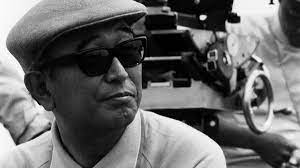
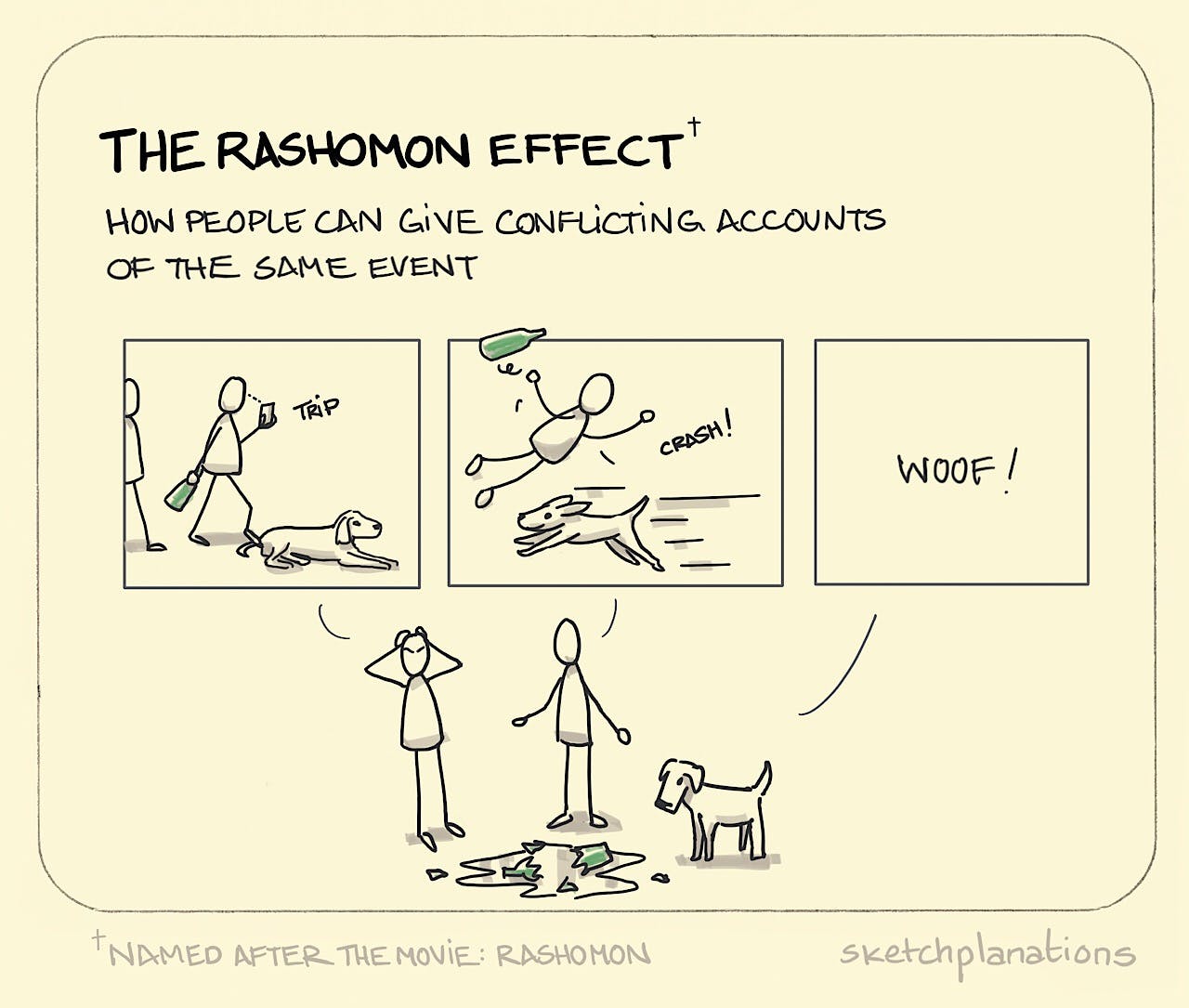
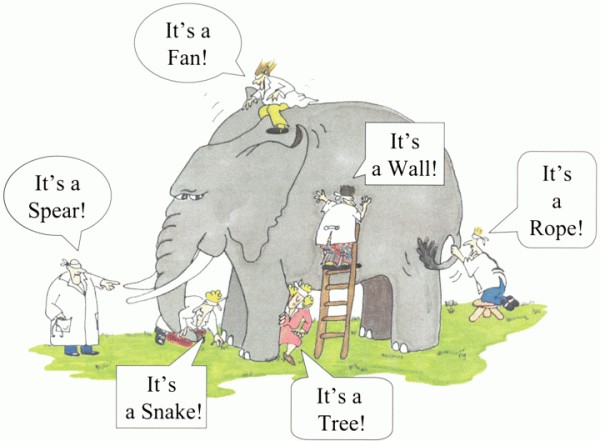
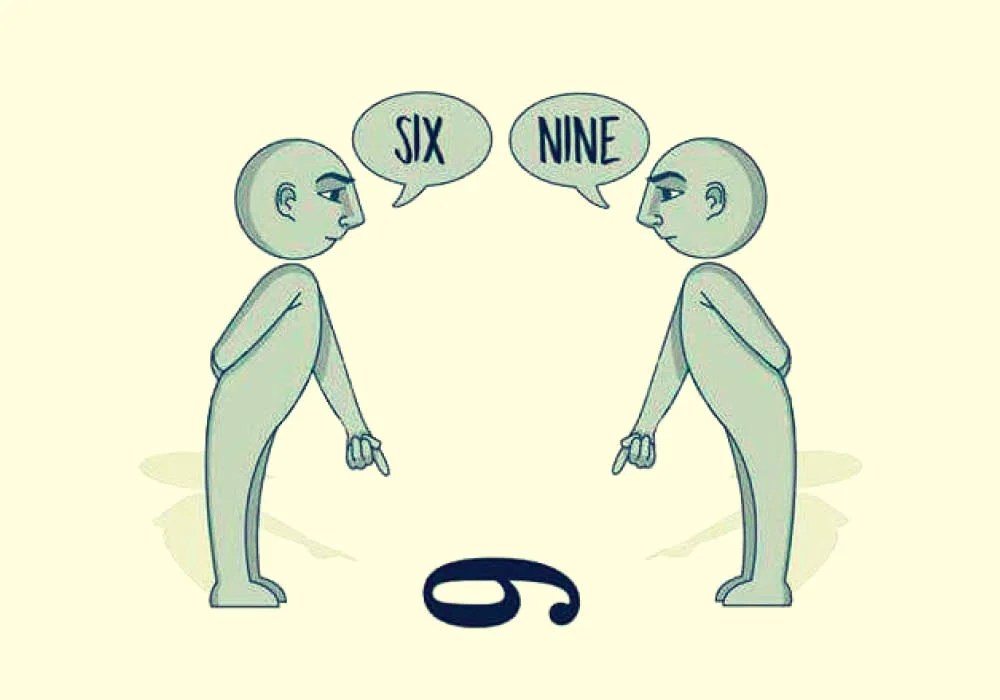

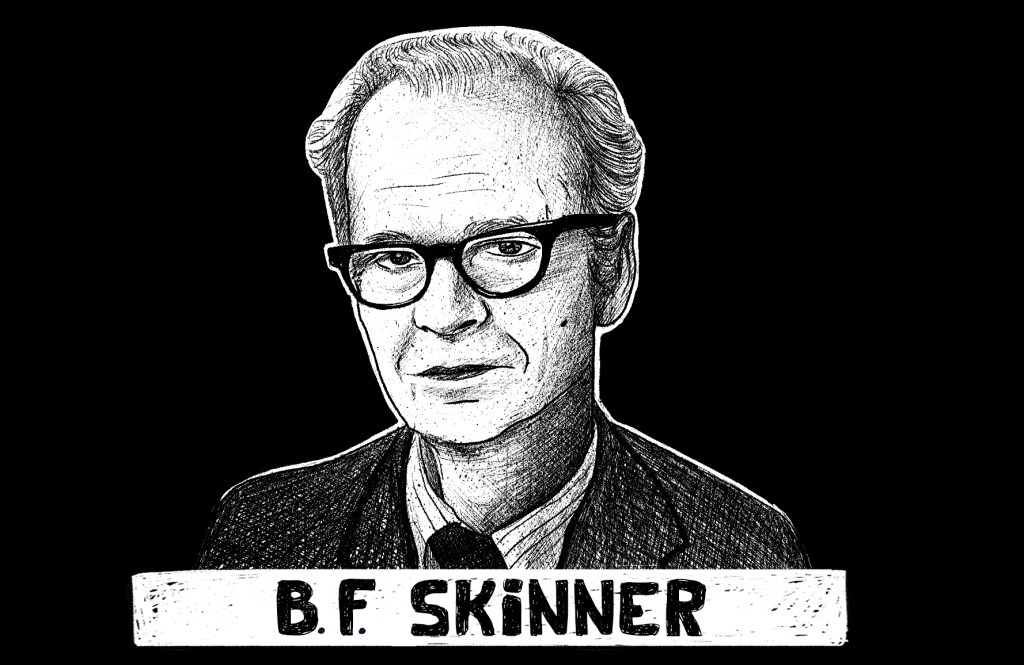
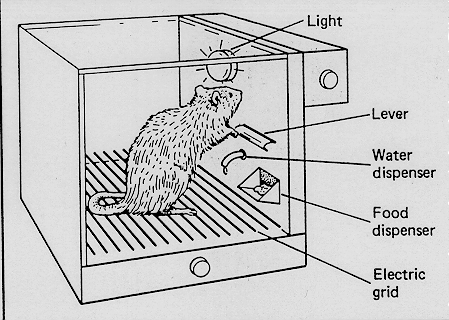



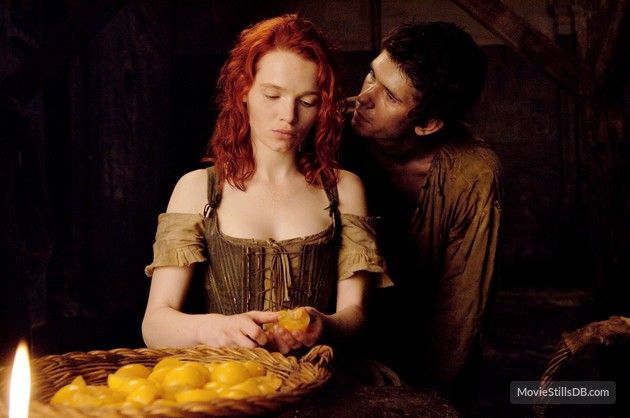
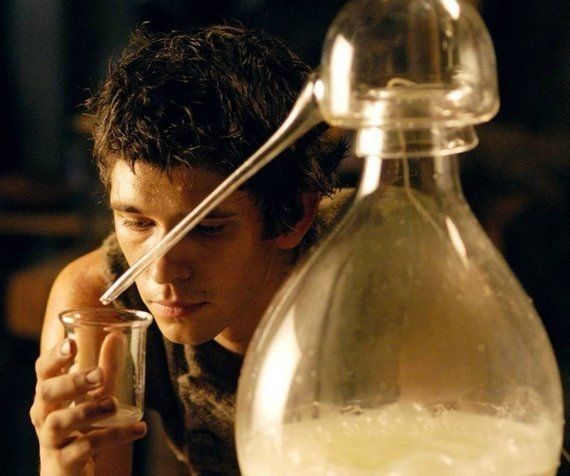
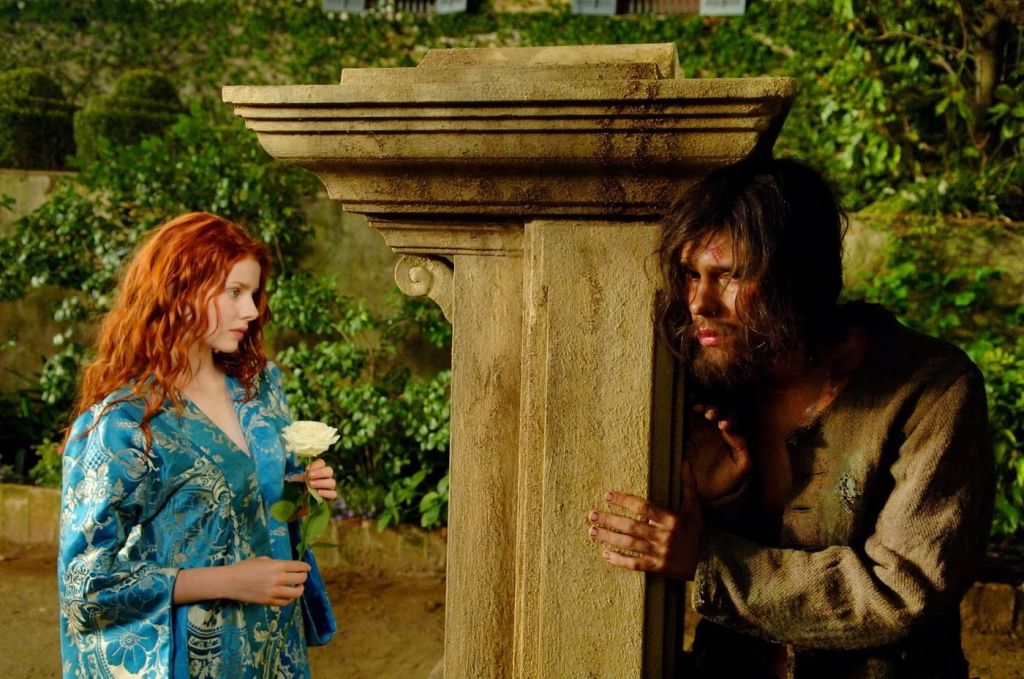


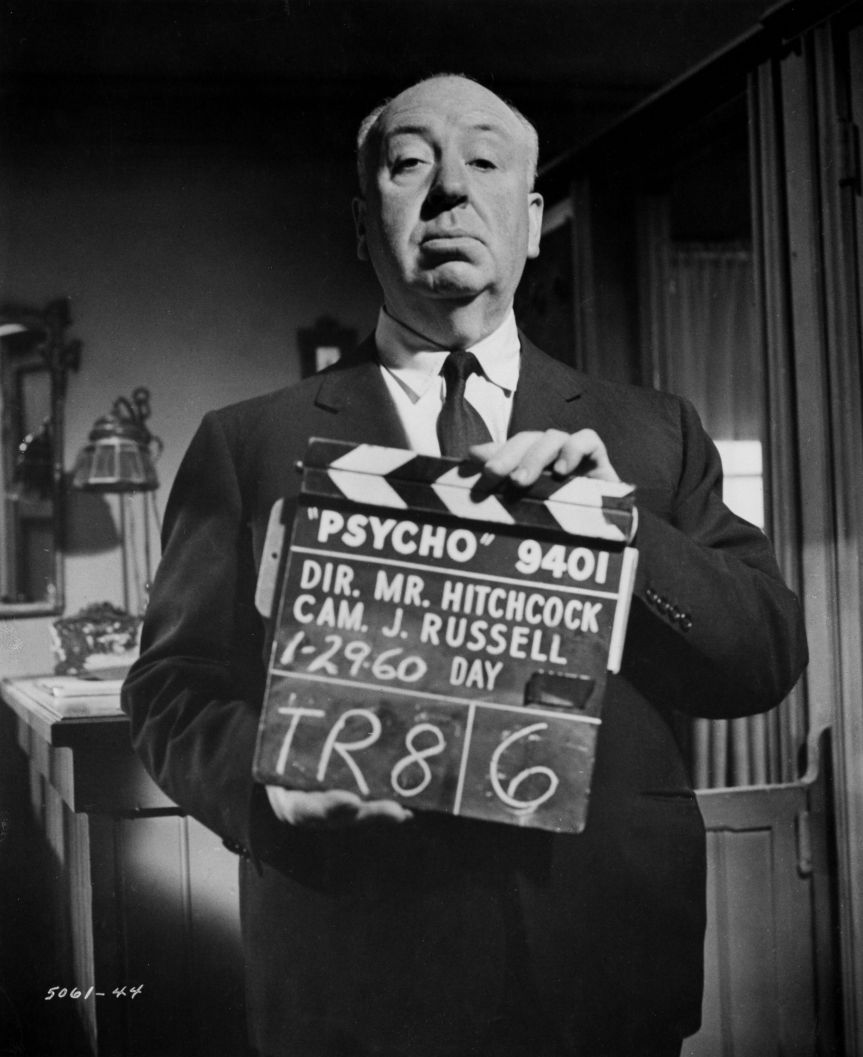
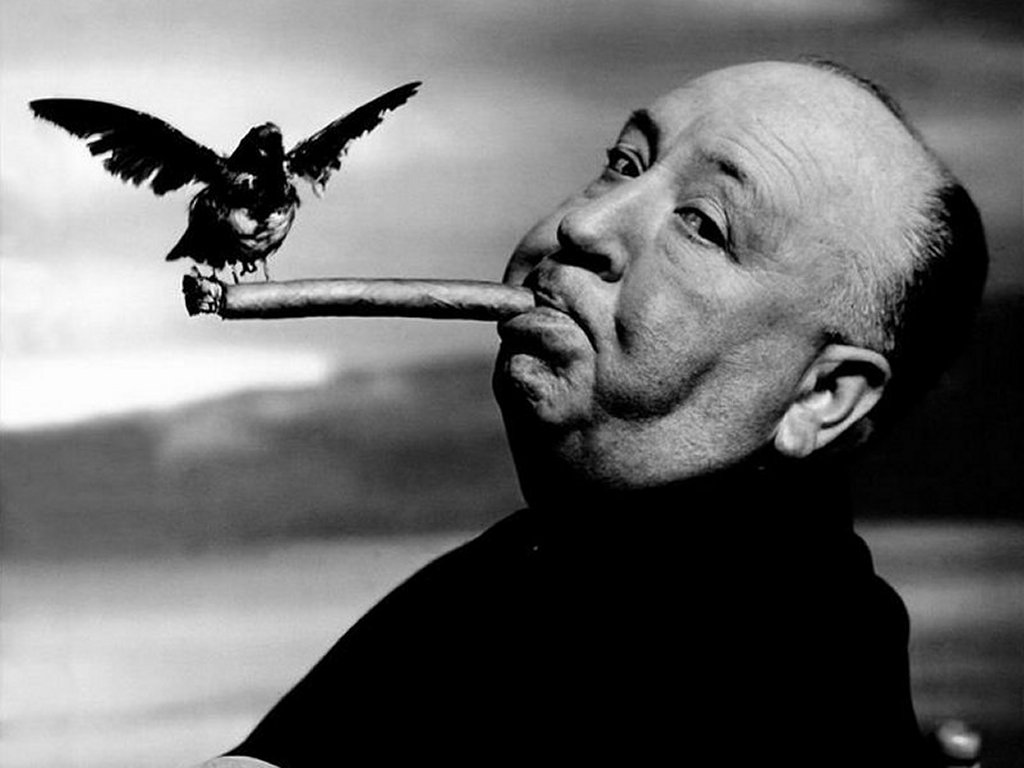
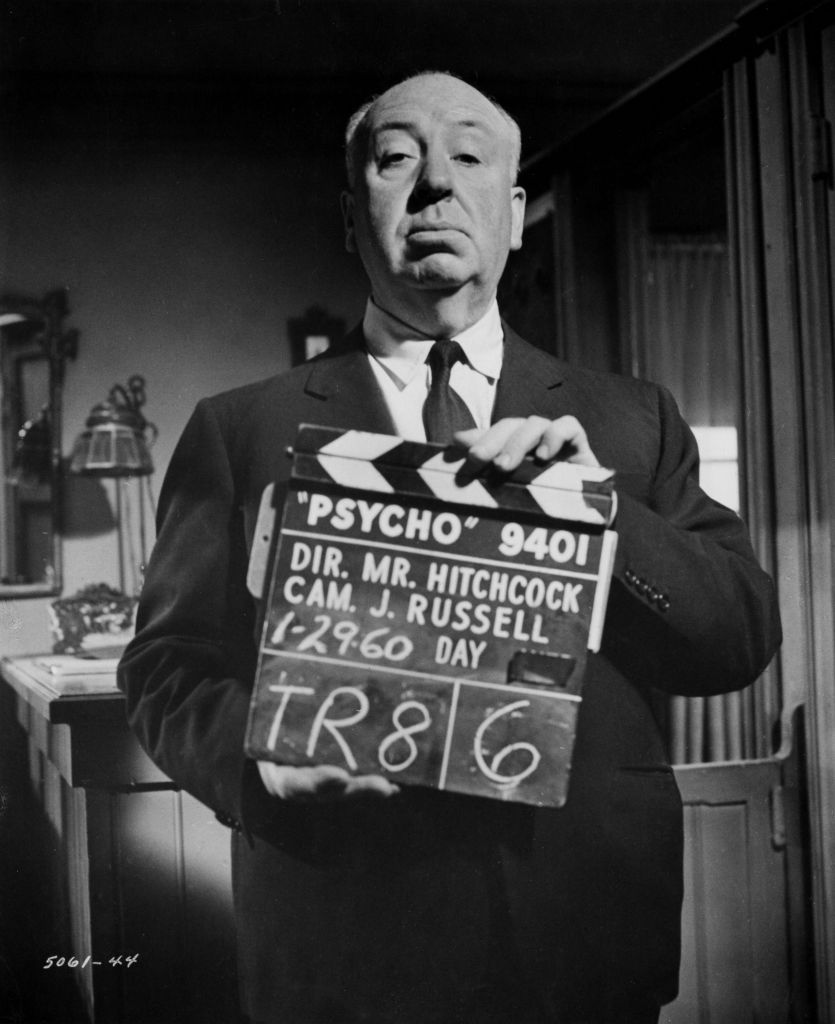
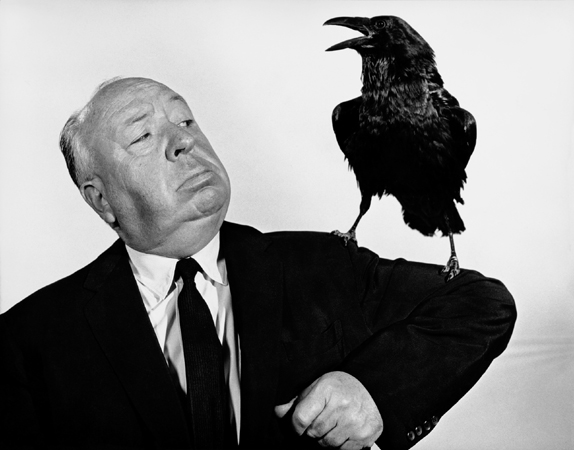
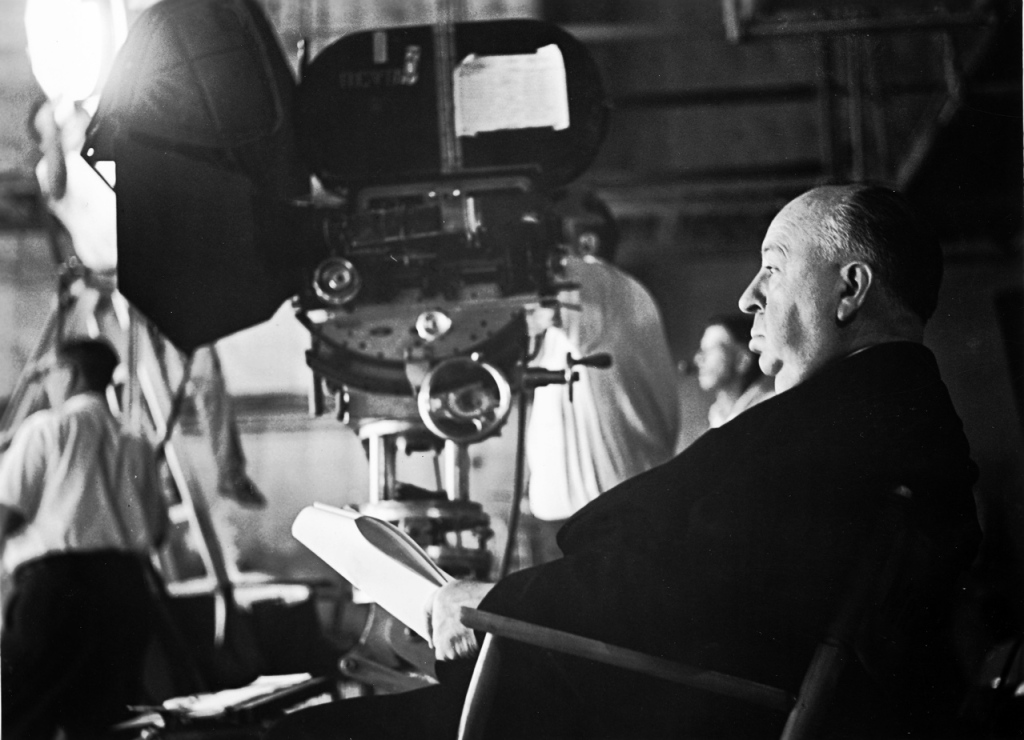
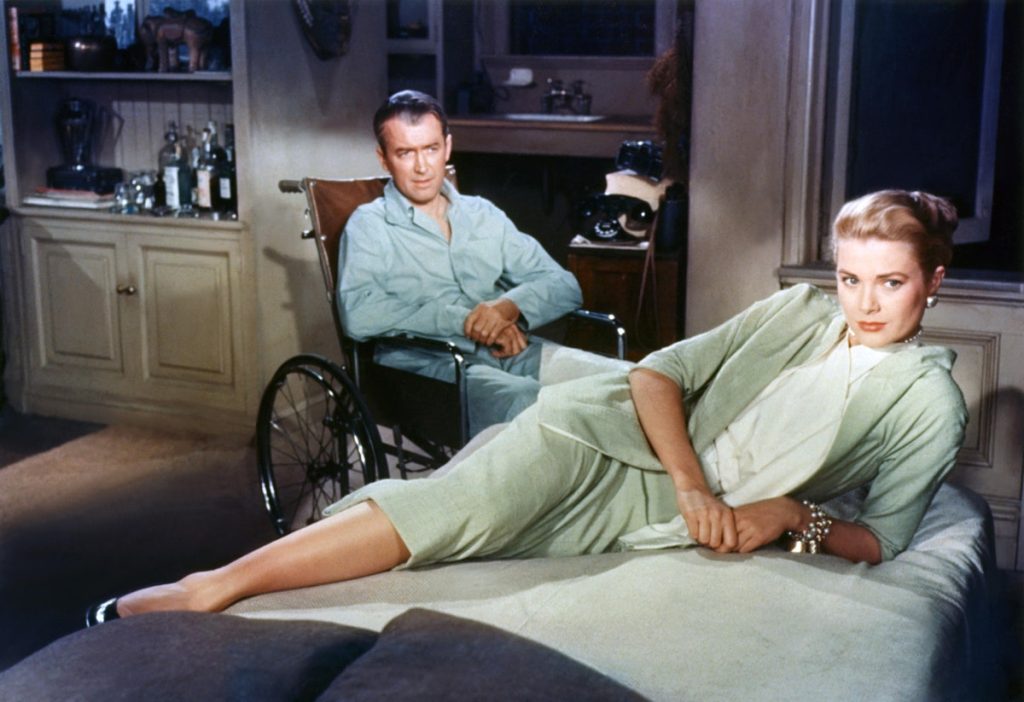
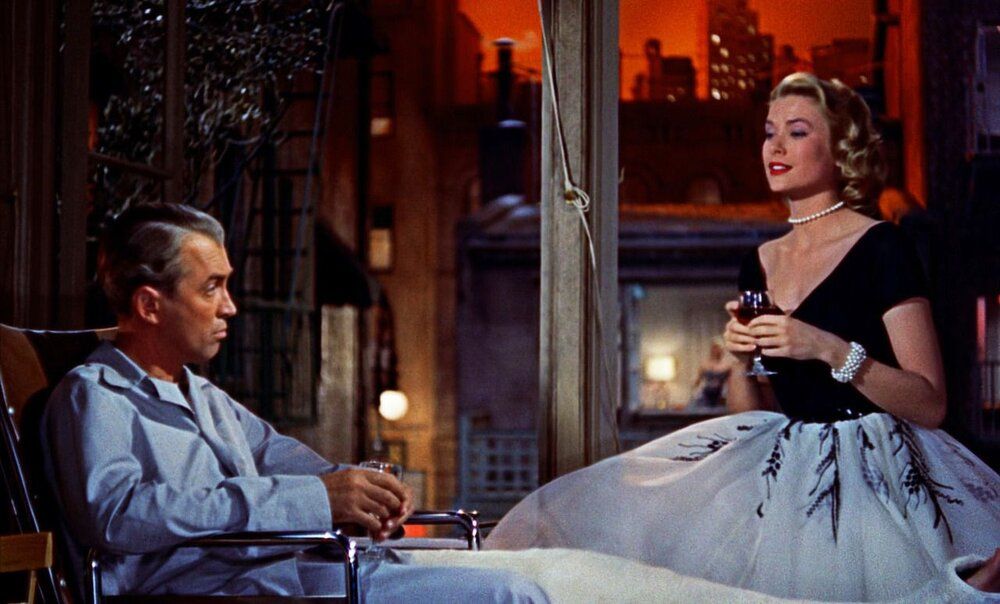
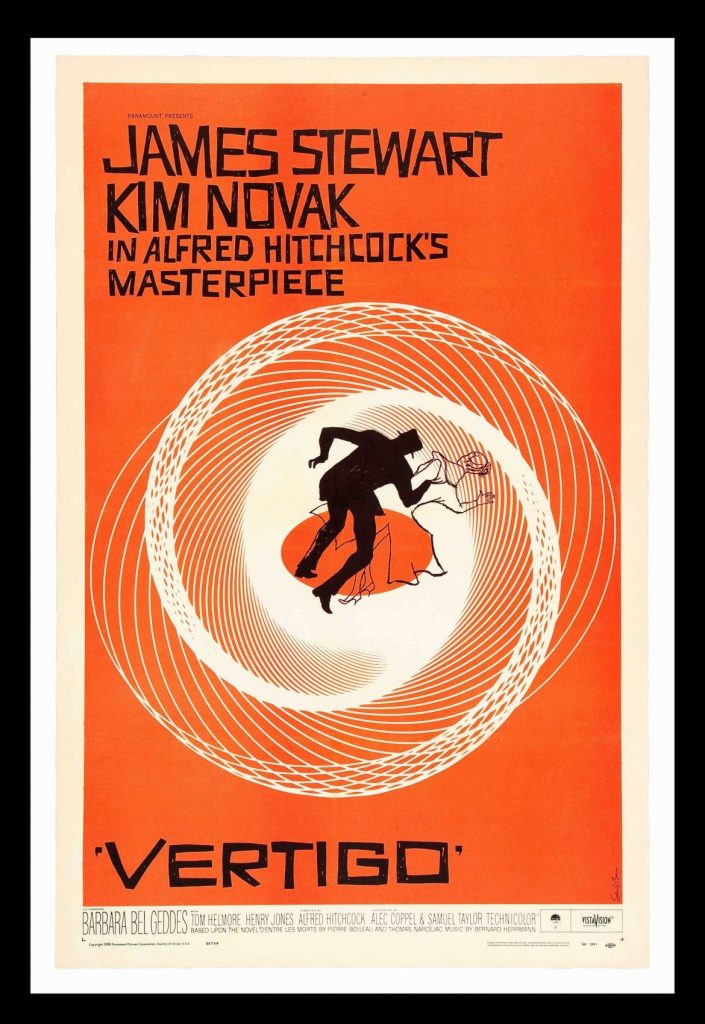
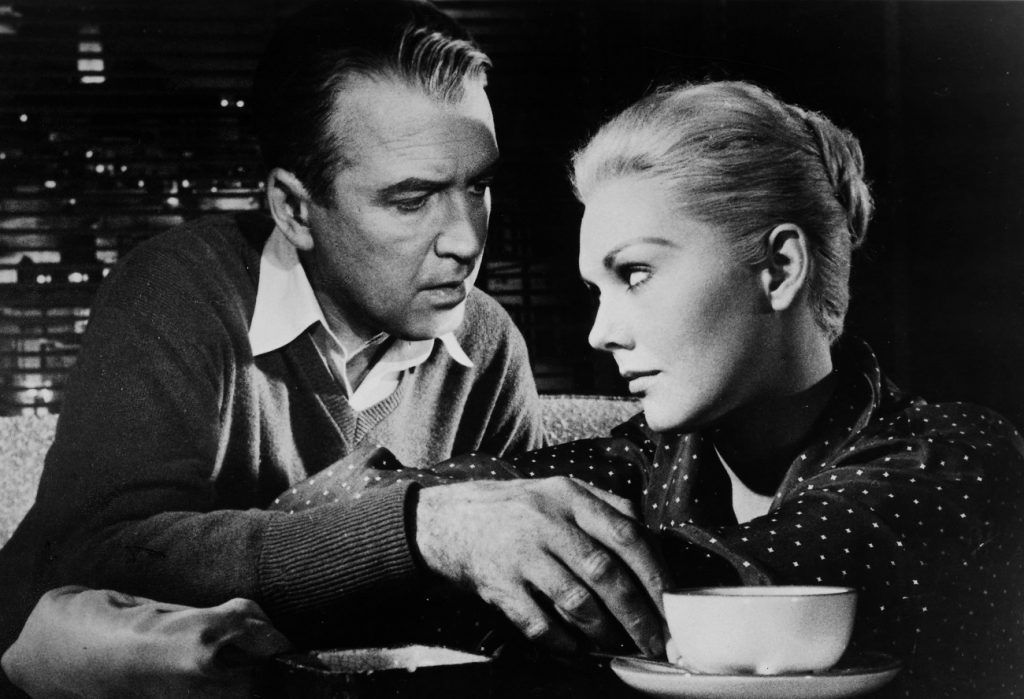
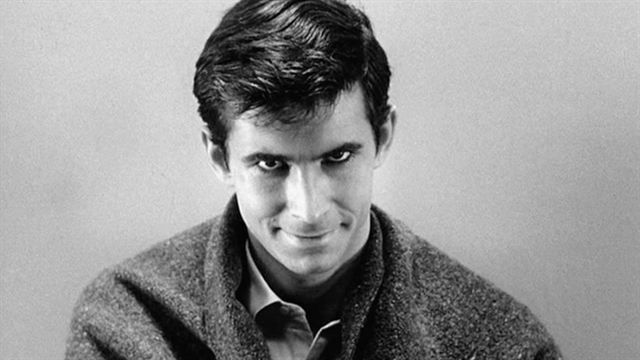

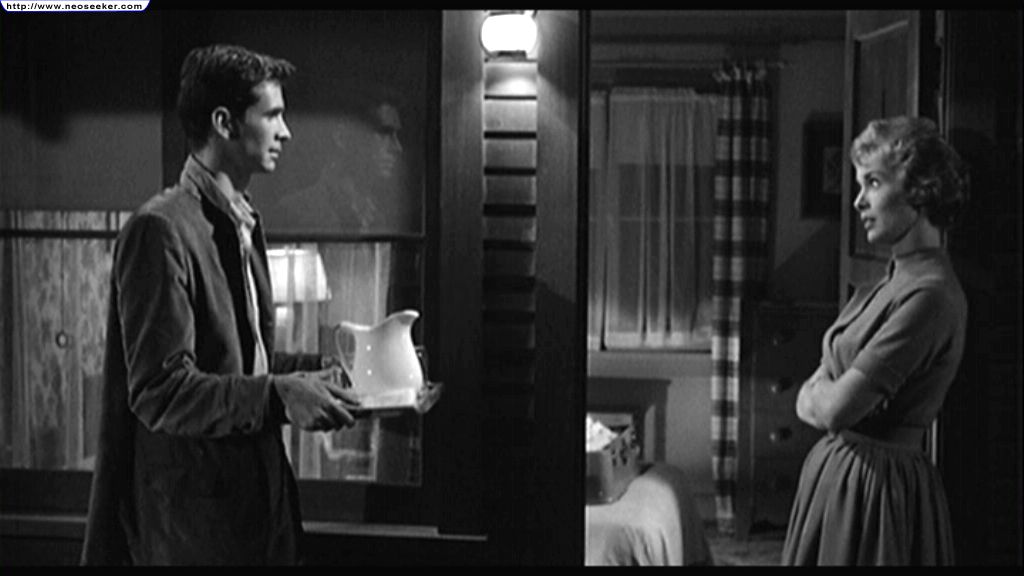
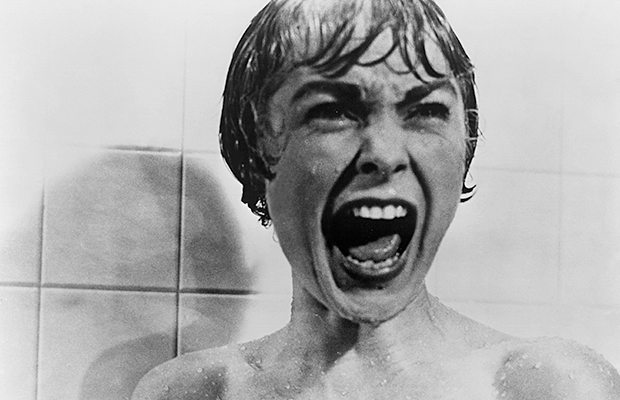


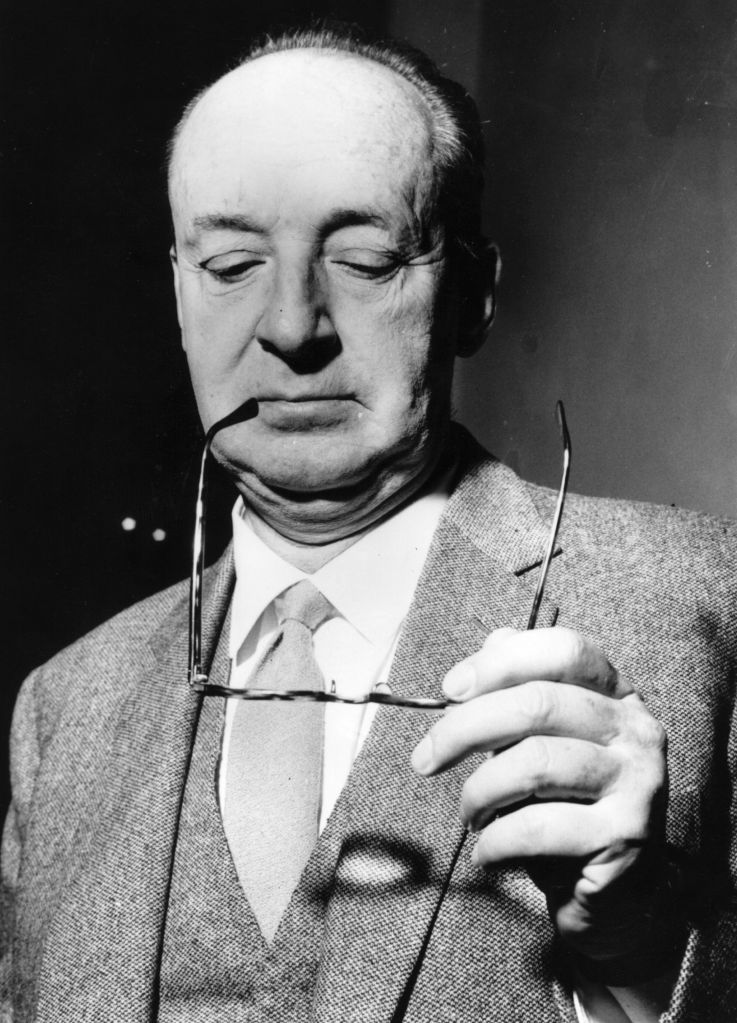
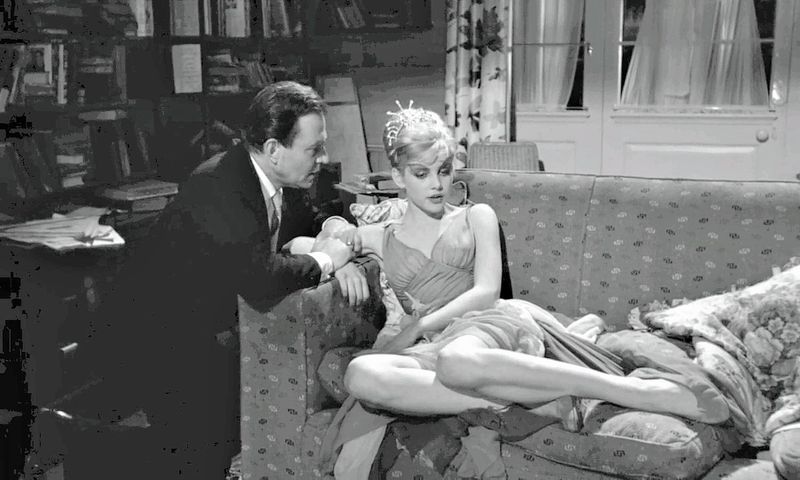

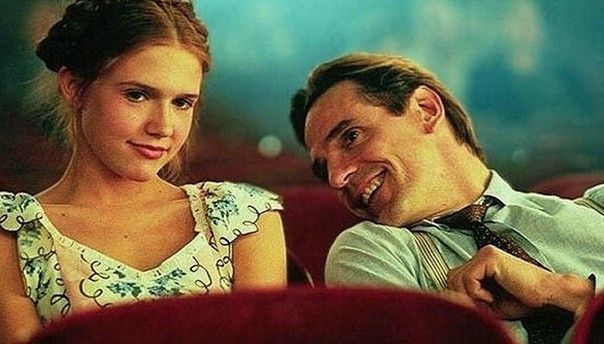


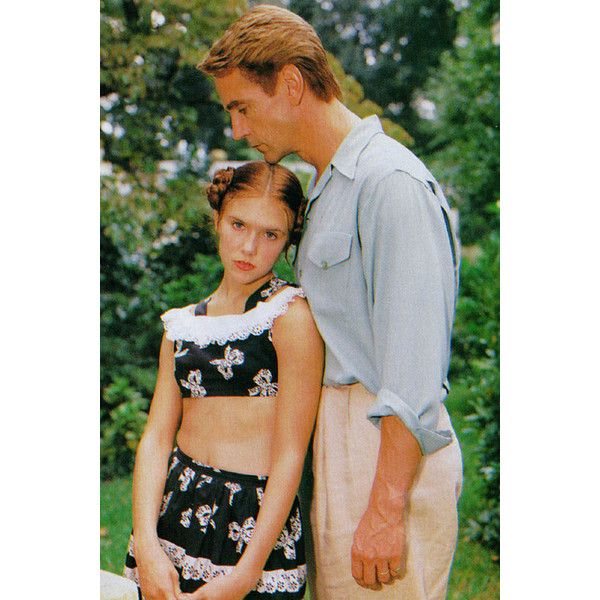









 Eduindex
You must be logged in to post a comment.