Post-traumatic Stress Disorder.

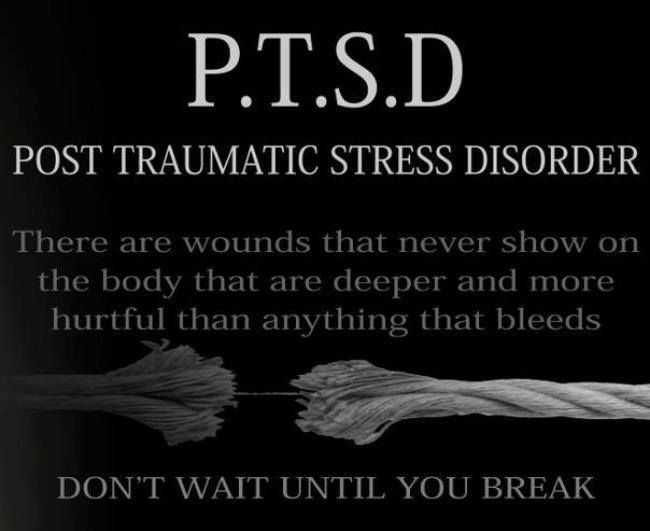
Post-traumatic stress disorder (PTSD) is an phychological disorder that a person can face who has experienced or witnessed a traumatic event such as a natural disaster, terrorist attack, war/combat, rape, or death, sexual violence or serious injury.

People with PTSD have intense and annoying thoughts and feelings associated with their experience that last long after the traumatic event is over. One may relive the event through flashbacks and nightmares. They may feel sad, afraid, or angry. And they may feel separated or alienated from others. People with PTSD can avoid situations and people that are reminiscent of traumatic events and have a strong negative reaction to mundane things such as loud noises and accidental contact.

According to reports in context to United States, about 3.6% of people about 5.2 million adults develop PTSD in time of last year , and an estimated 7.8 million Americans will develop Women are more likely to develop PTSD than men. This may be because their are high chances that women are more likely to be victims of domestic violence, abuse and rape.

Symptoms:
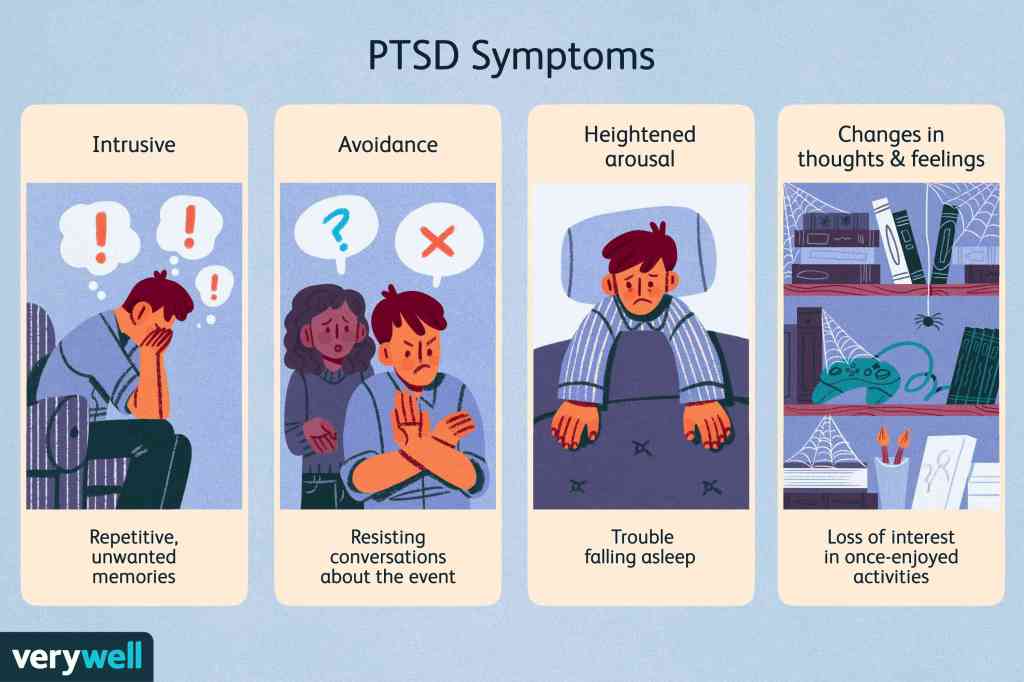
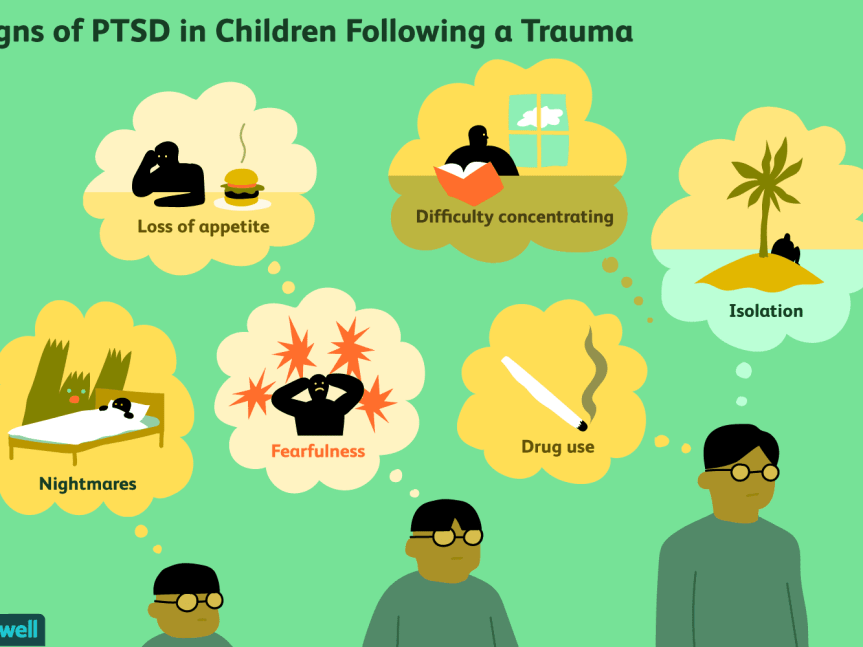
• Intrusive thought: Intrusive thoughts such as repeated involuntary reminders. A miserable dream; or a flashback of a traumatic event. Flashbacks are so vivid that people feel like they are remembering or seeing the traumatic experience in front of them.
• Avoidance: Avoiding the memory of traumatic events may include avoiding people, places, activities, objects, and situations that can cause disastrous memory. People may try not to remember or think about traumatic events. They may resist talking about what happened and how it makes them feel.
• Mood changes and Behaviour : Negative thoughts and feelings that lead to persistent and distorted beliefs about oneself and others, such as not being able to remember important aspects of traumatic events. Distorted thoughts about the cause or effect of an event can lead to false accusations of yourself or others. Persistent fear, fear, anger, guilt, or shame. There is much less interest in the activities that I enjoyed before. Feeling alienated or alienated from others; or unable to experience positive emotions (lack of happiness or satisfaction).

Treatment:
It is important to note that not everyone who experiences trauma develops PTSD, and not everyone who develops PTSD requires psychiatric treatment. For some people, the symptoms of PTSD disappear over time. Others are better with the help of their support system (family, friends,etc) . However, many people with PTSD need specialized medical treatment to help recover from psychological stress. It is important to remember that trauma which causes the PTSD can lead to serious distress. The sooner a person is treated, the more likely one can recover fast from PTSD.
Psychiatrists and other mental health professionals use several effective ( authorized and proven) methods to help people recover from PTSD. Both talk therapy and medical dosage provide effective evidence-based treatment for PTSD.

PTSD through Harry Potter

“The conflict between the will to deny horrible events and the will to proclaim them aloud is the central dialectic of psychological trauma.”
― Judith Lewis Herman, Trauma and Recovery: The Aftermath of Violence – From Domestic Abuse to Political Terror

PTSD is short for post-traumatic stress disorder, which is a psychiatric disorder that may occur in people who have experienced or witnessed a traumatic event such as a natural disaster, a serious accident, a terrorist act, war/combat, or rape or who have been threatened with death, sexual violence or serious injury.
But how do we know that harry potter had PTSD?
In short, Harry lost his parents at a very young age. He had extremely abusive foster parents, who forced him to work for them and called him names.
Even when he started school he was bullied quite a lot of times as he was the chosen one. His friend Cedric Diggory, his favorite professor – Albus dumbledore, his godfather, and numerous of his friends die in front of him. He was tortured by Voldemort and dementors.
In The book cursed child we see that Harry tells his son Albus that he’s afraid and while most everyone would think it’d have something to do with Voldemort or his trauma through Hogwarts, it’s even more emotional.

He tells Albus that he’s afraid of the dark and small spaces. While some people do not instantly recognize the significance, the line shows that Harry’s time with the Dursleys is, unfortunately, what has stayed with him the longest.

The dark and the small space he’s referring to? That’s the cupboard under the stairs that the Dursleys made him live in while he was growing up. With plenty of space and money to give Harry a happy childhood, they refused and threw him into their cupboard and made him cook and clean for them.
Let’s look at PTSD symptoms and compare them with the symptoms that harry displayed
Some PTSD symptoms are behavioral they are – Agitation, irritability, hostility, hypervigilance, self-destructive behavior, or social isolation. We do see some irritability (sometimes), but not so much hostility or agitation or self-destructive behavior or social isolation in harry.

there are Psychological symptoms too like – flashbacks, fear, severe anxiety, or mistrust. He has a lot of flashbacks, but He does have some fear but not a whole lot of anxiety or mistrust.

Mood-related symptoms can be – Loss of interest or pleasure in activities, guilt, or loneliness. He seems to enjoy most activities that people should enjoy, but he does seem to feel guilty a lot. He appeared to be very lonely before he was a wizard but he made some friends at Hogwarts

symptoms relating to Sleep are- Insomnia or nightmares. He seems to have some nights where he can’t sleep, but not to the point of insomnia. But he seems to have a lot of nightmares.

When you have PTSD, it might feel like you’ll never get your life back. But it can be treated. Short- and long-term psychotherapy and medications can work very well. Often, the two kinds of treatment are more effective together.

PTSD therapy has three main goals:

Improve your symptoms
Teach you skills to deal with it
Restore your self-esteem

Cognitive Processing Therapy
(CPT is a 12-week course of treatment, with weekly sessions of 60-90 minutes. At first, you’ll talk about the traumatic event with your therapist and how your thoughts related to it have affected your life. Then you’ll write in detail about what happened. This process helps you examine how you think about your trauma and figure out new ways to live with it.)
Prolonged Exposure Therapy
(If you’ve been avoiding things that remind you of the traumatic event, PE will help you confront them. It involves eight to 15 sessions, usually 90 minutes each. Early on in treatment, your therapist will teach you breathing techniques to ease your anxiety when you think about what happened. Later, you’ll make a list of the things you’ve been avoiding and learn how to face them, one by one. In another session, you’ll recount the traumatic experience to your therapist, then go home and listen to a recording of yourself.)
Eye Movement Desensitization and Reprocessing
(With EMDR, you might not have to tell your therapist about your experience. Instead, you concentrate on it while you watch or listen to something they’re doing — maybe moving a hand, flashing light, or making a sound.
The goal is to be able to think about something positive while you remember your trauma)
Medications
Fluoxetine (Prozac)
Paroxetine (Paxil)
Sertraline (Zoloft)
Venlafaxine (Effexor)

AWARENESS OF PTSD

                         POST-TRAUMATIC STRESS DISORDER (PTSD)

This kind of disorder arises when we are ­­­­­­­affected by situations that cannot be accepted so easily associated or experienced or witnessing of events in life. Those unforgettable moments always haunt us as nightmares and memories making us to regret for a lifelong period.

It is not an easy task to make them vanish from our life but feeling to overcome from it is a worse kind struggle between heart and soul.

It reflects that one-fourth of the people gets affected by this kind of deep emotion and as life goes by sacrifice those hinderances and move on. The more affected gender falls on mostly women as they are more emotional and trust worthy then men.

“IT’S NOT THE PERSON REFUSING TO LET GO OF THE PAST, BUT THE PAST REFUSING TO GO OF THE PERSON”

It is clear that people at several ages have experienced this disorder being in a state to console themselves, to come out of it and to forget the certain thing happened.

This disorder is affected if the affected one unable to move out of that trauma. About 10 percent have experienced this kind of situation out of 100. But the worse part is the trauma became advanced for 2 percent which they were out of control without treatment.

 There are different levels for this disorder where each level will affect our mental ability badly and make us weaker. The stages of this effect will last till six months until for life period of one person.

Reducing the pressure and engaging on with multiple tasks at the same time makes us concentrate on the work to relieve us for some time. “Unexpected things happen but humans are a part of it to accept the fact of life”.

“Thing can’t be undone unless or until you come out of it”.

Go back

Your message has been sent

Warning
Warning
Please rate our website(required)

Warning
Warning
Warning.

POST – TRAUMATIC STRESS DISORDER


This kind of disorder arises when we are ­­­­­­­affected
by situations that cannot be accepted so easily associated or experienced or
witnessing of events in life. Those unforgettable moments always haunt us as
nightmares and memories making us to regret for a lifelong period.

It is not an easy task to make them vanish from our
life but feeling to overcome from it is a worse kind struggle between heart and
soul.

It reflects that one-fourth of the people gets
affected by this kind of deep emotion and as life goes by sacrifice those
hinderances and move on. The more affected gender falls on mostly women as they
are more emotional and trust worthy then men.

IT’S NOT THE PERSON REFUSING TO LET GO OF THE PAST, BUT THE
PAST REFUSING TO GO OF THE PERSON


It is clear that people at several ages have
experienced this disorder being in a state to console themselves, to come out
of it and to forget the certain thing happened.

This disorder is affected if the affected one unable
to move out of that trauma. About 10 percent have experienced this kind of
situation out of 100. But the worse part is the trauma became advanced for 2
percent which they were out of control without treatment.

 There are
different levels for this disorder where each level will affect our mental
ability badly and make us weaker. The stages of this effect will last till six
months until for life period of one person.

Reducing the pressure and engaging on with multiple
tasks at the same time makes us concentrate on the work to relieve us for some
time. “Unexpected
things happen but humans are a part of it to accept the fact of life
”.

Thing can’t be undone unless or until you come out of it”.