

The research paradigm is the framework into which the theories and practices of your discipline fit to create the research plan. This foundation guides all areas of your research plan, including the aim of the study, research question, instruments or measurements used, and analysis methods.
Tag: research
Different Between H-Index and Impact Factor
The h-index and impact factor are two measures of research quality. The h-index evaluates a researcher’s or an author’s scientific productivity based on the number of published research papers and their citations. The impact factor evaluates the total number of articles cited within the Journal during the previous two years1. The h-index is the largest number h, so h articles have at least h citations each. It has been argued that the H index outperforms the impact factor for evaluation purposes.

That’s a very interesting question. The journal impact factor and h index are different in their fundamental design: The former is used to measure journal prestige, while the latter is used to measure researcher impact. Therefore, the two cannot be compared. Let me explain.
The journal impact factor measures the average number of citations received by articles published within a journal over a two-year period. It can be a reliable measure of journal reputation but does not measure the impact of individual articles or researchers.
On the other hand, the h index is designed to measure the scientific output of a researcher by considering a combination of the number of papers the researcher has published and the number of citations those papers have received. Thus it measures both your publication record and its impact.
Do you now see how the impact factor and h index cannot be compared because they serve different purposes?
Your colleagues are right though. As a researcher, it is more useful for you to calculate your h index than to use the journal impact factor as a measure of prestige. The h index can especially work to your advantage if you have published many papers. I understand that it is troublesome and time consuming to calculate your h index because it requires you to maintain a record of all your published papers and the citations they have received through timely searches on multiple databases. But this would be time and effort well spent because the h index is gaining popularity and is increasingly being considered by grant and tenure committees.
However, like the journal impact factor, even the h index has its limitations, and it is advisable for you to mention a combination of citation metrics—the impact factor of journals in which you have published, your h index, and other article-level metrics—on your grant applications or statements of purpose, so as to give people a holistic view of your impact as a researcher.
ANRF signifies a higher level of priority & commitment to research and innovation
Anusandhan National Research Foundation (ANRF) signifies a higher level of priority and commitment to research and innovation at the highest level in the government, said Dr Akhilesh Gupta, Secretary of SERB and Advisor, DST at a talk on Anusandhan National Research Foundation hosted by the National Centre for Biological Sciences.
“The challenge of ANRF is to introduce changes so that research makes a tangible impact on society and prioritise quality and relevance over quantity, rather than the current focus on generating research output,” Dr Gupta said at the online talk titled Changing Landscape of Research Funding in India: Anusandhan National Research Foundation: India’s vision to Achieve Global Leadership.
He added that the foundation will encourage translation research in all universities beyond Technology Readiness Level (TRL) 3, indicating a commitment to taking research outcomes from the lab to practical applications.

Dr Gupta pointed out that while the funds for NRF will be sourced from various avenues, including contributions from industry, philanthropic foundations, international organisations, and other stakeholders, a novel model has been proposed for the foundation which emphasises industry-led initiatives with government support. “The involvement of the industry is crucial in ensuring that research outcomes are aligned with real-world needs and can be effectively implemented,” he stressed.
He underlined that while Science and Engineering Research Board’s (SERB) transition to NRF represents a significant shift in priority of research funding in India, several significant initiatives like doubling private sector R&D investment, increasing the number of full-time researchers, promoting women’s participation, and National repository of STI Data are under consideration to foster innovation and research in the country.
Professor LS Shashidhara, Director, National Centre for Biological Sciences (NCBS) as well as several scientists from NCBS and other scientific institutions all over the country participated in the interactive session.
Budgeting and Budget Performance in Anambra State Civil Service (2016-2022)
Stella Okwuchukwu Alokwu
Nnamdi Azikiwe University,Awka
Department of Public Administrations
Faculty of Management Sciences
Nnamdi Azikiwe University,
Ebelechukwu Rebecca Okonkwo, Ph.D
NnamdiAzikiweUniversity,Awka
Public Administration Department
Faculty of Management Sciences
er.okonkwo@unizik.edu.ng
Chibuike Chris Umeokafor
Nnamdi Azikiwe University,Awka
Department of Public Administration
Faculty of management Sciences
cc.umeokafor@unizik.edu.ng
Abstract:
This study examined budgeting and budget performance in Anambra State civil within the period of 2016 to 2022. Among the objectives are to ascertain whether there exists a relationship between budget scrutiny and budget performance in Anambra State civil service, and determine whether there is a significance relationship between unrealistic timely disbursement of funds and effective budget performance. Descriptive survey method was adopted for the study.The population size of the study included the 5837 staff of all the ministries in Anambra State. Taro Yemani statistical toll was used to obtain a sample size of 400. A 35- item questionnaire was used for data collection while the t-test statistics was used to test the hypotheses. The results indicate a notable correlation between the examination of financial allocations and budgetary outcomes within the administrative framework of Anambra State. Additionally, the investigation unveils a substantial link between the impractical and untimely allocation of resources and the achievement of optimal budgetary performance. Among the recommendations were that the Anambra State House of Assembly should properly scrutinize budgets before approval and appropriate modalities for the disbursement of funds by appropriate Ministries in Anambra State should be put in place by the body in charge since it has been identified to affect budget performance in Anambra State.
Introduction
Every government and organization must meticulously devise a financial roadmap each year, projecting both revenues and expenditures. This budget plan serves as a crucial blueprint, guiding the government’s actions, ensuring effective resource generation, and promoting efficient resource allocation (Faleti and Myrick, 2012). Its primary objective is to attain predetermined targets and goals within a specific timeframe, thus rendering the budget an indispensable tool for socioeconomic transformation. Faleti and Myrick (2012) affirm that the budget plays a vital role in national resource mobilization, allocation, and overall fiscal and economic management. It serves as an economic instrument that brings the government’s vision to fruition in a given fiscal year. To be an effective instrument for a country’s growth and development, all stages of the budgeting process must be skillfully interconnected and managed. Faleti and Myrick emphasize the need for well-designed budgets that are efficiently implemented, thoroughly monitored, and effectively evaluated. When administered wisely, budgeting propels management planning, establishes a benchmark for evaluating performance, and fosters seamless communication and coordination among various organizational segments.
Scholars have emphasized that governmental organizations of all sizes, categories, complexities, and sectors heavily rely on budgets and budgetary systems to achieve their strategic objectives (Faleti, Faleti, and Ojeleke, 2014; Raghunandan, 2012). As cited by Faleti, Faleti, and Ojeleke (2014), the success and importance of budgeting stem from its ability to identify organizational goals, allocate responsibilities for their accomplishment, and subsequently execute those plans. It stands as one of the most effective and valuable management accounting techniques, capable of yielding substantial rewards when correctly understood and adequately implemented (Felati et al., 2014; Shah, 2007; Robinson, 2007; Drake and Fabozzi, 2010). In the Nigerian context, the fundamental prerequisites governing the budgetary procedure of the governmental sector find their roots within the contemporary constitution of the Federal Republic, alongside Financial Regulations and Financial Memorandum (Abdullahi, 2011; Abdullahi, 2008). The budgetary process at the federal echelon impeccably complies with the dictates laid out in the constitutional framework of 1999.This entails a meticulous process through which the budget must pass before becoming an appropriation act of parliament, binding the executive in terms of implementing budget provisions and executing intended projects and programs (Abdullahi, 2011). At the state echelon, the orchestration of finances is also influenced, to a certain degree, by the 1999 constitution and the framework of Financial Regulations. Nevertheless, when we descend to the local government stratum, the choreography of budgetary proceedings takes on an entirely distinct choreography. Regional assemblies, vested with the authority, keep a watchful eye over the intricate tapestry of administrative and fiscal maneuvers undertaken by local councils, all while synchronizing with the financial memorandum. This highlights that budgetary processes at the local level are largely governed by both the executive and the state House of Assembly.
This article was prompted by the public’s outcry regarding the Nigerian government’s poor budget implementation and performance, consequently hindering the nation’s economic growth and development. Proper budget scrutiny, approval, implementation, and monitoring are essential for successful budgeting and achieving budget goals. However, the Nigerian State and Federal Governments have consistently fallen short in adequately formulating and executing budgets. As the country’s population grows, so does the demand on Nigerian civil servants to provide social and infrastructural facilities. As economists often assert, “human wants are unlimited, but the means to satisfy them are limited.” Hence, there is a critical need to utilize these scarce resources to the utmost benefit of civil servants. To achieve this, an appropriate accounting tool called the budget is indispensable, serving as a comprehensive framework for implementing government policies. Budgeting and budget performance in the Nigerian civil service have become almost ritualistic, occurring annually, with content that appears commendable but often yields unsatisfactory outcomes. The issue of budget performance in the Nigerian civil service has long concerned the public. Despite the budget’s quality in terms of preparation and content, it often remains neglected after approval, relegated to a historical book with little adherence during implementation. Evidently, there exists a significant gap between budget content and actual accomplishments. This discrepancy could arise from various factors, including budget delays or late passage, insufficient program and project monitoring, unrealistic time targets, non-compliance with established priorities for budget preparation, monitoring, and evaluation, a lack of preparatory budgetary process, and deviations from target. These variables, among others, require investigation in this study to identify impediments to effective budget performance in the Anambra state civil service. Past studies (Faleti and Myrick, 2012; Ojo, 2012); Adah and Mamman, 2013; Onaolapo and Olaoye, 2013; Usoro and Adigwe, 2014; Ibanichuka and Oyadonghan, 2014; Malgwi and Unegbu, 2012) on budgeting and budget performance in the Nigerian civil service have presented various perspectives. Nonetheless, a research endeavor of such kind remains unexplored within the bounds of Anambra State. Hence, this research aims to examine the impact of budgeting on budget performance in the Anambra State Civil Service, shedding new light on this crucial topic.
Research Objectives
The broad objective is to investigate and assess the impact of budgeting on budget performance in the Anambra State Civil Service from the years 2016 to 2022. The specific objectives are to:
i. Ascertain whether there exists a relationship between budget scrutiny and budget performance in Anambra State.
ii. Determine whether there is a significant relationship between unrealistic timely disbursement of funds and effective budget performance.
Hypotheses
The following hypotheses guided this study:
1. Ho: There is no significant relationship between budget scrutiny and budget performance in Anambra State.
2. Ho: There is no significant relationship between unrealistic timely disbursement of funds and effective budget performance.
Conceptual and Theoretical framework
The Concept of Budgeting and Budget Performance
The government holds a central role in shaping and advancing any nation, and it is imperative to establish a suitable framework to fulfill this noble responsibility. This accomplishment is realized via the framework of civic management, encompassing the structuring, establishment, and oversight of national, regional, and community establishments. This domain addresses procedural, juridical, regulatory, fiscal, personnel, and property dimensions. These institutions serve crucial functions like regulatory oversight, revenue generation, expediting processes, procurement, and providing essential services such as defense, social welfare, and economic infrastructure (Kenneth in Olaoya and Ogunmakin, 2012). Within the public sector, the budget plays a critical role as it represents a comprehensive financial statement detailing projected revenues and anticipated expenditures (Yakubu, 2011). Magand”Meigs (2004) defines the budget as a comprehensive financial plan that outlines the path toward achieving an organization’s financial and operational objectives. Turns (2006) considers the budget a framework that outlines revenue and expenditure over a specified period, typically a year. As stated by Adam (cited in Ugoh and Ukpere, 2013), the concept of ‘Budget’ pertains to the communal treasury, serving as a container for the income and outlays of the government. The specific objectives of government budgeting, as stated by Athukora and Reid in Ibanichuka and Oyadonghan (2014), include providing a foundation for realizing the socio-economic vision of the government within its jurisdiction. It also serves as a tool for pursuing macro-economic management objectives such as economic growth, stability, and equity. The budget sets specific targets, allowing citizens to assess the government’s performance against its own standards. Additionally, the budget aids in resource allocation to strategic areas of priority while addressing various competing needs. Budgeting, being a periodic process, enables government officials to promote managerial efficiency in running the government effectively.
In a democratic system of government, budgeting also plays a vital role in providing a mechanism for legislative oversight over executive spending of public funds. On the other hand, budget performance entails a management report comparing actual revenues and costs with the budgeted figures based on actual sales volume. Essentially, it reflects the variance between actual and budgeted organization performance at the end of an accounting period. This valuable tool allows management to identify areas meeting budget goals and those that require improvement (Bayode, 2012). Performance budgets utilize statements of missions, goals, and objectives to elucidate the reasons behind expenditure. It facilitates resource allocation to achieve specific objectives based on program goals and measured results. Unlike traditional approaches, performance budgeting focuses on spending outcomes rather than simply the amount of money available (Carter in Young, 2003).
Empirical Review
The following literature in the area of budgeting and budget performance were identified and presented in this section. Faleti and Myrick (2012) investigated the Nigerian Budgeting Process as a framework for Increasing Employment Performance. The research delved into the impacts of the structured budgeting procedure, budgetary involvement, magnitude of sectors, and organizational ownership on the employment efficacy within Nigerian governmental bodies, encompassing ministries, departments, agencies, and parastatals. Employing a regression analytical framework, the outcomes unveiled a fusion of monetary and non-monetary gauges, illuminating the efficacy of budgetary practices on employment dynamics. Furthermore, the study augmented the existing insight concerning the interplay between budgetary processes and employment effectiveness, while also presenting recommendations to enhance employment performance metrics in Nigeria. Consequently, this offers potential remedies to analogous obstacles encountered by other emerging economies.
Ojo’s (2012) study Unveils Restrictions Impacting Budgeting and Implementation of Development Plans in Nigeria. The examination divulged that after traversing more than five decades of strategic planning and fiscal allocation, Nigeria unquestionably stands at a crucial juncture concerning the advancement of its infrastructure. Essential elements that are fundamental for cultivating a bountiful and endurable life are conspicuously absent. While numerous rationales have been attributed to this glaring actuality, the focal point of this manuscript revolves around an exhaustive scrutiny of the factors that likely obstructed the efficacy of numerous development strategies alongside annual financial plans in attaining the coveted developmental objectives. The study deduces that unless the pinpointed deficiencies, as extensively deliberated within this document, are diligently addressed, the nation might find itself incapable of competing on a level playing field with its contemporaries in terms of developmental benchmarks. Adah and Mamman (2013) conducted an in-depth Analysis of the Efficacy of Incremental Budgeting System within the Landscape of Nigerian Public Tertiary Institutions. This research aimed to uncover the intricate relationship between budgetary performance within Nigerian tertiary institutions and the utilization of the Incremental Budgeting System. Furthermore, it sought to evaluate the adaptability of the Incremental Budgeting System’s framework in accommodating substantial transformations in institutional projects. The study primarily drew upon firsthand data sources for its investigation. The study’s pivotal revelations diverge from conventional assumptions. Firstly, it challenges the conventional belief that budgetary performance is intricately linked to the adoption of the incremental budgeting system. Contrary to prevailing expectations, the research demonstrates that this correlation is not as pronounced as commonly thought. Secondly, the study sheds light on a significant obstruction to budget implementation – the insufficiency and delay in the release of subventions from the federal government. These delays have been identified as the underlying cause of the breakdown in budgetary execution. Based on these thought-provoking findings, the paper advocates for a transformative approach. It advises the Nigerian government to prioritize the punctual release of sanctioned subventions to these institutions. This proactive measure is proposed as a means to bolster the practical realization of annual budgetary plans. In this manner, the research imparts valuable insights that could potentially reshape the fiscal landscape of Nigerian public tertiary institutions.
Onaolapo and Olaoye (2013) appraised the factors contributing to disparity in budget proposal and implementation. The central focus of their research aimed to dissect the behavioral nuances surrounding the uneven execution of budgets. They formulated and subjected two hypotheses to empirical scrutiny, employing the education and finance ministries within Nigeria’s Ekiti State as their testing grounds. Among the thirty-five individuals who were entrusted with budget formulation and execution responsibilities, a commendable thirty provided their insights through questionnaires. Employing the rigorous student’s t-test methodology, the initial conjecture (that budgetary implementations are not consistently achieved within these ministries) unfolded a revealing revelation. The calculated t-value (12.31) significantly surpassed the critical t-value (1.679), underscoring that both ministries consistently surpass expectations when it comes to budget adherence. The secondary proposition (insufficiency in ministries’ approaches to tackle budget deviations) holds ground, as evidenced by t-cal. (6.89) surpassing t-tab (1.699). This substantiates the adequacy of measures undertaken by the two ministries to mitigate budget disparities. Consequently, it is reasonable to deduce that the sources of discrepancies in budget execution extend beyond the factors previously considered. Employing methods encompassing descriptive statistics, correlation matrices, and multiple regression analyses can shed light on these matters. In the investigation conducted by Usoro and Adigwe (2014), the focal point was the evaluation of Budget practices within the context of the Nigerian Civil Service, emphasizing the lens of organizational culture. The study delved into the perceptions and encounters of Nigerian civil servants concerning budgeting and its associated practices. Notably, the study illuminated the foundational framework of the Nigerian civil service, where a hierarchical culture predominates, interwoven with subtle traces of the clan culture. Paramount among the factors identified to enhance the budgetary processes in Nigeria are enhanced communication channels, heightened participation, and the establishment of rigorous monitoring mechanisms. These newfound insights offer a valuable contribution towards steering an enhancement trajectory and nurturing the evolution of the service.
Ibanichuka and Oyadonghan (2014) undertook a thorough examination of the cash accounting approach and its impact on budget execution within the context of Nigeria. The authors embarked on a comprehensive exploration of the repercussions linked to the persisting challenge of inadequate budget execution in the Nigerian setting. Their investigation was grounded in empirical scrutiny, involving the distribution of one hundred and thirty (130) questionnaires to public servants within the civil service of Bayelsa, Delta, and Rivers States in Nigeria. Employing version 19 of the SPSS software, the researchers meticulously analyzed the collected data through the utilization of paired sample “t” tests. The findings revealed a favorable influence of the cash accounting method on both budget execution and the transparent portrayal of a government’s financial stance. As a recommendation, the researchers advocated for the universal adoption of the accrual accounting approach by all governmental ministries and extra-ministerial entities operating in Nigeria. In 2012, Malgwi and Unegbu undertook a unique study examining budget practices within Nigeria’s public sector through the lens of the balanced scorecard perspective. They delved into the historical origins of the term “budget” and proceeded to investigate budget performance across Nigerian states, namely Borno, Bauchi, Yobe, Taraba, and Adamawa. Their focus was on discerning variations in budget execution among these states. To assess these differences quantitatively, the researchers employed four distinct budget performance indices. They applied ANOVA and Pair Wise Correlation statistical tools to the collected data. The findings illuminated significant divergence in budget performance among states, with a statistically significant p-value of 0.001 and an F-statistic of 13.118, evaluated at a 5% level of significance. In light of these results, the study recommended integrating Balanced Scorecard Budget Perspectives into budgetary practices and emphasizing vigilant oversight in budget execution. These measures are crucial for strengthening the fight against public corruption in Nigeria.
Theoretical Framework
This research adopts the illuminating lens of systems theory. By embracing this perspective, the study unveils an overarching analytical framework, allowing us to perceive an organization as an intricately interconnected network of elements. Ludwig (1974) asserts that the systems theory portrays an organization not as a mere sum of its individual parts, but as a cohesive whole. Within this holistic paradigm, an organization possesses remarkable attributes: Synthesis, Synergy, Interdependence, and Interconnections. These qualities intricately weave together both within the organization and in its relationships with the external environment and other entities. This emphasis on synthesis, however, eventually gave way to an analytic approach. Much like Galileo’s mathematical conception revolutionized the world, supplanting Aristotle’s descriptive-metaphysical approach, modern scientific analysis took the lead. Tracing the footsteps of Descartes, the scientific method’s trajectory involved dissecting complex phenomena into elementary particles and processes, thereby achieving tremendous success in understanding simple causal chains. Nevertheless, when confronted with multi-variable systems, this framework encounters challenges. This is where the essence of systems theory shines through – advocating that organizations should be viewed as unified systems with interconnected parts, all serving a singular purpose. Any flaw or mishap in any of these parts will inevitably ripple across the entire system, affecting its overall performance. These interrelated parts, akin to decision units or departments, represent the subsystems of an organization. Thus, the collective attitudes and efficacy of these subsystems play a pivotal role in determining the overall effectiveness of the main systems (Nnabuiefe and Amobi, 2015).
Methodology
This study employs a descriptive survey approach, aiming to investigate budgeting and budget performance within the context of Nigeria. Specifically, the research focuses on Anambra state civil service. Survey research, as defined by Okeke, Olise, and Eze (2008), involves the collection and analysis of data through questioning a representative sample of the population at a specific point in time. This method facilitates a holistic grasp of the present scenario regarding one or multiple factors under scrutiny. To gather data, the study relied on primary sources, directly collecting raw data from the field of study. This data was then organized into appropriate forms for statistical analysis. Data was derived from a combination of primary and secondary sources. The primary source involved the use of well-structured questionnaires, while the secondary source entailed reviewing existing works by other authors concerning budgeting and budget performance. The research population consists of all ministries in Anambra State, with a total population size of 5837, as reported in Anambra State of Nigeria (2023). The distribution of the population of the study is detailed in the table below.
Table 1: Distribution of the Population of the Study
|
S/N
|
Ministries
|
TOTAL
|
|
1 |
Ministry of Agriculture and Rural Development
|
647
|
|
2 |
Ministry of Commerce, Industry and Tourism |
364 |
|
3 |
Ministry of Health |
781 |
|
4 |
Ministry of Education |
524 |
|
5 |
Ministry of Finance |
238 |
|
6 |
Ministry of Information and Culture |
188 |
|
7 |
Ministry of Justice |
438 |
|
8 |
Ministry of Lands, Survey and Urban Planning |
532 |
|
9 |
Ministry of Environment |
206 |
|
10 |
Ministry of Works |
314 |
|
11 |
Ministry of Economic Planning and Budget |
168 |
|
12 |
Ministry of Women Affairs and Social Dev. |
216 |
|
13 |
Ministry of Youth and Sports |
257 |
|
14 |
Ministry of Public Utilities |
342 |
|
15 |
Ministry of LG and Chieftaincy Matters |
92 |
|
16 |
Ministry of Science and Technology |
142 |
|
17 |
Ministry of Transport |
195 |
|
18 |
Ministry of Housing |
193 |
|
|
TOTAL |
5837 |
Source: Anambra State Government, 2023
To ascertain the appropriate sample size for distributing the questionnaire, we employed Taro Yamani’s equation. The sample size is 400. The table below shows the number of questionnaire that was allocated to each ministry in Anambra State.
Table 2: Number of Questionnaire distributed to Ministries in Anambra State
|
S/N |
Ministries |
TOTAL |
|
1 |
Ministry of Agriculture and Rural Development
|
44 |
|
2 |
Ministry of Commerce, Industry and Tourism |
25 |
|
3 |
Ministry of Health |
54 |
|
4 |
Ministry of Education |
36 |
|
5 |
Ministry of Finance |
16 |
|
6 |
Ministry of Information and Culture |
13 |
|
7 |
Ministry of Justice |
30 |
|
8 |
Ministry of Lands, Survey and Urban Planning |
36 |
|
9 |
Ministry of Environment |
14 |
|
10 |
Ministry of Works |
22 |
|
11 |
Ministry of Economic Planning and Budget |
12 |
|
12 |
Ministry of Women Affairs and Social Dev. |
15 |
|
13 |
Ministry of Youth and Sports |
17 |
|
14 |
Ministry of Public Utilities |
23 |
|
15 |
Ministry of LG and Chieftaincy Matters |
6 |
|
16 |
Ministry of Science and Technology |
10 |
|
17 |
Ministry of Transport |
14 |
|
18 |
Ministry of Housing |
13 |
|
|
TOTAL |
400 |
This table shows that 400 questionnaire was distributed to civil servants in the various ministries under the Anambra State Government. The data depicted above illustrates the distribution of questionnaires among individual ministries. Having identified the numbers of questionnaire due to each Ministry, the random sampling technique was used to ensure that every staff in each Ministry had equal chance of being picked to fill the questionnaire. This was achieved by the use of table of random numbers. Four point summative scale response categories of SA= Strongly Agreed, A= Agreed, D=Disagreed and SD =Strongly Disagree was used. Any item exhibiting a mean value of 2.5 or higher will be classified as consensus-reaching, whereas items with a mean value falling below 2.5 will be categorized as dissenting. The investigation’s hypotheses were put to the test using the Statistical Package for Social Sciences (SPSS).
Test of Hypotheses
Ho: There is no significant relationship between budget scrutiny and budget performance in Anambra State.
H1: There is a significant relationship between budget scrutiny and budget performance in Anambra State.
Table 3: T-test statistics on extent of budget scrutiny in Anambra State Assembly is not significant
|
Variables |
T |
Df |
Sig. (2- tailed) |
Mean Difference |
Std. Error Mean |
|
Approval of departmental budget estimates |
207.747 |
342 |
.000 |
3.863 |
.019 |
|
Publication in the gazette for public scrutiny |
30.085 |
342 |
.000 |
1.656 |
.055 |
|
Budget scrutiny and authorization |
151.471 |
342 |
.000 |
3.711 |
.025 |
|
Legislative oversights function during budget implementation |
38.234 |
342 |
.000 |
2.525 |
.066 |
|
Auditing of government expenditure |
69.859 |
342 |
.000 |
2.851 |
.041 |
|
Funds are disbursed to ministries after submission of adequate returns |
138.657 |
342 |
.000 |
3.173 |
.023 |
Source: Field survey, 2023
To test the hypothesis the t-test statistics was employed. This is a summary of the t-test values on the extent of budget scrutiny in Anambra State Assembly. The test outcomes reveal that every t-calculated value exhibited significance at an extraordinary level of 0.000. This signifies a notable correlation between the meticulous examination of budgets and the subsequent budgetary achievements within the territory of Anambra State.
Hypothesis Two
Ho: There is no significant relationship between unrealistic timely disbursement of funds and effective budget performance
H1: There is a significant relationship between unrealistic timely disbursement of funds and effective budget performance.
Table 4: T-test statistics on modalities for the distribution of funds by appropriate ministry
|
Variables |
T |
Df |
Sig. (2-tailed) |
Mean Difference |
Std. Error Mean |
|
Funds for ministries budget-programme have been availed to ministries in the required amounts |
195.111 |
342 |
.000 |
3.843 |
.020 |
|
Funds have been availed for ministries activities timely |
132.306 |
342 |
.000 |
3.732 |
.028 |
|
There is no uncertainty in ministries plans resulting from timing of disbursement of funds of ministries budget-programme |
84.243 |
342 |
.000 |
3.452 |
.041 |
|
The timing of disbursement of funds currently used on the ministries budget-programme is most suitable |
64.511 |
342 |
.000 |
2.956 |
.046 |
|
The adequacy of funds disbursed for the ministries budget-programme is most suitable |
60.834 |
342 |
.000 |
2.860 |
.047 |
|
Ministries budget funds disbursed to ministries matches budget expectation |
135.473 |
342 |
.000 |
3.169 |
.023 |
|
Funds are disbursed to ministries after submission of adequate returns |
59.068 |
342 |
.000 |
2.612 |
.044 |
|
Funds are transferred to ministries account at the beginning of the year |
50.710 |
342 |
.000 |
2.688 |
.053 |
|
Through ministries budget work plan, human and financial resources are allocated to insure the accomplishment of the goals in a timely fashion |
193.510 |
342 |
.000 |
3.840 |
.020 |
|
Sufficient resources are allocated to ministries budget to achieve the established goals and objectives |
190.466 |
342 |
.000 |
3.834 |
.020 |
Source: Field survey, 2023
To test the hypothesis the t-test statistics was employed. This is a summary of the t-test values on Modalities for the disbursement of funds by appropriate ministry or office is not affecting budget performance. The test outcomes reveal that every t-calculated value demonstrated remarkable significance at an unprecedented 0.000 level. This signifies a substantial correlation between the impractical and untimely allocation of funds and the noteworthy enhancement of budgetary performance.
Discussion of Findings
The t-test for hypothesis one was conducted, and the result showed that all the t-calculated values were significant at a 0.000 significant level. This means that the p-values for all the t-tests were less than 0.001 (p < 0.001), which is a very low probability of the results occurring by chance. Based on this outcome, the null hypothesis (Ho) is rejected. The statement "there is no significant relationship between budget scrutiny and budget performance in Anambra State" is not supported by the data. On the contrary, the available data points towards a noteworthy correlation between the examination of financial allocations and the subsequent fiscal outcomes within the realm of Anambra State. This finding is affirmed by Faleti and Myrick (2012) study which focused on the effects of the formal budgeting process and budgetary participation on employment performance in Nigerian ministries, departments, agencies, and parastatals. The use of financial and non-financial measurements to reflect the effectiveness of budgeting practices on employment performance suggests that budget scrutiny and involvement in the budgeting process can have a positive impact on performance. Also, Adah and Mamman (2013) found that budget performance is not solely dependent on the use of incremental budgeting system but that other factors, such as budget scrutiny and effective management, may contribute to better budget performance.
The summary of the t-test values for hypothesis two indicates that the calculated t-values were significant at a level of 0.000. A significance level of 0.000 suggests an extremely low probability of observing the results if the null hypothesis (no relationship) were true. The text concludes that since all the t-calculated values were significant at this very low significance level, it implies that there is indeed a significant relationship between unrealistic timely disbursement of funds and effective budget performance. In other words, the analysis suggests that the initial hypothesis, which stated that there is no significant relationship, is rejected based on the t-test results. Instead, the findings indicate that there is a significant relationship between unrealistic timely disbursement of funds and effective budget performance. This implies that how funds are disbursed in a timely manner can have an impact on the overall effectiveness of budget performance. This finding is in line with the literature presented in the text. Several studies, such as the ones conducted by Ojo (2012) and Usoro and Adigwe (2014), focused on budget performance and its impact on various aspects of public institutions and organizations. These studies suggest that budgeting practices and processes can indeed influence various performance metrics, including employment performance, development plan implementation, budget proposal, and overall organizational effectiveness.
Conclusion
This study has examined budgeting and budget performance of Anambra State Civil Service The study has specifically ascertained the extent of budget scrutiny in Anambra Sate Assembly; ; determined major modalities for disbursement of fund by appropriate ministries for effective budget performance and identified factors responsible for poor budget performance in Anambra state.
Recommendations
Drawing upon the revelations of the investigation, the scholars consequently puts forth a suggestion that:
1. To sustain budget performance, the Anambra State House of Assembly should properly scrutinize budgets before approval. Ensuring at least three to four months for legislative scrutiny of the annual draft budget and making it available to stakeholders for meaningful inputs; and establishing system whereby the legislature will debate on in-year (6 monthly or quarterly) budget report to foster better guide and insight to implementation of the budget for the rest of the year.
2. Appropriate modalities for the disbursement of funds by appropriate Ministries in Anambra State should be put in place by the body in charge since it has been identified to affect budget performance in Anambra State.
References
Anambra State Government (2013). Approved Recurrent and Capital Estimation 2013 Fiscal Year.The People’s Budget of Integrated Development VI. Awka, The Government Printer.
Alan, W. S. and Adeneke, G. A. (2008).Performance Administration. Washington: D.C Health & Co.
Barkley, G. (2005). The Craft of Public Administration.Boston, Alvin and Beacon Institution.
Beach, P. (2005). The Management of People at Work. (3rded). New York, Macmillan.
Federal Government of Nigeria.(2009). Constitution of Federal Republic of Nigeria. Lagos, Federal Government Printer
Korathi, C. R. (2009). Research Methodology Methods and Techniques.(2nd Edition). India, New-age Int’1 Ltd
Langdon, S. (2012).Parliamentary Oversight as a Mechanism for Accountability. Oxford, Oxford University Press.
Meigs N. and Meigs, F. (2004).Accounting the basic business decision.NewYork, McGraw-Hill Book.
McConell, R. C. and Bruce,L. S. (2009). Economics. New York: McGraw-Hill.
Nwankwo, O. (2008). Principle of Public Administration. Onitsha, Africans Publisher.
Nwankwo, O. C. (2002). An Introduction to Research Methodology. Ibadan, Heineman Educational Books Ltd.
Obasi, I. N. (1990).Methods of Data Analysis in the Social and BehaviouralScience. Enugu, Auto-Century Publishing Ltd.
Okeke, M. (2001). Theory and Practice of Policy Analysis: The NigerianExperience. Enugu,Bismark Publishers.
Omolehinwa, E. O. and Naiyeju, J. K. (2011). Theory and Practice ofGovemmentAccounting in Nigeria. Lagos, Pumark Nigeria Limited.
Onyekpere, E. (2012). Legislative Oversight and the Budget.Lagos, Punch Publishers.
Ugwu, S. (2006), Public Analysis, Issues, Principles, Theories and Application. Enugu, Chiezugo Press
Abdullahi,A.M and Angus,O.U. (2012).Budget in Nigeria Public Sector; Need for Balanced Scorecard Perspective. International Journal of Finance and Accounting, 1(2), 1-6
Abogun,S.andFagbemi,T.O.(2012).The Efficacy of Budgeting as a Control Measure in Developing Economics: A Study from Nigeria. Asian Social Science Journal, 8(1), 176-182.
Adesola,W.A.(2009).Debt servicing and Economic Growth in Nigeria: An Empirical Investigation. Global Journal of Social Sciences, 8(2),1-11.
Akintoye,I. R.(2008).Budget and Budgetary Control for Improved Performance: A Consideration for Selected Food and Beverages Companies in Nigeria. European Journal of Economics, Finance and Administrative Sciences, 4(12),8-16.
Ayadi, F. S. and Ayade, F. O.(2008)The Impact of External Debt on Economic Growth. A Comparative Study of Nigeria and South Africa. Journal of Sustainable Development in Africa, 10(3),234-264.
Chaudhary, M. A. (2008) External Debt and Its Impact on Economic and Business Growth in Pakistan. International Research Journal of Finance and Economics, 6(20),132-140.
Faleti, K.O and Myrick, D. (2012) Budgetary and Management control system for improved Efficiency in public Sector. Scholarly journal of BussinessAdministration.4(2)pp44-52.
Ehigiamusoe, U. K. and Umar, A. (2013). Legislative Oversights and Budget Performance in Nigeria: Issues & Policy Options. IOSR Journal of Economics and Finance (IOSR-JEF), 1(5),01-12.
Ibanichuka, E. A. L. and Oyadonghan, K. J. (2014).A Critique on CashBasis of Accounting and Budget Implementation in Nigeria.EuropeanJournal of Accounting Auditing and Finance Research, 2(3),69-83.
Olaoye,F. O. and Ogunmakin, A. A. (2012). Budgetary Control andPerformance in Public Corporations in Osun State. IOSR Journal ofHumanities and Social Science (IOSR-JHSS).19(7),59-62.
Olaoye, O. F. (2010). Budget discipline in governance: a key to building andsustaining buoyant reserves. Med-well Journal, 5(5),386-390.
Olurankinse,F. (2013). Poor budgetary performance:causesandimplications for Development. European Journal of Accounting Auditingand Finance Research, 1(2),53-66.
Olurankinse, F. (2012). Due Process and Budget Implementation: AnEvaluationof Nigerian Public Sector Auditing. Asian Journal ofFinance and Accounting, 4(2), 34-42.
Turns, A. D. (2006). Use of budgeting technique in service companies.Journal of Institute of Chartered Accountant of Nigeria, 36(2),34-42.
Ugoh, S. C. and Ukpere, W. I. (2009). Problems and prospects of budgetingandbudgetimplementationin Local Government System in Nigeria.African Journal of Business Management,3(12),836-846.
Yakubu, S. A. (2011). Public Budget and Budgetary Control in Nigeria.Journal of Business andOrganizational Development, 3(3), 22-32.
Young, R. D. (2003). Performance-based budget systems.Usc Institute ForPublic Service And Policy Research Journal,1(1), 1-14.
<
p class=”MsoNormal” style=”text-align: justify”>
International Conference on Multidisciplinary Research 2023
International Conference on Multidisciplinary Research (ICMR) 2023 aims to provide an opportunity to academics and practitioners around the world to discuss and share the contemporary issues of business and social science research. The proposed conference provides an outlet for high quality research in all areas of accounting, CSR, finance, economics, econometrics, education, information technology, Islamic finance and Sharia, law, management, marketing, social business and multidisciplinary. Aim of our peer-reviewed conference is to bring together the world’s leading scholars and opinion leaders and to increase our understanding of emerging scientific issues and research methodologies relating to business management, economic and social sciences. Please, engage freely in discussions, share your ideas and build relationships among the group of international researchers.

International Conference on Multidisciplinary Research (ICMR) 2023 will provide an excellent international forum for sharing knowledge and results in theory, methodology and applications of Different areas of Studies and Education. ICMR is a platform for researchers, scientists, scholars, students and industry professionals from around the world to present their current research, and foster alliances with peers. The goal of this Conference is to bring together researchers and practitioners from academia and industry to focus on understanding Modern engineering and applied sciences concepts and establishing new collaborations in these areas. Authors are solicited to contribute to the conference by submitting articles that illustrate research results, projects, surveying works and industrial experiences that describe significant advances in the areas of Studies and Education. The Conference will also have a space for companies or institutions to present their innovations and research results.
Multidisciplinary Research and Innovation and Collaboration
Social and Human Sciences
Arts and Humanities
Natural and Physical Sciences
Computer and Information sciences
Engineering and Technology
Medical and Health Sciences
Agricultural and Environmental Sciences
Social and Human Sciences
Psychology – Cognitive science, Applied psychology, Social psychology
Economics, Business and Financing – Economics, Econometrics, Business, International trade, Banking, Financing
Management and Marketing – Micro and Macroeconomics, HRM
Educational sciences – School education, ICT in education and learning, Formal and Non-formal education
Sociology, Demography, Anthropology, ethnology, Social issues, Family studies, Social work
Law – Human rights, History of law, Legal studies, constitutions, comparative law
Political science – Organisation theory, Public administration
Other social and human sciences
Arts and Humanities
History and Archaeology – Cultural heritage, cultural memory, Historical geography
Languages and Literature – Literary theory, Linguistics
Philosophy, Ethics and Religion – Theology, Philosophy, history of philosophy
Arts and Performance Studies
Other arts and humanities – Human rights, History of law, Legal studies, constitutions, comparative law
Natural and Physical Sciences
Mathematics – Pure mathematics, Applied mathematics, Statistics and probability
Physical sciences – Atomic, molecular and chemical physics, Nuclear physics, Optics, Acoustics, Astronomy
Chemical sciences – Applied and industrial chemistry, Organic and Inorganic chemistry
Earth and related Environmental sciences – Mineralogy, Palaeontology, Geology, Environmental sciences, Climatic research
Biological sciences – Cell biology, Microbiology, Biochemistry and molecular biology, Genetics
Other natural and physical sciences
Computer and Information sciences
Computer architecture – Hardware platforms, Parallelled computing, Cloud computing, HPC
Networking – Network design, Signal processing and transmission, Sensor networks, Ad-hoc networks
Software – Software design and development, Operating systems, Open source, Design patterns
Web development – Information systems, E-commerce, E-business
Intelligent systems – Artificial intelligence, Computer vision, Human Computer interaction, Image processing, Pattern recognition and classification
Databases – Data processing and management, Data storage
Other Computer and Information Sciences
Engineering and Technology
Civil engineering – Architecture, Construction, Transport engineering
Electrical and Electronic engineering – Robotics and automatic control, Automation and control systems, Computer hardware and architecture
Mechanical engineering – Applied mechanics, Thermodynamics
Chemical engineering
Materials engineering – Ceramics, Coating and films, Paper and wood
Medical engineering – Architecture, Construction, Transport engineering
Other engineering – Space, Aeronautics, Nano-technology
Medical and Health Sciences
Basic medicine – Toxicology, Anatomy and morphology, Immunology, Pharmacology and pharmacy
Clinical medicine – Paediatrics, Hematology, Surgery
Health sciences – Epidemiology, Nursing, Public and environmental health
Other medical and health sciences
Agricultural and Environmental Sciences
Agriculture, Forestry, and Fisheries
Animal and Dairy science
Ecology and Environment
Veterinary science
Other agricultural and environmental sciences
How to submit papers
Send your paper using the form given here
What is a DOI?
A DOI is a unique identifier that provides a permanent link to any research you add to your profile – making it easily findable and citable.

DOIs help you:
- Make your research citable. DOIs provide information on where your work can be found online. They are guaranteed to never change, making them a great way to provide a reliable link to any of your research.
- Put a date on your discovery. DOIs include the publishing date of your research, to make sure you get the credit you deserve.
The search bar at the top of every ResearchGate page supports DOIs, allowing you to quickly find and identify a publication when you have its DOI.
What type of research can I generate a DOI for?
DOIs can be generated for most of your unpublished work. As publications classified as article, book, chapter, patent, cover page, poster, and conference paper are considered to have been published elsewhere, DOIs cannot be generated for these types of research. You can, however, add an existing DOI issued by your publisher to any of your research. You should not generate a new DOI for a research item that already has one, as this will potentially lead to confusion.
How do I generate a DOI for my research?
Provided the type of research you have added supports adding a DOI, you can generate one by following these steps:
- Go to your Research tab
- Select the research item you would like to generate a DOI for by clicking on its title
- On the right-hand side, click on the More button and select Generate a DOI (if this is not visible, then generating a DOI for this type of research item is not possible)
- Review the details of your research item to ensure they are correct
- Click Generate a DOI.
Note: Once a ResearchGate DOI has been generated for a research item, you’re no longer able to edit that research item. Instead, you should remove the research completely, re-upload it with the edits and generate a new DOI.
What if my research already has a DOI from another source?
You should not generate a new DOI for a work that already has one, as this will potentially lead to confusion. To add a publisher-issued DOI to your research item, follow these steps:
- Go to your Research tab
- Scroll down to the research item you would like to add the DOI to
- Click the More button below the research item’s title and select Edit
- Enter the DOI number in the DOI field
- Click Save to confirm your changes.
Researchers will now be able to cite your work using its DOI.
What is an example of a manipulative experiment
What are the 10 steps to writing a research paper?
CITI Informed Consent SBE FAQ
This page will answer the most popular questions of the CITI Informed Consent SBE.
There is general consensus on the importance of informed consent in research for treating individuals with respect, autonomy, and the right to decide.

However, obtaining and documenting consent can be a complex process, with certain challenges like potential subjects not being literate in the language of the study or the need to deceive to obtain valid data.
The federal regulations provide flexibility for cases with minimal risk of harm, allowing waivers or alterations to the requirements for consent and documentation processes.
The Process
Informed consent is a process that begins with recruitment and screening and continues throughout the subject’s involvement in the research. It involves providing specific information about the study in an understandable way, answering questions to ensure understanding, giving subjects time to consider their decision, and obtaining voluntary agreement to enter the study (subjects may withdraw or decline to answer at any time).
Popular Questions
Question 1: A therapist at a free university clinic treats elementary school children with behavior problems who are referred by a social service agency. She is also a doctoral candidate who proposes using data she has and will collect about the children for a case-based research project. Which of the following statements about parental permission is correct?
Answer: The parents of the children might feel pressure to give permission to the therapist to use their children’s data so that she will continue to provide services to their children. [Quizzma]
In this case, the researcher must make sure to provide additional information about the research to balance out any potential benefit of participation against any risks or harms. The parent should also be informed that there is an option for their child not to participate in the study, and all reasonable efforts should be made to ensure that the parent’s permission is voluntary.
Question 2: A criterion for waiving informed consent is that, when appropriate, subjects are provided additional pertinent information after the study. In which of the following studies would it not be appropriate to provide subjects with information about missing elements of consent?
Answer: A study in which subjects were assigned to study activities based on an undesirable or unflattering physical characteristic as assessed by members of the research team.
In this case, providing additional information after the study would potentially cause greater harm than good and is likely inappropriate. The research team should ensure that subjects are fully informed of all elements of the consent process prior to the study.
Question 3: A researcher leaves a research file in her car while she attends a concert, and her car is stolen. The file contains charts of aggregated numerical data from a research study with human subjects but no other documents. The consent form said that no identifying information would be retained, and the researcher adhered to that component. Which of the following statements best characterizes what occurred?
Answer: There was neither a violation of privacy nor a breach of confidentiality.
In this case, since no identifying information was retained and all data was stored in an aggregated form, there is likely no violation of privacy or breach of confidentiality. However, the researcher should still take appropriate steps to investigate the theft and file a police report if necessary.
Question 4: When a focus group deals with a potentially sensitive topic, which of the following statements about providing confidentiality to focus group participants is correct?
Answer: The researcher cannot control what participants repeat about others outside the group.
In this case, the researcher should make clear to participants that confidentiality is expected and enforced within the focus group.
The researcher should also do their best to ensure that all information shared remains confidential by setting ground rules for discussion and by limiting access to the recordings or transcripts of the group discussion. However, it is ultimately up to each participant to keep any shared information confidential outside of the focus group setting.
Overall, informed consent is an important process in research involving human subjects and must be adhered to carefully. It involves providing relevant information about the study clearly and accurately, answering questions as needed, giving sufficient time for consideration of participation, and obtaining voluntary agreement from participants.
In order to ensure that informed consent is obtained appropriately, researchers must be familiar with the principles of informed consent and their legal obligations.
Question 5: A general requirement for informed consent is that no informed consent may include any exculpatory language. Exculpatory language is that which waives or appears to waive any of the subject’s legal rights or releases or appears to release those conducting the research from liability for negligence. Which of the following statements in a consent form is an example of exculpatory language?
Answer: Participation in the research is voluntary, but if you choose to participate, you waive the right to legal redress for any research-related injuries.
This statement is an example of exculpatory language as it releases those conducting the research from any liability for negligence. Informed consent forms should not contain any exculpatory language and must be reviewed and approved by an Institutional Review Board. In addition, informed consent forms should clearly state that participation in research activities is voluntary, without coercion or undue influence. It is important to ensure that all potential risks and safeguards associated with the study are outlined clearly in the informed consent form before a participant agrees to participate in a research study.
The CITI Informed Consent SBE provides useful guidance on informed consent processes in research. Questions like these can help researchers understand their obligations regarding informed consent and ensure that they carry out their research ethically and humanely. Ultimately, informed consent helps protect the rights of participants while allowing for meaningful science that responds to real-world challenges.
In conclusion, CITI offers a comprehensive FAQ section on informed consent which can help researchers understand their legal obligations when obtaining informed consent from participants in a research study. The FAQs provide detailed answers to common questions about informed consent that researchers should consider when designing their research.
Familiarity with the principles of informed consent and understanding one’s legal obligations is critical to ensuring that research is conducted ethically and responsibly. By following best practices, researchers can ensure a responsible research process while protecting the rights of participants.
Different Opportunities after GATE Exam

Picture Credits: Raudra Eduservices
In present, being a graduate alone will not secure you a great job as we are all well aware of India’s declining employment rates. Higher education is therefore recommended for an unprecedented career. This will not only open doors to a bright future for you, but it will also help your career. As a result, students preparing for higher education nowadays prefer competitive exams.
One such well-known exam is the GATE (Graduate Aptitude Test in Engineering). Almost all science and engineering students take the exam and are aware of the various opportunities.
If you want to continue your education after graduation, you can pursue M. Tech. or ME degrees. Then you should take this competitive exam.
Let me list few of the advantages of qualifying the GATE exam.
Higher Studies
If you pass the exam with a decent score, you will have the best chance of getting into one of India’s prestigious institutes such as IITs, NITs, or IISC. You can select your favorite institutes based on your specialization and interests. Following the completion of your higher education, firms such as Google, Samsung, Tata, Maruti, Cisco, and several other eminent companies with salaries ranging from 8 lakhs to 30 lakhs per annum bestow upon you truly excellent campus placement opportunities. And if you have always dreamt of getting that tag of an “IITian” before your name, this is the exam that paves the path towards it.
Public Sector Units
PSUs are government-owned establishments that are established and owned by the Government of India or state governments in India. Candidates qualifying GATE with excellent ranks is directly called for interviews by these organizations. PSUs like BHEL, IOCL, ONGC, SAIL, NTPC, HPCL, PGCIL, BARC, and over 200 other PSUs in the country, regard GATE scores as a satisfactory criterion in their recruitment process. A job in a PSU keeps you in loop with intriguing engineering advances while providing the security and benefits of a government job. Working in a PSU will not only help you live a affluent life, but it will also allow you to serve your country.
Research
If you are passionate about your subject and want to learn more, you can pursue a Junior Research Fellowship in CSIR Laboratories after completing your M. Tech or ME. Research is an area that is underdeveloped in our country, despite the fact that it holds great promise. Few people stay in the country to complete their research fellowships; other choose to travel abroad in search of a better future. But why should you go to a foreign university and conduct research while also working part-time to make ends meet? You can conduct the same outstanding and groundbreaking research in your own country while earning a pretty hefty stipend. Isn’t it a viable option for you? You can make your country and people proud by conducting research in your own country.
Joining foreign universities after GATE
Another fantastic opportunity after GATE is to pursue your higher education at a foreign university and realize all of your dreams. Many universities in Germany and Singapore consider a valid GATE score, i.e. one that is higher than the 90th percentile, as a criterion for admission. While many German universities waive tuition for their various M. Tech. and MS programmes. So, put in the effort for your GATE exam preparation and you will be one step closer to realizing your dream.
If you are in your third year of engineering, now is the time to begin your GATE preparation.
Empower Your Insights with Julius: AI-Driven Analysis and Visualization Support


In today’s data-driven world, making sense of vast amounts of information is both a necessity and a challenge. Whether you’re a researcher, educator, business strategist, or data enthusiast, effective analysis and visualization can unlock new perspectives and drive impactful decisions. Meet Julius, your AI-powered assistant, designed to transform complex data into clear insights and visually compelling narratives.

Why Choose Julius?
Julius bridges the gap between raw data and actionable insights with cutting-edge AI capabilities. Here’s how Julius stands out:
- Comprehensive Data Analysis:
Julius processes structured and unstructured datasets to uncover patterns, trends, and anomalies. From statistical summaries to advanced modeling, it caters to diverse analytical needs. - Dynamic Visualization:
Presenting data effectively is as crucial as analyzing it. Julius generates visually appealing and interactive charts, graphs, and infographics that are customizable and tailored to your objectives. - User-Friendly Interface:
No technical expertise? No problem. Julius simplifies complex analysis with intuitive commands, making it accessible for beginners while robust enough for experts. - Domain-Specific Insights:
Whether you’re analyzing educational trends, financial performance, healthcare data, or market research, Julius offers tailored insights based on the context of your dataset. - Real-Time Collaboration:
Work collaboratively with your team by sharing live insights, visualizations, and reports. Julius integrates seamlessly with popular tools to ensure a smooth workflow.
How Julius Can Help
- For Educators and Researchers: Analyze enrollment trends, publication data, or institutional performance. Julius can turn raw academic data into insights that influence policy and teaching practices.
- For Businesses: Optimize marketing campaigns, sales strategies, and operational efficiency with data-backed recommendations.
- For NGOs and Social Impact Projects: Use Julius to visualize the impact of initiatives, track progress, and make data-driven funding proposals.
- For Individuals: Simplify personal finance tracking, investment planning, or academic projects with Julius’s user-friendly tools.
Example in Action:
Imagine you’re working with education data to measure the impact of a policy like the National Education Policy (NEP). Julius can:
- Analyze enrollment growth before and after NEP implementation.
- Visualize growth trends in universities, colleges, and GER over time.
- Generate interactive dashboards that allow policymakers to explore data by region, gender, or discipline.
Get Started with Julius
Unleash the power of AI in your analysis and visualizations with Julius. Whether you’re dealing with complex datasets or just need a clear visual representation of your findings, Julius is here to assist.
How to Write Title of Research Paper
StartUp cum public outreach and incentivising the research as well as Inter and Intra collaboration among the frontier DBT institutes
Union Minister of State (Independent Charge) Science & Technology; Minister of State (Independent Charge) Earth Sciences; MoS PMO, Personnel, Public Grievances, Pensions, Atomic Energy and Space, Dr Jitendra Singh today called for incentivizing the research and public outreach as well as Inter and Intra collaboration among the frontier DBT institutes for cutting-edge and translation research for the overall benefit of society and the country.
Speaking after two-day comprehensive review of 14 Autonomous Institutions of the Department of Biotechnology at National Institute of Immunology, Dr Jitendra Singh gave the mantra of “Strive for Excellence & Innovate for the Future” to all the 14 institutes.
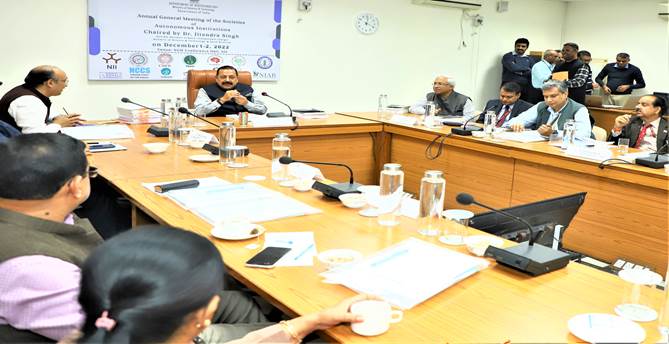
Dr Jitendra Singh said, in era of rapid innovations and transformative changes, Biotech Institutes should focus on its core competency and strive hard to bring research and product development at par with global standards. He said, though National Institute of Immunology (NII) has been pioneering in deciphering the molecular basis and host response to infectious diseases like tuberculosis, malaria and viral diseases including Dengue and COVID, but its recent breakthrough in evaluating the intranasal Covid-19 vaccine in phase 3 clinical trial for its immunological effectiveness is noted by all.
Dr Jitendra Singh pointed out that DBT-National Agri Food Biotechnology Institute (NABI), Mohali identifies priority cereal and fruit crops with focused traits to implement genome editing approaches. He said, these new initiatives will be co-developed along with industries to streamline its operations and thereby providing impetus to Indian agriculture.
Similarly, Translational Health Science and Technology Institute (THSTI), Faridabad has a strong mother and child health research program. Its research on immediate Kangaroo mother care has resulted in a new recommendation by WHO for preterm babies. THSTI is developing therapeutic molecules against tuberculosis, dengue and non-alcoholic fatty liver disease. It has contributed to covid-19 vaccine and is currently developing a pan beta corona virus vaccine, the Minister added.
Dr Jitendra Singh informed that Rajiv Gandhi Centre for Biotechnology (RGCB)’s HPV vaccine efficacy studies of 10 years have resulted in establishing a single dose of HPV vaccine for 9 to 18 years children sufficient to prevent infection. RGCB is also doing vaccine efficacy studies for the first indigenously developed HPV vaccine and the above has now been adopted by WHO for immunization strategy.

The achievements of National institute of animal biotechnology, (NIAB) Hyderabad has been underlined for the development of LSDV vaccine candidates through immunoinformatic, first report on complete genome sequence of LSDV (Andhra isolate), Electrochemical based Lateral Flow Assay for Japanese Encephalitis Virus and Toxoplasma Gondai.
Dr Jitendra Singh was given presentation by Institute for Stem Cell Science and Regenerative Medicine (inStem) in Bengaluru as the institute is carrying out cutting edge research using stem cells to understand blood and cardiovascular diseases and brain disorders. Using human genetics and human stem cell technology from human clinical samples they have generated a large resource of stem cells under collaborative programs, to understand why some individuals might be prone to developing mental illness. inStem’s Centre for Stem Cell Research (CSCR) at CMC Vellore is leading efforts on musculoskeletal regeneration and gene therapy for blood disorders like hemophilia, beta-thalassemia and sickle cell disease. Being India’s first stem cell institute inStem is also regularly carrying out extensive outreach, and highly sophisticated stem cell training for capacity building in stem cells and regenerative biology.
Director of the National Institute of Biomedical Genomics (NIBMG) has informed the Minister that they have identified the genomic changes which mark transition from precancer to frank oral cancer. They have conducted the first genome wide study in the GARBH-Ini cohort to identify genomic and epigenomic markers of preterm birth and also spearheaded the Indian SARS-CoV-2 Genomics Consortium, INSACOG, which provided valuable information on the emergence and spread of viral variants for public health management during the pandemic
Institute of Life Sciences (ILS), Bhubaneswar is working on several research programs in the areas of Infectious Disease Biology, Cancer Biology, and Plant and Microbial Biotechnology the research programme of ILS strategically plans to address issues on infectious disease biology in experimental as well as human models.
National Brain Research Centre (NBRC) Manesar is mandated to study brain function at different levels and apply the knowledge for societal benefit. We operate the MEG facility in collaboration with AIIMS to serve patients at a subsidized rate. In the past one year we developed a new method to estimate brain metabolites as an early indicator of dementia. We also showed that coordination between different brain centers remain invariant even though the peak alpha frequency is slowed with aging. In the next year they plan to expand our research in the areas of autism and epilepsy by utilizing the state-of-the-art MRI facilities on campus. They also aim to increase collaborations with clinicians through joint internship and MD programmes.
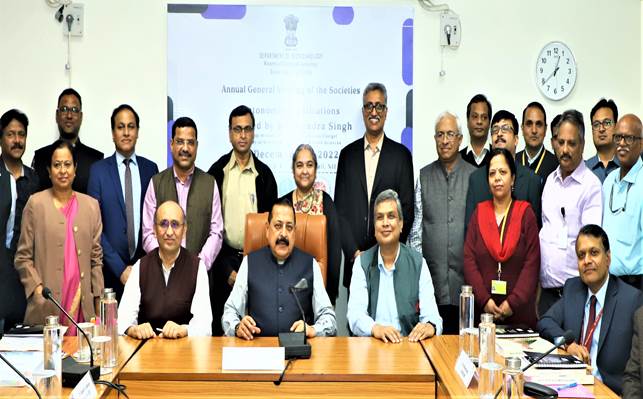
Heads and Directors of Rajiv Gandhi Centre for Biotechnology (RGCB), Thiruvananthapuram, Centre for DNA Fingerprinting & Diagnostics, (CDFD), Hyderabad, Institute of Life Sciences (ILS), Bhubaneswar, National Institute for Plant Genome Research, (NIPGR), New Delhi, Institute of Bioresources& Sustainable Development (IBSD), Imphal National Institute of Immunology (NII), New Delhi, National Agri-Food Biotechnology Institute (NABI), Mohali, Punjab, Center of Innovative and Applied Bioprocessing (CIAB), Mohali, Punjab, National Brain Research Centre (NBRC), Manesar, Haryana, Translational Health Science and Technology Institute (THSTI), Faridabad. National Centre for Cell Science (NCCS), Pune, National Institute of Animal Biotechnology (NIAB), Hyderabad, Institute for Stem Cell Biology and Regenerative Medicine (InStem), Bangalore, National Institute of Bio Medical Genomics (NIBMG), Kalyani took part in the review meeting.
Use of Cases for Data Exploration
Data exploration analyzes data to identify patterns and trends, either manually or through software tools. Data exploration identifies new insights that can help improve business performance. You can also use it to identify potential problems and areas for improvement. Data exploration is a critical step in data analysis. There are many reasons you might want to use data exploration in your business. Perhaps you want to better understand your customer base, or you want to find new growth opportunities. Maybe you’re looking for ways to improve your operations or cut costs.
Keep reading to learn more about use cases for data exploration and how to benefit your business.
Cases of Use For Data Exploration

Data exploration is an essential process for businesses of all sizes. The data that a company collects can provide valuable insights into how to improve operations, marketing, and customer experience. However, data exploration can be difficult and time-consuming without the right tools and techniques to identify helpful data patterns to inform business decisions. There are several reasons for using data exploration, including:
Identifying customer trends: By analyzing customer data, businesses can identify trends in purchasing behavior, demographics, and other factors. You can use this information to make informed decisions about what products or services to offer customers and how to market them.
Analyzing competitor activity: By studying the competition, businesses can learn what strategies they are using and how successful they are. Data exploration can also help companies understand their competition and how they stack up against them. This information can help businesses determine their strengths and weaknesses relative to the competition and make strategic changes accordingly.
Optimizing operations: Data exploration can help optimize operations by identifying areas where businesses can improve. For example, by analyzing production data, a business may discover that it’s producing more of a specific product than is needed or waste in the production process. Identifying these issues allows companies to address them and improve efficiency.
Troubleshooting: If something goes wrong in a business, it’s often necessary to troubleshoot the issue to find a solution. Data exploration can help by identifying the cause of the problem.
Why Use Data Exploration

Data exploration can also be used internally within businesses to improve operations and optimize manufacturing processes or target marketing campaigns more effectively. Additionally, data can improve employee productivity or customer satisfaction levels. Data exploration can help you understand your data.
By exploring your data, you can better understand the patterns and trends that exist within it. This can help you make better decisions about how to use that data. It also helps identify problems when exploring your data; you may identify outliers, inconsistent values, and missing data. This can help you fix those problems before you begin your analysis. You may find that certain variables are related to each other through data exploration. This can help you identify potential relationships you may want to investigate further. You may also find patterns that you wouldn’t have otherwise identified by exploring your data, helping you make better decisions about using that data. Businesses can generate hypotheses about how certain factors may influence specific outcomes and can then be tested through further analysis or experimentation.
Of course, data exploration is just one piece of the puzzle. But, data exploration can be a powerful tool for improving your business. No matter your specific goal, data exploration can be an invaluable tool. By analyzing your data in a more in-depth way, you can better understand what’s happening within your business. This can help you make more informed decisions, and it can also help you identify potential areas for improvement.
IJR – Research Journal
International Journal of Research (IJR) is an Open Acess, peer reviewed, international online publishing journal, which aims to provide a platform for the exchange of information covering all aspects of science, technology, and public policy including technicism, appropriate technology, microbiology, environmental studies, materials science and so on. Articles presenting original research in the field are expected for publishing in this journal.

IJR provides a forum for sharing timely and up-to-date publication of scientific research and review articles. The journal publishes original full-length research papers in all areas related to corporate governance, human resource management, strategic management, entrepreneurship, marketing, e-business, services, information technology management, production & operations management, financial management, decision analysis, management research methods and managerial economics, etc. SJBM aims to enhance the dissemination of knowledge across the business and management community.
Send papers for publication to ijr@ijrjournal.com
 Eduindex
You must be logged in to post a comment.