The Department of Fisheries, under the Ministry of Fisheries, Animal Husbandry and Dairying (MoFAH&D) is organizing a Fisheries Startup Conclave 2.0 on 8th March 2025 in Hyderabad, Telangana. The event will be graced by Union Minister, Shri Rajiv Ranjan Singh, MoFAH&D and Ministry of Panchayati Raj, along with Minister of State, Shri George Kurian, MoFAH&D and Ministry of Minority Affairs and Minister of State, Prof. S.P. Singh Baghel, MoFAH&D and Ministry of Panchayati Raj. The event will also witness participation from government officials, Fisheries Startups and Entrepreneurs.
The Startup Conclave 2.0 will bring together key stakeholders to discuss and promote innovation in the fisheries sector. Deliberations on startup opportunities in fisheries/aquaculture along with e- commerce prospects in the sector will also be held. Startup conclave 2.0 will also witness the launch of the National Fisheries Digital Platform (NFDP) Mobile App, a transformative initiative aimed at streamlining digital access to fisheries-related services and resources. The Fisheries Startup Grand Challenge 2.0 will also be unveiled, reinforcing the government’s commitment to fostering entrepreneurship and technological advancements in the sector. Additionally, the distribution of Entrepreneur Model approvals to fisheries startups will recognize and support emerging enterprises, further strengthening the fisheries startup ecosystem. The technical feedback & interaction session will provide a platform for in-depth discussions on the fisheries ecosystem in India and key initiatives undertaken by National Fisheries Development Board (NFDB) and Indian Council of Agricultural Research (ICAR) along with experience sharing by fisheries startups.
India’s fisheries and aquaculture sector sustains 3 crore livelihoods and drives employment across the value chain. Since 2015, the Government has invested ₹38,572 crore through initiatives like the Blue Revolution Scheme, FIDF, PMMSY, and PM-MKSSY to promote sustainable growth. The rapid growth of India’s fisheries and aquaculture sector has fuelled the rise of over 300 fisheries startups, driving innovation and efficiency. These startups leverage advanced technologies such as blockchain, IoT, and AI to develop commercially viable solutions that address grassroots challenges, enhance productivity, ensure traceability, and improve value chain efficiencies. The Department of Fisheries has launched multiple initiatives to foster innovation and support fisheries startups. The Matsya Manthan series serves as a platform for knowledge exchange and collaboration among stakeholders, facilitating discussions on emerging trends and best practices. To strengthen the fisheries startup ecosystem, the Department has established dedicated incubation centers. LINAC-NCDC Fisheries Business Incubation Centre (LIFIC) in Gurugram, the first of its kind under PMMSY, was inaugurated in 2021. A Business Incubation Centre for Fisheries and Aquaculture has been set up at Guwahati Biotech Park, Assam with a total outlay of Rs 9 crore. Additionally, three premier institutions—MANAGE Hyderabad, ICAR-CIFE Mumbai, and ICAR-CIFT Kochi—have been notified as incubation centers under Department of Fisheries to support at least 100 fisheries start-ups, cooperatives, FPOs, and SHGs. To further strengthen the fisheries startup ecosystem, the Department conducts regular stakeholder consultations, addressing challenges, offering financial assistance, and shaping policy interventions to drive growth in the sector.
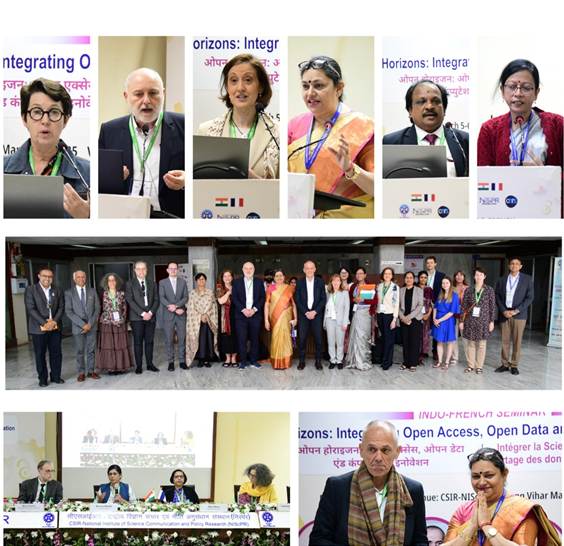
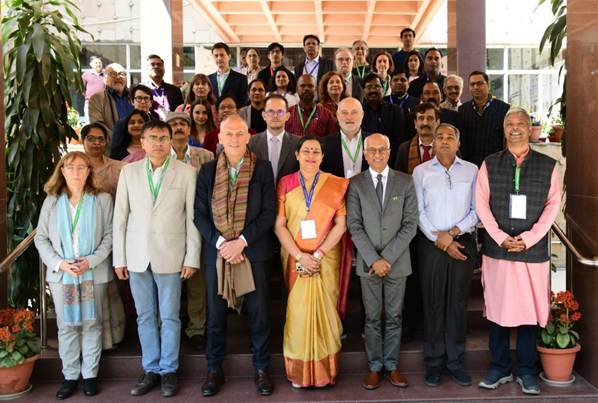
The CSIR-National Institute of Science Communication and Policy Research, New Delhi (CSIR-NIScPR), in collaboration with the CNRS- Department for Open Research Data, Open Science, Publications, Research Data and High Performance Computing, Paris (CNRS-DDOR), organized a two-day Indo-French Seminar on “Open Horizons: Integrating Open Access, Open Data, and Computational Innovation” on March 5-6, 2025 at CSIR-NIScPR, Satsang Vihar Campus, New Delhi-110067.
Glimpses of Indo-French Seminar
This significant seminar was organized to deliberate on how India and France are taking a stride towards open access, open data and open science; how digital technologies and Open Source platform offer great promise in implementing an information-driven approach to advance science, promote collaborations, increase transparency and utilize tools for partnerships between science and society. The seminar was attended by researchers, scientists, and policymakers from India and France; provided a unique opportunity for open access information sharing and networking opportunities.
The inaugural session was attended by esteemed dignitaries from India and France with Dr. Antoine Petit, Chairman and CEO, CNRS, France; Prof. Ranjana Aggarwal, Director, CSIR-NIScPR; Prof. Nitin Seth, Director, CEFIPRA; Dr. Srinivasa Reddy, Director, CSIR-IICTon the dais.
“We are delighted to organize this event with CNRS, France, to promote open science and research data sharing,” said Prof. Ranjana Aggarwal, Director, CSIR-NIScPR setting the tone for the conference. Describing the relevance of the event she said, “This seminar marks an important step towards fostering international collaboration and advancing sharing of scientific research for all sections of the society.” She also mentioned “One Nation One Subscription” initiative of Indian Government and its role in providing open access to larger number of stakeholders.
Prof. Nitin Seth, Director, Indo-French Centre for the Promotion of Advanced Research (CEFIPRA) recollected how they started with 1-2 calls annually to now with so many several dedicated partnerships in S&T between the two countries. He also shared his views about the expectations from this seminar. “Open access made scientific knowledge accessible, it brings a lot of opportunities”, Dr. Srinivasa Reddy, Director CSIR-IICT shared his thoughts in theinaugural session. He also mentioned the collaborations CEFIPRA has had with CSIR-IICT from last several years.
From the National Centre for Scientific Research (CNRS), Dr. Antoine Petit, Chairman and CEO; Dr. Sylvie Rousset, Senior Scientist & Head, Open Research Data Department (DDOR) gave a brief of CNRS and DDOR, its objectives functions and roles they are playing in making open access of articles and data, a norm in scientific research. Dr. Kasturi Mandal, CSIR-NIScPR and Dr. Sylvie Rousset, CNRS-DDOR provided the overview of the program of two days seminar like topics of discussions, and takeaways from the sessions.
The first session of the seminar was designed on theme “Policies for Open Access, Open science in France and in India” was, chaired by Prof. Vivek Kumar Singh, Senior Adviser, NITI Aayog, Govt. of India. Dr. Marin Dacos from the French Ministry of Higher Education and Research discussed the benefits of open science like increase in academic efficiency, reproducibility, prevention of duplication, and increasing citation. He also shared highlights of French open science policies in the country. Dr. Remya Haridasan from the PSA Office, Govt. of India, discussed flagship ‘One Nation One Subscription’ (ONOS) initiative in detail like why it was needed, the impact it has on science dissemination and the hurdles faced by the stakeholders during the implementation. The other speakers who shared their thoughts on open science and data includes Dr. Sylvie Rousset and Mr. Mukesh Pund Chief Scientist, CSIR-NIScPR.
The second session was based on topic “Open Access: A Diversity of Routes”. The session was chaired by Prof. Anirban Chakraborti, School of Computational and Integrative Sciences (SCIS), JNU, New Delhi. Dr. Bénédicte Kuntziger, CCSD, CNRS, during his talk said, “At CCSD, we promote open access through HAL, the French national open access repository, ensuring long-term, barrier-free access to publications. Notably, 167,751 full-text documents were deposited in 2024 alone, bringing the total to over 1.4 million full-text documents available through HAL as on January 2025”, he added. Dr. Françoise Rousseau, Couperin Consortium shared the model through which they negotiate with major science publishers to advance open science. Other speakers including Dr. Subbiah Arunachalam from DST-CPR, IISc Bangalore, presented an overview of open access in India, highlighting the country’s progress in promoting open access to research and Dr. Geetha Vani Rayasam, Head, CSIR-HRDG presented a perspective on open source and drug discovery, highlighting the potential of open source approaches in accelerating drug discovery and development.
The third session of day 1 was extension of session 2 under the theme “Open Access: A Diversity of Routes (Part II)”. Session was chaired by Dr. Laurence El Khouri from CNRS-DDO. The speakers including Dr. Lidia Borrell-Damian, Science Europe discussed the benefits of Diamond Action Plan which proposes to align and develop common resources for the entire Diamond OA ecosystem. Prof. Rajeswari Raina from Shiv Nadar University asked researchers and policy makers to think step ahead while saying it’s not about one scheme, one nation or one sector, we have to see the global aspects and thus need to set the horizons and limits of open access at global level. Dr. Raphael Tournoy from Episciences discussed the importance of Overlay Journals.
All the sessions of day 1 concluded with Q&A, where experts answered questions from the audience and shared their insights on the future of open science. This was followed by Felicitation of the guests and speakers of the event.
The second day of the India-France seminar on Open Science and Research Data concluded successfully, featuring insightful discussions and presentations on computational innovation, research evaluation, and open data sharing.The day’s proceedings began with a session on “R&D in Computational Innovation and Open Source Software,” chaired by Dr. Avinash Kshitij, Principal Scientist, CSIR-NIScPR. The speakers included- Prof. Roberto Di Cosmo, INRIA, who discussed the “Software Heritage initiative. Prof. P. K. Suri, Delhi Technological University, delivered a talk on “Data Standardization in Agricultural.Dr. Sridhar Gautam, ICAR-Indian Institute of Horticultural Research, spoke on “Advancing R&D with Open Source Software, Open Access, and Open Data”.Sh. G Mayli Muthu Kumaran Deputy Director General, National Informatics Center (NIC) discuss on the computational innovation and open source and elaborated on the initiative towards the R&D in computational innovation at NIC. This was followed by a session on “Reforming the Evaluation of Research,” which featured presentations from:Dr. Lidia Borrell-Damian, Science Europe, discussed “Reforming Research Assessment and CoARA Initiative”. Dr. Vinayak, Principal Scientist, CSIR-NIScPR spoke on “Some New Methods for Measuring Phases of Science.” Dr. Moumita Koley from IISc, Bengaluru, discussed on the topic “Rethinking Research Assessment: Building an Efficient and Innovative Research Ecosystem in India” and Dr. Nishy. P, CSIR-NIIST, spoke on “Open Source for Research Evaluation and Future Trends”.
The seminar also featured a session on “Open Data Sharing,” with presentations from Ms. AlkaMisra, Deputy Director General, NIC, who discussed the “Open Data sharing initiative of Govt. of India”. Dr. Marin Dacos, French Ministry of Higher Education and Research, presented “An ecosystem for sharing and opening research data” and Dr. Naresh Kumar, Chief Scientist, CSIR-NIScPR, presented his talk on “Sharing data in Science.
The seventh session of the seminarhaving a panel discussion on “Future for Open Science, Open Data, and Open Source,” featuring experts from various fields, including Dr. Sujit Bhattacharya; Dr. Laurence El Khouri, CNRS-DDOR; Dr. Roberto Di Cosmo, INRIA Software Heritage; Dr. Deepali Kuberkar, Tata Memorial Hospital; Dr. Kasturi Mandal, CSIR-NIScPR, New Delhi; Dr. Yogesh Dhoble, CSIR-IPU, New Delhi and Dr. Sandhiya Lakshmanan, CSIR-NIScPR.
The Indo-French Joint Seminar concluded with the valedictory session during which Dr. Naresh Kumar, Scientists, CSIR-NIScPR delivered the welcome address and highlights of the two-days intense deliberation on the Open Science, Open Source and Open Data in the R&D in Computational Innovation. Prof. Anirban Chakraborti from JNU address the need of balanced approach in moving towards the conduct of Open Science, Dr. Laurence and Dr Avinash Kshitij summarise the two-days deliberation amongst the 6 different topics, Mr.Mukesh Pund, CSIR-NIScPR shows his gratitude towards the Indian and French speakers, scholars, delegates and the all individuals involved in different roles during his address for Vote of Thanks.
About CSIR-NIScPR
The CSIR-National Institute of Science Communication and Policy Research (NIScPR) is a premier institute in India, engaged in science communication, STI based policy studies and research.
About CNRS
The French National Centre for Scientific Research (CNRS) is a government-funded research organization, dedicated to advancing scientific knowledge and innovation in France and globally.
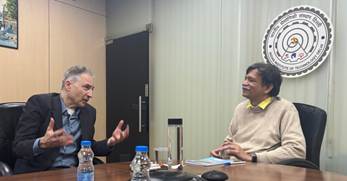
Prof. Brian Greene, renowned Theoretical Physicist, Author, and Professor of Mathematics & Physics, Columbia University, visited Indian Institute of Technology (IIT) Delhi today and interacted with the students. Director of IIT Delhi, Dr. Rangan Banerjee, faculty and students were present at the event. Prof. Greene also visited the Research & Innovation Park of the Institute and appreciated the facilities.
While interacting with the students, Prof. Greene expressed his gratitude for the wonderful visit and the engaging discussions with both the faculty and students. He appreciated their energy, creativity, and zeal for innovation. He also emphasized that their keen interest in scientific and technological development is highly significant, as it will pave the way for a better future.
Acknowledging India’s rapid advancements in scientific innovation, Prof. Greene expressed his hope that this progress would position the country as a global leader in science and technology. He praised IIT as a world-class institute, highlighting the remarkable faculty dedicated to nurturing some of India’s greatest minds.
During the session, students posed intriguing questions, including where, in his opinion, subjects such as physics and mathematics diverge and converge, as well as inquiries about string theory. In response, he elaborated on his work related to the mathematics of string theory.
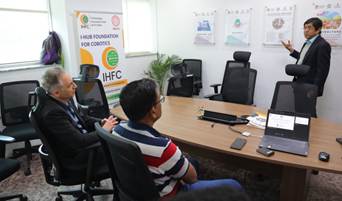
Prof. Greene visited the Research & Innovation Park of IIT Delhi. The establishment was inaugurated by President of India Smt. Droupadi Murmu during the Diamond Jubilee Celebrations of the Institute. It focuses on innovation and product development where IIT Delhi, industry, entrepreneurs and government agencies interact and enable creation of advanced technological solutions. The Park works towards accelerating research translation, providing avenues for IIT Delhi students and faculty to interact more closely with industry and bring to market technological breakthroughs through incubation, amplifying technological and societal impact of R&D, and galvanizing entrepreneurial aspirations. It has facilities including labs for start-ups, board rooms, conference hall, meeting and training rooms, etc.
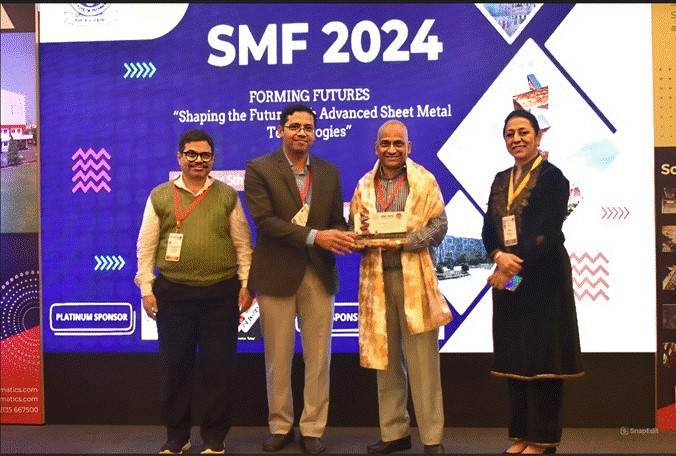
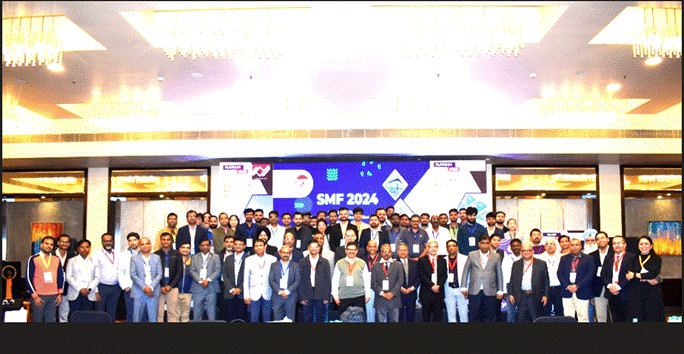
Rupnagar, 9th December 2024: IIT Ropar successfully hosted the Sheet Metal Forming (SMF) 2024 conference, attracting a large gathering of national and international delegates. The event featured eminent speakers from IITs and prominent industry partners, including Auto form, Electropneumatics & Hydraulics, Altair, Tata Steel, Tata Technologies Ltd., Ford India, Felss System GmbH, and JBM Auto Ltd. SMF 2024, the flagship conference of the Sheet Metal Forming Research Association (SMFRA), provided a platform for researchers and developers from India and abroad to present and exchange ideas on metal forming technologies.
The conference commenced on December 5th with an inaugural ceremony. Prof. Anupam Agrawal, from the Department of Mechanical Engineering at IIT Ropar and Organizing Secretary of SMF 2024, welcomed the attendees, including speakers, SMFRA members, scholars, and industry guests. Prof. Rajeev Ahuja, Director of IIT Ropar, conveyed his best wishes for the success of the conference. This was followed by an address by Dr. Prabhat K. Agnihotri, Head of the Department of Mechanical Engineering and Chairman of the conference. Chief Guest Dr. Santosh Kumar, Vice President, Jindal Stainless Ltd., delivered the Rasquinha Memorial Lecture, sharing insights on the latest advancements and challenges in the field of sheet metal forming. Prof. K. Narasimhan, Secretary of SMFRA and Professor at IIT Bombay, highlighted the key challenges in metal forming for academia and underscored the importance of the SMF conference series in bridging academia and industry. The ceremony concluded with a vote of thanks by Prof. Navin Kumar, Department of Mechanical Engineering, IIT Ropar, and Co-Organizing Secretary of SMF 2024.
The event was supported by Platinum Sponsors Auto Formand Electropneumatic & Hydraulics (I) Pvt. Ltd., along with Silver Sponsor Altair Engineering India Pvt. Ltd.
Day 1 of the conference showcased presentations by leading researchers, professors, and industry leaders on the latest advancements in sheet metal forming. Day 2 included technical sessions on diverse topics, such as lightweight metal forming, hot forming for lightweight construction, and challenges in skin panel forming. Attendees had the opportunity to engage with experts and exchange ideas on cutting-edge research in sheet metal forming.
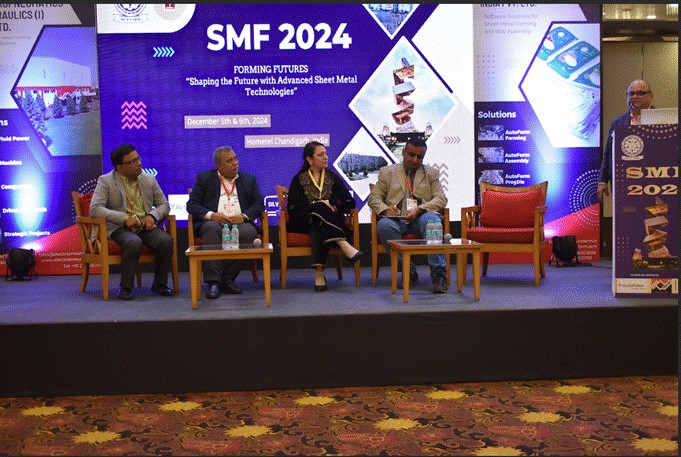
SMF 2024 featured a panel discussion on day 2, moderated by Mr. Avinash Khare, Consultant at Tool Maker’s Facility, India. The panel included distinguished experts such as Prof. Hariharan K. (Associate Professor, IIT Madras), Mr. Prashant Kulkarni (Regional Manager, Altair Engineering India Pvt. Ltd.), Dr. Rahul Kumar (Tata Steel), and Prof. Ekta Singla(Associate Professor, IIT Ropar).
SMF 2024 aimed to provide insights into the future of metal forming research and promote knowledge-sharing among experts. The biennial event concluded successfully, with SMF 2024 Organizing Secretary Prof. Anupam Agrawal and Co-Organizing Secretaries Prof. Navin Kumar and Prof. Ekta Singla—receiving widespread appreciation for their efforts. The conference ended on Day 2 with a valedictory address by Prof. Anupam Agrawal.
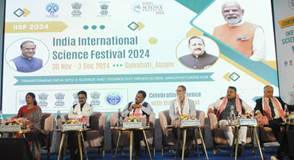
India International Science Festival (IISF) is going to be celebrated at Indian Institute of Technology Guwahati during 30 Nov. to 3 Dec. 2024. The Council of Scientific and Industrial Research (CSIR) is the nodal department for this year IISF and a constituent laboratory of CSIR namely National Institute for Interdisciplinary Science and Technology (CSIR-NIIST, Thiruvananthapuram) is coordinating the whole festival. IISF is a unique festival of science society engagement which was initiated in the year 2015 and the very first IISF was organised at IIT Delhi. Vijnana Bharati, a science movement of India conceptualized this science festival. North East India will witness this festival for the first time. To date, India International Science Festival has been the largest science event in the country with a participation of thousands of people who come together annually to foster scientific collaboration, inspire young minds and propel economic growth through scientific approaches.
“IISF is not only meant for the people who do science. The key philosophy of IISF is the celebration of science by all, and thus it also engages common people in a joyful and entertaining manner”.
This year in 2024, IISF is being organized at IIT Guwahati, Assam from November 30th – December 4th, 2024. The theme of this 10th edition of IISF is “Transforming India into an S&T driven Global Manufacturing Hub”. It reflects the government’s aim to merge science and technology with industrial growth, making India global leader in manufacturing.
IISF Organizers and Organizing Partners
The Ministry of Science and Technology (MoS&T), through their departments viz. Department of Science & Technology (DST), Council of Scientific & Industrial Research (CSIR), Department of Biotechnology (DBT) and Ministry of Earth Science (MoES) is responsible for conducting this mega annual event. Along with government organizations Vijnana Bharati has been a consistent organizing partner of IISF since the inception of this event.
The other organizations that took active part in IISF are office of Principal Scientific Advisor (PSA) to Govt. of India, Department of Space (DoS), Department of Atomic Energy (DAE), Directorate of Defence Research & Development (DDR&D), Ministry of New And Renewable Energy (MNRE), Ministry of Health & Family Welfare (MoH&FW), Department of Agricultural Research and Education (DARE), Ministry of Environment, Forest and Climate Change (MoEFCC), Ministry of Ayush, Ministry of Electronics and Information Technology (MeitY), Ministry of Rural Development (MoRD), and many other concerned ministries, their departments, councils and organizations.
The IISF-2024 is being coordinated by the CSIR, convened by CSIR-NIIST and partnered by all the major ministries and scientific departments of the Government of India in collaboration with Vijnana Bharati.
Thematic Events of IISF-2024
IISF has various themes that aim to indulge scientific and common people for diverse scientific discussions and activities. Here, everyone gets a chance to engage and learn scientific approaches due to the themes that have been planned after keeping in mind the needs of various stakeholders. For IISF some new themes have been added as per the need of North East India and here a little information is been given about all themes.
To begin with, IISF 2024 has one special event “Chandrayaan – The Museum of the Moon” where an artistic model by British artist Dr. Luke Jerram will be placed among the attendees to showcase and celebrate India’s success of Chandrayaan Mission. The model is a replica of the moon that measures about seven meters in diameter and will showcase the real like imagery of lunar surface where Chandrayaan was landed on August 23, 2023.
Mega Science and Technology Exhibition will showcase accomplishments and success stories of India in the field of Science, Technology, Engineering, and Mathematics (STEM). In the expo various technologies developed by Indian Scientific and R&D Institutions across the country kept on display for all four days of the festival to show and educate students, scientists, and the general public.
Make in India, Make for theWorld event aims to attract national as well as international organizations involved in manufacturing, technology, and logistics to discuss about things required to make India a global manufacturing hub.
The New Nalanda known earlier as Student Science Village will enable interaction of students and teachers. The event aims to ignite students’ interest in STEM through interactive exhibits, demonstrations, educational games and challenges.
Pragya Bharat event will discuss New Frontiers in S&T that are needed to make India Viksit Bharat by 2047. The event aims at promoting cutting edge research across various scientific disciplines like AI, Biotechnology, Cybersecurity, Robotics, Quantum Computing etc. which can make India developed and self-reliant.
Nari Shakti – Women’s Development to Women-led Development in S&T event will focus on active participation of women in STEM and Entrepreneurship and discuss about various schemes provided by Government of India to empower women in S&T.
S&T Hackathon – Ideas for Viksit Bharat event is designed to encourage school and college students to develop innovative solutions related to science and technology, focusing on Viksit Bharat Sankalp. Teams comprising of students and mentors will be allowed to participate in the competition and winners will get attractive prizes whereas final participants will get special benefits like internships, project positions etc.
Young Scientists Conclave intends to bring together young researchers, scientists and innovators below the age of 45 years belonging to academia, research and industry fraternities. It enables young researchers to be aware of the scientific policies of India and the recent developments in science and technology of India including infrastructure development, funding opportunities etc.
Thought Leaders Round Table – Minister – Secretary – Councils – CEO Conclave will bring the leaders and policy makers like Central and State Government Ministers, Departmental Secretaries, S&T Councils and CEOs of Industries on one platform. The event will have discussions on important issues and establish collaborations for making big changes in public and private sectors that can align with the goal of Viksit Bharat.
The Gurukula – Aspiring Educators and Teachers Workshop earlier known as The National Science Teachers Workshop aiming at the professional development of science teachers by equipping them with innovative teaching methodologies, modern tools and strategies to effectively impart scientific knowledge to students.
Mission Start-up eventoffers the opportunity to Start-ups and supporting enablers like incubation centres. Start-ups in this event can showcase their products and services to the investors and associates which in turn help them grab the further opportunities under Start-up India mission and other initiatives available in the country.
Reimagining Bharat Exhibition – Transformation through New Age Technologies aims to showcase emerging technologies and prototypes/models developed by Governmental Agencies and Departments. The S&T areas targeted for this event are not limited to fundamental and applied sciences, agriculture, healthcare, space, education, strategic sectors, robotics, etc.
Sagarika – The Tale of Earth Sciences event as name suggest aims to engage and educate people on different areas of earth science such asmeteorology, oceanography, ecology etc. Through this event, IISF desires to raise public awareness on environmental issues.
Science beyond Borders event is aimed at fostering international collaboration, partnerships and exchange of dialogues among scientists, researchers and institutions to address global challenges in S&T.
Vigyanika event celebrates Science Literature Festival which aims to promote science literacy and effective science communication strategies in Indian languages. The interactions done through keynote lectures, panel discussions and scientific sessions among S&T authors, Vigyan Kavi Sammelan, Science Drama and arts, and related competitions.
Fusion Forum – The Atomic Assembly event will discuss the current perspectives, future benefits, and pressing challenges in implementing nuclear energy in India for various sectors like Generation of power, nuclear medicine, agriculture, Additive manufacturing etc.
Student – Scientist Interaction Program – Face to Face with New Frontiers in Science mediates interaction and short discussion based sessions of students/researchers with experts of various disciplines of S&T to inspire students to pursue science and research career.
National Social Organizations and Institutions Meet (NSOIM), well understand the role of social organizations promotion of S&T and thus provides them platform to discuss scientific interventions and sustainable models for societal development and nation-building.
Vision Sansad aims at bringing together key leaders like Directors, Vice Chancellors, Presidents and Senior Leaders from every possible science institution of the country where discussions can take place strategies for advancing scientific research, collaboration and policy development to address current challenges and shaping the future of Indian science in an inclusive manner.
Science Safari Science through Games and Adventures provides a platform to display science-based toys and games and also workshops are being organized to let the teachers learn the ways these toys used for teaching purposes.
S&T Media Conclave will bring media personnel, journalists, communicators and general public on a platform where they can discuss the challenges and opportunities of communicating science to a wide audience, best ways of science communication and preventing misinformation, and strategies to enhance collaboration between scientific community and media.
Saga of Science Chronicles is an evening event that will tell the history and recent developments of Indian science and scientists through LED light show that will happen during 7:30 pm – 9:30 pm during each day of IISF 2024.
Science Odyssey of the North East will address the challenges that hinders the growth of science and technology in North East and discuss the ways of promotion of science and technology of North East.
The Taste of the Hills- North East Food Street will showcase the food heritage of North East and let the people eat and enjoy their traditional food items. The Food Street will remain open throughout IISF 2024.
North East Symphony- North East Cultural Fest will portray North East India’s diverse traditions, customs, and arts through experience of music, dance, crafts, and traditional practices. The fest is staged during the whole duration of IISF 2024.
IISF 2024, promises to be a landmark event in promoting science and technology. With the current theme it seeks to celebrate India’s scientific achievements and foster collaboration across various sectors. The event will feature diverse activities, engaging both scientific professionals and the general public. It is open for all and free so one has to attend the event to see India’s scientific achievements.
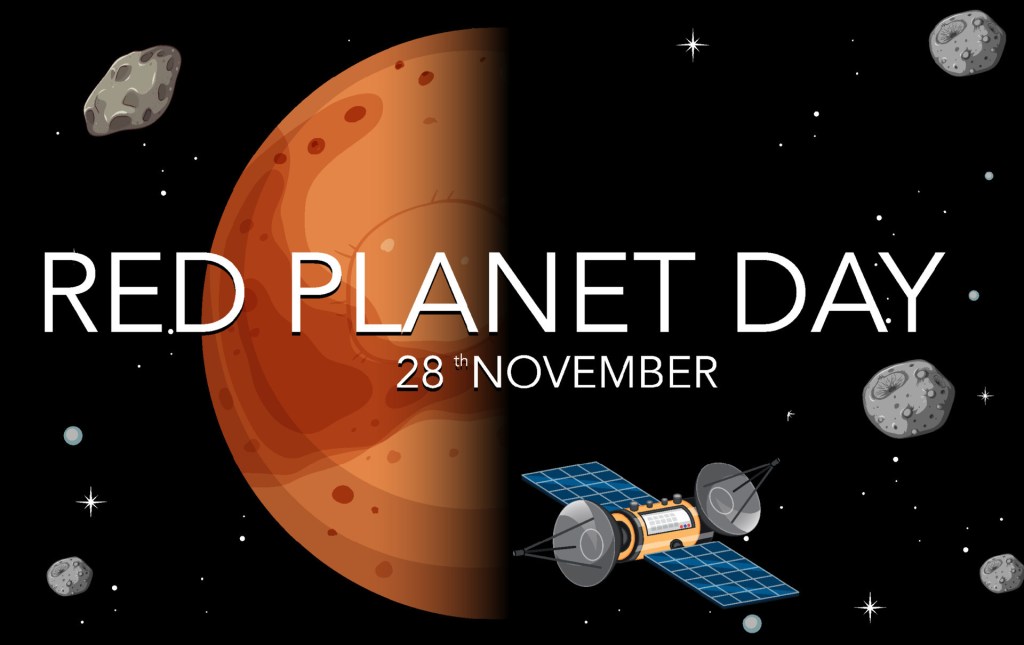
Red Planet Day is an annual event celebrated on November 28 to honor the fascinating planet Mars, often referred to as the “Red Planet” due to its reddish appearance caused by iron oxide (rust) on its surface. The day is an opportunity to reflect on humanity’s interest in Mars, its exploration, and the ongoing research that helps us understand its potential to support life.
Why November 28?
Red Planet Day marks the anniversary of the launch of Mariner 4, NASA’s first successful mission to Mars. On November 28, 1964, Mariner 4 was launched, and it became the first spacecraft to send back close-up images of the Martian surface, providing humanity with its first glimpse of the planet beyond telescopic observations. These images revealed a barren, cratered landscape, shattering some of the earlier misconceptions about Mars, such as the idea that it harbored canals built by intelligent life.
Mars: The Red Planet
Mars has been a subject of fascination for astronomers and science fiction writers for centuries. It is the fourth planet from the Sun and, like Earth, it has seasons, polar ice caps, and weather patterns. However, Mars differs significantly from Earth in its environment and atmospheric conditions.
Mars has:
A thin atmosphere, mostly carbon dioxide, which offers little protection from the harsh solar radiation.
The largest volcano in the solar system, Olympus Mons, which stands nearly three times the height of Mount Everest.
The longest canyon, Valles Marineris, stretching over 4,000 km, which dwarfs the Grand Canyon.
Evidence of past water flows, with dried riverbeds and ancient lake basins suggesting that liquid water may have once existed on its surface.
Despite its inhospitable surface, Mars remains one of the most studied planets in our solar system because of its potential for past life and its suitability for future human exploration.
The History of Mars Exploration
Over the decades, various space missions have explored Mars, and each has revealed new secrets about the planet. Here are a few key milestones:
Mariner 4 (1964) – As mentioned, it was the first spacecraft to send back images of Mars, proving that the planet was not as Earth-like as once believed.
Viking Program (1976) – NASA’s Viking 1 and Viking 2 orbiters and landers provided crucial data about the Martian atmosphere, surface, and geology, as well as the first in-depth studies of its potential for supporting life.
Mars Rovers – In the 21st century, rovers such as Spirit, Opportunity, Curiosity, and Perseverance have landed on Mars to explore its surface, conduct experiments, and search for signs of past life. Perseverance, which landed in February 2021, is tasked with collecting rock samples that could one day be returned to Earth.
Mars Helicopter Ingenuity – As part of the Perseverance mission, the small helicopter Ingenuity made history in 2021 by becoming the first powered flight on another planet. It successfully flew on Mars, providing aerial reconnaissance for scientific studies.
Why Celebrate Red Planet Day?
Red Planet Day serves multiple purposes:
Education: It’s an opportunity to educate people of all ages about Mars, its exploration, and what we’ve learned from it. Schools, observatories, and museums often host special events or activities focused on Mars-related science and space exploration.
Inspiration: Mars continues to inspire the imagination of people around the world. Celebrating the day can ignite curiosity about space and foster a sense of wonder about our universe.
Scientific Advancement: As new missions to Mars are planned, including NASA’s Artemis Program aiming to return humans to the Moon and eventually send astronauts to Mars, Red Planet Day reminds us of the long-term goals of space exploration and the scientific advancements being made in the process.
Future Exploration: Red Planet Day is also an opportunity to look forward to the future of Mars exploration, especially as private companies like SpaceX and governmental agencies like NASA are working towards the goal of human missions to Mars, potentially establishing the first human colony on another planet.
How Is Red Planet Day Celebrated?
While it is not a widely recognized holiday in the same way as some other observances, space enthusiasts, astronomers, and scientists mark Red Planet Day in various ways:
Public Events: Some observatories and space museums host special exhibits, workshops, and presentations about Mars exploration.
Social Media Campaigns: On Red Planet Day, many space organizations, including NASA and SpaceX, share information, updates, and fun facts about Mars on their social media platforms.
Stargazing: Many amateur astronomers take the opportunity to observe Mars with telescopes, especially when the planet is in close proximity to Earth during opposition (when Earth is directly between Mars and the Sun).
Educational Outreach: Schools and universities might engage in special lessons or activities centered on Mars, its exploration, and space science.
The Future of Mars Exploration
The future of Mars exploration is incredibly exciting. Several planned missions aim to further unravel the mysteries of Mars and explore its potential for human settlement:
NASA’s Mars Sample Return Mission: In collaboration with the European Space Agency (ESA), NASA aims to bring Martian soil samples back to Earth by the late 2020s or early 2030s.
SpaceX’s Starship Missions: SpaceX is developing the Starship vehicle with the goal of sending humans to Mars. Elon Musk’s vision is to eventually establish a sustainable human presence on Mars, potentially as soon as the 2020s or 2030s.
Colonization: While still a long way off, there are ongoing discussions about establishing permanent human colonies on Mars. These would require advanced technologies for life support, food production, and protection from radiation.
Conclusion
Red Planet Day is not only a celebration of the Mariner 4 mission but also a reminder of our collective curiosity and ambition to explore Mars. As we continue to explore and learn about Mars, the planet holds promise as a stepping stone for humanity’s future in space. Whether through scientific discoveries, technological innovations, or inspiring the next generation of explorers, Red Planet Day is a chance to celebrate humanity’s ongoing journey to the stars.
Media plays a crucial role in shaping public perceptions and disseminating information, including scientific knowledge, to the general populace. However, while media has the potential to foster scientific thinking among newspaper readers, it also faces several challenges that can hinder its effectiveness in achieving this goal.
On the positive side, media can serve as a powerful tool for popularizing scientific concepts, discoveries, and advancements. Well-written articles and features in newspapers have the potential to simplify complex scientific subjects, making them accessible to a wider audience. Through engaging storytelling and relatable examples, media can bridge the gap between scientific jargon and public understanding, fostering a sense of curiosity and interest in science.
Furthermore, media coverage can help shed light on critical scientific issues such as climate change, public health concerns, and technological innovations. By presenting accurate and balanced information, media can elevate public awareness and prompt informed discussions, which are vital for making informed decisions at both individual and societal levels.
However, there are challenges that media encounters in effectively spreading scientific thinking. One significant concern is the oversimplification or sensationalization of scientific news for the sake of grabbing attention. This can lead to the distortion of scientific facts and misrepresentation of research findings, which in turn undermines the credibility of scientific information.
Additionally, the competition for readership and the need for high click-through rates in the digital age can encourage the prioritization of sensational stories over in-depth, accurate reporting. This can result in the neglect of more complex scientific issues that require nuanced understanding and analysis.
Furthermore, the lack of scientific literacy among journalists can contribute to inaccurate reporting. Misinterpretation of scientific studies or failure to critically evaluate the credibility of sources can perpetuate misinformation, leading to a misinformed public.
In conclusion, media has the potential to be a powerful agent for spreading scientific thinking among newspaper readers. However, responsible journalism, accurate reporting, and a commitment to presenting science comprehensibly and unbiasedly are crucial for media to effectively fulfil this role. Balancing the demands of generating attention-grabbing content with the responsibility of promoting accurate scientific knowledge is essential for fostering a scientifically informed society.
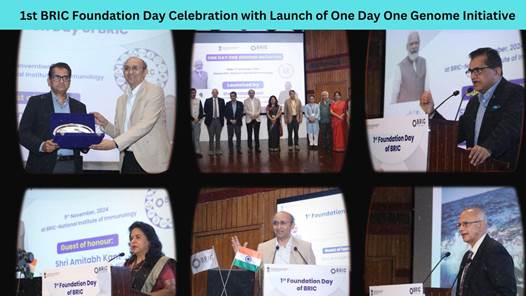
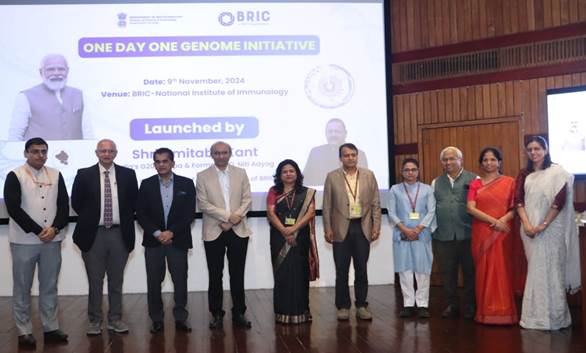
The Department of Biotechnology (DBT) and Biotechnology Research and Innovation Council (BRIC) introducesthe ‘One Day One Genome’ initiative to showcase the enormous microbial potentialof India. Shri.Amitabh Kant, India’s G-20 Sherpa and Former CEO NITI announced the launch of ‘One Day One Genome Initiative’ on the 1st foundation day of BRIC held in National Institute of Immunology (NII), New Delhi on 9th November 2024
‘One Day One Genome’ initiative will highlight the unique bacterial species found in our country and emphasize their critical roles in environment, agriculture and the human health.Microorganisms are crucial for our ecosystem. They play an important role in all biogeochemical cycles, soil formation, mineral purification, degradation of organic wastes and toxic pollutants along with methane production. Cumulatively they help to maintain the homeostasis in our planet. In agriculture, they help in nutrient cycling, nitrogen fixation, maintaining soil fertility, controlling pest and weeds and stress responses. Microorganisms symbiotically associate with plants and help them in nutrient and water uptake. They are indispensable part of human body. There are much more microbial cells than the number of human cells in a human body. They are essential for our digestion, immunity and even mental health. All infectious diseases are mainly caused by pathogenic microorganisms on the other hand non-pathogenic microorganisms are indispensable for our defense against infectious diseases.
Genome sequencing will allow the visualization of the hidden potential of the microbial world to the community at large. Sequencing data can be analyzed to identify the genome encoded capacities for various important enzymes, antimicrobial resistance, bio active compounds etc. Research in this field will lead to the benefit of better protection and management of our environment, development in agriculture and improvement in human health.
This initiative coordinated by Biotechnology Research and Innovation Council-National Institute of Biomedical Genomics (BRIC-NIBMG) an institute of the Department of Biotechnology.This initiative aims a release a fully annotated bacteriological genome isolated in the country freely available to the public. This will be complemented with a detailed graphical summary, infographics and genome assembly/annotation details. These documents will thus give an idea about the scientific and industrial use of these microbes. Consequently, microbial genomics data will become more accessible to the general public, scientific researchers and thereby stimulate discussions; innovations directly benefit the entire community and ecosystem.
Andhra Pradesh is home to several renowned universities known for their academic excellence and research contributions. Here are some of the top universities in the state:
Indian Institute of Technology (IIT) Tirupati: One of the newest IITs in India, offering high-quality programs in engineering, sciences, and research, with a focus on innovation and cutting-edge technology.
Andhra University, Visakhapatnam: One of the oldest universities in India, offering a wide range of undergraduate, postgraduate, and doctoral programs in arts, science, engineering, law, and management.
Sri Venkateswara University, Tirupati: A prominent public university offering diverse programs in arts, science, commerce, management, and engineering, known for its strong academic and research culture.
Jawaharlal Nehru Technological University (JNTU), Kakinada: A leading technical university affiliating numerous engineering colleges across the state, offering programs in engineering, technology, and management.
Sri Venkateswara Institute of Medical Sciences (SVIMS), Tirupati: A premier medical university known for its high-quality medical education, research, and healthcare services.
Acharya Nagarjuna University, Guntur: Offers a variety of programs in arts, science, commerce, law, and management, with a focus on research and academic excellence.
Vignan’s Foundation for Science, Technology & Research (Deemed University), Guntur: A well-regarded private university offering programs in engineering, technology, management, and sciences, known for its innovation and industry connections.
GITAM (Gandhi Institute of Technology and Management) University, Visakhapatnam: A leading private university offering diverse programs in engineering, management, humanities, and health sciences, with a focus on research and global collaborations.
Dr. NTR University of Health Sciences, Vijayawada: Specializes in medical and health sciences education, offering programs in medicine, dentistry, nursing, and allied health sciences.
Krishna University, Machilipatnam: A growing public university offering programs in arts, science, commerce, and management, with a focus on regional development and research.
These universities are well-regarded for their academic programs, research contributions, and strong alumni networks, making them top choices for students in Andhra Pradesh and beyond.
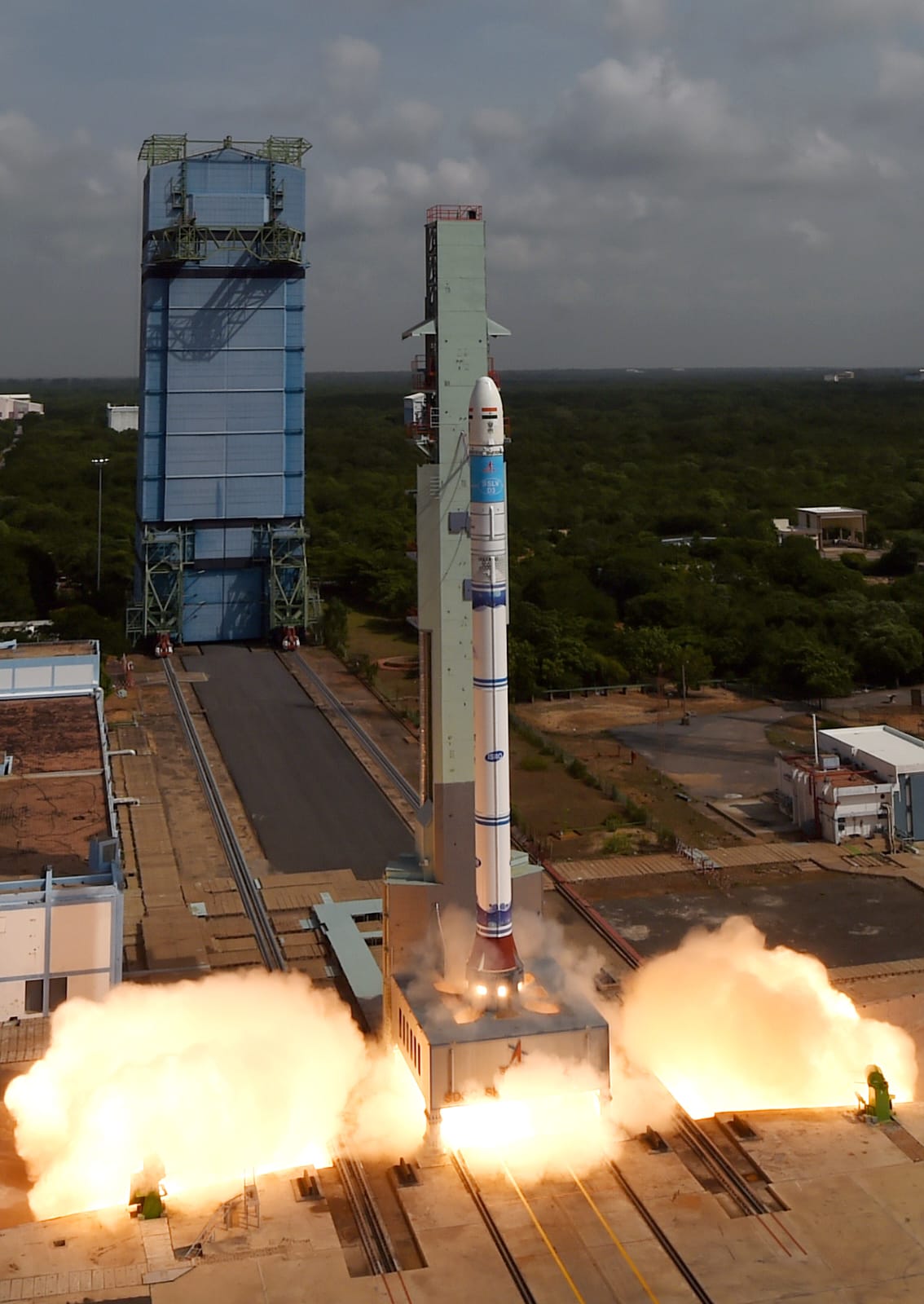
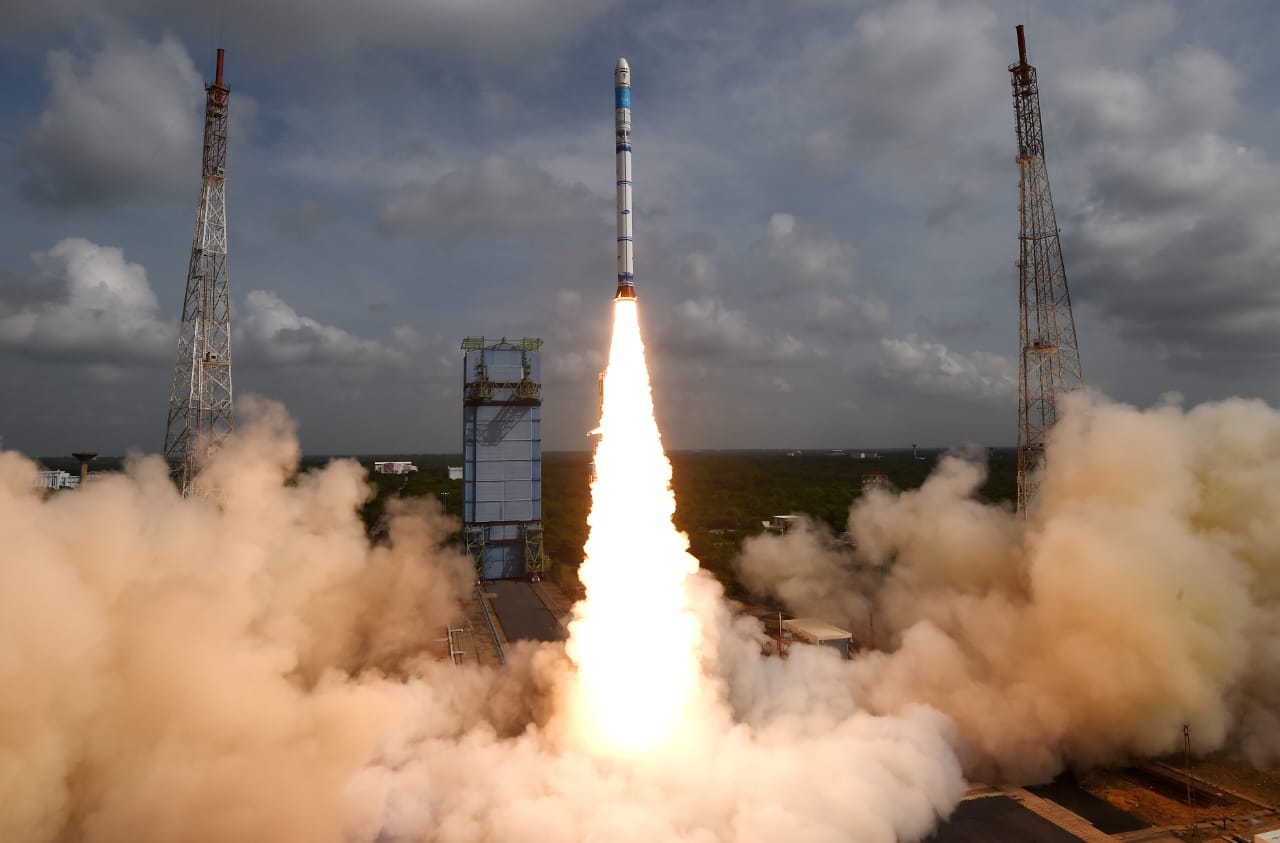
ISRO’s latest Earth Observation Satellite ‘EOS-08’ launched by the Small Satellite Launch Vehicle (SSLV)-D3 today at 9:17 hrs from Satish Dhawan Space Centre, Shriharikota.
The primary objectives of the EOS-08 mission include designing and developing a microsatellite, creating payload instruments compatible with the microsatellite bus, and incorporating new technologies required for future operational satellites.
Built on the Microsat/IMS-1 bus, EOS-08 carries three payloads: Electro Optical Infrared Payload (EOIR), Global Navigation Satellite System-Reflectometry payload (GNSS-R), and SiC UV Dosimeter. The EOIR payload is designed to capture images in the Mid-Wave IR (MIR) and Long-Wave IR (LWIR) bands, both during the day and night, for applications such as satellite-based surveillance, disaster monitoring, environmental monitoring, fire detection, volcanic activity observation, and industrial and power plant disaster monitoring.
The GNSS-R payload demonstrates the capability of using GNSS-R-based remote sensing for applications such as ocean surface wind analysis, soil moisture assessment, cryosphere studies over the Himalayan region, flood detection, and inland waterbody detection. Meanwhile, the SiC UV Dosimeter monitors UV irradiance at the viewport of the Crew Module in the Gaganyaan Mission and serves as a high-dose alarm sensor for gamma radiation.
The spacecraft mission configuration is set to operate in a Circular Low Earth Orbit (LEO) at an altitude of 475 km with an inclination of 37.4°, and has a mission life of 1 year. The satellite has a mass of approximately 175.5 kg and generates power of around 420 W. It interfaces with the SSLV-D3 launch vehicle.
EOS-08 marks a significant advancement in satellite mainframe systems such as an Integrated Avionics system, known as the Communication, Baseband, Storage, and Positioning (CBSP) Package, which combines multiple functions into a single, efficient unit. This system is designed with cold redundant systems using commercial off-the-shelf (COTS) components and evaluation boards, supporting up to 400 Gb of data storage. Additionally, the satellite includes a structural panel embedded with PCB, an embedded battery, a Micro-DGA (Dual Gimbal Antenna), an M-PAA (Phased Array Antenna), and a flexible solar panel, each serving as key components for onboard technology demonstration.
The satellite employs a miniaturized design in its Antenna Pointing Mechanisms, capable of achieving a rotational speed of 6 degrees per second and maintaining a pointing accuracy of ±1 degree. The miniaturized phased array antenna further enhances communication capabilities, while the flexible solar panel incorporates a foldable solar panel substrate, GFRP tube, and CFRP honeycomb rigid end panel, offering improved power generation and structural integrity. A pyrolytic graphite sheet diffuser plate, known for its high thermal conductivity of 350 W/mK, reduces mass and finds application in various satellite functions. Furthermore, the EOS-08 mission adopts a new method of integrating housekeeping panels using a hinge-based fixture, significantly reducing the duration of the Assembly, Integration, and Testing (AIT) phase.
Incorporating additional novel schemes, the EOS-08 mission improves satellite technology through X-band data transmission, utilizing pulse shaping and Frequency Compensated Modulation (FCM) for X-Band data transmitters. The satellite’s battery management system employs SSTCR-based charging and bus regulation, sequentially including or excluding strings at a frequency of 6 Hz.
The mission’s indigenization effort is evident in its solar cell fabrication processes and the use of a Nano-Star Sensor for Microsat Applications. Additionally, the inertial system benefits from reaction wheel isolators that attenuate vibrations and a single antenna interface is utilized for TTC and SPS applications. Thermal management is enhanced using materials such as AFE BGA, Kintex FPGA, Germanium Black Kapton, and STAMET (Si-Al Alloy) Black Kapton to handle the thermal properties of COTS components. The mission also incorporates an auto-launch pad initialization feature, further demonstrating its commitment to innovative mission management.
***
Rate this:
Loneliness – Not a depression
We feel happy when we are surrounded by our loved one and that makes us comfortable around them and sometimes we get used to that comfort zone. Imagine being get used to it and suddenly they’re not near you or with you. You’ll not feel yourself and you get lonely all by yourself. This can make you to think different things and there may be multiple thoughts. As it is said “An idol mind is the devil’s workshop”.
Especially in these pandemic times there have been many cases of suicide due to depression and loneliness. Inspite of the death due to covid, people have died unable to control their emotions. This made us to think if loneliness is more dangerous than the disease. Recently there was a case where a 45 year old man and 42 year Old women lived in a village. They don’t have any child and lived all by themselves. Recently her husband was suffering from Covid and the wife couldn’t take that thinking what will she do when he died. Thinking about all the loneliness that’s gonna happen future the wife died committing suicide. However husband lived but after knowing about his Wife death he drank poison and died.
This made me devoted for their love but made me sad for their death. They could’ve waited but loneliness made them to do the drastic step. Not every loneliness can lead to death but some can change a person’s life. Loneliness is not a dangerous thing but a life changing thing where one can analyse themselves. If you don’t have anyone to talk, it is better to talk to yourself rather than depend on someone. Loneliness can make a person self-independent and self- survivor. It can improve a individual skill where one can explore and develop their talents. Everything doesn’t come easy to everyone. One has to struggle to get things done.
Yes! This lockdown and pandemic can be tough and separate everyone from their loved one but it doesn’t mean that you have to feel lonely. May be it is time to explore yourself and develop your skills.
Union Minister Dr Jitendra Singh has called upon scientific organisations and research institutions across the country to chalk out a roadmap for a nationwide public outreach campaign to create awareness in science, technology, innovation enabling provisions introduced by the Modi government for StartUps and potential entrepreneurs
The Union Minister said, after the Chandrayaan-3 landing on the Moon, there is a massive public interest generated in India’s Space exploration projects and the momentum needs to be sustained.
“This campaign will not only raise public awareness about our pioneering achievements by DST, CSIR, DBT, ISRO, DRDO & other scientific Departments during the more than nine years of the Government led by PM Modi, but also inspire and motivate the youth to contribute and be a part of this exciting journey,” he said.
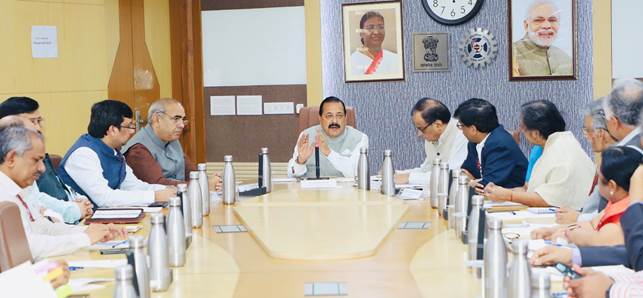
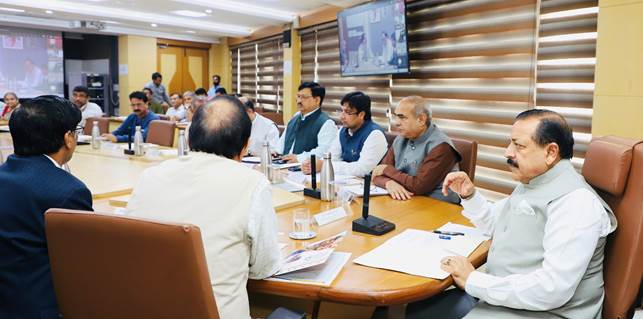
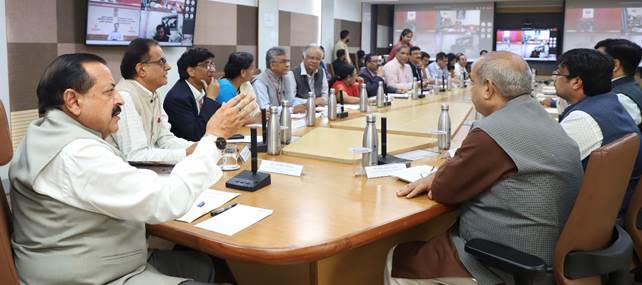
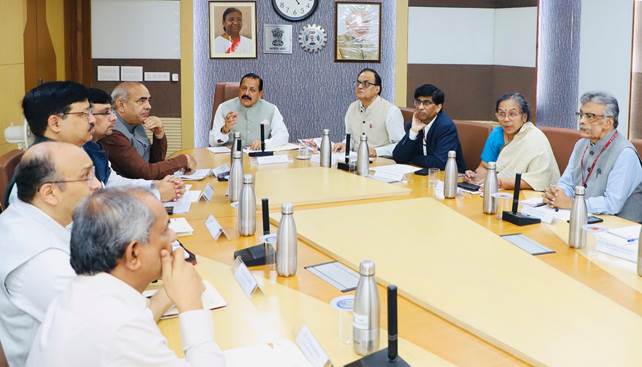
The Union Minister of State (Independent Charge) Science & Technology; MoS PMO, Personnel, Public Grievances, Pensions, Atomic Energy and Space, was chairing a meeting of all Science Secretaries in New Delhi. The meeting was attended by Principal Scientific Adviser (PSA) to the Government of India, Professor Ajay Kumar Sood; Secretary, DST, Prof. Abhay Karandikar; Secretary, CSIR, Dr (Mrs) N. Kalaiselvi; Secretary, DBT, Dr Rajesh S. Gokhale; Secretary, Department of Space and Chairman, ISRO, Shri. S. Somanath; Chairman, Atomic Energy Commission and Secretary, Department of Atomic Energy, Dr Ajit Kumar Mohanty, besides senior officers.
Lauding the ‘One Week One Lab’ student connect programme of CSIR-NIScPR conducted between Jan.1, 2023- Sep 24, 2023 by 37 CSIR Laboratories/Institutions during which their doors were thrown open to the students and public, Dr. Jitendra Singh called for grooming innovation aptitude in school children.
“Innovative learning will contribute to make India a $5 trillion economy goal and fulfil the vision of Prime Minister Shri Narendra Modi’s Aatmanirbhar Bharat,” he said.
The S&T Minister said the INSPIRE scheme is helping create a scientific temper as every year there is an increasing number of aspiring students competing for the awards. The first-ever Mentorship Programme for Young Innovators was launched in November 2021 to mark the 75th Year of India’s Independence, he said.
The INSPIRE Awards – MANAK is a flagship programme of the Government of India and is jointly implemented by Department of Science and Technology (DST), Government of India and the National Innovation Foundation (NIF) – India. INSPIRE Scheme caters to students in the age group 10-32 years with several components. So far, more than 1.3 lakh Higher secondary students have been offered INSPIRE scholarships to pursue a career in Natural and Basic Sciences.
Dr Jitendra Singh said that the DST supports a variety of infrastructure related schemes like FIST, PURSE, SAIF, etc. towards augmenting/ facilitating the R&D equipment for research activities at various Universities/ Institutes and other Academic organizations as well as promote industry-academia linkages.
Dr Jitendra Singh said that PM Modi’s vision is to step up the efforts in various fields to make the country ‘the most advanced laboratory for modern science’ in the ‘Amrit Kaal’-the next 25 years leading to a Viksit Bharat.
Working towards this vision, the Government has committed to invest heavily on building research infrastructure in the country. Under FIST Program, DST has supported 3,074 Departments and PG Colleges at a total budget of about Rs. 3,131 crores for Scientific Infrastructure Building in various STEM Departments.
Dr Jitendra Singh pointed out that flexible infrastructure grants are being provided to universities nationwide to keep up the vigour of conducting highly challenging R&D activities with an investment of Rs 950 Crores till date.
The Promotion of University Research and Scientific Excellence (PURSE) with a nationwide reach supports the universities’ research ecosystem by making high-end research equipment available to our academicians/scientists, enabling our universities to compete with global standards. A new scheme, SUPREME, has also been launched to provide financial support for repair/ upgradation/ maintenance/ retrofitting or acquiring additional attachments to increase functional capabilities of existing Analytical Instrumentation Facilities (AIFs).
Dr Jitendra Singh said that under PM Modi, the Government is taking a number of steps to promote scientific temper among the masses, particularly youngsters, by strengthening scientific research and innovation efforts in the country. He said, this is a pan-India Scheme that envisages Star College in every district of the country supported by the Department of Biotechnology.
A total of 278 undergraduate colleges across the country comprising more than 1.5 lakh students are supported under the DBT Star College Scheme. This includes 55 colleges from rural areas and 15 colleges in Aspirational districts.
Dr Jitendra Singh said, under the leadership of Prime Minister Shri Narendra Modi, India is now steering the world in innovative technologies. We are on course to our target of reducing Greenhouse gases emission, and achieve Net Zero by 2070.
India is today one of the leading users of non-conventional energy including electric automobiles, wind & solar energy and the world’s first Hydrogen powered bus has been made in India, said the Minister. “The world is looking up to us for leads,” he said.
Sharing some of the key achievements of India in S & T like India’s massive jump in its ranking of Global Innovation Index (GII) from 81st in the year 2015 to 40th in 2022 among 132 economies of the world, 3rd rank in terms of number of StartUps, Unicorns, scientific publications and PhDs awarded, the Minister said that India has in recent years made some unprecedented progress in S & T.
“During the Covid pandemic, India not only saved its own population but also helped the world by providing vaccines and we also delivered the world’s first DNA vaccine,” he said.
The Minister mentioned that in the recent past, the Government of India has launched several flagship initiatives such as the National Mission on Interdisciplinary Cyber Physical Systems (ICPS); Quantum Computing and Communication; National Mission on Supercomputing, Electric Mobility, Green Hydrogen etc.
Dr Jitendra Singh said, our Chandrayaan Mission was the first to discover evidence of water on the Moon and the Aditya-L1 solar mission is led by a woman Director. PM Modi has provided an enabling milieu to India’s endeavours in Space research, and S&T. PM Modi has emerged the tallest leader in the world after the G20 Summit.
“Today the world is ready to be led by India. The declaration of International Yoga Day and International Year of Millets by the UN is proof of our rising stature. Now is the time for all of us Indians to rise to the occasion and seize the opportunity,” he said.
Referring to PM Modi’s monthly radio address ‘Mann Ki Baat’, in May 2022, Dr Jitendra Singh said India’s Startup ecosystem is not limited to just big cities, but about 50% of Startups hail from Tier-2 and Tier-3 cities.
“Today there are over 3,000 Agritech Startups and are very successful in areas like Aroma Mission and Lavender cultivation, quite a few of them do not have high qualifications, but are very innovative. In 2014, there were just 4 Startups in the Space sector, now there are over 150 Space StartUps, some of the pioneering ones now worth hundreds of crore rupees,” he said.
A lot of this has been possible because of groundbreaking reforms brought by Prime Minister Modi, including StartUp policy, National Education Policy (NEP) 2020, Space sector and Drone deregulations, new geospatial policy, National Research Foundation etc, he said.
Dr Jitendra Singh said, PM Modi also brought in the new National Education Policy (NEP-2020) which supplements Start-Up ecosystem with the promise to open new career and entrepreneurship opportunities for students and youth in India.
Referring to the last more than 9 years of Government led by PM Modi, Dr Jitendra Singh pointed out that apart from formal jobs, lakhs of opportunities and avenues were created outside the government sector for the youth of the country, be it Start-ups, Mudra Scheme, PM SVANidhi.
During the meeting, the Union Minister reviewed preparations for the 9th India International Science Festival (IISF) – 2024 to be held at the NCR Biotech Science Cluster, Faridabad from January 17-20, 2024.
In an era marked by climate change, resource depletion, and environmental degradation, the role of Artificial Intelligence (AI) in fostering sustainability has gained immense significance. AI, with its ability to analyze vast datasets, optimize processes, and make informed decisions, holds the potential to revolutionize our efforts towards a greener and more sustainable planet.
1. Energy Efficiency:
One of the foremost areas where AI is making strides in sustainability is energy management. AI-powered systems can monitor and control energy consumption in real-time, optimizing energy use in buildings, industries, and even entire cities. Smart grids, equipped with AI algorithms, can balance supply and demand, integrating renewable energy sources seamlessly into the power grid.
2. Climate Modeling and Prediction:
AI plays a pivotal role in climate modeling and prediction. It can process large volumes of climate data to generate accurate forecasts, helping governments and organizations prepare for extreme weather events and adapt to changing climate patterns. By providing early warnings and actionable insights, AI contributes to disaster risk reduction.
3. Agriculture and Food Security:
AI-driven precision agriculture is enhancing crop yields while minimizing resource use. Machine learning models can analyze data from sensors, drones, and satellites to optimize irrigation, fertilization, and pest control. This not only boosts food production but also reduces the environmental footprint of agriculture.
4. Conservation and Biodiversity:
Conservation efforts are benefiting from AI’s ability to monitor and protect endangered species. AI-powered cameras and acoustic sensors can identify and track wildlife, enabling scientists to gather valuable data for conservation purposes. Furthermore, AI algorithms aid in analyzing satellite imagery to detect deforestation and illegal logging activities.
5. Waste Management:
Efficient waste management is crucial for sustainability. AI-powered sorting systems can identify and separate recyclables from non-recyclables at high speeds, reducing contamination in recycling streams. Additionally, AI helps optimize waste collection routes, minimizing fuel consumption and emissions.
6. Sustainable Transportation:
The transportation sector is a significant contributor to greenhouse gas emissions. AI is being employed to develop electric and autonomous vehicles, optimizing traffic flow, and enhancing public transportation systems. These innovations are crucial for reducing the carbon footprint of transportation.
7. Circular Economy:
AI is facilitating the transition to a circular economy, where products and materials are reused, refurbished, or recycled. Machine learning models can identify opportunities for product design that maximizes recyclability and durability, reducing the generation of waste.
8. Water Management:
AI-driven solutions are improving water management practices. They can predict water quality issues, detect leaks in pipelines, and optimize water distribution systems. This not only conserves water resources but also reduces energy consumption in water treatment processes.
9. Sustainable Finance:
AI is reshaping the financial sector by incorporating sustainability into investment decisions. It can analyze vast amounts of data to evaluate the environmental, social, and governance (ESG) performance of companies. This enables investors to direct capital towards environmentally responsible businesses.
10. Disaster Response and Recovery:
In the face of natural disasters, AI-powered tools assist in disaster response and recovery efforts. Drones equipped with AI technology can assess damage and identify areas in need of immediate assistance. Machine learning algorithms can also help predict the potential impact of disasters, allowing for proactive measures.
AI for sustainability represents a beacon of hope in our quest for a greener and more sustainable world. As technology continues to advance, it’s imperative that we harness the power of AI to address the pressing environmental challenges we face. By leveraging AI’s capabilities in energy efficiency, climate modeling, agriculture, conservation, waste management, transportation, circular economy, water management, sustainable finance, and disaster response, we can work towards a future where environmental harmony and human progress go hand in hand. The journey to sustainability may be challenging, but with AI as our ally, we have the tools to make it a reality.
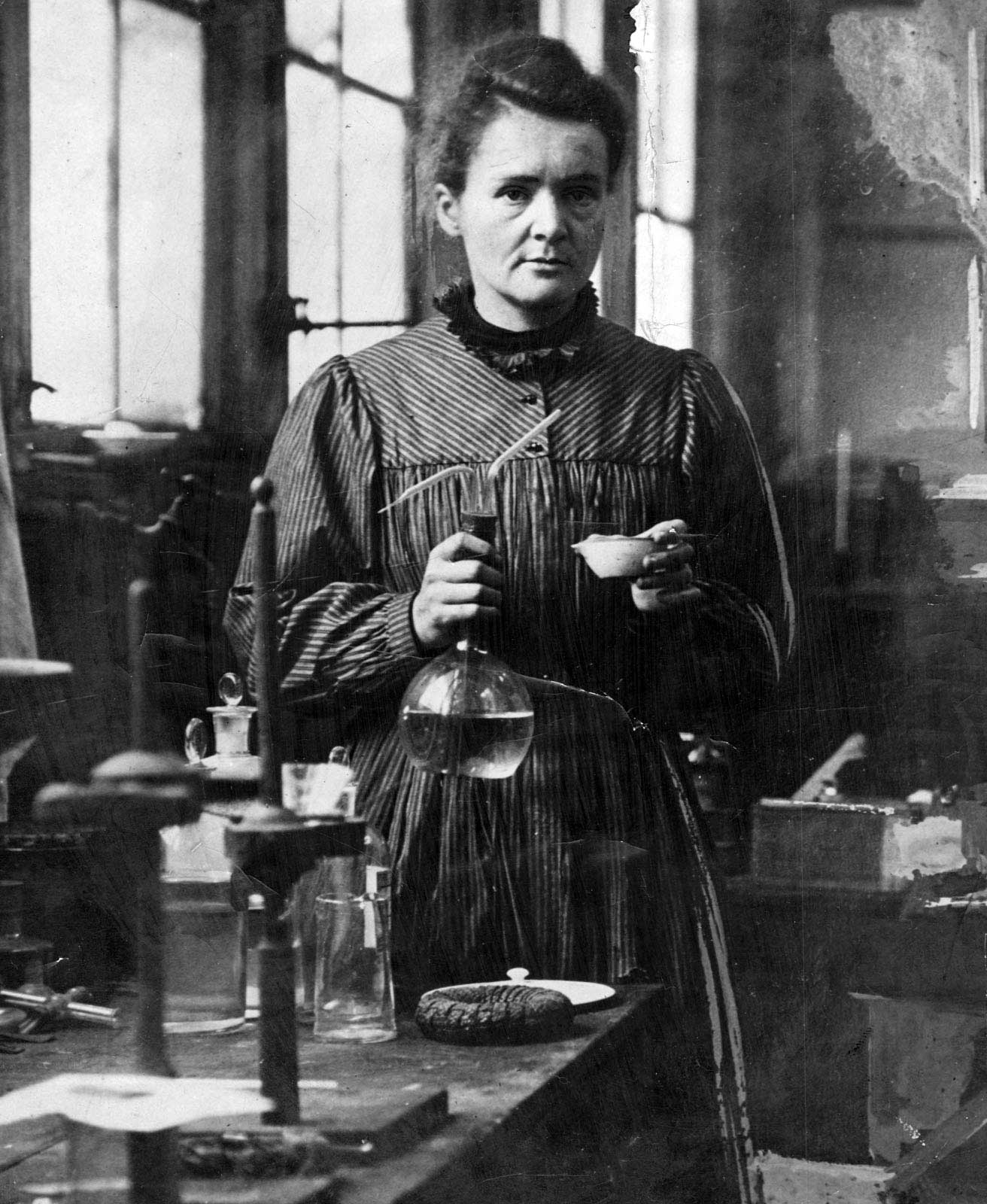
Marie Curie was a Polish-born physicist and chemist who is best known for her pioneering work in the field of radioactivity. She was the first woman to be awarded a Nobel Prize, and the first person to win two Nobel Prizes in different scientific fields. Curie was born in Warsaw, Poland in 1867, and grew up in a family of educators. She was a highly intelligent and curious child, and had a passion for learning from a young age.
In 1891, Curie moved to Paris to pursue further studies in physics and chemistry. It was there that she met her future husband, Pierre Curie, who was also a physicist. Together, the couple began to study the properties of radioactive materials, a field that was still in its infancy at the time. They discovered two new elements, polonium and radium, and Marie coined the term “radioactivity” to describe the phenomena they were observing.
Their work on radioactivity earned them the Nobel Prize in Physics in 1903, making Marie the first woman to receive this prestigious award. However, their research also had significant consequences for their health, as they were exposed to high levels of radiation in their laboratory work. Pierre died in 1906 from a tragic accident involving a horse-drawn carriage, leaving Marie to continue their research alone.
In 1911, Marie was awarded her second Nobel Prize, this time in Chemistry, for her discovery and isolation of pure radium. She was the first person ever to win two Nobel Prizes, and remains the only person to have won them in two different scientific fields. Despite her success, Marie faced significant discrimination as a woman in the male-dominated scientific community of her time. She was not allowed to join the French Academy of Sciences until 1962, more than 30 years after her death.
Marie Curie’s contributions to science and medicine have had a lasting impact on our understanding of the world. Her work on radioactivity helped pave the way for modern cancer treatments, and her discoveries of new elements and their properties expanded our knowledge of the basic building blocks of matter. Her legacy also serves as an inspiration to generations of women and girls who aspire to pursue careers in science and technology.
In addition to her scientific achievements, Marie was also a dedicated humanitarian. During World War I, she used her knowledge of radiology to develop mobile X-ray units that could be used to diagnose and treat wounded soldiers on the front lines. She also served as a role model and mentor to other women in science, including her daughter, Irène Joliot-Curie, who also won a Nobel Prize in Chemistry.
Marie Curie died in 1934 at the age of 66, from complications related to her exposure to radiation. She was buried in the Panthéon in Paris, alongside other French national heroes, becoming the first woman to be interred there on her own merits. Today, she is remembered as one of the most influential scientists of the 20th century, whose groundbreaking discoveries continue to inspire and inform our understanding of the natural world.
General science is a field of study that encompasses a wide range of scientific disciplines, including biology, chemistry, physics, and earth sciences. It is the foundation upon which many scientific discoveries and advancements are made. In this article, we will explore some of the key concepts and branches of general science.
Biology: Biology is the study of living organisms and their interactions with each other and the environment. It covers a wide range of topics, from the structure and function of cells to the behavior and ecology of entire ecosystems. Biology plays a crucial role in many areas of our lives, including medicine, agriculture, and environmental management.
Chemistry: Chemistry is the study of matter and its properties. It covers topics such as the structure of atoms and molecules, chemical reactions, and the properties of different elements and compounds. Chemistry is a key discipline in many fields, including materials science, medicine, and engineering.
Physics: Physics is the study of matter and energy and their interactions with each other. It covers topics such as mechanics, thermodynamics, electromagnetism, and quantum mechanics. Physics is essential to many areas of modern technology, including telecommunications, electronics, and aerospace.
Earth Sciences: Earth sciences cover a wide range of topics related to the planet we live on, including geology, meteorology, and oceanography. These fields of study help us understand the physical processes that shape the earth’s surface and climate. They are also important in managing natural resources, predicting and mitigating natural disasters, and understanding the impact of human activity on the environment.
Scientific Method: The scientific method is a systematic approach to scientific inquiry. It involves observing phenomena, formulating hypotheses, testing those hypotheses through experiments, and drawing conclusions based on the results. The scientific method is a key tool for scientists in all fields, allowing them to gather reliable data and draw meaningful conclusions.
Scientific Discoveries: Science has led to many important discoveries throughout history. Some of the most notable include the discovery of penicillin, the development of the theory of evolution, and the discovery of the structure of DNA. These discoveries have had far-reaching impacts on our understanding of the world and have led to many important advancements in medicine, agriculture, and technology.
Science Education: Science education is crucial in developing scientific literacy and promoting scientific thinking. It helps individuals understand the natural world and the scientific principles that govern it. Science education is also essential in preparing individuals for careers in science, technology, engineering, and mathematics (STEM) fields.
Conclusion: In conclusion, general science is a vast field that encompasses many different scientific disciplines. It is the foundation upon which many scientific advancements are made, and it plays a crucial role in our lives. Through the scientific method, scientists are able to make important discoveries and advancements that help us understand the world around us. Science education is also critical in developing scientific literacy and promoting scientific thinking, which is essential in preparing individuals for careers in STEM fields.


















.jpg)



 Eduindex
You must be logged in to post a comment.