Nutritive Tomatoes

Tomato is one of the common vegetables in our kitchen. Everywhere in the world You will be able to see tomato. Tomato is an edible berry type of vegetable and its binomial name is Solanumly copersicum. Its origin is western South America and Central America. Tomato is originally color in red but some types of tomato are color yellow, purple, green etc. It tastes sour or sweet or both in the sometime.


Colorful Tomatoes

Tomatoes Diversity

Various type of tomato:

  1. Cherry tomatoes: They are size of a cherry. They are sweet juicy and tender and looks so beautiful. They are mostly used in salad and snacks. They test sour more than sweet. It can be red, yellow, purple and other colors.
  2. Grape tomatoes: They are much smaller than Cherry tomatoes and very tasty. It is also used in salads, grilling, roasting, snacking. They are crispy and juicy.
  3. Red Beefsteak tomatoes: They are mild in taste, juicy and in medium size. They are good to make sauces and salad, grill and Salsa.
  4. Roma tomatoes: They are quite larger than Cherry tomatoes. They are Tangy, have few seeds and meaty. It is good to make sauce and sandwich.
  5. Green beef steak tomato: They are colour in bright light green and in large size and very Meaty. It tastes tangy, tarty. It is eaten as sauce salsa pickling or by juice.
  6. Heirloom tomatoes: They are in various colour like light red dark brown red yellow etc. They are Meaty, firm, tangy or sweets and with good textures. It is used in soup, sandwich and roasting purpose. These are not the only variety of tomatoes. There is also Cocktail tomato, tomatoes on the vine, Green tomato, plum tomato, yellow tomato, pear tomato, Brandywine tomatoes, Cherokee purple tomatoes, black krim tomato, celebrity tomato and many more.

  • Cherry tomatoes
  • Red Grape Tomatoes
  • Red Beefsteak tomatoes
  • Roma tomatoes
  • Green beef steak tomato
  • Heirloom tomatoes
  • Pear tomatoes
    Black Krim Tomato
    Plum Tomato
    Tomato on vines
    Yellow Tomatoes
    Tomato as Snakes

    How to eat: Tomato is a vegetable which can be eaten in both cooked and uncooked way. Tomato is a very important ingredient in salad. Tomato soup are very tasty and healthy. There is also other type of dishes are available and you all know about tomato sauce /ketch up which are very common and popular and it taste sweet and sour.

    Tomato soup
    Tomato Salad

    Nutrition value: According to USDA (United States Department of Agriculture) the nutrients present in 100-gram raw tomato is –

    1. Fat 0.2g with 0% daily value.
    2. No saturated fat is present.
    3. No cholesterol 5 mg sodium with 0% daily value.
    4.  237mg potassium with 6% daily value.
    5. 3.9 g carbohydrates with 1% daily value.
    6. 1.2g dietary fiber with 4% daily value.
    7. 2.6 gm of sugar.
    8.  0.9 gm of protein with 1% Daily value.
    9. 22% daily value of Vitamin C.
    10. 5% daily value of Vitamin B6.
    11. 1% daily value of calcium.
    12.  2% daily value of magnesium.
    13. 1% daily value of iron.
    14. Tomato does not contain any cholesterol, fat, vitamin D.
    15. Tomato contains 95% water.
    16. It gives away almost 18 Cal energy.
    17. Tomato is a very good source of vitamin C, fiber, Vitamin A.
    18. Tomato also contains folate(or vitamin B9),Vitamin K, and some antioxidants (Lycopene, beta carotene, chlorogenic acid, Naringenin) etc.
    Tomato for Health

    Health benefits:

    1. lycopene is an antioxidant which prevents the growth of Cancer cells in our body. Tomato contains good amount of lycopene. So, tomato fight against Cancer. Research says that risk chances of prostate cancer can be reduced by consuming tomato.
    2. Tomato is a very good source of vitamin C wards off the Common health disease like common cold, flu. So, tomato is very good vegetable for preventing these common health problems.
    3. Tomato is a healthy diet vegetable as it has very low amount of fat and cholesterol and helps to lose the body weight.
    4. As I have said before, Tomato has lots of Vitamin A. Vitamin A specially zeaxanthin and lutein (a form of Vitamin A) are important for our retina. So, tomato is very good for our eyesight.
    5. Tomato contains many antioxidants which improves our skin health and make our skin much glowing and protects from Sunburn.
    6. Lycopene, Vitamin A, Vitamin E and Vitamin C are good nutrients for our heart. Lycopene helps to reduce the bad LDL cholesterol in blood and thus it protects our heart from various heart health issue including heart attack.

    Fundamentals of 'LAUGHTER YOGA'.

    Laughing is very important for health:

    The most important principle behind Laughter Yoga or the most significant driving force behind the several Laughter Clubs is the theory that Motion Creates Emotion. Quite a few people wonder how a person can laugh when he is in no mood to laugh or when one doesn’t have any reason to laugh. However, the answer is very simple. For, there is a well established link between the body and the mind. Whatever happens to the mind happens to the body as well. This is easily understood and observed too. If a person is sad or depressed, his body also appears quite lifeless and sluggish. Such a person doesn’t walk or talk enthusiastically. But, what most people fail to understand is that the opposite is also true.

    Whatever happens to the body also happens to the mind. I remember my father once telling me, “Son, if you are sad or feeling a bit low, don’t sit idle. Keep doing some physical work or go for a walk or do some jogging or go out to play some cricket or football . You’ll feel better.” And most of the times dad was proved correct. I would start feeling better quite soon. In an unhappy state of mind, if we bring ourselves to behaving or acting happy, soon enough we will start feeling light-hearted and chirpy indeed!

    So, Laughter Yoga aims to use the two-way body-mind link to change the state of mind through voluntary physical gestures which include repetitive clapping, chanting, specific body movements along with laughter and breathing exercises. The result is so positive and its effects are so powerful that the modern world today has witnessed Laughter Yoga overcome severe and chronic depression in thousands of people right across the globe. In fact, several Laughter Clubs have adopted the motto, “If your Mind can’t laugh, bring your Body to our club.”

    Laughter is all about playfulness. Have you ever wondered why children laugh 300 to 400 times a day whereas adults would consider themselves very fortunate if they manage laughter 10 to 15 times in a day? This is because of that seriously wicked and interfering tool called the brain! Adult use their brains or minds first to comprehend humour and then decide if they have to laugh. Very often, they suffer from what is said in Hindi the LKK Syndrome, that is “Log Kya Kahenge” or “What will people say?” This is called the “Mind-to-Body Model of Humour”.

    On the other hand, children, who do not allow themselves to be too affected by the LKK Syndrome and don’t use their brain to seriously do the comprehension first, laugh the most while playing. Even if they fall into mud and slime while playing, they laugh heartily together without bothering about the consequences of soiling their spotlessly white school dress in case of a traditionally strict class teacher or headmistress in school or mother at home! Their laughter comes straight from the body and happily they don’t make use of intellectual capacity of the brain for it. Very clearly, they exhibit the “Body-to-Mind Model of Humour”, It is this childlike playfulness that Laughter Yoga aims at cultivating in people who are quite stressed these days.

    Image -google.

    What is sadly significant is the fact that more and more children and even women, to whom smiles and laughter and giggling should come as naturally as the turtle coming out of its shell to walk or leaves falling in autumn, are enrolling themselves as members of laughter clubs nowadays!

    Laughter Yoga makes a clear distinction between Happiness and Joy. Happiness is a conditional response of the mind which is totally dependent on the fulfilment of certain desires of the mind. By its very nature, it is related to how one’s life had been in the past or how it will be in the future! It is not there at all in the present moment. The ironical and sad fact is that even if some dreams, goals or aspirations are fulfilled, happiness disappears quite quickly as the mind starts chasing new goalposts-a new, job, a new house, a bigger car, etc.

    On the other hand, joyfulness is the unconditional commitment to be happy each moment, to have fun for the moment, despite the problems and challenges of life, no matter how insurmountable they seem to the mind. It is the promise that the Body makes to the mind to indulge in playfulness moment by moment and thereby give relaxation to it. During these periods of playfulness triggered by a plethora of physical activities like dancing, singing, playing and laughing, physiological and biochemical changes take place within our body that give us a sense of well-being that completely alters a negative outlook towards life and its challenges replacing it with confident positivism moment by moment.

    Therefore, in Laughter Clubs, members develop positive conditioning of joy. By laughing together over a period of time, clapping in a rhythm ,chanting “Ho Ho Ha Ha” in unison and positive affirmations like ” Very Good Very Good Yay Yay”, the brain develops new neuronal connections to produce happy neuropeptides and hormones in the body that rejuvenate the members.

    Finally, Laughter Yoga rectifies shallow and irregular breathing, which is the direct consequence of stress and negative mental state. According to Dr. Otto Warburg, a Nobel Laureate, one of the main reasons for falling sick is the lack of oxygen in the body cells due to incorrect breathing. So, let us laugh together and get the oxygen back into our cells!

    Can Russia 'Checkmate' US in global market,with its new fighter jet SU-75 (checkmate)?

    On Saturday, last week in MAKS-2021 arms show, a new fighter jet nicknamed ‘Checkmate’ was unveiled in Moscow, in presence of Russian president Vladimir Putin.This MAKS arms show is a chance for Russian industry to introduce the public to the next generations of its flagship vehicles, as well as for smaller players to pitch their prototypes and concepts to prospective buyers.

    SU-75 (Checkmate) Specifications

    This jet by Rostec subsidiary United Aircraft Corporation comes With split angled tails, a narrow fuselage suggesting presence of one engine, and diamond shaped wings, it looks similiar to f-35. This jet can fly up to 1,500 kilometers in a single sortie, while loaded with weapons and payload. It is Capable of continuous supersonic flight at the speed of 1,180 miles per hour and can share data with other fighters in the air and it’s also hinted that it might have AI abilities and drone control abilities. It can engage upto 6 targets simultaneously on land,sea or air.

    Cost

    This aircraft would cost between $25 million to $30 million and Moscow expects demand from the Middle East, Asia Pacific region and Latin America. The cost is extremely low as compared to F-35, which comes at a price of over $75 million.

    Competition

    It will compete with likes of Swedish JAS-39E/F Gripen,the Dassault Rafale, the Lockheed Martin F-35. and the Shenyang J-35. This jet is expected to take to the skies in 2023, with first batch expected in 2026. Moscow plans to produce 300 units of the aircraft over 15 years once the production begins.

    Road ahead for this jet

    Russia is known for its fighter jets like Mikoyan-Gurevich MiG-21 (F-16 killer), Mikoyan-Gurevich MiG-25 foxbat,
    Mikoyan MiG-29 (Fulcrum),Sukhoi SU-30. Countries like China, India, Egypt, Algeria,are the major buyers of Russian fighter jets. Russian jets are known for their ruggidity as compared with their US counterparts. Cold war is over long ago,but rivalry between Russia and US is still there and even in weapon market. Let’s see how many buyers this new hyped jet will attract in the global market.

    8 pieces of clinching evidence that show how IAF’s Abhinandan shot down a Pakistani F-16

    Do Indians Get Enough SLEEP?

    I’m telling you about on Sleep habits among Indians?

    Aviral is a Man .Aviral knew he was dead tired. Though it had been more than thirty eight hours since the forty four year old marketing executive returned to Delhi early one morning from New York, he was still recovering from jet lag. He had forced himself to remain awake the whole day as he had hoped to coerce his body into sleeping at night.

    But the much needed sleep seemed to elude him completely. “I hardly managed any sleep that night,” Aviral recalled. The time change had completely disrupted his sleep pattern, and when he got out of bed at 7a.m. to head for office, he was entirely ill at ease, to say the least. At the office, he could barely concentrate on his work.

    Aviral wasn’t aware simply how exhausted he was until he had driven a quarter of the twenty-four kilometre stretch on his way back home in the suburbs of Delhi. He halted at a busy signal on the way, but fell asleep suddenly at the wheel. He dazed after the motorist behind him honked. Aviral drove on, but feeling woke up he couldn’t focus any further, he decided to pull off the main road and parked the car in a quiet place. Then, he rolled down the windows a bit and managed to take a two-hour nap in his car. It was only after that that Aviral could drive home safely.

    It is an undisputed fact that not getting enough sleep can lead to problems in concentrating. In fact many sleep disorder experts think that lack of sleep is the reason for many ailments. Dr. Kumar Menon and his colleagues presented a study paper on sleep disorders in Mumbai in which they stressed on the need for early detection of the problem and concluded that it was high time that all the physicians “woke up to sleep disorders and included sleep history in evaluating their patients.”

    Whatever be the cause of not getting proper and enough sleep, we’ve all experienced the exhaustion caused by lack of sleep. Thus, sleep is as important to a healthy lifestyle as eating properly and exercising. Getting a good night’s sleep is one of the simplest things we can do to stay healthy.

    A good night’s sleep means waking up rested and invigorated. On an average, a healthy adult requires just over eight hours of sleep a night, according to Dr. Jeffrey Lipsitz, a Canadian expert on sleep disorders. However, the amount of sleep it takes to rejuvenate an individual varies from person to person. “It’s not a fixed number,” opines Joseph De Koninck, a renowned professor of psychology, adding that if one consistently gets less sleep than one needs, then “a sleep deficit accumulates.” The time it takes for a sleep deficit to accrue depends on how consistent the problem is. “Missing a couple of hours of sleep every night for a week is probably enough,” says another psychiatrist Robert Levitan.

    Swarup Chatterjee, the 28 year-old IIM graduate and assistant manager at a BPO in Hyderabad, knows very well that he doesn’t get enough sleep. “I haven’t had more than four to five hours of sleep for the last three years. There’s always so much that needs to be done in my professional as well as personal life that I am constantly thinking.” Swarup is fully aware that all that is very stressful and he admits that even though he has high energy levels, he is often tired and so he drinks several cups of coffee to counter the fatigue. “But I know that I’ll be able to concentrate better if only I got more sleep,” Chatterjee concludes.

    In a study conducted by sleep-disorder experts, it was found that at least one- third of adults have significant sleep loss, i.e. they have just six and a half hours or less of sleep every night. Then a recent survey conducted in India has shown that twenty-nine percent of Indians went to sleep only after midnight and sixty-one percent slept for seven hours or less. The survey also arrived at the conclusion that Indians were among the world’s earliest risers, with sixty-four percent getting out of bed before 7a.m. Is there a need to reiterate that “Early to Rise” is good provided a person follows the “Early to Bed” principle as well?

    Sleep is crucial to maintaining one’s health. Without it, we increase our susceptibility to an astonishing array of health problems, including heart disease, stroke, diabetes, obesity and depression. Not sleeping enough can compromise your immune system, says Stanley Coren, noted professor of psychology and author of the very popular book, “Sleep Thieves”. You eat well and exercise in order to keep your immune system up, Coren goes on to explain, but if you aren’t sleeping, you undo all that good work. “The immune system works best when you are sleeping,” he says. “That’s when your natural killer cells are generated.”

    Image Source -google.

    Natural killer cells are produced in the bone marrow and found in the blood and lymph fluid. They are part of the body’s defence mechanism against viruses, bacteria, even cancer, and they do not work properly in the persons who are sleep- deprived. A study in Turkey revealed that after 24 hours of sleep deprivation, the percentage of natural killer cells in the blood declined by 37 percent. Another study in the USA conducted on 23 boys and men found that one night of partial sleep-deprivation reduced natural-killer-cell activity to 72 percent of normal levels. Though their activity returns to normal when we begin to get proper sleep, the real problem is that a lot of damage might have been done to our bodies when we were sleep-deprived for several nights and our immune system might have left us undefended and susceptible to infection.

    Sleep is important in keeping not only our waistline trim, but ensuring a balanced brain activity too. During sleep, brain neurotransmitters-the chemicals that deliver messages between nerve cells in the brain-are replenished. When we do not sleep well, our brain chemicals become depleted which leads to emotional disturbances like depression, anxiety and general feelings of sadness, anger and irritation.

    The Olympic flame in Tokyo is the first to be fueled by hydrogen.

    Naomi Osaka stands near the Olympic torch after igniting it during the opening ceremony of the 2020 Summer Olympics in Tokyo, Japan, on Friday, July 23, 2021. (David J. Phillip/AP Photo)

    TOKYO (AP) — The Tokyo Olympic cauldron was inspired by the sun and is built to be more eco-friendly.

    Throughout the games, the flame at Tokyo’s National Stadium and another cauldron blazing along the waterfront at Tokyo Bay will be fueled in part by hydrogen, marking the first time the fuel source has been utilized to light an Olympic fire.

    Since the first contemporary cauldron was ignited at the Amsterdam Games in 1928, propane has been the most common fuel, but magnesium, gunpowder, resin, and olive oil have all been used. Eight years later, for Berlin, the torch relay was inaugurated.

    When hydrogen is burned, unlike propane, it does not create carbon dioxide. The Tokyo cauldron is fueled by hydrogen produced by a renewable-energy-powered facility in Fukushima Prefecture. During the torch relay, both propane and hydrogen were utilized.

    The London 2012 Olympic Games organizers boasted about their intentions for a low-carbon torch, but they couldn’t get the design perfect in time. Instead, they utilized a propane-butane mixture. In 2016, Brazilian officials ordered a smaller cauldron for Rio de Janeiro to minimize the quantity of fuel required.

    Oki Sato, a Canadian architect, created the Tokyo cauldron. His sun-inspired sphere opens like petals from a flower, evoking “vitality and hope,” according to the organizers.

    At 11:48 p.m., tennis player Naomi Osaka ignited the torch, with performers throughout the night clutching sunflowers, which are known for blossoming toward the sun.

    The first torch for these games was lighted 16 months ago at Olympia, Greece, however owing to the pandemic, the relay was put on hold for much of 2020. Until the relay was formally begun in Fukushima on March 25, 2021, officials displayed the torch across prefectures impacted by the earthquake and tsunami that destroyed the region in 2011.

    Before the torch arrived at the National Stadium in Tokyo’s Shinjuku City, several parts of the relay were halted owing to concerns about the spread of the coronavirus.

    Psychological Disorders Part 10

    Introduction

    The Psychological Disorders Part 9 discussed Schizophrenia. It is a lifelong disorder but the intensity and the effect of it can be controlled with the help of planned treatment and various medicines prescribed by the psychologists. This article will discuss Personality Disorders.

    Personality Disorders

    Personality disorders involve a pattern of maladaptive thoughts, feelings and behaviours that cause serious detriment to various areas of life.

    Antisocial Personality Disorder is also known as sociopathy. It is a mental disorder wherein a person continuously shows zero regard for what is right and wrong, in doing so the person also ignores the rights and feelings of other people. People with this disorder have a tendency of antagonizing, manipulating and treating others in a harsh manner. They also tend to show no guilt. The people with this disorder often end up violating the law and hence become criminals. Some of the symptoms are persistent lying, exploiting others, disregard for right and wrong, using wit to manipulate others for personal gain, being cynical, disrespecting others, arrogance, repeatedly violating the rights of others through dishonesty, criminal behaviour, being impulsive, lack of empathy, lack of remorse, aggression, violence, abusive relationships, dangerous behaviour, persistent irresponsibility, not considering negative consequences of their behaviour. Adults with this disorder usually start showing signs by the age of 15. This is a lifelong disorder.

    Avoidant Personality Disorder (APD) is a mental disorder in which the person has a pattern of extreme shyness, they feel inadequate and are excessively sensitive to rejection. Symptoms of this personality disorder include fear of rejection, criticism, embarrassment, disapproval, intimate relationships, getting to know new people and fear of being ridiculed. People with this disorder might also have trouble believing someone likes them.

    Borderline Personality Disorder is a mental disorder that impacts the way a person thinks and feels about themselves and others. It includes self-image issues and difficulty managing emotions. A person with this disorder will have an intense fear of abandonment or instability, which would make being alone difficult for them. This disorder usually begins by early adulthood. Some of the symptoms are intense fear of abandonment, pattern of unstable intense relationships, periods of stress-related paranoia, rapid changes in self-image, suicidal threats in response to fear of rejection, extreme mood swings, intense anger and an ongoing feeling of emptiness.

    Dependent Personality Disorder involves being anxious about being left alone, that is, the inability to be alone. Some of the symptoms are behaving submissively, needing repeated reassurance, relying on others for making decisions, easily being hurt by disapproval, feeling nervous when alone, tendency to be naïve, fear of abandonment and fearing rejection.

    Histrionic Personality Disorder involves people having a distorted image of themselves. They base their self-esteem on other’s approval. Some of the symptoms are uncomfortable in situations where they are not the center of attention, display of rapidly shifting emotions, interaction with others involving inappropriate seductive behaviour, consistently using physical attention to get others focus and showcasing exaggerated expression of emotions.

    Narcissistic Personality Disorder is a mental disorder in which people have an inflated sense of importance, they need a lot of attention and admiration. They also have a lack of empathy. Some of the symptoms are having a sense of entitlement, expecting to be recognized as superior, exaggerating achievements and talents, belittling others, expecting special favours, arrogance, boastful and insisting on having the best of everything.

    Obsessive-Compulsive Personality Disorder involves a person wanting extreme perfectionism, neatness and order. People with this disorder feel the need to impose their standards on others. Some of the symptoms are perfectionism to a point that it is difficult to finish tasks, rigid mannerisms, extreme attention to detail, overwhelming need to be punctual, fixation with lists, hoarding useless items, sense of righteousness and rigid adherence to ethical codes.

    Paranoid Personality Disorder involves people being extremely suspicious of other people. Some of the symptoms are believing that people have hidden motives, trouble working with others, quickly becoming hostile, having trouble relaxing, socially isolated, defensive and doubting loyalty of others.

    Schizoid Personality Disorder is when people avoid social activities and continuously shy away from interacting with others. They tend to have a limited range of emotional expression. Some of the symptoms are preferring being alone, not enjoying close relationships, feeling like can’t experience pleasure, appearing to lack motivation, feeling no desire for sexual relationships and may seem emotionally cold.

    Schizotypal Personality Disorder is a disorder in which people are often described as odd and have very few close relationships. Some of the symptoms are being a loner, flat emotions, excessive social anxiety, belief in special powers, peculiar style of speech and dressing.

    Conclusion

    There are many kinds of personalities which brings many kinds of personality disorders as well. Personality is known to be fluid but the reason of these disorders includes brain chemistry and genetics because of which they remain permanent. These disorders are very harmful for the people themselves and their loved ones, which makes it important to consult a psychologist to get treatment and reduce the symptoms.

    References

    Note: this is the last part of the Psychological Disorders series.

    The need to save the ocean

    To paraphrase a line from Ron Burgundy, the ocean is a big thing. Big enough for scientists to point out that the term “Earth” is a misnomer. Water may be a more accurate name for a world that is nearly 3/4 covered in water, with marine plants contributing a whopping 50 percent or more of the oxygen we breathe. With all of that stated, it’s past time (high tide?) for us to band together to save the resource that has been depleted.

    Photo by Kellie Churchman on Pexels.com

    The state of the ocean is not good

    The bad news is that human activity is wreaking havoc on the environment. The good news is that there are several things we can do to help stop (and even reverse!) those detrimental behaviors, which is why this is a message about hope and empowerment rather than doom and gloom.

    Plastic pollution is destroying the ocean

    A non-profit that works to protect the ocean Every year, 17.6 billion pounds of plastic is estimated to escape into the ocean from land-based sources, according to Oceana. Every 60 seconds, a garbage truck full of plastic is dumped into our waterways. The world’s most renowned (and largest) rubbish dump is located in the ocean.

    The Great Pacific Garbage Patch covers 1.6 million square kilometres and contains 1.8 trillion bits of plastic in an estimated 80,000 metric tonne landfill. Plastic garbage in the ocean is believed to kill over one million sea animals each year, including sea turtles, sharks, and coral reef (yes, coral reef is an animal!).

    Plastics in the ocean will surpass fish in the ocean (!?) by 2050, according to research, and 99 percent of seabirds will have plastics in their GI tract. Plastic pollution is not only destructive to the ocean; there is also evidence that it is harmful to humans.

    Acidification in the ocean

    Carbon dioxide emissions absorbed by the oceans over decades have changed the underlying chemistry of our ocean, resulting in an increase in acidity. Acidification causes small decreases in shell density in small creatures, which support entire ecosystems despite their small size.

    As the world’s seas warm, species are moving in large numbers to new locations, posing new challenges or simply failing to develop as they should, while millions of people rely on fish as their primary source of nutrition. It’s also causing the Great Barrier Reef to perish. Coral reefs require all of the protection we can provide, given the disastrous effects of climate change.

    Because it has the potential to cause the most apparent and immediate human misery, sea-level rise may be the most well-known of these concerns. Low-lying areas such as Miami and the South Pacific islands are growing increasingly vulnerable; 10% of the world’s population lives on the low-lying coast.

    Meanwhile, deoxygenation, which is most typically caused by algal blooms fed by nutrient-rich fertilizer run-off, is causing enormous dead zones and suffocating marine life.

    Overfishing

    Fishing techniques that are illegal, uncontrolled, and unreported are common. Humans have already brought the giant grouper, several skates and rays, and a dozen or more other sturgeon species to the brink of extinction through fishing.

    Bluefin tuna is one of the fish species whose populations may never recover as a result of unsustainable fishing techniques. Other apex predators, such as sharks, are among the most endangered.

    Places like Monterey Bay National Marine Sanctuary have shown how impactful policy changes can be in helping species rebound.

    Ocean conservation isn’t just a hobby for those who enjoy the water. You might not be a scuba diver, a fisherman, or a seaside dweller. Perhaps you have a seafood allergy and despise surfers! Even so, chances are you still breathe air and enjoy life when there is less human suffering.

    Plants and trees are oxygen-producing powerhouses. But wait till you see what oceanic greens can accomplish! (Hint: it’s not just trees.)  More than half of the oxygen on the earth is produced by marine plants. 

    Thoughts famous people have about ocean

    Jacques Cousteau: “The sea, once it casts its spell, holds one in its net of wonder forever.”

    Beyoncé Knowles: “I’m always happy when I’m surrounded by water, I think I’m a mermaid or I was a mermaid. The ocean makes me feel really small and it makes me put my whole life into perspective… it humbles you and makes you feel almost like you’ve been baptized. I feel born again when I get out of the ocean.”

    William Wordsworth: “The ocean is a mighty harmonist.”

    John F. Kennedy: “We are tied to the ocean. And when we go back to the sea, whether it is to sail or to watch, we are going back from whence we came.”

    Photo by Emiliano Arano on Pexels.com

    Ways in which you can help save the ocean

    1. EDUCATE YOURSELF

    Step 1: Land and sea are far more intertwined than most people think, and activities taken on land have substantial consequences in the ocean. The good news is that there are a plethora of tools available—Pinterest offers a plethora of ocean-saving categorieS.

    2. Opt for Ocean and Earth-Friendly Products

    Oceana’s is to demand plastic-free alternatives to items such as plastic water bottles, straws, plastic cutlery, coffee cups, bags, balloons, plastic-wrapped produce, and take-out food containers.

    References

    http://www.growensemble.com

    http://www.wikipedia.com

    All about Intermittent Fasting

    Intermittent fasting is a type of eating regimen in which you alternate between fasting and eating on a regular basis. Intermittent fasting has been shown in studies to help people lose weight and prevent — or even reverse — disease.

    Photo by Trang Doan on Pexels.com

    What is Intermittent Fasting?

    Many diets emphasise what to eat, but intermittent fasting emphasises when to eat.

    Intermittent fasting is when you only eat at certain times of the day. Fasting for a set number of hours each day or eating only one meal a couple of times a week can aid fat loss. Scientific data also suggests that there are certain health benefits.

    Mark Mattson, Ph.D., a neuroscientist at Johns Hopkins University, has studied intermittent fasting for 25 years. He claims that our bodies have evolved to be able to survive without food for several hours, days, or even weeks.

    Before humans learned to farm, they were hunters and gatherers who evolved to survive — and thrive — without eating for lengthy periods of time. They needed to: It required a lot of time and effort.

    It was easy to maintain a healthy weight even 50 years ago. “There were no computers, and TV shows switched off at 11 p.m.; people stopped eating because they went to bed,” says Christie Williams, M.S., R.D.N., a nutritionist at Johns Hopkins. The portions were significantly smaller. More people worked and played outside, getting more exercise in general.”

    Television, the internet, and other forms of entertainment are now available 24 hours a day, seven days a week. We stay up later to watch our favourite shows, play games, and communicate on the internet. We spend the entire day — and most of the night — sitting and snacking.”
    Obesity, type 2 diabetes, heart disease, and other ailments can all be exacerbated by eating too many calories and exercising too little. Intermittent fasting has been shown in scientific studies to have health benefits.

    How does this work?

    Intermittent fasting can be done in a variety of methods, but they all revolve around choosing regular eating and fasting times. For example, you could try eating only for eight hours a day and fasting for the rest of the day. Alternatively, you could choose to eat only one meal each day two days per week. There are a variety of intermittent fasting schedules to choose from.

    According to Mattson, after a period of time without meals, the body’s sugar stores are depleted and it begins to burn fat. This is referred to as metabolic switching by him.
    “Most Americans eat throughout their waking hours, so intermittent fasting is in contrast to their regular eating pattern,” Mattson explains. “If someone eats three meals a day plus snacks and doesn’t exercise, they’re rumination every time they eat.”

    Intermittent fasting works by extending the time between when your body burns off the calories from your last meal and starts burning fat.

    Approaches of Intermittent fasting

    Before beginning intermittent fasting, make sure to see your doctor. The actual technique is straightforward once you have his or her permission. You can choose a daily strategy, which limits daily meals to one six- to eight-hour period. For example, you could try 16/8 fasting, which involves eating for eight hours and fasting for sixteen. Williams is a proponent of the daily routine, claiming that “the majority of people” follow it.

    Another method, known as the 5:2 technique, is eating five times a week. You only eat one 500–600 calorie meal on the remaining two days. For instance, suppose you decided to eat normally every day of the week except Mondays and Thursdays, which are your one-meal days.

    Fasting for longer lengths of time, such as 24, 36, 48, and 72 hours, is not always beneficial and can be dangerous. Going too long without eating may cause your body to begin storing fat as a response to the lack of food.

    According to Mattson’s studies, it takes two to four weeks for the body to adjust to intermittent fasting. While you’re getting adjusted to the new pattern, you can feel hungry or irritable. However, he notes that research subjects who make it through the adjustment stage are more likely to continue to the diet because they feel better.

    Photo by Nathan Cowley on Pexels.com

    What to eat when one is Intermittent Fasting?

    Water and zero-calorie liquids like black coffee and tea are allowed at periods when you aren’t eating.

    And “eating normally” during your periods does not imply “going insane.” If you fill your meals with high-calorie junk food, super-sized fried foods, and desserts, you’re not going to lose weight or get healthier.

    But what Williams enjoys about intermittent fasting is that it allows him to eat — and enjoy — a wide variety of things. She explains, “We want people to be conscious and enjoy eating delicious, nutritious food.” Eating with others and sharing the mealtime experience, she continues, enhances satisfaction and promotes excellent health.

    Whether you’re trying intermittent fasting or not, Williams, like other nutrition experts, considers the Mediterranean diet to be a solid pattern for what to consume. When you choose complex, unprocessed carbohydrates like whole grains, leafy greens, healthy fats, and lean protein, you can’t go wrong.

    Benefits of Intermittent Fasting

    Intermittent fasting does more than burn fat, according to research. “Changes in this metabolic switch affect the body and the brain,” Mattson explains. Mattson’s research was published in the New England Journal of Medicine, and it offered information on a variety of health benefits linked to the practice. Longer life, a slimmer body, and a sharper mind are among them.

    “During intermittent fasting, numerous things happen that protect organs from chronic diseases including type 2 diabetes, heart disease, age-related neurological disorders, even inflammatory bowel disease and many cancers,” he explains.

    Thinking and memory : Intermittent fasting improves working memory in animals and verbal memory in adults, according to research.

    Heart health : Fasting for a short period of time improved blood pressure, resting heart rates, and other heart-related parameters.

    Physical performance : Fasting for 16 hours resulted in fat loss while retaining muscular mass in young males. Mice that were fed on different days had superior running endurance.

    Diabetes and obesity : Intermittent fasting has been shown to prevent obesity in animals. In six small studies, obese adult individuals lost weight by fasting intermittently.

    Tissue health : Intermittent fasting in mice minimized tissue damage during surgery and improved outcomes.

    Is Intermittent Fasting safe for everyone?

    Some people use intermittent fasting to lose weight, while others use it to treat chronic illnesses including irritable bowel syndrome, high cholesterol, or arthritis. Intermittent fasting, on the other hand, isn’t for everyone.

    Before attempting intermittent fasting (or any diet), Williams recommends consulting with your primary care physician. Some persons should avoid experimenting with intermittent fasting:

    Children and teenagers under the age of 18 are considered minors.

    Women who are expecting a child or who are breastfeeding.

    People who have diabetes or other blood sugar issues.

    Those who have had an eating disorder in the past.

    People who aren’t in these groups, but who can safely undertake intermittent fasting, can continue the routine indefinitely, according to Williams. “It can be a lifestyle shift with advantages,” she explains.

    Keep in mind that intermittent fasting can have a variety of impacts depending on the individual. If you start to experience unusual anxiety, headaches, nausea, or other symptoms after starting it, talk to your doctor.

    Are Electric cars green

    With a few exceptions, the majority of research studies conducted in various parts of the world find the answer to this question to be mostly affirmative.
    Though electric automobiles appear to be uncharted ground for most people, it’s startling to learn that the first electric car was invented in 1828 by a Hungarian engineer named Anyos Jedlik. Even though there is no evidence to corroborate this, the majority of people believe Nikola Tesla was the one who invented modern electric cars.
    Electric cars are partially or fully powered by electricity generated from the grids. The rechargeable batteries installed in these cars store this electricity, to power the electric motor which turns the wheels. even though the initial cost of an electric car is greater in comparison to its fueled counterpart
    The situation seems more favorable for the electric owner in the long run. The fact that electrical cars have limited parts and so it doesn’t have a constant replacement, cannot be ignored. The electrical battery usually comes with an 8-10 year guarantee, and also the average operating cost of electric cars is lesser than fossil fuel-enabled automobiles. A study conducted in the US found that the average operating cost of an electric car is 485$ and that of a non-electric car is 1117$. If we look at this from an environmental perspective then one electric car can save up to 1.5 million grams of CO2.
    A recent study by the Carbon Brief organization concluded that lifetime emissions of driving a Nissan Leaf EV were three times lower than that of average conventional cars. A recent study in Germany also concluded that emissions from EVs are up to 43 % lower than fueled vehicles.
    Now as I mentioned earlier the most important component in the EV would be its batteries which are made up of some rare earth elements including Lithium, Cobalt, Neodymium and they can be extracted through mining in turn causing harm to the fragile ecosystems present in those areas, the Democratic Republic of Congo faced many toxic spills due to Lithium mining, Nickel mining caused heavy pollution in the Arctic. Lithium-ion batteries are expected to make up 90% of the battery market by 2025 this could result in more carbon emissions than fuel-powered cars. The bigger the electric car and its range, the more battery cells would be needed to power it, resulting in more carbon being produced. Though the EV has a higher carbon footprint at the start, it becomes lower once it comes to use.
    Another disadvantage would be the fact that very few efforts are undertaken to recycle the used batteries by the countries which cause dumping of the same in landfills and they remain there for years to come. Although companies like Nisan and Volkswagen are upping their efforts to increase their recycling process, newer technologies are being experimented with to make it less tedious and more eco-friendly.
    We also need to acknowledge the fact that if managed appropriately these waste batteries can be a secondary source of procuring critically endangered materials. Nevada-based Redwood materials aim to become the world’s top battery recycling company. Li-cycle also has a similar approach in recycling lithium batteries by recovering 95% of minerals found in them.
    In a more path-breaking discovery companies like Toyota and Tesla have started using motors that do not require these rare earth metals.
    Another major issue that needs to be addressed with EVs is regarding the source of the electricity used in them, this electricity could be generated through coal and other fossil fuel and those emissions could be worse than the non-electrical solution. For example, the majority of china electricity comes from coal, similarly, 60% of electricity in California has generated via fossil fuel also in Germany 40 percent of the energy mix is produced by coal and 30 percent by nonrenewable sources But this problem could be tackled by applying a heavily decarbonized system, adopted by countries like Sweden, France which use large amounts of renewable sources of energy for this purpose. As power generation processes around the world are becoming increasingly sustainable we can safely assume that the EVS market will continue to grow and the Forbes study’s prediction that more than half of the world’s cars could be electric by 2050 has all chances of coming true. Ev cars may not be the perfect flag bearer for the environment but it does surely have the catholicon for a greener pollution-free world. When the manufacturing systems of these cars become sustainable only then we would be able to unlock their true green potential.

    THE BUYING DECISIONS

    Buying and shopping is something, which if preferred my everyone, belonging to all age groups. The buying decisions of men and woman depend on their habit and lifestyle. Habits and lifestyle drive most decisions and it is important for companies to study these habits for understanding the buying decisions of the purchasers. Companies try to focus and study the initial buying decision to gain advantage of them before their decision is overruled by their habit. This ensures that their products and things that they are selling is the beneficiary of the habits of the consumers.

    Consumer Buying Process

    There is particular buying process through which a customer has to go before purchasing anything. This process is called as Customer Buying Process (also called a buying decision process). This process shows the journey of a customer before buying anything. And it is important to understand this journey to align the products and strategize the entire process of product advertising selling accordingly.

    Following things are focused while understanding a buyers mind:

    • Initial Stimulation of a Need : Companies spend millions of dollars each year to motivate the buyers for purchasing their products and for motivating them to buy the products which are healthier, wealthier, attractive and safer. That’s why, coupons, discounts and sales are also provided. These mainly attract the purchasers. Many purchasers tend to change their habits and lifestyles which further change and shift their shopping habits.
    • Influence of Third Parties: Third parties are mainly friends, peers or authority who have influence on the habits and lifestyles of people. This further affect the selection of products. Word of mouth marketing is considered more because it provides honest reviews about different products. It is considered to be more trustworthy than individual advertising. That’s why companies try to seek and attract customer endorsements and enlist celebrities as product spokespeople to help gain the attraction and purchasers.
    • Personal Evaluation : Decisions for buying one product as compared to other similar products is influenced by a number of factors and it includes packaging appeal and the convenience of payment. This process of choosing one product over another helps in making better decisions and better choices.

    Hence, consumers should be aware of their habits which are the major deciding factors while purchasing anything. Evaluating and objectively determining every purchase is considered to be impractical and not preferable. Sometimes the outcomes are more critical and there can be significant differences in their price, quantity, quality, durability and utility etc. And for a successful result it is important to make rational purchasing decision.

    Shopping always makes us feel good. Even after buying something, the excitement of trying them immediately after getting home excites a lot and in my case, I always have a feeling of achievement after buying a product that I like. We all know that sense of pleasure and joy when be go through different stores and buy something that we want…. It can be a new shade of lipstick, or a hardware or furniture or electronic item or pair shoes or anything else. This is called a retail therapy and it has also been studies scientifically. Scientific studies of retail therapy have shown the effectiveness of buying and shopping something which we need or want.

    Internet For Students And Children

    We live in the age of the internet. Also, it has become an important part of our life that we can’t live without it. Besides, the internet is an invention of high-end science and modern technology. Apart from that, we are connected to internet 24×7. Also, we can send big and small messages and information faster than ever. In this essay on the Internet, we are going to discuss various things related to the internet.

    Reach of Internet

    It is very difficult to estimate the area that the internet cover. Also, every second million people remain connected to it with any problem or issue. Apart from that, just like all the things the internet also has some good and bad effect on the life of people. So the first thing which we have to do is learn about the good and bad effect of the internet.

    Good effects of the internet mean all those things that the internet make possible. Also, these things make our life easier and safer.

    Bad effects of the internet mean all those things that we can no longer do because of the internet. Also, these things cause trouble for oneself and others too.

    You can access in any corner of the world. Also, it is very easy to use and manage. In today’s world, we cannot imagine our life without it.

    Photo by panumas nikhomkhai on Pexels.com

    Uses Of InternetFrom the time it first came into existence until now the internet has completed a long journey. Also, during this journey, the internet has adopted many things and became more user-friendly and interactive. Besides, every big and small things are available on internet and article or material that you require can be obtainable from internet.

    Tim Berners-Lee can be called one of the main father of internet as he invented/discovered the WWW (World Wide Web) which is used on every website. Also, there are millions of pages and website on the internet that it will take you years to go through all of them.The Internet can be used to do different things like you can learn, teach, research, write, share, receive, e-mail, explore, and surf the internet.

    Convenience Due To Internet

    Because of internet, our lives have become more convenient as compared to the times when we don’t have internet. Earlier, we have to stand in queues to send mails (letters), for withdrawing or depositing money, to book tickets, etc. but after the dawn of the internet, all these things become quite easy. Also, we do not have to waste our precious time standing in queues.Also, the internet has contributed a lot to the environment as much of the offices (government and private), school and colleges have become digital that saves countless paper.Although, there is no doubt that the internet had made our life easier and convenient but we can’t leave the fact that it has caused many bigger problems in the past. And with the speed, we are becoming addict to it a day in will come when it will become our basic necessity.

    BENEFITS OF INTERMITTENT FASTING(IF)

     So, if you’re the one person who runs away from exercise and workout and still dream of a HEALTHY LIFESTYLE, let me bust out an age old myth about fasting for you. How can fasting benefit one’s body? What does intermittent fasting do to your body? Is a sixteen hour fast beneficial for your health? These are the type of questions that generally arise in our skeptical minds when we hear about intermittent fasting. Well, if you too find yourself in middle of these questions, then you have reached the right place. We’ll provide you with ample reasons to choose this fasting in order to benefit your inner and outer self.

    Intermittent fasting is one of the most aired dieting methods these days, a pattern of eating and fasting in a cycle within 24 hours.

    There are different patterns of intermittent fasting, the most common being the 16/8 (16 hours of fasting window and 8 hours of eating window) pattern. Others can be 20/4, 5:2 pattern etc.

    You will be shocked to know that it is a scientifically proven method of improving your mental and physical health.

    So here we bring your attention to some of the top benefits of intermittent fasting: 

    1.CHANGES HORMONE, CELLS AND GENE FUNCTION

    Many changes occur in our body while we don’t eat. Our body changes the level and functions of the hormones to allow them to use the stored fat for primary energy generation. It also initiates the repair of damaged body cells. 

    Some of the aforesaid changes occurring in our body due to fasting are;

    a. Increase in Human Growth Hormone (HGH)

    The exotic increase in level of HGH in blood leads to high fat burning, repair of tissues in the brain, boost in metabolism and gain in muscle mass, that’s why it is very common in body building industry.

    b. Lowering the Insulin level-

    Keeping the insulin level low in the blood is the main aim of IF. During the fasting window the insulin level of body lowers down dramatically and reverses the formation of fat and hence, you lose fat. Lowering in insulin also prevents diabetes. 

    c. Repair of cells-

    During IF, our body cells rejuvenate, cleanse themselves of all waste materials and repair themselves with the help of HGH in order to become stress resistant.

    d. Correcting Gene expression-

    IF affects different gene expressions to cures many diseases and health problems at genetic levels like cancer etc.

    2. LOSING WEIGHT

                       While following an intermittent fasting routine; the body lowers the level of insulin, increases the level of HGH and increases amount of noradrenaline. This consequently leads to burning of excess body fat which is then converted into energy, that is utilized by the body for its daily activities.

                      It also breaks down visceral fat from our abdominal cavity that otherwise is hazardous for our physical well-being. So basically, IF takes down our calorie intake in order to boost our metabolism and correct our lifestyle.

    3.IMPROVES BRAIN FUNCTION AND IMMUNE SYSTEM

                          As the metabolic activity of the body improves, so does the condition of the brain which is the most important part of our body. IF reduces inflammation, oxidative stress, blood sugar and insulin resistance of our body which leads to the growth of new nerve cells. It also leads to the secretion of brain hormones which prevents depression and brain damage like strokes.

    IF even protects the body against incurable disease like Alzheimer’s.

    4.PROTECTS FROM HEART DISEASES

                   The intake of healthy IF diet leads to almost no formation of low-density lipoprotein or bad cholesterol which prevents heart attack and also reduces the risk of high blood pressure and other inflammatory diseases of heart. According to new research, regular follow up of IF can considerably lower the rate of heart failure and can add more years to someone’s life.

    5. INCREASES LIFE LONGITIVITY

                       Taking an IF diet can persistently uplift a poor lifestyle of a person and help him get rid of heart diseases, abnormal blood pressure, atypical brain problems, obesity, fatigue etc. This, thus, brings the overall health of  a person in the right track also benefitting him from over-aging by repairing the body cells timely. 

    LET US KNOW IF YOU HAVE ANY QUESTIONS AND IF YOU WANT ANOTHER ARTICLE ON HOW TO START INTERMITTENT FASTING.


    Nutritious Mango:

    Mango is the king of all fruits. It is widely famous fruit in world. It is a very mouth watering ,flavorful and nutritious fruit. Mangifera indica is the scientific species name of mango. Its origin was initially southern east Asia, but now mango is available in every corner of world.

    Some famous variety of mango:

    In India:

    i.             Alphonso Hapoos mangoes from Maharashtra.

    Alphonso Hapoos mangoes

    ii.            Kesar mangoes from Gujarat.

    iii.           Himsagar from West Bengal.

    Himsagar Mangoes

    iv.           Badami mangoes from Karnataka.

    v.            Bombay green mangoes from Punjab.

    vi.           Bangnapalli from Andhra Pradesh.

    Bangnapalli Mangoes

    In the Whole World:

    i.             Alphonso from Maharashtra, India.

    ii.            Carabao or Manila mangoes from Philippines.

    Carabao or Manila mangoes

    iii.           Diamond Solitaire mango from Myanmar.

    iv.           Hayden from USA.

    Hayden or Haden Mango

    v.            Julie from cab bean.

    ‘Julie’ mango

    vi.           Kensington Pride from Australia.

    they are not the only variety in the world. There are many more.

    How to eat Mango: Mango can be eaten raw and ripe. Raw mango is originally sour and crunchy but some types of raw mango  can be sweet. Ripe mango can be sweet sour, creamy and soft. Ripe Mango juice is very good for our health apart from juice, various dishes like chutney, desert, sweets and other dishes can be made from raw and ripe mango.

    Raw mango & Chutney
    Mango Pickle

    Nutrition value: Mango is one of the nutritious fruits. Let’s see the nutritional value of mango

    a)            100-gram mango contains –

    i.             13.7 gm of Sugars.

    ii.            1.6 G of dietary fibre.

    iii.           0.82 gram of protein.

    iv.           0.38 gram of Fat.

    v.            mango contains various vitamins –

    a.    54 micrograms of Vitamin A.

    b.    640 microgram of Beta carotene.

    c.    0.02 mg of Vitamin B10 thiamine.

    d.    0.03 mg of Vitamin B2 or riboflavin.

    e.    0.67 mg of vitamin B3 or niacin.

    f.     0.2 mg of vitamin B5 or pantothenic acid.

    g.    0.12 mg of Vitamin B6.

    h.    43 microgram of Vitamin B9 or folate.

    i.     4.2 microgram of vitamin K.

    j.     7.6 mg of choline.

    k.    0.9 mg of Vitamin E.

    l.     36 mg of Vitamin C

    vi.           various minerals are also present –

    a.    11 mg of calcium (Ca).

    b.    0.1 mg of copper (Cu).

    c.    1 mg of sodium (Na).

    d.    14 mg of phosphorus (P).

    e.    10 mg of magnesium (Mg).

    f.     168 mg of potassium(K).

    g.    0.06 mg of manganese (Mn).

    h.    0.09 mg of zinc (Zn).

    vii.          Mango contains lot of water. Almost 83.5 gm water is available from 100 gm mango.

    viii.         We can get almost 250 kilojoule or 60 kcal energy from 100-gram Mango.

    ix.           Mango contains high number of polyphenols which is an antioxidant.

    x.            Amylases and some digestive enzymes.

    Mango Juice

    Health benefit:

    i.  Mango contains various types of antioxidants or polyphenol specially mangiferin (which is also called super antioxidant). These antioxidants prevent the free radical from damaging our body cell which fight against aging and chronical disease

    ii. By a research of 2014 in Japan mango can reduce the risk chance of colon cancer as mango contain lot of amount beta carotenoid, beta carotene also prevents skin cancer.

    iii. Magnesium (Mg) and potassium (K) are important minerals for blood vessels pulse and blood pressure level and these two minerals present in mango. Mangiferin is also supervise the heart health. Mango helps to decrease the high blood pressure level.

    iv. According to research study in 2014 and the mouse study in 2019 frozen dried mango helps to reduce blood sugar level for obesity and diabetic patients.

    v. Vitamin A is important for body tissue growth in Skin, hair and in other part of our body. Vitamin C provide to develop collagen, which is important for hair and skin. Vitamin A and Vitamin C are present in mango in huge amount.

    vi. Mango contains amylases and some other digestive enzymes which improves the digestive system of our body by breaking down the large molecules.

    vii. Vitamin A which is exist mango fends off the infection risk. Vitamin K, some of Vitamin B also helps to boost immunity.

    viii. Mango have lutein and zeaxanthin antioxidants, which is important for our retina and macula. So, mango is very good for our vision health and eyes.

    ACID RAIN- THE STEADY DESTROYER

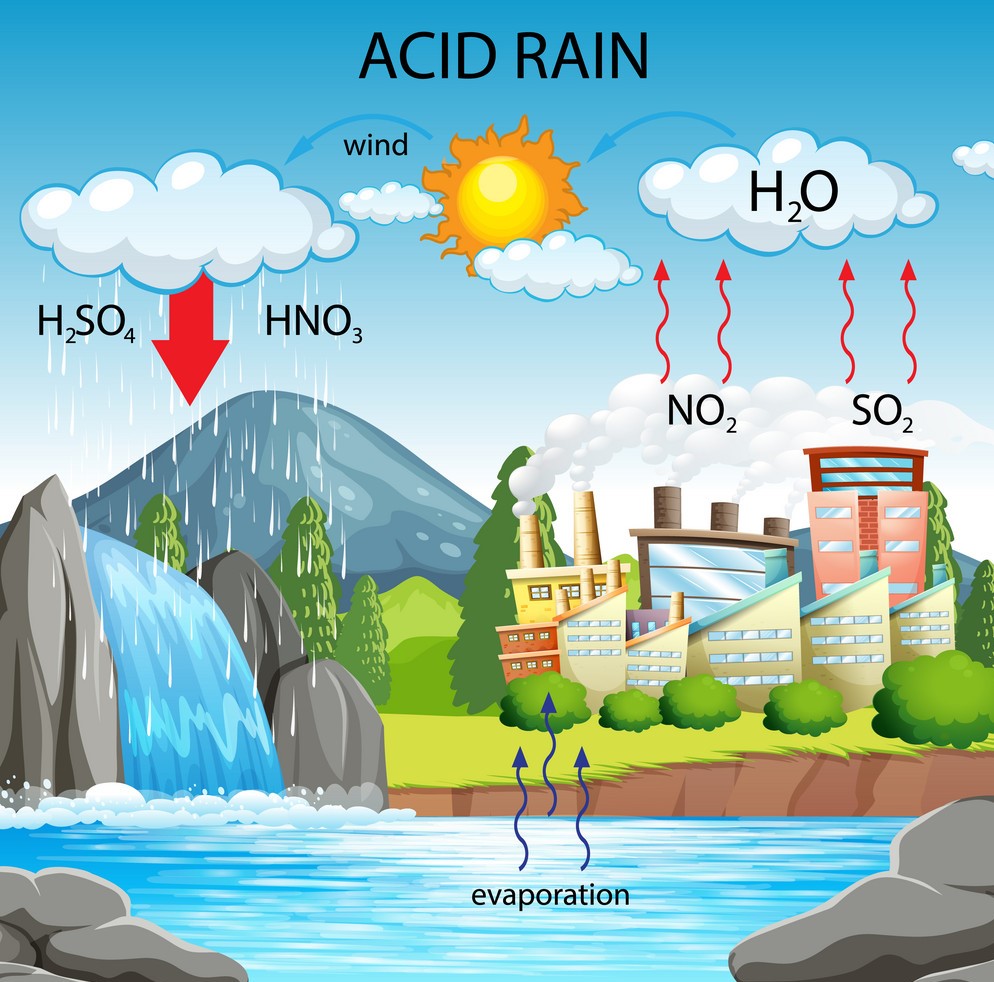
    In 1963, Scientists studying Hubbard Brook Experimental Forest in New Hampshire made a shocking discovery. Their most recent rainfall samples were nearly 100 times more acidic than the usual rainfall samples. At these levels, additional downpours of acid rain would destroy the region’s marine and arboreal ecosystems in a matter of decades. Urgently haring their findings with the fellow researchers, they were determined to answer two questions: What was causing this deadly rainfall? and what could be done to stop it?

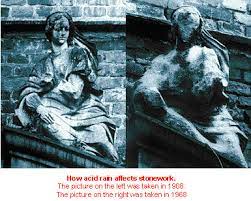
    Rain is never just composed of water. Chemicals and particulates in the atmosphere can be found in every drop, and some compounds like carbon dioxide make even regular rainfall slightly acidic. But this pales in comparison to the powerful acids produced when water interacts with oxides of nitrogen or sulfur dioxide. On the pH scale which measures acidity, each whole number is ten times more acidic than the one above it. And where normal rain has a pH of roughly 5.4, rain that’s interacted with these gases(carbon dioxide, sulfur dioxide or oxides of nitrogen) can rank as low as 3.7. Oxides of nitrogen and sulfur dioxide can appear naturally as a short-lived byproduct of volcanic eruptions or lightening strikes. But power plants, refineries and vehicles that use fossil fuels consistently pump large quantities of these harmful gases into the air. These dangerous gases travel with the wind spreading hundreds of kilometers from the pollution’s source. Acting like roaming clouds of destruction, their presence dramatically increases the acidity of local precipitation, creating acid rain, acid snow and acid fog. These all acidify lakes and streams, kill crops and forests, and damage soil to inhibit future growth on it. Overtime, acid rain can even corrode human structures made up of stone or metal.

    By the 1970s, Scientists in North America and Europe classified acid rain as a major environmental threat. But despite clear evidence tying the problem to air pollution, companies denied responsibility and cast doubt on the research. In the United States, corporations lobbied against regulating pollution, and convinced politicians that such policies would raise energy costs and threaten jobs. These obstacles led the government to delay changes, and mandate further research into the issue. But after a decade of mounting concern, Congress finally took action. Since the bulk of sulfur dioxide emissions came from power plants, the government set a limit on the total amount of it the electric power sector could emit each year. Then, they divided the permitted emissions into a fixed number of “allowances” distributed to each power plant. A plant could then choose to emit as much sulfur dioxide as they were allowed, or reduce their emissions and sell their unused allowances to the other power plants. This system is known as “Cap and Trade”, offered power plants the economic flexibility to keep costs low while strictly limiting pollution.

    Many critics called these allowances licenses to pollute or said the government was selling clean air. But since the Cap was set to lower five years into the program, it forced every utility company to reduce emissions in the long term. Some plants added desulfurizing scrubbers to their smokestacks, or switched to low-sulfur coal and natural gas. Oxides of nitrogen emissions were also reduced with relatively low-cost technologies. These advances allowed the power sector to grow while the cap kept pollution under control.

    What is Intruders ?

    One of the two most publicized threats to security is the intruder (the other is viruses), often referred to as a hacker or cracker. Significant issue for networked systems is unwanted access either via network or local.

    Classification of Intruders

    1. Masquerader : An individual who is not authorized to use the computer and who penetrates a system’s access controls to exploit a legitimate user’s account. The masquerader is likely to be an outsider.
    2. Misfeasor : A legitimate user who accesses data, programs, or resources for which such access is not authorized, or who is authorized for such access but misuses his or her privileges :the misfeasor generally is an insider.
    3. Clandestine user : An individual who seizes supervisory control of the system and uses this control to evade auditing and access controls or to suppress audit collection. User can be either an outsider or an insider.

    Intruders : Intrusion Techniques

    The objective of the intruder is to gain access to a system or to increase the range of privileges accessible on a system. Most initial attacks use system or software vulnerabilities that allow a user to execute code that opens a back door into the system. Typically, a system must maintain a file that associates a password with each authorized user. If such a file is stored with no protection, then it is an easy matter to gain access to it and learn passwords. The password file can be protected in one of two ways:

    1. One-way function : The system stores only the value of a function based on the user’s password. When the user presents a password, the system transforms that password and compares it with the stored value.
    2. Access control : Access to the password file is limited to one or a very few accounts.

    On the basis of a survey of the literature and interviews with a number of password crackers, [ALVA90] reports the following techniques for learning passwords:

    1. Try default passwords used with standard accounts that are shipped with the system. Many administrators do not bother to change these defaults.
    2. Exhaustively try all short passwords (those of one to three characters).
    3. Try words in the system’s online dictionary or a list of likely passwords. Examples of the latter are readily available on hacker bulletin boards.
    4. Collect information about users, such as their full names, the names of their spouse and children, pictures in their office, and books in their office that are related to hobbies.
    5. Try users’ phone numbers, Social Security numbers, and room numbers.
    6. Try all legitimate license plate numbers for this state.
    7. Use a Trojan horse to bypass restrictions on access.

    Intrusion Detection

    Inevitably will have security failures, So need also to detect intrusions so can
     Block if detected quickly
     Act as deterrent
     Collect info to improve security
    Assume intruder will behave differently to a legitimate user, But will have imperfect distinction between.