Tips to stop mobile addiction

Pause to think before picking up your phone

Every time you’re about to unlock your phone, take a moment to think about why you are doing this right now. Because sometimes the reasons for checking your phone are much deeper than you think.

Analyze how you use your phone and set limits

With iOS 12, Apple has introduced the Screen Time feature which shows how much time you spend on your phone, what apps you use the most, and how often do you pick up your device. To see the report, go to Settings > Screen Time. Android users can try digital wellbeing which works similarly.
If particular apps take too much of your time, you can set daily limits for them. When you reach a limit, your iPhone notifies you about it.

Get rid of distracting apps

Sometimes you just can’t resist tapping a colourful icon on the Home screen. This is usually the case for games and social media apps. How can one avoid this temptation? Move all addictive apps to the second page where it’s harder to open them spontaneously. You can also group such apps in folders like Games or Social so they’re always one extra tap away from you.

Minimize notifications

When a new app asks if it can send me notifications, I usually say, ”No.” I only turn on notifications for messaging apps and email. If your app has flexible notification options, it’s a good idea to play around with them.

Keep your phone away

It’s easier to forget about checking your phone when it’s physically out of sight and reaches.

Don’t use your phone before going to bed

Constantly checking your phone throughout the day ruins your productivity, while staring at the screen before bedtime can affect the quality of sleep.

Kick your device out of bed

Don’t let your phone be the last thing you see at night and the first thing you check in the morning. By using a regular alarm clock and charging your phone out of reach, you won’t be tempted to start your day by getting vortexed into an avalanche of messages and updates.

Use speaker

One of the most valuable things about smart speakers such as the Amazon Echo or Google’s Home products is that they help you live a more screen-free life.
Since I got one, I’ve stopped turning on music or podcasts on my phone and will try to answer all basic questions via voice. Generally, using my smart speaker for as many things as possible has kept my smartphone out of my hands for long periods.

The SmartPhone Buying Guide

Smartphones have transformed over the past two decades and they have become an integral part of our lives. They have a wide spectrum of applications; some of them being making calls, clicking pictures, accessing the internet, playing games and the list goes on and on.

Nowadays, we can buy smartphones for as low as INR 5000 and as high as INR 1,00,000 +. India being the second-largest market for smartphones in the world offers a wide range of choices for smartphone users. But then with this sheer number of choices, it often becomes difficult for us to chose which smartphone to pick and almost becomes an exercise involving spending hours on the internet to figure out the features and decide one.

Here’s a list of some essential things you should consider before buying a new smartphone.

BUILD QUALITY

The very first thing which is taken into consideration while buying a smartphone is the build quality. The build quality of a material defines its durability. So better the build quality of the smartphone, the more durable it would be. There are mainly two categorizations in the smartphone industry based on the build quality – metal and plastic.

Nowadays, some phone manufacturers are using glass coverings, but these are very rare. The ones with the metal body are the sturdiest as they can survive a drop from 2-3 feet whereas the survival of the other two body types is limited.

DISPLAY

Display type and quality are yet another important factor when it comes to smartphones. The media experience depends solely on the display quality. Better the display quality, richer the media experience. There are mainly two types of display technology – LCD and AMOLED. The main difference between them being the projection of light. LCD screens are said to offer brighter and better display in direct sunlight whereas the AMOLED display provides sharper contrast and more saturated colors.

CAMERA

In this picture and video-loving world, camera quality is one of the most important aspects of any phone. But most people just focus on the number of megapixels which is not the right criteria to judge a camera. Just having a higher number of megapixels does not ensure a better camera quality. The overall camera quality depends on several other factors apart from megapixels like ISO, aperture, etc. The other features to look out for are the number of Cameras, Aperture Size, hybrid autofocus, optical stabilization, manual modes, special effects, unique selfie feature, and many more. 

PROCESSOR

This is the hub of the device on which the overall performance of a phone like its clock speed, refresh-rate, etc depends. It acts as the brain of a device and is responsible for controlling every function and action call. The processing speed is mentioned in terms of GHz (Giga Hertz). The higher the GHz, the faster would be the processor and thus the overall performance of the phone would also be faster.

BATTERY

It is one of the most important features to consider when deciding on a new phone. We cannot keep our phones connected to the charger or power bank throughout the day. So, it becomes really important to keep the battery capacity in consideration. The battery capacity is denoted in milliampere-hour (mAh) which is the amount of electrical charge a particular battery will hold.

INTERNAL STORAGE

It is the amount of space that is available in your device by default i.e, without any external attachments. The ideal storage space for a smartphone varies depending on the user. Some people prefer to keep lots of data and applications while others don’t. Hence they should accordingly choose the device whose Internal Storage suits their need the best. Although one can always expand the device storage via MicroSD cards.

Can We Live Without Smartphones?

During the past two decades, phones have undergone a rapid transformation. We have witnessed a shift from bulky and less featured basic phones to light and compact smartphones with added functionalities. There has been the addition of several new applications and features which make smarthphones an irreplaceable aspect of our lives.

With this a term called Nomophobia – No Mobile Phobia, came into existence, which is the fear of being without mobile phone. And this modern day phobia is more prominent among the newer generation people who were brought up with this device.

A study was conducted on a group of 76 college students ranging in age from 18 to 22.They were barred from eating for three hours and had no access to their smartphones for two hours. After that, It was found out that the students were more tempted to use their smartphones instead of eating. And that definitely is shocking!

Let’s look out at some of the features which makes smartphones such a vital part of our day to day lives. Probably then we’ll be able to find out whether we can live without smartphones or not. 

The Standout Features Of A Present-Day Smartphone

MAPS


The Navigation feature at times proves to be one of the most useful features of a smartphone. No matter where you are stuck, your smartphone will be able to guide you to your destination or your home. 

SOCIAL MEDIA

The present generation has become a lot obsessed with social media/social connectivity apps like Whatsapp, Instagram, Facebook etc. People thrive on social media and it is just as important to them as food, water and shelter. Striving for the social acceptance of others, social media apps let you connect with your friends and their friends as well.

CAMERA

Social Media is incomplete without the camera thing. Had cameras not come into existence there would have been no way you could update the world about what you are doing via pictures. While some people prefer clicking pictures of people (which mostly include selfies), others prefer to try and capture the beauty in nature or everyday objects.

ONLINE SHOPPING

This is yet another popular utility of smartphones. It is lot comfortable for people to use their smartphones to shop for things and get them delivered at their doorsteps instead of going into stalls and shops to buy goods and ask for services to be rendered.

ENTERTAINMENT APPS

Smartphones are quite often used for entertainment purposes like playing games , listening to music, watching movies or web series etc.

However the people have become a lot dependent on smartphones, and sometimes the passion for smartphones leads to addiction. According to a recent study conducted in UK it was found that 77% of the 18-24 age group people felt uncomfortable after being separated from their phones even for few minutes.

There are various diverse symptoms of smartphone addiction, few of them being the feeling of being left out or cutt-off or feeling stressed or incomplete without smartphones. People develop a compulsion to check for notifications,messages etc. They start using their phones at inappropriate places and even sleep with thier smartphone. Seeing all this, it seems that nowadays we cannot live without smartphones.

So, Can We Live Without Smartphones?

Well the answer to this is Yes, We can! Even before the smartphones came into existence people used to spend their lives quite happily. And now when they have come into existence, it wouldn’t be right to completely barr oneself from it and not benefit from the utilities and features that they offer.

So instead of asking whether we can live with or without smartphones, we should probably focus on how to live with it.

Certainly there are some people who might develop addiction towards smartphone usage but the best way to curb that is not the complete avoidance of this useful technology. Instead we should figure out ways to efficiently use this technology when we want to, and not the opposite. Disabling unwanted notifications and setting a limit on not so productive applications like social media would be of great help.

Applications of Artificial Intelligence-II

In part-I, we have discussed the meaning, scope, stages of AI, few applications, and benefits/uses of AI in society. in this article, we are going to see about the transportation and medical applications of AI.

AI in Social Problems:

Litterati

It is a crowdsourced litter clean-up app and a global database for litter. Identifies litter type, distribution, and location and helps to find more sustainable solutions.  

In 2017, 1.1 billion cigarettes were found all over the world.

AI in Road Transportation:

Road transport is a major sector where AI can be applied more prominently. AI can make transportation modes much safer, cleaner, smarter, and more efficient. 

Self-driving cars

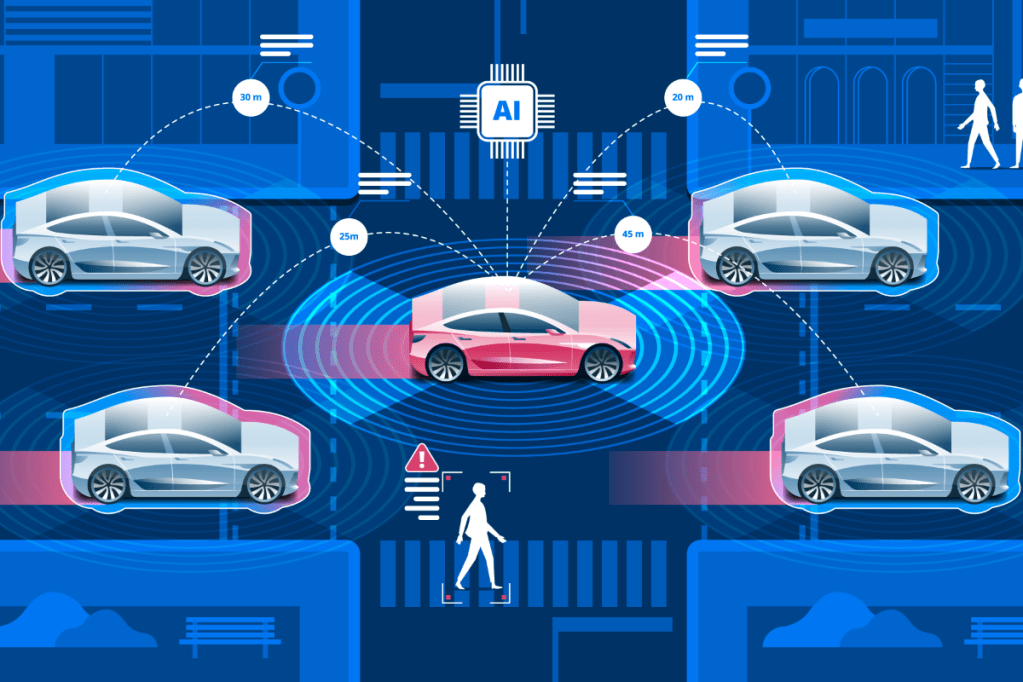
Self-driving cars are a combination of sensors, cameras, radar, and AI technologies like machine learning and neural networks. Developers use a large amount of data from image recognition systems. Neural networks identify the pattern in data i.e., images from the cameras and sensors. It identifies the traffic signs and signals, boundaries, trees, pedestrian walks..etc.

One such technology developed by Google is Google Waymo Vehicle

Google Waymo Vehicle

It is an example of self-driven cars. It is almost an autonomous vehicle but still needs a human to perform certain functionalities but can drive in ideal conditions. 

Levels of Autonomous Cars

LEVEL 0: No Advanced Driver Assistant System(ADAS) is used. The human driver should drive.

LEVEL 1: ADAS assists the driver by its alert systems by its rear-view cameras, but the driver should take care of the steering, brakes, and acceleration

LEVEL 2: Human presence is important even though ADAS will take care of the steering, brakes, or acceleration.

LEVEL 3: ADAS can take driving tasks and parking can be performed under certain conditions. But still, human is the main driver here and need to take care of the circumstances.

LEVEL 4: The driver need not pay much attention as ADAS can take over the driving.

LEVEL 5: No human help is required. ADAS can drive the vehicle under any circumstances.

Truck platooning

Truck platooning is also an example of Artificial intelligence. It is a heavy coupling of trucks. The first truck is occupied by the human driver and the rest are fully automated. They maintain a minimal distance between them and accelerates at the same rates. It might be a risk during traffic and unexpected accidents might occur. In the future, the risk factor is expected to be less.

AI in Medical Sector:

AI helps health professionals to diagnose the patient faster and more accurately. 

AI is developing innovative drugs and treatments by reducing medical and diagnosis errors by predicting adverse reactions. Lowers the cost of healthcare work providers and patients.

Problems at the healthcare centers

Due to more number of patients, general practitioners and primary care surgeons are over-burdened because of which there are extremely long waiting at the hospitals.

Solution  

Your.MD

Your.MD aka Healthily is the world’s first AI-based health assistant which provides personalized advice about their medical complaints. This app records the symptoms and, maps them with the clinical data compiled from public sources. Engages about thirty doctors to research illness.

Research

It creates a pre-primary care market and eases the burden of medical staff and helps improve their work through digital screening of non-accurate conditions.

Google Launchpad Studio

Creates an ecosystem of applied Machine Learning startups and focuses on healthcare.

BYTEFLIES is the first company to use this studio.

Supervises Learning for Telemedicine 

Technology can be used for good and bad so there is a need to be vigilant. The latest technologies are typically applied to the wealthy. 

But,

“AI has the potential to extend knowledge and understanding to a broader population. Image-based AI diagnoses of medical conditions could allow for a more comprehensive deployment of the telemedicine”. 

Google deep mind

Google deep mind can diagnose diabetic retinopathy like a highly trained ophthalmologist via telemedicine.

‘BETTER DIAGNOSE WITH LESS HUMAN EFFORT’

It uses a portable fundus camera which is deployed in the screening site and transmits images securely to the cloud software platform for analysis and automatically generates a report which facilitates compliance with follow-up examinations.

credits to the right owners of the images used.

Right to repair

Right to repair is a proposed legislation/movement that allows consumers the ability to modify and repair their own electronic devices.  

Planned obsolescence is the practice when goods are manufactured with a pre-determined expiry date aimed at forcing consumers into repeat purchases. The term was first termed in the 1950s by American industrial designer Brooks Stevens. This practice was introduced in the advent of mass-produced manufacturing at the start of the 20th century. But the practice was not as severe and prevalent as it is in recent years. One of the recent changes in the product design has been to make the goods very hard for end consumers to repair.

For instance smartphones, a couple of years back had a user-replaceable battery but with more features crammed into the chassis of a phone. Manufacturers have not only made it unnecessarily difficult to replace the battery but also to even open the panels of smartphones. With the recent MacBook Pro releases, Apple has soldered the SSD (Solid State Drive) on the motherboard. The reasoning for justifying the soldering by Apple is better reliability and the thinness of the laptops. But there is also another aspect. Apple’s business model is about selling laptops and not upgrading the systems. Upgrading an SSD can be a potential loss for them and to counter that Apple might have decided to make the laptop non-upgradable. The problem is that even SSDs are definitely much more reliable than mechanical hard disks but SSDs still fail and combining them with the motherboard means that if one of the two fails, the whole system fails. This also makes it much more difficult for end-user to repair their laptop. It also becomes a problem for the third-party repair business to access the repairing of these devices. This is just one of the instances of how access to repair is being restricted by the manufacturers but various companies are attempting to follow similar practices with varying degrees.          

With the introduction of newer and sophisticated technological components in electronic devices, it has become much more complicated to operate these modern devices. To reduce the access to repair these devices, manufacturers state that repairing the devices might violate their “Proprietary” rights. These repair limitations are a critical problem for not just the first owners but also for the second-hand/ used market. Due to proprietary information and diagnostics tools while evaluating a device. It has become difficult for third parties and end-user to even attempt the repair their own devices that they own. It took Apple the lawsuit to introduce the battery replacement program after the fiasco of the performance throttling issue on older iPhones. It clearly indicates that companies do not like it when consumers try to fix their products and companies deliberately try to reduce the user experience of older devices so that they can sell the newer models to maximize profits. With a monopoly on repair manufacturer’s intent is to lock down the user to the official service centers which can be significantly expensive than third-party service shops.

The right to repair movement intends to enact power into the consumer’s hands for the devices that they own. This means that consumers can open and modify everything they own. Also to root, unlock or jailbreak the software in their devices.

References:

Best Companies From Which You Can Buy Your Perfect Smartphone

Smartphones have become so central to our daily lives that the difference between a good smartphone that just works and a bad one with lots of bugs, can make or break the whole experience for you. While most smartphones have something good to offer, the best phones offer the right balance between the hardware and software, offering lots of computing power and effortless usability. There are a number of good phones in the market, but our list of best mobile phones talks about the top 10 mobiles that can do just about anything. From playing a graphics-heavy game to watching a movie in HDR quality to editing a spreadsheet or making a video, this list is compiled of the best phone in India. The best smartphones are all-rounders in every sense. In the list are top 10 phone, that are devices powered by Apple’s iOS and Google’s Android operating system, with most flagships running on the latest Android 10. These smartphones take sharp, detailed photos, heavy multi-tasking and a host of features that define cutting edge in mobile technology. 

1.Xiaomi Mi 11 Ultra:

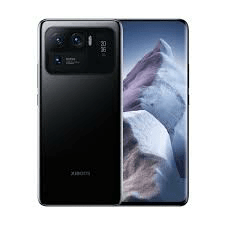
The Xiaomi Mi 11 Ultra measures 8.4 millimetres in thickness and weighs 234 grams. It is also IP68 certified which makes it resistant to dust and water ingress for 1.5 metres for upto 30 minutes. It has a slightly raised island camera module on the back that houses the triple cameras along with a bunch of sensors and a secondary mini display. The Mi 11 Ultra features a 6.81-inch QHD+ (3200×1440 pixels) resolution AMOLED 3D curved display. The display supports upto a 120Hz refresh rate and has a punch-hole notch cutout for the selfie camera. It is capable of producing upto 1 Billion colours and is HDR10+ certified along with Dolby Vision support. The Xiaomi Mi 11 Ultra is powered by the Qualcomm Snapdragon 888 processor that is built on a 5nm manufacturing process with an octa-core CPU that has a prime core running at upto 2.84GHz, three performance cores running at upto 2.42GHz and four power-efficient cores clocked at upto 1.80GHz. This is paired with Adreno 660 GPU that is responsible for handling the graphics duties on the phone along with 12GB RAM and upto 256GB UFS 3.1 storage. The Xiaomi Mi 11 Ultra is equipped with a 5,000mAh battery that supports 67W fast wired and wireless charging.

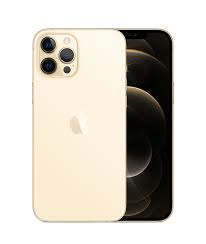
2. Apple’s iPhone 12 Pro Max:

Apple’s iPhone 12 Pro Max is one of the best mobile phones in India right now. It promises fast performance and a massive display. There’s also a fast processor and a very good camera set-up to complete the package. Talking about the specifications of the device, the iPhone 12 Pro Max features a big 6.7-inch OLED display. Under the hood, it is powered by the company’s new A14 Bionic chipset which promises improved overall performance and faster machine learning with its next-generation Neural Engine. The A14 Bionic adds impressive gains to the iPhone 12 Pro Max when compared to the performance of iPhone 11 series. The chipset helps ensure that the new iPhone offers better performance per core for single as well as multi-threaded applications. The iPhone 12 Pro Max gets a better triple camera set-up with 12-megapixel F1.6 primary camera, a 12-megapixel telephoto camera, and a 12-megapixel ultrawide camera along with a LiDAR sensor. The iPhone 12 Pro Max also gets some extra features to improve photography performance on the device.

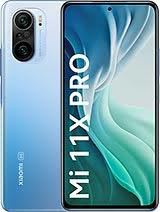
3. Xiaomi Mi 11X Pro:

Xiaomi Mi 11X Pro is an upper mid-range flagship that is powered by the Qualcomm Snapdragon 888 processor and features a 6.67-inch Full HD+ AMOLED display. The phone offers high end specs and features, including support for 120Hz refresh rate. The Mi 11X Pro has a premium build and the screen is topped with a layer of Gorilla Glass 5. It has triple cameras on the back with 108MP primary camera, 8MP ultra-wide-angle camera and 5MP macro camera. On the front, there is a 20MP selfie camera. The phone comes equipped with a 4,520mAh battery that supports 33W fast charging out-of-the-box which can fully charge the phone in 52 minutes.

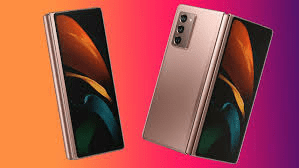
4. Galaxy Z Fold 2:

The Galaxy Z Fold 2 comes with two displays, with the inner screen housing a punch-hole selfie camera. The outer display is big, and covers almost the entire area of the front of the phone, instead of just a part of it as we saw on the original Galaxy Fold. The panel here is 6.23-inches in size capable of HD+ resolution. This panel sports a 25:9 aspect ratio. The panel also uses a punch-hole instead of a notch on the Galaxy Z Fold. In terms of cameras, the phone brings three lenses with the primary being a 12-megapixel lens paired to another 12-megapixel Super Dual Pixel lens. The third lens in the set-up is a 12-megapixel telephoto lens. The front camera on the phone is a 10-megapixel lens for clicking pictures. For hardware, Samsung’s latest Qualcomm Snapdragon 865+ chipset. This has been paired to 12GB LPDDR5 RAM and 256GB of UFS storage. As for the battery, Samsung has equipped the phone with a 4500mAh battery. The phone also supports wireless charging, reverse wireless charging, and 25W wired charging.

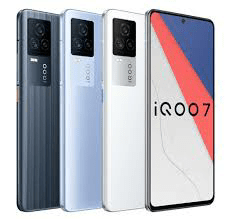
5. iQOO 7 Legend:

The iQOO 7 Legend is powered by the top-of-the-line Qualcomm Snapdragon 888 processor and features a 6.62-inch Full HD+ display that supports upto 120Hz refresh rate. The iQOO 7 Legend has a 48MP primary camera followed by a 13MP telephoto camera and a 13MP ultra-wide-angle camera. There is a 16MP selfie camera on the front for selfies. The phone has stereo speakers, in display fingerprint recognition and is equipped with a 4,000mAh battery that supports 66W fast charging out-of-the-box.

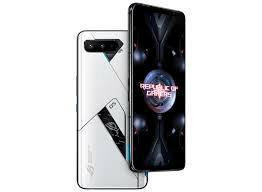
6. ASUS ROG Phone 5:

The ROG Phone 5 series has minimal bezels on the top and bottom and is slightly longer than the previous generation. The ROG Phone 5 has a metal-glass construction measuring 10.29 millimetres in thickness and weighs 238 grams. Asus ROG Phone 5 features 6.78-inch Full HD+ (2448 x 1080 pixels) resolution display that uses an AMOLED panel sourced from Samsung. The screen supports up to 144Hz refresh rate, 300Hz touch sampling rate and offers upto 1200nits brightness. The Asus ROG Phone 5 series is powered by the Qualcomm Snapdragon 888 processor with an octa-core CPU running at upto 2.84GHz with Adreno 660 GPU. It runs on Android 11 based ROG UI out-of-the-box. The ROG Phone 5 series has triple cameras on the back headlined by a 64MP primary camera based on an IMX686 sensor with an f/1.8 aperture, a 13MP ultra-wide-angle camera with 125-degree field-of-view and a 5MP macro camera.

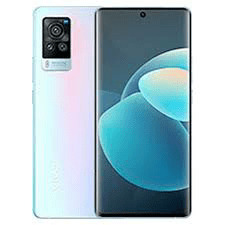
7. Vivo X60 Pro:

The Vivo X60 Pro features a 6.56-inch Full HD+ (2376×1080 pixels) resolution AMOLED display with a punch-hole notch cutout. The X60 Pro has a slightly curved display. The display on the device is a 120Hz refresh rate panel and is certified for HDR10+ playback. Additionally, it is topped with Schott Xensation Up cover glass and has an in-display fingerprint reader. The Vivo X60 Pro brings a 48MP primary camera with an f/1.5 aperture, 13MP telephoto camera with 2X optical zoom and 13MP ultra-wide-angle camera with 120-degree field-of-view. The X60 Pro has a second-generation gimbal stabilization system. The rear cameras can record in 4K UHD at upto 60FPS and there’s a 32MP selfie camera on the front. The X60 Pro has a 4,200mAh battery and supports 33W fast charging out-of-the-box.

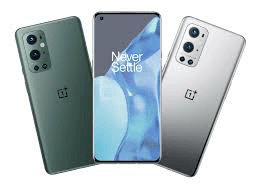
8. OnePlus 9 Pro:

The OnePlus 9 Pro brings with it an aluminium-glass build that measures 8.7 millimetres in thickness and weighs 197 grams. It is also IP68 rated making it resistant to dust and water ingress. OnePlus 9 Pro features a 6.7-inch QHD+ (3216×1440 pixels) resolution AMOLED curved display with LTPO backplane technology and supports a 120Hz refresh rate. The LTPO technology allows the OnePlus 9 Pro to consume lesser power and gives dynamic refresh rate control ranging from as low as 1Hz to 120Hz. Like the OnePlus 9, the 9 Pro is also powered by the Qualcomm Snapdragon 888 processor and is paired with upto 12GB LPDDR5 RAM and upto 256GB UFS 3.1 storage options to choose from. The OnePlus 9 Pro has quad cameras on the back headlined by a primary 48MP camera with a Sony IMX789 sensor that has an f/1.8 aperture and supports EIS. The 50MP ultra-wide-angle camera and a 2MP monochrome camera is the same as the standard OnePlus 9. The OnePlus 9 Pro has the same 4,500mAh battery as the OnePlus 9 with Warp Charge 65T support but it also offers Warp Charge 50 fast wireless charging support.

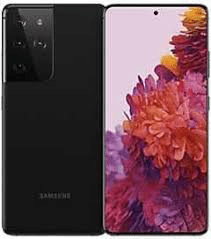
9. Samsung Galaxy S21 Ultra:

The Samsung Galaxy S21 Ultra is as premium as premium gets. It is also a very good phone to use. This is because it brings with itself a 6.8-inch QHD+ AMOLED panel which features a 3200×1440 resolution and a pixel density of 551ppi. The panel also gets support for 120Hz refresh rate for improving the experience while playing games. The device comes with a single front camera and is HDR10+ certified. The screen also has an ultrasonic in-display fingerprint sensor. The hardware on-board the Samsung Galaxy S21 Ultra is the Exynos 2100 chipset which has been paired with 12GB RAM and 256GB of storage. For cameras, the Galaxy S21 Ultra comes with a 108 MP primary camera sensor with Phase Detection Auto Focus and optical image stabilisation (OIS). This is paired by a 12MP (F/2.2) ultra-wide-angle sensor with dual-pixel autofocus, and a 120-degree field of view. The phone is powered by a big 5,000mAh battery with support for 25W wired fast charging, 15W wireless charging and 4.5W reverse charging.

10. Xiaomi Mi 10:

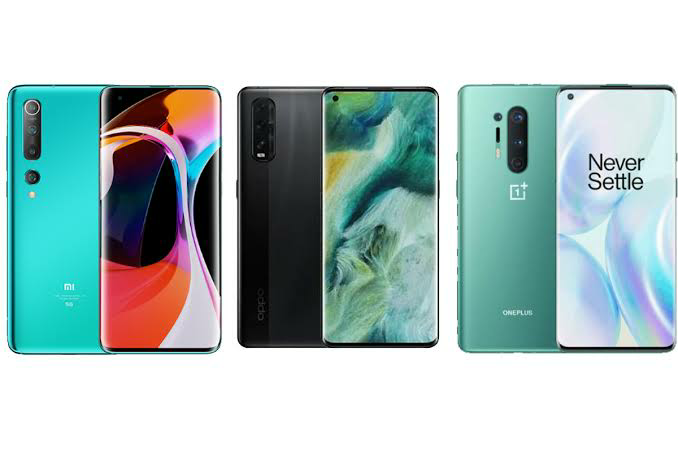
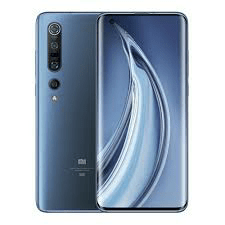
Xiaomi Mi 10 comes with a premium finish that is complemented by an aluminium chassis. The phone measures 9 millimetres at it’s thickest point and weighs 208 grams. It features a 6.67-inch Full HD+ (2340 x 1080 pixels) resolution display that uses a Super AMOLED panel topped with Gorilla Glass 5. The screen supports 90Hz high refresh rate that ensures a smooth experience and is certified for HDR10+ playback. It has a punch-hole cutout in the top-left corner for the selfie camera that gives the display a 19.5:9 aspect ratio. The display is also home to an optical fingerprint reader. The Mi 10 is powered by the Qualcomm Snapdragon 865 chipset with 5G support and an octa-core CPU that is paired with Adreno 650 GPU, 8GB RAM and upto 256GB UFS 3.0 storage options to choose from. It runs on the latest version of MIUI 11 which is based on Android 10. The Mi 10 is fitted with a 4,780mAh battery that supports 30W fast charging, both wired and wireless. It also supports 5W reverse wireless charging out-of-the-box.

MOST LOW-PRICE & AFFORDABLE INTERNET IN THE WORLD

Internet has become the most essential virtual commodity due to the Global Pandemic 2020. Its demand has reached a peak now more than ever. It has been declared as the basic necessity along with Food, Clothing, Shelter and Education.

In most Countries, schools and colleges are functioning through digitalized classrooms which require high speed data. 75% of office goers are working from home and the servers that connects the employers to the employees is kept alive on internet connections.

How can everybody afford the Internet? A recent report by Visual Capitalist reveals how much 1GB of mobile data costs in every country. Let’s have a look at what it costs to stay virtually connected in many Countries of the World:


1) India:

The Visual Capitalist report states that India has the most-affordable mobile data plans worldwide. India offers 1GB mobile data for just under Rs. 7, which is the cheapest in the world.

 Why is data so cheap in India? A significant factor is the country’s intense market competition, driven by Reliance Jio—a telecom company owned by Reliance Industries, one of the largest conglomerates in India. Reliance Jio launched in 2016, offering customers free trial periods and plans for less than a $1 a month. This forced other providers to drop their pricing, driving down the overall cost of data in the region.


2)  Sri Lanka:

Mobile internet in India’s southern neighbouring country, Sri Lanka, costs roughly Rs 38 per 1GB data. Some of the biggest Telcos in the country are Dialog, Airtel Lanka, SLT Mobitel, etc.


3)  Russian Federation:

1GB of mobile data plan in Russia costs roughly Rs 39. This makes Russia the ninth most-affordable country for cheap mobile data plans. Some of the biggest telecoms in the country, which is the fourth biggest smartphone market, are Mobile TeleSystems (MTS), Beeline, MegaFon, etc.


4)  Vietnam:

Mobile Internet in Vietnam costs roughly Rs 43, which according to the latest data, ranks 10th in the list of countries that offer the most affordable 1GB data plan. The biggest telecom operators in the Asian country are Viettel, MobiFone, Vinaphone.


5)  Italy:

Italy ranks fourth in the list of countries that offer the most affordable data plans worldwide. In Italy, 1GB of mobile data Rs.32.


6)  Israel:

 1GB of mobile data in Israel costs roughly Rs 8, making it the second most-affordable nation for internet usage.


7)  Ukraine:

Ukraine shares a similar per GB mobile data tariff cost as Kazakhstan, where 1GB mobile data costs Rs 34.


8)  Somalia:

1GB mobile data in Somalia costs roughly Rs 38, slightly cheaper than Sri Lanka’s per GB cost. The biggest telecom operators in the African country are Hormuud, Telecom Somalia, etc.


There has been a significant surge in the number of internet users over the last few years, which has led to telecom service providers competing against each other and lure consumers with the most value-for-money packs. the internet in India is quite affordable if you compare it with the rest of the world.