

Are you a music lover too? Check out these five amazing budget headphones.
- Sony MDR-XB550AP Wired Extra Bass On-Ear Headphones.
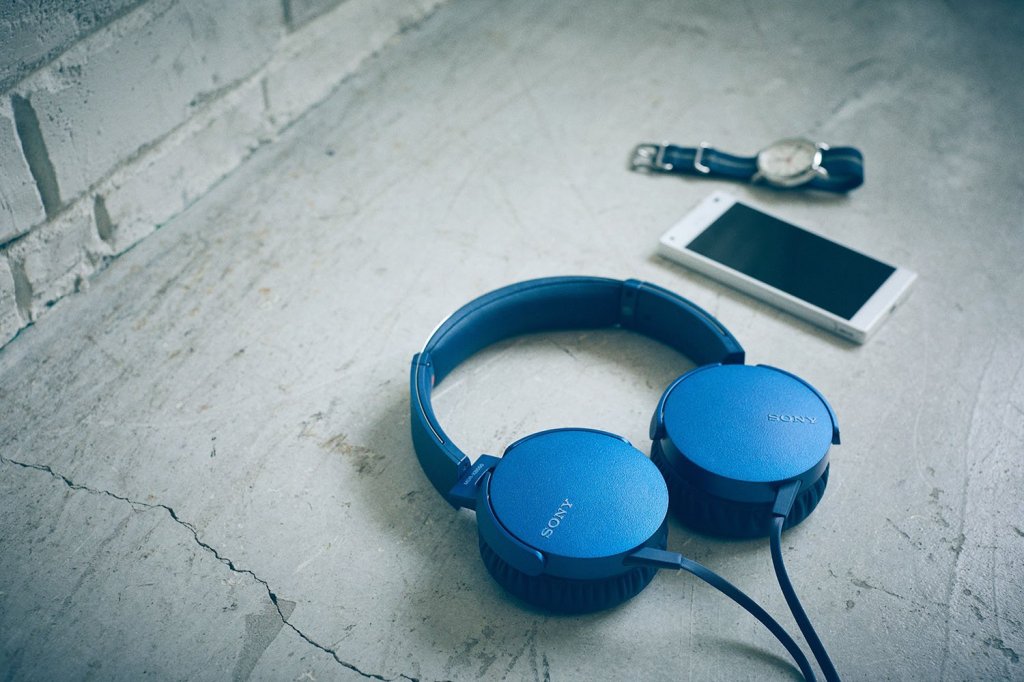
Sony has been producing audio equipment for many years and is capable of producing high-quality portable headphones that seldom disappoint clients.
The Sony MDR-XB550AP is a small and light speaker that weighs only 190 grammes. Sharp colours were chosen by Sony to give these headphones an edgy look. When it comes to wired headphones, you won’t have to worry about audio compression or battery life.
Red, Black, and Blue are the three colours available for the headphones.
The headphones’ finer features will leave you speechless. You’ll note that the earcups have a rough surface and are somewhat marbled.
The wire on these headphones is quite durable. When you store it in your bag, it will retain its shape and will not tangle.
Key specification:
- In-line mic for hands-free calling
- Tangle-free flat serration cord
- Portable and revolving folding design
- Matte finish
- Cord-length – 1.2 meter.
- Sensitivity – 102dB, Frequency Response – 5Hz-22,000Hz, Impedance – 24 ohm.
- Cushioned ear pads
- 30mm dynamic driver unit
- 1-year warranty.
Pros
- The earcups are quite soft and plush and allow you to wear for a long duration sans any discomfort
- The headphones work in conjunction with all other sounds.
- Good Bass if you’re looking for extra bass.
- The headphones sound quite precise, controlled, and tight thus leaving you engaged and impressed
- You can also attend a call without any hassle
- Offers you an incredibly great value
- The headphones offer great durability
Cons
- Not extremely loud.
- Headphone foams can get soiled after a year or two (replaceable).
- Active noise cancellation is missing
2. JBL Tune 500 Powerful Bass On-Ear Headphones
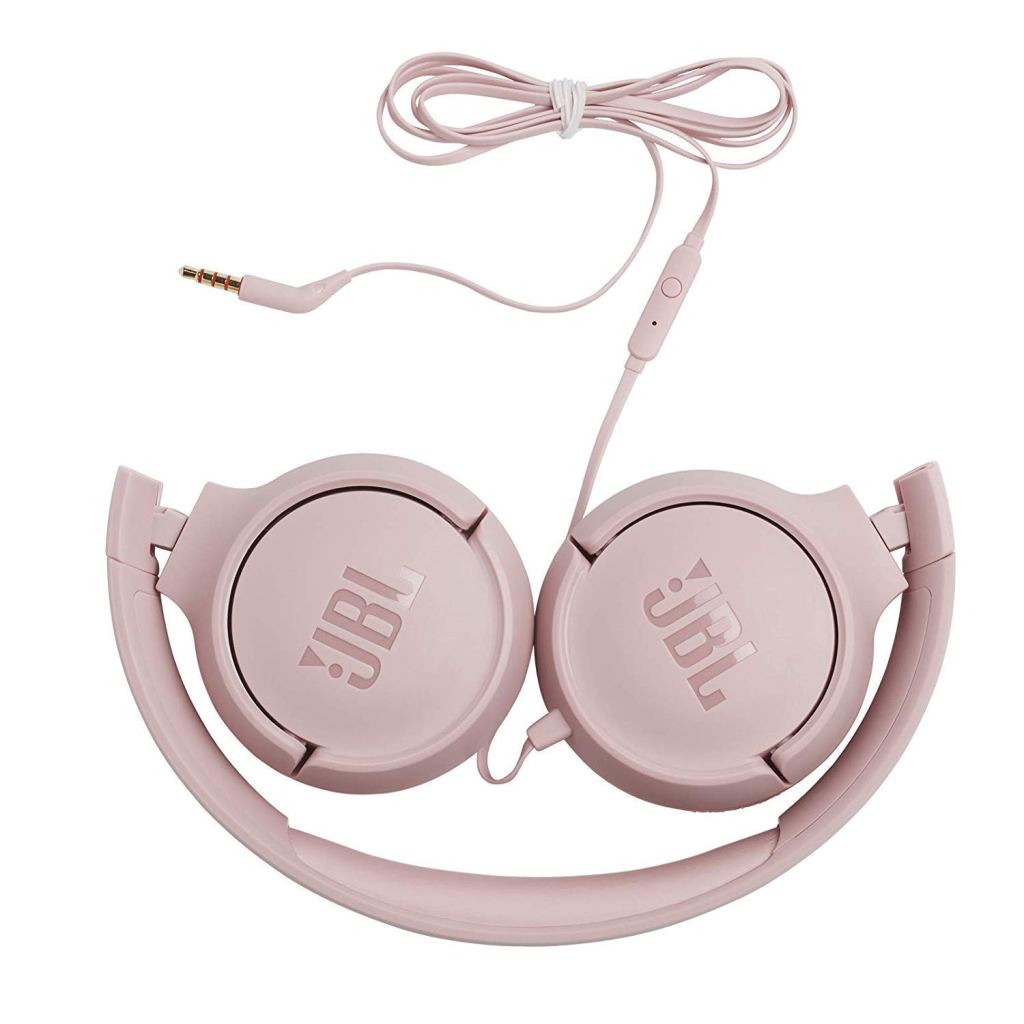
If you’re looking for a pair of headphones that won’t break the bank, the JBL Tune 500 is a good option. Also, if you enjoy listening to contemporary music, you will be completely happy with these.
The JBL Tune 500 has a foldable and lightweight design. You’ll have the choice of purchasing the headphones in one of four beautiful hues. While travelling, the strong and flat cable can efficiently maintain the cable tangle-free.
The concept for travelling, listening to music, and playing games while on the go.
Key specification
- Quick launch access to Google Assistant and Siri
- 12 months manufacturing warranty
- Compatible with Android and IOS mobile, tablet, laptop, and audio player
- It weighs 150g
- One button remote/mic
- Tangle-free flat cable
- Requires a Li-ion battery
Pros
- You will get good cushioning on the headband and it sits quite firm against ears.
- The button lets you play/pause, skip tracks, and answer the phone calls
- The terminations of the headphones appear to be well-insulated
- The small yet foldable design of the on-ear cans make them quite portable
- The frequency range of the headphones is 20-20,000 Hz
Cons
- May not excite bass heads and audiophiles looking for studio-grade audio.
- Overall a good mix of sound and ergonomics – not excel in any field.
The headphones allow you to enjoy clear audio for music, calls, and games. When you buy the headphones, you are assured of a trustworthy headset for daily chores that may include video calls with family members and friends.
3. Boat BassHeads 900 Wired Headphone with Mic
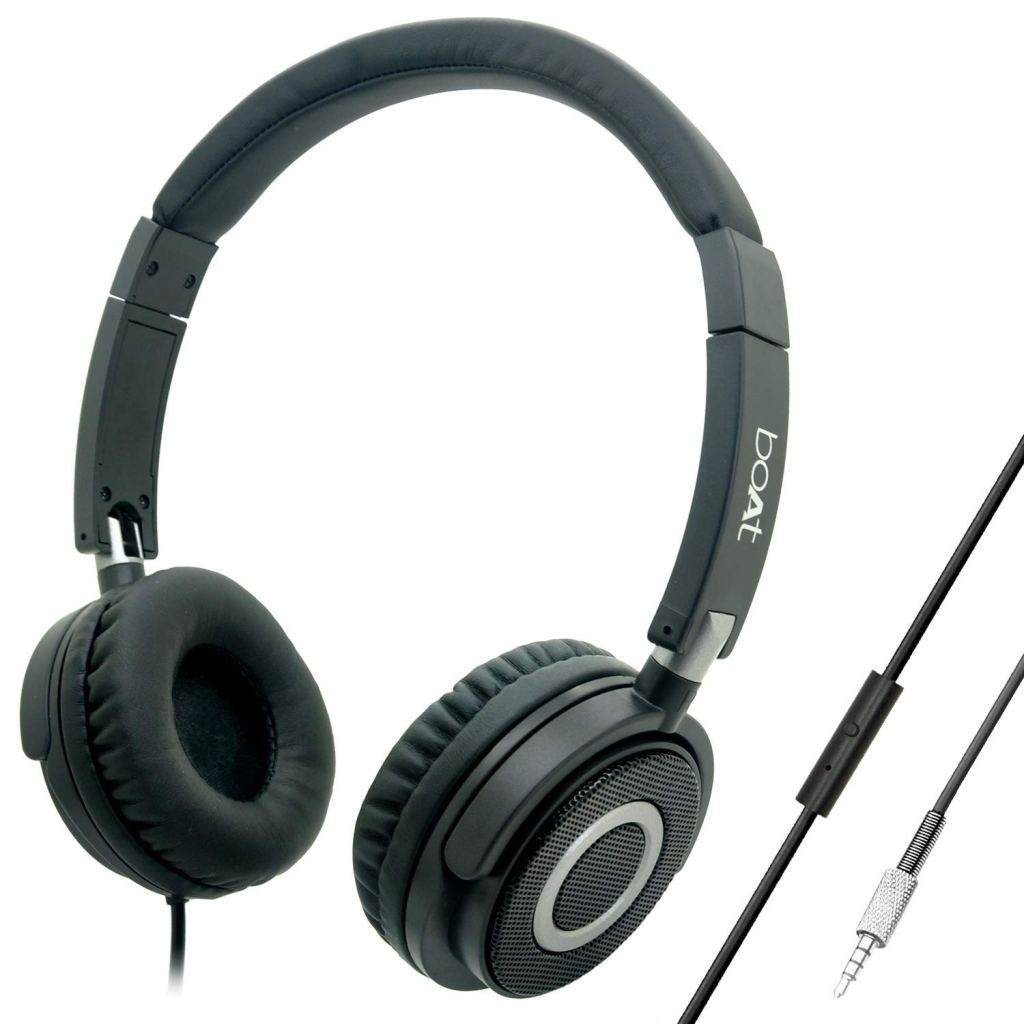
The headphones’ super extra bass allows you to experience a shockingly strong and dramatic bass at an inexpensive price.
The sound stage will be more grounded, and the frequency response will range from 20 to 20,000 Hz. The headphones’ sleek and small form makes them extremely portable.
Furthermore, the on-ear headphones with rotating ear cups offer a flexible fit and a pleasant fit for all users.
Key specifications
- Designed for all 3.5mm supported device
- On the ear
- 12 months warranty
- In-line microphone
- Tangled-resistant cable
- 40mm Neodymium drivers
- Weighs 150 g
Pros
- Offers flexible wearing and comfortable fit for all users
- The headphones are available in sleek, compact, and lightweight design.
- The travel-friendly headphones are easy to store.
- The price is quite affordable.
- The padding in the device helps in blocking external noise.
Cons
Average comfort and they don’t sound very natural and miss on lows and highs.
4. Sony MDR-ZX110AP Wired On-Ear Headphones
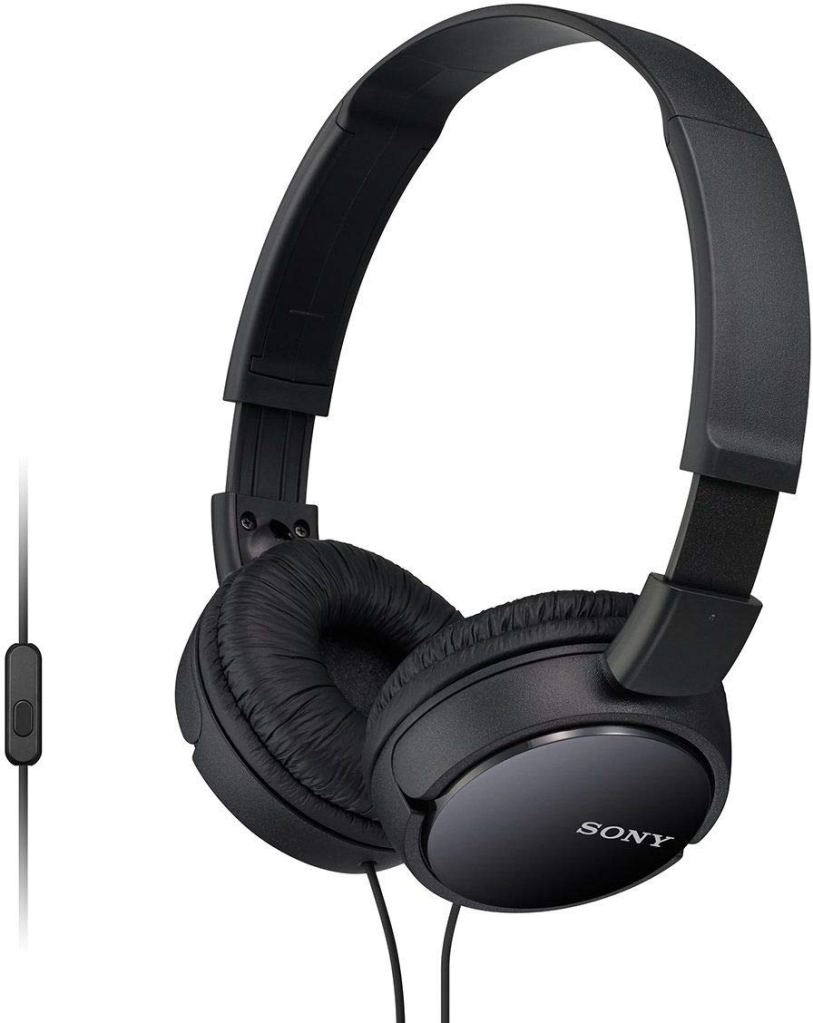
The Sony MDR-ZX110 wired headphones have 30 mm dynamic drivers for incredible sound. The cushioned earpads provide a lengthy period of pleasant use.
Almost all soundtracks feel sharp and rhythmic through the headphones. These headphones have a well-balanced sound with no excessive bass or treble.
These also have a wide frequency range of 12Hz to 22KHz, allowing for a more immersive listening experience. On some of the most basic TWS headsets, you can hear the small beats that you might miss.
The enfolding shape prevents you from being distracted when listening to music or making phone calls.
Key specification:
- 30 mm dynamic driver unit
- On-ear headband
- Cushioned Earpads
- In-line microphone and controls
- Tangle-free cord
- Portable and Swivel folding design
- Weight – 120 grams
- Frequency Response – 12 Hz-22 kHz
- Impedance – 24 ohm
- 3.5 mm jack
Pros
- Good sound clarity
- Soft and comfortable cushions
- Handy and lightweight
- Durable
Cons
- Missing active noise cancellation
- Cable is fragile.
5. Sony MDR- XB 450AP (Bass King)
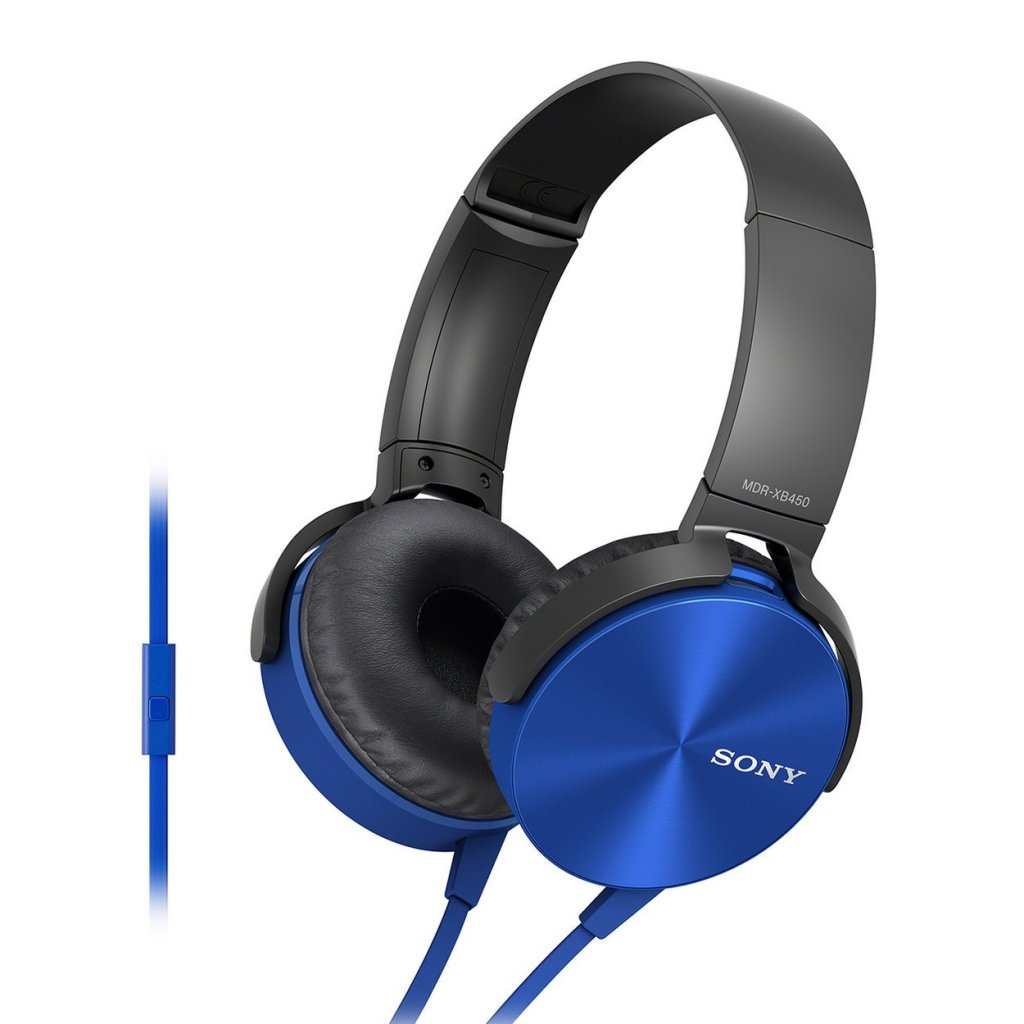
The headphones were created with electronic dance music fans in mind. Deep bass notes are made possible with Extra Bass technology.
Furthermore, it has the ability to efficiently enhance low-end frequencies, providing you with a memorable experience. The swivel design in the housing allows you to store your headphones flat, making them ideal for travel.
Key specifications
- Weighs 165 g
- Wired extra bass headphones
- Tangle-free wire
- Frequency response 5 -22000 Hz
- Available in 3 colors
- 30 mm powerful bass
- Wired 3.5 mm single pin
Pros
- The headphones are equipped with cushioned earpads for maximum comfort
- Strong sensitivity for clear and loud sound
- The headphones offer an in-line remote and mic for hands-free calls
- Neodymium dynamic driver help in providing top-quality sound
Cons
- Sound Stage is not as wide as on Sennheiser.


 Eduindex
You must be logged in to post a comment.