How to Find a Trustworthy Team for Your Solar Project

Daily writing prompt
What sacrifices have you made in life?

Switching to solar energy is a significant investment, making it essential to choose the right team for the job. With the growing demand for renewable energy, more homeowners and businesses are turning to the trusted experts among solar power companies in Utah. Partnering with a reliable solar provider guarantees high-quality results, long-term savings, and lasting peace of mind. Here’s a guide to help you make an informed decision.

Photo by Gustavo Fring on Pexels.com

Understand Your Solar Project Needs

Before contacting a solar company, it’s essential to clearly define your needs. Are you installing solar panels for a residential home, a commercial property, or an off-grid site? Knowing the size, scope, and goals of your project will help you identify a team with the right expertise for your installation. When discussing your requirements, be sure to ask potential providers about their experience with similar projects. This will give you a better sense of whether they have the skills and knowledge to meet your specific needs.

Research Solar Power Companies Carefully

Finding the right team starts with thorough research. Focus on companies with a strong reputation in your area and beyond. Customer reviews, industry certifications, and local awards can offer valuable insight into their credibility. Additionally, review their portfolio of completed projects to assess their expertise. A reliable team will showcase a proven track record of successful installations that align with your expectations for quality and scale.

Prioritize Local Expertise

Working with a local solar company offers significant advantages, thanks to their familiarity with the climate, regulations, and available incentives in your area. These experts understand the unique challenges of the local environment, such as snow load requirements and the ideal panel angles for maximum sun exposure. Their in-depth knowledge not only ensures a more efficient and effective solar installation but also helps you take full advantage of state and federal tax incentives, saving you more money in the long run.

Ask About Licensing, Insurance, and Warranties

Choosing licensed and insured solar power companies ensures your protection throughout the installation process. Always verify that the team holds the required state licenses and adequate insurance, safeguarding you from liability in case of accidents. Additionally, inquire about warranties on both equipment and labor. A reliable company stands by its work, offering warranties that demonstrate their commitment to quality and customer satisfaction.

Evaluate Communication and Transparency

Effective communication is essential to the success of any solar project. A reliable team will take the time to address your questions, clearly outline the process, and keep you informed every step of the way. Transparency in pricing, timelines, and expectations demonstrates a commitment to honesty and customer satisfaction. Trustworthy companies also proactively discuss potential challenges and their solutions, ensuring you feel confident and supported throughout the entire journey.

Compare Quotes Thoughtfully

While it might be tempting to select the lowest bid, it’s essential to look beyond the price tag. Take the time to review each quote thoroughly to understand what’s included. Pay attention to factors such as equipment quality, warranty terms, project timelines, and post-installation support. Investing a little more upfront in a reputable team can lead to significant savings down the road by reducing maintenance costs, minimizing repairs, and maximizing energy efficiency.

Look for Comprehensive Services

Many solar power companies go beyond basic installation, offering a comprehensive range of services. Opting for a team that handles design, permitting, installation, and ongoing maintenance ensures seamless support at every stage. A full-service provider simplifies the process, minimizes the chance of miscommunication between contractors, and delivers a smoother, more efficient experience.

Conclusion

Trust your instincts when selecting a team for your solar project. If a company appears rushed, evasive, or overly pushy in its sales tactics, it’s likely not the right fit. A reliable solar partner will prioritize respect, provide clear and thorough answers to your questions, and focus on crafting a solution tailored to your specific needs—not just closing a sale. The sun offers limitless energy potential, and partnering with the right team can transform your solar experience. By choosing a dependable solar company, you protect your investment and ensure your energy goals are met with efficiency and care.

Environmental Studies as a subject in school curriculum

Daily writing prompt
What Olympic sports do you enjoy watching the most?

National Curriculum Framework (School Education) 2023 has strongly recommended the inclusion of environmental education as an inter-disciplinary area of study in the school education. Accordingly, Environmental Education has been an integral component of school education, which is evident from the existing curriculum for school education. Concepts and concerns related to environment have been infused appropriately in different subject disciplines at all stages of school education.

Topics related to Environmental Education in the existing science textbooks for classes VI to XII are provided in the following table:

Sl. No.Class & SubjectName of Chapter
1Curiosity Textbook of Science, Grade 6Diversity in the living world, Nature’s Treasures
2VII ScienceForests: Our Lifeline
3VII ScienceWastewater Story
4VIII ScienceCoal and Petroleum
5VIII ScienceConservation of Plants and Animals
6X ScienceOur Environment
7XII BiologyOrganisms and Populations
8XII BiologyEcosystem
9XII BiologyBiodiversity and Conservation

NCERT has also prepared supplementary materials for students and teachers related to environmental education. Some of the resource materials are provided below:

Sl. No.Title of Resource Material
1Project Books in Environmental Education for Classes VI to X (Hindi, English and Urdu version)
2Water: Every Drop Counts (Activity book for Primary, Upper Primary and Secondary Stages) (Hindi and English)
3Teachers’ Handbook in Environmental Education for the Higher Secondary Sage

The Department of Education in Science and Mathematics (DESM), NCERT organizes National Science Exhibition every year wherein the theme or sub-theme invariably includes environment component. This event provides opportunity to students to provide solutions for environmental problems—present and future in the form of exhibits/ models such as on waste management, conservation of resources, green technologies, etc. The DESM also organizes the Rashtriya Avishkar Saptah every year during which students in middle and secondary stages in different parts of the country participate in the event and perform experiments/ activities on the theme assigned for the year such as testing of water quality, soil quality, conservation of water, tree plantation etc. Such experiments/ activities promote learning-by-doing and at the same time develop environmental awareness amongst students.

 The National Education Policy (NEP) 2020 emphasizes the critical importance of integrating environmental awareness and sustainability principles into school curricula. The Policy aims to sensitize students to environmental / climate change concerns and inculcate among students the values, attitudes, behaviour and skills essential to address environmental challenges, thus preparing them to contribute to a sustainable future.

In alignment with this vision, Eco Clubs serve as a critical platform within schools, providing students with the opportunity to develop practical skills and knowledge for the responsible use of natural resources. Through participation in activities such as optimizing water usage, minimizing waste generation, recycling, and conducting plantation drives, students learn sustainable practices that they can implement both within and beyond the school environment. Eco Clubs empower students to act as environmental ambassadors, extending their impact to their families and communities by promoting sound environmental behaviour, such as reducing single-use plastics, conserving water, and participating in eco-friendly initiatives. Through these engagements, students gain a profound understanding of the shared responsibility to preserve and protect our planet, thereby advancing NEP 2020’s objective of nurturing environmentally conscious citizens for a sustainable India. The activities of Eco Clubs have been integrated with Mission LiFE, leading to their renaming as “Eco Clubs for Mission LiFE.” All the activities of Eco Clubs have been aligned with the seven themes of Mission LiFE (Save Energy, Save Water, Say No to Single Use Plastic, Adopt Sustainable Food Systems, Reduce Waste, Adopt Healthy Lifestyles and Reduce E-waste).

CIL joins hands with IIT, Hyderabad for R&D in clean coal tech

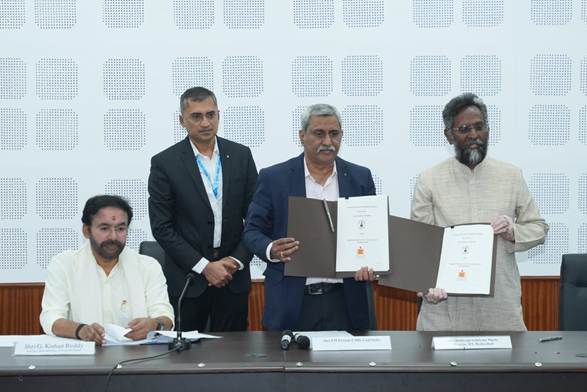
Coal India Limited (CIL) has inked a memorandum of understanding (MoU) with Indian Institute of Technology, Hyderabad (IIT-H), on 7 March, for establishing a Centre of Clean Coal Energy and Net Zero (CLEANZ) at Hyderabad.

The joint initiative between CIL and IITH aims to develop clean coal technologies and diversification in coal utilization. Both the entities will synergize their efforts in developing cutting edge technology readiness level (TRL) for sustainable utilization of Indian coal. This is in line with the country’s Net Zero commitments. The Coal Ministry is also keen in developing research capabilities in coal sector and advised to take up research projects relevant to India’s coal and energy sectors.

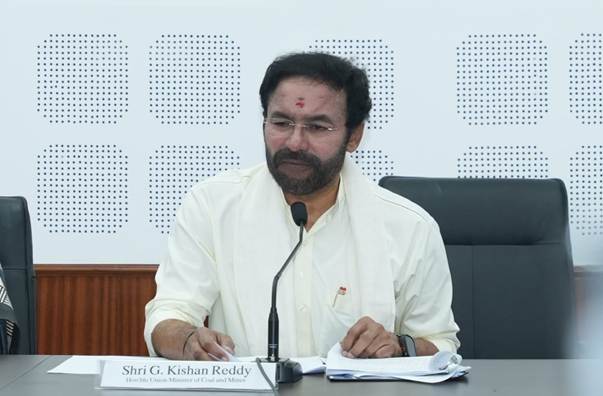
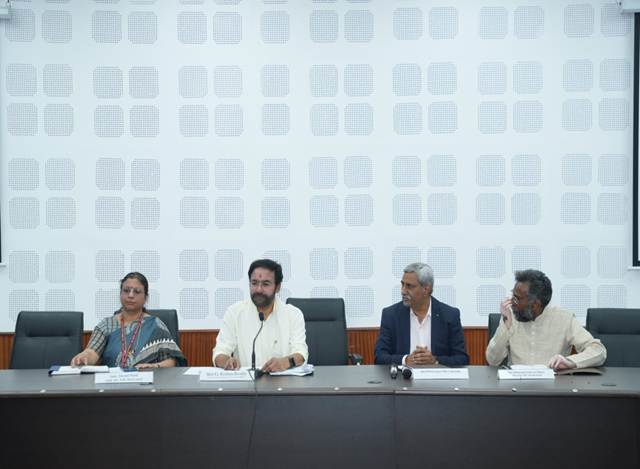
Shri G Kishan Reddy, Union Minister of Coal & Mines was the Chief Guest, and the pact was formally signed in his presence by P M Prasad, Chairman, CIL and Prof. B S Murty, Director, IITH in Hyderabad.

CIL’s management has green flagged a grant of Rs.98 Crores to IITH for a duration of five years for setting up this Centre of Excellence. It is anticipated that the project will be financially self-sustainable beyond the initial five year funding received from CIL.

CIL’s Board earlier in July 2024 has given its nod to focus on providing grants to reputed government institutions and research organizations under R&D expenditure. The objective is to enhance research capabilities and establishment of Centres of Excellence.

The current collaborative model is an R&D endeavour under the umbrella of National Centre for Coal and Energy Research (NaCCER). This is an independent R&D unit of CMPDI, the mine development and consultancy arm of CIL.

CLEANZ envisions net zero utilization with special emphasis on low grade and rejected coal. The thematic areas under CLEANZ are enhanced coal bed methane and coal mine methane recovery, carbon capture technologies, coal gasification and syngas utilization, energy efficiency and conservation, artificial intelligence and machine learning among others.

Other salient features are training and assisting CIL officials in tech adoption, skill and capability enhancement, extraction and beneficiation technologies for critical minerals.

****

UPGRADATION OF AGRICULTURAL TECHNOLOGY

The Government has launched several key schemes to upgrade agricultural technology to improve productivity, sustainability, and farmers’ income. The Digital Agriculture Mission, is a major initiative that leverages technologies like Artificial Intelligence (AI), Big Data, and geospatial data for better crop monitoring, soil management, and weather forecasting. Indian Council of Agricultural Research (ICAR), during the last ten years has developed 2900 varieties out of which, 2661 varieties are tolerant to one or more biotic and/or abiotic stresses. About156 technologies/machines/process protocols were developed for production and post-harvest production of agriculture. Technologies related to animal, Fisheries sector were also developed for enhancing productivity of animal, fisheries, aquaculture, diagnostics & vaccines for animal and fish health management, processing and value addition. For increasing awareness and promotion of newly developed technologies, Krishi Vigyan Kendras (KVKs) and State Agricultural Universities (SAUs) conduct trainings, field level demonstration, farmers’ interface meetings, skill development programs among the small and marginal farmers and other stakeholders and making agriculture more efficient and profitable.

The Government has introduced many initiatives to enhance agricultural marketing such as e-NAM, Kisan Rail and Kisan Udan for improved logistics. The promotion of Farmer Producer Organizations (FPOs) aims to reduce intermediaries and strengthen market access for farmers. Additionally, agri-tech startups and online platforms like AGRI-Bazaar help farmers to connect directly with buyers, ensuring better pricing and increased income.

ICAR recommends soil test based balanced and integrated nutrient management through conjunctive use of both inorganic and organic sources (manure, biofertilizers etc.) of plant nutrients for judicious use of chemical fertilizers and to improve soil health.   All these measures reduce chemical fertilizer use in the country.  Also, ICAR suggests judicious use of water through efficient irrigation techniques including micro-irrigation for various crops to save irrigation water substantially.

The Soil Health Card Scheme also promotes the use of soil-appropriate fertilizers to reduce wastage and improve productivity. Further, the Government supports State Governments through scheme the Per Drop More Crop (PDMC) to improve water use efficiency, reduce costs, and enhance farm income. While the Government has promoted the Pradhan Mantri Kisan Sampada Yojana, which focuses on enhancing value-added processing, improving the shelf-life of farm products, and linking farmers with agro-industries.

INITIATIVES TO PROMOTE SUSTAINABLE FARMING PRACTICES AND RESILIENCE AGAINST CLIMATE CHANGE

The Government through ICAR flagship network project ‘National Innovations in Climate Resilient Agriculture’ (NICRA) develop and promotes climate resilient agricultural technologies in 151 climatically vulnerable districts spread across the country, which are prone to extreme weather conditions like droughts, floods, frost, heatwaves, etc in light of the challenges posed by climate change. Climate resilient technologies viz., climate resilient varieties, intercropping systems, conservation agriculture, crop diversification, agroforestry systems, zero-till sowing, green manuring, integrated farming systems, integrated nutrient and pest management, organic farming, site specific nutrient management, in-situ moisture conservation, protective irrigation, micro irrigation methods etc. have been developed and demonstrated to large number of farmers through farmers’ participatory approach. Further, these technologies have been documented for 23 States and 3 Union Territories and shared with the State departments for further upscaling and convergence with on-going schemes in the States.

To promote Precision Agriculture, ICAR has a Network Program on Precision Agriculture (ICAR-NePPA) working at 16 locations to develop ICT based technologies for accelerated profitable and sustainable system through precise use of inputs. Some of the outcomes of the project related to adopting to climate change/ weather aberrations are as, sensor-based soil and crop health monitoring and precision management of inputs (water and fertilizer) using robotics, IoTs and Data analytics; developed technologies for pest and disease monitoring particularly for rice and cotton crops for value added advisories for real time management.

ICAR operates All India Coordinated Research Programme on Integrated Farming Systems (AICRP-IFS) in 25 States/UTs and All India Network Programme on Organic Farming (AINP-OF) in 16 States to develop sustainable farming practices such as alternate efficient cropping systems, integrated farming systems, organic farming and natural farming to address the challenges posed by climate change. A total of 76 models of integrated farming system (IFS) including 8 integrated organic farming system models for 26 States/UTs and organic farming packages for 80 cropping systems suitable to 16 States have been developed so far.          

(c):    To help farmers in building resilience against extreme weather events and ensure long-term agricultural sustainability in the country, the Government of India implements National Mission for Sustainable Agriculture (NMSA), which is one of the Missions within the National Action Plan on Climate Change (NAPCC). NMSA has three major components i.e. Rainfed Area Development (RAD); On Farm Water Management (OFWM); and Soil Health Management (SHM). The Government of India provides financial assistance to the states through the NMSA to cope with the adverse impacts of climate change.

Further, Government has introduced flagship yield based Pradhan Mantri Fasal Bima Yojana (PMFBY) along with Restructured Weather Based Crop Insurance Scheme (RWBCIS) from Kharif 2016 to help farmers build resilience against extreme weather events.

Through Technology Demonstration component of NICRA, 6,93,629 farmers were benefitted through technology demonstrations and 6,47,735 farmers were benefitted through 23,613 capacity building programs on climate resilient agriculture.

PROMOTION OF ORGANIC FARMING

Government is promoting organic farming through the schemes of Paramparagat Krishi Vikas Yojana (PKVY) in all the States/UTs (except North Eastern States). For North Eastern States, the Government is implementing Mission Organic Value Chain Development for North Eastern Region (MOVCDNER) scheme. Both the schemes stress on end-to-end support to farmers engaged in organic farming i.e. from production to processing, certification & marketing and post-harvest management training and capacity building. Under PKVY, assistance of Rs. 31,500 per ha for a period of 3 years is provided for promotion of organic farming. Out of this, assistance of Rs. 15,000 per ha for a period of 3 years is provided to farmers adopting organic farming through Direct Benefit Transfer for on- farm /off –farm organic inputs. Under MOVCDNER, assistance of Rs. 46,500/ha for 3 years is provided for creation of Farmers Producer Organization, support to farmers for organic inputs etc. Out of this, assistance @ Rs. 32500/ ha for 3 years is provided to farmers for off -farm /on –farm organic inputs under the scheme including Rs. 15,000 as Direct Benefit Transfer to the farmers.

Two types of organic certifications systems have been developed to ensure quality control of organic produce as given below:

  • Third Party Certification by Accredited Certification Agency under National Programme for Organic Production (NPOP) scheme under Ministry of Commerce and Industry for development of export market. Under NPOP certification scheme the production and handling of activities at all stages such as production, processing, trading and export requirements for organic products is covered.
  • Participatory Guarantee System (PGS-India) under Ministry of Agriculture and farmers Welfare in which stakeholders (including farmers/ producers) are involved in decision making about the operation of the PGS-India certification itself by assessing, inspecting and verifying the production practices of each other and collectively declaring produce as organic. PGS- India certification is to meet the demand of domestic market.

The total cumulative state wise organic area covered under NPOP certification & PGS-India certification under PKVY is 59.74 lakh ha is given at Annexure-I.

Under PKVY assistance @ Rs 4,500/ha is provided for 3 years to facilitate value addition, marketing and publicity. Assistance is provided for certification & training and handholding & capacity building @ Rs 3.000/-ha for 3 years and Rs 7,500/- ha respectively for 3 years under PKVY for farmers. Whereas under MOVCDNER scheme assistance is provided @ Rs10,000/ -ha for 3 years for training, capacity building & certification.

To ensure market availability States organize seminars, conferences, workshops, buyer-seller meetings, exhibitions, trade fairs, and organic festivals either within their own region or in key markets of other states. Government has developed web portal- www.Jaivikkheti.in/ as an online marketing platform for direct sale of organic produce by farmers to the consumers to help them for better price realization. A total of 6.22 lakh farmers have been registered under Jaivik kheti portal.

Annexure-I

State wise details of total cumulative area covered under organic farming NPOP (including MOVCDNER) + PGS under PKVY till 2023-2024

Area in ha

S. NO.State NameNPOPPGS under PKVY
1Andhra Pradesh63,678.693,60,805
2Bihar29,062.1331,561
3Chhattisgarh15,144.131,01,279
4Goa12,287.4015334
5Gujarat6,80,819.9910000
6Haryana2,925.33
7Himachal Pradesh9,334.2818748
8Jharkhand54,408.2025300
9Kerala44,263.9194480
10Karnataka71,085.9920900
11Madhya Pradesh11,48,236.0774960
12Maharashtra10,01,080.3266756
13Odisha1,81,022.2845800
14Punjab11,089.416981
15Tamil Nadu42,758.2732940
16Telangana84,865.168100
17Rajasthan5,80,092.22148500
18Uttar Pradesh66,391.34171185
19Uttarakhand1,01,820.39140740
20West Bengal8,117.8021400
21Assam27,079.404400
22Arunachal Pradesh16,537.53380
23Meghalaya29,703.30900
24Manipur32,584.50600
25Mizoram14,238.30780
26Nagaland16,221.56480
27Sikkim75,729.7863000
28Tripura20,481.361000
29Jammu & Kashmir34,746.755160
30Pondicherry21.51
31Delhi9.60
32Ladakh10480
33Daman & Diew642
34Dadar & Nagar500
Total44,75,836.901498583
Grand Total (NPOP + PGS)5974419.90

Source: APEDA + PGS

Benefits of Organic Farming

It is agreed to the view that biological substitutes for chemical fertilizers and pesticides can improve health of soil, human and planet, besides benefiting farmers.

In order to promote use of bio-fertilizers, the Indian Council of Agriculture Research (ICAR) has developed improved and efficient strains of bio-fertilizers specific to different crops and soil types under the Network project on ‘Soil Biodiversity-Bio-fertilizers’. Under this project ICAR has developed improved and efficient strains of bio-fertilizer specific to different crops and soil types, Liquid Bio-fertilizer technology with higher shelf life, bio-fertilizer consortia formulation with two or more bio-fertilizer strains, microbial enriched bio-compost and Zinc & Potassium Solubilizing Bio-fertilizers. The ICAR also imparts training to educate farmers on use of bio-fertilizers.

To promote use of organic fertilizers in the country, Government is promoting organic farming through the schemes of Paramparagat Krishi Vikas Yojana (PKVY) in all the States/UTs (except North Eastern States). For North Eastern States, Mission Organic Value Chain Development for North Eastern Region (MOVCDNER) scheme is being implemented. Both the schemes stress on end-to-end support to farmers engaged in organic farming i.e. from production to processing, certification & marketing and post-harvest management training and capacity building. Under PKVY, assistance of Rs. 31,500 per ha for a period of three years is provided for promotion of organic farming. Out of this, assistance of Rs. 15,000 per ha for a period of three years is provided to farmers through Direct Benefit Transfer for on- farm /off –farm organic inputs. Under MOVCDNER, assistance of Rs. 46,500/ha for 3 years is provided for creation of Farmers Producer Organization, support to farmers for organic inputs etc. Out of this, assistance @ Rs. 32500/ ha for 3 years is provided to farmers for off -farm /on –farm organic inputs under the scheme including Rs. 15,000 as Direct Benefit Transfer to the farmers. The year-wise fund released including assistance for procurement of off-farm and on-farm organic inputs during the period of last three years is as under:

Rs. in Crore.

YearPKVYMOVCDNER
2021-2288.58133.29
2022-23188.78144.42
2023-24206.39230.67

In order to ensure the avaibility of good quality of bio-fertilizers, organic fertilizers and Bio- stimulants, the Government of India regulates its quality under the Fertilizer Control Order (1985).

Government is implementing Market Development Assistance (MDA) @ Rs. 1500/Metric Tonne to promote organic fertilizers, viz., Fermented Organic Manure/ Liquid Fermented Organic Manure/Phosphate Rich Organic Manure produced at plants under Galvanizing Organic Bio Agro Resources Dhan (GOBARdhan) scheme of Ministry of Jal Shakti, Department of Drinking Water and Sanitation.

To incentivize the farmers to reduce the overall consumption of fertilizers for improving soil health and fertility and sustainable productivity, “PM Programme for Restoration, Awareness, Nourishment and Amelioration of Mother Earth (PM-PRANAM)” incentivizes States and Union Territories to promote alternative fertilizers and balanced use of chemical fertilizers. Under this programme, 50% of subsidy savings will be passed on as a grant to the state that reduces chemical fertilizers.

National Center of Organic and Natural Farming (NCONF) and its Regional Center of Organic and Natural Farming (RCONF) located at Ghaziabad, Nagpur, Bangalore, Imphal and Bhubaneswar organise various trainings and online awareness campaign on organic and natural farming. ICAR also imparts trainings, front-line demonstrations, awareness programs etc. to educate farmers on organic farming, through network of Krishi Vigyan Kendras.

This information was given by the Minister of State for Agriculture & Farmers’ Welfare Shri Ramnath Thakur in a written reply in Lok Sabha today.

*****

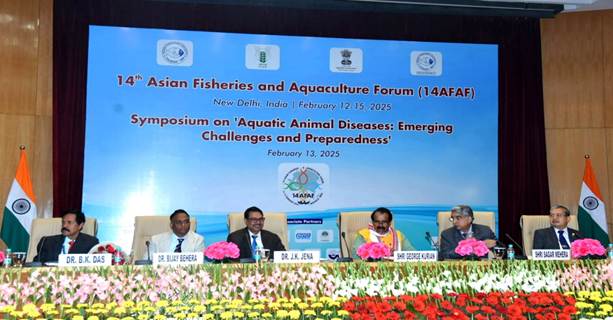
Symposium on “Aquatic Animal Diseases – Addressing emerging challenges and preparedness”

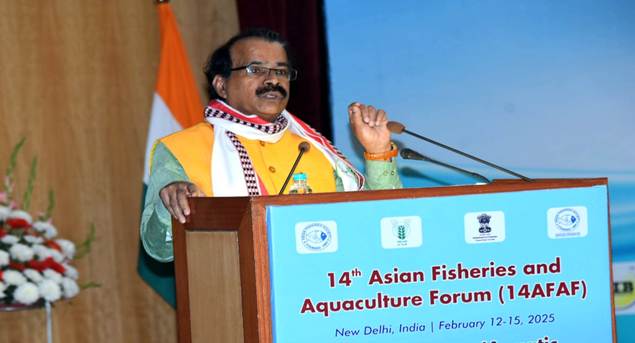
Union Minister of State for Fisheries, Animal Husbandry and Dairying Shri George Kurian has inaugurated the symposium on ‘Aquatic Animal Diseases: Emerging Challenges and Preparedness’ organised at the ICAR Convention Centre, Pusa Campus, New Delhi today. The symposium was organised as part of the 14th Asian Fisheries and Aquaculture Forum (14AFAF) meet being held here from 12-15 February, 2025 with the theme “Greening the Blue Growth in Asia-Pacific.

Speaking on the occasion, Shri George Kurien said appreciated ICAR for its initiative in organizing the symposium and emphasized the “One Earth – One Family” approach, stressing the importance of nutrition and biosecurity in aquaculture. He highlighted that sustainable aquaculture practices are key to ensuring food security, livelihoods, and economic growth in India. He acknowledged the efforts made under various government initiatives such as PMMSY and emphasized the need for continuous research and innovation in aquatic animal health management. He called for a multi-stakeholder approach, involving government agencies, research institutions, and industry players, to work together towards strengthening disease surveillance, enhancing biosecurity protocols, and improving diagnostic and therapeutic measures.

Dr. J.K. Jena, DDG (Fisheries Science), ICAR, and Convener of the symposium, provided an overview of the event, thanking the Government of India and Network of Aquaculture Centers in the Asia Pacific for their support. He emphasized about the need of strong biosecurity measures and discussed the ongoing NSPAAD Phase II and INFAR project, which aim to develop strategies for better disease control in aquaculture. He emphasized the Network project on Fish Health as a crucial initiative for advancing disease research and control in aquaculture. which focuses on disease management and early response mechanisms to mitigate potential risks in fish farming. Furthermore, he stressed that disease management will be critically important for the future in light of the diversification of aquaculture with introduction of new species, new systems, and the expansion of aquaculture. He also highlighted the importance of diagnostics, therapeutics, and vaccines for effective disease management in aquaculture.

Shri Sagar Mehra, Joint Secretary, Department of Fisheries, Ministry of Fisheries and Animal Husbandry and Dairying in his address, highlighted the vital role of fisheries in supporting livelihoods and the economy. He stressed the importance of national, regional, and local-level strategies to combat disease outbreaks effectively. He underscored the need for proactive response mechanisms, recognizing that disease transmission is often linked to live animal movement. He called for enhanced biosecurity measures and early detection systems to safeguard the sustainability and economic viability of the aquaculture industry.

Dr B.K. Behera, Chief Executive, NFDB emphasized the need to institutionalize fish disease surveillance programs in India to ensure systematic disease monitoring, early detection, and effective control. He highlighted the importance of establishing disease-free zones in key aquaculture areas to prevent the spread of infections and enhance biosecurity measures. Institutionalizing surveillance would require integrating it into national aquaculture policies, strengthening regulatory frameworks, and ensuring sustained funding and implementation across states.

Dr. Eduardo Leano, NACA, Thailand provided insights into NACA’s mission since 1990, operating in 20 countries and spearheading five key disease surveillance programs. He highlighted the growing risk of antimicrobial resistance (AMR) in aquaculture and stressed the urgent need for a sustainable, internationally coordinated approach to aquatic biosecurity.

Earlier Dr. B.K. Das, Director of ICAR-CIFRI, delivered the welcome address, highlighting aquaculture advancements and the importance of strengthening disease management. He emphasized the Network project on fish health under National Surveillance Programme for Aquatic Animal Diseases (NSPAAD) as a key initiative for improving disease surveillance and fostering innovation in aquatic health solutions.

Dr. P.K. Sahoo, Director, ICAR-CIFA, delivered the Vote of thanks, acknowledging the contributions of all dignitaries and participants.

The Asian Fisheries and Aquaculture Forum (AFAF) is a triennial event of the Asian Fisheries Society with its Headquarters in Kuala Lumpur, Malaysia. This 14AFAF is being jointly organized by the Asian Fisheries Society (AFS), Kuala Lumpur; Indian Council of Agricultural Research (ICAR), New Delhi; the Department of Fisheries (DoF), Government of India; and the Asian Fisheries Society Indian Branch (AFSIB), Mangalore. This prestigious event is being hosted in India for the 2nd time after the 8AFAF held at Kochi in 2007.

                                                            ****

Celebrating a Decade of Soil Health Cards

Daily writing prompt
Describe a phase in life that was difficult to say goodbye to.

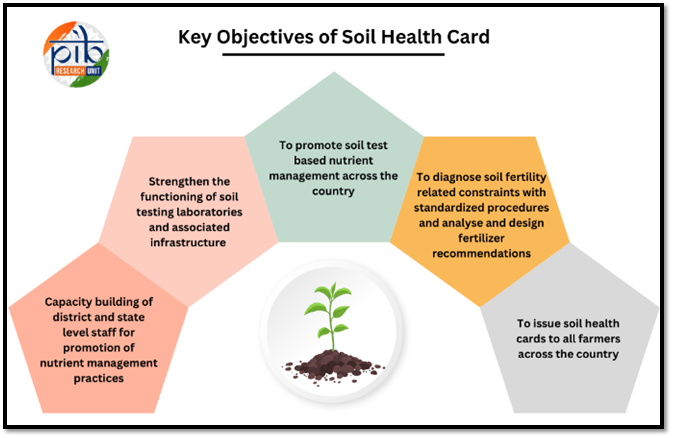
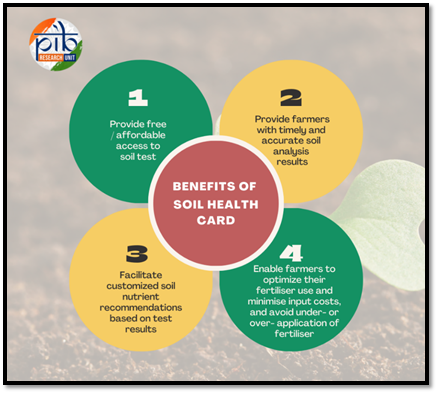
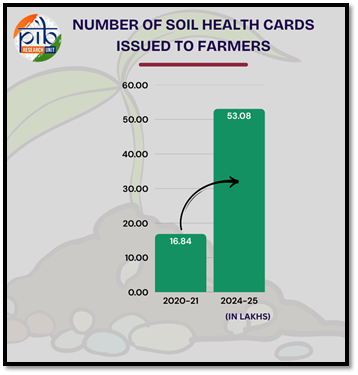
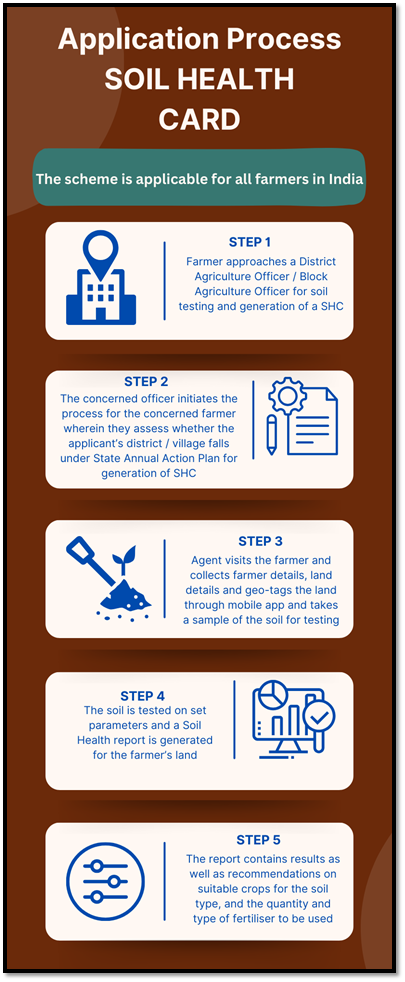
The Soil Health Card Scheme was introduced by Prime Minister Shri Narendra Modi on 19th February, 2015 at Suratgarh, Rajasthan. The scheme was launched to assist State Governments to issue soil health cards to all farmers in the country. Soil health card provides information to farmers on nutrient status of their soil along with recommendation on appropriate dosage of nutrients to be applied for improving soil health and its fertility.

The Soil Health Card Portal (www.soilhealth.dac.gov.in) facilitates generation of Soil Health Cards for the benefit of farmers in uniform and standardized format across country in all major languages and 5 dialects.

The Soil Health Card contains status of the soil with respect to 12 parameters, namely N,P,K, S (Macro-nutrients); Zn, Fe, Cu, Mn, Bo (Micro – nutrients) ; and pH (Acidity or Basicity), EC (Electrical Conductivity) and OC (Organic Carbon).

Based on this, the card will also indicate fertilizer recommendations and soil amendment required for the farm. Soil Samples are taken generally two times in a year, after harvesting of Rabi and Kharif Crop respectively or when there is no standing crop in the field.

The Guideline of Village Level Soil Testing Labs (VLSTLs) was issued in June 2023. VLSTLs can be set up by individual entrepreneurs i.e. rural youth and community based entrepreneurs, including Self Help Groups (SHGs), Schools, Agriculture Universities etc. The beneficiary/village level entrepreneur should be a youth whose age should not be below 18 years and should not be more than 27 years. Self Help Groups, Farmers Producers Organisation (FPO) can also be enrolled as VLSTL.

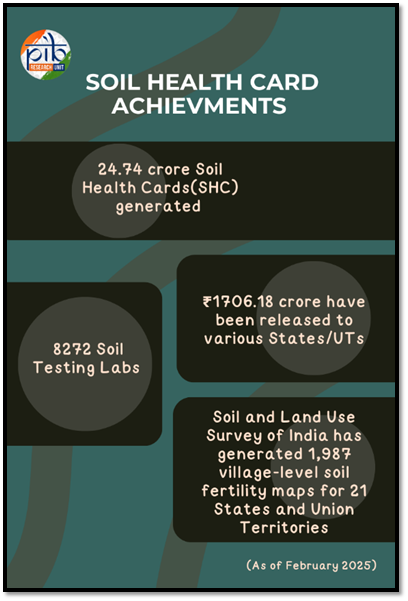
As of February 2025, 665 Village-level Soil Testing Labs have been established in 17 States.

School Soil Health Programme

A pilot project on School Soil Health Programme has been undertaken by Department of Agriculture and Farmers Welfare in (DA&FW) collaboration with Department of School Education & Literacy (DSE&L), Indian Council of Agricultural Research (ICAR) and State Governments in 20 schools (10 Kendriya Vidyalaya & 10 Navodaya Vidyalaya) in rural areas. The aim is to make students aware about soil health for sustainable agriculture practices. 20 soil health labs were set up in these schools. Modules for students from class VI to XII and teachers were developed and disseminated. Under the programme, soil samples were collected by School Students and soil testing were also done by students and SHCs were generated Students also educated farmers about the recommendation of Soil health card for judicious use of fertilizer and crop recommendation.

As of 2024, 1020 schools are implementing the School Soil Health Programme, with 1000 soil testing labs set up and 125,972 students enrolled.

Soil Health Card scheme has been merged in Rashtriya Krishi Vikas Yojana (RKVY) scheme as one of its components under the name ‘Soil Health & Fertility’ from the year 2022-23.

Technological Advancements

SHC Mobile App

To further ease the process of obtaining easy access to the Soil Health Card, the Government of India in 2023 made technological interventions in the New Soil Health Card Scheme. The Soil Health Card portal was revamped and integrated with a Geographic Information System (GIS) system so that all the test results are captured and seen on a map. To make the implementation/monitoring of the scheme smooth and to facilitate farmers an easy access to his soil health card, the mobile application has been made robust with the additional features such as:

  • Restrict the sample collection region for the Village Level Entrepreneur/Operator collecting the soil samples
  • Auto selection of the latitude and longitude of the location
  • Generation of a QR code to link with the sample and test results of all samples directly on the portal from the geo-mapped labs, without any manual intervention.

This application provides the graphical information of all over the India and also shows multiple layers State Boundary, District Boundary, Taluka Boundary, Panchayat Boundary and Cadastral Boundary.

The new system was rolled out in April 2023 and samples are now being collected through the mobile application. Soil Health Cards are now generated on this revamped portal.

For digitizing the Soil Health Cards, Web based work flow application Soil Health Card portal has been designed and developed by National Informatics Centre (NIC).

Conclusion

The Soil Health Card Scheme has transformed agricultural practices in India over the past decade. Since 2015, it has empowered farmers with crucial information on soil nutrient status and optimal fertilizer use, promoting sustainable farming and improved crop productivity. Initiatives like the School Soil Health Programme have expanded soil health awareness among students and local communities. With a robust mobile app, the process of obtaining a Soil Health Card has enhanced accessibility, efficiency, and transparency. As the scheme evolves, it continues to play a vital role in fostering sustainable agricultural development and safeguarding India’s soil health for future generations.

References:

Kindlty find the pdf file 

****

Agricultural Productivity and Market for Agricultural Produce

Daily writing prompt
What would you do if you won the lottery?

By Shankar Chatterjee

Agriculture forms the backbone of many economies around the world, especially in developing countries. It provides food, raw materials, and employment to a significant proportion of the global population. The concepts of agricultural productivity and the market for agricultural produce are closely intertwined, influencing food security, economic development, and rural livelihoods. This essay delves into the intricacies of agricultural productivity, the factors affecting it, and the dynamics of the market for agricultural produce.

Understanding Agricultural Productivity

Agricultural productivity refers to the output generated per unit of input in farming activities. Inputs may include land, labor, capital, seeds, fertilizers, water, and technology. Productivity is a critical measure of the efficiency and sustainability of agricultural practices. It determines the ability of a nation to meet the growing food demands of its population and contributes significantly to economic growth.

Factors Affecting Agricultural Productivity

  1. Technological Advancements:
    • Adoption of modern farming techniques, mechanization, and biotechnology significantly enhances productivity.
    • Precision farming, irrigation systems, and genetically modified crops are examples of innovations that have improved yields.
  2. Soil Fertility and Management:
    • The quality of soil determines its capacity to support crops.
    • Practices such as crop rotation, organic farming, and balanced fertilization help maintain soil health.
  3. Climate and Weather Conditions:
    • Temperature, rainfall, and sunlight are critical for crop growth.
    • Erratic weather patterns due to climate change pose challenges to agricultural productivity.
  4. Access to Inputs:
    • Timely availability of quality seeds, fertilizers, and pesticides influences productivity.
    • High input costs or unavailability can hinder optimal agricultural output.
  5. Government Policies and Support:
    • Subsidies, minimum support prices (MSPs), and agricultural extension services impact farmers’ ability to adopt better practices.
    • Infrastructure development, such as roads and irrigation facilities, also plays a vital role.
  6. Education and Training:
    • Farmers with knowledge of modern farming techniques are better equipped to enhance productivity.
    • Agricultural extension programs and capacity-building initiatives are essential for disseminating knowledge.

Market for Agricultural Produce

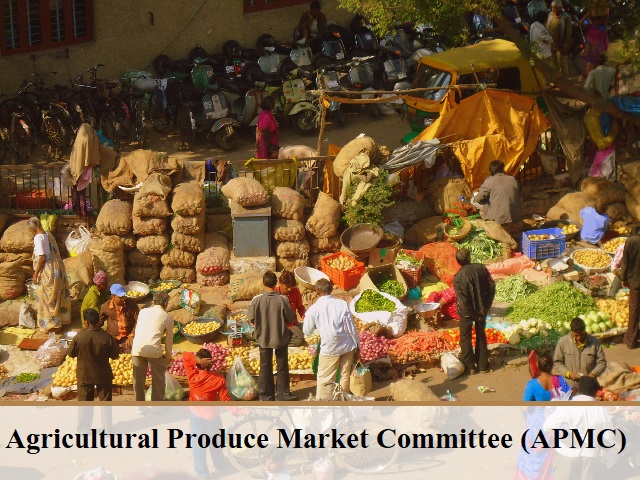
The market for agricultural produce refers to the entire system through which farm products are bought, sold, processed, and distributed. It encompasses local markets, wholesale markets, export markets, and online platforms. An efficient market system is crucial for ensuring fair prices for farmers and adequate supplies for consumers.

Challenges in Agricultural Markets

  1. Price Volatility:
    • Agricultural produce is often subject to price fluctuations due to seasonal variations, demand-supply imbalances, and global market trends.
  2. Lack of Market Access:
    • Farmers, especially smallholders, face challenges in accessing profitable markets due to poor infrastructure and inadequate market information.
  3. Middlemen and Exploitation:
    • A significant portion of profits is often absorbed by intermediaries, leaving farmers with low returns.
  4. Post-Harvest Losses:
    • Poor storage facilities, inadequate transportation, and lack of cold chains result in significant wastage of perishable commodities.
  5. Trade Barriers:
    • Export restrictions, tariffs, and non-tariff barriers limit farmers’ access to international markets.

Improving Agricultural Markets

  1. Infrastructure Development:
    • Investments in roads, cold storage, and warehouses can minimize post-harvest losses and improve market access.
  2. Digital Platforms and E-Markets:
    • Initiatives like eNAM (National Agriculture Market) and online trading platforms can connect farmers directly to buyers, ensuring better prices.
  3. Cooperatives and Farmer Producer Organizations (FPOs):
    • FPOs enable farmers to pool resources, negotiate better prices, and access markets collectively.
  4. Government Interventions:
    • Policies such as MSPs and procurement mechanisms provide price stability and income security for farmers.
  5. Value Addition and Processing:
    • Promoting agro-industries and value-added products increases the profitability of agricultural produce.

Interrelationship Between Productivity and Market Dynamics

Higher agricultural productivity and efficient markets are mutually reinforcing. Increased productivity ensures a steady supply of produce, stabilizing prices and enabling market growth. Simultaneously, well-functioning markets incentivize farmers to adopt better practices, invest in technology, and enhance productivity.

Conversely, inefficiencies in markets can lead to low returns for farmers, reducing their capacity to invest in inputs and technology, thereby negatively affecting productivity. Ensuring a balance between production and market demand is essential for the sustainability of the agricultural sector.

Conclusion

Agricultural productivity and the market for agricultural produce are pivotal to food security, economic development, and rural prosperity. Addressing the challenges in both domains requires a comprehensive approach that combines technological innovation, supportive policies, infrastructure development, and market reforms. By fostering synergy between productivity and market efficiency, nations can build resilient agricultural systems that cater to the needs of their populations and contribute to global food security.

References

Amadi, L. A., Ogbanga, M. M., & Agena, J. E. (2015). Climate change and feminist environmentalism in the Niger Delta, Nigeria. African Journal of Political Science and International Relations9(9), 361-371.

Chavas, J. P. (2008). On the economics of agricultural production. Australian Journal of Agricultural and Resource Economics52(4), 365-380.

de Lima, G. N., Zuñiga, R. A. A., & Ogbanga, M. M. (2023). Impacts of Climate Change on Agriculture and Food Security in Africa and Latin America and the Caribbean. In Climate Change and Health Hazards: Addressing Hazards to Human and Environmental Health from a Changing Climate (pp. 251-275). Cham: Springer Nature Switzerland.

Gollin, D. (2010). Agricultural productivity and economic growth. Handbook of agricultural economics4, 3825-3866.

Jack, J. T. C. B., Ogbanga, M. M., & Odubo, T. R. (2018). Energy poverty and environmental sustainability challenges in Nigeria. Ilorin Journal of Sociology10(1), 19-31.

Ogbanga, M. M., & Sharma, S. N. (2024). Climate Change and Mental Heat.

Ogbanga, M. M. (2024). Assessment of the Barriers to the Adoption of Clean Energy for Household Cooking in Okrika Local Government Area.

Ogbanga, M. M. (2024). Examining the Potential of Women Organisations in Promoting the Use of Clean Energy for Household Cooking; A Study of Okrika Local Government Area.

Van der Ploeg, J. D. (2019). Labor, markets, and agricultural production. CRC Press.

Integrating Social Work into Environmental and Social Issues

Daily writing prompt
List five things you do for fun.

By Eduindex News

Integrating social work into environmental and social issues is a growing necessity as the interconnectedness of human well-being and environmental health becomes increasingly evident. Social workers are uniquely positioned to address the social dimensions of environmental challenges, such as climate change, natural disasters, and pollution, which disproportionately affect vulnerable populations. By incorporating ecological perspectives into their practice, social workers can advocate for sustainable policies, educate communities about environmental risks, and help individuals and groups adapt to changing conditions. This integration fosters a holistic approach to problem-solving, emphasizing both human rights and environmental justice to create resilient communities.

Moreover, social workers can play a pivotal role in bridging the gap between grassroots movements and policy-making to address systemic inequities exacerbated by environmental degradation. For instance, they can work with marginalized communities to amplify their voices in decision-making processes, ensuring equitable access to resources like clean water, safe housing, and renewable energy. By collaborating with environmental scientists, policymakers, and community leaders, social workers contribute to sustainable development initiatives that prioritize social equity. This interdisciplinary approach not only addresses immediate social and environmental crises but also promotes long-term solutions that align with the principles of social justice and environmental stewardship.Social work is crucial in addressing multifaceted issues such as environmental sustainability, health, and gender inequality. Recent studies by scholars like MM Ogbanga have shown how social work can contribute to solving complex challenges faced by communities, particularly in regions affected by environmental and socio-economic crises.

  1. Flooding and Housing Health Impacts in Rivers State, Nigeria
    Ogbanga’s research on the impacts of flooding in Ahoada East and West Local Government areas highlights how natural disasters exacerbate health and housing issues. Social workers play a pivotal role in disaster response, from aiding in community recovery to providing counseling and support to affected individuals.
  2. Gender and Unemployment in the Niger Delta
    Another critical study addresses how oil exploration has worsened gender disparities and unemployment. Social work can be instrumental in advocating for policies that ensure gender equality and offer employment opportunities for marginalized groups.
  3. Energy Poverty and Sustainability Challenges
    Energy poverty is another significant issue in Nigeria, especially in rural communities. Social work interventions that address this challenge include advocacy for better energy access and environmental sustainability.
  4. The Role of Communication Skills in Social Work
    Effective communication is vital in social work practice, and Ogbanga’s work emphasizes how enhancing communication skills can better support communities facing social challenges.
  5. Climate Change and Feminist Environmentalism
    The intersection of climate change and feminist environmentalism in the Niger Delta demonstrates how social workers can use gender-sensitive approaches to address climate change’s disproportionate impacts on women.

Through these and other studies, social work integrates into a broader framework of social justice, community resilience, and sustainable development, proving its relevance in addressing today’s global challenges. Whether addressing the aftermath of flooding, gender inequalities, or the challenges posed by environmental degradation, social workers are central to fostering adaptive responses and building sustainable futures for vulnerable populations.

For further exploration of these issues, check out the works by Ogbanga and others in journals like Nigerian Journal of Agriculture, Food and Environment, International Journal of Social Science and Humanities Research, and African Journal of Political Science and International Relations.

Referenecs

Amadi, L., Igwe, P., & Ogbanga, M. (2016). Talking Right, Walking Wrong: Global Environmental Negotiations and Unsustainable Environmental Consumption. International Journal of Research in Environmental Science2(2), 24-38.

Amadi, L. A., Ogbanga, M. M., & Agena, J. E. (2015). Climate change and feminist environmentalism in the Niger Delta, Nigeria. African Journal of Political Science and International Relations9(9), 361-371.

Briggs, N. D., Okowa, W. J., & Ndimele, O. M. (Eds.). (2013). The Economic Development of Rivers State: In Commemoration of Port Harcourt Centenary Celebration: 2013. Rivers State Economic Advisory Council/Onyoma Research Publications.

Bukie, B. F., & Ogbanga, M. M. (2024). Correctional Institutions (Prison) Congestion and the Health Implication of Inmates in Nigeria.

de Lima, G. N., Zuñiga, R. A. A., & Ogbanga, M. M. (2023). Impacts of Climate Change on Agriculture and Food Security in Africa and Latin America and the Caribbean. In Climate Change and Health Hazards: Addressing Hazards to Human and Environmental Health from a Changing Climate (pp. 251-275). Cham: Springer Nature Switzerland.

Nwakanma, E., & Ogbanga, M. M. Assessing disaster preparedness and Indigenous disaster management systems of at-risk communities in Isoko-South LGA of Delta State, Nigeria.

Ogbanga, M. M. (2024). Communication skills in social work. EduPedia Publications Pvt Ltd.

Ogbanga, M. M., & Bukie, B. F. (2024). Traditional Institutions and Conflict Resolution in Nigeria: A Social Work Analysis.

Ogbanga, M. M., & Sharma, S. N. (2024). Climate Change and Mental Heat. Eduindex

Uzobo, E., & Ogbanga, M. M. (2017). The Role of Civil Registration and Vital Statistics in the Attainment of Selected Sustainable Development Goals in Nigeria. Indian Journal of Sustainable Development3(2), 1-10.

Uzobo, E., Ogbanga, M. M., & Jackson, J. T. C. B. (2014). Socio-cultural factors and attitudes affecting the health status of rural communities: a study of Danmusa, Katsina State, Nigeria. Int J Sci Res3(3), 837-844.

Discover Cities

Daily writing prompt
Do you spend more time thinking about the future or the past? Why?

Aims and scope

Discover Cities is a fully open access, peer-reviewed journal that supports multidisciplinary research and policy developments across the field of urban science. The journal aims to be a resource for researchers, policy makers and the general public for recent advances in urban research, and the range of interdisciplinary studies that focus on cities and urban life. As a fully open access journal, we ensure that our research is highly discoverable and instantly available globally to everyone. The journal particularly welcomes work that aims to address the United Nations Sustainable Development Goals, especially Sustainable Cities and Communities; Industry, Innovation and Infrastructure; and Responsible Consumption and Production.

Topics

Topics welcomed at Discover Cities include but are not limited to the following:

Smart Cities:

  • Big data processing and analytics
  • Machine learning, and artificial intelligence applications
  • Mobile and wireless sensor networks; location-based services
  • Internet of Things (IoT); 5G and satellite-based communications
  • Cloud and edge computing; smart city governance
  • Digital twin of urban areas and systems

Urban Energy and Sustainability:

  • Renewable energy sources; energy consumption and carbon emissions
  • Smart grids and energy management; urban heat island mitigation
  • Energy transition and decentralization
  • Energy storage; water-energy nexus; energy communities; zero-energy building (nZEB) 

Urban Planning, Design and Transport:

  • Urban design, development, regeneration and revitalization
  • Public transportation; pedestrian infrastructure; cycling infrastructure; shared mobility services
  • Urban public transportation and traffic management

Urban Constructions:

  • Assessment and retrofitting of existing constructions
  • Sustainable constructions
  • Innovative construction materials and techniques
  • Lifecycle assessment of buildings and building stocks

Urban Climate and Impacts:

  • Impact of climate on safety and life quality in cities
  • Extreme climatic events and effects
  • Effects of climate changes on the urban environment; adaption and mitigation

Built Environment:

  • Green architecture and building design; urban infrastructure;
  • Indoor environment
  • Building information modeling (BIM)

Urban Water:

  • Urban water infrastructure and management
  • Urban drainage; urban catchment hydrology and modeling
  • Urban water storage and contamination
  • Urban wastewater collection, treatment and recycling

Urban Agriculture and Forestry:

  • Urban farming; community gardens; rooftop farms
  • Vertical farming
  • Planting, maintaining, protecting of urban trees

Urban Economics & Policy:

  • Urban infrastructure investment and financing; Incentives for renewable energy adoption; energy-efficient building codes; urban housing markets and affordability
  • Urban poverty, inequality, and social welfare policy
  • Urban tourism

Urban Health and Well-being:

  • Healthcare services and facilities in urban areas
  • Urban health disparities and inequities
  • Urban environment and its effects on public health

Content types
Discover Cities welcomes a variety of article types – please see our submission guidelines for details. The journal also publishes guest-edited Topical Collections of relevance to all aspects of urban science. For more information, please follow up with our journal publishing contact.

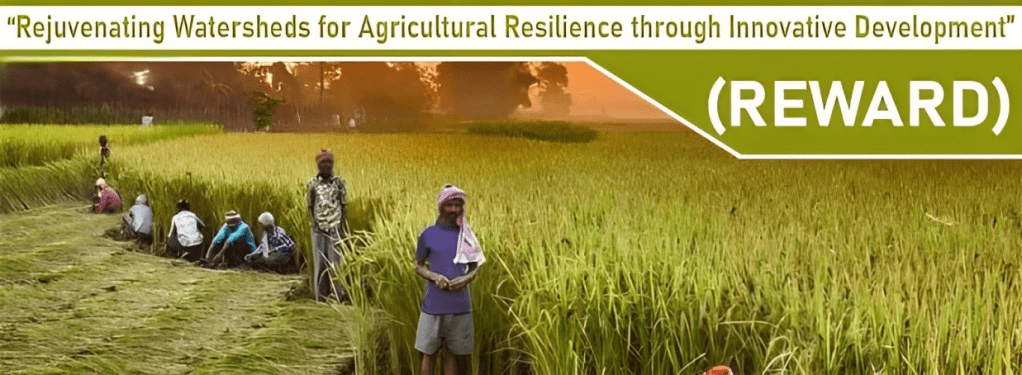
REWARD – Rejuvenating Watersheds for Agricultural Resilience through Innovative Development Programme

Daily writing prompt
What could you do differently?

By Shashikant Nishant Sharma

REWARD (Rejuvenating Watersheds for Agricultural Resilience through Innovative Development Programme) is a collaborative effort between the Government of India, the State Governments of Karnataka and Odisha, and the World Bank. This program, funded with a $115 million (INR 869 crore) loan, aims to enhance farmers’ resilience to climate change and promote higher agricultural productivity and incomes. By adopting improved watershed management practices, the program seeks to support the restoration of degraded land, double farmers’ income, and build a more resilient food system. It will leverage science-based approaches, spatial data, technologies, and knowledge exchanges to achieve its objectives.

Through this short article I would like to introduce you to an exciting initiative called REWARD (Rejuvenating Watersheds for Agricultural Resilience through Innovative Development Programme). This scheme has been launched by the World Bank. The REWARD is a comprehensive program designed to address the challenges faced by agricultural communities in ensuring water availability and promoting sustainable farming practices. Water scarcity and its impact on agriculture have become increasingly significant concerns in recent years. The REWARD program aims to rejuvenate watersheds by implementing innovative solutions that enhance water conservation, management, and agricultural resilience. By adopting a holistic approach, the program seeks to create a positive and sustainable impact on local communities, agriculture, and the environment. Here are some key components of the REWARD program:

Watershed Restoration: REWARD focuses on restoring and rehabilitating degraded watersheds through various techniques such as reforestation, soil erosion control measures, and the construction of check dams and percolation tanks. These efforts aim to improve water retention capacity and recharge groundwater levels (Larson et al., 2001).

Water Conservation and Management: The program emphasizes the adoption of water conservation practices within agricultural systems. It promotes efficient irrigation methods like drip irrigation and micro-sprinklers, encourages rainwater harvesting, and implements water storage infrastructure. These measures help optimize water use and reduce wastage (Jha et al., 2019).

Capacity Building and Training: REWARD provides training and capacity-building programs to farmers, local communities, and other stakeholders. These initiatives enhance their knowledge and skills in water management, sustainable agricultural practices, and the implementation of innovative technologies. By empowering individuals and communities, the program seeks to create long-term resilience (Hanchinal et al., 2014).

Research and Innovation: REWARD encourages research and development activities to identify cutting-edge technologies and practices for water conservation and watershed management. This includes promoting the use of precision agriculture, remote sensing, and data analytics to optimize water usage, crop selection, and resource allocation (Fielke et al, 2022).

Collaboration and Partnerships: The success of REWARD relies on collaboration among various stakeholders, including government agencies, non-profit organizations, research institutions, and local communities. The program encourages partnerships to leverage expertise, resources, and knowledge-sharing, fostering a collective effort towards achieving sustainable water and agricultural practices (Daves et al., 2002).

In a collaborative effort, the Government of India, along with the State Governments of Karnataka and Odisha, and the World Bank, have entered into a significant agreement. This agreement involves a financial commitment of $115 million (INR 869 crore) for the implementation of a program called Rejuvenating Watersheds for Agricultural Resilience through Innovative Development Programme (Press Bureau of India, Feb 18, 2022). The primary objective of this program is to enable national and state institutions to adopt improved practices in managing watersheds. By doing so, the program aims to enhance the resilience of farmers to climate change, promote higher agricultural productivity, and ultimately improve their incomes. India’s government has set ambitious goals of restoring 26 million hectares of degraded land by 2030 and doubling farmers’ income by 2023. Effective watershed management plays a crucial role in achieving these targets, especially in rainfed areas, by fostering livelihood improvements and creating a more resilient food system (Mirzabaev & Wuepper, 2023). The new program will assist the participating state governments in their endeavors to revamp watershed planning and execution processes, emphasizing science-based approaches that can be replicated nationwide. It will also encourage other states to adopt innovative strategies for watershed development.

The COVID-19 pandemic has highlighted the urgent need for sustainable and risk-averse agricultural practices in India. Such practices can safeguard farmers from climate uncertainties and bolster their livelihoods (Sonkar et al., 2022). Although India already has a robust institutional framework for watershed development, this project places renewed emphasis on science-based and data-driven approaches, opening up new opportunities for farmers in the face of climate change (Lele et al., 2020).

India currently boasts one of the world’s largest watershed management programs. This new initiative will further advance the progress made by leveraging comprehensive spatial data and technologies, decision support tools, and knowledge sharing platforms. The International Bank for Reconstruction and Development (IBRD) will provide financial support through a loan. Out of the total loan amount, $60 million (INR 453.5 crore) will be allocated to Karnataka, $49 million (INR 370 crore) to Odisha, and the remaining $6 million (INR 45.5 crore) will be allocated to the central government’s Department of Land Resources. The loan has a maturity period of 15 years, which includes a grace period of 4.5 years (Press Bureau of India, Feb 18, 2022).

Through the REWARD program, the government aims to improve the overall water availability and quality, enhance agricultural productivity, and build resilient communities. By integrating innovative solutions with traditional knowledge, we envision a future where agriculture thrives while preserving our precious water resources.

References

Dawes, S. S., & Pardo, T. A. (2002). Building collaborative digital government systems: Systemic constraints and effective practices. Advances in digital government: Technology, human factors, and policy, 259-273.

Fielke, S., Taylor, B. M., Coggan, A., Jakku, E., Davis, A. M., Thorburn, P. J., … & Smart, J. C. (2022). Understanding power, social capital and trust alongside near real-time water quality monitoring and technological development collaboration. Journal of Rural Studies, 92, 120-131.

Hanchinal, R. R., Agrawal, R. C., Prakash, R., Stephen, T., & Jaiswal, J. (2014). Impact of awareness programmes and capacity building in Farmers’ Plant Variety Registration under the PPV&FR Act.

Jha, S., Kaechele, H., & Sieber, S. (2019). Factors influencing the adoption of water conservation technologies by smallholder farmer households in Tanzania. Water, 11(12), 2640.

Larson, M. G., Booth, D. B., & Morley, S. A. (2001). Effectiveness of large woody debris in stream rehabilitation projects in urban basins. Ecological Engineering, 18(2), 211-226.

Mirzabaev, A., & Wuepper, D. (2023). Economics of Ecosystem Restoration. Annual Review of Resource Economics, 15.

Press Bureau of India. (2022, February 18). Govt. of India, World Bank sign loan agreement of $115 million for implementation of “Rejuvenating Watersheds for Agricultural Resilience through Innovative Development” (REWARD) Project. Press Bureau of India. https://pib.gov.in/PressReleaseIframePage.aspx?PRID=1799348

Sonkar, V. K., Bathla, S., & Kumar, A. (2022). Impact of National Lockdown on Rural Household’s Income. Economic & Political Weekly, 57(1), 59.

Street Space Index (SSI)

Daily writing prompt
Describe a man who has positively impacted your life.

The Street Space Index (SSI) is a concept used primarily in urban planning and transportation studies. It is a measure that assesses the efficiency, accessibility, and utilization of street spaces in cities. The index evaluates how well the street environment accommodates different functions like walking, cycling, driving, and public transport. The goal is to help cities improve the design and use of their streets for more sustainable and livable urban spaces.

Photo by Chris Larson on Pexels.com

Key Aspects of Street Space Index:

  1. Multimodal Transport Integration: The SSI often takes into account various transportation modes—cars, buses, bicycles, pedestrians, etc.—and measures how well these modes coexist and are prioritized in the street design.
  2. Space Allocation: It looks at how much space is dedicated to each mode of transportation and public space (e.g., sidewalks, bike lanes, lanes for cars, parking spots). A high-quality street space prioritizes pedestrians and cyclists over cars, enhancing safety and reducing congestion.
  3. Accessibility and Connectivity: It considers how easily people can access public transport, walkways, or bike paths, and how well-connected the street is to other key areas of the city.
  4. Public Space and Amenities: The SSI may also evaluate the presence of public amenities such as benches, trees, lighting, and street furniture that contribute to the street’s overall livability.
  5. Environmental Impact: The environmental sustainability of street space is also a consideration. This includes assessing factors like green spaces, water drainage, and the presence of nature, as well as the promotion of low-carbon transport options.

Purpose of the Street Space Index:

  • Urban Planning: The SSI helps city planners identify areas where streets are underutilized or poorly designed. This information can guide interventions to make streets more efficient and inclusive for all users.
  • Sustainability: It aids in designing streets that promote sustainable transport modes like cycling or public transport and reduce dependency on private cars.
  • Quality of Life: By improving the design and functionality of street spaces, cities can enhance residents’ overall quality of life, making neighborhoods more pedestrian-friendly and less car-dominated.

In essence, the Street Space Index provides a quantitative and qualitative evaluation of how streets function and how they could be improved to meet the needs of urban communities.

Vernacular Architecture: A Comprehensive Guide

Daily writing prompt
What are your favorite physical activities or exercises?

Vernacular architecture refers to a style of building that is rooted in local traditions, materials, and construction techniques. It evolves organically over time, reflecting the culture, climate, and lifestyle of the people in a specific region. Unlike modern or formal architecture, which often follows standardized designs, vernacular architecture is deeply connected to its surroundings, embodying sustainable and community-driven practices.

Photo by Rachel Claire on Pexels.com

Key Characteristics of Vernacular Architecture

  1. Use of Local Materials:
    • Builders use materials readily available in the environment, such as mud, timber, stone, bamboo, or thatch.
    • This not only reduces costs but also minimizes the environmental impact.
  2. Climatic Responsiveness:
    • Structures are designed to adapt to local weather conditions. For instance, thick mud walls provide insulation in hot climates, while sloped roofs are common in regions with heavy rainfall.
  3. Cultural Expression:
    • Reflects the customs, beliefs, and social practices of the local community.
    • Ornamentation and layout often have symbolic or ritualistic significance.
  4. Sustainability:
    • Low environmental footprint due to the use of natural and renewable materials.
    • Passive cooling and heating techniques reduce reliance on energy-intensive systems.
  5. Adaptability:
    • Structures are often modified over generations to suit changing needs and lifestyles.

Historical Context of Vernacular Architecture

Vernacular architecture has been practiced since ancient times and varies significantly across the globe. Each region developed its unique style based on:

  • Geography and Resources: Coastal areas often use shells or coral stones, while mountainous regions rely on stone and wood.
  • Climate: Hot arid zones feature courtyards and thick walls, while cold regions emphasize insulation and compact layouts.
  • Cultural Practices: Religious beliefs, rituals, and social structures shape the design and use of spaces.

Examples of Vernacular Architecture Around the World

  1. India:
    • Havelis of Rajasthan: Intricately carved mansions with courtyards to combat extreme heat.
    • Kerala Houses: Sloped roofs and verandas suited for heavy monsoons.
    • Bhunga Houses of Kutch: Circular structures with mud walls, resistant to earthquakes.
  2. Japan:
    • Minka Houses: Wooden structures with sliding panels and thatched roofs, designed for flexibility and climatic adaptation.
  3. Africa:
    • Zulu Huts: Beehive-shaped structures made of grass and wood, ideal for the subtropical climate.
    • Adobe Houses: Mud-brick constructions seen in North African deserts, offering excellent insulation.
  4. Europe:
    • English Cottages: Stone and thatch houses designed for cold weather.
    • Alpine Chalets: Wooden houses with steep roofs to shed snow.
  5. South America:
    • Chilean Rucas: Cone-shaped huts made from natural fibers, used by the indigenous Mapuche people.
    • Amazonian Malocas: Communal structures using palm leaves and bamboo.

Climatic Adaptations in Vernacular Architecture

Hot and Arid Climates:

  • Thick walls and small windows reduce heat gain.
  • Courtyards enhance air circulation and cooling.
  • Whitewashed exteriors reflect sunlight.

Tropical Climates:

  • Large overhangs and verandas provide shade.
  • Elevated structures prevent flooding and improve ventilation.

Cold Climates:

  • Compact layouts retain heat.
  • Use of insulating materials like wood or thick stone.
  • Fireplaces and central hearths provide warmth.

Rainy Climates:

  • Sloped roofs to drain rainwater quickly.
  • Raised plinths to protect from flooding.

Modern Relevance of Vernacular Architecture

  1. Sustainability:
    • With growing concerns over environmental degradation, vernacular practices offer insights into eco-friendly construction.
    • The use of local materials reduces transportation emissions and costs.
  2. Resilience:
    • Many vernacular techniques are inherently disaster-resistant, such as earthquake-proof Bhunga houses or flood-adaptive stilted homes.
  3. Cultural Preservation:
    • Reviving vernacular architecture helps preserve intangible heritage and traditional craftsmanship.
  4. Affordable Housing:
    • Cost-effective construction methods make it suitable for low-income housing projects.

Challenges in Practicing Vernacular Architecture Today

  1. Urbanization:
    • Rapid urban growth often sidelines traditional practices in favor of modern construction methods.
  2. Loss of Traditional Knowledge:
    • The decline in skilled artisans and transmission of traditional techniques poses a significant challenge.
  3. Perception Issues:
    • Vernacular architecture is sometimes viewed as outdated or unsuitable for contemporary lifestyles.
  4. Material Scarcity:
    • Depletion of local resources, like timber and clay, affects the viability of traditional practices.

Future of Vernacular Architecture

Vernacular architecture is seeing a resurgence, especially in sustainable design movements. Architects and planners are integrating traditional principles with modern technologies to create hybrid designs that meet contemporary needs while respecting the environment. Some notable examples include:

  • Earthship Biotecture: Combines vernacular earth-building techniques with renewable energy systems.
  • Green Roofs and Walls: Inspired by traditional vegetative insulation techniques.

Conclusion

Vernacular architecture is more than just a building style—it is a testament to humanity’s ability to harmonize with nature while meeting functional and cultural needs. As the world grapples with climate change and resource scarcity, revisiting these age-old practices can guide us toward sustainable and resilient built environments. Integrating vernacular principles with modern design approaches will not only preserve this invaluable heritage but also provide innovative solutions for a sustainable future.