Scope for Bachelor of Architecture (B.Arch) Course

Daily writing prompt
What is something others do that sparks your admiration?

The Bachelor of Architecture (B.Arch) is a professional undergraduate degree designed for individuals passionate about planning, designing, and constructing buildings and other physical structures. With the rapid pace of urbanization, technological advancements, and a growing focus on sustainable development, the demand for skilled architects has grown exponentially. This article explores the scope, opportunities, and career prospects for students pursuing a B.Arch course.


1. Overview of the B.Arch Course

The B.Arch program is a five-year degree course blending theoretical knowledge with practical skills in architecture. It covers diverse topics, including:

  • Architectural Design and Principles
  • Building Materials and Construction Techniques
  • Urban Planning and Landscape Architecture
  • Sustainable and Green Architecture
  • Computer-Aided Design (CAD) and Building Information Modeling (BIM)

This holistic approach equips students with the skills to design aesthetically pleasing, functional, and sustainable structures.


2. Career Opportunities After B.Arch

A degree in architecture opens up diverse career opportunities in various domains. Here are some of the prominent career paths:

a. Professional Practice

Graduates can become licensed architects by registering with professional bodies like the Council of Architecture (COA) in India. This allows them to design residential, commercial, or public buildings and work as independent consultants or join architectural firms.

b. Urban Planner

Urban planning involves designing and developing efficient, sustainable cities. Architects with a focus on urban design can work with government bodies, private organizations, or international agencies to address challenges in urbanization and infrastructure.

c. Landscape Architect

Specializing in landscape architecture enables graduates to design outdoor spaces such as parks, gardens, and recreational areas that harmonize with the natural environment.

d. Sustainable Design Specialist

With the growing emphasis on green buildings and energy-efficient designs, architects specializing in sustainability are in high demand to create eco-friendly structures.

e. Academics and Research

Those with a passion for teaching can pursue advanced studies (M.Arch or Ph.D.) and contribute to architectural education and research.

f. Interior Designer

Architects with a flair for interiors can transition into designing functional and aesthetic interior spaces for homes, offices, and public spaces.

g. Real Estate Development

Graduates can work as project managers or consultants in real estate firms, overseeing the design and execution of large-scale residential and commercial projects.


3. Emerging Trends in Architecture

a. Smart Cities and Infrastructure Development

The global push towards smart cities has created significant opportunities for architects to design intelligent, technology-driven urban spaces.

b. Sustainable Architecture

The need for energy-efficient and environmentally friendly designs has led to a surge in demand for architects skilled in sustainable practices and materials.

c. Digital Architecture

Architects are leveraging advanced tools like virtual reality (VR), augmented reality (AR), and AI-driven design software to revolutionize how buildings are conceptualized and built.

d. Heritage Conservation

Preserving cultural and historical sites is a growing field that requires architects to balance restoration with modern requirements.


4. Skills Required for Success

To excel in the field of architecture, students should develop the following skills:

  • Creative Thinking: Essential for innovative and aesthetic designs.
  • Technical Proficiency: Knowledge of CAD, BIM, and structural analysis tools.
  • Problem-Solving Abilities: Addressing client needs and environmental challenges.
  • Project Management: Overseeing budgets, timelines, and resources.
  • Communication Skills: Collaborating with clients, engineers, and contractors.

5. Job Market and Salary Prospects

The architecture field offers lucrative salary packages, which vary depending on experience, location, and specialization:

  • Entry-Level: ₹3–6 lakhs per annum in India or $40,000–$60,000 globally.
  • Mid-Level: ₹6–12 lakhs per annum or $60,000–$90,000 globally.
  • Senior-Level: ₹12–25 lakhs per annum or $90,000–$150,000 globally. Experienced architects and those working in niche fields like sustainable design or urban planning often command higher salaries.

6. Future Prospects

The B.Arch course offers a promising future due to:

  • Increasing urbanization and the demand for infrastructure development.
  • Growing awareness of climate change, driving the need for sustainable architecture.
  • Expanding real estate and construction industries worldwide.
  • Government initiatives like the Smart Cities Mission in India and global green building movements.

7. Higher Education and Specialization

After completing a B.Arch degree, graduates can pursue advanced studies to specialize in areas such as:

  • Master of Architecture (M.Arch) in Urban Design, Landscape Architecture, or Interior Design.
  • Certifications in sustainable design or advanced software like BIM.
  • Ph.D. programs for academic and research careers.

8. Challenges in the Field

While the scope of architecture is vast, it comes with challenges:

  • Meeting client expectations while adhering to budget constraints.
  • Keeping up with evolving technologies and building regulations.
  • Balancing aesthetics with functionality and sustainability.
  • Handling competition in a saturated market.

9. Conclusion

The B.Arch course is a gateway to a fulfilling career for those with a passion for creativity, design, and problem-solving. With growing urbanization and the focus on sustainable development, architects are increasingly playing a pivotal role in shaping the future of our built environment. The wide-ranging opportunities in professional practice, research, and academia make B.Arch a highly rewarding career choice.


Photo by Andrea Piacquadio on Pexels.com

Building Resilient Cities: Strategies for Addressing Disasters and Climate Change

Daily writing prompt
What is something others do that sparks your admiration?

By Shashikant Nishant Sharma

As urbanization accelerates worldwide, cities are increasingly vulnerable to disasters and the adverse effects of climate change. Rising sea levels, extreme weather events, and resource shortages threaten urban infrastructure, economies, and populations. Building resilience—the ability of a city to anticipate, prepare for, respond to, and recover from adverse events—is crucial for ensuring sustainable urban development. This article explores strategies to make cities resilient against disasters and climate change.


Understanding Urban Resilience

Urban resilience encompasses a city’s capacity to:

  • Minimize risks and vulnerabilities.
  • Absorb, recover, and adapt to adverse conditions.
  • Maintain functionality despite disruptions.

The concept of resilience is holistic, addressing physical infrastructure, social systems, governance, and environmental sustainability.


Strategies to Enhance Urban Resilience

1. Adopting Climate-Smart Urban Planning

Cities should incorporate climate change scenarios into their urban planning processes. This includes:

  • Zoning regulations to prevent development in high-risk areas such as floodplains and coastal zones.
  • Promoting mixed-use development to reduce travel demand and associated emissions.
  • Implementing green infrastructure like parks, wetlands, and green roofs to manage stormwater and reduce the urban heat island effect.

2. Investing in Resilient Infrastructure

Robust infrastructure systems can withstand disasters and adapt to changing climatic conditions. Key measures include:

  • Designing flood-resistant buildings and elevated roadways.
  • Strengthening existing infrastructure against earthquakes and other hazards.
  • Developing energy-efficient systems powered by renewable energy sources.

3. Strengthening Early Warning Systems

Timely information about impending disasters can save lives and reduce damage. Cities should:

  • Deploy advanced monitoring technologies for weather and environmental changes.
  • Develop community-based alert systems that ensure everyone, including marginalized groups, receives warnings.
  • Conduct regular emergency drills to improve preparedness.

4. Enhancing Community Participation

A resilient city relies on the active participation of its citizens. Strategies to empower communities include:

  • Community-based disaster risk management (CBDRM) programs.
  • Encouraging local stewardship of natural resources.
  • Conducting public awareness campaigns on disaster preparedness and climate adaptation.

5. Fostering Sustainable Mobility

Transportation systems should be designed to endure disruptions while minimizing emissions. Solutions include:

  • Investing in public transportation and non-motorized transport infrastructure.
  • Promoting electric vehicles and carpooling systems.
  • Developing adaptive transport networks with redundancies to ensure connectivity during crises.

6. Building Financial Resilience

Economic stability underpins urban resilience. Cities should:

  • Establish disaster insurance schemes for public infrastructure and private assets.
  • Create emergency funds to finance recovery efforts.
  • Support livelihood diversification for urban populations to reduce dependency on climate-sensitive sectors.

7. Promoting Nature-Based Solutions

Nature-based solutions harness the power of ecosystems to mitigate climate risks. These include:

  • Restoring mangroves and wetlands to act as natural buffers against storm surges.
  • Implementing urban forests to reduce air pollution and regulate temperatures.
  • Encouraging permeable pavements to enhance groundwater recharge and reduce urban flooding.

8. Strengthening Governance and Policy Frameworks

Resilient cities require strong institutional frameworks. Effective governance includes:

  • Creating integrated disaster management plans.
  • Establishing climate adaptation policies aligned with global frameworks like the Paris Agreement.
  • Encouraging multi-stakeholder collaborations between governments, businesses, and civil society.

Case Studies of Resilient Cities

1. Rotterdam, Netherlands

Rotterdam is a global leader in urban resilience. Its innovative water management system, including flood barriers, floating buildings, and water plazas, demonstrates the city’s commitment to combating sea-level rise.

2. Sendai, Japan

Sendai’s reconstruction after the 2011 earthquake and tsunami showcases a model for disaster resilience. The city emphasized community engagement, robust infrastructure, and sustainable energy systems.

3. Medellín, Colombia

Once plagued by violence and poor infrastructure, Medellín transformed into a resilient city through inclusive urban planning, such as its famous cable cars and green corridors.


Conclusion

Making cities resilient to disasters and climate change is no longer optional; it is a necessity. The integration of innovative planning, robust infrastructure, community involvement, and sustainable practices can enable cities to thrive in the face of adversity. Governments, urban planners, and citizens must collaborate to build cities that are not only safe and sustainable but also adaptable to an uncertain future.

Investing in urban resilience today will pay dividends in securing the wellbeing of future generations.

References

Acuti, D., & Bellucci, M. (2020). Resilient cities and regions: planning, initiatives, and perspectives. Climate Action, 763-774.

Greenwalt, J., Raasakka, N., & Alverson, K. (2018). Building urban resilience to address urbanization and climate change. In Resilience (pp. 151-164). Elsevier.

Jabareen, Y. (2013). Planning the resilient city: Concepts and strategies for coping with climate change and environmental risk. Cities31, 220-229.

Khan, A., Carlosena, L., Khorat, S., Khatun, R., Das, D., Doan, Q. V., … & Niyogi, D. (2023). Urban cooling potential and cost comparison of heat mitigation techniques for their impact on the lower atmosphere. Computational Urban Science3(1), 26.

Orsetti, E., Tollin, N., Lehmann, M., Valderrama, V. A., & Morató, J. (2022). Building resilient cities: climate change and health interlinkages in the planning of public spaces. International journal of environmental research and public health19(3), 1355.

Sharma, S. N. (2018). Review of National Urban Policy Framework 2018. Think India Journal21(3), 74-81.

Recycled & Secondary Materials in the Construction of Roads

Daily writing prompt
What is one thing you would change about yourself?

By Kavita Dehalwar

The use of recycled and secondary materials in road construction has emerged as an essential practice for achieving sustainability in the infrastructure sector. These materials not only reduce the demand for natural resources but also mitigate environmental impacts by repurposing waste products. Below is a detailed examination of the topic, highlighting types of materials, benefits, challenges, and future directions.


1. Types of Recycled and Secondary Materials

Several recycled and secondary materials can be used in road construction, including:

  • Recycled Asphalt Pavement (RAP): Milled material from existing roads, used as a cost-effective substitute for virgin asphalt.
  • Recycled Concrete Aggregate (RCA): Crushed concrete from demolished structures, utilized in sub-base layers or as aggregate in new concrete.
  • Steel Slag: A byproduct of steel production, known for its strength and skid resistance, suitable for aggregates in base layers.
  • Crushed Glass (Glassphalt): Recycled glass incorporated into asphalt mixtures.
  • Rubberized Asphalt: Ground rubber from waste tires mixed with asphalt binders to enhance durability and flexibility.
  • Fly Ash and Bottom Ash: Byproducts of coal combustion, often used as fillers or stabilizers in subgrade soils.
  • Plastic Waste: Melted or shredded plastics incorporated into asphalt mixes to improve durability and resistance to cracking.

2. Benefits

  • Environmental Sustainability:
    • Reduces the need for virgin materials, conserving natural resources like aggregates and bitumen.
    • Diverts waste from landfills and reduces pollution.
    • Lowers greenhouse gas emissions by minimizing the extraction and transportation of raw materials.
  • Economic Advantages:
    • Cost savings from using readily available waste materials.
    • Extended lifespan of roads due to enhanced properties of recycled materials (e.g., rubberized asphalt reduces cracking and maintenance needs).
  • Performance Improvements:
    • Some materials, such as steel slag and rubberized asphalt, improve road strength, flexibility, and resistance to wear.

3. Challenges

  • Material Quality and Consistency:
    Recycled materials can vary in composition and quality, leading to potential performance issues if not properly processed and tested.
  • Technical Limitations:
    • Compatibility of recycled materials with traditional road construction processes can be challenging.
    • Limited research on long-term durability for some innovative materials (e.g., recycled plastics).
  • Regulatory and Standardization Barriers:
    • Lack of universal standards and guidelines for incorporating recycled materials into road construction.
    • Hesitation among contractors and governments due to the perceived risks associated with new materials.
  • Economic Factors:
    • Initial costs of processing and testing recycled materials can be high.
    • In some regions, the availability of virgin materials at low cost reduces the economic incentive to use alternatives.

4. Case Studies

  • Rubberized Asphalt in the United States: States like California and Arizona have successfully used rubberized asphalt in highway projects, reducing waste tires and improving road durability.
  • Plastic Roads in India: Cities like Chennai have pioneered the use of shredded plastic in road asphalt, offering a sustainable solution to plastic waste while enhancing road performance.
  • Steel Slag Roads in Europe: Countries such as the Netherlands have utilized steel slag aggregates for base layers, demonstrating improved load-bearing capacity and lifespan.

5. Future Directions

  • Innovation in Material Processing:
    Advances in processing technologies can improve the quality and consistency of recycled materials, making them more viable for widespread use.
  • Lifecycle Analysis and Circular Economy:
    Conducting comprehensive lifecycle assessments to quantify the environmental and economic benefits of recycled materials will support their adoption.
  • Policy Support and Incentives:
    Governments can promote the use of recycled materials through subsidies, tax incentives, and mandatory quotas in public infrastructure projects.
  • Research and Development:
    Continued R&D into novel materials, such as bio-based binders and composite materials, can provide sustainable alternatives to traditional road construction inputs.

Conclusion

Incorporating recycled and secondary materials in road construction is a promising pathway to sustainable infrastructure development. While challenges exist, ongoing advancements in technology, coupled with supportive policies, can pave the way for broader adoption. This approach not only addresses environmental concerns but also contributes to economic efficiency and enhanced road performance, making it a win-win solution for modern societies.

References

Kassim, T. A., Simoneit, B. R., & Williamson, K. J. (2005). Recycling solid wastes as road construction materials: An environmentally sustainable approach. Water Pollution: Environmental Impact Assessment of Recycled Wastes on Surface and Ground Waters, 59-181.

Marinković, M., Zavadskas, E. K., Matić, B., Jovanović, S., Das, D. K., & Sremac, S. (2022). Application of wasted and recycled materials for production of stabilized layers of road structures. Buildings12(5), 552.

Nunes, M. C. M., Bridges, M. G., & Dawson, A. R. (1996). Assessment of secondary materials for pavement construction: Technical and environmental aspects. Waste Management16(1-3), 87-96.

Petkovic, G., Engelsen, C. J., Håøya, A. O., & Breedveld, G. (2004). Environmental impact from the use of recycled materials in road construction: method for decision-making in Norway. Resources, Conservation and Recycling42(3), 249-264.

Sharma, S. N., Prajapati, R., Jaiswal, A., & Dehalwar, K. (2024, June). A Comparative Study of the Applications and Prospects of Self-healing Concrete/Biocrete and Self-Sensing Concrete. In IOP Conference Series: Earth and Environmental Science (Vol. 1326, No. 1, p. 012090). IOP Publishing.

Sharma, S. N., Lodhi, A. S., Dehalwar, K., & Jaiswal, A. (2024, June). Life Cycle Assessment (LCA) of Recycled & Secondary Materials in the Construction of Roads. In IOP Conference Series: Earth and Environmental Science (Vol. 1326, No. 1, p. 012102). IOP Publishing.

Global Nature Conservation Index

The Global Nature Conservation Index (NCI) 2024 is brought out recently, for the first time, by Goldman Sonnenfeldt School of Sustainability and Climate Change, Ben-Gurion University of the Negev, Israel and BioDB.com. India has been ranked 176 out of total 180 countries undermining the well-recognized efforts of India in Land Management, Threats to Biodiversity, Capacity & Governance and Climate Change Mitigation. NCI has not taken into account the country reported data in respect of many indicators and relied on many other sources leading to unrealistic NCI index. Further, NCI has completely ignored India’s leadership role in international environmental forums such as International Big Cat Alliance (IBCA), Mission LiFE, International Solar Alliance (ISA) and Coalition for Disaster Resilience Infrastructure (CDRI) advocating for global cooperation on biodiversity conservation as well as its leadership role on global climate change agenda.

In recent years, India has taken several measures in areas of land management and threats to its biodiversity which have not been taken into account while deriving NCI. For example, the Government of India enacted Biological Diversity Act, 2002, as amended by the Biological Diversity (Amendment) Act, 2023 (BD Act) together with new set of Rules to conserve, sustainably use and regulate the access of biological resources and knowledge associated thereto. The Act covers various measures under the provisions of the BD Act to conserve biodiversity including the constitution of Biodiversity Management Committees (BMCs), notification for Biodiversity Heritage Sites and notification for threatened species. The notification confers power to the State Biodiversity Boards (SBBs) for regulating access to the notified species and to take measures to rehabilitate and preserve those species.

Some of India’s key achievements in land management and biodiversity conservation are as follows:

  1. India has 1022 Protected Areas in the country, covering an area of 178,640 sq. km, which is about 5.43 % of the geographical area of the country.
  2. Total Forest Cover has increased from 21.23% in 2013 to 21.71% in 2021 .
  3. India has 72.16 lakh Ha of forest cover as per the FAO’s Global Forest Resource Assessment 2020, securing its place among the top ten countries worldwide.
    1. Eco-Sensitive Zones of 487 Protected Areas have been established across India.
    2. Number of Ramsar sites have increased from 26 in 2014 to 85 in 2024.
    3. There are 55 Tiger Reserves in India and tiger population has increased from 2226 in 2014 to 3682 in 2022.
    4. India’s Project Lion has fostered a growing lion population in the Gir Landscape—from 284 in 1990 to 674 in 2020.
    5. India has reintroduced Cheetah in the Indian habitat through the world’s first inter-continental large wild carnivore translocation project.
    6. With 33 Elephant Reserves, India holds by far the largest number of wild Asian elephants, estimated at about 30,000 or nearly 60% of the population of the species.
    7. India’s leopard population is estimated at 13,874 individuals, representing stable population in comparison to the similar area being sampled in 2018 with 12,852 individuals.
    8. The Namami Gange Programe to rejuvenate River Ganga and its tributaries has been recognised as World Restoration flagship project by UN which reflects the commitments of Government towards conservation, rejuvenation and development of natural ecosystems and its services.

India has already submitted its National Targets under the National Biodiversity Strategy and Action Plans on 10th September, 2024 and also submitted its National Biodiversity Strategy and Action Plan (NBSAP) on 31st October, 2024 on the Convention on Biodiversity Portal during the recently concluded CBD COP at Cali, Colombia. Both the National Biodiversity Targets and the Action Plans are fully aligned with the goals and targets set under the Kunming Montreal Global Diversity Framework (KMGBF). KMGBF is to be implemented in accordance with the national circumstances, priorities and capabilities.

India’s National Biodiversity Strategy and Action Plan (NBSAP) envisages  protecting terrestrial and marine areas, restoring degraded ecosystems and reducing biodiversity threats through pollution control as also invasive species management. India emphasizes species conservation, sustainable resource use, wildlife corridors to reduce fragmentation, and community engagement in biodiversity governance.

India has submitted its Long Term Low Emission Development Strategy (LT-LEDS) for reducing GHG emissions to UNFCCC in November 2022 highlighting strategic low-emissions development transitions for the country. The LT-LEDS was prepared in the light of India’s right to an equitable and fair share of the Global Carbon Budget, which is the practical implementation of Climate Justice. The key elements  of the strategy include- Low carbon development of electricity systems consistent with development; development of an integrated, efficient, inclusive low-carbon transport system; promoting adaptation in urban design, energy and material-efficiency in buildings and sustainable urbanisation; promoting economy-wide decoupling of growth from emissions and development of an efficient, innovative low-emission industrial system; CO2 removal and related engineering solutions; enhancing forest and vegetation cover consistent with socio-economic and ecological considerations; and developing strategy on economic and financial aspects of low-carbon development. Some of the initiatives include the Smart Cities Mission (SCM), National Action Plan of Climate Change (NAPCC) promoting climate-resilient and sustainable urban development.
The Adaptation Communication submitted to UNFCCC in 2023 outlines the actions taken for adaptation to climate risks and challenges, and future strategy for the same. India has developed an integrated approach, ranging from food security, energy use efficiency, and water management aiming to address these issues simultaneously through appropriate policies and initiatives.

PROMOTION OF RURAL TOURISM

Recognizing the immense potential of rural tourism in the country, Ministry of Tourism has formulated National Strategies for Development of Rural Tourism and promotion of Rural Homestays in India.

The Ministry of Tourism promotes India in a holistic manner, through various initiatives. As part of the on-going activities, promotion of various tourism destinations and products including Rural tourism and Rural homestays are taken up.

In addition, the Ministry of Tourism has identified Rural Circuit as one of the thematic circuits under its Swadesh Darshan Scheme. The details of projects sanctioned under Rural Circuit of the scheme are given at Annexure.

The Swadesh Darshan 2.0 scheme has been initiated with the objective of developing sustainable and responsible destinations following a tourist & destination centric approach. Under this scheme, Rural Tourism Cluster Experience project has been sanctioned at Gunji, Uttarakhand.

The Government has approved the initiative to develop tribal home-stays under Swadesh Darshan Scheme, as part of ‘Pradhan Mantri Janjatiya Unnat Gram Abhiyan’. The said intervention includes development of 1000 homestays with support of upto Rs.5 Lakh per unit (for new construction), upto Rs.3 Lakh (renovation) and Rs.5 Lakh for village community requirement.

This information was given by Union Minister for Tourism and Culture Shri Gajendra Singh Shekhawat in a written reply in Lok Sabha today.
 

Annexure

PROJECTS SANCTIONED UNDER RURAL CIRCUIT OF SWADESH DARSHAN SCHEME

(Amount in ₹ crore)

S. No.Name of StateYearProject NameAmount SanctionedAmount Released
1.Bihar(2017-18)Development of Gandhi Circuit: Bhitiharwa- Chandrahia- Turkaulia44.2740.31
2.Kerala(2018-19)Development of Malanad Malabar Cruise Tourism Project57.3545.88
   Total101.6286.19

***

CONTRIBUTION OF TOURISM IN GDP

As per the 3rd Tourism Satellite Account (TSA), 2015-16, the percentage contribution of tourism sector to the country’s Gross Domestic Product (GDP) for 2018-19 to 2022-23 is given below:

Tourism GDP2018-192019-202020-212021-222022-23
Total Share in GDP (in %)5.015.181.501.755.00
Direct (in %)2.612.690.780.912.60
Indirect (in %)2.402.490.720.842.40

The above estimates are updated using National Account statistics 2024.

Ministry of Tourism has taken several initiatives over the years for development of tourism sector in the country. Some of these key initiatives are:

  1. The Ministry of Tourism under the schemes of ‘Swadesh Darshan’, National Mission on ‘Pilgrimage Rejuvenation and Spiritual Heritage Augmentation Drive (PRASHAD)’ and ‘Assistance to Central Agencies for Tourism Infrastructure Development’ provides financial assistance to State Governments/Union Territory Administrations/ Central Agencies for the development of tourism related infrastructure and facilities at various tourism destinations in the country.
  2. The Ministry of Tourism has revamped its Swadesh Darshan Scheme as Swadesh Darshan 2.0 (SD2.0) with the objective to develop sustainable and responsible destinations following a tourist & destination centric approach.
  3. Financial assistance has also been provided to the State Governments/UTs for organizing fairs/festivals & tourism related events under Domestic Promotion & Publicity including Hospitality (DPPH) Scheme.
  4. Dekho Apna Desh initiative launched with the objective to encourage citizens to travel within the country.
  5. Thematic tourism like wellness tourism, culinary tourism, rural, eco-tourism, etc. amongst other niche subjects are promoted so as to expand the scope of tourism into other sectors as well.
  6. With an aim to enable lawful inward movement of foreigners including foreign tourists, Government has taken a number of initiative over the last few years to liberalize, streamline and simplify visa regime with a view to facilitate the legitimate foreign travellers. Facility of e-Visa for 07 sub-categories i.e., e-Tourist visa, e-Business visa, e-Medical visa, e-Medical Attendant visa, e-Ayush Visa, e-Ayush Attendant Visa and e-Conference visa for the nationals of 167 countries has been provided. Visa fee has also been substantially reduced.
  7. For improving air connectivity to important tourist destinations, Ministry of Tourism has collaborated with Ministry of Civil Aviation under their RCS-UDAN Scheme. As on date, 53 tourism routes have been operationalized.
  8. Ministry of Tourism is running Pan-India Incredible India Tourist Facilitator (IITF) Certification Program, a digital initiative that aims at creating an online learning platform with the objective of creating a pool of well trained and professional Tourist Facilitators/Guides across the country and generating employment opportunities at local level.
  9. Conducting Programmes under the ‘Capacity Building for Service Providers’ (CBSP) Scheme to train and up-grade manpower to provide better service standards.
  10. Ministry of Tourism also launched a national responsible tourism initiative by the name of ‘Paryatan Mitra’ and ‘Paryatan Didi’. The initiative encompasses providing tourism related training and awareness to all individuals who interact and engage with tourists in a destination.

This information was given by Union Minister for Tourism and Culture Shri Gajendra Singh Shekhawat in a written reply in Lok Sabha today.

***

Great Nicobar Island Project

The decision on the proposal involving development of Great Nicobar Island project has been taken after due consideration of potential environmental impacts on island ecology and also taking into account the significant strategic, defence and national importance of the developmental projects. As per EIA notification, 2006, as amended from time to time, prior environmental clearance is required for all new projects and/or activities or modernization of existing projects or activities as listed in the schedule to the Notification, 2006. The process of prior Environmental Clearance involves an examination of the project for assessment of impacts and preparation of an Environmental Management Plan through different stages such as screening, scoping, public consultation, and appraisal.

Several studies were conducted to carryout the environmental impact assessment and studies regarding their consequent mitigation measures were undertaken by the top statutory and non-statutory bodies like Zoological Survey of India (ZSI), Salim Ali Centre for Ornithology and Natural History(SACON), the Wildlife Institute of India (WII), Indian Institute for Science(IISc) as a part of the preparation of EIA/EMP report. Independent organization with specialized skill such as Indian Institutes of Technology (IIT), National Institute of Ocean Technology(NIOT), National Centre for Coastal Research(NCCR), National Institute of Oceanography(NIO), etc. were also involved during the appraisal process.

A detailed scrutiny of the EIA/EMP report took place during the appraisal of the project by an independent Expert Appraisal Committee (EAC) having experts from the field of science and engineering. The Environmental Clearance accorded contains as many as 42 specific conditions dealing with each component of the project for the safeguard of marine and terrestrial biodiversity.

Further, three independent Monitoring Committees to oversee the implementation of Environmental Management Plan is also prescribed in the Environmental Clearance letter namely (i) Committee to oversee pollution related matters (ii) Committee to oversee biodiversity related matters (iii) Committee to oversee welfare and issues related to Shompen and Nicobarese.

Further, also a High Power Committee (HPC) was constituted by the Ministry of Environment Forest and Climate Change pursuant to the order of the NGT dated 03/04/2023.

Workspace beautification initiatives at Shastri Bhavan

Shri Sanjay Kumar, Secretary, Department of School Education & Literacy (DoSEL), Ministry of Education, inaugurated a series of initiatives implemented by the Department under Special Campaign 4.0 on 28.10.2024 including a revamped garden space at Shastri Bhavan. These initiatives include the installation of eco-friendly recycled plastic benches and rejuvenation of the garden area, adornment of walls with paintings etc. undertaken in collaboration with Bisleri International under its CSR Programme.

The garden area at Shastri Bhavan, New Delhi now dons a completely revamped, green and pleasant look. The entire garden patch has been uplifted by putting grass cover, placement of lights with covers made from recycled plastic, repairing and painting of tree guards and setting up of circular sitting areas around trees carved from recycled plastic.

During the event, Shri Sanjay Kumar also explored new initiatives within the building where the traditional furniture in the common sitting areas for visitors has been replaced with sustainable benches and tables crafted from recycled plastic. These benches not only providing good utility but also catching the attention of one and all with serene colour and striking message which reads, ‘Bench made from recycled plastic’. These benches also feature paintings by Mouth and Foot Painting Artists (MFPA). Further enhancing the eco-friendly environment, rows of potted plants have been placed throughout corridors and common areas. It is intended that these natural additions, purify the air and provide a calming ambience at the workplace.

The occasion also witnessed the unveiling of vibrant corridors adorned with paintings by MFPA. The paintings not only enhance the ambience but also add a spirit of inclusivity.

At the Ministry’s Conference hall, beautiful artwork has been placed showcasing the Indian Institute of Science and Banaras Hindu University skilfully painted by artists from National Bal Bhavan. The conference hall also has exhibits of vibrant photographs capturing the spirit of school education from schools across the country. These inspiring images embody the Department’s mission to make quality education accessible to every child.

Aligned with the goals of Special Campaign 4.0, these initiatives highlight the importance of cleanliness, waste reduction and recycling while serving as an educational tool to promote environmental responsibility.

DoSEL is also proud to share the remarkable success of Special Campaign 4.0. So, far 32,037 cleanliness campaigns have been conducted by schools and institutions nationwide. The enthusiastic participation of these institutions is setting a strong example, furthering the message of Swachhata and inspiring others to take action.

As of 29.10.2024, the following milestones have been achieved:

  • Imparting of environmentally friendly practices to students, following the 3 R formula: Reduce, Reuse, and Recycle. Students are also taught to create arts and craft from waste materials and design functional pieces from salvaged items.
  • 1,44,338 sq. feet of space has been freed up and put to productive alternative use.
  • Out of 61,100 physical files identified for review, all have been examined. So far, 40,106 files have been marked for weeding, with 38,997 already weeded out.

The enthusiastic participation of institutions and schools in Special Campaign 4.0 is significantly contributing to the promotion of Swachhata and environmental sustainability.

****

Ministry of Education and its Autonomous Bodies successfully conclude Special Campaign 4.0 and mark its achievement and best practices

The Department of School Education & Literacy, Ministry of Education, is proud to announce the successful completion of Special Campaign 4.0, with active participation from all Autonomous Bodies and schools across the country. Inspired by Prime Minister Shri Narendra Modi’s vision to improve workplace efficiency and institutionalize cleanliness (Swachhata), the campaign focused on key objectives such as disposal of public grievances and public grievances appeals, reducing pendency, record management and promoting the  optimum utilization and beautification of office spaces.

Launched on 2nd October , 2024 the campaign has led to significant, focused improvements, contributing to a cleaner, more organized, and efficient work environment. This initiative has not only enhanced the physical spaces but also fostered a culture of sustainability and responsibility towards the environment across institutions and schools nationwide.

In addition to the on-ground efforts, extensive awareness campaigns were carried out through social media platforms under the hashtag . These campaigns successfully garnered widespread attention and encouraged greater public engagement, furthering the message of cleanliness and organizational efficiency. Through these combined efforts, the campaign has left a lasting impact on both the work environment and the overall experience for staff members.

Key achievements during Special Campaign 4.0:

  • A total of 2,90,845 cleanliness drives were organized by institutions and schools across the country, demonstrating enthusiastic participation that reinforces the message of Swachhata and encourages others to join in the mission.
  • Over 1,44,000 square feet of space was cleared, generating more than Rs. 40 lakhs in revenue as a join effort by the Department and its Autonomous Bodies.
  • During this period, 887 out of 904 Public Grievances (98.11%), 253 out of 273 MP References (92.7%), 30 out of 33 State Government References (91%), 3 out of 4 PMO References (75%), and 5 out of 6 Parliament Assurances (83.3%) were disposed of.
  • A comprehensive Records Management initiative was undertaken, fully meeting the target. A total of 61,100 physical files and 1,367 e-Files were reviewed i.e. 100% of the target. The review exercise resulted in the weeding out of 40,244 physical files and the closure of 893 e-Files.
  • One of the best practices under Special Campaign 4.0 is the sustainability initiatives to foster awareness of environment related issues as well as environment friendly behaviour. These initiatives include the installation of eco-friendly benches made of recycled plastic and rejuvenation of the garden area at Gate No. 6 of Shastri Bhavan, New Delhi. The corridors have been adorned with paintings by Mouth and Foot Painting Artists etc. in collaboration with Bisleri International under its CSR Programme.
  • Students have been educated on environmentally friendly habits aligned with the “3R” formula: Reduce, Reuse, and Recycle in schools across the nation under Eco Clubs for Mission LiFE. They also learned to create art and craft from waste materials and design practical items from repurposed materials.

The achievements of Special Campaign 4.0 at the Department of School Education & Literacy (DoSE&L) highlight its dedication to establishing an efficient, well-organized, cleaner, and supportive workplace for employees. DoSE&L is steadfast in its goal to deliver effective public service and create positive community impact.

*****

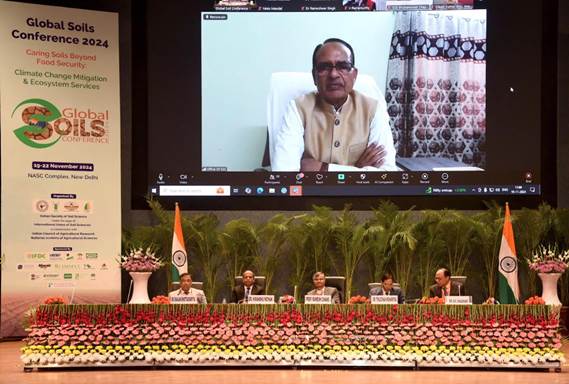
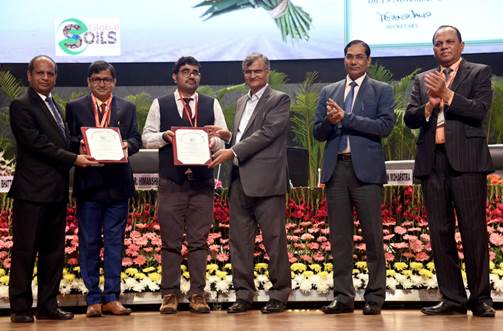
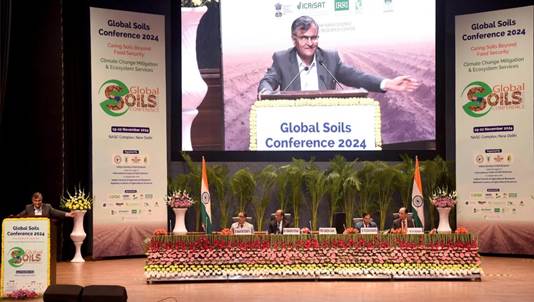
Global Soil Conference 2024

Union Agriculture & Farmers’ Welfare and Rural Development Minister Shri Shivraj Singh Chouhan addressed the Global Soils Conference 2024 organized in PUSA New Delhi today through video conferencing. Union Agriculture minister said that the basic mantra of Indian culture is the belief in a shared consciousness among all beings. Our sages have taught that there is only one universal consciousness in everyone; hence, the whole world is one family, and we should treat everyone as our own. This consciousness is not limited to humans but extends to animals as well. He also added that it is also present in the soil, emphasizing that soil is not lifeless but living.

Shri Chouhan stated that our body is made up of various elements, among which soil is a major component and only if there is soil, there is life. If the soil becomes unhealthy, living beings cannot remain healthy either. We complement each other, so it is essential to ensure that the soil remains healthy. Today, the whole world is concerned about the health of the soil. This earth does not belong to us alone; animals and plants also have rights to it, Shri Chouhan added. He also emphasized that soil health is a matter of serious concern today. India has made remarkable progress in agriculture since independence. At one time, there was a shortage of food grains in the country, and food had to be imported from other nations. However, the Green Revolution brought about a significant transformation in India, the union minister added. The adoption of high-yielding crops and their varieties, better irrigation techniques, and modern agricultural systems have ensured food security for millions of Indians. Following this, the Rainbow Revolution further diversified agriculture through horticulture, dairy, aquaculture, poultry, and other sectors, making agriculture a main pillar of the Indian economy. “I am pleased to share that India now produces 330 million tonnes of food grains annually, contributing significantly to global food trade and generating $50 billion in export earnings” the union Agriculture minister said.

Shri Chouhan also added that increasing use and dependence on chemical fertilizers, indiscriminate exploitation of natural resources and unstable weather have put pressure on the soil. Today India’s soil is facing a major health crisis. According to many studies, 30 percent of our soil has been spoiled. Soil erosion, salinity, pollution are reducing the level of essential nitrogen and micro nutrients in the soil. The lack of organic carbon in soil has weakened its fertility and resilience. These challenges not only affect production but will also create livelihood and food crisis for farmers in the times to come, Union Minister said. Our government has taken many initiatives for soil conservation and which leads to higher soil fertility. Making Soil Health Card was started in 2015 under the leadership of Prime Minister Shri Narendra Modi. More than 220 million cards have been made and given to farmers. And Farmers now know which fertilizer to use in what quantity through the soil health card. Under Pradhan Mantri Krishi Sinchai Yojana- Per Drop More Crop, we have focused on judicious use of water, reducing wastage and reducing peak nutrient residues. An organic basic development compilation has been created for the North East and farmers in these 8 states are being motivated to adopt organic farming practices while protecting the biodiversity of the ecologically sensitive area. The work of making natural farming a mission is also going on in India. He also said that chemical fertilizers are not only deteriorating the health of the soil but also the health of humans and animals. To maintain soil fertility, integrated nutrient and water management methods will have to be adopted. We should take all measures to improve soil health, reduce soil erosion and water storage capacity through various methods like micro irrigation, crop diversification, agro-forestry etc.

Shri Shivraj Singh Chouhan said that the role of solution and extension systems of scientific innovations on war footing is important. Krishi Vigyan Kendras of India, in collaboration with agricultural technology management agencies, are also working to provide knowledge and skills to farmers. The lab to land distance between science and farmers has to be reduced. We are continuously making efforts to ensure timely delivery of correct information from scientists to farmers. Krishi Vigyan Kendra is also making many efforts in this direction. Shri Chauhan added that we are also going to start the program of Modern Agriculture Chaupal soon in which scientists will continuously discuss with the farmers and give information and also solve the problems. Apart from this, private and NGO led extension services have brought advanced technology to the farmers and farmers are now taking advantage of it.

The Union Agriculture Minister also added that farmers are the biggest guardians of the soil and we have to empower them through education, encouragement and modern scientific information. Youth should also be included in this. Agriculture is a profitable and respectable profession; there is a need to encourage the youth for this also. Women students and researchers should play a leading role in developing innovations that address local and global soil challenges. He said that soil erosion is not only a national issue but a matter of global concern which is a part of the Sustainable Development Goals of the United Nations. It is essential to achieve the SDGs.  The conference is an opportunity for nations to collaborate, share technologies and work towards sustainable land management. I urge all participants to consider solutions that can be implemented on a large scale that will benefit not only the farmer, but entire humanity and the entire fauna and trees. I call upon scientists, stakeholders, policy makers, industry representatives, NGOs and students to join hands in the mission to restore soil health. The Government of India is committed to supporting initiatives that ensure sustainable and profitable agriculture, resilient ecosystems and food security for all. Together we pledge to ensure a sustainable future for all living beings and future generations, Shri Chouhan concluded.

Prof.Ramesh chand, Member of NITI Aayog, Dr.Trilochan Mohapatra, chairperson Protection of Plant Varieties and Farmers’ Rights Authority, and former Secretary DARE and DG ICAR, Dr Himanshu Pathak, Secretary DARE and Director General, ICAR&President ISSS were present at the function.

*****

Atal Innovation Mission unveils fourth cohort of Community Innovator Fellows supported by Capgemini, India

Daily writing prompt
Who are your current most favorite people?

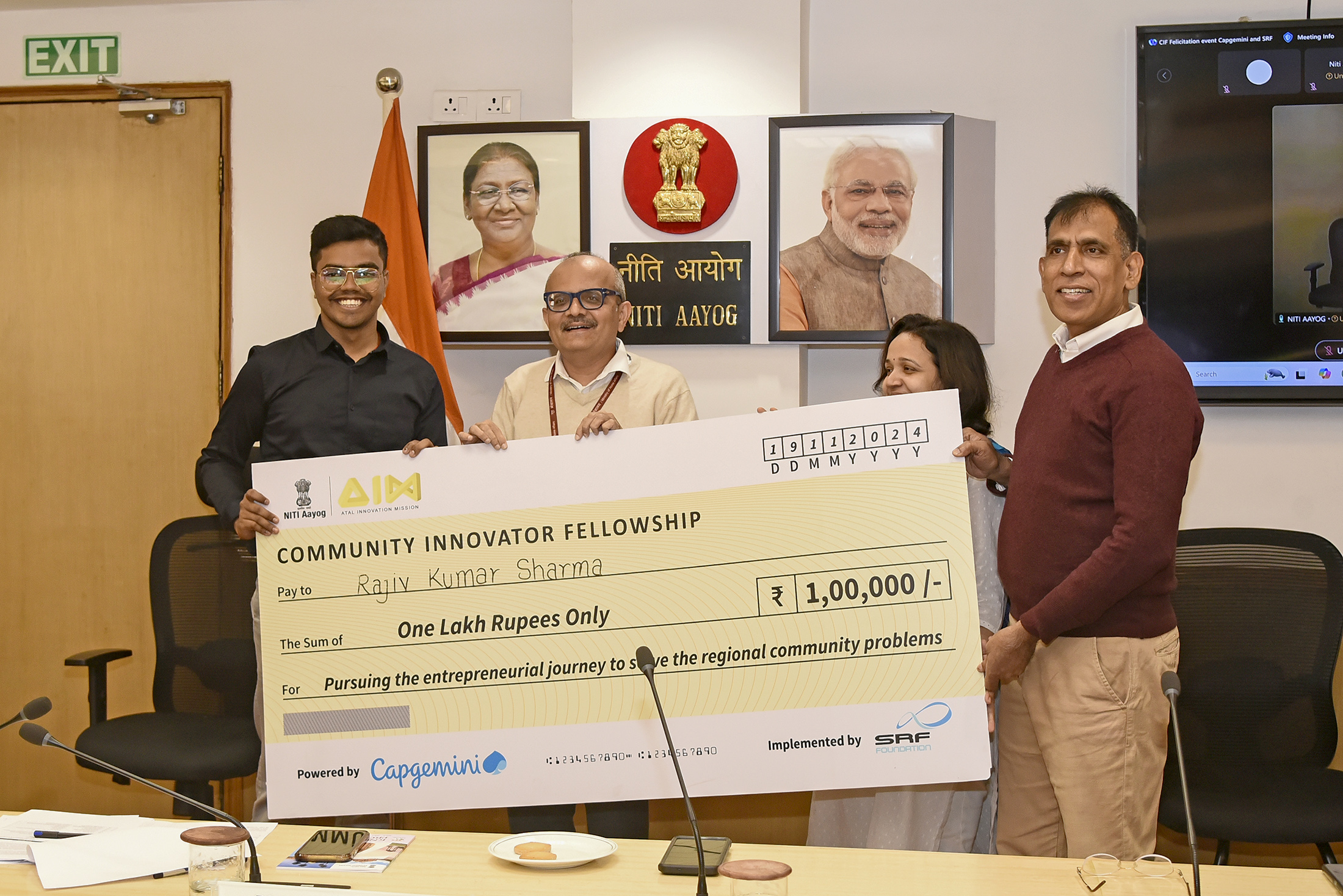
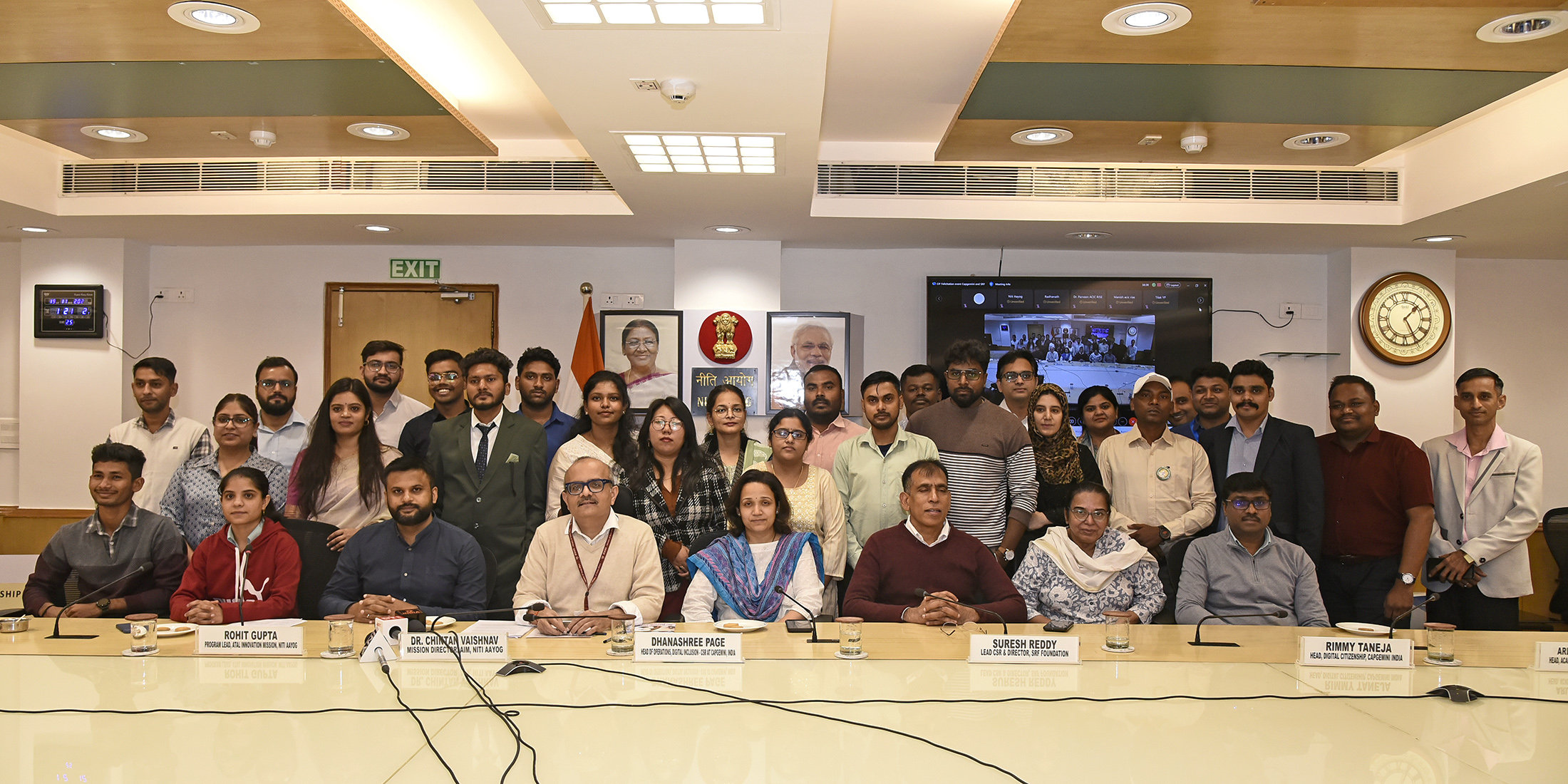
The Atal Innovation Mission (AIM), NITI Aayog marked a significant milestone today with the formal recognition of its fourth cohort of Community Innovator Fellows (CIFs). This year, the program has been further strengthened with the support of Capgemini India, marking a key partnership in fostering grassroots innovation across the country. The CIF initiative continues to empower local innovators, enabling them to address community-specific challenges through creative and sustainable solutions.

In conjunction with the cohort recognition, AIM commenced a two-day intensive bootcamp aimed at equipping these CIFs with the necessary skills and knowledge to scale their innovative solutions as part of AIM’s continued commitment to fostering grassroots innovation and promoting an entrepreneurial ecosystem across India, particularly in underserved regions. AIM, through its Atal Community Innovation Centers (ACIC) program has envisaged to serve the unserved/underserved areas of the country and provide support to every grassroots innovator and work towards accelerating the pathway to reach SDGs 2030.

The CIF Program is a one-year intensive initiative designed to provide aspiring innovators from all socio-economic backgrounds with the infrastructure, training, and mentorship necessary to scale their ideas and build sustainable businesses. Each Fellow is hosted at an Atal Community Innovation Center, where they receive entrepreneurial, SDG-focused, and life skills training while working on solutions tailored to their community’s unique challenges.

Speaking during the keynote address, Mission Director AIM, Dr.Chintan Vaishnav while applauding the program’s role in empowering innovators from Tier 2 and Tier 3 cities said, “The Community Innovator Fellows are uniquely positioned to address community-level problems with solutions that are both relevant and sustainable. This program is aspiring to create a model of excellence, where innovation meets purpose and where community-centric ideas drive national progress.”

He further highlighted the importance of initiatives like the CIF Program in advancing solutions to community level challenges in critical sectors.

Capgemini India, a global leader in consulting, technology services, and digital transformation, is supporting this cohort by providing grants of INR 1 lakh each to 15 CIFs, helping them scale their innovative solutions. SRF Foundation is leading the program’s implementation in collaboration with AIM and Capgemini.

The event witnessed profound insights from distinguished speaker Dhanashree Page, Head of Operations, Digital Inclusion – CSR at Capgemini India. In her address, she emphasized the power of collaborative partnerships in fostering local innovation and driving societal progress. She remarked, “The CIFs represent the hope and creativity of India’s grassroots innovators. By empowering these individuals, we are enabling real, scalable solutions that can transform communities and drive sustainable change,” She said.

Dr. Suresh Reddy, Lead CSR & Director at SRF Foundation, spoke about the significant impact of social entrepreneurship in solving community challenges. “Today’s event showcases the commitment and ingenuity of the CIFs. They are truly the brightest minds in India, using their innovation to address critical local issues,” he said. “We, at SRF Foundation, remain committed to supporting such transformative initiatives and ensuring that their impact reaches every corner of the country.”

The event culminated with the presentation of grants to the CIFs, marking the beginning of their entrepreneurial journey as they work to scale their ideas and make a tangible impact in their communities.

 *****

India-Australia Cooperation in field of Public Administration and Governance Reforms

Daily writing prompt
Name your top three pet peeves.

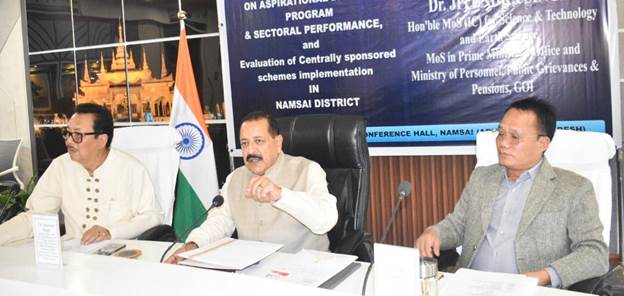
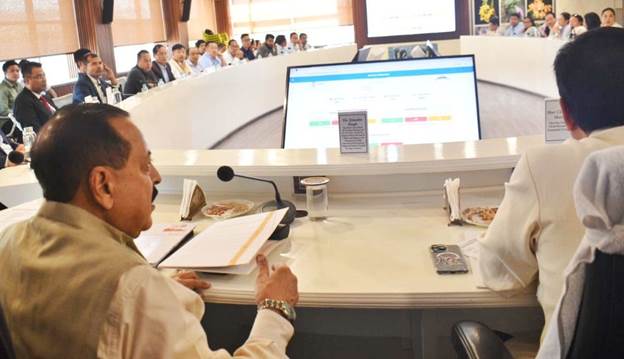
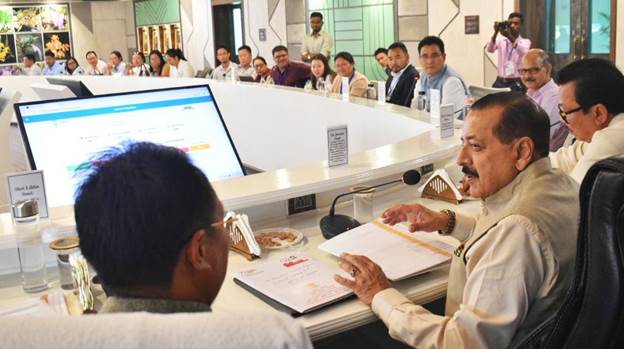
On the second day of his visit to Namsai district, Union Minister Dr. Jitendra Singh reviewed the district’s performance under the Aspirational District Programme (ADP). Emphasizing collaboration, convergence, and competition, he underscored the transformative impact of Prime Minister Narendra Modi’s vision and said, PM Modi has made Northeast an essential part of India’s mainstream growth story.

The Minister noted that before 2014, the region often felt alienated from the rest of the country. Today, it stands as an integral part of India’s cultural and developmental landscape. Citing examples such as youth from the North East excelling in the tourism and aviation industries, Dr. Jitendra Singh stressed the strides made in fostering a sense of belonging and national integration.

Highlighting good practices in Namsai, he pointed out initiatives such as integrating Anganwadi Centres with schools to improve early childhood education and health outcomes and the innovative “Pehli Sawari” ambulance service for newborns. Such ideas, he said, are worth replicating across other aspirational districts.

Dr Jitendra Singh appreciated the fact that the Namsai district has emerged as a beacon of progress under the Aspirational District Program (ADP), showcasing remarkable improvements across various sectors, including health, education, and infrastructure. The district’s composite score has surged from 35.8 in April 2018 to 54.0 in March 2024, reflecting a 37.64% improvement. This leap has propelled Namsai from the 97th position to the 12th among 112 districts, earning it accolades and substantial rewards under the Sustainable Development Goals – Empowered Action Group (SDG-EAP).

WhatsApp Image 2024-11-18 at 4.03.18 PM.jpeg

The health sector in Namsai has witnessed transformative changes. The district has achieved a 100% conversion of sub-centres and Primary Health Centres (PHCs) into Health and Wellness Centres (HWCs). Additionally75% of PHCs now comply with Indian Public Health Standards (IPHS), and 70% of specialist services are available in district hospitals. However, challenges remain, such as the acute shortage of General Duty Medical Officers (GDMOs) and nurses, and the absence of radiologists in the district hospital.

Maternal and child health indicators have also shown significant progress. The percentage of pregnant women receiving four or more antenatal care check-ups has increased from 35.46% in April 2018 to 81.3% in March 2024, and institutional deliveries have surged from 46.7% to 117%. The district has also achieved a remarkable 119% immunization rate for children aged 9-11 months.

Namsai’s education sector has made strides in improving literacy and school infrastructure. The district, which has a predominantly rural population with 76% dependent on agriculture, has focused on enhancing government schools, which cater to 67% of the student population. The literacy rate has improved, but it still lags behind state and national averages.

Key initiatives include the renovation of 27 old school buildings, construction of additional classrooms, and provision of computer labs in five government higher secondary schools. The district has also addressed basic amenities, ensuring functional toilets in 81% of schools and drinking water facilities in 98% of schools. The innovative e-fencing software has been implemented to monitor attendance and reduce absenteeism.

The district’s progress is a result of collaborative efforts involving various stakeholders. Significant projects include the construction of a laboratory building and an OPD building under Corporate Social Responsibility (CSR) initiatives, the establishment of model Anganwadi Centres, and the provision of modern diagnostic equipment for district hospitals and Community Health Centres (CHCs). The “Pehli Sawari” initiative, funded by Indian Oil Corporation Limited (IOCL), provides free ambulance services for institutional deliveries, further enhancing maternal health outcomes.

Agriculture and Infrastructure: Addressing Challenges and Leveraging Potential

Agriculture remains a critical sector for Namsai, with 74% of the population engaged in farming. The district faces challenges such as inadequate irrigation facilities, exploitation by middlemen, and low productivity of local livestock. However, the fertile plains and excellent road connectivity offer significant potential for agricultural diversification and agro-based industries.

WhatsApp Image 2024-11-18 at 4.03.19 PM.jpeg

Infrastructure development has also been a priority, with 100% household electrification, improved road connectivity under the Pradhan Mantri Gram Sadak Yojana (PMGSY), and enhanced access to potable water and sanitation facilities.

Namsai’s journey under the ADP serves as a model for other aspirational districts. The district’s comprehensive approach, focusing on health, education, and infrastructure, coupled with collaborative efforts, has yielded significant improvements. As Namsai continues to address its challenges and leverage its potential, it stands as a testament to the transformative power of targeted development programs.

WhatsApp Image 2024-11-18 at 4.03.17 PM.jpeg

Dr. Jitendra Singh’s visit not only showcased the achievements of Namsai but also highlighted its potential as a model for other districts. The Minister emphasized that such targeted developmental efforts demonstrate how collaboration and innovative practices can overcome challenges and drive inclusive growth.

As Namsai continues its journey of progress, its story serves as an inspiration for aspirational districts across India. The Minister’s visit has reignited focus on leveraging local potential and ensuring equitable development, aligning with the government’s vision of a self-reliant and inclusive India.

***

NICDC and CEPT University hold workshop on sustainable design for administrative buildings in India’s new greenfield industrial Smart Cities

Daily writing prompt
What historical event fascinates you the most?

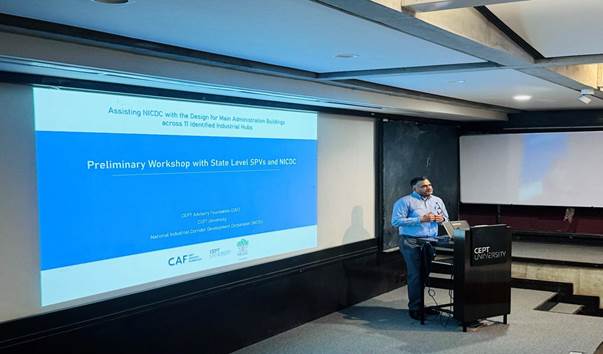
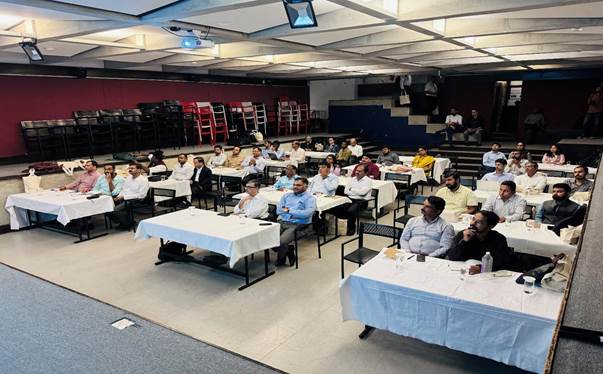
The National Industrial Corridor Development Corporation Limited (NICDC), under the administrative control of the Department for Promotion of Industry and Internal Trade (DPIIT), Ministry of Commerce and Industry, Government of India, in collaboration with the CEPT Advisory Foundation (CAF) of  the Centre for Environmental Planning and Technology (CEPT) University, organised a workshop to discuss the sustainable design of administrative buildings for 12 new greenfield industrial smart cities recently approved by the Government of India. This first-of-its-kind workshop, held on October 24, 2024, at the CEPT University campus in Ahmedabad, Gujarat, focused on highlighting sustainable design concepts such as biophilic architecture, integrated and inclusive planning, energy efficiency, and climatic bio-massing.

It has been envisioned that administrative buildings in these futuristic smart cities will embody these advanced principles to create uniquely designed structures that contribute to eco-friendly urban landscapes.The workshop was held to inspire Special Purpose Vehicles (SPVs) and state officials to participate in discussions on emerging technologies and sustainable practices on both national and global levels.

Participants engaged in two detailed sessions during the workshop. In the initial session, the emphasis was placed on the value of good design and its role in creating appealing, functional workspaces. Distinguished architects demonstrated exemplary projects to showcase the advantages of innovative designs, while open discussions were held on the latest design trends and implementation challenges. This session was led by renowned professionals, including Ms. Aparna Khemani from Gensler, Mr. Bedanta Saikia from Edifice, and Mr. Ambrish Arora from Studio Lotus.

In the second part of the workshop, the CAF team outlined a robust and transparent process for procuring architectural services. This presentation emphasized the importance of balancing quality and cost in commissioning competent designers through a reliable and thorough process. This session was facilitated by Mr. Prasad Jasti from Jacobs and Mr. Avanish Pendarkar, Center Head, CEPT Urban Planning and Design Foundation – CoE.

CEO and MD, NICDC, Shri Rajat Kumar Saini, IAS, stressed the significance of developing unique, iconic administrative buildings in the industrial smart cities being established under the National Industrial Corridor Development Programme. The aim of these industrial corridors is to create dynamic zones that stimulate industrial growth, improve logistics, and foster eco-friendly environments. Shri Saini expressed the NICDC’s vision of collaborating with CEPT University and CAF to develop resilient cities equipped to meet the needs of future generations.

CAF Director, Mr. Darshan Parikh, highlighted the importance of this collaboration with NICDC and SPVs, emphasising that CAF is committed to supporting NICDC in realising the vision of iconic buildings across designated locations. Mr. Parikh added, “Together, we aim to work collaboratively to bring the best design competencies for the development of these iconic administrative buildings”.

The workshop concluded with state officials gaining a deeper understanding of the nuances involved in designing and planning context-specific, innovative administrative buildings. This initiative represents a step toward the goal of Viksit Bharat,  showcasing the pivotal role that architecture, culture, design, planning, technology, research play in building a robust and sustainable future.

NICDC, formerly known as the Delhi Mumbai Industrial Corridor Development Corporation, is responsible for developing greenfield industrial smart cities with manufacturing as the primary economic driver, as part of the National Industrial Corridor Development Programme.

CEPT Advisory Foundation (CAF) is a section 8 (non-profit) company that focuses on advisory projects, constituted in November 2023. CAF offers services across nine thematic centres, including urban planning, transport, infrastructure, and water supply and sanitation. Its portfolio includes over 200 projects, ranging from development and strategic plans to feasibility studies and development control regulations.

***

Exploring the Cycle of Nutrients in Natural Ecosystems

Nature is an intricate ballet of life, energy, and nutrients—a dance that sustains the world around us. In the heart of ecosystems, whether dense forests or arid deserts, lies a cycle of nutrients that fuels this balance. This process not only supports the thriving diversity of flora and fauna but also underpins agricultural productivity and climate stability. By grasping how nutrients move through ecosystems, we gain insight into how to preserve and enhance these natural processes.

Photo by Pixabay on Pexels.com

The Marvel of Nature’s Nutrient Cycle

The nutrient cycle is a continuous loop vital for life on Earth. It involves the movement and exchange of organic and inorganic matter back into the production of living matter. Plants, animals, and microorganisms all play crucial roles, working together to keep the environment balanced. This cycle encompasses the major nutrients necessary for life, including carbon, nitrogen, phosphorus, and others.

Decomposers The Unsung Heroes

Have you ever wondered what happens to fallen leaves or deceased animals? Decomposers—bacteria, fungi, and certain insects—are nature’s recyclers. They break down dead organic matter, transforming it into simpler substances. This decomposition returns nutrients to the soil, making them available for plants to absorb and use in their growth and development.

Plants The Primary Producers

Plants are remarkable entities that harness sunlight, water, and nutrients from the soil to create food via photosynthesis. They form the foundational base of the food web, providing nourishment to herbivores, which in turn support carnivores. By absorbing nutrients through their roots, plants redistribute these essential elements throughout the ecosystem.

Herbivores and Carnivores Transferring Energy

Herbivores, such as deer and rabbits, consume plants, transferring the stored energy and nutrients to higher trophic levels. Carnivores, like wolves or eagles, then prey on herbivores, further distributing nutrients. This consumption cycle ensures that nutrients flow throughout the ecosystem, supporting diverse life forms.

Symbiotic Relationships Nature’s Partnerships

Within ecosystems, symbiotic relationships between organisms enhance nutrient cycling. For example, nitrogen-fixing bacteria in the roots of legumes convert atmospheric nitrogen into a usable form for plants. In return, plants provide carbohydrates to the bacteria. Such partnerships boost soil fertility and productivity, showcasing nature’s collaborative spirit.

Nutrient Storage in Soil The Reservoir

The soil acts as a reservoir for nutrients, storing them until they are needed by plants. Organic matter, such as decaying plant material and animal waste, enriches the soil with essential elements. This dynamic storage system prevents nutrient loss and serves as a buffer during periods of scarcity, ensuring ecosystems remain resilient.

Human Impact on Nutrient Cycles

Human activities, including agriculture and industrialization, can disrupt natural nutrient cycles. Excessive use of fertilizers, for instance, can lead to nutrient runoff, polluting water bodies and causing harmful algal blooms. Recognizing our impact and adopting sustainable practices are vital for maintaining nutrient balance and ecosystem health.

The Role of Organic Compost

One of the most effective ways to support natural nutrient cycling is by using organic compost. Composting organic waste allows us to recycle nutrients back into the soil, improving both its fertility and structure. In Salt Lake City, many residents and community gardens embrace organic compost to strengthen local ecosystems, showcasing their commitment to sustainable practices.

Agricultural Practices Mimicking Nature

Innovative agricultural practices, such as crop rotation and cover cropping, mimic natural nutrient cycles. These methods enhance soil health by reducing erosion, maintaining moisture, and improving nutrient availability. By aligning farming techniques with nature’s wisdom, we can ensure long-term productivity and environmental stewardship.

Climate Change and Nutrient Dynamics

Climate change poses challenges to nutrient cycles by altering temperature and precipitation patterns. These changes can affect the timing and availability of nutrients, impacting plant growth and ecosystem stability. Understanding these dynamics is crucial for developing strategies to adapt to and mitigate climate change impacts.

The Future of Nutrient Cycling in Ecosystems

As we look to the future, safeguarding nutrient cycles is paramount for sustaining life on Earth. By fostering education, research, and collaboration, we can devise solutions to preserve these natural processes. A collective effort will ensure that ecosystems continue to thrive, providing essential services for generations to come.

Conclusion

The cycle of nutrients in natural ecosystems is a testament to nature’s ingenuity and resilience. By appreciating and nurturing these cycles, we safeguard the delicate balance that sustains biodiversity and human civilization. Through conscious actions and sustainable practices, we can ensure that this intricate dance of nutrients continues to support life in all its forms.

Sustainable Development Goals SDGs

The Sustainable Development Goals (SDGs): A Blueprint for a Better Future

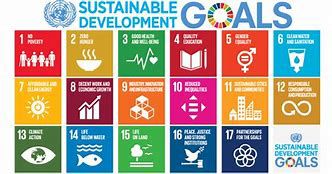
The Sustainable Development Goals (SDGs), adopted by the United Nations in 2015, provide a global framework to address the world’s most pressing challenges by 2030. These 17 goals, built on the foundation of the earlier Millennium Development Goals (MDGs), aim to eradicate poverty, protect the planet, and ensure prosperity for all. The SDGs emphasize interconnectedness, recognizing that economic growth, social inclusion, and environmental sustainability are interdependent.

1. No Poverty

Goal 1 seeks to end poverty in all its forms by 2030. Despite progress, more than 700 million people still live in extreme poverty. The SDGs advocate for inclusive economic growth and social protection systems, ensuring that the most vulnerable are not left behind.

2. Zero Hunger

Goal 2 focuses on achieving food security and promoting sustainable agriculture. With hunger and malnutrition affecting millions, the SDGs aim to ensure access to safe, nutritious, and sufficient food while promoting sustainable farming practices and supporting small-scale farmers.

3. Good Health and Well-being

Health is central to sustainable development. Goal 3 aims to ensure healthy lives and promote well-being for all at all ages. Key targets include reducing maternal and infant mortality, ending epidemics of diseases like HIV/AIDS, and promoting mental health.

4. Quality Education

Education is a powerful driver of change. Goal 4 seeks to ensure inclusive, equitable, and quality education for all. This includes ensuring free primary and secondary education, equal access to technical and vocational education, and lifelong learning opportunities.

5. Gender Equality

Achieving gender equality and empowering women and girls is essential for global development. Goal 5 aims to eliminate discrimination, violence, and harmful practices against women, and ensure equal participation in leadership and decision-making.

6. Clean Water and Sanitation

Access to clean water and sanitation is a basic human right. Goal 6 seeks to ensure availability and sustainable management of water and sanitation for all by improving water quality, reducing pollution, and investing in infrastructure.

7. Affordable and Clean Energy

Goal 7 focuses on ensuring access to affordable, reliable, sustainable, and modern energy. It aims to increase the share of renewable energy in the global energy mix and enhance energy efficiency, recognizing energy’s pivotal role in combating climate change.

8. Decent Work and Economic Growth

Promoting sustained, inclusive economic growth, full and productive employment, and decent work for all is at the core of Goal 8. The SDGs advocate for policies that stimulate entrepreneurship, job creation, and improved labor conditions, especially for young people and marginalized communities.

9. Industry, Innovation, and Infrastructure

Goal 9 underscores the importance of building resilient infrastructure, promoting inclusive and sustainable industrialization, and fostering innovation. This includes expanding access to financial services, technology, and the internet, particularly in developing countries.

10. Reduced Inequality

Goal 10 seeks to reduce inequality within and among countries by empowering and promoting the social, economic, and political inclusion of all, regardless of age, gender, disability, race, or income. It also calls for improved financial regulation to ensure fairer outcomes globally.

11. Sustainable Cities and Communities

With more than half of the world’s population living in urban areas, Goal 11 aims to make cities inclusive, safe, resilient, and sustainable. This includes improving housing, public transport, and urban planning, while reducing the environmental impact of cities.

12. Responsible Consumption and Production

Goal 12 encourages sustainable consumption and production patterns. It calls for reducing waste, improving resource efficiency, and promoting sustainable lifestyles, which are essential for decoupling economic growth from environmental degradation.

13. Climate Action

Climate change is one of the greatest challenges of our time. Goal 13 urges immediate action to combat climate change and its impacts, through both mitigation (reducing emissions) and adaptation (increasing resilience to climate impacts).

14. Life Below Water

Goal 14 focuses on conserving and sustainably using oceans, seas, and marine resources. It targets overfishing, marine pollution, and ocean acidification, while promoting the sustainable management of fisheries and marine ecosystems.

15. Life on Land

Goal 15 addresses the protection, restoration, and promotion of sustainable use of terrestrial ecosystems, forests, and biodiversity. It seeks to halt deforestation, combat desertification, and prevent the extinction of threatened species.

16. Peace, Justice, and Strong Institutions

Goal 16 promotes peaceful and inclusive societies, access to justice for all, and the building of effective, accountable institutions. It addresses issues like corruption, human trafficking, and violence, aiming to create more just and equitable societies.

17. Partnerships for the Goals

Recognizing that achieving the SDGs requires strong partnerships, Goal 17 focuses on enhancing global cooperation, financial support, and the exchange of knowledge, technology, and innovations. It emphasizes the need for collaboration across governments, civil society, and the private sector.

The Road Ahead

The SDGs represent an ambitious agenda that calls for transformative change. Governments, businesses, civil society, and individuals must work together to drive progress. While the goals are global, they require local action tailored to specific challenges. Meeting the 2030 deadline will require political will, investment, and an unwavering commitment to sustainable development for all.

The SDGs offer a shared vision for humanity’s future—one where no one is left behind, the environment is protected, and prosperity is within reach for everyone.