The Department of School Education and Literacy, Ministry of Education, Government of India has been implementing a rolling programme of sample based National Achievement Survey (NAS) aimed at classes III, V, VIII and X with a cycle period of three years. The last National Achievement Survey (NAS) was held on 12th November, 2021.
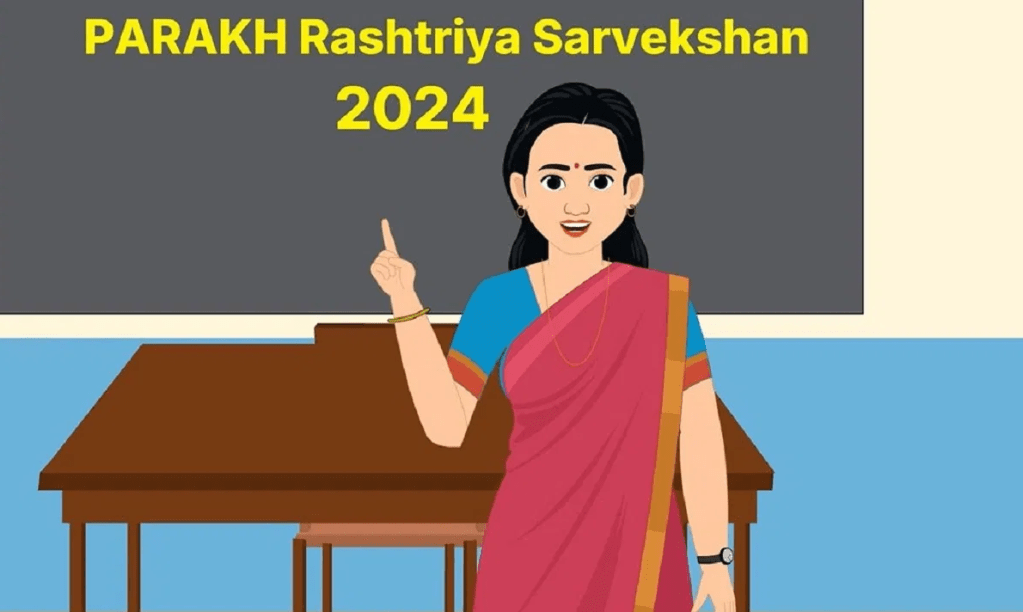
In pursuance of the recommendations of the National Education Policy (NEP) 2020, National Assessment Centre, PARAKH (Performance Assessment, Review, and Analysis of Knowledge for Holistic Development) has been setup by the Ministry of Education under the National Council of Educational Research and Training (NCERT) and has been entrusted with the responsibility of carrying out the next round of NAS, hereafter referred to as PARAKH Rashtriya Sarvekshan 2024. The survey will be held on 4th December, 2024 across the country and will help to assess the competencies developed by students at the end of foundational, preparatory and middle stages (i.e., Students currently in 3rd, 6th and 9th Grades) and help to take remedial measures. The instrument development, testing, finalization of the test items and survey tools have been developed by PARAKH, NCERT. However, the administration of the test in the sampled schools will be done by CBSE in collaboration with the respective States/UTs.
The PARAKH Rashtriya Sarvekshan is a baseline study to understand the achievement of the stage specific competencies at the end of foundation, preparatory and middle stages as per NEP 2020. It will cover the entire spectrum of schools i.e., Government Schools (Central Government and State Government), Government Aided Schools and Private schools across the country. It is expected that around 23 lakh students of approximately88 thousand schools spread out in 782 districts across 36 States and UTs will be covered in the PARAKH Rashtriya Sarvekshan 2024. Students of Grades 3, 6, and 9 will be assessed in the subjects, Language, Mathematics, the World Around Us, Science and Social Science. The Test would be conducted in 23 mediums of instructions covering Assamese, Bengali, Gujarati, Hindi, Kannada, Konkani, Malayalam, Manipuri, Marathi, Nepali, Oriya, Punjabi, Sanskrit, Santhali, Sindhi, Tamil, Telugu, Urdu, Bodo, English, Mizo, Garo & Khasi.
For smooth and fair conduct of the survey 94878 Field Investigators, 75,565 Observers, 3128 District Level Officers and 180 State Nodal Officers from 36 States and Union Territories have been appointed. Also, 782 Board Representatives along with 38 National Level Observers have been appointed in the districts for monitoring the overall functioning and ensuring fair conduct of the Survey. All the personnel have been provided extensive training regarding their roles and responsibilities.
A National Steering Committee has been constituted for conduct of PARAKH Rashtriya 2024 headed by Secretary, Department of School Education and Literacy, Ministry of Education. A Portal https://ncert.nic.in/parakh/rashtriyasarvekshan.php has been launched to enable coordination with various key functionaries for smooth conduct of PARAKH Rashtriya 2024. National, State and District Report cards for all Stages covered under the survey will be released and placed in public domain.
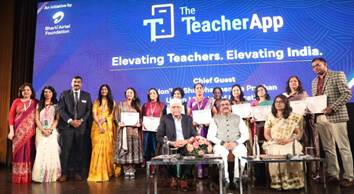
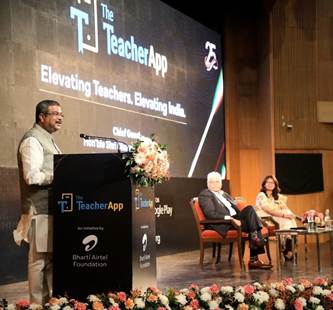
Union Minister for Education, Shri Dharmendra Pradhan, today in New Delhi unveiled the TeacherApp, an innovative digital platform designed to revolutionize education in India by equipping educators with future-ready skills to meet the demands of 21st-century classrooms. The Platform has been developed by Bharti Airtel Foundation, the philanthropic arm of Bharti Enterprises. Vice Chairman of Bharti Enterprises, Shri Rakesh Bharti Mittal; CEO of Bharti Airtel Foundation, Smt. Mamta Saikia, dignitaries from the education sector, school principals, teachers and B.Ed. students were also present at the event.
Addressing the gathering on the theme of “Elevating Teachers, Elevating India,” Shri Dharmendra Pradhan stated that this app will significantly empower teachers through continuous capacity building, leveraging innovative course content, technology, and community-building features. He emphasized that teachers are the real Karmayogis shaping the future generation, and the government is placing unprecedented focus on their continuous capacity building in line with the spirit of NEP 2020.
The Minister further highlighted that enlightened teachers create enlightened students. As India progresses in the knowledge-driven 21st century, teachers will play a pivotal role in identifying future opportunities and ensuring that our youth lead the nation’s growth story, he added.
Based on the on-ground experience and deep understanding of the challenges educators face, The TeacherApp has been conceptualised. This platform will equip them with both time-tested and future-ready skills through innovative digital resources. This user-centric, free app developed with direct inputs from teachers is accessible across the Web, iOS, and Android, ensuring seamless access for educators nationwide. The platform offers over 260 hours of high-quality resources, both created and curated including courses, learning bytes, short videos, podcasts, and interactive webinar formats such as thematic fests, webinars, competitions, and quizzes, all designed to foster future readiness, elevate pedagogical practices, and enhance student engagement in classrooms. Additionally, the app also features live expert sessions that provide practical classroom strategies and aims to build a community of teachers by highlighting their exceptional impact stories. The app combines tech innovation with partnerships across 12 states to transform education.
This platform has a unique section called Teaching Kits comprising content of 900 hours. This feature is designed to support teachers with tools Including teaching videos, project-based learning activities, worksheets, lesson plans, and question banks, among others for classroom delivery. With a mission to transform schools into safe and happy learning spaces, The TeacherApp not only supports teachers’ growth but also empowers schools’ leaders and administrators. Aligned with the National Education Policy 2020, the app aims to build future-ready educators equipped to meet the evolving needs of education.
Shri Rakesh Bharti Mittal, in his address, said that to make India thrive as a global economic leader, it is imperative that the education system equips educators to foster creativity, critical thinking, and innovation. The TeacherApp will offer teachers access to world-class resources and best practices that empower them to deliver exceptional learning experiences, he added.
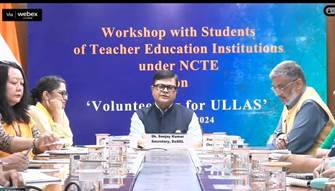
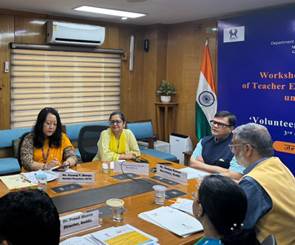
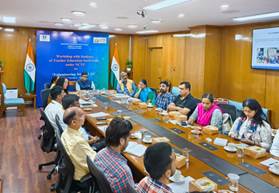
Shri Sanjay Kumar, Secretary, Department of School Education and Literacy (DoSE&L), Ministry of Education presided over a virtual workshop with students of Teacher Education Institutions (TEIs) under the NCTE on ‘Volunteering for Ullas’ today. The workshop aimed at fostering Youth Volunteerism from TEIs to achieve full literacy across India as enshrined in the NEP 2020. Smt. Archana Sharma Awasthi, Joint Secretary, DoSE&L; Prof. Pankaj Arora, Chairperson, NCTE; Ms. Kesang Y. Sherpa, Member Secretary, NCTE; Smt. Preeti Meena, Director, DoSE&L, and other officials were present at the meeting.
While addressing the students and teachers from TEIs, Shri Sanjay Kumar emphasized coming together to pay special attention to promoting literacy across the country in all sections of society. He exhorted that illiterate people in our society should be given the gift of literacy. Teacher Educators and administrators should support and guide the students at their institutes in registering on the ULLAS App, he added.
Smt. Archana Sharma Awasthi presented on the agenda of the workshop of ‘ULLAS: Nav Bharat Literacy Programme’ and encouraged the students and teachers to join the program for community service and engagement.
Prof. Pankaj Arora highlighted that the National Council for Teacher Education is fully committed to realizing the dream of Viksit Bharat by achieving the goal of ‘Jan Jan Saakshar’.
Ms. Kesang Y. Sherpa presented on the Role of Teacher Education Institutions in ULLAS. While presenting the role of NCTE in the context of the implementation of ULLAS, she highlighted that for the academic session 2023-24, NCTE had directed all Teacher Education Institutions to connect 8-10 students with the ULLAS initiative and motivate them to become volunteer teachers and contribute to nation building cause. The students can earn 2 Credits for Community Engagement & Service for active participation in activities related to ULLAS-New India Literacy Programme (NILP), NSS & Other community activities, she added.
Smt. Preeti Meena gave a detailed presentation on Ullas which also covered the implementation steps of Ullas in TEIs.
More than 18,000 TEIs, faculty and student-teachers were inducted during the session.
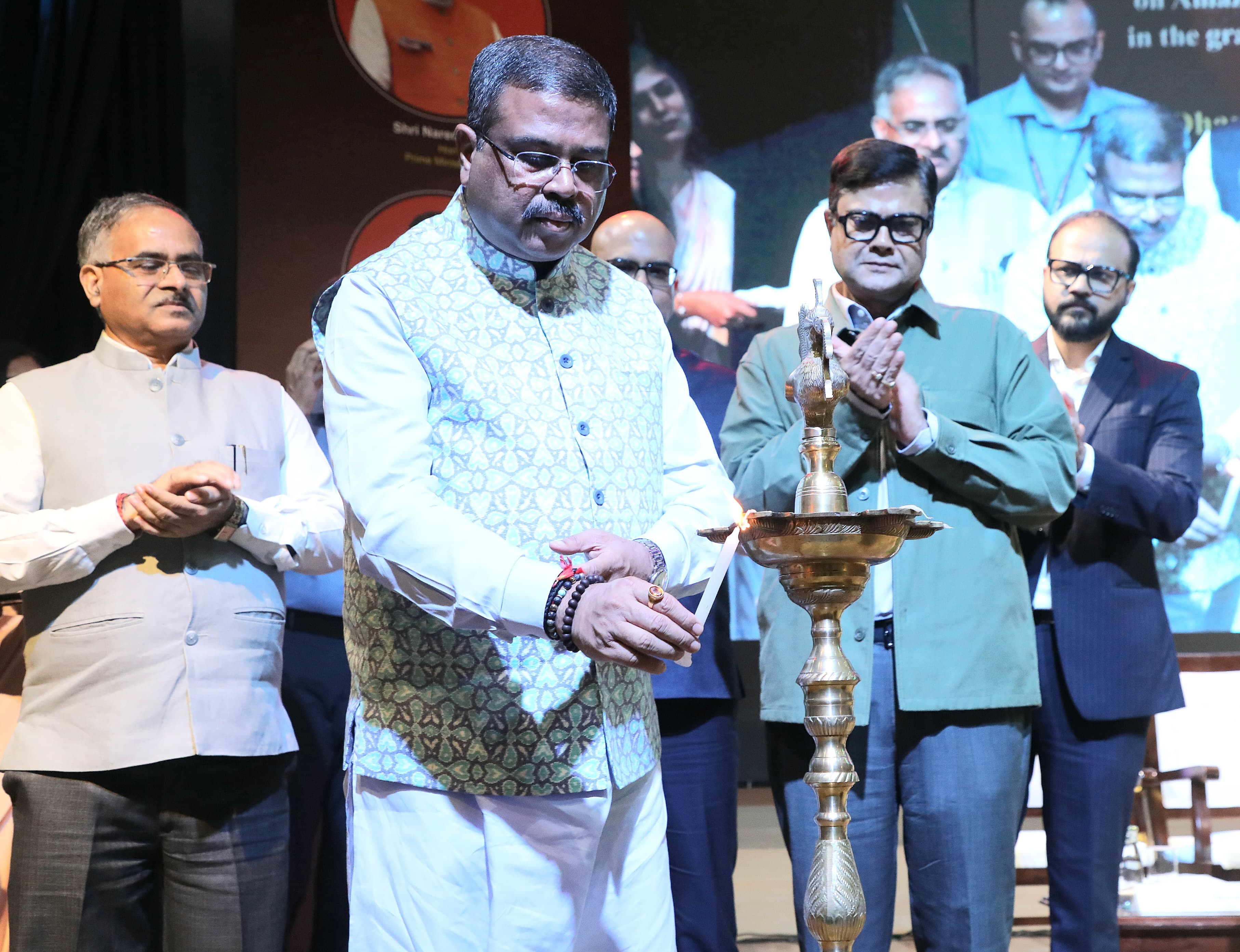
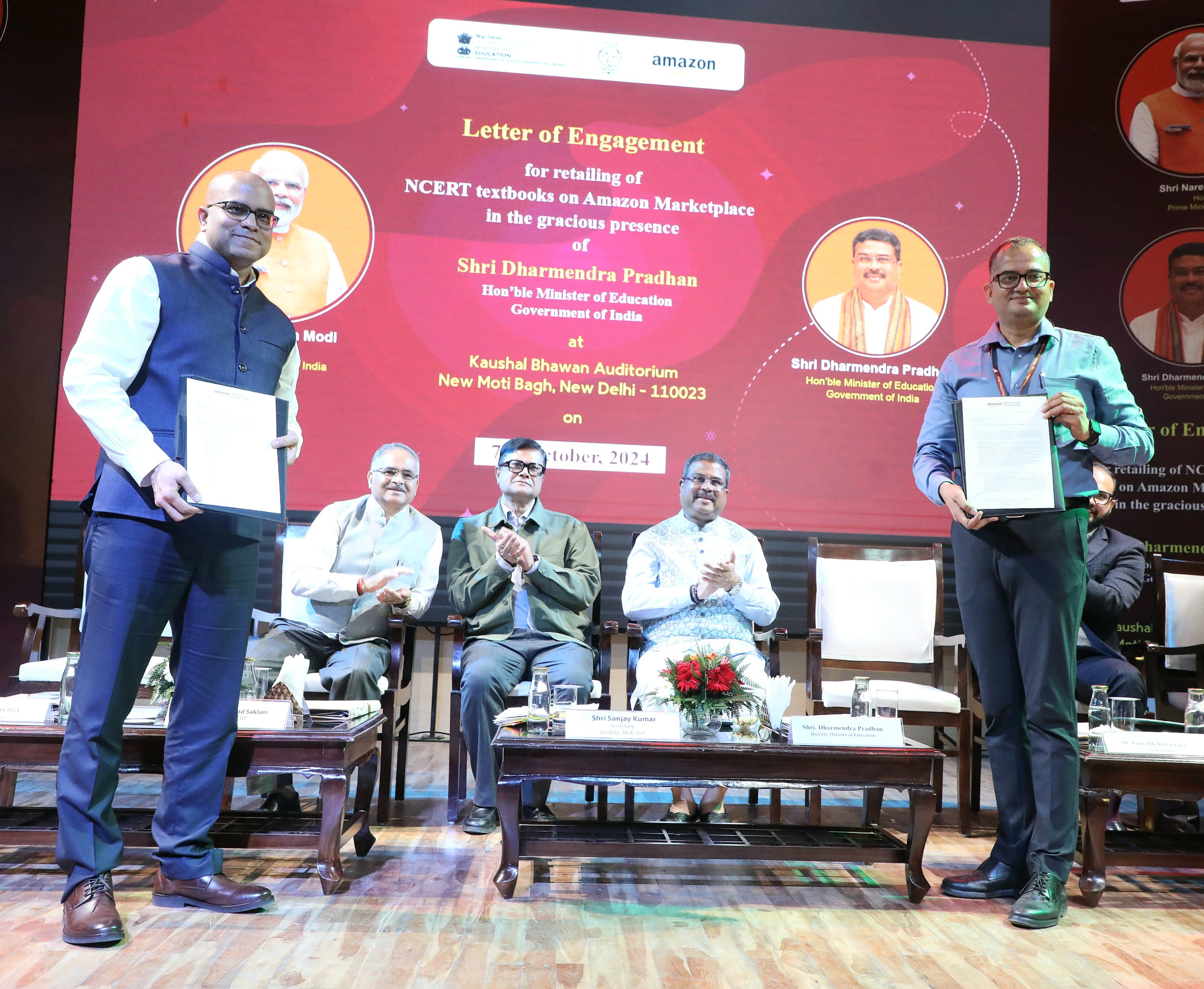
Union Minister for Education, Shri Dharmendra Pradhan, presided over the signing of the Letter of Engagement (LoE) today between NCERT and Amazon Seller Services Pvt Ltd. This is the first such tie-up, which will ensure access to original NCERT textbooks at the printed price on major e-commerce platforms. Secretary, Department of School Education and Literacy (DoSEL), Shri Sanjay Kumar; Joint Secretary, (DoSEL), Smt. Prachi Pandey; Director, NCERT, Prof. Dinesh Prasad Saklani; Vice President, Amazon, Shri Saurabh Shrivastava; Director, Public Policy, Amazon, Shri Aman Jain, other dignitaries and officials were also present at the event.
While addressing the audience, Shri Pradhan stated that today’s initiative will strengthen NEP2020’s vision of making education inclusive, accessible, and affordable. He added that with the increasing digital footprint across the country, this initiative will also support the Government’s vision of ‘ease of living.’ Shri Pradhan noted that NCERT has been shaping India’s education landscape by publishing textbooks since 1963, with a total of around 220 crore books and journals. He emphasized that NCERT is a major think tank for the country. Furthermore, he announced that these books will be made available across nearly 20,000 pin codes nationwide. He emphasized that these books should be available at MRP.
Shri Dharmendra Pradhan lauded NCERT’s partnership with Amazon calling it a step towards enhancing ease of living and accessibility to education. NCERT to triple-fold publication of books and publish 15 crore books for next academic session (2025-26), he added.
He also informed the audience that NCERT has been entrusted with the responsibility of developing 21st-century textbooks.
Stressing the importance of making learning joyful for the 300 million students of the Amrit Kaal, he urged the development of e-books that are interactive and AI-driven, featuring innovations like talking books. Expressing his gratitude to Prime Minister Shri Narendra Modi, he underscored the significance of books in all 23 languages, declaring that books will be the real soft power of India.
Highlighting the significance of textbooks in education, Shri Sanjay Kumar emphasized the need to strengthen the supply chain for these essential resources. He stressed that textbooks, which account for nearly 96% of the total volume of book sales in the country, should be made available through e-commerce platforms like Amazon to enhance accessibility for students.
NCERT textbooks of all grades shall be made available on the Amazon NCERT storefront (http://amazon.in/ncert), which was also launched today. The textbooks shall be retailed at a price not more than the rate printed on the textbooks. Only original NCERT textbooks shall be retailed on this platform, thereby helping curb the sale of pirated NCERT textbooks. Amazon will help NCERT monitor and take down unauthorized sellers who distribute counterfeit or overpriced books.
Through Amazon’s vast delivery network, students and schools, even in the most remote areas, will be able to purchase textbooks at the prescribed prices. This would address the challenges of supply gaps, delayed availability, and regional shortages of textbooks, ensuring equitable access to education.
This tie-up shall also enable NCERT to leverage customer reviews and feedback to improve the quality of its textbooks and other educational material. Moreover, anonymised sales and usage data will be shared with NCERT to facilitate informed decision-making regarding future print orders, distribution strategies, and selection of new distributors in States/districts where the demand for NCERT textbooks is more.
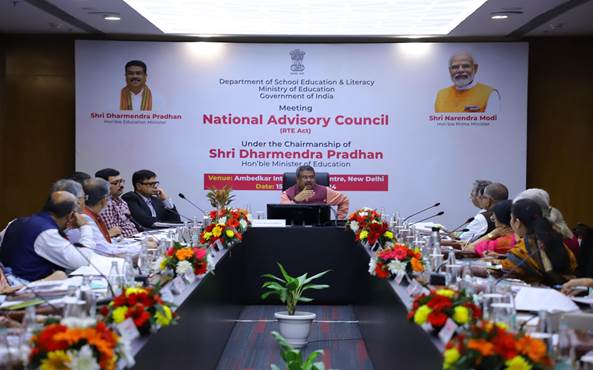
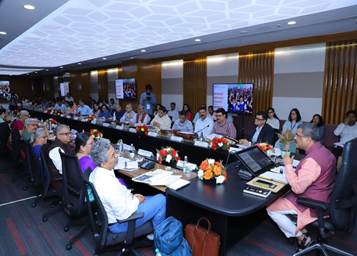
Union Minister for Education, Shri Dharmendra Pradhan chaired the National Advisory Council meeting, focusing on strengthening the implementation of the Right to Education (RTE) Act, which primarily emphasises access to school education. The National Education Policy 2020 highlights the revision and revamping of the education structure, including its regulation and governance, to create a new system that is aligned with the aspirational goals of 21st century education by providing holistic, inclusive and multidisciplinary growth in school curriculum.
In his keynote address, Shri Dharmendra Pradhan emphasised the Government of India’s dedication to guaranteeing universal access to quality education and reaffirmed the commitment to strengthening of school education in the country guided by the Implementation of the RTE Act,2009 and the holistic and transformative provisions of National Education Policy 2020. He focused on developing a thorough plan to integrate innovative teaching methods and significantly enhance learning outcomes to strengthen the educational framework in the forthcoming years. He stressed on providing a special focus on Early Childhood Care and Education (ECCE) that ensures the cognitive development of children according to the NEP 2020. Additionally, the Minister highlighted the need to formulate a comprehensive strategy for effective pedagogy and teaching methodology, with a strong emphasis on ensuring quality education, accessibility, affordability, equity and inclusivity in the implementation of educational interventions.
Shri Sanjay Kumar, Secretary (DoSEL), addressed the transformative journey of the education policies and the commitment to achieve the vision of Viksit Bharat through the National Education Policy, 2020. He urged the council members to examine the advancements in the education sector and provide their insightful feedback to the participants.
Shri Vipin Kumar, Additional Secretary (DoSEL), highlighted the current state of the government’s initiatives under the RTE Act of 2009, particularly the provision of free textbooks, uniforms, the Mid-Day Meal Scheme and many other interventions related to it.
Aligned with the vision of the National Education Policy (NEP) 2020, these initiatives form the core of the Samagra Shiksha scheme, which is dedicated to enhancing the quality of education and promoting equity and inclusivity. By integrating these components, Samagra Shiksha promotes holistic development and improves learning outcomes, ensuring that every child has the necessary interventions for a seamless transition from elementary to secondary education. It was also mentioned during the discussion that while RTE Act 2009 talks about the elementary education upto class 1 to class 8 but NEP-2020 takes care of the holistic developmental needs of 15 years of school education.
The National Advisory Committee members shared their valuable insights to create a more cohesive and equitable education system. The committee members highlighted the need to strengthen the school ecosystem, teacher education and socio-economically disadvantaged groups, as underscored in the NEP 2020. The meeting was attended by distinguished dignitaries and senior officials from the Department of School Education and Literacy and autonomous bodies of the Department.
Additionally, Director, NCERT mentioned that 79 Primers have been developed in scheduled languages of the respective State/ UTs. These Primers are in accordance with NEP 2020, which fosters education in child’s native language to facilitate their overall development. This meeting marks a crucial step towards further strengthening the education system in India, ensuring that every child receives their right to free and compulsory education and reinforcing the principles of equity and inclusivity in education.
National Education Day is celebrated on November 11 every year in honor of Maulana Abul Kalam Azad, the first Education Minister of independent India and a prominent educationist. This day highlights the importance of education in shaping India’s future. With 65% of the nation’s population under the age of 35, it is crucial to provide them with opportunities for quality education and skills development. The Government of India is dedicated to building strong education infrastructure that fosters the holistic development of students and empowers the youth to drive the nation towards progress.
Transforming India through Education
The Government of India has taken significant strides to promote access to education through various initiatives and constitutional provisions. The introduction of free primary education, reinforced by the 86th Amendment of the Constitution through Article 21-A, guarantees free and compulsory education for children aged six to fourteen as a Fundamental Right. The Rights to Education (RTE) Act, 2009, which came into effect on April 1, 2010, further supports this by ensuring that every child receives quality elementary education in a formal school that meets prescribed norms. These legal frameworks, backed by government schemes and initiatives, reflect India’s commitment to building an inclusive and equitable educational system for all.
NEP 2020: Under the dynamic leadership of Prime Minister Narendra Modi, the Union Cabinet of India approved the National Education Policy (NEP) 2020 on July 29, 2020. The NEP seeks to overhaul India’s education system to better align with the needs of the 21st century, fostering a more inclusive and forward-thinking approach.[3]
PM SHRI: Prime Minister Shri Narendra Modi approved the PM SHRI Schools (PM Schools for Rising India) scheme on 7th September 2022. The initiative aims to strengthen over 14,500 schools across India, showcasing the components of the National Education Policy 2020. The scheme will foster quality education, cognitive development, and 21st-century skills in students. With a total project cost of ₹27,360 crore, it will be implemented over five years (2022-2027), with a central share of ₹18,128 crore.[4]
Samagra Shiksha: Aligned with the NEP 2020 recommendations, Samagra Shiksha aims to provide quality education with an inclusive and equitable classroom environment for all children, addressing their diverse backgrounds and needs. The scheme, launched on April 1, 2021, will continue for five years, ending on March 31, 2026. It focuses on fostering active participation and enhancing academic abilities across various student groups.[5]
PRERNA: Launched its pilot phase from January 15, 2024, to February 17, 2024, at a vernacular school in Vadnagar, Gujarat. The initiative is a week-long residential program designed for selected students from class IX to XII. It aims to offer an experiential and inspirational learning experience, blending heritage with innovation through state-of-the-art technology. Each week, a batch of 20 students (10 boys and 10 girls) from across the country will participate in the program.[6]
ULLAS: Also known as Nav Bharat Saaksharta Karyakram (New India Literacy Programme – NILP), ULLAS was launched by the Government of India for the period FY 2022-2027. This centrally sponsored initiative aligns with the National Education Policy (NEP) 2020 and aims to empower adults aged 15 and above, especially those who missed out on formal schooling. The program seeks to enhance their literacy, enabling them to better integrate into society and actively contribute to the nation’s development.[7]
NIPUN Bharat: The National Initiative for Proficiency in Reading with Understanding and Numeracy (NIPUN Bharat) was launched by the Department of School Education & Literacy on 5th July 2021. The mission aims to ensure that every child in the country achieves foundational literacy and numeracy by the end of Grade 3, with a target completion by 2026-27.[8]
Vidya Pravesh: The VIDYA PRAVESH guidelines for the Three-month Play-based School Preparation Module for Grade-I children were released on 29th July 2021. The initiative aims to provide a warm and welcoming environment for children entering Grade-I, ensuring a smooth transition and fostering a positive learning experience.[9]
Vidyanjali: The School Volunteer Management Program, launched by Prime Minister Shri Narendra Modi on 7th September 2021, aims to enhance the quality of education in schools by fostering community involvement, and encouraging contributions from corporate social responsibility (CSR) initiatives and the private sector across the country.[10]
DIKSHA: It was launched on 5th September 2017 by Hon’ble Vice President of India, Shri M. Venkaiah Naidu. The platform aims to enhance teacher training and professional development by accelerating innovative solutions and experiments in education. DIKSHA empowers states and Teacher Education Institutes (TEIs) with the flexibility to customize the platform to meet their specific needs, benefiting teachers, teacher educators, and student teachers across the country.[11]
SWAYAM Plus: SWAYAM Plus, which was officially launched on 27th February 2024 by Shri Dharmendra Pradhan, Hon’ble Minister of Education. The initiative seeks to revolutionize higher education and improve employability by implementing an innovative credit recognition system for industry-relevant courses, emphasizing skill development, employability, and forging stronger industry partnerships.[12]
NISHTHA: The NISHTHA (National Initiative for School Heads’ and Teachers’ Holistic Advancement), launched by the Ministry of Education on 21st August 2019, aims to enhance the professional development of 42 lakh elementary teachers and school heads. In response to the COVID-19 pandemic, the program was transitioned to NISHTHA-Online on 6th October 2020, delivered through the DIKSHA platform. Building on this success, in 2021-22, NISHTHA 2.0 was launched for secondary school teachers, while NISHTHA 3.0, focusing on Foundational Literacy and Numeracy, was introduced on 7th September 2021.[13]
NIRF Ranking: The National Institutional Ranking Framework (NIRF), launched by the Ministry of Education on 29th September 2015, marked a pivotal step toward enhancing the quality and accessibility of higher education in India. NIRF introduced a structured and transparent system for assessing and ranking universities, colleges, and other institutions, fostering healthy competition and encouraging improvements in education and infrastructure.[14]
PM-Vidyalaxmi scheme: The Union Cabinet, led by Hon’ble PM Shri Narendra Modi, has approved the PM-Vidyalaxmi scheme to support meritorious students by providing financial assistance for quality higher education. This scheme offers education loans for students admitted to the top 860 institutions across India, benefiting over 22 lakh students each year. With a budget allocation of Rs. 3,600 crore from 2024-25 to 2030-31, the scheme aims to assist an additional 7 lakh students. Implemented through a fully digital, transparent, and student-centric platform, PM-Vidyalaxmi ensures easy access and smooth interoperability for students nationwide.[15]
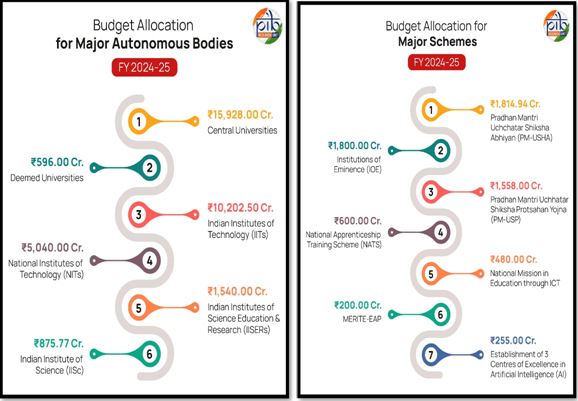
India’s path to global leadership is closely linked to the strength of its education system. To expand access to quality education and build a resilient learning environment, the Department of School Education & Literacy has been allocated a record ₹73,498 crore in the FY 2024-25 budget. This represents a substantial increase of ₹12,024 crore (19.56%) over the Revised Estimate for FY 2023-24, highlighting the government’s commitment to bolstering the education sector.
Notably, the highest-ever allocations have been made to key autonomous bodies, with ₹ 9,302 crore allocated to Kendriya Vidyalayas (KVS) and ₹ 5,800 crore to Navodaya Vidyalayas (NVS). This substantial investment reflects a clear intent to further elevate India’s education system.
For FY 2024-25, the Department of Higher Education’s budget allocation is set at Rs. 47,619.77 crore, with Rs. 7,487.87 crore dedicated to schemes and Rs. 40,131.90 crore for non-scheme expenses. This reflects a significant increase of Rs. 3,525.15 crore, or 7.99%, over the previous fiscal year. Notably, the allocation for specific schemes has risen by Rs. 1,139.99 crore, underscoring a strengthened focus on targeted initiatives within higher education.
Increase in Enrolment in Higher Education Institutions: AISHE Report 2021-22[17]
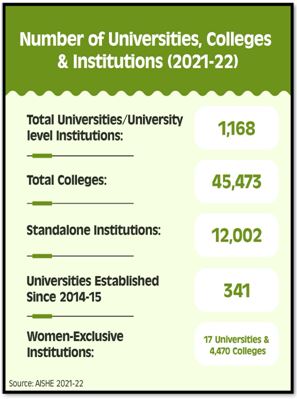
The Ministry of Education, Government of India, released the All India Survey on Higher Education (AISHE) 2021-2022 in January 2024. Since its inception in 2011, AISHE has been collecting comprehensive data from all registered Higher Educational Institutions (HEIs) across the country, covering key parameters such as student enrolment, faculty, and infrastructure. The survey highlights significant improvements over the years, reflecting the positive advancements in India’s education sector, with increased enrolment, enhanced inclusivity, and stronger infrastructure, contributing to a more robust and dynamic higher education system.
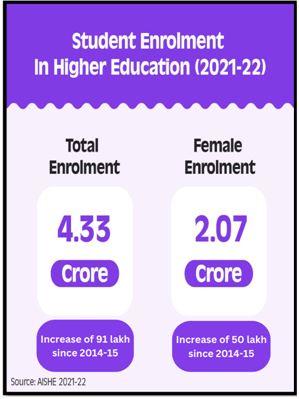
Female enrolment has also shown remarkable growth, rising from 1.57 crore in 2014-15 to 2.07 crore in 2021-22, an increase of 32%. The enrolment of students from disadvantaged groups, including SC, ST, OBC, and minorities, has grown significantly, with notable increases in female enrolment across all categories. In 2021-22, the Gender Parity Index (GPI) reached 1.01, reflecting a consistent trend of more female students enroling in higher education than males.
In terms of fields of study, enrolment in STEM disciplines has seen a steady rise, with 98.5 lakh students enroled in UG, PG, and Ph.D. levels in 2021-22. Despite challenges, women are leading in disciplines such as Medical Science, Social Science, and Arts. The dropout rate at the secondary level has also decreased significantly from 21% in 2013-14 to 13% in 2021-22.
In FY 2024-25, the Department of Higher Education saw a budget increase of ₹3,525.15 crore (7.99%) compared to FY 2023-24, underlining the government’s commitment to further strengthening the higher education sector and supporting inclusive growth.
Conclusion
Education holds the power to break barriers, open doors of opportunity, and empower individuals to contribute meaningfully to society. India’s educational landscape has evolved significantly, building a robust system through continuous innovation and comprehensive reforms. By embracing a holistic, 360-degree approach that integrates new ideas, technologies, and teaching methods, India is creating an environment where youth can thrive, transforming them into key assets for the nation’s growth. As we honor the legacy of Maulana Abul Kalam Azad, let us reaffirm our commitment to education as the cornerstone of a brighter, more inclusive future for all.
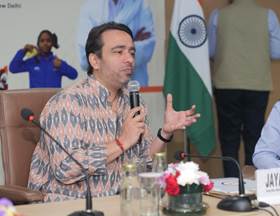
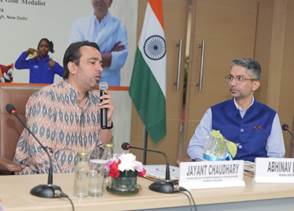
Union Minister of State for Skill Development and Entrepreneurship (Independent Charge) and Minister of State for Education, Shri Jayant Chaudhary, interacted with young athletes and para-athletes from Kendriya Vidyalayas and Navodaya Vidyalayas, who have excelled in various national and international sports events today. The first Indian to win an individual Olympic Gold and the first Indian to win a World Championship Gold in Air Rifle shooting, Shri Abhinav Bindra was also present at the event. Secretary, Department of School Education & Literacy, Shri Sanjay Kumar; Commissioner, KVS, Smt. Nidhi Pandey, and other officials of the Ministry of Education, KV and NV were also present at the event. Fourteen award-winning student-athletes interacted with the Minister and Shri Bindra, and hundreds of students and teachers from KV and JNV connected virtually in the event.
Shri Jayant Chaudhary, during his address, highlighted that the day was dedicated to celebrating the achievements of the student-athletes and expressed gratitude to Shri Bindra for sharing his insights. He stressed that sporting champions are not necessarily made on the field alone; a specific mindset, structured approach, and discipline are essential for achieving success on the field. He mentioned that both the Ministry of Education and the Ministry of Skill Development and Entrepreneurship are keen on providing exposure to various streams at a young age. Using Shri Bindra as an example, he underscored the importance of reinventing oneself and embracing lifelong learning, as emphasized in the NEP 2020.
Shri Abhinav Bindra, while interacting with the students emphasised how sports play an important role in education and expressed his gratitude to the Minister for conceiving this programme that will motivate the students. He briefly described his 22-year-long journey and the learning that he received during it. Sports taught him not about wins and losses, the importance of hard work, integrity and honesty, listening intently, respecting rules, competitors, outcomes, and self-respect, he stressed. He also mentioned three Olympic values: Excellence, Respect, and Friendship.
Shri Sanjay Kumar expressed his gratitude to Shri Jayant Chaudhary for envisioning the programme and noted that the presence of Shri Bindra among the children would serve as a source of motivation. He also highlighted how the key components and vision of the National Education Policy 2020 are being implemented in Kendriya Vidyalayas and Navodaya Vidyalayas to ensure a bright future for the students of the country.
Fourteen student-athletes—six from KV and eight from NV—shared their achievements and experiences with the dignitaries, who commended and appreciated their efforts. Additionally, several students who participated virtually had the opportunity to ask their questions to Shri Bindra, who thoughtfully addressed each of their queries.
“Quality Education” the fourth goal among the seventeen Sustainable Development Goals (SDG) outlined by the United Nations, is “to ensure inclusive and equitable quality education and promote lifelong learning opportunities for all”. These descriptions are remarkably similar to the focus identified through this research and, with this in mind, the three dimensions of this research are further explained as being; (1) the ‘Importance of Interaction’ – referring to the various levels of interaction between individuals within the school environment, accounting for behaviour, atmosphere, and types of communication, (2) the ‘Dynamics of Individuation’ – referring to the way in which the differing needs of individuals are personalised and catered for, accounting for classroom pedagogical approaches and student diversification, and (3) the ‘Need for Psychological Support’ – referring to the way in which individuals within the school and the school as a whole is supported by its community, from both an educational and psychological perspective. By suggesting that these research directions are intertwined concepts, they propose a holistic observation of contributing factors that influence the educational process.
This assessment could be used to identify teacher strengths from a personal, interpersonal, psychological, and pedagogical perspective. The Questionnaire of Teacher Interaction (QTI), Technological Pedagogical and Content Knowledge (TPaCK), and Mental Health Inventory (MHI) were used in the pilot study and were considered to be suitable for the needs of this research stage.
The ‘Educational Bubble’
In a recent talk, Seema Bansal (2016) mentioned being asked by the then head of the Department of Education in the state of Haryana (India), for help in addressing issues in their public schools. These ‘issues’ ranged in detail and complexity, including that up to 50% of students fall so far behind their peers before the age of eleven that they will be unable to recover. Despite public schools offering free meals or books to students, it was also found that 40% of parents would pull their children out of these public schools and register them into private schools. Bansal (2016), representing BCG (Boston Consulting Group), was asked to assist in the education renovation of an Indian state of Haryana, which consists of 15,000 public schools with over 2 million students. Bansal mentions needing to uncover the factors that have caused the educational issues in the first place and, in identifying the goals necessary to develop strategies for reaching this particular goal, decided to go directly into classrooms and observe the way educators were teaching. Reporting that the problem within Indian schools was the quality of education, not access to education, mentions that Bansals’ BCG team devised a three-year plan that was based around student learning outcomes and explicit focusing of accountability, data systems, and organizational capacity.
Bansal (2016) reports that Haryana teachers were very capable of teaching a class but, the majority of their time was spent outside of the classroom; this was interesting as, before physically entering a classroom, non-educators had apparently viewed teachers being ‘lazy’ or ‘incapable’. Although Bansal (2016) reported teachers not necessarily teaching, she mentions that it was because they were supervising the construction of new classroom buildings, supervising the cooking of student lunches, or visiting a bank to deposit scholarship money for students. This particular insight was (and is) incredible; Bansal asked teachers why they were not teaching and the teachers answered by saying that “when a supervisor comes to visit us, these are exactly the things that he checks” (5:29). This particular finding shows that in the provision of government programmes in Haryana, designed to motivate students to stay in school and give greater access, had become an additional point of accountability for teachers and had started to impede classroom instruction. Seeing this as an issue, Bansal and her team began to look at the literature at various educational programmes and pilot programmes that have been shown to improve instructional practice. However, what a large proportion of individuals fail to recognise is how the implementation of these programmes will always come at a cost. For example, schools that take part in a pilot that explores the use of innovative technologies on student learning might show that this programme does indeed result in higher levels of academic outcomes.
In Bansal’s (2016) talk she mentions that, with regards to studies and interventions, researchers will typically bring in resources such as money, experience, research assistants, or products. Unless researchers intend to roll out this innovation across every classroom in the country, the findings are most likely going to be un-scalable, ungeneralisable, unusable, and does not reflect a real-world classroom setting. It has been previously mentioned that “teaching requires being responsive to real-world conditions and constraints that shape the activities of the classroom and students” (Motoca et al., 2014, pg. 120). This view is similar to schools being ‘learning organisations’ where the “emphasis of research might be more upon the selection and differentiation of pupils and on their subculture rather than on the authority structure or the decision-making processes within the school” (Bell, 1980, pg.183). Hamzah, Yakop, Nordin and Rahman (2011) explain that, like all organisations, there is a strong emphasis on schools to adapt to their surroundings, encourage flexibility, and to be responsive to the various societal and cultural changes across an educational landscape.
While there is a large body of evidence favouring schools as learning organisations (Mulford, 1997; Stoll and Fink, 1996), research concerning how a school should go about this change is not as prevailing (Silins, Zarins, & Mulford, 2002). While it is clear that there are similarities between a school and an ‘organisation’, both have structure, both have management, there is leadership, interaction, and varying levels of accountability, it is also clear that many factors influence the way in which both operate. Johnston (1998) sought to investigate the key characteristics that involved a school identifying itself as being a ‘learning organisation’. Although focusing exclusively on post-primary schools based in Austrailia, it was found that inclusive, collaborative structures, effective communication channels, integrated professional development, and learning-focused leadership were the four main characteristics of schools being one of these ‘learning organisations’.
Under the three guiding topics of this research, explicitly outlined through questions and hypotheses, this current research sought to discover what the Irish educational environment needs and how a piece of research could be used practically to support school systems and the individuals within them. This research is looking towards the perception of a school being a learning organisation; considering the way which Silins, Zarins and Mulford’s (2002) express the four factors of ‘learning organisations’ above. These descriptions are remarkably similar to the focus identified through this research and, with this in mind, the three dimensions of this research are further explained as being; (1) the ‘Importance of Interaction’ – referring to the various levels of interaction between individuals within the school environment, accounting for behaviour, atmosphere, and types of communication, (2) the ‘Dynamics of Individuation’ – referring to the way in which the differing needs of individuals are personalised and catered for, accounting for classroom pedagogical approaches and student diversification, and (3) the ‘Need for Psychological Support’ – referring to the way in which individuals within the school and the school as a whole is supported by its community, from both an educational and psychological perspective. By suggesting that these research directions are intertwined concepts, they propose a holistic observation of contributing factors that influence the educational process.
While research in an Irish context has found that only 33.1% of schools regularly engage with SSE (Brown, 2010), this dispute between the DES and teaching unions will cause frustration, anxiety, and confusion throughout the educational community. The SSE is a thorough research process that requires considerable resources, the problem is one of ‘lack of support’, almost mirroring the issues faced by Bansal’s (2016) team in Haryana. Additionally, this lack of support echoes in other ways. For example, on 30th of March 2016, the INTO released a press release that argued against the cut in government funding for education and highlighted that schools are being forced to fundraise themselves, that they are “kept running on cake sales, raffles and sponsored walks” (2016b), despite having no empirical evidence to support.
3.6. Conclusion – The Individualised Teacher Report
This claim within the press release itself, it does clearly articulate the many problems experienced in Irish Education.
Despite focusing on the individual educator, rather than the collective school environment, this Ph.D. project somewhat resembles the development of a self-evaluation process; it requires educators to compete measures that evaluate their subjective instructional and psychological resources. Although the issues surrounding self-evaluation may be a possible limitation, this research would argue the opposite. This study could provide a process that allows schools to self-evaluate in a way that takes the workload away from schools, provides tailored feedback to individual educators, has a standardised methodological approach, and is evidence based and research driven. A new model of self-evaluation may be considered a momentous task; however, it is not beyond the scope of this project.
According to Collins and Pratt (2011), “there is a move to adopt a single, dominant view of effective teaching … [where] teachers are asked to reflect on who they are and how they teach but with an implied message that reflection should conform to some preconceived notion of a ‘good’ teacher” (pg. 359). It is naïve to assume that there is a ‘single view’ of what it means to be an effective educator, as the requirements and needs of one classroom group will differ that than of another. What is arguably more appropriate for education, rather than training educators to teach in the same way and conform to a preconceived notion of what a ‘good teacher’ is, is to encourage and train teachers to be self-reflective and adapt their teaching to suit the needs of their students. Boud, Keogh, and Walker (1985) mentioned that reflective practice is an important human activity where provision is given for individuals to recapture their experiences and evaluate them to improve on one’s abilities. One consistency throughout the literature of educator training and interaction is the importance of self-reflection; Paterson and Chapman (2013), for example, argue that self-reflection that motivates an individual to learn from their experiences and is the key towards the maintenance and development of competency throughout their work practices. Others, such as or Hendrickx et al. (2016), mentions that reflective teachers who are aware of their influence on student behaviour can tailor their interactions to benefit their instructional practices.
According to Patil (2013), reflective practices are self-regulated processes that aim to enhance an individuals’ ability to communicate and make balanced decisions. Educational researchers, such as Valli (1997), describe reflective teachers as being individuals that can “look back on events, make judgments about them, and alter their teaching behaviors in light of craft, research, and ethical knowledge” (pg. 70). Other researchers argue that reflective action “involves intuition, emotion, and passion and is not something that can be neatly packaged as a set of techniques for teachers to use” (Zeichner & Liston 1996, pg. 9). These quotes would suggest that reflective practice in education is an ideal that pedagogics and educational researchers would encourage teachers to become accustomed to, but that the practical implementation of may be somewhat difficult to achieve.
Kay and Johnson (2002), speaking about the University of Washington’s teacher education programme, mention that the reflective seminars and completion of reflective portfolios are a useful method to provide support to student teachers in developing the skills necessary to reflect on their practices. Kay and Johnson (2002) do mention that the limitation of these methods is the way they categorise dimensions of reflection into a teachable concept, or that the use of typologies naturally constrain teachers towards ‘thinking like a teacher’. But, similar to Pratt and Collins (2010) view of the TPI, the concept of using this approach as a tool is quite useful. Without the opportunity and a way for teachers to systematically reflect on their instructional practices, they may be unable to view the importance of their instructional decisions, interactions, and relationships with students.
REFERENCES:
Bansal, S. (2016, May). TED Paris: How to fix a broken education system without any more money. Retrieved 1/7/2016 from TED.com at https://www.ted.com/talks/ seema_bansal_how_to_fix_a_broken_education_system_without_any_more_money?language=en.
Motoca, L. M., Farmer, T. W., Hamm, J. V., Byun, S. Y., Lee, D. L., Brooks, D. S., … & Moohr, M. M. (2014). Directed consultation, the SEALS model, and teachers’ classroom management. Journal of Emotional and Behavioural Disorders, 22(2): 119-129.
Bell, L. A. (1980). The School as an Organisation: a re‐appraisal. British Journal of Sociology of Education, 1(2), 183-192.
Hamzah, M., Yakop, F. M., Nordin, N. M., & Rahman, S. (2011). School as learning organisation: The role of principal’s transformational leadership in promoting teacher engagement. World Applied Sciences, 14, 58-63.
Mulford, B. (1998). Organisational learning and educational change. In A. Hargreaves, A. Lieberman, M. Fullan and D. Hopkins (Eds). International Handbook of Educational Change. Norwell, MA: Kluwer Academic Publishers.
Silins, H., Zarins, S., & Mulford, W. R. (2002). What characteristics and processes define a school as a learning organisation? Is this a useful concept to apply to schools? International Education Journal, 3(1): 24-32.
Johnston, C. (1998). Leadership and the learning organisation in self-managing schools. Unpublished doctoral dissertation, University of Melbourne, Victoria.
Brown, (2010). A mixed methods analysis of a mixed methods system: attitudes of Post Primary school Principals to internal/external evaluation: The Case of Ireland. Cited In McNamara, G., & O’Hara, J. (2012). From looking at our schools (LAOS) to whole school evaluation-management, leadership and learning (WSE-MLL): the evolution of inspection in Irish schools over the past decade. Educational Assessment, Evaluation and Accountability, 24(2), 79-97.
Collins, J. B., & Pratt, D. D. (2011). The teaching perspectives inventory at 10 years and 100,000 respondents: Reliability and validity of a teacher self-report inventory. Adult Education Quarterly, 61(4); 358-375.
Boud, D., Keogh, R., & Walker, D. (1985). Reflection, Turning Experience into Learning. Routledge.
Paterson, C., & Chapman, J. (2013). Enhancing skills of critical reflection to evidence learning in professional practice. Physical Therapy in Sport, 14(3): 133-138.
Hendrickx, M. M., Mainhard, M. T., Boor-Klip, H. J., Cillessen, A. H., & Brekelmans, M. (2016). Social dynamics in the classroom: Teacher support and conflict and the peer ecology. Teaching and Teacher Education, 53, 30-40.
Patil, S.S.J. (2013). Reflective practice in education. Global Online Electron Int Interdi Res J, 2(1): 356-358.
Valli, L. (1997). Listening to other voices: A description of teacher reflection in the United States. Peabody Journal of Education, 72(1): 67–88.
Zeichner, K. M., & &Liston, D. P. (1996). Reflective teaching: An introduction. Mahwah, New Jersey: Lawrence Erlbaum Associates.
Johnson, B.R., & Kay, A.J. (2002). Mixed Methods Research: A Research Paradigm whose Time Has Come. Educational Researcher, 33(7): 14-26.
Students play a very important role in removing illiteracy. … This is because the students are responsible for ensuring they themselves are engaged in the learning process and in ensuring that they become enlightened to be able to help others on coming out illiteracy. In this modern age there are several ways to ensure you don’t miss out on education and end up in poverty.
Without students being available and ready to learn, teacher would be wasting their time and at the end of the day they would not have someone to teach. It is very unfortunate some students cannot access education due to poverty or other life situations that hinder them from participating in the education process. But one thing that is important to note that for there to be eradication of illiteracy the students themselves must be willing and available to partake of this treasure. The thirst for education or for learning is what is required for one or a nation to eradicate illiteracy. This means that even that are in poverty, they need to be willing to learn even from their counterparts that have access to education. This means that access to education is readily available in this contemporary world is readily available. Therefore from this alone one is able to understand that students play a very important role in eradicating poverty. Students can play an imperative part in expelling lack of education as they have a lot of time.In summer vacations they can give several hours to instruct the uneducated people in regions or towns close to their residence. They can stir the uneducated people in living aptitudes, appropriate cleanliness, childcare, and sustenance. Additionally, they can evacuate particularly the social wrongs from the psyche of ignorant people like visually impaired faith in superstitions, religious bias, communalism and limited – mindedness.
They can educate about the significance of being illiterate.They can get to different plans of the administration for their inspiration and growth. they can render it better with the assistance of educational organizations, National Literacy Mission, NGOs and social gatherings.
A country wants to achieve the goal of 100% literacy, it will have to involve the students in the literacy programmes.
Each one teach one is a famous historical proverb that originated in America before the declaration of the Emancipation Declaration. The black people did not have privileges to education. Thus, this campaign ‘each one teach one’ was launched to educate the colored people. The few educated black people taught as many uneducated people as was possible.
Every teacher wants to be the best teacher they can be. Teachers spend much of their own time and money researching new ways to be effective and attend a myriad of classes and PD’s (professional development meetings). If you visit a teacher in their home or look at their computer or phone chances are you will see a ton of books, podcasts and articles on their chosen craft. For those who are looking to be effective teachers here are the top three tools and techniques that all teachers can use.
This may seem like a no brainer but all teachers need to learn not only how to disengage from teaching but what is the most effective way to take care of themselves. It is so important to take time to decompress, relax and put yourself first. For teachers it is so very important to learn different ways to decompress. Some common techniques that teachers should learn include:
Exercise – One often overlooked way to take care of yourself is to exercise. It seems counterintuitive to spend your time outside of the classroom working out, but lifting weights and cardio can provide endorphins that can help you think more positively.
Yoga – Yoga can give all of the same benefits as regular exercise with less impact.
Meditation – Meditation can help you focus on the moment and release anxiety. For teachers that are always thinking about the classroom, meditation can provide a chance to detach.
By taking care of themselves teachers can avoid ruining their immune system and burning themselves out. Being able to engage with students and the craft is imperative and teachers taking care of themselves can help.
Positive Outlook
One of the things that affects a teacher greatly is their outlook on their profession. For many teachers the thing that makes teaching hard is their own outlook on the profession. It is really easy to get stuck in a negative mindset and allow that cycle to spiral out of control. With positive outlook teachers make sure to focus on the positive in some of the following ways:
Focus on Student’s Strengths – It can be tempting to focus on the things that certain students aren’t doing. All that’s needed is to flip that mindset. Instead of being annoyed that someone is habitually late, focus on the things they do well in class.
Start Your Day with Something Positive – Teachers who enjoy their jobs start their day with something that puts them in a good mood. For some that’s arriving ten minutes early for a cup of coffee in silence. For others that’s cranking some music before the school day starts.
A good baseline is also trying to make sure that you praise more than you correct. A 4:1 ratio is what most teachers shoot for with 5:1 being a high goal to stretch for. When the focus is constantly on the positive, that mindset soon becomes the default outlook.
Using a Curriculum Map Template
For many teachers they get stressed by coming up with lesson plans on the fly or when they feel unprepared for an upcoming unit. One of the easiest ways to take that anxiety away during the school year and to maintain a good balance of home and work life is to use a curriculum map template and plan in the summer. Making use of this tool outside the normal school year allows for:
Time to Reflect – When you are planning during the school year it is too hard to properly reflect on your lesson planning process. Doing it in the summer allows you to reflect and plan in peace.
Plan New Content – When planning during the year teachers are often surviving, not thriving. Planning during the off season allows teachers to contemplate new ideas that they might not otherwise think of.
Focus on the Big Ideas – By using a curriculum map template teachers can make sure to focus their units and plans on the big ideas that they want students to take away.
All in all, for many teachers the summer is a time to decompress and relax but it should also be a time to reignite the passion for the craft of teaching. Coming up with new plans and ideas allows for that fire to be rekindled and helps from feeling the weight of only being one step ahead of the students.
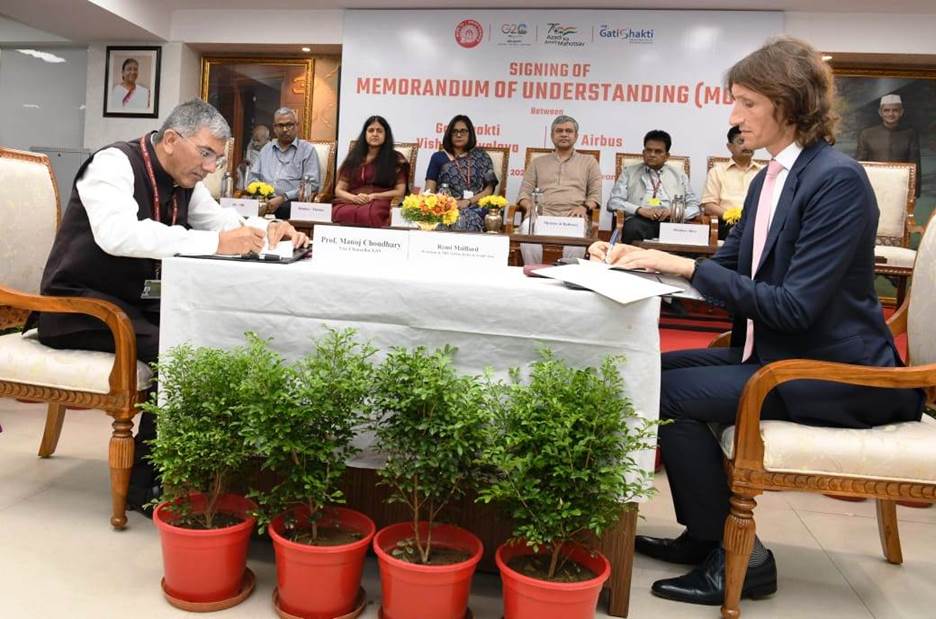
Indian Railways’ Gati Shakti Vishwavidyalaya (GSV) Vadodara and Airbus today entered into collaboration to significantly strengthen the Indian aviation sector. An MoU (Memorandum of Understanding) was signed at Rail Bhawan, New Delhi between Mr. Rémi Maillard (President and Managing Director, AIRBUS India and South Asia) and Prof. Manoj Choudhary (Vice-Chancellor, Gati Shakti Vishwavidyalaya). The MoU was signed in the presence of Shri Ashwini Vaishnaw, Minister of Railways, Communications, Electronics and IT who is also the First Chancellor of Gati Shakti Vishwavidyalaya. Ms. Jaya Varma Sinha, the Chairperson and CEO, Railway Board and senior officials of the Railway Board were present on the occasion.
Airbus and Tata had recently announced a partnership to design, innovate, make, manufacture and develop in India C295 aircraft facility at Vadodara (Gujarat). Airbus is the world’s largest manufacturer of commercial aircraft and a leading producer of helicopters, defence and space equipment. The company has a long-standing relationship of symbiotic growth with India. The company recognises India as a key driver of global aviation as well as an indispensable talent and resource hub and is committed to maturing all the necessary building blocks to develop a fully integrated aerospace ecosystem in the country. Make in India is at the heart of Airbus’ business strategy in India and the company is steadily increasing India’s contribution to its global products.
Speaking on the occasion, Shri Ashwini Vaishnaw said, “GSV will focus on intense industry-academia partnerships. All its courses will be designed in collaboration with industry. The students who study at GSV will be industry ready. They will be highly sought after for employment in transportation and logistics sectors. Today’s MoU with Airbus is a significant step in achieving this goal.”
Speaking at the event, Mr. Rémi Maillard, President and Managing Director, Airbus India and South Asia, said, “As a company that is committed to developing the aerospace ecosystem in India, we realise our responsibility to invest in human capital development. The partnership with Gati Shakti Vishwavidyalaya will develop a strong pipeline of skilled workforce in the country that will be future ready to serve its fast-growing aerospace sector.”
This industry-academic partnership will enable co-development and co-delivery of sector-relevant skilling courses and programs for regular students and working professionals, joint research and industry experiences for faculty, internships and placements for students and scholarship programs. It will create job opportunities for students as per the industry requirements. It is expected that 15000 students are likely to be placed in Airbus Indian operations.
Gati Shakti Vishwavidyalaya (GSV) Vadodara was established through an Act of Parliament in 2022, for creating best in class manpower and talent for the entire transportation and logistics sectors. This Central University is sponsored by the Ministry of Railways, Govt. of India and has Shri Ashwini Vaishnaw, Minister of Railways, Communications, Electronics and IT as its First Chancellor.
Focusing exclusively on transport and logistics sectors, GSV is a “first of its kind” university aiming to fulfil the mandate of the National Developmental Plans (PM Gati Shakti National Master Plan 2021 and National Logistics Policy 2022) across railways, shipping, ports, highways , roads, waterways, and aviation etc. Following a demand-driven curriculum and leveraging state of the art infrastructure of all the Centralized Training Institutes of Indian Railways, the GSV shall create a resource pool of professionals across technology, economics, management and policy comprising multidisciplinary teaching (bachelors/masters/doctoral), executive training and research. GSV shall also undertake trainings for Indian Railways probationers and serving officers.
Being an Industry-driven and Innovation-led university, GSV already has several collaborations with leading institutions and industries across the world.
Since ancient times, education has been a dominant force in society. The only change that has occurred is the substitution of teachers and schools with gurus and gurukuls. However, one crevice that is often overlooked is the true meaning of education in Indian society. We can see what perfect education is by breaking down this large issue into a few parts. The process of obtaining or imparting fundamental information, particularly at the school or university level, is characterized as education.
Education is a crucial aspect that contributes to the country’s improved literacy rate. The Indian government has primarily concentrated on providing education to all citizens since independence, and it has developed new initiatives to improve Indian education for many years.
The Indian education system is divided into four stages: lower primary, which is for children aged six to ten years, and upper primary, which is for children aged eleven to twelve years. High school, in which students begin school at the age of 13 and graduate at the age of 16, with the completion of upper secondary school occurring between the ages of 17 and 18. The Indian education system is regarded as the world’s oldest education system. It is not the greatest, despite being the oldest. The Indian education system is unproductive and inconvenient due to a lack of changes and improvements. Education, rather than being a formidable tool for shaping students into better beings with practical knowledge, has been reduced to an illusion of practicality due to several flaws. This eventually caused the system to fail, since it was no longer advantageous to pupils, eventually resulting to EXAM STRESS. Let’s see how things turn out.
The Indian education system has always been structured for a child to learn from a book and write tests in order to acquire excellent scores. While it aids in the development of children’s reading and writing skills, it does not aid in the acquisition of life skills. We frequently hear on the news that India’s unemployment rate is rising, and that many graduates with advanced degrees are unable to find work. So, what’s the deal with that? Our educational system is the answer. The Indian educational system was created to educate students how to achieve excellent grades and score high scores, but it was never intended to teach them how to live in this world. I completely agree that the education and information we gain from reading diverse books is unrivalled. However, while the Indian education system gives theoretical information to students, it is equally critical to educate them how to use that knowledge effectively, which many students fail to do, and this is one of the reasons why India’s unemployment rate is increasing at an exponential rate. Furthermore, the educational system is only a mirror of ideas, making it incredibly difficult for pupils to understand.
Failure to consider the balance in education, as well as how to deal with pressure, frequently leads to stress, with pupils becoming depressed as a result. It is the instructors’ obligation to allow pupils to think in new ways. Teachers should also instill in students the importance of classroom learning and teach them how to put it into practice. Furthermore, teachers must be open to the concept of learning new things from their students. If significant efforts are taken, our educational system may be improved. Instead than encouraging kids to prepare for exams by just mugging up textbooks for the goal of getting a good grade, more practical information should be imparted to them. The educational authority should provide pupils with opportunity to put what they’ve learned in the textbooks into practice. Our educational system should also provide opportunities for kids to gain financial skills that will assist them in surviving in this world. Education authorities should educate pupils how to budget money, save money, and invest it in various assets such as stocks, gold, silver, and other precious metals. This will aid pupils in their future preparation. According to the United Nations Organization (UNO), India is ranked 145th out of 191 countries in terms of educational provision. We aren’t even among the top 50 countries on the planet. It is not about comparison, it is about the quality education we are reciprocating to the youth. This demonstrates how much we need to improve in order to stay current. If we want our country to develop and progress, we must first improve the quality of education we offer to our youngsters. As the phrase goes, “Today’s children are tomorrow’s future,” thus we should begin by modernizing India’s educational system at the basic level. Rather of enabling students to study solely theoretical information, educational authorities should use practical approaches that allow students to apply what they have learned in the classroom. We must do it for the sake of a brighter future if we can bring a wave of revolution by moderating our educational system.
“If we want to reach real peace in this world, we should start educating children”
-Mahatma Gandhi
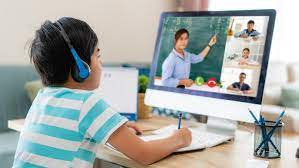
Pandemic times are desperate times for the people everywhere in the world. The vicious disease disrupted not only the social life of individuals but it also destabilized the mental peace and well -being for many. The sudden shutdown following the virus outbreak has brought about several changes around the globe. One of the most significant change among them is the shift from offline teaching mode to online teaching. In a country like India where a large section of the population still has not got access to the basic digital devices, the adoption of online education was highly experimental. But, the realization that “better to have something than not having them at all” led the government to take this giant step.
Online learning mode is the need of the hour because it helps to ensure productive usage of time by the younger generation who otherwise would have lost the purpose of life during these desperate ages. In the present scenario, stepping out of the houses is considered extremely dangerous and online learning provides children an opportunity to widen their knowledge within the safety of their houses. The availability of several platforms which provide access to certified courses from universities around the world is an added advantage. Widespread access to knowledge without any boundaries has helped the students to choose their area of interest rather than sticking on to the limited scope of school curriculum. The provision of recorded classes either at free of cost or at negligible costs help students to upskill themselves without stepping out from their comfort zones. Online repositories and digital libraries also make the scope of online learning mode wider.
Even though online teaching has got all these wider applications, it is subject to some limitations. The most significant limitation is that it is devoid of the physical presence of teachers and students, which reduces the effectiveness of the process to a great extent. The increasing number suicides among student population brings out the fact that virtual learning fails to provide psychological support, which the traditional schooling structure offers. As the students do not have the opportunities for relationship building, most of them lack social skills. Tests and examinations conducted in online mode is more like a test of honesty and self-discipline than tests of knowledge. Digital divide and socio -economic inequalities further worsens the problem. Among primary level students, parents play a more important role than teachers in case of online learning, which increases the disparity as many adults are still illiterate and incapable of supporting their children in our nation. Apart from this schools also functioned as a means for implementing social security schemes of government like mid-day meal scheme which got disrupted.
The offline learning could easily cover up all the above stated limitations of online learning. The presence of teachers and friends will make the learning experience lively. Rather than imparting knowledge it lightens up the wisdom among younger population. It teaches students to face failure, the worth of sharing and to care for their fellow beings. The educational institutions play an important role in shaping the character of each individual because they function as a living library where we could see a wide range of individuals from whom students could adopt moral values for life. It also helps teachers to ensure that children have understood what they have taught through regular tests. The schools narrow the gap between rich and poor and ensure all are getting equal access to education through government support.
Right to education is a fundamental right as per Indian constitution. Pandemic should not be an obstacle in ensuring that right. Thus, online teaching mode could be used as a supplement for facilitating access to education, but not a substitute. Idle mind is a devil’s workshop. Online mode of teaching helps to ensure that students are not left idle during the pandemic times. It could lend a hand for lifting children from the helplessness and despair created by the disease. This brigs to the conclusion that online teaching could be adopted to meet the current needs but not as a substitute for offline teaching. Ultimately the aim of education is to uplift the students from the darkness of ignorance by shedding the light of knowledge.
“It is better to know how to learn than to know.” – Dr Seuss
False Beliefs About Self-Education
Despite having easy access to information, few people take full advantage of the opportunity we have for self-directed learning. We still believe that to learn something, we need to be formally educated on it, when in fact we’re able to educate ourselves.
Self-Education In The 21st Century
Self-education is the core skill for the 21st century. Our ability to respond to changes in the landscape of work and technology will be dictated by how skilled self-educators we are, how well we can take full advantage of the information available to us to grow our skillset.
Learning In The Real World
For 12 years, you’ve been trained to apply information that’s pre-packaged for you. But if you want to do anything independently (entrepreneurship, creative work, etc.) then you have to be able to figure things out without being handed the knowledge beforehand.
The Sandbox Method for Self-Education
This is an ongoing process of self-development and learning, that recognizes that we don’t need to memorize facts, formulas, instead, we need to develop an intuitive understanding of our skills, expose ourselves to different information about the skill, and constantly push ourselves to improve.
Steps of the Sandbox Method
Build an area where you can freely play around with the skill you’re trying to learn – Your Sandbox. It should be: low-cost or free, low stakes and public.
Research: Resources exist, you just have to figure out what’s worth reading, watching, or listening to (books, blogs, MOOCs etc).
Implement and practise purposefully.
Get feedback.
What Practicing the Sandbox Method Means
Honestly assessing your limits to figure out where you need to improve.
Setting a goal just beyond your current ability to motivate yourself to stretch beyond your comfort zone.
Practising with intense focus.
Get feedback, in whatever way you can, and incorporate that feedback into your practice.
Remedial Teaching is a kind of teaching method or instructional work carried out to provide remedial measure to students. The word “ remedy” means “to rectify” or “to improve” something. So, Remedial teaching is carried out to provide remedial measures to get rid of common or specific weakness of students. The major objective of remedial teaching is to provide learning support and additional help to pupils who are not good as their peers in performance. Students with learning difficulties have some psychological needs. Some have less ability to comprehend abstract ideas and concepts. Others may have poor memory. So it is integral in remedial teaching to identify the specific weakness of pupils.
The learning difficulties in students are various. They may include poor memory, weak in problem solving power, short attention span, lack of learning motivation, lack of self confidence and self expectation, difficulty in understanding new or abstract concepts. So assessment is the first step in remedial teaching. Assessment is also the important factor, because through this the teacher gets a knowledge about the skills and weaknesses of a student. The capacity of students should be assessed by the teacher through survey testing. This will help the teacher to find the present level of achievement and difficult areas of a student. This will also aid the teacher in preparing suitable individual teaching materials. The survey testing reveals the strength and weakness of the class as a whole and the levels of discrepancies in the various basic skills of each student. So the test will help in classifying the students into groups for works like reading, spelling etc.
Teachers use various methods in remedial teaching. There must be diverse learning activities with the same teaching objective to develop abilities and skills of students. Quizzing is the most common method used in remedial teaching. Analyzing the progress of students will help in regrouping them if necessary. Designing meaningful learning situation is important. Suitable language environment is very important in second language classes. Games and activities also stimulate the interest and initiative in learning. Different teaching methods should be adapted by the teacher to improve the learning capacity of students. For example, the teacher should give valuable examples before proceeding to abstract concepts, which will help in easy understanding. Providing clear instructions is also important for students who are less competent in understanding written language. There must be short and clear instruction to avoid confusion among students. Summarising main points is another method which enhances the audio visual memories. Teachers can also guide the students to link up classroom knowledge with life experiences. This will enhance effectiveness of learning. Enhancing learning interest is important in remedial teaching. Teachers can design interesting activities coupled with reward scheme to stimulate the interest of students, for example role play, debate, narrating incidents and games related to language learning initiate learning. Remedial teaching should enhance the active participation of students to enhance their self confidence. Concern for individual performance is important. If individualized remedial teaching is necessary it should be done before or after the class, so the students can remove learning obstacles as soon as possible. Teachers should also note common errors made by these students
Thus remedial teaching is a very significant method . This provides correct foundation to rectify mistakes and for future learning. It hastens the process of learning. Underachievers are promoted to update learning and other students are promoted to expand learning. Remedial teaching also creates confidence in students and it help them to realize their full potential.









 Eduindex
You must be logged in to post a comment.