Ukraine has transformed into one of the most dynamic healthtech markets in the world. The combination of deep technical expertise, advanced digital infrastructure, and high demand driven by the full-scale war has created an environment where innovation emerges faster than almost anywhere else. This opinion was shared by impact investor and entrepreneur Serhiy Tokarev in his column for Tech.eu.
According to Tokarev, the full-scale invasion placed Ukraine’s healthcare system under unprecedented pressure related to trauma care, mental health, rehabilitation, logistics, and access to medical services. The response came in the form of rapid, scalable solutions developed by doctors, engineers, and startup founders.
“In Ukraine, health innovation isn’t optional — it’s urgent,” Tokarev emphasizes. “And what emerged is one of the world’s most unexpected healthtech frontiers — rooted in necessity, driven by endurance, and scaling fast.”
A Maturing Ecosystem
In 2024, the ten largest startup funding rounds in Ukraine attracted over $300 million. Among notable healthtech deals was Esper Bionics, which raised $5 million in a round led by YZR Capital. The ecosystem is supported by local incubators, UVCA, the Ukrainian Startup Fund, venture funds such as u.ventures and Horizon Capital, as well as international programs including Google for Startups and USAID.
This understanding inspired Tokarev Foundation, founded by Serhiy Tokarev, together with SET University launched the Generation H — mentorship program in the healthtech sector. Its first winner, startup Ovul, is developing a saliva-based hormone tracker that determines fertility in five seconds.
“It’s a powerful example,” Tokarev says, “of the kind of innovation emerging from Ukraine’s healthtech ecosystem.”
Digital Infrastructure as a Foundation
Healthcare digitalization in Ukraine began long before the invasion. The Helsi platform has over 29 million registered patients and processes more than 200,000 appointments daily. The pharmaceutical marketplace Liki24 has demonstrated that scaling is possible even during wartime: by 2023, 35–40% of its revenue came from the EU, and today that share has grown to 70%. Meanwhile, domestic revenues have doubled, and the company’s total funding has reached €19 million.
“The infrastructure was already there,” Tokarev notes. “The war simply accelerated adoption.”
Three War-Shaped Directions
“In Ukraine you can validate solutions under extreme conditions. If they work here, they work anywhere” explains impact investor Serhiy Tokarev
According to the entrepreneur, technologies designed for the most challenging scenarios naturally become competitive on a global scale.
Among the healthtech areas that have accelerated since the full-scale invasion, Tokarev highlights three key directions.
Mental Health
Nearly 10 million Ukrainians, including 1.4 million children, are at risk of developing mental health disorders as a result of the war. The Kyiv-based psychological services marketplace Mindly reached more than 3,000 users and conducted over 1,000 therapy sessions within three weeks of pivoting, later expanding into the Polish market to support displaced Ukrainians. Aspichi’s VR system Luminify has already reached over 1 million people in rehabilitation centers across Ukraine and has demonstrated effectiveness in post-rehabilitation care in the United States.
Rehabilitation and Prosthetics
Ukraine faces the prospect of between 20,000 and 50,000 amputations, according to the organization Pryncyp. SYLA is developing an AI-powered bionic knee prosthesis that dynamically adapts to a user’s walking pace. Lviv-based ComeBack Mobility has created crutches with sensor attachments and an app that reduces rehabilitation time to six weeks. The platform BetterMe, with an audience of over 150 million users, partnered with Esper Bionics to develop 200 training programs for people with amputations.
Data and Logistics
Wartime conditions have accelerated the development of AI diagnostics, medical records platforms, and supply chain management software.
Despite some investors’ caution regarding operational risks, entrepreneur Serhiy Tokarev urges: “If you’re an investor looking for the future of global healthcare, it’s time to look here.
Daily writing prompt
What tattoo do you want and where would you put it?
Modern life feels like a constant movement forward. Industries evolve, consumer expectations rise, and technologies that once seemed futuristic have quietly become part of our routines. As the world integrates digital habits into nearly every sphere, the line between professional and personal life continues to blur. Today, business is no longer a separate domain — it is woven into the rhythm of daily experience.
A World Built on Rapid Adaptation
In just a few years, business models that seemed unshakable have transformed beyond recognition. Automation has become the backbone of efficiency, data stands at the center of every serious strategy, and flexibility has become a core value for companies of all sizes. Consumers expect seamless experiences, instant communication, and clear ethical positioning. These expectations reshape how brands operate, measuring success not only in revenue but also in trust and transparency.
The Human Side of Economic Shifts
As economies integrate and global networks grow stronger, individuals are increasingly aware of how their choices influence broader systems. People think more critically about the companies they support and the technologies they rely on. Economic behavior mirrors lifestyle: dynamic, highly connected, and shaped by continuous learning. Understanding these patterns is essential not only for investors or entrepreneurs but for anyone who wants to navigate the future with confidence.
Finance For You: Expert Guidance for a Changing World
In an environment where trends shift quickly, Finance For You (finanz4u.com) has established itself as a trusted source of clarity. The platform offers accessible explanations and practical insights, helping readers understand key aspects of finance without unnecessary complexity.
Its analytical articles explore major finance, economy and business fundamentals, showing how global markets, policy decisions, and consumer habits interact. Through this lens, readers can better anticipate shifts instead of merely reacting to them.
Finance For You also examines how new technology is transforming business, revealing how artificial intelligence, digital logistics, and advanced analytics influence long-term strategy. These materials explain why innovation is no longer optional — it is the primary driver of competitiveness.
Additionally, the platform highlights emerging business opportunities in tourism, a sector experiencing rapid reinvention. By covering sustainable travel, hybrid work mobility, and digital booking ecosystems, Finance For You helps readers see new potential in an industry once defined solely by leisure.
The Acceleration of Innovation
Across the world, companies are reinventing themselves. Startups challenge traditional industries, established brands invest heavily in digital tools, and governments push for smarter infrastructure. These movements show that innovation is not a trend but a necessity. With technology influencing everything from logistics to customer experience, the market rewards those who can adapt quickly and consistently.
Moving Toward a Connected Future
The coming years promise deeper integration of technology, creativity, and global cooperation. People will expect more personalized services, faster solutions, and smarter systems that anticipate their needs. Businesses that recognize these expectations now will be the ones shaping tomorrow’s landscape.
Progress has always depended on connection — between ideas, cultures, and opportunities. Today, that connection is stronger than ever, offering a world full of possibilities for those ready to learn, adapt, and lead.null
Ever wondered why some homes feel perfectly comfortable year-round while others struggle with uneven temperatures or stuffy air? The secret lies in optimized airflow. Proper air circulation ensures that your living spaces remain cozy, energy-efficient, and healthy.
This blog explores how you can optimize your home’s airflow, addressing common issues and offering tips to help you create the ultimate indoor environment. You’ll also discover how an air conditioning service in Tempe can make a difference when maintaining ideal airflow levels.
Why Airflow Matters
Efficient airflow isn’t just about keeping your home comfortable; it significantly impacts energy efficiency, air quality, and overall health. Poor air circulation can lead to hotspots in your home, stale air accumulation, and even increased energy consumption as your HVAC system works harder to maintain desired temperatures.
Signs of problematic airflow include:
Uneven room temperatures
Stale or musty air
Increased dust build-up
HVAC systems constantly running
Optimizing your airflow leads to a more balanced indoor climate, reduces strain on your HVAC system, and can even lower your utility bills.
Key Tips to Maximize Airflow
1. Position Your Vents Properly
Check that air vents and registers throughout your home are unobstructed. Furniture, rugs, or clutter blocking these pathways can restrict airflow and create uneven temperatures. Aim to keep at least 2-3 feet of open space around each vent for optimal efficiency.
Pro Tip: Redirect vent deflectors to push air toward the center of your rooms, especially for wall-mounted or floor-based vents.
2. Adjust Fan Directions Seasonally
Ceiling fans aren’t just for summer breezes. Set your fan to spin counterclockwise during warmer months to push cool air downward. Conversely, switch it to spin clockwise in the winter to pull cool air up and circulate warm air more effectively.
3. Regularly Replace HVAC Filters
Dirty filters can choke your HVAC system, drastically cutting airflow and reducing efficiency. Check and replace your filters every 1-3 months, especially if you have pets or live in areas with high dust or pollen levels.
4. Leverage Natural Cross-Ventilation
Take advantage of mother nature’s assistance. Open windows on opposite sides of your home to create a natural cross-breeze. This promotes fresh air circulation and reduces reliance on HVAC systems, especially during cooler evenings or spring months.
5. Ensure Your Ductwork is Clean and Well-Sealed
Even with regular HVAC maintenance, your ductwork might be harboring dust, allergens, or invisible leaks. A professional air conditioning service in Tempe can inspect and clean your ducts, removing any blockages and sealing leaks for improved airflow and efficiency.
6. Optimize Door and Window Usage
Indoor air circulation can be hindered by closed doors or windows. Keep internal doors open to allow air to flow freely between rooms. However, ensure that exterior doors and windows are properly sealed to prevent energy loss and unwanted drafts.
7. Use Zoned Cooling Systems for Larger Homes
For larger homes, zoned cooling systems allow you to control airflow and temperatures in specific areas independently. By doing so, you can prioritize living spaces while saving energy in unused rooms.
Additional Benefits of Airflow Optimization
Besides improved indoor comfort, optimizing airflow delivers a range of other compelling benefits:
Enhanced Health: Proper air circulation minimizes mold, mildew, and airborne allergens, improving respiratory health.
Lower Energy Bills: Efficient airflow reduces the wear and tear on your HVAC system, resulting in energy savings over time.
Sustainability: Better air distribution leads to reduced energy usage, contributing to a more sustainable and eco-friendly household.
Call the Pros for Specialized Care
Sometimes, airflow issues stem from complex underlying problems like inefficient ductwork or outdated HVAC systems. This is where professional expertise becomes invaluable.
An air conditioning service in Tempe can evaluate your home’s unique needs, provide tailored solutions, and ensure everything—from your ductwork to your HVAC system—is in peak condition.
Create Your Perfect Indoor Environment
Achieving maximum indoor comfort depends on more than just setting the thermostat. By addressing airflow inefficiencies using the tips above, you’ll enjoy a healthier, cozier home while improving your energy efficiency.
If you’re ready to take your home’s comfort to the next level, consider consulting a professional HVAC specialist. After all, optimized airflow isn’t just about staying comfortable; it’s about creating a home you love.
Imagine the level of frustration if voltage fluctuations damage a new, expensive electronic device you bought. The unstable power supply is the real threat.
To tackle this threat, there is only one solution: a servo stabilizer.
The machine protects your sensitive devices from voltage fluctuations and increases the electronics’ lifespan.
With the wide range of servo stabilisersStabilizers available in the market, it can be challenging to decide which one to choose. So let’s delve into India’s top brands for servo Stabilizers.
Which company is best for servo stabilizer?
If you search for the best company offering servo Stabilizers, then Servo Stabiliser India will stand out as the most reliable, boasting the highest Google rating and customer reviews.
Their reputation as the top brand in India has been growing for the last 30 years.
Still, it is important to consider your needs, budget, and after-sales services before making an informed decision.
1. Servo Stabiliser of India
Servo Stabiliser India has you covered if you want tailored and specialised solutions. Known for energy-efficient designs tailored particularly for your sector needs, they… Their sophisticated servo technology guarantees dependable and consistent performance.
Furthermore, should any problems arise, their outstanding after-sales support will assist you.
2. Purevolt India
Whether for homes or businesses, Purevolt India is well-known for its high-quality servo Stabilizers.
Their small but strong design, exact voltage correction skills, and great industry knowledge distinguish them from others. Purevolt guarantees you are never left stranded with a nationwide service network.
3. Servokon
When dependability and durability are your main concerns, Servokon holds firm.
Perfect for heavy-duty use, their Stabilizers guarantee seamless operation even under severe circumstances by means of automatic voltage control.
If you operate big industrial machinery, this is a reliable selection.
4. Microtek
Known for its user-friendly designs, Microtek is well-known and respected all throughout India.
Perfect if you’re not a tech-savvy user, their servo Stabilizers offer great efficiency, digital displays for simple monitoring, and operational simplicity.
5. V-Guard
V-Guard, a brand well known for consumer electronics, provides value without sacrificing quality.
Their Stabilizers promise dependability and consistent performance with a wide product range suited to different consumer needs, particularly perfect for home use.
6. Servomax Ltd.
Servomax Limited is outstanding for heavy industrial needs.
Renowned for their robust and exacting servo Stabilizers, they can easily handle tough industrial settings. Built to last, their goods guarantee exact voltage control.
7. VCS India: Voltage Control & Stabilizers
With creative ideas and cutting technology, VCS India is fast establishing its presence.
Their emphasis is on tailored servo Stabilizers meant to improve performance and energy economy. A wonderful option if you want something catered to your particular needs.
Factors to Consider When Choosing a Servo Stabilizer
Picking the right servo stabilizer is something more than brand value and reputation.
Here we are listing some of the crucial factors to consider before buying the right servo stabilizer:
Power capacity: It should match your power requirement.
Type of load: Load tolerance must be slightly more than the total load your devices induce, regardless of whether you are using it for residential or industrial purposes.
Reliability & efficiency: It must be reliable enough to be efficient for a long duration.
After Sales Support: It must be fast and prompt to save you from the frustration of downtime.
Warranty: Before buying a servo stabilizer, make sure it comes with a standardised warranty.
Wrapping Up
Selecting the appropriate servo stabilizer will help you to avoid needless downtime and expensive damages.
Investing in trusted brands like Servo Stabilizer India and Purevolt India guarantees consistent performance and peace of mind.
Choose carefully to safeguard your priceless equipment right now.
Ready to choose?
Visit the official sites or contact approved dealers of these companies for individual advice suited to your requirements.
The two-day Visitor’s Conference at Rashtrapati Bhavan concluded today.
The Conference deliberated on the themes – Flexibility in academic courses, Credit Sharing and Credit Transfer with multiple entry and exit options; Internationalisation efforts and collaboration; Translation Research and Innovation related to converting research or innovation into useful products and services; Effective student selection processes and respecting student choices in context of NEP; and Effective assessments and evaluation. The outcome of deliberations was presented before the President of India, Smt Droupadi Murmu.
In her concluding remarks, the President said that our national goal is to make India a developed country before the end of the first half of this century. To achieve this goal, all stakeholders of the educational institutions and students would have to move forward with a global mindset. Young students would make a more effective identity for themselves in the 21st century world with the strengthening of internationalisation efforts and collaborations. Availability of excellent education in our higher education institutions would decrease the tendency to study abroad. Our young talent would be better utilized in nation building.
The President said that India is moving towards becoming the third largest economy in the world. Being self-reliant is the hallmark of a truly developed, large and strong economy. Self-reliance based on research and innovation would strengthen our enterprises and economy. Such research and innovation should get every possible support. She highlighted that in developed economies, the academia-industry interface appears strong. Due to continuous exchange between the industry and higher education institutions, research work remains linked to the needs of the economy and society. She urged the heads of institutions of higher learning to make institutional efforts to have continuous discussions with senior people of industrial institutions in mutual interest. She said that this would benefit the teachers and students doing research work. She also told them that connecting the laboratories of educational institutions with local, regional, national and global needs should be their priority.
The President said that it is imperative and challenging to have an education system that is system-based and flexible according to the special talents and needs of the students. In this context, there is a need to remain constantly alert and active. Appropriate changes should continue to take place based on experience. Empowering students should be the objective of such changes.
The President said that a nation becomes strong and developed only on the strength of characterful, sensible and capable youth. In educational institutions, the character, prudence and capability of our young students are developed. She expressed confidence that the heads of institutions of higher learning would achieve the proud ideals of higher education and would present a bright future to the young children of Mother India.
Union Minister for Education Shri Dharmendra Pradhan, while addressing the gathering, expressed his gratitude to President Smt. Droupadi Murmu for her guidance and words of inspiration during the inauguration and the concluding session. He also expressed gratitude to academic leaders for their active participation and meaningful discussions at the Visitor’s Conference. He noted that their diverse perspectives and forward-thinking ideas had enriched the confluence and contributed to shaping a roadmap for the country’s bright future.
Highlighting the collective responsibility of shaping India’s education system, he emphasized that the swift and large-scale implementation of NEP 2020 should be a national mission.
Acknowledging the challenges ahead, he affirmed that with collective efforts, a shared vision, and strong commitment, the education system could be redefined, paving the way for a knowledge-driven, self-reliant Bharat on its journey to becoming a developed country by 2047.
He further underscored the significance of students as the most important stakeholders and the backbone of the education system.
Reiterating the vision of Prime Minister Shri Narendra Modi, he stressed the importance of prioritizing students’ interests by investing in their education, equipping them with the right skills, empowering them to dream big, and supporting them in achieving their aspirations—not merely as an academic obligation but as a duty toward the nation.
Union Minister of State for Education & Development of the North Eastern Region, Dr. Sukanta Majumdar presented the Vote of Thanks. Secretary, Department of Higher Education, Dr. Vineet Joshi presented the summary of the session. Shri Amit Khare, Advisor to the Prime Minister and Smt. Deepti Umashankar, Secretary to the President were also graced the occasion. Officials of the President’s house, Ministry of Education and Heads of Higher Education Institutes were also present at the event.
In addition to summing up the key takeaways of the five sessions, Dr. Joshi, in his speech, stated that the conference had served as a platform that brought together visionary leaders, educationists, and policymakers to deliberate on the future of higher education in India. He highlighted that the National Education Policy (NEP) 2020, which is a transformational reform rooted in ancient Indian principles, upholds the pursuit of knowledge (Gyan), wisdom (Pragyaa), and truth (Satya) as the highest human goals. He emphasized the five key pillars of NEP 2020, which are Learner-Centric Education, Digital Learning, Academic Research and Internationalization, Industry-Institute Collaboration, and Indian Knowledge Systems. The policy is aimed at creating a holistic, inclusive, high-quality, and accessible education ecosystem, he also added.
Session Summary:
Session 1:
The theme of the 1st Session was Flexibility in academic courses, Credit Sharing and Credit Transfer with multiple entry and exit options. The session summary was presented by Prof. Anand Bhalerao, Vice-Chancellor of the Central University of Rajasthan. He informed the key snippets of the deliberation, which were, The Need for Academic Flexibility; Credit Sharing and Transfer: A Pathway to Student Mobility; Global Best Practices as a Model for India; Multiple Entry and Exit Options Will Democratize Higher Education; and Challenges in implementation and the way forward. The Session also focused on areas of focus such as institutional readiness, Inter-university coordination, technology and infrastructure, Quality Control, and Regulatory Framework. He also informed the recommendations of the Panel which were strengthening policy and regulatory framework, building digital infrastructure for credit transfer, enhancing university collaboration and partnership, capacity building for faculty and administrators, ensuring student awareness and engagements and fostering industry collaboration and skill development.
Session 2:
The theme of the 2nd session was Internationalization efforts and collaborations and Prof. M. Jagadesh Kumar, Chairman, UGC, presented the summary. He highlighted the great potential that India has for the Internationalization of Education. Three kinds of Internationalization were discussed during the deliberation, which were encouraging Indian institutions to set up campuses outside India, the potential India has to attract international students and providing high-quality international education to Indian students in India. He especially highlighted how discussions were carried out on keeping Global South in focus. He also emphasized how Institutes can implement NEP2020, introducing the Indian Knowledge System to international students to present a unique opportunity.
Session 3:
The theme of the 3rd session was Translation Research and Innovatio. Prof. Govindan Rangarajan, Director, Indian Institute of Science (IISc) Bangalore, presented the session summary for this session. He highlighted a few challenges the HEIs face in translational research and innovation from Lab to Land. He showed the link between Science (Know-Why), Engineering (Know-How) and ‘Technology’ (Show-How). Emphasizing the importance of fundamental research, he listed the factors important for changing the faculty mindset (Publications to Products); not diluting fundamental research; link between Product patents and research papers; inspiring to solve local problems (society, industry); Translational research fellowships etc. The factors needed for building the necessary ecosystem; How to attract and partner with industry (Trust & Track record); were also discussed during the deliberation, he informed.
Session 4:
The theme of the 4th session was Effective student selection processes and respecting student choices in the context of NEP for which the session summary was presented by Prof. Manindra Agrawal, Director, IIT Kanpur.
Session 5
The theme of the 5th session was Effective Assessment & Evaluation for which the session summary was presented by Dr. K Radhakrishnan, Former Chairman, ISRO and Chairman, BoG IIT Kanpur. He elaborated on the context of the discussion, which was Technology, which is advancing exponentially and pervading (Including Pedagogy); Imperative for the multidisciplinary mind; Holistic Development of Students; Outcome-based education; and transforming the key Enablers, which are faculty, programme, and institutions. He elaborated on the facets of holistic development of studies, which include intellectual, aesthetic, social, physical, extracurricular Arts, Sports, emotional, ethical, and value-based education. He also elaborated on the discussion that took place on five dimensions of outcome-based education, which were Knowledge Acquisition (Recall); Application of Knowledge (Problem-Solving); Analytical Ability (Decipher Patterns, Trends, Critical Thinking); Synthesis (New Ideas from Multi-farious inputs); and Learning how to learn.
Click here to see the President’s speech in Hindi:
In her inaugural address, the President said that the level of development of any country is reflected in the quality of its education system. She told the heads of the institutions of higher learning that they have a crucial role in achieving the goal of establishing India as an important centre of the knowledge economy. She highlighted the need to pay a lot of attention to research along with education. She said that the Government of India has established the National Research Fund with a very good objective. She expressed confidence that institutions of higher learning would make good use of this important initiative and encourage research.
The President said that the ambition of our higher education community should be that researchers from our institutions get recognition at the world level, patents of our institutions can bring change in the world, and students from developed countries choose India as a preferred destination for higher education.
The President said that students from India enrich the world’s leading educational institutions and developed economies with their talent. She emphasised the need of making efforts to utilize their talent in our country. She stated that our national goal of establishing India as a Global Knowledge Super Power would be achieved only when the world community is eager to adopt the work being done in our laboratories.
The President said that many higher education institutions of our country have global brand value. The students of these institutions get big responsibilities in the best institutions and companies of the world. However, all our institutions should move ahead very fast. The leadership of heads of institutions of higher learning would be recognised by developing and utilising the immense talent of our large youth population.
The President said that along with excellence, social inclusion and sensitivity should also be an essential aspect of our education system. No economic, social, or psychological limitation of any kind should be a hindrance in getting higher education. She said that heads and teachers of institutions of higher learning should take care of young students, remove any insecurity from their minds and provide them moral and spiritual strength. She urged them to make every possible effort to provide counselling and inspiration to students and spread positive energy in the campuses.
The President said that our country has a rich tradition of scientific achievements. The branches and sub-branches of Indian knowledge and science have flourished in every region of the country. It would be very useful to rediscover the invaluable but extinct streams of knowledge and science by doing intense research. She stated that it is the responsibility of the higher education ecosystem to find ways to use such organically grown knowledge systems in today’s context.
The President said that educational institutions shape the future of the nation. Young students learn from the conduct of our policy makers, teachers, heads of institutions, and senior students. She expressed confidence that with their global thinking, the heads of higher learning institutions would prepare a generation of builders of a developed India.
During the inaugural session, the President presented the eighth Visitor’s Awards in the categories of Innovation, Research, and Technology Development.
The Visitor’s Award for Innovation was given to Prof Saripella Srikrishna, Banaras Hindu University, for developing Novel Indigenous Innovation in Quantum Technology to boost the National Green Hydrogen Mission.
The Visitor’s Award for Research in the field of Physical Sciences was conferred upon Prof Ashwini Kumar Nangia, University of Hyderabad, for his seminal research in the discovery and development of high bioavailability drugs and pharmaceuticals with enhanced efficacy at affordable cost.
The Visitor’s Award for Research in Biological Sciences was jointly presented to Prof Rina Chakrabarti, University of Delhi and Prof Raj Kumar, Central University of Punjab. Prof Chakrabarti has been conferred the Award for her research contributions to Sustainable Freshwater Aquaculture while Prof Raj Kumar has been presented the Award for his research contributions to exploring various cancer hallmarks and the development of synthetic anticancer lead molecules.
The Visitor’s Award for Technology Development was presented to Dr Venkateswarlu Chintala, Gati Shakti Vishwavidyalaya, for his research contributions to the petrol and diesel production at commercial scale from landfill municipal mixed plastic waste.
Tomorrow, the Conference will deliberate on issues such as – Flexibility in academic courses, Credit Sharing and Credit Transfer with multiple entry and exit options; Internationalisation efforts and collaboration; Translation Research and Innovation related to converting research or innovation into useful products and services; Effective student selection processes and respecting student choices in context of NEP; and Effective assessments and evaluation. The outcome of these deliberations will be presented before the President in the closing session of the Conference.
Shri Dharmendra Pradhan, while presenting the opening remarks, expressed his gratitude to the President, Smt. Droupadi Murmu, for guiding the academic fraternity with constant guidance, steady support, and visionary leadership. He also congratulated all the distinguished recipients of the 8th Visitor’s Awards.
Shri Pradhan mentioned that Smt. Droupadi Murmu’s leadership has always shown the way forward in breaking new ground in education, achieving national educational priorities, navigating the ever-evolving learning landscape, as well as taking significant strides toward making India the epicentre of knowledge, research, and innovation.
He urged the participants of the Conference to share their concerns, discuss best practices, and envision the future of higher education. He also highlighted that NEP 2020 stands at the heart of today’s discussions, a transformative blueprint reshaping the country’s education system.
The Minister urged everyone to create an ecosystem that empowers the youth, strengthens the workforce, and accelerates India’s journey toward Viksit Bharat 2047.
Expressing his gratitude to Prime Minister Shri Narendra Modi for his clarion call of Viksit Bharat by 2047, the Minister said the nation ought to be self-reliant, innovative, and knowledge-driven. Education must go beyond degrees; it must create thinkers, innovators, solution-givers, and job creators, for which the implementation of NEP 2020 in letter and spirit is essential, he noted. He emphasized the importance of rising above institutional silos to ensure that NEP 2020 translates into real and long-lasting impact.
He stressed the importance of working collaboratively and sharing best practices to optimize academic strength, strengthen policies, and execute them well with a real impact on the ground.
Showing his optimism, he said that academic institutions will emerge as the lighthouse of Viksit Bharat, anchoring the developmental journey in the Amrit Kaal and beyond. He also expressed confidence that the Visitor’s Conference will provide a clear roadmap for holistically transforming the education system, empowering the youth, strengthening the workforce, and establishing India’s higher education ecosystem as a global benchmark.
The National Education Policy 2020 (NEP 2020) announced on 29.07.2020 is the first education policy of the 21st century and aims to address the many growing developmental imperatives of our country. The Policy proposes the revision and revamping of all aspects of the education structure, including its regulation and governance, to create a new system that is aligned with the aspirational goals of 21st century education, including SDG-4, while building upon India’s traditions and value systems.
NEP 2020 envisions an education system rooted in Indian ethos that contributes directly to transforming India, that is Bharat, sustainably into an equitable and vibrant knowledge society, by providing high-quality education to all, and thereby making India a global knowledge superpower. Towards this, a number of transformative changes have taken place both in school and higher education after announcement of National Education Policy (NEP 2020).
Further recognizing research as core requisite for better education in line with vision of NEP 2020 Anusandhan National Research Foundation has been established which aims to provide high-level strategic direction for research, innovation and entrepreneurship in the fields of natural sciences including mathematical sciences, engineering and technology, environmental and earth sciences, health and agriculture. It also seeks to promote scientific and technological interfaces of humanities and social sciences.
Ministry of Education has also been implementing various schemes to promote research and development in the Higher Educational Institutes of the Country which includes Prime Minister’s Research Fellowship scheme(PMRFs), Impacting Research Innovation and Technology (IMPRINT), Scheme for Trans-Disciplinary Research for India’s Developing Economy (STRIDE), Scheme for promotion of Research and Academic Collaboration (SPARC), National Initiative for Design Innovation (NIDI) and Scheme for Transformational and Advanced Research in Sciences (STARS). Also, PM-USHA aims at funding the State Government Universities and Colleges so as to improve the overall quality, including ‘Research Innovation and Quality Improvement’.
In pursuance to Para 60 of the Budget Announcement 2023-24 regarding “Centres of Excellence for Artificial Intelligence” for the vision of “Make AI in India and make AI work for India”, Government has approved three Centres of Excellence (CoE) in Artificial intelligence (Al), one each in the areas of health, agriculture and sustainable cities with a total financial outlay of Rs. 990.00 Cr over the period of FY 2023-24 to FY 2027-28. Further, a Centre of Excellence in Artificial Intelligence for Education with a total outlay of Rs. 500 crore has been included in the Budget Speech 2025-26.
Various schemes/projects/programmes of Ministry of Education have been aligned with NEP 2020 to realise the vision of making India a developed Nation by 2047.
The Ministry of Electronics and Information Technology (MeitY) spearheaded a nationwide awareness campaign on Safer Internet Day, observed on February 11, 2025, to promote safe and responsible use of the internet. Organized under the theme ‘Together for a Better Internet’, the campaign aimed to educate and sensitize internet users about cyber hygiene, online safety practices, and emerging cyber threats. This initiative was conducted under the Information Security Education and Awareness (ISEA) program in collaboration with NIC, NIXI, C-DAC, NIELIT, MyGov, NeGD, and various partner institutions. The National Informatics Centre (NIC) played a crucial role in amplifying the outreach efforts through its extensive digital infrastructure and communication networks.
Cyber awareness drive
As part of this extensive campaign, 1,521 awareness workshops were conducted across 35 States/UTs, 599 districts, 493 blocks/tehsils, and 134 gram panchayats, reaching over 3.08 lakh beneficiaries. These workshops covered key topics such as cyber threat mitigation, digital security best practices, and responsible online behavior. Additionally, a series of expert talks, quizzes, and competitions were organized to further reinforce awareness.
Strengthening digital resilience
To maximize outreach, promotional messages and expert interviews were broadcasted on a Pan India basis in 11 major Indian languages, covering vital topics such as cyber hygiene practices, common cyber threats, and the mechanism for reporting cybercrimes through the toll-free National Cybercrime Helpline Number (1930). These messages were disseminated through FM stations, Prasar Bharati, and Vividh Bharati networks, achieving an estimated reach of 2.27 crore listeners. On digital platforms, social media outreach led by MyGov, NIC, and ISEA teams garnered over 5.49 lakh impressions and 63.57 lakh views through 680 creative posts.
An online awareness workshop, titled ‘Navigating the Digital Highway: Safeguarding Your Online Journey’, was also organized for the officials of MeitY and other government ministries, departments, and organizations, engaging 1,217 participants in discussions on digital safety. The session sensitized participants on best cybersecurity practices and also provided demonstrations of insightful security tools, such as PIC2MAP, deviceinfo.me, coveryourtracks.eff.org, stopNCII.org, SecureEraser app, etc. which help in verifying online content authenticity, preventing identity fraud, analyzing device fingerprints, and securing personal data. The workshop was highly appreciated by participants for its practical approach and relevance in addressing contemporary cybersecurity challenges.
About ISEA
The Information Security Education and Awareness (ISEA) Project, implemented by MeitY, aims to strengthen cybersecurity awareness and build skilled human resources in Information Security. The recently approved ISEA Phase-III (October 2023) seeks to develop 2.25 lakh trained individuals in cybersecurity over five years, including 45,000 skilled and certified cybersecurity professionals (CISOs, Deputy CISOs, and aspirants) and 2.3 lakh students and researchers in formal and non-formal courses. Additionally, the project aims to cover over 12 crore beneficiaries from diverse backgrounds—school children, teachers, college students, faculty, women, senior citizens, government employees, MSMEs, and NGOs—through mass awareness initiatives under the Cyber Aware Digital Naagrik campaign.
The Department of Fisheries, under the Ministry of Fisheries, Animal Husbandry and Dairying (MoFAH&D) is organizing a Fisheries Startup Conclave 2.0 on 8th March 2025 in Hyderabad, Telangana. The event will be graced by Union Minister, Shri Rajiv Ranjan Singh, MoFAH&D and Ministry of Panchayati Raj, along with Minister of State, Shri George Kurian, MoFAH&D and Ministry of Minority Affairs and Minister of State, Prof. S.P. Singh Baghel, MoFAH&D and Ministry of Panchayati Raj. The event will also witness participation from government officials, Fisheries Startups and Entrepreneurs.
The Startup Conclave 2.0 will bring together key stakeholders to discuss and promote innovation in the fisheries sector. Deliberations on startup opportunities in fisheries/aquaculture along with e- commerce prospects in the sector will also be held. Startup conclave 2.0 will also witness the launch of the National Fisheries Digital Platform (NFDP) Mobile App, a transformative initiative aimed at streamlining digital access to fisheries-related services and resources. The Fisheries Startup Grand Challenge 2.0 will also be unveiled, reinforcing the government’s commitment to fostering entrepreneurship and technological advancements in the sector. Additionally, the distribution of Entrepreneur Model approvals to fisheries startups will recognize and support emerging enterprises, further strengthening the fisheries startup ecosystem. The technical feedback & interaction session will provide a platform for in-depth discussions on the fisheries ecosystem in India and key initiatives undertaken by National Fisheries Development Board (NFDB) and Indian Council of Agricultural Research (ICAR) along with experience sharing by fisheries startups.
India’s fisheries and aquaculture sector sustains 3 crore livelihoods and drives employment across the value chain. Since 2015, the Government has invested ₹38,572 crore through initiatives like the Blue Revolution Scheme, FIDF, PMMSY, and PM-MKSSY to promote sustainable growth. The rapid growth of India’s fisheries and aquaculture sector has fuelled the rise of over 300 fisheries startups, driving innovation and efficiency. These startups leverage advanced technologies such as blockchain, IoT, and AI to develop commercially viable solutions that address grassroots challenges, enhance productivity, ensure traceability, and improve value chain efficiencies. The Department of Fisheries has launched multiple initiatives to foster innovation and support fisheries startups. The Matsya Manthan series serves as a platform for knowledge exchange and collaboration among stakeholders, facilitating discussions on emerging trends and best practices. To strengthen the fisheries startup ecosystem, the Department has established dedicated incubation centers. LINAC-NCDC Fisheries Business Incubation Centre (LIFIC) in Gurugram, the first of its kind under PMMSY, was inaugurated in 2021. A Business Incubation Centre for Fisheries and Aquaculture has been set up at Guwahati Biotech Park, Assam with a total outlay of Rs 9 crore. Additionally, three premier institutions—MANAGE Hyderabad, ICAR-CIFE Mumbai, and ICAR-CIFT Kochi—have been notified as incubation centers under Department of Fisheries to support at least 100 fisheries start-ups, cooperatives, FPOs, and SHGs. To further strengthen the fisheries startup ecosystem, the Department conducts regular stakeholder consultations, addressing challenges, offering financial assistance, and shaping policy interventions to drive growth in the sector.
Mumbai is set to host WAVES 2025 Summit, an event poised to position India at the forefront of the global creator economy. Chief Secretary, Government of Maharashtra, Ms. Sujata Saunik and Secretary, Ministry of Information and Broadcasting, Government of India, Shri Sanjay Jaju co-chaired a high-level meeting today, 07th March 2025 with officials from various Government departments for the successful execution of WAVES 2025. The Government of Maharashtra has assured its full support, ensuring world-class infrastructure, hospitality, and logistics to make the event a landmark occasion.
Chief Secretary, Government of Maharashtra, Ms Sujata Saunik directed that a State Level Committee be formed for this global Summit. She also stated that each department of the administration will work in coordination seamlessly for the success of the Summit.
Speaking on the occasion, Secretary, Ministry of Information and Broadcasting, said, “This Summit is a global platform for the Media and Entertainment sector. The main aim of this Summit is to develop the Indian media and entertainment sector by connecting it to its global media counterparts.”
The meeting covered key points such as forming a joint coordination committee and arranging logistics and outdoor publicity. The meeting also formulated a comprehensive outreach plan, with the Ministry of Information and Broadcasting leading the effort to invite global leaders, individuals of eminence and industry representatives. Officials gave special attention to ensuring security, emergency services, and seamless connectivity for all delegates attending the event. A dedicated senior nodal officer will oversee coordination efforts to guarantee smooth execution.
Senior officials from both the Government of India and Government of Maharashtra attended the meeting to establish seamless coordination across logistics, hospitality, cultural activities, and administrative support, ensuring the highest standards of event management and global participation.
Principal Director General, PIB Shri. Dhirendra Ojha, Director General, Central Bureau of Communication, Shri. Yogesh Baweja, Joint Secretary, Ministry of Information and Broadcasting, Sanjeev Shankar, Joint Secretary, Ministry of Information and Broadcasting, C. Senthil Rajan, Joint Secretary, Ministry of Information and Broadcasting, Shri Ajay Nagbhushan and nodal officers from Press Information Bureau, National Film Development Corporation of India, All India Radio, Doordarshan, and the WAVES Council attended the meeting. Officials from the Government of Maharashtra included the Municipal Commissioner of Brihan Mumbai Municipal Corporation, the Additional Chief Secretary of Cultural Affairs, the Principal Secretary of Tourism, and the Chief Executive Officer of MIDC, along with senior officials from various key departments.
Following the meeting, Secretary, Ministry of Information and Broadcasting and senior officials conducted a detailed recce of the logistical arrangements to assess readiness for WAVES 2025.
Keep an eye on this ground-breaking summit, where industry titans will converge to shape the future of the digital and creative economies. https://wavesindia.org/
* * *
PIB TEAM WAVES 2025 | Nikita Joshi/ Dhanalakshmi/ Dharshana |
The first World Audio Visual & Entertainment Summit (WAVES), a milestone event for the Media & Entertainment (M&E) sector, will be hosted by the Government of India in Mumbai, Maharashtra, from May 1 to 4, 2025. Whether you’re an industry professional, investor, creator, or innovator, the Summit offers the ultimate global platform to connect, collaborate, innovate and contribute to the M&E landscape. WAVES is set to magnify India’s creative strength, amplifying its position as a hub for content creation, intellectual property, and technological innovation. Industries and sectors in focus include Broadcasting, Print Media, Television, Radio, Films, Animation, Visual Effects, Gaming, Comics, Sound and Music, Advertising, Digital Media, Social Media Platforms, Generative AI, Augmented Reality (AR), Virtual Reality (VR), and Extended Reality (XR).
The TruthTell Hackathon, part of the Create in India Challenge – Season 1, is designed to develop cutting-edge AI-powered tools for real-time fact-checking during live broadcasts. Supported by prominent organizations like the India Cellular & Electronics Association (ICEA), Ministry of Information & Broadcasting (MIB), Ministry of Electronics & Information Technology (MeitY), and IndiaAI Mission, the hackathon brings together key stakeholders to foster innovation in the media and technology sectors. This initiative is a crucial component of the inaugural WAVES (World Audio Visual & Entertainment Summit).
The World Audio Visual & Entertainment Summit (WAVES) in its first edition is a unique hub and spoke platform poised for the convergence of the entire Media and Entertainment (M&E) sector. The event is a premier global event that aims to bring the focus of the global M&E industry to India and connect it with the Indian M&E sector along with its talent.
The summit will take place from May 1-4, 2025 at the Jio World Convention Centre & Jio World Gardens in Mumbai. With a focus on four key pillars—Broadcasting & Infotainment, AVGC-XR, Digital Media & Innovation, and Films-WAVES will bring together leaders, creators and technologists to showcase the future of India’s entertainment industry.
The TruthTell Hackathon is a key component of Pillar One of WAVES, focusing on Broadcasting and Infotainment. To date, 5,650 participants have registered, including 186 international entries.
Registration Process and Timeline
The TruthTell Hackathon invites participants to develop an AI-powered solution to counter misinformation and promote ethical journalism. Participants can join individually or form teams of up to 5, including developers, data scientists and media professionals. Registrations are now closed, with the final date being 21st February 2025.
Opening of Registrations:1st October 2024
Deadline for Submissions of Ideas and Prototypes:21st February 2025
Announcement of Top 25:7th March 2025
Mentoring & Tinkering:8th – 18th March 2025
Jury Presentation & Selection of Top 5 Winners:24th – 28th March 2025
WAVES Summit:1st – 4th May 2025
Tasks Include:
Dataset Preparation:
Analyze data using external fact-checking APIs.
Pre-process and clean text-based media content (tokenization, entity extraction).
Developing a Real-time NLP Model:
Train machine learning/deep learning models on misinformation datasets.
Implement NLP techniques (text classification, sentiment analysis, entity recognition) for real-time text analysis.
Fact-checking Integration:
Integrate external fact-checking APIs to verify flagged content.
Cross-reference live broadcasts with trusted knowledge databases.
Real-time Data Processing:
Set up streaming infrastructure for live broadcast feeds.
Implement data pipelines to process new information as it arrives.
Knowledge Graph for Fact-checking:
Build and deploy a knowledge graph to track entities and their verified status.
Use the graph to detect patterns of misinformation.
Real-time Dashboard for Broadcasters:
Create an interactive dashboard displaying real-time alerts, confidence scores, and verification info.
Testing and Validation:
Test with live or recorded broadcasts.
Validate accuracy using ground-truth data from fact-checking organizations.
Project Submission Guidelines
Written Proposal:
Project Description: Provide a detailed explanation of your proposed tool and its intended functionality.
Problem Statement: Clearly describe the specific problem your tool addresses.
Target Audience: Identify the intended users or beneficiaries of your tool.
Technical Approach: Outline the methods, algorithms, and technologies you will use, with a focus on APIs and datasets provided by the hackathon.
Development Timeline: Provide a realistic timeline with key milestones and deadlines.
Prototype:
Working Prototype: Demonstrate the core functionality of your tool. Ensure it is user-friendly, functional, and showcases the impact of your solution.
Key Considerations:
Functionality: Ensure it can perform the intended tasks effectively.
User Experience: Design an intuitive and easy-to-navigate interface.
Completeness: Include all essential features of your tool.
Documentation: Provide clear instructions on using your prototype.
Additional Tips:
Use clear, concise language.
Support claims with evidence and examples.
Ensure your proposal is visually appealing and well-formatted.
Access to Powerful Tools and Technologies
The TruthTell Hackathon offers a unique opportunity to develop innovative AI-driven solutions to combat misinformation. Participants will have access to powerful tools, mentorship and resources to build their projects. Here are some popular tools and technologies that can be used to develop AI-driven solutions for combating misinformation:
Programming Languages:
Python (with libraries like TensorFlow, PyTorch, NLTK, Scikit-learn)
R, Java, javascript
Natural Language Processing (NLP) Libraries:
TensorFlow Text, Hugging Face Transformers, SpaCy, Gensim
Machine Learning Frameworks:
TensorFlow, PyTorch, Keras
Key Considerations for Development
Functionality: Ensure your tool performs its intended tasks effectively.
User Experience: Design an intuitive, user-friendly interface.
Completeness: Include essential features and components of your tool.
Documentation: Provide clear instructions for using your prototype.
Evaluation Criteria
The evaluation criteria for the TruthTell Hackathon are as follows:
Innovation: The originality and creativity of the solution.
Impact: The potential of the solution to make a significant impact on combating misinformation.
Technical merit: The quality of the code, data analysis and AI implementation.
Scalability: The ability of the solution to be applied at a larger scale.
User experience: The ease of use and effectiveness of the user interface.
Adherence to ethical guidelines: The compliance of the solution with ethical principles and standards.
Presentation and communication: The clarity and persuasiveness of the project presentation.
Proof of concept (PoC): The demonstration of the solution’s functionality and effectiveness.
Prizes The top 5 winners will be recognized and awarded at the WAVES event, with cash prizes for the winners.
Conclusion
the TruthTell Hackathon offers a valuable platform for innovation, enabling participants to create AI-driven solutions that combat misinformation and promote ethical journalism. With access to powerful tools, expert mentorship, and a chance to showcase impactful solutions at the WAVES Summit, this event presents an exciting opportunity to make a real difference in the media landscape.
The first World Audio Visual & Entertainment Summit (WAVES), a milestone event for the Media & Entertainment (M&E) sector, will be hosted by the Government of India in Mumbai, Maharashtra, from May 1 to 4, 2025. Whether you’re an industry professional, investor, creator, or innovator, the Summit offers the ultimate global platform to connect, collaborate, innovate and contribute to the M&E landscape. WAVES is set to magnify India’s creative strength, amplifying its position as a hub for content creation, intellectual property, and technological innovation. Industries and sectors in focus include Broadcasting, Print Media, Television, Radio, Films, Animation, Visual Effects, Gaming, Comics, Sound and Music, Advertising, Digital Media, Social Media Platforms, Generative AI, Augmented Reality (AR), Virtual Reality (VR), and Extended Reality (XR). Have questions? Find answers here Come, Sail with us! Register for WAVES now(Coming soon!).
The CSIR-National Institute of Science Communication and Policy Research, New Delhi (CSIR-NIScPR), in collaboration with the CNRS- Department for Open Research Data, Open Science, Publications, Research Data and High Performance Computing, Paris (CNRS-DDOR), organized a two-day Indo-French Seminar on “Open Horizons: Integrating Open Access, Open Data, and Computational Innovation” on March 5-6, 2025 at CSIR-NIScPR, Satsang Vihar Campus, New Delhi-110067.
Glimpses of Indo-French Seminar
This significant seminar was organized to deliberate on how India and France are taking a stride towards open access, open data and open science; how digital technologies and Open Source platform offer great promise in implementing an information-driven approach to advance science, promote collaborations, increase transparency and utilize tools for partnerships between science and society. The seminar was attended by researchers, scientists, and policymakers from India and France; provided a unique opportunity for open access information sharing and networking opportunities.
The inaugural session was attended by esteemed dignitaries from India and France with Dr. Antoine Petit, Chairman and CEO, CNRS, France; Prof. Ranjana Aggarwal, Director, CSIR-NIScPR; Prof. Nitin Seth, Director, CEFIPRA; Dr. Srinivasa Reddy, Director, CSIR-IICTon the dais.
“We are delighted to organize this event with CNRS, France, to promote open science and research data sharing,” said Prof. Ranjana Aggarwal, Director, CSIR-NIScPR setting the tone for the conference. Describing the relevance of the event she said, “This seminar marks an important step towards fostering international collaboration and advancing sharing of scientific research for all sections of the society.” She also mentioned “One Nation One Subscription” initiative of Indian Government and its role in providing open access to larger number of stakeholders.
Prof. Nitin Seth, Director, Indo-French Centre for the Promotion of Advanced Research (CEFIPRA) recollected how they started with 1-2 calls annually to now with so many several dedicated partnerships in S&T between the two countries. He also shared his views about the expectations from this seminar. “Open access made scientific knowledge accessible, it brings a lot of opportunities”, Dr. Srinivasa Reddy, Director CSIR-IICT shared his thoughts in theinaugural session. He also mentioned the collaborations CEFIPRA has had with CSIR-IICT from last several years.
From the National Centre for Scientific Research (CNRS), Dr. Antoine Petit, Chairman and CEO; Dr. Sylvie Rousset, Senior Scientist & Head, Open Research Data Department (DDOR) gave a brief of CNRS and DDOR, its objectives functions and roles they are playing in making open access of articles and data, a norm in scientific research. Dr. Kasturi Mandal, CSIR-NIScPR and Dr. Sylvie Rousset, CNRS-DDOR provided the overview of the program of two days seminar like topics of discussions, and takeaways from the sessions.
The first session of the seminar was designed on theme “Policies for Open Access, Open science in France and in India” was, chaired by Prof. Vivek Kumar Singh, Senior Adviser, NITI Aayog, Govt. of India. Dr. Marin Dacos from the French Ministry of Higher Education and Research discussed the benefits of open science like increase in academic efficiency, reproducibility, prevention of duplication, and increasing citation. He also shared highlights of French open science policies in the country. Dr. Remya Haridasan from the PSA Office, Govt. of India, discussed flagship ‘One Nation One Subscription’ (ONOS) initiative in detail like why it was needed, the impact it has on science dissemination and the hurdles faced by the stakeholders during the implementation. The other speakers who shared their thoughts on open science and data includes Dr. Sylvie Rousset and Mr. Mukesh Pund Chief Scientist, CSIR-NIScPR.
The second session was based on topic “Open Access: A Diversity of Routes”. The session was chaired by Prof. Anirban Chakraborti, School of Computational and Integrative Sciences (SCIS), JNU, New Delhi. Dr. Bénédicte Kuntziger, CCSD, CNRS, during his talk said, “At CCSD, we promote open access through HAL, the French national open access repository, ensuring long-term, barrier-free access to publications. Notably, 167,751 full-text documents were deposited in 2024 alone, bringing the total to over 1.4 million full-text documents available through HAL as on January 2025”, he added. Dr. Françoise Rousseau, Couperin Consortium shared the model through which they negotiate with major science publishers to advance open science. Other speakers including Dr. Subbiah Arunachalam from DST-CPR, IISc Bangalore, presented an overview of open access in India, highlighting the country’s progress in promoting open access to research and Dr. Geetha Vani Rayasam, Head, CSIR-HRDG presented a perspective on open source and drug discovery, highlighting the potential of open source approaches in accelerating drug discovery and development.
The third session of day 1 was extension of session 2 under the theme “Open Access: A Diversity of Routes (Part II)”. Session was chaired by Dr. Laurence El Khouri from CNRS-DDO. The speakers including Dr. Lidia Borrell-Damian, Science Europe discussed the benefits of Diamond Action Plan which proposes to align and develop common resources for the entire Diamond OA ecosystem. Prof. Rajeswari Raina from Shiv Nadar University asked researchers and policy makers to think step ahead while saying it’s not about one scheme, one nation or one sector, we have to see the global aspects and thus need to set the horizons and limits of open access at global level. Dr. Raphael Tournoy from Episciences discussed the importance of Overlay Journals.
All the sessions of day 1 concluded with Q&A, where experts answered questions from the audience and shared their insights on the future of open science. This was followed by Felicitation of the guests and speakers of the event.
The second day of the India-France seminar on Open Science and Research Data concluded successfully, featuring insightful discussions and presentations on computational innovation, research evaluation, and open data sharing.The day’s proceedings began with a session on “R&D in Computational Innovation and Open Source Software,” chaired by Dr. Avinash Kshitij, Principal Scientist, CSIR-NIScPR. The speakers included- Prof. Roberto Di Cosmo, INRIA, who discussed the “Software Heritage initiative. Prof. P. K. Suri, Delhi Technological University, delivered a talk on “Data Standardization in Agricultural.Dr. Sridhar Gautam, ICAR-Indian Institute of Horticultural Research, spoke on “Advancing R&D with Open Source Software, Open Access, and Open Data”.Sh. G Mayli Muthu Kumaran Deputy Director General, National Informatics Center (NIC) discuss on the computational innovation and open source and elaborated on the initiative towards the R&D in computational innovation at NIC. This was followed by a session on “Reforming the Evaluation of Research,” which featured presentations from:Dr. Lidia Borrell-Damian, Science Europe, discussed “Reforming Research Assessment and CoARA Initiative”. Dr. Vinayak, Principal Scientist, CSIR-NIScPR spoke on “Some New Methods for Measuring Phases of Science.” Dr. Moumita Koley from IISc, Bengaluru, discussed on the topic “Rethinking Research Assessment: Building an Efficient and Innovative Research Ecosystem in India” and Dr. Nishy. P, CSIR-NIIST, spoke on “Open Source for Research Evaluation and Future Trends”.
The seminar also featured a session on “Open Data Sharing,” with presentations from Ms. AlkaMisra, Deputy Director General, NIC, who discussed the “Open Data sharing initiative of Govt. of India”. Dr. Marin Dacos, French Ministry of Higher Education and Research, presented “An ecosystem for sharing and opening research data” and Dr. Naresh Kumar, Chief Scientist, CSIR-NIScPR, presented his talk on “Sharing data in Science.
The seventh session of the seminarhaving a panel discussion on “Future for Open Science, Open Data, and Open Source,” featuring experts from various fields, including Dr. Sujit Bhattacharya; Dr. Laurence El Khouri, CNRS-DDOR; Dr. Roberto Di Cosmo, INRIA Software Heritage; Dr. Deepali Kuberkar, Tata Memorial Hospital; Dr. Kasturi Mandal, CSIR-NIScPR, New Delhi; Dr. Yogesh Dhoble, CSIR-IPU, New Delhi and Dr. Sandhiya Lakshmanan, CSIR-NIScPR.
The Indo-French Joint Seminar concluded with the valedictory session during which Dr. Naresh Kumar, Scientists, CSIR-NIScPR delivered the welcome address and highlights of the two-days intense deliberation on the Open Science, Open Source and Open Data in the R&D in Computational Innovation. Prof. Anirban Chakraborti from JNU address the need of balanced approach in moving towards the conduct of Open Science, Dr. Laurence and Dr Avinash Kshitij summarise the two-days deliberation amongst the 6 different topics, Mr.Mukesh Pund, CSIR-NIScPR shows his gratitude towards the Indian and French speakers, scholars, delegates and the all individuals involved in different roles during his address for Vote of Thanks.
About CSIR-NIScPR
The CSIR-National Institute of Science Communication and Policy Research (NIScPR) is a premier institute in India, engaged in science communication, STI based policy studies and research.
About CNRS
The French National Centre for Scientific Research (CNRS) is a government-funded research organization, dedicated to advancing scientific knowledge and innovation in France and globally.
The Department of Biotechnology, Government of India hosted the ninth Webinar in its Biofoundry and Bio manufacturing Initiative series on March 7, 2025. The session centered on “Bio manufacturing of Biopolymers,” a crucial area under the BioE3 Policy, which was approved by the Union Cabinet in August 2024. The BioE3 Policy is designed to establish India as a global leader in bio-based innovations, emphasizing sustainable biomanufacturing across various thematic areas, including biopolymers. This Webinar served as a platform for academia, industry leaders, startups, and researchers to engage in discussions about advancements and opportunities in biopolymer biomanufacturing.
Dr. Vaishali Panjabi, Scientist ‘F’, DBT, highlighted the BioE3 Policy’s vision to foster high-performance biomanufacturing. She informed that the ninth Webinar in this series focuses on ‘Biomanufacturing of Biopolymers’. India, given its academic and industrial strength, is poised to create a vibrant ecosystem for cost-effective biopolymer production. She mentioned the potential gaps, challenges in this sectors followed by strengths and opportunities to address the same.
Dr. Binod Parameswaran, CSIR-NIIST, Thiruvananthapuram mentioned the major differences between biopolymers, process involved along with challenges and limitations in biomanufacturing. Finally he also shared the key trends shaping the future of biopolymer R&D in India.
Dr. Ashvini Shete, Praj Industries Ltd. mentioned in detail the process involved in the production of Biopolymers and the challenges associated with its production. She emphasized on the importance of strain and feed stock selection, process optimization and downstream processing for biopolymer production. She mentioned that a Vibrant Ecosystem for Cost-Effective Biopolymer Production can be created in India based on the rich availability of feedstock and technology with in the country.
The session concluded with a vibrant Q&A segment moderated by DBT and BIRAC officials. Participants actively engaged with the experts, discussing challenges and opportunities in bio manufacturing of biopolymers.
1st International Conference on Advances in Water Resources (AWaRe 2025) Date: 10th – 12th June 2025 Venue: Maulana Azad National Institute of Technology (MANIT), Bhopal, India Website:AWaRe 2025
About the Conference
The 1st International Conference on Advances in Water Resources (AWaRe 2025) aims to bring together experts from academia, industry, and research organizations to discuss innovations and challenges in water resources engineering. Organized by the Department of Civil Engineering and the Centre of Excellence in Water Management at MANIT Bhopal, in association with the Central Water Commission (CWC), India, this conference will provide a platform for knowledge exchange and collaboration.
The theme for AWaRe 2025 is “Transforming Water Resources Engineering for a Sustainable Future.” The event will explore cutting-edge research and technological advancements that enhance water conservation, management, and sustainability, ensuring a balance between human development and environmental protection.
Key Themes of the Conference
AWaRe 2025 will cover a wide range of topics, including but not limited to:
1. Innovations in Hydraulics
Urban hydraulics and hydraulic structures
Computational fluid dynamics (CFD)
Environmental and eco-hydraulics
Coastal hydraulics and offshore structures
2. Sustainable River Engineering and River Training
Sediment transport and river morphology
Nature-based solutions for large rivers and lakes
Trans-boundary water sharing
3. Catchment Hydrology and Watershed Management
Flood forecasting and protection measures
Climate modeling and climate change mitigation
Integrated watershed management and disaster risk reduction
4. Subsurface Water Dynamics
Groundwater resource assessment and planning
Seawater intrusion and forensic groundwater hydrology
Smart aquifer recharge and management
5. Hydro-informatics and Advanced Data Analytics
Big data management in water resources
AI-driven tools for decision support
Cyber infrastructure for water systems
6. Green and Blue Nexus
Water reclamation and reuse
Renewable energy and sustainable coastal water management
About the Organizing Institution
Maulana Azad National Institute of Technology (MANIT), Bhopal
Established in 1960, MANIT Bhopal is one of India’s premier engineering institutions. It was designated as a National Institute of Technology (NIT) in 2002 and is recognized for its contributions to technical education and research.
The Department of Civil Engineering, one of the institute’s oldest departments, offers B.Tech., M.Tech., and Ph.D. programs in various fields, including Water Resources Engineering. The Centre of Excellence in Water Management, established in 2021, specializes in research and postgraduate education in water resources engineering and management.
Registration Details
Category
Registration Fee
Research Scholars
Rs. 2000
Academicians / Scientists / Professional Researchers
Rs. 3000
Industry Personnel (Public & Private Enterprises)
Rs. 4000
Foreign Delegates / Authors
$200
Important Dates
Full Paper Submission Opens: 1st December 2024
Full Paper Submission Deadline: 15th March 2025
Paper Acceptance Notification: 15th April 2025
Early-Bird Registration: 15th May – 1st June 2025
Why Attend AWaRe 2025?
Engage with Global Experts: Learn from internationally renowned researchers and industry leaders.
Showcase Your Research: Present your work to a diverse audience and receive valuable feedback.
Networking Opportunities: Connect with professionals, academics, and policymakers.
Workshops & Technical Sessions: Gain insights into the latest advancements in water resources engineering.
MANIT Bhopal invites researchers, scholars, and industry professionals to participate in AWaRe 2025 and contribute to shaping the future of water resources management. We look forward to your valuable contributions and active engagement in the conference discussions.
The two-day Visitor’s Conference at Rashtrapati Bhavan concluded today.
The Conference deliberated on the themes – Flexibility in academic courses, Credit Sharing and Credit Transfer with multiple entry and exit options; Internationalisation efforts and collaboration; Translation Research and Innovation related to converting research or innovation into useful products and services; Effective student selection processes and respecting student choices in context of NEP; and Effective assessments and evaluation. The outcome of deliberations was presented before the President of India, Smt Droupadi Murmu.
In her concluding remarks, the President said that our national goal is to make India a developed country before the end of the first half of this century. To achieve this goal, all stakeholders of the educational institutions and students would have to move forward with a global mindset. Young students would make a more effective identity for themselves in the 21st century world with the strengthening of internationalisation efforts and collaborations. Availability of excellent education in our higher education institutions would decrease the tendency to study abroad. Our young talent would be better utilized in nation building.
The President said that India is moving towards becoming the third largest economy in the world. Being self-reliant is the hallmark of a truly developed, large and strong economy. Self-reliance based on research and innovation would strengthen our enterprises and economy. Such research and innovation should get every possible support. She highlighted that in developed economies, the academia-industry interface appears strong. Due to continuous exchange between the industry and higher education institutions, research work remains linked to the needs of the economy and society. She urged the heads of institutions of higher learning to make institutional efforts to have continuous discussions with senior people of industrial institutions in mutual interest. She said that this would benefit the teachers and students doing research work. She also told them that connecting the laboratories of educational institutions with local, regional, national and global needs should be their priority.
The President said that it is imperative and challenging to have an education system that is system-based and flexible according to the special talents and needs of the students. In this context, there is a need to remain constantly alert and active. Appropriate changes should continue to take place based on experience. Empowering students should be the objective of such changes.
The President said that a nation becomes strong and developed only on the strength of characterful, sensible and capable youth. In educational institutions, the character, prudence and capability of our young students are developed. She expressed confidence that the heads of institutions of higher learning would achieve the proud ideals of higher education and would present a bright future to the young children of Mother India.
Union Minister for Education Shri Dharmendra Pradhan, while addressing the gathering, expressed his gratitude to President Smt. Droupadi Murmu for her guidance and words of inspiration during the inauguration and the concluding session. He also expressed gratitude to academic leaders for their active participation and meaningful discussions at the Visitor’s Conference. He noted that their diverse perspectives and forward-thinking ideas had enriched the confluence and contributed to shaping a roadmap for the country’s bright future.
Highlighting the collective responsibility of shaping India’s education system, he emphasized that the swift and large-scale implementation of NEP 2020 should be a national mission.
Acknowledging the challenges ahead, he affirmed that with collective efforts, a shared vision, and strong commitment, the education system could be redefined, paving the way for a knowledge-driven, self-reliant Bharat on its journey to becoming a developed country by 2047.
He further underscored the significance of students as the most important stakeholders and the backbone of the education system.
Reiterating the vision of Prime Minister Shri Narendra Modi, he stressed the importance of prioritizing students’ interests by investing in their education, equipping them with the right skills, empowering them to dream big, and supporting them in achieving their aspirations—not merely as an academic obligation but as a duty toward the nation.
Union Minister of State for Education & Development of the North Eastern Region, Dr. Sukanta Majumdar presented the Vote of Thanks. Secretary, Department of Higher Education, Dr. Vineet Joshi presented the summary of the session. Shri Amit Khare, Advisor to the Prime Minister and Smt. Deepti Umashankar, Secretary to the President were also graced the occasion. Officials of the President’s house, Ministry of Education and Heads of Higher Education Institutes were also present at the event.
In addition to summing up the key takeaways of the five sessions, Dr. Joshi, in his speech, stated that the conference had served as a platform that brought together visionary leaders, educationists, and policymakers to deliberate on the future of higher education in India. He highlighted that the National Education Policy (NEP) 2020, which is a transformational reform rooted in ancient Indian principles, upholds the pursuit of knowledge (Gyan), wisdom (Pragyaa), and truth (Satya) as the highest human goals. He emphasized the five key pillars of NEP 2020, which are Learner-Centric Education, Digital Learning, Academic Research and Internationalization, Industry-Institute Collaboration, and Indian Knowledge Systems. The policy is aimed at creating a holistic, inclusive, high-quality, and accessible education ecosystem, he also added.
Session Summary:
Session 1:
The theme of the 1st Session was Flexibility in academic courses, Credit Sharing and Credit Transfer with multiple entry and exit options. The session summary was presented by Prof. Anand Bhalerao, Vice-Chancellor of the Central University of Rajasthan. He informed the key snippets of the deliberation, which were, The Need for Academic Flexibility; Credit Sharing and Transfer: A Pathway to Student Mobility; Global Best Practices as a Model for India; Multiple Entry and Exit Options Will Democratize Higher Education; and Challenges in implementation and the way forward. The Session also focused on areas of focus such as institutional readiness, Inter-university coordination, technology and infrastructure, Quality Control, and Regulatory Framework. He also informed the recommendations of the Panel which were strengthening policy and regulatory framework, building digital infrastructure for credit transfer, enhancing university collaboration and partnership, capacity building for faculty and administrators, ensuring student awareness and engagements and fostering industry collaboration and skill development.
Session 2:
The theme of the 2nd session was Internationalization efforts and collaborations and Prof. M. Jagadesh Kumar, Chairman, UGC, presented the summary. He highlighted the great potential that India has for the Internationalization of Education. Three kinds of Internationalization were discussed during the deliberation, which were encouraging Indian institutions to set up campuses outside India, the potential India has to attract international students and providing high-quality international education to Indian students in India. He especially highlighted how discussions were carried out on keeping Global South in focus. He also emphasized how Institutes can implement NEP2020, introducing the Indian Knowledge System to international students to present a unique opportunity.
Session 3:
The theme of the 3rd session was Translation Research and Innovatio. Prof. Govindan Rangarajan, Director, Indian Institute of Science (IISc) Bangalore, presented the session summary for this session. He highlighted a few challenges the HEIs face in translational research and innovation from Lab to Land. He showed the link between Science (Know-Why), Engineering (Know-How) and ‘Technology’ (Show-How). Emphasizing the importance of fundamental research, he listed the factors important for changing the faculty mindset (Publications to Products); not diluting fundamental research; link between Product patents and research papers; inspiring to solve local problems (society, industry); Translational research fellowships etc. The factors needed for building the necessary ecosystem; How to attract and partner with industry (Trust & Track record); were also discussed during the deliberation, he informed.
Session 4:
The theme of the 4th session was Effective student selection processes and respecting student choices in the context of NEP for which the session summary was presented by Prof. Manindra Agrawal, Director, IIT Kanpur.
Session 5
The theme of the 5th session was Effective Assessment & Evaluation for which the session summary was presented by Dr. K Radhakrishnan, Former Chairman, ISRO and Chairman, BoG IIT Kanpur. He elaborated on the context of the discussion, which was Technology, which is advancing exponentially and pervading (Including Pedagogy); Imperative for the multidisciplinary mind; Holistic Development of Students; Outcome-based education; and transforming the key Enablers, which are faculty, programme, and institutions. He elaborated on the facets of holistic development of studies, which include intellectual, aesthetic, social, physical, extracurricular Arts, Sports, emotional, ethical, and value-based education. He also elaborated on the discussion that took place on five dimensions of outcome-based education, which were Knowledge Acquisition (Recall); Application of Knowledge (Problem-Solving); Analytical Ability (Decipher Patterns, Trends, Critical Thinking); Synthesis (New Ideas from Multi-farious inputs); and Learning how to learn.
Click here to see the President’s speech in Hindi:








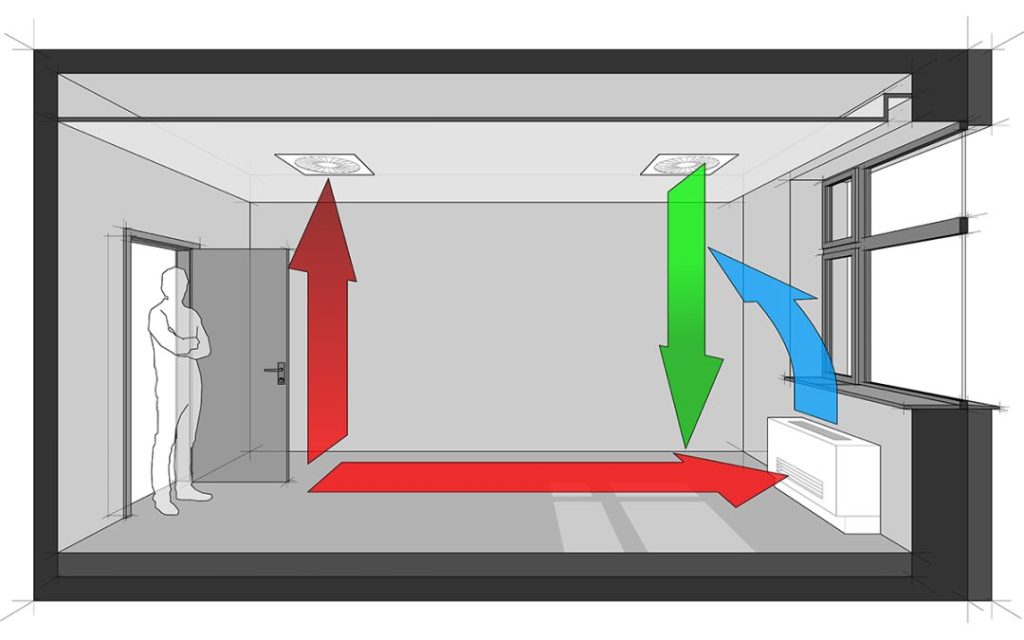


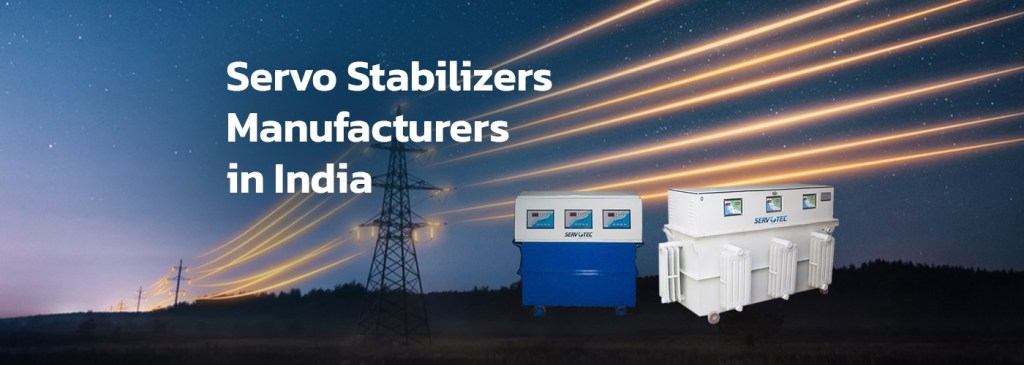


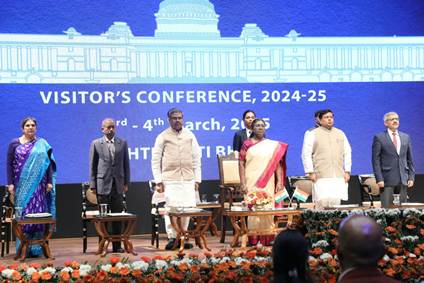
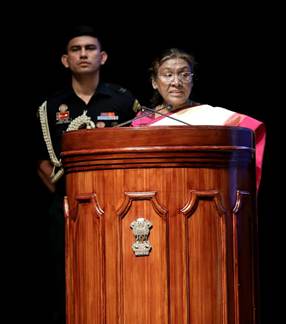


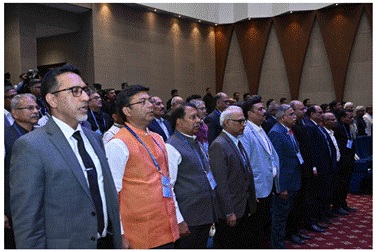
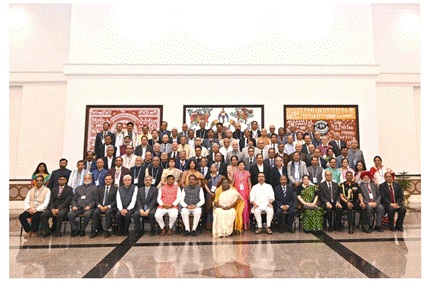
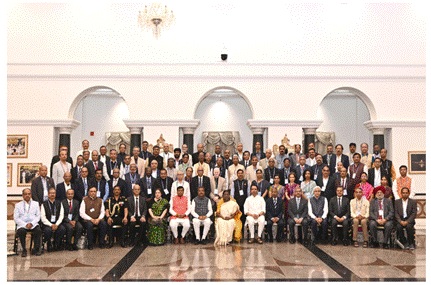


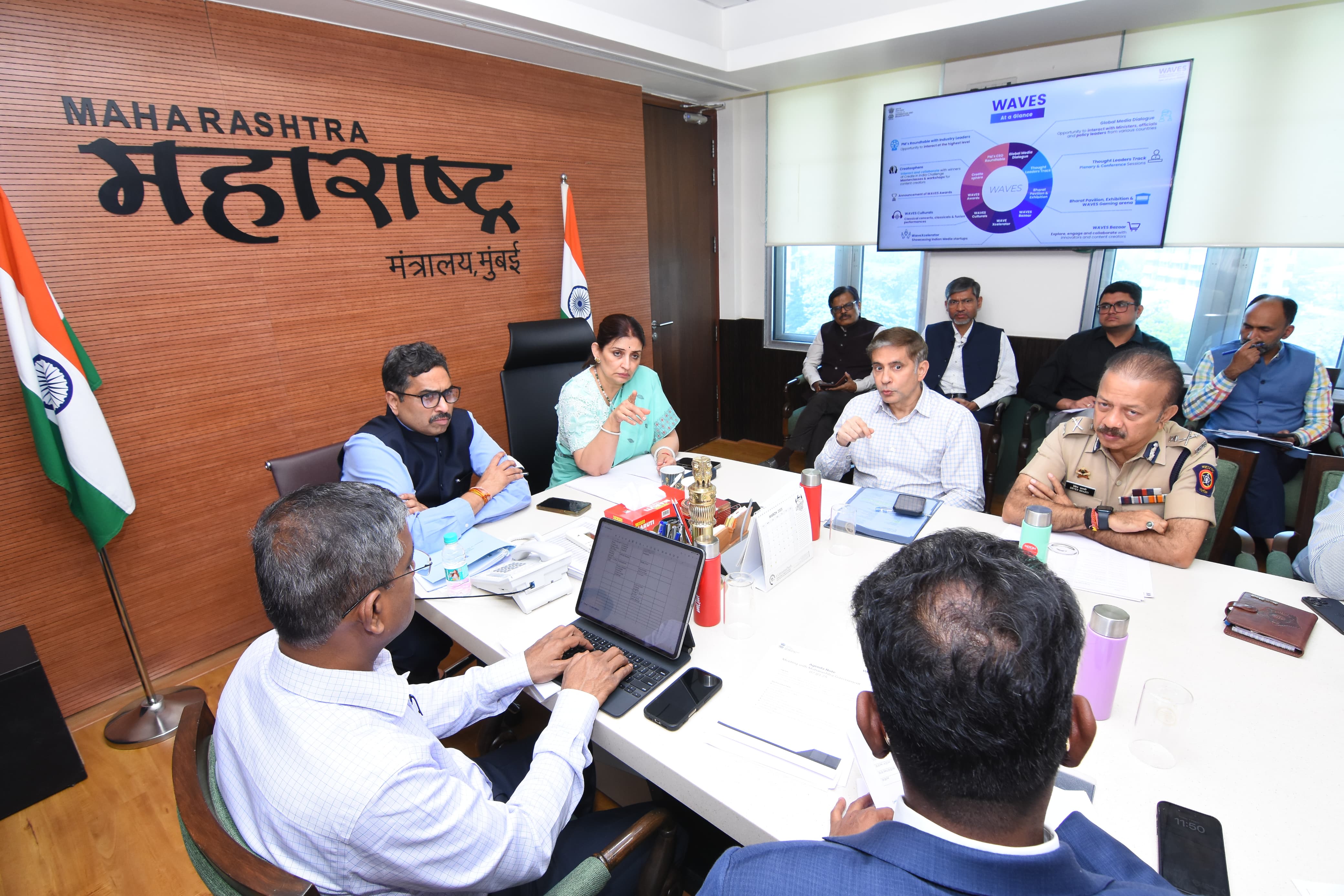
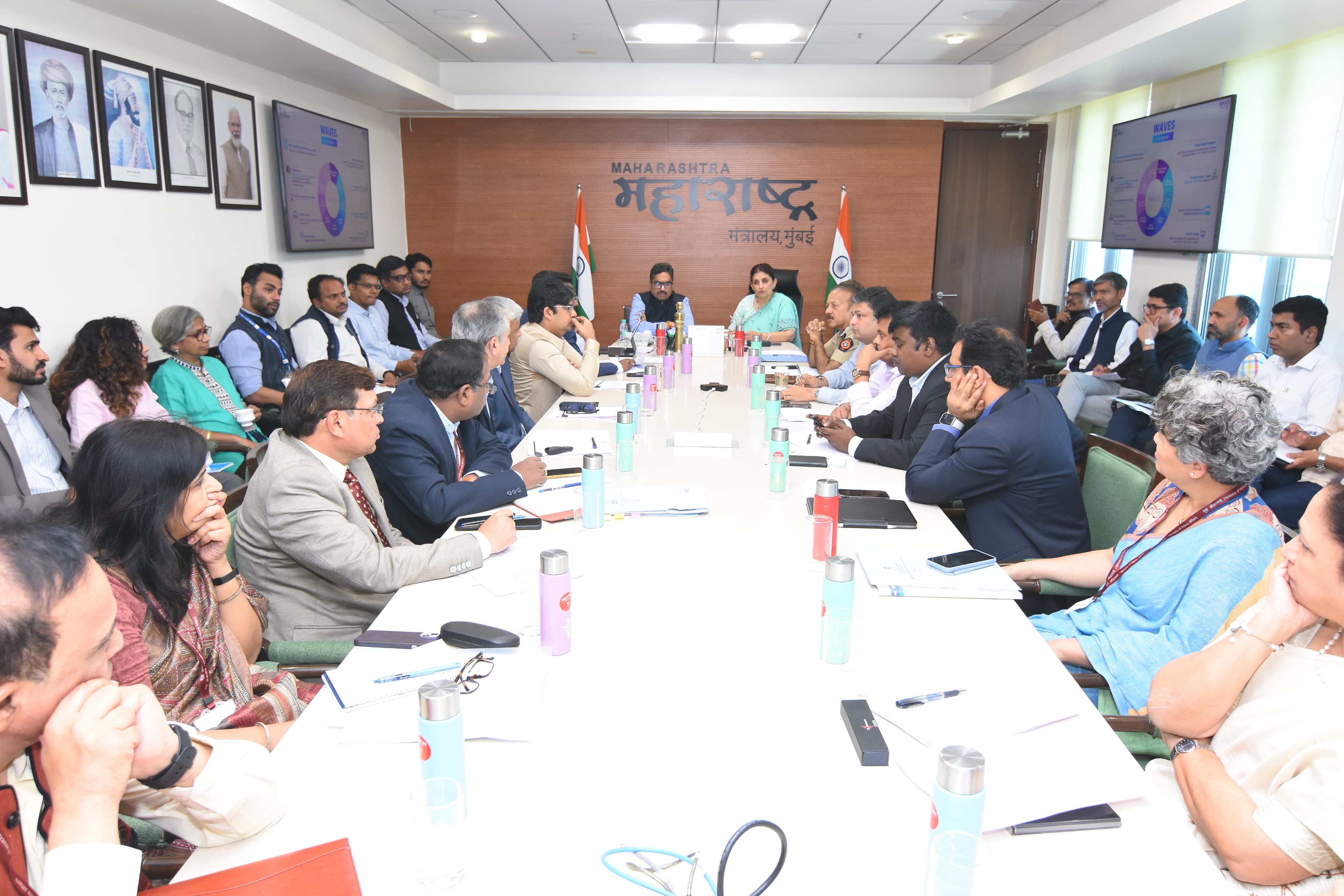

 /
/




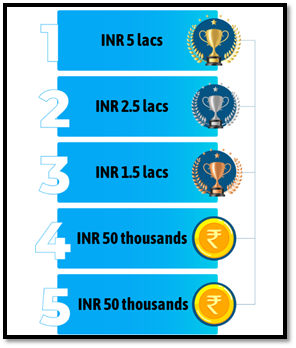


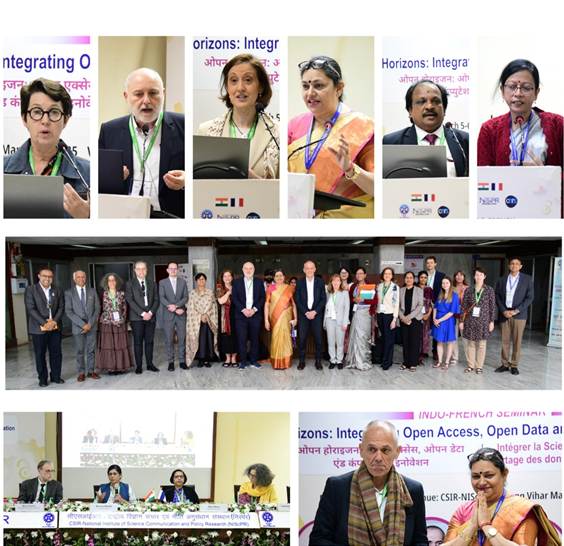
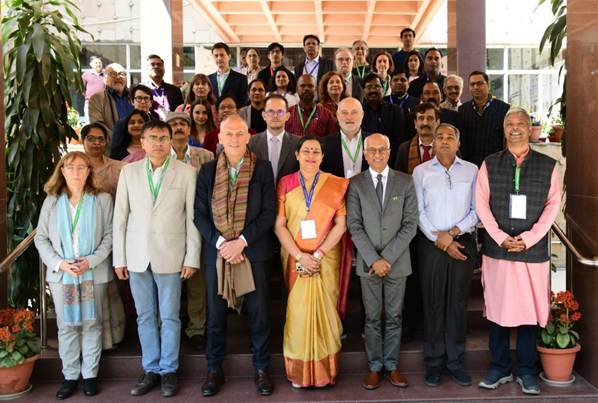


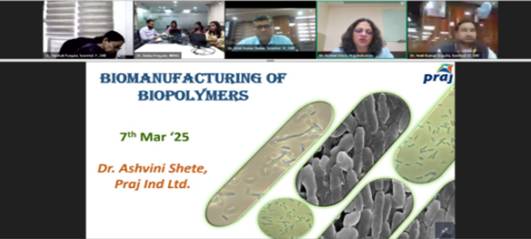
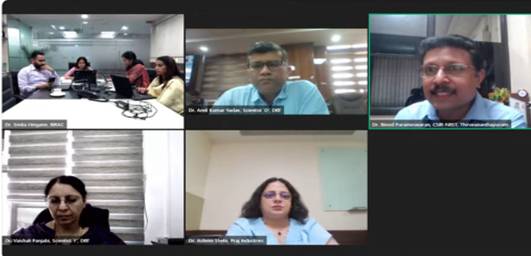
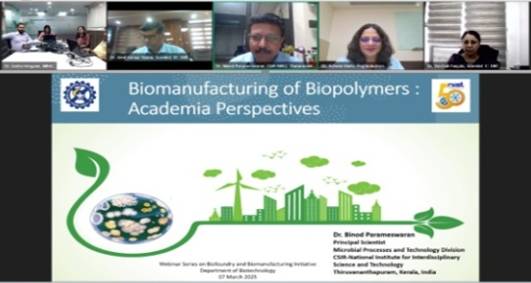


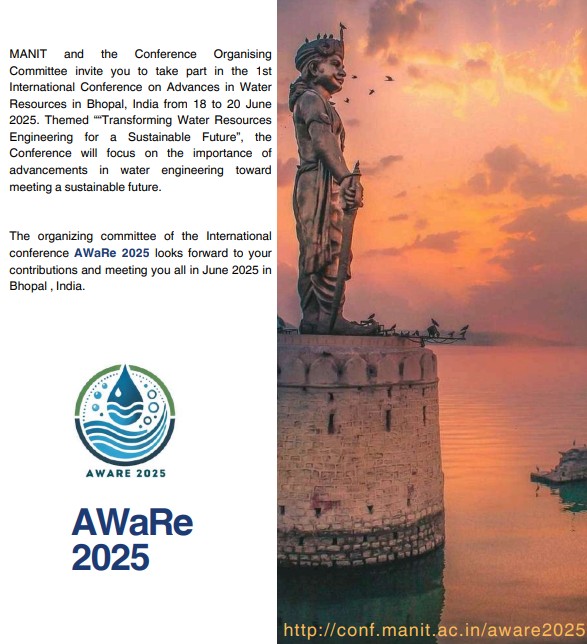


 Eduindex
You must be logged in to post a comment.