History of Television in India.

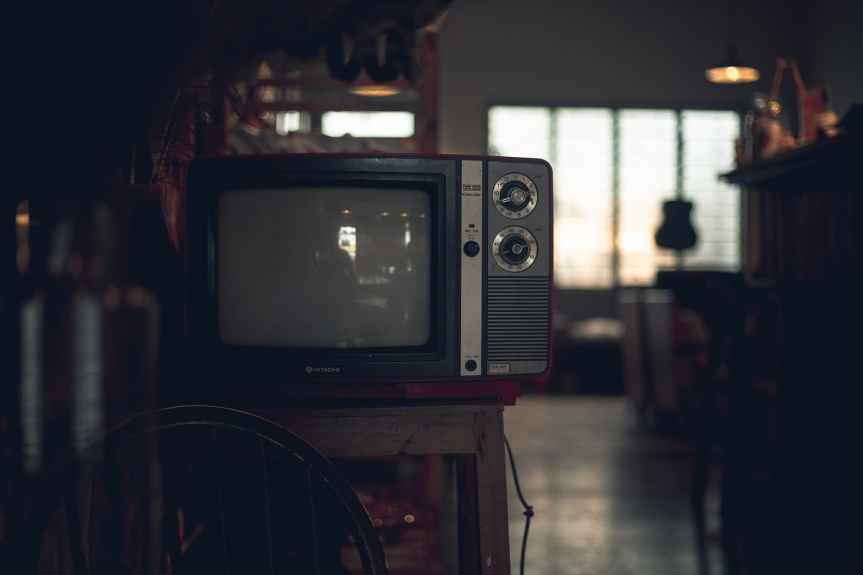
Television was founded by John Baird. The first television service was started in 1936 by British Broadcasting Corporation (BBC) of Britain . In 1939, television broadcasts began in the United States. In 1953 the first successful programme in colour was transmitted by Columbia Broadcasting System (CBS) in USA. In today՚s world, television has become one of the most powerful means of mass communication . It can impart education, information and entertainment . Television has end up becoming an necessary a part of our lives.


HISTORY
India’s first television station was established on October 24, 1951, in the Department of Electronics and telecommunications at Government Engineering College in Jabalpur. Television began in India as an experiment on September 15, 1959. It was first started as two hours programmes a week under the authority of AIR. Early programs of these experimental broadcasts were generally educational programs for children and farmers. By 1975, only seven Indian cities were using television services. The Satellite Instructional Television Experiment (SITE) was an important step by India for the use of television for the development of people and the country. Initially, the show was mainly produced by Doordarshan (DD), who was part of AIR at the time. Transmissions were made twice a day, morning and evening. In addition to information on agriculture, health and family planning, other important topics covered in these programs were audience education and awareness raising. Entertainment was also included in the form of dance, music and cinema. In 1976 Television services were separated from radio . Color television was introduced to the Indian market in 1982.

In the late 1980s, more and more people began to own televisions. There was only one channel, but the TV show was saturated. Therefore, the government opened another channel, partly broadcasting nationally and locally. This channel was called DD2 and was later renamed to DD Metro. Both channels were broadcast on the ground. In 1997, Prasar Bharati, was established.Doordarshan, along with AIR, was incorporated into a state-owned enterprise under Prasar Bharati. Transponders of the American satellites PAS-1 and PAS-4 assisted in the transmission and broadcasting of shows on DD. An international channel called DD International was launched in 1995 and broadcasts programs abroad 19 hours a day to Europe, Asia and Africa via PAS-4 and to North America via PAS-1.The 1980s were the prime time for DD, with shows like comedies such as Hum Log (1984-1985), Wagle Ki Duniya (1988), Buniyaad (1986-1987). Epics like Ramayan (1987–1988) and Mahabharat (1989–1990) brought millions to Doordarshan and later on Chandrakanta (1994–1996). Song-based programs for Hindi movies such as Chitrahaar and Rangoli, and crime thrillers such as Karamchand and Byomkesh Bakshi. Children’s shows such as Tenali Rama ,Vikram Betal and Malgudi Days .


Private Channels influence:
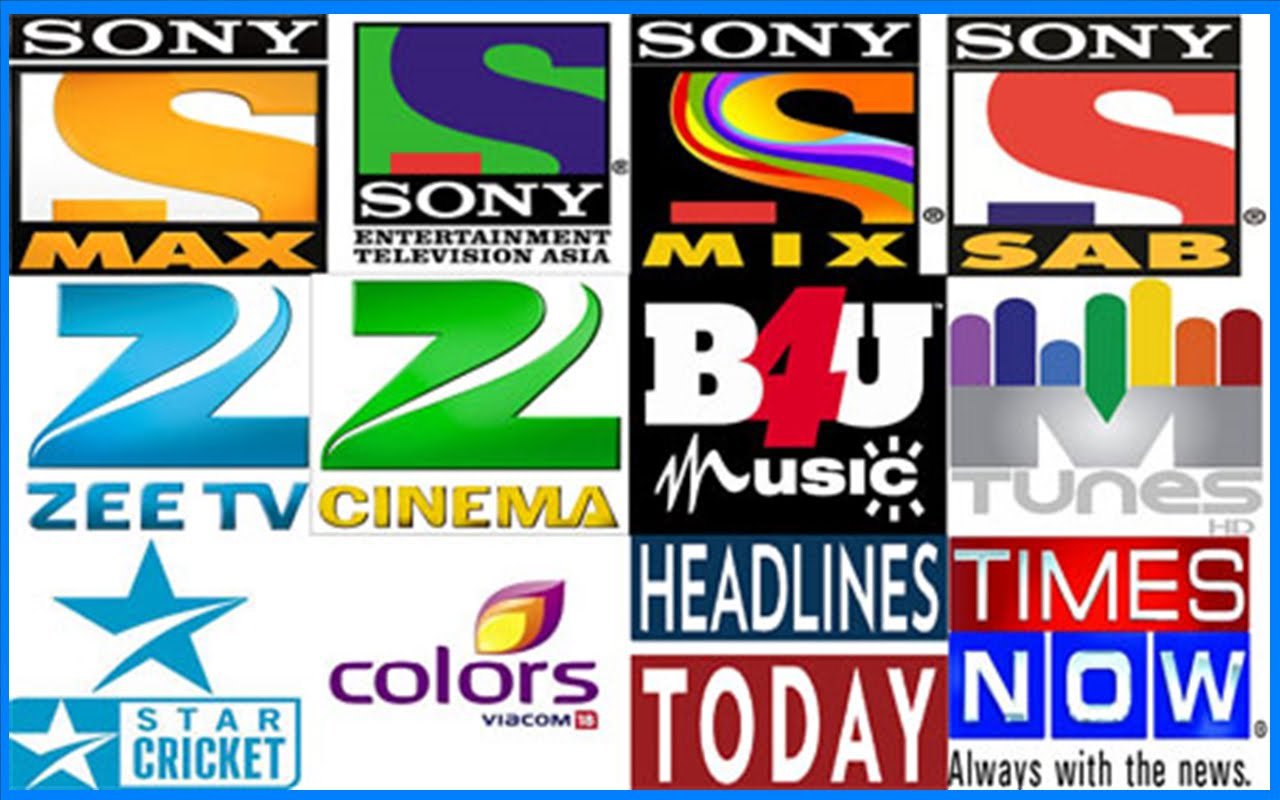
The introduction of communication channels was a revolutionary move to reach so many people. It became an opening for Private and Commercial broadcasters in our country. The emergence of private channels began in India in the 1990s after CNN aired the Gulf War. Hong Kong-based STAR (Satellite Telivision Asia Region ) enterned in a contract between an Indian company and Zee TV. It became the first Private Indian Hindi satellite channel. During this time, several local stations have emerged. Apart from local ones various international channels such as Channel, CNN, BBC, Discovery, etc were also available for Indian TV viewers. Their were various categories of channels available for viewers,such as the 24-hour news channel, Religious channels, cartoon channels, movie channels, something for everyone .


Changes and Evolution:
A significant change that has occurred is the use of different methods of delivering television programming. Just a while ago their were satellite-based antennas, but now the mode has converted to dishes. Other shipping methods are are delivery via cable network and direct satellite transmission. Now you can watch TV shows on your mobile phone , the technology behind it is called Internet Protocol Television. The emergence and spread of televisions and computers and the access to content anytime, anywhere, everyone has brought revolutionary change and access to the world of entertainment.

“I always say film is art, theater is life and television is furniture .”

Kenny Leon
The negative impact of Television and Internet on Children

Photo by cottonbro on Pexels.com

Children are being negatively impacted because of exposure to tv and internet. Today kids spend more time watching tv or on phone which tends to slow down thier metabolism rate. Infact browsing stuffs online to playing games all day can make  them dull and unproductive. Spending insignificant amount of time on tv and internet can make children suffer from lack of sleep and cause serious health problems. Henceforth, a healthy balance and strict timetable needs to be devised by parents which should restrict the amount of time a child spends on tv and internet. For instance, a child can watch educational videos on youtube which can help them to understand their lessons better or can watch news on tv to get equipped with current affairs apart from just playing games or watching cartoons. Limiting the amount of time being spent on tv and internet, parents can involve their children in other healthy activities such as practising yoga or taking up a sport or say learning a new musical instrument. That way a child can do better not only in his academics but can also excel in other creative artforms

MASS MEDIA

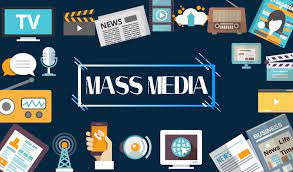
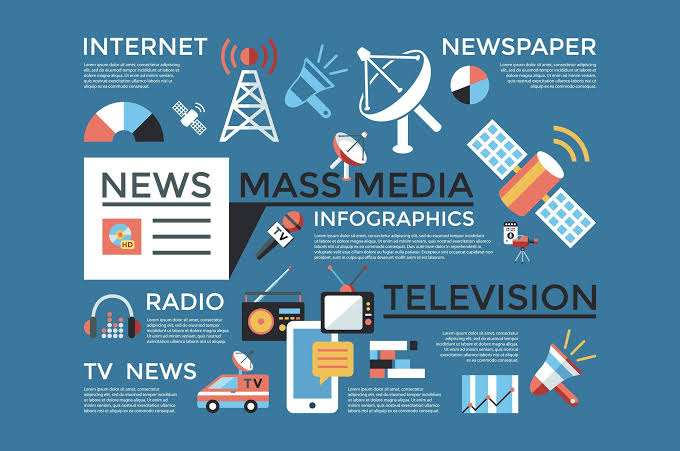
As the name itself suggests, Mass Media refers to an array of methods which help to promote a variety of things/messages/ideas among the masses through different communication outlets. In today’s times, the various kinds of mass media include, Cinema, Radio, Television, Internet, Print, Recordings, Mobile phones, etc. People may opt for a particular medium of communication based on the availability of technology, type of message/product to endorse and ease of mass communication.

CINEMA

Movie making is certainly gaining a lot of popularity in this era. Cinema Media has a lot of potential to create an impact on the society at large. The film industry inclusive of Hollywood, Bollywood, Tollywood, so on and so forth manifests the reflection of society in the past and the present. Today, the youth does look up to movies for recreation. A good cinema can entertain, educate and inspire the viewer in several ways.

EXAMPLE – The movie JOKER, impacted it’s audience with inspirations like, leaning to forgive, succeeding despite having mental issues, never giving up on your dreams, etc.

RADIO

The credit of being able to enjoy broadcasting in the earlier times and today as well, goes to Guglielmo Marconi, the developer of the first radio transmitter and receiver. With scarce means of recreation in the olden times, Radio bound families, peers, neighbors together. The auditory mode of communication, Radio is also used to maintain contacts with the flights and ships that are out in the air and water. Radio is also an essential element used at war zones to transmit information through morse codes.

EXAMPLE – Africa considers radio as the most important too of communication. Radio is quite cost efficient, does not need any expensive data package, helps to reach out to a broader audience and is also easily portable.

TELEVISION

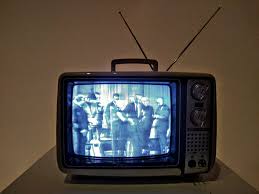
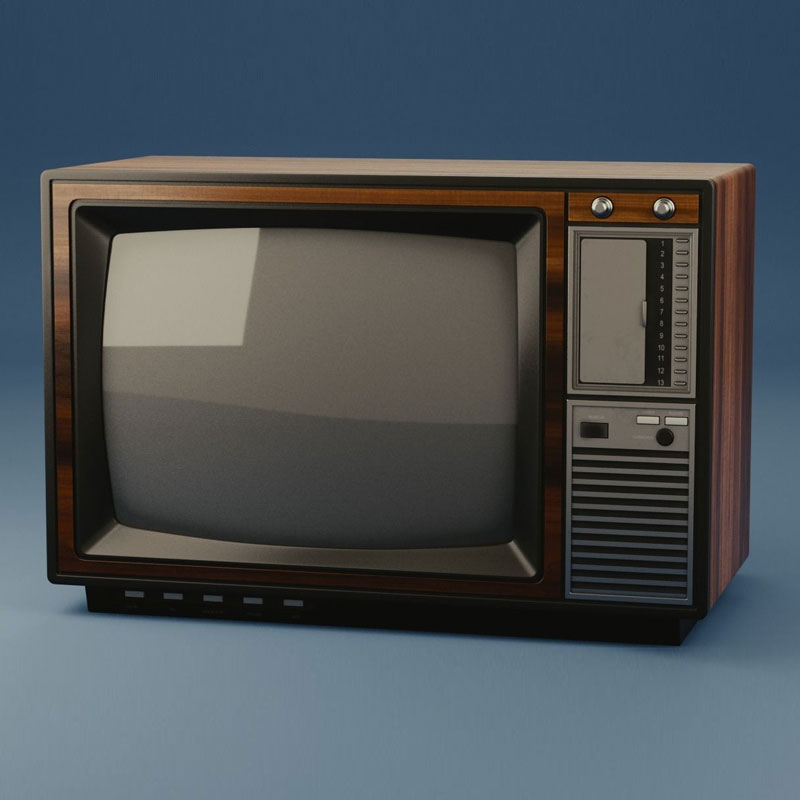
Television is an audio visual type of Mass medium. It is used by broadcasters to air sports, daily soap, movies, news, etc. The progress of the T.V is easily noticeable, as it started from the black and white version and has now developed to a very high extent in the form of OLED, LCD, LED, and HD. It is used by direction and production houses to entertain, inform and educate viewers. It can be considered as an ultimate Pandora’s Box.

EXAMPLE – Viewers ranging from the kids to the elderly at home, are often seen glued to the television for the purpose of entertainment.

INTERNET

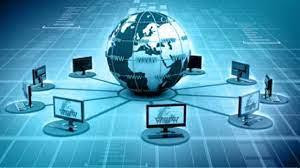
Sharing information and communication has become a piece of cake since the invention of the Internet. This mass medium has bypassed almost all other media of communication. Internet is now considered as a boon to e-sellers, social media influencers, researchers and all the other end users as well. The Internet has become a global networking platform which anyone can access at any point of time.

EXAMPLE – People do resort to the Internet to pay their bills, listen to music, manage finances, to shop online or even to communicate with people all across the globe.

Mass Media plays a significant role in this era. Making appropriate usage of it will give us fruitful results. Mass media helps in transmitting values, heritage, cultures and information and acts as a watchdog on society.

Mass Media

The present age is the age of information & Communication Technology. And mass media is the powerful and the most effective instrument of spreading or sharing information. With the advancement of digital technology, mass media have become a powerful and quick means of communication, broadcasting news and views, disseminating ideas and massages, and making information available anywhere in the world. The means of communicating news and views is termed as mass media. Mass media is classified into two categories print media and electronic media. Print media include newspapers, magazines, journals, and other printed materials. Electronic media includes radio, internet, television, satellite channels, cinema, etc.

In today’s world, mass media embraces internet, cell phones, electronic mail, computers, pagers and satellites. All these new additions function as transmitting information from a single source to multiple receivers.In other words, they are interactive and work on the person to person formula. Thus, it revolves around the masses i.e. the people. It is true that radio, television, press and cinema are in the spotlight when we talk about mass media.Nonetheless, the role of pamphlets, books, magazines, posters, billboards, and more also have equal importance if not less. Moreover, the reach of these tools extends to a huge amount of masses living all over the country.Television, cinema, radio and press are comparatively expensive forms of media which private financial institutions or the Government runs. These tools centre on the idea of mass production and mass distribution.Therefore, newspapers, television and radio cater to the needs of the mass audience and accommodates their taste. As a result, it will not always be refined or sophisticated. In other words, it displays popular culture.

The Function of Mass MediaThe main function of mass media is to reach out to the masses and provide them with information. In addition to that, it also operates to analyze and observe our surroundings and provide information in the form of news accordingly.As a result, the masses get constantly updated about not just their own surroundings but also around the world. This way mass media spreads and interprets information. For instance, weather forecasts equip people and farmers to plan ahead.Similarly, fishermen get updates about the tidal activities from the news. In addition to this, mass media also strives to keep the fabric of our social heritage intact which showcasing our customs, myths and civilization.Another major product of mass media is advertising. This way people learn about the goods and services in the market. It also spreads social awareness. For instance, anti-smoking campaign, women empowerment, green earth clean earth and more.Most importantly, with the numerous mediums available in multiple languages, the masses get entertainment in their own language easily. Millions of people get to access a cheap source of relaxation and pass their time. In fact, it also helps to transport momentarily from our ordinary lives to a dream world. Thus, it remains the undisputed leader in reaching out to the masses.Conclusion of Essay on Mass MediaAll in all, while it is an effective tool, we must also keep a check on its consumption. In other words, it has the power to create and destroy. Nonetheless, it is a medium which can bring about a change in the masses. Thus, everyone must utilize and consume it properly.

How television is affecting kids…

Now a days television become an important part of every child’s life. Children spend a lot of time sitting in front of TV. They see a number of programmes on the television and enjoy and learn a lot of things from it and sometimes this learning become a cause of concern, which depends on the types of shows being watched.

Television builds personality and character of the child and even has the power to changes attitude and perspective towards life but it has some ill-effects too. So we should know both positive and negative effects so that we can ensure that your child enjoy TV without exposed to its ill-effects.

POSITIVE EFFECTS OF TELEVISION ON KIDS

  • There are some shows like Dora the Explorer which stimulate their imagination through interactive quizzes and thinking patterns. These kind of shows keeps them engaged, teached them new skills, and let them have fun too.
  • Some shows teach kids problem-solving and provide them with strong foundation of mental maths and analytical thinking.
  • Watching sports encourage them to go for outdoor activities which help them to be active and healthy. This leads to their emotional and physical well being.
  • Informative and education shows also improve their performance in school.
  • TV shows also acts as a stress buster wguch can do wonders for the children’s mood and emotional problem and protect him/her from emotional stress which can impact them negatively.
  • Through TV shows children also learn a lot of vocabulary and social skills.
  • TV keeps them engaged without harming their cognitive development.
  • TV shows encourage independent thinking skills and teach children to think out of the box. These skills help them to think in different perspectives.

NEGATIVE EFFECTS OF TELEVISION ON KIDS

  • If children is spending lot of time in watching television and he/she may miss other opportunity and lose time for other precious tasks like playing with friends, doing homework etc.
  • If child is spend lot of time in watching TV instead of going out and exploring real world then he/she will not be able to develop strong imagination. As ideas are present in TV, so children who watch a lot of TV cannot stimulate their minds and not able to come up with their own fresh ideas.
  • Children who spend more than 2-3 hours infront of the screen on daily basis often suffer from lack of focus in classroom environment. There are greater chances of this children to get diagnosed with ADHD (Attention Deficit Hyper Activity Disorder)
  • Too much watching TV also leads to developing obesity and other health disorder.
  • It also leads to eye problems. Children experience blurring and reduced vision which cannot be corrected through glasses.
  • Agressive programmes or even one scene of agressive can alter the brain structure and promote negative behaviour like agressiveness and violence.
  • Spending a lot of time may result in lack of participation in other activity which adversely affect their academic performance.

So, it is necessary to limit the number of hours children spend on watching TV. Also ensure that your child is watching quality programme. Also keep the TV set away from the bedroom. Try to develop a healthy relationship between TV time and complete tasks.