Balancing Act: How to Increase Productivity Without Burning Out

Daily writing prompt
What food would you say is your specialty?

In today’s fast-paced world, the pursuit of productivity is often accompanied by an alarming rise in burnout. Whether you’re a student, a professional, or a stay-at-home parent, the pressure to perform can sometimes feel overwhelming. However, achieving greater productivity doesn’t have to come at the expense of your well-being. Here are several effective strategies to help you enhance your productivity while maintaining a healthy balance to avoid burnout.

Photo by Arina Krasnikova on Pexels.com

1. Understand Your Limits

Recognizing your limits is the first step toward sustainable productivity. Pushing yourself beyond your capacity can lead to exhaustion and decreased performance. It’s essential to assess your workload realistically. Consider keeping a journal for a week, documenting your tasks, energy levels, and feelings. This reflection can help identify patterns and pinpoint when you’re most productive, allowing you to plan your most demanding tasks during those peak times.

2. Prioritize Tasks

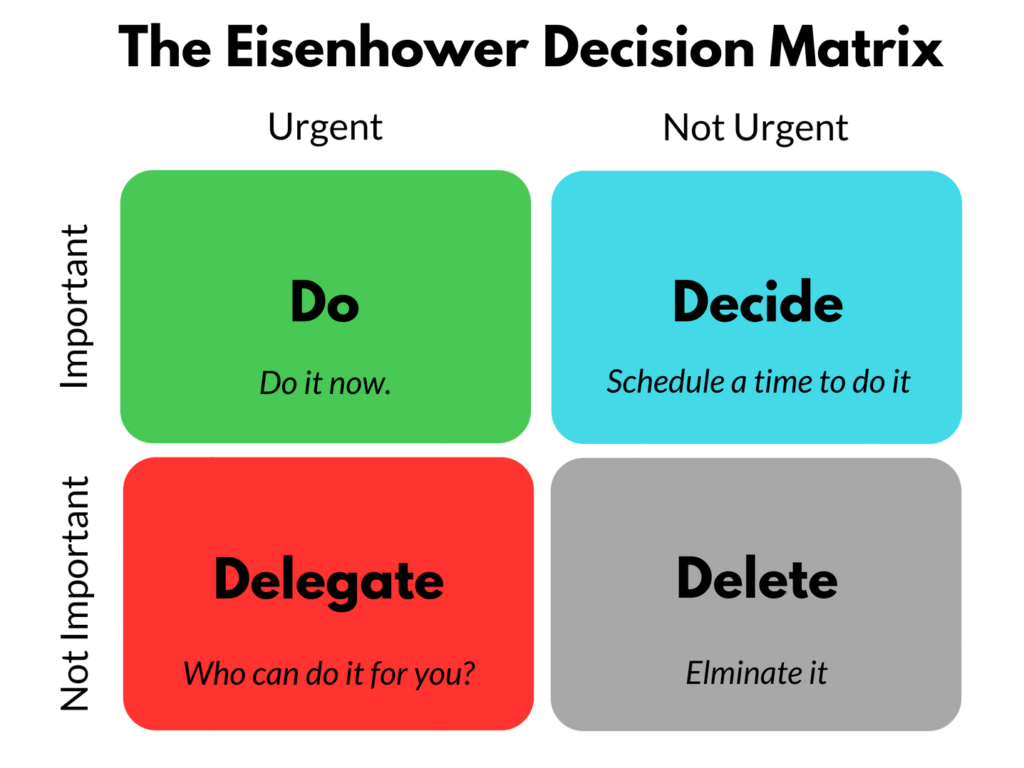
Once you’ve gained insight into your limits, it’s time to prioritize tasks. The Eisenhower Matrix is a useful tool for categorizing tasks based on urgency and importance. Divide your tasks into four quadrants:

  • Urgent and Important: Do these tasks immediately.
  • Important but Not Urgent: Schedule these for later.
  • Urgent but Not Important: Delegate if possible.
  • Not Urgent and Not Important: Consider eliminating these tasks.

By focusing on what truly matters, you can allocate your energy more effectively, reducing the feeling of being overwhelmed.

3. Set Realistic Goals

Setting clear, achievable goals is vital for maintaining motivation and productivity. Instead of overwhelming yourself with a long to-do list, break your goals into smaller, manageable tasks. This approach not only makes tasks seem less daunting but also allows you to celebrate small victories along the way, boosting your morale and motivation.

4. Embrace Time Management Techniques

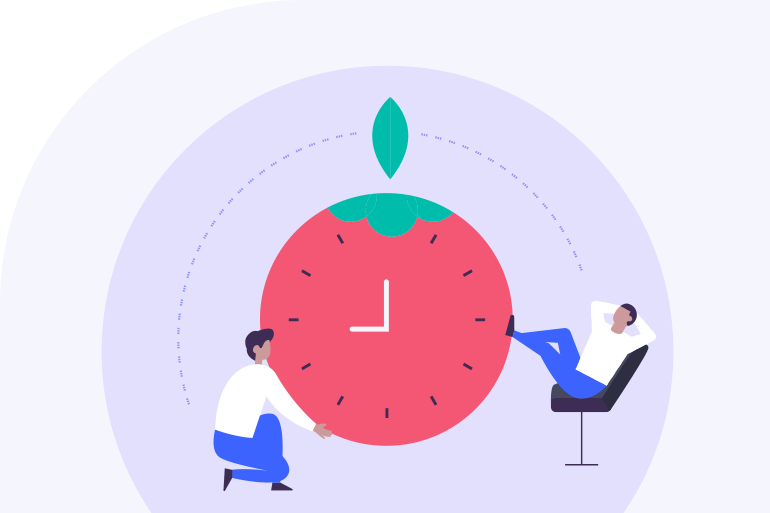
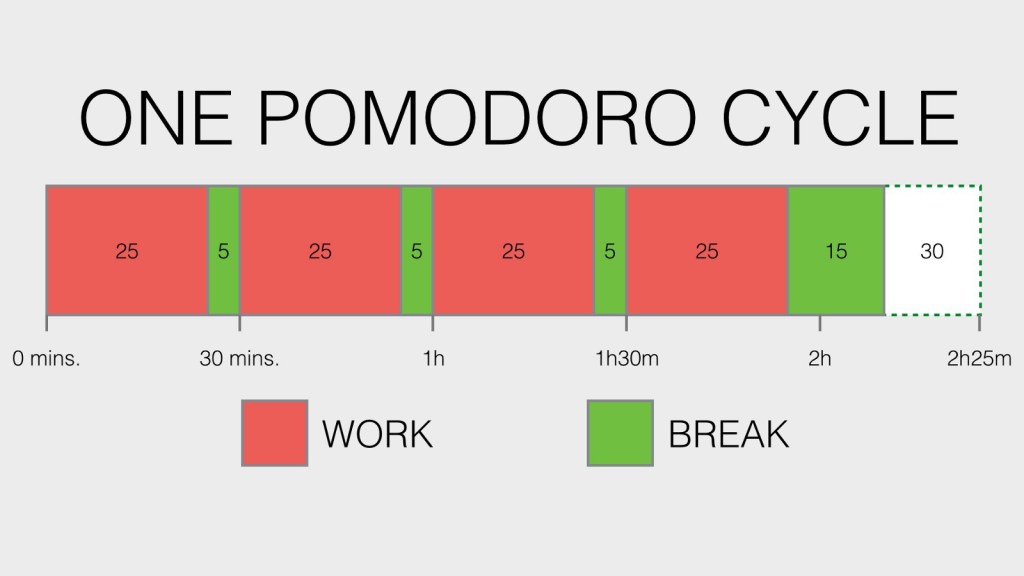
Effective time management is crucial for enhancing productivity without leading to burnout. Techniques like the Pomodoro Technique can help you work efficiently while providing necessary breaks. This method involves working for 25 minutes, followed by a 5-minute break. After four cycles, take a longer break (15-30 minutes). This structure allows you to maintain focus and prevents fatigue, ensuring you stay productive throughout the day.

5. Take Breaks

It may seem counterintuitive, but taking regular breaks can enhance productivity. Research shows that short breaks can improve focus, creativity, and overall performance. Use these breaks to step away from your workspace, stretch, or take a short walk. Engaging in a brief physical activity can rejuvenate your mind and body, helping you return to your tasks with renewed energy and focus.

6. Practice Mindfulness and Stress-Relief Techniques

Incorporating mindfulness practices into your daily routine can significantly enhance your productivity while reducing stress. Techniques such as meditation, deep breathing exercises, or even simple moments of silence can help center your thoughts and calm your mind. Taking a few minutes each day to practice mindfulness can increase your focus, improve decision-making, and foster a positive mindset.

7. Create a Supportive Work Environment

Your environment plays a crucial role in your productivity levels. A cluttered, noisy, or uncomfortable workspace can lead to distractions and decreased focus. Take the time to create a space that promotes productivity. This could involve organizing your desk, using ergonomic furniture, or adding elements that inspire you, such as plants or motivational quotes.

Additionally, to minimize interruptions, consider establishing boundaries with colleagues or family members regarding your work hours. A dedicated workspace, even if it’s just a corner of your home, can signal to yourself and others that it’s time to focus.

8. Prioritize Self-Care

Self-care goes beyond a mere trend; it’s essential for sustaining productivity while avoiding burnout. Prioritizing sleep, nutrition, and exercise is vital. Insufficient sleep can impair cognitive function and elevate stress levels, so aim for 7-9 hours of quality rest each night.

Investing in a comfortable pillowtop queen mattress can significantly enhance your sleep quality. Maintaining a balanced diet and incorporating regular exercise into your routine will boost your overall well-being and resilience.

9. Learn to Say No

One of the most challenging aspects of maintaining productivity is knowing when to say no. It’s easy to become overwhelmed with commitments, whether they’re work-related, social, or personal. Learning to say no allows you to focus on your priorities and prevent overcommitting yourself. Remember, it’s okay to prioritize your well-being and existing responsibilities over additional tasks or obligations.

In Conclusion

Increasing productivity doesn’t have to mean sacrificing your health and well-being. By understanding your limits, prioritizing tasks, and implementing effective time management techniques, you can achieve a more balanced approach to productivity. Embracing mindfulness, creating a supportive work environment, and prioritizing self-care are all essential components of this balancing act.

Remember, it’s not just about working harder but also about working smarter. With these strategies, you can enhance your productivity while safeguarding against burnout, ultimately leading to a more fulfilling and sustainable work-life balance.


Techniques to Manage Time Efficiently

Time and tide wait for none and that is why time management is such an essential skill to possess. It is useful in planning and organizing activities and being productive, both at work and in your personal life. It helps you reach your goals, reduce stress and remain motivated. So, time management is basically about managing yourself efficiently in the time available to you. There are a lot of tips and tricks you can use to improve your time management skills. Here are some of the most popular and effective time management techniques:

Keep a To-do-list:

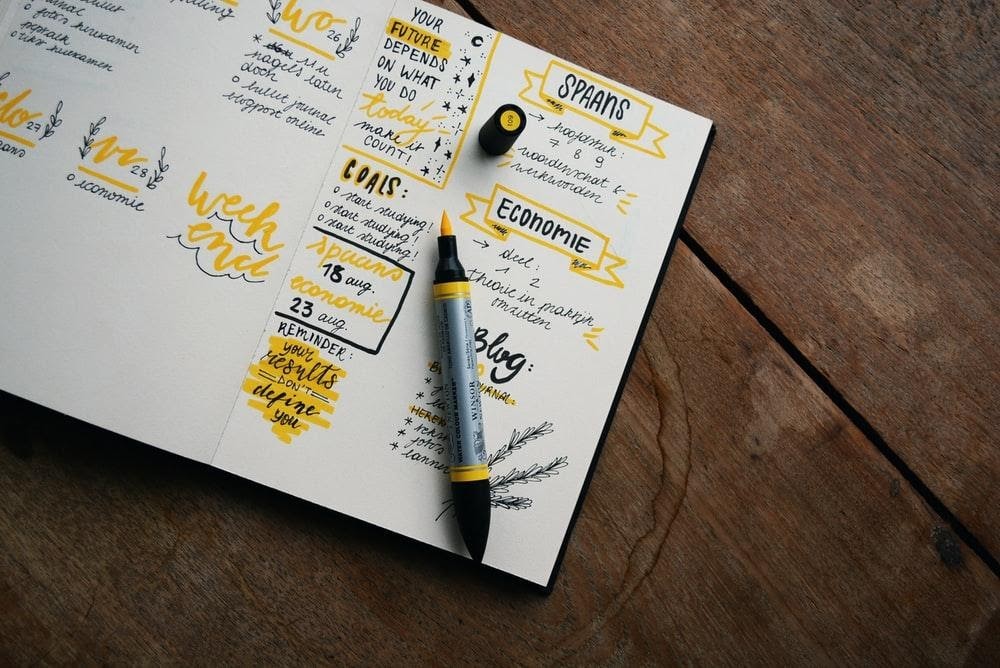
A to-do list is one of the simplest yet most useful ways to manage your time. Whether you write down in a notebook or make notes in mobile applications, this habit helps you be aware of all the tasks you have to complete. You can plan your tasks daily, weekly, or monthly, and ensure productivity. These tasks may be quick jobs completed in minutes or bigger ones that could take days or weeks. Striking away the tasks you have completed at the end of the day is very satisfying and also gives you an idea of how productive you have been.

Set Goals:

Having set goals in your work and personal life is one of the most important steps to achieve success in life. When you have a goal to reach and stick to it, you automatically get all the motivation you need. Your main goal can be broken down into smaller goals or steps which would eventually lead you to the final aim. Things get done faster and more effectively. For an organization, goals determine its vision, and priorities.

Prioritize your Work:

Prioritizing your tasks and goals makes you a lot more efficient and productive. Keep the most important and valuable work at the top of the list so that they are dealt with first. Prioritizing helps you take care of the tasks that matter the most and not put too much effort into tasks that are not as important. Allocate time for performing these tasks and activities according to their priority.

Take Regular Breaks:

Remember to give yourself regular breaks between your work to make sure you do not feel too tired or unmotivated. Breaks help you refresh and boost your productivity. You can spend your breaks reading, watching films, listening to music, walking, or indulging in any other fun and enjoyable habits. As an employee, you are entitled to regular breaks between your working hours. So, make sure your organization provides it.  

Exercise Regularly:

Exercising regularly is a sure way to maintain your health as well as reduce stress. Spending some time in a day jogging, working out or doing yoga helps you clear your mind of distractive thoughts and increase your energy levels. So, make sure to spend some time on exercise.

Maintain a Routine:

Nothing helps you manage your time and stay motivated as maintaining a good routine, particularly in the morning. Try not to open social media first thing in the morning, focusing instead on better practices like exercising, cleaning, meditating and eating a healthy breakfast.

Be aware of when you are the most productive in a day and allocate more work for those hours. If you are a morning person, schedule your work hours in the morning. If you are a night owl, spend time working at night. Manage your work and time according to your preference to be the most productive.

Reward Yourself:

Once you have finished a major task or achieved a goal on your to-do list, do not forget to reward yourself. Reward your hard work and dedication by taking some time for yourself and doing what you like. You can talk with your friends, eat food you like, or read your favourite book!

Get More Done : Strategies for an Effective To-Do List

The term ‘To-Do List’ evokes different images for different people. For some it is that of a never-ending-ever-growing scroll of magic paper that gives them nightmares. For others it might come across as something only the boring folks, who schedule even their loo breaks, do. And then there is another bunch who considers it to be their life saviour which keeps them sane through the madness of their daily chores and tasks. 

Whatever be the image that you have conjured up, a fact that one cannot deny is that an effective to-do list is one of the simplest yet powerful productivity tools that can work wonders in increasing your overall productivity. 

Though it is one of the best and most efficient productivity techniques around, the success of it depends on how effectively it is being used. Moreover, if not used in the correct way, it can do more harm than good. 

Photo by Breakingpic on Pexels.com

So, let’s now see some of the strategies to help you kick-start your art-of-making-the-perfect-list journey 

Pick a suitable medium

Choosing a medium that you are comfortable with is the first and foremost thing to be considered while making a list. It may differ according to the personal preferences of people. It doesn’t matter whether you choose an app or the good old pen and paper, what is important is to stick to the one that you have chosen.Having your tasks scattered across different mediums makes managing and tracking the tasks difficult.

Dump all those tasks eating up your brain to the list

Transfer all those ideas, goals and tasks to the medium that you have chosen. Don’t bother assessing its value or prioritising it (yet). For now, just dig out every single thing from your brain and dump it onto your list.

Identify the ones which align with your purpose

It’s important that you need to have a clear idea about what you want to accomplish in life and accordingly pick tasks that’ll help you realise your goals. Write down clearly why you need to do the task and how it adds value to your life. Identifying your whys gives the brain the much needed motivation and energy to tackle the task.

Break the list into multiple lists

So now you have a big list of all the items that aligns with your long-term goals listed right in front of you. This list will contain all your goals listed out together. Let’s now split them into separate lists . Three basic lists that you can use are : 

  • The Master List , where you keep a list of your long term goals .For eg: Write a novel. Here, you could categorise the goals as personal, professional, finance, health etc. 
  • The Weekly List contains all those items that need to be ticked off by the end of the week. This would essentially contain tasks which would help in achieving your long term goals, plus other things that need your attention during the week. 
  • High Impact List is the one that contains the tasks which are of the highest priority and needs your immediate attention. These might or might not be related to the other two lists. 

Apart from these you could also keep a separate list for the daily activities that you need to track. For eg : If Doing exercise is something that you want to track on a daily basis, then instead of adding this item to your high impact list, add it to a separate list which is meant solely for daily activities. 

You can come up with as many lists as you want. But I would suggest not to overdo it (then you might end up having to come up with another list to track the list of lists ! ). 

List down tasks, not goals on your list

Your master list is the one where you have all the goals listed and when it comes to creating weekly lists, you need to make sure that you break your goals down into actionable items and put those on the list. In this way, you get clarity on how to go about with achieving the long term goals. Make it as specific as possible.

Prioritize 

From the weekly list, identify the items that are of the highest priority and move them to the High Impact List. This is the list that you need to follow to keep track of the items that need to be completed by the end of the day. Sit with your list and identify the ones that are urgent and important and rank them accordingly. Setting priorities makes sure that you don’t end up cleaning your kitchen drawer when you have an important assignment due for the day.

Photo by Suzy Hazelwood on Pexels.com

The shorter the better

One of the mistakes people make while creating a list is to cram up the list with as many items as they can think of. By doing so chances are high that you may end up not finishing most of the tasks on your list. And, there is nothing more depressing than staring at a long list of pending tasks at the end of the day. So keep it short. There is no hard and fast rule as to the maximum number of items that you can put on your list. Start with as low as three and experiment and find out the number that works for you. 

Set a time limit for each task and measure the time taken

Each person has a different pace at which he works. To find out yours, roughly estimate the time you think you would need to complete a task and once you are done with the task, compare it with the actual time taken. This way, you will have a realistic idea about how many tasks you can complete in a day and can accordingly decide the length of your list. 

Break bigger tasks into a set of smaller tasks

While you time your tasks, you might come across some tasks which need more time.Say for example, writing a blog post might not fit into the two hour window that has been allotted to it. In such cases, break the task down into a number of smaller tasks – research the topic, write, edit, select pictures etc. By breaking it down, you will have a clear step-by-step strategy listed right in front of you.Also, instead of waiting to check off that one big monstrous item, you can now check off 3-4 small items. That’s a pleasure in itself, isn’t it ?

Create a May-Be-Later-If-I-Feel-Like list

This is one of my personal favourites. All those items that you want to do but which are neither urgent nor important go on this list. Say for eg: learn to knit, may be something you might want to do but definitely not when you have a project release coming up the following week. 

Always expect the unexpected

As much as we all want everything to go as planned, in reality that’s not always possible. At times, unexpected events may pop up. So, it’s always a good idea to leave a bit of cushion time between your tasks. Not just that it leaves you with some wiggle room in case of emergencies but also provides you that much needed breather from the tasks on normal days.

Block time for yourself

Always always always make sure to take some time out of your schedule to relax. Burnout is real ! So it’s really important that you find time to pause, breathe and relax. Adding break time to your list is essential to help the brain maintain its focus and energy levels. 

Revisit and Re-evaluate your list periodically

Constant evaluations and reevaluations are needed for this productivity tool to work effectively. At the end of each day set aside some time to sit with your list and reflect on what worked and what didn’t. Move those items which you feel are of low priority to your may-be list. Re-prioritise the list, play around with it and you will eventually figure out a strategy that works best for you. It’s all about experimenting, buddy !

 Make the list the day before

Though it is not a rule that you should make the list on the previous day, it is always better if you can do so. At the end of each day, after you evaluate your list for that day, you would already be in a state of mind where it is easier for you to figure out what items need to go on the list for the next day. Also, if you have a list of tasks ready right in front of you in the morning, you know exactly what’s on your plate for the day and hence you can use your morning energy on productive stuff rather than wasting it on planning your day.

Create a Done List

Even if you hate every other list mentioned above, this is one list that you are gonna love. It is a list of all the tasks that you have accomplished. Once you complete a task, along with crossing it off from the main list, add it to your Done List. That’s double the euphoria, you see ! This list is a reminder to yourself of how close you have come to your end goal and is an instant mood booster on days you feel low. Also, do not forget to celebrate even the smallest of your milestones.

Bottom line

Learning to make an effective to do list is not something that you can master overnight. It takes a lot of experimenting to figure out the strategies that work for you. There are no hard and fast rules here. Remember not to obsess too much with the idea of making that perfect list in the first go. Have patience and keep experimenting until you figure out a strategy that best suits your needs. Good Luck !

How to make the best use of time. 

This is an image for how to make the best use of time.
Photo by Eunice Lui on Pexels.com

Time is precious, it’s a saying that is reiterated often by everyone! We all are gifted with 24 hours everyday and many more during our whole lives. But often we don’t know how to utilize them. We understand how precious time is only when it passes away, leaving us with only a few hours left to turn in an assignment! This doesn’t have to repeat because here are some ways you can make the best use of time. 

Keep track of your time

When time passes you in a whiff, leaving you with the feeling of having nothing done from your ‘to do list’. The moment has come to identify how you have been utilizing your time. A simple note making activity along the week can do the trick. Keep tabs on the activities you do on a regular basis across different time periods. You can do this the old school way by writing down in a notebook or the modern way by typing in your smartphone. The aim of the activity is to figure out the tasks that waste your time by the end of the week and curb the duration of indulging in such activities. 

For example if using your mobile phone or watching television is eating up your time, leaving you with no time to do what is necessary. Keeping track of your time will help you understand this mishap and rectify your actions. Thus helping you to make the best use of time. 

Make a ‘To do list’, but avoid listing a ton of items. 

This is an image of  To do list.
Photo by Breakingpic on Pexels.com

Making a ‘To do list’ is supposed to motivate us to get things done for the day. But listing a ton of tasks kills the motivation to do the same. Listing even 3 important items to do for the day can help you get things done and motivate you to do more. Three tasks might seem very less, but it accounts for a day well spent as you accomplish the 3 most important tasks that need to be done, rather than listing 10 items in your ‘to do list’ and get nothing finished. 

Doing less also helps you focus and spend adequate time over your important tasks, making you less prone to make errors and getting things done efficiently. 

Plan your day before time

We all have heard the famous words of Benjamin Franklin, “If you fail to plan, you are planning to fail.” Although it sounds daunting and negative, it makes a lot of sense when you try to make the best use of time. When you haven’t given a thought about the day ahead, you end up spending the day doing mundane things that take up the majority of your time. 

It is best to plan the next day before going to bed or during the early hours of the day to make the best use of time. This helps you to remember the important things to be done for the day and keep you occupied. 

Take out the bad habits from your day

This is an image for bad habits
Photo by Maria Orlova on Pexels.com

We all develop some habits in our lives that are harmful or keep us from being productive. You might probably take your love for music to the next level by having your earphones plugged in for several hours. This could be harmful to your ears or reduce efficiency as you listen to music in the background while doing something important. Hence, it becomes necessary to fix a duration for plugging in some music rather than doing so all the time.

Similarly, you can curb other time consuming habits by spending less time over them or putting them away during your time of productivity. 

  • Put your phone away to resist the urge for checking messages while you study or work on an assignment. 
  • Turn off the Wifi or mobile data on your phone to prevent notifications from interrupting your work schedule. 

Begin with the most important task for the day

Although it sounds intimidating, waking up after the right duration of sleep leaves you with great energy and potential to complete important tasks that you have planned for the day. Maybe that’s why schools, colleges and offices expect people to arrive in the morning as they are equipped with sufficient energy for conveyance and other important things. 

Finishing the significant tasks in the morning such as studying or attending meetings, equips you with the necessary information and a sense of accomplishment to carry on with the rest of the day. Thus making the best use of time. 

Figure out what is important to you in the long run

This is an image for important
Photo by cottonbro on Pexels.com

Finally, it’s all in the bigger picture. You need to figure out what carries significance in your life. Some may want to explore while the others may want to settle down. What is important to you would determine your actions. 

Do tasks that provide good returns. 

Taking a break during the day from your studies or work is something you deserve. As you plan your activities and ‘to do lists’, it is also necessary to plan your time of leisure. Playing video games or watching television for 4 hours straight can be tempting, but it prevents you from reading the book you were planning on reading or meeting up with a good friend. 

It is better to limit your time over tasks that provide less returns and focus more on tasks that add value to your life.  So pick an interesting book while you feel the urge to binge watch or initiate a meet-up with friends which you have been putting off for a while. 

Because making the best use of time is to learn new things and add new experiences to your life. 

References

Chris Bailey, https://www.lifehack.org/articles/productivity/7-ways-make-better-use-your-time.html

Arda Ozdemir, August 25 2021, https://www.wikihow.com/Use-Your-Time-Wisely

John Rampton, May 1 2018, 8:00am, https://www.forbes.com/sites/johnrampton/2018/05/01/manipulate-time-with-these-powerful-20-time-management-tips/?sh=62c777857ab4

Power of Time

You had heard of the film ‘No time to die’, you have heard of the phrase ‘no time to waste’, you had heard of people saying ‘time is money’. From all these examples you have understood that time has very much importance in our life.

Have you ever thought that something which is not even visible have so much importance in our life. Everybody says this one thing that the person who knows how to manage his time knows all the secret of success.

Time management has gained so much importance in today’s world that there are even courses to let people learn and understand how to manage their time. This is the one thing which we have to follow as we all know that time never follows anyone or stops for anyone.

This is the one thing which everybody has in eaqual amount, whether you are rich poor lives in America India anywhere in this world you all have a 24 hour in a day. The thing which make time different is how we utilise it.

We all know that the strongest thing in this world is time. We all should understand and utilise at a time in useful things. And by this way I am not saying that you should not have a relaxing time what time for your hobbies you should absolutely have those time. You should have time for everything in life. And you should do all the thing at the right time.

3 Most important time management techniques

Everyone gets 24 hours a day but those who have ability to get maximum out of these 24 hours are classified as successful. Time management is the key to convert 24 hours into 25 hours. In simple words time management is process of organizing and dividing your time into various activities.

It’s about simplifying how you work and getting things done better and faster. It’s about working smarter. It is a game of choices. You have to make a choice about how you want to use your precious time. So if you are interested in improving your time management skills, check out these cool techniques.

Eat that frog

Brian Tracy says “You cannot eat every tadpole and frog in the pond. But you can eat the biggest and ugliest one, and that will be enough, at least for the time being.”

Identify your most important task of the day, this is your frog. It is the most impactful task of your day so begin your day by tackling this frog. Start this work and do this without any interruptions. This will bring an early win in your day which will build the momentum and sense of accomplishment.

But what if you have multiple frogs? Eat the biggest frog first. So instead of doing easy tasks first, do the difficult ones.

The Pomodoro technique

It is one of the most simple yet effective time management technique. This technique forces you to do single task so that your brain can focus on only one thing at a time as switching between tasks reduces productivity.

According to this technique turn off all distractions and set a timer for 25 minutes. During that time you will only focus on that work. After 25 minutes take a break of 5 minutes. After repeating this process for 4 times, take a long break.

The reason why it is successful is that it creates a sense of urgency as you have only 25 minutes to make as much progress as you can. Also it forces you to take a break which keeps you fresh throughout the day.

The Eisenhower Matrix

Prioritizing your tasks is a crucial part of time management as you may be spending hours doing useless things. The Eisenhower Matrix( urgent-important matrix) helps you in discovering your important tasks.

This matrix divides all your tasks into 4 quadrants:

  1. Urgent and important: These are the most important tasks of your day. You have to do these tasks at any cost. This quadrant include crisis and deadline driven tasks.
  2. Not urgent and important: These are important tasks but can be delegated like business planning, building relationships. As these tasks are not urgent you can schedule them in near future.
  3. Urgent and not important: These are tasks like interruptions, non important email etc. As these tasks are not important delegate them instead of completing them now.
  4. Non important and non urgent: These tasks are distractions and time wasters like playing video games. Just eliminate these tasks and focus on important ones.

To make this matrix, write down all your task and insert each task in respective quadrant. To be more productive spend more time on Not urgent but important activities as these tasks are meaningful to you but not urgent.

So these are some time management techniques, try to implement them every morning and get the best out of your precious time.

HOW CAN YOU MANAGE YOUR TIME ?

How To Improve Time Management While Working From Home (Tips + Tools)

You can manage your time wisely if you can control your sub-conscious mind. You need to concentrate so you don’t want to get diverted.

1.Clear your mind. Trust yourself

Bring positivity in yourself and remind yourself that you can do it. You can do this by doing some creative activities, it could be painting, reading books, playing any sports or singing whatever catches your interest.

2.Start your day by setting goals. Stick it to the nearest wall.

This will remind you of your goals even if you are distracted. Looking at those goals you will feel that you should not waste your precious time and work hard.

3.Follow your decision


If you ever feel like giving up remind yourself “Why I decided to make a schedule ?”, “What made me do that ?” and stick back to it. If you control your desire today you will be able to control your brain tomorrow without any distraction.

4.Make a note of your activity every night

Keep a track of your progress. It will motivate you to work even harder.

5.Stop saying negative things

Your mind doesn’t understand what’s wrong or right. If you keep saying that you can’t do it, then you won’t be able to do.

Time Management: Definition and Importance

For busy businesses, time management is critical so that they can prioritize all of their job responsibilities and reach their objectives more quickly. You’ll be able to take on new possibilities and build your business in a sustainable way if you properly manage your time.

In this article, let’s see the definition and importance of Time Management.

What is Time Management?

Time management is the process of planning out your available time and managing the amount of time you spend on various tasks in order to operate more efficiently. Some people find it easier to manage their time than others, but adopting routines can help anyone improve their time management skills. Your work and well-being may suffer as a result of poor time management, which can lead to:

  • Creating low-quality work
  • Failure to meet deadlines
  • Increasing your level of stress
  • Negatively affecting your work-life balance
  • Putting your professional reputation in jeopardy

Importance of Time Management

Time management is vital because it allows you to organize your workday so that you may grow your business while maintaining a healthy work-life balance. Here are seven advantages of effective time management:

1. In less time, accomplish more

One of the most significant benefits of time management is that it enables us to be more productive by allowing us to regulate how we spend our time. We can focus more effectively on vital tasks, resulting in enhanced efficiency. Consider a car being driven slowly by someone who is always staring out the window and talking on the phone. Consider another car being driven by someone who is focused on driving at the best possible speed to get to their destination as quickly as possible. That is what effective time management can accomplish.

2. Improve the quality of your job

You are required to offer work of a specific quality and standard as a dedicated employee. One can easily deliver a higher quality of work by properly utilizing time and prioritizing duties. Prioritization aids in focusing on critical tasks by placing them at the top of the priority list, allowing you to devote your whole attention and focus to them. As a result, the work’s quality has improved.

3. Reduce Your Anxiety

When you have a long list of duties to complete both at work and at home, it’s easy to grow nervous. Good time management may help you prioritize your to-do list and set aside the necessary time for your most important tasks, so you know exactly what you need to get done and how much time you have. Prioritizing your chores and allowing adequate time to complete them will help you feel less stressed.

4. A higher standard of living

Effective time management skills can improve your life outside of the office as well as your working life. When you have your business life under control, you have more time to focus on your personal life and relationships. Knowing that your responsibilities and activities are on schedule will help you relax in your personal life. Your quality of life increases instantly as you feel calmer and less worried.

5. Time to ponder

Time management tactics that work provide you extra time to think and plan. Planning your schedule allows you to devote more time to your most important tasks. You’ll have more time to strategize, which means you’ll have more time to focus on reaching your objectives. You won’t be able to make progress on your most important goals if you don’t manage your time well. It’s just as vital to take time to consider how to go forward with your goals as it is to take action.

Conclusion

Effective time management skills can benefit both your business and your personal life. You enhance your capacity to get things done, make better judgments, and, most importantly, obtain total control of your major priorities when you learn to manage your time on a regular basis.

What extracurricular activities one must do in college ?


Applying for college requires students to meet a lot of expectations, both inside and outside the classroom. We all know what colleges expect of us from an academic standpoint: excellent grades on tests and assignments, high scores in competitive exams and brilliant letters of recommendation from our teachers. However, not all colleges are satisfied with just academic credentials. Many of the newer colleges in India, such as Ashoka University and Krea University, are liberal arts universities. They are more in line with American and Canadian systems, and as such, they also require extracurriculars. These can vary based on which colleges one applies to, but in general, here are some main extracurriculars that every student should have.

1. Sports


In the applications for many universities, there is a list of “extracurriculars” that needs to be filled out. Some of these lists have dropdowns from which you can choose a broad topic within which your extracurricular fits. One of the most common ones you can find is sports.

If you play a sport even casually, it can be included in your application to give colleges a better sense of who you are. Sports can also make a very good topic for writing college essays, especially if there is a sporting event or sports person that has really inspired you. However, if you do include sports, make sure to have some evidence on hand – pictures, videos, certificates, or anything else that proves you played that sport.

2. Internships


Internships are a pretty big deal for colleges nowadays. They are important for a lot of reasons, but mainly, colleges want to see that a student can pursue a non-academic project in a professional environment and thrive.

Companies like Cisco come to schools and offer internships to students in the first half of the year so that they can bring a project to fruition before they have to start studying for exams. Many companies also look for high school students as interns, and while it may be boring, you can learn a lot from a new environment, and it will look great on an application.

3. Community Service


Community service is the cornerstone of any application that aims to be extremely competitive. Why? Because community service is an excellent way of making a tangible difference, and it shows colleges that you can collaborate, plan, and work towards the betterment of your community.

They are always looking for members, and provide unique opportunities to students in the field of community service. Interact Clubs also provide structure and leadership opportunities in community service, which allows it to become the main part of your application.

4. Academic Research


Whether you plan to enter the pure sciences, mathematics, social sciences, or humanities, academic research is a skill that everyone should have. While some international curricula like the IB teach academic research in high school, for those who don’t learn it as part of a school, there are many opportunities for research.

Most of these programs are categorized as college courses, so if you complete the course with a good grade, you can get college credits that are transferable to the university or college of your choice. Even though some colleges require you to submit a research paper to be eligible to apply, academic research can be a great skill to acquire early.

5. A Serious Hobby


This one might sound vague, but that’s because colleges don’t really have criteria for what counts as a hobby or which hobbies are better for a student. Hobbies are anything you like to do in your spare time that is at least somewhat unique, active and not passive (so watching Netflix doesn’t count, unless you write movie reviews, in which case, put it in your app!) and is something you have been pursuing a while.

Again, the proof is a must. If you play music, there are a lot of exams you can take and certifications you can get. You can make videos of you doing your hobby. You can have pictures or certificates from competitions for your hobby. Even if schools don’t ask for proof on the app.

6. Leadership Positions


Leadership can be displayed in many ways – leading a small team for a group project in school, organizing a small debate on a contentious topic, or even making a plan with friends. Leadership means taking responsibility and taking charge, and which platform you do that on is enough for you to talk about it. they may ask for it later, so it doesn’t hurt to have it.

Those were some key parts that all students should look to include in their college applications. You don’t need to have all of them, but some of them are key and can be a part of everyone’s application without too much additional effort.

<

p style=”background: 0px 0px rgb(255, 255, 255);border: 0px;margin: 0px;padding: 0px 0px 1em;vertical-align: baseline”>

Online Classes : Boon or Bane?

Coronavirus is changing the world in unprecedented ways. COVID-19 has its impact on all segments of life. It has also strongly affected whole education system. The sudden impact of corona pandemic in our country not only affects the global economy but harshly damaged our physical, social and mental well-being. The whole education system has been suddenly shifted digitally which is a huge challenge for both the students and teachers. The education system has been turned upside down. Students tend to lose their interest in online learning and it’s very challenging for the engagement of students.  

Online education has also proven to be a boon for people who were craving for some ‘me time’ amidst this hustle of life. This could be a great time to work on getting regular sleep, regular exercise, healthy nutrition, and getting regular work hours. We can finally enjoy that hobby that we never got around to. Online classes can often be more cost-effective than traditional classes and can be done at a pace the student is comfortable with.

Advantages of Online Classes

  1.  Online classes are convenient.

The biggest advantage of an online classes is that your classroom and instructor (theoretically) are available 24 hours a day, seven days a week. Your only excuse for missing class is not getting online. Otherwise, everything is available to you. You can get announcements, access notes, review assignments, take practice quizzes, discuss questions, chat with fellow students and study any time you want. Other than certain due dates, you make your own schedule for completing the requirements of the course.

2. Online classes offer flexibility.

You can study any time you want. You can study with whomever you want. You can study wearing anything you want. Online courses give you the flexibility to spend time with work, family, friends, significant others or any other activity you like.

3. Online classes offer flexibility.

You can study any time you want. You can study with whomever you want. You can study wearing anything you want. Online courses give you the flexibility to spend time with work, family, friends, significant others or any other activity you like.

4. Online classes have financial benefits.

Although you may think that buying a computer and paying for Internet access is pretty expensive, consider what it would cost you to reach to the campus. Consider the costs of eating out versus eating at home. These are very tangible benefits of having access to education at home.

5. Online courses teach you to be self-disciplined.

Most of us put off the things we need to do until the very last moment. When it comes to education, the last moment is the worst possible moment to learn. Sometimes that lesson is learned the hard way in the form of poor performance on an exam or assignment. But ultimately, you succeed because you realize the importance of doing things on time or even ahead of time. That self-realization propels your success in an online course. No one is there looking over your shoulder to tell you to go online and study. No one is there to make you ask questions or post responses. The motivation to study in an online course comes from you. It’s something we call student-centered or active learning. The online student takes responsibility for their course of studies and matures into an individual for whom learning and accomplishment are highly valued. In short, your success depends on you.

Disadvantages of Online Classes

  1. Online classes make it easier to procrastinate.

Procrastination will chop you to bits in an online course. There is no one to tell you to get to class on time. There is no one reminding you that assignments are due or that exams are coming. It’s easy to put off reading and assignments in the online environment. Before you know it, weeks have gone by, you haven’t done any homework and its exam time.

2. Online classes require you to be responsible for your own learning.

Only you are responsible for your learning. No one can force it on you. No one can make you study. Teachers can share a little knowledge and experience, show you a few tools and hope you get it. The spark and desire to pursue your dreams must be yours. So, the real disadvantage is that you might not own up to it. You might not take responsibility for your studies and your goals. You might get way behind and never catch up.

3. Online classes require more time than on-campus classes.

Believe it or not, you will spend more time studying and completing assignments in the online environment than you will in an on-campus course. If you are sitting in a classroom, it’s likely that you’ll miss a good percentage of what the teacher says, no matter how focused you are. It’s human nature to zone out for brief periods of time. When you are reading, you will have a tendency to go back over the notes if you miss something and that takes more time. The point is that you will likely learn more in an online environment, but you will have to make a greater effort to accomplish that learning.

4. Online classes may create a sense of isolation.

In an online class, no one can hear you scream. And that causes discomfort for some online students. Studying alone with only the computer as your companion can be terrifying. There’s no whispering in the back of the room, no commanding presence at the front of the classroom pleading for everyone to listen. The online environment is a much different atmosphere that takes some getting used to.

5. Lack of communicational skill development in online students

E-Learning methods are proven to be highly effective at improving the academic knowledge of the students. However, developing the communicational skills of the students is an area often neglected during online lessons. Due to the lack of face-to-face communication between peers, students and teachers in an online setting, the students might find that they are unable to work effectively in a team setting. Neglecting the communicational skills of the students will inevitably lead to many graduates who excel in theoretical knowledge, but who fail to pass their knowledge on to others.

Time Management skills that everyone should know

 Have you ever wondered why we feel so short of time these days. Why do we get tense when we do not work on time, if not then read this article till the end. In this article, I will share with you 15 tips from Sudhir Dixit’s book Time Management, so that you can achieve your best version. So without further due let’s talk about 15 Time Management Skills to improve your time utilisation.

  1. Keep a Log of Time : Just as you budget for money, in the same way budget for time. To make a budget, you have to calculate where your money is being spent. Follow the same policy in case of time also. Take a diary and keep a record of how much time you spend in which work for a week. Remember there is only one week, you have to do this. The more detail you keep in the log book, the more profit you will get. After a week, sit on Sunday and analyze this entire record thoroughly. With this analysis, you will get to know which work is meaningless or in which activity you are giving more time than necessary. You can get extra time only if you leave some old activity.
  2. Set Financial Goals : If you don’t know where you want to reach, you can’t get anywhere. If you don’t have a goal, then how will you plan to reach it, so if you want to do something in life, then setting a goal is important for you and without it, it will not work. The clearer your goal is, the higher is your chances of succeeding. Let us understand this with an example. The wife of a salesman was admitted in the hospital for a long time. Surprisingly, that year the salesmen sold twice as much as the average sales. When the salesman was asked the secret of his success, he said that the hospital bill was placed in front of him and he knew exactly how much he would have to sell to pay the bill.  From this example it becomes clear that if a person is determined, then he can achieve his financial goal provided he has a clear goal in front of him.
  3. Do the most important work first : Our daily routine is such that we start doing whatever work comes in front of us and because of this, all our time goes to doing small tasks. But the ambitious man is cautious about this because he knows that in order to get success, it is necessary that important work should be done first. And for this, they have a diary in which their work list is according to the priority. You can do this too. You take a diary and make three columns in that diary named A, B and C. In column A, put your most important work which you consider essential. In column B, keep such work which is not mandatory but not important. In column C, keep such common work, which is neither important nor mandatory. First of the day, complete the first work of A column, then start the work of B column and then do the work of C column only when there is time left. 
  4. Make complete use of travel time : Common people go to simple sit idle and do nothing during travel time, while successful people make maximum use of their valuable time. Mahatma Gandhi used to take sleep while traveling so that he could stay refreshed. When Napoleon went to war with the army, he used his time well by writing characters on the way. Microsoft founder Bill Greats follows this principle by doing important things on mobile while traveling. All successful people have been cautious about time because they know that time is very powerful and success is possible only by using it properly. You and I can also take advantage of our travel time. It takes a lot of time for employed people to travel from home to office. You can make meaningful use of it by doing some important work in this time.
  5. Work in your prime time : At a particular time of the day, your energy and efficiency are higher than at other times. This is your prime time. Do your most important or creative tasks during this time, so that they can be done well and quickly. Sometimes so much happens in an hour which is not normally known in a day. Remember quality of time is more important than quantity of time. This is called Quality Time. The person who is not very successful makes a goal of working 8 hours a day; More successful is the person who sets the goal of doing 8 or 9 tasks a day, the only difference between the two is that the first person gives importance to the quantity of time and the second to the quality of time and that is why their success is tremendous which makes the difference.
  6.  Do organise yourself : Unorganized life creates many difficulties in front of us. One of the difficulties is that our time is wasted unnecessarily and the sad part is that we ourselves are to blame for it. The most common example of unorganized work is the absence of any paper or file. It is estimated that people working in the office waste about 30 minutes every day searching for a paper or file. Due to laziness or haste, we do not keep something in the right place and then disturb the office or home in finding it. In the end we find that thing at a place where it should not have been kept. To make the best use of time, we should lead an organized life. Keep in mind that if your routine is organized then your life will also be organized and when your life is organized then you will be able to make the best use of time easily.
  7. Engage yourself in action : We all know that we cannot be successful without working hard, but the amazing thing is that in spite of this, we keep working hard, keep postponing the work, making excuses for not being in the mood, arguing for lack of time or resources. That is, they do everything except work. If you want to reap the harvest of success in the future, then you have to sow the seeds for it today. If you don’t sow seeds, how can you expect to reap in the future? The whole creation works on the principle of karma and fruit, so you will get the results in proportion to your karma. If you want success, then work hard and keep working till you become successful. If you learn to make the best use of time, then in the long run time will reward you with the thing you strongly want.
  8.  Increase your work efficiency : If you know typing, do one thing. Remember the time when you first started typing. How fast could you type then? Maybe five words per minute and what is the situation now? Maybe thirty words per minute. Why so? Because you learned typing, you practiced continuously, as a result of which your typing speed increased. You have to do the same in the time zone. Desire is the first condition for increasing efficiency. You must have a desire for it. The second condition of increasing efficiency is knowledge. You have this knowledge. How should the capacity be increased. For this read the book, go to the seminar. The third condition is to compare with your past performance. Think that if yesterday you did some work in one and a half hour, how can it be done in one and a half hour today? Just keep in mind that the quality of the work should not decrease. Do not let the work get spoiled in the hurry to save time. 
  9. Set your deadlines : After all, what happens in the deadline, which increases your capacity and makes you complete the work faster? The first thing is that it gives you a clear goal, secondly, you make a plan and discipline yourself to follow it. Third, the deadline keeps your mind focused on the task, so that you can think of new ways to complete it in time. When you are given a deadline, adrenaline is released inside you and you become active and get focused and get involved in the work. You know that if the work is not completed on time, then there will be disaster, so you get up a little early in the morning, work till late at night. Let us understand this as an example, suppose in normal condition you run one kilometer in six minutes. But if a fierce dog is chasing you, how fast will you run? Obviously, you will cover a kilometer in less than six minutes because of the dreaded dog behind you. Deadline is also the same as the dreaded dog. 
  10. Always work on schedule : There is a clock in our body, which is called biological clock, when you get used to working at a certain time, then your body adapts accordingly. So friends, you should always try that every work should be done at a fixed time so that you can use the biological clock of your body to save your time. 
  11. Wake up early in the morning : People may argue that getting up in the morning is not up to them, work is best done in the stillness of the night and they can work at night and for as long as they can, but these arguments are useless. Even after getting up at 4 o’clock there is peace and work is done relatively well in that. The main thing is that at that time the speed of work is also fast, because both the body and the mind are refreshed. Timing is not ideal. 
  12. Exercise for an hour : A person thinks that he is living for himself, but the way he spends time, it does not seem that he is living for himself. Often he eats food that belongs to his wife or child. When he returns home tired, he is also has to watch television programs of others’ choice. That is, he does not even know how to find time for himself. One hour you have to take care of yourself and in this one hour you have to take care of your body. To walk, to exercise, to go to yoga or gym, to massage your body, that is, to pay attention to the health of the body as a whole. 
  13. Avoid being lazy : To save time you should avoid laziness. Whenever a difficult task comes in front of us, we start laziness and postpone it. But apart from procrastination, there are many reasons for laziness. One of the main causes of laziness is overeating. Have you ever wondered why we work best in the morning? One reason is that the body does not remain tired after taking rest at that time. The second reason is that oxygen is more in the morning and the third reason is that our stomach is empty at that time. When the stomach is empty, the brain moves faster, so we should avoid overeating at one go. When you eat less, you don’t get sluggish and your energy and concentration level remains up. 
  14. Don’t procrastinate : Why do people procrastinate? There are many reasons for this: either the work is boring or difficult, or it has no deadline. Whatever may be the reason for procrastination, remove it and make a habit of completing today’s work today. If you postpone for tomorrow, then its loss will be that you mortgage tomorrow’s time. By postponing the work that you can do today, you increase the burden of tomorrow even more. Do today’s work today only so that tomorrow does not become a burden. If possible, then do some work of tomorrow also today, so that tomorrow the pressure on you is reduced and you can do new work in it. The mind is afraid of hard work, so if you want to do something in life, do not be a slave to your mind or mood. Discipline the mind and start working whether the mood is there or not. 
  15. Avoid bad habits : Alcohol and cigarettes are not only injurious to your body, but are no less harmful to your time. It is estimated that youth spends about half an hour smoking cigarettes. It takes only five minutes to smoke a cigarette, but it takes time to juggle it and create its atmosphere. Alcohol wastes time even more. One, it takes a long time to drink alcohol. After the second drink, the man is of no use. Not only this, drinking alcohol also spoils the next day, because it causes headache or hangover the next morning. Apart from cigarettes and alcohol, there are many bad addictions, which waste a lot of your time. The habit of doing evil to others or talking here and there. To argue or fight. 

Realistic Ways to Save Time and Money in College

The transition to college can be stressful, no matter how prepared you are. As a student, you have many decisions to make, like what to major in, which classes to take, and how to get involved on campus.

Add in the responsibility of paying for school, keeping up with a part-time or full-time job, and a steady load of coursework, and it’s easy to become overwhelmed and financially overextended. As a college student, I learned the hard way what happens when you procrastinate and overspend.

Here are a few tips you can use to save time and money in college, so you can worry less—and feel confident about your future.

How to Make the Most of the Time You Have

Learning to manage your time is an essential skill to being successful in college (and in your future career). While the best approach to time management may look different from one person to the next, here are a few ideas to get started.

Once you’ve picked your classes and have your course syllabi for the semester, buy or create a calendar. From here, outline the semester, highlighting essential dates for midterms, papers, presentations, and other assignments. You can colour-code it and get as creative as you like—the point is to see every deadline coming your way. Once you have this completed, try these things:

1.Plan by week


Schedule out your week in a daily planner, whether on paper or on your phone. If you’re like me and like to schedule everything, record when you’ll go to the gym, break for meals, spend time with friends, study, and pursue other activities. If you prefer a rough outline of your schedule, jot in any significant deadlines for a given week. This technique will keep you on track and help you avoid pulling all-nighters, which can mess with your schedule and, potentially, your grades and mental health.


2.Start with the simple to-dos


Completing easy tasks immediately after class—or as soon as you can—are an easy way to cross off your to-do list without worrying about anything on it falling to the wayside. One of my undergraduate classes required self-reflection pieces each week. I always completed them right after class because the material was fresh in my head, which made the writing process quicker and in a way, more genuine.

For a larger writing assignment, calculate how much time you have to complete it and divide that by the minimum number of pages you’re required to write. For instance, if you’re assigned a 20-page paper and you have 12 weeks to complete it, you’ll need to write about 1.66 pages per week to get it done. It seems much more manageable when you look at it this way.

3.Back up your work


Technology is a beautiful thing, but when it fails us, it can have catastrophic effects. Ever have a 15-page paper due the next morning, and your hard drive dies? Your professor may or may not be understanding, and I would guess that you’d prefer to do without the frustration (and extra work) that a similar incident could cause.

So be sure to email yourself a copy of the writing assignment you were working on and save a copy on a USB. This way, if your computer died, I had two options for getting it back. You can also use Google docs to save your work. It never hurts to have multiple copies of your work.

4.Keep distractions at bay


I can’t stress this enough; there is no more significant time waster than setting aside time to get work done and getting distracted by friends, your cat, the weather, the TV, anything. If you know that you are easily distracted at home, then seek out time at the library or in a study room. If you struggle to focus, set aside an hour to study, take a break, and repeat.

Let’s Talk About Money Management

Money is probably one of the most significant stressors facing college students, thanks in part to growing tuition and fees, additional academic expenses like textbooks, and the limited time to devote to earning money. Here are some ideas on how to maximize your budget.

1.Change up your grocery shopping habits


Want to save money on food? Know that thinking cheap doesn’t have to mean scrimping on quality. Most towns and cities have a farmer’s market that offers seasonal produce and other goods at a severely discounted price. If there isn’t a farmer’s market in your area, consider splitting a membership to a warehouse store like spencer’s or Walmart with a few friends or roommates. Planning for regular shopping trips may be enough to let you opt-out of your campus meal plan—and save a fortune on food.

2.Skip the restaurant


As great as not having to cook is, in many cases, what you order at a given restaurant can almost always be made at home for less. For those who see heading out for a meal as a time to catch up and socialize with friends, consider inviting a group over for a communal meal. Not only will you save money, but you’ll also have leftovers and the added fun of making a meal together.

3.Look for freebies


As the old saying goes, “the best things in life are free.” This sentiment rings especially true as a college student. In my experience, most of the outings with friends, guest lectures, and concerts I attended were free and found through local paper, word of mouth, and social media. I made such a routine of it that my the second year, I had barely paid anything for entertainment and other events. The best part was, my friends, became so curious about my adventures that they all started tagging along—and saving money too.

TIPS FOR STUDYING EFFECTIVELY ONLINE

How many times have we opened our books to study, only to discover that even sitting for hours, we are still unable to grasp the material? Because of our sub-conscious mentality, we sometimes attend class yet don’t understand anything. We are physically there in class, but not psychologically.

Here are some study suggestions to help you get the most out of your time:

1.Select a study location that has reliable Internet access.

Making a Good Study Place For Board Exam : Good environment highly..

When studying, you will most likely need to refer to online lectures and notes. As a result, you’ll need a study location where your Internet connection won’t be disrupted. Internet access will be especially vital for things like class study sessions.

2.Make a schedule for studying.

How to Create a Study Schedule: 14 Steps (with Pictures) - wikiHow


In order to succeed in an online course, you must stick to a rigid timetable. You must keep up with the course material on your own time even if you are not expected to attend courses or lectures at specific times. As a result, self-discipline is critical. Make a weekly schedule for logging into the class and studying the information.

3. Be disciplined.

Becoming a Disciplined Person | Little Things Matter

It can be hard to stick to a schedule for an online course. However, be strict with yourself about adhering to your schedule. Self-discipline is vital to your success in an online course.

It can be difficult to focus on your online course if you have a social media account open in another tab on your computer. When you’re doing classwork, avoid browsing the Internet, checking your email, and other distractions.

4.Actively learn

When the neurons in your brain are active, you can learn. You must engage your intellect in order to learn properly. Write notes in your own words, recollect knowledge, and speak about what you know about a subject without referring to notes.

5.Staying Motivate

How to stay motivated on We Heart It


To achieve your goals, employ motivational techniques. You may study while listening to music you enjoy, or imagine yourself finishing the assignment in an hour and taking a well-deserved vacation.

6.Any materials should be printed.


The internet or your computer can be a source of distraction at times. When you’re studying, it’s a good idea to switch your laptop off. You should also print out course materials such as the curriculum and timetable.

7.Test yourself

Test Yourself: Psychology Cheats For PlayStation 3 - GameSpot

Even if you don’t have access to practice tests, you can still test yourself by writing down everything you remember after each new chapter or frequently asking yourself questions about what you’re learning.

Time Management

“Time and tide wait for no one,” as the saying goes. To be successful in all parts of life, a person must grasp the value of time. People who waste time are those who have not developed their own personality.

What is Time Management ?

  • Time management is the process of properly managing time so that the appropriate amount of time is allotted to the appropriate task.
  • Individuals who use effective time management can assign particular time slots to tasks based on their value.
  • Time management is the process of making the best use of one’s time, which is constantly finite.

Consider which activity is more essential and how much time should be devoted to it. Determine which tasks should be completed first and which may wait a bit longer. Time Management plays a very important role not only in organizations but also in our personal lives.

Time management includes the following:

  • Planning that works:- Make a detailed plan for your day. Make a To-Do List or a “TASK PLAN.” Make a list of the key tasks that must be completed in a single day, together with the amount of time that should be allotted to each task. High priority tasks should be prioritised first, followed by those that do not require much of your attention at the present. Complete all outstanding chores one by one. Do not start new work until you have completed your prior assignment. Tick the ones you’ve already finished. Make certain that you complete the assignments within the time period specified.
  • Establishing goals and objectives:- Working in an organisation without goals and aims is like to the captain of a ship being disoriented at sea. Yes, you’d be lost. Set goals for yourself and make sure they are reasonable and attainable.
  • Establishing deadlines:- Set deadlines for yourself and work hard to do projects ahead of time. Don’t wait for your bosses to ask you every time. Learn to accept responsibility for your job. You are the only one who has the authority to establish deadlines. Consider how much time and how many days you need to commit to a specific activity. Use a calendar to keep track of crucial dates and deadlines.
  • Responsibilities are delegated:- Learn to say “NO” at work. Don’t try to accomplish everything on your own. There are others as well. Accepting something that he knows is tough for him is not a good idea. Employees’ roles and duties must be allocated based on their interests and specialisations in order for them to complete assignments on time. A person who is unfamiliar with something requires more time than someone who is well-versed in the subject.
  • Organizing tasks according to their importance:- Sort the jobs according to their significance and urgency. Understand the distinction between significant and urgent tasks. Determine which chores should be completed within a day, which should be completed within a month, and so on. The most critical tasks should be completed first.
  • Investing the appropriate amount of time in the appropriate activity:- Make it a habit to do the right thing at the right time. Work completed at the wrong time is of little value. Don’t squander a whole day on something that can be completed in an hour or two. Also, set aside some time for personal calls or monitoring Facebook or Twitter updates. After all, a human is not a machine.

For Effective Time Management one needs to be:

  • Organized:- Keep piles of files and mounds of paper away from your desk. Throw away whatever you don’t need. Make folders for crucial papers. Keep the files in their designated drawers, with labels on the top of each file. It saves time that would otherwise be spent on ineffective searches.
  • Don’t misuse time:- Do not kill time by loitering or gossiping around. Concentrate on your work and finish assignments on time. Remember your organization is not paying you for playing games on computer or peeping into other’s cubicles. First complete your work and then do whatever you feel like doing. Don’t wait till the last moment.
  • Be Focussed:- One needs to be focused for effective time management.

Benefits of Time Management:

  • Time management teaches a person to be punctual and disciplined. As a result of efficient time management, one learns to work only when necessary. Individuals should construct a “TASK PLAN” or a “TO DO” List at the start of the day to jot down tasks that need to be done in a certain day based on their significance and urgency against the precise time slots allotted to each activity. A Task Plan provides employees with a feeling of direction at work. An individual understands how his day will unfold and works appropriately, resulting in greater productivity.
  • As a result of efficient time management, one gets more organised. Keeping things in their appropriate placements saves time spent searching for documents, essential files, folders, stationery items, and so on. Individuals maintain their workstations, study zones, cubicles, and meeting places clean and tidy to improve time management. People learn to manage their time well as a result of Time Management.
  • Effective time management increases a person’s morale and confidence. Individuals become well-known in their organisations and among their peers as a consequence of their ability to complete assignments within the time constraints imposed by Time Management. People who appreciate the value of time are the ones who stand out in a crowd. Individuals who complete their task on time are looked up to by others and are constantly the centre of attention.
  • Individuals that stick to a time schedule achieve their goals and objectives in the least amount of time. Effective time management enables staff to fulfil objectives well ahead of deadlines and complete tasks just when they are needed.
  • Effective time management enables an individual to reach the peak of success fast and to remain there for an extended period of time. An employee who works just for the purpose of working makes no impact and is never taken seriously at work. Effective time management is critical to enhancing an individual’s productivity. When people manage their time properly, their output improves significantly.
  • Better time management contributes to better planning and, ultimately, better forecasting. Individuals learn to prepare ahead of time and know where they stand in five years.
  • According to research, those who complete activities on time are less likely to experience stress and worry. Remember that spending time and cribbing afterwards is pointless. Finish any outstanding job on time, and you’ll have enough of time for your friends, relatives, and family members.
  • Time management allows a person to prioritise jobs and activities at work. It is stupid to continue to be overwhelmed. You should not accept everything that comes your way.
  • Time management enables an individual to take a methodical approach.

Time Management

Time management is the course of marshalling everyday routine to harness the maximum time available. Time management is a method to work smarter rather than harder to get more out of your time and resources. Everyone has the same amount of time – 24 hours a day; the key is to allocate appropriate time to your activities based on their importance.

It is up to one to utilize it whatever way one wants. One may waste it on insignificant things or use it productively; the decision is theirs. However, if one wants to get the maximum out of their time, one has to esteem time management. Time management can be very merely done through simple methodologies.

Photo by Lisa on Pexels.com

Students should make a priority-based schedule regarding their studies and assignments. Time to different subjects must be allotted based on the individual difficulties faced by the students in that particular subject.

For example, if a student is good at physics and not so good in Biology; then he/she should award biology with a little extra time than physics. Even the time one likes to spend on TV or other activities must be included in the schedule to keep one in full control of their available time.

In today’s scenario people are so busy in their lives that they are not getting time for themselves. Due to which time management has become the need of the hour. Time management is playing a vital role in mankind. Time management creates discipline or vice versa. If you want to be successful in life then you need to manage your time. As a result, various billionaires teach about time management.

The Meaning of Time ManagementIn our daily life, we have got only twenty-four hours in a day. Therefore we cannot do everything in one day. This creates limitations in our everyday work. In order to manage work, social life and sleep, division of time is important. In a particular way division of time is the need. This will help the person to complete all his tasks. You should write your tasks in a schedule.Designing has to be in a way that each task gets enough time. Your work should have the highest priority. The second priority should sleep. And the last but not the least your social life. Your social life includes family and friends.In order to live a happy and peaceful life socializing is important. Too much workload can make a person ill. So, give your mind a little rest. Spending time with family can help you with this. Moreover, the main purpose to work is to fulfill the needs of the family. Since the fulfillment of needs is important. Which makes a person happy.

Importance of Time Management for StudentsThough adults are working, the students are not spared with work. The students today have many studies to do. Because of this, they are not getting time to enjoy their childhood. Time management for students has become a crucial need. Education has become vast. Therefore proper scheduling of time is important.

A good student knows the importance of studies. But he should also know time never comes back. Thus a student should take out time for personal development too. Since personal development is important for their proper growth. Moreover, personality development is also important for a student. They should at least take out one hour for sports. Sports teach student teamwork. Since it is enjoyable it lessens the stress of the day.The daily routine is School or college, and then coaching. This leaves with no time of self-studies. Self-study is an important aspect of education. The student should not neglect this. As the day ends, they get too tired. Due to which there is no energy left. This degrades the performance of the student.There is a difference between a topper and an average student. That difference is proper time management. A topper student schedules his time. While an average student does not do that. And because he never manages time, he gets no time for self-study. Which in turn leaves him behind.