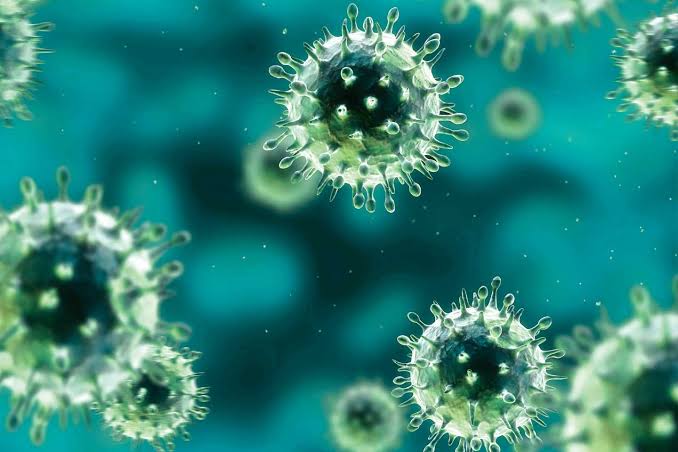
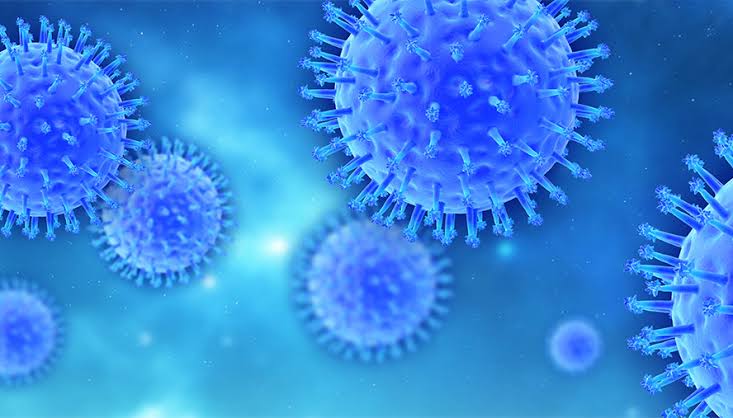
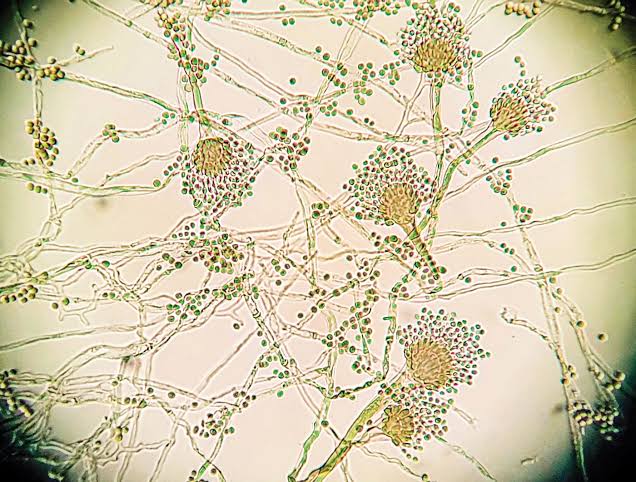
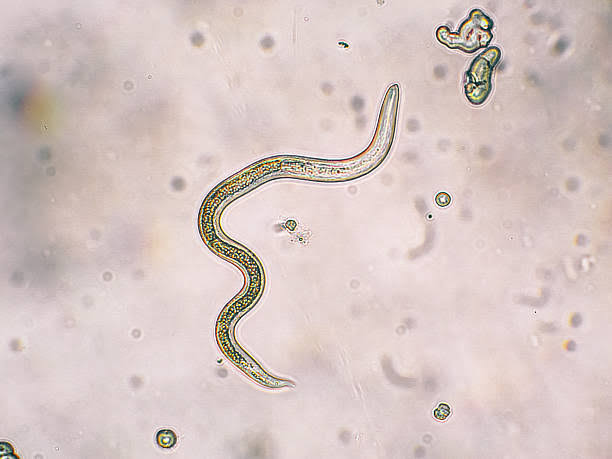
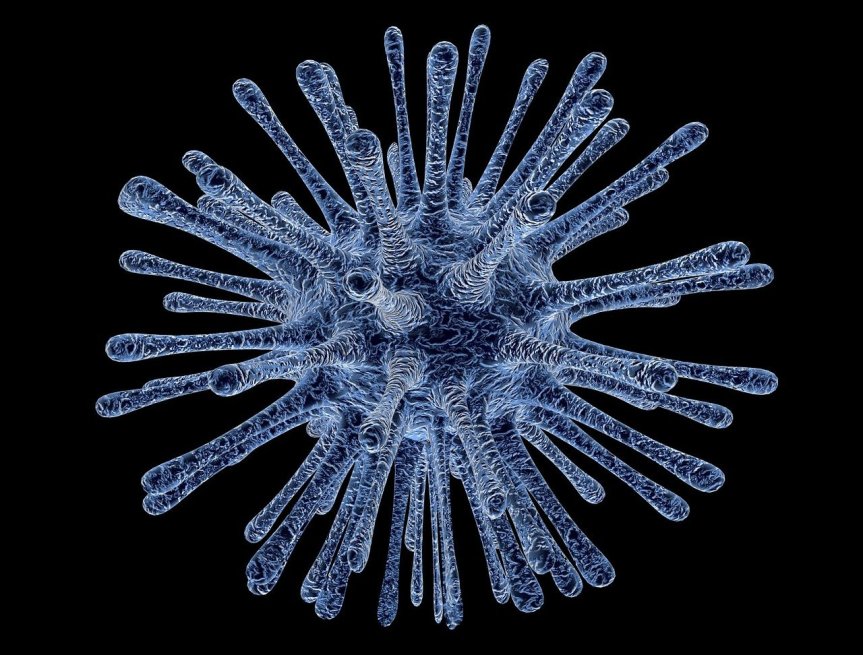
The term “germ” encompasses an army of tiny terrors, including viruses, fungi, parasites, and bacteria. These “pathogens” all have the ability to spread from victim to victim(called a host). Germs are so small you can see them only through a microscope. They look like spiky blogs, oozing spirals,hairy hotdogs, or other microscopic monsters.
Why are germs bad for us?
These microorganisms hitch a ride into our bodies on the food we eat, in the air we breathe, or through a variety of other methods. Once they have invaded our personal spaces, germs reproduce and create toxic waste, which triggers our body’s most repulsive reactions. They make us sniffle, upchuck, run to the toilet, break out in rashes and fevers, and suffer even more unpleasant symptoms.
How do we get sick from viruses?
Most viruses are frail little things ( unlike bacteria and fungi, viruses are not even alive ) that can multiply only inside a living host ( including animals, plants, and even bacteria). There they spread overwhelming and attacking the host’s immune system and causing all sorts of nasty symptoms. Colds, flus, chicken pox, immune disorders, and measles are caused by viruses. Among the worst is a Ebola, which triggers bleeding and is fatal more than half the people who catch it.
How do we get sick from fungi?
Fungi are microscopic molds, yeasts, and other plant like pathogens that thrive in wet, warm places like our armpits, our belly buttons, and the dank spaces between our toes. They feed on our respect and dead tissues and produce stinky wastes that irritate our skin.
How do we get sick from parasites?
This ghastly germ group includes itty-bitty insect larvae, amoebas, and one celled organisms called Protozoa that live in nasty food, damp soil, or dirty water. Parasites depend on a living host for their survival. They sneak into our bodies in tainted water and food, costing of all sorts of gastrointestinal gripes: diarrhoea, vomiting, upset stomachs, and worse. Malaria – common diseases that causes chills, shaking, and fevers – is spread by a parasite passed in mosquito bites. These life-sucking relationships are often the stuff of nightmares.
How do we get sick from bacteria?
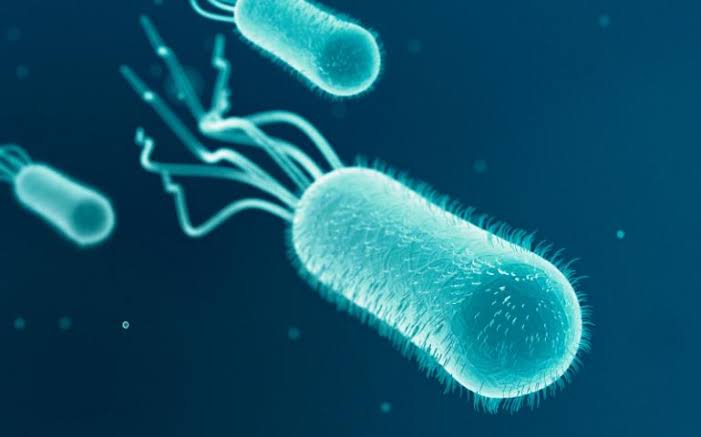
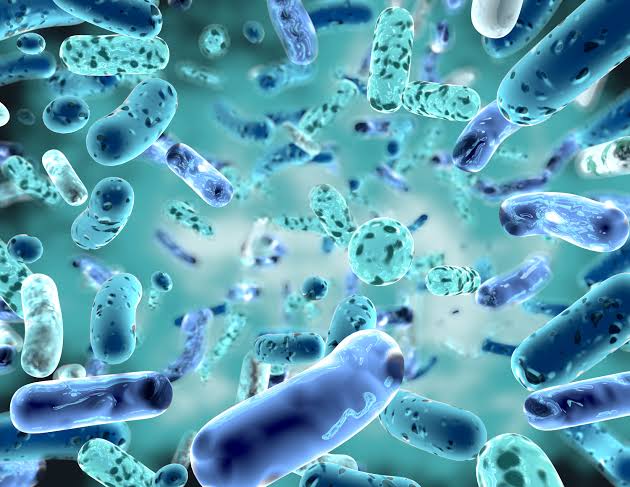
Unlike viruses, bacteria are living single celled organisms that can reproduce both outside and inside the body. Like all living things, bacteria create waste -microscopic poops that can act as a poison inside the host. You can blame sore throat, ear infections and tooth-tartar buildup on bacteria. One of the most famous bacteria is Escherichia coli. This rod shaped micorbe lives deep in your intestines, the body’s busiest bacterial neighborhood. Harmful ones make you puke for days.E.coli strains produce an important vitamin. That’s right – some bacteria are actually good for you!
How many bacteria are inside our body right now?
Your body is built of trillions of itty-bitty living blobs, called cells, that work together to make you you. But for every cell you call your own, ten foreign bacteria cluster around or near it. You are a microbe metropolis! Scientists call these communities of foreign bacteria your body’s “flora”, and no two people host the same mix of microorganisms. In fact, scientists are beginning to think of your flora as just another organ.
Can we see these bacteria?
No, they are microscopic. But you can certainly smell them. Like any living thing, bacteria eat, reproduce,die, and create waste which can make your life stink – literally !(Bacteria are the source of bad breath and body odor.)
Benefits of Bacteria
Your gut reaction might be to wrinkle your nose at the thought of bacteria inside your guts, but it turns out that many so-called good bacteria are essential to your health, the survival of life on Earth, and the making of tasty foods. Behold, the benefits of a microscopic allies…
Health boosting
Your body’s microbes support your immune system, which fights sickness.
Plant feeding
Blue-green algae and other types of bacteria convert the nitrogen in the air into compounds plants can use.
Food processing
Micorbes in our innards play a huge role in the digestive process, helping us absorb nutrients and vitamins from our food.
Food making
Bacteria are a vital ingredient in the process of turning milk into yogurt and tasty cheeses. The holes in Swiss cheese are created by carbon dioxide bubbles exhaled by bacteria during the cheese making process.
Planet Cleaning
Bacteria breakdown dead animals and plants, which “decompose” into nutrients for the living.
Recently, we may heard about monkeypox, which took place in Texas, USA. Now, let’s have a brief intro about monkeypox.
A rare case of monkeypox was detected in Texas, marking the first such cases recorded in the state, the Centers for Disease Control and Prevention (CDC) said. “While rare, this case is not a reason for alarm and we do not expect any threat to the general public.”
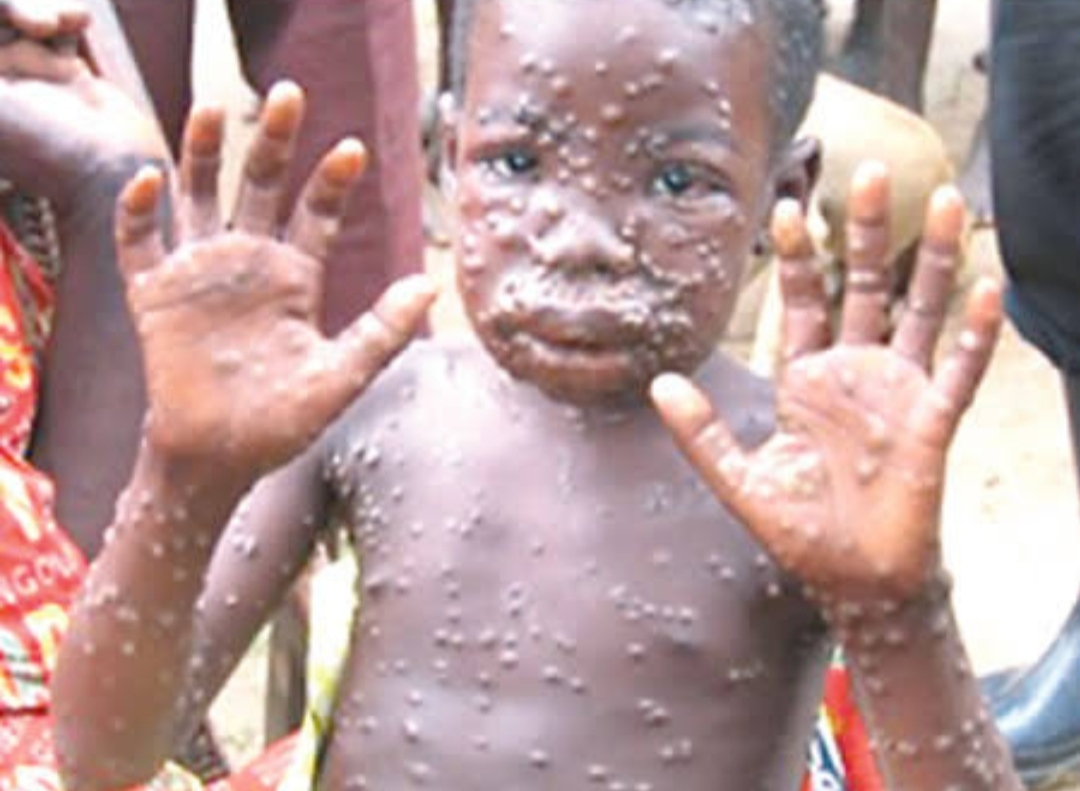
Monkeypox belongs to the same family of viruses as smallpox. It is a rare but serious viral illness that is characterised by flu-like symptoms and swelling of the lymph nodes, which gradually progresses to a widespread rash all over the face and body.It spreads from one person to another via respiratory droplets.
The first case of monkeypox in humans was recorded in 1970 in the Democratic Republic of Congo during a period of intensified effort to eliminate smallpox.
Scientists have so far discovered two distinct genetic groups of monkeypox virus—Central African and West African.The most recent case detected in the US has been infected by the type of virus found in parts of West Africa, including Nigeria, CDC said.
The United Kingdom, Israel and Singapore have recorded cases of monkeypox in six passengers, all of whom were returning from Nigeria.
A computer virus is a piece of software that can “infect” other programs by modifying them; The modification includes injecting the original program with routine to make copies of the virus program, which can then go on to infect other programs. A virus can be prepended or postpended to an executable program, or it can be embedded in some other fashion. The key to its operation is that the infected program, when invoked, will first execute the virus code and then execute the original code of the program.
Viruses classified along two orthogonal axes: the type of target the virus tries to infect and the method the virus uses to conceal itself from detection by users and antivirus software.
A virus classification by target includes the following categories:
Boot sector infector: Infects a master boot record or boot record and spreads when a system is booted from the disk containing the virus.
File infector: Infects files that the operating system or shell consider to be executable.
Macro virus: Infects files with macro code that is interpreted by an application.
A virus classification by concealment strategy includes the following categories:
Encrypted virus: A portion of the virus creates a random encryption key and encrypts the remainder of the virus. The key is stored with the virus. When an infected program is invoked, the virus uses the stored random key to decrypt the virus. When the virus replicates, a different random key is selected..
Stealth virus: A form of virus explicitly designed to hide itself from detection by antivirus software. Thus, the entire virus, not just a payload is hidden.
Polymorphic virus: A virus that mutates with every infection, making detection by the “signature” of the virus impossible.
Metamorphic virus: As with a polymorphic virus, a metamorphic virus mutates with every infection.
Virus countermeasures
The ideal solution to the threat of viruses is prevention: Do not allow a virus to get into the system in the first place, or block the ability of a virus to modify any files containing executable code or macros.
This goal is, in general, impossible to achieve, although prevention can reduce the number of successful viral attacks.
The next best approach is to be able to do the following :
Detection: Once the infection has occurred, determine that it has occurred and locate the virus.
Identification : Once detection has been achieved, identify the specific virus that has infected a program.
Removal : Once the specific virus has been identified, remove all traces of the virus from the infected program and restore it to its original state. Remove the virus from all infected systems so that the virus cannot spread further.
At present India slowly returns back to a state of normalcy and the implications of the second wave of coronavirus decreased. On Thursday, Kerala reported 13 cases of mosquito-borne viral infection called Zika virus for the first time.
As per the reports, the first case of Zika virus involves a 24-year-old pregnant woman in Thiruvananthapuram,Kerala. Samples from 13 persons are collected, suspected to be positive for Zika virus, have been sent to the National Institute of Virology in Pune.
Zika virus spreads by the bite of an infected Aedes species mosquito. The mosquitoes bite both during the day and night. The Aedes mosquito also known as Ae.
According to the Centre for Disease Control and Prevention, Zika can be passed from a pregnant woman to her fetus and infection during pregnancy can cause certain birth defects.
Centre for Disease Control also suggested that people infected with the Zika virus can transmit it to their sex partners.
symptoms of Zika virus are mild. Most common symptoms include fever, rash, headache, red eyes, muscle pain and joint pain.
While the incubation period is said to be between 3–14 days, the symptoms can last for 2–7 days. However, according to the World Health Organization (WHO), individuals infected with Zika virus do not develop symptoms. The CDC believes that infected people usually don’t get sick enough to be hospitalised and very rarely do they die of Zika.
There is no specific vaccine or medicine for Zika virus, depending on symptoms effected people will be treated with related medication available.
As Zika virus spreads through the bite of an infected mosquito. We should opt clean surroundings, mosquito-ridden areas and avoid mosquito bites using mosquito and insect repellents. Clean the areas that could become a possible hub for mosquito breeding.
We are in the middle of a pandemic which is caused by a virus. Viruses are ultramicroscopic, disease causing entity of organic matter, It can replicate or multiply only in the presence of a living host cell. They are called as entity because they exhibit both living and non living characters and it is difficult to conclude them as any one.
history
Russian botanist Dimitri Ivanovskii reported the virus for the first time in 1892. He explained tobacco mosaic virus. In 1898 M. W. Beijerinek recognized that viruses were smaller than bacteria, and they can easily pass through bacterial filters. In the same year, Friedrich Loeffler and P. Frosch, in Germany demonstrated the cause of Foot and mouth disease in cattles are due to viruses. In 1900 Walter Reed et al. explained yellow fever disease in humans was due to viruses. And in1915 F. W. Twort in England discovered bacteriophages.
In 1935 W. M. Stanley isolated Tobacco mosaic virus and crystalized. He explained that virus also contain proteins. In 1936 Bawden and Pirie demonstrated viruses to be nucleoproteins, they are made up of Nucleic acids and proteins. The major development was determining the ultrastructure of TMV by x-ray diffraction which was accomplished by R. Franklin and A. kling. Discovery of cyanophages was done in 1963.
What are the general characters of a virus
They are very small, so small that even they are not visible under compound microscope. Their size varies from 20nm to 400nm.
they are obligate parasites, They multiply only in the presence of a living host cell.
Viruses do not contain any type of cells.
Like Bacteria, viruses can not be cultured in labs on a synthetic media.
Viruses are highly specific. While infecting they just do not infect randomly any cell. They find specific cells for them which varies from virus to virus. They are also specific to tissues, organ, organism and species.
Viruses can be inactivated by heat or chemicals.
Viruses also lack metabolism. They are totally dependent on the host cell.
Viruses undergo mutation very often.
Living characters shown by viruses:
Are viruses living? we don’t know. But they contain nucleic acids which we consider the basis of life. As every other organism they have definite form and size. They grow and reproduce in the host cell. They can infect the host cells and cause diseases. They show mutation and inherit their characters to their reproduced offspring. These call characters are shown by living organisms.
non living properties of viruses:
Even though they exhibit some of the living characters as mentioned above they lack cellular organizations like other organisms. This arises the biggest confusion. They behave like non living outside the host cell. Some of the viruses can be crystalized and stored in bottles and jars. And they lack metabolism which is the basic characteristic of a living organism.
how viruses are classified?
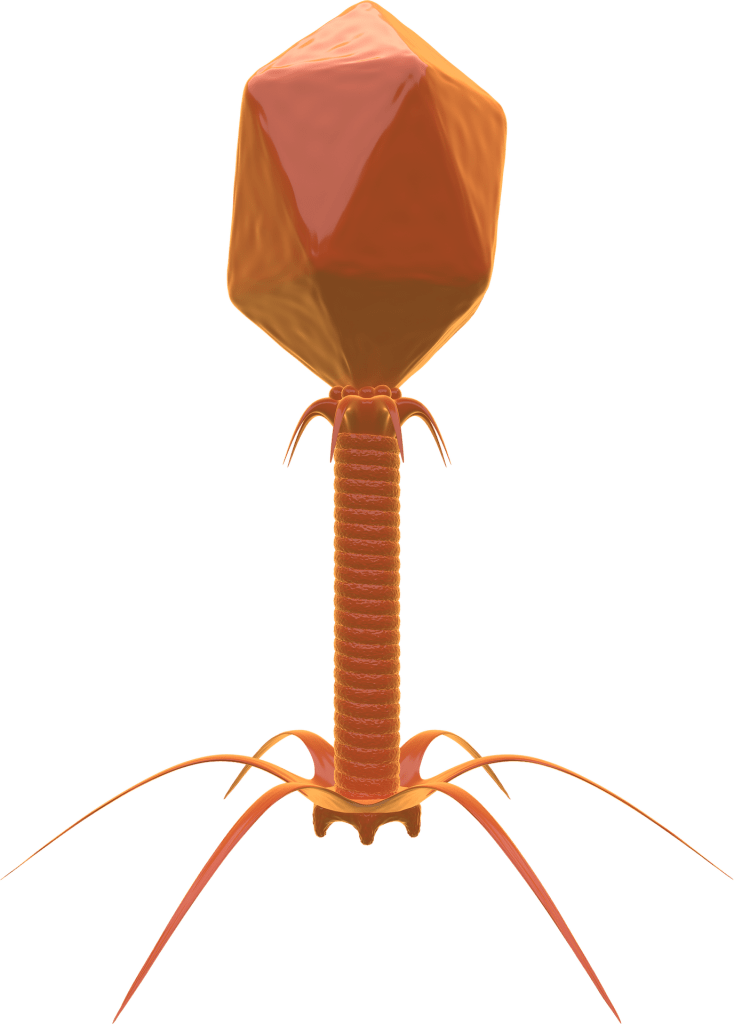
The types of virus based on the hosts they infect includes, Bacteriophages- Which infect bacteria, Cyanophages- which infect blue green algae, phytophaginae-which infect plants and the Zoophages- which infect animals.
a bacteriophage
The viruses are considered to be DNA virus if the nucleic acid present in them is DNA and RNA virus if the nucleic acid present is RNA.
No matter how they are classified or what are their features, viruses are unique and mostly dangerous to animals. Even though vaccinations can help, Avoiding exposure to them will be the best way to keep oneself safe.
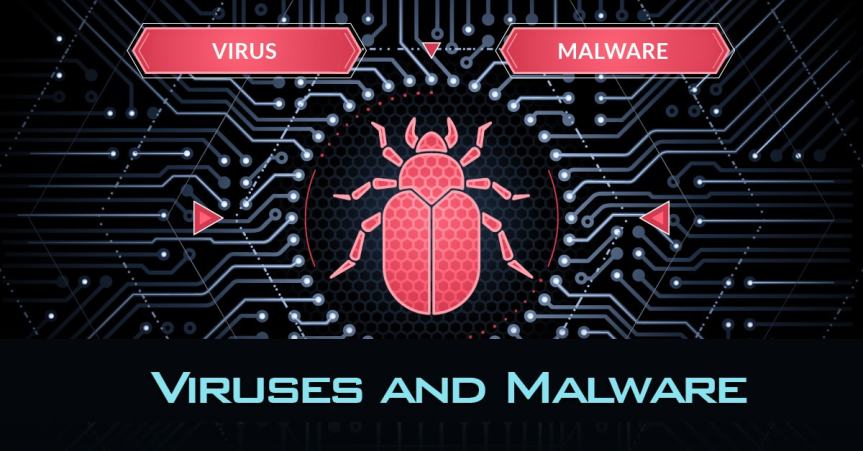
A computer virus is a piece of software that can “infect” other programs by modifying them; The modification includes injecting the original program with a routine to make copies of the virus program, which can then go on to infect other programs. A virus can do anything that other programs do. The difference is that a virus attaches itself to another program and executes secretly when the host program is run.
The terminology in this area presents problems because of a lack of universal agreement on all of the terms and because some of the categories overlap. Malicious software can be divided into two categories: those that need a host program, and those that are independent.
Need a host program : The former, referred to as parasitic, are essentially fragments of programs that cannot exist independently of some actual application program, utility, or system program. Examples: Viruses, logic bombs, and backdoors
Independent malware is a self-contained program that can be scheduled and run by the operating system. Examples : Worms and bot programs
Backdoor or Trapdoor
A backdoor, also known as a trapdoor, is a secret entry point into a program that allows someone who is aware of the backdoor to gain access without going through the usual security access procedures. Programmers have used backdoors legitimately for many years to debug and test programs; such a backdoor is called a maintenance hook. It Has been commonly used by developers. A threat when left in production programs allowing exploited by attackers. It is very hard to block in O/S. It requires good s/w development & update.
Logic Bomb
It is one of oldest types of malicious software. The code is embedded in legitimate program. It is activated when specified conditions met Eg presence/absence of some file Particular date/time Particular user When it is triggered it typically damages system, Modify/delete files/disks, halt machine, etc.
Trojan Horse
A Trojan horse is a useful, or apparently useful, program or command procedure containing hidden code that, when invoked, performs some unwanted or harmful function. Trojan horse programs can be used to accomplish functions indirectly that an unauthorized user could not accomplish directly, Which is usually superficially attractive. Eg game, s/w upgrade etc. When it runs performs some additional tasks. Allows attacker to indirectly gain access they do not have directly. Often used to propagate a virus/worm or install a backdoor. Another common motivation for the Trojan horse is data destruction. The program appears to be performing a useful function (e.g., a calculator program), but it may also be quietly deleting the user’s files.
Zombie
Program which secretly takes over another networked computer is called zombie. Then uses it to indirectly launch attacks. Often used to launch distributed denial of service (DDoS) attacks. Exploits known flaws in network systems.
Life has been unreal for everyone around the globe during the past one-year accounting to the outbreak of COVID 19 pandemic. The world is on its path to recovery from the pandemic which has utterly upturned our lives. Though new strains of the virus have emerged in the UK and other parts of the world, life was almost getting back to normal with the invention of COVID 19 vaccines. However, the end of coronavirus may not be an end to the pandemic outbreaks as WHO has revealed the discovery of a new deadly virus which might be as deadly as Ebola and as contagious as Corona. The World Health Organization (WHO) has named the new virus “Disease X”, where “X” stands for unexpected. The presence of the virus is hypothetical for now but an outbreak that scientists and public health experts fear could lead to serious disease around the world if and when it occurs.
Professor Jean-Jacques Muyembe Tamfum, the scientist who discovered the African Ebola virus admonished that ‘Disease X’ could be more fatal and rapidly spreading. Scientists have found out that this new virus has originated in the tropical rain forests of Africa. “If a pathogen emerged from Africa it would take time to spread all over the world. So, if this virus is detected early — like in my institution here — there will be an opportunity for Europe [and the rest of the world] to develop new strategies to fight these new pathogens,” said Muyembe.
Disease X was added earlier to the priority list by the World Health Organization to stimulate research and precautions regarding the possible outbreak. “Disease X represents the knowledge that a serious international epidemic could be caused by a pathogen currently unknown to cause human disease,” WHO said. With the outburst of COVID 19 pandemic, all countries are prudent upon their health care sector. In addition to this, WHO has raised an alert around the globe to strengthen the primary health care provisions in every country to prevent, detect and mitigate emergencies.
Nobody was expecting to be one day locked in their homes and worrying about keeping the virus at bay. Untill the vaccines are out we have to take certain serious measures to ensure the safety of our family and loved one’s.
Is cleaning like we usually did enough? What can a common man do without thehigh tech protective gears?
Let us break down some steps which can be followed at home as a part of our daily routines to not only clean but also disinfect :
Food and it’s cleaning procedure:
Nowadays with online shopping of essentials, we must make sure that the vegetables and fruits are disinfected. We must transfer the eatables into a dish and wash off the container immediately. If it is a disposable container, throw it in the trash can which should have a lid. Remove and throw away outer cartons of cereal boxes. All unnecessary shrink wraps and plastic packaging must be disposed off. Beverage bottles and cans can be wiped with disinfectant. Fresh vegetables and fruits must be thoroughly rinsed under a running tap, preferably with warm water and salt and turmeric. Wash your hands with soap and water once you are done. One can also keep certain items in sunlight to naturally kill some germs under the Uv rays.
Washing clothes after returning home:
Warm water destroys germs. So, use the warmest water appropriate for the fabrics you are washing. Use a generous amount of detergent or soap along with disinfectant liquids likke Dettol/ Savlon. Allow the clothes to dry fully, either in the dryer or outside on a clothesline in the sun. All of the above steps are necessary to fully exterminate the virus. Remember to disinfect the laundry bag as well. And wash your hands with soap immediately afterwards.
Disinfect surfaces that are frequently touched:
Surface that are touched very frequently like door knobs, door edges, handrails, light switches, kitchen and living room surfaces, mobile phones, earphones, remote controls, wallets, toilet seats, taps, tables and chairs should be cleaned one a week or even more frequently.
If the surface is too grimy, you first want to clean it with soap and water. Use a clean piece of cloth or a kitchen sponge wipe. Then wipe the surface with a disinfectant wipe or a disinfectant solution that has at least 70% alcohol. You can also use bleach. One cup of bleach mixed with five gallons of water is suitable for non-wood surfaces. For wooden surfaces, a solution of white vinegar and water works well.
The disinfected surface needs to dry naturally. Do not quickly wipe it dry. Most disinfectants need to stay wet on a surface for at least a few minutes in order to be effective. We suggest using a wipeable waterproof cover for your phone. It will be easier to disinfect and there’ll be less chance of the disinfect damaging the device.
Cleaning of floors and walls of theHouse:
Even if you are not using a vacuum cleaner, you can manually sweep and mop the floor with disinfectant. Pay special attention to high-traffic zones like porches, hallways, lobbies, kitchens and corridors. You want to clean the floor in these places more thoroughly. Make this an everyday habit and if you go outside then twice a day is highly recommended.
What to doif you come home from outside:
When you come home from outside, you bring a lot of germs into the house on your clothes, shoes and bags. As soon as you enter the house, remove your shoes and overcoat at the door. Leave your bags in a corner and head straight to the bathroom. Wash your hands, face and other exposed parts with water and soap. Next, disinfect your bags and the things you have brought home. You can use wipes or simply wash them with soap water. You can also sun them out as heat is known to kill coronavirus.
These are some of the few things you can do to make sure you and your family stay safe and healthy through this pandemic.
Biomedical Waste Management & Handling Rules, 1998 (“1998 Rules”) in India govern the handling, disposal and management of bio-medical waste (“BM Waste”)in India have been notified by the Central Government in the exercise of the powers conferred by Section 6,8 & 25 of the Environmental Protection Act, 1986. These rules provide for the framework of the management and Handling of disposal and scientific management of BM Waste
In wake of the COVID-19 pandemic, the Centre Pollution Control Board (“CPCB”) recently issued guidelines dated March 27, 2020 for handling, treatment and safe disposal of BM Waste generated during treatment, diagnosis and quarantine of patients confirmed or suspected to have COVID-19 (“Guidelines”).
The Guidelines have been necessitated due to the super infectious nature of the Novel corona virus and provide for a mechanism for the segregation, packaging, transportation, storage and disposal of BM Waste in order to avoid further spread of the virus through BM Waste.
So what do you mean by the BM Waste and what are the categories of BM Waste that the hospitals generate?
The Bio-Medical Waste Management Rules 2016[1] (“2016 Rules”) define the BM Waste as any waste, which is generated during the diagnosis, treatment or immunisation of human beings or animals or research activities pertaining thereto or in the production or testing of biological or in health camps, including the categories mentioned in Schedule I the 2016 Rules.
The 2016 Rules apply to all persons who generate, collect, receive, store, transport, treat, dispose, or handle bio medical waste in any form. The next imminent question that comes to our minds is what are the categories of BM Waste that the hospitals generate?
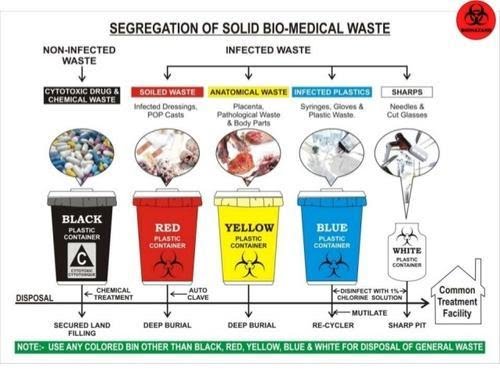
BM Waste generated from a hospital could be human anatomical waste, animal waste- microbiology & biotechnology, waste sharps, discarded medicines and cytotoxic drugs, solid & liquid waste.
Now that we know what’s the meaning and various categories of BM Waste, the most pertinent question arises that how is it supposed to be treated and disposed of by the hospitals in India during the ongoing COVID-19 pandemic?
While the hospitals in their usual course deal with the segregation, management and storage of BM Waste, the situation in times of COVID-19 is extraordinary the reason being the highly contagious nature of the virus and also it’s transmission cycle and multiplicity rate.
As the hospitals are being flooded with the suspected and confirmed cases, the Ministry of Health and family welfare (“MoHFW”) and the CPCB have issued various guidelines for the handling and management of waste generated from the COVID-19 facilities.
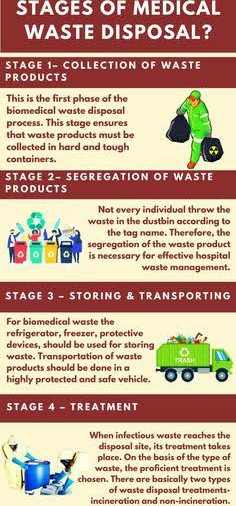
Under the 2016 Rules, while the hospitals are required to ensure that there is a secured location within its premises for a spill/pilferage free storage of segregated BM Waste in labelled/coloured bags or containers, the duty to transport the stored BM Waste from the hospital premises onwards to the common BM Waste treatment and disposal facility is of an ‘operator’ as defined in the Rules.
Specifically, in wake of COVID-19, the CPCB has issued Revision 1 to the Guidelines dated March 25, 2020 for Handling, Treatment and Disposal of Waste Generated during Treatment/Diagnosis/ Quarantine of COVID-19 Patients (“CPCB Guidelines”).
[2] The said CPCB Guidelines inter-alia, state that hospitals are required to depute separate BM Waste sanitation workers to COVID-19 isolation wards and maintain records of all waste generated in such isolation wards and ensure that the BWM generated is collected and separately stored in separate leakproof color-coded double layered bags or bins /containers labelled as “COVID-19 waste” as per the 1998 Rules and the Guidelines.
In fact the Bombay High Court in a recent pending public interest litigation has, while issuing notices to local municipal corporations and the State Pollution Control Board, also directed the Maharashtra government to clarify whether it was ensuring that all COVID-19 related biomedical waste generated in the state was being disposed of in a safe manner[3].
Now that we have a thorough understanding of how the BM Waste is supposed to be treated and disposed of the most important and the widely discussed about topic is that what are the measures that a hospital is required to take for the safety of its employees doctors, nurses and other support staff who are known as the (“healthcare personnel”) from the dangerous diseases like COVID-19?
In order to answer this pertinent question which is often there in the limelight, one must keep in mind that the Healthcare personnel who are the Frontline workers have a high risk of contracting the COVID-19.
While the hospitals are taking precautions and measures to control any spread of infection within the premises, it is particularly difficult given the highly super-infectious nature and hyper-speed feature of the virus. Due to this feature it spreads widely and it becomes a bit difficult to contain it in an over-crowded environment but it’s not impossible to achieve that as we all have been deterrent enough to contain it’s spread but still there is always scope for improvement.
The first steps towards controlling the spread of a virus is personal protective equipment also known as PPE which should preferably be a two-layered fluid-resistant apron and basic items like N-95 masks, face shield, full cover gowns and sanitisers but the same are rendered ineffective against the COVID-19 if the quality of these equipments is not up to the standard as required.
Greater emphasis is also to be laid upon the proper training and awareness of healthcare personnel towards proper use and disposal of the equipment. The spread of the COVID-19 virus is also particularly fast due to the heavy load of asymptomatic patients coming into the hospital and hence a greater need for the formulation of national COVID-19 protocol.
The MoHFW has vide its revised guidelines for clinical management of COVID-19 dated March 31, 2020[4] (“Clinical Management Guidelines”) impressed upon strict compliance of Infection prevention control (IPC) protocol for Hospitals and a consequent effect of the same is prevention and management of COVID-19 in the hospital staff.
This protocol inter-alia, standard precautions such as hand hygiene, use of PPE to avoid direct contact with patients’ blood, body fluids, secretions (including respiratory secretions) and non-intact skin, prevention of needle-stick or sharps injury, safe waste management, cleaning and disinfection of equipment and cleaning of the environment around a COVID-19 patient.
The 2016 Rules also provide as follows that in order to and for ensuring the safety of the healthcare workers and others involved in the segregation and pre-treatment of BM Waste, the hospital is required to train to all its healthcare workers, immunise them for protection against diseases which likely to be transmitted by handling of BM Waste, in the manner as prescribed in the National Immunisation Policy[5].
Also, hospitals are required to ensure occupational safety of all its health care workers and others involved in handling of BM Waste by providing appropriate and adequate PPE and also they must conduct health check ups at the time of induction and at least once in a year maintain the records for the same.
Now due to the pandemic if one is an employee ie the Healthcare personnel of the hospital one must understand the Legal aspect and angle also and the most important aspect of all is that what is the Legal obligations of the hospital, if and when an employee of the hospital tests positive for COVID-19.
Let’s answer this as it’s the most crucial and critical aspect. The present COVID-19 pandemic is an unprecedented event and is unlike any other infectious disease known to mankind and the medical world which is yet to fully decipher its modus operandi of infecting humans.
In a hypothetical situation wherein a hospital employee contracts COVID-19, it will be imperative for the employee in such a situation to establish that his possible exposure to COVID-19 was in the Hospital itself not in the community after considering that the employee is spending time outside as well apart from the hospital premises.
While in an ideal case, if it is proved that a hospital staff has contracted it ,i.e., it shall amount to ‘a hospital acquired infection’, then the hospital would be ordinarily liable. However, in the case of COVID-19 since it is seemingly impossible to trace down the exact source of the infection, in absence of such evidence and in light of utmost safety measures and precautions taken by the hospitals as per the guidelines, fastening of any liability on the hospital would be peculiarly difficult.
The defence available to the hospital may be culpability and negligence of the employee and proving that the hospital itself took all possible measures to avoid any mass spread of the infection.
The next relevant point to be analysed and answered is that when a Non COVID-19 patient contracts the virus during his term of being admitted in the hospital what are the Legal obligations of the hospital when this happens?
The National Consumer Dispute Redressal Commission in the matter of Apollo Emergency Hospital vs Dr. Bommakanti Sai Krishna & Anr.[6] observed that “As already observed, the infection occurred during the stay of the Complainant at the hospital. On the other hand, there is nothing to show that the source of infection lay outside the hospital. Thus, there is preponderance of possibilities of the infection having been acquired in the hospital itself. We therefore, do not accept the contention that it was necessary for the Complainant to produce expert evidence to prove negligence on the part of the concerned doctors in the hospital.”
The afore-stated judgement implies a presumption of liability on the hospital that in cases where the probability of acquiring the infection is much higher inside the hospital than from other sources. However, the same may not apply in COVID cases in light of the peculiar difficulty of tracing the source of acquiring the COVID-19 infection. Therefore, the presumption rendered by the aforesaid judgement will not be ipso facto applicable to cases of COVID patients.
As we have discussed the various pertinent relevant questions another one is that what are the legal obligations of the hospital, if and when a patient is misdiagnosed positive or negative for COVID-19 by the hospital due to a fault in the COVID-19 rapid testing kit (“testing kits”)?
The liability of a hospital in cases of misdiagnosis depends on the methodology of procuring of testing kits. A hospital may procure testing kit either from third party manufacturer or may manufacture them internally i.e. by itself or its subsidiary.
In cases where the misdiagnosis is on account of faulty testing kit procured externally, the hospital cannot be held directly liable as the liability may be shifted upon the manufacturer.
In cases where the misdiagnosis is on account of faulty testing kit is due to testing kits produced internally the hospital may be liable subject to it being proved that the misdiagnosed patient was indeed positive. However, factors such as the success rate of any testing kit not being 100% may have an interplay in determining the liability.
We have to be aware of what are the Legal liability of a hospital in a situation where the hospital discharges a mild/very mild/pre-symptomatic COVID patient to ramp up the capacity for serious COVID-19 patients.
A hospital will not be held liable for a systematic discharge of a mild/very mild/pre-symptomatic/moderate COVID-19 patient as the same is directed by the Central Government. On May 8, 2020, the MoHFW released its revised policy for the discharge of COVID-19 patients.[7] This revised policy provides that hospitals can discharge mild/very mild/pre-symptomatic in accordance with the protocols given therein.
In the earlier advisory[8], COVID-19 patients could be discharged only after chest radiograph clearance, viral clearance in respiratory samples, and if two of the patient’s specimens were negative within a period of 24 hours. The discharged patient would then have to home quarantine themselves in accordance with the revised policy.
So what is the protocol to be followed by a Hospital while disposing of the dead bodies of the COVID-19 patients?
The corpses are a source of infection for healthcare personnel/ other patients and cannot be disposed of by usual methods of disposal and therefore, the MHFW issued guidelines dated March 15, 2020 on dead body management in COVID-19.[9] The guidelines provide inter-alia, the protocol to be followed at the time of removal from the isolation room or area, put in bio-hazard bag and disinfection. Further, all surfaces of the isolation area (floors, bed, railings, side tables, IV stand etc.) should be wiped with 1% Sodium Hypochlorite solution and then it should allow a contact time of 30 minutes, and allow it to air dry as well.
While treating patients infected with the COVID-19 virus, what is the protocol for the treatment?
The All India Institute of Medical Sciences (AIIMS) has issued clinical protocol dated April 21, 2020 for treatment of Covid-19 patients and states such as Madhya Pradesh and Delhi have directed Hospitals and health centres dedicated to treating COVID-19 patients to follow the said clinical protocol.[10]
Treatment must be affordable for all. One must know whether or not there is a standardisation of costs of treatment of a COVID-19 for private hospitals?
Government hospitals are reaching their intake capacities and for that reason COVID-19 patients have been resorting to treatment in private hospitals. While some private hospitals are charging exorbitant amounts as costs of treatment, the same is worrying not just for the patients but also to the insurers.[11]
In a first, the State government of Maharashtra has capped treatment costs in private hospitals for people without medical insurance and for other patients, the capped prices will come into effect once they exhaust their medical insurance cover.[12]
The Hon’ble Gujarat High Court has vide its order dated May 22, 2020 directed the state government to issue a notification making it mandatory for all multi-speciality hospitals private/ corporate hospitals in Ahmedabad and on its outskirts to reserve 50% of their beds (or such other capacity as maybe specified by the state government) for COVID-19 patients.
In view of the same, the Government of Gujarat may come up with similar caps on costs as Maharashtra.[13] The Hon’ble Gujarat High Court also observed that the certain private hospitals authorised by the government to treat COVID-19 patients in Ahmedabad are charging exorbitant fees which is unaffordable for a massive section of the society and directed the state government to ensure that private hospitals do not charge exorbitant fees. [14]
Also in light of the same The Hon’ble Bombay High Court recently directed a charitable hospital to make court deposit of monies in a case pertaining to levy of exorbitant charges for treatment of COVID-19 patients belonging to poor strata of the society despite reserving 20% of its beds for poor and the needy.[15]
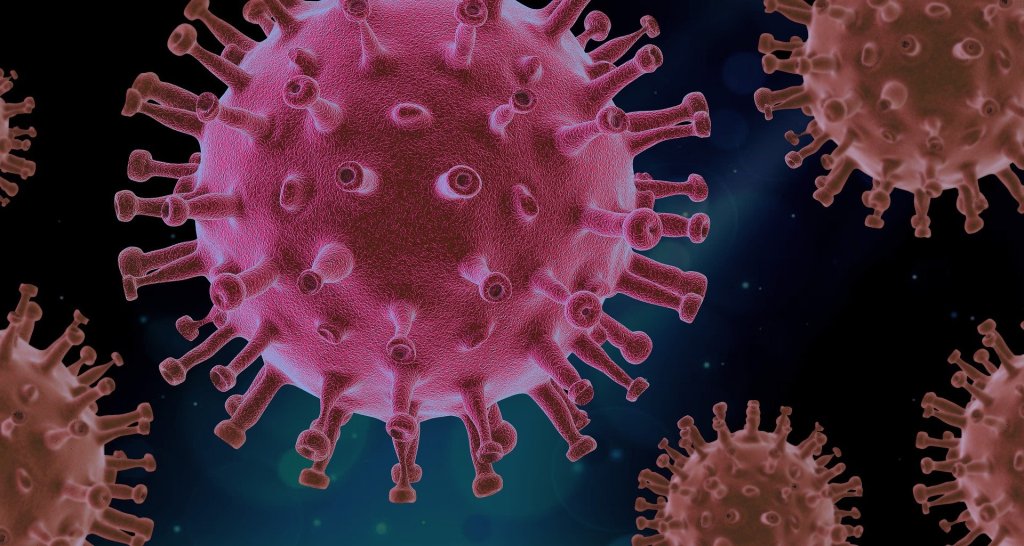
WHAT IS A VIRUS????? A virus is referred as an infectious agent that can only replicate inside the living cells of an organism i.e. a virus is something which can not at all grow or replicate by its own. It always needs a living cell for its replication process. It is a microorganism which cannot be seen by naked eyes and can infect any life form. It can be infectious for humans, plants and even for other microorganisms like bacteria and archea. Viruses infecting bacteria are known as bacteriophage. Viruses are not restricted to a place and they can be found everywhere at every place of ecosystem whether land, or water or in air. They can cause various infections including air-borne, water-borne or even food-borne. The science dealing with the study of viruses is known as Virology and it is a branch of microbiology. A complete virus particle ranges in size from about 10-400nm in its diameter. Viruses are near to dead when outside the living cell but once entered any living cell of an organism, they are forced to replicate using the life machinery of that particular organism and thus they produce thousands of their multiple copies and in this way infect the organism. Outside the living cells they are present in the free, independent form which may also be known as a virion. There are 3 main parts in the structure of a virus i.e. –
Genetic core which is also known as nucleic acid core containing all the genetic material whether DNA or RNA, but not both. It is known as genome.
A protein coat, which is also known as capsid which surrounds the genome of a virus particle.
An envelope which is made of lipid. It is an external coat surrounding the genome as well as capsid.
VIRUS TRANSMISSION Transmission of virus particles is important for them to survive because as discussed above they can only replicate themselves inside a host living organism. The virus transmits from one organism to another in order to survive, reproduce and continue their species. The effectiveness of the transmission of viral particle depends on 2 main factors i.e. the concentration of virus and its route of transmission. More concentration of virus leads to more transmission. There are several ways by which a virus particle may get transmitted from one organism to another.
Blood – Virus particles can get transmitted through the blood. The one way is direct viral infection in blood and the other way is by arthropods like dengue or malaria is transmitted. Arthropods bite one organism and collect viral particles from them and then when they bite other organism, the same viral particles are being transmitted to the next organism and this way transmission and infection occurs. Another way is direct viral infection in blood which can be via direct infected blood exposure to a healthy individual. It may be transmitted via sexual contacts with infected person like HIV is transmitted.
Saliva – It is the most commonly seen in kissing the infected individual. The saliva contains the viral particles and thus they are transmitted to healthy individual.
Respiratory secretions – If any infected individual sneezes, or coughs or in any other way its respiratory secretions come in contact with the healthy individual, he may get infected by the same. It may also occur by singing or even breathing.
Feces – This is not a very common method in developed countries but can infect those who do not take sanitary actions after using toilets. The virus particles secreted in feces can infect other healthy individuals if they come in contact with them.





 Eduindex
You must be logged in to post a comment.