Ever heard multiple sides to a story from eye witnesses and had a tough time deciding which one is true or which to believe? Such a conundrum is brought about by subjective views, observer bias, perspective and memory of the observer. All these parameters can be summed into a single word known as The Rashomon. The Rashomon effect refers to an instance when the same event is described in significantly different (often contradictory) ways by different people who were involved.
This phenomenon first came to be observed in a book called “in a grove “by Japanese author, Reyonosuke Akutagawa written in the early 1920’s. This was later adapted and made into a movie, by Japanese filmmaker Akira Kurosawa, who directed the 1950 film Rashomon, giving the effect its name. The plot revolves around which four different people provide contradictory accounts of a samurai’s murder, despite all having witnessed the crime. Each witness tale is varied from another, yet so very plausible, that a definite conclusion cannot be drawn, embroiling all of them.
The film explored the issues of the unreliability when depending on witness testimony explores a situation using a similar literary device, wherein the story is told through the viewpoints of different characters who supply conflicting stories. Whether the people’s competing explanations are different because of the fallacy of memory or because of self-serving interests varies. This film became revolutionary with how one understands the human mind, justice and the truth. It since then has become a cultural metaphor and is synonymous with happenings of everyday events as it’s not a sci-fi or an abnormal event, but a very natural course of nature that seems very striking .
Akira Kurosawa
Conditions and characteristics.
Not every story will have The Rashomon effect. It mostly occurs when there is no gripping and final evidence but a lot of eyewitnesses and when there is a pressure to achieve closure and coercion to find the truth. In both the movie and the book, no side of a person’s view is given more emphasis and all are shown in an equal scale, each testimony bearing its own truth and plausibility. The script and story writing does tell the audience how to feel or what to believe. The audience had to decide that for themselves making it engaging and deceiving at the same time. Such a premise has conflict as a driving. Conflict in a story drives a plot forward, reveals character, and engages an audience. The Rashomon Effect is based on contradicting reports of the same event and search for the truth through these reports can be a driving force of conflict for a story. The use of an unreliable narrator is another feature, opposed to the presentation from a more objective point of view. This allowed audiences to see the characters as they were and value neutral. To top it off, an ambiguous ending after such a mind boggling series of events, looks like the right justice to this type of storytelling. Our realization that none of the witnesses are reliable leaves us with more questions than answers. While most films at the time had a clear ending, the ending of Rashomon has no clear resolution. This unconventional decision left audiences baffled. It can be frustrating to some as it subverts from its unorthodox counterparts but , it is not ambiguous for the sake of mystery or confusion, but rather to reiterate themes and larger concepts like the intricacy of the human brain.
Conclusion
Research studies have found that when people form a memory, a visual experience is often influenced by external cues, internal prejudice and past experiences. While a few are completely individualistic, most are universal. An example of this is egocentrism, i.e., having a positive view on their actions but disregard to the other person . it is a subconscious act , most of the times, and these psychological phenomenon means that the rashomon effect can pop up anywhere.
The Rashomon effect finally boils down to the minutiae and can range from studies of anthropology and biology to the general public analyzing a historic world event. In conclusion this broke a psychobiological barrier of having the right answer to every crisis and rather shifted the focus to versions of the same event that can tell us about the time, place and people involved, how to go about different mind-sets, backgrounds and biases. It emphasized on the fact that sometimes, the objective truth cannot always be obtained and that it is normal to have an obscure, vague ending, which should be embraced and valued in certain circumstances.
B.F Skinner is considered one of the most influential psychologist of this era. He studied human aspects and behaviourism of the day to day life that most of us fail to observe and put it into theory .His discovery are used till date to treat, diagnose and find solution to psychological problems. B. F. Skinner was an American psychologist best-known for his influence on behaviourism.
Early life
Burrhus Frederic Skinner was born and raised in the small town of Susquehanna, Pennsylvania. His father was a lawyer and his mother a homemaker. During high school, Skinner started to develop an interest in scientific reasoning from his extensive study of the works of Francis Bacon. After earning his undergraduate degree he decided to become a writer, a period of his life that he would later refer to as the “dark year. He wrote short newspaper articles and receiving some encouragement and mentorship from the famed poet Robert Frost. While working as a clerk at a bookstore, Skinner happened upon the works of Pavlov and Watson, which became a turning point in his life and career. Inspired by these works, Skinner decided to abandon his career as a novelist and entered the psychology graduate program at Harvard University.
He Best Known for Operant conditioning, Schedules of Reinforcement, Skinner Box Cumulative Recorder, Radical Behaviourism. Among his many discoveries, inventions, and accomplishments were the creation of the operant conditioning chamber (aka the Skinner Box), his research on schedules of reinforcement, the introduction of response rates as a dependent variable in research, and the creation of the cumulative recorder to track these response rates. Skinner’s operant conditioning process, an operant referred to any behaviour that acts on the environment and leads to consequences. He contrasted operant behaviours (the actions under our control) with respondent behaviours, which he described as anything that occurs reflexively or automatically such as jerking your finger back when you accidentally touch a hot pan.
Operant conditioning and experiments
Skinner identified reinforcement as any event that strengthens the behaviour it follows. The two types of reinforcement he identified were positive reinforcement (favorable outcomes such as reward or praise) and negative reinforcement (the removal of unfavourable outcomes).Punishment can also play a role in the operant conditioning process.
Skinner distinguishes between two types of behaviour respondent and operant. Respondent behaviour is directly under the control of a stimulus. Operant behaviour appears to be spontaneous rather than a response to specific stimulus .Stimulus that may influence operant behaviour is called discriminative stimulus the word operant derived from the fact that operant behaviour of the rates and the environment to produce some effect. Thus, the telephone rings going to where it is and receiving our operant acts that lead to a telephonic conversation. To demonstrate operant conditioning in the laboratory, a rat is placed in a box called the skinner box that is deprived of food for some specified period and so was assumed to be motivated by hunger drive inside the Skinner box there is a protruding bar with the food dish beneath that small light bulb above the bar can be lit at the experimenters discretion. Left alone in the box, the rat move absolutely restlessly and by chance occasionally presses the bar. The rate at which it first pushes the bar defines the preconditioned of operant level of bar pressing after establishing the opponent level the experimental attaches the food dispenser so that every time the rat presses the bar, a palette of food falls into the dish. The rat eats and soon presses the bar again. The food reinforces by pressing and the rate of pressing increases dramatically. If the food dispenser is disconnected and pressing the bad no longer no longer delivers would the rate of bar pressing will diminish .Experimenter can set up a discrimination by presenting food if the bar is pressed while the light is on and not giving these reinforcement if the response is made in the dark. Selective reinforcement leads to the rats pressing the bar only in the presence of light operant conditioning refers to the increase in the probability of response in a particular stimulus environment by following the response with reinforcement. Usually reinforcement is something that can satisfy a basic drive like food to satisfy your hunger. Operant behaviour is consequences that lead to change in voluntary behaviour person.
Operant conditioning is not just something that takes place in experimental settings while training lab animals. It also plays a powerful role in everyday learning. Reinforcement and punishment take place in natural settings all the time, as well as in more structured settings such as classrooms or therapy sessions. Examples in real life include- Homework Completion-A student tends to complete his/her homework daily; because he/she knows that he/she will be rewarded with a candy (action) or praise (behaviour). Incentives and Bonus-Workers are often offered with the incentives and bonus in return of completing their targets in time or for regular attendance. It makes the workers to perform better, so that, they can continuously get those incentives and bonus.
The number of countries where paternity leave is enshrined in law has more than doubled to about 90 in the last 20 years; and globally, at least four out of every 10 organizations are thought to provide paid leave above the statutory minimum. Yet, the proportion of men who take more than a few days off work when their child is born is tiny. Most cite fears of being discriminated against professionally, missing out on pay raises and promotions, being marginalized, or even mocked as reasons for not taking time off. Academics consider these concerns to be the effect of deeply ingrained and highly damaging stereotypes around gender – and suggest that changing this will require significant cultural shifts as well as better institutional provision of paid paternity leave.
What is Paternity Leave?
Parental leave, or family leave, is an employee benefit available in almost all countries. The term “parental leave” may include maternity, paternity, and adoption leave; or may be used distinctively from “maternity leave” and “paternity leave” to describe separate family leaves available to either parent to care for small children. In some countries and jurisdictions, “family leave” also includes leave provided to care for ill family members. Often, the minimum benefits and eligibility requirements are stipulated by law. Unpaid parental or family leave is provided when an employer is required to hold an employee’s job while that employee is taking leave. Paid parental or family leave provides paid time off work to care for or make arrangements for the welfare of a child or dependent family member.
Internalized Stereotype
The number of countries where paternity leave is enshrined in law has more than doubled to about 90 in the last 20 years; and globally, at least four out of every 10 organisations are thought to provide paid leave above the statutory minimum. Yet, the proportion of men who take more than a few days off work when their child is born is tiny. Most cite fears of being discriminated against professionally, missing out on pay rises and promotions, being marginalized or even mocked as reasons for not taking time off. Academics consider these concerns to be the effect of deeply ingrained and highly damaging stereotypes around gender – and suggest that changing this will require significant cultural shifts as well as better institutional provision of paid paternity leave.
Unspoken Norms
Workplace experts are warning that the immense uncertainty created by the Covid-19 pandemic – and specifically anxiety around job security – is only likely to have exacerbated workers’ concerns about taking time off. In one survey of over 500 US fathers conducted at the end of May, about two-thirds of respondents admitted that there was an unspoken rule that men at their jobs should not take full paternity leave – and that taking as little as possible was “a badge of honour”. Ninety percent of those surveyed reported their employer offered less than 12 weeks of paternity leave, but almost two-thirds said that they planned to take less than half of that.
No Role Model
Forbes believes it’s important to have visible “fatherhood champions” at companies, across different sections and departments both to inspire fathers to take leave and also improve their knowledge of leave provisions. “Also, if managers are knowledgeable of the organization’s offering around paternity leave and shared parental leave, this will lead to parents being more aware of what their entitlements are.” Thekla Morgenroth, a research fellow also considers role models to be of paramount importance. “If other men are taking parental leave at a specific company, it shows that taking parental leave is normal and acceptable for men to do,” they explain. “These effects are likely particularly pronounced when men in leadership positions take parental leave because they can act as role models and demonstrate that you can be successful even if you take parental leave.”
Conclusion
In the absence of this kind of comprehensive legislation, however, Banister believes that employers should reduce barriers to taking paternity leave by “normalizing employees taking leave during the first year of their child’s birth or adoption, regardless of the employees’ gender or sexual orientation”. There are more specific considerations too, she says, such as the timing of the leave. Company-subsidized parental leave, if offered, is often restricted to the first few months – when it may suit parents better for the mother to be at home, especially if she is breastfeeding. If employers gave all parents decent pay for some time, regardless of when they take it (and in addition to a period of fully-paid paternity leave around the time of the birth), this would give parents much more flexibility.
Cryptocurrencies are digital or virtual currencies underpinned by cryptographic systems. They enable secure online payments without the use of third-party intermediaries. “Crypto” refers to the various encryption algorithms and cryptographic techniques that safeguard these entries, such as elliptical curve encryption, public-private key pairs, and hashing functions. Cryptocurrencies can be mined or purchased from cryptocurrency exchanges. Not all eCommerce sites allow purchases using cryptocurrencies. In fact, cryptocurrencies, even popular ones like Bitcoin, are hardly used for retail transactions.
What is Cryptocurrency?
A cryptocurrency is a digital or virtual currency that is secured by cryptography, which makes it nearly impossible to counterfeit or double-spend. Many cryptocurrencies are decentralized networks based on blockchain technology—a distributed ledger enforced by a disparate network of computers. A defining feature of cryptocurrencies is that they are generally not issued by any central authority, rendering them theoretically immune to government interference or manipulation.
BlockchainTechnology
Central to the appeal and functionality of Bitcoin and other cryptocurrencies is blockchain technology. As its name indicates, a blockchain is essentially a set of connected blocks or an online ledger. Each block contains a set of transactions that have been independently verified by each member of the network. Every new block generated must be verified by each node before being confirmed, making it almost impossible to forge transaction histories. The contents of the online ledger must be agreed upon by the entire network of an individual node, or computer maintaining a copy of the ledger.
Types of Cryptocurrency
Bitcoin is the most popular and valuable cryptocurrency. An anonymous person called Satoshi Nakamoto invented it and introduced it to the world via a white paper in 2008. There are thousands of cryptocurrencies present in the market today. Each cryptocurrency claims to have a different function and specification. For example, Ethereum’s ether markets itself as gas for the underlying smart contract platform. Ripple’s XRP is used by banks to facilitate transfers between different geographies. Bitcoin, which was made available to the public in 2009, remains the most widely traded and covered cryptocurrency. As of November 2021, there were over 18.8 million bitcoins in circulation with a total market cap of around $1.2 trillion. Only 21 million bitcoins will ever exist.
Is Cryptocurrency Legal?
Fiat currencies derive their authority as mediums of the transaction from the government or monetary authorities. For example, each dollar bill is backstopped by the Federal Reserve. But cryptocurrencies are not backed by any public or private entities. Therefore, it has been difficult to make a case for their legal status in different financial jurisdictions throughout the world. It doesn’t help matters that cryptocurrencies have largely functioned outside most existing financial infrastructure. The legal status of cryptocurrencies has implications for their use in daily transactions and trading. In June 2019, the Financial Action Task Force (FATF) recommended that wire transfers of cryptocurrencies should be subject to the requirements of its Travel Rule, which requires AML compliance. As of December 2021, El Salvador was the only country in the world to allow Bitcoin as legal tender for monetary transactions. In the rest of the world, cryptocurrency regulation varies by jurisdiction.
Future of Cryptocurrency
A cryptocurrency that aspires to become part of the mainstream financial system may have to satisfy widely divergent criteria. It would need to be mathematically complex (to avoid fraud and hacker attacks) but easy for consumers to understand; decentralized but with adequate consumer safeguards and protection; and preserve user anonymity without being a conduit for tax evasion, money laundering, and other nefarious activities. Since these are formidable criteria to satisfy, is it possible that the most popular cryptocurrency in a few years could have attributes that fall in between heavily-regulated fiat currencies and today’s cryptocurrencies?
Conclusion
The emergence of Bitcoin has sparked a debate about its future and that of other cryptocurrencies. Despite Bitcoin’s recent issues, its success since its 2009 launch has inspired the creation of alternative cryptocurrencies such as Ethereum, Litecoin, and Ripple. A cryptocurrency that aspires to become part of the mainstream financial system would have to satisfy very divergent criteria. While that possibility looks remote, there is little doubt that Bitcoin’s success or failure in dealing with the challenges it faces may determine the fortunes of other cryptocurrencies in the years ahead.
Moving people and goods accounts for one-quarter of global energy use, and the demand for energy from this sector is continuing to grow. This is due mainly to the increasing number and size of vehicles on our roads: more than 1.42 billion are currently in use, with an expected two billion by 2040. Road vehicles, most still powered by fossil fuels, account for nearly 75 per cent of total transport-related greenhouse gas emissions. Emissions from aviation and shipping are also projected to sail upwards between now and 2050. Flying contributes 12 per cent of the world’s total carbon dioxide emissions, while the marine sector, if it were a country, would be ranked between Germany and Japan as the sixth-largest source.
Why to Decarbonize the Transport?
Climate change cannot be stopped without decarbonizing transport. Transport emits around 23% of the energy-related CO2 that feeds global warming. Without immediate action, its share could reach 40% by 2030. Transport emissions have grown faster than those of any other sector over the past 50 years. Demand for transport will continue to grow massively in the coming decades. As a result CO2 emissions from transport activity will not fall, but could increase by 60% by 2050. And because transport relies on oil for 92% of its energy, it is particularly hard to decarbonize.
Ambition of the Initiative
The Decarbonising Transport initiative helps governments and industry to translate climate ambitions into actions. Specifically, it:
Builds a catalogue of effective CO2 mitigation measures: the Transport Climate Action Directory.
Provides targeted analytical assistance for countries and partners to identify climate actions that work.
Gathers and shares evidence for best practices that will accelerate the transition to carbon-neutral mobility.
Shapes the climate change debate by building a global policy dialogue and by bringing the transport perspective to the broader climate change discussions.
Stream of the Initiative
The Decarbonising Transport initiative is organised in five work streams:
Tracking progress: The initiative evaluates how current mitigation measures contribute to reaching objectives for reducing transport CO2.
In-depth sectoral studies: The initiative identifies effective policies for decarbonizing urban passenger transport, road freight transport, maritime transport, aviation and inter-urban transport.
Focus studies: The initiative analyses specific decarbonization issues and feeds the results into other work streams.
National pathways: The initiative assesses available policy levers for decarbonizing transport from a country perspective. Projects may also examine regional or sub-national levels.
Policy Dialogue: The initiative organizes global dialogue on transport and climate change through high-level roundtables, policy briefings and technical workshops. It acts as a conduit for transport sector input to climate change negotiations.
Conclusion
The Decarbonizing Transport initiative was launched in 2016 with core funding from the ITF’s Corporate Partnership Board (CPB). Other funding partners currently include the governments of France, Korea, Ireland and the Netherlands, the World Bank, the European Commission, the Climate Works Foundation, the Fédération Internationale de l’Automobile (FIA), the FIA Foundation, the International Road Transport Union (IRU) and the Swedish Shipowners’ Association. In recognition of the work of its Decarbonizing Transport initiative, the UN Climate Change Secretariat (UNFCCC) has named the International Transport Forum a focal point for transport under its Marrakech Partnership. In this role, the ITF acts as a conduit for the exchange of information between the transport sector and the UNFCCC, as well as providing inputs to the UNFCCC process.
Satyajit Ray was India’s first internationally recognized film-maker and, several years after his death, still remains the most well-known Indian director on the world stage. Ray has written that he became captivated by the cinema as a young college student, and he was self-taught, his film education consisting largely of repeated viewings of film classics by de Sica, Fellini, John Ford, Orson Welles, and other eminent directors.
Satyajit Ray
Early Life and Family Background
Satyajit Ray was born into an illustrious family in Kolkata (then Calcutta) on 2nd May,1921. His grandfather, Upendra Kishore Ray-Chaudhary, was a publisher, illustrator, musician, the creator of children’s literature in Bengali and a leader of the Brahmo Samaj, a religious and social movement in nineteenth century Bengal. His father, Sukumar Ray, was a noted satirist and India’s first writer of nonsensical rhymes, akin to the nonsense verse of Edward Lear. Having studied at Ballygunge Government High School, Calcutta and completed his BA in economics at Presidency College, Satyajit Ray went on to develop an interest in fine arts. Later in life, Satyajit Ray made a documentary of his father’s life. His film, Goopy Gyne Bagha Byne, was based on a story published by his grandfather in 1914, but even other films, such as Hirok Rajah Deshe, “The Kingdom of Diamonds”, clearly drew upon his interest in children’s poetry and nonsensical rhymes.
Satyajit Ray with Akira Kurosawa
The Crisis of Indian Cinema Before Ray
From the 1920s to the early 1950s, several directors working within Hollywood—as well as filmmakers in former Soviet Union, France, Italy, Germany, and Japan—considered cinema not as a mere tool of entertainment but as a medium for creative expression. Filmmakers such as Charlie Chaplin, Sergei Eisenstein, Jean Renoir, Roberto Rossellini, Vittorio De Sica, Akira Kurosawa, and others deployed artistically innovative filmic devices to convey profound statements about the complexities of life. Some of the aesthetically satisfying films produced during this period were hailed as cinematic masterpieces. Films in India, however, prioritised cliched elements such as sentimental slush, ersatz emotion, theatricality, romantic tales, spectacle-like songs, and happy endings in these decades. Instead of making serious attempts at formal experimentation, Indian directors continued catering to the lowest common denominator audience.
Iconic scene from Pather Panchali (1955)Pather Panchali (1955)
Breakthrough of Satyajit Ray
A young Ray had grown up on Hollywood movies, so when his ad agency sent him to London for higher training, he spent more and more of his time in the company of films and started “losing interest in advertising in the process,” he once said in an interview. During this trip, he saw Vittorio De Sica’s “Ladri di biciclette” (Bicycle Thieves),in 1948, a neo-realist Italian masterpiece of post-War despair and was entranced by its beguiling simplicity and humanism. Back in Calcutta, he heard that Jean Renoir was in town and walked straight into the hotel where the great French filmmaker was staying to confide in his own dreams of making a movie someday. Renoir, who was location-scouting for The River in Calcutta at the time, encouraged the aspirant. And so began the journey of the song of the little road.
Subir Banerjee as Apu in Pather Panchali (1955)
Ray’s landmark debut, Pather Panchali ( which was adapted from eponymous 1928Bengali novel “Pather Panchali” by eminentBengali novelist Bibhutibhusan Bandopadhay) was on a shoe-string budget in 1955 with a mostly non-professional cast. All the while, he clung on to his job for a safety net even as he shot what would become the first of the classic Apu Trilogy on weekends. The film was apparently being made by a group of neophytes, who had to stop filming more than once, owing to the depletion of their shoestring budget.
Smaran Ghoshal as Apu in Aporajito (1956)
Notable Films of Satyajit Ray
Ray directed 36 films, comprising 29 feature films, five documentaries, and two short films.Pather Panchaliwas completed in 1955 and turned out to be both a commercial and a tremendous critical success, first in Bengal and then in the West following a major award at the 1956 Cannes InternationalFilm Festival. sured Ray the financial backing he needed to make the other two films of the trilogy: Aparajito (1956; The Unvanquished) and Apur Sansar (1959; The World of Apu).Pather Panchaliand its sequels tell the story of Apu, the poor son of a Brahman priest, as he grows from childhood to manhood in a setting that shifts from a small village to the city of Calcutta.
Chandana Banerjee in Teen Kanya (1961)During the Shooting of Jana Aranya (1975)Utpal Dutta in HirokRajar Deshe(1980)Soumitra Chatterjee in Hirok Rajar Deshe (1980)Chhabi Biswas (in middle) in Jalsaghar (1958)Shabana Azmi in Shatranj ke Khilari (1977)Satyajit Ray during the shooting of Sonar Kella(1974)
Ray’s major films about Hindu orthodoxy and feudal values (and their potential clash with modern Western-inspired reforms) include Jalsaghar (1958; The Music Room), an impassioned evocation of a man’s obsession with music; Devi (1960; The Goddess), in which the obsession is with a girl’s divine incarnation; Sadgati (1981; Deliverance), a powerful indictment of caste; and Kanchenjungha (1962), Ray’s first original screenplay and first colour film, a subtle exploration of arranged marriage among wealthy, westernized Bengalis.Shatranj ke Khilari (1977; The Chess Players), Ray’s first film made in the Hindi Language , with a comparatively large budget, is an even subtler probing of the impact of the West on India. Although humour is evident in almost all of Ray’s films, it is particularly marked in the comedy Parash Pathar (1957; The Philosopher’s Stone) and in the musical Goopy Gyne Bagha Byne (1969; The Adventures of Goopy and Bagha), based on a story by his grandfather.
His other notable films were Ahsani Sanket (1973; Distant Thunder), Aranyer Din Ratri (1970; Days and Nights in the Forest) , Mahanagar (1963; The Big City) and a trilogy of films made in the 1970s—Pratidwandi (1970; The Adversary), Seemabaddha (1971; Company Limited), and Jana Aranya (1975; The Middleman), Ganashatru (1989; An Enemy of the People), Shakha Prashakha (1990; Branches of the Tree), and the Agantuk (1991; The Stranger).
Poster of Shatranj ke Khilari (1977)Poster of Devi(1960)Poster of Ghore-BairePoster of Mahanagar(1963)Poster of Apur Sansar (1959)Poster of Nayak Poster of Charulata
Work As A Novelist
Ray created two popular fictional characters in Bengali children’s literature—Feluda, a sleuth, and Professor Shanku, a scientist. The Feluda stories are narrated by Topesh Ranjan Mitra aka Topse, his teenage cousin, something of a Watson to Feluda’s Holmes. The science fictions of Shonku are presented as a diary discovered after the scientist had mysteriously disappeared. Ray also wrote a collection of nonsensical verses named Today Bandha Ghorar Dim, which includes a translation of Lewis Carroll’s “Jabberwocky”. He wrote a collection of humorous stories of Mulla Nasiruddin in Bengali. Ray wrote an autobiography about his childhood years, Jakhan Chhoto Chhilam (1982), translated to English as Childhood Days: A Memoir by his wife Bijoya Ray. In 1994, Ray published his memoir, My Year’s with Apu, about his experiences of making The Apu Trilogy.
Book Cover illustrated by Satyajit Ray, himself for his first detective novel “Badshahi Angti”.The musical score and Poster for Goopy Gyne Bagha Byne(1969), done by Satyajit Ray, himself Portrait of Akira Kurosawa, illustrated by Satyajit Ray
Critical Analysis of Satyajit Ray
Instead of acting like a propagandist, Ray wanted to make people aware of the persistence of certain social problems. Devi and Ganasatru show people’s blind religious beliefs, Sakha Prasakhadiscloses the involvement of the top officials with bribery and corruption, Shatranj ke Khilari indicates the indolence and lack of political consciousness of the wealthy people, Aranyer Din Ratrireveals the insensitivity and boasting of the urban young men, and Mahapurushmockingly exposes the failure of the urban elite to embrace rational thoughts. Given the necessity of making people conscious of the same problems in present-day society, these films are still relevant today. Ray’s films also made a departure from tradition by frequently including strong women characters. Sarbajaya in Pather Panchali and Aparajito, Manisha in Kanchenjungha, Arati in Mahanagar, Charu in Charulata, Karuna in Kapurush, Aditi in Nayak, Aparna and Jaya in Aranyer Din Ratri, Sudarshana in Seemabadhdha, and Ananga in Asani Sanketappear as bolder, more confident, and more resilient than the male characters. In an interview, Ray states that the inclusion of unwavering women characters reflects his own attitudes towards and personal experience with women.
Awards Received by Satyajit Ray
Ray received many awards, including 36National Film Award by the Government of India, and awards at international film festival. In 11th Moscow InternationalFilm Festival 1979, he was awarded with the Honorable Prize for the contribution to cinema. At the Berlin International Film Festival, he was one of only four filmmakers to win the Silver Bear for Best Director more than once and holds the record for the most Golden Bear nominations, with seven. At the Venice Film Festival, where he had previously won a Golden Lion for Aparajito (1956), he was awarded the Golden Lion Honorary Award in 1982. That same year, he received an honorary “Hommage à Satyajit Ray” award at the 1982 Cannes International Film Festival. Ray is the second film personality after Charlie Chaplin to have been awarded an honorarydoctorate by Oxford University.
He was awarded the Dadasaheb Phalke Award in 1985, and the Legion of Honour by the President of France in 1987. The Government of India awarded him the Padma Bhusan in 1965 and the highest civilian honour, Bharat Ratna, shortly before his death. The Academy of Motion Picture Arts and Sciences awarded Ray an Honorary Award in 1992 for Lifetime Achievement. In 1992, he was posthumously awarded the Akira Kurosawa Award for Lifetime Achievement in Directing at the San Francisco International Film Festival.
Conclusion
Whenever we talk about radical filmmaking in the realm of Bengali cinema, Satyajit Ray’s maiden feature (made in the face of tremendous odds) is mentioned. From Pather Panchali to his last film Agantuk, Ray never compromised on high standards, thereby making a huge impression. Having a greater familiarity with the oeuvre of Ray would enable people to understand the impressive qualities and importance of socially-meaningful cinema. We are surely in need of films that would make us perceive the beauty of a dewdrop on a blade of grass, strengthen our sense of humanism, and raise our social consciousness—hence, the everlasting relevance of the cinema of Satyajit Ray.
Australian author Thomas Keneally‘s novel first “Schindler’s Ark” (later republished as Schindler’s List) brought the story of Oskar Schindler’s rescue of Jewish people during the Nazi Holocaust, to international attention in 1982, when it won the Booker Prize. It was made by Steven Spielberg into the Oscar-winning film Schindler’s Listin 1993, the year Schindler and his wife were named Righteous Among the Nations.
Schindler’s Ark later republished as Schindler’s List
About The Author
Thomas Michael Keneally, (born 7 October 1935) is an Australian novelist, playwright, essayist and actor. Keneally’s first story was published in The Bulletin magazine in 1962 under the pseudonym Bernard Coyle. By February 2014, he had written over 50 books, including 30 novels. He is particularly famed for his Schindler’s Ark (1982) (later republished as Schindler’s List), the first novel by an Australian to win the Booker Prize and is the basis of the film Schindler’s List. He had already been shortlisted for the Booker three times prior to that: 1972 for The Chant of Jimmie Blacksmith, 1975 for Gossip from the Forest, and 1979 for Confederates. Many of his novels are reworkings of historical material, although modern in their psychology and style.
Thomas Keneally
Storyline of The Novel
The story of the novel is based on true events, on account of the Nazi Holocaust during World War II. Oskar Schindler, (born April 28, 1908, Svitavy [Zwittau], Moravia, Austria-Hungary [now in the Czech Republic]—died October 9, 1974, Hildesheim, West Germany), German industrialist who, aided by his wife and staff, sheltered approximately 1,100 Jews from the Nazis by employing them in his factories, which supplied the German army during World War II.
Poster of Steven Spielberg‘s movie Schindler’s List (1993)
In the shadow of Auschwitz, a flamboyant German industrialist grew into a living legend to the Jews of Kraków. He was a womaniser, a heavy-drinker and a bon viveur, but to them he became a saviour. This is the extraordinary story of Oskar Schindler, who risked his life to protect Jews in Nazi-occupied Poland and who was transformed by the war into a man with a mission, a compassionate angel of mercy.
Liam Neeson as Oskar Schindler in Schindler’s List (1993)
Analysis of The Storyline
The novel introduced a vast and diverse cast of characters. However, the focus of the narrative was between Oskar Schindler and Amon Goeth. In the story, there was a dichotomy between what is essentially good and what is evil, that was personified by these two primary characters. Goeth represented everything evil. The war churned out a selfish and heartless sadist who found delight in inflicting pain on the Jews. Ironically, he lusted after his Jewish maid. Schindler, on the other hand, was portrayed as the Good German. He didn’t believe everything that the Nazi regime was saying against the Jews. He was, however, a man of contradictions. Despite being depicted as the epitome of goodness, he lived a self-indulgent lifestyle, which included proclivity towards the bottle and women. His infidelities have been a constant source of pain for his wife, Emilie. He also uses his connections to gain the upper hand in negotiations; it would also be a seminal part of his campaign to save the Jews.
Ralph Fiennes as Amon Goeth in Schindler’s List (1993)
Criticism of The Storyline
The amount of research poured to recreate the story of Oskar Schindler was astounding. And the starting point to this is as interesting as the novel itself. As noted in the Author’s Note, a chance encounter in 1980 led to the novel. Schindler’s motivation for protecting his workers was rarely ever clear, especially at the start. Questions still hound his true intentions. He, after all, brazenly took advantage of the cheap labour the Jews offered at the start of his enterprise. Is Schindler an anti-hero? The answer can be found in Keneally’s extensive research. Through interviews with surviving Schindlerjuden and different Second World War archives, he managed to identify the point in which Schindler decided to protect the Jews. While horseback riding on the hills surrounding Kraków, he witnessed an SS Aktion unfold on the Jewish ghetto below. The Jews were forcefully taken out of their houses. Those who resisted were shot dead, even in the presence of children. Witnessing the atrocious acts firsthand turned Schindler’s stomach. It was then that he resolved to save as many Jews as he can.
Scene from Schindler’s List (1993)
Overall, what didn’t work was the manner in which Keneally related the story of Oskar Schindler. As the story moved forward, it became clearer that Keneally was unsure of how to deliver the story. His resolve to remain loyal to Oskar’s story was commendable. He endeavored to do just that but it never fully came across. The result was an amalgamation of fiction and historical textbook. The strange mix muddled the story and the result was a perplexing work of historical fiction. It is without a doubt that one of the darkest phases of contemporary human history is the Second World War. Nobody expected that the meteoric ascent of Der Führer, Adolf Hitler, in the German political ladder would lead to a devastation of global scale. As the Axis forces march towards and beyond their boundaries, they would leave death and destruction in their wake, stretching from Europe, to the Pacific, and to the Far East. The consequences of the war would resonate well beyond its time. With genocides, concentration camps, and slave labour commonplace, the war was a reflection of the human conditions. Its peak, the Holocaust, exhibited the extent of the darkest shades of the human spirit. It was a grim portrait.
Indeed, the Second World War brought out the worst in humanity. However, in times of darkness, there are those among us who rise to the occasion. One of them is Oskar Schindler whose story was related by Thomas Keneally in his nonfiction novel, Schindler’s List (1982).
Conclusion
While Keneally‘s dramatization of this great man’s exploits is lacking in novelistic shape or depth, the brutality and heroism are satisfyingly, meticulously presented–as plain, impressive, historical record; and if admirers of Keneally’s more imaginative work may be disappointed, others will find this a worthy volume to place beside one of the several Wallenberg biographies.
Models walk the runway at the 3.1 Phillip Lim Fashion Show during Mercedes-Benz Fashion Week Fall 2015 at Skylight Clarkson SQ. on February 16, 2015 in the Brooklyn borough of New York City.
Introduction
The sense of fashion never goes out-of-date for a true fashionista. Among the Millions of fashion lingos in today’s market , one that often dominantly buzzes around, is the term “Contemporary Fashion”.Meant to describe labels with a designer aesthetic and more accessible price points and we use the term “accessible” loosely, with most pieces averaging out around $500 , the term means big bucks where the fashion industry’s concerned, having become one of the biggest areas people spend their money in the last few years.
What Contemporary Fashion Is
Contemporary apparel is clothing that is accessible, in price and in terms of the way people wear it. The contemporary category often contains more modern-style clothes compared to the higher end luxury market. The voice of the contemporary industry is a bit more modern and a tad younger. Contemporary brands appeal to both the luxury shopper and the new breed of aspirational shopper. This tier has become a go-to for women who can no longer justify shelling out huge amounts of cash on designer garb. It is also appealing to people bored of regular fashionand who are prepared to spend that little bit extra for something that will last.
A great contemporary brand is one with a unique look and feel. Garments and accessories will have interesting construction details and a good-quality finish. The collections are in line with seasonal trends but also incorporate signature items that consumers immediately recognize and associate with the designer brand.
A Harpen Fashion Show
Is It Futurist: The Sustainability Question
In fashion, the term ‘futuristic’ is often used to describe avant-garde clothing designs. It could refer to several things, such as the clothing’s method of production, the materials used, or the garment’s design. Futurism can even refer to the 20th century Italian art movement, and indeed, this movement addressed the problem of designing fashion for the 20th century. We would learn much by examining Futurist fashions in order to understand its legacy in relation to contemporary fashion designers viewed as futuristic today. This paper will review this legacy by looking at five specific examples—Italian Futurists and their contribution to classless and genderless fashion; French designer Yves Saint Laurent’s iconic minidress inspired by the De Stijl art movement; fashion designed specifically for women with active lifestyles; technological advancement and space exploration seen in the designs of André Courrèges and Pierre Cardin; and advancements in textile manufacturing during the late 20th and early 21st century in relation to Karl Lagerfeld, Donatella Versace, and Hussein Chalayan. This leads to the primary analysis of Iris van Herpen and other contemporary designers including Noa Raviv and Neri Oxman. Their designs will be discussed in relation to the problem of labelling fashion as futuristic.
A Paris Georgia Apparel
Challenges of Contemporary Fashion
The contemporary brands fashion market is clearly brimming with a high level of competition. The up-and-coming contemporary designers are forced to continuously compete with older, established luxury brands in the targeting of the younger generation of consumers. The contemporary market began out of consumers’ need and want to own versatile clothing that could be worn on a daily basis. Stylish consumers were hungry for locating a head-to-toe outfit that luxury brands create, but could be sold at a more reasonable tag.
Simone Racha Catwalk Show at London Fashion Week
Scopes of Contemporary Fashion
Due to the fact that contemporary brands appeal to several groups of consumers, this industry will continue to see global opportunities. Fashion editors and industry insiders agree that contemporary brands have stolen the limelight and are helping to bridge the gap between luxury brands and main street.
Not only will contemporary labels allow you to up your designer arsenal without forcing you to exist on an exclusively Kraft Dinner diet, but the pieces are also constructed with everyday wear in mind (no couture-like assembly required). Not to mention that contemporary lines still boast that oh-so-coveted designer aesthetic and quality craftsmanship—perfect if you’re looking to break away from the usual suspects in fast fashion retail.
Famous Contemporary Fashion Designers and Their Works
Carven: Founded in 1945 in Paris, Carven has enjoyed a resurgence since the hiring of designer Guillaume Henry in 2009, who transformed the house from old-school couturier into the cool girl’s label du jour.
Carven Spring 2014 ready-to-wear collection Carven Fall-Winter 2015-16 collection
N°21: Started in 2010 in Milan by designer Alessandro Dell’Acqua, the brand offers a smorgasbord of whimsical designs that can be effortless.
Jonathan Simkhai: Starting from NYC His first womenswear collection was shown in 2010, where Simkhai debuted his take on dressing for today’s cosmopolitan woman. A master at tailoring oversized pieces to flatter the female form, his designs run the gamut from exaggerated boxer shorts to basketball jerseys.
Simkhai Fall 2017 collection Simkhai Fall 2020 ready-to-wear collection
Sandro : Launched by husband-and-wife duo Didier and Evelyne Chétrite, Sandro is a well-known and popular brand in the contemporary market. Since its launch in 1984 (in the Marais district of Paris), the label has gathered a cult following with women charmed by its insouciant, season less separates and rock’n’roll aesthetic. Sandro has stores worldwide in places such as New York and Japan, and a flagship store based in Covent Garden, central London.
A Sandro StoreSandro Spring-Summer 2021 Menswear Collection
Conclusion
Consumers want to feel like they own something special and unique. They want exclusive quality labels that are not mass produced, yet are still affordable. It is important to keep in mind that this category is less expensive then higher tiers such as Haute Couture, but the prices are clearly higher than budget collections.The changing demographic of fashion consumers and the rise of contemporary brands. To stay in the game, luxury fashion marketers must compete on a global scale.
The studies of History never ceases to amaze us with its unfolding secrets, bizarre facts and notable events that took place throughout ages. History has made many rulers popular, many famous and many infamous through their deeds during their ruling periods. But, Cleopatra VII of Egypt, still remains a fantasy for the connoisseurs of History for her incredible brain and beauty. In Today’s editorial, we’re going to discuss about Cleopatra, the empress of Egypt who enticed the world with her inevitableruling skills and irresistiblecharm.
Cleopatra VII
Cleopatra: Who She Was
Cleopatra VII ruled ancient Egypt as co-regent (first with her father, then with her two younger brothers and finally with her son) for almost three decades. She was part of a dynasty of Macedonian rulers founded by Ptolemy, who served as general under Alexander the Great during his conquest of Egypt in 332 B.C. Well-educated and clever, Cleopatra could speak various languages and served as the dominant ruler in all three of her co-regencies. Her romantic liaisons and military alliances with the Roman leadersJulius Caesar and Mark Antony, as well as her supposed exotic beauty and powers of seduction, earned her an enduring place in history and popular myth.
Artwork of Cleopatra, by Frederick Arthur Bridgman (1896)
Early Life and Ascension to The Throne
Cleopatra, in full Cleopatra VII Thea Philopator (born 70/69 BCE—died August 30 BCE, Alexandria) was the daughter of King Ptolemy XII Auletes. Cleopatra was destined to become the last queen of the Macedonian dynasty that ruled Egypt between the death of Alexander the Great in 323 BCE and its annexation by Rome in 30 BCE. The line had been founded by Alexander’s general Ptolemy, who became King Ptolemy I Soter of Egypt. Cleopatra was of Macedonian descent and had little, if any, Egyptian blood. Coin portraits of Cleopatra show a countenance alive rather than beautiful, with a sensitive mouth, firm chin, liquid eyes, broad forehead, and prominent nose. When Ptolemy XII died in 51 BCE, the throne passed to his young son, Ptolemy XIII, and daughter, Cleopatra VII. It is likely, but not proven, that the two married soon after their father’s death. The 18-year-old Cleopatra, older than her brother by about eight years, became the dominant ruler. Evidence shows that the first decree in which Ptolemy’s name precedes Cleopatra’s was in October of 50 BCE. Soon after, Cleopatra was forced to flee Egypt for Syria, where she raised an army and in 48 BCE returned to face her brother at Pelusium, on Egypt’s eastern border. The murder of the Roman general Pompey, who had sought refuge from Ptolemy XIII at Pelusium, and the arrival of Julius Caesar brought temporary peace.
Statue of Julius Caesar in Rome, Italy
Cleopatra’s Romantic Roman Connection
Cleopatra realized that she needed Roman support, or, more specifically, Caesar’s support, if she was to regain her throne. Each was determined to use the other. Caesar sought money for repayment of the debts incurred by Cleopatra’s father, Auletes, as he struggled to retain his throne. Cleopatra was determined to keep her throne and, if possible, to restore the glories of the first Ptolemies and recover as much as possible of their dominions, which had included southern Syria and Palestine. Caesar and Cleopatra became lovers and spent the winter besieged in Alexandria. Roman reinforcements arrived the following spring, and Ptolemy XIII fled and drowned in the Nile. Cleopatra, now married to her brother Ptolemy XIV, was restored to her throne. In June 47 BCE she gave birth to Ptolem Caesar . The Child was believed to be Caesar’s child, and was known by the Egyptian people as Caesarion, or Little Caesar.
Assassination of Julius Caesar
Sometime in 46-45 B.C., Cleopatra traveled with Ptolemy XIV and Caesarion to Rome to visit Caesar, who had returned earlier. After Caesar was assasinated in March 44 B.C., Cleopatra went back to Egypt; Ptolemy XIV was killed soon after (possibly by Cleopatra’s agents) and the three-year-old Caesarion was named co-regent with his mother, as Ptolemy XV.
Mark Antony
Mark Antony: The Love of Cleopatra
When, at the Battle of Phillpi in 42 BCE, Caesar’s assassins were routed, Mark Antony became the heir apparent of Caesar’s authority—or so it seemed, for Caesar’s great-nephew and personal heir, Octavian, was but a sickly boy. Antony, now controller of Rome’s eastern territories, sent for Cleopatra so that she might explain her role in the aftermath of Caesar’s assassination. She set out for Tarsus in Asia Minor loaded with gifts, having delayed her departure to heighten Antony’s expectation. She entered the city by sailing up the Cydnus River in a barge while dressed in the robes of the new Isis. Antony, who equated himself with the God Dionysus, was captivated.
Decadent affair between Mark Antony and Cleopatra
In 40 BCE Cleopatra gave birth to twins, whom she named Alexander Helios and Cleopatra Selene.
Cleopatra’s Death: The End
On September 2, 31 B.C., Octavian’s forces soundly defeated those of Antony and Cleopatra in the Battle of Actium . Cleopatra’s ships deserted the battle and fled to Egypt, and Antony soon managed to break away and follow her with a few ships. With Alexandria under attack from Octavian’s forces, Antony heard a rumour that Cleopatra had committed suicide. He fell on his sword, and died just as news arrived that the rumour had been false.
Mark Antony‘s Death
On August 12, 30 B.C., after burying Antony and meeting with the victorious Octavian, Cleopatra closed herself in her chamber with two of her female servants. The means of her death is uncertain, but Plutarch and other writers advanced the theory that she used a poisonous snake known as the asp, a symbol of divine royalty, to commit suicide at age 39. According to her wishes, Cleopatra’s body was buried with Antony’s, leaving Octavian (later Emperor AugustusI) to celebrate his conquest of Egypt and his consolidation of power in Rome.
William Shakespeare‘s Antony and Cleopatra
Cleopatra: The Enchantress Throughout Ages
Cleopatra remains a charm to cultures having relevance even today. Her bizarre beauty hacks including pomegranatelip-tint and a bath regime curated out of jennet(female donkey) milk arestill a talk among Beauty enthusiasts. Her famous pearl in vinegar concoction drink stirs curiosity among people. Her life was made into various plays and movies. From Shakespeare stems a wealth of Cleopatra-themed art—plays, poetry, paintings, and operas. In the 20th century Cleopatra’s story was preserved and further developed through film.
Theda Bara as Cleopatra (1917)Claudette Colbert as Cleopatra (1934)Cleopatra (1934)Elizabeth Taylor as Cleopatra (1963)Cleopatra (1963)Cleopatra (1963) poster
Many actresses, including Theda Bara (1917), Claudette Colbert (1934), and Elizabeth Taylor (1963), have played the queen, typically in expensive, exotic films that concentrate on the queen’s love life rather than her politics. Caesar and Cleopatra, four-act play by George Barnard Shaw , written in 1898, published in 1901, and first produced in 1906. It is considered Shaw’s first great play. Cleopatra, American epic movie, released in 1963, that was perhaps best known for its off-screen drama, notably production overruns that nearly bankrupted Twentieth Century-Fox and the affair between stars Elizabeth Taylor and Richard Burton.
Conclusion
A queen, an empress, a ruler, a passionate lover, a beauty with brain – Cleopatra was literally all in one. She’s definitely considered as one of the most celebrated queen recorded in World history. Tales of her rule and of her beauty still make her unforgettable to the modern Era of History learners. She was a legend, who is encrypted in History forever, with the never ending myths surrounding her life.
Nothing Ventured heralds the start of a brand-new series in the style of Jeffrey Archer’s #1 New York Times bestselling Clifton Chronicles: introducing Detective William Warwick. But this is not a detective story, this is a story about the making of a detective. The novel was originally published on 3rd September,2019.
About the Author
Jeffrey Howard Archer is an English novelist, life peer and former politician. His work includes novels and short stories such as Kane and Abel & A prisoner of Birth. He is the only author ever to have been a number one bestseller in fiction, short stories, and non-fiction.
Jeffery Archer
Storyline of The Novel
Jeffery Archer starts a new series of books that entails the story of a detective choirboy who fights the city crime against all odds. This new series introduces William Warwick, a family man and a detective who will battle throughout his career against a powerful criminal nemesis. Through twists, triumph and tragedy, this series will show that William Warwick is destined to become one of Jeffrey Archer’s most enduring legacies.
William Warwick has always wanted to be a detective, and decides, much to his father’s dismay, that rather than become a lawyer like his father, Sir Julian Warwick QC, and his sister Grace, he will join London’s Metropolitan Police Force. William Warwick after graduation from Kings’ college reveal to his father, sir Julian Warwick, that he wants to be a copper and has no intention to serve Her Majesty’s court. Under the attentive mentorship of Fred Yates, William begins his life on the beat. After some eighteen months on the beat, William becomes a neophyte detective in Scotland Yard’s Arts and Antiquities squad where one of his cases involves the hunt for a Rembrandt painting stolen some seven years earlier from the Fitzmoleon Museum. His career, both with the Met and with Scotland Yard, will define his life. On his journey to Scotland yard’s William is assigned tasks of Investigating the theft of Rembrandt painting. During his chase of the Rembrandt, he meets the love of his life and the Fitzmolean Museum’s gallery assistant Beth Rainsford. While putting the clues together he comes across a self-styled farmer and suave art collector Miles Faulkner, his friend and lawyer Booth Watson, and Christina (Miles’s wife). Along with the story Christina befriends William and Beth but on whose side is she on, remains a suspense.
Nothing Ventured (2019)
Analysis of The Storyline
The book starts with William revealing to his father that he’ll not be working in his chambers instead he’s interested in becoming a cop and would like to pursue the same. The author carves the character of William as honest, loyal, and hardworking. We fellow him from his childhood to becoming a successful & ambitions cop. He joins the beat at Scotland yard under the mentorship of Fred Yates who with his oft-repeated pearls of wisdom taught valuable lessons which were far more useful than MET’s handbook. Soon William was assigned to the task of finding a precious/expensive painting on his journey. The book takes you through various twists in the plot which keeps the readers on the edge of their seats. Through the story, each character grows both in their personal and professional lives as well. The end of the book is the lead into its next part “Hidden in Plain Sight”, after a series of twist and turn in the story the Rembrandt finally hangs in Fitzmolean with another prestigious painting named Rubens. The author leaves the reader with a bit of a surprise when the conman Miles invites Constable Warwick to his New York’s apartment “Should you ever find yourself in New York, do give me a call because I would like to invite you round to my apartment to show you the Originals”.
Criticism of The Storyline
Serving as the inaugural book for a new series, “Nothing Ventured” is a genial introduction to William Warwick. With likable characters and some interesting twists in the plot, the narrative keeps the reader’s interest. Throughout the telling of the tale, William grows, both in his career and in his personal life. And then there’s the ending that, while certainly designed to serve as a lead-in to the next book in the series, is sure to leave readers wondering why, given the circumstances, Miles Faulkner would ever voluntarily make such a comment to William. It seems completely out of character for a suave, clever, resourceful man.
Conclusion
The book takes us through the story of a detective, Courtroom, Museum and Conman. The storyline is well rounded with good narratives and less paragraph chunks. Any reader of The Clifton Chronicles will remember Harry Clifton’s work as an author and creator of William Warwick, now Archer has brought Warwick and those books to life by writing them.
Love can happen to anyone at anywhere, even at a hospital. Five Feet Apart by Rachael Lippincott ( co-authored with Mikki Daughtry and Tobias Iaconis) is such an endearing, engaging and modern-age young adult novel. Talking about the difficulties of life and love while struggling with a inherited chronic disease, is artistically presented in this book. This novel appeals a demand for its readers to think the priorities of a normal life, that often a person with persistent sickness fails to enjoy. The Book Five Feet Apart is adapted into a movie under the same title with Haley Lu Richardson and Cole Sprouse as lead characters.
About The Authors
Rachael Lippincott is the coauthor of All This Time, #1 New York Times bestsellerFive Feet Apart, and She Gets the Girl and the author of The Lucky List. She holds a BA in English writing from the University of Pittsburgh.
Rachael Lippincott
Mikki Daughtry is an American screenwriter and Young Adult Fiction author. She is best known for writing, along with writing partner Tobias Iaconis, the films The Curse of La Llorona (2019), Five Feet Apart (2019) and Nightbooks (2021).
Mikki Daughtry and Rachael Lippincott
Storyline of The Novel
The story evolves around two teenagers Stella Grant and Will Newman. Stella is a chronically ill teen with Cystic Fibrosis (CF). She’s been in and out of hospitals for lengthy treatments most of her life. A rule-follower and control freak, Stella is careful to take her medications on time and do whatever is needed to maintain her treatment regimen. Only then can she hope for a lungs transplant. She maintains a website through which tens of thousands of viewers follow her journey. Her friend, Poe, who also has CF, is a patient at the same hospital. They communicate frequently, but often via text. Individuals with CF must remain 6 feet apart at all times to avoid sharing life-threatening germs. Will is a new patient at the hospital. His wealthy mother has arranged for him to participate in clinical trials all over the world. Nothing has helped. Will’s problem is worse than Stella’s and Poe’s. On top of CF, he has a condition called B. cepacia, which will deplete his lung function rapidly. This condition makes him ineligible for a lung transplant and far more dangerous to other CF patients.
Stella and Will meet at the hospital, and almost immediately fall in love with each other. If Stella catches this disease, she will get crossed off the list of people that can get new lungs and start a new life. This makes the relationship between the two very difficult since they must refrain from touching or even approaching each other closer than 6 feet. The more the two fall in love, the more tempting it is for them to break the rules and come closer, hold hands, or even kiss. Poe is a secondary character that is best friends with Stella and provides great support for her. The two have been friends since the age of 6, and are very close emotionally, but haven’t ever been close physically because of CF.
Haley Lu Richardson as Stella Grant and Cole Sprouse as Will Newman in Five Feet Apart movie (2019)
Analysis of The Storyline
Rachael Lippincott delivers an intriguing, emotional, well-plotted and well-written read here with relatable and likeable characters that readers can’t help but to fall in love with. The story is told in alternating perspectives between Stella and Will in a thoroughly enjoyable narrative manner. They complimented each other so well that both of their situations and feelings towards each other ring true.
While there are predictable elements in Five Feet Apart by Rachael Lippincott, as a whole it is tender, emotional and heartfelt. Its easy to root for these characters. The romance may be sudden but given the circumstances, it makes sense and their interactions felt genuine. With heart and humour, FiveFeet Apart by Rachael Lippincott is a good read.
Five Feet Apart movie (2019)
Criticism of The Storyline
The book flows very well and is very fast-paced. It is fun to read and is entertaining enough to read in one sitting. The authors used modern and teenage language by incorporating informal conversations ( and sometimes slangs) which adds lucidity to the novel and overall improves the readability. The authors did a good job explaining the disease that the two protagonists have which makes the book easy to understand even to the readers with no prior knowledge of the Cystic Fibrosis disease.
Five Feet Apart is a book that will move you to tears at times. It is heart-felt and gives light to the seriousness of Cystic Fibrosis. The authors included a lot of detail, writing about the daily struggles and tasks that the patients if CF have to go through. Every author tries to write in a way that makes it so the reader can live through the book and Lippincott, Daughtry, and Iaconis do a beautiful job at this. The reader can really feel the emotions of the characters and this is why the book is so gripping. You’re so engrossed in the story that you must know how it ends, with the hope that Stella and Will can conquer anything. This book is touching and definitely worth reading.
Scene from Five Feet Apart movie (2019)
Conclusion
This book is recommended to modern-age readers and fans of YA romance because the book tells you that even if you stand different and have difficulties to deal with in your life and health, you can still find love, even at places it is least expected to be found in general. This book is a definitely good romance novel that takes two people that think that they don’t have anything in common to them falling in love.
Even after years since Frida Kahlo’s demise, her charisma and powerful sense of style continue to captivate the world. The Mexican artist, famed for her self-portraits, is celebrated in her home country for her attention to indigenous culture, and by feminists worldwide for her depiction of the female experience and form. In fact, she was an advocate of feminism way before it became a staple in the social media age.
Frida
Early Life of Frida Kahlo
Magdalena Carmen Frida Kahlo y Calderónwas born on 6 July 1907 in Coyoacán, a village on the outskirts of Mexico City. Born to a German father and a Mestiza mother, Kahlo spent most of her childhood and adult life at La Casa Azul, her family home in Coyoacán – now publicly accessible as the Frida Kahlo Museum. Although she was disabled by polio as a child, Kahlo had been a promising student headed for medical school until she suffered a bus accident at the age of 18, which caused her lifelong pain and medical problems. During her recovery, she returned to her childhood interest in art with the idea of becoming an artist.
Diego and Frida, Self-Portrait With her Husband
Art Works of Frida Kahlo
Mexican artist Frida Kahlo is remembered for her self-portraits, pain and passion, and bold, vibrant colors. She is celebrated in Mexico for her attention to Mexican and indigenous culture and by feminists for her depiction of the female experience and form.
Life experience is a common theme in Kahlo’s approximately 200 paintings, sketches and drawings. Her physical and emotional pain are depicted starkly on canvases, because of her traumatic bus accident and multiple miscarriages depriving her of Motherhood and leading turbulent relationship with her husband, Mexican Mural artist Diego Rivera, who she married twice. Of her 143 paintings, 55 are self-portraits. She quoted, “I paint self-portraits because I am so often alone, because I am the person I know best.”
Kahlo’s first self-portrait was Self-Portrait in a velvet dress in 1926. It was painted in the style of 19th Century Mexican portrait painters who themselves were greatly influenced by the European Renaissance masters. She also sometimes drew from the Mexican painters in her use of a background of tied-back drapes. Self-Portrait Time Flies (1929), Portrait of a Woman in White (1930) and Self-Portrait (1937) all bear this background.
Two Fridas
Self-Portrait With cropped hair (1940), Kahlo is depicted in a man’s suit, holding a pair of scissors, with her fallen hair around the chair in which she sits. This represents the times she would cut the hair Rivera loved when he had affairs. The 1937 painting Memory, The Heart, shows Kahlo’s pain over her husband’s affair with her younger sister Christina. A large broken heart at her feet shows the intensity of Kahlo’s anguish. Frida Kahlo and Diego Rivera divorced in 1939, but reunited a year later and remarried. The Two Fridas (1939) depicts Kahlo twice, shortly after the divorce. One Frida wears a costume from the Tehuana region of Mexico, representing the Frida that Diego loved. The other Frida wears a European dress as the woman who Diego betrayed and rejected. Later, she is back in Tehuana dress in Self-Portrait as a Tehuana (1943). Pre-Columbian artifacts were common both in the Kahlo/Rivera home (Diego collected sculptures and idols, and Frida collected Jewelry) and in Kahlo’s paintings. She wore jewelry from this period in Self-Portrait Time Flies (1926), Self-Portrait With Monkeys (1938) and Self-Portrait With Braid (1941), among others. Other Pre-Columbian artifacts are found in The Four Inhabitants of Mexico City (1938), Girl With Death Mask (1938).
Frida‘s Self-Portrait With Monkeys
Analysis of Frida’s Artworks: Mexican Nationalism
Frida Kahlo was heavily influenced by the Mexicayotl movement, which sprung from the colonialist mindset that native Mexican culture is inferior and that Mexico should emulate Europe. The Mexicayotl movement aimed at protecting the indigenous culture and traditions among the Mexican people. In most of Kahlo’s self-portraits, she paints herself in traditional indigenous Mexican dress. She wears long, colourful skirts, huiplis (loose-fitting tunic), rebozos (shawls) and elaborate headdresses. Painting herself in the Tehuana dress was a chance for Kahlo to express her anti-colonialist ideas and pay homage to her indigenous ancestry.
Frida‘s Portrait of Deer with Human Face
Symbolism and Surrealism
After periods of depression and miscarriages in her life she gave herself to pets around her. She liked to use animals as models in her artworks. Her paintings are domesticated by monkeys, hummingbirds, dogs, and cats. One of her self-portraits depicts her with three spider monkeys. The animals became protective and tender symbols to Kahlo. On the contrary, Mexican Mythology suggests monkeys are symbols of lust. Frida’s significant self-portrait was Self- Portrait with Thorn Necklace and Hummingbird. According to some art historians, Kahlo wanted to show that she had been resurrected and had started a new life with this painting. As a symbol of this idea, the hummingbird was placed in her necklace. The hummingbird symbolizes hope and good luck in Mexican culture. However, the audience may notice the black cat – known as a symbol of bad luck – taking its place behind the right shoulder of Kahlo. Different interpretations say that the hummingbird pendant refers to Huitzilopochtli. It is the Aztec god of war and may refer to the pain Kahlo suffered all her life internally. Other important symbols of the painting were butterflies and the thorn necklace. Butterflies symbolize resurrection and it may refer to her rebirth in life after the accident. Furthermore, the thorn necklace she wears may be the symbol of Jesus’ crown of thorns, which he bore while being dragged to his crucifixion. In addition to these symbols, Kahlo created a painting that both uses Christianity and animal symbolism in one subject matter. Painting The Little Deer, 1946 made by Frida depicts her as a deer with a human face. The artist portrayed herself in this painting. However, there is a much more important detail in this artwork – the deer wounded by the arrows reminds us of Andrea Mantegna’s depiction of Saint Sebastian from 1480. It may also be a reference to crucifixion and resurrection.
Frida‘s Self-Portrait With Thorn Necklace and Hummingbird
Conclusion
Women prior to Kahlo who had attempted to communicate the wildest and deepest of emotions were often labelled hysterical or condemned insane – while men were aligned with the ‘melancholy’ character type. By remaining artistically active under the weight of sadness, Kahlo revealed that women too can be melancholy rather than depressed, and that these terms should not be thought of as gendered.
The Girl With a Pearl Earring (1665) by Johannes Vermeer
Introduction
Nicknamed the “Mona Lisa of the North“,the Girl with a Pearl Earring, is one of the masterpieces by famed Dutch painter, Johannes Vermeer. It hauntingly engages the viewer with enhanced realism, showcasing the electrifying gaze of a young girl adorned with a blue and gold turban. Created by Vermeer in 1665 during the Baroque period, the upper bust of the girl against a dark background has a three-dimensional effect that sets off her glowing appearance.
Historic Background
In Vermeer’s era, paintings were considered to be craftsmanship instead of art. Vermeer, a Dutch master painter at his peak, dedicated his life to developing his craft. By 1665, when the Girl with a Pearl Earring was created, Vermeer had begun to depict women, demonstrating a deep interest in their socio-cultural roles. The subject in this painting is believed to be Vermeer’s daughter, Maria.
Self-Portrait of Johannes Vermeer
Subject of The Painting
The Painting was basically crafted with oil Painting on canvas and is categorized in Dutch Realism Movement arts. Although many art critics contend that the Girl with a Pearl Earring is a portrait, the prevailing argument is that it is a tronie, which is a study of the facial expressions of a living model. The composition of Girl with a Pearl Earring is delightfully simple. Unlike most of the other paintings by the Delft master, the subject here is only a simple head of a girl looking over her shoulder at the viewer. In Girl With a Pearl Earring, the young female model appears to be startled by something, while glancing taciturnly over her shoulder.No hint of a setting is provided, other than its atmospherically dark tone. This too is unusual for the mature Vermeer. The unusually direct contact between subject and spectator, and the slightly parted position of the lips, presents a sense of immediacy so great as to imply significant intimacy. The girl is wearing a simple brownish-yellow top, which contrasts strongly with her bright white collar. A further contrast is offered by her blue and yellow or turban (or chaperon) which gives the picture a distinctly exotic effect. During Vermeer’s time, the turban was a popular prop for tronies because of its deep folds and robust shades, which allowed artists to show off their skills and abilities.
Discussing the Painting: The uniqueness
Utilizing the technique of under-painting, or a monochromatic ground, Vermeer made the Girl with a Pearl Earring seem to lift from the canvas. Through careful use of his palette, he created the deep, rich tones of the girl’s headdress and gown. Then, to give her skin a glowing appearance, he used pigments to create light and shadow effect that contrasted the background. The Pearl Earring, status symbol of the period , worn by the subject, composed by only two brush strokes. The two whites, one on each corner of her mouth, helped to enliven the subject’s pensive smile.
Scarlett Johansson in Girl With a Pearl Earring movie (2003)
The Painter’s Touch: The Cinematic Adoption
Although now a highly regarded artist, Vermeer was not well known outside of his native city of Delft during his lifetime or in the decades after. Historians credit the 19th-century French critic Étienne-Joseph-Théophile-Thoré (under the pseudonym of William Bürger) for reassessing the artist’s work, which eventually led to Vermeer’s distinguished reputation. Even so, Girl with a Pearl Earring became one of Vermeer’s more famous pieces only around the turn of the 21st century, with the 1995 blockbuster exhibition at the National Gallery of Art, Washington,D.C. and the publication of the best-selling novel Girl with a Pearl Earring by Tracy Chevalier in 1999. The book fashioned the painting’s subject into a housemaid named Griet who works in Vermeer’s home and becomes his paint mixer. It was adapted into an Oscar nominated movie in 2003 starring Scarlett Johansson as the fictional Griet and Colin Firth as Vermeer.
Scarlett Johansson as Griet and Colin Firth as Vermeer in Girl With a Pearl Earring movie (2003)
Where at Present Day
Mauritshuis, Den Haag, Netherlands
As the buildings of Mauritshuis Museum ,Hague underwent renovation in 2012, Girl with the Pearl Earring travelled to Japan, Italy, and the United States. It drew crowds in each location, attesting to its now firm place in audience regard. When Girl returned to the Netherlands in 2014, the Mauritshuis announced it would no longer lend out the painting, assuring visitors that the museum’s main attraction would always be in its home.
Princess Kate Middleton of England came face-to-face with one of the best-loved paintings in the world — “Girl with a Pearl Earring” — during a visit to the Mauritshuis museum in The Hague.
Conclusion
Humans have always adored paintings as one of the highest form of visual arts, and few of such arts can truly surpasses the inertness of still lives and remains immortal forever. The Girl With a Pearl Earring, poses the appeal of simplicity to rethink of life and consider the fact that beauty of life can also be found in the simplest joys around us.
Lolita is a 1955 novel written by Russian-American novelist Vladimir Nabokov. The novel is notable for its controversial subject, which engages an unethical relationship between a middle aged man and a minor girl. First issued in 1955 by an unorthodox Paris press after being rejected by a string of American publishers; banned by the French government, presumably out of solicitude for immature English-speaking readers (the ban was later quashed by the French High Court); pronounced unobjectionable by that blue-nosed body, the U. S. Customs office; and heralded by ovations from writers, professors, and critics on both sides of the Atlantic, became a near-instant bestseller in the US, shifting over 100,000 copies in its first three weeks alone. The shocking subject matter, gleefully punning unreliable narrator, and Nabokov’s spellbinding sentence-level prowess combined to create a book as repulsive as it was inviting—comic and horrific and utterly absorbing. The novel was later adapted in two movies with the same name of the novel, Lolita(1962) and Lolita(1997) .
Russian writer VladimirNabokov (1899 – 1977) in Rome to work on the film screenplay of his most famous book, ‘Lolita‘.
About The Author
Vladimir Vladimirovich Nabokov , also known by the pen name Vladimir Sirin, was a Russian-American novelist, poet, translator, and entomologist. Born in Russia, he wrote his first nine novels in Russian (1926–1938) while living in Berlin. He achieved international acclaim and prominence after moving to the United States and beginning to write in English. Nabokov became an American citizen in 1945, but he and his wife returned to Europe in 1961, settling in Montreux, Switzerland.
Nabokov’s Lolita (1955) was ranked fourth in the list of the Modern Library 100 Best Novel in 2007, Pale Fire (1962) was ranked 53rd on the same list; and his memoir, SpeakMemory (1951), was listed eighth on publisher Random House list of the 20th century’s greatest nonfiction. He was a seven-time finalist for the National Book Award for Fiction.
Cinematic Adaptation of Lolita (1962), starring James Mason as Humbert Humbert and Sue Lyon as Lolita
Storyline of The Novel
Lolita, Vladimir Nabokov’s immaculate and disturbing masterpiece, is the story of middle-aged paedophile man Humbert Humbert—a handsome, French-born intellectual on the one hand, and unapologetic sexual predator on the other and his tragic love affair with his 12-year-old, bubble-gum popping stepdaughter Dolores Haze, who is fondly called Lolita by Humbert. It’s a post-war road novel, the odyssey of a venerable European man and a prepubescent American girl bouncing across the United States, trying to outrun the past and find a future that doesn’t exist.
Lolita (1962)
Humbert’s sociopathic behaviour might be traced back to a sexual experience when he was 13, when he meets his “first love” Annabel—a 12-year old girl who is travelling with her parents. They lust for each other fervently, with an intensity that leaves a permanent impression on Humbert. He describes his passion with a cannibalistic “frenzy of mutual possession [that] might have been assuaged only by our actually imbibing and assimilating every particle of each other’s soul and flesh.” Their failure to complete the dirty deed leaves an indelible, unresolved tension in Humbert—an impoverished thirst for early-pubescent girls that carries through to adulthood, which he is forced to lie about . He gets married to a widow who he physically abuses to get his own way. He constantly admits himself to sanatoriums, but finds the doctors ridiculous and uses his intelligence to mislead them. He swings from “ashamed and frightened” to “recklessly optimistic,” craving hedonistic intercourse with 11 to 14 year-old girls, but living in the wrong country and century. He tries to justify his urges by recounting accepted paedophilia throughout history, but even his vindications are half-hearted and remorseless—he’s a grown man who wants to have intercourse with children, and there’s nothing to be done about it. He’s an “artist and a madman, with a bubble of hot poison in his loins.” His anguish is illustrated beautifully by Russian-born Nabokov, whose mastery of English is mind-blowing. The animalistic language that he uses is both shocking and enthralling, and some sentences are appalling in their vividness.
Cinematic Adaptation of Lolita (1997), starring Jeremy Irons as Humbert Humbert and Dominique Swain as Lolita
Humbert understands the precariousness of his attachment to Dolores. She’s a hostage who he appeases with countless and expensive bribes, spawning a crippling jealousy that his nymphet will run away with someone else, especially because of her flirtatious nature. The juvenile sensuality of Dolores Haze makes a paedophile and a green-eyed monster of Humbert, who becomes more and more paranoid as the story unfolds.
Analysis of The Novel
To be sure, this novel isn’t for the faint of heart, but neither should prospective readers retreat to any kind of moral high ground. Nabokov, in fact, threads an unexpected and affirming emotional serenity through his portrait of obsession. His enigmatic narrator leaves us in spellbound rapture. Because for all of its linguistic pyrotechnics — as Humbert confesses, “you can always count on a murderer for a fancy prose style” — and for all its controversial subject matter, Lolita is one of the most beautiful love stories you’ll ever read. It may be one of the only love stories you’ll ever read. This is the most thrilling and beautiful and most deeply disturbing aspect of the novel — and it’s what most persuasively recommends the book — that in addition to finding Humbert’s soul on the page, we also find, like it or not, a little of our own.
Lolita (1997)
The Author has afflicted poor Humbert with a special and taboo variety for a couple of contradictory reasons. In the first place, its illicit nature will both shock the reader into paying attention and prevent sentimentally false sympathy from distorting his judgment. Contrariwise, I believe, Mr. Nabokov is slyly exploiting the American emphasis on the attraction of youth and the importance devoted to the ‘teen-ager’ in order to promote an unconscious identification with Humbert’s agonies.
Criticism of The Novel
The art that palliates Humbert’s misery has not notably relieved the distress of reviewers, most of whom have felt obliged to ask themselves, how the author could come up with such horrific storyline. Some have concluded, rather desperately, that he hasn’t done it at all. According to one interpretation, Mr. Nabokov has merely written an allegory of a European intellectual who falls in love with America and discovers, to his gentle sorrow, that the country is still a trifle immature. Aside from the difficulty of assigning roles, the fact that the author is obviously capable of writing such a story without the aid of a nympholeptic allegory throws considerable doubt on the argument. It has also been suggested, ingeniously, that Mr. Nabokov really wanted to write a tale of romantic passion in the grand, or nineteenth-century, manner, and found that the only way to make such a passion interesting to the contemporary reader was to disguise it as psychopathology. If this interpretation is correct, one can only say that Mr. Nabokov has beautifully concealed his disappointment at having to portray his heroine as a child.
Lolita (1997)
Despite Humbert’s evil, the fallout from the relationship is heartbreaking. Our empathy for the odious rogue is Nabokov’s greatest achievement in the novel. We both detest and sympathise with him, leaving us feeling confused and perhaps a little guilty. Humbert’s vile actions and fantasies, in which he dreams of painting a mural and re-live hopelessness of falling in love with a girl who could never love him back. Like Humbert’s love for Dolores, Lolita felt like a forbidden fruit, breaking the sturdiest of taboos to illuminate the mind of an infatuated, sociopathic paedophile, which is a mind we rarely get to see.
Lolita (1997)
Conclusion
Lolita is old enough and infamous enough to be known as a story of unhinged paedophilia. But it’s also a beautiful and depressing love story, with a tortured antagonist who despite his crimes, and due to the skill of the book’s author Vladimir Nabokov, we can eventually empathise with.
The Perks of Being A Wallflower(1999), is a modern age novel written by Stephen Chbosky. The novel is about the dilemma of passivity vs passion that marks the stunning debut of a provocative new voice in contemporary fiction. Stephen Chbosky has created this deeply affecting coming-of-age story, a powerful novel that would spirit the readers back to those wild and poignant roller coaster days known as growing up. The novel is later adapted to a movie under the same title in 2012.
About The Author
Stephen Chbosky is an American screenwriter, film producer, film director, novelist, television writer, and television producer. He is best-known for writing the bestseller The Perks of Being A Wallflower(1999), as well as for writing and directing the 2012 film adaptation of the book. Most recently, he directed the 2017 drama Wonder and the 2021 film adaptation of Dear Evan Hansen. His first psychological horror novel, Imaginary Friend, was published in October 2019.
Stephen Chbosky
Storyline of The Novel
The Perks of Being a Wallflower by Stephen Chbosky is narrated by fifteen-years-oldCharlie, the titular ‘wallflower’, in a series of letters that he writes to a stranger, beginning the night before he starts his freshman year of high school in 1991. These letters catalogue Charlie’s attempts to “participate”, as he wanders wide eyed through a series of house parties and Rocky Horror Picture Show productions with his new, older friends. Along the way, Chbosky intelligently explores stock Young Adult themes such as mental health, substance abuse and sexuality, whilst simultaneously reminding the reader about how exciting it is to be young and idealistic.
Logan Lerman as Charlie in Perks of Being A Wallflower (2012) movie
Though shy and sensitive in nature, Charlie is an intelligent boy with unconventional thinking capabilities. His first letters starts with Charlie mentioning about suicide of his Middle School’s friend and death of his favourite aunt Helen and how these tragic incidents have took toll in his life. Charlie befriends two seniors Patrick and Sam and ends up indulging in alcohol and other drugs with Sam. In the meantime, Charlie also learns about his sister having relationship with an abusive guy and eventually getting pregnant. The flashback of his aunt dying in car crash stops haunting Charlie, as he starts enjoying company of his friends and Sam. While playing Truth and Dare, he is asked to kiss the prettiest girl in the room; he kisses Sam for which he faces neglect from the group. Overall this is a story filled with drama and lots of emotions, including, friendship, first love and teenage sexuality.
Logan Lerman as Charlie, Emma Watson as Samand Ezra Miller as Patrick in Perks of Being A Wallflower movie
Analysis of The Storyline
Throughout the book, through the characters, the author seems to be attempting to answer some of the questions we all face at some time in our life. The author seems to be trying to find the reason why some good people chose bad people to love. This question is raised by Charlie to Mr. Bill and the answer he gives seems to be the central theme of the book “We accept the love we think we deserve”. This can be seen in various characters. Sam is in a relationship with a guy, who seems to consider that everything that is good about her, is good because of him. She seems to have gone through some tough times in her life, and the fact that she didn’t consider herself worthy, seems to have played a role in this.
Scene from Perks of Being A Wallflower movie
The whole book seems to be asking the reader to love themselves. The author, by writing the story as a series of letters, seems to be trying to speak to the readers, as if speaking to a friend, a friend he sees in high regard, no matter how they see themselves.
Iconic scene of Emma Watsonin Perks of Being A Wallflower movie
Criticism of The Storyline
Charlie, the protagonist of the novel suffers extreme teenage crisis that sometimes breaks the readers’ hearts that all he had to handle alone inside his head. The book shows all the sides of being a teenager and isn’t afraid to cover mature themes. The book uses its more mature situations in order to relate to teenagers. Many teenagers have experienced these hardships either first hand or by hearing about them. The characters partake in activities that some may see as unwise. These are in the book however to add realism not to encourage or promote these acts. This book will most likely only be fully appreciated by older teenagers due to its unflinching depiction of teenage life. Before reading this book readers should know there are themes of sexual abuse and those that are sensitive to that topic should be cautious about reading this book.
Logan Lerman and Emma Watson in Perks of Being A Wallflower (2012)
Conclusion
The book has received love all over from many of its readers for its very realistic portrayal of teenage life, complex characters, and thought-provoking commentary from Charlie. This book displays a wide range of emotions. Its relatable and complex characters allow the readers to feel the same emotions the characters are feeling. The book’s use of journal entries to tell its story helps the reader connect to Charlie and it adds to the realism, which makes this book an absolute winner.


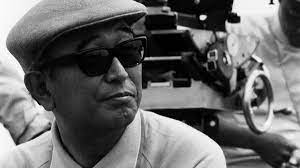




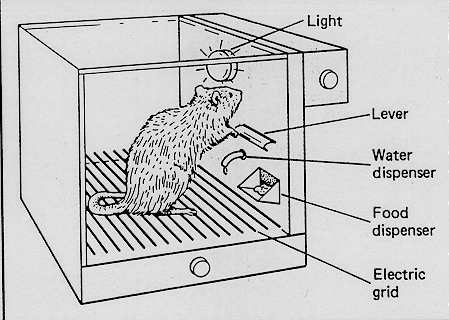



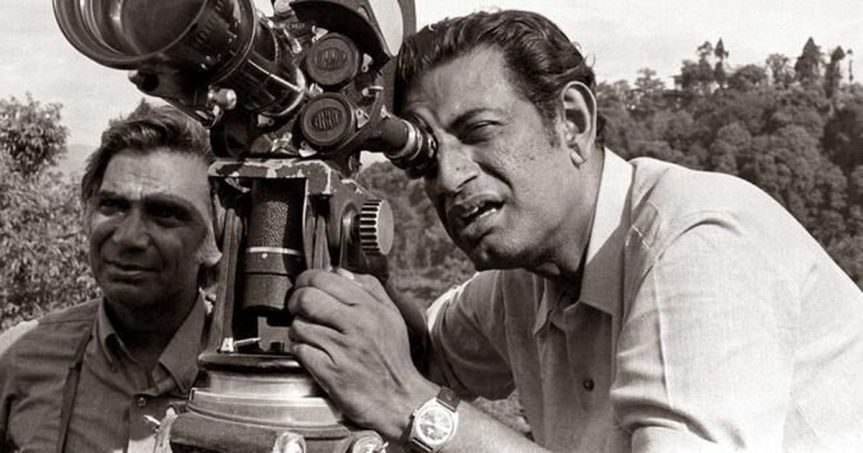
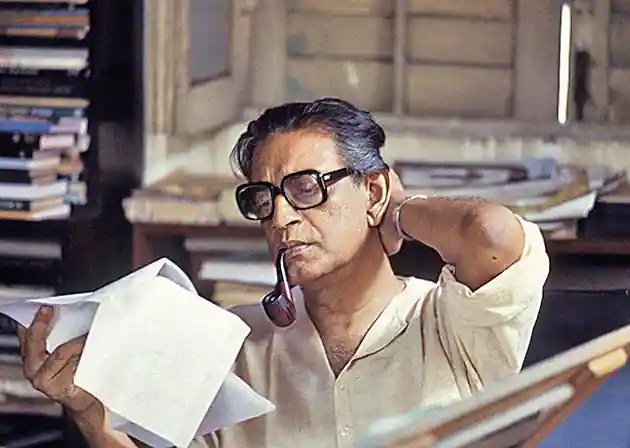
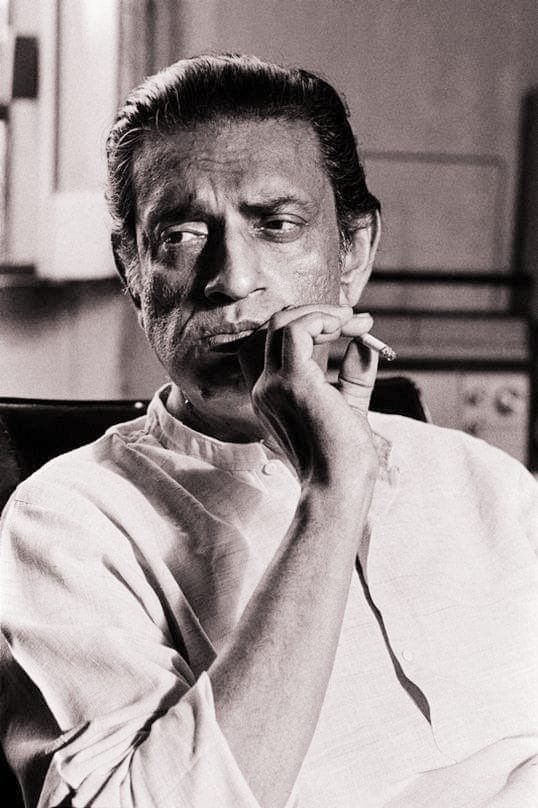
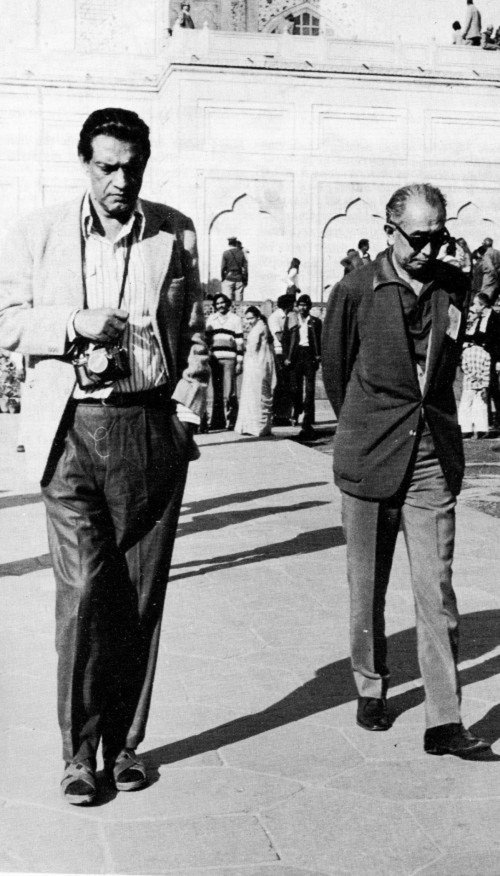
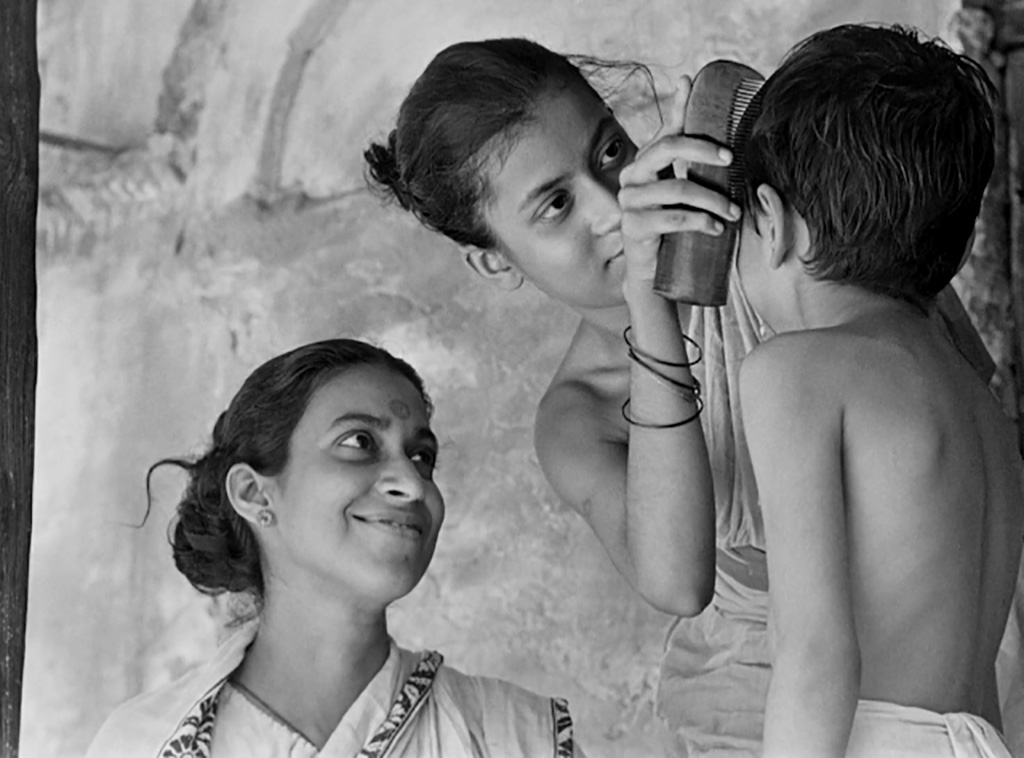
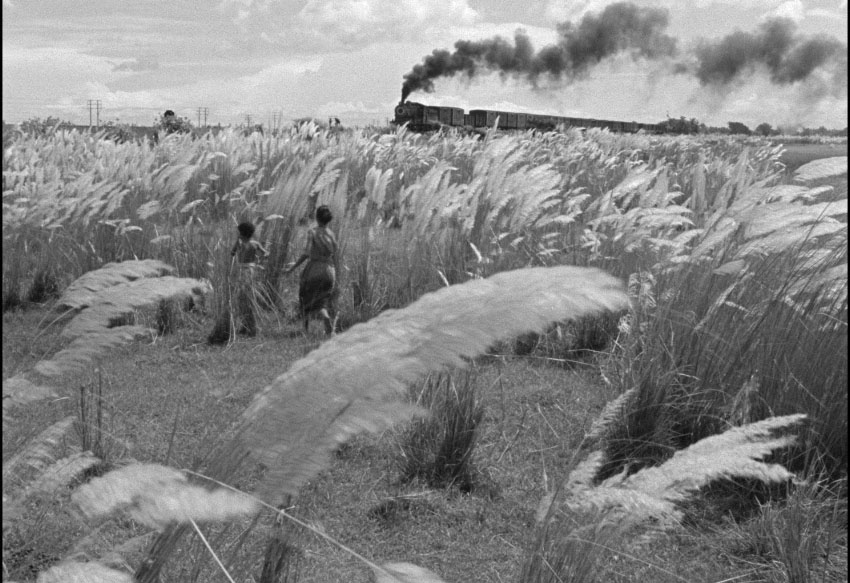
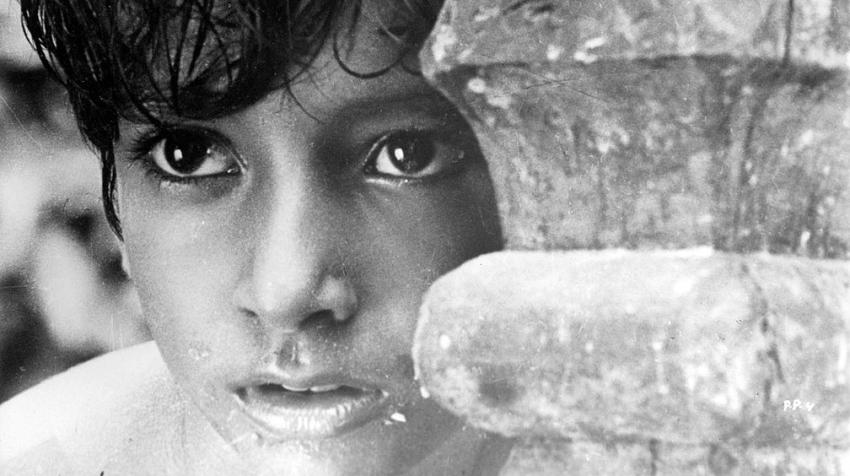
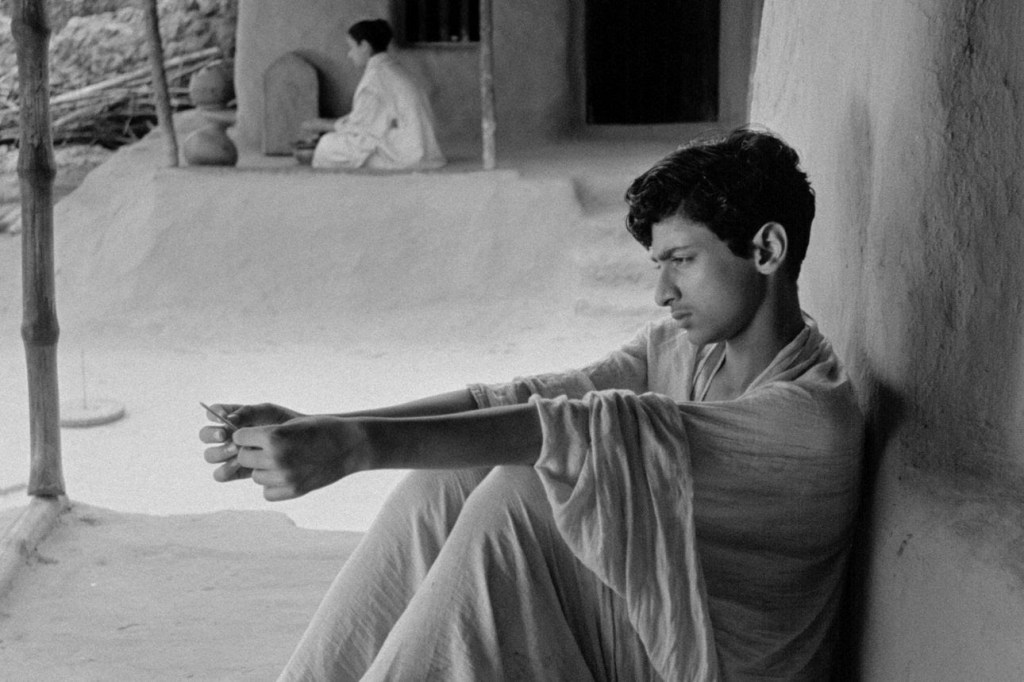
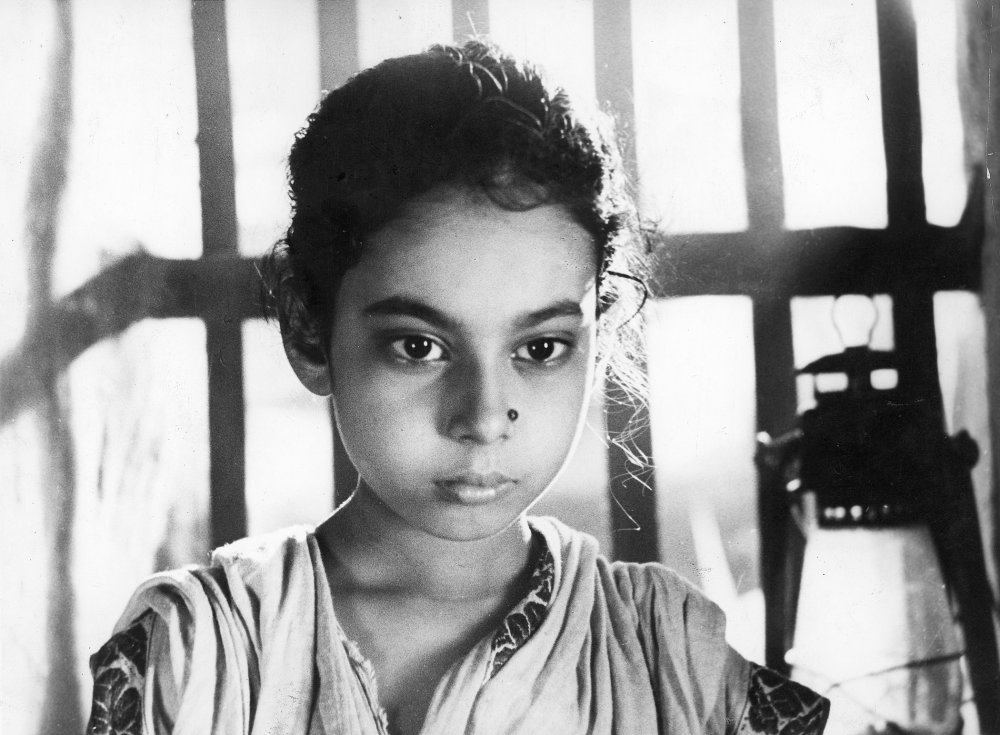
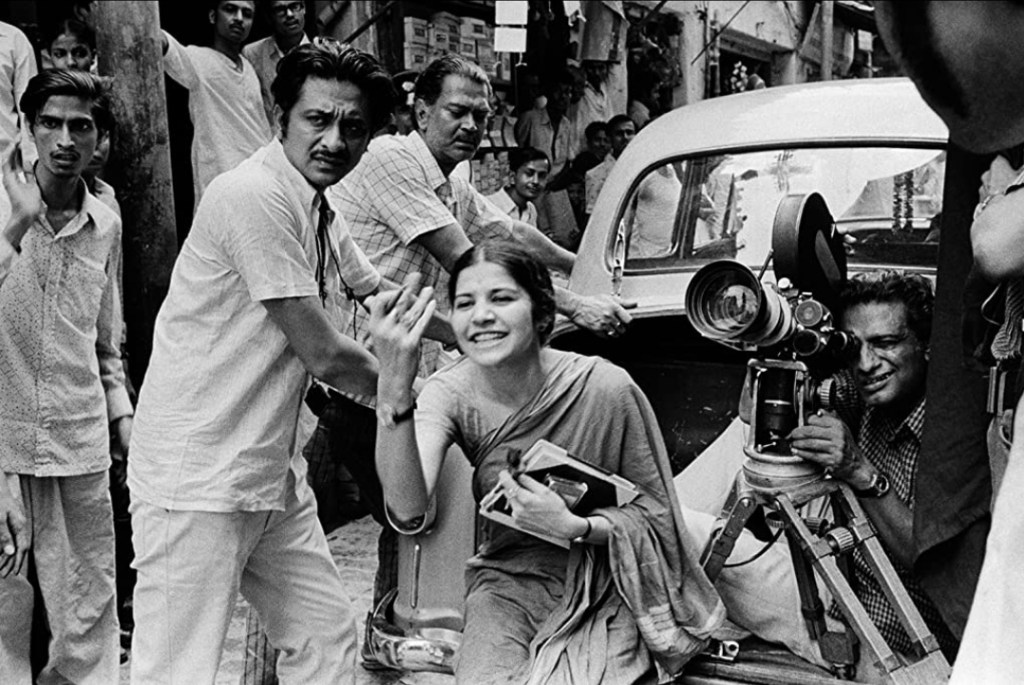
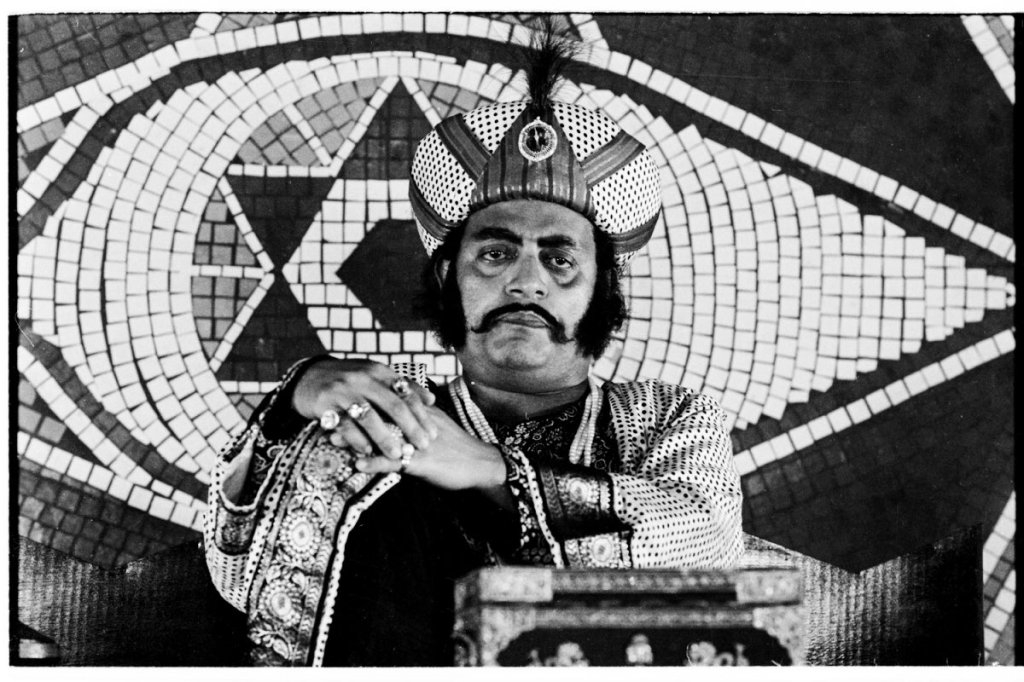
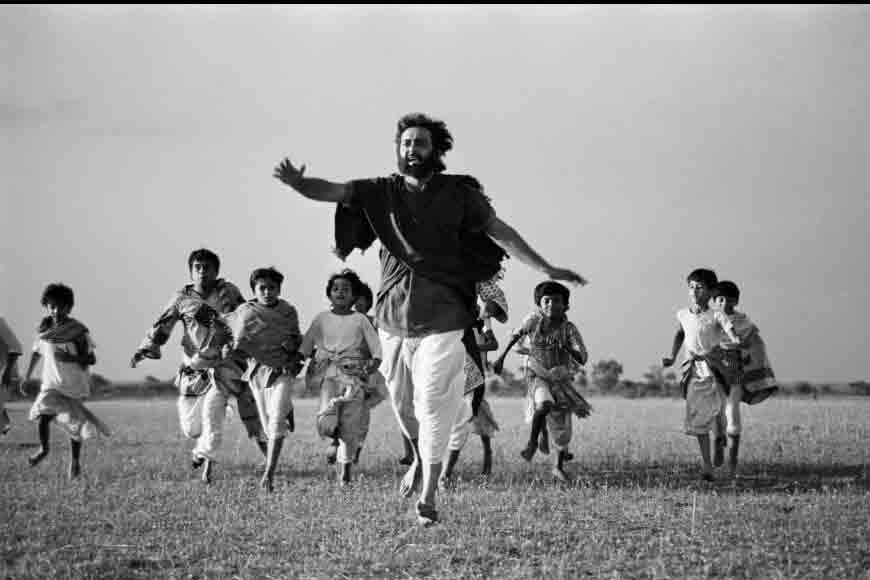
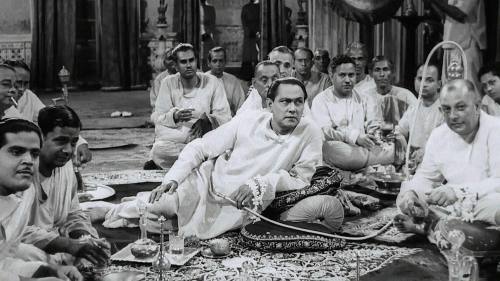
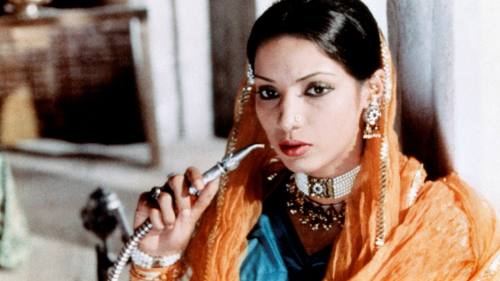
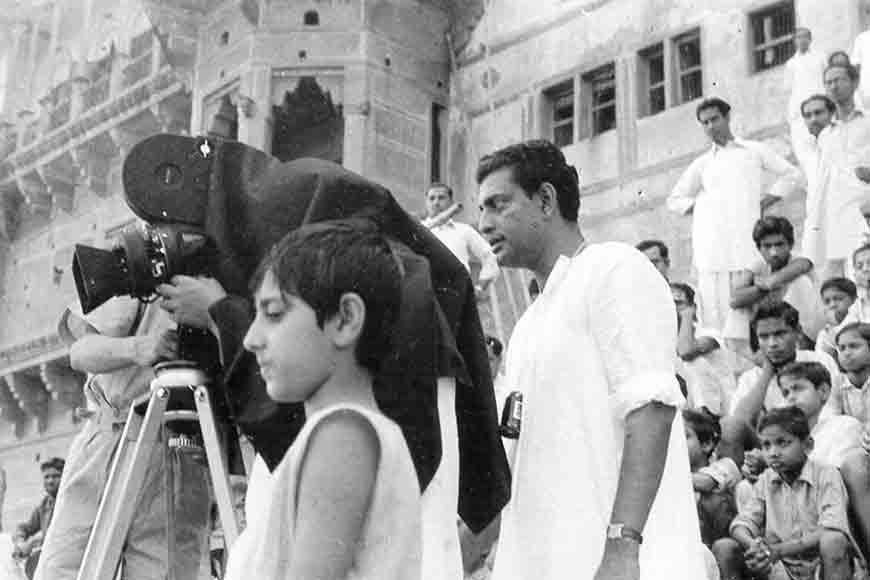
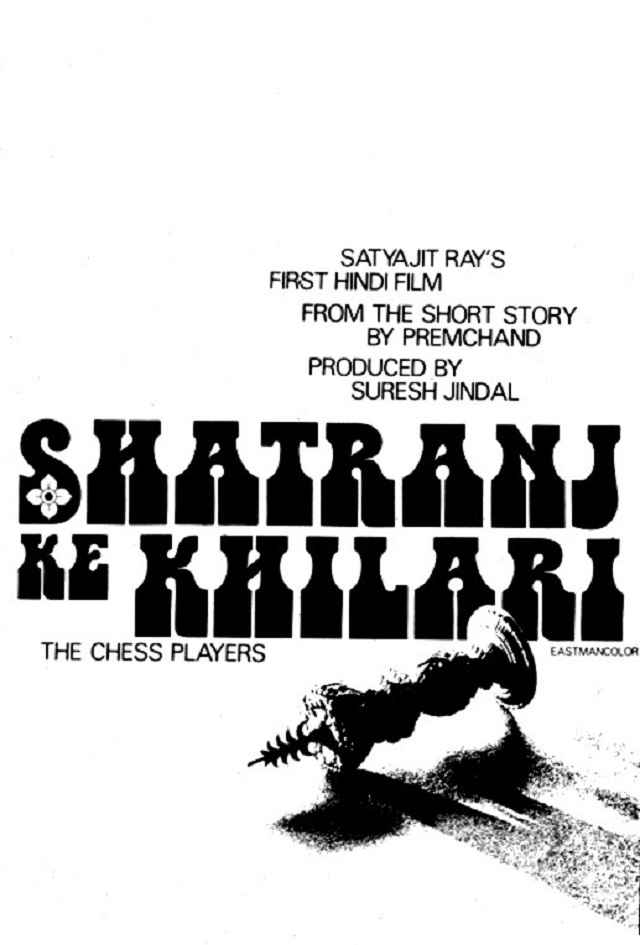

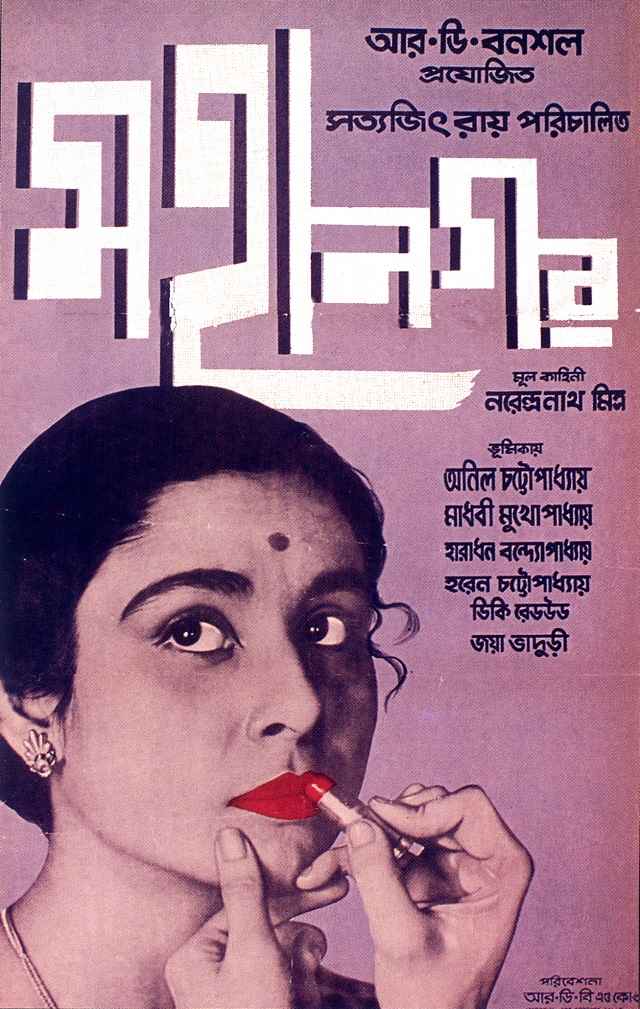
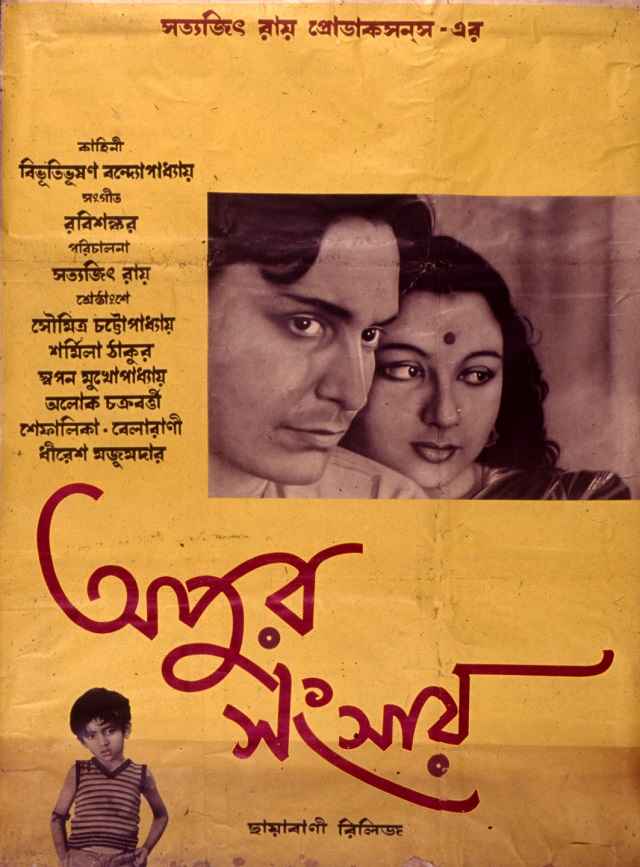


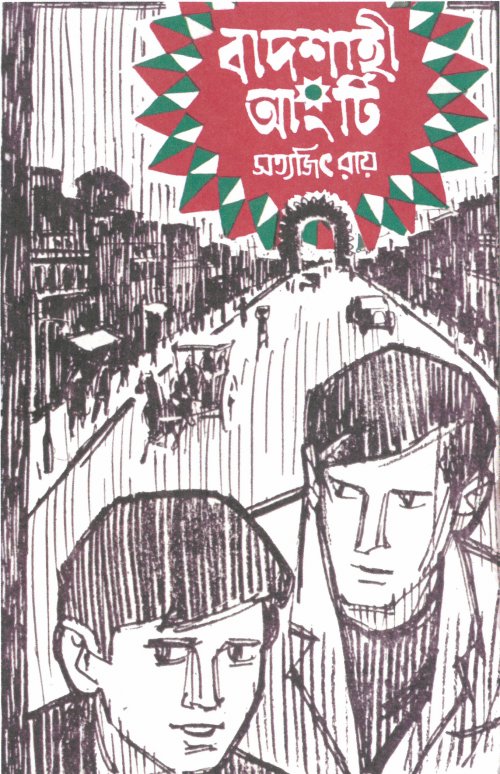
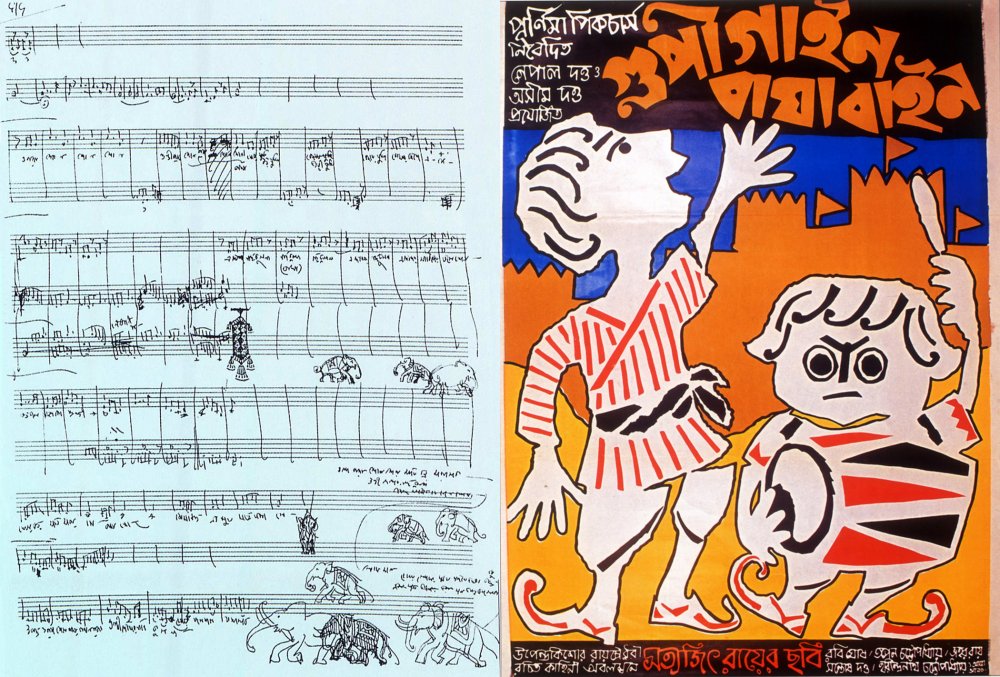
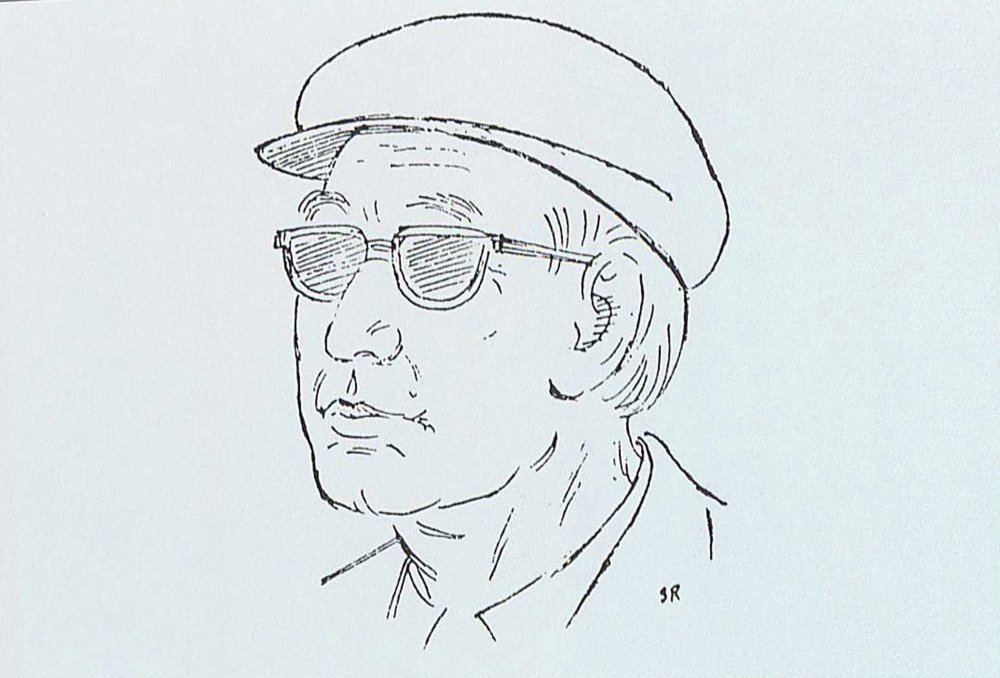
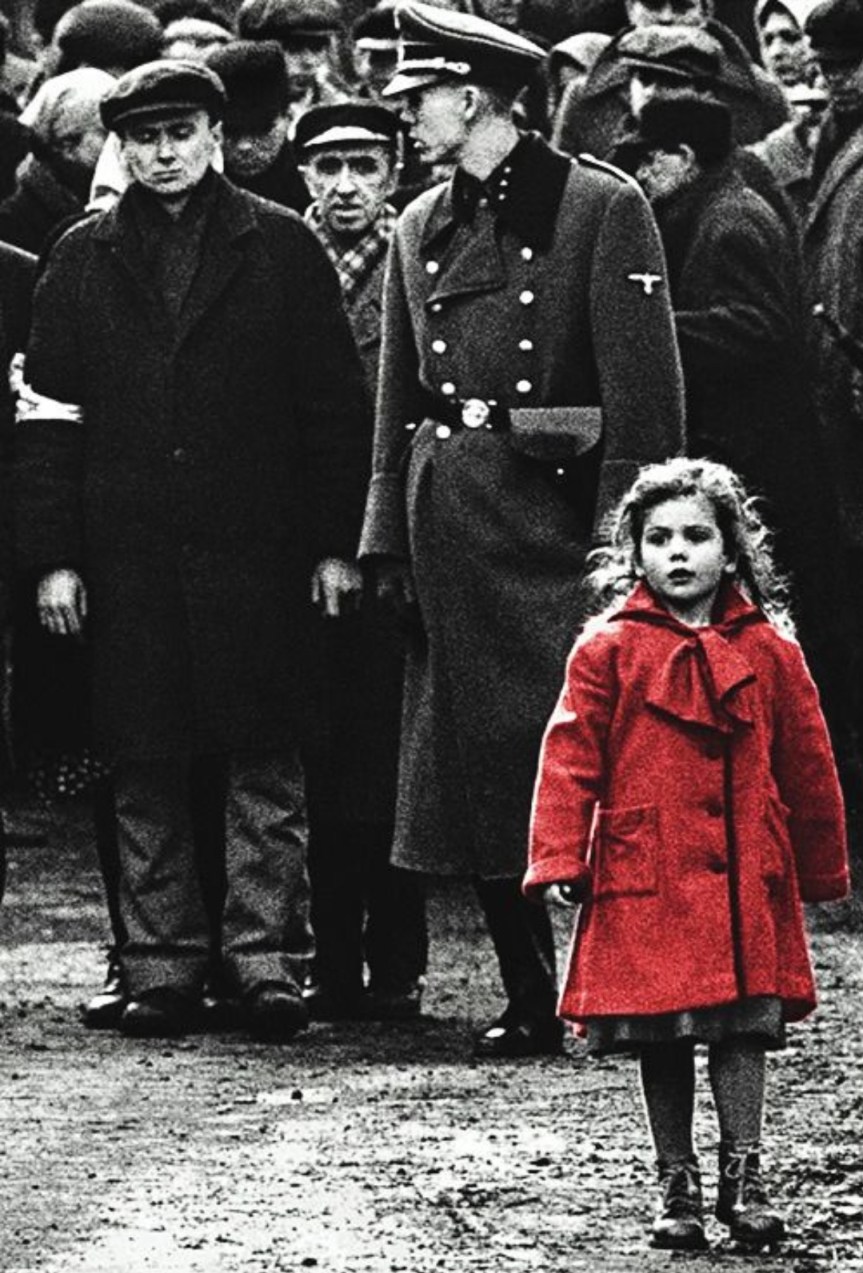
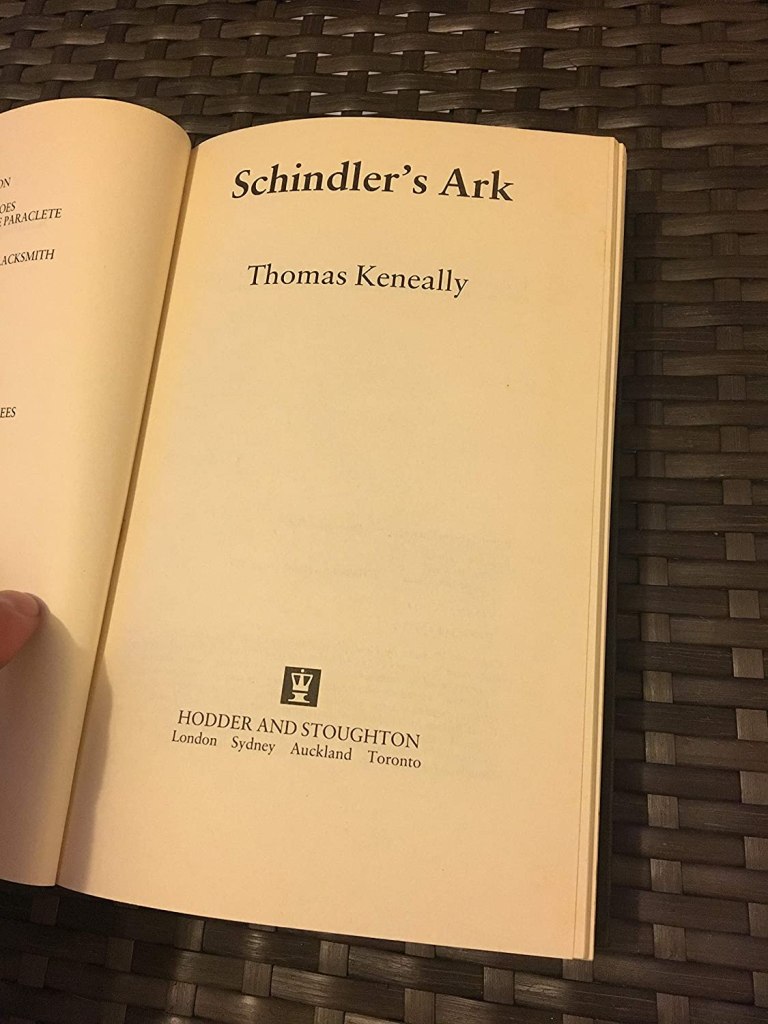



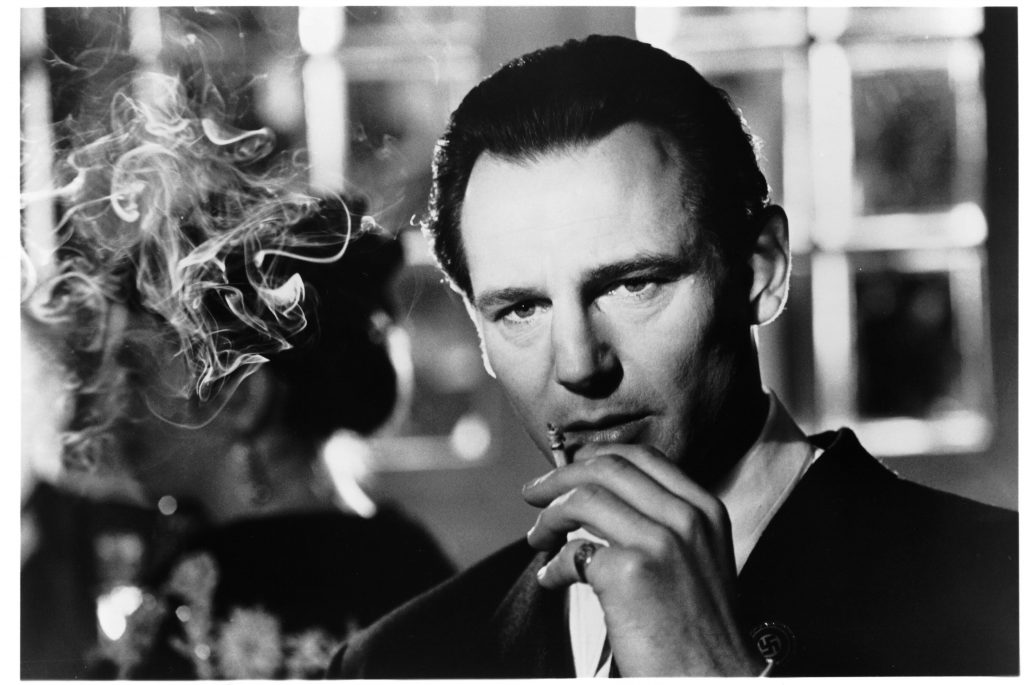
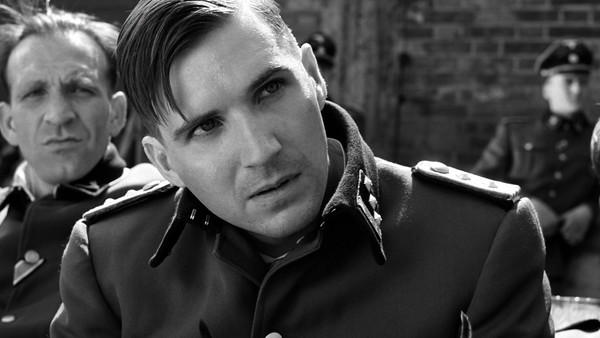
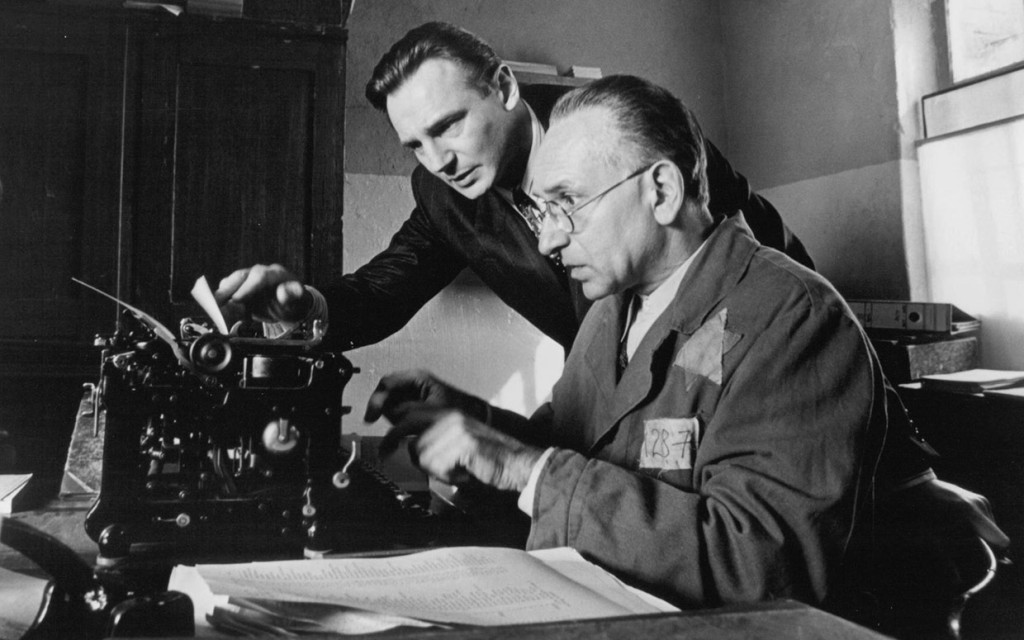













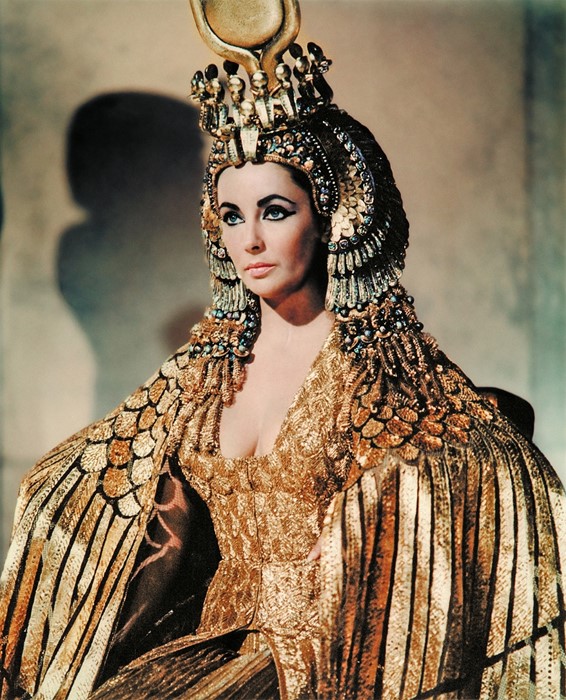
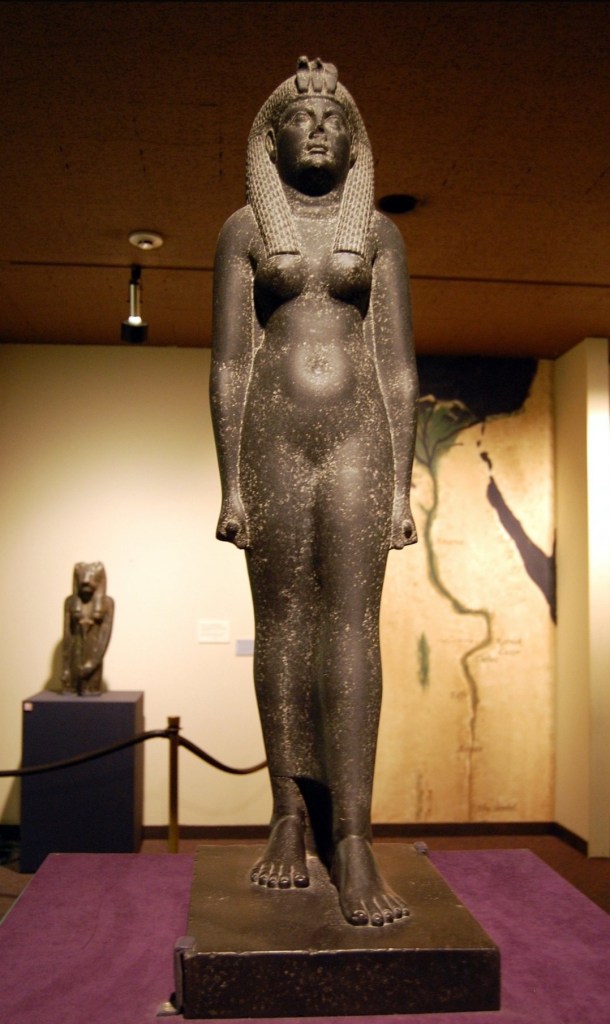
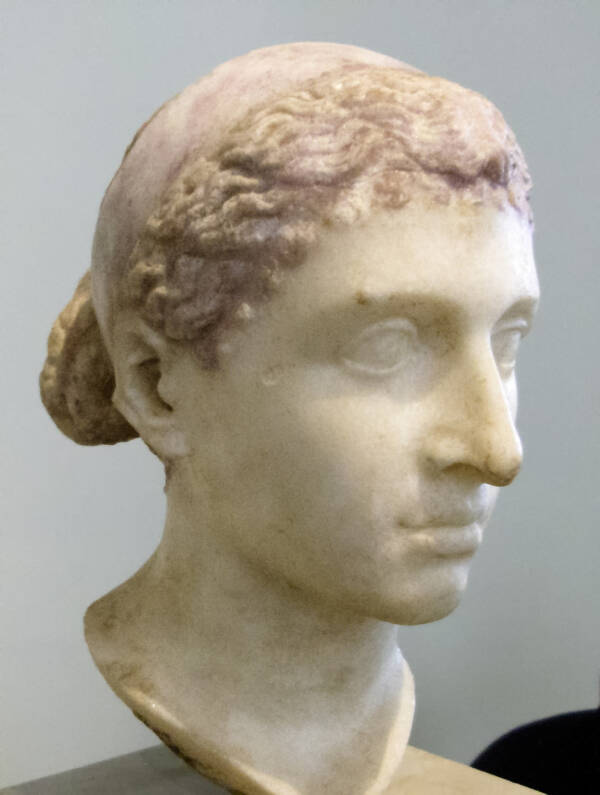
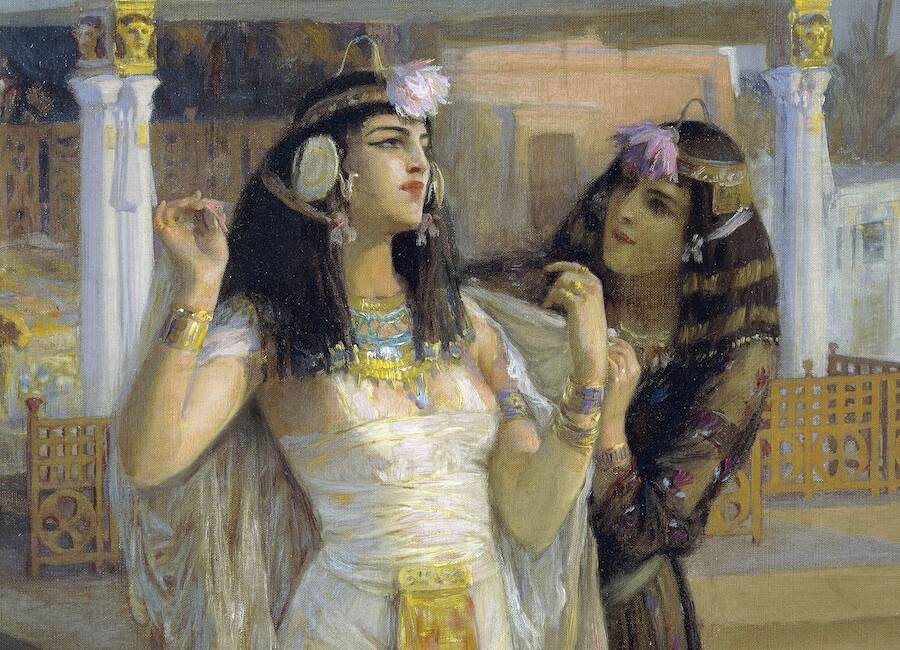
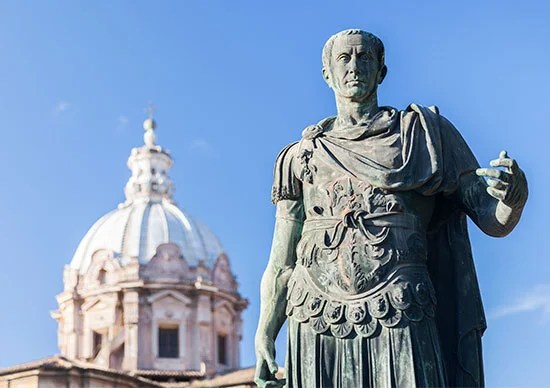
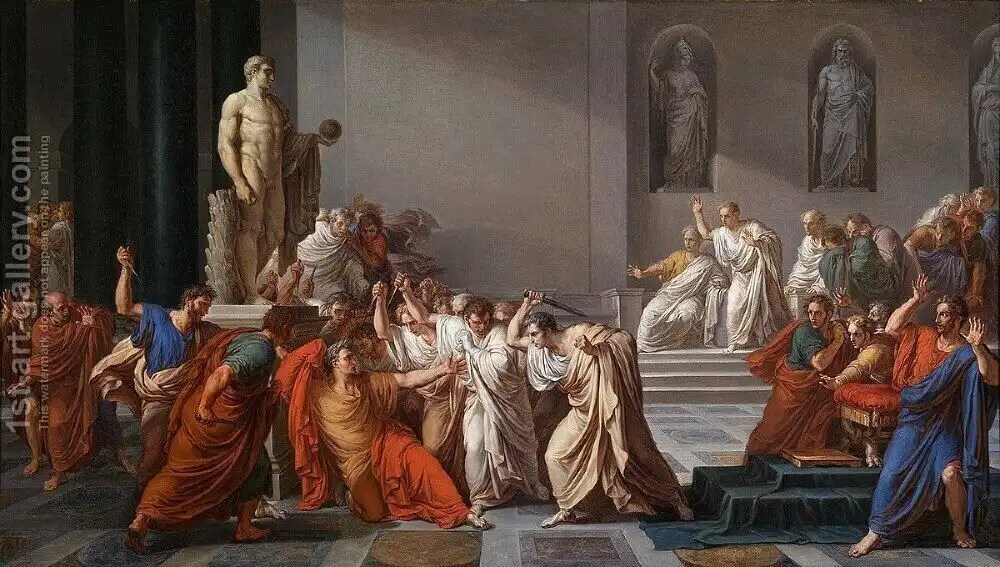
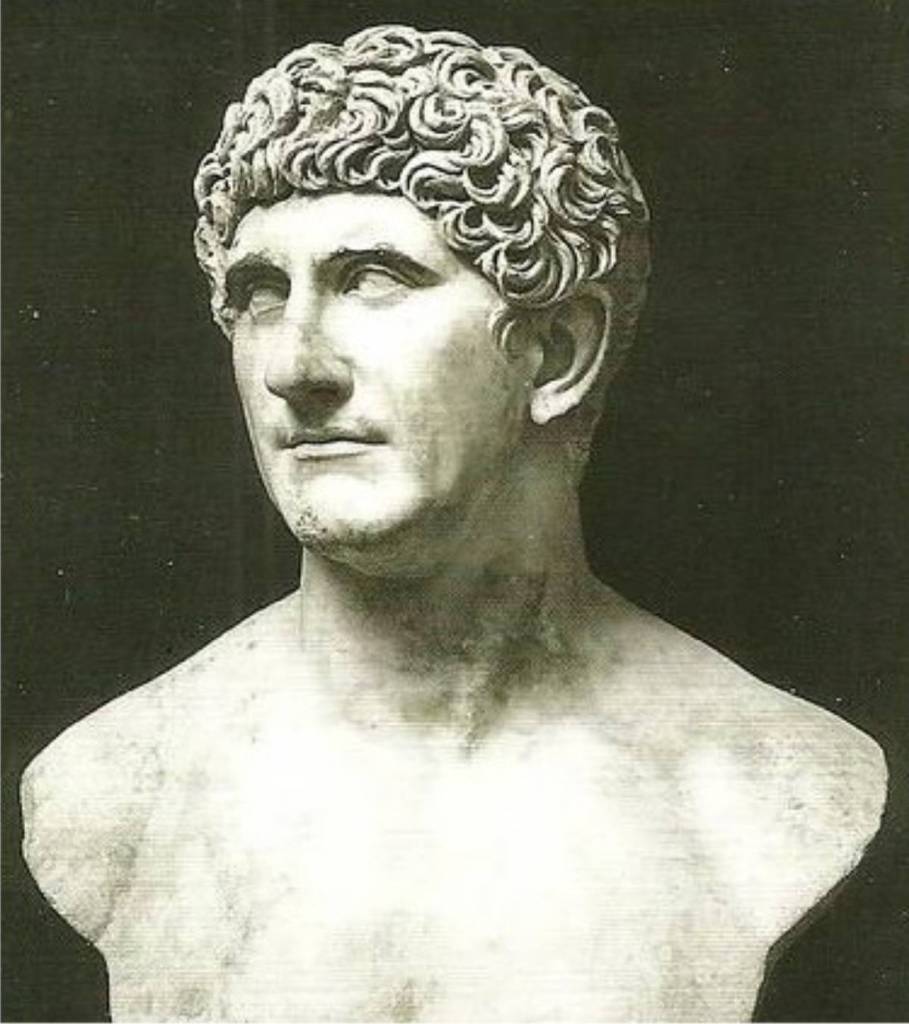
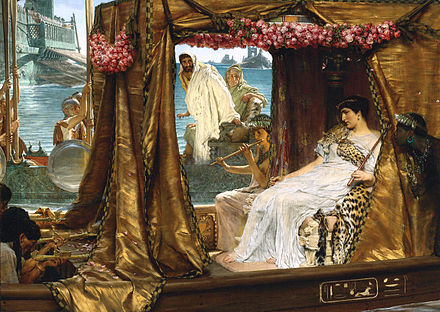
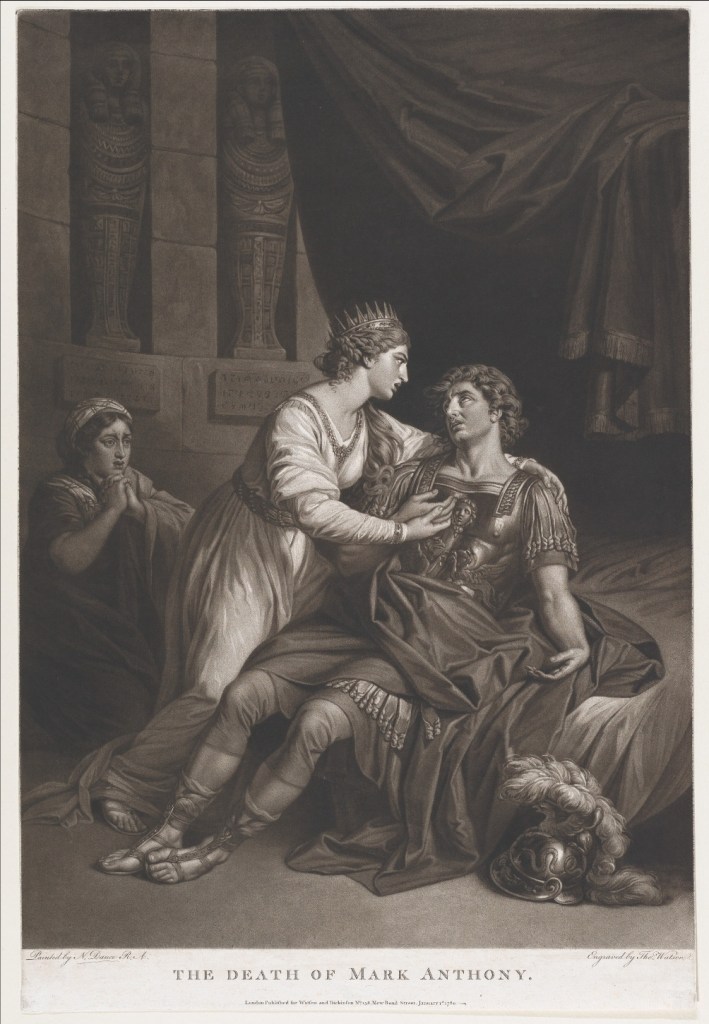
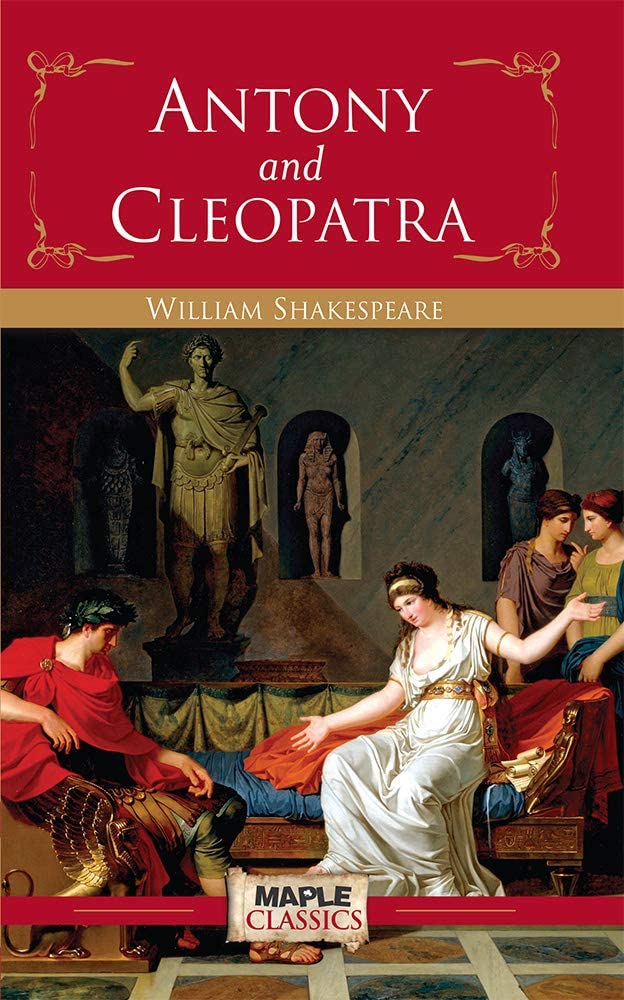
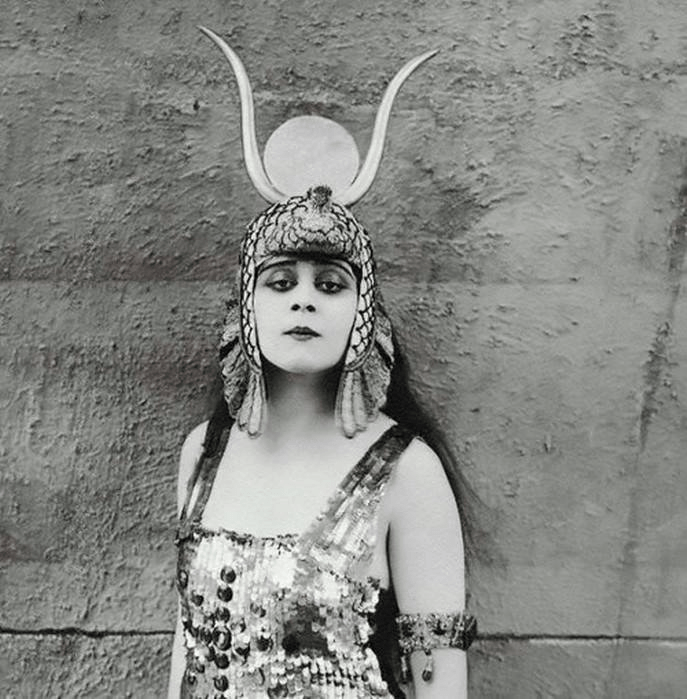
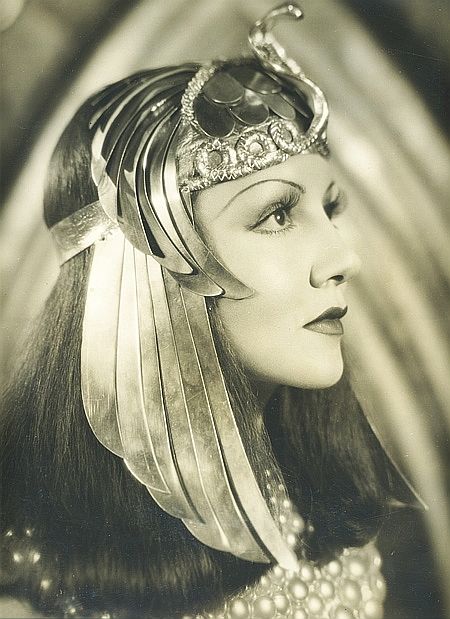
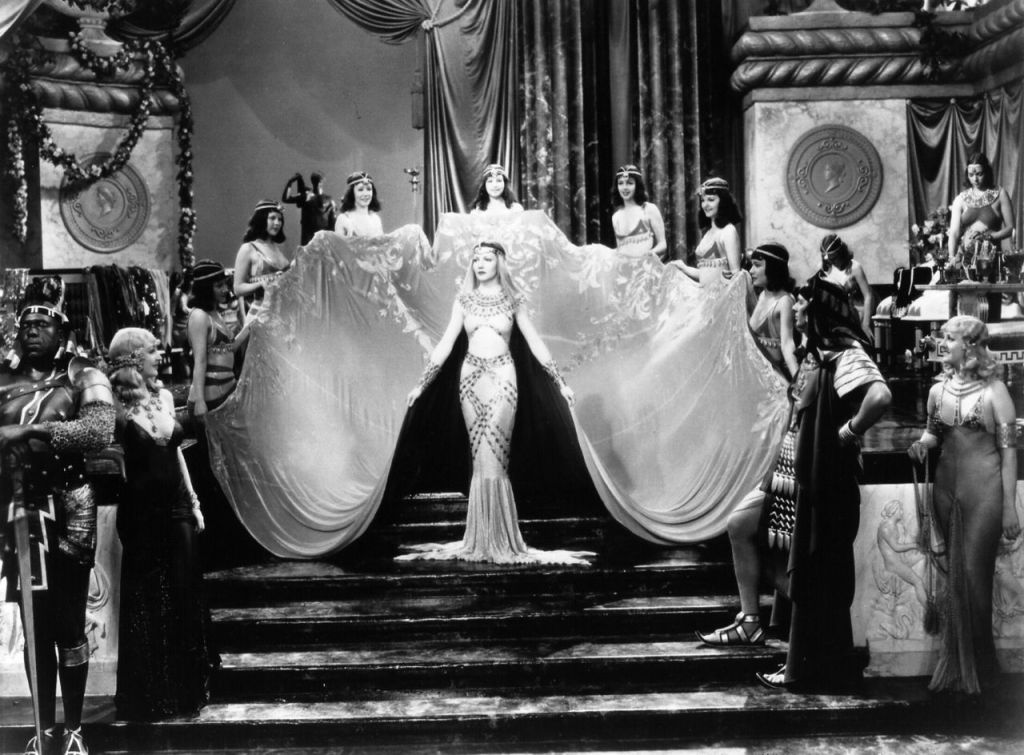
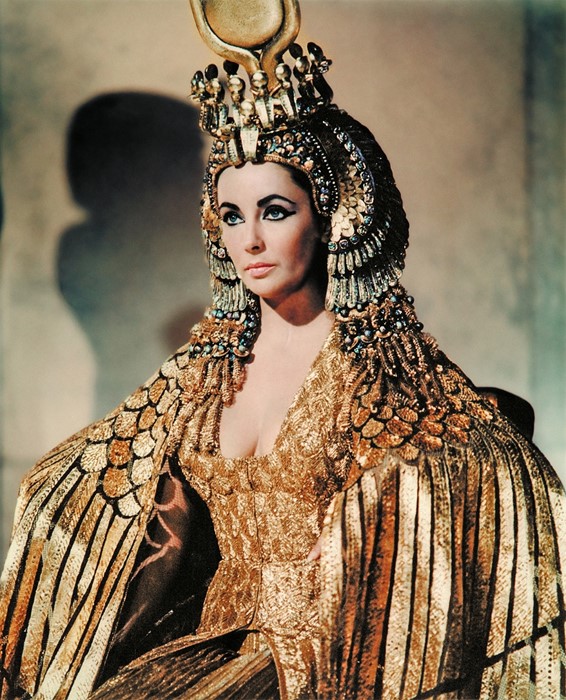

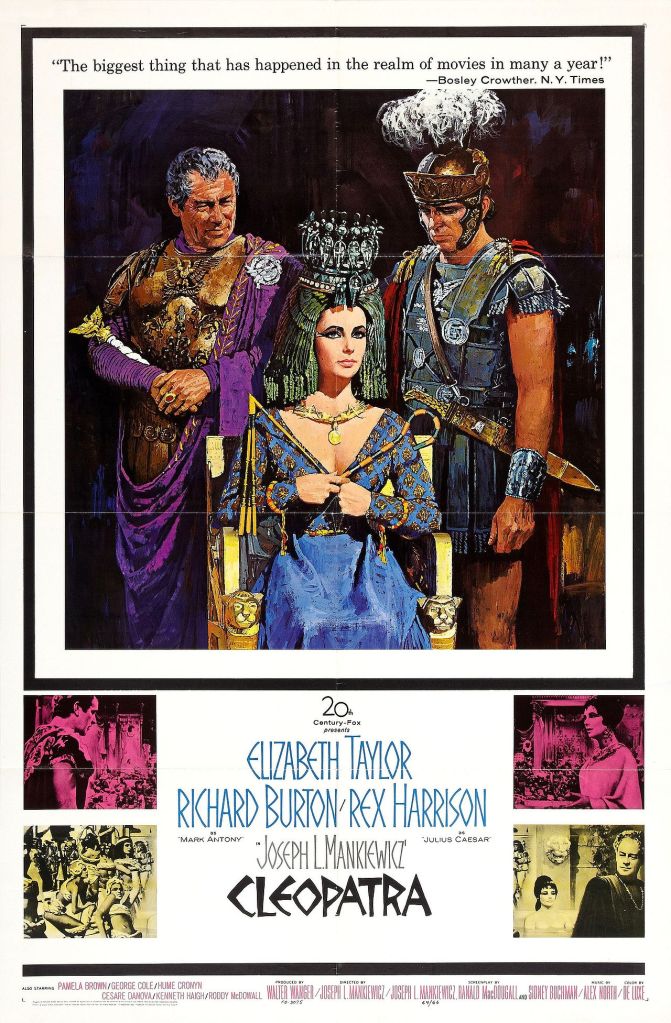
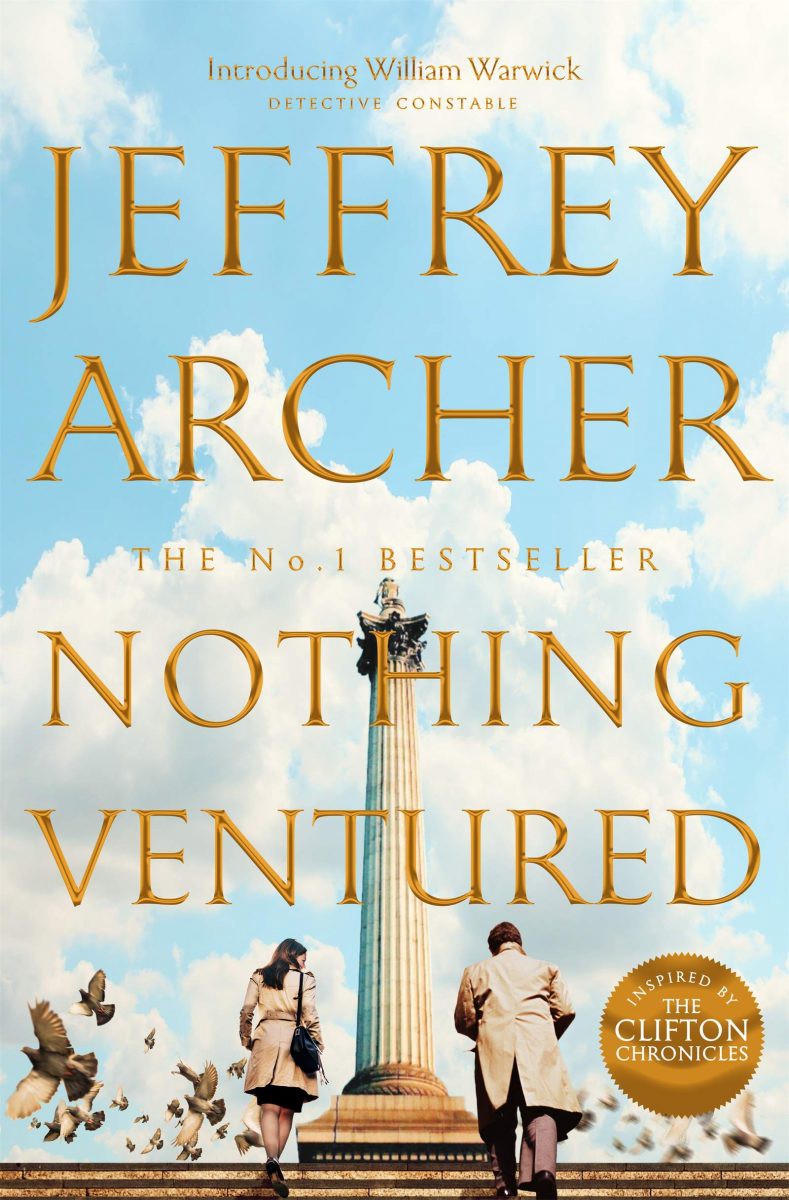








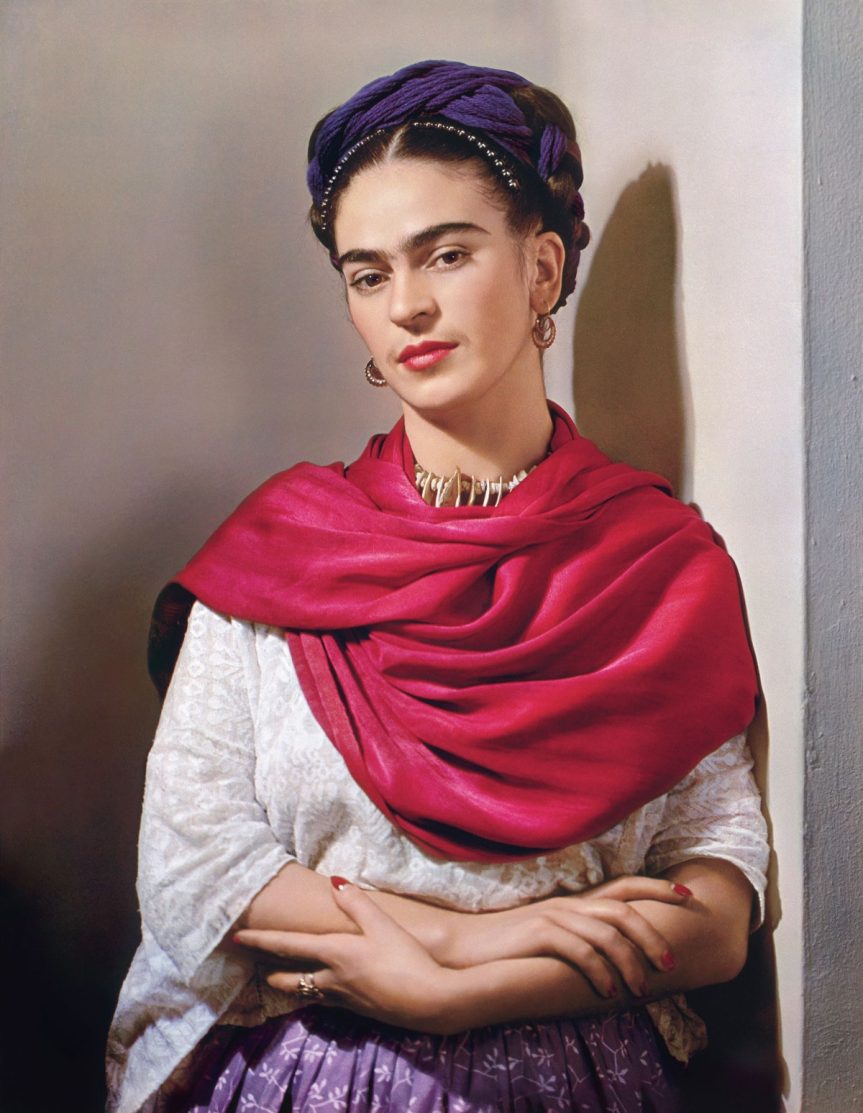
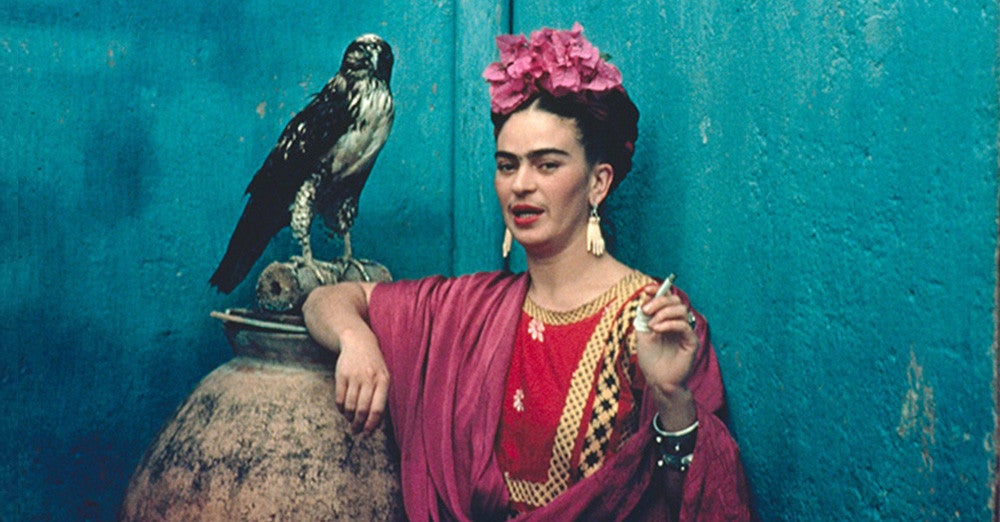
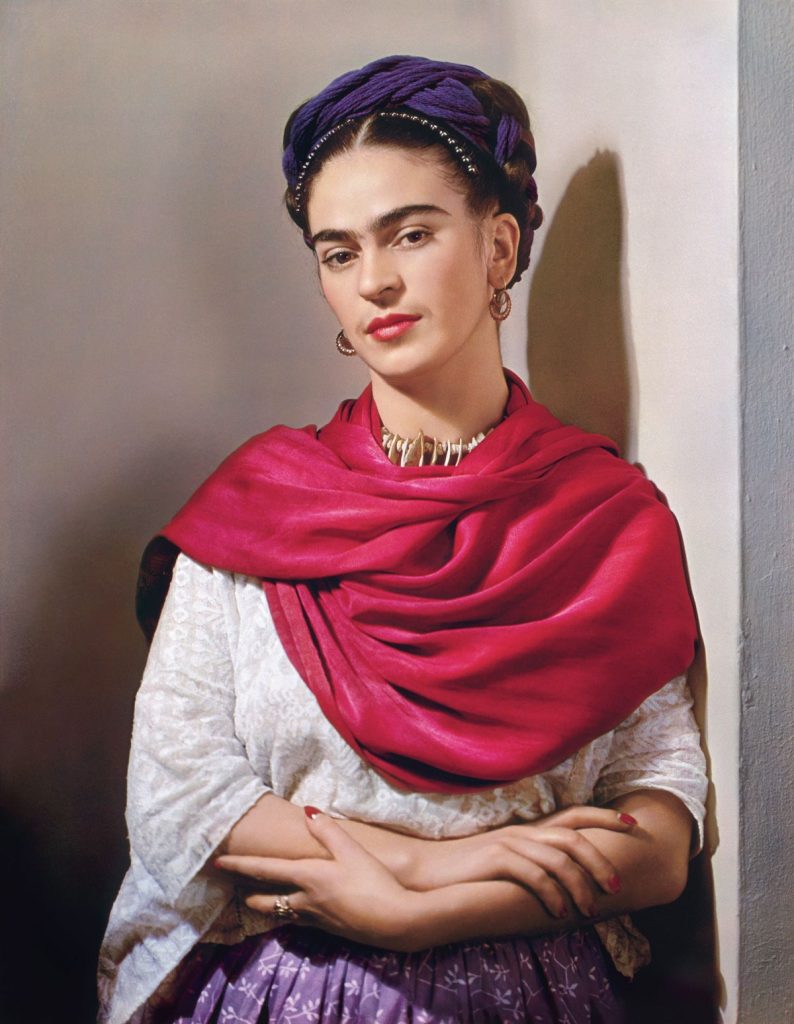
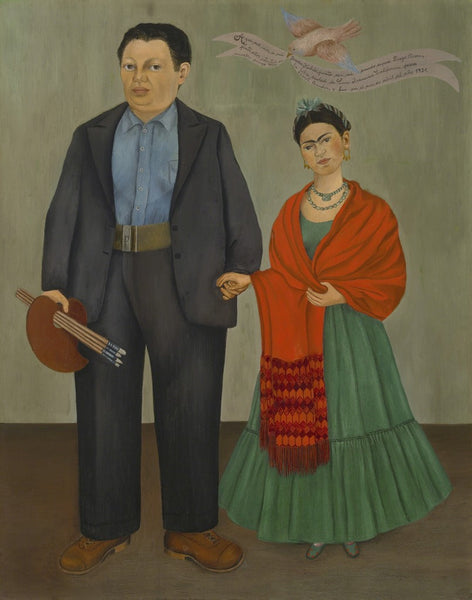
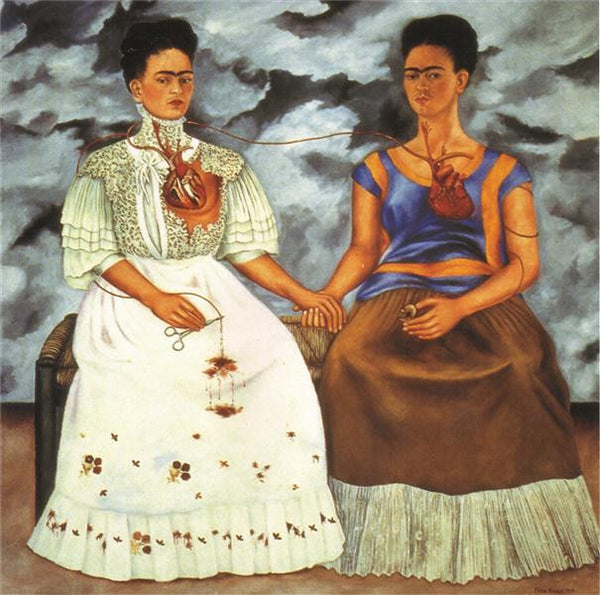
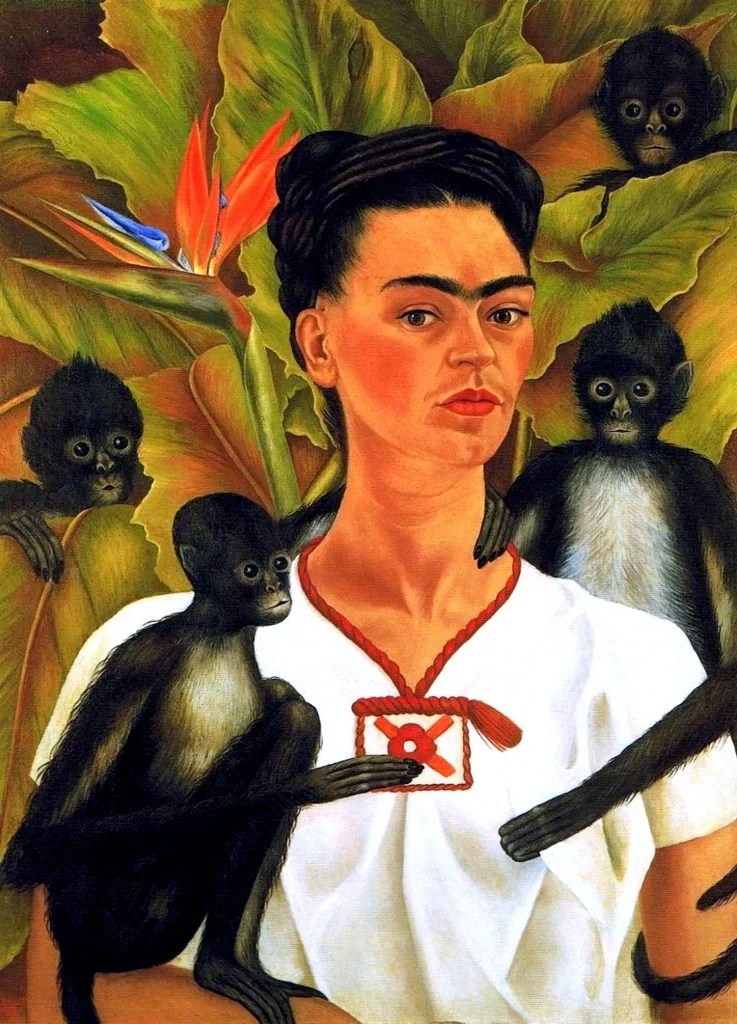

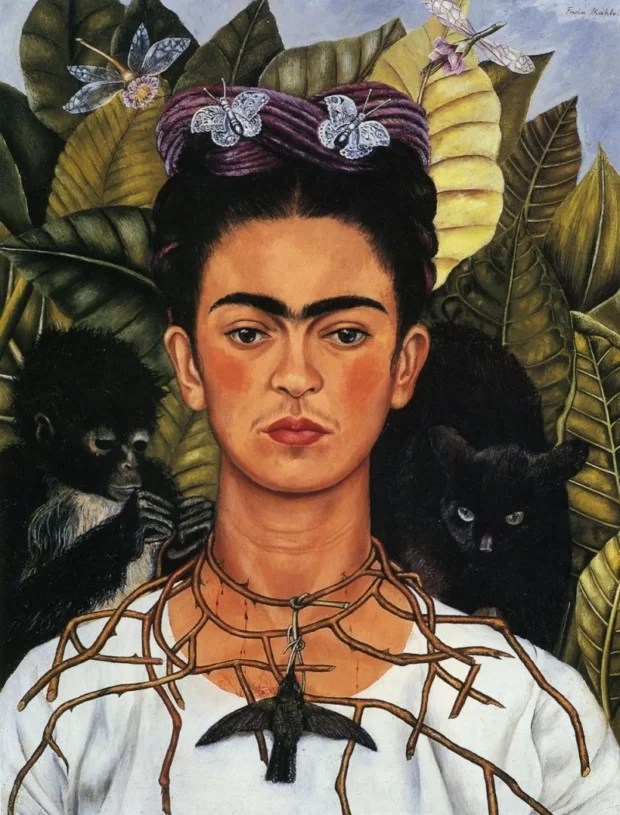
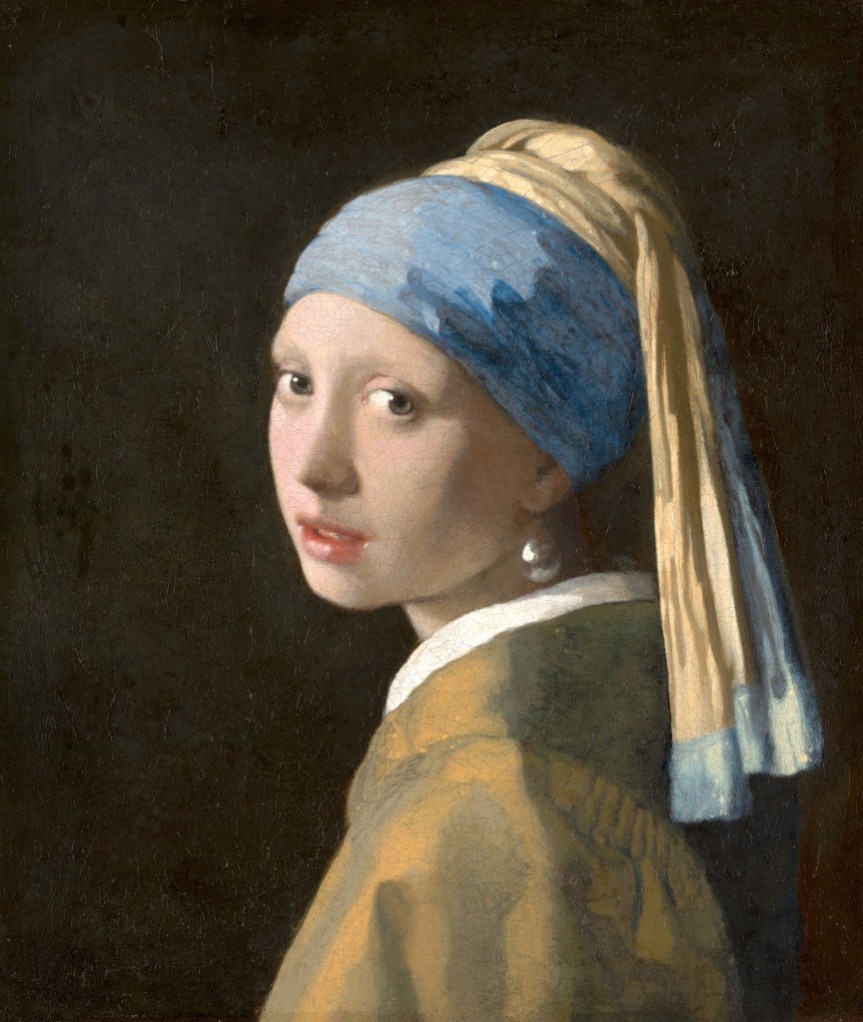
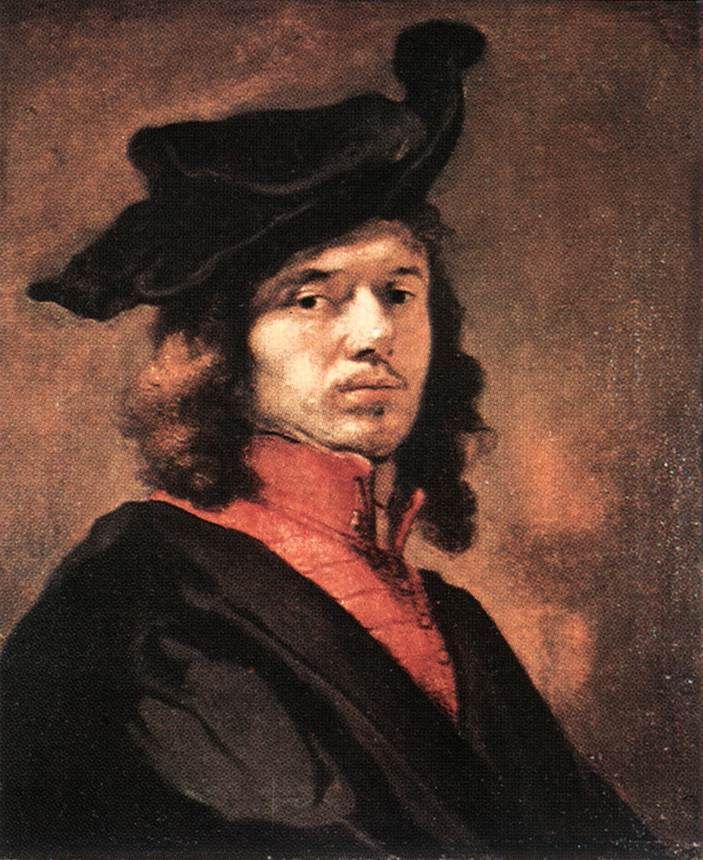
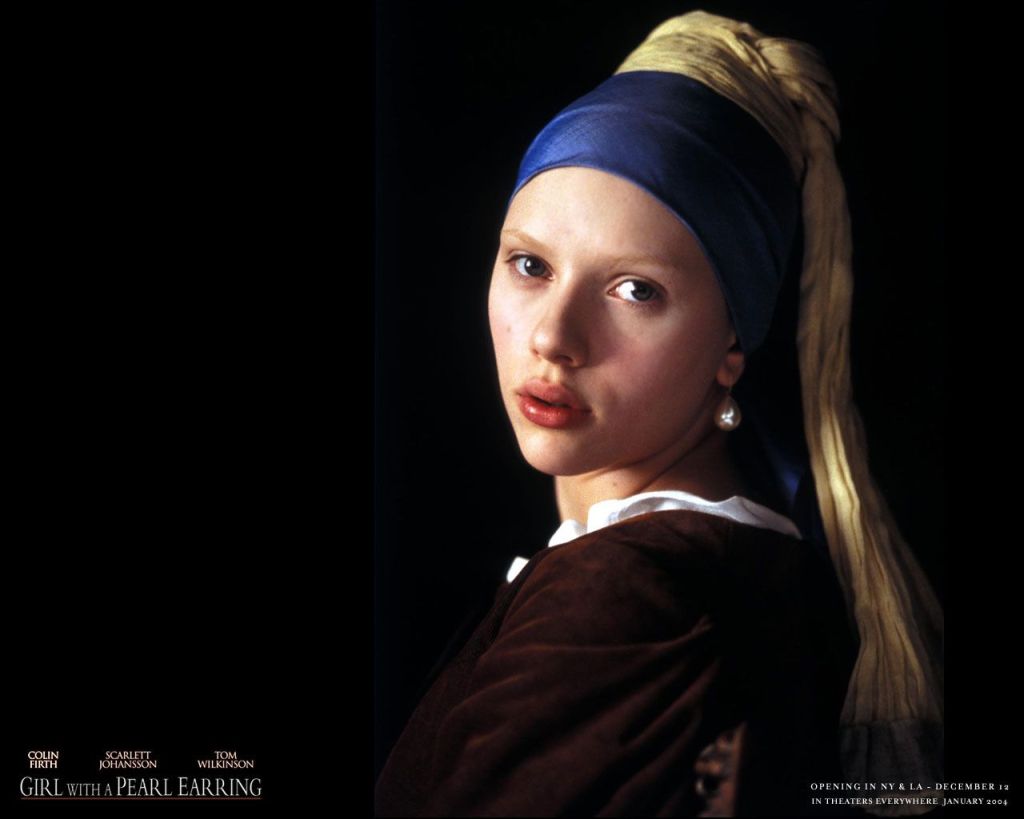
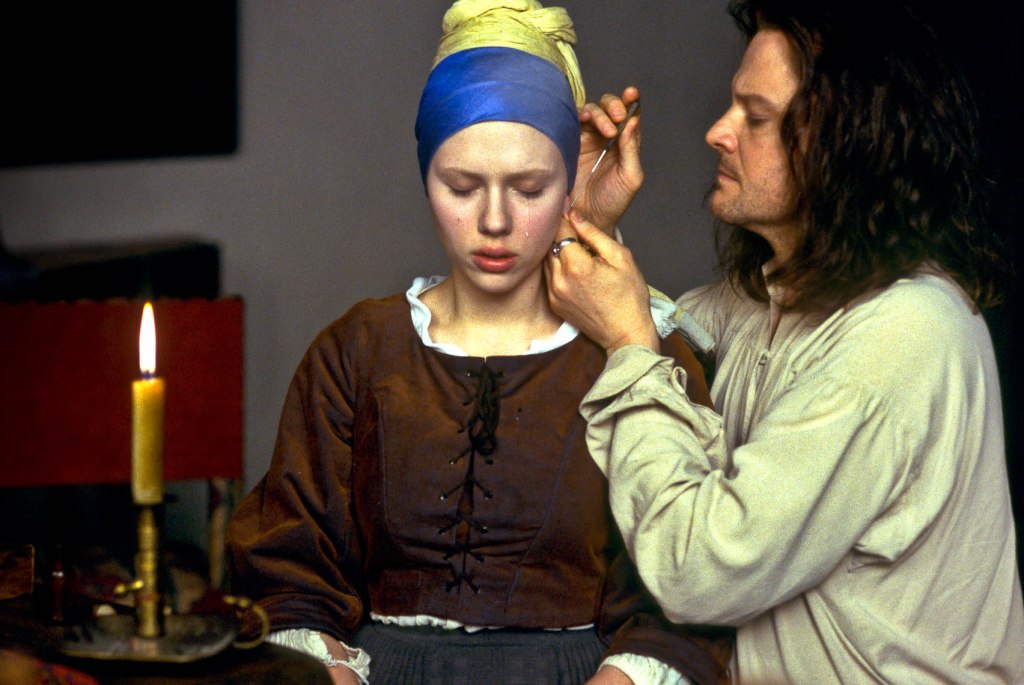

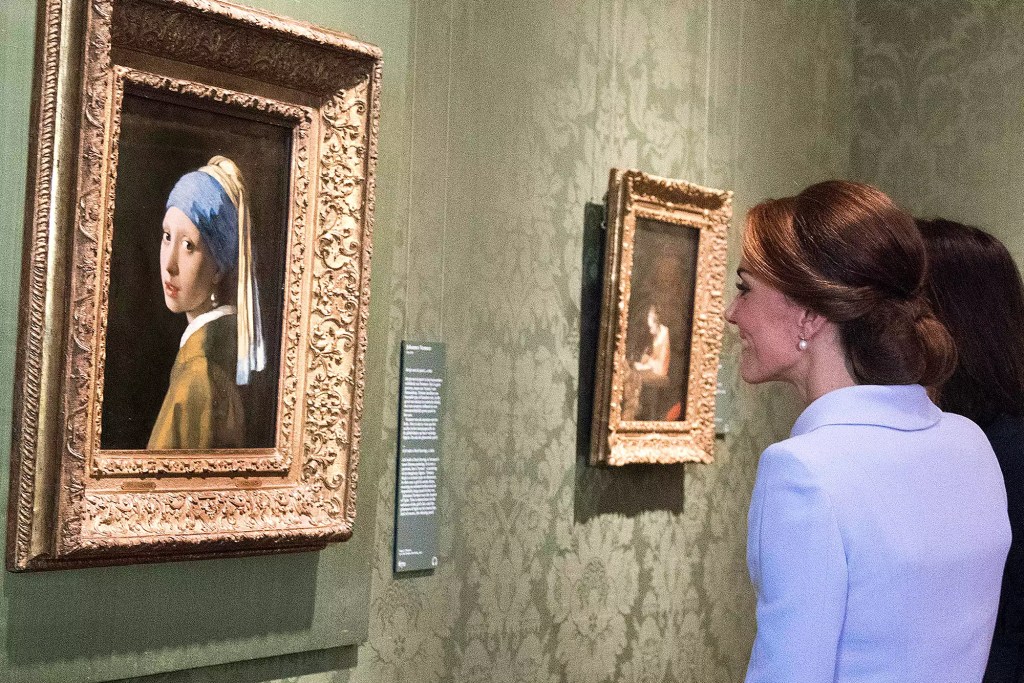
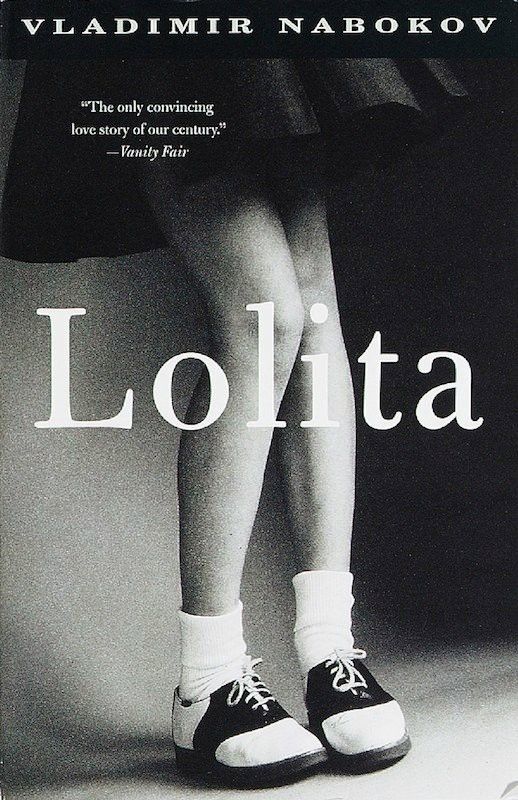
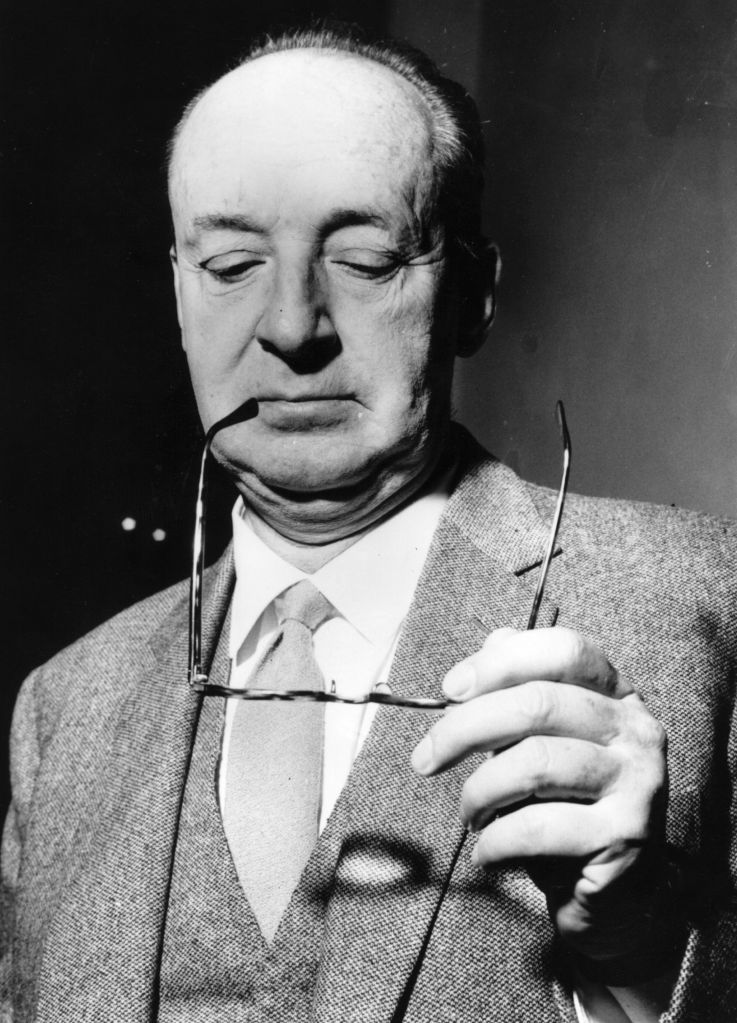
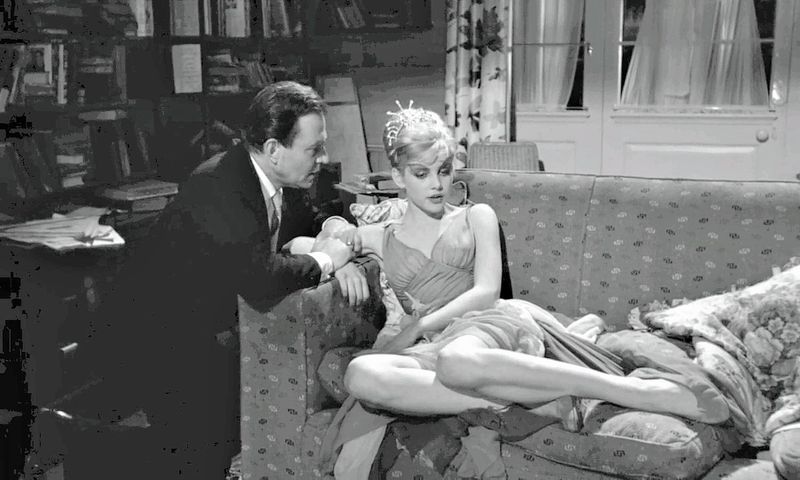

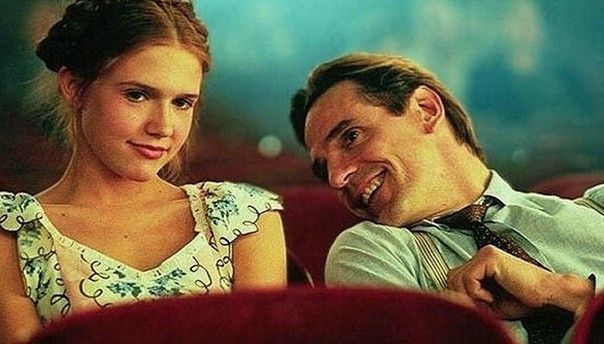

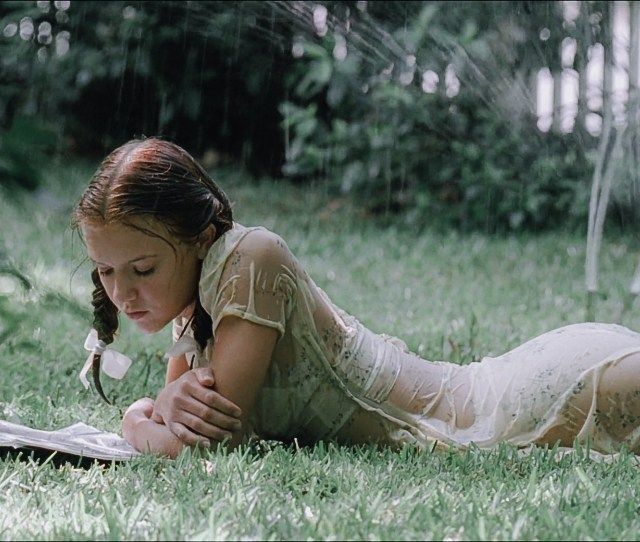
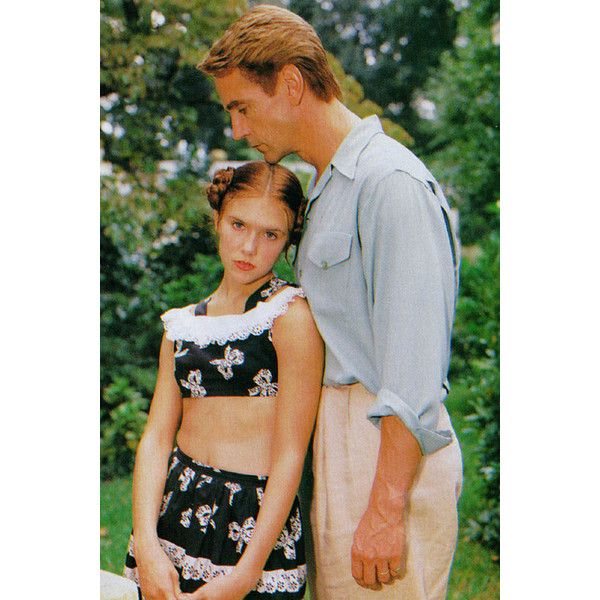




 Eduindex
You must be logged in to post a comment.