Food and Immunity: Correlation to combat against COVID-19

The outbreak of the current pandemic has affected the lives of people, their health, and wellbeing. The sudden disruption of daily routine, undesired laws of social distancing, and receiving a flood of information puts all of us at risk of mental stress and dilemma. Persistent fear, anxious mood, irritability, feelings of guilt, pessimism and worthlessness, insomnia, loss of appetite or weight gain, poor concentration and, worsening of chronic health problems may be an indication that stress is affecting our health and immunity. During the lockdown period, our existing underlying diseases may also trigger in the absence of adequate physical activities and fear of the pandemic. So, there is a need to strengthen our physical strength and immunity system even if we do not have any lifestyle disease.

In the absence of any prescribed treatment, vaccine and therapeutic recommendations being available against COVID-19, governments of most countries and several authorised international health agencies like the World Health Organisation, the British Dietetic Association, and the UD Food and Administration are emphasizing on maximum use of raw vegetables and fruits, nuts, and seeds; pulses and wholegrain foods; unsaturated oils; limit the intake of soda, salt, sugar, and trans fats; and stop eating junk and sugary food. Apart from food, guidelines also recommend physical exercises, meditation and adequate sleep, and good exposure to sunlight.

These recommendations and guidelines have already been a part of the ancient healing system of India, i.e. Ayurveda, which suggests that life is standing on four pillars, namely, Aahar (diet), Vihar (lifestyle), Achar (conduct of individual with the external world) and Vichar (mental health). According to this, food is like a medicine that can recuperate an individual by establishing the connection between elements of life, food, and body. Individuals’ temperament, physical and emotional states can be determined and regulated by their food choices, quantities, and lifestyle. It is well known that there is a close relationship among genes, environment, food, and emotional factors that lead to a bidirectional vicious cycle of mood, food, and lifestyle diseases. Ayurveda recommends the intervention of healthy lifestyles, meditation, pranayama, adequate sleep, and Satvik food to live a healthy, peaceful life and fight against various diseases including COVID-19.

Ayurveda considers that proper food selection and dietary schedule help to maintain holistic health with a calm mind. BhagwadGitaand Yoga Shastras divided food into three types based on their qualities (termed as gunas). They are Sathva (satoguna), Rajasa (rajoguna), and Thamasa (tamoguna). Sathva means goodness, whereas Rajasa means aggressive/active, and ordered from “best” to “worst”. Thamasa means inactive. A Satvik diet is meant to include foods and eating habits that are natural, vital and energy-containing and provides calmness, purity and promote longevity, intelligence, strength, health and delight. Examples of Satvikfood items are fruits, vegetables, sprouted grains, cereals, nuts and seeds, low fat milk and milk products, pure fruit juices, and cooked food that is consumed within 3-4 hours of cooking, etc.

A Rajasic diet, the mode of passion, is one that is overly spicy, hot, or fried with pungent, sour, and salty taste. Rajasic food possesses attributes of negativity, passion, and restlessness. Examples of Rajasic food are caffeinated drinks (like coffee, fizzy soft drinks, tea), sugary foods (chocolate, cake, biscuits, chips, etc), or spicy food.  As these foods are rich in glucose, they may provide immediate energy but eventually destroys the mind-body equilibrium, feeding the body at the expense of the mind.

A Tamsik diet, the mode of ignorance, is one that consists of overcooked, stale, fast, reheated, microwaved, or frozen food; dead food such as meat, fish, poultry, eggs; alcohol, cigarettes, and drugs of addiction. Tamsik foods are hard to digest and gift inertia, dullness, and induce sleep. All these are an important cause of obesity, diabetes, heart, and liver disease.

Rajasic and Tamsik foods, available as processed and junk foods, are full of of carbohydrates, sugar, and trans-fat in high proportions. The combination of high-fructose corn syrup (HFCS) and table sugar has become a primary choice of food industries as a sweetener due to its better shelf-life, more palatability and competitive price. This resulted in an additional 30% increase in overall sweetener intake and inability to regulate the hormones insulin and leptin and to inhibit the production of ghrelin, all factors that are known to affect the satiety centre in our brain, regulate blood glucose levels and appetite. Fast foods and fried foods like French fries, doughnuts, cakes, pie crusts, biscuits, frozen pizza, cookies, crackers, and stick margarines are made up by using hydrogenated or artificial trans-fats (or trans-fatty acids) which meets their food processing needs, easy to use, inexpensive and can be used many times in the commercial fryers. High sugar, high-fat and animal protein diets lead to disruption in the regulation of blood glucose levels, fat build-up in the liver, high uric acid concentrations,reduced kidney function and increase in arteriolar thickening, and fat deposition.

On the other hand, food rich in Prana (‘life-force’) is a combination of carbohydrates, fats, rich in dietary fibre, vitamins, minerals, and antioxidants with a limited amount of sugar, salt and oil, and no animal fat. It can be digested easily and utilize the six tastes in Ayurveda (sweet, sour, salty, pungent, bitter, astringent). Satvik food with recommended physical exercise, adequate rest, and a positive mindset is a source of energy and can reduce the risk of high body mass index, coronary artery disease, obesity, hypertension, type 2 diabetes, and osteoporosis. Satvik food is pure, natural, strong, wise, and full of energy to provide calmness and peace to the mind, thereby resulting in longevity of life in an individual.

On the other hand, Rajasic and Tamsik food like onion, garlic, asafoetida, caffeinated tea, and coffee; fried, spicy, high in sugar, and junk foods induce restlessness, lethargy, and sleep. Food like garlic and onion may be good as medicine but not for daily consumption. The daily consumption of food, which stimulates the nervous system, may lower the possibilities of experiencing life.

Food choices during the current pandemic

Recommended FoodAvoid (but could be taken rarely to satisfy taste buds) Not Recommended
Fibrous food in the form of raw or freshly cooked colourful vegetables and fruits (good sources of vitamins A, C and E, as well as antioxidants, folate, and fibre (opt steaming, grilling or sautéing cooking methods) Less spicy and oily food Garlic, onion, unseasonal veggies in a limited amount Fried, over spicy and overcooked, or stale food
Pulses and wholegrain foods (oats, brown pasta, millet, and rice, quinoa and whole-wheat fresh chapatis and wraps) Brown breadRefined, processed grain foods (white pasta and rice, and white bread), deep-frozen foods
Low-fat or reduced-fat versions of milk and dairy products like curd, yoghurt (rich in probiotics that strengthen the digestive tract).White meats like poultry and fish that are generally lower in fats than red meat; processed meat (though it is not a part of Satvik food)Red meat
Unsalted nuts and seeds (like pumpkin, sunflower, and flax). They are great sources of vitamin E, niacin, riboflavin, protein, healthy fat, antioxidants, and fibre.Homemade low fat/sugar snacks like idli, dosa, dhokla, upma, daliya, brown bread with pea-nut butterSnacks that are high in salt and sugar (cookies, samosa, cakes, and chocolate); pickles, jams
Egg yolks, and fortified breakfast cerealsCanned food, used after washing it to remove extra salt or sugar 
Unsaturated fats (e.g., found in fish, avocado, nuts, olive oil, soy, canola, sunflower and corn oils). The fat intake is recommended less than 30% of total energy intake, of which no more than 10% should come from saturated fat.Saturated fats (e.g., found in fatty meat, butter, coconut oil, cream, cheese, and lard) Trans-fats (processed food, fast and fried food, snacks, frozen pizza, pies, cookies, margarines, and spreads)
Fresh fruit juices, low fat lassi, chaaz, lemon water, coconut water/ hot water, herbal tea (packs a big punch of polyphenols, flavonoids, and antioxidants that destroy free radicals)   Soft drinks or sodas and other drinks that are high in sugar (e.g., packed fruit juices; fruit juice concentrates and syrups; flavoured milks and water; energy and sports drinks; and yogurt drinks, caffeinated tea, coffee, ready-to-drink tea, and coffeeAlcohol, tobacco, drugs
 Honey and jaggeryBrown sugarWhite sugar
Indian herbs:Coriander (Dhaniya), turmeric (contain Curcumin), fenugreek (methi), tulsi (Basil), cumin (jeera), fennel (sonph), cloves, black pepper (Kalimirch, contain Piperine), cinnamon (dalchini), ginger and curry leaves. These spices have antioxidant, antibacterial and anti-inflammatory properties, act as immune booster and may help to flush out any sinuses from the body.Rock salt (limit salt intake to 5 grams (equivalent to a teaspoon) a day.Iodised saltNon-iodised salt 

The current guidelines of the Ministry of AYUSH, Government of India, recommend self-care guidelines for preventive health measures and boosting immunity. These guidelines recommend herbal tea and decoction (Kadha) made from Tulsi, Dalchini, Kalimirch, Shunthi (Dry Ginger) and Munakka (Raisin) with jaggery and/or fresh lemon juice to enhance the taste as immunity promoting measures against COVID-19. Guidelines also recommend avoiding cold, frozen, and heavy foods, which is a clear indication to avoid Rajasic and Tamsik food. Recommendations such as to take appropriate rest, timely sleep, exposure to sunlight, and practice of Yogasana and Pranayama also help to balance our body, mind, and lifestyle.

It is recommended that in this time of uncertainties and non-availability of treatment, it is important to remain healthy and peaceful. Good food with other recommendations, as explained in the above table, would help in building up our immunity as well as burst the stress while combating against COVID-19.

(Written by: Jyoti Sharma,Senior Scientist, DST and S.K. Varshney, Head, International Bilateral Cooperation Division, Department of Science and Technology.

The views expressed in the article are those of the authors and not of the organisation they belong to.)


“Hunar Haat” with the theme of “Local to Global”

After a gap of about 5 months due to the Corona pandemic, “Hunar Haat”, which has become “Empowerment Exchange” of artisans and craftsmen from across the country, will restart from September 2020 with the theme of “Local to Global” and comparatively larger participation of artisans.

Union Minister for Minority Affairs Shri Mukhtar Abbas Naqvi today said here that “Hunar Haat”, which has provided employment and employment opportunities to more than 5 lakh Indian artisans, craftsmen, culinary experts and other people associated with them in the last 5 years, have become popular among the people. “Hunar Haat”, which provides market and opportunity to master artisans and craftsmen from remote areas of the country, has become a credible brand of rare exquisite indigenous handmade products.

It is to be noted that Prime Minister Shri Narendra Modi, during his instantaneous visit to “Hunar Haat”, organised at India Gate, New Delhi in February 2020, had encouraged and lauded indigenous handmade products of artisans and craftsmen. Appreciating the artisans and craftsmen and their products in “Man Ki Baat” programme, Prime Minister Shri Modi has said, “A few days ago, at a small place at the Hunar Haat in Delhi, I witnessed hues of our country’s diverse expanse, cultures, traditions, cuisines & the warmth of emotions. As a matter of fact the repertoire comprising traditional attires, handicrafts, carpets, utensils, Bamboo & brass products, Phulkari of Punjab, exotic leatherwork of Andhra Pradesh, beautiful paintings from Tamilnadu, brass products of Uttar Pradesh, Bhadohi carpets, copper work of Kutch, a number of musical instruments & innumerable stories; the vivid mosaic of pan- Indian art & culture was truly unique. The stories of the artisans’ perseverance, zeal & love for their skill are equally inspiring as well.”

Prime Minister Shri Modi had said, “Hunar Haat, of course, is a platform showcasing art & craft; it is also lending wings to people’s dreams. It is a venue where it is impossible to overlook the country’s diversity. Besides handicrafts, it displays the diversity of India’s varied cuisine too. in a single row, one could savour the sight of Idli- Dosa, Chhole- Bhature, Daal- Baati, Khaman- Khandvi & what not! I thoroughly enjoyed having the delicious Litti- Chokha of Bihar. All over India, fairs & exhibitions such as this are organized from time to time. Whenever the opportunity arises, one should attend such events to know India, to experience India. Thus, not only would you be able to be a part of the country’s art-culture canvas; you will also contribute in the progress & prosperity of hardworking crafts persons, especially women.”

Shri Naqvi informed that utilising the time during nationwide lockdown; artisans and craftsmen have prepared their rare indigenous exquisite products at large scale and will bring them for display and sale in next “Hunar Haat”.

Shri Naqvi said that social distancing, hygiene, sanitisation and use of masks will be ensured at “Hunar Haat”. There will be a special “Jaan Bhi, Jahaan Bhi” pavilion to create health awareness among the people with the theme of “Say no to panic, yes to precautions”. 

The Minority Affairs Ministry has organised more than 2 dozen “Hunar Haat” so far across the country where lakhs of artisans, craftsmen have been been provided employment and employment opportunities through these “Hunar Haat”.

In the coming days, “Hunar Haat” will be organized in Chandigarh, Delhi, Prayagraj, Bhopal, Jaipur, Hyderabad, Mumbai, Gurugram, Bengaluru, Chennai, Kolkata, Dehradun, Patna, Nagpur, Raipur, Puducherry, Amritsar, Jammu, Shimla, Goa, Kochi, Guwahati, Bhubaneswar, Ajmer, Ahmedabad, Indore, Ranchi, Lucknow and other places.

Shri Naqvi said that this time, people will also be able to buy “Hunar Haat” products digital and online also. Union Minority Affairs Ministry has started process to register these artisans and their indigenous products on “GeM” (Government e Marketplace). Several export promotion councils have shown interest to provide international markets at large scale for handmade indigenous products of these artisans and craftsmen.

Shri Naqvi said that lakhs of master artisans and craftsmen from across the country are happy and excited that “Hunar Haat” is going to be organised again.

Facilitating flexible learning

Today three of us ran a workshop about facilitating flexible learning: how to give great feedback and still have a LIFE.

Overall, I think it went well. Lots of discussion and questions and people were keen to make contact at the end of the class….always a good sign.

It appears that the title and the content offered were timely. There was a big contingent from one school who have a push on to put courses online. This was excellent. They did have concerns, however, about how to get their content online. They were advised to work with the programme developers, and offered assistance to have people work alongside them, but not do it for them. The mentality is still there to get stuff on Blackboard, rather than thinking how they would like to present content and activities, and what technologies could assist.

There was some discussion about models where content is handed over to a team to create resources. Leigh made a good point about models he had seen which didn\’t work and had cost lots of money. He believes it is best to start with finding resources which already exist and can be re-used…if possible. This makes a lot lof sense.

Some institutions which are heavily in to distance education – open polytechnic, UK, Athabasca university have production units but this makes sense. Open university in NZ used to do this as well, but has found it is more cost effective to enable staff to take charge of their courses and they have moved to Moodle. It would be interesting to talk to someone and find out how it is actually going.

The total number who enrolled was 13 but 3 people didn\’t turn up. The group were very interested and gave positive evaluations.

I started the workshop off with an overview of facilitating online learning…well I sort of took charge of it really…we did brainstorm how we would approach it earlier in the week, but the actual content we presented was up to us individually. At the 11th hour, I felt the need to slap together some slides…too many bullet points..but for next time I will develop some concept maps.Hey I can try out CMAP.

I will try and get them done before this group finishes their online discussion. This will continue on until the end of the second week in May. Easter in the middle sort of interrupts the flow. The timing for the next workshop will be better. And hey next time we will try out Elluminate for the initial session.

People liked the different cases we presented. Merrolee had lots of practical advice and talked about how she managed the online discussion. It is good for people to hear the nitty gritty stuff from someone so experienced…well I am too. I talked about how assessment was linked in strongly to the discussions. We gave tips for managing prolific postings and motivating people to go online. I really have to do something about the amount of content in the evaluating eLearning for best practice course though…I will definitely be going with the learner-generated model for next year. hopefully i will still be teaching it then.

Leigh gave a very insightful overview of alternatives such as egroups, and how they are very useful platforms for handing over ownership of material to students….giving them something they can take away with them when they leave their 3 yr programmes…when they are locked out of the institutional platforms. Some of the OTs were very intrigued with the idea of having a community of practitioners able to remain in contact about professional issues.

It will take time but the ideas are filtering through. All we need are enthusiastic staff who act as \”hotpoints\” in their schools and talk about what they are doing to others. I do love running workshops with staff, and seeing the lightbulbs come on.

The next offerings will need to be a practical show and tell with staff demonstrating what they are doing. Oh when to schedule all these? We have two visiting speakers coming in May and June, Peter Mellow (AUT) on the Study Txt mobile learning project – article. Also John Milne (Massey) who is coming to work with us on the TEC eLearning guidelines an ECDF project. Exciting stuff.

Kangra Tea could lower coronavirus activity better than HIV drugs

The Indian Council of Medical Research (ICMR) is likely to replace hydroxychloroquine (HCQ) with anti-HIV drugs to improve immunity and possibly reduce viral replication, in the revised protocol. However, the chemicals in Kangra tea could also be effective in boosting immunity as they can block coronavirus activity better than anti-HIV drugs, said Dr Sanjay Kumar, Director, Institute of Himalayan Bioresource Technology (IHBT), based in Palampur, Himachal Pradesh. Dr Kumar has revealed this fact during a webinar organized at IHBT on the occasion of the International Tea Day.

Fellowships Scheme
Fellowships Scheme

In his lecture, Dr Kumar discussed the benefits of Kangra tea for society and industry,  medicinal properties of tea for human health and the technologies developed and transferred by IHBT for combating COVID-19 disease. “Using computer-based models, the scientists screened 65 bioactive chemicals or polyphenols that could bind to a specific viral protein more efficiently than commercially available anti-HIV drugs approved for treating COVID-19 patients. These chemicals might block the activity of the viral protein that helps the virus to thrive inside human cells”, said Dr Kumar.

IHBT, a constituent of Council of Scientific and Industrial Research (CSIR), has also produced and supplied the alcohol-based hand sanitizer containing tea extract and natural aromatic oils through its technology partners. The Institute has developed herbal soap with tea extract, natural saponins and without SLES (sodium laureth sulphate), SDS (sodium dodecyl sulphate) and mineral oil. This soap provides anti-fungal, anti-bacterial, cleansing and moisturizing benefits. The soap is being produced and marketed by two companies based in Himachal Pradesh.

“Tea catechins production process which has been transferred to M/s Baijnath Pharmaceuticals, and Ready to Serve Teas and Tea wines which could be game changer for Kangra tea”, added Dr Kumar. Catechins are natural antioxidants that help prevent cell damage and provide other benefits.

On this occasion, Tea vinegar technology has been transferred to a company based in Dharmshala. Tea vinegar has anti-obesity properties. Also Herbal Green and Black Teas blended with AYUSH-recommended herbs were launched. These products could be very useful for boosting immunity against COVID-19, say IHBT scientists.

5 Apps Students Can’t Live Without

These apps have helped me be successful thus far in my student life, and hopefully they can do the same for you.

From managing due dates to prepping for important exams, there are abundant online resources that students can use to stay organized, stay connected and get ahead at the same time. Now, it’s easier than ever to do all of that – and more – from your phone. But, with so many different apps to choose from, it’s not always easy to find the tool that works best for you.


Here are my top five rated apps for student survival. While this list is certainly not exhaustive, these apps have helped me be successful thus far in my student life, and hopefully they can do the same for you.


1. iCalendar or Outlook


Organization and tidiness cannot be overemphasized. It’s imperative to develop strong organizational skills because holding yourself accountable to your commitments will have a domino effect on other areas of your life. A student who is always on time to class is bound to be on time to work. Someone who keeps an agenda is likely to be a good at time management.


Most smartphones come with a built-in calendar application that pulls in events and reminders from your connected email account. In addition to managing your daily schedule, you can set alerts and configure your calendar to pull in information from other apps, such as Notes or Reminders.


There’s also My Study Life, an app specially designed to help you keep every aspect of your student life on track. My Study Life includes a homework tracker for due dates and assignments, as well as a calendar and a class schedule manager.


2. Evernote or One Note


Evernote is designed for the digital notetaker. With the ability to access your notes instantly from your computer, phone or tablet, Evernote is a great tool for busy students who study on-the-go. You can also enhance your notes with checklists, tables, links and screenshots clipped from the web.


Another helpful note-taking tool is Microsoft One Note, which also has cloud-sharing abilities that make it easy for you to access your notes anytime from anywhere. Regardless of which solution you choose, be sure to check out these tips for digital note-taking.


3. SymboLab


SymboLab is a great resource for students who need additional help in mathematics. An excellent calculator for myriad mathematical problems, SymboLab can help with graphing equations, finding integrals, derivatives and limits, and solving problems with unfamiliar symbols. This has been very helpful to me throughout my student career!


4. PocketPrep


PocketPrep offers a variety of different exam prep packages that can prepare students for the next step in their academic and professional careers. From standardized testing to advanced industry certifications, such as CompTIA A+ or the PMI PMP, PocketPrep has it all. Each prep package comes with a variety of practice questions, custom exams and a progress tracker to help you assess your strengths and weaknesses.


5. Peak Brain Training


This app offers brilliant brain teasers that help you maintain cognitive agility. Peak Games has even created a game in collaboration with MIT that is designed to improve your memory – something that can benefit you greatly when it comes time to study for your exams.


Brain teasers are an entertaining way to keep yourself sharp – you can use them when you need a study break or when you have extra time during your commute or in between classes. Lumosity Games offers similar exercises and programs to improve your memory and problem-solving abilities.

Comfortable face mask by CeNS for public to use it for long hours

A team of researchers at Centre for Nano and Soft Matter Sciences (CeNS), Bangalore, an autonomous institute of the Department of Science and Technology, have developed a cup-shaped design (patent filed) of the mask that helps to create enough space in front of the mouth while speaking. It has been transferred to a Bangalore based company for mass production.

This snug fit mask causes no speech distortion, no fogging on glasses, and indeed, packs well all around, leaving practically no room for leakage while breathing. Another important advantage is its high breathability allowing one to wear it without any discomfort. Further, the researchers have chosen the fabric layers such that there is a possibility of deactivating pathogens sheerly by the electric charges that may prevail under mild friction due to the triboelectric nature of the fabric. These advanced-level tests are being carried out.

“While an ergonomic design for COVID-19 protection mask is essential for its ease of use for long hours, it is often not paid much attention beyond a few standard designs. A good design should minimize the feeling of intrusion and leakage around the edges, but maximize the ease of breathing and talking while holding its place,” said Prof Ashutosh Sharma, Secretary, DST.

With the increase of active COVID cases in India and other countries, usage of face masks has been advised for the general public. While the healthcare professionals can use the special and high technical quality medical masks, for the general public, a mask with moderate filtering efficiency should suffice. It should be comfortable to wear to encourage public to wear it for long hours. 

CeNS has transferred this technology to Camellia Clothing Ltd., a Bangalore based garment company, established a couple of decades ago. The company wishes to produce and sell around one lakh mask per day through different distribution channels throughout India.

*****

Why I don\’t want an IWB (Interactive Whiteboard)

Recently, I have been asked quite  few times about IWBs and which ones are best etc. My usual answer is \’none\’ and then I have to explain, so I thought, instead of explaining I would write this post so that I could point people towards each time they ask.

So this is my classroom set up of preference and these are the key components.


1. Data projector – I\’m not really bothered which one as long as it produces a good screen resolution (There\’s a reasonable article here on how to choose one:
How to Buy a Projector)


2. A Laptop – My preference here is for a MacBook, but I can understand why some people find that extravagant and don\’t feel they are worth the extra financial outlay. Personally, I think they are worth the extra money, because they work faster and so save time (the most valuable commodity we have) and because they are pretty durable(The Apple products I\’ve owned have lasted at least twice as long as their PC counterparts I\’ve had and are still going strong.)


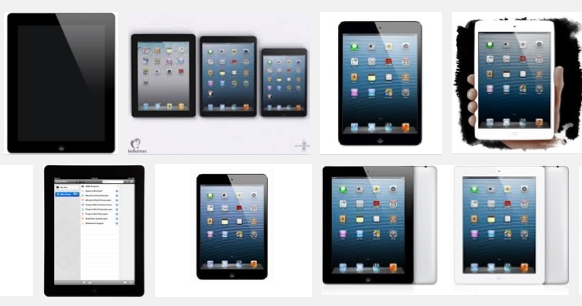
3. iPad – Again my preference here is for the iPad mini, because it is so light to hold in one hand and pass around, but still big enough and powerful enough to fulfil my storage needs and to operate without squinting (also quite a bit cheaper)


4. Reflector app – This is a key app that you download onto your laptop. It then enables you to project your iPad screen onto your computer (and so through the data projector) as it wirelessly receives signals from the iPad\’s Airplay function.


For those who aren\’t familiar with Airplay, it\’s an Apple function that allows you to use the wireless to project sound and vision from an iPhone, iPad, iTouch etc of to Apple TV. You can find more information here: Airplay

Why I like the Airplay enabled set up

  • For me this allows the best of both worlds. I can use the laptop for any software that\’s native to computer world and very quickly and wirelessly switch to the mobile environment of the iPad.
  • This set up is portable so you can use it in any room with a data projector and computer, as long as the Reflector app is installed.
  • This also has the advantage of allowing your students access to the data projector if they also have iPads, in fact the Airplay function combined with Reflector can allow your students to project onto the screen from a number of iPads simultaneously, which is great to get students showing and comparing work for the whole class to see.
  • Controlling the projection screen from the iPad means that you can move around the class and control it from wherever you are.
  • To hand control over to students you just pass them the iPad
  • You can store all your materials on your iPad and use it to do all your preparation / marking etc at home.
  • You don\’t have to fiddle with replace or try to find those awful IWB pens.
  • The iPad gives you access to the vast range and variety of apps that you just can\’t run on a computer or IWB environment. 
  • An iPad and a $12.99 app are hugely cheaper than the cost of an IWB and far more flexible.
  • You can also use the Reflector app to record screen activity so you can easily turn parts of your lessons into flipped learning or useful revision.
  • The iPad and laptop set up provides an authentic digital learning environment so digital literacies can be developed, whereas IWB software is an artificial digital environment which students will only encounter within schools.

There are of course some downsides to this arrangement. 

  • Hand writing on the iPad screen isn\’t so comfortable even with a stylus and a good whiteboard app (though if you want to try it I would recommend Bamboo Paper).
  • The Reflector app isn\’t free, but it is very cheap ($12.99) so much cheaper than an IWB.
  • This set up only works with Apple mobile products as the controller (Though you can use any laptop to install the app on), so if your students bring along Android or other devices they won\’t be able to access your projector (but they wouldn\’t on an IWB either).
  • The Reflector app runs through the wireless to connect the laptop to the iPad, so you may need to have some specific ports open if your IT manager has them closed.

If you don\’t have the choice and you already have an IWB, then that\’s fine, you could still install the Reflector app and start using an iPad too, but given the choice it\’s pretty clear. So, now hopefully I\’ll be getting asked this question a lot less often.

Do post comments and let me know what you think. I\’d also appreciate hearing about any alternative apps you may have used to connect your iPad and especially your Android tablet to the projector

Related links:

Why I don\’t want an IWB (Interactive Whiteboard)

Recently, I have been asked quite  few times about IWBs and which ones are best etc. My usual answer is \’none\’ and then I have to explain, so I thought, instead of explaining I would write this post so that I could point people towards each time they ask.

So this is my classroom set up of preference and these are the key components.


1. Data projector – I\’m not really bothered which one as long as it produces a good screen resolution (There\’s a reasonable article here on how to choose one:
How to Buy a Projector)


2. A Laptop – My preference here is for a MacBook, but I can understand why some people find that extravagant and don\’t feel they are worth the extra financial outlay. Personally, I think they are worth the extra money, because they work faster and so save time (the most valuable commodity we have) and because they are pretty durable(The Apple products I\’ve owned have lasted at least twice as long as their PC counterparts I\’ve had and are still going strong.)


3. iPad – Again my preference here is for the iPad mini, because it is so light to hold in one hand and pass around, but still big enough and powerful enough to fulfil my storage needs and to operate without squinting (also quite a bit cheaper)


4. Reflector app – This is a key app that you download onto your laptop. It then enables you to project your iPad screen onto your computer (and so through the data projector) as it wirelessly receives signals from the iPad\’s Airplay function.


For those who aren\’t familiar with Airplay, it\’s an Apple function that allows you to use the wireless to project sound and vision from an iPhone, iPad, iTouch etc of to Apple TV. You can find more information here: Airplay

Why I like the Airplay enabled set up

  • For me this allows the best of both worlds. I can use the laptop for any software that\’s native to computer world and very quickly and wirelessly switch to the mobile environment of the iPad.
  • This set up is portable so you can use it in any room with a data projector and computer, as long as the Reflector app is installed.
  • This also has the advantage of allowing your students access to the data projector if they also have iPads, in fact the Airplay function combined with Reflector can allow your students to project onto the screen from a number of iPads simultaneously, which is great to get students showing and comparing work for the whole class to see.
  • Controlling the projection screen from the iPad means that you can move around the class and control it from wherever you are.
  • To hand control over to students you just pass them the iPad
  • You can store all your materials on your iPad and use it to do all your preparation / marking etc at home.
  • You don\’t have to fiddle with replace or try to find those awful IWB pens.
  • The iPad gives you access to the vast range and variety of apps that you just can\’t run on a computer or IWB environment. 
  • An iPad and a $12.99 app are hugely cheaper than the cost of an IWB and far more flexible.
  • You can also use the Reflector app to record screen activity so you can easily turn parts of your lessons into flipped learning or useful revision.
  • The iPad and laptop set up provides an authentic digital learning environment so digital literacies can be developed, whereas IWB software is an artificial digital environment which students will only encounter within schools.

There are of course some downsides to this arrangement. 

  • Hand writing on the iPad screen isn\’t so comfortable even with a stylus and a good whiteboard app (though if you want to try it I would recommend Bamboo Paper).
  • The Reflector app isn\’t free, but it is very cheap ($12.99) so much cheaper than an IWB.
  • This set up only works with Apple mobile products as the controller (Though you can use any laptop to install the app on), so if your students bring along Android or other devices they won\’t be able to access your projector (but they wouldn\’t on an IWB either).
  • The Reflector app runs through the wireless to connect the laptop to the iPad, so you may need to have some specific ports open if your IT manager has them closed.

If you don\’t have the choice and you already have an IWB, then that\’s fine, you could still install the Reflector app and start using an iPad too, but given the choice it\’s pretty clear. So, now hopefully I\’ll be getting asked this question a lot less often.

Do post comments and let me know what you think. I\’d also appreciate hearing about any alternative apps you may have used to connect your iPad and especially your Android tablet to the projector

Related links:

Why I don\’t want an IWB (Interactive Whiteboard)

Recently, I have been asked quite  few times about IWBs and which ones are best etc. My usual answer is \’none\’ and then I have to explain, so I thought, instead of explaining I would write this post so that I could point people towards each time they ask.

So this is my classroom set up of preference and these are the key components.


1. Data projector – I\’m not really bothered which one as long as it produces a good screen resolution (There\’s a reasonable article here on how to choose one:
How to Buy a Projector)


2. A Laptop – My preference here is for a MacBook, but I can understand why some people find that extravagant and don\’t feel they are worth the extra financial outlay. Personally, I think they are worth the extra money, because they work faster and so save time (the most valuable commodity we have) and because they are pretty durable(The Apple products I\’ve owned have lasted at least twice as long as their PC counterparts I\’ve had and are still going strong.)


3. iPad – Again my preference here is for the iPad mini, because it is so light to hold in one hand and pass around, but still big enough and powerful enough to fulfil my storage needs and to operate without squinting (also quite a bit cheaper)


4. Reflector app – This is a key app that you download onto your laptop. It then enables you to project your iPad screen onto your computer (and so through the data projector) as it wirelessly receives signals from the iPad\’s Airplay function.


For those who aren\’t familiar with Airplay, it\’s an Apple function that allows you to use the wireless to project sound and vision from an iPhone, iPad, iTouch etc of to Apple TV. You can find more information here: Airplay

Why I like the Airplay enabled set up

  • For me this allows the best of both worlds. I can use the laptop for any software that\’s native to computer world and very quickly and wirelessly switch to the mobile environment of the iPad.
  • This set up is portable so you can use it in any room with a data projector and computer, as long as the Reflector app is installed.
  • This also has the advantage of allowing your students access to the data projector if they also have iPads, in fact the Airplay function combined with Reflector can allow your students to project onto the screen from a number of iPads simultaneously, which is great to get students showing and comparing work for the whole class to see.
  • Controlling the projection screen from the iPad means that you can move around the class and control it from wherever you are.
  • To hand control over to students you just pass them the iPad
  • You can store all your materials on your iPad and use it to do all your preparation / marking etc at home.
  • You don\’t have to fiddle with replace or try to find those awful IWB pens.
  • The iPad gives you access to the vast range and variety of apps that you just can\’t run on a computer or IWB environment. 
  • An iPad and a $12.99 app are hugely cheaper than the cost of an IWB and far more flexible.
  • You can also use the Reflector app to record screen activity so you can easily turn parts of your lessons into flipped learning or useful revision.
  • The iPad and laptop set up provides an authentic digital learning environment so digital literacies can be developed, whereas IWB software is an artificial digital environment which students will only encounter within schools.

There are of course some downsides to this arrangement. 

  • Hand writing on the iPad screen isn\’t so comfortable even with a stylus and a good whiteboard app (though if you want to try it I would recommend Bamboo Paper).
  • The Reflector app isn\’t free, but it is very cheap ($12.99) so much cheaper than an IWB.
  • This set up only works with Apple mobile products as the controller (Though you can use any laptop to install the app on), so if your students bring along Android or other devices they won\’t be able to access your projector (but they wouldn\’t on an IWB either).
  • The Reflector app runs through the wireless to connect the laptop to the iPad, so you may need to have some specific ports open if your IT manager has them closed.

If you don\’t have the choice and you already have an IWB, then that\’s fine, you could still install the Reflector app and start using an iPad too, but given the choice it\’s pretty clear. So, now hopefully I\’ll be getting asked this question a lot less often.

Do post comments and let me know what you think. I\’d also appreciate hearing about any alternative apps you may have used to connect your iPad and especially your Android tablet to the projector

Related links:

Ajmer Smart City is instrumental in fight against Covid-19

Ajmer Municipal Corporation (AMC), started taking proactive measure as early from 2nd March 2020, and further issued strict measures from 11th March, the day World Health Organization (WHO), declared the novel coronavirus (COVID-19) outbreak a global pandemic. AMC sets up Covid-19 War room at Nagar Nigam and is headed by the Senior Ajmer Administrative officials, Medical and Police officers to monitor the existing Covid-19 situation and take further action to reduce the spreading of Covid-19 among its citizens. War Room is also instrumental in planning and implementation of various innovative strategies in order to create awareness among its citizens for following Covid-19 precautionary steps issued by WHO and MHA:

  • Avoid close contact with people who are sick, maintain distance of 6 feet.
  • Avoid touching your eyes, nose, and mouth with unwashed hands.
  • Stay home when you are sick.
  • Cover your cough or sneeze with a tissue, then throw the tissue in the trash.
  • Clean and disinfect frequently touched objects and surfaces every day. High touch surfaces include counters, tabletops, doorknobs, bathroom fixtures, toilets, phones, keyboards, tablets, and bedside tables.
  • Wash your hands often with soap and water. In case soap and water are not readily available, use a hand sanitizer that contains at least 60% alcohol. Cover all surfaces of your hands and rub them together until they feel dry.
  • Stay out of crowded places and avoid mass gatherings
  • If surfaces are dirty, clean them. Use detergent or soap and water prior to disinfection.
  • Take your temperature if symptoms develop.
  • Don’t take your temperature within 30 minutes of exercising or after taking medications that could lower your temperature, like acetaminophen.

Key initiatives taken by Ajmer City Administration to reduce the spread of Covid-19 virus are as follows:

Public Address system (PA)- Awareness drives related to COVID-19 are being broadcast regularly using PA systems in association with fire and sanitation department of Municipal Corporation Ajmer. Regular surprise field visits are organised by City Collector and Commissioner to review the ground work and take feedback from the citizens directly.

Food and shelter: Homeless are being shifted to designated city shelter. Cooked food and essential things are provided to needy people in the selected localities. In War room, complaints are received from persons for requirement of food. Dry rashan have been distributed to needy persons after physical verification by Flying Squad Magistrates.

Use of Fire Tenders for disinfection: City fire force is using big fire tender to disinfect different locations like main roads of the city, bus stands, bus stops, railway stations, institutions, hospital campus, shops etc. small fire tenders are being used to disinfect whole city ward streets.

Government offices disinfection drive by Nigam health staff

COVID-19 Helpline number is established at city level and is monitored by war room officers. This helpline can be reached for food supply requirement, Disinfection and sanitation services.

Surveillance technologies- Real-time tracking of Disinfection and sanitation workers with GPS based technology.

Setting up quarantine facilities- Hotels and other private institutions are being acquired to Setting up quarantine facilities in the city. CORONA contact tracing of positive case is being done and persons coming in contact are being kept in quarantine centres as per guidelines

ICCC- Abhay Command and Control Center is being used by city Police and traffic department. CCTV camera footage is accessed for monitoring live traffic movement and public movement.

Movement of Migrants: RAJ COP APP is used for issuing the e-passes for inter-state and inter-city movement. Passes are approved by designated city officials for persons want to go outside of Rajasthan or persons want to come to Ajmer city. Stranded labourers of other states can also register on RAJ COVID INFO APP and e-mitra website and arrangements are being made for safe transportation of registered ones to their destinations. Pilgrims visiting Dargah Sharif Ajmer, who were held up in Ajmer due to Lock Down have been identified and have been sent to their respective places by trains and buses after medical checkup/screening and taking care of guidelines.

Solar sector has huge potential to benefit energy extensive sectors

Union Minister for MSME and Road Transport and Highways, Shri Nitin Gadkari today held meeting via video conferencing with the members of Maha Solar Sangathan to understand the opportunities in the solar energy sector.

The Minister highlighted the importance of solar energy and said that the sector has a huge potential and can help to reduce the electricity cost significantly. He further mentioned that sectors such as agriculture, warehousing etc. are energy extensive sectors and proper commercial use of solar energy such as solar water pump for irrigation and solar electricity for cold storage can contribute towards reducing power cost.

The Union Minister emphasized on the need of export enhancement along with import substitution to replace foreign imports with domestic production. He highlighted that India still imports energy efficient solar panels and encouraged the manufactures to make India self-reliant with the help of “Make in India” products.

The Minister mentioned that for providing much-needed impetus to the MSME sector to deal with the current economic instability, the government has announced several measures under Special Economic Package: Aatmanirbhar Bharat Abhiyan including collateral free automatic loan, which will allow the MSMEs to enhance working capital by 20% without providing additional collateral.

Shri Gadkari urged the industry representatives to come up with some new, innovative and economically viable business model which can be implemented in various sector such as agriculture, warehousing etc. to provide low cost sustainable energy. He said that this will not only help to reduce the cost of energy in various sector but also give the required thrust for “Make in India” initiative.

He opined that industry should focus more on innovation, entrepreneurship, science and technology, research skill and experiences to convert the knowledge into wealth.

The Minister recalled that Government of Japan has offered special package to its industries for withdrawing Japanese investments from China and move elsewhere. He said that this can be an opportunity for India to attract foreign investment in the country.

Some of the questions asked and the suggestions given included: Addition of Solar PV in the list of technology under CLCSS scheme, revision of turnover limit in the new MSME definition, subsidy on export for MSME to encourage the manufacturing and reduce import etc.

Shri Gadkari responded to the questions from representatives and assured all possible help from the government.

International Day for Biological Diversity

The National Mission for Clean Ganga (NMCG), along with the Wildlife Institute of India (WII), its project partner in the ‘Biodiversity Conservation Initiative Phase II’, celebrated World Turtle Day today, through a Webinar which was widely attended.  Shri Rajiv Ranjan Mishra, Director General, NMCG, Dr. Dhananjai Mohan, Director WII, school children, NMCG and WII team members and Ganga Praharis from the five Ganga States and Ganga Prahari mentors participated in the online celebration.

In his special message to the team on World Turtle Day, Union Minister of Jal Shakti, Shri Gajendra Singh Shekhawat said, “Biodiversity is an essential part of Indian Culture and in fact, understanding the importance of Turtles, they have been worshipped in our culture from time immemorial’. He added, “Turtles have been cleaning our water resources and they don’t charge us for doing that job. In order to conserve them and other wildlife, NMCG has taken up several initiatives including establishing conservation centers and creating public awareness about the subject.”

Information about the Ganga Quest quiz, the last date of which has been extended to 30th May 2020, was also shared with the participants in order to maximize the participation of people from different parts of the world. Shri Mishra said, ‘The Ganga Quest quiz is not only a very interesting competition but also a means to create awareness and associate people with the Ganga. I appeal to all those above the age of 10 years to take part in the Ganga Quest.’

On the occasion, winners of the World Turtle Day painting, slogan writing and essay competitions which were conducted using the online platform, were announced. Children from different parts of India and abroad participated in this online competition.

To mark the day, a Children’s story book on turtles, “Bin Vetanke Kare Safai” was released by Shri Shekhawat. This book covers facts about turtles in an interesting story-telling manner. Shri Shekhawat appreciated the innovatively written book which highlights the importance of turtles in maintaining the river ecosystem and appealed to all to contribute to conservation of turtles in our river systems.

The Webinar also saw a poster story on Interesting Facts on Turtles for Children being played. This poster story presents some interesting facts about the turtles and different threats to them.

A documentary on “Turtles of Ganga River Basin” was also showcased for the participants This documentary is made to make people aware about various type of turtles found in the Ganga River.

In his address, Shri Mishra appreciated the efforts of WII and Ganga Praharis for their active participation in making people aware about conservation of Biodiversity. He also appealed to all to come forward and join hands for the conservation of turtles and the biodiversity of the river Ganga. Dr Mohan talked about the significance of celebrating Turtle Day and the role of Ganga Praharis in their conservation.

Given that   Biodiversity Conservation  of the Ganga river basin is one of the pillars of the Namami Gange programme, the ‘International Day of Biological Diversity’ held yesterday, was celebrated  with great enthusiasm by NMCG and WII through a Webinar themed ‘Our Solutions are in Nature’. In order to increase public consciousness about its conservation, Shri Mishra, Dr. Mohan, NMCG team as well as experts from various organisations and Ganga Praharis participated in the event.

Speaking during the celebrations, DG, NMCG said, “We have to make collective efforts to support the rejuvenation of river Ganga. This is possible by making efforts to create better understanding and awareness about the connection between biodiversity and our survival. The conservation efforts have to become a Jan Aandolan”. He added that the NMCG has received substantial success in cleaning the river. “However, in order to ensure the sustainability of water quality, all of us need to make a conscious effort,” he said.

During the event, Director, WII, Dr. Mohan appealed to the Ganga Praharis, other organisations working for the conservation of biodiversity and Media organisations to undertake public awareness initiative to further save the biodiversity of the rivers. “It is easy to say that the ‘solutions lie in nature’, but we have to reduce the negative impact of our activities on nature”.

Padma Vibhushan Dr. Anil P Joshi appreciated the success of Ganga Praharis to further the awareness of biodiversity conservation in villages. He said, “More than 41% amphibian, 31% Coral and 33% fish species are now extinct. We have to take up biodiversity conservation as a very serious subject”.

Ganga Praharis from different parts of the country connected to this programme shared their experience of training in organic farming by WII Dehra Dun and its positive financial and environmental consequences.

*****

MISSION SAGAR – INS KESARI AT PORT LOUIS, MAURITIUS

As part of Mission Sagar, Indian Naval Ship Kesari entered Port Louis Mauritius on 23 May 2020. The Government of India is providing assistance to friendly foreign countries in dealing with the COVID-19 Pandemic, and towards this Indian Naval Ship Kesari is carrying COVID related essential medicines and a special consignment of Ayurvedic medicines for the people of Mauritius. 

In addition, a 14-member Specialist Medical Team comprising Indian Navy doctors and paramedics is also embarked onboard this ship, to work alongside their Mauritian counterparts and together render assistance for COIVD-19 related emergencies. The Medical Assistance Team includes among others, a Community Medicine specialist, a pulmonologist and an anesthesiologist.

An official ceremony for handing over the medicines from the Government of India to Government of Mauritius was held on 23 May 2020. Hon’ble Minister for Health, Dr Kailesh Jagutpal received the consignment on behalf of Government of Mauritius. The Indian side was represented by the High Commissioner of India to Mauritius, H.E Shri Tanmaya Lal. The minister also interacted with Commander Mukesh Tayal, Commanding Officer of Indian Naval Ship Kesari during the handing over ceremony.

         The assistance to Mauritius is a part of the Government of India outreach amidst the ongoing COVID-19 pandemic. ‘Mission Sagar’, is in consonance with the Prime Ministers vision of Security and Growth for All in the Region ‘SAGAR’. This missionhighlights the importance accorded by India to relations with the countries of the IOR and builds on the excellent relations existing between the two countries to battle the COVID-19 pandemic. The operation is being progressed in close coordination with the Ministry of External Affairs, and other agencies of the Government of India.