HOW TO CHOOSE MOST APPROPRIATE ANTIBACTERIAL CHEMOTHERAPY?

Choosing an antibacterial drug therapy can depend on various factors which are mentioned below:

BACTERIOSTATIC V/S BACTERICIDAL
Antibacterial chemotherapeutic agents can be categorized as bacteriostatic and bactericidal on the basis of their interaction with the targeted bacterial pathogens.
Bacteriostatic drugs work by inhibiting the growth of specific bacteria. Static drugs work by reversibly inhibiting the growth i.e. if the agent (drug) is removed or if its effect if over, the microorganism will get recovered and will grow again causing the same infection again.
Bactericidal drugs work by directly killing the target bacteria from the location. Cidal drugs may act as static drugs at low concenteration.

Use of any drug also depends on the immune system of the host because static drug does not completely eliminate the target bacteria. For patients with strong immune system, either static or cidal drugs can be used for curing infection while in case of immunocompromised individual, only cidal drugs are essentially required for complete removal of the bacterial infections.

SPECTRUM OF ACTIVITY
On the basis of their range or spectrum of activity, the chemotherapeutic agents can be broadly categorized into 5 different categories:

  1. Narrow spectrum antibiotics are only active against less no. of microorganisms. They target only a specific strains of bacterial pathogens, especially gram positive bacteria.
  2. Moderate spectrum antibiotics target most of the gram positive bacterial pathogens as well as most systemic, enteric and urinary tract gram negative bacterial pathogens.
  3. Narrow and moderate spectrum antibiotics are known to cover all the β-lactam antibiotics which can effectively work against gram positive and negative bacteria. Some members of this classification are only effective against gram negative while others can also kill gram positive bacteria.
  4. Broad spectrum antibiotics, as the name suggests targets a broad range of bacterial pathogens which includes almost all the prokaryotic organisms except mycobacteria and pseudomonas. They are also effective against polymicrobic infections (mixed infections caused by multiple bacterial species). It is used when other spectrum antibiotics fail to treat infections due to drug resistance. There is a risk of superinfection while using broad spectrum antibiotics.
  5. Anti-mycobacterial antibiotics are only effective against mycobacterial strains of pathogenic bacteria.

DOSAGE AND ROUTE OF ADMINISTRATION
• Dosage –
The minimum or maximum amount of drug that a patient is given is the dosage of the drug. The dosage of the particular drug needs to be determined carefully to ensure that the optimum level of that particular drug is achieved at the site of infection for the elimination of the infection without causing any toxic side effects. Therefore, the selection and standardization of dosage of a particular drug is done so that it has the minimum side effect.
• Route of administration –
It can be defined as the method by which a drug is introduced in the patient’s body. There are different ways of administration of a drug. The most preferred drugs are the one that can be administered orally because it is easier for the patients to take them even at their home without visiting the health care professionals again and again. However, it is observed that not all drugs can be absorbed from the gastro intestinal tract. E.g. Bacitracin, Polymyxin and many antifungals. These drugs may be available to the patients in the form of topical preparations so that they can be applied for the treatment of superficial skin infections.
The another condition arises when a patient is unable to take oral drug initially due to some illness like vomiting. In that condition, the drug is preferably administered through parenteral route i.e. intramuscular or intravenous injections. In general, for most of the drugs, the drug levels in plasma introduced via intravenous is higher than that of oral or intramuscular route.

POTENTIAL FOR SIDE EFFECTS
The adverse effects which are seen in the patient’s body after administration of any drug can be classified into 3 main types:

  1. PHARMACOLOGICAL SIDE EFFECTS
    These are the toxic side effects which the drug shows by damaging the infected or even healthy cells by the production of some toxic chemicals on cell surface or their interior.
  2. ALLERGIC SIDE EFFECTS
    Some drugs show the allergic reactions in the patient’s body which is due to the antigen-antibody reaction which in turn effects other cells and show some allergy.
  3. BIOLOGICAL TYPE SIDE EFFECTS
    This type of side effect is worst and it involves interference of the drug with the normal microflora of the body which is followed by either local chemical damage or superinfection.

POTENTIAL INTERACTION BETWEEN DRUGS
Most of the time, antibiotics are administered in the patient’s body as a single agent but many time it becomes necessary to take two or more drugs at a time. So, different drugs administered at a single time show some interaction among them.
The interaction may be positive or negative.
Sometimes, a synergistic or positive interaction is shown by two antibiotics when they are administered together. Some drugs show bactiostatic effect when used as a single agent but are able to show bactericidal effect when combined with other antibiotic.
On the other hand, some drugs when used together show negative effect or antagonistic effect. Antagonism can occur between two antimicrobial or between one antimicrobial and one non-antimicrobial. The antagonistic interactions thus cause toxic side effects, loss of drug activity, decreased effect of drug at the site of infection. For e.g. Penicillin and bacteriostatic drugs are antagonists of each other.
Argentina ex-president Macri charged with espionage on 400 journalists

Argentina’s Federal Intelligence Agency (AFI) has called for an investigation into former president Mauricio Macri  that he has spied on more than 400 journalists, and officials have released a document they say is evidence of the claim.

Dozens of foreign journalists, including several representing AFP, appeared on a list of people to be investigated in relation to the G20 and World Trade Organization (WTO) summits held in Buenos Aires in recent years.The complaint was lodged on Friday and the evidences were expected to be presented on Monday.

Around 100 academics, business people and prominent figures from civil society also appeared on the list.Ten of those listed were staffers or freelancers who worked for The Associated Press. Also listed were journalists for international media such as Reuters, Bloomberg, AFP and CNN.
The documents relating to the case were found in three dossiers named “2017”, “G20 Journalists” and “Miscellaneous”, in a safe in the office of the AFI’s former director of counterintelligence. Buenos Aires hosted the 11th WTO Ministerial Conference in 2017 and the 13th G20 Summit a year later.

“The investigation into the journalists was straightforward. They dug up information from social media and that way built an ideological and political profile,” said the source.

The complaint was lodged by Cristina Caamano, who has been tasked by center-left President Alberto Fernandez to carry out an audit of AFI as part of a reorganization process.

According to the complaint, the profile information included “political preferences, social media posts, sympathy for feminist groups, or political and/or cultural content among others.” The comments included whether or not “they were critical of the current government” of Macri, who held office from 2015-2019.

Other comments referred to “showing affinity for Peronism,” Fernandez’s political movement that was in opposition at the time, “supporting the government,” “asking on Facebook for the liberation of Lula,” the jailed leftist former Brazilian president who has since been released, or if they “signed a petition for legalized abortion.”

Caamano has asked for an investigation to be opened against Gustavo Arribas, the former AFI director, and his deputy Silvina Majdalani, as well as Macri as the person “responsible for setting strategic guidelines and the objectives of national intelligence policy.”

The complaint states that the background checks on journalists were “neither ordered nor authorized by any magistrate.” The foreign correspondents association hit out at Macri for the “inadmissible” investigations, while two Argentine press unions also blasted the former administration.

The dossier relating to the WTO conference was more exhaustive and included information on business people, trade unionists and social leaders, listing personal details such as salaries and wealth.

It’s not the first time Macri has been investigated for alleged spying. He is currently under investigation for spying during his presidency on political allies and opponents, including former president Cristina Kirchner and Buenos Aires mayor Horacio Rodriguez Larreta. He was also prosecuted for spying while mayor of Buenos Aires, a post he held from 2007-2015, but that case was dismissed two weeks after he assumed the presidency.

Legal authorities have opened numerous investigations into alleged corruption involving former President Cristina Fernández, who is now vice president. Those have been stalled in part by difficulties in holding hearings under pandemic restrictions.

PLASTIC AND MARINE LIFE!

For the past few decades, plastic has been an integral part of our lifestyle, from furniture to polybags. The use is not limited till here, but plastic is also used in making equipment, vehicle parts, and much more. However, plastics are likely to harm and cause destruction, the use is limited as it has caused severe harm to the undersea biodiversity. According to estimates, people around the world throw away almost four million tons of garbage every day, of which 12.8% is plastic, contaminating land, air, and water. The studies reveal that around 12.7 million tonnes of plastic waste is washed into the ocean every year.

How plastic is a threat to marine life?
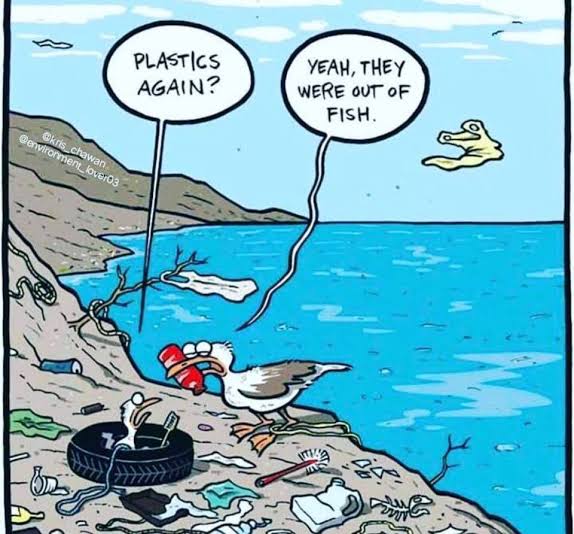
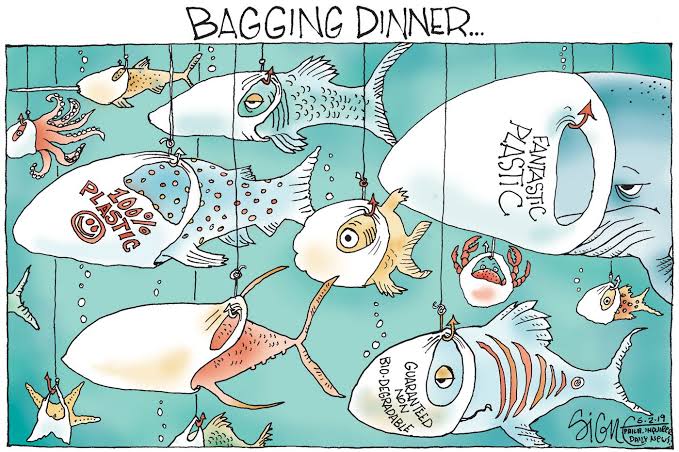
Thousands of turtles, sea birds, fishes, and other marine animals are killed every year. If the plastic pollution continues to grow, till 2050 there will be more plastic than fish beneath the water.

The phrase ‘Machli Jal ki Rani Hai’ will fade away if the plastic pollution continues resulting in the extinction of marine life. If plastic gets ingested by fishes, the toxins of plastic are entered into the food chain. Even if the fish don’t die after consuming plastic their presence on our plate is a sign of danger resulting in cancers, immune system problems, and many more health issues.
We love animals, that doesn’t mean just land animals! California, the first state to pass a statewide ban on plastic straws. In 2019, Assembly Bill 1884 was enacted by former California Gov. Jerry Brown; it prohibits sit-down eateries from automatically providing customers with plastic straws and can only be given upon request. Banning straws alone will not save our oceans as plastic straws consist of a very small percentage but at least that initiative was taken and is appreciable. Like every single drop can fill up the ocean, likewise, every small effort can bring a difference.

Result of plastics!

Face masks and safety equipment polluting seas!
“We’ve seen how glove and face mask litter in the ocean has increased considerably. Please, dispose of these items properly if you want the oceans to stay clean,” said Carmen Soto Barrera, a professional fisher in Spain’s Canary Islands, in a social media plea in late May. In the US, Maria Algarra in Miami noticed a growing number of gloves lining the street of her community. In a five-block walk around her house, she collected 52 gloves. To raise awareness about the problem, she created the #TheGloveChallenge on Instagram. Hundreds of people, from all corners of the globe, posted more than 1,000 snapshots of discarded gloves on the streets. https://www.aa.com.tr/en/environment/face-masks-latex-gloves-begin-to-trickle-into-seas/18682
46

Throwing masks in the streets, the train water will make these flow towards the river. Again this issue will affect marine life. Here as nature is healing itself after lockdown, we humans are still ruining everything just by being at residence. Though there have been no studies on what a PPE kit can harm to the marine.

India pledges to win against plastic pollution by 2020!
https://www.thebetterindia.com/144223/news-india-pledge-beat-plastic-pollution-2020-5-steps-fast-tracking-process/
Clean up drives across various public places, and many such initiatives taken by our government.

  1. Offices in Kerala switched to steel utensils reducing the use of plastics.
  2. Fishermen not just find fish but remove stuck plastics in nets.
  3. Sikkim banned packed drinking water in 2016.
  4. Using plastics for road surfacing, by Professor Rajagopalan Vasudevan.
  5. Recent proposal to introduce plastic currency to upcycling plastic waste by the
    government.

RESPONSIBLE CITIZENS OF A RESPONSIBLE NATION!

Endless blues: World’s Ocean Day.

What is it About?

World Oceans Day is a worldwide initiative by the United Nations to spread knowledge and awareness about the vast expanse of oceans on Earth. It is based on the idea of preserving the infinite number of life forms and coral reefs that are a part of the ocean and being aware of how human actions can harm their natural habitat. The principal focus of this initiative is to bring the oceans at the forefront of global environmental discussions, and plan and execute a sustainable method to save our oceans and the planet at large.

When is World Oceans Day?

We celebrate World Oceans Day on June 8, and a lot of activities at global, national and community levels are organised worldwide to observe this event.

What is the History of World Ocean Day?

World Oceans Day was first proposed by Canada’s International Centre for Ocean Development and the Ocean Institute of Canada in 1992, at the Earth Summit in Rio de Janeiro. Since 2002, the World Ocean Network has been instrumental in garnering support and organising worldwide activities on June 8. A huge network of more than 2000 organisations worldwide are invested in making sure that the ocean is protected from any damage due to technology or other human actions.

Why is World Oceans Day Important?

The composition, temperature, currents and life in the oceans drive every natural system that makes Earth habitable for humankind. Even the balance of oxygen that we breathe is primarily dependent on the ocean. The health of our oceans has become a matter of grave concern, due to the damage they have endured.

Dedicating a particular day to this cause not only helps in spreading awareness among people, but also in mobilising conscientious civic and political efforts towards addressing this global problem. Though spending just one day celebrating the oceans is not enough to bring about the changes required to conserve marine ecology, it works wonders as a starting point for people, especially young minds, to come together to take action against any damage done to ocean.

Other Important Facts About World Oceans Day

Knowing about World Oceans Day is not enough for your children to be able to grasp the whole concept of how important the ocean is for human survival. To encourage your children to celebrate our oceans and strive to make a difference, you could share some fun facts on World Oceans Day and how important the oceans are:

• 97% of Earth’s water is in the oceans, which is home to more than 200, 000 known species and millions of unidentified organisms.

• The oceans purify the air we breathe by absorbing 30% of the carbon dioxide in the air, which also helps in reducing the effects of global warming and climate change.

• Oceans are the world’s largest source of protein, and more than 2.6 billion people depend on the oceans as their primary source of protein.

• 40% of the oceans of the world are today affected by human actions causing pollution, depletion of fisheries, loss of coral reefs and endangerment of marine species. Seven out of the 13 great whale species are endangered today.

•13, 000, 000 tonnes of plastic leak into the ocean water each year. It has been predicted that there will be more plastic than fish in the ocean by 2050. Over 100, 000 marine wildlife animals are killed each year due to plastic contamination of the oceans.

• Each year a new theme is assigned to this day to cover different aspects of marine life and human dependency on oceans. In 2020, the celebratory theme on World Oceans Day is “Gender and The Ocean”, which emphasises the harm that gender disparity can bring to our oceans.

• The President of UN General Assembly has launched a global campaign “Play It Out”, against the use of plastic.

• Marine Protected Areas have been chalked out as an initiative to protect the oceans from illegal fishing.

• Jellyfish as a species is older than dinosaurs and has been on this earth for more than 650, 000 years.

• 75% of the world’s volcanoes are located under the Pacific Ocean around Ring of Fire, the largest zone of active volcanoes.

World Ocean Days Activities for Kids

It doesn’t matter how small their hands are, children can drive this movement and even inspire adults to participate. Here are a few activities that your kids can organise on World Oceans Day:

  1. Clean-up Drive

Invite all the children in the neighbourhood to the beach or any water body close by to clean the area. This will help them to understand how much litter ends up in the oceans through different waterways polluting the habitat of marine life.

  1. Ocean Themed Programme

An ocean theme-based arts and crafts competition can attract a lot of attention from children of all ages. You can engage kids in a drawing competition and then display their creative works. You can even inspire a few young writers to submit stories and poems based on marine life.

  1. Ocean Hunt

Treasure hunts are an intriguing way to engage children. Keeping the spirit of World Oceans Day, you can organise an ocean hunt by creating puzzles around facts from the oceanic world, leading to prizes like ornaments made out of sea-shells, passes to any nearby aquarium, books with interesting facts about the ocean, etc.

  1. Storytelling Competition

It is safe to say that all kids love stories, especially when they get to be the judge of who is the best storyteller. Engage the adults around and encourage them to bring in their theatrical talents to entice the kids with amazing storytelling skills. You can always use the sounds of the waves or wild animals from the ocean to enhance your performance.

5.Let the Kids Instruct

No child will say no to an opportunity to give some sound advice to his/her parents. Ask the children to make a list of human actions that harm our oceans and come up with instructional ideas to preserve them. Organise a session with all the adults, where the kids present their points of view on how to keep our oceans and planet safe.

History behind World brain Tumor day:June 8

June 8 2020 is also observed as World Brain Tumor Day apart from World Ocean Day which was intiated by a non profit organization in Germany called Deutsche Hirntumorhilfe in German.

They are providing facilities for scientists and health professionals to develop efficient treatment of Brain tumor. They also provide support to the Brain tumor patients and their families.

Apart from the tribute given, This day is also observed as international day to provide awareness about the disorder and spread information on it.

A Tumor is basically the abnormal growth of cells. This can be broadly decided into two Benign (non-cancerous) and Malignant (cancerous). Malignant tumor can be again divided into primary originating from Brain Or spine where as secondary are those cancer that spread from elsewhere in the body to the Brain. This secondary is more common than primary.

Causes and major risk factors:

The exact cause of brain cancer is unknown. However, factors that can increase your risk of brain cancer include exposure to high doses of ionizing radiation and a family history of brain cancer.

Cancer in other part of the body is also a risk factor. Major cancers that spread to Brain are:

  • Lung cancer
  • Breast cancer
  • Kidney cancer
  • Bladder cancer
  • Melanoma

Other factors are:

  • increased age
  • long-term smoking
  • exposure to pesticides, herbicides, and fertilizer
  • working with elements that can cause cancer, such as lead, plastic, rubber, petroleum, and some textiles
  • having an Epstein-Barr virus infection, or mononucleosis

Symptoms

Symptoms that arises due to increased pressure inside the skull. They are:

Severe head ache associated with nausea and vomiting, blurring or dimmed vision, excessive sleepiness, loss of memory, seizures.

Symptoms that are arise due to location of tumor. They are:

Weakiness of one side of body, hearing loss, visual blindness, facial deviation, slurring of speech.

Diagnosis method

CT scan or MRI scanning of the brain. Further diagnosis can be done by PET scan or angiography.

Treatment

Surgery is the main treatment. Modern micro surgical methods and aids such as neuro navigation and intra op imaging have made surgery safe and effective.

Other modalities such as Gamma knife/stereotaxis radiosurgery, radiation therapy and chemotherapy may be used alone or in combination

Prognosis

Brain tumor is considered as incurable disease but if given proper treatment it gives good outcome and patients are able to go to their normal lives.

Conclusion

Brain tumor can give good outcome when diagnosed and treated early. It may lead to severe mental, physical and financial burden to the patient and family. One should consult the best doctor and get adequate treatment. More public awareness need to be given to reduce panic.

Indian Navy Commences evacuation of citizens from Islamic Republic of Iran – “SAMUDRA SETU”

Indian Navy had launched Operation Samudra Setu to repatriate Indian citizens commencing 08 May 2020. Indian Naval ships Jalashwa and Magar have already evacuated 2874 personnel from Maldives and Sri Lanka to ports of Kochi and Tuticorin.

In the next phase of Samudra Setu, Indian Naval Ship Shardul will evacuate Indian citizens on 08 June 2020 from the port of Bandar Abbas, Islamic Republic of Iran, to Porbandar, Gujarat. The Indian Mission in Islamic Republic of Iran is preparing a list of Indian citizens to be evacuated and will facilitate their embarkation after requisite medical screening.

COVID-related social distancing norms have been catered onboard INS Shardul and the ship has been specially provisioned for the evacuation operation, including embarkation of additional medical staff, doctors, hygienists, nutritionists, medical stores, rations, personal protective equipment, face-masks, lifesaving gear etc. In addition to authorised medical outfit, medical equipment specific to dealing with COVID-19 including innovative products developed by the Indian Navy during the ongoing COVID-19 crisis is also being carried onboard.

The evacuated personnel would be provided the basic amenities and medical facilities whilst undertaking the sea-passage to Porbandar. Special isolation compartments have also been earmarked for any contingencies. In view of the unique challenges associated with COVID-19 including asymptomatic carriers, stringent protocols are being stipulated during the passage.

After disembarkation at Porbandar, the evacuated personnel will be entrusted to the care of State authorities.

Human Rights in the Digital Age

Our digitally connected world poses serious challenges to human rights. Mobile connectivity and internet use, low-cost and fast computing systems, and rapid AI advances have on one hand, provided new opportunities. But, on the other hand, they present unique challenges to the protections of core human rights.

Budding technologies like Al have massive potential to divide societies, violate privacy and provoke prejudice, extremism, racism, hatred, and violence across the globe in a short span of time. Breaches of data safety protocols and social media campaigns can create opportunities for blackmail and influence political processes. Defenders of human rights and democracy need to discourse these challenges as priority.

[1]Focusing on human rights in the digital age is key. Data collection has already begun on an industrial scale. States, political parties, various organizations and, in particular, businesses hold remarkably detailed and powerful information about us. More and more aspects of our lives are being digitally tracked, stored, used – and misused.

Digital technology already brings many benefits. Its value for human rights and development is huge. We can connect and communicate around the globe as never before. We can empower, inform and investigate. We can use encrypted communications, satellite imagery and data streams to directly defend and promote human rights. We can even use artificial intelligence to predict and eradicate human rights violations.

There is an urgent need to scrutinize the international treaties and conventions that codify human rights to provide strong policy guidelines regarding international cooperation for the protection of human rights in the digital age.

International courts, tribunals, and national courts, for example, should interpret international human rights conventions and national fundamental rights laws to simplify duty of care, refine the right to privacy, and freedom of speech, religious freedom, and association in the digital context. The vulnerability of women and children need instant attention. Women experience a higher level of online harassment than men. Children are more exposed to online persecution and sexual exploitation than adults. So, privacy protection rules should be made specifically for women and children. There should be detailed design and data consent standards for online services. The Age Appropriate Design Code announced by the UK in 2019 and American Children’s Online Privacy Protection Rule of 2013, for example, prescribe such standards for digital services.

Nonetheless we cannot ignore the dark side, the digital revolution is a major global human rights issue. Its unquestionable benefits do not cancel out its unmistakable risks. We should not feel overwhelmed by the scale or pace of digital development and do need to understand the risks associated with it.

[2]A lot of our attention is rightly focused on challenges to freedom of expression online and inciting hatred and violence. Online harassment, trolling campaigns and intimidation have polluted parts of the internet and pose very real off-line threats, with a disproportionate impact on women. In the most deadly case, social media posts targeted the Rohingya community in Myanmar in the run-up to the mass killings and rapes in 2017. Human rights investigators found that Facebook – and its algorithmically driven news feed – had helped spread hate speech

and incited violence.

These grave violations of human rights leave no room for doubt. Threats, intimidation, and cyber-bullying on the internet lead to real world targeting, harassment, violence and murder, even to alleged genocide and ethnic cleansing. Failure to take action will result in further shrinking of civic space, decreased participation, enhanced discrimination, and a continuing risk of lethal consequences – in particular for women, minorities and migrants, for anyone seen as “other”. But over-reaction by regulators to rein in speech and use of the online space is also a critical human rights issue. Dozens of countries are limiting what people can access, curbing free speech and political activity, often under the pretence of fighting hate or extremism. Internet shutdowns seem to have become a common tool to stifle legitimate debate, dissent and protests. The NGO Access Now counted 196 shutdowns in 25 states in 2018, almost three times the number (75)  as per the statistics recorded in 2016.


Some States are deliberately tarnishing the reputations of human rights defenders and civil society groups by posting false information about them or orchestrating harassment campaigns. Others are using digital surveillance tools to track down and target rights defenders and other people perceived as critics. Digital technologies have put privacy at risk. AI has enormously improved the possibility of electronic surveillance and interception. Thus, authentic national security and business interests need to be balanced against a basic right to privacy. How can the latter be ensured without undermining the former? International agencies like the United Nations should help state parties negotiate and enforce data-protection treaties and laws to ensure that governments, non-state actors, and companies cannot misuse the personal information of their citizens.

[3]Reportedly, the 2016 US presidential election and Brexit were shaped by spiteful use of digital technology. It is completely possible that powerful countries and multinational corporations will employ AI to raid the economy of the under-developed countries and weaken their national security. In view of the increasing misappropriation of digital technology in economic and political affairs, the developing countries, in particular, need to raise a voice at regional and international forums for an effective mechanism of collaboration and safety of the developing world.

[4]The UN, state governments, social media networks, and private business must guarantee that digital technology is working for the welfare of humanity in a transparent and accountable manner. AI systems must follow stringent ethical standards. It is becoming evident that AI can be used to create discrimination as prejudices can be fed into algorithms to produce a specific pattern or result. For example, the Artificial Intelligence can be misused to decide who is eligible for a particular job or permitted for a pertinent public service such as housing loan or healthcare. Therefore, there are constant global efforts to make AI developers subject to law and ethical values.

Those who progress and employ Al for political or business or war purposes must be held responsible for their actions. People are legally responsible for their actions under all legal systems. So, those who design, develop, adapt or deploy AI must also be held answerable for the consequences of their decisions. The legal responsibility of these actions becomes more critical when lethal autonomous weapons systems are used in striking violation of international human rights and humanitarian law. The UN secretary-general emphasized in 2018 that “machines with the power and will to take lives without human involvement are politically unacceptable, morally objectionable and should be prohibited by international law”.

[5]As we live in an age of digital interconnectedness, governments, human rights defenders, citizens and AI companies should work together to boost digital cooperation for the protection of human rights. Common human values like equality before law, dignity, privacy, freedom, inclusiveness, respect, and sustainability should be preserved. These human values must serve as a guiding light to our conduct in the digital age.

So while our notions of privacy are developing along with social media and data-capturing technology, we also need to identify that it’s not “just privacy” that is affected by the digitization of everything. The exercise of all fundamental freedoms is diluted when governments utilize new capacities that flow from digitization without regard for human rights. Furthermore, by engaging in tactics that weaken digital security for individuals, for networks and for data, governments trigger and further inspire a hackers race to the bottom. Practices that weaken digital security will be learned and followed by other governments and non-state actors, and ultimately undermine security for critical infrastructure, as well as individuals users everywhere. Defending and improving digital security for individuals, for data, for networks, and for critical infrastructure must be seen as a priority for national and global security.

There is already an urgent need for governments, social media platforms and other businesses to protect the fundamental pillars of democratic society, rule of law, and the full range of our rights on line: a need for oversight, accountability and responsibility. As the digital frontiers expand, one of our greatest challenges as a human rights community will be to help companies and societies to implement the international human rights framework in the land we have not yet reached. This includes clear guidance on responsibilities of business as well as the obligations of states.

At its best, the digital revolution will empower, connect, inform and save lives. At its worst, it will disempower, disconnect, misinform and cost lives.


[1] Robin Blom. Naming Crime Suspects in the News. Media Law, Ethics, and Policy in the Digital Age, pages 207-225.

[2] Katharine Sarikakis, Izabela Korbiel, Wagner Piassaroli Mantovaneli. (2018) Social control and the institutionalization of human rights as an ethical framework for media and ICT corporations. Journal of Information, Communication and Ethics in Society 16:3, pages 275-289.

[3] Robin Blom. 2020. Naming Crime Suspects in the News. Media Controversy, pages 354-372.

[4] Stephen Cory Robinson. (2015) The Good, the Bad, and the Ugly: Applying Rawlsian Ethics in Data Mining MarketingJournal of Media Ethics 30:1, pages 19-30.

[5] Corinne Cath. 2019. Internet Governance and Human Rights: A Literature Review. The 2018 Yearbook of the Digital Ethics Lab, pages 105-132.

paranoia- (an outcome of social anxiety)

Paranoid, something we all have  don’t we. OK I will tell you simply what Paranoia is. like is also some people what they call is the certain gut feeling that they have. Will obviously it’s good feeling but to put it nicely is the paranoid that we all have.

people pointing those sword like fingers to you give out social anxiety acceptance is what we need.


now being paranoid is nothing to be very simple about. Like being paranoid is so normal I’ll give you a normal life stunts. If I am showered already to live somewhere in hurry I would always feel Paranoia crumbling like did I take my watch, did I take the vegetable off the bed, did I wear my perfume, did I take my Wi-Fi router, is my eye liner on., I hope my hair is not filled up already, did I take my glasses and so on and so forth.
ignoring all the girl’s regular problems mentioned above, so that’s how paranoid I get.
paranoia is nothing but heavy form of social anxiety. Now social anxiety something bigger and more complex than the above mentioned that feeling and Paranoia.
Social anxiety is something the”my generation”would get you know. Our parents are hurt telling why do you need those Dang your phones are the headphones (my mum hates my headphones and whenever I am working with my ear buds on …my dad would slightly remove one side of the ear bud off my ear, funny I know )
well when we walk or a working or a simple as working in the kitchen with their phones on it is all social anxiety. Have you ever done this like your in a lecture break and you are hungry you eat an apple and after finishing the Apple you freeze in a seat in the image of you just walking in front of the entire class gives you shivers. I mean come on it happens with me.
when I am walking down the crowded Street intentionally wear a cap and nice pair of sunglasses with my earphones on as well as the only reason is social anxiety.
so that is how social anxiety and Paranoia is related like we just go outside and social anxiety develops because the people around as a solar charging that we get the Paranoia of us being so perfect in our own bodies.
we can all overcome this if the people around us become more accepting. People with anxiety don’t have a train of thought. We have seen trains on 4 tracks that narrowly avoid each other when paths cross and all the conductors are screaming well that is me.

from the outside looking in its hard to understand,from the inside looking inside its hard to explain.

“Understanding Our Oceans”

Human and it’s bonding with nature has helped him to understand various aspects and secrets hidden in it. Nature has some how been more powerful than the abilities of man and has tested his patience at regular intervals. But our environment has most oftenly provided with the resources which has helped the dynasties to follow up. Human has been moving to places since ages in search of better good and cleaner water to drink. And water being one of the most essential item for the survival has not let itself down, instead has helped human in anyway it could be it as a thirst remover or helping out with food to eat.

On the occasion of “Ocean Day” Which is usually celebrated every year on “8th of June”, we will acknowledge how benefitted we are by these water resource, how are these getting affected day by day and what initial steps can we take to save it and help remain it clean.

Oceans and other water resources have often helped humans to survive either helping through drinking source or travelling or even providing food in hard times. But other than this:

1.These have been a greater source of oxygen generators and helping out in dumping the emissions of carbon dioxide. Thus helps in maintaining the adequate oxygen level for all living beings to live.

2.Moreover it also helps to maintain the temperature of the earth or in simple words it helps in regulating the climate conditions and helps in maintaining a balance of hot and cold environment around the globe.

3.But one of the greatest benefit to human is that oceans and areas near oceans or sea are a good place to enjoy holidays or weekends and trips. It not only freshes the mood of individuals but also gives them a close touch to nature and it’s essence of calmness. People usually perform various water activities, like jet skiing, under water Coral visit, sometimes even swimming also and alot more.

4.Other than all these, it is a good source of sea food generation and people widely invest in eating these cuisine. And many more benefits of it.

But in today’s era, we humans are not really taking care of these resources and rather are deteriorating the quality of these, which truely is affecting oceans, life in it and therefore ourselves also. So the major things which are deteriorating the quality are:

1.Throwing of plastic and things made of plastic in it.

2.Releasing out wastage of the cities or nearby areas into it.

3. Melting of glaciers , leading to rise of water levels and thus a major threat to cities around these oceans. This is due to increasing temperature of earth due to emissions of carbon content.

4.And a lot many things which are making these resources dangerous.

But what can be done and initials steps can be taken to protect these very important resources from getting degraded:

1. The prior is to limit the usage of plastic and things made of it.

2. Cleaning of beach, so that the waste around it does not get mixed up in the ocean when the waves come by.

3.Limit the carbon content being released in the atmosphere every day, by shifting to sustainable form of energy and reducing the use of energy sources emitting these harmful gases.

4.During having a tour around the ocean, never threw any waste out in these pure resources.

5. Understand the importance of marine life and also these oceans and thus aware yourself and others around you to protect these resources.

So the reason to celebrate Ocean day is to aware every one about the importance of these essential component of our earth and showcase how these resources play an essential role in our day to day life and this is surely a way to thank these and make sure to protect them from any kind of mistreatment.

But what people usually do on ocean day. The activities mainly include:

1.People conduct and connect with various awareness campaigns for protecting this resource.

2. Most people conduct clean up drives, which are mainly concentrated on collection of waste around the beaches and also in the oceans and make sure these remain cleaner.

3.Most people also prefer not to eat sea food on this day.

4.Spend times with their family in the evening discussing about the importance of this resources and key steps to help it remain cleaner.

So the key aspect of “Ocean Day” is to understand the importance of water, how it is an essential component for our survival and how can we help it remain clean and pollution free . But the key point to focus is, the care of oceans or any other water resource must not remain focused on these specific days only and rather much be worked on for each and every day in the calendar and thus protect our earth from

Clarity in confusion

If there is no clarity in confusion then there should be no confusion in clarity. If it is not clear that doesn’t mean it is not clear that meant to confuse you to make it appear as a confusion.If you think it as a confusion it definitely becomes as a confusion because they make it appear look like confusion and tend to make you confuse the clarity that you have about the confusion.There should be clarity in confusion which no longer makes confusion as confusion and make us clear about the confusion.

“Confuse the confusion so that the confusion becomes clarity.” If confusion can no longer confuse your confusion then there will be a chance to clear the confusion. If we aren’t clear about something there will be a large chance to be confused because there is no clarity. If we have a clarity then there will be no chance to get confused. If we get confused then there are chances to get clarity. If we don’t confuse over confusion,we can get clarity over confusion and can make confusion in clarity into clarity of confusion.

Confusion of confusion will definitely confuse the confusion and make us path of clarity disappear. The confusion replicates before the clarity comes into play. That makes clarity to get confused and try to make confusion as clarity and clarity as confusion and make confusion look so confused to know what confusion is. In order to stop it we need to get clarity before the confusion turns into confusion of confusion. For that try to confuse the confusion so that it gets confused and gets clarity because the confusion is in confusion and gets clarity over confusion by thinking clarity as confusion.

If we are clear about confusion then we can clear the confusion with the confusion itself. For that we should get clarity about confusion. To get clarity about confusion we should know about confusion and become confusion. If we try to confuse the confusion by becoming confusion it definitely doubts about confusion and try to get the clarity about it and in order to make it happen, it becomes as a clarity in the process. This is how we turn confusion into clarity by having clarity in confusion.

Confusion appears to confuse you and when we realise the fact that it just appears to do so and when we try to make what it is making us to feel then we can create the appearance of confusion. No one can create the confusion because it is not real. Confusion is just an illusion of clarity.No one gets confused, it’s only the lack of clariry which makes confusion. If confusion is clear then there is no confusion. If we have clarity over clarity then there is no need to have clarity over confusion because confusion never comes into the play.

If you are confused with the clarity that I gave on confusion then definitely you should follow the steps that I mentioned in order to get clarity in confusion.

Unending Deadlines

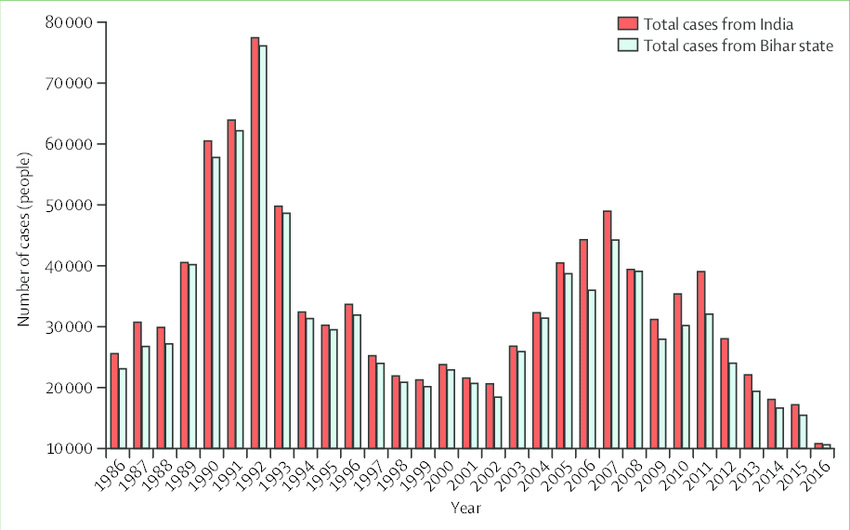
Visceral Leishmaniasis also called Kala Azar in the Indian Subcontinent is yet to be eradicated, Visceral leishmaniasis is caused by deadly protozoan parasite genus Leishmania. This deadly disease is characterized by anemia, weight loss, splenomegaly, irregular bouts of fever, hepatomegaly. This deadly disease is epidemic in more than 80 countries however the majority of the cases are reported from six countries that include: India, Brazil, Ethiopia, South Sudan, Somalia and, Sudan. All over the World, the estimated number of cases is around 2,00,000- 4,00,000 and around 40,000 deaths occur all over the globe. In India, Visceral Leishmaniasis is a pure anthroponotic and parasite that are spread to humans by the bite of an infected female sand fly species Phlebotomus argentipes. India alone accounts for 2/3rd of the global gases of which the state of Bihar alone has 50% of the cases and 61.1% of the Cases in India are from Bihar. Kala Azar is a public health problem in Bihar and in 2015 Government of India entrusted ICMR-Rajendra Memorial Research Institute of Medical Sciences, Patna, to implement an integrated control strategy for achieving the Visceral Leishmaniasis elimination target.

India and Kala-Azar

The Indian Government initiated the Visceral Leishmaniasis program in 1990-1991. In 2005 under WHO and including other countries of Nepal and Bangladesh developed a strategic framework in eliminating Visceral Leishmaniasis as a Public Health problem by 2015, but was later postponed to 2017 and again in 2020 and it is expected that this will be postponed again and in 2002 the Government launched the National Health Policy to eliminate Visceral Leishmaniasis in the region by 2010. India’s Kala-azar surveillance system is shaky and is not proper in detecting the hotspot areas and in providing the health workers with accurate information about the disease. There are some areas where the reach of health workers is negligible and the government needs to take the required steps to eradicate this problem.

The Government needs to :

A. Detect the disease early and provide early treatment for Kala-azar.

B. The government should have effective Survillenance of the diseases.

In India, the spraying of or Indoor residual spraying (IRS) with dichlorodiphenyltrichloroethane (DDT) was mandated and is being used regularly since 1976. Mostly Kala-azar is confined mostly confined to this states Bihar, Jharkhand, Uttar Pradesh, and West Bengal.

Therefore, are possible chances of controlling the Kala-azar and even have a chance to eliminate it from our country. The scientific feasibility of the elimination strategy is formulated based on the epidemiological vulnerability and how the effectiveness and feasibility of intervention are done and how the numbers are being reduced. However, after several efforts taken from different government and non-governmental organizations, Visceral leishmaniasis is still endemic in the 458 poorest blocks of Bihar. A few Visceral leishmaniasis infected blocks have persistently remained highly endemic for several years and there are no signs of improvement in certain areas regardless of the work done. The Visceral leishmaniasis -vector control program in Bihar has suffered from several problems such as the improper implementation of control strategies, weak monitoring and supervision systems, lack of technological involvement, lack of awareness activities about the program, delay in the diagnosis and treatment of infected patients, and the injudicious application of IRS. Therefore, the implementation of all control strategies in an effective way is a very big and huge task to achieve the Visceral leishmaniasis elimination target in Bihar and India overall.

ACCORDING TO WHO:

Visceral leishmaniasis is the main form of the disease in this Region, also endemic for cutaneous leishmaniasis. The region is the only one with an initiative to eliminate visceral leishmaniasis as a public health problem by 2020. In 2018, the Region observed fewer than 5,000 cases – its the lowest number on record.. The Region is poised to achieve this target, with countries aiming to have WHO validate elimination by 2023.

Why Business Students Need Data Analysis Skills

While you’re working — or playing — online, every transaction, mobile download or click you make becomes a data point. It’s no surprise, then, that businesses are keeping track of that data so that they can understand their customers better.
But many businesses lack the time and the resources necessary to understand the vast amounts of data that they collect. That’s a real problem, since those numbers could provide valuable insight into how well an organization is meeting its business goals.
Here are three reasons why it’s important for business students to develop strong data analysis skills:
  1. All businesses collect data. Whether you own your own business or work for a large corporation, you’ll need to understand the fundamentals of data collection and analysis. Data serves an important function in many parts of a business, including marketing, accounting, sales and customer service. It’s important for you to understand not only how data is compiled, but also its value in helping your company meet its goals.
  2. Businesses use data to make better decisions. Data-driven insights can inform important business decisions, such as when to launch a new product or how to improve the bottom line. Tracking sales trends helps businesses understand their customers’ buying behavior and is usually used to inform marketing strategy. Cost and revenue analysis can help you determine where your organization can improve productivity and become more profitable. No matter what type of organization you work for, developing and implementing a data strategy is often essential for business success.
  3. Proficiency as an analyst can advance your career. Successful data analysis requires attention to detail and critical thinking—two skills that are highly valued by employers. In fact, data analysis is quickly becoming another core competency required for many entry-level jobs. Exceptional data analysis skills are extremely important for digital marketers and business analysts and can help you advance to leadership and management roles within your organization.
From finance to marketing, data analysis is an essential practice for any type of business. By having good data analysis skills, you’ll differentiate yourself from other job candidates and help bring valuable insights to your organization.

HOW TO WALK CONFIDENTLY

Everyone like those guys who are great at conversations, the content of conversations is only about 10 — 20%. Everything else is body language and appearance. That’s why I will reveal how to walk with confidence. How to make the first impression on someone that they start perceiving you as an alpha male. Everybody likes a person who walks with self-confidence, because that way they feel more confident as well. Being playful, charming or naturally charismatic works wonders in attracting gorgeous women.

But for those things to work, you need to work hard That’s why I’m going to offer you 5 tips to form your WALK high-status:

1. among the most important mistakes guys do when they’re walking is that they look down all the time… They’re taking note of music and that they don’t even notice it, but on a subconscious level, this is often saying to people around you that you’re not having your shit straight. Your life sucks. It shows that either something awful happened to you, or you’re just generally unhappy, and NO girl wants to affect that. So… Look Up It sounds simple and super easy, but you’ll need to unlearn the bad habits, and then practice the new habits…

2. Shoulders back: this is often like an extension to the point. Basically, if you’re walking together with your shoulders front, it comes naturally that you simply walk like an old man and appearance down all the time. BUT if you set your shoulders back and you prop your chest just a touch bit as you walk, you get an entire another impression.

3. Do not keep your hands in your pockets it makes you look guarded closed off and you don’t seem confident.

4. Slight movement of upper torso This for many people comes naturally at the gym, but they’re not doing it when they’re walking… But basically, as you walk slowly, you usually want your upper torso and shoulders slightly swinging front and back… It’s like upper a part of your body is that one part and below waist is the other part… So when you’re walking, you would like those two parts to maneuver separately but not move an excessive amount of within it… Look how James Bond’s naturally moving his shoulders as he walks… It makes him look important… High-status… It’s like he’s showing off just for a bit… Now, this is much more basic than anything else I’ve told you, but I want you to pay attention to your torso because doing this moderately is very attractive to women… Now, as you practice this, EXAGGERATED… and accept the very fact that you’re going to look dumb ahead of the mirror, but once you play peacock ahead of the mirror, it easier and sooner comes naturally…. The next one is an old-time standard…

5. Walk your pace: Nowadays, there’s this trend that the more fast you walk, the more productive you are feeling , but with attraction, it’s just the other . The faster you walk, the more you appear to be you’re not on the top of things of your life. So, watch Marlon Brando walk. He’s got his smirk, he’s got his hands… and he walks very slow. Same for James Bond… Or every other status character. They all walk their own pace, which is typically just slightly slower than usual, because that creates them seem more important…

Why are cats the best pets in the world?

To start off the appearance of cats are much attractive than any other pets, they are less likely to cause trouble and they are less expensive as Compared to the other pets and also require less maintenance. If you have kids the best option to have a pet would be a cat as they show love and affection towards the People and also sleep alot. They are also very joyful and always in a playful mood. Also to keep in mind the life expectancy of pets, humans tend to get attached to their pets and in the case of cats when one gets attached they hope that the pet lives on to the very next level with them and the life expectancy of cats tends to be 15 years. Also keeping in mind that it is easy to Control cats as Compared to any other pets. Cats also tend to develop the same emotional relationship with the owner as the owner has with the per according to a recent study. It is also said that if you set your cat on a loose somewhere far those pets still return to us this shows their love, affection, attachment and loyalty of cats. It is easy to travel with a pet cat and or move anywhere in the neighborhood as they are non violent, easy to handle and supportive. They tend to adopt to the environment and are less likely to misbehave. It has been proven that playing with a cat on a regular basis reduces the threat of heart stroke and reduces depression and anxiety among kids. They also sleep for 12 to 16 hours a day,which means when they are awake they are absolutely active and playful. Cats are the best of the option to choose when starting a family or when you have children around the corner.