Chocolate and its Evolution

Chocolate is a sweet brown food preparation of roasted and ground cacao
seeds that is made in the form of liquid, paste or in a block or used as a flavoring ingredient in other foods .The word ‘Chocolate’ is the Aztec word, ‘Xocolatl’, which means ‘Bitter Water’.Theobroma cacao is the scientific name of the tropical tree that bears the fruit whose name means the ‘food of he gods’.

The Brief history behind chocoloate

Before the 16th century chocolate existed in mesoamerica. The first
people to use chocolate were probably known as Olmec of what is today southeast Mexico. They lived in the area around 1000 BC where the cacao trees grew
wild. It is not yet known if the Olmecs actually used chocolate.However the Maya who inhabited the same general area a thousand years later did use chocolate. The Mayans used the cacao beans as currency. Even after
counterfeits were made by carving clay, the beans were still used as currency in parts of Latin America until the 19th century. The Mayans also used chocolate in religious rituals. They were also
used in marriage ceremonies and baptism. They even had a cacao god. But the Mayans prepared chocolate strictly for drinking. Only the rich
could afford this luxury. Emperors were often buried with jars of chocolate at their side.After the Aztecs overthrew the Mayas they kept the chocolate tradition
alive. The Aztecs dominated the region and continued using cacao as currency. Soon after the Spanish conquest of the Aztecs, chocolate was imported to Europe.

How did chocolate become so popular?

The Spanish initially did not like the bitter taste of chocolate but imported it back
to Europe. It was therefore initially used as medicine to cure abdominal pain . By the 1590s chocolate was mixed with honey, vanilla, and sugar, giving it a much
sweeter taste. Initially chocolate was considered sinful by some members of the church as some
drank it to divert themselves from a long service. This changed as the elite and
noblemen supported its consumption. However chocolate always remained a drink.
After the introduction of industrialization, entrepreneurs began experimenting
with different machinery to facilitate the process of separating cacao butter from
cacao seeds. Soon cacao powder was produced and chocolate now became more mass
produced. However it was still a product for the upper class.

Who first invented chocolate

The creation of the first modern chocolate was by Joseph Fry who
discovered in 1847 that he could make a mold able chocolate paste by
adding melted cacao butter into Dutch cacao.It was by 1868 a little company called Cadbury was marketing boxes
of chocolate candies in England. Milk chocolate hit the market a few
years later pioneered by another name – Nestle. By the 19th century chocolate became a mass produced.

Types of chocolates

Chocolate Liquor : Its referred to as unsweetened chocolate and is the
base of all types of chocolate. This thick dark brown paste is created from
cacao nibs, the inside of the cacao beans. Despite the name it doesn’t
contain alcohol.
● White chocolate : It is made by combining sugar, cacao butter, milk,
vanilla, and an emulsifier (lecithin).
● Milk chocolate : It is made by combining chocolate liquor, sugar and milk.
Sometimes emulsifiers are added for smoothness.
● Dark chocolate : It is referred to as black or semisweet and made of
chocolate liquor and sugar.
● Bittersweet chocolate : It is often referred to as extra dark chocolate.
● Ruby chocolate : This chocolate has a hot-pink hue as it derives colour
from a specific type of cacao. It gives a taste of fruitiness and sour taste.
How to prepare for college?

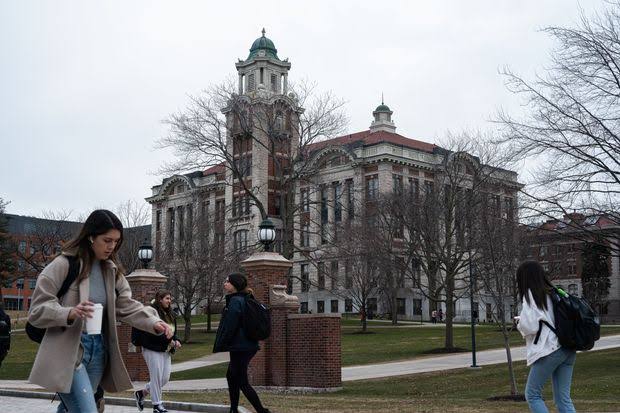
Change is the only constant in life. When we leave our teenage years behind, we go through some drastic life changes. For attending college, we may leave our homes, part with our friends, graduate from the school we grew up in and settle in a new, unfamiliar place. Adapting to these big changes is not easy, initially, we feel home-sick, may get into bad habits, have trouble making new friends, or even studying. Here are some things you can do to make your college life easier:

• Learning basic skills

At homes, we are used to being pampered and don’t have to do much around the house. From cooking to laundry, most of us teenagers rely on our parents, guardians or housemaids. This proves a tough challenge in college life. We have some time on our hands due to the global pandemic and we should utilise it to learn basic life skills. Learning how to cook and clean will help us greatly not only during our college years but after that as well. 

• Handling finance

Money, the most wanted paper in the world, but it’s never a part of our school’s curriculum. Until the age of 18, I never managed any sort of finance, be it my uber rides or school canteen bills. Immediately after, we are expected to operate ATMs, save money, have our own bank account and handle it while managing our studied and maintaining our social life. As learning about finance is one of the most important life skills, we should not wait till college. Familiarising with fiscal concepts such as expenditures and savings, utilising student benefits, et cetera is of extreme importance. 

• Being analytical 

In school, the approach for teaching students is different from college. College is more about learning through analysis, there is no one book we have to read or a well-defined course we have to follow. While referring to multiple sources, we have to practice an analytical approach when we answer. In college assignments, we may be asked to give our opinion on a topic or observe and write about a relevant movie or book. For this, we need to broaden our minds and get ready to learn. 

• Learning to deal with hassles

Hassles are minor incidents that occur without any warning and cause stress. Traffic while going to work or a power cut in the middle of a hot summer day are some hassles we may have to deal with. Thinking of proper solutions to handle these daily stress-causing issues is also a skill which we acquire only after facing them or learning through someone else’s experience. In our college life, we do not have a cushion to fall back on, therefore, the responsibility of handling every problem we face falls solely on us. Adding to our already difficult and new college life, daily hassles need to be conquered by preparing for them beforehand to have a less stressful day. 

Transitioning from school to college can be really tough. Make sure to do everything you can to prepare yourself for an amazing college life. After this pandemic ends, live your life to the fullest!

HUMANS OVER GENDER.

Today, homosexuality and queer identities may happen to be acceptable to wider Indian youths than ever before, but in the confines of family, home, and school, recognition of their sexuality and liberty to openly display their gender preferences prevail to be a constant conflict for LGBT (lesbian, gay, bisexual, transgender) people. On September 6, 2018, India’s Supreme Court ruled that consensual homosexual acts would no longer constitute a crime. The historic move changed Section 377 of the Indian Penal Code which was a legacy from British colonial control. The difference was welcome by Indian and global LGBTQ+ populations being progressed towards consent and equal rights, but nearly two years following the passing of this order, what is the status of LGBTQ+ titles in India?

Several people encounter harassment and bullying, and to avoid shame and brutality they oftentimes skip classes or drop out of school entirely. Most teachers are not qualified or allowed to acknowledge to anti-LGBT bullying, so in several circumstances, they don’t. In some situations, they also join in harassment. The ‘LGBT’ stands for lesbian, gay, bisexual, and transgender. A lesbian is a woman interested in another woman. Gay is applied to indicating men who are interested in other men. Bisexual means that a person is interested in more than one gender. A transgender person is someone whose gender status differs from that one person was indicated at birth. Being different arises with its difficulties and the LGBTQ community perceives this extremely well. As people do not realize their way of life, it becomes quite tough for them to presume their lifestyles.

Modern research noticed that one of the main factors that occur in the branding of LGBT people is a familial attitude towards homosexuality. This research continues to reason that most LGBT people are allowed in the family simply if they accept to act like heterosexuals. In a culture-bound on a rigorous set of civil and social norms that decree the terms and conditions of education, profession, and wedlock, the loss of parents’ support can prove to be a huge setback to the mental and physical well-being of LGBT people. Separation and stress to conform usually drive to despair, thoughts of suicide, and psychosomatic diseases. Several of them prefer to migrate to a different city to stay aside from the extensive demand to marry and start a family.

Families that accept their identities set multiple limitations in the method they prefer to try different outfits and communicate with their partners. In the loss of parents’ support, online crowds and social media have allowed easy options to build an alliance outside of the family. It’s time for people in India to argue on the matter of homosexuality. Civic knowledge and sex education for all should hold the bottom line to resolve the sexuality regulation and to build empathy and respect for India’s homosexuals. If India wants to be acknowledged globally as an democratic country, then it should finally improve or the prejudicial law so that the neglected homosexual community can be liberated at least.

Happy Birthday PM Modi😊

Narendra Modi Birthday LIVE: Vedpathis are conducting special hawan in  Varanasi today

Prime Minister Narendra Modi was wished by President Ram Nath Kovind, Union Ministers and leaders from across the spectrum on his birthday. PM MODI Turned 70 today. The BJP has organised a “Seva Saptah” from September 14 to 20 coinciding with the Prime Minister’s birthday. The party is undertaking social initiatives across the nation during this week-long event.

Congress leader Rahul Gandhi and Delhi Chief Minister Arvind Kejriwal have also wished Prime Minister Narendra Modi on his birthday. “Wishing Prime Minister Narendra Modi ji a happy birthday,” the Congress leader tweeted.

Mr Kejriwal prayed for his long and healthy life. “Narendra Modi wishing you a very happy birthday sir. I pray for your long and healthy life,” he said.

Here are the Highlights on PM Modi’s birthday:

# Actor Aamir Khan wishes PM Modi on his birthday.

“Hon PM @narendramodi ji namaskar Wishing you many happy returns of the day. May good health and happiness always be with you. With Respect & Regards Aamir,” tweeted Mr Khan.

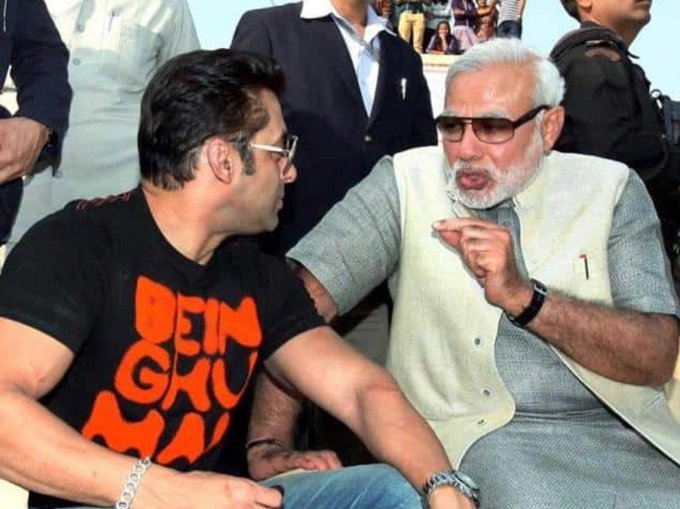
# Salman Khan marked the day by posting a picture of himself with the Prime Minister and wished him on the occasion.

“Wishing the honourable prime minister Mr Narendra Modi, a very happy birthday n many more to come @narendramodi,” the superstar wrote along with the picture

Image

Bollywood actor Jackie Shroff wished PM Modi on his birthday by posting a picture with him.

Sharad Pawar, Ajit Pawar extend birthday greetings to PM Modi
NCP leaders, including party president Sharad Pawar and Deputy Chief Minister Ajit Pawar, on Thursday extended birthday greetings to Prime Minister Narendra Modi.

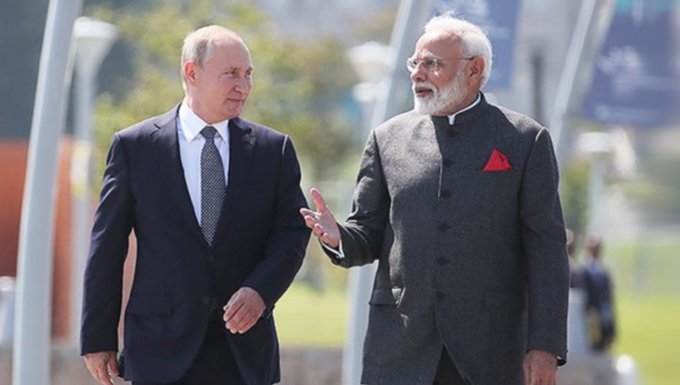
“Wish you good health”: Russian President on PM Modi’s birthday
Russian President Vladimir Putin has wished good health for PM Modi on his birthday

Image

10 Must Eat Foods For A Healthy Diet

Many people believe that the crux of a healthy diet is the exclusion of unhealthy foods. However, a good diet should also incorporate an increased intake of nutritious, health-boosting foods. Here are 10 of the best foods for healthy eaters to stock up on.

1 Nuts

Nuts are also a great source of protein and are packed with fibre antioxidants, fatty acids and vitamins and minerals. Nuts are also packed with calories – so enjoy in moderation. However, you should be aware that those calories come mainly from high levels of monounsaturated fats – which are extremely good for you. Eating foods rich in these fats can help lower bad cholesterol and cut your risk of heart disease and a stroke. We’re not just talking peanuts here – look for Brazil nuts, cashews, walnuts, pecans and pistachios.

2 Oily Fish

Oily fish – such as salmon, mackerel, sardines and trout – are renowned for their health benefits. Again this is when eaten in moderation. The ideal amount is between two and four portions a week. Not only are they a great source of vitamins and minerals – including immune-boosting vitamins A and D – but they are rich in omega-3 fatty acids. These super healthy unsaturated fatty acids have many health benefits, and have been linked to a lowered risk of heart disease, brain damage, stroke, dementia and prostate cancer. Research also suggests omega-3 fatty acids can benefit eye health by halting the progress of age-related macular degeneration.

3 Beetroot

Beetroot is one of the most recent vegetables to be hailed as a ‘superfood’. Studies have suggested that drinking beetroot juice can improve stamina when exercising, lower cholesterol and blood pressure, boost heart health and liver function, reduce the risk of dementia and fight against cancer. This versatile vegetable is also a good source of many vitamins and minerals, including vitamin C, which is important for tissue growth and repair. It also provides folate, which is great for pregnant women as it helps to reduce the risk of birth defects in unborn babies, as well as helping to prevent anaemia.

4 Onions

Well, we’re not just talking onions here – the wider food family includes garlic, leeks and chives. All can do wonders for our health. Studies have suggested that both onions and garlic can help reduce cholesterol, while findings published in the Journal of Nutrition showed that onions could help lower blood pressure. Onions and garlic also have antiviral and antibacterial properties, so can help to fight against bacteria and illness in the body. Another study by researchers at the Kings College London and the University of East Anglia found that eating foods from the onion family could help prevent hip osteoarthritis.

5 Dark Leafy Greens

We’ve all been told to ‘eat our greens’ as children. And it seems our parents were right. Dark, leafy greens such as spinach, watercress and kale are bursting with nutrients including iron, calcium, potassium and vitamin C, and packed with health-boosting phytonutrients. Some of the reputed health benefits of eating your greens include a lower blood pressure, improved eye health and a reduced risk of cognitive decline.

6 Quinoa

Quinoa is a recent discovery for many, but has become widely available and is must on any healthy eater’s shopping list. Mostly treated as a grain (although it is actually a seed) it can be used in the place of pasta, wheat or oats for an extremely nutritious meal. Quinoa, like most grains, is high in fibre, making it great for the digestive system. However, perhaps its best attribute is that it is one of the few plant sources of high quality protein containing all eight essential amino acids. On top of this, it is a great source of nutrients including magnesium, manganese, iron, calcium, potassium and several B vitamins.

7 Berries

Acai berry, blueberry, goji berry, blackberry… there almost seems to be too many berries to choose from. Luckily, you generally can’t go wrong with any commercially available berry. These super healthy fruits are extremely high in antioxidants. Many different berries have individual health benefits, including the ability to help prevent dementia (blackcurrants and boysenberries), fight off colon cancer (blueberries), improve vision (bilberries) and ward off urinary tract infections (cranberries).  

8 Oats

Oats are a key part of a healthy diet as they provide slow release energy, meaning that they will keep you feeling fuller for longer. Grains are notoriously good for your health and the closer they are to their natural state when eaten the better their benefits. This means that whole oats are a particularly good choice. Oats contain many minerals, including zinc, iron and calcium and are a good source of B vitamins, which are great for the nervous system. They also have many other health benefits. These include helping to reduce the risk of heart disease and diabetes, lower cholesterol, reduce blood pressure and benefit the digestive system.  

9 Beans

Many people’s diets rely on the humble bean, either in its dry, canned or baked form – and the great news is that beans are good for our health too. Studies have found that beans are a great source of antioxidants, protein and nutrients (such as iron, manganese and B vitamins). Beans are also high in soluble fibre, which can help to reduce cholesterol, stabilize blood sugar and improve the digestive system.  

10 Tomatoes

Basic salad ingredients, such as the tomato, are often overlooked for their health-giving properties. But scientists have recently revealed that eating a diet rich in tomatoes may help to reduce the risk of conditions such as prostate and lung cancer. Some other benefits attributed to eating the tomato include a strengthened immune system, better heart health and the prevention of blood clots.

MENSTRUAL CUPS OVER SANITARY NAPKIN


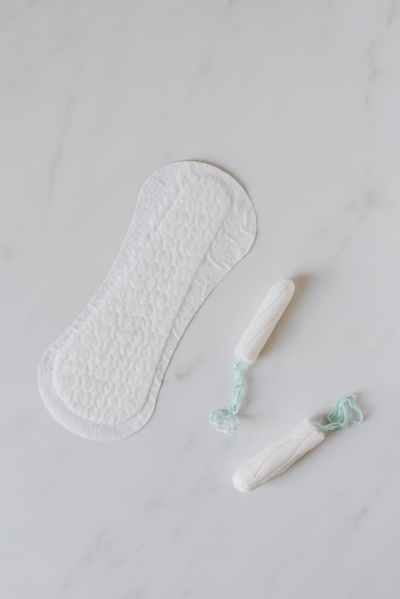
Menstrual cups have been found to be safe and as less likely to cause leakages as sanitary napkins and tampons. Ladies, read here to know why you should switch to them instantly
Menstrual cups are eco-friendly
One menstrual cup can last for years
They are gentle on skin
Menstrual cups have been in talks for quite some time now. Considered to be an eco-friendly alternative to sanitary napkins and tampons, menstrual cups are relatively inexpensive and also safe to use. Recently, menstrual cups have been found to be as unlikely to leak as sanitary napkins and tampons and also as safe as these two. In the first major scientific review of menstrual cups, 70% of regular menstrual cup users reported to continue using them. Authors of the study, published in The Lancet Public Health, a peer-reviewed medical journal, say that sanitary napkins continue to be unavailable and unaffordable for many women around the world.

This keeps many girls and women out of school and work. What’s more is that it puts them at risk urinary tract infections because of use of inferior quality products. These reasons make it all the more important to use an eco-friendly and cheap alternative like menstrual cups.
Menstrual cups are reusable and safe. They are made from medical grade silicone, rubber or latex. Instead of absorbing blood, menstrual cups collect blood. Depending on your flow, they can last for anywhere between four to 12 hours.
There are two kinds of menstrual cups: vaginal and cervical. Vaginal menstrual cups are usually bell-shaped, while cervical cups are placed around the cervix high in the vagina. The latter is much like diaphragm for contraception.

A total of four studies were reviewed, in which the cups were found to be as effective or even better at collecting blood than sanitary napkins or tampons.

Menstrual cups are as safe to use as sanitary napkins and tampons
Photo Credit: iStock

There was no risk of infection reported either. However, there were around five reported cases of toxic shock syndrome (TSS), which is known to be a life-threatening condition caused by bacteria entering the body through foreign objects. Since overall number of menstrual cup users was unknown, researchers were unable to determine how they boost TSS risk as compared to tampons.
Apart from these, menstrual cups have been found to be completely safe. They are also convenient because of the reusability. All you have to do is sterilise them with every use. You can have multiple cups with you during days of heavy flow.

Menstrual hygiene is an important part of women’s health. Ditch sanitary napkins and cotton clothes as better, more efficient options are now available.

Here are other reasons to use menstrual cups over sanitary napkins and tampons
1. They don’t interfere with vaginal flora
Tampons, like menstrual cups, are also inserted in the vagina. However, along with absorbing menstrual blood, they may also absorb natural vaginal moisture. This disturbs pH balance of vagina. Menstrual cups are surely the winner here.
2. One cup can last for years
Being hesitant towards trying something new for menstrual hygiene is completely understood. However, once you try them, you will have multiple reasons for continuing with it. Apart from being way cheaper than sanitary napkins, menstrual cups are reusable and can last for years. Here’s another way to save some money from your monthly expenses!
3. They hold more liquid
Menstrual cups can hold more liquid than tampons or pads. They are known to hold twice as much liquid as sanitary napkins and tampons. They can be useful on days of heavy flow.
4. Better sleep
With lesser chances of leakages, you can sleep worry-free when using menstrual cups. It is probably the only way to prevent sudden search for tampons or pads half asleep in the dark.
5. Gentle for the skin
Sanitary napkins can give you rashes. Tampons can have artificial perfumes and fragrances which can result in skin allergies and irritation on skin. Menstrual cups are free from such drawback

Think Unconventionally

Let us assume that you are in a situation from which you have to get rid off someone Or in a situation where you have to save yourself. So, in those situations do you think your normal smartness or intelligence or similar decisions which you take in your daily life saves you out? Definitely no, or yes maybe sometimes but not in every case. To make yourself win in those situations you need to be extremely Smart. This is called Lateral thinking or unconventional thinking or thinking out of the box. Go through the following example situations to understand more clearly.

There was a girl who bought made loan with a money-lender. The girl was charming and beautiful. The old aged money-lender was attracted by her beauty. One day, he came to the girl and said that he would give her loan waiver but on one condition. That was, he had a bag with a white pebble and a black pebble in it. The girl has to pick one. If she picks white, she will be set to freedom. Otherwise, the girl has to marry him. The money-lender with a bad intention on the girl, bought the both pebbles of black color. The girl picked one and intelligently dropped it down. As the ground was with full of pebbles, then she said that as the pebble left in the bag is of black color, she would have picked the white one and hence she won her freedom.

A very rich man came to a bank in his very rich car. He said he wants loan and he would keep his car as an asset. The loan granting team was shocked and however granted him the loan. After 2 days, he again visited the bank and took his car back by clearing his loan. The entire bank team was shocked. A lady at the reception asked the reason behind all these. He said that he was going to catch a flight to a neighbouring country 2 days before. He was going to the airport. But, the airport maintenance is very costly to take care of his car for two days. SoSo, he came to the bank to park his car with minimum maintenance cost. The entire ban was shocked for his explanation.

A guy was once asked a very tricky question during a job interview “You’re Driving in your car on a STORMY day. You pass by a bus stop, and see THREE people waiting there. The first is the perfect woman of your DREAMS; The Second is an old friend who once SAVED your life; and the third is a lonely OLD lady who looks really SICK; If you had only one seat in your car…. Who would you offer a ride to ? Let’s think about it…. Do you pick up the old woman because she is in critical condition and you should save her first? … Do you take the old Friend ? because he once saved your life and this would be a perfect opportunity for you to pay him back?…. However, both choices leave you missing out on the woman of your DREAMS….BUT HE SIMPLY ANSWERED; “I would give the car keys to my old friend, let him drive the old lady to the hospital, and stay behind to wait for the bus with the woman of my dreams.”

These situations and the way those characters acted completely changes our outlook and also reminds us to think out of the box.

Globalized India

Globalization is a process that encompasses the causes, courses, and consequences of transnational and trans-cultural integration of human and non-human activities. India had the distinction of being the world’s largest economy in the beginning of the Christian era, as it accounted for about 32.9% share of world GDP and about 17% of the world population. The goods produced in India had long been exported to far off destinations across the world; the concept of globalization is hardly new to India.

India currently accounts for 2.7% of world trade (as of 2015), up from 1.2% in 2006 according to the World Trade Organization (WTO). Until the liberalization of 1991, India was largely and intentionally isolated from the world markets, to protect its fledgling economy and to achieve self-reliance. Foreign trade was subject to import tariffs, export taxes and quantitative restrictions, while foreign direct investment was restricted by upper-limit equity participation, restrictions on technology transfer, export obligations and government approvals; these approvals were needed for nearly 60% of new FDI in the industrial sector. The restrictions ensured that FDI averaged only around $200M annually between 1985 and 1991; a large percentage of the capital flows consisted of foreign aid, commercial borrowing and deposits of non-resident Indians.

India’s exports were stagnant for the first 15 years after independence, due to the predominance of tea, jute and cotton manufactures, demand for which was generally inelastic. Imports in the same period consisted predominantly of machinery, equipment and raw materials, due to nascent industrialization. Since liberalization, the value of India’s international trade has become more broad-based and has risen to  63,0801 billion in 2003–04 from  12.50 billion in 1950–51. India’s trading partners are China, the US, the UAE, the UK, Japan and the EU. The exports during April 2007 were $12.31 billion up by 16% and import were $17.68 billion with an increase of 18.06% over the previous year.

India is a founding-member of General Agreement on Tariffs and Trade (GATT) since 1947 and its successor, the World Trade Organization. While participating actively in its general council meetings, India has been crucial in voicing the concerns of the developing world. For instance, India has continued its opposition to the inclusion of such matters as labor and environment issues and other non-tariff barriers into the WTO policies.

Despite reducing import restrictions several times in the 2000s, India was evaluated by the World Trade Organization in 2008 as more restrictive than similar developing economies, such as Brazil, China, and Russia. The WTO also identified electricity shortages and inadequate transportation infrastructure as significant constraints on trade. Its restrictiveness has been cited as a factor which isolated it from the global financial crisis of 2008–2009 more than other countries, even though it experienced reduced ongoing economic growth.

As the third-largest economy in the world in PPP terms, India is a preferred destination for FDI; India has strengths in information technology and other significant areas such as auto components, chemicals, apparels, pharmaceuticals, and jewelry. Despite a surge in foreign investments, rigid FDI policies resulted in a significant hindrance. However, due to some positive economic reforms aimed at deregulating the economy and stimulating foreign investment, India has positioned itself as one of the front-runners of the rapidly growing Asia-Pacific region. India has a large pool of skilled managerial and technical expertise. The size of the middle-class population stands at 50 million and represents a growing consumer market.

India’s liberalized FDI policy as of 2005 allowed up to a 100% FDI stake in ventures. Industrial policy reforms have substantially reduced industrial licensing requirements, removed restrictions on expansion and facilitated easy access to foreign technology and FDI. The upward moving growth curve of the real-estate sector owes some credit to a booming economy and liberalized FDI regime. In March 2005, the government amended the rules to allow 100 per cent FDI in the construction business. This automatic route has been permitted in townships, housing, built-up infrastructure and construction development projects including housing, commercial premises, hotels, resorts, hospitals, educational institutions, recreational facilities, and city- and regional-level infrastructure.

Indian Rituals And Science

Traditions in Hinduism were considered mainly as superstitions, but with the advent of science, it is becoming evident that these traditions are based on some scientific knowledge and moved from generations to generations as traditions. Though the common people did not know science in it, they were following it very faithfully over the years. This blog is an attempt to bring forward the science involved in these traditions and rituals.Throwing coins into a river.The general reasoning given for this act is that it brings Good Luck. However, scientifically speaking, in the ancient times, most of the currency used was made of copper unlike the stainless steel coins of today. Copper is a vital metal very useful to the human body. Throwing coins in the river was one way our fore-fathers ensured we intake sufficient copper as part of the water as rivers were the only source of drinking water. Making it a custom ensured that all of us follow the practice. Joining both palms together to greet
In Hindu culture, people greet each other by joining their palms – termed as “Namaskar.” The general reason behind this tradition is that greeting by joining both the palms means respect. However, scientifically speaking, joining both hands ensures joining the tips of all the fingers together; which are denoted to the pressure points of eyes, ears, and mind. Pressing them together is said to activate the pressure points which helps us remember that person for a long time. And, no germs since we don’t make any physical contact!
Wearing toe rings is not just the significance of married women but there is science behind it. Normally toe rings are worn on the second toe. A particular nerve from the second toe connects the uterus and passes to heart. Wearing toe ring on this finger strengthens the uterus. It will keep it healthy by regulating the blood flow to it and menstrual cycle will be regularized. As Silver is a good conductor, it also absorbs polar energies from the earth and passes it to the body.Applying Tilak on the forehead
On the forehead, between the two eyebrows, is a spot that is considered as a major nerve point in human body since ancient times. The Tilak is believed to prevent the loss of “energy”, the red ‘kumkum’ between the eyebrows is said to retain energy in the human body and control the various levels of concentration. While applying kumkum the points on the mid-brow region and Adnya-chakra are automatically pressed. This also facilitates the blood supply to the face muscles. Normally the wrist portion is in constant activation on any human. Also the pulse beat in this portion is mostly checked for all sorts of ailments. The Bangles used by women are normally in the wrist part of ones hand and its constant friction increases the blood circulation level. Further more the electricity passing out through outer skin is again reverted to one’s own body because of the ring shaped bangles, which has no ends to pass the energy outside but to send it back to the body.There are many different eras that have come and gone but no era was very powerful to change the influence of the real culture. So, the culture of younger generations is still connected to the older generations. Also, our ethnic culture always teaches us to respect elders, behave well, care for helpless people, and help needy and poor people.

Additionally, there is a great culture in our country that we should always welcome guest like gods. That is why we have a famous saying like ‘Atithi Devo Bhava’. So, the basic roots in our culture are spiritual practices and humanity.

Liquid Nitrogen

Liquid Nitrogen. You might have seen videos of people dumping everyday objects into it,and the videos are pretty fun but,do you think so?

Liquid Nitrogen(LN2)  is a liquid which is odourless,meaning it does not specifically have any smell to it, non flammable,meaning it does not really react with fire like the sanitizers do. How? Sanitizers contain ethanol in it which is a spirit and therefore is highly flammable. Whereas,Liquid Nitrogen is a natural element in a liquid form,and which is why it does not respond to fire.

Whenever exposed to the room temperatures or the environmental temperature,it starts to create a fog. This is because the boiling point of this liquid is extremely low. The rates are around -196°C . This liquid is also used in the preservation of foodstuffs which need to be transferred. Why? Because in low temperatures,microbes are unable to grow.Mostly anyways.So it is used in maybe frozen products,to preserve them for a longer time. This liquid is also being studied for removal of some skin diseases. Many chefs and bartenders use this liquid in ice-creams and other foods. And people get attracted to the fog which it emits .Hence,making a greater profit in the business.Pretty great right? And this liquid is very freely available to the public as well.

Photo by David Disponett from Pexels

In the resort of Mexico in 2013,the organisers made an arrangement to pour some four  cans of the liquid into the pool of the resort for the upcoming pool party. The fog did impress the guests,but then a disaster happened

Suppose you are locked into a room. Let’s say it has suddenly started being filled with Nitrogen(N) gas. What could possibly happen?If roughly explained,the nitrogen simply replaces the oxygen which is present in the atmosphere. Our lungs do not breathe nitrogen now,do they? Wait… aren’t all gases present freely in the atmosphere? What happens is,all the gases are inhaled by your lungs. But your capillaries (through which the transfer of O2 into the Red blood cells is possible) only take oxygen.Right? Not really. Because something called hemoglobin is present in the red blood cells likes Carbon monoxide,even more than oxygen. What is Cabin monoxide(CO)? (CO) is  also a greenhouse gas which is produced by the smoke produced by the cars.The problem with this gas is that it is a half burned gas. So it is extremely harmful for your body and constant inhalation of this gas can result in many chronic issues as well. So ya, your body does inhale all the gas but mostly,only oxygen is inhaled and the rest of the gases along with the Co2 transmitted by the body,the exhalation process is done. Anyways,back to our supposition,when I do this,the nitrogen will slowly start to replace oxygen. Your body,if inhaled nitrogen cannot survive because we are very much aerobic and would only like O2 for respiration. Two things could happen at this point. Either the nitrogen will be inhaled by you which may have some disasterous consequences, and if you do not continue to breathe, eventually you’ll choke to death. Similarly,the pool party with nitrogen must have made the people’s bodies ,to respond to the gas similarly. But nothing major happened,set aside a one person who went into a coma and eight had to be hospitalized. The gas slowly returned to the atmosphere,as it’s boiling point was very low. But would it have been more fatal if the whole pool was just Liquid nitrogen. Of course !!!

The liquid is used to preserve many foodstuffs,what it would basically do is make your nerves freeze and your body would not be able to respond to you. Severe frostbite could be experienced by you. Eventually,you can even die! Now, these are all our speculations,maybe some tests were made,but still it is always advisable to not misuse Liquid Nitrogen with carelessness.In fact,try to be under an adult supervision and a plan B if things turn out to be a mess!

Fact-Some people prefer being preserved with Liquid Nitrogen rather than buried. The process is known as cryogenic freezing. Pretty cool,huh?

Stop Procrastinating, Do it now!

Procrastination is the thief of time. Procrastination makes easy things hard, hard things harder.

– Mason Cooley

But still, we make a habit of avoiding tasks tomorrow because we do not understand the harm caused by this habit. This habit prevents us from being successful and makes us lazy. When we postpone a task tomorrow, we are actually telling our subconscious mind that I am unable to do this task today or I do not like to do it due to our laziness or fear. And every time we postpone that work tomorrow, we often reinforce in our subconscious mind that “I am unable to do this work” and “My laziness and fear are determined by my determination to do this work are strong ”.

After a time, the “laziness” or “fear” in us becomes so strong that we either never do those tasks or we have to face a lot of trouble in doing even the smallest tasks.

How to stop procrastinating

We postpone tasks because at this time we are not feeling good about doing the work or we feel that we will be able to do this work better tomorrow. We can avoid postponing tasks by adopting the following methods –

7 Tips to Stop Procrastinating

# 1. Stop looking for excuses to avoid work and believe that the best time to do the work is today and now.

#2. Change the workplace environment. If you do not like to do that work right now, it may be because of the workplace environment. By changing the environment a little bit, we can increase our productivity.

# 3. Increase the willpower to do the work and think about the good result that will be achieved after the completion of this work. Commit that you will do this work now and right now.

# 4. Recharge yourself before starting work. Do something in 10-30 minutes that makes you feel good like meditation, yoga, listening to music, walking in the garden, watching motivational videos or taking a nap for 20 minutes of sleep, etc. This will change your mood and you will be able to prepare yourself to do that work.

# 5. Make a list of tasks on a paper and write your plan on paper. Do not waste too much time planning work. And don’t change your plan, again and again, just do the work. Planning too much is a disease that prevents us from starting work.

# 6. Concentrate on that task and stop disruptions of concentration like social media, email, etc. until the work is completed. These small interruptions waste your time and as we have less time, we start thinking about avoiding work.

# 7. Divide the work into small parts and complete it. Only think about a small part of that work at a time and concentrate and complete that small part. This makes the task easier for us and when we complete apart, our confidence increases, which strengthens our will power to complete that task.


Hope it helps!
At last, Stop Procrastinating, Start Acting!

Ways to stay Healthy

“Heath is Wealth” and In today’s busy busy world it is becoming more hard to keep our self healthy. You don’t need to make rigorous changes in your life to be healthy just few small changes are enough lets see what are the steps that can help us to be healthy

For keeping human body healthy it needs proper nutrition and proper exercise. Proper nutrition include balanced intake of carbohydrates, proteins, fat and vitamin and minerals. Proper hydration of human body is also much important.

  1. Body posture: You heard it right, good body posture is as important as everything in your life. Good and straight spine will help you to have a healthy body.
  2. Drinking water: Drink at least 2.5 litres of water everyday. I can describe it as drink 8 glass of water everyday.One thing you should keep in mind that you should drink water at morning before brushing your teeth. Our morning saliva contains anti bacterial properties. Do not drink water 1 hour before meal and after meal. After eating fruits do not drink water for some times.
  3. Eat healthy: Do not abuse your body by having unhealthy foods. Eat healthy and improve your body and mind.Eat more green vegetable try to avoid having junk everyday.
  4. Exercise: Yes, exercise will help you to improve your health instantly. You do not need to go to the gym. You can go for a short run if you are young and you can go for walk if you are old.
  5. Don’t skip breakfast – After long night our body required food in the morning , if you eat breakfast then our metabolism boost which help in weight loss , eat fiber and protein rich food in breakfast like oatmeal , egg white etc
  6. Drink green Tea – it increase metabolism and help in weight loss
  7. Take 8 hours deep sleep – sleep is required for fitness because in sleep time our muscle growing , muscle recovery process is going on , in weight loss role of sleep is 30 % .
  8. Avoid stress this is the most important point mind needs to be healthy taking stress effects mind overall effecting whole body.

People usually think being healthy is a tough work, but it’s actually not that tough. Once you start about these as your scheduled routine, it will turn into your habit, and then it will like a perk to you.

DIFFERENCE BETWEEN SALES AND MARKETING.

Sales and marketing both are like twins. Many people refers both as one but they are not. Marketing is reaching the target audience, spreading awareness for the brand, building trust for the brand and generating recall value. Whereas sales deals with convincing the customer, understanding their needs and to have maximum conversion. Marketing is not directly linked with sales. It’s main focus is to influence the discrete choice of the customers. Marketing is much broader than the sales. Marketing needs a proper strategy Whereas sales does not need any specific strategy if you get bulk orders you will compromise on price and if you will get regular orders you will add more services. So the sales strategy is very flexible and it depends customer to customer.

Marketing have an indirect relationshipwith sales whereas sales is directly connected with sales. Sales always focus on generating maximum revenue whereas marketing focus on penetrating the interest and desires of target audience. Marketing is establishing a brand in market .Good marketing strategy will definitely grow the sales.Following are some main differences between sales and marketing

  1. REVENUE- It is the most basic difference between sales and marketing sales is a process which generates revenue and marketing is the process of investing the revenue in increasing sales. Sales is incoming and marketing is outgoing.
  2. END GOAL- Sales and marketing differs in their end goal. Sale’s goal is to sell maximum products and generate more and more revenue revenue. Marketing focus on understanding the market segmentation, building and maintaining the brand equity, reach the right customer in efficient manner
  3. COMMUNICATION- Sales is a one to one conversation it is dealing with one customer at a time whereas marketing is the communication with a broad target audience to attract tthem towards the product so that they can be the buying customers to them.
  4. SCOPE – MARKETING is a very broader subject it includes promoting, positioning, placing, branding, trust building, understanding consumer behaviour, analysing future changes, ongoing and latest trends and many more. But sales is just confined to a customer and converting the lead into a sale.

How to prepare for interviews

Job interviews are scary!!. Whether it’s a physical or phone interview, it can be a nerve-wracking experience for candidates as they search for the perfect responses.In interviews, your job is to convince a recruiter that you have the skills, knowledge and experience for the job. There are plenty of ways to prepare for it: from asking a friend to do a mock interview with you to searching the Web for practical resources.

Preparation not only leads to sharing the facets of your background that are most relevant to the position and to the people you’re meeting with, but it also helps you head into the interview confident and relaxed

Research

Research the company and the interviewers. Hirers know they’re dealing with someone who is serious about the position when you’re prepared with relevant data. Ultimately, know the company, the industry, and competitors and use their product if available.

Show your personality

An important thing to remember is that you were selected for this interview based on your skills and accomplishments. The interviewers know you have what it takes to do the job, so now’s your chance to inject some personality into what’s written on that resume and cover letter.

Behavioral questions

Hirers use behavioral questions to dig into past achievements and predict future performance. These questions identify applicants’ key competencies and skills, so it’s vital to prepare answers to match your skills to the employer’s requirements.

Rehearse

Visualize the interview and questions that could arise and project how a successful interview experience will play out. Rehearse the way you’ll present yourself and practice answers to important interview questions for your field. Mock interviews prepare you for most possibilities and help with nerves as well.

Pay attention to non-verbal communication.

Non verbal communication plays an important role Look confident, smile.Do not play with hands or hairs keep calm do not place your hands on table.this are some key things people tends to ignores if you play with your hands or hairs it shows a kind of non professionalism and your nervousness. Posture counts, Sit up straight yet comfortably. Be aware of nervous gestures such as foot-tapping

Reach at least 10 mins. before the interview time (you can visit the place of interview if possible)

Be honest during the interview and prepare well for questions likely to be asked.

Prepare everything you Mention in your CV/Resume,everything about your projects.

Prepare according to the profile be confident practice as much as you can above mention are some tip that can help you to walk the interview confidently.

Ozone and its Depletion

The ozone layer or ozone shield is a region of Earth’s stratosphere that absorbs most of the Sun’s ultraviolet radiation. It contains a high concentration of ozone in relation to other parts of the atmosphere, although still small in relation to other gases in the stratosphere. The ozone layer contains less than 10 parts per million of ozone, while the average ozone concentration in Earth’s atmosphere as a whole is about 0.3 parts per million. The ozone layer is mainly found in the lower portion of the stratosphere, from approximately 15 to 35 kilo meters (9.3 to 21.7 mi) above Earth, although its thickness varies seasonally and geographically.

The ozone layer was discovered in 1913 by the French physicists Charles Fabry and Henri Buisson. Measurements of the sun showed that the radiation sent out from its surface and reaching the ground on Earth is usually consistent with the spectrum of a black body with a temperature in the range of 5,500–6,000 K (5,227 to 5,727 °C), except that there was no radiation below a wavelength of about 310 nm at the ultraviolet end of the spectrum. It was deduced that the missing radiation was being absorbed by something in the atmosphere. Eventually the spectrum of the missing radiation was matched to only one known chemical, ozone.

 Its properties were explored in detail by the British meteorologist G. M. B. Dobson, who developed a simple spectrophotometer (the Dobsonmeter) that could be used to measure stratospheric ozone from the ground. Between 1928 and 1958, Dobson established a worldwide network of ozone monitoring stations, which continue to operate to this day. The “Dobson unit”, a convenient measure of the amount of ozone overhead, is named in his honor. The ozone layer absorbs 97 to 99 percent of the Sun’s medium-frequency ultraviolet light (from about 200 nm to 315 nm wavelength), which otherwise would potentially damage exposed life forms near the surface.

In 1976, atmospheric research revealed that the ozone layer was being depleted by chemicals released by industry, mainly chlorofluorocarbons (CFCs). Concerns that increased UV radiation due to ozone depletion threatened life on Earth, including increased skin cancer in humans and other ecological problems, led to bans on the chemicals, and the latest evidence is that ozone depletion has slowed or stopped. The United Nations General Assembly has designated September 16 as the International Day for the Preservation of the Ozone Layer.

Ozone Depletion:

Ozone depletion consists of two related events observed since the late 1970s: a steady lowering of about four percent in the total amount of ozone in Earth’s atmosphere (the ozone layer), and a much larger springtime decrease in stratospheric ozone around Earth’s polar regions. The latter phenomenon is referred to as the ozone hole. There are also springtime polar tropospheric ozone depletion events in addition to these stratospheric events.

The main cause of ozone depletion and the ozone hole is manufactured chemicals, especially manufactured halocarbon refrigerants, solvents, propellants, and foam- blowing agents (chlorofluorocarbons (CFCs), HCFCs, halons), referred to as ozone-depleting substances (ODS). These compounds are transported into the stratosphere by turbulent mixing after being emitted from the surface, mixing much faster than the molecules can settle. Once in the stratosphere, they release halogen atoms through photodissociation, which catalyze the breakdown of ozone into oxygen.  Both types of ozone depletion were observed to increase as emissions of halocarbons increased.

Ozone depletion and the ozone hole have generated worldwide concern over increased cancer risks and other negative effects. The ozone layer prevents most harmful wavelengths of ultraviolet (UV) light from passing through the Earth’s atmosphere. These wavelengths cause skin cancer, sunburn, permanent blindness, and cataracts, which were projected to increase dramatically as a result of thinning ozone, as well as harming plants and animals. These concerns led to the adoption of the Montreal Protocol in 1987, which bans the production of CFCs, halons, and other ozone-depleting chemicals.

The ban came into effect in 1989. Ozone levels stabilized by the mid-1990s and began to recover in the 2000s, as the shifting of the jet stream in the southern hemisphere towards the south pole has stopped and might even be reversing. Recovery is projected to continue over the next century, and the ozone hole is expected to reach pre-1980 levels by around 2075. In 2019, NASA reported that the ozone hole was the smallest ever since it was first discovered in 1982.