

“Most of the seven billion people in this world suffer from Malnutrition. Half do not have enough to eat and rest of us eat too much” – Earle Grey.
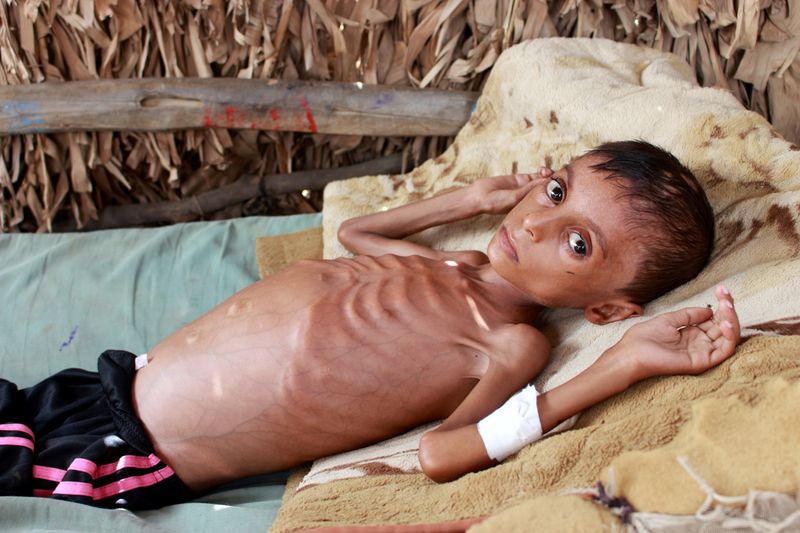
ABOUT Malnutrition refers to deficiencies, excesses or imbalances in a person’s intake of energy and/or nutrients. It can lead to serious health issues, including stunted growth, eye problems, diabetes, and heart disease. Malnutrition occurs when a person gets too much or too little of certain nutrients. Undernutrition occurs when they lack nutrients because they eat too little food overall. A person with undernutrition may lack vitamins, minerals, and other essential substances that their body needs to function.
SYMPTOMS OF MALNUTRITION:
Some signs and symptoms of malnutrition include:
• A lack of appetite or interest in food or drink • Tiredness and irritability • An inability to concentrate • Always feeling cold • Depression • Loss of fat, muscle mass, and body tissue • A higher risk of getting sick and taking longer to heal
TYPES OF MALNUTRITION:
Malnutrition is a group of conditions in children and adults generally related to poor quality or insufficient quantity of nutrient intake, absorption, or utilization.
There are two major types of malnutrition:
• Protein-energy malnutrition – resulting from deficiencies in any or all nutrients
• Micronutrient deficiency diseases – resulting from a deficiency of specific micronutrients CAUSES Malnutrition can occur for various reasons.
The sections below outline these potential causes in more detail.
• A low intake of food.
• Mental health conditions.
• Social and mobility problems.
• Digestive disorders and stomach conditions.
• Alcohol use disorder.
Diagnosis If a person shows or notices any signs of malnutrition, the first step will be to find out why. If a doctor suspects Crohn’s disease, celiac disease, or another condition, they may carry out laboratory tests to confirm a diagnosis.
Treatment
• If a doctor diagnoses malnutrition, they will make a treatment plan for the person. The person may also need to meet with a nutritionist and other healthcare providers
• Treatment will depend on the severity of the malnutrition and the presence of any other underlying conditions or complications. Prevention
•To prevent malnutrition, people need to consume a range of nutrients from a variety of food types.
•The older adults, young children, people with severe or chronic illness, and others may need additional care to ensure that they obtain the nutrients they need.

 Eduindex
You must be logged in to post a comment.