We most of us are living in towns and cities nowadays and our lifestyle has changed a lot. We are living in a place full of tall apartments, shopping malls, all big companies and so on. But is there plenty of trees around us? Absolutely no. Yes we are living in a place filled with pollution and dust. But think of a village life? Life is peaceful over there with nature.
Village is a place surrounded by only nature things. We can say it as a non-polluted area. People over there don’t live luxurious life, but a peaceful and happy life. The atmosphere over the village will also be dust free as the whole area would be surrounded by trees and plants. The best part of village would be the agricultural lands. Most of the people would be farmers in the village who are the backbone of our country. Yes, farmers are the ones who provide us food. Farmers are the best hard working people in the world. Also the people in villages are not by much of diseases.
The food they eat also will be healthy foods which naturally gives us strength. They consume chemical free foods which make them healthier. They also follow certain culture and tradition to celebrate festivals. The traditional festivals in village would be fascinating to watch. All the families would gather together for a festival in villages and celebrate with joy and happiness. The people in villages spend time with their family more than the people who live in cities. Even though some villages don’t have good network facility they remain in contact with their friends and family. Moreover, people in village give respect to each other and help them when they are in need of help. But we people in cities are living a life where there is no time to spend with family and friends.
Children in village also grow up in a good society. The children over there learn good character which develop them into a perfect individual. They also play more outdoor games rather than sitting with gadgets. They too get good education and bloom into perfect professionals. Some children also study farming and bring out new methods in organic farming.
Villages doesn’t have big apartments, but houses which are small and beautiful. The villagers are happy and satisfied with what they have. They also treat animals with love and care. They don’t torture the animals rather give them good food and take care of them. Villagers are people with culture and respectfulness. The people in the village are always happy.
But nowadays we are destroying these beautiful villages and turning it to industries and apartment. Let us stop doing that and also promote afforestation. Imagine can we get a life like in this cities? Exactly no. So at least we will plant more trees in the place we are and make our area pollution free.
The first Olympic day was celebrated on 23 June in 1948 by countries including Venezuela, Belgium, Canada, Switzerland, Portugal, Greece, Austria, Great Britain, and Uruguay.
Every year on 23 June, International Olympic Day is celebrated across the world. The day was initially observed to promote the idea of the Olympics and in order to celebrate the establishment of the International Olympic Committee(IOC). This committee was formed on 23 June, 1894 in Sorbonne, Paris. The Olympics games were revived by Pierre de Coubertin, as mentioned on the website of the International Olympic Committee.
International Olympic day history
The International Olympic Day was first observed in 1947. At the 41st Session of the International Olympic Committee in Stockholm that year, Dr Josef Gruss, a Czeh IOC member, proposed the concept of a World Olympic Day. He advocated designating a day to commemorate everything the Olympics stands for. After a few months work, Dr. Gruss idea was approved at the 42nd IOC session in Switzerland. The International Olympic Committee(IOC) was formed on the same day in Sorbonne, Paris, in 1894, and June 23 was chosen as the International Olympic Day because
of its historical significance.
International Olympic Day 2021 Significance
The International Olympic is significant as it aims to attract people, regardless of their age, gender, social background, to participate in the Olympics. The day now bases itself on three pillars- move, learn and discover to engage people to take part in sports or perform physical exercises regardless of their sporting ability. This is enabling the day to develop into much more than a run or just a sports event.
International Olympic Day 2021 Theme
Stay healthy, stay strong, stay active with the Olympic Day workout on June 23rd.
International Olympic Day 2021 Activities
The international Olympic Day 2021 is incorporated into the school curriculum in few countries while others hold concerts and exhibitions. The recent Olympic Day activities also include meetings for children and young adults with top athletes.
International Olympic Day 2021
The International Olympic Day 2021 is being observed just a month ahead of the postponed Tokyo Olympic Games, which were postponed by a year due to the COVID-19 pandemic. The Olympic games will now start from July 23 and conclude on August 8,2021.
The World Health Organization is expected to discuss managing COVID-19 risks with Japanese authorities and the International Olympic Committee during the Olympic Games. The organisers have announced that the audience will be allowed for the Olympic Games, filling up to 50 percent capacity of the venues.
A maximum of 10,000 domestic spectators will be allowed in Tokyo 2020 venues.
Indian Prime Minister Narendra Modi tweeted on the occasion saying,” Today on Olympic Day, I appreciate all those who have represented India in various Olympics over the years. Our nation is proud of their contributions to sports and their efforts towards motivating other athletes”.
Olympic Day Run
The International Olympic Day has been associated with Olympic Day Runs all over the world for the last 20 years. The first Olympic run was launched in 1987 and 45 National Olympic Committees (NOCs) participated in the event. The run was organized to cover a distance of 10km. The Olympic Day Run symbolizes and supports the Sports for All movement by uniting men, women and children of all ages. Now, over 150 National Olympic Committees(NOCs) organize the
A pizza lover? Of course, everyone is right! So.. Which is your go to place for Pizza? Must be familiar with “Domino’s” Aren’t you! But do you know that Today’s world’s highest pizza seller brand , Our beloved Domino’s Pizza was once the most criticised food joint and was about to be “abandoned”.
DOMINO’S a well knowned brand all over the world having, 15000 plus stores worldwide with approximately 5,649 stores in the U. S. , 1,232 stores in the India and 1,094 stores in the U.K. is highly popular among customers everywhere in the World. However, as they say everyone and everything have had it’s history, same is applicable here.
Journey from Receiving Criticism to Gained Love.
Back in 2009, Domino’s brand image started falling miserably and it’s share price which had already been hit by the recession in 2008 reached down to price of $6 per share. The sales were falling drastically. Domino’s was failing badly and Thus, to take a closer look at the situation the company’s CEO back then ‘Patrick Doyle’ took an insightful look at the reasons for this downfall. Thereby, it was found that there were several blogs, posts, stating that “it’s crust tasted like Cardboard” while, “it’s sauce tasted like ketchup” and many more such demeaning comments flashed upon. The company’s image kept deteriorating. In these difficult times, while any company with such huge base and name like Domino’s would try to ignore or overshadow these comments or rather improve their paid ranking, they decided to face the criticism while being on the Front foot. Accepting it with whole honesty and taking a step forward to actually hear out their customers and enhancing their taste and quality, regain the trust and loyalty of people. Company’s CEO Patrick Doyle took the full responsibility on himself and swore to give a grand and worthy come back. What happened next was remarkable as the company literally called some disappointed customers, critics and those blog post writers to taste and give the honest reviews and feedbacks of their Pizzas. The whole team of Domino’s remain present altogether to hear and diligently take notes on their Shortcomings and obtain the knowledge about what bothered the customers and how bad their pizzas tasted. After listening it all over, Each and every chef at Domino’s worked day and night for the next ’18 months’ to try out all the different spices and mixes to come up with the best, and give a Power pack comeback with their authentic world class Pizzas with invincible taste. While going through this process they actually found out that in order to meet their 30 minute delivery timeline and to cut the costs their supply chain and quality of ingredients was pathetically declined, there were frozen, canned and low quality ingredients which worked as the root cause to these issues. Now, without wasting any time in grief they immediately were all set to turn the tables in their favour.
But How was it possible?
They decided to rejuvenate the whole Supply chain of company, which was extraordinary as it included changing the whole of inventory, processing, packaging and delivery methodologies of on total 4200 stores which were spread on approx 9.33 million square kilometers of area which is three times the size of India. And they, succeeded to do all of it within just 18 months. Moreover, a very sweet and at the same time another courageous move was taken by them that is., the Head Chef of Domino’s himself went off with the pizzas to the houses of their harshest critics and made them taste their freshly made all new Domino’s pizzas. All those people were shook to their core as they got to experience a next level change in the taste and adequately the then worst pizza brand according to them, made them change their perception completely to the state of calling it U.S.’s best pizza place now. What impressed them the most was the fact that their reviews were so considerably looked upon by such a big company and the Head chef himself was on their doorsteps to take their approvals. They started a “YES WE DID IT ” campaign and the Domino’s stock value recorded an increase of 44% in the following month itself. It sales increased up to 14.3% which was the highest quarterly increase in fast food industry, the campaign got approximately 2 billion media impressions. And, the stock rise kept going higher for seven years and took a leap up to 2000%, outshining Amazon, Apple and Netflix.
A LESSON TO THE WORLD.
Domino’s provided us with the biggest example of creating business solutions out of one’s own problems. Rather than taking a step back from making improvements by fearing loss, they saw it as a million dollar investment for growth in near future and ended up discovering opportunities for themselves. Every business should always consider the fact that Quality and customer satisfaction are two main market players when it comes to creating a brand name. Discounts and low pricing strategy alone can give you only Short-term success.
cybercrime is committed by cybercriminals or hackers who want to make money. Cybercrime is carried out by individuals or organizations.
Some cybercriminals are organized, use advanced techniques and are highly technically skilled. Others are novice hackers.Rarely, cybercrime aims to damage computers for reasons other than profit. These could be political or personal.
Sometimes cybercriminals conduct both categories of cybercrime at once. They may target computers with viruses first. Then, use them to spread malware to other machines or throughout a network.
Using anti-virus or a comprehensive internet security solution like Kaspersky Total Security is a smart way to protect your system from attacks.Anti-virus software allows you to scan, detect and remove threats before they become a problem. Having this protection in place helps to protect your computer and your data from cybercrime, giving you piece of mind.If you use anti-virus software, make sure you keep it updated to get the best level of protection.
The actions required to create new ideas, processes or products which when implemented lead to positive effective change. While invention requires the creation of new ideas, processes or products, innovation moves one step further and requires implementation of the inventive act. Innovation also implies a value system which seeks to derive a positive outcome from the inventive act. For example, actions which lead to a negative performance metric would not be considered innovative, even if they met the requirements of novelty and enabling actions.
Innovation is creating new value and/or capturing value in a new way. Value is the key word, stressing the difference between innovation and invention. The definition is simple, easy to memorize and also good enough to encompass innovation in all the value chain.
In little more than a decade, the impact of social media has gone from being an entertaining extra to a fully integrated part of nearly every aspect of daily life for many.
And in the ultimate meshing of the digital and physical worlds, Elon Musk raised the specter of essentially removing the space between social and media through the invention — at some future time — of a brain implant that connects human tissue to computer chips.
100 Indian Startup Success Stories for the new age entrepreneur [2020 Updated]
Read about the top inspiring startup stories in India that have been able to establish a kingdom and wear the crown in their niche with their hard work and struggle.
India has established itself as one of the biggest startup hubs around the world. Every other day a new startup emerges from the ocean of opportunities with an aim to make it up to the list of the startup success stories in India. However, we must remember that 90% of the startups fail in their initial stages.
In this article, we’ll be talking about the successful startup stories in India that have been able to build their empire to become the emperors of their niche marketplace. From food delivery to ecommerce, these 12 inspiring startup stories will encourage you to be a part of startup success stories today.
Fact: According to reports by ET (1), around 86% of the men continue to dominate the startup space, with women entrepreneurs constituting 14% of the startup share.
100 Inspiring Successful Startup Success Stories in India
Each entrepreneur puts in his 110% effort to make their startup a success. Nevertheless, that’s not the only factor that matters to the formulation of the perfect recipe of Indian success stories. The successful startups in India are built on the grounds of persistence, mentorships, disruptiveness & market requirements.
These 100 startups have been able to survive amidst the struggling economy of our nation to emerge as the top successful business stories in India:
Oyo
Paytm
Flipkart
Swiggy
Ola Cabs
BookMyShow
MakeMyTrip
Byju’s
BigBasket
Nykaa
Cars24
PharmEasy
Instamojo
Unacademy
Nykaa
MobiKwik
Dunzo
RazorPay
Innov8
Toppr
Bombay Shaving Company
FirstCry
Zomato
CarDekho
Zivame
Ecomm Express
Urban Ladder
PolicyBazaar.com
JustDial
Limeroad
Housing.com
Epigamia
Bira 91
Vedantu
NoBroker
Chaayos
BankBazaar.com
Pee Safe
EaseMyTrip.com
Bare Anatomy
Azah
Milkbasket
CoWrks
ZestMoney
Treebo Hotels
Quikr
CureFit
Grofers
Xpressbees
Delhivery
ShareChat
Faasos
Pepperfry
Dream11
redBus.in
Mu Sigma
Clear Car Rental
InCred
Meesho
KillerLaunch
Wow! Momo
AddressHealth
Flyrobe
Jumbotail
DocTalk
SmallCase
InstaVans
1Mg
Revv
TravelTriangle
BiggBang
Lenskart
InMobi
Zerodha
Gradeup
OkCredit
NinjaCart
Bewakoof.com
GoaBrewing Co
BulkMRO
Glance
MyGate
Yulu
CleverTap
Ambee
Doubtnut
Skillsmatic
CropIn
Avaada Energy
BulBul
Skyroot Aerospace
Hansel.io
Streak AI
Terraview
Bijak
oDoc
Epigamia
Nemocare
Edyst
Housing.com
1. Oyo
Ritesh Agarwal
Launch: 2013
Founders: Ritesh Agarwal
Industry: Hospitality
Estimated Valuation: $16 billion
Ritesh Agarwal, the founder of the homegrown unicorn Oyo, has established itself as one of the largest hotels and hospitality chains around the world with operations in over 800 cities across 80 countries, including India, the US, China, Europe, China, and more.
Airbnb was the biggest source of inspiration for Ritesh, who started out on his journey of being one of the best entrepreneur success stories as a teenager.
Fact: Ritesh launched Oravel Stays in 2012, which was later relaunched as Oyo in 2013.
2. Paytm
Vijay Shekhar Sharma
Launch: 2010
Founder: Vijay Shekhar Sharma
Industry: Fintech
Estimated Valuation: $15 billion
Paytm started out as a digital wallet in its initial days but has transformed into a completely new payments platform. The fintech service has been able to emerge as the top fintech company even after facing fierce early competition from brands like Freecharge.
Fact: Paytm’s userbase grew from 125 million to 185 million three months post demonetization.
Vijay Shekhar Sharma, who was struggling to make ends meet with Rs 10 in his pocket, tasted victory the hard way, and today, he stands as the founder of the billion-dollar homegrown unicorn.
3. Flipkart
Sachin Bansal & Binny Bansal
Launch: 2007
Founders: Sachin Bansal & Binny Bansal
Industry: Ecommerce
Estimated Valuation: $24 billion
The Walmart acquired ecommerce company Flipkart stands as the largest ecommerce platform in India. Today, the ecommerce platform has expanded its business horizons by foraying into the video streaming industry with Flipkart Video Originals.
Fact: The first customer of Flipkart was a young engineer from Mahbubnagar, Telangana.
Sachin Bansal & Binny Bansal started out as an online bookstore that made around 20 successful shipments in its first year of functioning. It was not late before the platform started grabbing people’s attention that made it the top online retail market in history.
The viral food delivery startup has marked itself as one of the inspirational stories of success that started out in its Bengaluru neighborhood that was covered by six delivery executives with only 25 partner restaurants.
Today, the food delivery firm has over 2.1lakh delivery executives across 300+ cities in India. Currently, the company processes over 1.4 million food orders daily across the country.
Note: Swiggy recently received a funding of $1 billion from Naspers and Tencent Holdings
5. Ola Cabs
Bhavish Aggarwal, Ankit Bhati
Launch: 2010
Founders: Bhavish Aggarwal, Ankit Bhati
Industry: Mobility
Estimated Valuation: $6.2 billion
Ola Cabs, started by IIT-B graduates Bhavish and Ankit, has emerged to be the most prominent Indian mobility service provider in the country that offers its services across 50 cities in India and is evenly spread across countries, including the UK, Australia, and New Zealand.
The idea of Ola, a cab aggregation startup, came from Bhavish’s terrible experience. At the same time, he was traveling from Bengaluru to Bandipur, where the driver of his cab stranded him in the middle of nowhere over a failed negotiation deal.
6. BookMyShow
Ashish Hemrajani
Launch: 1999
Founders: Ashish Hemrajani, Parikshit Dar & Rajesh Balpande
Industry: Online Ticket Booking
Estimated Valuation: $1 billion
We see BookMyShow as a stable platform in the online ticket booking sector. It is considered as the one-stop-platform to book online tickets, especially for movies.
Surprisingly, the upheaval of BookMyShow is one of the most motivational success stories that showcase the power of perseverance. The platform currently provides its services across five countries with over 30 million customers.
Fact: The initial capital invested in BookMyShow was just Rs 25,000.
7. MakeMyTrip
Deep Kalra
Launch: 2000
Founders: Ashish Hemrajani, Parikshit Dar & Rajesh Balpande
Industry: Travel Agency
Estimated Valuation: $23.5 billion
MakeMyTrip is India’s leading online travel company that provides online services like travel packages, hotels, flights, rail, bus tickets, etc. to its clients. Founded by IIM-A alumni Deep Kalra, the success of MakeMyTrip has been recognized not only nationally, but internationally as well. The company was even listed in NASDAQ.
Fact: MakeMyTrip was initially launched to cater to the needs of NRIs for their Indo-American trips back and forth.
8. Byju’s
Byju Raveendran
Launch: 2008
Founders: Byju Raveendran, Divya Gokulnath
Industry: E-Learning
Estimated Valuation: $5 billion
Byju’s started out as a mere e-learning platform but has grown to become one of the most popular and highly trusted ed-tech brands across India.
The platform founded by Byju Raveendran & Divya Gokulnath provides online tutoring sessions to students ranging from study material of class VI to material about competitive exams like IAS, CAT, GRE, etc.
Fact: Byju’s has registered 35 million users on its learning app with 2.4 million paid subscribers.
9. BigBasket
Hari Menon, VS Sudhakar, V S Ramesh, Vipul Parekh, Abhinay Choudhari
Launch: 2011
Founders: Hari Menon, VS Sudhakar, V S Ramesh, Vipul Parekh, Abhinay Choudhari
Industry: Ecommerce
Estimated Valuation: $1.2 billion
The online food and grocery buying platform provide its users with an option to buy products ranging from food supplies, grocery, beverages, personal care products, bakery supplies, etc. Currently, BigBasket has marked its presence in over 25 cities across India with Bangalore, Mumbai, Delhi-NCR, Hyderabad, Chennai, Pune, and Ahmedabad being the top cities.
Fact: Hari told a publication that despite being in the business for five years, their core team still works on a 7 am to 12:30 am model.
10. Nykaa
Falguni Nayar
Launch: 2012
Founder: Falguni Nayar
Industry: Ecommerce- Fashion & Beauty
Estimated Valuation: $750 million
The IIM-A alumnus Falguni Nayar left her 9 to 5 job at Kotak at the age of 50 to pursue her dreams of establishing Nykaa. The platform was launched to develop a one-stop-platform of beauty products in India, making it the first beauty exclusive ecommerce platform.
Fact: The online beauty & fashion platform opened its first offline store at T3 Terminal, IGI Airport, in November 2015.
11. Cars24
Vikram Chopra
Launch: 2015
Founder: Vikram Chopra
Industry: Automotive
Estimated Valuation: $242.6 million
Cars24 is the number 1 used car selling and buying platform in India that was founded by Vikram Chopra in 2015. Cars24 enables you to sell or buy a second-hand car hassle-free. The platform has over 100 offline stores pan India that enables a person to evaluate the value of his car with direct consultation from the Cars24 employees.
Fact: Cars24 launched an ad campaign #ByeByeDrive, which focussed on the sentimental value connected with ‘your car’.
PharmEasy is an online pharmaceuticals delivery platform that assists by delivering the required medicines & diagnostic test reports to its patients. It currently functions across eight cities in India, including Mumbai, Pune, Ahmedabad, Kolkata, Jaipur, Delhi, Noida, and Bangalore.
Instamojo is an on-demand payment startup success stories that enable entrepreneurs to develop, run, and extend their online business. With transactions becoming a vital part of any industry, Instamojo is developing ‘Payment Links,’ allowing companies and companies to get started with online payment collection quickly.
Instamojo also provides a suite of services and products that allow sellers to create an online store, uncover insights into their store behavior, and further scale up their successful startups in India.
Fact: Instamojo has a customer base of 1200000 plus startup stories.
14. Unacademy
Roman Saini, Gaurav Munjal, and Hemesh Singh
Launch: 2015
Founders: Roman Saini, Gaurav Munjal, and Hemesh Singh
Industry: Education
Estimated Valuation: $510 Million
Unacademy is a digital site that provides material for big competitive exams and delivers brief tutorials in videos on various topics that can be viewed free of charge. It enables prospective students to promote self-learning better through startup stories.
Partnering with the best minds and offering classes on any topic in different languages is the dream of the startup success stories in Unacademy. The entire community will benefit from these classes.
15. Nykaa.com
Falguni Nayar
Launch: 2012
Founders: Falguni Nayar
Industry: E-commerce
Estimated Valuation: $750 Million
Nykaa is among successful startups in India website with a range of beauty and health items with men and women. They also offer comprehensive content, including product reviews, beauty how-to videos, expert articles, and e-beauty magazines. Nykaa goods are authentically purchased directly from startup stories manufacturers to have distribution experience.
From the Sanskrit word ‘Nayaka,’ which means an actress or a spotlight, Nykaa’s primary purpose is to celebrate the star in every woman and to be her trusty companion.
Fact: Nykaa is an Indian startup success stories brand that sells beauty, wellness, and fashion products.
16. MobiKwik
Bipin Preet Singh and Upasana Taku
Launch: 2009
Founders: Bipin Preet Singh and Upasana Taku
Industry: Digital Wallets
Estimated Valuation: $1 Billion
MobiKwik is one of the successful startups in India by being the most significant mobile wallet for the redundancy of personal portfolios. Indian consumers can store money in a virtual wallet and then use it across channels (mobile, desktop, register, text, and IVR). It allows Indian consumers to pay utility bills and shop with registered traders in their wallets.
MobiKwik is an outstanding startup stories. Every penny in your pocket is well taken into consideration. Additional security settings on all mobile devices on which it operates can also be used.
17. Dunzo
Kabeer Biswas, Ankur Agarwal, Dalvir Suri, Mukund Jha
Launch: 2014
Founders: Kabeer Biswas, Ankur Agarwal, Dalvir Suri, Mukund Jha
Industry: Consumer Service
Estimated Valuation: $56.4 Million
Dunzo is a hyper-local startup stories delivery app that catches anything and everything in a city and delivers everything. Dunzo also runs a bike taxi service in Gurgaon and offers in Bengaluru, Delhi, Gurgaon, Pune, Chennai, and Hyderabad.
This successful startups in India will change the way you move things, shop, and never get to your house. The App links you to the closest seller that can order, receive, and deliver supplies from any shop or restaurant in the area.
Fact: The company has its headquarters in Bangalore and has over 1 million users.
18. RazorPay
Shashank Kumar and Harshil Mathur
Launch: 2014
Founders: Shashank Kumar and Harshil Mathur
Industry: Microcredit, Mobile payment, Payment system, and Financial technology
Estimated Valuation: $450 Million
Razorpay is a platform for successful startups in India to accept, process, and disburse their product suite of payments. It provides access to all modes of payment, including credit card, debit card, net banking, UPI, and popular wallets, including Jiosaw, Mobikwik, Airtel Money, PayZapp, and Ola Money.
Razorpay is the only converged payment system company in India which enables your startup stories to accept, process, and disburse payments through its software suite.
19. Innov8
Riteish malik
Launch: 2018
Founders: Riteish malik
Industry: Collaboration, Coworking, and Real Estate
Estimated Valuation: $30 Million
Innov8 Coworking is a Y-Combinator based startup success stories in India that support workspaces and community startups. They provide high-quality workspaces (managed private offices and coworking areas). The first Thought space in India is Innov8 Coworking as successful startups in India.
They promote the participation of like people from all walks of life, whether they be entrepreneurs, employees, freelancers, designers, or are just willing to work in a highly competitive environment. They are presently based in Chennai, Noida, Gurgaon, Mumbai, Bangalore, Chandigarh, and throughout India.
Fact: The Innov8 Space In DLF Cyber Hub is a fully managed office space startup stories with 500 seats.
20. Toppr
Zishaan Hayath, Hemanth Goteti
Industry: Education Industry
Estimated Valuation: $38.3 Million
Toppr is among the first successful startups in India with post-school device for personalizing learning. They support candidates in training for various colleges, boards, and rigorous exams.
They study student behavior and create adaptive paths with infinite combinations with artificial intelligence, machine learning, and big data. This ensures a unique and personalized learning experience of startup stories for every student.
Note: The Toppr startup success stories app is entirely free for its users except for some specific video lectures.
21. Bombay Shaving Company
Shantanu Deshpande, Raunak Munot, Deepu Panicker, and Rohit Jaiswal
Launch: 2015
Founders: Shantanu Deshpande, Raunak Munot, Deepu Panicker, and Rohit Jaiswal
Industry: Personal Service
Estimated Valuation: $494.2 Million
Bombay Shaving is a successful startups in India that focuses on the development of a variety of shaving care, beard care, and skincare products. The startup stories brand is a specialist in men’s grooming, personal care, shampoo, beard care, skincare, and homemade soap.
Bombay Shaving Company started with the idea that shaving should be more than a worldly task for most men. Before, after, and after the shaving process, they installed a rubber device.
22. FirstCry
Supam Maheshwari and Amitava Saha
Launch: 2010
Founders: Supam Maheshwari and Amitava Saha
Industry: Retail Distributors
Estimated Valuation: $100 Million
FirstCry is a baby and toy online startup stories website. More than 20000 products are from more than 250 major brands, such as Mattel, Ben10, Pigeon, Funskool, Hotwheels, Nuby, Farlin, Medela, Pampers, Disney, Cinderella, Gerber, Zapak, Mee Mee, etc.
It is among the successful startups in India with a high-quality online shopping experience, fast, reliable delivery service, and prompt customer care, and it offers the best products and brands at the best price.
Fact: FirstCry is Asia’s most extensive online shopping startup success stories for kids and baby products.
23. Zomato
Deepinder Goyal and Pankaj Chaddah
Launch: 2008
Founders: Deepinder Goyal and Pankaj Chaddah
Industry: Consumer Services
Estimated Valuation: $2 Billion
Zomato offers customers web and mobile startup stories for searching, ordering, and discovering restaurants. It provides global information and online ordering about restaurants.
Furthermore, Zomato provides food delivery, table reservations, and premium membership services for restaurants to allow users to search, rate, and review restaurants. This also enables users to create successful startups in India networks for trustworthy recommendations for fellow food lovers.
Fact: The number of monthly users on Zomato is around 20 Million.
24. CarDekho
Amit Jain
Launch: 2008
Founders: Amit Jain
Industry: Automotive Industry
Estimated Valuation: $75 Million
CarDekho.com is India’s leading startup stories search engine for vehicles that allow consumers to purchase decent cars. This startup success stories website and application have great automobile content, including expert reviews of car brands and models that are in Indian hands, detailed information and prices, comparisons, and videos and pictures.
The organization has relations with several successful startups in India car suppliers, including more than 4000 car dealers, and a variety of financial companies to promote the purchasing of cars.
25. Zivame
Richa Kar
Launch: 2011
Founders: Richa Kar
Industry: E-Commerce
Estimated Valuation: $200 Million
Zivame is an online lingerie startup stories with hundreds of Indian designs. By type, brand, colour, size customers can easily search the lingerie by identifying what to wear!
Zivame reflects its offline entrepreneur stories shopping experience with detailed pages of products, low-cost, quick shipping and customer-friendly trouble-free return policy. Whether you’re an Indian woman or a man, Zivame is about creating a shopping experience online startup success stories.
26. Ecom express
K. Satyanarayana, Manju Dhawan, Sanjeev Saxena and A.Krishnan
Launch: 2013
Founders: K. Satyanarayana, Manju Dhawan, Sanjeev Saxena and A.Krishnan
Industry: Delivery/E-Commerce/Logistics
Estimated Valuation: $200 Million
Ecom Express Private Limited is a startup stories which is promoted by Indian Express Industry veterans. This startup success stories has over 100 years of diverse and vibrant experience in Indian Express Industry.
The entrepreneur stories built to cater to the diverse needs of the rising electronic commerce market through leaps and bounds. There are no startup stories adequately prepared to serve the demands of this rapidly growing sector that are changing every day.
27. Urban Ladder
Ashish Goel and Rajiv Srivatsa
Launch: 2012
Founders: Ashish Goel and Rajiv Srivatsa
Industry: E-commerce
Estimated Valuation: $119 Million
Urban Ladder aims to create well-equipped, beautiful homes in Urban Indians for home solutions on startup stories. The exquisite range of furniture by Urban Ladder is soon becoming popular with shoppers in highway companies with over 1000 items and 25 categories, such as wardrobes, sofas, beds, and so on.
The furniture is carefully curated with design insights from the experienced design team of Urban Ladder and delivered for safe door deliveries by the proprietary logistics team of Urban Ladder startup success stories.
Fact: Urban Ladder is one of the best entrepreneur stories in this field and makes furniture buying an enjoyable task.
Industry: Auto Insurance/Commercial Insurance/Finance
Estimated Valuation: $1 Billion
PolicyBazaar operates an online life assurance startup stories that analyze financial products and compares over general insurance. PolicyBazaar is a well-known startup success stories for purchasing people.
Its mobile insurance and comparison entrepreneur stories give the user information about products, for which the users can compare and analyze financial products, such as medical, life, travel or motor insurance, ULIPs and other investments products at low prices.
Fact: PolicyBazar accounts for almost 25% of life coverage in India and over 7% of the local health insurance startup stories in India.
29. JustDial
V.S. Mani
Launch: 1997
Founders: V.S. Mani
Industry: Information Services/Internet/Local/Search Engine
Estimated Valuation: $235 Million
JustDial provides users across India with local search startup stories on multiple platforms such as a website, a motive site, apps (Android, iOS, Windows), phone and text (SMS). Just Dial Ltd is the number 1 startup success stories local search engine.
Justdial’s entrepreneur stories for its users have also begun ‘Search Plus.’ These apps are designed to make various daily tasks simple for users to perform and access through an app.
Note: On Android, iOS, Windows and Blackberry platforms, Justdial Apps are available and can deliver mobile internet users based startup stories on location.
Limeroad is a startup stories which brings you love of products and gives you the possibility of creating your own space, taping into hidden talents, making your look and collections, and helping you to share this second opinion with friends in your creations.
We wanted to find LimeRoad as the digital startup success stories counterpart of the Grand Trunk Road in the 16th century. This road has changed the trade face of the Indian entrepreneur stories subcontinent.
Housing.com is the fastest growing online real estate startup stories. They have created a unique property search startup success stories which fill the gaps left in the market due to the necessity of simplifying the search for a home without fake listings and endless site visits.
Conducted by passionate troubleshooting professionals and backed by world’s top investors, they are ready to be India’s most trusted entrepreneur stories.
Note: It is capable of providing 3D models for each new project and delivering 360-degree views for each piece of land listed on Housing.com.
Industry: Consumer/Fast-Moving Consumer Goods/Food and Beverage
Estimated Valuation: $13.9 Million
Epigamia is a premium natural Greek yoghurt which promotes one cup of good living startup stories. They love the food at Epigamia, and they always find ways to get the best out of these startup success stories.
That is when Greek yoghurt was launched when Dahi was pressed to get higher protein and infused with real fruit to stimulate taste buds. Since then, they have pushed the limits of what they can by creating goods which are tastier and better for their customers.
Note: Epigamia is an all-natural Greek yoghurt entrepreneur stories that encourage one cup at a time, a safe way of life.
33. Bira 91
Ankur Jain
Launch: 2014
Founders: Ankur Jain
Industry: Brewing/Craft Beer/Food and Beverage/Wine And Spirits
Estimated Valuation: $246 Million
Bira 91 is a modern beer startup stories which provide the new world with flavorful beers. The startup success stories build an extensive product portfolio and push the global shift in product to more colour and taste.
Bira 91 is a modern beer startup stories which provide the new world with flavorful beers. The startup success stories build an extensive product portfolio and push the global shift in product to more colour and taste.
The company has five beers, Bira 91 White, Low Bitterness Wheat Beer, Bira 91 Blonde, Bira 91 Light, Bira 91 Low-Calorie Lunchtime, Strong, High Intensity, High Alcohol, and Bira 91 ‘The IPA,’ the first Indian IPA brewed and bottled. The company’s products have been designed to be of high-quality entrepreneur stories.
Fact: The 91 is derived from the country code you dial to India and are named initially after the Punjabi word for brother, Bira.
Vedantu is an e-learning startup stories with an online platform for customized learning in real-time. It offers software startup success stories that connect tutors and students to one lesson for students online in real-time.
Through Vedantu, they see how teaching and entrepreneur stories have been happening over the decades to reimagine and develop. Learning and education can change rapidly, and their goal in Vedantu is to speed up these changes.
Fact: The name ‘Vedantu’ also bears witness to its purpose.
Veda = ‘Knowledge’ and Tantu = Network.’
35. NoBroker
Akhil Gupta and Amit Agarwal
Launch: 2014
Founders: Akhil Gupta and Amit Agarwal
Industry: Commercial Real Estate/Mobile Apps/Property Management
Estimated Valuation: $200 Million
NoBroker creates a peer-to-peer listing network for the efficiency of property transactions. The satellite allows a house to be bought, sold and leased in the same place without charging brokerage fees.
NoBroker is a troubled real estate platform, which allows the purchase/sale/rent of a house without paying any courier. NoBroker has been started because all of us felt it could not just be the way to find a new home to pay for reliable brokerage.
36. Chaayos
Nitin Saluja
Launch: 2012
Founders: Nitin Saluja
Industry: Food and Beverage/Restaurants/Tea
Estimated Valuation: $40.8 Million
The chai adda, serving chai made freshly, is a contemporary interpretation of chaayos startup stories. Their focus is on helping your “Meri Wali Chai,” chai made precisely to the taste of their customers the minute they place their order, be it an adrak tulsi kadak chai or a paani Kam elaichi cinnamon chai.
With 12 add-ons startup success stories, its customers can make their chais in Chaayos in a total amount of over 12,000 ways.
Note: Chaayos entrepreneur stories is currently present in Delhi, Mumbai, Noida and Gurgaon.
37. BankBazaar.com
Adhil Shetty, Arjun Shetty and Rati Shetty
Launch: 2008
Founders: Adhil Shetty, Arjun Shetty and Rati Shetty
BankBazaar.com provides you with instantly customized online startup stories that offer instant rates on credit, mutual funds and insurance products. You can search for these products on the Site or mobile app at once, compare and apply for them on this startup success stories.
It has been designed with intelligent technology capabilities and has been integrated into the platform by more than 50 India’s leading financial and insurance entrepreneur stories.
Fact: Consumers can track their application and troubleshoot problems through a variety of channels such as BankBazaar application, WhatsApp, Email or Voice support.
38. Pee Safe
Srijana Bagaria
Launch: 2013
Founders: Srijana Bagaria and Vikas Bagaria
Industry: Fitness/Health Care/Wellness
Estimated Valuation: $20 Million
Pee Safe Toilet Seat Sanitizer startup stories Spray protects against germ-free and unsafe toiletries. It protects women against UTIs by spraying PEE SAFE on their toilet sit before being used.
It should be a matter of no concern when you find a dirty public toilet while travelling or outside your house. Startup success stories Sprinkler on a seat ensures protection against illnesses such as UTI, gastroenteritis or diarrhoea.
Fact: PEE SAFE sanitizer entrepreneur stories are made of a rubbed IPA formulation which sanitizes the area within five seconds of use.
39. EaseMyTrip.com
Nishant Pitti, Rikant Pitti
Launch: 2008
Founders: Nishant Pitti, Rikant Pitti
Industry: E-Commerce
Estimated Valuation: $211 Million
Easy Trip Planners Pvt. Ltd. (EaseMyTrip.com) is an online travel startup stories based in Patparganj Industrial Area, New Delhi. It covers flying tickets, reservations for hotels, rental cars, bus reservation and vacation packages of startup success stories.
The travel agency uses a Galileo-like computer booking system, or books tickets directly from airlines sometimes. This entrepreneur stories offers both offline and online bookings for hotels and cars.
Fact: In places such as Bangkok, Singapore, Dubai and the Maldives the startup stories has its branches outside the world.
40. Bare Anatomy
Rohit Chawla and Sifat Khurana
Launch: 2019
Founders: Rohit Chawla and Sifat Khurana
Industry: Beauty/Health Care/Personal Health
Estimated Valuation: $1.15 Billion
Bare Anatomy is a women’s startup stories of next-gen personal care. Bare Anatomy is a perfect balance of heart and mind through innovative startup success stories supported by modern science, design and creativity.
Starting with hair care products, including hair shampoos, hair oils, serums and hairstylists, the entrepreneur stories begin with a view to revolutionising the personal care and beauty industry.
Fact: ‘Bare’ means something basic and straightforward, without addition and ‘anatomy’ means studying something’s structure or internal functioning.
41. Azah
Aqib Mohammed and Shashwat Diesh
Launch: 2018
Founders: Aqib Mohammed and Shashwat Diesh
Industry: Consumer Goods
Estimated Valuation: $1 Million
Azah is a premium organic women’s wellness startup stories. Azah sanitary pads entrepreneur stories were the result of wide-ranging research carried out by thousands of Indian women with valuable feedback to help us create and develop a pad that solves their problems.
For example, 49 per cent of women reported rash during their period in a survey of over 300 women. They have chosen to use organic cotton in their pads that do not irritate breathing.
Note: Azah Pads startup success stories are made of the highest quality materials such as organic cotton and superabsorbent biodegradable products.
42. Milkbasket
Anant Goel, Anurag Jain, Ashish Goel, Ekwe Chiwundu Charles and Yatish Talavdia
Launch: 2014
Founders: Anant Goel, Anurag Jain, Ashish Goel, Ekwe Chiwundu Charles and Yatish Talavdia
Industry: Delivery Service/E-Commerce/Food and Beverage/Internet
Estimated Valuation: $ 50 Million
Milkbasket is a subscription micro delivery startup stories that every morning satisfies customer needs for daily dairy products and households. They deliver milk, bread, eggs, juices, butter, and other everyday items required every morning, free of charge, right at the customer’s door.
The startup success stories were built on the unique Indian habit of delivering fresh milk every morning at home. This entrepreneur stories are based in Haryana, India, but also provides to Hyderabad, Noida, Dwarka and Bengaluru.
43. CoWrks
Sidharth Menda
Launch: 2016
Founders: Sidharth Menda
Estimated Valuation: $350 Million
CoWrks is a first-class home-gathered coworking startup stories supplier built with love on Indian soil, creating spaces for startup success stories of every size.
Their sole objective is to bring together, fuel inspiration and connect the largest community of working professionals worldwide. Its workspaces enable people to speak freely while they are doing some of the best work of their lives.
Note: With their standard and customized premium workspace solutions, CoWrks entrepreneur stories satisfy the various requirements of its members.
44. ZestMoney
Ashish Anantharaman, Lizzie Chapman and Priya Sharma
Launch: 2016
Founders: Ashish Anantharaman, Lizzie Chapman and Priya Sharma
Industry: Big Data/Consumer Lending/Financial Services/FinTech
Estimated Valuation: $56.9 Million
ZestMoney is a growing FinTech consumer lending startup stories which use digital EMI without a credit card or a loan value. The startup success stories believe that everyone who holds a credit card or has a credit score should be able to pay at EMI.
ZestMoney was made available to millions of Indian consumers by the use of mobile technology, digital banking and AI. This entrepreneur stories receives support from world-leading investors in digital finance such as PayU, Ribbit Capital and Omidyar Networks.
Fact: ZestMoney is a real success stories where you can buy products on EMI from the merchant partners without needing a credit card.
45. Treebo Hotels
45. Treebo Hotels
Launch: 2015
Founders: Kadam Jeet Jain, Rahul Chaudhary and Sidharth Gupta
Industry: Hospitality/Hotel/Internet
Estimated Valuation: $81.71 Million
Treebo Hotels are obsessed with offering affordable quality accommodation startup stories. The soothing shade of these trees has allowed many exciting discussions between fellow travellers.
They are too fond of a conversation with their guests while serving them diligently in startup success stories. Treebo is the leading tech, cost-effective accommodation brand of Indian asset-light.
Fact: The name of Treebo entrepreneur stories is derived from the fig tree “Bo Tree,” which was used to illuminate Gautam Buddha.
Quikr is online startup stories and free classifieds that helps users sell, buy, rent, or discover anything across India.
Group members may come to their startup success stories and find an apartment and stay in, sell their old car, motorcycle, music device, tablet or furniture, advertise their small entrepreneur stories, find a tuition class or take a break as a model or artist, attend a salsa party, or get an audience for a local show.
47. CureFit
Ankit Nagori and Mukesh Bansal
Launch: 2016
Founders: Ankit Nagori and Mukesh Bansal
Industry: Apps/Fitness/Health Care/Wellness
Estimated Valuation: $575 Million
CureFit is a health and fitness startup stories that provide fitness, nutrition and mental well-being to digital and offline experiences to make fitness fun and easy. CureFit startup success stories give training sessions a whole new meaning with a range of group training classes led by trainers.
It enjoys training, everyday food is healthy and tasteful, with yoga and meditation mental fitness accessible and without hassle for medicine and lifestyle.
Note: CureFit is a health and fitness entrepreneur stories that provide fitness, nutrition and mental well-being to digital and offline experiences.
Grofers is an online startup stories with low prices that get products across categories such as grocery, beauty and wellness, household care, baby care, pet care delivered to your door. Grofers startup success stories supply more than 3,000 products every day, at prices lower than supermarkets.
Grofers entrepreneur stories currently operate throughout India in a total of 26 cities: Agra, Ahmedabad, Bengaluru, Bhopal, Bhubaneswar, Chandigarh, Chennai, Coimbatore, Delhi NCR, Hyderabad, Indore, Jaipur, Kanpur, Kochi, Kolkata, Lucknow, Ludhiana, Mumbai, Mysore, Nagpur, Nashik, Pune, Rajkot, Surat, Vadodara and Visakhapatnam.
Xpressbees is a logistics e-commerce startup stories that offer its partners reliable logistics solutions. They are the fastest growing supplier of end-to-end supply chain solutions for express logistics startup success stories in India.
The entrepreneur stories offer customers comprehensive last miles, reverse logistics, collection of payments, drop shipping, supplier management, cross-border services, compliance services and tailored software solutions.
Fact: Xpressbees startup stories deliver 6,00,000 packages in a day.
50. Delhivery
Kapil Bharati, Mohit Tandon, Sahil Barua and Suraj Saharan
Launch: 2011
Founders: Kapil Bharati, Mohit Tandon, Sahil Barua and Suraj Saharan
Delhivery supply chain services startup stories providing products and services to build confidence and improve consumer lives. A bunch of engineers have started the company, including Bhavesh Manglani, Kapil Bharati, Mohit Tandon, Sahil Barua and Suraj Saharan.
It provides a complete suite of startup success stories such as last-mile delivery, third-party and transit warehousing, reverses logistics, payment collection, vendor-to-warehouse shipping and more. The entrepreneur stories are backed by Times Internet Ltd, which in June last year had purchased a minority interest in the firm.
51. ShareChat
Ankush Sachdeva, Bhanu Pratap Singh, Bhanu Singh and Farid Ahsan
ShareChat is a social media startup stories in India. It offers only in Indian vernacular languages the content consumption and sharing startup success stories to cover over 1.17 billion Indian wireless network users. It is provided in 15 Indian languages.
ShareChat has been designed for accessible content sharing from the WhatsApp entrepreneur stories. It has been designed to work on even the worst links-” Wherever WhatsApp works-and its “users initially sent mostly text updates.
Rebel Foods Services (Faasos) is a food supply startup stories that disrupt how people order and get food on the phone. They serve around 10,000 customers every day who order through their mobile app, startup success stories, and this number is growing significantly every month.
An internet connection is all you need to run our mobile app or our website. You can check out “Eat Good, Eat Exciting” in 15 cities in India and over 200 locations. “There’s a wide selection of breakfast options, Indians food boxes, Chinese, South Indians, Biryani and Rice combos, wraps etc.
Fact: The trick throughout the entire operation is how Faasos entrepreneur stories are working with its many brands in a single ‘cloud kitchen.’
53. Pepperfry
Ambareesh Murty and Ashish Shah
Launch: 2012
Founders: Ambareesh Murty and Ashish Shah
Industry: E-Commerce/Furniture/Shopping
Estimated Valuation: $300 Million
Pepperfry is an online shopping startup stories, home and lifestyle, that sells products with cash on delivery facilities. The goal of the startup success stories is to be a one-stop-shop for clients looking to spice up their house.
Pepperfry was founded by Ambareesh Murty and Ashish Shah in 2012 and headquartered in Mumbai, Maharashtra, India. Customers can sell their used furniture and, in return, get gift cards from Pepperfry entrepreneur stories that can be redeemed for any purchase made on Pepperfry.
54. Dream11
Bhavit Sheth and Harsh Jain
Launch: 2012
Founders: Bhavit Sheth and Harsh Jain
Industry: Fantasy Sports/Mobile/Sports
Estimated Valuation: $2.25 Billion
Dream11 is the biggest sports game in India, with over 30 million fantasy cricket, soccer and kabaddi players and NBA players. Dream11 offers Indian sports fans startup stories to demonstrate their knowledge in sports.
Note: You can access Dream11 entrepreneur stories via the web/mobile site or the Android and iOS apps.
55. redBus.in
Ashish Kashyap and Phanindra Sama
Launch: 2007
Founders: Ashish Kashyap and Phanindra Sama
Industry: Public Transportation/Ticketing/Transportation
Estimated Valuation: $138 Million
RedBus is an online bus ticketing startup stories with a presence in India, Singapore, Malaysia, Indonesia, Colombia and Peru, serving more than 5 million passengers startup success stories worldwide.
It simplifies the worldwide travel for men. By creativity, RedBus specializes in finding alternatives. RedBus’ pride lies in the in-house talent of compelling, smart, passionate individuals entrepreneur stories who come from different fields of expertise.
56. Mu Sigma
Dhiraj C Rajaram
Launch: 2004
Founders: Dhiraj C Rajaram
Industry: Management consulting
Estimated Valuation: $1.5 billion
Mu Sigma’s startup stories go back to 2004, to the date when it was launched. The Indian decision sciences company primarily offers its data analytics services. Founded by former strategy consultant at Booz Alten Hamilton & PricewaterhouseCoopers Dhiraj Rajaram in 2004, Mu is an Indian privately owned firm headquartered in Chicago, Illinois. Mu Sigma is among the fastest-growing companies globally and has raised a cumulative sum of 163m in its funding over the years.
The three factors that made Dhiraj Rajaram’s startup stories successful are:
His unending urge to learn
To separate the noise from signals
Belief that innovation in business is nothing but a chance
57. Clear Car Rental
Sachin Kate
Launch: 2011
Founders: Sachin Kate
Industry: Car Rental Services
Startup stories play a key role in helping inspire aspiring entrepreneurs by going through the hardships and challenges faced by other entrepreneurs to build a successful startup. Sachin Kate, the founder at Clear Car Rental, while starting his journey of hustling by selling newspapers at a young age since money was a big challenge for him. Later, when he was in class 11th, he got the job of an office boy at a computer institute. Steadily, Sachin’s interest in computer science started increasing, and he ended up pursuing B Sc in Computers. He later went on to work for various website building projects for the travel and hospitality industry.
He went on to launch the Clear Car Rental site in July 2010, at a time when competitors like Meru Radio cab service had already settled in the market for a couple of years. Step by step, Clear Car Rental established its place in the market and today offers its services across 210+ cities in India. It has marked its place in providing unique local and outstation travel solutions to its users.
58. InCred
Launch: 2017
Founders: Bhupinder Singh
Valuation: $187.5 m
InCred is an online credit provider for personal & business loans. It relies on data analytics to ease and accelerate lending and provides a range of financial products, including home loans, car 95 vehicle loans, education loans, and loans for SMEs. The startup stories of InCred talk about how Bhupinder Singh formed the company. Singh used to head the Corporate Finance division of Deutsche Bank prior to founding InCred.
The InCred platform initially received a funding of Rs 500-600 crore from Rajan Pai, MD & CEO at Manipal Group, Gaurav Dalmia, Founder & Chairman at Landmark Holdings, IDFC PE, & Alpha Capital. The platform’s startup stories also continued with InCred Finance’s acquiring InstaPaisa.com, a fintech platform in 2015. Private equity firm Paragon Partners later invested Rs 25 crore in the company in March 2017.
Note: InCred aims at solving credit problems of all its consumers with a focus on Consumer Loan, Home Loan, Education Loan, and SME Lending.
59. Meesho
Launch: 2015
Founders: Vidit Aatrey & Sanjeev Barnwal
Industry: Social e-commerce
Meesho is an Indian social e-commerce platform that has been founded by IIT Delhi alumni Vidit Aatrey and Sanjeev Barnwal. The startup stories of Meesho is as unique as the concept of Meesho itself. Based in Bengaluru, Meesho enables small businesses and individuals to start their online stores via social channels like WhatsApp, Facebook, Instagram etc. Aatrey and Barnwal initially created FashNear and later pivoted Meesho, a short term for meri shop in 2015 end.
The startup stories for Meesho started when Aatrey and Barnwal met Anu, a housewife from Bengaluru, who was running her offline boutique by her name. Anu was passionate about her business and used the most readily available techniques to expand her business- WhatsApp. She would buy her inventory and stock from suppliers through WhatsApp, who would send her the pictures if a new collection on WhatsApp. Meesho’s startup stories adopted the entire strategy to build their platform for local businesses.
Note: Meesho already has over 1 crore resellers earning over Rs 25k per month by reselling on its platform.
60. KillerLaunch
Launch: 2019
Founder: Heena Vinayak
Industry: Information Technology, Internet
Estimated Valuation:
KillerLaunch.com is a platform aimed at launching careers in top startups in India. It allows recruiters to list job/internship openings, which job-seekers can explore and use to submit their applications.
KillerLaunch.com is a platform aimed at launching careers in top startups in India. It allows recruiters to list job/internship openings, which job-seekers can explore and use to submit their applications.
Fact: KillerLaunch gives you an opportunity to work with leading startups of India. Either find a job or an internship with the startup you’ve been dreaming of!
As long as you are looking for startup jobs, KillerLaunch will never fail you. Either find or start your own, KillerLaunch has it all!
61. Wow! Momo
Launch: 2008
Founders: Sagar J. Daryani, Binod K. Homgai
Industry: Food and beverage/ Fast food restaurant
Estimated Valuation: $120 million
Wow! Momo, India’s fastest growing momo chain started by classmates Sagar and Binod, began selling steamed momos from their 6 by 6 kiosk in Springdale Spencer in 2008. The food chain started from a garage in Kolkata, India.
Wow! Momo, an Indian chain of fast-food restaurants, started with a meager investment of Rs. 30,000 INR to Rs.860 Crore INR.
The company has expanded to Kolkata, Noida, Gurgaon, Mumbai, Chennai, Lucknow, Delhi, Bengaluru, Cuttack, Puri, Kochi, Bhubaneshwar, and Kanpur. Pam-fried momos became their USP. Serving delicious momos is their agenda.
Fact: Wow! Momo offers 16 different varieties of momos for vegetarians and non-vegetarians. For vegetarians, Wow! Momo offerings include corn and cheese, among others. They offer chocolate momos as well!
62. AddressHealth
Launch: 2010
Founders: Anand Laxman, Anoop Radhakrishnan
Industry: Healthcare
Estimated Valuation: $1.5 Million
AddressHealth is India’s first one-stop-shop pediatric primary healthcare service provider. In fact, the company is a pioneer in this field. Today, with its School Health program, the company became the largest school health provider. Also, they run several Child Speciality Clinics. Recently, the company completed 10 years of excellent healthcare service.
However, it is conducting several projects for the complete medical examination of students from head-to-toe.
Fact: Grand College Canada awards AdressHealth as “The Stars in Global Health-7”.
Flyrobe is an on-demand wardrobe service that lets consumers rent clothes at a fraction of the retail price. Its service includes three-hour local deliveries and pickups. Flyrobe has been endorsed by 20 Bollywood celebrities on social media, which has helped to remove the stigma of used clothing.
The startup has raised $7 million from IDG Ventures, Sequoia Capital, and several angel investors.
Fact: Flyrobe also offers a brand new men’s collection includes jackets from international; brands, suits, tuxedos along with traditional kurta pajamas, and sherwanis sets from the best Indian designers.
64. Jumbotail
Launch: 2015
Founders: Ashish Jhina
Industry: Marketplace and business
Estimated Valuation: $12.7 million
Jumbotail was founded in 2015 by Standford University batchmates Karthik Venkateswaran and Ashish Jhina. Jumbotail connects Kirana stores with brands and producers via its marketplace. It claims to serve 30,00 Kirana stores via its full-stack e-commerce model consisting of its B2B marketplace platform, warehouses, last-mile delivery supply chain network, and a fintech platform for payment credit solutions to Kirana store owners.
DocTalk is a doctor-patient engagement platform. This company mainly gifts doctors to develop better relationships with their patients, which causes a better quality of care.
This fast-growing business in India is bringing a simplified investing approach to the growing middle class in India. In retrospect, they are very similar to other investment companies growing at a fast rate, such as Acrons and Stash.
67. InstaVans
Launch: 2015
Founders: Vinay Goyal
Industry: Transport and Vehicle
Estimated Valuation: $2 million
InstaVans model transforms the conventional model of shippers spending hours calling up various truck operators to find trucks with free capacity while truckers struggle to market their availability. By offering a model that shippers an on-demand platform for shippers and truckers alike.
Fact: Instavan’s addressable market is estimated at $15 billion, or about Rs 97,000 crore a year, with an average cost of Rs 1,800 per trip. There are more than two million registered small trucks that transport more than 1.5 million tonnes of goods.
68. 1Mg
Launch: 2012
Founders: Prashant Tandon
Industry: Pharmacy
Estimated Valuation: $36 million
1mg is an online pharmacy network and generic medicine engine. It allows users to find information about medicines prescribed by doctors and buy them as well. Users can discover drugs by categories under ailments, classes, companies, and brands. Its mission is to make healthcare accessible, understandable, and affordable for a billion Indians.
69. Revv
Launch: 2015
Founders: Anupam Agarwal, Karan Jain
Industry: Car rental
Estimated Valuation: $23.3 million
Revv is an Indian car-rental startup that offers multiple options to meet all your self-drive needs. The company was founded in 2015 and currently operates in 11 cities in India, namely: Bangalore, Hyderabad, Chennai, Mumbai, Pune, Delhi NCR, Chandigarh, Jaipur, Vizag, Mysore, and Coimbatore.
Fact: To date, Revv has a fleet of around 1,000 vehicles and claims have served around 300,000 users. It has its main office located at Gurgaon, India.
TravelTriangle is an exciting new way of buying trips online in India. One of India’s best-growing companies, TravelTriangle, promote local travel agents, and get you the best flights from them. They have created a marketplace where travelers can interact with local travel agents. That same marketplace also empowers local travel agents to come online and compete with big fishes…
Fact: According to the VCCEdge report, Venture capital (VC) and private equity (PE) funds invested $115.69 million across 13 deals in the travel segment in 2014. In 2013, there were nine transactions of $8.2 million.
71. BiggBang
Launch: 2020
Founder: Applancer Services Pvt Ltd
Industry: Coworking spaces and office spaces
Estimated Annual Valuation: Rs. 30 crore
BiggBang provides perfect coworking spaces and office spaces for rent. The coworking space is located in three cities: Chandigarh, Mohali, and Panchkula. BiggBang has many top-level facilities, which make it one of the best coworking spaces to work!
Recently BiggBang has also launched a young startup program to provide free spaces to startups in return for a small share in their revenue.
BiggBang also provides hot-desking facilities and private office spaces.
72. Lenskart
Launch: 2010
Founder: Peyush Bansal
Industry: Opticals, eyewear retail chain
Estimated Annual Valuation: Rs. 310.9 crore
Lenskart was founded by Peyush Bansal, who launched Lenskart in 2010, and Amit Chaudhary and Sumeet Kapahi in 2010. Peyush, a former Microsoft employee, also founded Valyoo Technologies, a parent company of Lenskart.
73. InMobi
Launch: 2007
Founder: Naveen Tewari
Industry: Mobile Ad network
Estimated Annual Valuation: Rs. 384.21 crore
The founder and CEO of InMobi mobile advertising network giant, Naveen Tewari, has come a long way. Naveen is a trained engineer, studied at Harvard Business School, and worked for McKinsey’s information company.
Today, InMobi can strike a chord with itself and call itself a global company. Besides India, it has offices and operations in Australia, Taiwan, the US, UK, France, Italy, Russia, Germany, China, and more. Although it only launched in China in late 2011, Naveen described InMobi as “one of China’s largest advertising networks.”
74. Zerodha
Launch: 2010
Founder: Nitin Kamath
Industry: Stock brokerage company
Estimated Annual Valuation: Rs. 850 crores
The founder of Zerodha “Nithin Kamath,” before founding Zerodha, worked at the call center at night and traded in the morning hours. At the age of 17, he was introduced to the stock market by his friend and has since started trading.
The firm did not spend money on advertising or marketing its company. They do not make ads.
They make money by charging a lump sum of Rs. Twenty futures, options, and internal trade. In contrast, some competitors charge more than this based on the percentage of sales sold. Its business model in which it operates is ‘low margin – high volume’.
75. Gradeup
Launch: 2015
Founder: Shobhit Bhatnagar, Vibhu Bhushan, and Sanjeev Kumar
Industry: The education sector
Estimated Annual Valuation: Rs. 30 crore
Split distance is a freemium platform. Anyone preparing for the competitive exams can download the app and visit the website to prepare for the appropriate exams – they can join the community – share with other peers and mentors to answer their doubts, access the preparation like previous years papers, etc.
Additionally, there are some paid services on the platform such as)) Green card – Purchase Test series and b) Classroom – Live classrooms, aspirants who can add an extra value to their preparation.
76. OkCredit
Launch: 2017
Founder: Aditya Prasad
Industry: Online payment merchant
Estimated Annual Valuation: Rs. 654.4 million
OkCredit is a solution based on small business owners and their customers to record credit/payment transactions nationwide. By using a computer, OkCredit reduces the merchant’s burden of keeping and counting paper accounts. It also allows them to send group notifications to customers in the event of delays or missed payments.
Ninjacart was discovered in 2015 as a B2C hyperlocal food delivery organization. Their main goal is to help retailers take their items online and deliver quality food to consumers less than 60 minutes from ordering scales. This was still a novel concept back then.
Initially, about 7,000 farmers are on its platform, but on average, 2,000 transactions every month. The production arrives between 4.00 pm and 6.00 pm daily, with some farmers traveling up to 400 km to make the drop.
78. Bewakoof.com
Launch: 2012
Founder: Prabhkiran Singh
Industry: Ecommerce clothing
Estimated Annual Valuation: Rs. 400 crore
Bewakoof is a fashion brand that lives to create creative and high-quality clothing for a fashionable, modern Indian. Bewakoof was introduced to the goal of creating impact by innovation, honesty, and thinking.
Bewakoof.com started with an investment of Rs 30,000 and received a seed subsidy after six months of work.
79. GoaBrewing Co.
Launch: 2017
Founder: Suraj Shenai
Industry: Brewery, beverages
Estimated Annual Valuation: Rs. 125 crore
From choosing the most sophisticated styles to presenting them to the entire quirkier packaging, they had my heart from the moment I set my eyes on the Eight Finger Eddie IPA. Pineapple Saison follows next, and to me, these two are bees made with great skill. Sensitivity is only available in Goa at the moment. The good – there is no need to finish the beach kings on the beach.
80. BulkMRO
Launch: 2015
Founders: Devang Shah, Gaurang Shah
Industry: E-commerce
Estimated Valuation: $12.7mn/year
Bulk MRO is a Mumbai based startup that provides a one-stop-shop industrial product solution to the marketplace. This business has a B2B model. Launched in 2015, it has already raised revenue of 25 crores from seed funding.
Devang claims that Bulk MRO acts as a ‘big seller’ to large corporate customers and controls the entire MRO pool or indirect retailers through their platform. It eliminates several customer inefficiencies, including a decrease in order durability, GST compliance, and malfunction.
82. Glance
Launch: 2017
Founders: Naveen Tewari
Industry: AI
Estimated Valuation: $1 billion
Glance, a major marketing component of InMobi Group, uses AI to provide personal information to its users. The service replaces the blank screen with relevant local news, news, and unusual games. Late last year, InMobi acquired Roposo, a Gurgaon startup, which enabled it to launch short-form videos on the platform. Google also invests in Roposo.
It has 33 million active users working every month. The users can spend about 20 minutes consuming content in many forms in more than ten languages in the app every day.
82. MyGate
Launch: 2016
Founders: Vijay Arisetty
Industry: Mobile application
Estimated Valuation: $170 million
MyGate has allowed users to opt-out of data-sharing agreements with applications such as Swiggy and Dunzo with the “pre-approval” of delivery staff. The app no longer authorizes visitors to bring their cell phone numbers to the gate if they are permitted to enter.
MyGate has voluntarily implemented the European Union’s General Data Protection Regulation (GDPR) standards, which are considered the most comprehensive set of data privacy laws. Compliance with the GDPR is not required for companies operating within India.
83. Yulu
Launch: 2018
Founders: Amit Gupta
Industry: E-vehicles
Estimated Valuation: $14million
Yulu was founded to tackle traffic congestion and its product – the air pollution it causes. “One-third of the air pollution in the city is caused by cars. In Yulu, our aim is not only to reduce traffic congestion but also to do something about road pollution,” said Amit Gupta, Co-Founder, and CEO of Yulu Bicycles.
84. CleverTap
Launch: 2015
Founders: Suresh Kondamudi
Industry: AI
Estimated Valuation: $35million
CleverTap has served over 8,000 customers globally. It helps the websites to grow and maintain its users for a lifetime by several. Engaging and retention programs are offered by various means.
85. Ambee
Launch: 2017
Founders: Akshay Joshi
Industry: Environmental intelligence
Estimated Valuation: $6 billion
Ambee is an Indian based startup aimed to provide real-time environmental status regarding the weather, humidity, temperature, UV, and all such parameters. It provides all such information to the businesses that have their working dependent on weather parameters like the agricultural sector.
According to WHO, there should be a weather sensor every square kilometer to measure the weather accurately, but that can’t be seen in India. Hence the company has come up to help such startups by providing open data sources.
86. Doubtnut
Launch: 2016
Founders: Aditya Shankar
Industry: Educational app
Estimated Valuation: $50million
Doubnut is an online platform to help students with their academic doubts and classes. Students facing any problem while solving any question have .to upload the photograph of their problem simply, and they will get the answer to their doubts within 10 seconds with a full video explanation.
87. Skillsmatic
Launch: 2016
Founders: Dhvanil Sheth
Industry: Education
Estimated Valuation: Rs. 60 crore
Skillsmatic develops new educational products that aim to build basic skills in young children aged 3 to 9 through fun learning techniques. The firm delivers products such as writing and erasing work mats, educational games, and STEM toys. Their main aim is to help the kids learn and apply key concepts throughout the play. It is one of the 17th launches
88. CropIn
Launch: 2010
Founders: Krishna Kumar
Industry: Agribusiness
Estimated Valuation: $15 million
CropIn has merged the agriculture sector with technology and generates AI-based data to provide SaaS solutions to various Agri-business worldwide.
Using the latest AI, Machine Learning, and Satellite Imaging, CropIn creates a network of all these stakeholders, empowering clients such as banks, insurance companies, government, development agencies, agricultural companies, agricultural enterprises, farm machinery companies, food processors, and vendors to analyze and interpret data to get real-time insights on static plants.
89. Avaada Energy
Launch: 2007
Founders: Vineet Mittal
Industry: Energy production
Estimated Valuation: USD 15million
Avaada Energy is a startup with an independent energy producer (IPP) for renewable energy projects. It is a Mumbai based firm and a green energy company that promotes sustainable energy through its use and open access solutions in the solar, wind, roof, and hybrid markets. The company works with various businesses, supporting them in realizing business objectives through environmental sustainability programs and social commitments, producing beneficial results.
90. BulBul
Launch: 2018
Founders: Sachin Bhatia
Industry: Shopping Network
Estimated Valuation: $8 million
BulBul is an online shopping app, and the customers can use the video feature for shopping purposes. It is based in Gurugram and has a motive to make online shopping convenient and social-friendly by helping the customers make shopping easy.
The customers don’t have read the product description and can simply see the video of it in several languages. It serves to help the women of the country in easy and convenient shopping.
91. Skyroot Aerospace
Launch: 2018
Founders: Pawan Kumar Chandana
Industry: Aeronautics
Estimated Valuation: $15 million
Skyroot aerospace is an India-based startup that has successfully launched its missile in the sky. It has now become the first private company to build an indigenous rocket engine on its own!
The Hyderabad-based startup has an aim to make India independent by building home-made missiles. It was founded by two former ISRO scientists, Pawan Kumar Chandana and Naga Bharath Daka. It also builds small satellite launch vehicles.
92. Hansel.io
Launch: 2015
Founders: Varun Ramamurthy Dinakar
Industry: Deep tech
Estimated Valuation: $5.4million
Hansel.io is a B2B startup that helps resolve the issue like app hanging without updating the app. It provides the convenient speed for an app to work to have a seamlessly fast experience.
The developers can fix any crash using various advanced tools like hotfix and diagnosis from a single point.
93. Streak AI
Launch: 2017
Founders: Harsha M
Industry: AI
Estimated Valuation: $1.3 million
Now traders can create algorithms with Streak AI to generate trading signals that too without coding! Streak AI has claimed to be one of the few sites worldwide where users can generate unique algorithms to create trading signals. Hence buying and selling of stocks have become easy with Streak AI!
94. Terraview
Launch: 2019
Founders: Prateek M Srivastava
Industry: Image processing
Estimated Valuation: $815,000
A SaaS-based startup, Terraview helps by providing drones and AI-based image building solutions that help in the maintenance of vineyards across the country.
Terraview’s advanced tools help the farmers to detect and analyze areas of canopy cover, soil hydration, weather prognosis, pruning, and detection of bacteria and fungus and pest infestations, which can’t be done normally without such tools.
95. Bijak
Launch: 2019
Founders: Nikhil Tripathi
Industry: B2B agriculture
Estimated Valuation: $200billion
Bijak is a B2B agribusiness platform that offers buyers and sellers better prices, more operating costs, and better performance. The Gurgaon-based company ensures immediate loan disbursement, reduces costs, eliminates waste of resources and a convenient payment channel, and operates as a bookkeeping app.
96. oDoc
Launch: 2016
Founders: Heshan Fernando
Industry: Healthcare
Estimated Valuation: Not disclosed.
Due to the COVID-19 pandemic, everyone has been stuck in their homes. This has made the hospital consultations for people a bit difficult as people are hesitant to visit hospitals due to fear of catching the virus. oDoc is a new telemedicine app that helps people consult a doctor over audio, video, or texts conveniently in their homes’ safe environment.
Just download the oDoc app and consult the doctor according to your health problems.
97. Epigamia
Launch: 2008
Founders: Rohan Mirchandani
Industry: Food; Greek-yogurt
Estimated Valuation: INR 110 Crore
Who doesn’t loves yogurt? Epigamia was launched in 2008, and since then, the startup has acted as a gamechanger for the industry. The firm has launched yogurt in many flavors and variants, ensuring that everyone falls in love with it!
The Mumbai-based firm has also been endorsed by popular celebrities like Deepika Padukone and has generated many fundings in several rounds.
98. Nemocare
Launch: 2017
Founders: Pratyusha Pareddy
Industry: Healthcare
Estimated Valuation: $1 million
NemoCare is a startup that has the main motive to prevent infant and maternal mortality due to various underlying conditions. From a planned blueprint, device, performance, NemoCare smart baby monitor has embedded technology in its pocket and is supported by a team of user experience and designers of a user interface (UX / UI), software developers, and embedded engineers.
This device also provides comfort in the form of haptic vibrations in a child’s foot, as a first step towards controlling stress when an apneic episode is detected, assisting physicians in emergency emergencies.
99. Edyst
Launch: 2016
Founders: Srinivas (Vasu) Sriramdas
Industry: Online training
Estimated Valuation: $4billion
Edyst helps the college students and the working professionals by providing them trainings via online video classes. The site currently has two popular and high-demand courses that ensure selection in MNCs like TCS and Infosys.
The other courses aim to help the student for companies like Amazon and Uber that can help them make at least $126 million a month.
100. Housing.com
Launch: June 2012
Founders: Rahul Yadav
Industry: Real estate
Estimated Valuation: ($23.58-31.44 million)
A Mumbai-based real estate search engine, Housing.com was co-founded by twelve IIT-B graduates with the idea to introduce transparency in the real-estate market. What is commendable about Housing.com is the exponential rate at which it has grown. It was just founded two years ago and the response they’ve got is amazing. Despite many hurdles, Housing.com managed to achieve enormous success. It has raised four rounds of funding since its founding in 2012.
The option to cast an election has been an idea which has been joined as a key right of a person. In the prior periods this right was just vested in people of a specific class. In certain social orders, the option to cast a ballot was just vested with people and needed to confront a long battle before they were likewise permitted to cast a survey in open decisions or appointment of some other nature.
In India during the British guideline when self-administration was acquainted the right with vote was vested uniquely with individuals who had a place with a specific class and just with time and a long battle for opportunity was the idea of grown-up testimonial for example, the right vote was given to people similarly, proficient and ignorant similarly by the selection of the Indian constitution.
Notwithstanding, another measurement came into the political circle when an inquiry was mooted that whether there will be a right not to decide in favour of any of the applicants who were challenging the races and the decision stayed a mystery. This is the measurement that was investigated by the Supreme Court of India in the moment milestone judgment.
ADR and National Election Watch (NEW) have examined the quantity of votes got by NOTA in different decisions since 2013. The total report in English and the Executive Summary in Hindi and Kannada are connected herewith.
NOTA (None of the abovementioned) was presented in India through the Supreme Court’s judgment dated 27th September 2013 in WP (C) No. 161 of 2004, (People’s Union for Civil Liberties and another Vs. the Union of India and another). The SC guided the Election Commission to make essential arrangement in the voting form papers/EVMs and give a catch to ‘Nothing unless there are other options’ (NOTA) in EVMs so the citizens who go to the surveying stall and choose not to decide in favor of any of the competitors in the quarrel, can practice their right not to cast a ballot while keeping up their right to mystery. The arrangement of NOTA button was first executed in the State Assembly Elections of Chhattisgarh, Mizoram, Rajasthan, Delhi and Madhya Pradesh in 2013. ADR and National Election Watch (NEW) have dissected the quantity of votes got by NOTA in different decisions since 2013.
FACTS
PUCL, a social freedoms NGO, archived a writ offer under Article 32 of the Constitution, testing the consecrated authenticity of Rules 41(2) and (3), Section 33B of the Representation of People Act, and 49-O of the Conduct of Election Rules, 1961 communicating that these plans abuse the mystery of casting a vote which is vital for the free and sensible races and is needed to be kept up as per Section 128 of the Representation of the Peoples Act, 1951 and Rules 39 and 49-M of the Rules.
The sacrosanct authenticity of Rules 41(2), (3) and 49-O of the Rules of 1961, was condemned. The combined effect of these standards was that individuals who didn’t project a voting form in choices were recorded (by the overseeing official) as having not cast a voting form. The candidates battled this as an encroachment to one side to secret balloting, guaranteed by Articles 19(1) (a) and 21 of the Constitution.
In the above background, the applicants thus appealed to God for pronouncing Rules 41(2) and (3) and 49O of the Rules ultra vires and illegal and furthermore petitioned God for a course to the Election Commission of India, to give fundamental arrangement in the polling form papers just as in the electronic democratic machines for the assurance of the right of not to cast a ballot to stay quiet about the activity of such right under the current RP Act/the Rules or Article 324 of the Constitution.
Issues –
The essential issue was that whether rule 41(2) and (3) and 49-O of the guidelines disregard the mystery of casting a ballot which is major to the free and reasonable decisions and is needed to be kept up according to Sec 128 of the Representations of the People Act1951 and rules 39 and 49-M of the standards.
Whether a writ can be given for a situation managing a legal right of casting a ballot?
Whether the choice set down in Kuldip Nayar in regards to right of a citizen should be returned to and whether the two decisions Association for majority rule changes’ and PUCL stands overruled?
Whether the standards 41(2) (3) and 49 O of direct political decision rules,1961 disregard the principal privileges of the citizen?
SUPREME COURT JUDGEMENT ON NOTA 2013
For the situation under investigation, the Supreme Court of India said, that they direct the Election Commission to give crucial game plan in the democratic structure papers/EVMs and another catch called “Nothing except if there are different alternatives” (NOTA) may be given in EVMs so the citizens, who go to the studying corner and decide not to rule for any of the up-and-comers in the battle, can rehearse their advantage not to project a voting form while keeping up their advantage of mystery. The Supreme Court additionally saw that it is fundamental that individuals of high good and moral qualities are picked as individuals’ agents for appropriate administration of the country, and furthermore be assigned for genuine organization of the country and accordingly, NOTA catch can urge ideological groups to designate a sound applicant.
CONCLUSION
NOTA has been depicted as the developing of India’s majority rules system. One sort of assessment is that the reason and benefit of NOTA have been crushed as the victor will be the competitor who gets the second-most elevated number of votes, regardless of whether NOTA gets the most noteworthy number of votes. Henceforth, “NOTA is a positive advance”, while “it doesn’t go far enough”. NOTA is considered a “misuse of vote”, “only restorative”, “an emblematic instrument to communicate hatred”, electors communicating their “upsetting with the current political framework” and potentially “a simple design”.
“A few groups contend that the execution of NOTA will drive up political decision costs. Be that as it may, a spoiled applicant who enjoys debasement and acts of neglect is a more noteworthy expense for the country. It is just the longing to proceed in influence and the insatiability for cash that take unmistakable quality over qualities.”
If you believe that only stupid people make these common mistakes, you’re as wrong as I was. The truth is that everyone makes mistakes. Smart people admit that. Stupid people do not.
What’s more, the smartest and most successful people in history have made the most mistakes. Are those two things connected? I think so. This Albert Einstein quote says it all:
“Anyone who has never made a mistake has never tried anything new.”
I used to blame myself for making mistakes in life. I think that’s how our society is. As a kid, you’re punished for making mistakes in school and life. And because of that, we think it’s normal to punish each other as adults.
But why would you punish yourself or another person for making silly mistakes? Most things in life are reversible and small (I’m not talking about committing crimes or adultery here). What matters is that we learn from our mistakes.
One of the best traits one can have in life is to be forgiving. You must go easy on yourself when you screw up. The same is true for the people in our lives. Alexander Pope put it best:
“To err is human, to forgive, divine.”
And when people really cross the line—just move on. No need to make things complicated.
Here are 5 of those mistakes that smart people make. Remember that you don’t have to make these mistakes yourself. It’s better to learn from other people’s mistakes. They have made them, so we don’t have to.
1. Chasing money
I recently read How To Get Rich by Felix Dennis, who owned one of the biggest magazine publishers in the UK. Contrary to the title, the book actually tries to discourage you to chase money.
Many rich people will tell you the same. The funny thing is that we all know there is more to life than money. And yet, we make it our sole purpose. Dennis writes:
“People who get trapped in the tunnel vision of making money think that is all there is to life.”
There’s nothing wrong with wanting to get rich. We just have to remind ourselves that making money beyond a certain amount has little impact on our happiness. But somehow, we get tunnel vision. Again, trying to get rich is not a mistake. However, it is a mistake if you expect that it’s the answer to all your problems.
2. Ignoring sleep
When you get excited about something, you want to spend all your time on it. That’s a great feeling.
But when your excitement prevents you from having quality sleep, you want to change that. It’s one of my biggest pitfalls. I can read and work all day long—well into the night.
But even when I go to bed at 2 AM and wake up 8 hours later, I still feel tired. Somehow, it’s different when I hit the sack at 11 and wake up at 7. I feel much more energized.
For the past year, I’ve been taking my sleep more seriously. I wake up at the same time every morning. And I turn off my devices exactly one hour before I want to sleep. That means no work or heavy mental activity before bedtime. Just some light reading or journaling.
3. Being connected too much
The past decade has been great for technology. Almost everyone has a smartphone with access to the internet. Within a few years, the whole world will be connected. Even the less developed countries.
Modern technology has changed the world. These developments are great. But remember that too much of a good thing becomes bad.
That also applies to your smartphone, tablet, and laptop. Recent research shows that Generation Z (born after 1995) is distressed and anxious. The American Psychological Association even says they have “the worst mental health of any generation.”
One of the biggest reasons for their mental state? All the signs point towards their smartphones and connectedness. For years, I’ve been limiting my smartphone usage.
And inspired by Cal Newport’s new book, Digital Minimalism, I’m only getting more strict with this.
sometimes it feels like nobody is around, nobody wants to be around, feels like everyone is avoiding I don’t want to care what everyone says or think about me as they don’t know what I have gone through they dont know whether it is my choice or my helplessness, the don’t know whether I want to be like this or I have to be like this for some reason what they know is just what they assume. the assumption is the worst thing in the world as assumptions they have made are according to them and not the truth. the main thing that tears me into pieces is my family, friends even they are not understanding my problem.
being in such a position sucks.
but what hits me at late nights or when I am thinking of myself is that if I am being sad or being lonely it is because I want me to feel in such a way if I want then I can enjoy my loneliness and get encouraged by my failures of life. the more I fail the more I will succeed the more I am lonely the more I’ll get the chance to shine.
don’t let your weakness weaken you just make yourself learn from them and make them your strength. there are many people who will let you down or make you feel unwanted, make you feel useless, there will be many times in life when you will feel the worst. dont let people do this to you as you deserve all the happiness you are not alone in this world. you are wanted and you are loved but you need to make yourself worth it and make yourself proud.
Innovation is the action or process involved in improving an existing product/service. It involves new techniques and ideas to create better products that add up value to the customers. Innovation enhances the brand value and is the key to the successful running of the organizations.
Example: Power banks – They are innovative reusable devices that replace conventional chargers in the absence of electricity. Power banks store the battery and give power through USB ports to the devices in need of charging.
LIFE CYCLE OF INNOVATION
The phases of innovation in an innovation life cycle can be the following
Ideation – Ideation starts with the necessity of a solution for a problem or to satisfy the customer’s requirements. The problem statement is identified first and the feasible idea to solve it, is generated. Curiosity, Creativity, Involvement gives impetus for a new idea to spark. This may either increment an old one or open a new market. Innovation potentials are generally identified through
Targeted search – This involves finding potentials through creativity workshops, idea contests, or LEAD user workshops.
Random findings – This involves discovering the new idea randomly while coming across some new products, suggestions, and customer feedback.
Research – This is one of the important steps as it involves identifying risks. After the idea is generated, research should be done to conceptualize and bring an idea into a form. Proof of Concept (POC) must be provided and it should prove that neither a similar product is available in the market nor POC is available and patented. This phase should ensure that the idea is possible by analyzing
Customer’s requirements – Customer’s unheard problems and needs.
Market potential – Market size and attractiveness for the generated idea.
Growth potential – Expected opportunities, growth, and scalability.
Risks and feasibility – Potential risks, technical barriers and laws, standards, and patterns.
Offering – This phase involves offering the product as a complete one to the market. Before it is offered, the availability of resources and scope of the product in the market must be analysed. The feedback from the potential customers must be obtained and incorporated. Use these customers as an anchor to obtain new customers.
Commercialization – This involves launching the product as a commercial one to gain profit from it. The following points should be considered for commercialization
Sales plan and marketing strategy – How the product is delivered to the customers and attracting, convincing, and making the customers realize the need for the product.
Contracts and license management – Regarding the terms and conditions for using the product
Product management and engineering – Involves packaging, delivery, and installation. Striving continuously for future enhancements and updating the versions on a timely basis.
Customer support – Customer helpdesks, feedback management, etc.
Growth – This phase is to ensure leading the market. Continuous study on the competitors, new arrivals, and customer needs could help retain the market position. The product should be able to sustain the competitive market. Customer acceptance and support should be increased through the performance of the product. Eventually, revenue generation increases. The availability of the product must be expanded.
Retirement – A product goes through this phase when there is a replacement of the product by an advanced one. The product tends to lose the market position thereby failing to generate expected revenue. This may happen due to a decrease in demand, the substitution of technology or the product may no longer provide a relevant solution to the customers.
These phases of innovation are considered indispensable in the product’s lifecycle. So, it becomes mandatory to take care of every detail in the life cycle to achieve success and sustain in the market.
oh! you may get doubtful about how I am writing this article if both me and and my world are both tilted right now.
Just kidding guys😄
I have to tell you guys a secret shhhh🤫 come closer to the screen guys . Actually the thing is….
I am a” warrior” you don’t believe do you? want to know how?
Actually I am an undergraduate student during this pandemic ,haha 😆sorry my jokes are also tilted.
I thought a lot about what should I be writing so you may get to know how my perspective changed after the pandemic that is as my title says.
After this pandemic everyone’s life became a big mess .Many people lost their lives,livelihood ,their loved ones,there is alot of negative things happening around which is quite depressing This situation tilted every one’s lives .
Coming to the point “lockdown” is the term we are now most familiar with
so in this lockdown what did you do?
I just lazed on my couch, attended online classes, not to mention watching my favourite kdramas ,listening to kpop ,reading my favourite webtoon, manhwas and surfing through the net.
We all are experiencing the situation that the male lead in “old boy” movie faced , for those of you who are not familiar with the movie I recommend it its a very good thriller. The so called tilt in our world caused by pandemic is the reason why we can relate to the character in the movie.
Similarly seasons passed while I was lazing on my couch too , I mean the seasons in web series. Here we go again with my silly jokes. I know most of them can relate to our binge watching the series days, the so called boring days, the days we had to find something to keep ourselves busy.
But thinking about this in my tilted world , I enjoyed my time by spending with my family ,had online meetings with my friends, joined online classes (obviously for attendance) .
People are learning new courses ,they are trying to find new hobbies such as learning musical instruments, dance ,arts and so on…, they started learning cooking ,they are trying various things ,they are doing trends, making video challenges ,starting their vlogs and writing blogs.
People are finding new talents that even they weren’t aware of them before.
Myself, themselves ,and ourselves ,each and everyone one us are finding something new about the so called “self”.
“There’s always an opportunity with crisis. Just as it forces an individual to look inside himself, it forces a company to reexamine its policies and practices.”
Judy Smith
So my point is in this pandemic people’s perspective of viewing the world changed.
Why don’t we also try to change our perspectives and view this pandemic as chance given to us , to find the magic that has been lost in our daily stressful lives, why don’t we slow down our pace and take a look at the world we are living in we are breathing in. Why don’t we try to change ourselves and try to adapt into this new tilted world Finding the “new tilted selves”.
Hope and despair are the two different sides of the same coin so when we toss the coin the chance is half and half but why don’t we grasp this opportunity and stick to the hopeful side of the coin.
I know its easier to fall rather than to climb, its harder to view a negative thing in a positive light.
My point is as the world is already tilted why don’t you try to tilt yourselves and your perspectives ,that is utilising this time to know what do you enjoy? ,what is your strength’s and weaknesses? ,what do you like what you don’t like ? ,what is the so called yourself that you always speak about?.
What is the “new tilted self” that you found ?
Ask these questions to your selves and try to answer those questions even if you didn’t find the answers no rush go in your own pace and you will find them automatically.
I know you are going to be okay.so cheer up ,you can do it!! And thanks for visiting my tilted world and sparing your time .😊
Do you have a list of priorities or goals that you want to achieve this year? And do you struggle with allocating time to them? Time blocking might be helpful.
It certainly helped me. Look, I’m not any different from you. Life can be messy. Most of us juggle a lot of different things at the same time. Even though the simple solution is to stop juggling, it’s not always realistic. Or even needed.
What if you could do more things without losing your time? It’s possible. But you must work in an organized way.
Time Blocking a simple productivity exercise that many people use. It’s not fancy or revolutionary. The only thing you need is a calendar, which is something everyone with a smartphone and computer has.
Time Blocking is simply using your calendar to block time for your most important priorities. During that time, you only work on that one thing. And, you let your calendar lead the way. That way, you don’t have to think, “What should I do next?”
But Time Blocking is more than just a productivity tool. It’s about self-awareness.
The road to high productivity starts with awareness.
For instance, one of my priorities this year is to write a book on pragmatic thinking. However, there’s a problem: I haven’t been writing.
How did I come to this conclusion? I simply looked at my list of priorities for 2017, and I then I looked at my calendar.
I hadn’t scheduled any time for writing in a while. Now, you might think, “do you really have to look at your calendar to realize that?”
Yes, I do. I’m not some kind of supercomputer that remembers everything. I’m a regular human being. I think of something to do, start working on it, life gets in the way, and then I FORGET about it.
It happens to all of us. We need self-awareness and tools that keep us in check. And that’s why I like Time Blocking.
Some people love Time Blocking. Some people hate it.
Computer science professor and author of Deep Work, Cal Newport, also uses time blocking. He says:
“I take time blocking seriously, dedicating ten to twenty minutes every evening to building my schedule for the next day. During this planning process I consult my task lists and calendars, as well as my weekly and quarterly planning notes. My goal is to make sure progress is being made on the right things at the right pace for the relevant deadlines.”
The last sentence is exactly why I schedule everything I want to do. Working is not the same thing as making progress. And Time Blocking helps me to improve my focus so I can get meaningful things done. Things that have an actual impact on my life.
I know there are a lot of successful people who work with empty calendars. I’ve read the articles. They simply work two, three or four hours per day.
And to be honest, that sounds very attractive to me too. However, one must look at his/her own life situation.
What are you trying to achieve?
And more importantly: What resources do you have?
Often, people who don’t have a lot of money, do have a lot of time. So why not use it wisely? Either way, I think that planning serves a purpose.
I plan my days and weeks in advance because I want to make sure I’m working on the RIGHT things. Too often, I get lost in completing daily tasks.
But there are many different areas of my life: My family business, my blog, podcast, online courses, relationship, friends, investments, etc.
It might sound like I’m doing many different things. But it depends on how you look at it. Everything I do leads to one thing: Living a meaningful and independent life.
But let’s not get philosophical here. If you’re lacking focus, not making progress, and want to work in a more organized way, give time blocking a try.
Here are some things I’ve learned that may help:
Take 10 minutes every evening and plan your next day. Rearrange blocks if you must create time for other important things.
Use recurring blocks for recurring tasks. For instance, I’ve scheduled two hours to write my new book every Tuesday and Thursday.
Don’t over-schedule. Realistically, you can’t be productive 10 hours straight. Give yourself some time between tasks.
And always schedule more time than you think you need.
“Wow, time blocking sounds like too much planning to me.”
No problem. Plan less. There’s always a counter-movement for everything. People who do the exact opposite and advocate an anti-productivity lifestyle. You know, folks who claim they have empty calendars and don’t care about anything.
People who pretend they are always “enjoying” themselves. They like to go with the flow and daydream.
You know what that reminds me of? Those kids in school always said, “Ah dude, I didn’t have time to study for this class,” but always ended up getting straight A’s.
People just want to make you believe they don’t work hard. It’s facade. And when they do well in life, it seems like it came easy.
As far as I know, achieving meaningful things is hard. I don’t think there’s anything cool about pretending it’s easy. Nor do I believe that it’s cool to work yourself to death.
I often think of this question: Are you an amateur or a pro?
It’s Steven Pressfield’s famous analogy, from his book The War Of Art, for getting work done.
The amateur-only works when inspiration strikes. The pro sits down every day and puts in steady work. The key is steady. Not irregular or extreme.
Pressfield says:
“The sure sign of an amateur is he has a million plans and they all start tomorrow.”
Raymond Williams, the overlooked Marxist but an impactful figure to the study of Literature and Linguistics. When we are introduced to Karl Marx, we often times overlook how Friedrich Engles, plays a jarringly critical roles and how he has enabled Marx with the support and opportunity he needed to move with what Marx believed and simultaneously wrote about. Similarly, Williams became this figure– unless you’ve touched subjects directly under his expertise– he’s the one we’ve turned a blind eye towards.
Keywords, by Raymond Williams, a treatise and not a dictionary where he presented us the historical transformation 109 words which have underwent as a part of socio-political, ethno-cultural and economical transcendence and haven being privileged enough to read one of his impactful works, it’s just baffling to see how less of a influence he has outside of his field. It’s not extrapolating information that is thrown at you just for the heck of it, but rather an insistence to know who and what Raymond Williams’ stands for. He has redefined/ restructured what Antonio Gramsci has called Hegemony, and even went on further with his works in tearing down era’s through his works and critiquing the existence and work of aristocrats and ownerships in his works The English Novel from Dickens to Lawrence and in Culture and Society: Coleridge to Orwell with his highlights on class struggle; from his comments overarching and inclusive of architecture, fashion, food, and even leisure, he has lured literary critics.
Williams was one of the pioneers to question about the greatness of culture, the association of High Culture to the Bourgeoise and propagated skeptically the notion of something with no inherent value to be associated and put into pedestal, a notion he worked to deconstruct by questioning the elites and it’s control over the means of production as well as its hegemonic power over what is to be named as culture, and more.
This British man, also was very actively engaging in discussion of what Language is, and how it is a reflection of society, that has been nothing short of a lopsided tale serving a particular class; he question the use of language in reality, and how it has shaped the area of Literature, and constricted it, almost white-washed it. He persists upon altering generic views towards literature, to understand categories like arts, humanity, creativity, science and more. He also spoke about the politics of Speech Writing and how narrowed or culture centric it has to be in order to act as a tool of aid to the speaker to give him impetus, this all significantly spotlights William’s need to bring Language to the forefront of the existence and continuation of human society, not as a crutch, but more like a base for the super-structure to stand tall on; not a closed, rigid system, but something that could be reimagined and conceptualised to constantly regenerates, this is Raymond Williams’ basic as a Marxist Cultural Critic.
The society operates on some moral principles and norms, which regulate human behavior. Human rights validate these principles and norms and protect the rights of humans internationally.
Human rights follow the concept of ‘natural right’. These rights are inherited by birth just because he or she is a human being. Every human being is entitled to these rights irrespective of their place of birth, religion, age, or any other regard.
Human rights are universal i.e., it is applicable everywhere in the world, irrespective of which nation you are in. The rights are also said to be egalitarian, which means these rights are equal for every human being without any discrimination.
Origin of Human Rights
The roots of human rights can be dated back to 1215, when the first king of Persia, Cyrus the Great, conquered Babylon. Unlike other conquerors, he freed all the captive slaves and provided them with the freedom of right to choose, and the abolition of slavery by signing the ‘Magna Carta’, also known as the ‘Great Charter’. The Magna Carta significantly proved to be the start of the evolution of human rights. The Universal Declaration of Human Rights (UDHR) has taken the two rights mentioned in the Magna Carta.
The most important right human right is based on is ‘right to life. The right to life believes that every human being has the right to live, and should not be killed by anyone including the government. It does not merely mean to have a right to live, but have a life of dignity, which helps in laying down the rest of the human rights such as the right to equality and freedom from discrimination, right to equality before the law, freedom of belief and religion, and more such rights that affect the life of a human being.
What is the Universal Declaration of Human Rights (UDHR)?
Every law or right is drafted in a document. One such international document, comprising of 30 articles is the Universal Declaration of Human Rights (UDHR). The UDHR is the drafted document that has all the rights of human beings mentioned in it. The United Nations General Assembly ratified the document on 10th December 1948, in Palais de Chaillot, Paris.
The UDHR along with the International Covenant on Civil and Political Rights (ICCPR), AND International Covenant on Economic, Social, and Cultural Rights is called the International Bill of Human Rights.
Human Rights Governing Bodies
The Human Rights Council works for the protection and promotion of human rights around the world. It is an intergovernmental body made up of 47 United Nation member states. The former governing body, United Nations Commission on Human Rights was replaced by The Human Rights Council in 2006.
Nationally, in India, the National Human Rights Commission (NHRC) operates as a statutory public body. It works for the protection and promotion of human rights in the state (nation).
Every state in India has a Human Rights Commission that works for the protection of human rights in that particular state. If any person finds his or her human rights are violated can file a complaint with the respective state commission.
Why Discuss Human Rights?
Human rights are not something that should be only known to a lawyer, judge, or any other individual working in the field of law, but by every human being. It is important to know one’s rights and duties.
Inheriting the rights is not the end of it. It is important to know what is rightful and what is not. Unless we know our rights and duties there is no way to analyze what is right and what is wrong.
If any violation of these rights takes place, it is important to be brought to the notice of the governing body for seeking justice. We often see in our surroundings discrimination taking place based on caste and colour most commonly, but often ignore it. Victims of such discrimination also don’t raise their voices against it due to a lack of knowledge about their rights. Awareness must be created among people regarding their rights, and they can seek justice not just for themselves but also help others facing such issues. Raising your voice against such issues is important to create and maintain a balance in society and making the world a better place to live






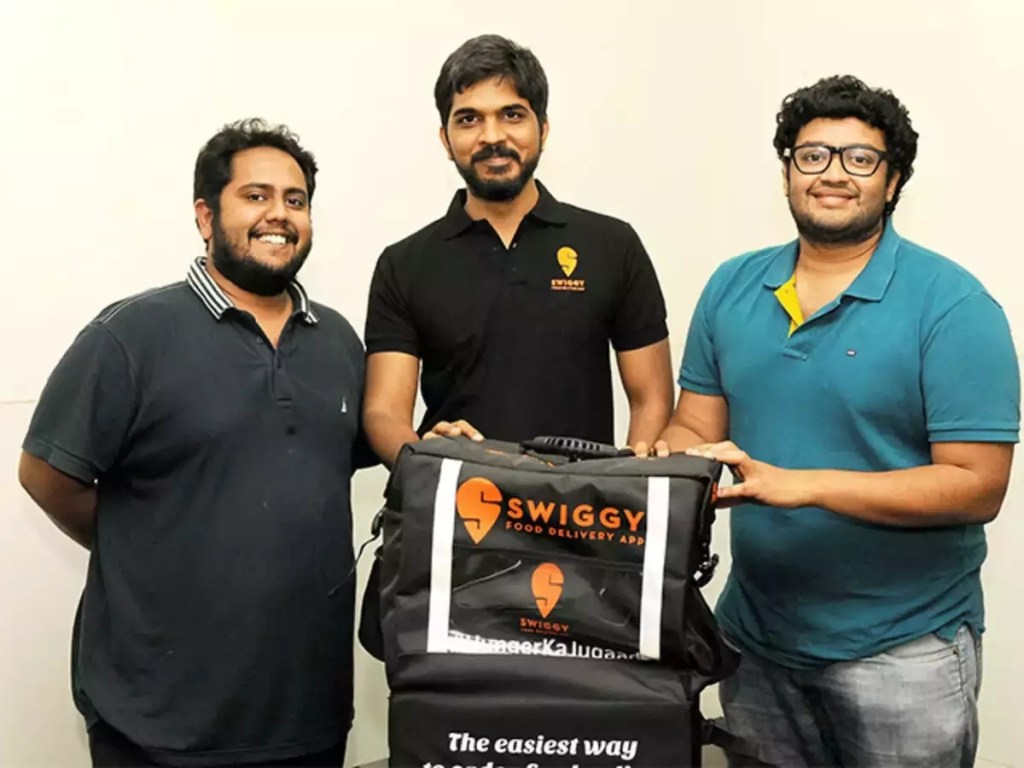
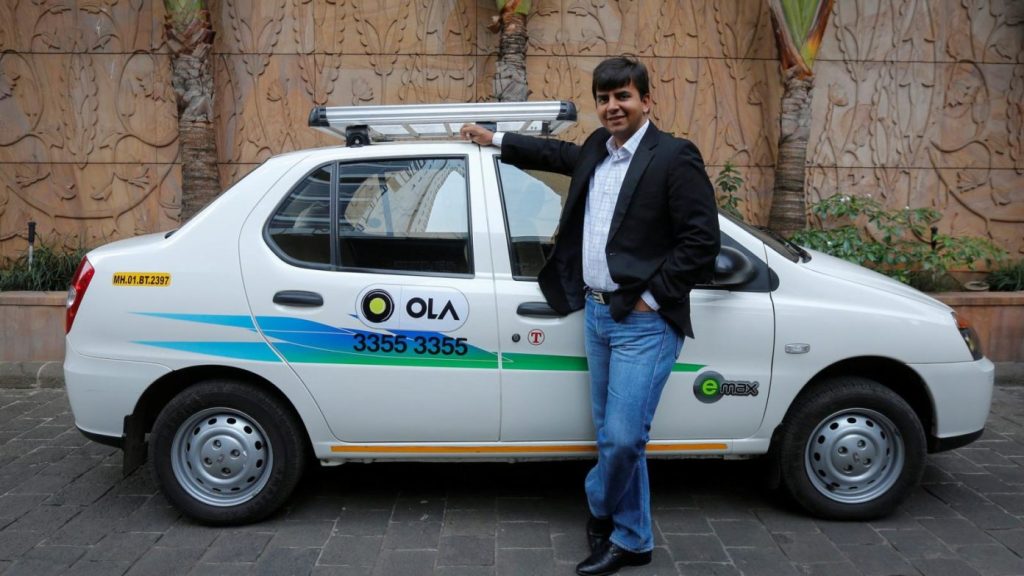


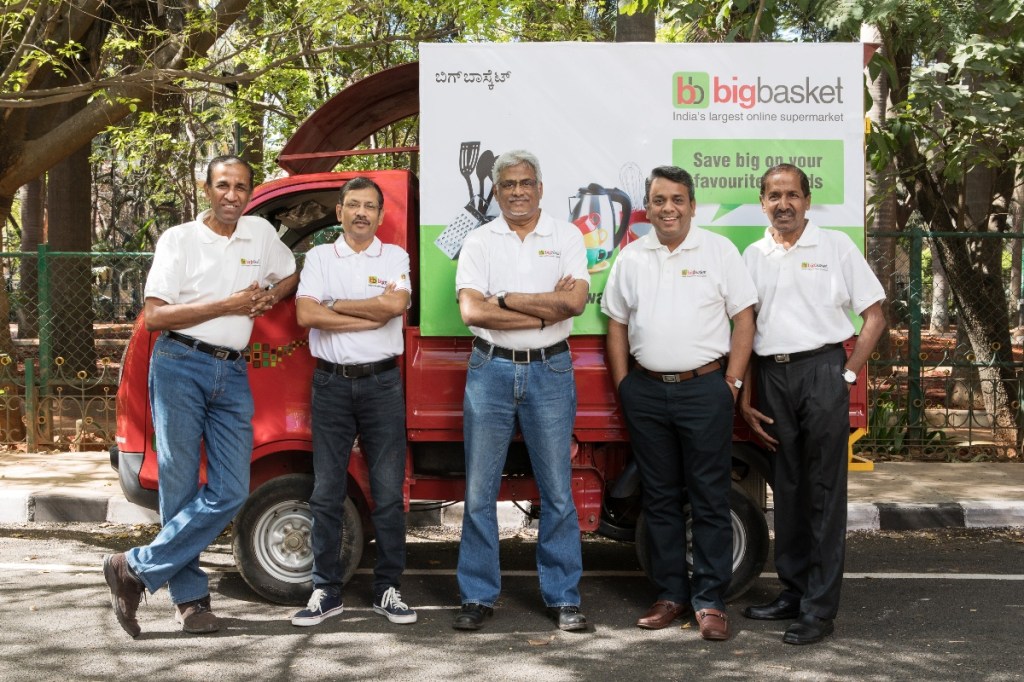


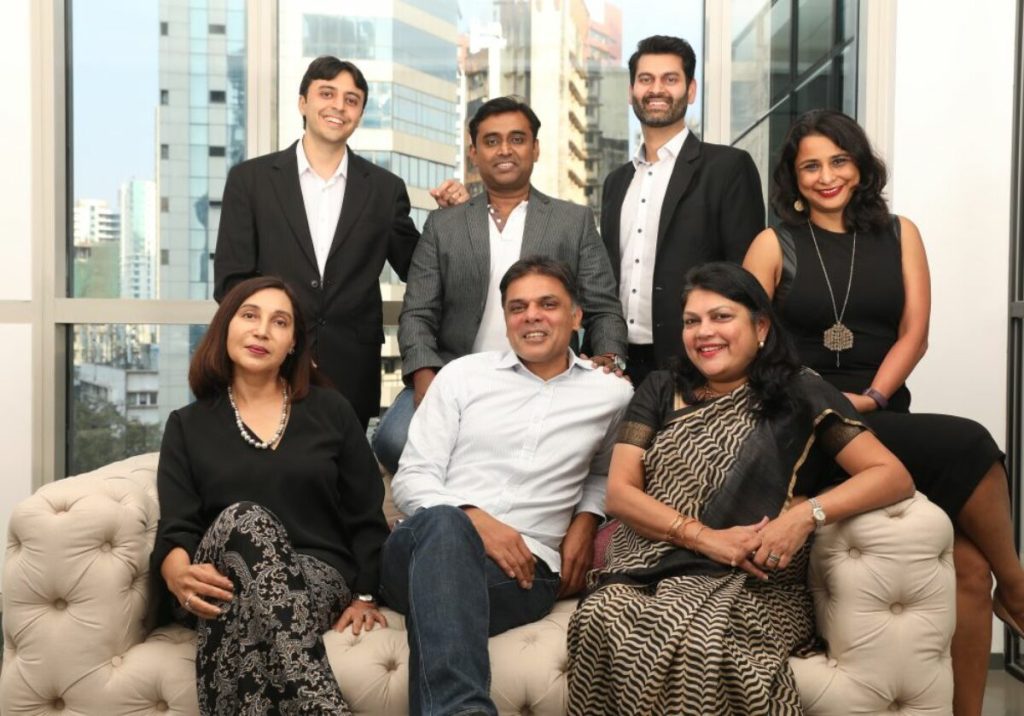




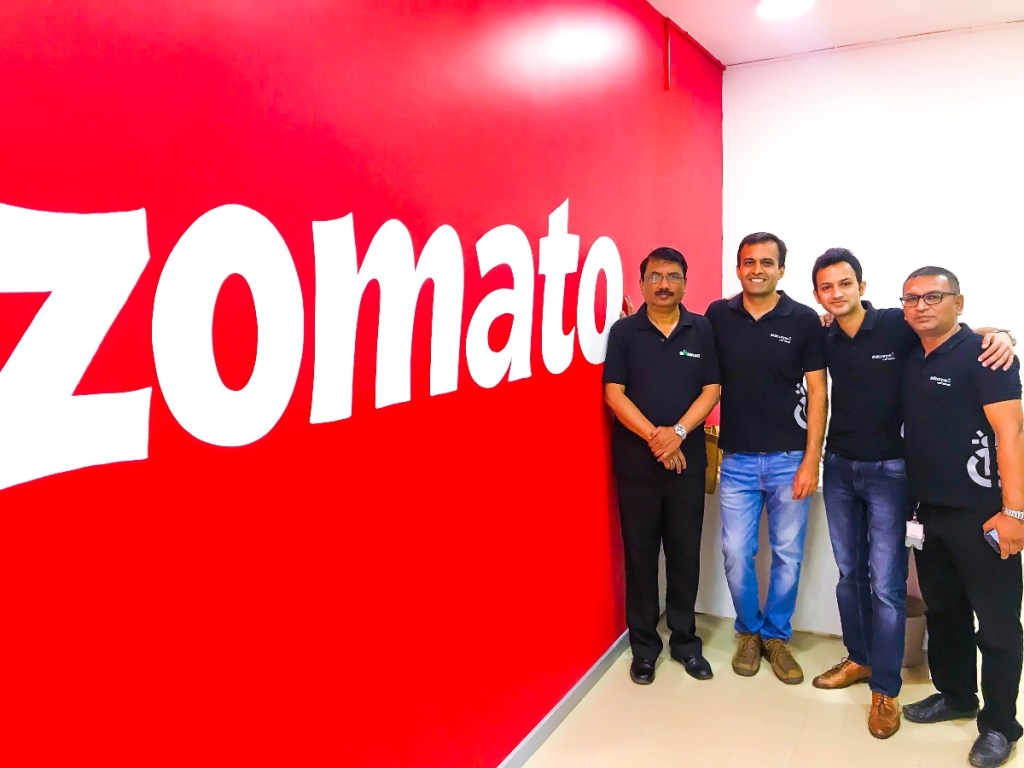

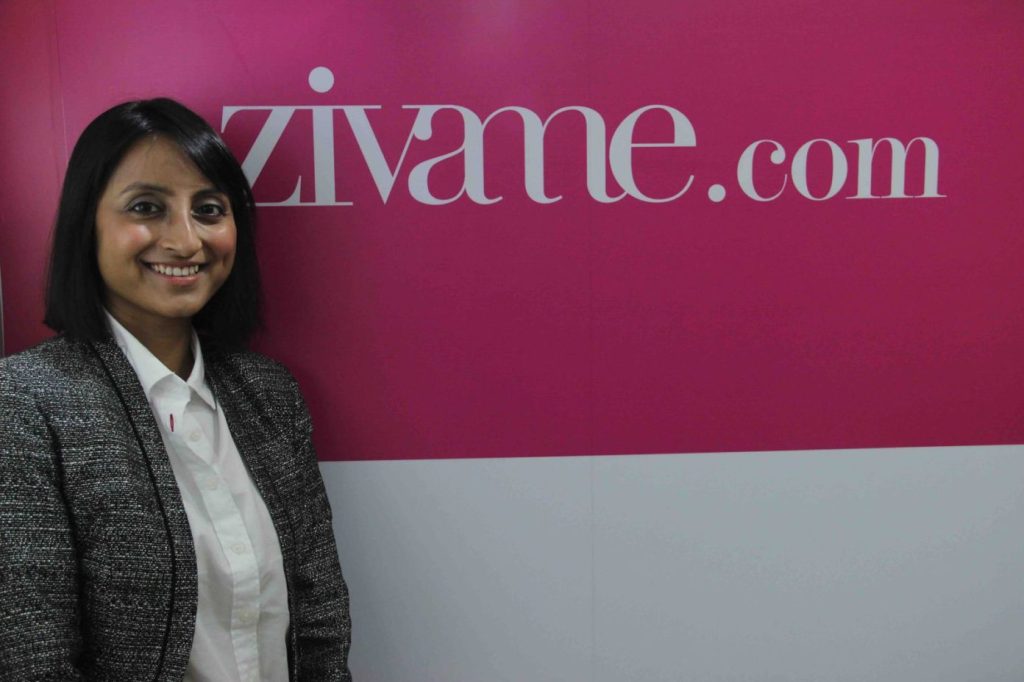




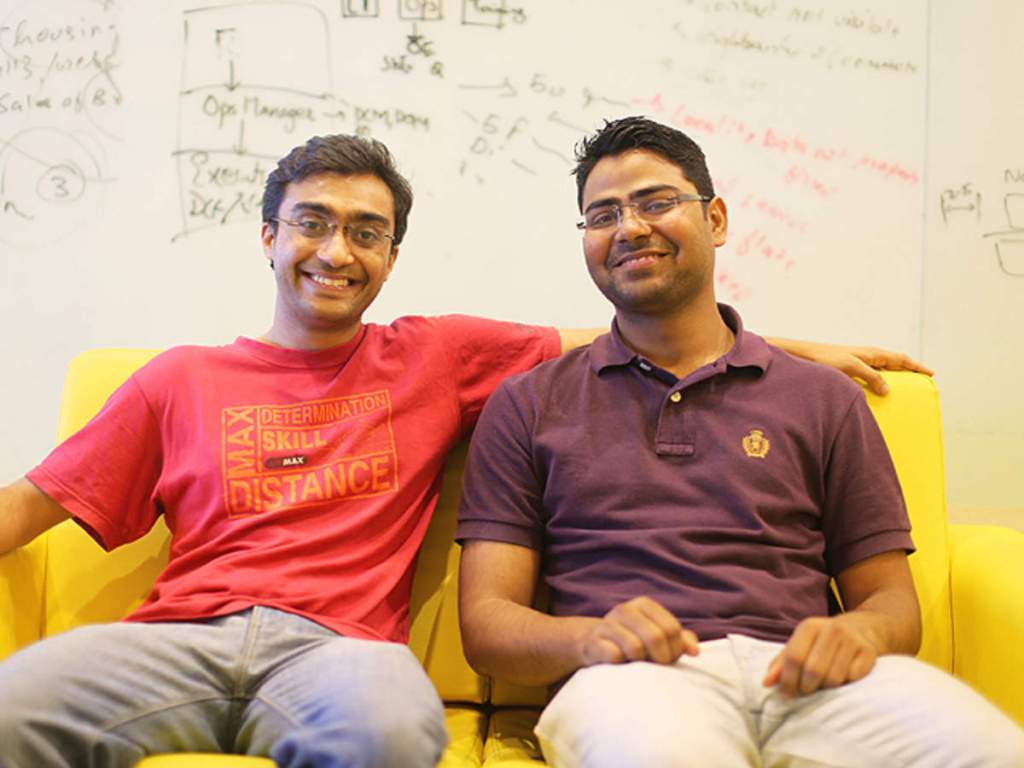


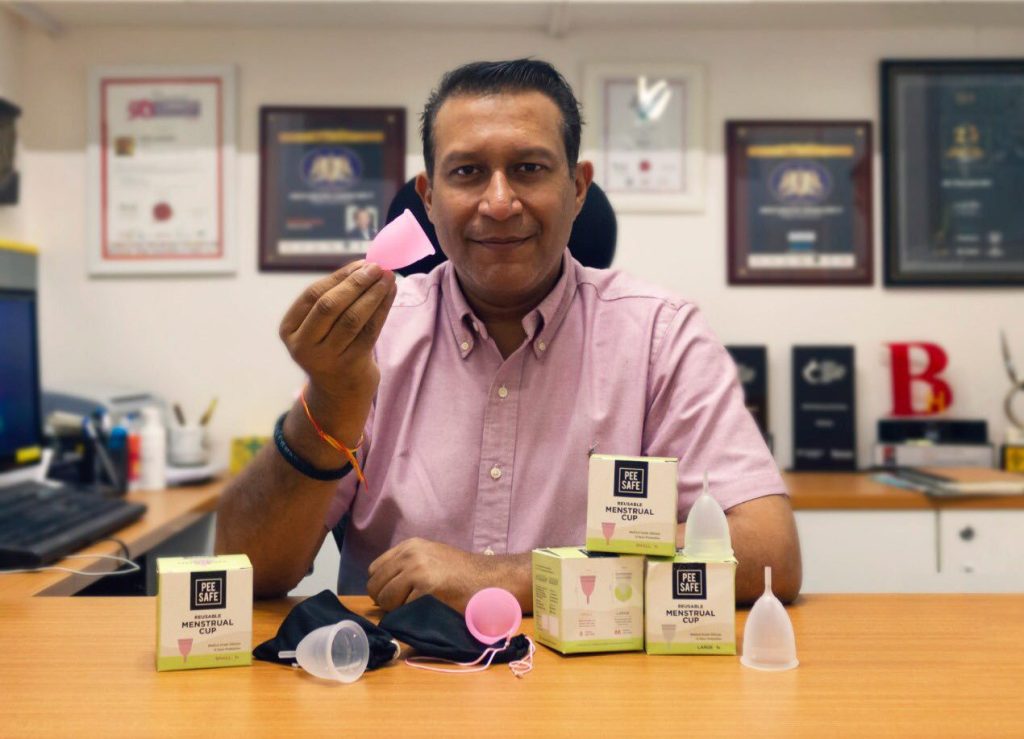
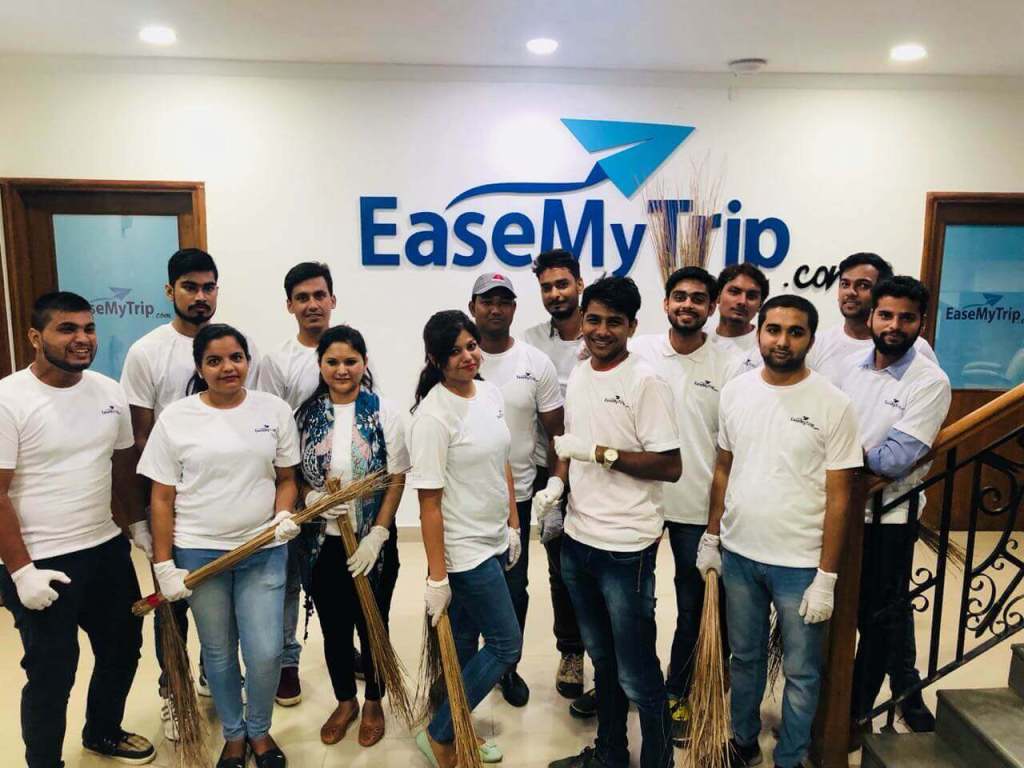


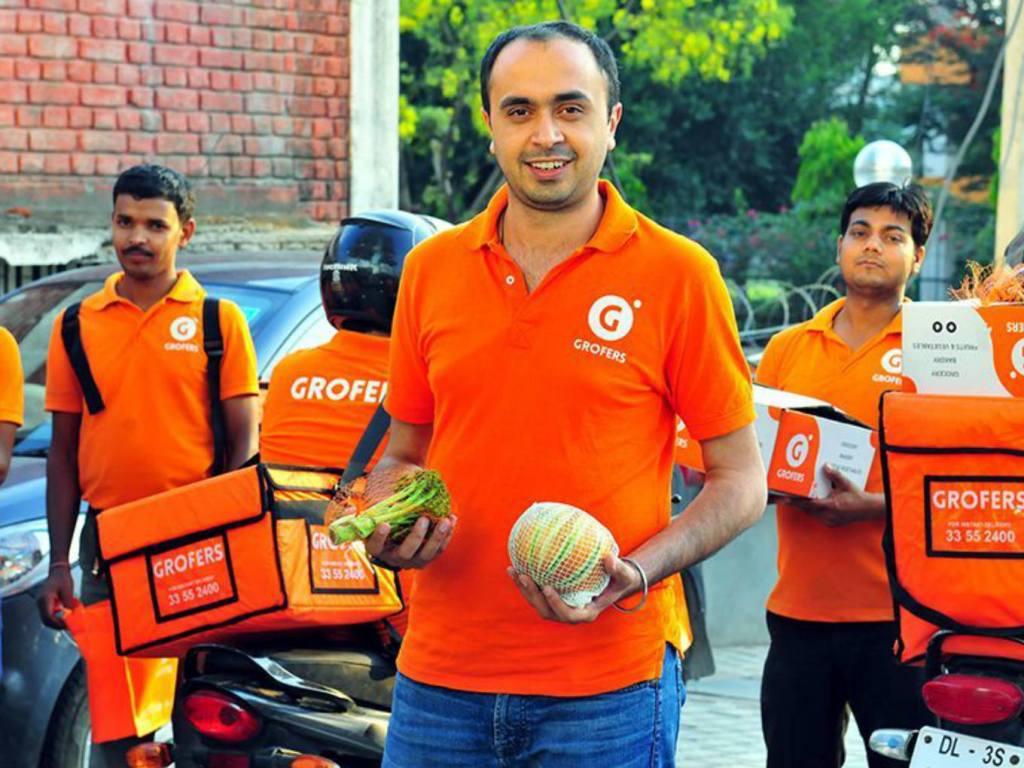


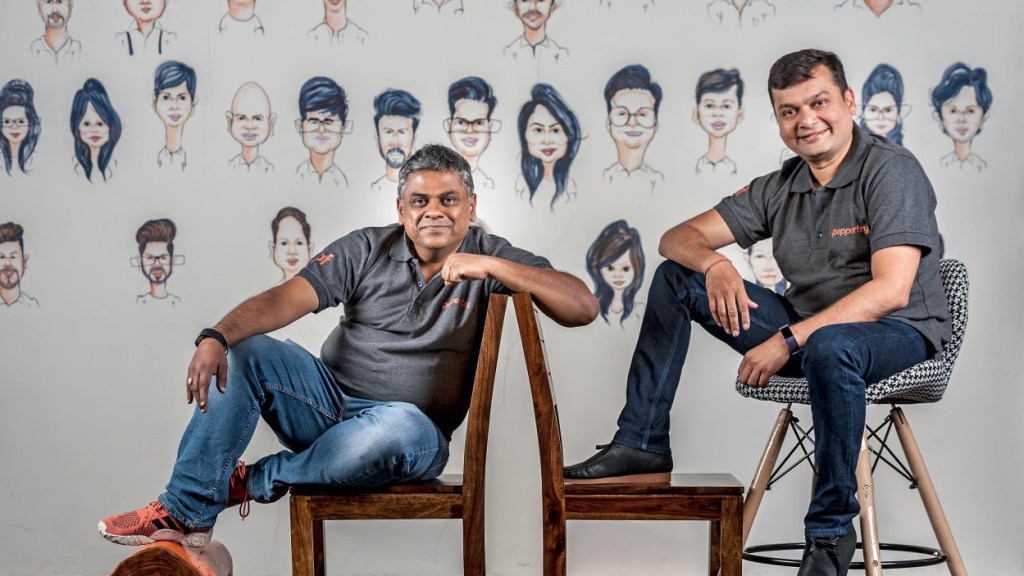

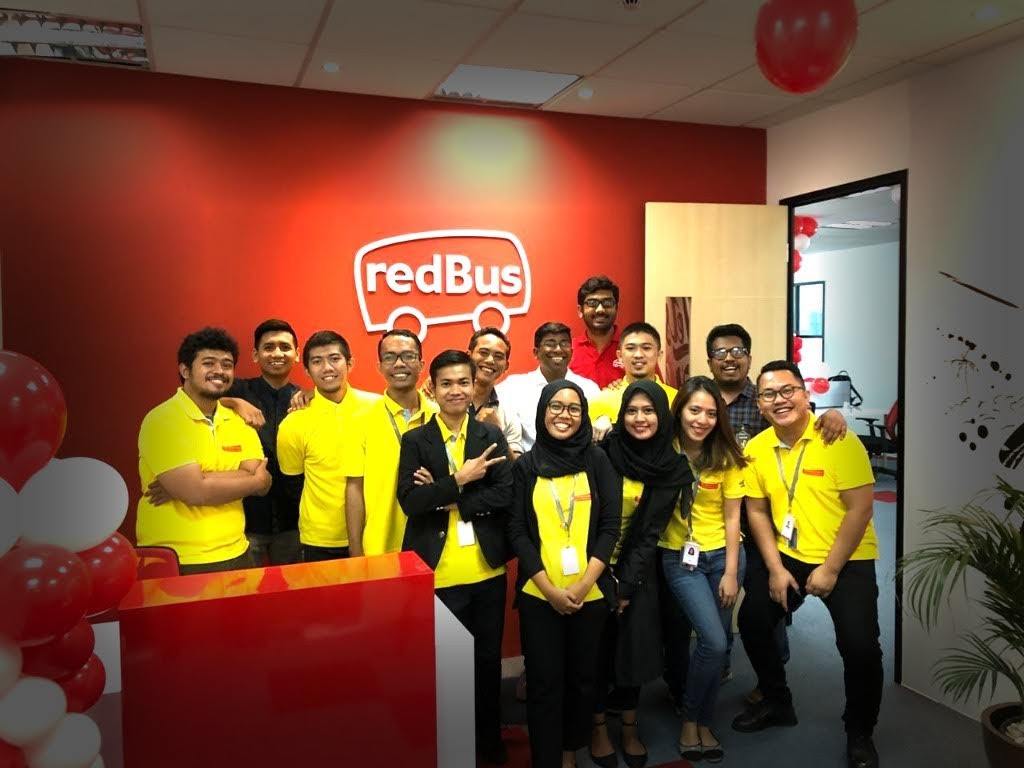





 Eduindex
You must be logged in to post a comment.