

The social services and those workers included in performing the social services during the time of pandemic are really essential and appreciatable! They build on their own existing strong ties towards the children, families and communities to rapidly respond in ways that are effective! But we know their safety also more important! The social workers […]
The Pandemic social workers:
Day: July 14, 2021
Top Reasons To Try Martial Arts

Pretty much everybody thinks about the famous hand to hand fighting, like Karate, Tae Kwon Do, Kung Fu and Tai Chi… a few group have even pondered evaluating a class. But have you at any point really done it? Do you require an explanation?
Pretty much everybody has contemplated taking up a military workmanship sooner or later on schedule. Perhaps as another approach to remain fit as a fiddle. Perhaps as a way to shield yourself from the school menace. There are hundreds, if not thousands, of reasons why individuals decide to take up a craftsmanship, however I need to require one moment to layout what I feel are the main motivations to basically attempt a military workmanship. Possibly it’s for yourself, perhaps it’s for your youngsters… whatever the explanation, all hand to hand fighting contain a remarkable abundance of information and order that you can’t go anyplace else. My expectation is that this article will rouse you to escape your seat and into a school to perceive what’s genuinely going on with combative techniques.
Fearlessness
As you train in hand to hand fighting, you will see a ton if enhancements, like your constitution, balance, mindfulness, adaptability, and numerous other physical and mental qualities. Hand to hand fighting will show you how to consolidate these capacities and use them to prevail in rivalries, achieving higher belts, building companionships and securing yourself if essential. The more you can do, the more sure you will be.
Self Preservation
Perhaps the most widely recognized motivations to examine hand to hand fighting is to figure out how to protect one’s self. Various schools may commit class time or potentially offer a planned class that stringently goes over self protection strategies. Additionally, contingent upon the MA style or school, self protection can be a huge piece of the educational plan, which can be gainful to those intrigued by “material expressions” (expressions you can use in regular day to day existence) rather than “customary expressions”.
Self-restraint
Webster characterizes self-restraint as the “remedy or guideline of oneself for development”. Regardless of whether it be attempting to make a secondary school group or fulfilling organization time constraints, when you get familiar with the center important to prevail in Martial Arts you can apply it to the remainder of your life. Achievement is mental, and Martial Arts will show you the self-control important to prevail at anything you set your attention to.
Coordination
Combative techniques requires a great deal of hand, foot, eye, and mental coordination, however the entirety of this is created over the long run. On the off chance that you see yourself as a clumsy individual, preparing in the combative techniques will assist you with developing those abilities. You’ll be stunned what your body can do! Regardless of whether you are a characteristic competitor, remaining on one foot, while kicking with the other, and impeding with your hands is very troublesome and includes coordination.
Wellness
Combative techniques doesn’t need to zero in just on battling or self preservation as certain styles depend more on wellness. Tae Bo and Tai Chi are two instances of this. In any case, those with an interest in the battling and self-preservation parts of Martial expressions will discover their wellness levels quicly expanding as preparing creates different muscle gatherings, yet adaptability and equilibrium too. One’s degree of wellness can be similarly as significant in dominating a game as one’s abilities and capacities.
Family Enjoyment
The vast majority don’t realize that this is an incredible method to hang out with your family! Some military workmanship schools permit families to prepare together and others separate classes by age gatherings. Despite how classes are isolated, families wind up partaking in the time spent together. It’s anything but incredible having a family all test together for different positions and dark belts.
Meet New People – Martial Arts is for everybody…
Numerous military workmanship schools structure their classes into three age gatherings: Kids – typically going from around 5 to 11 years of age, Teens – 12 to around 16 or 17, and Adults – for the most part begins at 18, yet a few schools make special cases when fundamental. A few schools likewise offer a “Little Dragons” program equipped towards the 4 – 6 year old group. Age bunches are then separated into belt positions permitting you to prepare with individuals that are somewhat of equivalent abilities and age. As a rule individuals who start combative techniques together will foster a holding companionship and even obtain in their dark belts simultaneously on the grounds that they pushed each other during their tuff times.
The Pandemic social workers:
The social services and those workers included in performing the social services during the time of pandemic are really essential and appreciatable! They build on their own existing strong ties towards the children, families and communities to rapidly respond in ways that are effective! But we know their safety also more important! The social workers are just like an angle to our society, including governmental and non-governmental workers, since they carry out the essential range of needs to common people at the toughest times!
Privatisation of PSBs
Finance Minister Nirmala Sitharaman, in her budget speech in February 2021, said that the government plans to privatise two PSBs (Public Sector Banks). The government had already privatised 10 banks and merged them into 4. This time, Central Bank of India and Indian Overseas bank are reported to be the probable candidates. Presently, India has 22 private banks.
Many committees had suggested the lower government stake in PSBs below 51% like Narasimhan committee proposed 33% and P J Nayak committee suggested below 50%. RBI is currently working on these suggestions.
Why privatisation?
As compared to private banks, PSBs continue to have high non performing assets. And this situation get worsed after the pandemic as NPA ratio of all commercial banks may increased 13.5% by September 2021. Also government reforms have not been able to improve the financial position of PSBs significantly.
Despite this, the government is trying to strengthen the strong banks and minimise the burden upon them.
What is privatisation?

The transfer of publicly owned or operated organisations to private ownership or operation. It is introduced as a way of enhancing effectiveness and efficiency of the organisation and apart from that reducing the burden on government. Those enterprises running privately are subject to the discipline of the market and hence proved efficient. It also maximizes public interest and welfare.
What are the pros and cons of privatisation?
Pros-
• It expand the efficiency of bank and provides better services to its customers.
• Ensures compliance and risk mitigation.
• Continuously upgrading services to keep up with changing market trends.
• Reinventing the way of working to attract customers and ensuring superior quality of services.
• Reducing burden on the government. Follows stringent norms for loans and dealing with frauds.
• Less government interference and function independently.
• Profitable and convert loss making ventures into profitable businesses.
Cons-
• PSBs cater to all sections of society whereas Private sector banks target mostly the upper strata of society, adversly affecting the poorer sections of society.
• Choose to operate only in urban areas where the profit is high unlike PSBs, which emphasis on all and provide modern facilities even in non-profitable areas.
• Income variability that may trigger protest around the country.
• Due to minimum presence of government in banking sector, private sector banks arbitarily take actions on government welfare schemes.

Privatisation looks like solution for all the problems in banking sector, which is not exactly true. It is vital for banks to penetrate into each strata of society for the nation’s holistic growth. There should be a combination of efficiency and sense of service towards the nation. Only after which banks can develop and prosperity is secured.
INTERNATIONAL YOGA DAY
OVERVIEW :-
YOGA has remain an integral part in the life of humans since thousands of years. The oldest work that gives information about yoga is Yoga sutras by Maharishi Patanjali. Maharishi Patanjali (200BC-150BC) gave every minute details about the classical yoga in this book. This book is considered as the foundation of classical yoga. It has been translated in more than 30 Indian languages.

But it was seen that in this modern world, the young generations are detached from Yoga practice and very less number of people clearly knows about how to practice different asanas in yoga, what are their health benefits and who should practice which types of asanas.
To preserve rich heritage of Yoga it was decided that from the year 2015, Yoga day will be celebrated every year on the 21st June because it is the longest day of the year scientifically.
ORIGIN OF YOGA DAY :-
In the year 2014, Prime Minister of India Shri Narendra Modi addressed the United Nations General Assembly (UNGA). In his addressing, he firstly gave the idea of celebrating 21st June of every year as Yoga Day.

This proposal was official brought in the UNGA later in the year 2014. As per the UN, 177 member countries gave their support on this proposal. After this, the UN officially declared 21st June of every year to celebrate Yoga Day.

The lines quoted from PM Modi’s speech at the UNGA is as under:-
“Yoga is an invaluable gift of India’s ancient tradition. It embodies unity of mind and body; thought and action; restraint and fulfillment; harmony between man and nature; a holistic approach to health and well-being. It is not about exercise but to discover the sense of oneness with yourself, the world and the nature. By changing our lifestyle and creating consciousness, it can help in well being. Let us work towards adopting an International Yoga Day.” — Narendra Modi, UN General Assembly.
BENEFITS OF PRACTICING YOGA REGULARLY :-
- Yoga builds the muscle strength who practice it daily. People can prevent themselves from diseases like arthritis by strengthening their bones and muscles.
- Yoga improves the flexibility of muscles and prevent people from backbone and joints related problems.
- Yoga increases the blood flow in the body. In this world when most of the work are done by machines, humans spent their time mostly sitting at one place. When their is less movement of body parts, the blood flow rate also decreases and it creates various diseases. Different Yoga asanas are proven effective to increase the blood flow in the body.

- Practicing Yoga daily improves the immune system by strengthening the stomach and other muscles used in digestion process.
- Practicing Yoga improves the focus by strengthening the brain cells.
- It calms the blood pressure and helps in getting a better sleep.
- Many Yoga asanas are proven scientifically to improve the strength of lungs muscles and maintain better oxygen level in the body.
CELEBRATION OF YOGA DAY IN VARIOUS COUNTRIES :-
Every year Yoga Day is celebrated in many countries around the world with full dedication and enthusiasm. Large number of people gather at public places and practice Yoga together.
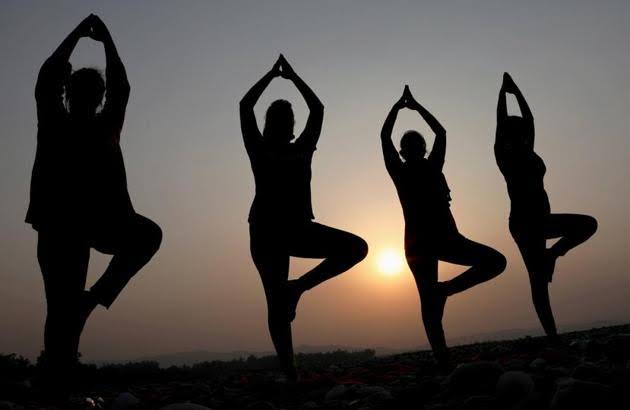
In the year 2020 and 2021 due to COVID-19 pandemic, all the programs on Yoga Day were held in virtual mode. For year 2021 official theme was – Yoga for Well-Being. Yoga has remedies to all major diseases including the current pandemic disease COVID-19. Yoga has been proven effective against COVID-19 also.

Links :-
- http://iyc-yoga.org/un&yoga.html
- https://en.m.wikipedia.org/wiki/International_Day_of_Yoga
- https://vedicfeed.com/maharishi-patanjali/
- https://www.google.com/search?q=benefits+of+yoga&client=ms-android-xiaomi-rvo2&prmd=ibnv&sxsrf=ALeKk03jc8e_VwNdbFKQEO5eoBJwRBbwBA:1626249573592&source=lnms&tbm=isch&sa=X&ved=2ahUKEwj7_pjhi-LxAhXt4nMBHZ6ACycQ_AUoAXoECAIQAQ&biw=393&bih=712&dpr=2.75#imgrc=Np01YkIhBY1FUM
- https://www.who.int/india/Campaigns/and/events/international-yoga-day-2020
Real Madrid draw up plans for summer transfer window
Real Madrid’s plan for the summer transfer window will focus on trying to get bodies out, Goal has learned, with any funds freed up by ‘Operation Exit’ allowing for long-standing interest in Paris Saint-Germain star Kylian Mbappe to be stepped up as the next deadline approaches.
The Blancos, who are famed for their ‘Galacticos’ approach to recruitment under Florentino Perez, have tightened their belts in recent years and have not invested a fee in anyone since signing Reinier in January 2020 – with David Alaba snapped up on a free this time around.

The Liga giants intend to stick with that plan in 2021 and, with long-serving captain Sergio Ramos already departed at the end of his contract, the hope is that a squad which currently includes 29 players – with loan stars Borja Mayoral and Reinier not on that list – will be trimmed considerably over the coming weeks.
Best Places to Visit in Ottawa

As the capital of Canada ‘Ottawa’ is known for its mind-blowing Victorian Architecture. Ottawa was once called ‘Bytown’, but its name was changed to Ottawa in 1854. Situated on the bank of the Ottawa river, there are various astonishing places to visit in Ottawa. If you are planning to visit Ottawa then you must not miss these mesmerizing places in Ottawa. Here are the TOP 10 PLACES TO VISIT IN OTTAWA, CANADA.
1. PARLIAMENT HILL

One of the best places to visit in Ottawa is Parliament Hill (Colline du Parlement). Along with being a good tourist attraction, it is also a workplace for the Canadian Government. This political monument was constructed between 1859 and 1876. Approximately 3 million visitors come to see Parliament Hill every year.
Parliament Hill basically constitutes 3 main blocks: East Block, West Block, and Centre Block. It is built in ancient Gothic-style architecture. You can have a breathtaking view of the city, and the Ottawa river as well, on the top of Parliament Hill. It is located at Wellington St, Ottawa, ON K1A 0A9, Canada.
2. RIDEAU CANAL
The second most astonishing place to visit in Ottawa, after Parliament Hill is Rideau Canal. This canal has a length of 200km, and a depth of 1.6m. This canal is located on Lake Ontario and connects Ottawa with Kingston. The most favorable time to visit this canal is in the season of winter, where the canal entirely freezes and people from all over the world come here for skating and celebrating.
It is undeniably the most memorable phase for any tourist. Rideau Canal’s epic urban skating rink is the biggest skating trail in the world. If you are a skating fan, then you must visit here once in your life. It is located in Ottawa, Ontario, Canada.
3. CANADIAN WAR MUSEUM
Canada War Museum (Musée Canadien de la Guerre), is yet another famous place to visit in Ottawa. This museum is a huge collection of the past Canadian Military, the museum constitutes over 3 million artifacts of the Canadian military which fought various battles in its past including World War I and World War II.
There are various military vehicles displayed in the museum such as tanks, jeeps, armored trucks, armored vehicles, motorcycles, etc. The most famous of them is Adolf Hitler’s bullet-proof Mercedes Benz limo, which is heavily modified with immense armor plating. It is located at 1 Vimy Pl, Ottawa, ON K1A 0M8, Canada.
4. NATIONAL GALLERY OF CANADA
The National Gallery of Canada (Musée des Beaux-Arts du Canada), is a perfect example of Modern-day architecture. The National Gallery of Canada constitutes the biggest collection of the past. The history of Canada is recorded in this national gallery since the 18th century, there are also certain artifacts that are even older than the 15th century. It is one of the biggest art museums in North America.
The Museum displays the Canadian art development from religious works to the Group of Seven. The museum also contains two fascinating courtyards and an amazing Rideau Street Convent Chapel. The entry to this National Gallery of Canada is absolutely free on Thursdays from 5-8 pm. It is located at 380 Sussex Dr, Ottawa, ON K1N 9N4, Canada.
5. CANADIAN MUSEUM OF NATURE
The Canadian Museum of Nature (Musée Canadien de la Nature), is yet another fascinating museum to visit. It displays the Canadian history of plants and animals from the era of Dinosaurs and even before to the modern-day era. The museum offers 3D movies, guided tours, exhibitions, and workshops for visitors.
The Canadian Museum of Nature is also the National Museum for Natural Science and History. Situated a few distances away from Parliament Hill, this museum was once the main headquarters of the Canadian government. It is located at 240 McLeod St, Ottawa, ON K2P 2R1, Canada.
6. NATIONAL WAR MEMORIAL
The National War Memorial (Monument Commémoratif de Guerre), is built with an aim to honor the Canadian Military Forces, who sacrificed their lives for their country in various wars. A very famous statue called Canada’s Tomb of Unknown Soldier has been built in the National War Memorial to honor the sacrifice of soldiers who served their country in World War I.
It is also among the Top Places to Visit In Ottawa, as rated by the tourists who come to Ottawa. It is located at Wellington St, Ottawa, ON K1P 5A4, Canada.
7. NOTRE DAME CATHEDRAL BASILICA

Situated adjacent to the National Gallery of Canada, Notre Dame Cathedral is an astonishing Catholic Basilica. It was built in 1846 and is the biggest and the oldest church still functioning in Ottawa. This church is an excellent specimen of Canadian religious art and culture. It is famous for its interior mahogany carvings by Philippe Parizeau.
It is also famous for the sculpture of apostles, prophets, and evangelists, crafted by Louis Philippe Hébert. It is located at 385 Sussex Dr, Ottawa, ON K1N 1J9, Canada.
8. CANADA AVIATION AND SPACE MUSEUM
Depicting the story from Canada’s first flight to the World Wars to this modern era, the Canadian Aviation and Space Museum, (Musée de l’Aviation et de l’Espace du Canada), is
situated at Rockcliffe Airport. It has a collection of more than 120 military, civilian, and transport aircraft.
The most famous among them is the replica of the famous Silver Dart, which made the first flight in Canada in the year 1909, and the famous Avro Arrow and the Lancaster bomber, which gave their services in World War II. It is located at 11 Aviation Parkway, Ottawa, Canada.
9. PEACE TOWER

The Peace Tower (Tour de la Paix), is the highest point in Ottawa. It is situated at Parliament Hill. From here the breathtaking scenes of the Ottawa city, the Ottawa river, Rideau Canal, the Northern Hills, and the Gatineau can be seen. It is also called the ‘Tower of Victory and Peace.’
The entry to this Peace Tower is absolutely free but you will have to buy the tickets for the entry to Parliament Hill, as Peace Tower is situated in Parliament Hill. It is located at Wellington St, Ottawa, ON K1A 0A9, Canada.
10. ROYAL CANADIAN MINT
Once the Royal Canadian Mint (Monnaie Royale Canadienne), was manufactured mint, back in the year 1908. Now it is a manufacturing hub of hand-made coins and medallions. It also manufactures Olympic Medals. The tour of the Canadian Mint is very amazing, especially on the working days.
Therefore, these are the Top 10 must-go places to explore in Ottawa. I hope you enjoyed the article and made up your mind about visiting Ottawa. Believe me, there are more fascinating places to visit in Ottawa like Diefenbunker, Canada’s Cold War Museum, Canadian Tulip Festival, Byward Market, Dows Lake Pavilion, and many more ….
If you want more Places to Visit in Ottawa, then comment below, we will surely bring a detailed and more elaborated version of this. If you want a detailed blog on the Best Hotels to Stay in Ottawa, then let us know in the comment section below.
Amazon Prime Day sale is here!!!


Are you planning to buy a smartphone or an Appliance or a TV? And you’re an Amazon Prime member then you should wait for a little. Amazon Prime Day sale is all set to go live this month on the 26th of July and it’ll conclude on the 27th of July.
Every year Amazon comes up with the Prime Day sale for its existing Prime members and attracts new subscribers. You’ll get great deals and offers on the categories including; Smartphones, Consumer Electronics, TVs, Appliances, Amazon devices, Furniture, Home & Kitchen. The good news is that Amazon is also offering discounts on Flagship devices like iPhone 12 and Oneplus 9.
Aside from discounts on smartphones, Amazon will also provide a 10% instant discount for HDFC cardholders. Buyers can also exchange their old phones for new phones. Amazon also disclosed that the Echo devices will be sold at discounts up to 50%. Amazon also has teased the smartphones that are getting discounts namely; iPhone 12 Pro, OnePlus Nord CE 5G, Redmi Note 10 Pro Max, Samsung Galaxy M51, iPhone 11,iQOO 7 legend, Redmi Note 10, and others.
Prime day sale is not the only perk of being a Prime member, you also get to enjoy free-fast delivery, Prime Video, ad-free music. exclusive deals and more. If you are not a Prime member of Amazon, you can be one today just by buying Prime membership according to monthly/yearly plans provided by Amazon.
Well if you are so impatient and want to buy an iPhone before the Prime day sale, then you should go for the Apple Days sale. Amazon has announced the Apple Days sale before the Prime Day sale. Apple Days sale will be live until the 17th of July. You can get various deals and discounts on the iPhone 12 series and iPhone 11, and more. You can get iPhone 12 for Rs 70,900 with a discount of Rs 9,000 and HDFC cardholders will get additional Rs 6,000 discount on HDFC credit card transactions.
Gold in Tiny Amounts; Elixir?
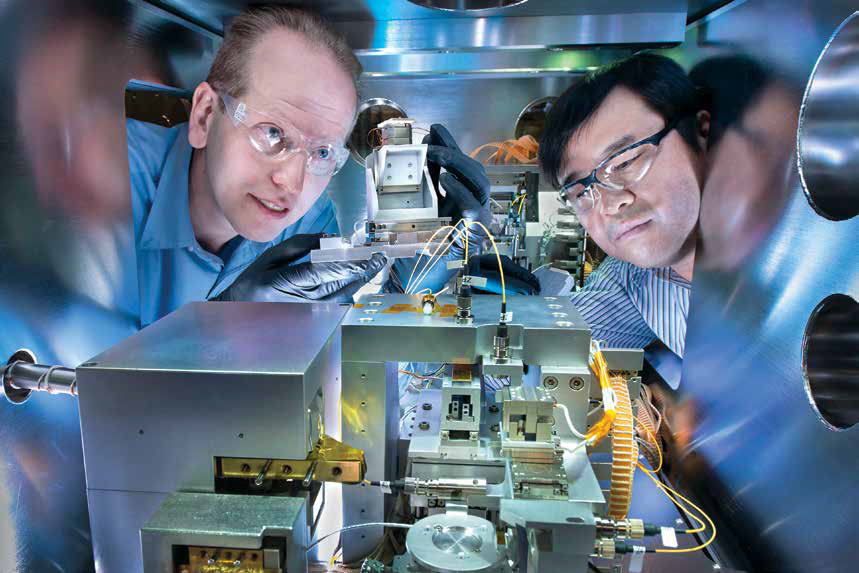
All about gold nanoparticles
Precious metals like silver, gold, and platinum are all used in medicine to aid treatments as diverse as wound healing and cancer therapies. Gold nanoparticles (AuNPs) are small gold particles with a diameter of 1 to 100 nm which, once dispersed in water, are also known as colloidal gold.

How did gold get to earth?
Gold, the shiny yellow metal prized for its beauty, malleability and used in many different industries, is actually created inside massive stars when they explode into a supernova. Here lies the history-
- Gold, like most heavy metals, are forged inside stars through a process called nuclear fusion. In the beginning, following the Big Bang, only two elements were formed: hydrogen and helium. A few hundred million years after the Big Bang, the first stars were blazing away with their nuclear fires. These nuclear fires forced lighter elements together to make slightly heavier elements, and these nuclear reactions released a huge amount of energy.
- Gradually, these early stars began making elements such as carbon, nitrogen, oxygen — working their way up through the periodic table towards iron. But there was still no gold in the Universe. Once these earlier stars ran out of light elements to burn, they kicked in on the heavier ones.
- Finally, as they burnt silicon to make iron, they exploded as a supernova, and for a few short moments, each star would release as much energy as all the regular stars in that galaxy put together. In that cataclysmic explosion, for the first time, atoms of gold were manufactured — and then hurled out into the Universe, along with the other debris from that explosion.
- On Earth, gold finally reached us some 200 million years after the formation of the planet when meteorites packed with gold and other metals bombarded its surface. During the formation of Earth, molten iron sank to its centre to make the core. This took with it the vast majority of the planet’s precious metals — such as gold and platinum. In fact, there are enough precious metals in the core to cover the entire surface of Earth with a four-metre thick layer.
Cancer treatment
Colloidal gold, the suspension of gold nanoparticles in liquid, has been used for hundreds of years, from staining glass in the Middle Ages to early experiments with photography in the Victorian era. But it was only 160 years ago that gold nanoparticles were given any serious scientific examination, when scientist Michael Faraday created the first pure sample of colloidal gold in his basement laboratory at the Royal Institute in London. Faraday’s early experiments were forays into what would ultimately become the fields of nanoscience and nanotechnology.
“Scientists have pioneered a revolutionary approach in the use of gold nanoparticles that could lead to the development of a new generation of broad-spectrum antiviral drugs.”
- Targeted drug delivery is better than conventional drug therapy because these drugs target the main effected area, so it minimizes the side effects caused..
- Gold nanoparticles have the ability of bio-imaging of the effected cancerous cells for therapy. Cancer DNA has a special 3D structure that has an affinity for gold, according to one study, and nanoparticles change color when that DNA is present. Simple, fast tests could detect cancer in 10 minutes.
- Gold nanoparticles have unique physical, chemical properties and strong binding attraction for thiols, proteins, carboxylic acid and disulfides, so they have been extensively used in drug delivery for cancer therapy.

Alzheimer’s-
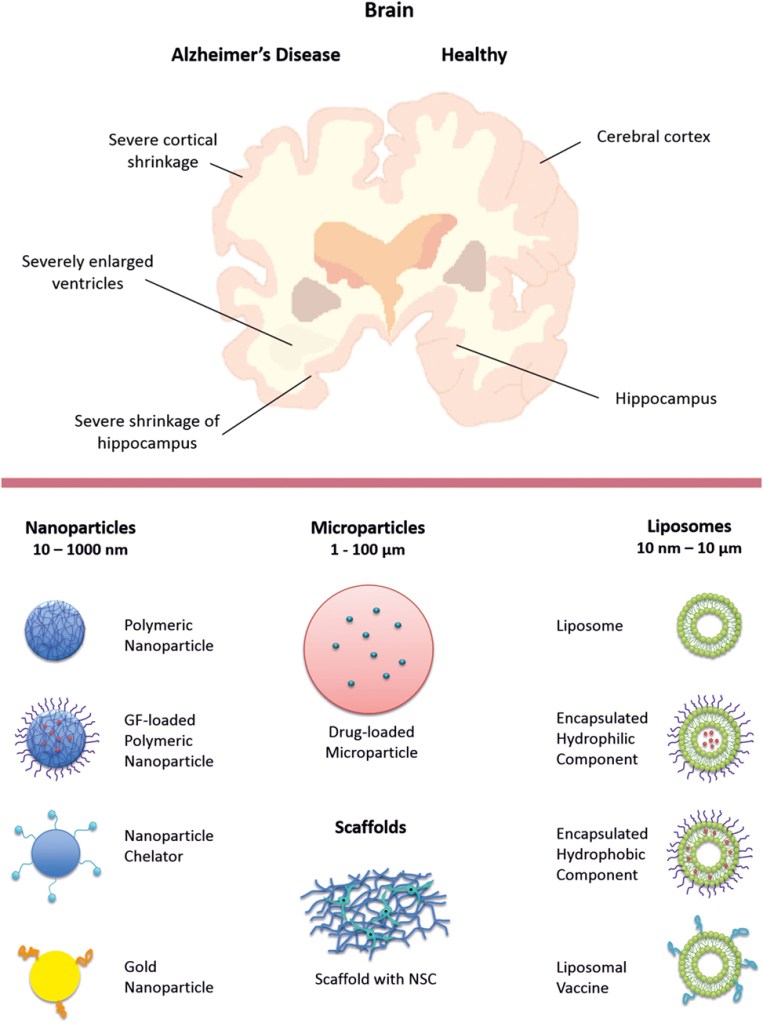
- Illnesses associated with ageing are under the microscope too. Scientists are using gold nanoparticles to see the knot-like structures in the brain that cause Alzheimer’s and other neurodegenerative diseases. By labelling these structures–called amyloid fibrils–with gold they can see the knots more clearly and identify their weak spots for treatment.
- Another global health problem shows promise for gold use in medicine. Tropical disease malaria, transmitted by mosquitoes, infected 219 million people in 2017 and killed 435,000. Nanoparticles used in rapid diagnostic tests are cheap to use, can give results in 15 minutes, and help doctors target treatment for malaria where it is most needed.
Immunity
- Immunotherapists are also harnessing the special properties of spherical nanoparticles to deliver a boost to the body’s immune system. Polymer-coated spheres of gold interact with B lymphocyte immune cells and can deliver drugs or vaccine to where it is most needed. In this way they hope to treat hard-to-reach brain tumors.
- Going forward there is exciting potential for nanoparticles to help combat HIV and blood diseases. Medics use the gene editing tool CRISPR to deliver new genetic information to cells, but current methods can damage or even kill cells. Gold nanoparticles mounted with CRISPR can quickly cross the cell membrane into the nucleus to edit genes.
Thankfully, even though gold is a rare commodity compared to other metals, in microscopic quantities it can improve our lives immeasurably. Nanoparticles measuring billionths of a meter are used as tiny detectors to develop the most sensitive chemical tests.
Thank you!


Thermal Pollution
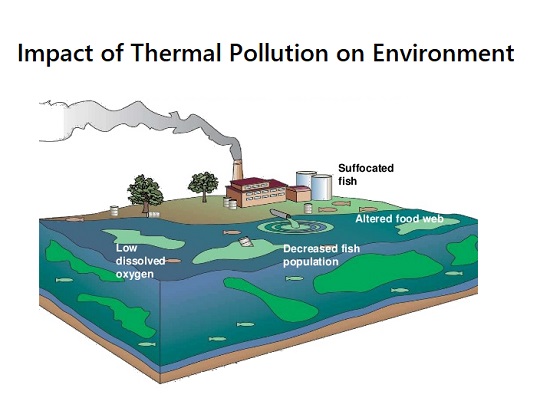
Thermal pollution is a real and persistent problem in our modern society. Thermal Pollution may be defined as ‘the excessive raising or lowering of water temperature above or below normal seasonal ranges in streams, lakes, or estuaries or oceans as the result of discharge of hot or cold effluents into such water’. Thermal Pollution is harmful because its increase water temperature in streams, rivers, lakes, or occasionally, coastal ocean waters. Thermal pollution is caused by either dumping hot water from factories and power plants or removing trees and vegetation that shade streams, permitting sunlight to raise the temperature of these waters. Like other forms of water pollution, thermal pollution is widespread, affecting many lakes and vast numbers of streams and rivers in the United States and other parts of the world. A temperature increase as small as 1 or 2 Celsius degrees (about 2 to 4 Fahrenheit degrees) can kill native fish and plants or drive them out in favor of other species, often with undesirable effects.
Definition :-
Pollution, the idea of thermal pollution often doesn’t come to mind. People will first think of things like carbon emissions, personal pollution and waste, and a variety of other changing factors.
However, thermal pollution is a real and persistent problem in our modern society. In layman’s terms, thermal pollution is when an industry or other human-made organization takes in water from a natural source and either cools it down or heats it up. They then eject that water back into the natural resource, which changes the oxygen levels and can have disastrous effects on local ecosystems and communities.
Thermal pollution is defined as a sudden increase or decrease in temperature of a natural body of water, which may be ocean, lake, river or pond by human influence. This normally occurs when a plant or facility takes in water from a natural resource and puts it back with an altered temperature. Usually, these facilities use it as a cooling method for their machinery or to help better produce their products.
Plants that produce different products or wastewater facilities are often the culprits of this massive exodus of thermal pollution. In order to properly control and maintain thermal pollution, humans and governments have been taking many steps to effectively manage how plants are able to use the water. However, the effects are still lasting today.

Causes of Thermal Pollution: – It looks like thermal pollution occurs mainly due to industrial activities, there are geothermal sources as well. These are:
1. Heavy Industries :- Industries such as power, chemical, nuclear & manufacturing are the primary source of thermal pollution. These industries use water as a coolant and discharge it back at an elevated temperature that affects the ecosystem. Water bodies that are near the nuclear power plants get heated due to emissions from nuclear reactors. Warm water decreases the dissolved oxygen content that results in thermal shock causing adverse effects on aquatic life.
2. Domestic & Industrial Effluents :-
Household and industrial effluents that include drainage from hospitals and research institutions too are often discharged with minimum or no treatment. Normally sewage treatment plants operate at a higher temperature and when discharged in natural water bodies the effective temperature increases. Thus, domestic & industrial effluents are one of the main sources of thermal pollution.avement gets quite hot, which creates warm runoffs that get into the sewer systems and water bodies.
3. Runoff From Paved Surfaces :- Urban runoff discharged to surface waters from paved surfaces like roads and parking lots can make the water warmer. During summer seasons, the pavement gets quite hot, which creates warm runoffs that get into the sewer systems and water bodies.
4. Soil Erosion :- Soil erosion causes the top layer of soil to break and washed away into the natural water bodies. The level of water bodies rises due to consistent soil erosion and sedimentation, which makes it directly exposed to the sunlight. Massive removal of vegetation and trees speeds up the soil erosion process, thus contributing to thermal pollution.
5. Deforestation :- Trees and plants prevent sunlight from falling directly on lakes, ponds or rivers. When deforestation takes place, these water bodies are directly exposed to sunlight, thus absorbing more heat and raising its temperature. Deforestation is also the main cause of the higher concentrations of greenhouse gases, i.e. global warming in the atmosphere.
6. Geothermal Activities :-
Natural causes like volcanoes, geothermal vents can trigger warm lava to raise the temperature of water bodies. Lightening can also introduce a massive amount of heat into the oceans. This means that the overall temperature of the water source will rise.

Harmful Effects of Thermal Pollution :-
Specific ecological imbalances occur due to increased water temperature affecting the associated ecosystem. Here are some major effects of thermal pollution.
Reduction in Dissolved oxygen level :- The warm temperature reduces the levels of DO (Dissolved Oxygen) in water. The decrease in DO can create suffocation for plants and animals such as fish, amphibians and copepods, which may give rise to anaerobic conditions. Warmer water allows algae to flourish on the surface of the water, and over the long term, growing algae can decrease oxygen levels in the water.
Changes in water quality :- A high temperature of the water changes the physical and chemical properties of water. When the viscosity of the water decreases, the vapour pressure increases rapidly.
Increase in Toxicity :- The concentration of the pollutant is the factor in the increase in the temperature of water, due to which the poisoning in the water increases the toxicity. Which can increase the death rate of aquatic life.
Interference in Reproduction Rates :-Thermal pollution adversely affects the natural reproductive cycles of fishes and other aquatic organisms. Due to thermal pollution, the temperature gradient of water bodies gets disturbed and affects whole aquatic organisms. Due to thermal shock, mass killing of fishes and other aquatic organisms can occur when there is a very rapid water temperature change.

Control of Thermal Pollution :- There are a number of ways to minimize the harmful effects of Thermal Pollutions.
Cooling Ponds :-
Cooling ponds or reservoirs constitute the simplest method of controlling thermal discharges. Heated effluents on the surface of water in cooling ponds maximize dissipation of heat to the atmosphere and minimize the water area and volume. This is the simplest and cheapest method which cools the water to a considerable low temperature. However, the technique alone is less desirable and inefficient in terms of air-water contact.
Cooling Towers :- After using water from water sources for cooling purposes, it is subsequently returned to the water body after passing through the condenser, which is termed as the cooling process. Therefore cooling towers are designed to control the temperature of water to make the cooling process more effective. Cooling towers are mainly used to dissipate the recovered waste heat to eliminate the problems of thermal pollution.
Cogeneration (Combined heat and power; CHP) :- Cogeneration is the use of a heat engine or a power station to simultaneously generate both electricity and useful heat. All power plants emit a certain amount of heat during electricity generation. This can be released into the natural environment through cooling towers, flue gas, or by other means. By contrast CHP captures some or all of the by-product heat for heating purposes, either very close to the plant or as hot water for district heating with temperatures ranging from approximately 80 to 130 °C. This is also called Combined Heat and Power.
Artificial Lake :- Artificial lakes are man-made water bodies that offer a possible alternative. The heated effluents may be discharged into the lake at one end, and the water may be withdrawn from the other end for cooling purposes. The heat is eventually dissipated through evaporation. However, these lakes have to be rejuvenated continuously.
Spray Ponds :- In spray ponds, the water coming out from the condensers pass into the pond through water sprayer nozzles.
The fine water droplets dissipate into the atmosphere as its area is maximized and cooled rapidly.
Other Preventive Measures:- Water Recycling
Afforestation along with the riverbank
Stricter Rules & Regulations
Spreading Awareness
Use of alternative cooling agent ( fan coolers use air to cool).
Haaland will stay at Dortmund
Erling Haaland will remain at Borussia Dortmund as their search for a replacement for Jadon Sancho goes on, according to the club’s head of first-team football Sebastian Kehl.
Haaland is attracting attention from a whole host of top clubs after a stellar 2020-21 campaign at BVB, who he helped win the DFB-Pokal and finish fourth in the Bundesliga by scoring 30 goals in 32 domestic appearances.

However, Dortmund have repeatedly insisted that a prized asset will not be sold this summer, and Kehl reiterated that stance before their opening pre-season friendly against FC Giessen on Tuesday night.
The Norwegian striker has been heavily linked with Chelsea, but BVB have to plans to sanction his departure this summer.
CSR at Cafe Coffee Day

Corporate social responsibility, often abbreviated “CSR,” is a corporation’s initiatives to assess and take responsibility for the company’s effects on environmental and social wellbeing. The term generally applies to efforts that go beyond what may be required by regulators or environmental protection groups.
As the business environment changes, customer’s expectations from a company also change. Nowadays, Customers prefer brands that are socially responsible and give back to the society. Let’s take a look at CSR initiatives taken by the Cafe Coffee Day, one of India’s leading coffee brands.
CSR goals at Cafe Coffee Day
- Improving livings standards for communities through increasing employment opportunities- CCD believes in working for the people, and working with the people. It ensures that it creates new employment and livelihood opportunities for millions across the globe. This is done through direct employment and contracts, as well as through inclusive business opportunities.
- Enhancing the health and wellbeing of communities– It works with communities at large and aims to help them become healthier and happier.
- Reducing environmental footprint– It works towards reducing its environmental footprint by ensuring that it allows the legislation regarding carbon production and release. It works towards designing operational processes that reduce water and land pollution. All products manufactured and distributed come with a disposal method to reduce wastage, and increase recycling.
Corporate social responsibility is an integral part of CCD’s operations. They are committed to offering ethically purchased and responsibly produced products of the highest quality, and serving quality coffee that is responsibly grown and ethically traded. They facilitate UTZ and Rainforest certification for their major coffee supplier’s estates. The UTZ Code of Conduct is a recognized global ‘decency’ standard for coffee and production criteria for socially and
environmentally appropriate growing practices and efficient farm management techniques. The Rainforest Alliance works to conserve biodiversity and improve livelihoods by promoting and evaluating the implementation of the most globally respected sustainability standards in a variety of fields which are designed to generate ecological, social and economic benefits. CCD aims to create the most value in the following aspects:
- Nutrition- The primary focus remains on ensuring health safety for children and infants.
- Water- It administers all its internal sewage plants to dispose of waste optimally without risking water life.
- Air Cleansing- The company also takes responsibility for ensuring that all its industrial sites and operations are placed away from residential areas to reduce maximum exposure of plant operations to the public.
- Rural Development– It created varied employment and livelihood opportunities for these communities to help them raise their living standards and quality of life.
- Protecting water- With the high scarcity of clean drinking water, CCD works and strives to provide communities with clean drinking water through having installed filter plants.
- Protecting natural resources- It ensures that all its operational sites are designed in a way that they do not harm or risk the natural ecosystem. In addition, the company works towards protecting the environment by building green spaces.
- Safeguarding the environment- The operations of CCD, like other players in the industry, are being affected by the climatic changes, and the weather alterations. To fight this change, and to safeguard the environment, CCD works towards creating safe green spaces through high rate plantations. This is to ensure environmental sustainability and
enrichment of the ecosystem.
Commitments made by CCD
Commitments at CCD have helped shape its CSR and CSV approach based on multiple trends from across the globe. These commitments have helped maintain focus in giving back to the community as well as in developing a more sustainable environment and workplace. Commitments are the long-term goals that CCD wants to fulfil and
achieve in the following different aspects:
- For individuals and families
• Living healthier lives– Helping individuals attain a balance between healthy nutrition and physical exercise as a means of a healthier lifestyle and healthy living. With today’s work style and busy schedules, this is quite a challenge.
• Having Nutritional Knowledge- CCD works with the long-term aspiration of enhancing the lifestyles of communities. The company plans to do it by sharing information regarding nutritional facts, and by raising awareness of nutritional intake. - For Communities
• Rural Development– It works towards developing rural communities-especially where it is operational and present. The company engages not only in employment creation but also infrastructure development and education deployment programs to help communities improve their living standards.
• Promoting Diversity– It works towards inclusion through its diversity programs. The company has designed programs and policies to ensure the inclusion of all community groups in the employment cycle. In addition, the company also conducts training and skill enhancement sessions for all community groups including disabled and special persons.
Finding the potential in coffee is a key part of success. Similarly, CSR activities focus on finding
the potential in the people, society and environment.
TRAINING
CCD works through a unique partnership model wherein they have established strategic partnerships with various training bodies, non-governmental organizations, and government and leverage their relationship to provide skill training and employability to the under privileged. In states like Jammu and Kashmir and Orissa, they have provided self-improvement and vocational training to youth.
DIFFERENTLY-ABLED EMPLOYMENT
Coffee Day Global has also tied up with NGOs such as “Enable India” to work out avenues to employ more differently-abled people. Over 150 speech and hearing-impaired people are employed at their cafés, popularly called as “silent brew masters”.
WATER, SANITATION AND HYGIENE
During the manufacturing process and value additions, Cafe Coffee Day maintains an emphasis on water, sanitation and hygiene. All plants and manufacturing units operated by Cafe Coffee Day have an authorized sanitation system in place which ensures minimal water wastage. Besides, all industrial waste is disposed of off through authorized channels only ensuring that no natural water body and water source is harmed or polluted.
NATURAL RESOURCE STEWARDSHIP
Cafe Coffee Day is also an active pioneer of natural resource stewardship. Cafe Coffee Day has devised ways to ensure that natural resources are sustainably used for industrial operations, and are not damaged during business processes. Cafe Coffee Day shares this knowledge publicly for the overall welfare of the environment and the planet.
WOMEN EMPOWERMENT
During its manufacturing process, Cafe Coffee Day also ensures to employ women labour in various managerial and operational level jobs. These women are usually from local communities and are trained for new skill development and enhancement. In doing so, Cafe Coffee Day ensures that women are equipped with the confidence and decision-making abilities that they advance not only in their professional but also in their personal and social lives.
ANIMAL WELFARE
In all its sourcing, CCD ensures that no animals are harmed. CCD makes sure that all animals are fed high quality fodder, and that they are kept in a clean and safe environment. In addition, it also provides safe breeding grounds for
animals and regularly authorizes veterinary check-ups for all animals in partner farms.
HUMAN RIGHTS
CCD is also particularly careful to ensure that all human rights are upheld in its business operations. This
includes no child labour, and inclusive diversity, amongst other things. Also, the business operations of CCD also include high dependence on local workers for labour and management, making sure all local and global human rights are followed thoroughly.
CCD changing lives with Education and Employment
· Their social transformation initiatives are led by SVGH Vocational Training College (VTC) at Chikmagalur, Karnataka and are fully funded by their Promoter. VTC seeks to promote education to economically underprivileged rural youth and supporting them to be independent, responsible and adaptable to urban environment. VTC has trained over 2,500
students, many of whom have since joined CCD Group companies, including Coffee Day Global’s outlets across the country. The entire expenses of the course which includes imparting education, providing food and accommodation, uniforms and transport facilities is borne by VTC.
· The institute provides free education and training to youngsters, with all their expenses being covered by the chairman’s trust. The chairman and founder, V G Siddhartha, was keen to create employment for the rural youth, so that they could lead a productive life and contribute to society. A large number of youths were unemployable due to skill gaps, so it was decided to offer hotel management courses at Yuva (their vocational training institute).
· The institute provides a one-year course in hotel management, which includes six months of theory and six months of internship, where students get an on-the-job experience. Apart from hotel management, the institute also provides courses in audit, micro-finance, supply chain and culinary skills, which depends on the needs and demands of the organisation.
· It provides them an opportunity for personal and professional development thereby equipping them with skills to handle the rapidly changing environment. The college has trained 1180 students many of whom have found employment at CCD outlets across the country. Courses offered include Certificate Course in Hospitality Management & Micro Finance. The Trust bears the entire expenses of the course which includes imparting education, providing food
and accommodation, uniforms and transport facilities. The trained students are guaranteed employment. Current employees are involved actively in SVGH programs and help by conducting modules etc.
· “Communication skills are critical to success in customer-service roles and there is a strong commitment to building job-ready skills.” The focus has been on right skilling and reskilling to keep pace with the dynamic market needs. They aim to groom students who can think, ideate, solve problems, communicate and collaborate. They also provide specialisation studies to the students in the last quarter of the course, so as to place them in various roles at CCD in
accordance with their skills. Placements are done within the organisation. By providing quality education and employment to these students, the organisation is changing their lives and offering them a great career path.
· Every year, around 350 students pass out from the institute and are employed by the organisation. Almost all of them are hired by Café Coffee Day. This kind of programme also creates loyalty in the minds of the employees and they are likely to stick around for a longer period of time.
· Providing a good career path, professionalism and quality skill training, the institute— which had taken birth as a simple CSR activity—is changing the lives of its students and their families. This is the best way to not only educate the underprivileged but also provide jobs to those who actually need them.
BRITISH INFLUENCE ON URBANIZATION IN INDIA
INTRODUCTION

India shares a long history of urbanization, with Indus Valley Civilization dating back to 2350 BC as its first stepping stone towards urbanization. After this and post-independence period, with the emergence of Planning Commission, India witnessed the urbanization which it had never seen before. And this period marks the progression and flourishing of urbanization in India. However, cities in India have been urbanized in number of phases. The urbanization history in India has 5 different phases (given by historians) :
- The Pre – Historic Period (Indus): 2350 – 1800 BC
- The Early Historic Period (Aryans and Dravidians): 600 BC – 500 AD
- The Medieval Period (Mughal): 600 – 800 AD
- The British Period: 800 AD – 1947
- Post Independence Period: 1947 – till date
URBANIZATION IN BRITISH PERIOD
The British came to India in 1858 when India was one of the most urbanized nations due to Mughal supremacy. But in the early phase of British rule, Indian cities witnessed decline in the level of urbanization and during the later phase of British rule, the Indian cities regained the lost importance and new towns and cities emerged and newer urban form was added to existing cities.

URBAN DECLINE IN 19TH CENTURY
The main reasons for urban decline during the British Period were:
- Lack of interest in British in economic development, prosperity and growth of India and their negative attitude towards the traditional industries of India which were present during that period.
- The alteration of urbanization in India due to the industrial revolution in England.
- The diversion in existing trade routes due to sudden growth and building of rail networks.
- Disrupted monopoly in trade especially in port towns.
BRITISH CONTRIBUTION TO URBANIZATION SCENES IN INDIA
- Emergence of three metropolitan port cities which emerged as leading colonial cities (Calcutta, Bombay and Madras).
- Creation of hill stations and plantation settlements.
- Modification of urban landscape in existing cities.
- Introduction of civil lines, camps and cantonments.
- Improvement in connectivity through railways.
- Enhanced scope of industrialization.
- Improvements in urban amenities and urban administration.
CONCLUSION
British era had both positive and negative impact in India but the extent of positive changes is more. The process of urbanization and building of new cities can be seen as the breaking of the continuum. During British Period, the Indian cities emerged as the focal points of urbanization and westernization. The westernization brought by the British Period continued to guide the destiny of urban elite in India. It helped in transforming the agriculture as a means of commerce by introducing new crops like indigo, tobacco, coffee etc. Thus, British Era can be seen a the period when India came across fundamental economic transition, mechanized industries and developed connectivity through railways and foreign trade. But the British Era didn’t consider the rural – urban conflict which increased the gap between urban and rural areas of India.
Thus, it can be concluded that British rule had definitely been useful in providing the foundation of development and urbanization to India. As per Census 1941, which is the last census before Independence, India had 49 one lakh cities and 2500 urbanized towns. So, when this urbanization is compared to previous trans, it can be seen that the urbanization attained zenith during the end of British period as compared to past events.
In 1941, which marks the last census before independence, There were 49 one-lakh cities in India and in all round 2500 urbanized towns. Urbanization attained zenith during end of this period compared to entire past events.
Satyajit Ray: A Forgotten Beacon in Indian Cinema
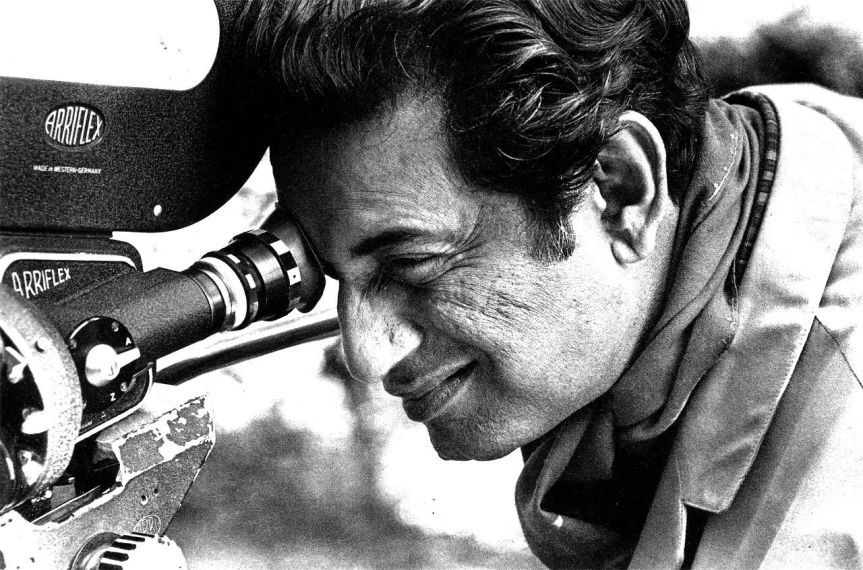
-S Devasankar
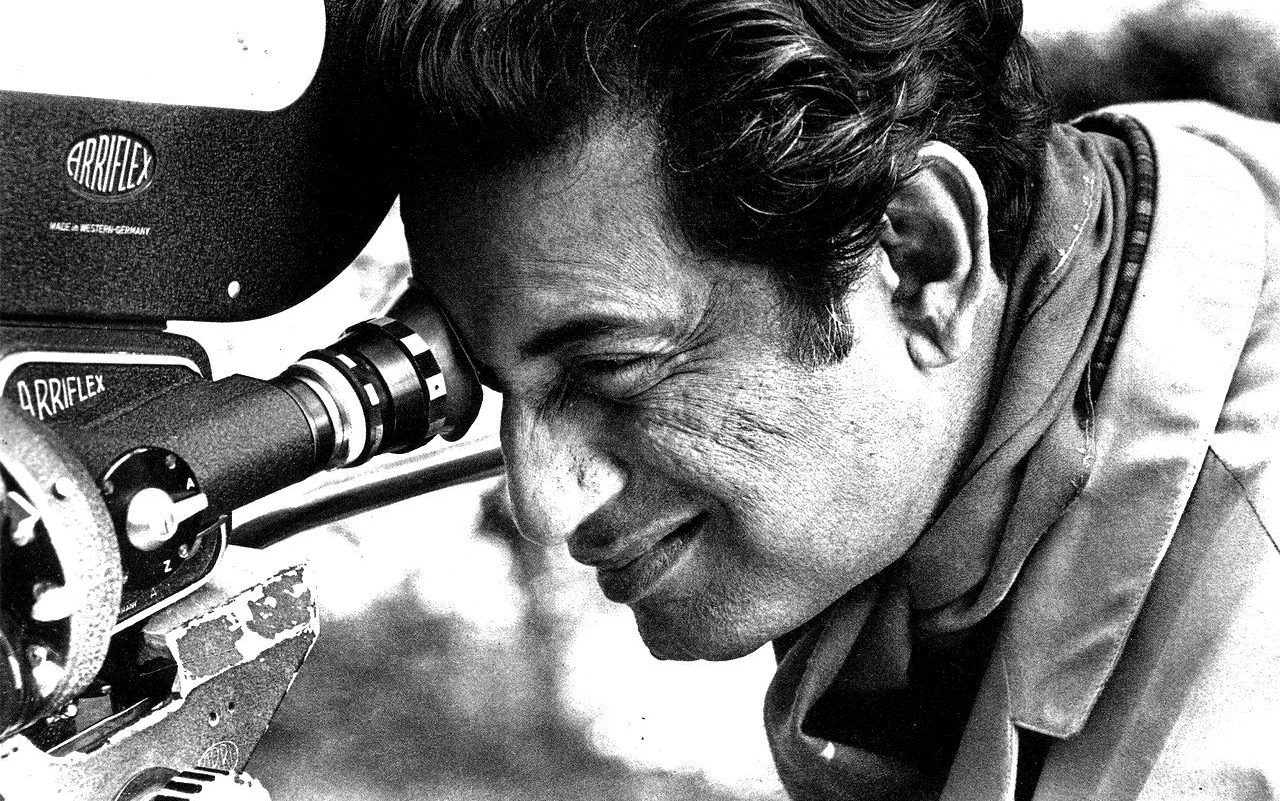
Satyajit Ray is a name that is familiar to most Indians. Or is it? Mr. Ray is one of India’s most decorated filmmakers of all time. In fact, he can be credited with bringing Indian cinema to the limelight with his very first movie: Pather Panchali. Martin Scorsese, the director of movies like The Wolf of Wall Street, Taxi Driver and The Irishman said that Pather Panchali was one of the first Indian movies that he had watched, and one that inspired him to make movies. He said the movie was “made by an Indian, for Indians” showcasing the intricate details of life in India. This, he said, helped him realize what Cinema is meant to be. What a target audience is supposed to be, and what story telling is. Ray is also an inspiration for many other directors like Wes Anderson, Christopher Nolan and Quentin Tarantino, who have, on several occasions, said this publicly.
Ray was not just a director, he was also a screenwriter, lyricist, author, essayist, calligrapher, magazine editor, music composer and much more. He was truly a jack of all trades. His works are still read and cherished by readers all over the world, especially ones like the Tales of Feluda, Professor Shanku, etc.
That being said, it is quite unfortunate that today, the man and his works have been forgotten. While people are aware that such a person existed, and that he was a director, they do not know of the extent of his contribution to Indian, or rather the world cinema, and to other forms of art, other than filmmaking.
But why is it so? Why is it that such a legend has been forgotten by the majority with the passing of time? The answer lies in the question. The passing of time. As time passed, cinema evolved. New movies came into existence, and the masterpieces by Satyajit Ray faded into the background.
Even then, they never ceased to exist. The works by Mr. Ray is well known among film enthusiasts, and they still try to promote the movies, especially the Apu Trilogy (viz. Pather Panchali, Aparajito and Apur Sansar).
Ray made sure to leave an impact on the world before he left it and the medium he chose for that was cinema. For his contributions to cinema, and his portrayal of India in the global stage, he was awarded an Honorary Academy in 1992.
This is not to understate his achievements in other fields of work that he engaged in. Ray excelled in all the fields he tried out, even leaving his marks in the fields of Magazine editing and calligraphy.
Ray can be considered as the best filmmaker India has produced till date, and it’s rather unfortunate that while many parts of the world remember his legacy, India has forgotten it.
Recently, an anthology titled RAY was released, based on 4 of Satyajit Ray’s short stories, namely Bipin Chowdhury’r Smritibhrom, Bahurupi, Barin Bhowmik-er Byaram, and Spotlight. Also, his first ever movie, in fact the entire Apu Trilogy has been renewed and is available in a leading OTT platform. Hopefully, these help to bring this legendary filmmaker, the man who told the story of India through a visual medium throughout the world for the first time, back to the forefront, and help get the recognition he deserves from the Indian audience.
How to delay periods naturally?
There are plenty of times in a life of woman when she doesn’t wish for her menstrual cycle to come because ofsome special vacation lined up. There are some pills which can help delay the flow of your periods. But it’s not everyone’s cup of tea, it may have some side effects. So, there are some all-natural, non-medical ways to delay your periods for a while.
Avoid eating spicy food because it increase the heat inside our body, which will trigger the period before date and if you want to delay your period, then you have to stop taking spicy food. But this method is not proven scientifically, it’s just a home remedy. You can not totally depend only on this method.

Start taking the lemon water. You just have too take one lemon and squeeze it in a glass of water. Start taking it before two or three days before your periods date.

Drinking more water. Water makes your period lighter, and helps in reducing heavy bleeding. Drinking more water with other remedies, make it effective in slowing down your period.
Cinnamon tea. Take two or three cinnamon stick, boil them in the water, and when water remains half the actual quantity. Your cinnamon tea is ready. Drink it twice a day before a week atleast.

Eating papaya and carrot. It’s safe and natural way to delay periods. Papayas are rich in carotene which triggers estrogen levels in the body leading to changes in the uterine blood flow.

French beans. Take the French beans, it’s easily available in the market, boil them in the water, take that water and add some lemon in it. Start drinking this water. It will help you.
Mustard seeds. Powder the mustard seeds and then add this powder to lukewarm milk, add some honey or you can add sugar also according to your taste. And then you have to take this mixture two or three times a day before the expected date can prove to be helpful. Antioxidant-rich chia seeds may be helpful in a similar manner.
Gram lentil. Fry some gram lentils, till they become soft. Now, grind them to make a thin powder. Now make a thick soup with this powder, and consume it daily.

Coriander seeds. Boil coriander seeds in the water, after boiling you can drink this water 2 or 3 times a day. Start this method before two or three weeks from the start date of your period.
Before applying any of these methods, consult your doctor. While these methods are safe to try, they may not be the most effective or work for everyone. These are not foolproof remedies, there can also be chances of irregular bleeding.
 Eduindex
You must be logged in to post a comment.