Why Conserving Biodiversity is Important and How we can conserve it?

Biodiversity describes the whole range of the different varieties of living things and systems of this earth. Biodiversity can be found everywhere – it includes animal species, plant species, genes, ecosystems and landscapes. Biodiversity is what allows ecosystems to work and flourish. Over millions of years many different species of plants and animals have come to live in the same habitats. Over time they balance each other and hold the ecosystem together. And this biodiversity has been facing a constant decline and adversity. As humans become greedier, we forget our roots and the sole source that keeps us alive and goes on exploiting all the resources available to us in order to gain large profits.


For billions of years the loss of biological diversity has been caused by gradual natural occurrences such as glaciation or extreme events such as volcanic eruptions.
However, for the last few thousand years the main cause has been the growth of human population and the enormous pressure we exert on the planet. We transform our natural ecosystems into agricultural fields and urban areas, we release pollutants, CO2 and invasive species into the environment which damages our ecosystems. Our economic pursuits have led to the extinction of many animal and plant species. When a species is removed (biodiversity is reduced) the ecosystem can lose its balance, causing it to break down. One iconic example of this is sea otters in kelp forests along the California coast. Sea otters feed on sea urchins and sea urchins feed on kelp. If sea otters are removed sea urchins multiply, eating large portions of the kelp forest, destroying the habitat and eventually leading to the death of other animals that live there. The whole ecosystem falls apart. The loss of biodiversity is therefore compromising the quality of our lives. The grave importance and impact that our biodiversity has on us has been described in the previous answer. Biodiversity acts as our main base for ecological balance in the world. If this balance is destroyed, there’s no doubts that destruction will be upon us.


Therefore, if we ignore our responsibilities in protecting the biodiversity we will inevitably end up destroying our future. Thus, it is important for us to conserve our biodiversity. Biodiversity conservation refers to the protection, upliftment, and management of biodiversity in order to derive sustainable benefits for present and future generations. Here are some ways that we can conserve biodiversity.


(1) Government legislation – Governments have the power to control what is done to the habitats within their country. Legislation that protects natural habitats by outlawing development, harvesting of natural resources, or other human exploitation has a huge impact on maintaining natural biodiversity.
Protecting habitats before they have been altered is the best form on biodiversity conservation and is most successfully implemented by government regulations.


(2) Plant local flowers, fruits and vegetables – Research the plants and vegetables that are local to your area and grow a variety. Each plant and vegetable helps to protect biodiversity and supports the wider ecosystem of your local area.


(3) Conserve Your Water Use – Fresh bodies of water are essential to biodiversity.
Reducing the amount of water you use, by having a 5-minute shower or not running the water when washing up the dishes, can help protect vital wetlands.
Plant scientists are also working to help conserve by developing crop varieties that use less water.


(4) Reducing amount of invasive species – Invasive species are sometimes introduced to an area on purpose, but also sometimes by accident. To limit the number of invasive species moved by accident planes, ships, and cargo must be thoroughly checked before it is offloaded in a new country. Additionally, people should not bring new species of animals or plants to an area without consulting ecologists knowledgeable on the region.


(5) Reduce, Reuse and Recycle – Recycling lessens pollution by decreasing energy, electricity, and water consumption and the need for landfills. Not only can you recycle bottles and cans, but your local recycling centre will usually allow you to recycle clothes, electrical goods and batteries.
(6) Support Farmers – Farmers play a key role in conserving biodiversity. With the help of biotechnology and plant science, farmers can grow more food on the same amount of land. This takes the pressure off the need to convert natural habitats into farmland.


(7) Maintenance of Wetlands – Maintain wetlands by conserving water and reducing irrigation. Avoid draining water bodies on your property.
(8) In-situ conservation methods – The most effective way for us to conserve biodiversity with our present knowledge is probably in-situ conservation, that is the conservation of species within their natural habitats. Sometimes direct measures can be taken to protect a species or ecosystem, like creating a wildlife refuge or bird sanctuary.


(9) Ex-situ conservation methods – In some situations, though ex-situ conservation methods are essential. That is, the conservation of biological diversity outside of the natural habitats. We are all familiar with efforts to save the last members of endangered species by capturing them from the wild and transporting them to a zoo where many of their natural threats are removed, their health can be monitored and breeding efforts made. The goal is to grow the population and reintroduce them to their natural habitat. Some plants that can no longer survive in nature unaided are candidates for ex-situ conservation. These are generally maintained in botanical gardens. In addition to plant tissue, microbial cultures are collected and saved.


(10) Purchase of environmental-friendly products – Use environmentally friendly products. Dispose of hazardous material safely. Chemicals that enter the sewer system can contaminate freshwater and ocean ecosystems.


(11) Take a Walk – Climate change can have devastating consequences for biodiversity. Reducing your carbon footprint by taking the bus or walking can help protect it. Plant scientists are also working to combat climate change every day. One example is through innovative developments in conservation till age, which uses less fuel and therefore reduces the emission of greenhouse gases.


(12) Educate Yourself and Those Around You – Learn as much as you can about nature and share your knowledge with others. Educating people about the importance of biodiversity conservation increases public awareness of the issue. Visit ecological interpretation centres, natural history museums, and native fish hatcheries to study local ecosystems. Volunteer at an organization that focuses on conservation or restoration of habitat.


Biodiversity is the utmost gift that we are blessed with and it is our duty to preserve it and let our future generations enjoy the benefits of it as much as we did. As E.O. Wilson rightly said, we should learn to use our biodiversity in the right manner, understand its connect with humanity and learn its importance because it is the most priceless possession we can ever have.
Tension management

Tension, stress and anxiety are very common problems which many of us face in these days and they affect our mental health. It is very important that we deal with such issues in a rightful manner and never ever ignore them. Some of the very easy steps which we can take even sitting at our home to manage our tension and stress are:

  1. Yoga plays a great role in keeping our mind calm and also helps us to focus and concentrate on things. It also helps us deal with tough situations and gives us the strength to stay away from negativity and thus helps us to deal with stress and anxiety.
  2. Exercising regularly is a key to healthy body and we all know that a healthy body and a healthy mind goes hand in hand, so we must ensure that we exercise daily to keep ourselves fit, and thus also gives an impact on our mental health.
  3. The environment that we stay in also the company with which we spend time also plays a major role we should be extremely aware while selecting our company and in case we are not able to adjust we should walk away.
  4. We should consume a lot of green vegetables and fruits.

A Look at the Four Noble Truths of Buddhism

Buddha, the founder of Buddhism, is credited for the four noble truths. The Four Noble Truths contain the essence of Buddha’s teachings and principles that he gained after enlightenment.

The Four Noble Truths are as followed:

  1. The truth of suffering
  2. The truth of the cause of suffering
  3. The truth of the end of suffering
  4. The truth of the path that leads to the end of suffering

The First Truth talks about the identification and acceptance of the presence of suffering. Buddha says that life is not ideal as it often fails to live up to our expectations. The only things that are certain and unavoidable are old age, sickness and death.

Buddhism encourages its followers to view the world with a pragmatic approach and see the world as it is. Free from any illusions or enchantments.

The Second Truth, seeks to determine the cause of suffering.
Buddhism says that the root-cause of all sufferings is desire and ignorance. This comes in three forms known as the Three Roots of Evil, or The Three Fires or The Three Poisons.

Buddha says that these three roots of evil are

  1. Greed and desire
  2. Ignorance or delusion
  3. Hatred and destructive urges

Buddha explains that desire is the craving for pleasure, material goods and immortality and all these are wants that can never be satisfied. Therefore, desiring them can only bring sufferings. Although he does clarify that there are positive desires like the desire for enlightenment, good wishes for others, desire to learn, teach etc.

About Ignorance, Buddha says that ignorance is not being able to see the world as it actually is. He argues that, without the capacity for mental concentration and insight, one’s mind is left undeveloped, making it unable to grasp the true nature of things and leading to vices such as envy, hatred, anger and greed.

The Third Noble Truth, the truth of the end of suffering, talks about the possibility of liberation from suffering. Buddha taught that the way to extinguish desire (the root-cause of all sufferings), is to liberate oneself from attachment.

The Third Nobel Truth also has a dual meaning suggesting,

  1. Either the end of suffering in this life, on earth or
  2. In the spiritual life, through achieving Nirvana (after death)

Buddha was the living example of the former.

The Fourth Noble Truth, prescribes the method for attaining the end of suffering. This prescription is known as the Noble Eightfold Path, which is as followed.

  1. Right Understanding
  2. Right Thought
  3. Right Speech
  4. Right Action
  5. Right Livelihood
  6. Right Effort
  7. Right Mindfulness
  8. Right Concentration

These eightfold paths are further divided into 3 themes.

  1. Good Moral Conduct (Understanding, Thought< Speech)
  2. Mediation and Mental Development (Action, Livelihood, Effort)
  3. Wisdom or insight (Mindfulness and Concentration)

My View on the four noble truths

I do agree to some extent that one should pursue to reduce sufferings in life. However, concentrating only on the elimination of suffering is not the ultimate goal of life, because this will deprive us from seeing the other beauties of life. When we consider pleasure and happiness as a desire that we should aim to extinguish, I believe that one would not really be able to live their life to the fullest. Life for me, is the combination of sad, happy, boring and all other moments, that challenge us to grow into a better person.

Apart from this, the fourth noble truth, the eightfold path, is an extremely difficult thing to stick to. In our ordinary lives we as humans tend to make mistakes, tend to do wrong things and learn from them. The eightfold path requires us to be all good which is an extremely difficult command and requires one to be fully devoted to the Buddhism Teachings. This makes it extremely difficult to attain enlightenment, which is why, after Buddha, there have not been many people who were able to truly attain enlightenment in their lives.

PLANET EARTH

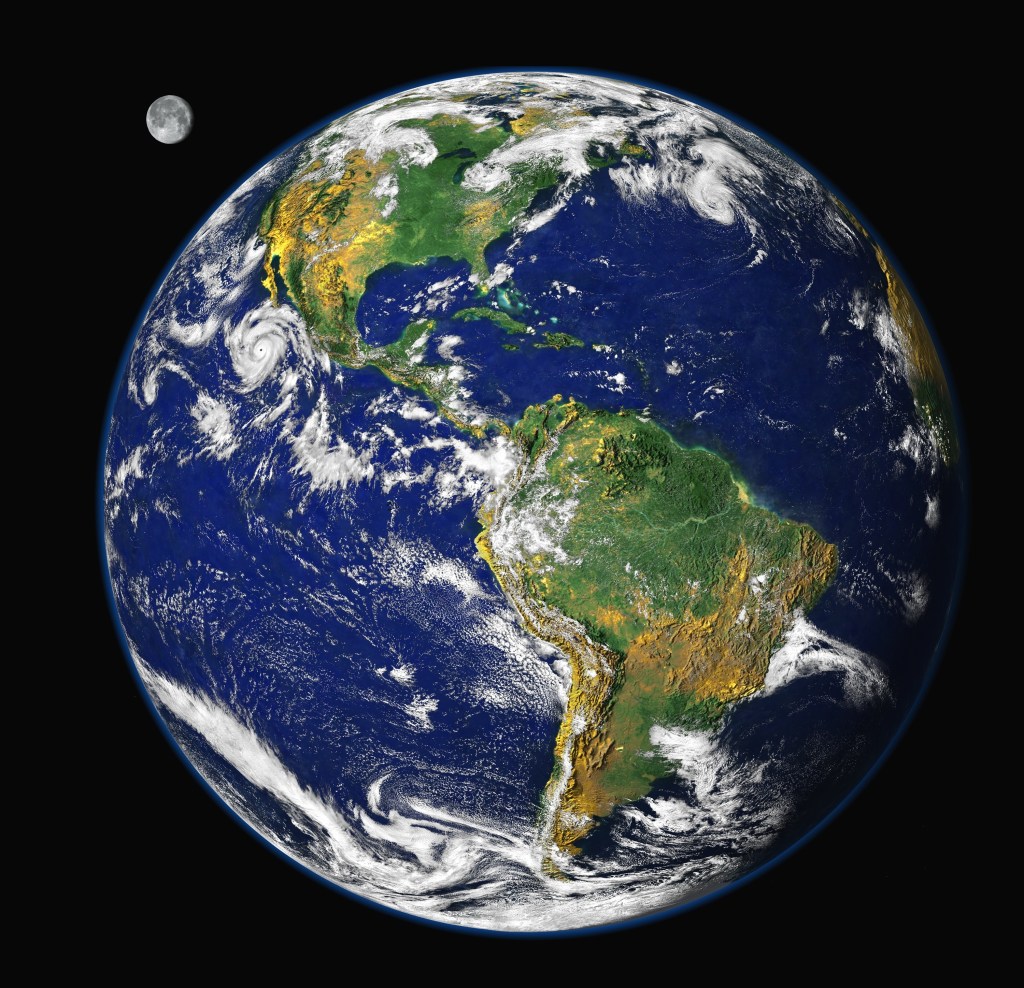
Earth, our home planet, is a world unlike any other. The third planet from the sun, Earth is the only place in the known universe confirmed to host life.

With a radius of 3,959 miles, Earth is the fifth largest planet in our solar system, and it’s the only one known for sure to have liquid water on its surface. Earth is also unique in terms of monikers. Every other solar system planet was named for a Greek or Roman deity, but for at least a thousand years, some cultures have described our world using the Germanic word “earth,” which means simply “the ground.”

Our dance around the sun

Earth orbits the sun once every 365.25 days. Since our calendar years have only 365 days, we add an extra leap day every four years to account for the difference.

Though we can’t feel it, Earth zooms through its orbit at an average velocity of 18.5 miles a second. During this circuit, our planet is an average of 93 million miles away from the sun, a distance that takes light about eight minutes to traverse. Astronomers define this distance as one astronomical unit (AU), a measure that serves as a handy cosmic yardstick.

Earth rotates on its axis every 23.9 hours, defining day and night for surface dwellers. This axis of rotation is tilted 23.4 degrees away from the plane of Earth’s orbit around the sun, giving us seasons. Whichever hemisphere is tilted closer to the sun experiences summer, while the hemisphere tilted away gets winter. In the spring and fall, each hemisphere receives similar amounts of light. On two specific dates each year called the equinoxes both hemispheres get illuminated equally.

Many layers, many features

About 4.5 billion years ago, gravity coaxed Earth to form from the gaseous, dusty disk that surrounded our young sun. Over time, Earth’s interior which is made mostly of silicate rocks and metals differentiated into four layers.

At the planet’s heart lies the inner core, a solid sphere of iron and nickel that’s 759 miles wide and as hot as 9,800 degrees Fahrenheit. The inner core is surrounded by the outer core, a 1,400-mile-thick band of iron and nickel fluids. Beyond the outer core lies the mantle, a 1,800-mile-thick layer of viscous molten rock on which Earth’s outermost layer, the crust, rests. On land, the continental crust is an average of 19 miles thick, but the oceanic crust that forms the seafloor is thinner about three miles thick and denser.

PLANET “EARTH”

Earth, our home planet, is a world unlike any other. The third planet from the sun, Earth is the only place in the known universe confirmed to host life.

With a radius of 3,959 miles, Earth is the fifth largest planet in our solar system, and it’s the only one known for sure to have liquid water on its surface. Earth is also unique in terms of monikers. Every other solar system planet was named for a Greek or Roman deity, but for at least a thousand years, some cultures have described our world using the Germanic word “earth,” which means simply “the ground.”

Our dance around the sun

Earth orbits the sun once every 365.25 days. Since our calendar years have only 365 days, we add an extra leap day every four years to account for the difference.

Though we can’t feel it, Earth zooms through its orbit at an average velocity of 18.5 miles a second. During this circuit, our planet is an average of 93 million miles away from the sun, a distance that takes light about eight minutes to traverse. Astronomers define this distance as one astronomical unit (AU), a measure that serves as a handy cosmic yardstick.

Earth rotates on its axis every 23.9 hours, defining day and night for surface dwellers. This axis of rotation is tilted 23.4 degrees away from the plane of Earth’s orbit around the sun, giving us seasons. Whichever hemisphere is tilted closer to the sun experiences summer, while the hemisphere tilted away gets winter. In the spring and fall, each hemisphere receives similar amounts of light. On two specific dates each year—called the equinoxes—both hemispheres get illuminated equally.

Many layers, many features

About 4.5 billion years ago, gravity coaxed Earth to form from the gaseous, dusty disk that surrounded our young sun. Over time, Earth’s interior—which is made mostly of silicate rocks and metals—differentiated into four layers

To Grow Mentally and physically

Growing mentally and growing physically are two completely different things. Growing mentally refers to a person’s psychological growth the way we think and deal with different situations, and by what methods we develop and disseminate information. Growing up physically refers to a person’s physical growth like increased height, strength, and health. It can also refer to the development of your brain.
” The key to success is to keep growing in all areas of life mental emotional, spiritual as well as physical.” A healthy body can help your mind stay strong.when your body isn’t fit, it’s tougher to make challenging decisions.
Some of the tips will help you to improve both simultaneously.


ENRICH YOUR MIND :


keep challenging yourself to learn new things. By doing this, will gain more knowledge about things around you, and you will learn how to utilize things in a better way. Don’t let yourself get stuck in one place, either mentally or physically. Be proactive, curious, conscious and informed about the world.


Use your brain more often by doing brain exercises:


Exercising your brain means using it more. Generally the brain takes part in everything we do, but there are some types of activities which are specifically exercise our brains. Activities like doing puzzles, playing games like chess or scrabble, solving numerical problems, studying difficult topics and changing your dexterity, spatial reasoning and logic. Doing these mental exercises daily can sharpen your mind , and it can be an excellent way to strengthens neural links in your brain.


CONSUME NUTRIENTS THAT ARE GOOD FOR BRAIN:


Take in nutrients which are good for your brain. Foods that have antioxidants like vitamin c,e,b etc are good for the brain.consuming almonds and apple juice is also good for sharpening the brain.

THINK CRITICALLY :


when we hear, read or work on something, It is very important than we question everything and pay attention to details.such an approach can improve our thinking ability because it requires more brain work than mere observations.


DO PHYSICAL EXERCISES :


A healthy body means a healthy mind; regular exercise has a positive influence our brains function. The brain takes in nutrients from the blood, which makes the brain healthier. Physical exercise is essential for enhancing mental power .


EAT HEALTHY FOODS :


spend some time to examine which kinds of food bring you up and which foods bring down. Creating a diet plan can make you feel good, and gives you a sense of self-development. This will boost your sense of success.


GET BETTER SLEEP AND TAKE NAPS:


Get as much sleep as you need, around Seven or eight hours, every night. While sleeping well does not guarantee good health, it does help you to maintain many vital functions. Perhaps most importantly sleep helps you recover from the wear and tear of daily life. Major healing functions in the body such as tissue repair, music and mental growth occur almost exclusively during sleep.


SPEED TIME WITH PEOPLE :


Build a good support system with the people around you. Whether it’s your family, friends, or something else, find a group of people who are willing to support you in any circumstances. This increases flexibility and helps to provide perspective in the midst of stress and discomfort.


STAY AWAY FROM DRUGS AND ALCOHOL :
using cigarettes, alcohol, and illegal drugs damage your mental and physical health. Decreasing mental and physical stability produces” false” emotions.


FIND A GOOD LISTENER :


Find someone who is eager to listen to you, who you can talk to openly and freely. This can help you in relieving stress and anger and can heal you mentally, which ultimately has an impact on your physical health.


LAUGH MORE :


Laughter is the best medicine for human health. Human increases dopamine, and it improves memory and health.


GET RID OF BAD HABITS THAT HURT YOUR CONFIDENCE :


If you have a habit of smoking too much, drinking alcohol too much, spending too much time online, or a different habit that’s hurting your confidence, take steps to eradicate them. Study books, watch good films, play games, watch dances, and listen to songs; do the things that make you feel relaxed. Many studies suggest that watching TV and using a computer late at night is bad for your health.


STAR YOUR DAY BY THINKING ABOUT ONE GOOD THING YOU CAN DO :


Generally, it’s just a matter of deciding to do something good. Develop the habit of finding a good deed to do each day. Set aims and goals and follow through with them to attain them. By setting goals and gradually working to attain them , you will grow mentally.

Introduction to Existence

Introduction:
There are many definitions of existence but the most simple and understandable one would be that Existence is the state of being alive or being real. For example, you and your friend disagree about the existence of demons if you think it’s real and your friend doesn’t. Both of these arguments or acceptance about something is valid. Some things just exist in this world and not everyone has to be aware of it. Even if it’s not accepted, it’s existence doesn’t vanish.
It mostly deals with being alive or just simply “being”. It’s about existing, creating an impact or not but just being there is called existing. You can exist with or without having an impact or being a change in others lives. The fact that you’re aware of your surroundings is a sign that you exist and it may or may not stop until your death.
The main purpose of existing is to gain information, learn new things, be productive, useful, to help people who are in need and gain new experiences. When you exist, being nice to others and helping their existence go smoothly so yours won’t be too difficult on you is important. To make sure you live your life to the fullest, be happy, spread happiness and being resourceful can make you more happier.


Some of many synonyms of existence are actuality and reality. As the name suggests, actuality is basically talking about facts, about why things happen which also tells us that everything that happens, happens for a reason. Throughout our entire existence we would have experienced different kinds of situations where we would have stopped to think about what’s happening, why is it happening and that “thinking” is what gives our existence meaning.


There is no exact definition of existence but Existence is the ability to interact with physical or mental reality. Reality is completely based on truth, it’s an “at the moment” kind of thing, it’s about our surroundings and how it affects us or how we react to it when we exist, we can also call it the real deal. Reality is what’s happening right now and how we choose to gain from it. Being aware of your surroundings, taking mental notes about what’s happening around you, trying to learn new things and showing interest in objects and even trying to find happiness in the smallest of things is a sign of your existence.


Aristotle developed a comprehensive theory of being, according to which only individual things, called substances, fully have to be, but other things such as relations, quantity, time, and place have a derivative kind of being, dependent on individual things.


At first, people thought that existence is just being there but as time passed people learnt more about life and the meaning behind existing and realised it is all about how we spend our time, how well me make use of our resources and how much our existence has mattered to us and other people.


Conclusion:
Every existing being is important, every being is important in it’s own way and it’s our duty as fellow existing beings to respect each and every being.

STRESS MANAGEMENT :Give your stress wings and let it fly away.

Set peace of mind as your highest goal, and organise ur life around it.

What is stress?

Stress is a natural feeling of not being able to cope with specific demands and events. However, stress can become a chronic condition if a person does not take steps to manage it.

Stress is the body’s natural defense against predators and danger. It causes the body to flood with hormones that prepare its systems to evade or confront danger. People commonly refer to this as the fight-or-flight mechanism.

When humans face a challenge or threat, they have a partly physical response. The body activates resources that help people either stay and confront the challenge or get to safety as fast as possible.

The body produces larger quantities of the chemicals cortisol, epinephrine, and norepinephrine. These trigger the following physical reactions:

  • increased blood pressure
  • heightened muscle preparedness
  • sweating
  • alertness

These factors all improve a person’s ability to respond to a potentially hazardous or challenging situation. Norepinephrine and epinephrine also cause a faster heart rate.

Stress is your body’s response to changes in your life. Because life involves constant change ranging from everyday, routine changes like commuting from home to work to adapting to major life changes like marriage, divorce, or death of a loved one there is no avoiding stress

Your goal shouldn’t be to eliminate all stress but to eliminate unnecessary stress and effectively manage the rest. There are some common causes of stress  that many people experience, but each person is different.

Causes of stress.

stress can be the reason behind high blood pressure.

Stress can come from many sources, which are known as “stressors” Because our experience of what is considered “stressful” is created by our unique perceptions of what we encounter in life (based on our own mix of personality traits, available resources, and habitual thought patterns), a situation may be perceived as “stressful” by one person and merely “challenging” by someone else.

Simply put, one person’s stress trigger may not register as stressful to someone else. That said, certain situations tend to cause more stress in most people and can increase the risk of burnout stress management

How can we manage our stress?

Stress can be effectively managed in many different ways.

Exercise

Physical activities can help in improving your sleep. And better sleep  means better stress management. Doctors don’t yet know exactly why, but people who exercise more tend to get better deep “slow wave” sleep that helps renew the brain  and body. Just take care not to exercise  too close to bedtime, which disrupts sleep for some people.

Exercise also seems to help mood. Part of the reason may be that it stimulates your body to release a number of hormones like endorphins and endocannabinoids that help block pain, improve sleep, and sedate you. Some of them (endocannabinoids) may be responsible for the euphoric feeling, or “runner’s high,” that some people report after long runs.

People who exercise also tend to feel less anxious and more positive about themselves. When your body feels good, your mind often follows. Get a dose of stress relief with these exercises:

  • Running
  • Swimming
  • Dancing
  • Cycling
  • Aerobics

Diet

The benefits of eating health foods extend beyond your waistline to your mental health. A healthy diet  can lessen the effects of stress, build up your immune system, level your mood, and lower your blood pressure. Lots of added sugar  and fat  can have the opposite effect. And junk food can seem even more appealing when you’re under a lot of stress.

To stay healthy and on an even keel, look for complex carbohydrates, lean proteins, and fatty acids found in fish, meat, eggs, and nuts.

Antioxidants  help too. They protect your cells against damage that chronic stress can cause. You can find them in a huge variety of foods like beans, fruits, berries, vegetables, and spices such as ginger.

Scientists have pinpointed some nutrients that seem to help lessen the effects of stress on the body and mind. Be sure to get enough these as part of a balanced diet:

  • vitamin C
  • Magnesium
  • Omega-3 fatty acids

Sleep

A common side effect of stress is that you may struggle to fall asleep. If this happens three times a week for at least 3 months, you may have insomnia, an inability to fall and stay asleep. Lack of sleep can also add to your stress level and cause a cycle of stress and sleeplessness

Better sleep habits can help. This includes both your daily routine and the way you set up your bedroom. Habits that may help include:

  • Exercise regularly.
  • Get out in the sunlight.
  • Drink less alcohol and caffeine  close to bedtime.
  • Set a sleep schedule.
  • Don’t look at your electronics 30-60 minutes before bed.
  • Try meditation  or other forms of relaxation at bedtim

The role of your bedroom in good sleep hygiene also is importantYour bed also plays an important role. Your mattress should provide support, space and most of all, comfort.

Relaxation Techniques

Yoga. This is a form of exercise, but it can also be a meditation. There are many types of yoga. The ones that focus on slow movement, stretching, and deep breathing  are best for lowering your anxiety  and stress.

Meditation. It has been around for over 5,000 years for a reason. Meditation works well for many people and has many benefits. It can lower stress, anxiety, and chronic pain as well as improve sleep, energy levels, and mood. To meditate, you will need to:

  1. Find a quiet place.
  2. Get comfortable (sitting or lying down).
  3. Focus your attention on a word, phrase, object, or even your breath.
  4. Let your thoughts come and go and do not judge them.

Deep breathing. When you practice deep breathing, you turn on your body’s natural ability to relax. This creates a state of deep rest that can change how your body responds to stress. It sends more oxygen to your brain and calms the part of your nervous system that handles your ability to relax.

Try belly breathing. Get comfortable, close your eyes, and place one hand on your stomach  and the other on your chest. Take a deep breath in through your nose. You should feel your belly rise more than your chest. Now, exhale through your nose and pay close attention to how your body relaxes. Repeat.

Waste Management at Indore Municipal Corporation

By SN Sharma

Indore Municipal Corporation (IMC) in India has been at the forefront of waste management and recycling initiatives, setting an exemplary model for other cities to follow. The city has gained international recognition for its successful waste management practices, particularly in the area of waste recycling.

One of the key initiatives undertaken by Indore Municipal Corporation is the establishment of a comprehensive waste segregation system at the source. The residents are educated and encouraged to separate their household waste into categories like organic, plastic, paper, and metal at home itself. This segregation at the source plays a crucial role in making the recycling process more efficient.

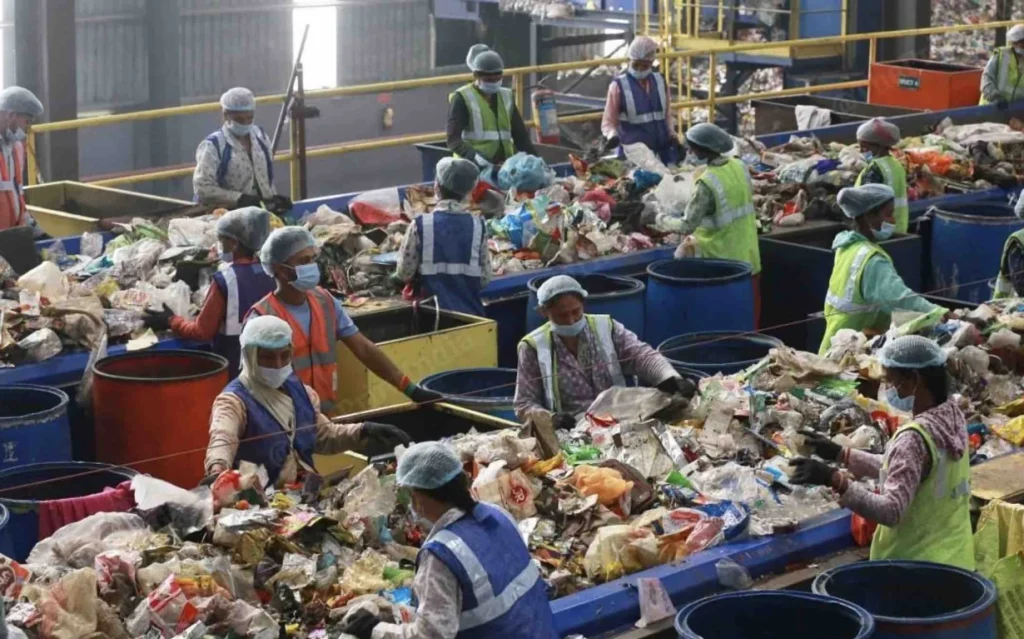
IMC has implemented a decentralized waste processing model, establishing multiple Material Recovery Facilities (MRFs) across the city. These MRFs serve as collection and processing centers where the segregated waste is further sorted and processed. Skilled workers at these facilities manually segregate recyclable materials from the waste stream, ensuring that materials like plastics, glass, paper, and metals are separated for recycling.

The city has also embraced the concept of door-to-door collection of waste, ensuring a more organized and efficient waste management system. Specially designed waste collection vehicles make rounds to collect segregated waste directly from households, reducing the chances of mixing different types of waste.

In addition to the manual sorting processes, Indore Municipal Corporation has incorporated modern technology into its waste management practices. Advanced machinery is used to recycle different materials efficiently. For example, plastic waste is processed through shredding and granulation machines to produce raw material for manufacturing new plastic products.

To promote recycling and encourage citizens to actively participate in waste management, IMC has launched various awareness campaigns and programs. Schools, colleges, and community groups are involved in educational initiatives to raise awareness about the importance of waste segregation and recycling. The corporation also conducts workshops and events to engage the community in sustainable waste management practices.

Moreover, Indore Municipal Corporation collaborates with various non-governmental organizations (NGOs) and private enterprises to strengthen its waste recycling initiatives. These partnerships help in maximizing the reach and effectiveness of the recycling programs and ensure the proper disposal of non-recyclable waste through environmentally friendly methods.

The success of Indore’s waste recycling initiatives can be attributed to the combination of community involvement, efficient infrastructure, and innovative approaches to waste management. By prioritizing sustainability and embracing technological advancements, Indore Municipal Corporation has set a commendable example for other cities striving to achieve effective waste recycling and environmental conservation.

International Chess Day 2021: Theme, History, significance and what to do?

Theme this year: “Teach someone how to play chess”

The idea to commemorate International Chess Day was proposed by UNESCO after it was established by FIDE in 1966. FIDE, the International Chess Federation has 181 chess federations as its members organize chess events and competitions across the globe on International Chess Day.

FIDE: Fédération Internationale des Échecs

-Chess was invented in India around 8th Century. It was known as chatrang-

Chess:

Chess is a board game played by two players. It is enjoyed all over the world. There have been many grandmasters and the records get tougher to hold the title. Chess is an abstract strategy game and involves no hidden information.

 It is played on a square chessboard with 64 squares arranged in an eight-by-eight grid. At the start, each player controls sixteen pieces: one king, one queen, two rooks, two knights, two bishops, and eight pawns. The main chessboard and pawns are black and white.

The goal of the game is to put the opponent’s king under immediate attack .i.e. in “check” and give no way for it to escape. There are also several ways a game can end in a draw. Each pawn has its own limitation of movements.

It is one of the most fun, intellectual, and brainy indoor games.

Players: 2

Abilities: Strategy, tactics

Fact: In 1997, Deep Blue became the first computer to beat the reigning World Champion in a match when it defeated Garry Kasparov.

History:

The origin of chess date around 7-8th century. Three are written in Pahlavi and one, the Harshacharita, is in Sanskrit. Chatrang was named shatranj, after the Islamic conquest of Persia. Xiangqi is the form of chess best-known in China

The modern piece movement rules began to appear in intellectual circles in Valencia, Spain around 1475. The queen replaced the vizier chess piece and by the 15th century had become the most powerful piece.

Prague-born Wilhelm Steinitz laid the foundations for a scientific approach to the game, the art of breaking a position down into components. In addition to his theoretical achievements, his triumph over the leading German master Johannes Zukertort in 1886 is regarded as the first official World Chess Championship.

Significance of chess:

“The United Nations recognizes that sports, the arts and physical activity have the power to change perceptions, prejudices and behaviours, as well as to inspire people, break down racial and political barriers, combat discrimination and defuse conflict, and therefore contrabute in promoting education, sustainable development, peace, cooperation, solidarity, social inclusion and health at the local, regional and international levels.

The designation of World Chess Day of the UN will not only recognize the important role of the FIDE in supporting international cooperation for chess activity and aiming to improve friendly harmony among all peoples of the world, but also to provide an important platform to foster, dialogue, solidarity and culture of peace”

-United Nations

Fact: The rules of chess are published by FIDE (Fédération Internationale des Échecs)

Notable Men and women in the world of chess:

  • Judit Polgár
  • Garry Kasparov
  • Vera Menchik
  • Magnus Carlsen
  • Rohini Khadilkar
  • Andrey Espienko
  • Nona GAprindashvili
  • Hou Yifan

Movies to watch:

  1. The Queen’s Gambit
  2. Queen of Katwe
  3. Pawn Sacrifice
  4. Searching for Bobby Fischer
  5. Brooklyn Castle
  6. Hikaru no Go

What to do?

LEARN CHESS!!

Cause why not? Learning moves or moving pieces entirely after thorough thought, being on your toes to find the easiest or quickest win to checkmate, and tricking someone to make the move you wanted them to do! It is a load of exercise for your brain.

Refernces:

https://en.wikipedia.org/wiki/Chess#1200%E2%80%931700:_Origins_of_the_modern_game

Revenge Travel-call for THIRD WAVE

Shall we all just rewind 2021 few days back and see, how we all were suffering due to the second wave of Covid-19.Many of us where struggling financially, some got unemployed, some faced lack of medicine, some died due to the shortage of remdesivir injection, some due to non-availability of hospital bed, some of us might have lose their loved ones forever and this all happened due to the sudden increase in Covid positive patient as we were hit by the second wave of Covid-19,which was the ultimate result of our carelessness. And today without any precautions people are relaxing in various tourist spots. Now, it looks like we are going to repeat the same cycle again.

Increase in Tourist-on going carelessness

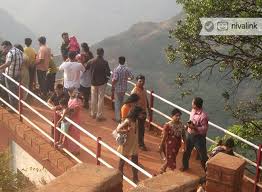
Looking at these pictures, can anyone believe pandemic is going on? The above are recent pictures from the northern part of India, which has been fully crowded by the tourists across India. Due to the sudden increase in tourist, hotel rooms are unavailable. It’s not only about northern India, even east part of Maharashtra witnessed crowd of tourist. Lonavala, Mahabaleshwar there’s a sudden increase in tourists. This ultimately results in no precaution.

Post Lockdown crowd witnessed by Lonavala and Mahabaleshwar

By looking at the crowd and increasing number of tourist, it all says about happening of 3rd wave of Covid. This phenomena has a name “Revenge Travel“. According to Union Health Ministry if this increase in number of tourist continuous to happen, not only third wave but also India should expect fourth wave as well.

What is rEveNge tRavEl?

Sitting home for several months and getting vacation plans cancelled due to second wave, all people started thinking the same. So when the restrictions due to pandemic where lifted and improvement in condition was observed, all the people started stepping out for a vacation in order to get out of all the anxiety and restlessness caused due to the second wave lockdown-and as I say all people started thinking the same. As per Health Ministry, Covid cases in India have reduced by 30%-which is a great news!!But still states like Maharashtra, Tamil-Nadu, Assam, Odisha have a positivity rate of 10%.

Once the positivity rate comes down to 5%,
then it can be considered safe.
So we need to maintain 
the same momentum of testing.
  -Dr Balram Bhargava,
       DG,ICMR

So in order to achieve the positivity rate of 5% we need to vaccinate as many people as possible and continue the process of vaccination. Meanwhile, in such scenario when we get to see such pictures of large number of tourist-frightens us.

Have we leaRnt notHing?

Once the cases started coming down in numbers across the country, we immediately started normalizing the things and stepped out of the house without any precautions. Aren’t the things happening in the similar fashion as that after first wave which led to sudden increase in cases resulted in second wave-more deadlier than first wave. And now it seems like we are repeating the same cycle again. This what we call carelessness. The way people were careful, at the same level people are careless now towards the pandemic. The main problem or the reason for this is majority of people don’t understand the difference between CARELESS and CAREFREE.

How Revenge Travel can devastate in long run.

As the cases reduced overnight increase in tourist number has been observed leading to no booking in the hotels and lodges, which created a difficulty in managing the tourist. In order to manage the crowd led to the need of employees. The hotels starts hiring employees from other villages or town.90% tourist and newly hired staff don’t carry Covid but the remaining 10% carry, who are further responsible for the increase in cases. Later on due to sudden increase in cases government gets forced to take measures like Curfew and lockdown. This leds to shut down of tourists places and the newly hired staff gets unemployed (i.e., temporary employment).Now this unemployed staff gets back to their native, along with new variants. That’s why we were hit by the second wave which was more deadlier than the first. But, do we have learnt anything from the past situation? This wave of uncertainty is not only dangerous to our lives but for our economy as well. This is not only India, the same circle is happening outside as well. Example: UK reports increase in cases since Jan 21.Cases were about to control when a more infectious variant was detected in the country. Fear arises that lambda COVID-19 variant from Peru is more deadlier than Delta variant. This variant has also been found in 30 countries so far.

Here we need to understand that as long as this pandemic exists, new variant will also get detected which may be resistant to the vaccine as vaccines against these variants are not yet tested. We need to have this realization that vaccine is the only weapon we have today against Covid-19,if this fails then there may be no hopes for the end of the Covid-19 and pandemic will never end.

There still exists some sensible people, who don’t leave their house unnecesarily and follow all the Covid related measures and take the precautions because of some restless and insensible people we still have the hanging sword on our neck.

We cannot live in Extreme

Look I know everyone is tired of sitting at home, we want to travel, economy is hitting hard. The travel and hospitality sector is suffering badly. Off course travel gradually needs to open as well, but the problem is we seem to live in absolute extremes. Either it is a extreme like a lockdown or the extreme of utter carelessness. Our new normal should somewhere lie between these both.

My intention is not to target anyone or to villain out anyone. It’s totally understandable that we all were going through a complicated situation. This article is just to remind us, to be in touch with some most essential facts in order to overcome this pandemic situation. To make understand that what we should prioritize.

BECAUSE,
COMMON SENSE 
    IS
NOT SO COMMON 

CHANEL

CHANEL is a well know French luxury fashion brand. Chanel was founded in 1910, Coco Chanel is the founder of this world-famous brand. It throws the light on women’s high fashion, ready to wear outfits, the luxury goods, and varieties of accessories.

BEAUTY PRODUCTS LAUNCHED BY CHANEL

FACE: FOUNDATION

  1. LES BEIGES

PRODUCT: A liquid/fluid foundation with light-to-medium coverage which will lasts up to 12 hours and gives you the frictionless texture and luminous finish for your naturally looking skin and makes them look healthy and glowing.

COMPOSITION: This Les Beiges give you a smooth and uplifts your skin with light-reflecting results with a precise brightness, while antioxidants aid you to protect your skin from pollution, free radicals, and blue light. Les Beiges consist of 40 percent with water, the long-lasting formula is augmented with the ingredients that moisturise and hydrate skin instantly and lasts for up to 12 hours.

2. BOY DE CHANEl

PRODUCT: With BOY DE CHANEL FOUNDATION, with the formula of an invisible light as a feather weight you will get a smooth and even complexion. Comfortable and easy-to-apply, the fresh, fluid formula skim on effortlessly, and blends with your skin perfectly and keeps it hydrated.

COMPOSITION: The feature with long running formula soft-focus micro-particles help to make skin look more flawless and rectifies your imperfections perfectly. Formula includes Hyaluronic Acid for lasting comfort and hydration Broad Spectrum protection and SPF 25 helps to be protected against the environmental strains.

3. VITALUMIERE

product: For Creamy comforting and deluxe lightweight, this melted foundation which immediately brace and moisten the complexion one can go with the foundation. The Vitalmumiere blends smoothly and effortlessly that makes your skin look perfectly radiant this is all possible because of the help of medium-coverage formula.

COMPOSITON: The Vitalimiere foundation is made for dry, dull, and uneven skin texture the moisturizing agents helps to keep your skin hydrated and comfortable. Marine Extract helps to enhances glare while light-reflecting shade smooth away flaws. Walnut Extract revive and screen skin.

EYES: EYESHADOW

  1. LES 4 OMBRES

product: The LES 4 OMBRES eyeshadow palettes shows a lively, all the four lavishing shades in palette are rich with the formula inspired by threads of CHANEL tweed. With a range of shade combinations and finish that gives your eye a matte look with simmer for endless eye makeup looks.

composition: This compact with four shades offers infinite possibilities, that offers medium tones to colour and to contour, the intense shades in the palette to intensify and a light tone to highlight. Natural, long-running tone ensure an intense colour effect where on other hand the soft, effortless touch allows an easy as pie application.

2. LES BEIGES

PRODUCT: For easy, neutral-toned looks you can go with this versatile shadow palette. Containing five verities of smudge free colour, with long running features— from soft to intense, gives you the matte and shimmery finish also — offer base, highlighter, and liner effects.

COMPOSITON: Use of soft-hair brush can help you to get smooth, optimal finish.

3. ILLUSION D’OMBRE

PRODUCT: With both soft and cushiony innovative texture, this gives intensely shimmer look, this long-lasting creamy eyeshadow can be worn as eyeshadow as well as an eyeliner.

COMPOSITION: A mixture of pure pigments of varieties of colours and sizes: coverage and colour intensity are contributed by small pigments; large pigments gives the results a shady shimmer.

“SWAMI VIVEKANANDA” biography

“Swami Vivekananda” earlier he was known as “Narendra”. He was an Indian Hindu Monk and the chief disciple of the 19th century Indian mystic Ramakrishna. He born on January 12, 1863, Calcutta, Bengal Presidency, British India. His father’s name of “Vishwanath data” and mother’s name of “Bhuvaneshwari Devi”. He was born in Kayastha family. His father was an attorney at the Calcutta High court And his mother was a devout housewife. He was the six of his ten siblings.

He acquired his preliminary education in 1871 at the age of eight from Ishwar Chandra Vidyasagar Metropolitan institution. Narendra completed his graduation in 1884 in arts the Presidency College, Calcutta. Narendra met Ramakrishna in 1881 at Dakshineswar. During this time Narendra was undergoing a time of spiritual crisis it was his famous question to Ramakrishna “have you seen God” Ramakrishna did not convince Narendra completely at the first go. But after noticed some great virtue of Ramakrishna, he become a frequent visitor to Ramakrishna after the tragic death of his father he becomes closer to Ramakrishna and received help to move out of the spiritual crisis situation in 1885. Ramakrishna was diagnosed with throat cancer then Narendra took great care of his master and nurse him with utmost devotion and love. Before renouncing body Ramakrishna made Narendra the leader of a new monastic order post the death of Ramakrishna. Narendra along with his young disciples began to live at Baranagar. In 1887, he took the formal vows of sannyasa, thereby assuming new names.

Narendra came to be known as Swami Vivekananda. In 1888, to Profess the message of Ramakrishna to the world Swami Vivekananda resolved to embark on a journey extensively exploring India in the initial years. He walked on foot, lived on alms and led a life of a wandering Monk. By this time he understood that the masses required to kinds of knowledge one which allowed them to improve their economic condition and the second which help them to build faith and strength and their moral sense to accomplish. His goal of bettering the life of the masses Swami Vivekananda are aimed at initiating an Organisation. In 1893, he travelled abroad for the first time to be a part of the world’s parliament of religion at the Parliament, Swami Vivekananda become known as the ” orator of divine right” and ” Messenger of Indian wisdom to the Western world”. Then he travelled in the Eastern part of us and London to spread the message of Vedanta upon returning to India in 1897, he initiated Ramakrishna Mission, and organisation which propagated the teaching of practical Vedanta and commenced various forms of social service. In 1898, Swami Vivekananda acquired a huge property at Belur which become a permanent abode of the monastery and monastic order. The place became known as Ramakrishna Math and waopen to all men. Swami did not married at all he died at Belur Math Bengal Presidency British India on 4th July 1902 the age of 39. “Awake and do not stop until the goal is reached”. Said by Swami Vivekananda.

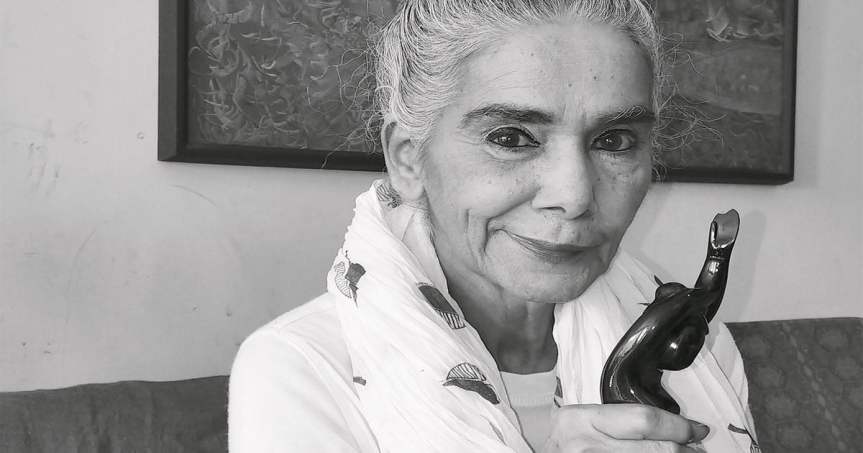
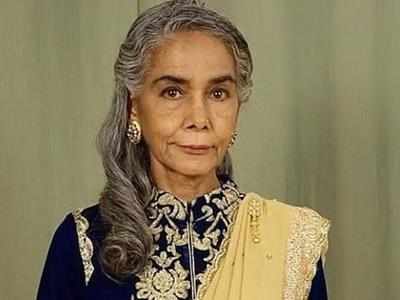
Who Is Surekha Sikri?

Actress Surekha Sikri

The veteran actor who passed away at the age of 75 of a cardiac arrest has starred in about 29 films and 19 Indian television shows and has been honoured with three National film awards for Best supporting actress (highest than any other actress in this category) and also is a recipient of a Filmfare award, a Screen Award, Sangeet Natak Akademi Award and six Indian Television Academy awards.

                  She was born in New Delhi , 1945 and attended Aligarh Muslim University and graduated from National School of Drama in 1971 and later went on to work with NSD Repertory company for a decade and then moved to Mumbai. Her notable works include playing the characters of ‘Durga Devi kaushik’ in the movie Badhaai Ho (2018) , ‘Kalyani Devi Singh’ (aka ‘dadisa’) in the prime-time soap opera Balika vadhu ( 2008-2016), Fayyazi in Mammo (1994) and ‘Rajo’ in Tamas (1986).

                   The news of her death has saddened her fans and colleagues. Her co-actors Ayushmann Khurrana, Avika Gor, Shashank Vyas and Avinash Mukherjee paid a heartfelt tribute to her by penning down their memories while working with the actress. She was humble, grounded, hardworking and was devoted to work. Her impeccable performances on screen has always left the audience in an awe, her demise has certainly left a void in the film and television industry but she will be cherished and remembered for the legacy she left behind. May her soul rest in peace.

Sustainable Waste Management In Indore: A Case Study

Sustainable Waste Management In Indore: A Case Study
Indore, a fast-growing city in India, has emerged as a model for sustainable waste management practices. Over the past few years, Indore has consistently ranked as the cleanest city in India, thanks to the efficient waste management system put in place by the municipal corporation.
This case study explores the background, challenges faced, solutions implemented, and key learnings from Indore’s successful waste management system.
Indore, with a population of over 3.2 million people, generates around 1,100 metric tons of waste daily. Prior to 2016, the city struggled with waste management, leading to unhygienic conditions, increased pollution, and negative impacts on public health.
However, the launch of the Swachh Bharat (Clean India) campaign in 2014 led the Indore Municipal Corporation (IMC) to undertake a comprehensive transformation of its waste management system. This involved an overhaul of existing infrastructure, policies, and community engagement initiatives to create a more efficient and environmentally friendly waste management system.
Challenges faced:
Lack of waste segregation at the source:
Indore faced issues with mixed waste, which hindered the recycling and disposal process. Unsegregated waste resulted in inefficient waste collection and processing, causing further strain on the waste management system.
Inefficient waste collection and transportation system:
With limited resources and vehicles, the city’s waste collection and transportation system could not keep up with the growing population and waste generation.
Open dumping and burning of waste: The absence of adequate waste processing facilities led to the practice of open dumping and burning of waste, which contributed to air and land pollution.
Inadequate public awareness and participation: Citizens were not fully aware of the importance of waste segregation, recycling, and proper disposal, resulting in low participation rates and disregard for waste management rules.
Limited infrastructure for waste processing and disposal: The city’s waste processing and disposal infrastructure was unable to cope with the increasing waste generation, leading to unmanaged landfills and environmental degradation.
Solutions implemented:
Segregation at the source:
The IMC implemented a mandatory waste segregation policy, requiring households to separate waste into wet (biodegradable) and dry (recyclable) categories. This allowed for more efficient waste collection and processing, as well as increased recycling rates.
Door-to-door waste collection:
A fleet of over 600 GPS-enabled vehicles were deployed to collect segregated waste daily from all households and commercial establishments. This ensured timely and efficient waste collection, preventing littering and illegal dumping.
Waste processing and disposal: The city established a state-of-the-art waste processing facility capable of handling 1,000 metric tons of waste daily, including a 15 MW waste-to-energy plant and a 200 TPD (tons per day) composting plant. These facilities enabled the city to process and dispose of waste more effectively, reducing the environmental impact of waste disposal.
Public awareness and participation: The IMC launched numerous awareness campaigns, involving local celebrities, schools, and religious institutions, to educate the public on the importance of waste segregation and cleanliness. This resulted in increased community involvement and support for the waste management program.
Strict monitoring and enforcement: Regular inspections, fines, and incentives were introduced to ensure compliance with waste management rules. This helped maintain the cleanliness of the city and encouraged citizens to adhere to waste segregation and disposal guidelines.
Results achieved:
Waste segregation:
Over 90% of households in Indore now segregate their waste, significantly improving the efficiency of waste collection and processing, and reducing the burden on landfills.
Waste processing:
The city’s waste processing facility successfully manages 1,000 metric tons of waste daily, with a 95% waste recovery rate. This has led to a substantial reduction in landfill usage and has minimized the environmental impact of waste disposal.
Cleanliness:
Indore has consistently ranked as the cleanest city in India in the annual Swachh Survekshan survey since 2017. This highlights the success of the city’s waste management system and the active participation of its residents in maintaining cleanliness.
Health and environment:
Cases of vector-borne diseases have dropped by 60% since the implementation of the waste management system, and air quality has improved due to reduced open burning of waste. This has led to a healthier environment and improved overall quality of life for Indore’s residents.
Key learnings:
Political will and administrative commitment are crucial for the successful implementation of waste management systems. Indore’s transformation was made possible by strong leadership and a dedicated municipal corporation committed to addressing the city’s waste management challenges.
Public awareness and participation play a significant role in ensuring the success of waste management initiatives. By actively involving the community and raising awareness about the importance of waste segregation and proper disposal, Indore was able to achieve a high level of public participation and support.
Strict monitoring and enforcement mechanisms help ensure compliance with waste management rules and regulations. Indore’s approach to enforcing waste segregation and disposal guidelines, combined with regular inspections and penalties, proved to be effective in maintaining the city’s cleanliness.
Investing in modern waste processing infrastructure can significantly improve the efficiency of waste management systems and reduce environmental impact. Indore’s investment in a state-of-the-art waste processing facility allowed the city to process and dispose of waste more effectively, leading to a substantial reduction in landfill usage and associated environmental issues.
Indore’s transformation into a clean, sustainable city serves as an inspiring example for other urban centers in India and around the world.
By adopting a comprehensive, integrated approach to waste management, Indore has successfully addressed its waste management challenges and set a benchmark for sustainable urban living.
The city’s experience provides valuable insights and lessons for other municipalities looking to improve their waste management systems and promote environmental sustainability.