Problem Play – A Form of Drama .

The term “drama” comes from a Greek word meaning “action” .

Drama is the specific mode of fiction represented in performance: a play, opera, mime, ballet, etc., performed in a theatre, or on radio or television.


A problem play is a type of drama .
As the name suggests, problem play discusses problems openly in the form of play in theatre or stage.
It is a drama built around a specific problem. The problem is generally of a sociological nature.
Problems such as prostitution, inadequate housing, unemployment, labour unrest, etc. are mostly found as major subject matter of the play .
It examines a specific social or political problem with the aim of igniting public debate.

It was established in France in the 19th century to deal with controversial social issues in a realistic manner openly to the audience.
It flourished in England in the period between the last years of the nineteenth century and the middle of the twentieth.

It deals with the social problems or ills through debates between the characters on stage, exposing the conflicting points of view within a realistic social context.

According to Albert Guerated ,
” The problem play is the presentation of a contemporary question through realistic techniques”

The dramatists of the problem play were preoccupied with the vital problem of contemporary life and morality and the drama which was directly inspired by the society of the time could be effective only if it adopts a realistic form or medium.

___________________________________________

The beginning of the problem play was introduced into England towards the end of the nineteenth century by Henry Arthur Jones & and Sir A. W. Pinero .
Towards the end of the 19th century the English
society started feeling the need of something new and refreshing
on the stage and therefore the start of problem play began .

Pinero’s most popular play is The Second Mrs Tanqueray which deals with the marriage of “a woman with a past.

G. B. Shaw and Galsworthy took the problem play to its height in the twentieth century.

G.B Shaw plays ,
Widowers’
Houses, Mrs.Warren’s Profession ,Arms and the Man and many
other plays are concerned ,as the writer saw it, less with the
crimes of society, and more with its romantic follies and with the
struggles of the individuals against these follies.

Some other examples of problem play are :-

The earliest forms work of Alexandre Dumas, dealt with the subject of prostitution in The Lady of the Camellias.


Shakespeare ‘s All’s Well That Ends Well, Measure for Measure, and Troilus and Cresside written between the late 1590s and the first years of the seventeenth century:
These plays are difficult to classify because their sombre themes and cynical tones contrast oddly with their comedic elements, and the moral issues raised are not satisfactorily resolved.

Ibsen’s plays are mostly problem plays.
His works usually concentrated on the moral dilemmas of a central character which dealt with a social problem such as in A Doll’s House (1879), sexually-transmitted disease in Ghosts (1882) and provincial greed in An Enemy of the People (1882).

In America the problem play was associated with the emergence of debates over civil rights issues. Racial issues were tackled in plays such as Angelina Weld Grimké’s, Rachel

Shaw’s Mrs Warren’s Profession (1902), examining attitudes towards prostitution; and Galsworthy’s Justice (1910), exposing the cruelties of solitary confinement and the legal system.

Some plays by later writers such as A. Wesker, J. McGrath, Caryl Churchill, H. Brenton, and D. Hare also raises contemporary issues, in the form of problem play.

___________________________________________

The problem play is also termed as “thesis play,” or “discussion play “ .
As the play discusses the social ill and opens a room for discussion over certain important topics for the audience.
Using the serious subjects it brings to life some contemporary controversy of the public,by creating a somewhat simplistic, didactic thesis with the audience .

The problem play is sometimes called “the propaganda play,” for the obvious reason that its intent is overtly didactic and propagandist.

Problem play or a play of ideas deals with a particular social or
moral problem related to love, marriage, sex, war, peace, justice
or crime etc. and tries to suggest a solution to it. It profusely
takes the recourse of wit, intellect, materialism and realism. A
problem play finally opposes and rejects all types of narrowness,
confusion and falsehood, and adheres to the principles of
equality, freedom or justice .

Scoffing at the romantic
view of life the new genre of drama examined the social institutions and social ills .
Slum landlords, prostitution, marriage conventions ,social prejudices,
romanticized soldier, glamorous historical figure, medical
profession, critics, religion- these are but some of the people
and things which come under the major theme of problem plays during the 19th & 20 th century .

Many dramatists used problem play for the theme of socialist and socialism.

The problem play is supposed to have arisen out of sentimental drama of the nineteenth century and has often been identified with ‘serious drama ‘ ; a dramatic form distinctly serious but not tragic that aims at presenting the real life problems using fiction on a realistic level.

___________________________________________

Referral link :- Shakespeare’s problem plays. G.B Shaw ‘s Play
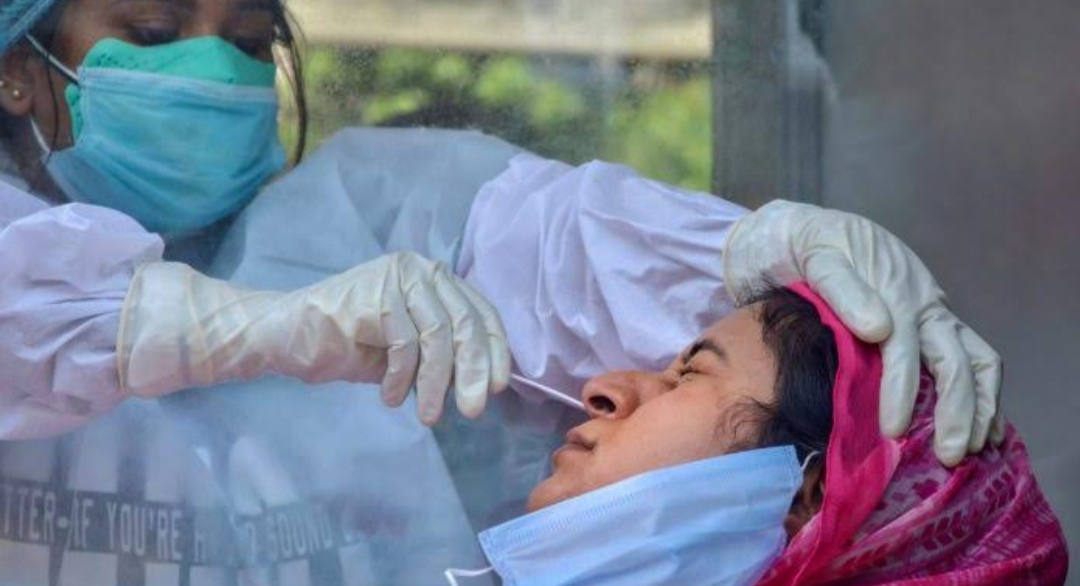
Weekly positive rate falls below 5% across districts in Andhra Pradesh.

The Covid-19 weekly case positivity rate has finally dropped to below 5% in all districts of the state for the first time in months during the ongoing second wave. Even last week, when Andhra Pradesh’s average weekly positivity rate stood at 3.2%, East Godavari and West Godavari had crossed the 5% positivity rate threshold.

As per the latest weekly case positivity rate statistics between July 12 and 18, Kurnool has the lowest case positivity rate among all districts at 0.74%.

In all, Anantapur, Kurnool, Srikakulam and Vizianagaram have a less than 2% weekly case positivity rate. While the weekly positivity rate ranges between 3% and 5% in five districts, eight districts have a positivity rate less than 3%.

The case positivity rate is a key indicator to gauge the spread of the disease in the community at a certain point in time. The World Health Organisation (WHO), in an advisory released in May last year, stated that less than 5% samples testing positive for Covid-19, at least for two weeks, is an indicator that the disease is under control.

Corresponding with the lowering case positivity rate, the daily new infection numbers have now dropped to about the 2,000 to 3,000 range from the peak of 24,171 cases on May 16. But districts such as East Godavari, West Godavari, Visakhapatnam and Chittoor still continue to contribute a major chunk of the daily infection numbers. This can be gauged from the fact that while the state’s cumulative case positivity rate stood at 8.22% as of July 18, it is as much as 12.43% in East Godavari, 9.88% in Chittoor and 8.59% in West Godavari.

Despite the fall in case positivity rate, the state health department is augmenting infrastructure at all hospitals in its preparation for the anticipated third wave. A special focus has been laid on improving infrastructure to treat paediatric Covid-19 cases based on the assumptions of several experts and reports that the third wave may hit children.

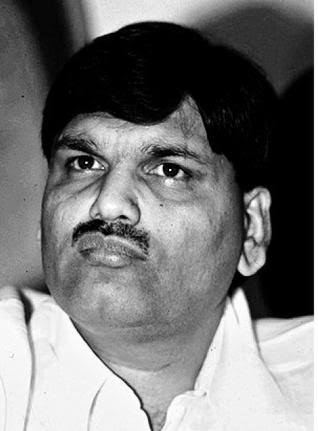
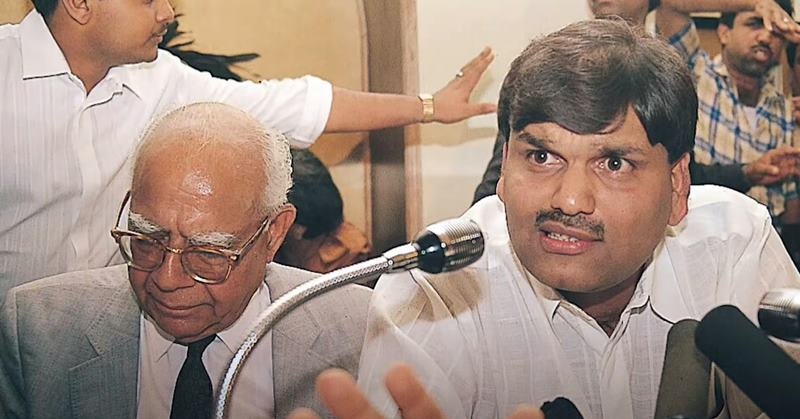
Harshad Mehta, the Raging Bull

Harshad Mehta was known as the ‘Big Bull’ of Dalal Street and the ‘Amitabh Bachchan’ of the Indian stock market. He manipulated stocks by illegally obtaining money from several banks using fake bank receipts. He created a cycle of fraud involving big banks like the State Bank of India (SBI) and the National Housing Bank (NHB).

Harshad Shantilal Mehta was born on 29th July 1954, at Paneli Moti, Rajkot district in Gujarat. His early childhood was spent in Borivali, where his father was a textile businessman. He did his early study in Janta Public School, Bhilai. Mehta did not show any special promise in school and came to Mumbai after his schooling for higher studies and to find work. Mehta completed his B.Com in 1976 from Lala Lajpatrai College, Bombay and worked in a number of odd jobs for almost a decade. Mehta started his career as a sales person in New India Assurance Company Limited (NIACL). During this time, he decided to try his luck in the stock market and after a few days, resigned and joined a brokerage firm. In the early 1980s, he got hired for a clerical job at the brokerage firm Harjivandas Nemidas Securities where he worked a jobber for the broker Prasann Pranjivandas. By 1990, Harshad had risen to a position of prominence in the Indian securities industry, after years of success with his own company, Growmore. He believed that the general public is more attracted to organisations that have an English name rather than an Indian one.

A number of eminent people began to invest in his firm, and utilize his services. It was at this time that he began trading heavily in the shares of Associated Cement Company (ACC). The price of shares in the cement company eventually rose from ₹200 to ₹9,000 due to a mass buying from a group of brokers including Mehta. Just like this, whatever stocks he was interested in, skyrocketed. Everyone; super rich and middle-class people alike, invested wherever Harshad invested. He was on every magazine cover page at that time, most of them titled “Raging Bull”.

He had flashy lifestyle with a sea facing 15,000 square feet penthouse in Worli, with a mini golf course, swimming pool, and his fleet of cars including a Toyota Corolla, Lexus LS400, and Toyota Sera. It was truly a prosperous decade for Harshad. But this would all end soon.

In 1992, Mehta bribed bank employees to get fake bank receipts (BRs) issued. He used these BRs to get other banks to lend him money under the impression that they were lending against government securities. This amount was then put into the stock market to skyrocket share prices. Mehta then sold these shares at a significant profit and the principal amount was returned to the banks.

After the scam came to light, the tax department conducted a raid in Harshad’s house on February 28, 1992. Several documents and share certificates were seized. Soon after, he was imprisoned. He was convicted by both the Bombay High Court and the Supreme Court and charged with 74 criminal offences. His legal battles dragged on until 2001, when he passed away in jail from a cardiac arrest, at the age of 47.

The Harshad Mehta scam triggered many changes in India’s financial regulatory system. The Securities Laws (Amendments) Act was passed in 1995, widening Sebi’s jurisdiction and allowing it to regulate depositories, FIIs, venture capital funds and credit-rating agencies. To secure investor interest, Sebi could also make it mandatory for companies issuing securities to make disclosures.

The Indian stock market has come a long way since the scam. Over the years, there have been other stock market scams that left regulatory bodies in pressure. But Mehta was the one who started it all. His actions continue to serve as a reminder to both investors and regulators to remain vigilant at all times.

Online classes and primary level students

Online classes and primary learners (4to9)

Abstract 

During the worldwide pandemic, nations opposed an emergency lockdown. There was a need to shift the education system from traditional to online methods. It was new for the learner to learn through the online medium. Primary level children (4 to 9) faced many problems accessing online platforms. 

Keywords: COVID-19, online learning, primary level learners, mental exhaustion.

Introduction

Covid- 19 is a communicable disease. For the safety of the people it was a sudden need of lockdown. All the sectors such as industrial, agricultural, mechanical and educational sectors were dismissed. But the show must be going on. The method working transformed. Companies started work from home for their employees. Hence the education system also shifted their method to online platforms. Primary, upper primary, secondary, senior secondary and higher education learners start their learning through the online medium. 

Primary level students are in the 4 to 9 years old age group. The children are really small in age. Their concentration power is really low compared to other level learners. But their minds are developing and they can learn and grab things easily.  Online classes became an exhaustion for them. Due to the pandemic they are not allowed to go outside and play. The online classes are really long. The children have to spend 4 to 5 hours on screen. The children start feeling dizzy and uninterested in studies. 

Children (4 to 9) enjoy their studies through some fun activities during traditional methods of teaching. They learn many things in groups. The social and playful environment is missing at home. The child does not feel well when they have to study online. They are not aware about the access of the technology. 

Some issues children face during online classes 

  • Environment of home- Environment of home is important during the online classes. Primary children must have a peaceful and joyful environment for learning. At home it is not possible. Children are not able to find the circumstances of learning. That leads to unnecessary chaos in the child ‘s mind.

  • Anxiety of using technology- Introduction of technology without any preparation creates an anxiety among the students. They were not used to the technology. They have to learn the use of technology. Using phone, login in meetings, using tools of that particular application, submission of their works creates anxiety among the students. Yet the teachers try to make it simple but the introduction of technology to the students was at the wrong time. 
  • Low concentration- These age groups have low concentration  power. Primary level students can not focus over the thing for long. They start looking for fun and neglect their classes. The children find studies uninterested and watching cartoon or something else on their devices. They lost their interest in class.
  • Limited sources of learning -The teacher plans many activities to engage the students in school. But online they have limited sources such as showing ppt and videos. The child explores things by learning and doing. But in online methods, the child is dependent on the internet or webworld.
  • Long screen time- The timing of classes mostly 9 to12:30 for the primary level students. It means 3 hours 30 minutes per day. The child has to spend a minimum of that time on screen. They have to stick to the screen. Such a long time can  impact their eyes. Children usually feel strain on their eyes and headaches during the classes. Their Physical growth also impacted because of long screen time.
  • Less understanding- Topics are not clear to the students during the online class. They hardly understand the concept. They could be physically present on the screen but they start to ignore the thing when they don’t understand them. The teacher can modify their teaching method for the students to make the concept easy and joyful at traditional methods. But due to limited e- resources it is not possible on online methods for these particular age groups.
  • Exhausted during online classes – After the long session, the children start feeling tired, lazy and dizzy. Most of the children don’t want to study. They felt fatigue during and after the online classes. 

The children not only felt mentally tired, their physical activities were also affected. They become so tired that they don’t want to do anything else or participate in any game or activities. Not only this particular age group, all the age group learners face the same kind of problem and mental illness. There are no proper guidelines for the online classes from the government.

Classes became the source of mental exhaustion rather than providing knowledge. 

Conclusion

Online classes are needed for the current time. But there should be proper guidelines for all age groups according to their needs and interests. We have to make classes more interesting for the primary level so the children don’t suffer from any kind of anxiety and stress. Classes should be knowledge providers not mental tiredness. 

Faecal Microbiota Transplant.

Imagine you are suffering from a stomach upset every two days, or that you’re lactose intolerant and every time you drink milk or consume dairy products you have to run to the bathroom as soon as possible. This is just one of the many situations.

The human body contains trillions of bacterial cells, more than human cells in or on the external surface of the body. These organisms may be symbiotic, commensals and/or pathogens. Some organisms may be symbiotic which when opportunity provides turn into pathogens. Out of the trillion cells, intestinal organisms are more and diverse than any other group of organisms present in the body.

Faecal Microbiota Transplantation:

Faecal microbiota transplantation is the transplantation of stool through the upper gastrointestinal tract. The stool is taken from a healthy donor and transferred to a recipient whose suffering from a disease that is related to an unhealthy gut microbiome. 

FMT was first described in 1958. The first use of FMT in western medicine was published in 1958 by Ben Eiseman and colleagues, a team of surgeons from Colorado, who treated people with using faecal enemas, which resulted in a rapid return to health. FMT is delivered through an enteral route through an endoscope, a nasoenteric tube or via capsules.

The mechanism is due to the concept of establishing a new gut microbiota community to restore the normal gut flora. It is based on repopulating the microbiome flora. 

FMT is used to treat  Clostridium difficile infection (CDI), inflammatory bowel disease (IBD), autoimmune disorders, allergic diseases and may also be used to treat metabolic disorders like obesity.

The faecal material is collected from the donor after screening. the donor collects their stools in a plastic bag. The stool is then diluted with saline and filtered through sterile gauze. The capsules can be made by dilution, blended and then pipetted in the capsule and then sealed by another capsule. Capsules can be used for up to 6 months and should be stored at -80 degree C.

Requirement for donor and recipient are:

Who is a recipient?

  • should have episodes of mild to moderate infection that has not responded to treatment with antibiotics
  • have episodes of severe infection, that needs admission
  • severe infection that did not respond to antibiotics within 2 days
  • Should not have any immunosuppressive disorders, cirrhosis of the liver or be on immunosuppressive drugs

Donor SHOULD NOT

  • have had any antibiotics in the last 3 months
  • be immunocompromised
  • have any tattooing or body piercing in the last 6 months
  • have a history of drug abuse
  • have a history of high-risk sexual behaviour
  • have a history of any incarceration
  • have travelled to endemic areas
  • have any other gastrointestinal disorder such as IBD

FMT can be transferred through the upper gastrointestinal tract. However, the delivery through this route results in an increased risk of vomiting etc. Hence, delivery by capsules seems a more reasonable choice. The capsule delivery reduces the procedure time, cost and risk of complications. 

Common side effects of this procedure include bloating and loose stools. FMT is considered a success if the recipient shows no signs of the earlier disease and doesn’t relapse for eight weeks. To ensure proper treatment, some patients require many sittings.

How Technology Has Changed the Lives of Students

Technology is something every kid of today’s generation will be well familiar with. It has been growing at an immense rate and has been impacting every section of the world from quite a few years now. Technology has garnered high attention especially in the recent pandemic times as it has served as an indispensable tool for students amidst their ‘online classes’. However, we cannot restrict ourselves to only one aspect of technology, for technology has been bridging the learning gap from a long time by enabling students the access to a virtual world of resources at almost no cost.

A foremost benefit of technology has been the vast availability of resources for students and teachers. These resources can be in terms of education matters or to discover new ideas. Teachers now are also able to communicate with their students in a convenient way as well as have the freedom to employ new innovative teaching methods in their studies. Free access to e-books, e-magazines and other reading materials has made it a lot easier for students to acquire materials without having to search through libraries or spend a lot of money in bookstores. This divergent range in materials has also enabled them to research their subject of interest from different points of views and gain as much as knowledge available from verified sources.

The second pro point of technology is its feature to obtain a degree through online education. It does not matter whether you are young, old or just passionate about learning a new skill. It is now possible for any individual to gain a degree without the need to attend a university physically. Technology extension has provided such efficient modes that one can now enrol in prestigious universities located abroad without requiring the need for a passport or visa. Technology has also made it possible for people to sign up for a course offered by any valid institution and complete it within the time limit they wish. Giving them advantages like flexible study routines along with the comfort of their rooms.The third way through which technology has changed the lives of students is by giving them the opportunity to learn at their own pace and their own understanding level. Science has proved before that every individual learns and acquires knowledge differently. Some people are visual learners, some auditory, some verbal, some kinaesthetic etc etc. Here, technology gives a chance and means for every type of learner to learn at the best of their ability. For example, the availability of videos, audio books or audio contents, exercises etc accessible through the forum of technology gives every kind of learner a chance to shine compared to the usually dull and closed environment of physical classrooms. In addition to all this the advancement in technology has now enabled digital simulations and models thereby, enhancing the perceiving powers of students.

The fourth advantage of technology is the easy availability of any news or notices related to their subject or university. The official website of a university serves as a major way for students to procure information with ease, which can be further related to their classmates, friends or teachers through any social media apps of their choice. Not only does it provide an instant way to obtain the latest news but also helps to keep the students up-to-date along with their ongoing course subjects.Lastly, in the present times of pandemic, technology has proved to be a big boon in accessing online learning methodology. It has made assessing students efficient as well as helped vastly in maintaining records of student activities through a variety of online applications. Furthermore, teachers can upload their teaching materials and class recording on apps like Google Classroom and make it possible for students to revisit the teachings for revision sake or in case they end up missing any of their online lectures.

To conclude, technology has come a long way and has successfully impacted the lives of students. It has made students’ lives easier and more efficient by providing them various benefits like e-printed books, ease of access to education, faster communication with teachers and friends and overall comfort of homely environment.

Effects of Global Warming

Case study : Effect of global warming on the Sundarban National Park, West Bengal.
Methodology:

  • Description of the problem.
  • Cause of the problem.
  • Analysis of the problem.
  • Control of the problem.
  • Introduction to the problem:
    The Sundarbans provide important protection against storms and flooding for cities including
    Kolkata, India, on the Bay of Bengal. But increasing global warming accelerates the sea-level
    which adversely affects the Sunderbans. This would eliminate the protection they provide
    against the region’s from the intense tropical storms.
  • Scientists project that under a high emissions scenario, relative sea-level rise is likely to
    inundate most of the Sundarbans by mid-century, and could wipe them out by the end of
    the century.
  • Mangroves of the Sundarbans prevents the damage caused by the cyclones and storms.
  • Cause of the problem:Global warming is one of the main reasons for the increased sea-level which adversely affects
  • the mangrove forests. Due to which reserved space is no longer a safe refuge for mangrove
    forests and their associated species. And other national parks also face damage due to climate
    change in the form of an increase in invasives, loss of vulnerable species, and changes in species composition. In a few cases, the biome as a whole faces extinction. Climate changes has already begun to have negative impacts on ecosystems and their families.


Analysis of the problem:

•Global Temperature Report for 2019 by Berkeley Earth:
This is the report by the Berkeley Earth (a California non-profit organization) which clearly
shows the continuous increase in temperature of earth in the past years.

•Ecosystem is a cycle which can only be run with balance. Any change in the climate causes
imbalance of the ecosystem which causes different natural disasters and global warming is one
of the biggest problems which we are facing nowadays.

Control of the problem:
The only solution to control any of the problems is to keep balance in all the things. The main
cause of the bad effects on the Sundarbans is global warming or we say continuous rise in the
temperature of the earth which causes rise in the sea-level, cyclones, flooding, storms etc..,
which adversely affects the reserved part of mangrove forests and other national parks.

Ways to prevent global warming:-

● Reduce⬇ Reuse⤴ Recycle🔄

● Power your home with renewable energy.

● Reduce excess use of water.
There is a solution for every problem. We just need to focus on the problem and prevent rise of

References:-https://www.climatehotmap.org/global-warming-locations/kolkata-west-bengal-india.html
#:~:text=Global%20warming%20compounds%20the%20dangers,in%20ground%20and%20surface%20waters

LESSONS TO LEARN FROM THE PANDEMIC

The coronavirus pandemic has brought drastic changes upon us. The world is caught up in an unprecedented situation and every new day brings us a ton of challenges. People in every remote corner of the world have been affected by the pandemic situation. It has become really hard to step out of the house without fear and a mask, let alone enjoy vacation getaways. International travel has been restricted to very important reasons only. Country after country, continent after continent is grappling under the deathly waves of COVID-19. Hospitals are brimming with COVID positive patients and finding a bed for a sick family member or relative has become harder than finding a diamond! There is shortage of basic resources everywhere and procuring basic common consumer and commercial commodities has also become quite difficult. The nation’s doctors are working 24 X 7 to save and cure the dying. Police forces and military squads have been deployed on duty day and night and these forces are patrolling the cities very vigilantly without the wink of an eye. People are rarely stepping out in the public unless really necessary. Public gatherings, cultural festivals and gatherings in all probable hotspots that the virus might spread in have been cancelled. The quintessential outdoor exercises and activities are cut off, and excessive care is being taken about infection via public contact. People are switching to at-home workouts and recreational activities, skipping any chance of going outside their safe abode. All the restaurant afficionados are moving towards cooking at home to reduce any miniscule risk of contamination due to any random tiny trigger. Such has become the awareness of people that they don’t dare roam out on the streets or touch their face or food without sanitising themselves. The employment sector has been hit hard by the pandemic. Millions of people around the world have lost their jobs. The circumstances are harder for the daily wage workers, as most of these families live hand to mouth.

In this chaotic situation, a lot has changed with respect to the thoughts, views and perspective of humans. People now seem to have developed a sense of humanity. Their response towards others’ problems and plight have softened. Maybe a part of this owes to this terrible pandemic, that people have realized how important it is to maintain people and relations, because it is in absolute necessity that we realise how these relations come to the rescue. Though the pandemic has difficulties made living difficult, it has nurtured people together and brought them closer, too. Some of the COVID learnings this far:

  • Life is precious. The fatal disease has made us realize the utter importance of life. It is really difficult to maintain a healthy life with good physical, stable mental and strong emotional health. The pandemic has taught us to handle anything patiently and maturely.
  • Every problem is an opportunity for a solution. The lockdown came with a number of adversities. Facing and tackling these issues has taught us that every problem has a solution and if not, at least an alternative way of approach.
  • Life blows us away with shocks, but also presents us with a coping mechanism. Though the effect of the advent of coronavirus has been stressful and at times depressing, it has also given us the strength to come to terms with the intensity of the situation and has subtly hinted towards finding solutions to daily problems.
  • When nature realizes it is time for a much-needed break, there is no disagreeing to that. Well, nature has its own ways of restoring and balancing itself, even if that means changing the course of the way the world works.
  • When problems strike hard, give time for things to heal. Initially, there was havoc everywhere regarding the world’s functioning. Slowly, as people accepted the situation and acted on it, they found solutions. Although these solutions are not totally efficient, they sure have bridged the gap to be good enough to suffice.

The world is full of problems and equal opportunities. If we choose to learn and grow out of these, we’ll live happier and contented. The pandemic has made us realize how important it is to live a fulfilling life, and we ought to make the fullest of every moment!