Oldest companies

Today the Indian market has uncountable brands and parent companies. It is a highly competitive world where new brands are trying to establish themselves in the market, the companies are trying to overtake one another and new start-ups with unique ideas are launched frequently. While the Indian customers witness the rise and fall of many companies, some are the golden players who have mastered the art of business and running successfully even today, no other company stands close in competition to them. Here is a list of some of the oldest companies in India-


Wadia group of companies
One of the oldest and most reputed company of India. Wadia group was founded by Lovji Nusserwanjee Wadia in 1736. Initially, the company made contracts with British to start the business and it prospered in the later years.
The company has significantly contributed in making Bombay (Mumbai) a port city for trading import export. It is almost 200 years old and was started before India got independent.

Parry’s
Parrys was established in the year 1788 by Thomas Parry’s who bought his business idea to India.The company is based in Tamil Nadu, Chennai where the headquarters is also located. Parry’s deal in Sugar and Nutraceuticals and is functioning for more than 200 years now.
They established the first sugar plant in India in the year 1852 also introduced farm centric model for the first time in 1845. They are working at a large scale specially in South India and Parrys Pure is the only sugar brand to receive the status of ‘super brand’ in India. Additionally, they are into fertiliser business as well.

Otis elevator company
The King of elevator companies it has achieved great heights and earned fame in the market. It is a joint venture between an Indian and American company. It is in India since 1892 they have installed their elevators in none other than Burj Khalifa located in Dubai, one of the most massive sky scrapers of the world. They are still functioning in India manufacturing elevators. There first project was installation of elevators and escalators in New York city’s world trade centre.

Aditya Birla group
Aditya Birla group is an Indian Multinational company. Founder Seth Shiv Narayan started the company in 1857, the starting was based on cotton trading and later the business expanded in the textile sector, as they served during 1850s. After a successful establishment of the name Birla, they went on expanding the business in metals, cement, mining, retail, telecommunication, and other industries. Today, they have highest number of customers and over one lakh employees and number of retail units operating worldwide.

Jindal group
Jindal group is another massive industry group whose presence is in different sector, it initially started as Jindal Steels. The success they achieved as steel producer led to the expansion of company in other areas like mining and power generation. Till date they are biggest steel producer known for the quality and large-scale production. Om Prakash Jindal the founder of Jindal industries with Jindal steels and power in 1979.


Oldest companies

Today the Indian market has uncountable brands and parent companies. It is a highly competitive world where new brands are trying to establish themselves in the market, the companies are trying to overtake one another and new start-ups with unique ideas are launched frequently. While the Indian customers witness the rise and fall of many companies, some are the golden players who have mastered the art of business and running successfully even today, no other company stands close in competition to them. Here is a list of some of the oldest companies in India-

Wadia group of companies
One of the oldest and most reputed company of India. Wadia group was founded by Lovji Nusserwanjee Wadia in 1736. Initially, the company made contracts with British to start the business and it prospered in the later years.
The company has significantly contributed in making Bombay (Mumbai) a port city for trading import export. It is almost 200 years old and was started before India got independent.

Parry’s
Parrys was established in the year 1788 by Thomas Parry’s who bought his business idea to India.The company is based in Tamil Nadu, Chennai where the headquarters is also located. Parry’s deal in Sugar and Nutraceuticals and is functioning for more than 200 years now.
They established the first sugar plant in India in the year 1852 also introduced farm centric model for the first time in 1845. They are working at a large scale specially in South India and Parrys Pure is the only sugar brand to receive the status of ‘super brand’ in India. Additionally, they are into fertiliser business as well.

Otis elevator company
The King of elevator companies it has achieved great heights and earned fame in the market. It is a joint venture between an Indian and American company. It is in India since 1892 they have installed their elevators in none other than Burj Khalifa located in Dubai, one of the most massive sky scrapers of the world. They are still functioning in India manufacturing elevators. There first project was installation of elevators and escalators in New York city’s world trade centre.

Aditya Birla group
Aditya Birla group is an Indian Multinational company. Founder Seth Shiv Narayan started the company in 1857, the starting was based on cotton trading and later the business expanded in the textile sector, as they served during 1850s. After a successful establishment of the name Birla, they went on expanding the business in metals, cement, mining, retail, telecommunication, and other industries. Today, they have highest number of customers and over one lakh employees and number of retail units operating worldwide.

Jindal group
Jindal group is another massive industry group whose presence is in different sector, it initially started as Jindal Steels. The success they achieved as steel producer led to the expansion of company in other areas like mining and power generation. Till date they are biggest steel producer known for the quality and large-scale production. Om Prakash Jindal the founder of Jindal industries with Jindal steels and power in 1979.

Cabbage for Our Health

Cabbage is one of the common vegetables. It is a leafy vegetable. It is usually of color green, but it also comes in white, red, purple and deep green. Cabbage comes from Brassica oleracea or wild cabbage species. Like other vegetable it also has many nutrients and very good for our health. Cabbage are very closely related to cauliflower broccoli.

Some Types of Cabbage from All Around the World:
Cabbage comes with different color, sizes and different types leaf. Let’s discuss about them ––

1)Common green cabbage: Scientific name — Brassica oleracea .It is the most commonly used head cabbage and it is available everywhere in world. The leaves of this cabbage are medium green. They are round shaped and thickly packed by leaves in a layer. The medium green color leaves are eaten cooked and the young and light white green color leaves can be eaten either cooked or uncooked as salad.

Common green cabbage

2)Red cabbage: Scientific name — Brassica oleracea . It is a same as common green cabbage, but the color is red purple or magenta. It is very similar to common cabbage. It is usually eaten as salad or with tacos. It has anthocyanins antioxidants in a huge amount.

Red Cabbage
Red Cabbage Plantation
Red Cabbage Salad

3)Savoy cabbage: scientific name – Brassica oleracea var. sabanda L. It is same as the common cabbage except the leaves of these cabbage is very curly and wrinkly not like the smooth leaves of a common cabbage. It is eaten as salad or stir-fried .

Savoy Cabbage Plant
Savoy Cabbage

4)Nape or Chinese cabbage: It is cabbage, but it is quite long like not as round as a common cabbage. It is famous for Korean traditional Spicy dish kimchi. Scientific name – Brassica Rapa ‘perkinensis’.

Nape Cabbage Plant
Korean Traditional Spicy Dish — Kimchi

5)Bok choy: Scientific name –Brassica rapa chinensis. It is also one type of Chinese cabbage, but it is quite different. It has long green leaves and this cabbage is not round shaped. These leaves have excellent amount of Vitamin A, vitamin k and Vitamin C and some amount of Vitamin B6.

Bok Choy in Market
Bok Choy
Bok Choy Plantation

6)January King cabbage: It is a head cabbage like common cabbage, but has unique color. The leaves of these cabbage are purple and green. Scientific name –Brassica oleracea Sabuda.

January King cabbage Plantation
January King cabbage

Apart from these there are white cabbage or Dutch cabbage, Kale or Leaf cabbage, Tuscan cabbage, Portuguese cabbage, Cannonball cabbage, Gonzales cabbage, Brussels sprouts, pointed cabbage. Cauliflower and broccoli are the also sometime considered as cabbage.

Kale
Kale Leaves
White Cabbages
Tuscan cabbage

Present nutrients:

100-gram raw common cabbage has flowing nutrients –

  1. It contains 5.8 gm of carbohydrates.
  2.  3.2 gm Sugars.
  3.  2.5g dietary fibers.
  4.  0.1g fat.
  5. 1.28 gm protein.
  6. Vitamin containing –— 1)0.2 mg vitamin B3. ; 2)36.6 mg Vitamin C. ; 3)76 microgram vitamin K. ; 4)0.2 mg of vitamin B5. ; 5)0.04 mg of vitamin B2. ; 6)0.12 mg of Vitamin B6.
  7. Minerals containing —- 40 mg calcium. ; 0.18 mg zinc. ;170mg potassium. ;26mgphosphorus. ;12 mg magnesium. ; 0.4mg iron. ;0.1mgmanganese. ;18mg sodium.
  8. It contains almost 92 gram water.
  9. It gives us 103 kilojoule or 25 Kcal energy.
  10. It has antioxidants in high amount.
  11. Various types of cabbage contain these nutrients in various amount but the nutrient elements are same for every cabbage .
Healthy Cabbage Salad

Benefits for health:

  1. Vitamin C is a major nutrient in cabbage which prevent common cold, cough and other ordinary health symptoms.
  2. Cabbage also fight against some chronicle disease like cancer.
  3. It also prevents the risk of inflammation due to containing of Vitamin C.
  4. Cabbage have lots of isolable fiber which is good for our digestive and our health and improve our digestion power.
  5.  It also helps to maintain the level of blood pressure and blood sugar in our body and prevent the heart problems.

Cabbage for Our Health

Cabbage is one of the common vegetables. It is a leafy vegetable. It is usually of color green, but it also comes in white, red, purple and deep green. Cabbage comes from Brassica oleracea or wild cabbage species. Like other vegetable it also has many nutrients and very good for our health. Cabbage are very closely related to cauliflower broccoli.

Some Types of Cabbage from All Around the World:
Cabbage comes with different color, sizes and different types leaf. Let’s discuss about them ––

1)Common green cabbage: Scientific name — Brassica oleracea .It is the most commonly used head cabbage and it is available everywhere in world. The leaves of this cabbage are medium green. They are round shaped and thickly packed by leaves in a layer. The medium green color leaves are eaten cooked and the young and light white green color leaves can be eaten either cooked or uncooked as salad.

Common green cabbage

2)Red cabbage: Scientific name — Brassica oleracea . It is a same as common green cabbage, but the color is red purple or magenta. It is very similar to common cabbage. It is usually eaten as salad or with tacos. It has anthocyanins antioxidants in a huge amount.

Red Cabbage
Red Cabbage Plantation
Red Cabbage Salad

3)Savoy cabbage: scientific name – Brassica oleracea var. sabanda L. It is same as the common cabbage except the leaves of these cabbage is very curly and wrinkly not like the smooth leaves of a common cabbage. It is eaten as salad or stir-fried .

Savoy Cabbage Plant
Savoy Cabbage

4)Nape or Chinese cabbage: It is cabbage, but it is quite long like not as round as a common cabbage. It is famous for Korean traditional Spicy dish kimchi. Scientific name – Brassica Rapa ‘perkinensis’.

Nape Cabbage Plant
Korean Traditional Spicy Dish — Kimchi

5)Bok choy: Scientific name –Brassica rapa chinensis. It is also one type of Chinese cabbage, but it is quite different. It has long green leaves and this cabbage is not round shaped. These leaves have excellent amount of Vitamin A, vitamin k and Vitamin C and some amount of Vitamin B6.

Bok Choy in Market
Bok Choy
Bok Choy Plantation

6)January King cabbage: It is a head cabbage like common cabbage, but has unique color. The leaves of these cabbage are purple and green. Scientific name –Brassica oleracea Sabuda.

January King cabbage Plantation
January King cabbage

Apart from these there are white cabbage or Dutch cabbage, Kale or Leaf cabbage, Tuscan cabbage, Portuguese cabbage, Cannonball cabbage, Gonzales cabbage, Brussels sprouts, pointed cabbage. Cauliflower and broccoli are the also sometime considered as cabbage.

Kale
Kale Leaves
White Cabbages
Tuscan cabbage

Present nutrients:

100-gram raw common cabbage has flowing nutrients –

  1. It contains 5.8 gm of carbohydrates.
  2.  3.2 gm Sugars.
  3.  2.5g dietary fibers.
  4.  0.1g fat.
  5. 1.28 gm protein.
  6. Vitamin containing –— 1)0.2 mg vitamin B3. ; 2)36.6 mg Vitamin C. ; 3)76 microgram vitamin K. ; 4)0.2 mg of vitamin B5. ; 5)0.04 mg of vitamin B2. ; 6)0.12 mg of Vitamin B6.
  7. Minerals containing —- 40 mg calcium. ; 0.18 mg zinc. ;170mg potassium. ;26mgphosphorus. ;12 mg magnesium. ; 0.4mg iron. ;0.1mgmanganese. ;18mg sodium.
  8. It contains almost 92 gram water.
  9. It gives us 103 kilojoule or 25 Kcal energy.
  10. It has antioxidants in high amount.
  11. Various types of cabbage contain these nutrients in various amount but the nutrient elements are same for every cabbage .
Healthy Cabbage Salad

Benefits for health:

  1. Vitamin C is a major nutrient in cabbage which prevent common cold, cough and other ordinary health symptoms.
  2. Cabbage also fight against some chronicle disease like cancer.
  3. It also prevents the risk of inflammation due to containing of Vitamin C.
  4. Cabbage have lots of isolable fiber which is good for our digestive and our health and improve our digestion power.
  5.  It also helps to maintain the level of blood pressure and blood sugar in our body and prevent the heart problems.

Foreign Aid and Economic Dependency

Introduction

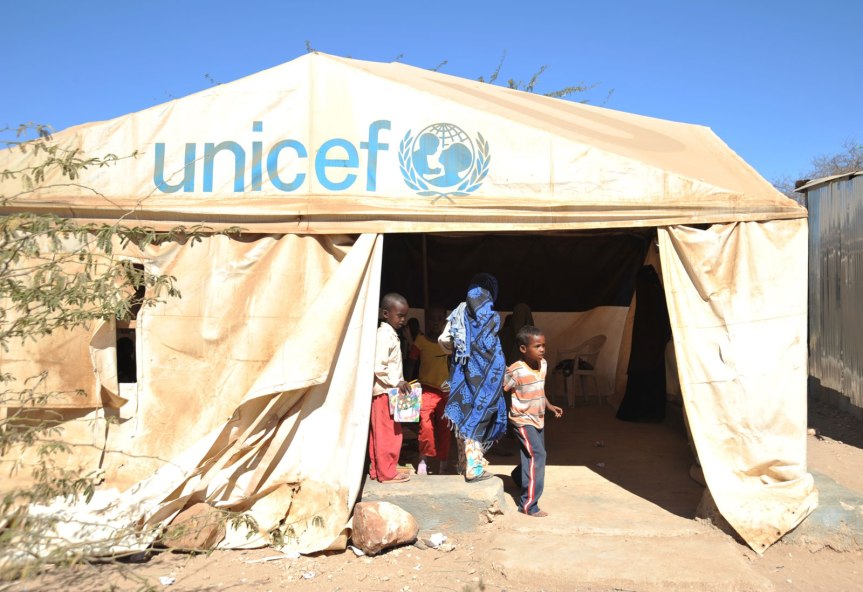
Foreign aid is the voluntary transfer of money, resources, or services (in the form of a gift, grant, or loan) from one country to another, or from an international organization to a certain country, for the ultimate benefit of the recipient country. Hence, the implication here is that the recipient country is in a position of debt, shortage, or some economic strife, such that it requires the assistance of other countries or international organizations (UN, NGOs, and other foundations). It is commonly seen when the more developed countries of the world provide aid to the developing nations, especially after they have suffered from some natural disasters, economic crisis situations or serious conflicts that have caused widespread damage.

Foreign aid, however, is not a purely humanitarian practice, and many countries engage in it with varying objectives. Some countries provide foreign assistance with the objective of furthering the political agenda of a government, thereby allowing it to attain diplomatic recognition. Thus, apart from solely providing economic and social support to the country, many donors provide aid as a means to strengthen and consolidate their political and strategic interests in the country or region.

Many economists argue that foreign aid fosters dependency and corruption in recipient countries, while others argue that it fosters economic growth and helps countries in their development. It is thereby a two-handed conclusion that is arrived at here, where we can say that foreign aid can have strong positive effects, but it clearly depends on what it is used for by the recipient, and whether it is invested efficiently and effectively.

What is Foreign Economic Dependency?

Foreign economic dependency is an international power structure in which weaker countries end up relying on economically stronger countries for financial support, which thereby allows the stronger countries to exercise a certain degree of economic and political control over the weaker nation.

Foreign economic dependency is one of the most important ways in which a country can regrow and rebuild itself after a natural disaster. It does this by getting foreign medical aid and disaster aid, and it helps in rebuilding livelihoods by helping the victims of the calamity directly. Without foreign economic aid a country would definitely have a much more difficult time to rebuild itself. However, dependency on foreign aid also often plays a significant role in shaping the economic and political framework of the weaker nation. The donor countries often use the aid they provide to push forward the economic and political policies preferred by them in the target countries. The receiving nation cannot do much in this case as there is the threat of the powerful nation ending the aid if the receiving nation does not comply with them.

Foreign aid is not only from countries but also from international organizations like the World Bank, but these organizations also might force their economic policies on the receiving nation. For example, the country must agree to adjust its economic structure, liberalize and privatize its economy and also increase its financial accountability. Moreover, paying back these huge loans is a difficult task for the receiving nation while trying to maintain/build a healthy economy at the same time, which leads to their economy taking significant damage.

Hence, foreign dependency usually leads to lesser development in the economically dependent country because it has to tailor its policies to the interest of the stronger country, and this usually leads to the weaker country neglecting to do things which are best for its own development. This causes things like faster environmental destruction and creation of only temporary growth that prevents sustainable development and economic independence.

Conclusion

It can be concluded that the ultimate question about whether foreign aid is really effective or not has not yet been fully settled. This is due to the fact that there is enough evidence to convince a person of both sides of the argument. While there have been cases where foreign aid has done wonders, like in Ethiopia, there are also cases where foreign aid has worsened countries, like Somalia. It is essential for recipient countries to give due importance not only to their economic policies, but also in ensuring that foreign aid is directed towards productive and beneficial causes in the country.

The unfavorable result, as discussed in this article, is when foreign aid leads to economic dependency. In such cases, countries are left with little to no autonomy, and the stronger countries get a say in how to operate them for their own benefit. As long as such a situation is avoided, and foreign aid is mainly helpful for the purposes of resolving humanitarian crises and assisting underdeveloped countries, then it is a helpful practice.

Mountains- A history(Part-1)

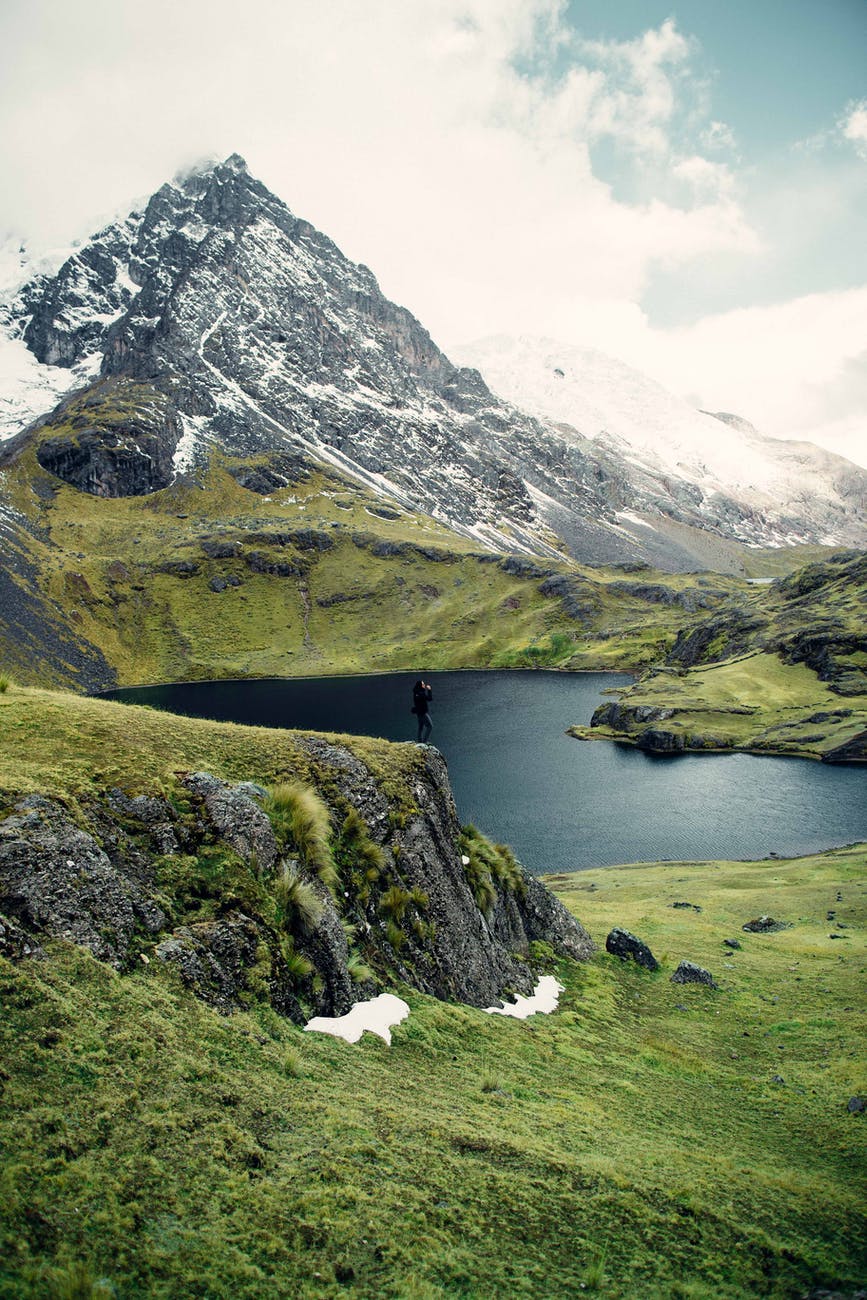
Photo by Sam Kolder on Pexels.com

We have all seen mountains or hope to see them, after all they are a very famous holiday destination. All of us certainly have a wonderful mountain destination in our bucket list- be it the Himalayas, The Rockies, The Alps, Mt. Fuji or the Swiss Alps. But have you ever wondered how these mountains came into being? How is it that a flat piece of earth rose so high, almost touching the sky? Well, if you have, then here is the answer. And if you haven’t, even then a little extra knowledge never hurts anybody, right?

So, the mountains were formed millions and even billions of year ago (the oldest one-the Barberton Greenstone Belt in South Africa, is 3.6 billion year old) when the continents were being formed. The most widely accepted theory, currently, believes that the earth’s mantle(the astenosphere layer- a semi-solid) has convection current flowing through them(a result of differential heating- the lighter material rises whereas the denser material sinks ). This current belt in the astenosphere moves with it the lithosphere(continental crust, oceanic crust and the top-most part of mantle(upper mantle)). These movements in the lithosphere are the movements of continents and oceans that lead to earthquakes , volcanoes, tsunamis and the formation of volcanic islands, plateaus (all these for some other day) and fold mountains as well as volcanic mountains.

These convection currents move with them large pieces of land, ocean or both and these large pieces are termed as tectonic plates. There are currently 7 major and some minor tectonic plates. The major tectonic plates are-

  1. Indo-Australian plate
  2. North American plate
  3. South American plate
  4. Pacific plate
  5. Antarctic plate
  6. Eurasian plate
  7. African plate

The minor plates are-

  1. Fillipino plate
  2. Nazca plate
  3. Scotia plate
  4. Caribbean plate
  5. Indian plate
  6. Arabian plate
  7. Cocos plate
  8. Juan-de-fuca plate

Let us first see the types of mountains. There are 4 types of mountains-

  1. Fold mountains- These mountains are formed when one tectonic plate folds over the other, due to collision of two plate boundaries. The plates need not be continental as is in the case of the Alps , the Atlas and the Himalayas. An oceanic and a continental plate boundary collision can also form a fold mountain. The examples of such fold mountains are the Rockies and the Andes
  2. Block mountains- These mountains are formed due to the diverging plate boundaries. When two boundaries diverge, it creates a crack on the surface between them known as a rift. Later, the surrounding raised plate undergoes erosion and takes the shape of a mountain. Examples are The East African Rift Valley, The Rhine Valley, The Vindhyas and Satpuras .
  3. Volcanic mountains- Mountains formed due to fissures in the earth’s surface, that lead to release of magma. The examples are Mt. Fuji, Mt. Mayon. Also, they are known as mountains of accumulation.
  4. Residual mountains- Mountains that are either formed due to the erosion of existing mountains (denudation) or plateaus(dissection) by agents such as rivers, winds, glaciers. Examples are Mt. Manodnock (The Appalachians) , Highlands of Scotland, Scandinavia and Deccan Plateau.

The movement of the tectonic plates creates one of the above or even a combination of the above kind of mountains. Stay tuned for the next part to know how are many of the world mountains created and where are they located? Is there something common about their location? What is the reason for exceptions?

Mountains- A history(Part-1)

Photo by Sam Kolder on Pexels.com

We have all seen mountains or hope to see them, after all they are a very famous holiday destination. All of us certainly have a wonderful mountain destination in our bucket list- be it the Himalayas, The Rockies, The Alps, Mt. Fuji or the Swiss Alps. But have you ever wondered how these mountains came into being? How is it that a flat piece of earth rose so high, almost touching the sky? Well, if you have, then here is the answer. And if you haven’t, even then a little extra knowledge never hurts anybody, right?

So, the mountains were formed millions and even billions of year ago (the oldest one-the Barberton Greenstone Belt in South Africa, is 3.6 billion year old) when the continents were being formed. The most widely accepted theory, currently, believes that the earth’s mantle(the astenosphere layer- a semi-solid) has convection current flowing through them(a result of differential heating- the lighter material rises whereas the denser material sinks ). This current belt in the astenosphere moves with it the lithosphere(continental crust, oceanic crust and the top-most part of mantle(upper mantle)). These movements in the lithosphere are the movements of continents and oceans that lead to earthquakes , volcanoes, tsunamis and the formation of volcanic islands, plateaus (all these for some other day) and fold mountains as well as volcanic mountains.

These convection currents move with them large pieces of land, ocean or both and these large pieces are termed as tectonic plates. There are currently 7 major and some minor tectonic plates. The major tectonic plates are-

  1. Indo-Australian plate
  2. North American plate
  3. South American plate
  4. Pacific plate
  5. Antarctic plate
  6. Eurasian plate
  7. African plate

The minor plates are-

  1. Fillipino plate
  2. Nazca plate
  3. Scotia plate
  4. Caribbean plate
  5. Indian plate
  6. Arabian plate
  7. Cocos plate
  8. Juan-de-fuca plate

Let us first see the types of mountains. There are 4 types of mountains-

  1. Fold mountains- These mountains are formed when one tectonic plate folds over the other, due to collision of two plate boundaries. The plates need not be continental as is in the case of the Alps , the Atlas and the Himalayas. An oceanic and a continental plate boundary collision can also form a fold mountain. The examples of such fold mountains are the Rockies and the Andes
  2. Block mountains- These mountains are formed due to the diverging plate boundaries. When two boundaries diverge, it creates a crack on the surface between them known as a rift. Later, the surrounding raised plate undergoes erosion and takes the shape of a mountain. Examples are The East African Rift Valley, The Rhine Valley, The Vindhyas and Satpuras .
  3. Volcanic mountains- Mountains formed due to fissures in the earth’s surface, that lead to release of magma. The examples are Mt. Fuji, Mt. Mayon. Also, they are known as mountains of accumulation.
  4. Residual mountains- Mountains that are either formed due to the erosion of existing mountains (denudation) or plateaus(dissection) by agents such as rivers, winds, glaciers. Examples are Mt. Manodnock (The Appalachians) , Highlands of Scotland, Scandinavia and Deccan Plateau.

The movement of the tectonic plates creates one of the above or even a combination of the above kind of mountains. Stay tuned for the next part to know how are many of the world mountains created and where are they located? Is there something common about their location? What is the reason for exceptions?

Anomalies that occur in the Stock Market

A market anomaly is a price action that contradicts the expected behaviour of the stock market.

Days of the week: Research and past history has shown us that stocks tend to move more on Fridays more than mondays and that there is generally a bias toward positive market performance on Fridays. On a logical level, there is no particular reason that this should be true. Some psychological factors could be at work. Perhaps an end-of-week optimism permeates the market as traders and investors look forward to the weekend. Alternatively, perhaps the weekend gives investors a chance to catch up on their analysis on the market, and develop pessimism going into Monday.

Small firms: Firms with a smaller capital amount often outperform larger companies. A company’s economic growth is the driving force behind its stock performance, and smaller companies have much longer runways for growth than larger companies. A company like Google may need to earn an extra $3 billion in revenue to grow by 10% whereas a smaller company may need only an extra $10 million in revenue to grow the same amount. This is why smaller firms tend to perform better.

The January effect: What happens is that stocks that underperformed in the fourth quarter of the prior year tend to outperform the markets in January. Investors will often look to drop underperforming stocks late in the year so that they can use their losses to offset capital gains taxes. This “tax selling” can push these stocks to levels where they become attractive to buyers in January. Likewise, investors will often avoid buying underperforming stocks in the fourth quarter and wait until January to avoid getting caught up in the tax-loss selling. As a result, there is excess selling pressure before January and excess buying pressure after January 1st, which causes this effect.

Reversals: Stocks that either perform extremely well or extremely poorly in a fiscal year usually do a complete 180 and follow a reverse course in the next period. If a stock is a top performer in the market, odds are that its performance has made it expensive. Likewise, the opposite is true for underperformers. It is then expected that the over-priced stocks would underperform (bringing their valuation back in line) while the under-priced stocks outperform. If enough investors habitually sell last year’s winners and buy last year’s losers, that will help move the stocks in exactly the expected directions.

Low book value: Extensive research has shown that stocks with below-average price-to-book ratios tend to outperform the market. Numerous test portfolios have shown that buying a collection of stocks with low price/book ratios will deliver market-beating performance. Cheap stocks should attract buyers’ attention and revert to the mean. This is a relatively weak anomaly. It takes very large portfolios of low price-to-book stocks to see the benefits.

Anomalies that occur in the Stock Market

A market anomaly is a price action that contradicts the expected behaviour of the stock market.

Days of the week: Research and past history has shown us that stocks tend to move more on Fridays more than mondays and that there is generally a bias toward positive market performance on Fridays. On a logical level, there is no particular reason that this should be true. Some psychological factors could be at work. Perhaps an end-of-week optimism permeates the market as traders and investors look forward to the weekend. Alternatively, perhaps the weekend gives investors a chance to catch up on their analysis on the market, and develop pessimism going into Monday.

Small firms: Firms with a smaller capital amount often outperform larger companies. A company’s economic growth is the driving force behind its stock performance, and smaller companies have much longer runways for growth than larger companies. A company like Google may need to earn an extra $3 billion in revenue to grow by 10% whereas a smaller company may need only an extra $10 million in revenue to grow the same amount. This is why smaller firms tend to perform better.

The January effect: What happens is that stocks that underperformed in the fourth quarter of the prior year tend to outperform the markets in January. Investors will often look to drop underperforming stocks late in the year so that they can use their losses to offset capital gains taxes. This “tax selling” can push these stocks to levels where they become attractive to buyers in January. Likewise, investors will often avoid buying underperforming stocks in the fourth quarter and wait until January to avoid getting caught up in the tax-loss selling. As a result, there is excess selling pressure before January and excess buying pressure after January 1st, which causes this effect.

Reversals: Stocks that either perform extremely well or extremely poorly in a fiscal year usually do a complete 180 and follow a reverse course in the next period. If a stock is a top performer in the market, odds are that its performance has made it expensive. Likewise, the opposite is true for underperformers. It is then expected that the over-priced stocks would underperform (bringing their valuation back in line) while the under-priced stocks outperform. If enough investors habitually sell last year’s winners and buy last year’s losers, that will help move the stocks in exactly the expected directions.

Low book value: Extensive research has shown that stocks with below-average price-to-book ratios tend to outperform the market. Numerous test portfolios have shown that buying a collection of stocks with low price/book ratios will deliver market-beating performance. Cheap stocks should attract buyers’ attention and revert to the mean. This is a relatively weak anomaly. It takes very large portfolios of low price-to-book stocks to see the benefits.

GRATITUDE

Gratitude is a wonderful method to improve our life. It refers to the feeling and attitude of gratitude and appreciation for all that we have in life. It has been scientifically shown that expressing gratitude to others makes us feel happier and calmer. As a result, it allows kindness into our lives. It makes you pleased, for example, when a stranger holds the door for you or greets you. 

Gratitude, in layman’s terms, is the trait of showing gratitude to someone for an act of compassion or assistance. It’s the same trait that makes you remember someone’s kindness to you and makes you want to repay the favour. If you have a strong want to repay someone who has aided you, this desire is nothing more than appreciation. Only gratitude motivates you to express thanks or write a thank you note to your teacher. 

Why is it Important To Express Gratitude To Your Parents?

Feeling grateful has many benefits for your body, mind, and relationships, according to Robert Emmons, a world-renowned scientist and authority on the issue of gratitude.You must understand that when you were a child, your parents were the closest people to you and the ones with whom you spent the most time. This may not apply to everyone, but it does to the vast majority of individuals.

Kindness and success both begin at home. Another thing to keep in mind is that you, too, will become a parent at some point. As a result, how you treat your parents will have an effect on your relationship with your children. If you are grateful for your parents and always express gratitude for the good they have brought into your life, you will feel the same way when you become a parent.

How to Make Gratitude a Habit:

Gratitude can be practiced in a variety of ways, including:

1.Make a daily list of all the nice things that happen to you and who is responsible for them.

2.Make plans to repay the favour at a later date.

3.Recognize the value of everything around us, including nature, animals, and plants.

4.When feasible, express gratitude to various community helpers such as the washerman, gardener, policemen, sweepers, and others.

5.Every day as you wake up, thank God for such a beautiful day.

6.Thank God once more for all the trials you’ve faced today that have made you wiser and stronger.

Advantages of Gratitude:

Gratitude provides a variety of advantages in both your personal and social lives.

Relationship Strengthening: Gratitude improves the quality of your relationships with others. Being grateful is a lovely sensation and experience that enhances both parties bonds. It promotes the sense of being recognised and acknowledged, as well as the trust element.

Makes You Smile: Gratitude has a joyful quality to it. When you express appreciation or receive it, you feel glad for doing something nice or for having something good done to you. People who feel grateful are known to have lower stress levels.

Makes Society More Sensible: The happiest and most rational society is one in which people express thanks for one another. People are considerate and never miss an opportunity to express gratitude to others. A Intelligent society will inevitably progress in the correct direction.

Reduces comparisons and increases acceptance: When you express gratitude for others, you don’t make comparisons based on their financial situation or other things. You’re merely grateful to everyone and proud of their accomplishments.

GRATITUDE

Gratitude is a wonderful method to improve our life. It refers to the feeling and attitude of gratitude and appreciation for all that we have in life. It has been scientifically shown that expressing gratitude to others makes us feel happier and calmer. As a result, it allows kindness into our lives. It makes you pleased, for example, when a stranger holds the door for you or greets you. 

Gratitude, in layman’s terms, is the trait of showing gratitude to someone for an act of compassion or assistance. It’s the same trait that makes you remember someone’s kindness to you and makes you want to repay the favour. If you have a strong want to repay someone who has aided you, this desire is nothing more than appreciation. Only gratitude motivates you to express thanks or write a thank you note to your teacher. 

Why is it Important To Express Gratitude To Your Parents?

Feeling grateful has many benefits for your body, mind, and relationships, according to Robert Emmons, a world-renowned scientist and authority on the issue of gratitude.You must understand that when you were a child, your parents were the closest people to you and the ones with whom you spent the most time. This may not apply to everyone, but it does to the vast majority of individuals.

Kindness and success both begin at home. Another thing to keep in mind is that you, too, will become a parent at some point. As a result, how you treat your parents will have an effect on your relationship with your children. If you are grateful for your parents and always express gratitude for the good they have brought into your life, you will feel the same way when you become a parent.

How to Make Gratitude a Habit:

Gratitude can be practiced in a variety of ways, including:

1.Make a daily list of all the nice things that happen to you and who is responsible for them.

2.Make plans to repay the favour at a later date.

3.Recognize the value of everything around us, including nature, animals, and plants.

4.When feasible, express gratitude to various community helpers such as the washerman, gardener, policemen, sweepers, and others.

5.Every day as you wake up, thank God for such a beautiful day.

6.Thank God once more for all the trials you’ve faced today that have made you wiser and stronger.

Advantages of Gratitude:

Gratitude provides a variety of advantages in both your personal and social lives.

Relationship Strengthening: Gratitude improves the quality of your relationships with others. Being grateful is a lovely sensation and experience that enhances both parties bonds. It promotes the sense of being recognised and acknowledged, as well as the trust element.

Makes You Smile: Gratitude has a joyful quality to it. When you express appreciation or receive it, you feel glad for doing something nice or for having something good done to you. People who feel grateful are known to have lower stress levels.

Makes Society More Sensible: The happiest and most rational society is one in which people express thanks for one another. People are considerate and never miss an opportunity to express gratitude to others. A Intelligent society will inevitably progress in the correct direction.

Reduces comparisons and increases acceptance: When you express gratitude for others, you don’t make comparisons based on their financial situation or other things. You’re merely grateful to everyone and proud of their accomplishments.

INDIAN AIR HOSTESS

Wanna fly with birds and get paid for that. Just jump and Start your career as Air Hostess .If you have a pleasing character then that’s it half is in your hand to get this Job . Let’s see the brief details about Air Hostess below.

Responsibility of An Air Hostess:

An air hostess has many responsibilities on a plane. Air hostess typically do the following tasks:

  • Greets the passengers and guides them to settle down in their seats.
  • attending a pre-flight briefing.
  • Answering passenger questions during the flight.
  • Serving meals and refreshments to passengers.
  • Prepares flight report.
  • Provides medical care to the passengers if needed.
  • Instruct  passengers on all safety procedures.

Courses offered in India:

  1. Degree courses: Degree courses are taken the duration of three years after 12th in any stream. The list of degree courses:
  • BBA (Aviation )
  • MBA (Aviation )
  • Post Graduate Diploma in Aviation and Hospitality Services
  • Post Graduate Diploma in Airport Ground Services
  • Post Graduate Diploma In Aviation, Hospitality, Travel & Customer Service

Top Colleges in India offer Air Hostess courses:

  • Rajiv Gandhi Memorial College of Aeronautics, Jaipur
  • Air Hostess Academy, Pune
  • Avalon Academy, Dehradun
  • Air Hostess Academy, Delhi
  • Frank Finn Institute of Air Hostess Training, Delhi
  • Frank Finn Institute of Air Hostess Training, Mumbai
  • Universal Airhostess Academy, Chennai.

INDIAN AIR HOSTESS

Wanna fly with birds and get paid for that. Just jump and Start your career as Air Hostess .If you have a pleasing character then that’s it half is in your hand to get this Job . Let’s see the brief details about Air Hostess below.

Responsibility of An Air Hostess:

An air hostess has many responsibilities on a plane. Air hostess typically do the following tasks:

  • Greets the passengers and guides them to settle down in their seats.
  • attending a pre-flight briefing.
  • Answering passenger questions during the flight.
  • Serving meals and refreshments to passengers.
  • Prepares flight report.
  • Provides medical care to the passengers if needed.
  • Instruct  passengers on all safety procedures.

Courses offered in India:

  1. Degree courses: Degree courses are taken the duration of three years after 12th in any stream. The list of degree courses:
  • BBA (Aviation )
  • MBA (Aviation )
  • Post Graduate Diploma in Aviation and Hospitality Services
  • Post Graduate Diploma in Airport Ground Services
  • Post Graduate Diploma In Aviation, Hospitality, Travel & Customer Service

Top Colleges in India offer Air Hostess courses:

  • Rajiv Gandhi Memorial College of Aeronautics, Jaipur
  • Air Hostess Academy, Pune
  • Avalon Academy, Dehradun
  • Air Hostess Academy, Delhi
  • Frank Finn Institute of Air Hostess Training, Delhi
  • Frank Finn Institute of Air Hostess Training, Mumbai
  • Universal Airhostess Academy, Chennai.

Technology and it’s influence on society.

Technology can be defined as the modification of science and scientific research that has interfered with the day to day life of an individual and aim to enhance the quality as well as standard of life. World has witnessed technological advancement at very fast pace from last century and is yet to modernise even more. Citing picture of the present world without technology is next to impossible because of its involvement in every aspect of it life be it education, health, tourism etc. However, there is downside of it all as well.

Technology has helped human in many way and made interaction easier and collaborative. World has shrunk because everyone has access to the things that is otherwise seems impossible. Connecting and creating social life has became lot more easier with the help of social media and access to internet 24×7. The advancement in technology has brought about new meaning to learning and field of education by creating vibrant environment, one and for all. Rather than searching a hella huge library for one single paper, you just need one click to have access to books, journals, research papers that saves a lot of money and time as well. Students can take exams or quizzes more easily and teachers can take classes online from anywhere in the world. Imaginig world without technical advances ,in light of pandemic or catastrophe that we are facing since 2020, in nothing less than a nightmare. World would have gone under complete shutdown without aid of otherwise called as classic cliche.

Aside from education, there is profound effect in the field of health and travelling altogether. There are thousands of health apps that you can install on your android as well as windows and can have virtual appointment with doctor, deitics, or fitness coach. Likewise, you can get your air ticket or train ticket done in no time with the help of apps. Since boon and bane comes hand in hand so is the downside of the technology.

Since we are doing everything online these days so there is extended screen time that can lead to health ramifications such as insomnia, eyestrain, migraine as well as increased anxiety and depression. As whole world is confined in the screen of the mobile phone, loneliness among youngsters has multiplied several times causing serious health issue. Without technological advancements, our way of life would not be as complex. Technological influences shape the way humans act today.

Technology and it's influence on society.

Technology can be defined as the modification of science and scientific research that has interfered with the day to day life of an individual and aim to enhance the quality as well as standard of life. World has witnessed technological advancement at very fast pace from last century and is yet to modernise even more. Citing picture of the present world without technology is next to impossible because of its involvement in every aspect of it life be it education, health, tourism etc. However, there is downside of it all as well.

Technology has helped human in many way and made interaction easier and collaborative. World has shrunk because everyone has access to the things that is otherwise seems impossible. Connecting and creating social life has became lot more easier with the help of social media and access to internet 24×7. The advancement in technology has brought about new meaning to learning and field of education by creating vibrant environment, one and for all. Rather than searching a hella huge library for one single paper, you just need one click to have access to books, journals, research papers that saves a lot of money and time as well. Students can take exams or quizzes more easily and teachers can take classes online from anywhere in the world. Imaginig world without technical advances ,in light of pandemic or catastrophe that we are facing since 2020, in nothing less than a nightmare. World would have gone under complete shutdown without aid of otherwise called as classic cliche.

Aside from education, there is profound effect in the field of health and travelling altogether. There are thousands of health apps that you can install on your android as well as windows and can have virtual appointment with doctor, deitics, or fitness coach. Likewise, you can get your air ticket or train ticket done in no time with the help of apps. Since boon and bane comes hand in hand so is the downside of the technology.

Since we are doing everything online these days so there is extended screen time that can lead to health ramifications such as insomnia, eyestrain, migraine as well as increased anxiety and depression. As whole world is confined in the screen of the mobile phone, loneliness among youngsters has multiplied several times causing serious health issue. Without technological advancements, our way of life would not be as complex. Technological influences shape the way humans act today.