Before you begin writing, follow these guidelines to help you prepare and understand the case study:
Read and Examine the Case Thoroughly
Take notes, highlight relevant facts, underline key problems.
Focus Your Analysis
Identify two to five key problems.
Why do they exist?
How do they impact the organization?
Who is responsible for them?
Uncover Possible Solutions/Changes Needed
Review course readings, discussions, outside research, your experience.
Select the Best Solution
Consider strong supporting evidence, pros, and cons. Is this solution realistic?
Drafting the Case
Once you have gathered the necessary information, a draft of your analysis should include these general sections, but these may differ depending on your assignment directions or your specific case study:
Introduction
Identify the key problems and issues in the case study.
Formulate and include a thesis statement, summarizing the outcome of your analysis in 1–2 sentences.
Background
Set the scene: background information, relevant facts, and the most important issues.
Demonstrate that you have researched the problems in this case study.
Evaluation of the Case
Outline the various pieces of the case study that you are focusing on.
Evaluate these pieces by discussing what is working and what is not working.
State why these parts of the case study are or are not working well.
Proposed Solution/Changes
Provide specific and realistic solution(s) or changes needed.
Explain why this solution was chosen.
Support this solution with solid evidence, such as:
Concepts from class (text readings, discussions, lectures)
Outside research
Personal experience (anecdotes)
Recommendations
Determine and discuss specific strategies for accomplishing the proposed solution.
If applicable, recommend further action to resolve some of the issues.
What should be done and who should do it?
Finalizing the Case
After you have composed the first draft of your case study analysis, read through it to check for any gaps or inconsistencies in content or structure:
Before you begin writing, follow these guidelines to help you prepare and understand the case study:
Read and Examine the Case Thoroughly
Take notes, highlight relevant facts, underline key problems.
Focus Your Analysis
Identify two to five key problems.
Why do they exist?
How do they impact the organization?
Who is responsible for them?
Uncover Possible Solutions/Changes Needed
Review course readings, discussions, outside research, your experience.
Select the Best Solution
Consider strong supporting evidence, pros, and cons. Is this solution realistic?
Drafting the Case
Once you have gathered the necessary information, a draft of your analysis should include these general sections, but these may differ depending on your assignment directions or your specific case study:
Introduction
Identify the key problems and issues in the case study.
Formulate and include a thesis statement, summarizing the outcome of your analysis in 1–2 sentences.
Background
Set the scene: background information, relevant facts, and the most important issues.
Demonstrate that you have researched the problems in this case study.
Evaluation of the Case
Outline the various pieces of the case study that you are focusing on.
Evaluate these pieces by discussing what is working and what is not working.
State why these parts of the case study are or are not working well.
Proposed Solution/Changes
Provide specific and realistic solution(s) or changes needed.
Explain why this solution was chosen.
Support this solution with solid evidence, such as:
Concepts from class (text readings, discussions, lectures)
Outside research
Personal experience (anecdotes)
Recommendations
Determine and discuss specific strategies for accomplishing the proposed solution.
If applicable, recommend further action to resolve some of the issues.
What should be done and who should do it?
Finalizing the Case
After you have composed the first draft of your case study analysis, read through it to check for any gaps or inconsistencies in content or structure:
When we communicate with our family, friends, relatives or even strangers in a casual set up, it is called Informal communication. This includes exchange of casual words- views or opinions, ideas or other interactions where the intention is only to know the person or acquire some knowledge. It is not meant for formal expression or behaviour.
It is important that we communicate effectively even if we are in an informal set up. It gives an impact and creates an impression in the mind of the other person about you. Good communication helps you enhance your growth as an individual. There is some framework you would work upon in order to be a good communicator.
It is important that your message reaches the intended person the way you mean it.There are some behavioural patterns to be followed when you interact with somebody regardless of the person’s age or gender.The most important thing to keep in mind is to respect them.
Never use rude words with anyone. Always be calm and speak softly. Nobody likes a person who is aggressive and harsh in his/her behaviour.
Whenever you are talking with somebody, give that person the time to complete his point. Listen carefully to what the other person is trying to convey through his words to you.
Never jump in between a conversation or disturb/stop somebody in-between. Let them complete and then you speak.
Keep your lines precise and avoid useless informationor words which may lengthenthe message and the real meaning gets lost.
Avoid jargon so as to make the message understandable. Also, speak only what is necessary. Speaking out unnecessary stuff may get your real message lost in the conversation.
Your body language should go with what you are conveying to the speaker/listener. The other person should not feel you are trying to dominate him/her.
Don’t be too loud with your body language when you are speaking and express your alertness through your body language while listening to somebody. It will assure the person of interaction from your side.
The way you address the other person is important in deciding the response you will get from him/her. It is also thecase of a formal discussion orconversation.
It is all upto you that how well you express yourself in front of others, the similar response you will get! Also, you should take into consideration whom are you talking with. This simply focus on the personality or behaviour of the person you are trying to communicate.
It is often a problem that people don’t know how to start a conversation with a stranger or a high official person. Making new friends is included in this. Since English as a language is preferred all across , the basics you can start with is to address the person saying hello, with a smile or in the formal manner(good morning) as the case may be. Initiate with what you want to say, with clarity of thought. Don’t mix up your words and make sure the person is listening to you and is interested in continuing the talk. There needs to be some common topics to make up a friend otherwise you won’t get expected response.
The way you address should be in accordance with the personality of the person; whether he/she accept frank behaviour or likes to talk about information, entertainment, etc. All such aspects help ending up with an engaging conversation. There might be people who don’t like talking much. In that situation, you avoid it and let them have their space.
When we communicate with our family, friends, relatives or even strangers in a casual set up, it is called Informal communication. This includes exchange of casual words- views or opinions, ideas or other interactions where the intention is only to know the person or acquire some knowledge. It is not meant for formal expression or behaviour.
It is important that we communicate effectively even if we are in an informal set up. It gives an impact and creates an impression in the mind of the other person about you. Good communication helps you enhance your growth as an individual. There is some framework you would work upon in order to be a good communicator.
It is important that your message reaches the intended person the way you mean it.There are some behavioural patterns to be followed when you interact with somebody regardless of the person’s age or gender.The most important thing to keep in mind is to respect them.
Never use rude words with anyone. Always be calm and speak softly. Nobody likes a person who is aggressive and harsh in his/her behaviour.
Whenever you are talking with somebody, give that person the time to complete his point. Listen carefully to what the other person is trying to convey through his words to you.
Never jump in between a conversation or disturb/stop somebody in-between. Let them complete and then you speak.
Keep your lines precise and avoid useless informationor words which may lengthenthe message and the real meaning gets lost.
Avoid jargon so as to make the message understandable. Also, speak only what is necessary. Speaking out unnecessary stuff may get your real message lost in the conversation.
Your body language should go with what you are conveying to the speaker/listener. The other person should not feel you are trying to dominate him/her.
Don’t be too loud with your body language when you are speaking and express your alertness through your body language while listening to somebody. It will assure the person of interaction from your side.
The way you address the other person is important in deciding the response you will get from him/her. It is also thecase of a formal discussion orconversation.
It is all upto you that how well you express yourself in front of others, the similar response you will get! Also, you should take into consideration whom are you talking with. This simply focus on the personality or behaviour of the person you are trying to communicate.
It is often a problem that people don’t know how to start a conversation with a stranger or a high official person. Making new friends is included in this. Since English as a language is preferred all across , the basics you can start with is to address the person saying hello, with a smile or in the formal manner(good morning) as the case may be. Initiate with what you want to say, with clarity of thought. Don’t mix up your words and make sure the person is listening to you and is interested in continuing the talk. There needs to be some common topics to make up a friend otherwise you won’t get expected response.
The way you address should be in accordance with the personality of the person; whether he/she accept frank behaviour or likes to talk about information, entertainment, etc. All such aspects help ending up with an engaging conversation. There might be people who don’t like talking much. In that situation, you avoid it and let them have their space.
Here is the part-2 of this article, in part-1, we have seen some interesting facts about some states in India. In this article, we are going to see some facts about rest of the states.
Telangana
Do you know once a Indian ruler was the world’s richest person in the world. He is Osman Ali Khan Bahadur, the last ruler of Nizam. In 1937, the time magazine featured Mir Osman Ali Khan Bahadur in there cover page as the world’s richest person. His estimated net worth is $2 billion in 1940, as of now $236 billion.
Karnataka
Do you know that 5 rivers flow in a single district in Karnataka. Vijayapura district in Karnataka witness flow of five rivers through it, they are Krishan, Doni, Bhima, Ghataprabha and Malaprabha. This district is also known as land of five rivers.
Haryana
Several historic battles like Mahabharata were fought in Haryana. Haryana is the home land for Indus and Vedic civilizations.
Punjab
According to the world records, The Golden Temple in Amritsar is the most visited place. The golden temple is located in Punjab. As by its name, it is really made of gold. This is the most popular tourist attraction in Punjab.
Odisha
In Odisha, you can find some of the oldest rocks in the world. The old rocks are about 3 Billion years ago. Our earth is believed to 4.5 Billion years old.
Sikkim
Each and every state in India have there own official language. Every state in India, have up to 1 or 2 official language. But Sikkim is the only state in India which 11 official languages.
Arunachal Pradesh
Do you known earlier Arunachal pradesh was a union territory, but later on 20th February it become a independent state.
Manipur
It is believed that the sport polo has originated in Manipur and was spread in the western countries by the Britishers during the colonial rule.
West Bengal
Have you ever wondered West Bengal is located at east but called as West Bengal? The answer is when India got its independence, the Bengal region was partitioned, the western part went to India and the eastern part went to Pakistan(Now Bangladesh). That’s why it is called West Bengal.
Chattisgarh
In Chattisgarh, motorcycle ambulances are used to save people life in the remote villages where ambulances cannot reach. So far it has saved about 200 pregnant women.
Bihar
Nalanda University is one of the world’s oldest university is located at Bihar. It was established in 5th century and it was functioned between 5th to 13th century. However it was destroyed in during some battles.
Tripura
Do you know 91 percent of the land in Tripura is under Cultivation? Rice is the crop of Tripura.
Meghalaya
Mawsnyram is the place located in Meghalaya, which receives highest amount of rainfall on this planet. The average rainfall here is 11,871mm.
Jharkhand
The state Jharkhand is rich in minerals such as iron ore, coal, mica, and limestone. It accounts for 40 percent of the total minerals found in India.
Nagaland
Nagaland is the only state in India to register population decline from 2001 to 2011 by 0.46 percent.
Himachal Pradesh
There is a village in Himachal Pradesh, which is called village of taboos. You cannot touch anything in there villages without there permission. If you touch anything without there permission then you have to pay fine to them.
Goa
Portuguese ruled Goa for more than 450 years. The rule of ended on 17th December 1971, by the invasion of Indian army.
Here is the part-2 of this article, in part-1, we have seen some interesting facts about some states in India. In this article, we are going to see some facts about rest of the states.
Telangana
Do you know once a Indian ruler was the world’s richest person in the world. He is Osman Ali Khan Bahadur, the last ruler of Nizam. In 1937, the time magazine featured Mir Osman Ali Khan Bahadur in there cover page as the world’s richest person. His estimated net worth is $2 billion in 1940, as of now $236 billion.
Karnataka
Do you know that 5 rivers flow in a single district in Karnataka. Vijayapura district in Karnataka witness flow of five rivers through it, they are Krishan, Doni, Bhima, Ghataprabha and Malaprabha. This district is also known as land of five rivers.
Haryana
Several historic battles like Mahabharata were fought in Haryana. Haryana is the home land for Indus and Vedic civilizations.
Punjab
According to the world records, The Golden Temple in Amritsar is the most visited place. The golden temple is located in Punjab. As by its name, it is really made of gold. This is the most popular tourist attraction in Punjab.
Odisha
In Odisha, you can find some of the oldest rocks in the world. The old rocks are about 3 Billion years ago. Our earth is believed to 4.5 Billion years old.
Sikkim
Each and every state in India have there own official language. Every state in India, have up to 1 or 2 official language. But Sikkim is the only state in India which 11 official languages.
Arunachal Pradesh
Do you known earlier Arunachal pradesh was a union territory, but later on 20th February it become a independent state.
Manipur
It is believed that the sport polo has originated in Manipur and was spread in the western countries by the Britishers during the colonial rule.
West Bengal
Have you ever wondered West Bengal is located at east but called as West Bengal? The answer is when India got its independence, the Bengal region was partitioned, the western part went to India and the eastern part went to Pakistan(Now Bangladesh). That’s why it is called West Bengal.
Chattisgarh
In Chattisgarh, motorcycle ambulances are used to save people life in the remote villages where ambulances cannot reach. So far it has saved about 200 pregnant women.
Bihar
Nalanda University is one of the world’s oldest university is located at Bihar. It was established in 5th century and it was functioned between 5th to 13th century. However it was destroyed in during some battles.
Tripura
Do you know 91 percent of the land in Tripura is under Cultivation? Rice is the crop of Tripura.
Meghalaya
Mawsnyram is the place located in Meghalaya, which receives highest amount of rainfall on this planet. The average rainfall here is 11,871mm.
Jharkhand
The state Jharkhand is rich in minerals such as iron ore, coal, mica, and limestone. It accounts for 40 percent of the total minerals found in India.
Nagaland
Nagaland is the only state in India to register population decline from 2001 to 2011 by 0.46 percent.
Himachal Pradesh
There is a village in Himachal Pradesh, which is called village of taboos. You cannot touch anything in there villages without there permission. If you touch anything without there permission then you have to pay fine to them.
Goa
Portuguese ruled Goa for more than 450 years. The rule of ended on 17th December 1971, by the invasion of Indian army.
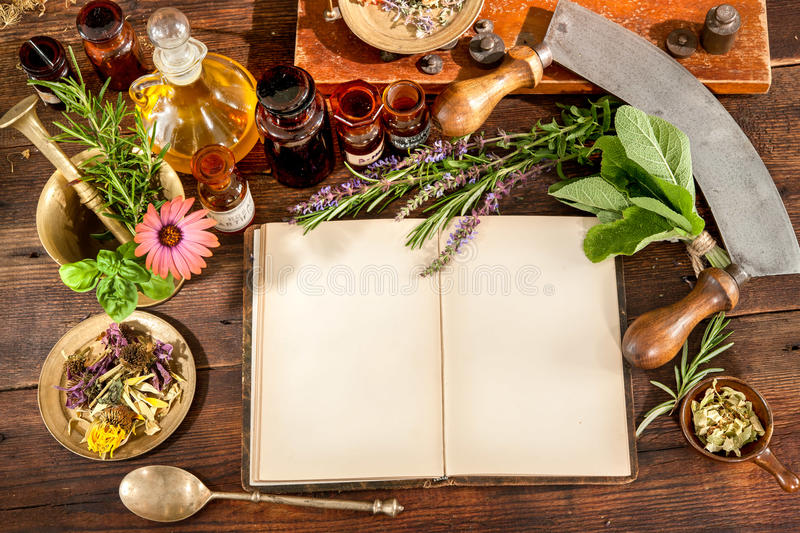
The plant world is an immense store of active chemical compounds. Nearly half = the medicines we use today are herbal in origin, and a quarter contains plant extracts or active chemicals taken directly from plants. Many more are yet to be discovered, recorded and researched; only a few thousand have been studied. Across the globe, the hunt will always be on to find species that could form the bases of new medicines. Humans have always used plants to ease their pains. They imbued them with magical powers and then gradually learnt to identify their properties. We can now enjoy the benefits of herbal medicines because, over thousands of years, our ancestors discovered which plants were medicinally beneficial and which were highly toxic.
Thousands of years ago, the ancient Egyptians discovered simple ways to extract and use the active ingredients within plants. Egyptian papyrus manuscripts from 2000 B.C. record the use of perfumes and fine oils, and aromatic oils and gums in the embalming process.
In ancient Greece in the 5th and the 4th centuries BC, Hippocrates, the father of medicine, was already recommending asparagus and garlic for their diuretic qualities, poppy as a way of inducing sleep and willow leaves to relieve pain and fever. In the 1st century AD, another Greek doctor, Dioscorides, established the first collection of medicinal plants. His treatise on the subject was translated into Arabic and Persian. Centuries later, his work was also used by the Muslim scholars who influenced great universities of the period, particularly at Montpellier, Europe’s most famous centre for the study of botany.
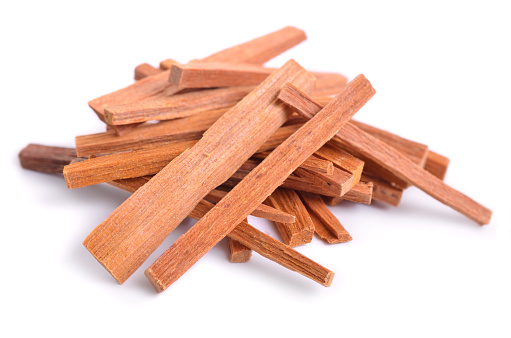
As a result of trade with Africa and Asia, the Western world’s store of herbal medicines was enriched by the inclusion of camphor, cinnamon, ginger, ginseng, nutmeg, sandalwood, turmeric and henna. For a long time, however, the use of both local plants and those with more distant origins was based on more or less fanciful beliefs. Throughout the Middle Ages herbal medicine consisted of a mixture of magic, superstition and empirical observation. From the Renaissance onwards, scientists and their scientific studies, discoveries and inventions came to the fore, rejecting alchemists’ elixirs and other magical remedies. Local plants were carefully collected and widely used to make infusions, decoctions and ointments. These plants make up the major part of the traditional cures that we have inherited.
Chandan or sandalwood sticks.
History behind Nature’s Medicines:
In the late 1700s, Carl Wilheim Scheele, a gifted Swedish chemist, obtained tartaric acid from grapes, citric acid from lemons and malic acid from apples. The techniques that he and his contemporaries used led to the isolation of the first purified compounds from plants that could be used as drugs. First came the isolation of morphine from the opium poppy in 1803, then caffeine from coffee beans in 1819, quinine from cinchona bark and colchicines from meadow saffron both in 1820 and atropine from deadly nightshade in 1835.
Image Source -google.
One tree that generated considerable interest among scientists was the willow. In the early 1800s, chemists from Germany, Italy and France began the search for the compounds responsible for the acclaimed pain-relieving effects of its bark. In 1828, the German pharmacist, Johann Buchner, was the first to obtain salicin, the major compound in a pure form. In 1838, the Italian chemist, Raffaele Piria also obtained salicylic acid from the bark by various chemical processes. But these early compounds caused blisters in the mouth, and stomach upsets when ingested. In 1853, a French chemist, Charles Frederic Gerhardt, synthesised a modified form of salicylic acid-acetylsalicylic acid. But still it wasn’t further modified form developed for more than 40 years until a German chemist, Felix Hoffman, working for Bayer, rediscovered Gerhardt’s compound. Hoffman gave it to his father who suffered from arthritis and reported the beneficial effects.
Bayer decided to market the acetylsalicylic acid as a new drug for pain relief and patented the compound acetylsalicylic acid in 1899. At last from the willow, the first modern drug was born and, with 12000 tons of aspirin sold every year throughout the world, it has kept its number one position.
From the 1930s onwards, advances in chemistry have made it much easier to reproduce the active ingredients in plants. But plants will continue to have a medicinal importance in their own right. Their active constituents may be slightly modified to improve their efficiency or to reduce their undesirable effects, but they are still vital for the treatment of disorders such as cancers and heart diseases or as a means of combating malaria. And they remain the essence of herbal medicine-an area that has still not been fully understood and explored.
The plant world is an immense store of active chemical compounds. Nearly half = the medicines we use today are herbal in origin, and a quarter contains plant extracts or active chemicals taken directly from plants. Many more are yet to be discovered, recorded and researched; only a few thousand have been studied. Across the globe, the hunt will always be on to find species that could form the bases of new medicines. Humans have always used plants to ease their pains. They imbued them with magical powers and then gradually learnt to identify their properties. We can now enjoy the benefits of herbal medicines because, over thousands of years, our ancestors discovered which plants were medicinally beneficial and which were highly toxic.
Thousands of years ago, the ancient Egyptians discovered simple ways to extract and use the active ingredients within plants. Egyptian papyrus manuscripts from 2000 B.C. record the use of perfumes and fine oils, and aromatic oils and gums in the embalming process.
In ancient Greece in the 5th and the 4th centuries BC, Hippocrates, the father of medicine, was already recommending asparagus and garlic for their diuretic qualities, poppy as a way of inducing sleep and willow leaves to relieve pain and fever. In the 1st century AD, another Greek doctor, Dioscorides, established the first collection of medicinal plants. His treatise on the subject was translated into Arabic and Persian. Centuries later, his work was also used by the Muslim scholars who influenced great universities of the period, particularly at Montpellier, Europe’s most famous centre for the study of botany.
As a result of trade with Africa and Asia, the Western world’s store of herbal medicines was enriched by the inclusion of camphor, cinnamon, ginger, ginseng, nutmeg, sandalwood, turmeric and henna. For a long time, however, the use of both local plants and those with more distant origins was based on more or less fanciful beliefs. Throughout the Middle Ages herbal medicine consisted of a mixture of magic, superstition and empirical observation. From the Renaissance onwards, scientists and their scientific studies, discoveries and inventions came to the fore, rejecting alchemists’ elixirs and other magical remedies. Local plants were carefully collected and widely used to make infusions, decoctions and ointments. These plants make up the major part of the traditional cures that we have inherited.
Chandan or sandalwood sticks.
History behind Nature’s Medicines:
In the late 1700s, Carl Wilheim Scheele, a gifted Swedish chemist, obtained tartaric acid from grapes, citric acid from lemons and malic acid from apples. The techniques that he and his contemporaries used led to the isolation of the first purified compounds from plants that could be used as drugs. First came the isolation of morphine from the opium poppy in 1803, then caffeine from coffee beans in 1819, quinine from cinchona bark and colchicines from meadow saffron both in 1820 and atropine from deadly nightshade in 1835.
Image Source -google.
One tree that generated considerable interest among scientists was the willow. In the early 1800s, chemists from Germany, Italy and France began the search for the compounds responsible for the acclaimed pain-relieving effects of its bark. In 1828, the German pharmacist, Johann Buchner, was the first to obtain salicin, the major compound in a pure form. In 1838, the Italian chemist, Raffaele Piria also obtained salicylic acid from the bark by various chemical processes. But these early compounds caused blisters in the mouth, and stomach upsets when ingested. In 1853, a French chemist, Charles Frederic Gerhardt, synthesised a modified form of salicylic acid-acetylsalicylic acid. But still it wasn’t further modified form developed for more than 40 years until a German chemist, Felix Hoffman, working for Bayer, rediscovered Gerhardt’s compound. Hoffman gave it to his father who suffered from arthritis and reported the beneficial effects.
Bayer decided to market the acetylsalicylic acid as a new drug for pain relief and patented the compound acetylsalicylic acid in 1899. At last from the willow, the first modern drug was born and, with 12000 tons of aspirin sold every year throughout the world, it has kept its number one position.
From the 1930s onwards, advances in chemistry have made it much easier to reproduce the active ingredients in plants. But plants will continue to have a medicinal importance in their own right. Their active constituents may be slightly modified to improve their efficiency or to reduce their undesirable effects, but they are still vital for the treatment of disorders such as cancers and heart diseases or as a means of combating malaria. And they remain the essence of herbal medicine-an area that has still not been fully understood and explored.
this question comes in our mind a lot and we look for the answer everyday.
But it is true that change is the law of life. Which we can’t change. And every person keeps changing on his own according to the change of life and change happens automatically, even a people cannot do anything in it. for example: We liked many things in our childhood, but now we will not like them at all.
But Self-Improvement does not happen like change. We have to make many efforts to become better ourselves and do certain things to become a better version of himself. And it is not necessary that we can make ourselves better in the same field. We can improve ourselves in every field.
For example, you can become better in studies, you can become a good parent, you can become a good son and daughter, You can become a good person, you can become a good employee in your job that your payment will increase, You can become a good sport, you can be better at languages, you can be better at many things or a field that you like.
That’s why self-improvement is about knowing your limits. Self-improvement is a way of transforming your weaknesses into your strengths and self-improvement can happen at any age and there is no age to learn, we can learn anything whenever we want.
And there is no time limit to learn anything Because if a person takes 5 to 6 months to learn something, then someone learns sooner.
There comes some time in life that we do not like ourselves, then there is more desire in our mind to become better ourselves. We see our shortcomings and when we see a better person than ourselves So these questions come a lot in our mind that we are lacking and now we have to become better.
You have to know your shortcomings, what you do not know, where you are lacking, only then you will be able to improve yourself. if you know your goal, you can improve what you want to do, improve what you lack. Make a time table out of your time And if you are learning something and you don’t understand it, take help of teachers or people who know something about them who can teach you. make someone your inspiration And when you are learning something, look at it every day to see how much you have learned, how much progress you have made in your work.
If you do all this, then you are succeeding in trying to be a better yourself.
And we should never give up if we learn one thing and if we learn it then we should learn something else Because by this we are making ourselves better but we are also learning a lot.
this question comes in our mind a lot and we look for the answer everyday.
But it is true that change is the law of life. Which we can’t change. And every person keeps changing on his own according to the change of life and change happens automatically, even a people cannot do anything in it. for example: We liked many things in our childhood, but now we will not like them at all.
But Self-Improvement does not happen like change. We have to make many efforts to become better ourselves and do certain things to become a better version of himself. And it is not necessary that we can make ourselves better in the same field. We can improve ourselves in every field.
For example, you can become better in studies, you can become a good parent, you can become a good son and daughter, You can become a good person, you can become a good employee in your job that your payment will increase, You can become a good sport, you can be better at languages, you can be better at many things or a field that you like.
That’s why self-improvement is about knowing your limits. Self-improvement is a way of transforming your weaknesses into your strengths and self-improvement can happen at any age and there is no age to learn, we can learn anything whenever we want.
And there is no time limit to learn anything Because if a person takes 5 to 6 months to learn something, then someone learns sooner.
There comes some time in life that we do not like ourselves, then there is more desire in our mind to become better ourselves. We see our shortcomings and when we see a better person than ourselves So these questions come a lot in our mind that we are lacking and now we have to become better.
You have to know your shortcomings, what you do not know, where you are lacking, only then you will be able to improve yourself. if you know your goal, you can improve what you want to do, improve what you lack. Make a time table out of your time And if you are learning something and you don’t understand it, take help of teachers or people who know something about them who can teach you. make someone your inspiration And when you are learning something, look at it every day to see how much you have learned, how much progress you have made in your work.
If you do all this, then you are succeeding in trying to be a better yourself.
And we should never give up if we learn one thing and if we learn it then we should learn something else Because by this we are making ourselves better but we are also learning a lot.
Lovelina Borgohain lifted the day of India as whole nation was disappointed by shooters. Lovelina Borgohain defeated German Boxer N. Apetz on women’s welterweight Round of 16 at Tokyo Olympics 2020.She is only one match away to bring a medal home. Here’s the detail to know her—
Lovelina Borgohain was born on 2nd October 1997 Golaghat ,Assam. At first she started as kickboxer , following the example of her twin sisters Licha and Lima. Later she shifted to boxing after seeing an opportunity. Her parents were never financially stable and did a lot of struggle to raise the kids.
When Lovelina participated at trials done by Sport Authority of India, held at her school Barpathar Girls High school, she was noticed by renown coach Padum Boro. That’s how she started her career as Boxer.
She won bronze medal at 2018 AIBA women’s World Boxing Championship and 2019 AIBA Women’s World Boxing Championship. She won her first gold at Open International Boxing held in New Delhi and Silver medal at 2nd Open International Boxing held in Guwahati, India. She was also ranked as 3rd in the 69kg welterweight category.
She became pride of Assam at the age of 23 by qualifying for Olympics and she is the first woman from the state to do so. She is also the 6th person from Assam to receive Arjuna Award. She is second boxer from the state to represent the country after Shiva Thapa.
Lovelina Borgohain lifted the day of India as whole nation was disappointed by shooters. Lovelina Borgohain defeated German Boxer N. Apetz on women’s welterweight Round of 16 at Tokyo Olympics 2020.She is only one match away to bring a medal home. Here’s the detail to know her—
Lovelina Borgohain was born on 2nd October 1997 Golaghat ,Assam. At first she started as kickboxer , following the example of her twin sisters Licha and Lima. Later she shifted to boxing after seeing an opportunity. Her parents were never financially stable and did a lot of struggle to raise the kids.
When Lovelina participated at trials done by Sport Authority of India, held at her school Barpathar Girls High school, she was noticed by renown coach Padum Boro. That’s how she started her career as Boxer.
She won bronze medal at 2018 AIBA women’s World Boxing Championship and 2019 AIBA Women’s World Boxing Championship. She won her first gold at Open International Boxing held in New Delhi and Silver medal at 2nd Open International Boxing held in Guwahati, India. She was also ranked as 3rd in the 69kg welterweight category.
She became pride of Assam at the age of 23 by qualifying for Olympics and she is the first woman from the state to do so. She is also the 6th person from Assam to receive Arjuna Award. She is second boxer from the state to represent the country after Shiva Thapa.
See everybody has their own likes and dislikes right? It is always possible that my need and your need can be different or even similar also. Market segmentation is just the most useful aspect in which a marketer can divide the whole market into subgroups of people having the same needs and wants. Must be wondering why it is done? So by this concept marketer gets the clear idea of the group demanding the same products and can easily satisfy their demand on that basis. Suppose if their is a group of teenagers than obviously their demand and needs about a product will be different from that of old age group. Likewise we have many different basis for market segmentation let us just understand them one by one:
Geographic Segmentation: This is the most simple method of market segmentation as in this the people living in one region of the country have different buying behaviours from that of the people living in some other region and thus this becomes the base for dividing the market .
Demographic Segmentation: Demographic elements such as age(teenagers/adults/retired), occupation, education, sex and income are used here for Segmentation.
Psycho-graphic Segmentation: Under this basis the consumers are divided into subgroups on the basis of their psychological attitude and also includes their personality and lifestyle.
Behavioral Segmentation: Consumers are here divided on the basis of the knowledge , attitude and use of actual products.
Volume Segmentation: It is assumed that most of the product is sold to a certain percentage of people. There are light , medium and heavy users of products. It is important for the business to give due consideration to the heavy users so that they must not switch to some other brand and also along with that they are required to adopt various techniques to convert light , medium and non users into the heavy one.
See everybody has their own likes and dislikes right? It is always possible that my need and your need can be different or even similar also. Market segmentation is just the most useful aspect in which a marketer can divide the whole market into subgroups of people having the same needs and wants. Must be wondering why it is done? So by this concept marketer gets the clear idea of the group demanding the same products and can easily satisfy their demand on that basis. Suppose if their is a group of teenagers than obviously their demand and needs about a product will be different from that of old age group. Likewise we have many different basis for market segmentation let us just understand them one by one:
Geographic Segmentation: This is the most simple method of market segmentation as in this the people living in one region of the country have different buying behaviours from that of the people living in some other region and thus this becomes the base for dividing the market .
Demographic Segmentation: Demographic elements such as age(teenagers/adults/retired), occupation, education, sex and income are used here for Segmentation.
Psycho-graphic Segmentation: Under this basis the consumers are divided into subgroups on the basis of their psychological attitude and also includes their personality and lifestyle.
Behavioral Segmentation: Consumers are here divided on the basis of the knowledge , attitude and use of actual products.
Volume Segmentation: It is assumed that most of the product is sold to a certain percentage of people. There are light , medium and heavy users of products. It is important for the business to give due consideration to the heavy users so that they must not switch to some other brand and also along with that they are required to adopt various techniques to convert light , medium and non users into the heavy one.
Humans can cause extinction of a species through overharvesting, pollution, habitat destruction, introduced of invasive species such as new predators and food competitors, overhunting, and other influences. … Several species have also been listed as extinct since 2004.
Diminished resources or introduction of new competitor species also often accompany habitat degradation. Global warming has allowed some species to expand their, range, bringing unwelcome competition to other species that previously occupied that area.
Extinct animals of north America
Extinctions happen when a species dies out from cataclysmic events, evolutionary problems, or human interference.
The truth is, scientists don’t know how many species of plants, animals, fungi, and bacteria exist on Earth. The most recent estimate put that number at 2 billion, and that will most likely change at some point.
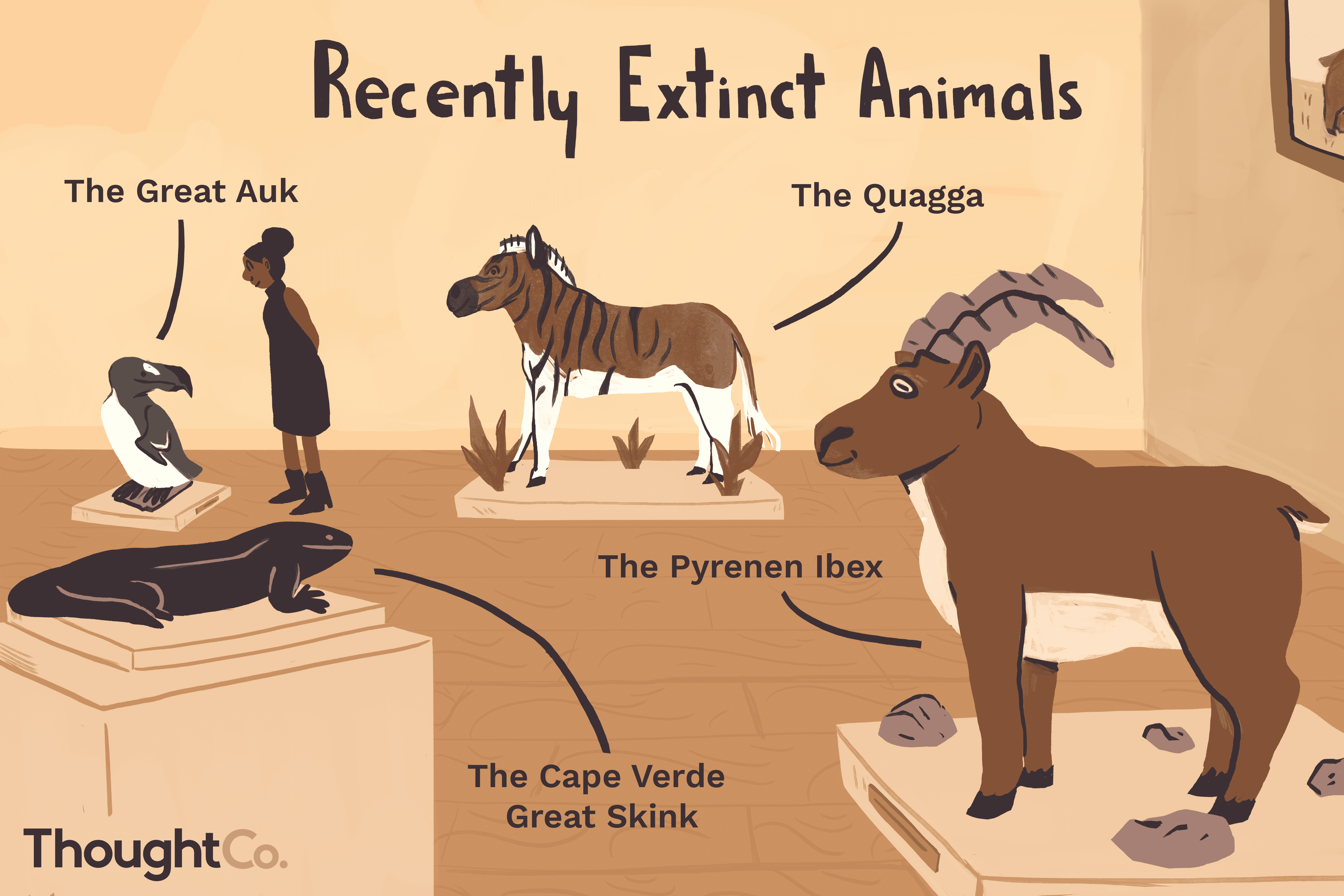
One thing we do know : The western black rhinoceros, the Tasmanian tiger, and the woolly mammoth are among the creatures whose populations at one point dwindled to zero, and it’s possible that species extinction is happening a thousand times more quickly because of humans.
Extinction happens when environmental factors or evolutionary problems cause a species to die out.
The disappearance of species from Earth is ongoing, and rates have varied over time. A quarter of mammals is at risk of extinction, according to IUCN Red list estimates.
To some extent, extinction is natural. Changes to habitats and poor reproductive trends are among the factors that can make a species death rate higher than its birth rate for long enough that eventually, none are left.
Humans also cause other species to become extinct by hunting, over harvesting, introducing invasive species to the wild, polluting, etc..











 Eduindex
You must be logged in to post a comment.